
- Chinese
- French
- German
- Portuguese
- Spanish
- Russian
- Japanese
- Korean
- Arabic
- Irish
- Greek
- Turkish
- Italian
- Danish
- Romanian
- Indonesian
- Czech
- Afrikaans
- Swedish
- Polish
- Basque
- Catalan
- Esperanto
- Hindi
- Lao
- Albanian
- Amharic
- Armenian
- Azerbaijani
- Belarusian
- Bengali
- Bosnian
- Bulgarian
- Cebuano
- Chichewa
- Corsican
- Croatian
- Dutch
- Estonian
- Filipino
- Finnish
- Frisian
- Galician
- Georgian
- Gujarati
- Haitian
- Hausa
- Hawaiian
- Hebrew
- Hmong
- Hungarian
- Icelandic
- Igbo
- Javanese
- Kannada
- Kazakh
- Khmer
- Kurdish
- Kyrgyz
- Latin
- Latvian
- Lithuanian
- Luxembou..
- Macedonian
- Malagasy
- Malay
- Malayalam
- Maltese
- Maori
- Marathi
- Mongolian
- Burmese
- Nepali
- Norwegian
- Pashto
- Persian
- Punjabi
- Serbian
- Sesotho
- Sinhala
- Slovak
- Slovenian
- Somali
- Samoan
- Scots Gaelic
- Shona
- Sindhi
- Sundanese
- Swahili
- Tajik
- Tamil
- Telugu
- Thai
- Ukrainian
- Urdu
- Uzbek
- Vietnamese
- Welsh
- Xhosa
- Yiddish
- Yoruba
- Zulu
- Kinyarwanda
- Tatar
- Oriya
- Turkmen
- Uyghur






Komatsu fuse
When you hear 'Komatsu fuse', the immediate thought is a simple, replaceable component. But in the field, it's rarely that straightforward. The real challenge isn't just the fuse itself, but understanding its role within the entire electrical protection system of a Komatsu machine. A lot of downtime I've seen stems from treating it as a generic item.
The OEM Spec vs. The Aftermarket Reality
Working with an OEM supplier like Jining Gaosong Construction Machinery Co., Ltd. clarifies the intent behind every part. A genuine Komatsu fuse isn't just about the amperage rating. It's about the specific time-current characteristic, the interrupt capacity, and the physical build to withstand vibration. Their role as an OEM product supplier within the Komatsu system means they see the engineering specs first-hand. You can check their platform at https://www.takematsumachinery.com for reference. The fuse is matched to the wire gauge and the load profile of that exact circuit—say, the swing pump on a PC360 or the controller for a WA600 wheel loader.
Now, the common pitfall. A site manager sees a blown 10A fuse, replaces it with a generic 10A auto fuse from the local shop. It works... for a while. Then it blows again, or worse, it doesn't blow when it should and fries a control module. The generic fuse might have a slower blow curve, or it might not seat properly in the Komatsu fuse block, leading to arcing and heat. That's the difference. The part number is a conclusion of a design process.
I recall a case with a D61EX dozer that had recurring fuse failures for the blade lift circuit. The mechanic kept swapping in equivalents. The real issue, discovered later, was a slightly sticky solenoid creating an inrush current spike that was within the tolerance of the OEM fuse but kept popping the aftermarket ones. We were chasing the symptom, not the cause. Using the correct spec fuse from the OEM channel actually helped diagnose the problem because it handled the transient, allowing us to isolate the faulty component.
Supply Chain Gaps and Practical Workarounds
This is where the third-party role of companies like Gaosong becomes critical. Their mission of helping to solve parts supply challenges in certain countries is not just a tagline. In remote mining sites or regions with strained official distribution, waiting weeks for a $5 fuse is a massive cost. Their inventory often includes these small but vital electrical components.
But here's a judgment call we often face: genuine vs. approved alternative. For a main power fuse on the battery line, I'd never compromise. For a fuse on a secondary accessory circuit like a cab light, a high-quality alternative from a known manufacturer like Littelfuse or Bussmann might be acceptable, provided the specs are cross-referenced meticulously. The key is having a supplier who understands this distinction and doesn't just push a generic product.
A failed workaround I've witnessed involved using a higher amperage fuse to stop the nuisance blowing. On an older Komatsu HD785 truck, someone put a 30A fuse where a 25A belonged for the radiator fan motor. The fuse held, but the wiring harness connector overheated and melted, causing a much bigger repair. The fuse did its job; we overrode it. The correct path would have been to source the right 25A fuse and investigate why the original was failing—often a corroded connection increasing resistance.
Beyond the Blade: Fuse Blocks and System Integrity
Focusing solely on the Komatsu fuse element ignores its interface: the fuse block or panel. Over time, these blocks corrode, terminals loosen, and the clips lose their tension. A new fuse in a worn block is a half-measure. You get voltage drop, heat, and unreliable operation. I've spent hours tracing an electrical gremlin only to find it was the fuse block itself failing to make good contact, not the fuse or the downstream component.
When ordering, it's wise to sometimes get the fuse block assembly or at least inspect it. Suppliers that provide these ancillary parts, not just the consumable fuse, show a deeper understanding of repair. A loose fuse won't protect anything. This is a detail often missed in parts catalogs where the fuse is listed in isolation.
Another nuance is the mini vs. regular blade fuse, or the increasingly common micro2 and micro3 types in newer Komatsu models with advanced electronics. They are not interchangeable. Forcing the wrong physical size can damage the block. The model and serial number of the machine, and the specific fuse location code (like E-5 in the electrical diagram), are non-negotiable for correct identification.
The Diagnostic Value of a Fuse
A blown fuse is the first clue in a diagnostic tree. It's not an endpoint. The pattern of the blown element inside can tell a story—a slow overload versus a direct short. A clean, melted break often points to a sustained overload. A shattered or blackened glass window usually indicates a severe short circuit. This tells the technician where to look next.
In computerized machines, a blown fuse for a specific sensor circuit will log a fault code. But sometimes, the code points to the sensor, when the root cause was a poor connection at the fuse panel that caused intermittent operation and eventually fuse failure. So you replace the sensor, clear the code, and the problem returns in two weeks. The sequence matters: always check the fuse and its seating first, before condemning the expensive component.
I keep a log of recurring fuse failures by machine. If a particular machine goes through a certain fuse more often than others in the fleet, it's a red flag for a deeper issue. It's cheap data. Ignoring it leads to predictable, repeated downtime.
Sourcing and the Good Enough Trap
Back to sourcing. The convenience of a local electrical shop is tempting. But for critical machine circuits, the risk isn't worth it. Partnering with a dedicated third-party sales company for Komatsu that has access to OEM-spec parts provides consistency. You're not just buying a component; you're buying the correct application data that comes with it.
The website takematsumachinery.com positions itself in this space. For someone managing a mixed fleet, knowing there's a channel for these specific, often overlooked parts reduces mental load. The question shifts from Where can I find any 15A fuse? to I need the exact 15A fuse for the monitor panel on my PC138US. That precision matters.
Ultimately, the Komatsu fuse is a sentinel. It's a designed failure point. Respecting its specifications is respecting the entire machine's electrical design. Cutting corners here rarely saves money or time. It just defers the cost, usually with interest, to a later, more catastrophic failure. The goal is to have the fuse blow only when absolutely necessary, and to have the right one on hand when it does. That's the balance of practical maintenance.
Related Products
Related Products

Best Selling Products
Best Selling Products-
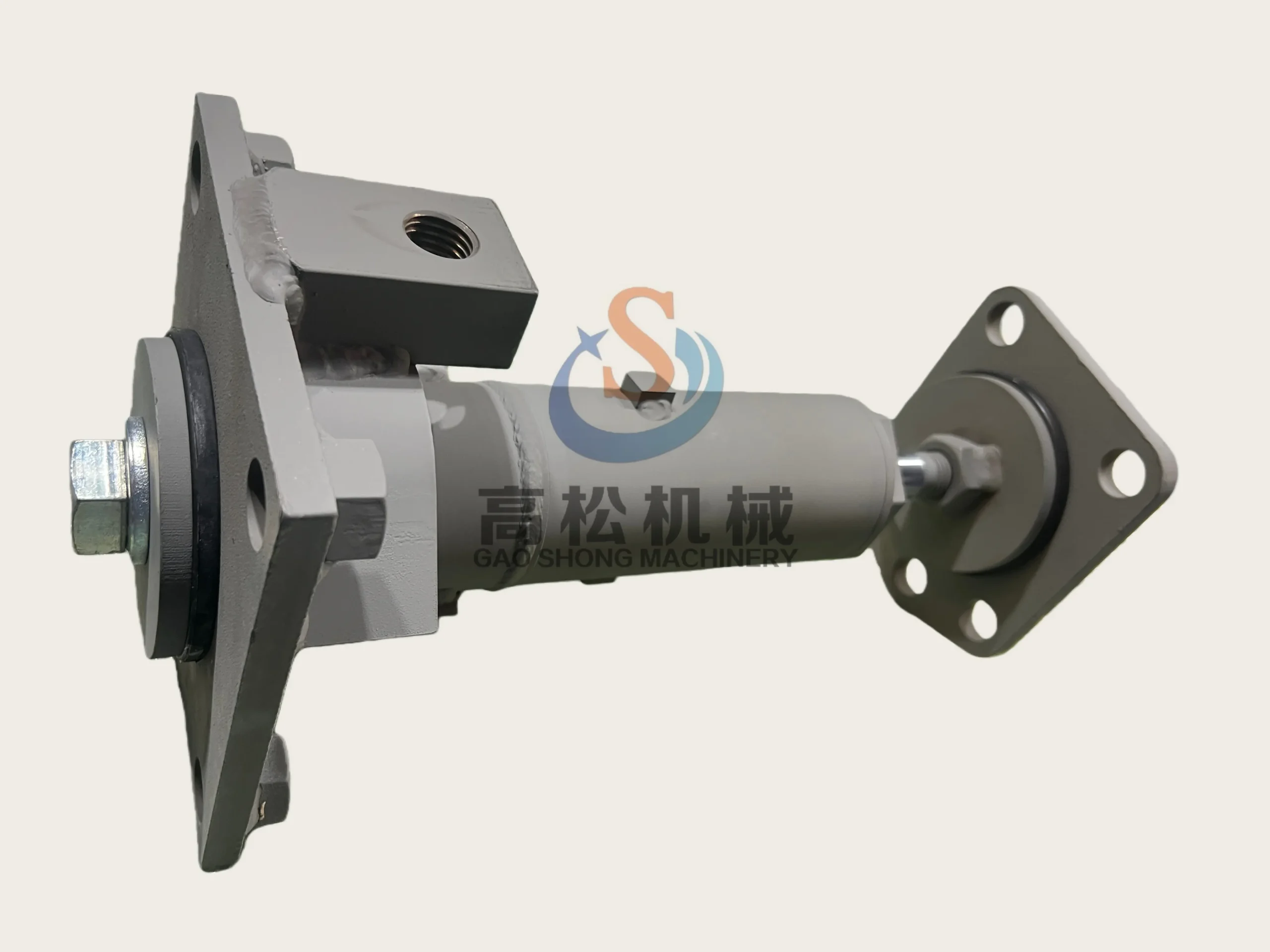 SUSPENSION ASS’Y 17A-54-16201 D155AX-3 D155AX-3 FLOOR FRAME MOUNT
 -
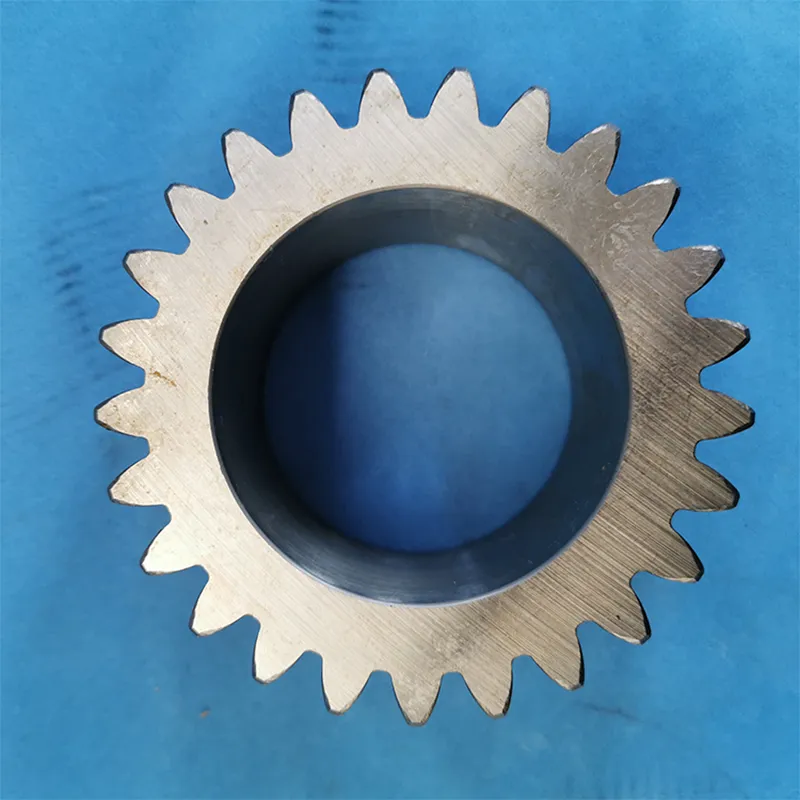 Komatsu original D155A-3 Valve Assembly 17A-49-21100
 -
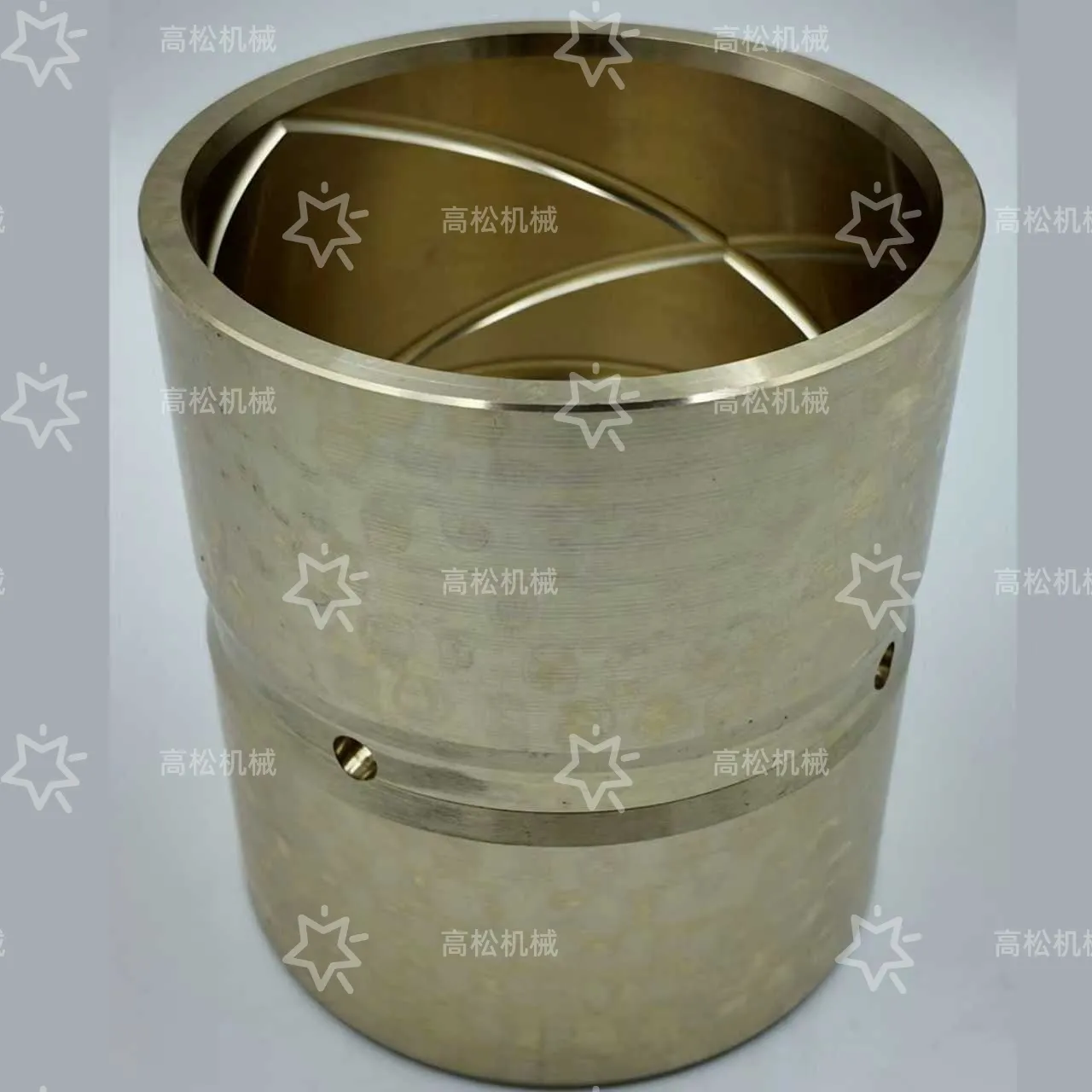 BUSHING 207-70-61610 for KOMATSU PC350-7 PC300LC-7 PC300-8 PC300LC-7L PC300-7
 -
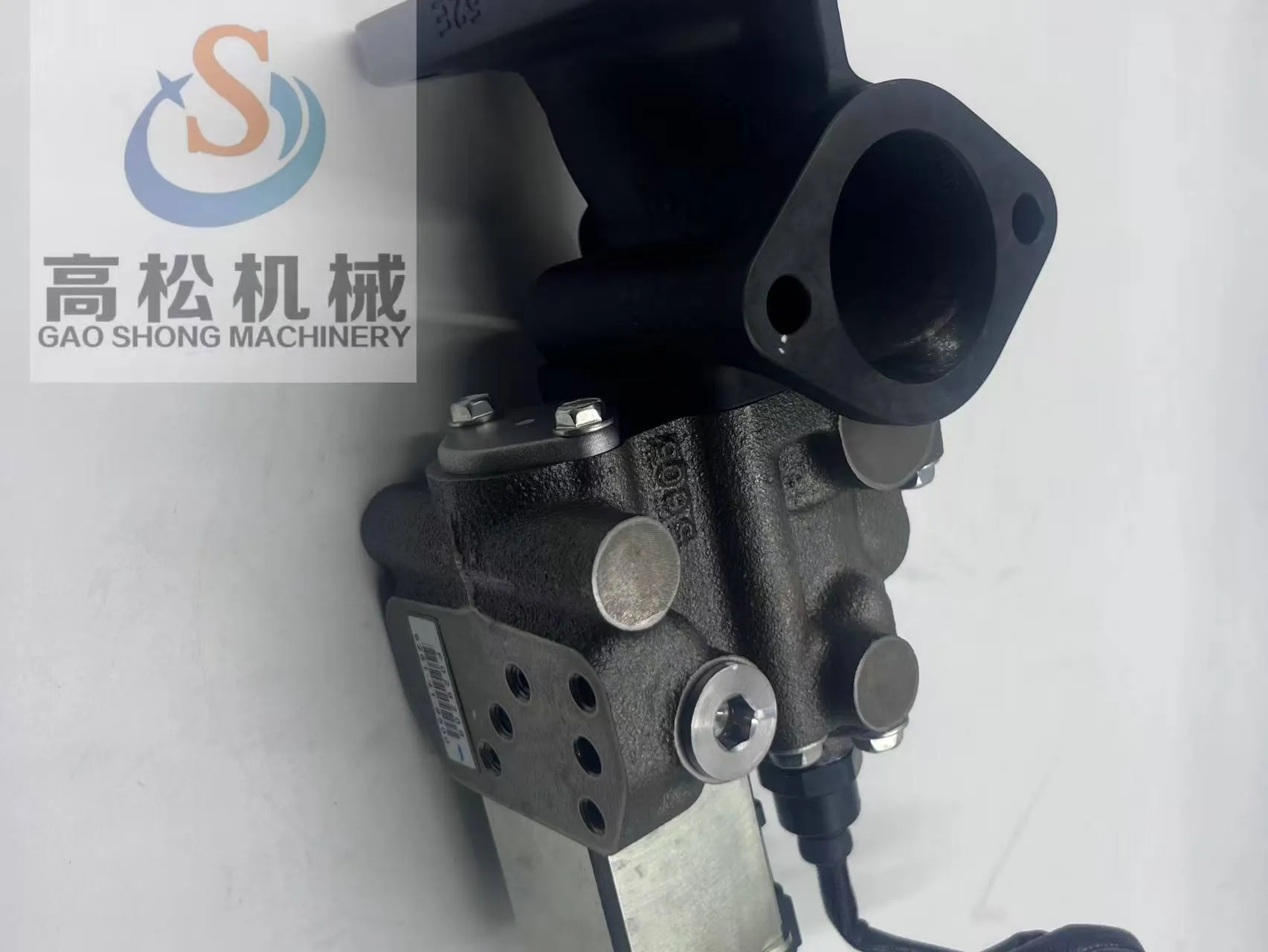 Dump truck HD465-7 valve assembly 6261-41-9500 6261419500
 -
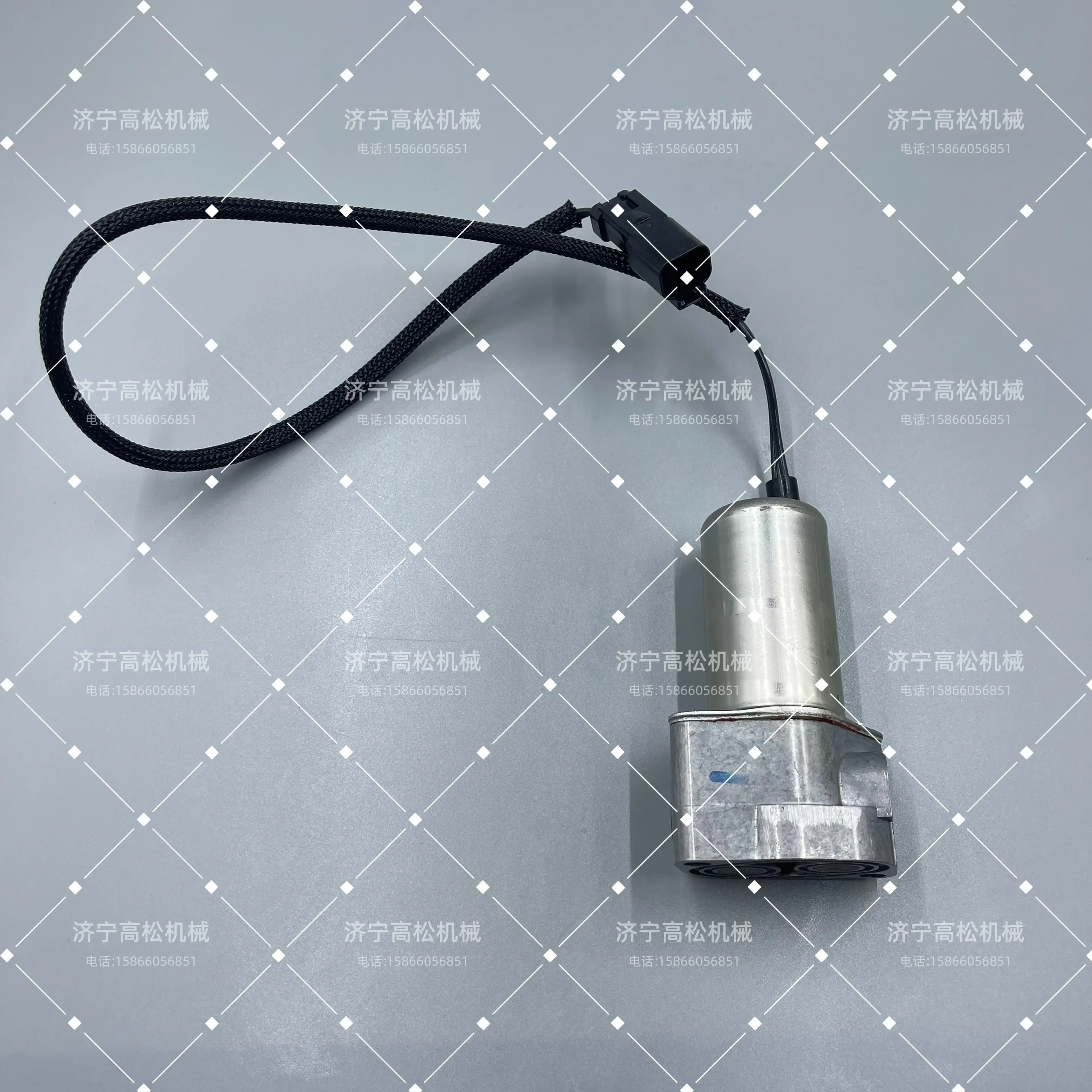 For Komatsu 702-21-07620 7022107620 High Quality Hydraulic…
 -
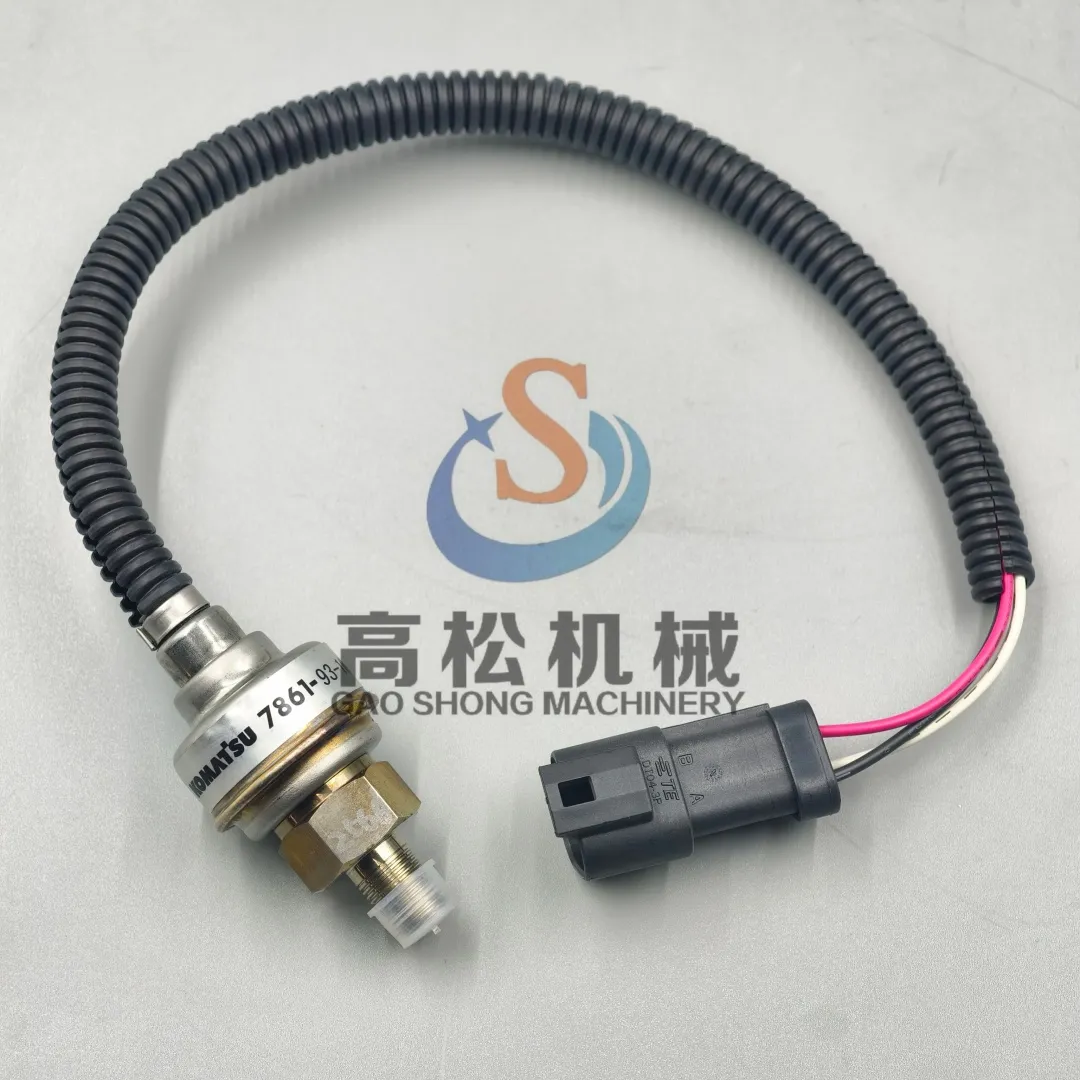 7861-93-1670 Main Pressure Sensor For Komatsu Bulldozers Parts D375 D475
 -
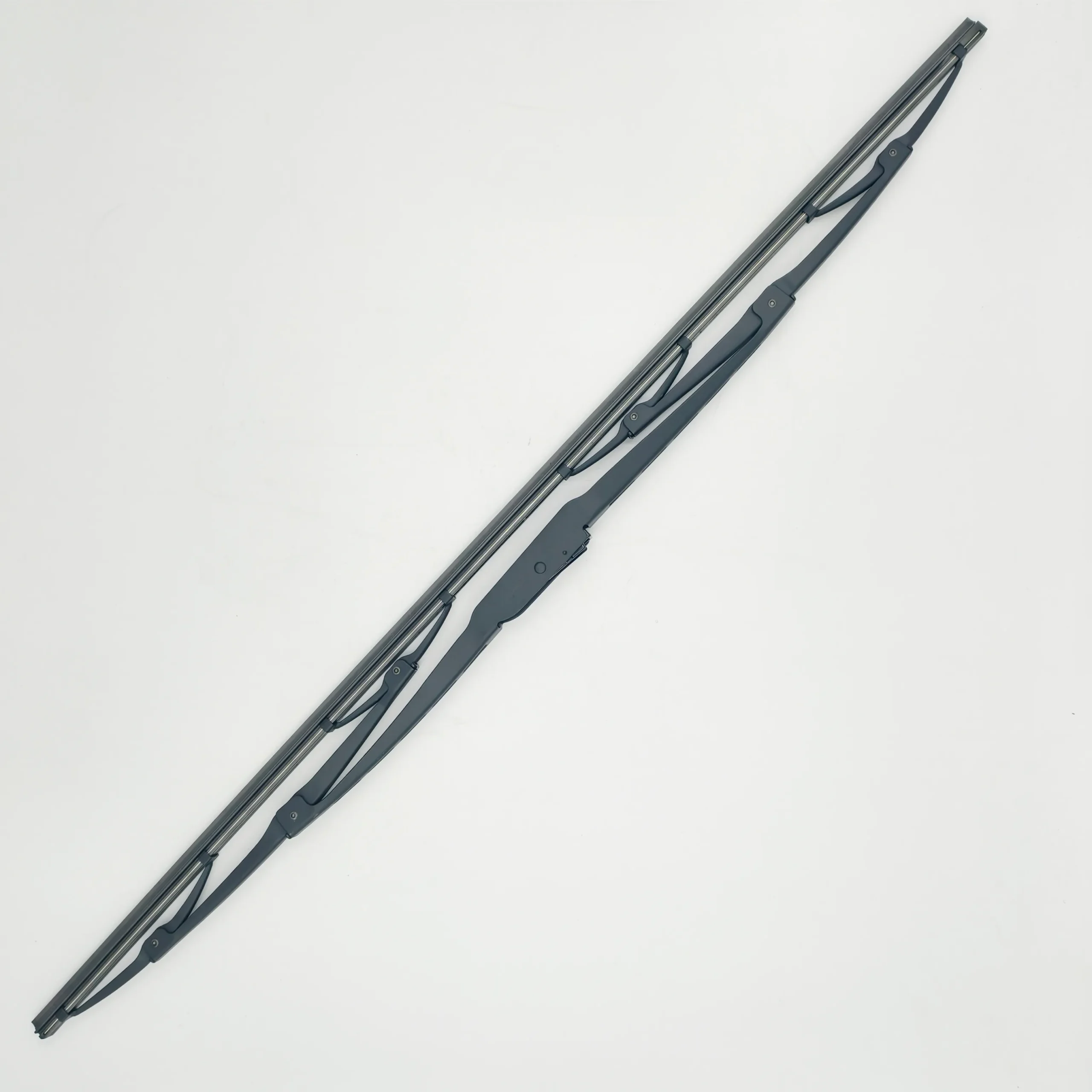 56B-54-13240 BLADE, WIPER
 -
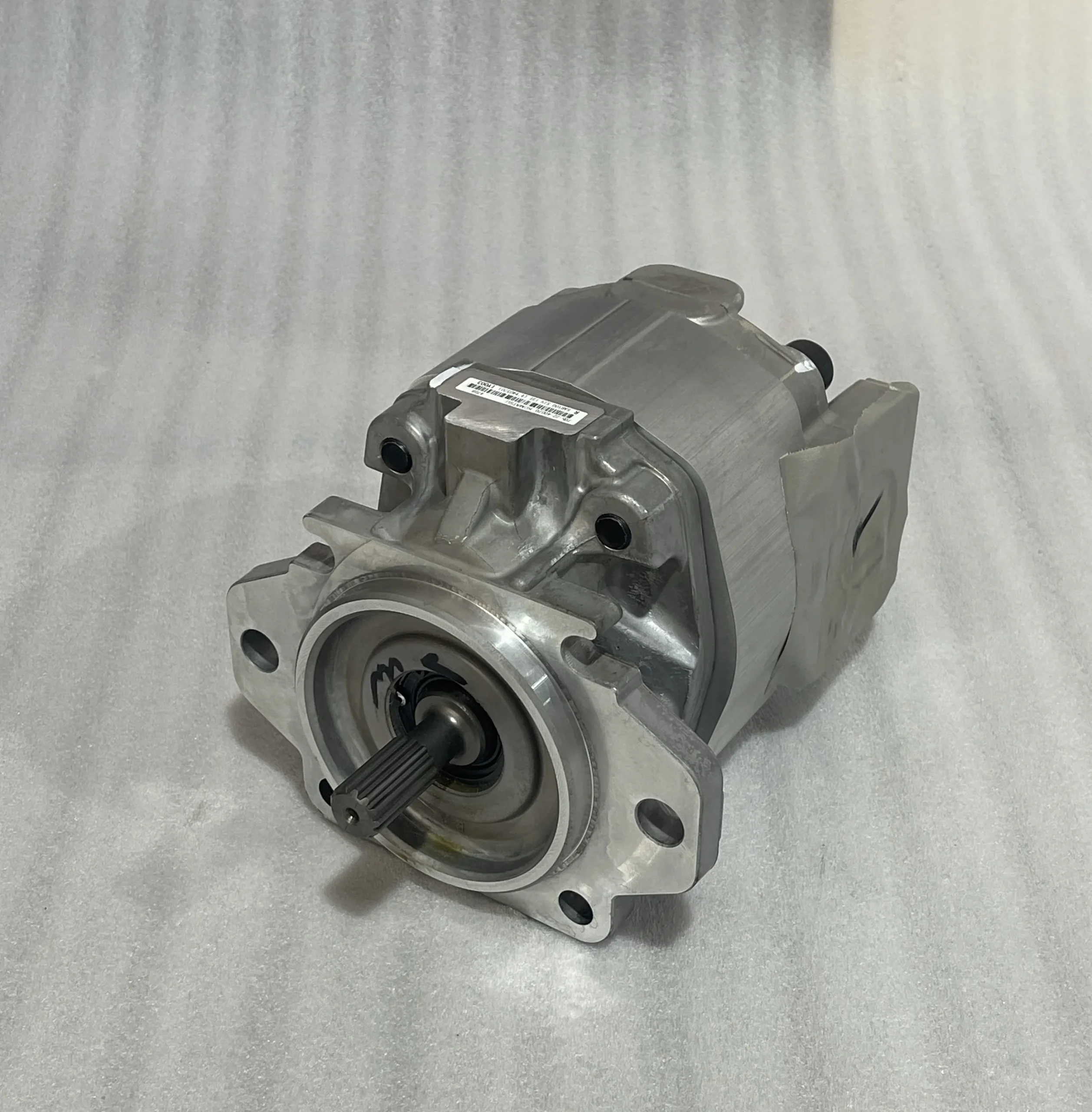 WA470-3 Gear Pump 705-22-40070
 -
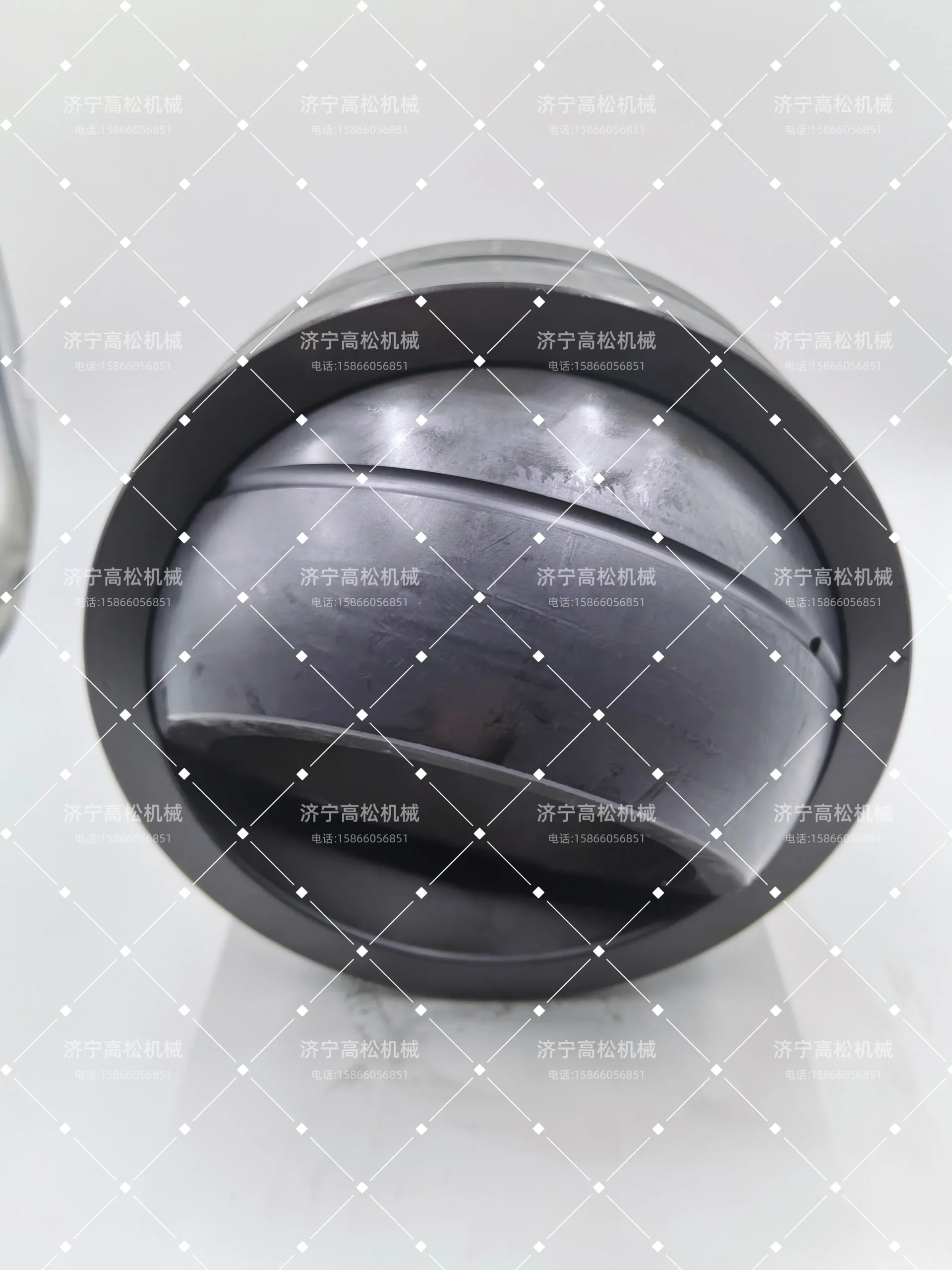 707-46-14010 Spherical Bearing for Komatsu Equipment…
 -
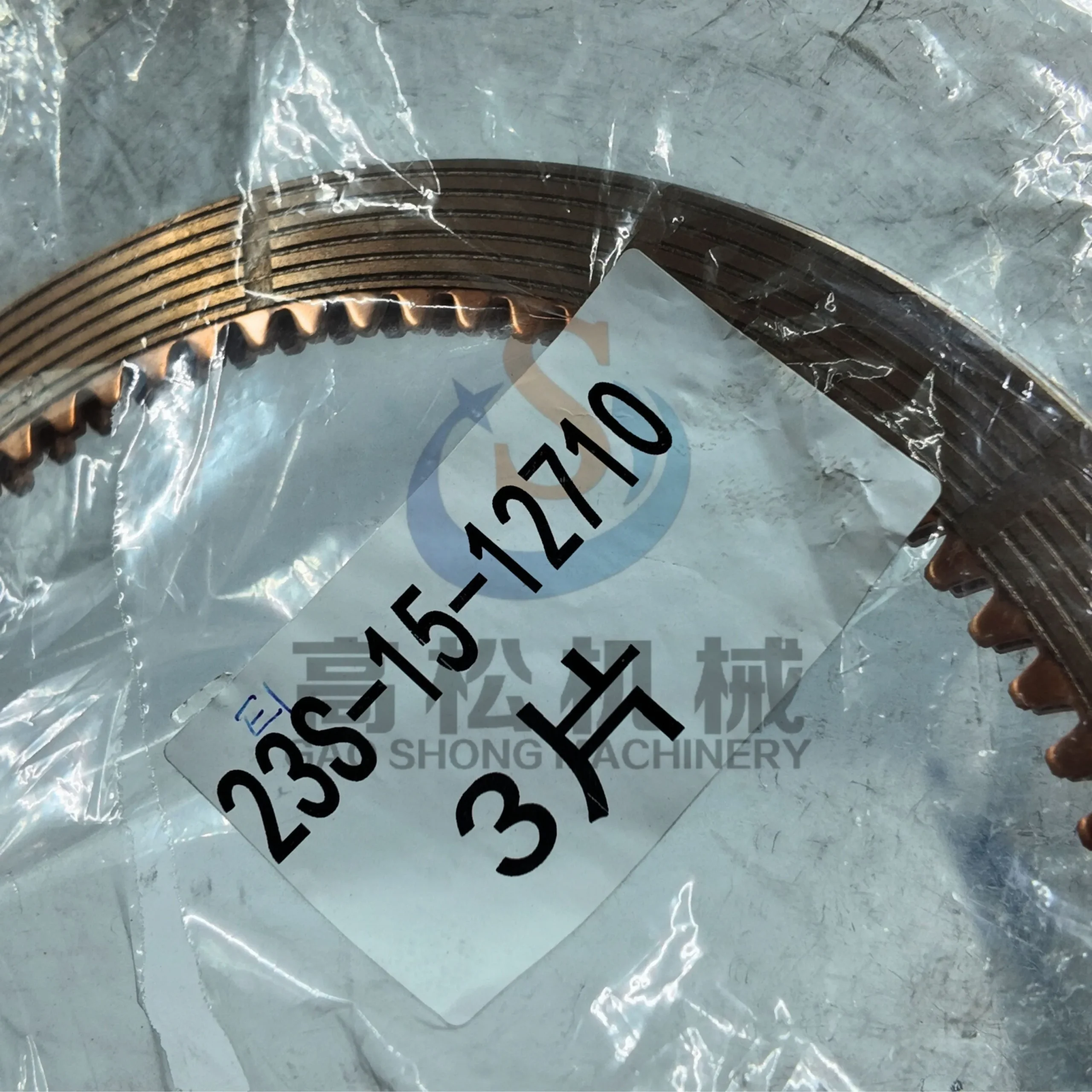
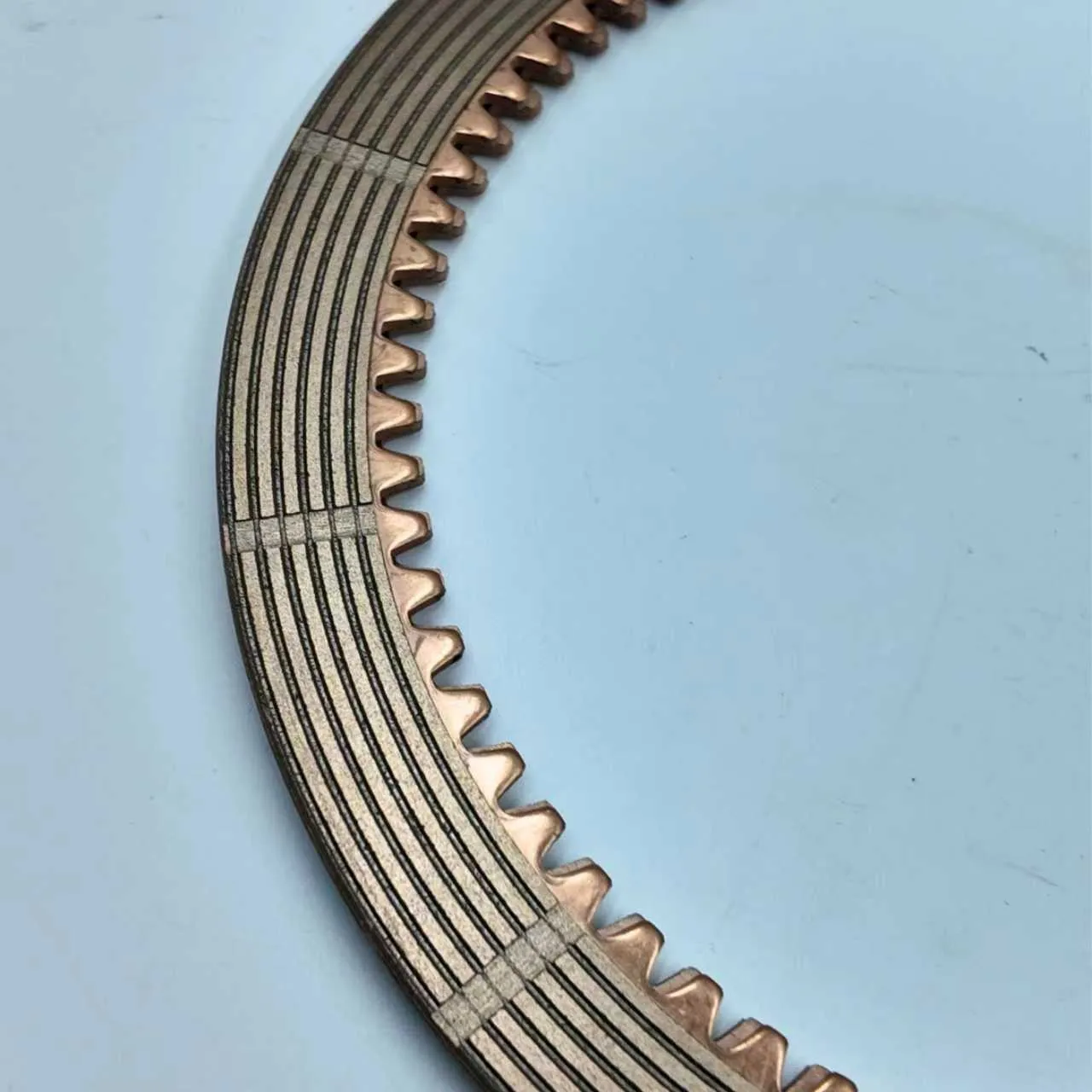 23S-15-12710 Komatsu Disc
 -
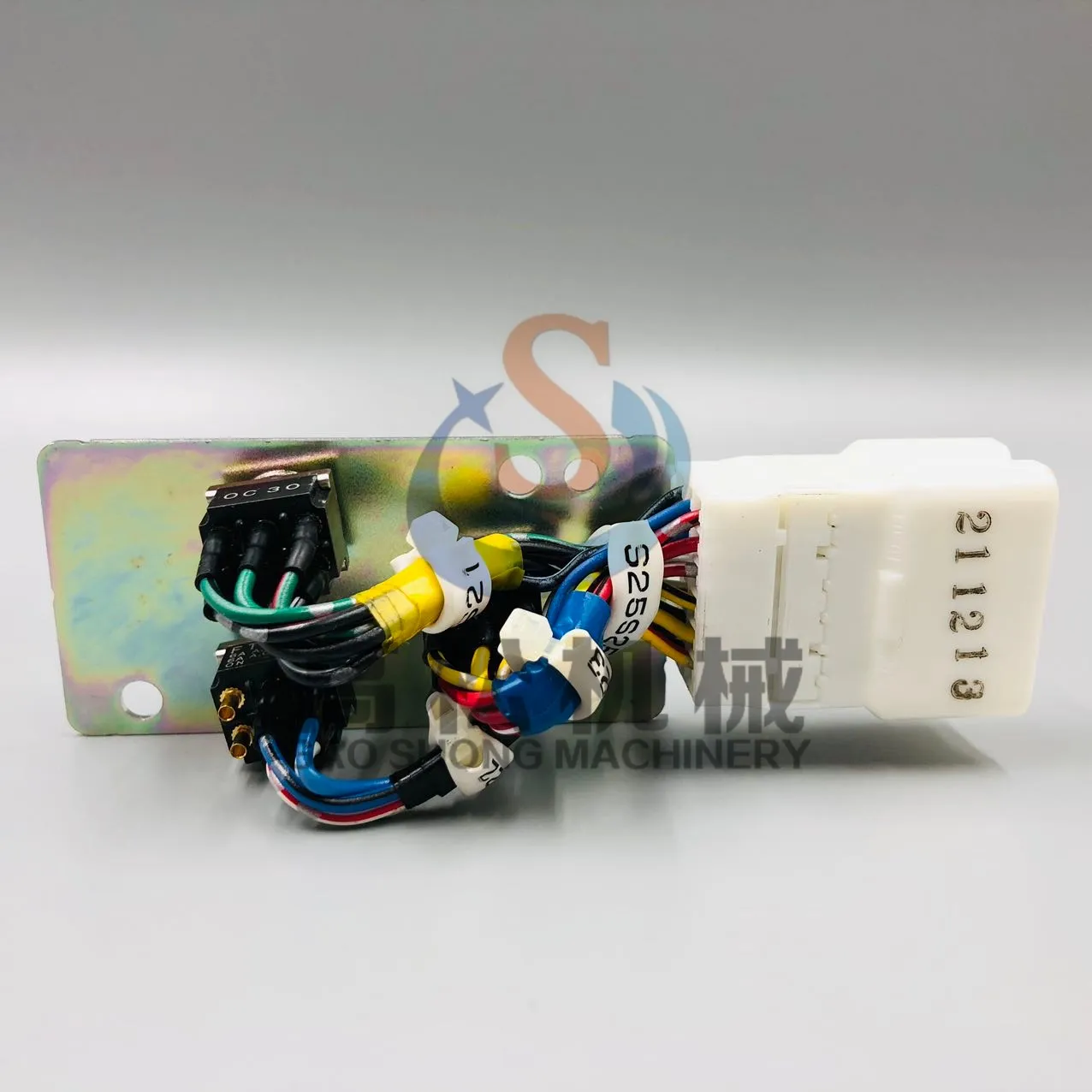 SWITCH ASS’Y 22U-06-22370 – KOMATSU
 -
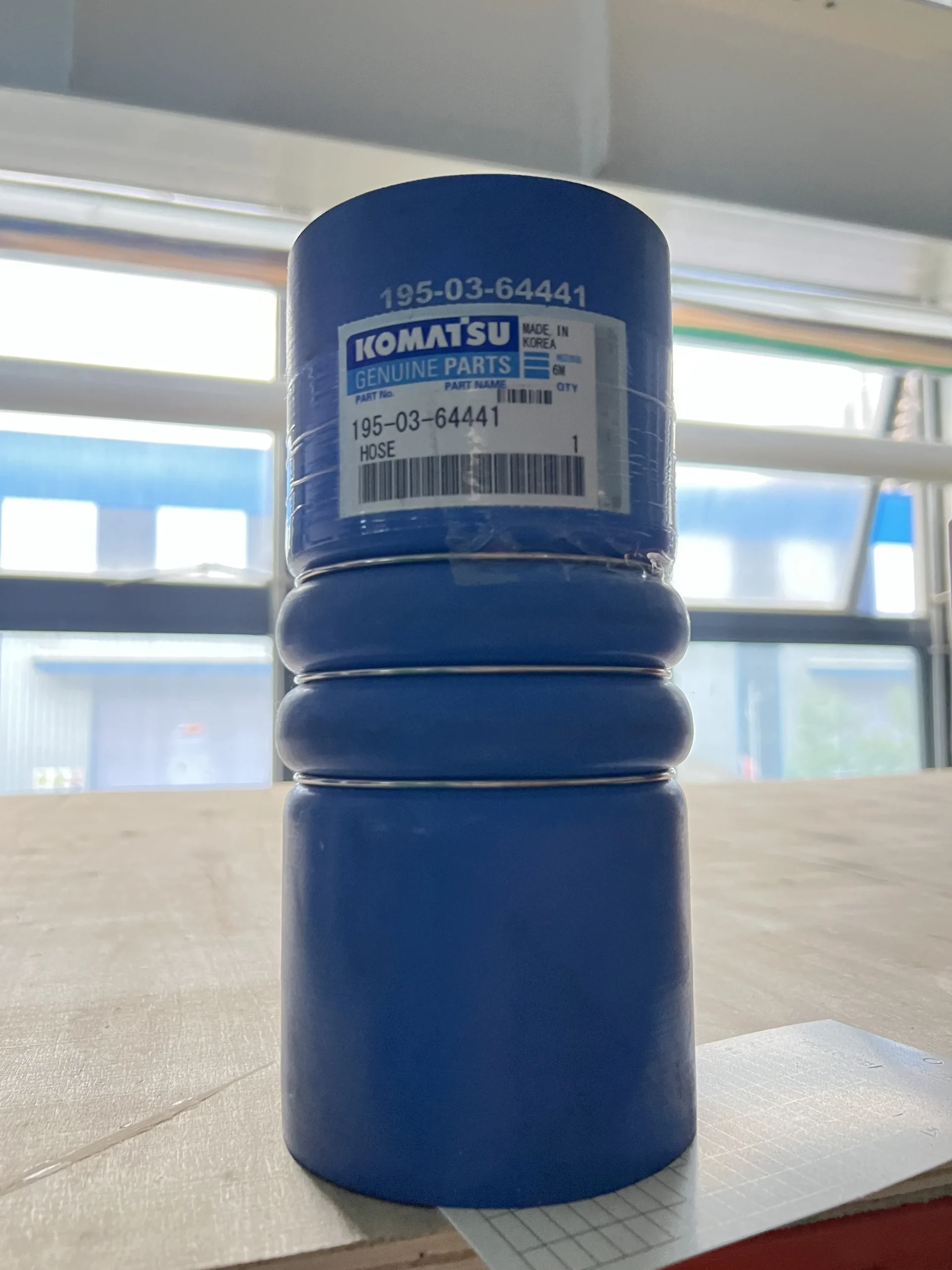 Intercooler Air Hose 195-03-64441 for Komatsu D375A-5