
- Chinese
- French
- German
- Portuguese
- Spanish
- Russian
- Japanese
- Korean
- Arabic
- Irish
- Greek
- Turkish
- Italian
- Danish
- Romanian
- Indonesian
- Czech
- Afrikaans
- Swedish
- Polish
- Basque
- Catalan
- Esperanto
- Hindi
- Lao
- Albanian
- Amharic
- Armenian
- Azerbaijani
- Belarusian
- Bengali
- Bosnian
- Bulgarian
- Cebuano
- Chichewa
- Corsican
- Croatian
- Dutch
- Estonian
- Filipino
- Finnish
- Frisian
- Galician
- Georgian
- Gujarati
- Haitian
- Hausa
- Hawaiian
- Hebrew
- Hmong
- Hungarian
- Icelandic
- Igbo
- Javanese
- Kannada
- Kazakh
- Khmer
- Kurdish
- Kyrgyz
- Latin
- Latvian
- Lithuanian
- Luxembou..
- Macedonian
- Malagasy
- Malay
- Malayalam
- Maltese
- Maori
- Marathi
- Mongolian
- Burmese
- Nepali
- Norwegian
- Pashto
- Persian
- Punjabi
- Serbian
- Sesotho
- Sinhala
- Slovak
- Slovenian
- Somali
- Samoan
- Scots Gaelic
- Shona
- Sindhi
- Sundanese
- Swahili
- Tajik
- Tamil
- Telugu
- Thai
- Ukrainian
- Urdu
- Uzbek
- Vietnamese
- Welsh
- Xhosa
- Yiddish
- Yoruba
- Zulu
- Kinyarwanda
- Tatar
- Oriya
- Turkmen
- Uyghur






Komatsu fuel injector
You look up a Komatsu fuel injector, you get a part number, maybe a price. That's where most people stop. The real story starts when you realize that number is just a key, and the lock it opens is a world of system dependencies, counterfeit risks, and performance nuances that a spec sheet never tells you. It's not just a component; it's a pressure-sealed decision point for your entire fuel system's health.
The OEM Promise and the On-Ground Reality
Working with genuine Komatsu parts, you develop a feel for them. The machining on the nozzle, the specific finish on the solenoid connector—it has a consistency. When you're dealing with a direct channel, like an official supplier, that consistency is a given. But the supply chain isn't always that clean. This is where entities like Jining Gaosong Construction Machinery Co., Ltd. carve out their niche. They position themselves as an OEM product supplier within the Komatsu system, which is a specific kind of partnership. It implies access to the genuine production line, not just a warehouse of bought parts. Their site, https://www.takematsumachinery.com, frames their role around solving parts supply challenges in certain countries. That phrase supply challenges is industry code for a dozen headaches: import restrictions, long lead times from primary distributors, or markets flooded with look-alike parts.
So, when a Komatsu fuel injector is needed urgently for a PC300-8 in a remote location, the theoretical purity of an OEM-only policy collides with the reality of a $10k/day downtime cost. Does a company like this provide a viable bridge? Possibly. But the critical question shifts from Is it OEM? to How verifiable is its OEM lineage? The risk isn't just in getting a part that fails; it's in getting one that almost works but causes cascading damage to the common rail or pump over 500 hours.
I've seen injectors from ambiguous sources that had correct packaging and even passed a basic bench test. The failure mode was subtle—a slightly slower response time that the machine's ECM compensated for by tweaking timing, leading to a gradual but significant loss in fuel efficiency and power. You wouldn't trace it back immediately. You'd blame the operator, the fuel quality, anything but the new injector. That's the insidious nature of parts that are almost right.
Dissecting the Injector: More Than a Spray Pattern
Let's get technical for a moment, but practically. A Komatsu D61EXi-12's injector isn't interchangeable with a PC210's, even if they look similar. The calibration data, the so-called QR code or trimming code, is married to that specific engine's ECU. Swapping one without coding the ECU—or using a clone that can't hold its calibration under heat—is a recipe for a derate or a fault code that sends you down a rabbit hole. The professional move isn't just replacement; it's system reconciliation.
This is where the third-party sales model, as mentioned by Gaosong, gets interesting. A pure third-party seller might just source and ship. A company embedded as an OEM supplier within the Komatsu system might have better access to the technical bulletins, the updated calibration protocols, or even batches of injectors from specific production runs known to be stable. That's the value proposition beyond the box. It's about contextual knowledge, not just inventory.
I remember a batch of -60 series excavators that had persistent injector sticking issues. The official fix was a whole new part number, superseding the old one. A savvy supplier in the know would not only have the new physical part but could tell you the service bulletin number, the change in the needle valve coating, and recommend flushing the rail thoroughly before installation to avoid contaminating the new set. That's the difference between selling a part and solving a problem.
Failure Points and Diagnostic Pitfalls
Too often, the injector is the scapegoat. High-pressure pump wear sends metal debris through the rail, destroying a perfectly good injector. You replace the injector, the debris remains, and the new one fails in weeks. The real fix is a full system flush and pump replacement—a costly lesson. A reliable supplier's role should extend to asking diagnostic questions: What were the fault codes? Did you test the return flow? Any metal in the fuel filter? If they just take an order for a single Komatsu fuel injector, they're part of the cycle of wasted money.
Another common pitfall is ignoring the electrical side. The connector, the wiring harness back to the ECU—corrosion or a weak connection can mimic injector failure. I've wasted hours swapping a good injector because a pin in the harness connector was slightly backed out, causing an intermittent open circuit. The diagnostic software said Injector Circuit Open, and my brain defaulted to component failure, not connection integrity.
Then there's the remanufactured versus new debate. A properly reman'd injector from a certified shop can be as good as new, often with the same warranty. But remanufactured is a broad term. Does it mean new nozzle, solenoid, and body, tested to original specs? Or does it mean cleaned, re-shimmed, and painted? The price difference tells a story, but not the whole one. A supplier's transparency here is key.
The Value of a Niche Supplier in a Global Chain
Looking at https://www.takematsumachinery.com and their stated mission, their potential value isn't in competing with Komatsu's main distribution on price or availability for common parts. It's in being a specialist node for specific, hard-to-source items or for markets the main chain serves poorly. Can they get a genuine Komatsu fuel injector for a decade-old model that's been phased out of primary inventory? That's the test. Their claim of being within the Komatsu system suggests they might have avenues to legacy stock or alternate warehouses that a standard parts counter doesn't.
This model relies heavily on trust and verification. For a fleet manager, the first order is always a trial. You order one injector, not a set. You install it, monitor its performance data via the machine's telemetry or software, compare its operation to the others on the bank. You check for the microscopic OEM markings. You look for the correct, secure packaging that includes new seals and installation instructions—not just a part thrown in a generic box.
The relationship becomes valuable if they can also provide the ancillary items correctly: the copper crush washers that are one-time-use, the correct O-rings for the fuel line, and the torque specs for the hold-down clamp. A missing crush washer can mean a high-pressure leak that airlocks the system, causing a no-start and another round of faulty diagnostics.
Closing the Loop: Practical Judgment
So, what's the takeaway? A Komatsu fuel injector is a precision instrument. Sourcing it is an exercise in risk management. An entity like Jining Gaosong presents a hybrid solution: the alleged access of an OEM supplier with the flexibility of a third-party. Their usefulness hinges entirely on the authenticity and technical acumen they bring. For a critical component like this, they must be more than a logistics company; they need to be a technical resource.
The final judgment is never just on the part itself. It's on the ecosystem around it: the knowledge of the seller, the support they offer post-sale, their willingness to stand behind the part not just with a warranty, but with troubleshooting support. Does their website, their communication, reflect a deep, practical understanding of Komatsu machines, or is it just a parts catalog? That distinction is everything.
In the field, you learn to weigh cost against certainty, and availability against risk. Sometimes, a trusted niche supplier bridging those supply challenges is the most pragmatic, professional choice you can make. But the trust is earned one injector, one correct torque spec, one helpful technical note at a time. It's never assumed from a website tagline alone.
Related Products
Related Products

Best Selling Products
Best Selling Products-
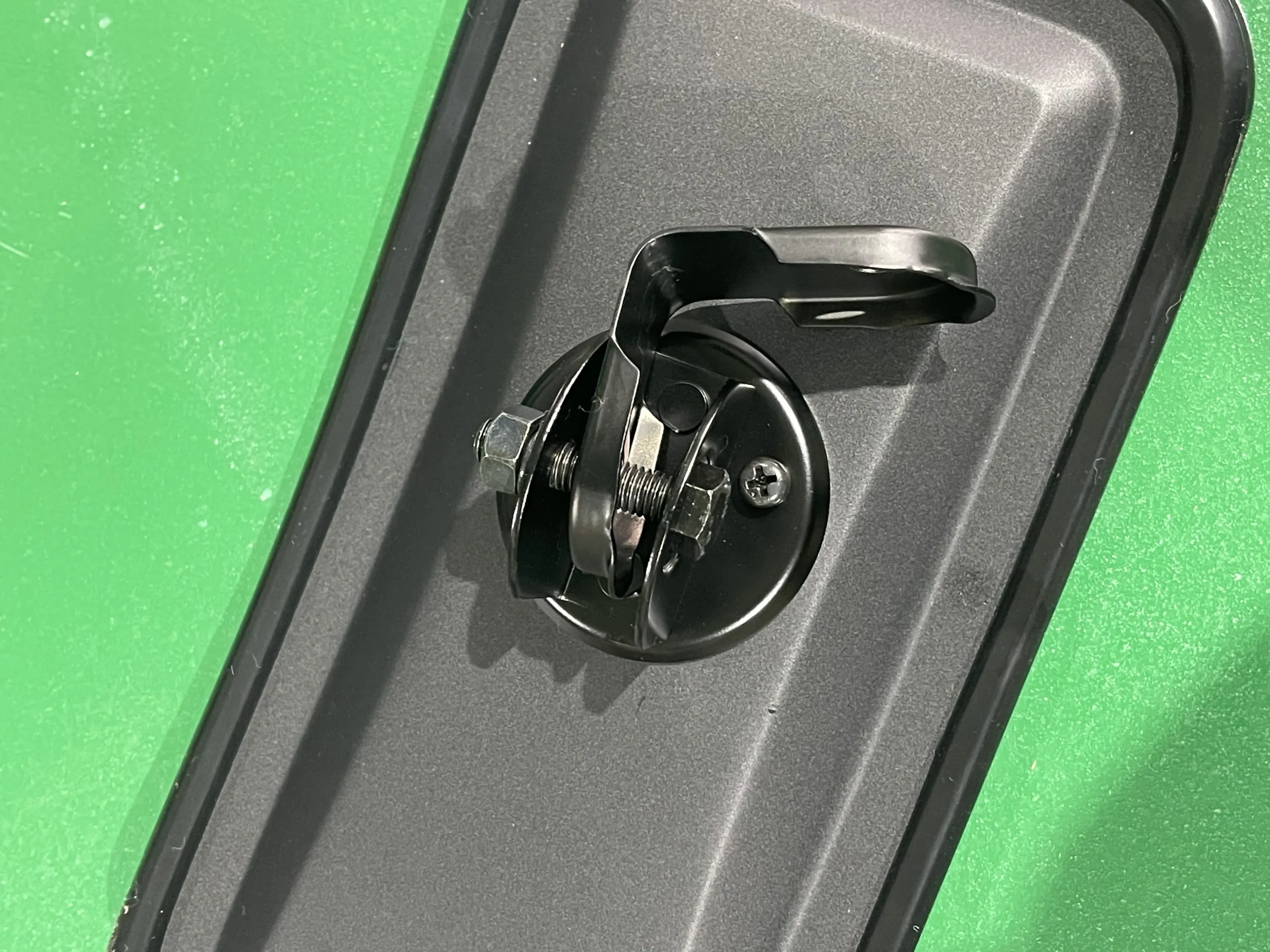 Komatsu 195-Z11-2180 Dozer Replacement Mirror
 -
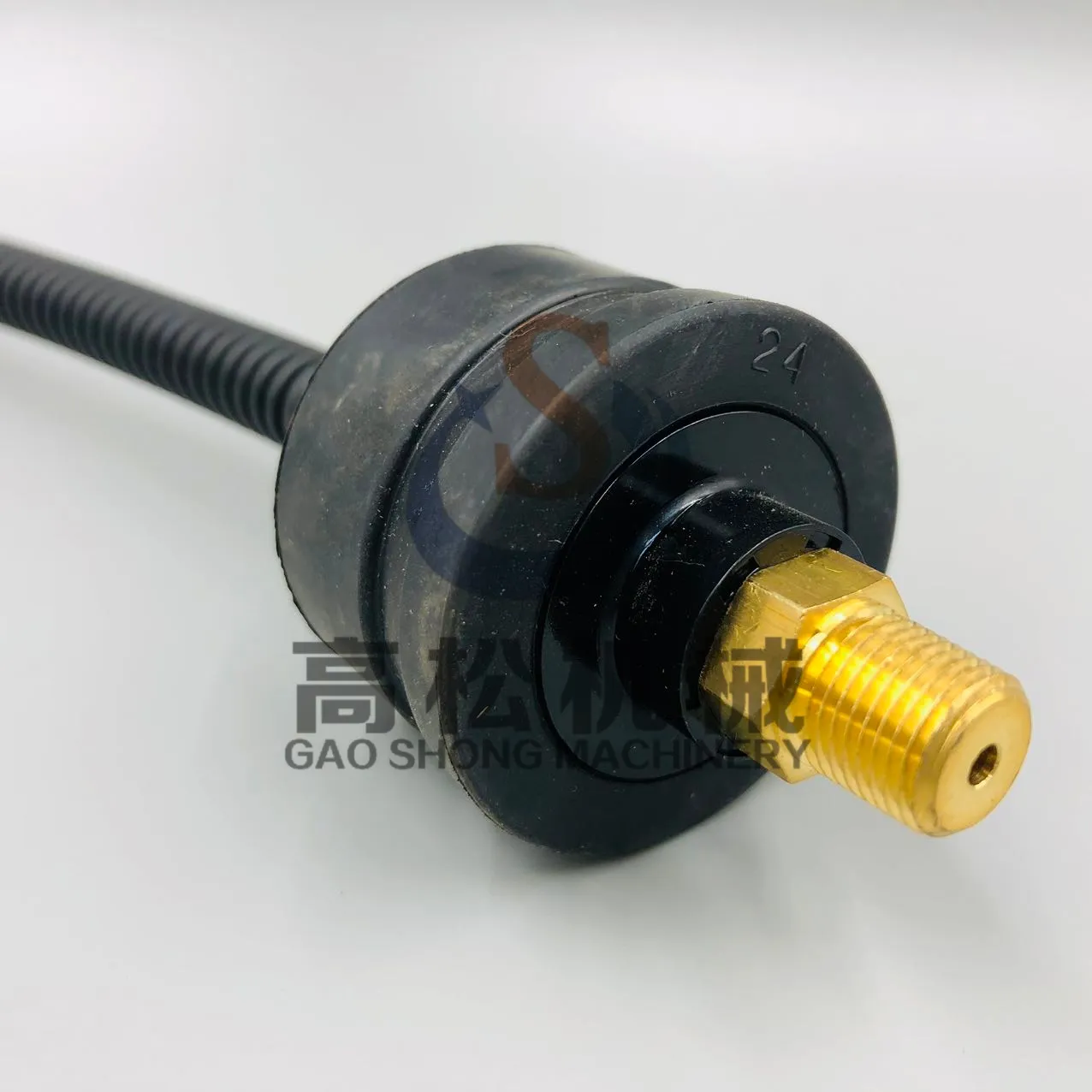 7861-93-1430Komatsu Sensor, Dust Indicator
 -
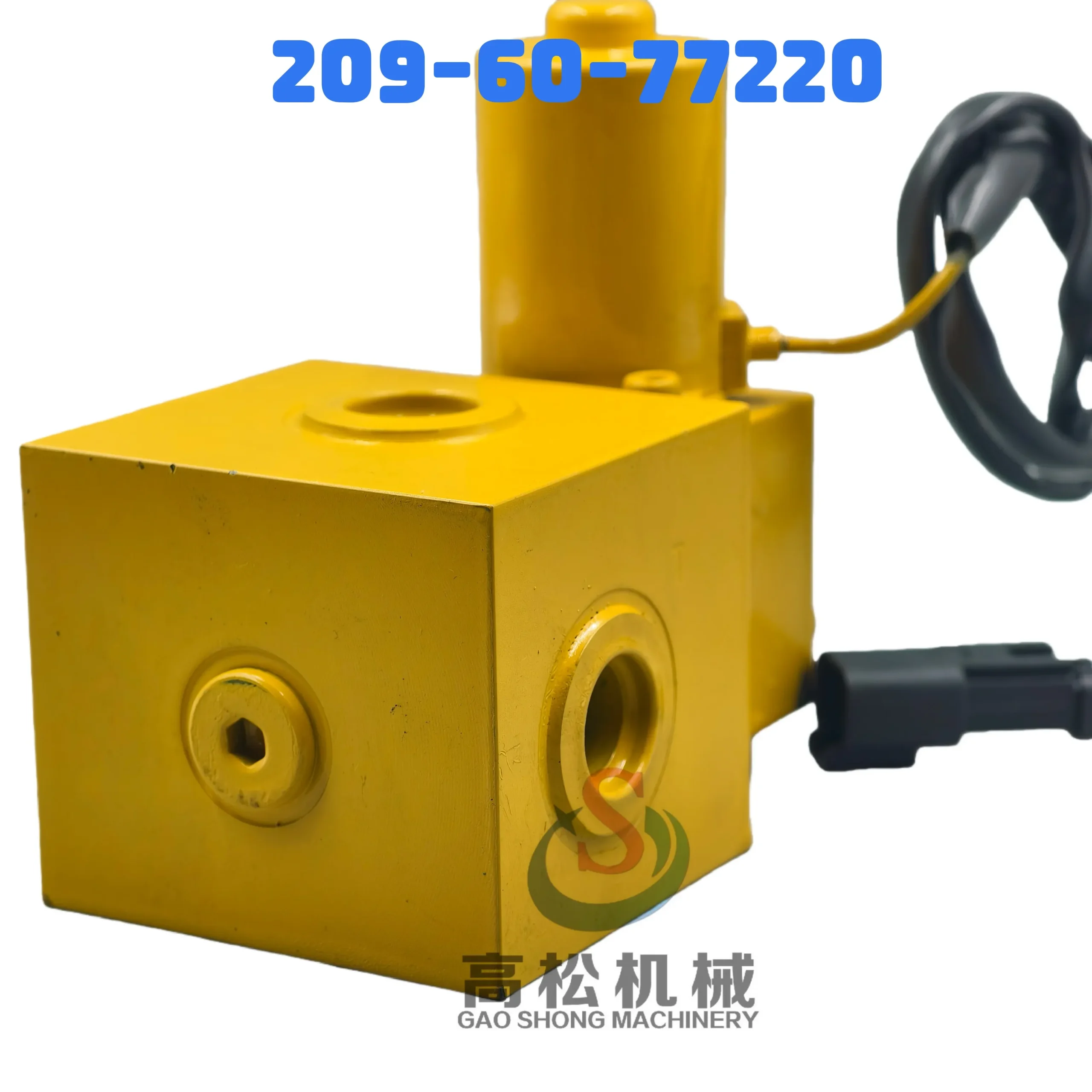 Valve 209-60-77220 for Komatsu
 -
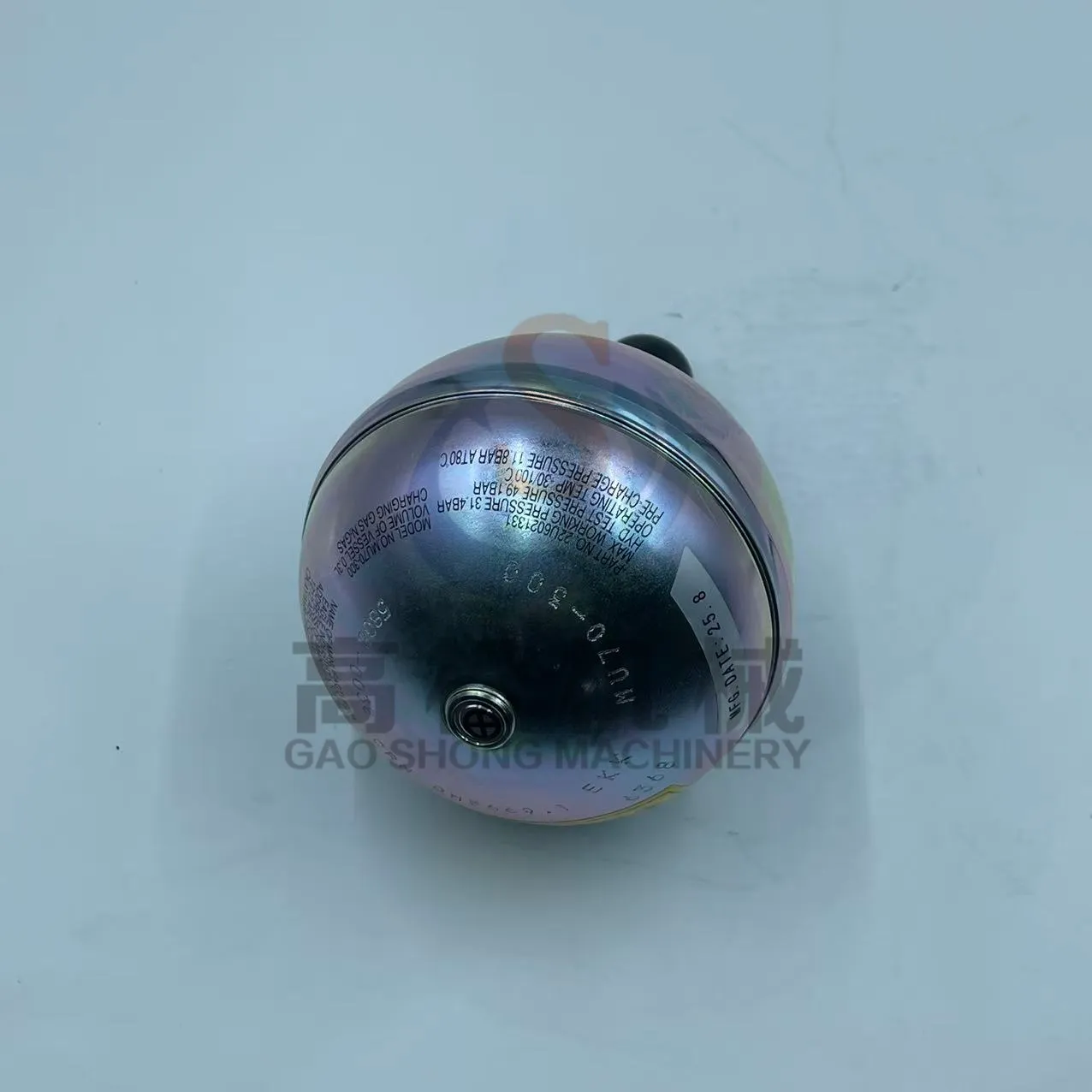 PC210 Excavator Accumulator 22U-60-21331 22U6021331 for Excavator PC300-8 PC350-8 PC130-8 PC200-8 PC220LC-8
 -
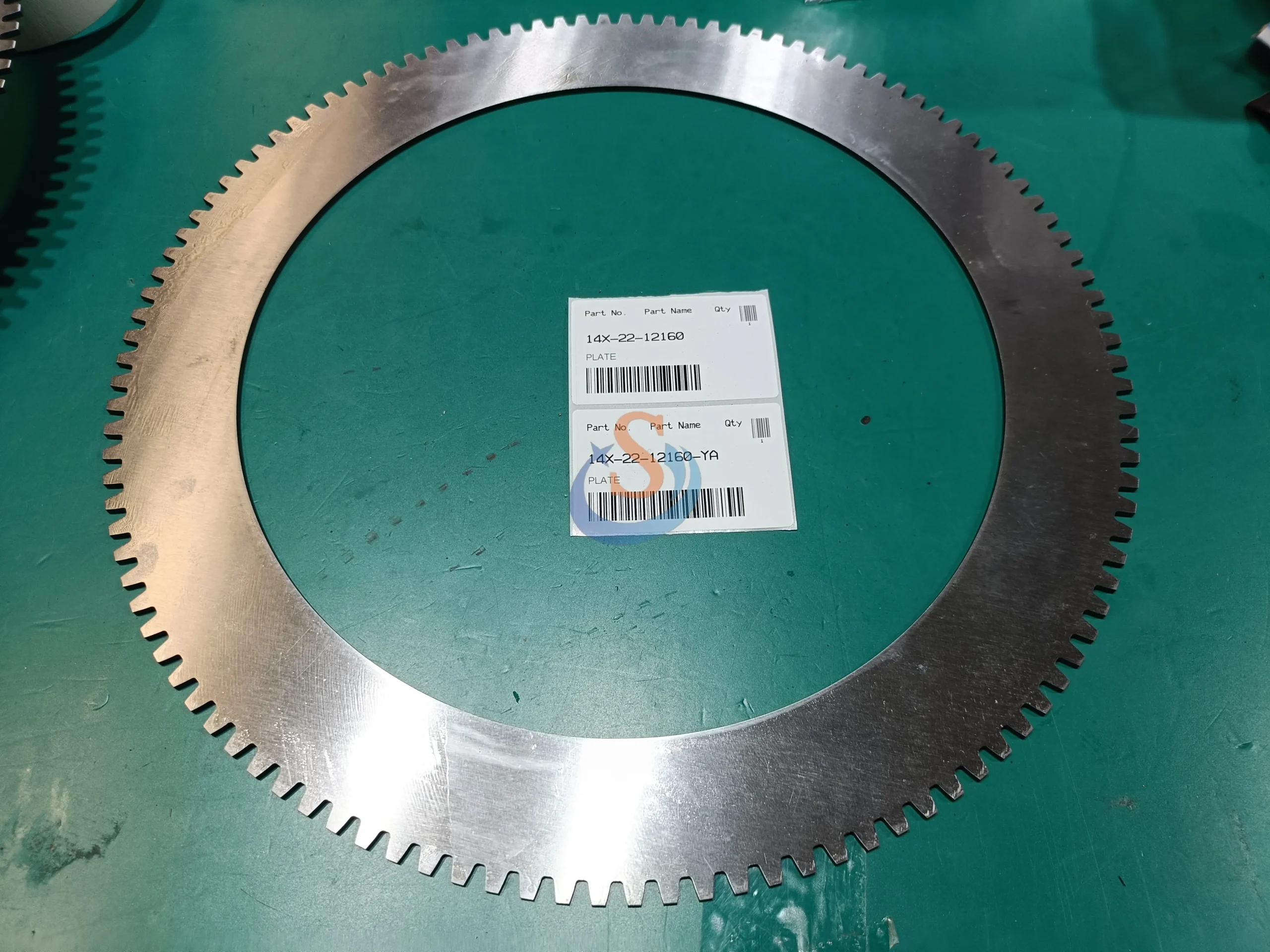 14X-22-12160,PLATE,D275A,D85ESS,D65E
 -
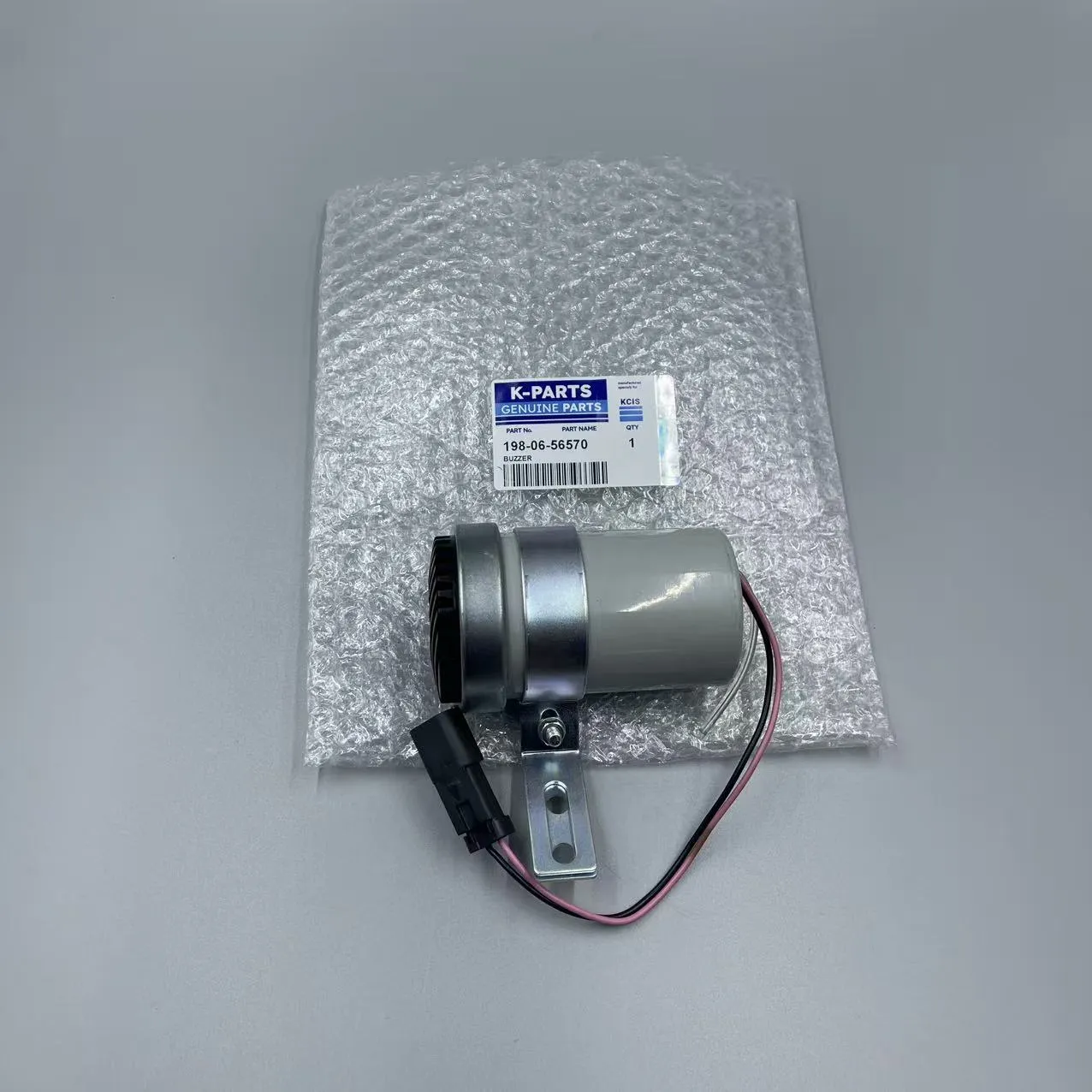 Buzzer198-06-56570
 -
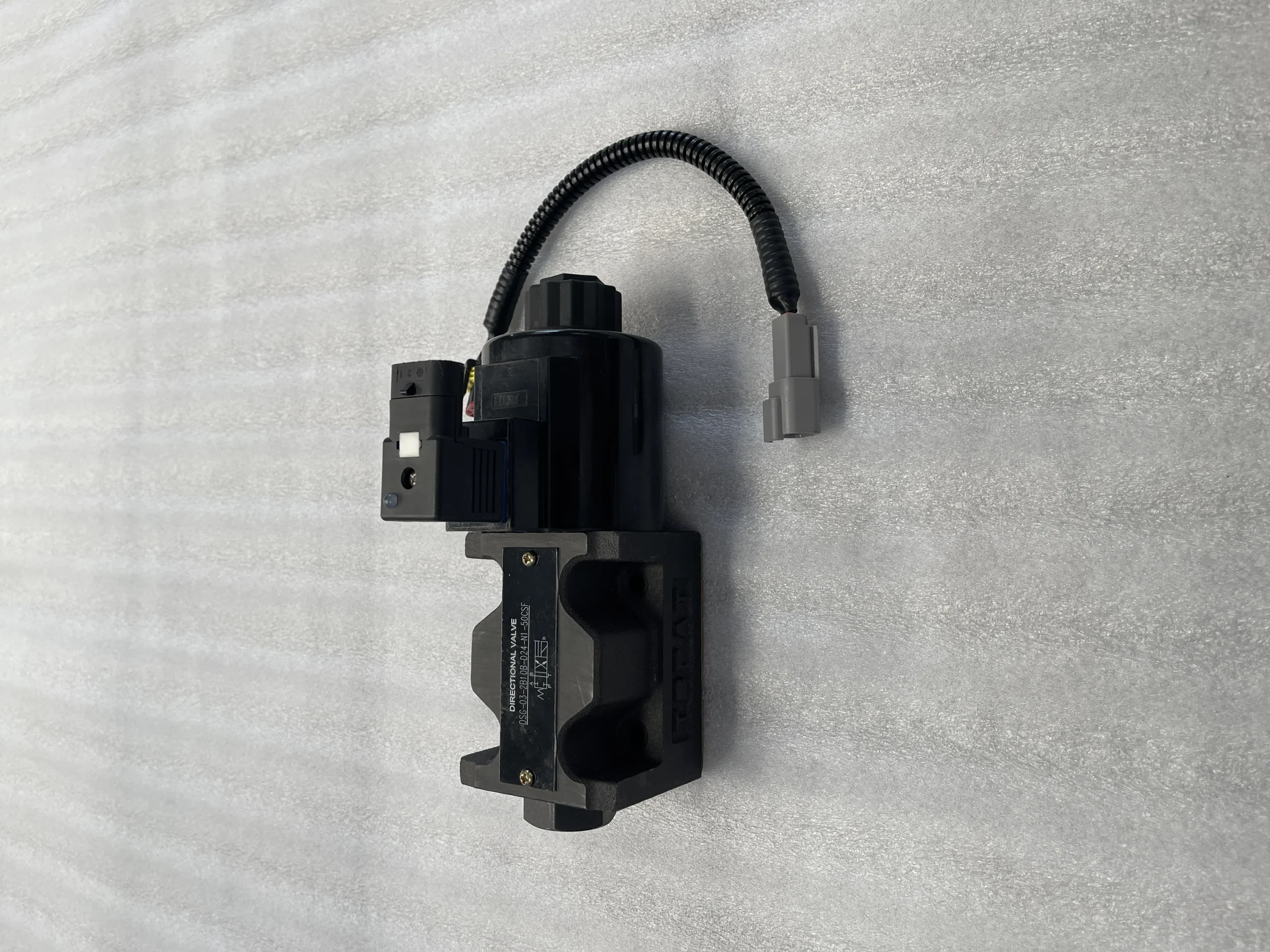 HD785-7 Electromagnetic Valve 561-43-8A881
 -
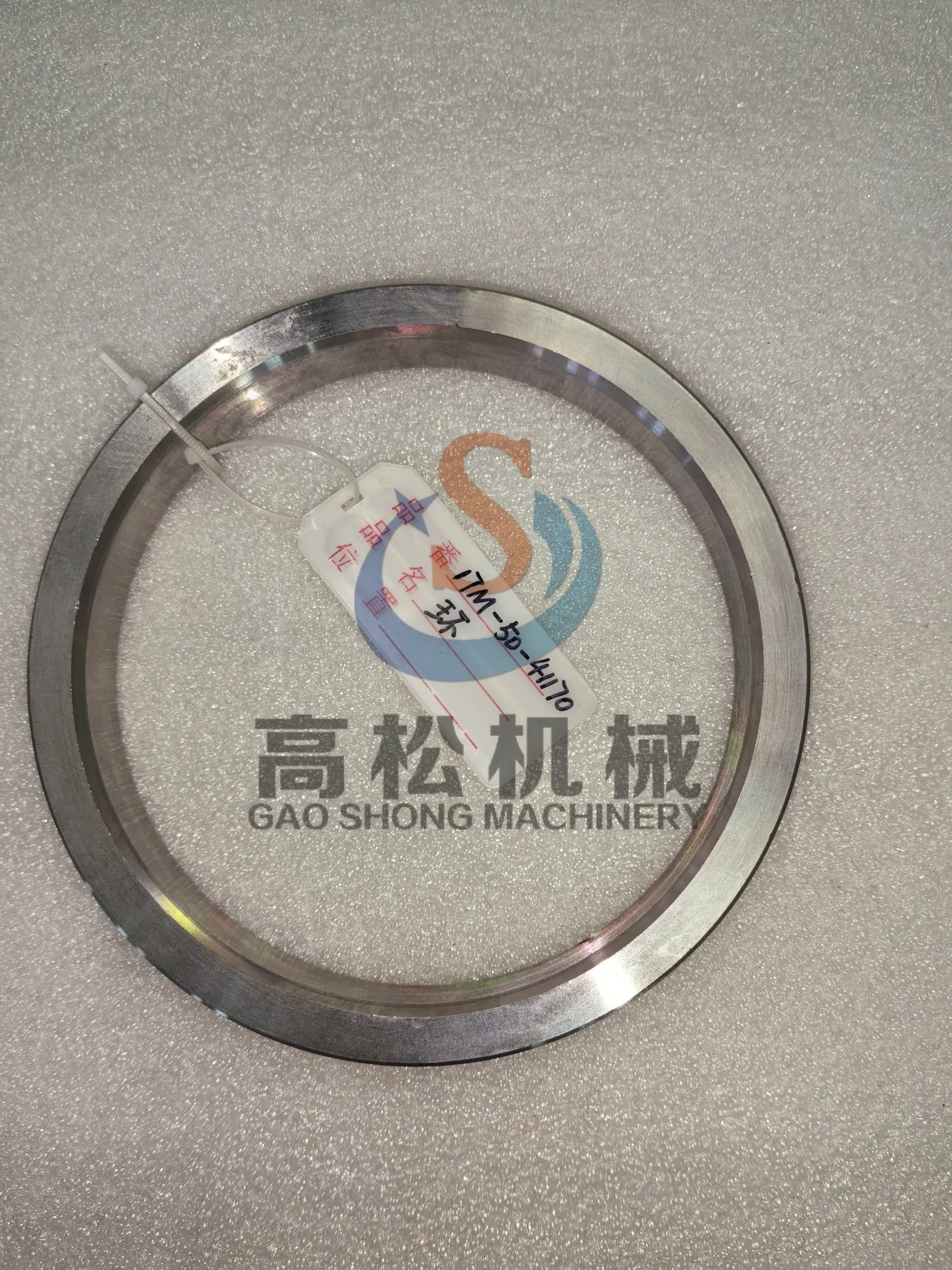 RING 17M-50-41170 – KOMATSU
 -
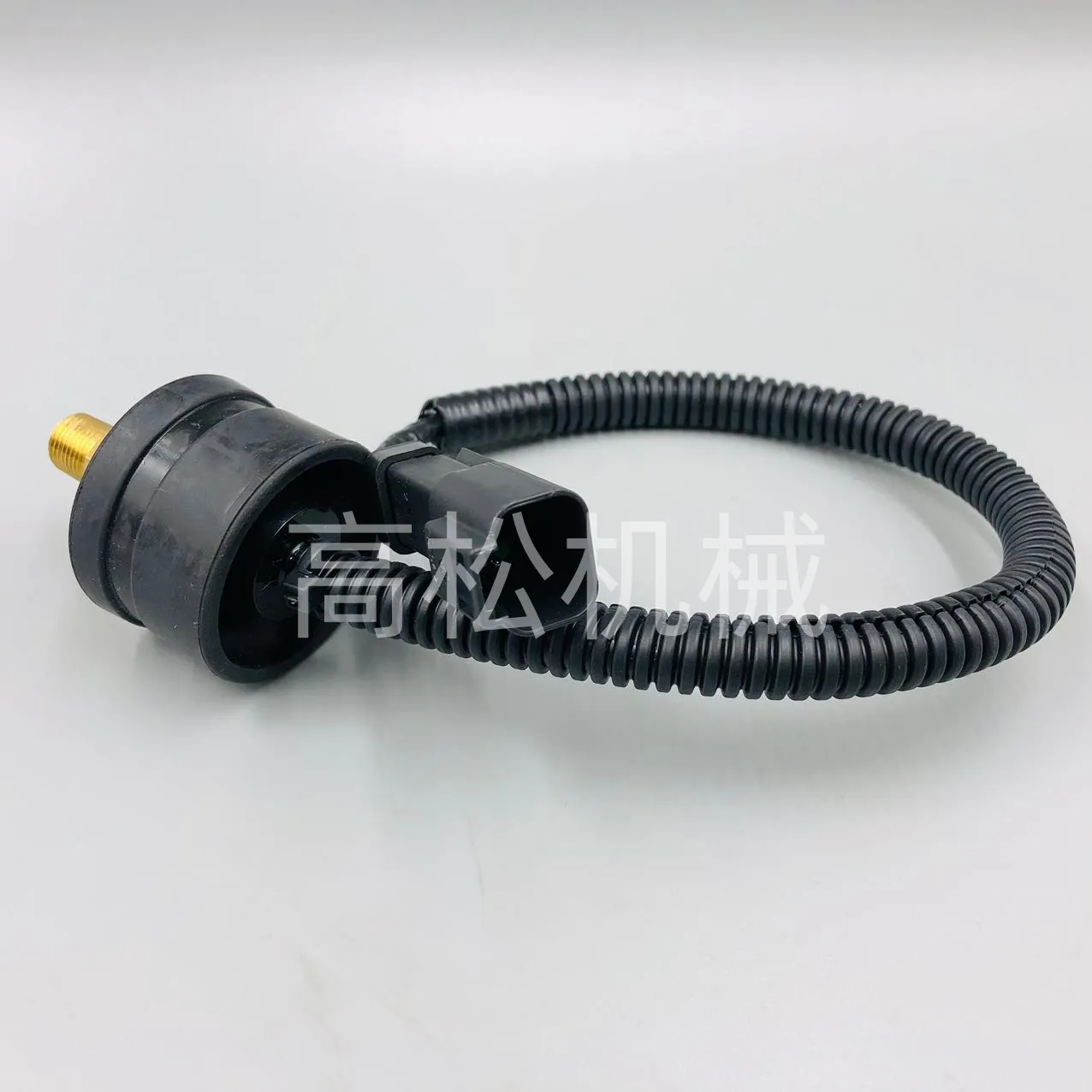 7861-93-1430 SENSOR,SWITCH-Komatsu Original Factory
 -
 Komatsu 711-50-41520 Impeller for WA380-3 Wheel loader
 -
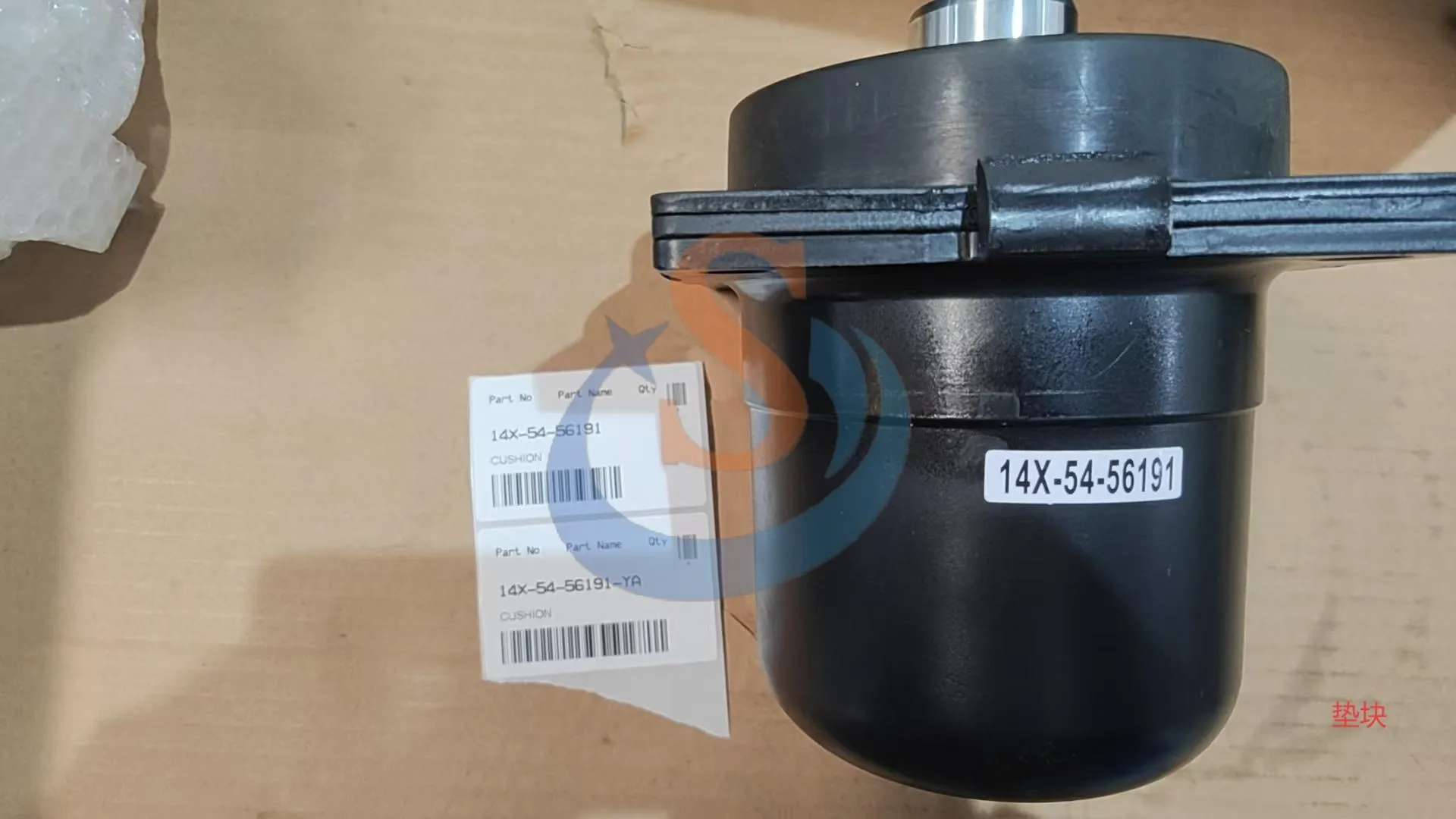 14X-54-56191,Cushion,D65PX,D65WX,D85EX
 -
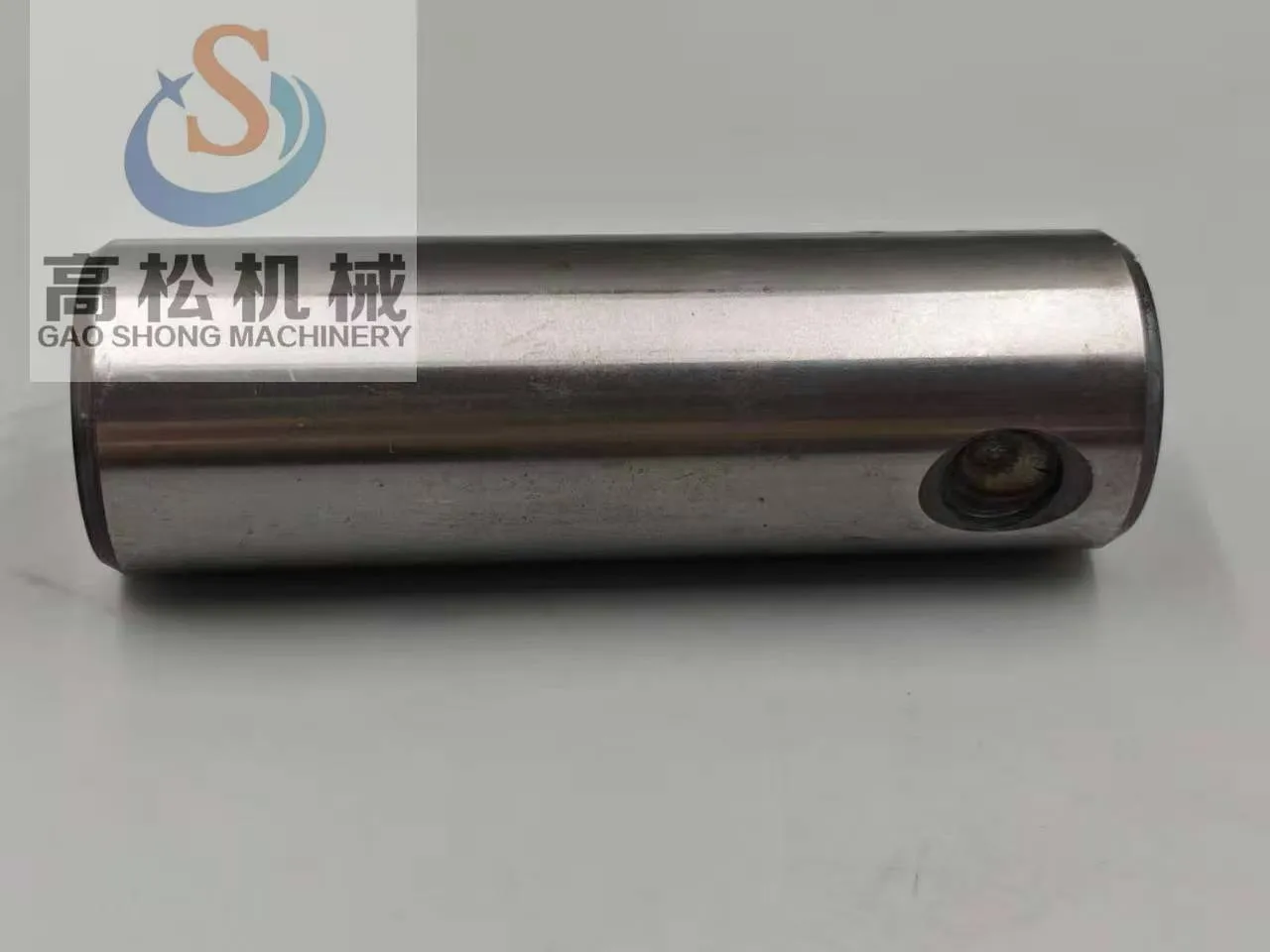 Supply excavator accessories PC1250-11 pin 21N-26-33240