
- Chinese
- French
- German
- Portuguese
- Spanish
- Russian
- Japanese
- Korean
- Arabic
- Irish
- Greek
- Turkish
- Italian
- Danish
- Romanian
- Indonesian
- Czech
- Afrikaans
- Swedish
- Polish
- Basque
- Catalan
- Esperanto
- Hindi
- Lao
- Albanian
- Amharic
- Armenian
- Azerbaijani
- Belarusian
- Bengali
- Bosnian
- Bulgarian
- Cebuano
- Chichewa
- Corsican
- Croatian
- Dutch
- Estonian
- Filipino
- Finnish
- Frisian
- Galician
- Georgian
- Gujarati
- Haitian
- Hausa
- Hawaiian
- Hebrew
- Hmong
- Hungarian
- Icelandic
- Igbo
- Javanese
- Kannada
- Kazakh
- Khmer
- Kurdish
- Kyrgyz
- Latin
- Latvian
- Lithuanian
- Luxembou..
- Macedonian
- Malagasy
- Malay
- Malayalam
- Maltese
- Maori
- Marathi
- Mongolian
- Burmese
- Nepali
- Norwegian
- Pashto
- Persian
- Punjabi
- Serbian
- Sesotho
- Sinhala
- Slovak
- Slovenian
- Somali
- Samoan
- Scots Gaelic
- Shona
- Sindhi
- Sundanese
- Swahili
- Tajik
- Tamil
- Telugu
- Thai
- Ukrainian
- Urdu
- Uzbek
- Vietnamese
- Welsh
- Xhosa
- Yiddish
- Yoruba
- Zulu
- Kinyarwanda
- Tatar
- Oriya
- Turkmen
- Uyghur






Komatsu fuel filter
You know, when most people hear 'Komatsu fuel filter', they immediately think of a single, simple canister. That's the first mistake. In reality, it's a system gatekeeper, and its performance hinges on details most manuals don't scream about—material compatibility, bypass valve specs, and the sheer variance in quality between a genuine part and what's flooding the aftermarket. I've seen machines shut down not from a clogged primary filter, but from a failing secondary unit that everyone forgets to check. The part number is just the starting point.
The Core Challenge: Filtration vs. Flow
The real job of a Komatsu fuel filter isn't just to catch dirt. It's to do that while maintaining a consistent flow rate under all operating conditions, from a cold start in Norway to full load in a Saudi quarry. The media is key. Some aftermarket filters use a cheaper cellulose blend that seems fine initially, but it can break down faster with modern ultra-low-sulfur diesel and biodiesel blends. You'll get premature clogging or, worse, media migration. I've pulled apart filters where the pleats had collapsed inward, creating a bypass path for contaminants straight into the fuel injection pump. That's a $15,000 mistake over a $50 part.
Then there's the water separation rating. Komatsu's own specs for their newer Tier 4 Final and Stage V engines are brutal. The filter has to coalesce and trap micron-level water droplets efficiently. I remember a contractor running a PC360 with intermittent power loss. They'd changed the primary filter religiously. The issue? A non-OEM secondary filter with poor water-separating efficiency. It was passing a fine emulsion of water into the system, causing corrosion in the injector control valves. The fix was switching back to a proper spec filter and a more frequent water drain routine.
The bypass valve is another silent killer. It's supposed to open if the filter clogs, allowing unfiltered fuel to flow to save the engine from starvation. But on some cheap replacements, the spring tension is wrong. Either it opens too early (sending dirty fuel through) or, terrifyingly, it doesn't open at all, leading to fuel starvation and pump cavitation. I had a case with a D65 dozer where the aftermarket filter's valve was stuck shut from a bit of manufacturing debris. The engine died on a slope. Not a good day.
Genuine, OEM, and the Good Enough Alternative
This is where it gets practical. A genuine Komatsu filter from a Komatsu dealer is the gold standard, but supply and cost can be prohibitive, especially in remote regions or for older models. That's where a reliable OEM system supplier becomes critical. Companies like Jining Gaosong Construction Machinery Co., Ltd. operate in this space. They're an OEM product supplier within the Komatsu system, which is a specific and important distinction. It means the filters they produce are made to Komatsu's engineering drawings and material specs, often in the same factories that produce the genuine boxed parts. You can find their offerings at https://www.takematsumachinery.com. Their role as a third-party sales company for Komatsu is essentially to bridge that parts gap in certain markets.
So, is an OEM-system part from a supplier like this good enough? In my field experience, absolutely, for the vast majority of applications. The core performance metrics—micron rating, burst pressure, bypass valve calibration—are identical to what's in the genuine box. The difference might be in the packaging, the logistics chain, and the price. The key is verification. When sourcing, you need a supplier that provides traceability, not just a website with a parts catalog. Can they confirm the specification sheet for the filter element? That's what separates a professional supplier from a parts reseller.
I've used alternatives from reputable OEM-system suppliers for fleet maintenance where running 100% genuine was financially impossible. The failure rate was statistically no different from genuine parts over thousands of service hours. The critical step was implementing a strict quality audit on the first batch—cutting open a sample filter to check pleat count, glue integrity, and valve assembly. It's a bit of work upfront, but it builds trust in the supply chain.
Practical Pitfalls and Installation Nuances
Even with the right part, installation is where failures happen. The classic error is not pre-filling the filter canister. On Komatsu's common rail systems, that dry filter can cause a hell of a time bleeding the system. More subtle is the O-ring. The kit should include a new one, coated in a light film of fuel or silicone. I've seen mechanics reuse the old, flattened ring or forget to lubricate it, leading to an air leak that introduces bubbles and causes erratic engine performance. The air leak isn't always big enough to drip fuel; it sucks in air, which is harder to diagnose.
Torque is another one. The housing doesn't need to be cranked on with a breaker bar. Over-tightening distorts the housing or crushes the filter element inside, creating a bypass. Hand-tight plus a quarter-turn with a strap wrench is usually the rule. There's also the issue of compatibility with fuel additives. Some aftermarket filter media doesn't play well with aggressive detergent additives. It can cause the binder in the media to dissolve. If you're running additives, you need to check filter compatibility—another point where sticking to OEM-spec parts saves headaches.
The Economics of Proactive Replacement
Everyone wants to extend service intervals. With fuel filters, that's a dangerous game. The service hour recommendation is a guideline under average fuel conditions. If you're sourcing fuel from questionable tankers on a jobsite, average goes out the window. I advocate for a condition-based approach where possible. On larger machines, monitoring the differential pressure across the filter housing is ideal. When the gauge starts climbing, you change it. No guesswork.
For fleets without pressure sensors, I recommend a conservative interval based on the worst fuel quality encountered, not the best. The cost of a filter is trivial compared to the downtime and repair bill for a single failed fuel injector or a high-pressure pump. This is where a consistent parts source, like a dedicated OEM supplier, helps with planning and cost control. Knowing you can get a reliable Komatsu fuel filter without a six-week lead time from halfway across the world changes your whole maintenance strategy. It turns from a reactive scramble into a scheduled, budgeted line item.
Closing the Loop: It's a System, Not a Spare
So, it all circles back. Talking about a Komatsu fuel filter isn't just talking about a spin-on canister. You're talking about the integrity of the entire fuel system, from the tank to the injector tip. The choice between genuine, OEM-system, and random aftermarket isn't just about price; it's a risk assessment. For critical machines or harsh environments, you lean towards the top of the chain. For general fleet work, a verified OEM-system part from a credible supplier like Jining Gaosong Construction Machinery Co., Ltd. is a technically sound and economically smart choice. Their model of being an OEM supplier within the Komatsu system directly addresses those parts supply challenges in certain countries. The goal is to keep the fuel clean, the flow steady, and the machine running. Everything else is just a part number on an invoice.
Related Products
Related Products

Best Selling Products
Best Selling Products-
 6560-61-7102 pressure sensor for Komatsu WA600-3
 -
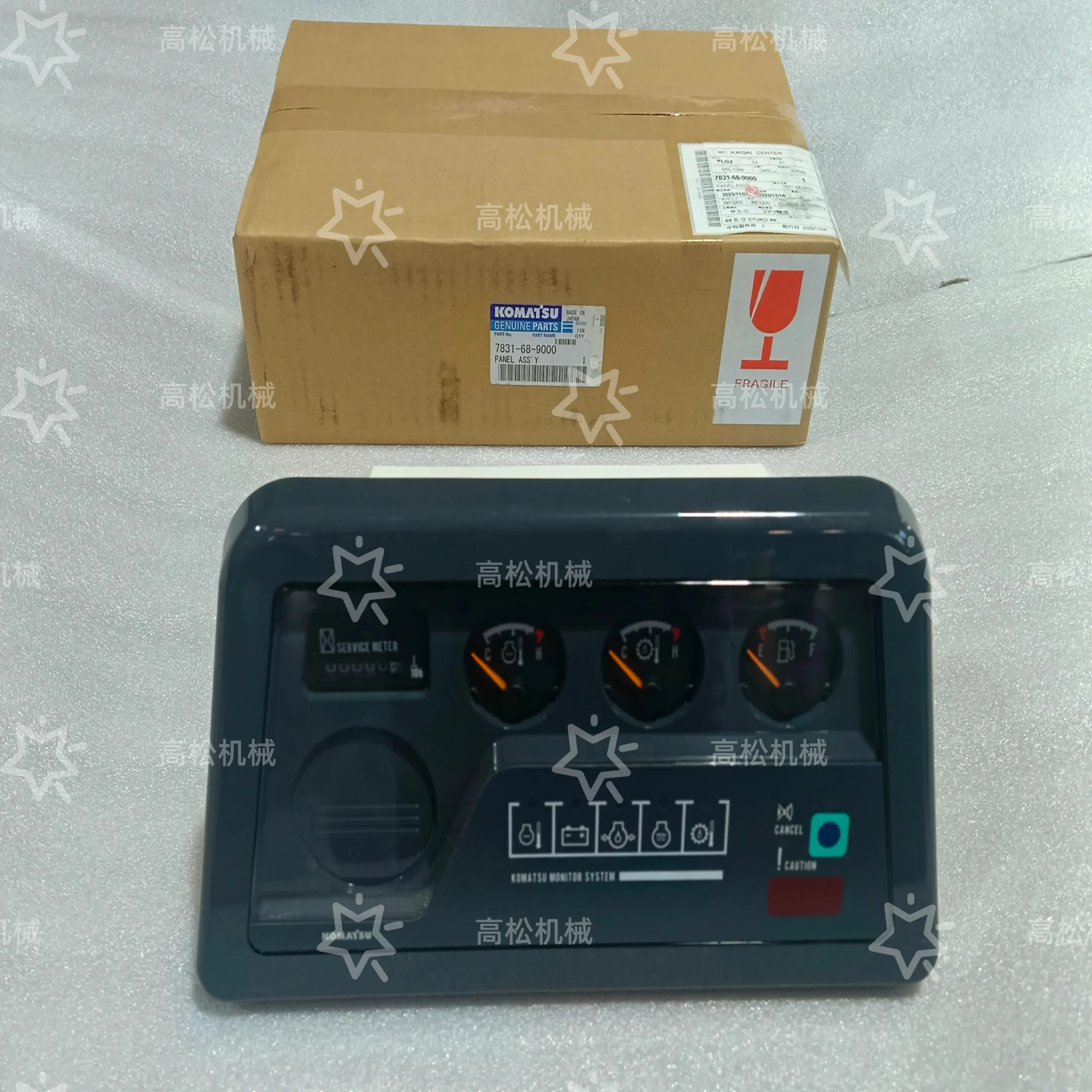 Original New Stock Panel 7831-68-9000 Instrument Panel Assembly Suitable for Komatsu D375A-3/5 Bulldozer
 -
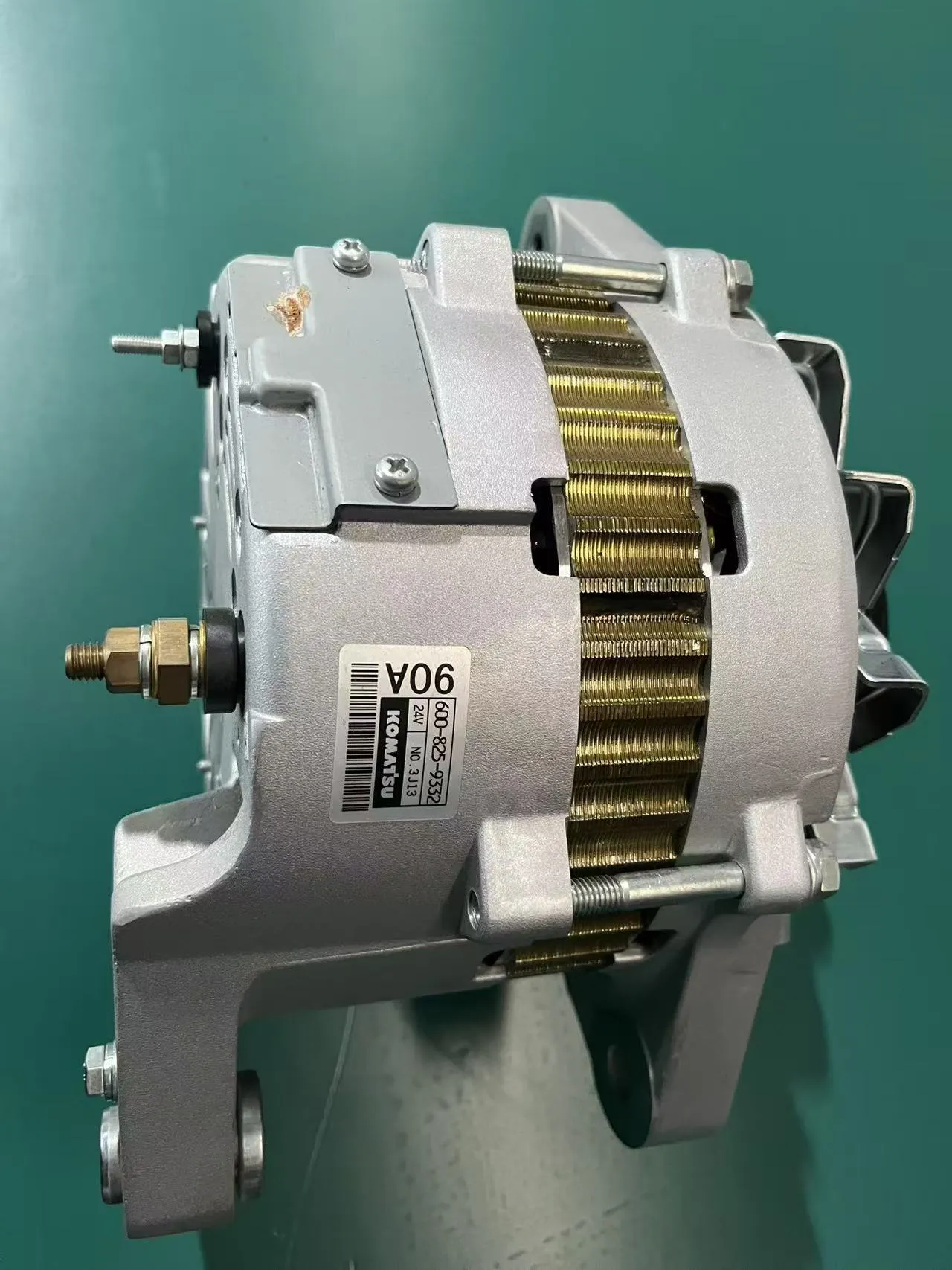 600-825-9332 alternator Generator
 -
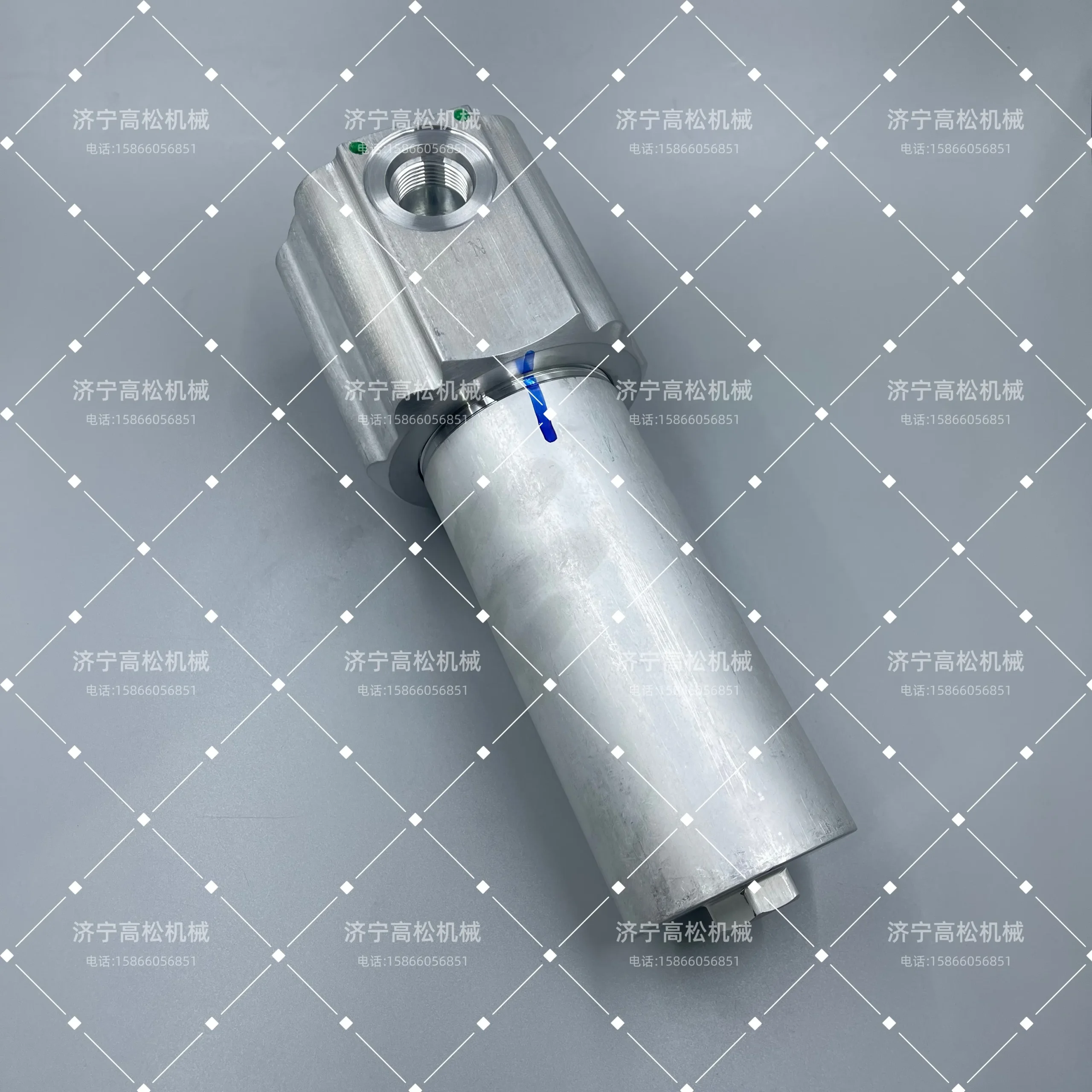 Filter Assembly 569-43-83911 for Komatsu HD785 Dump Trucks
 -
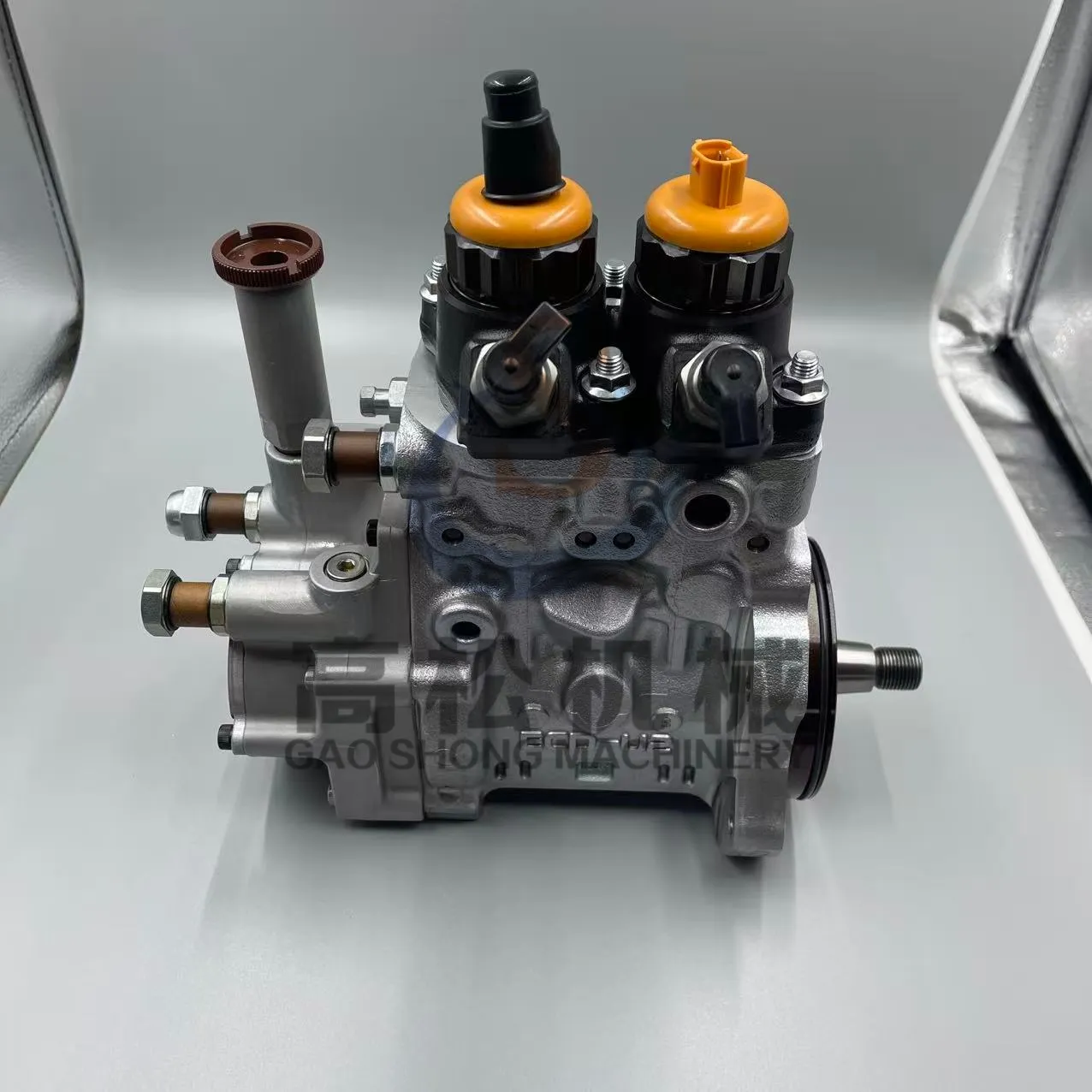 6251-71-1121 Fuel Injector Pump
 -
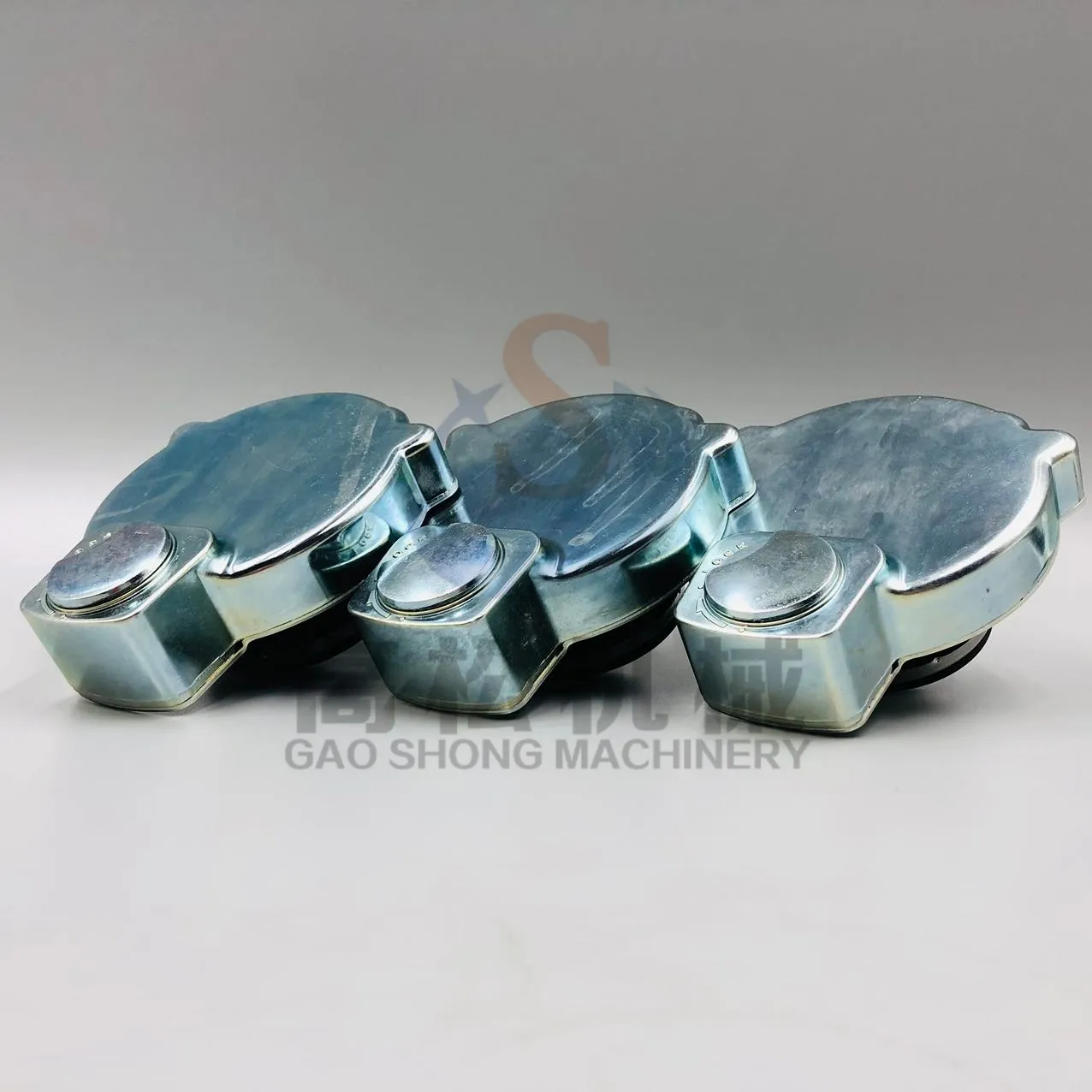 Komatsu fuel tank cap 17A-60-11310
 -
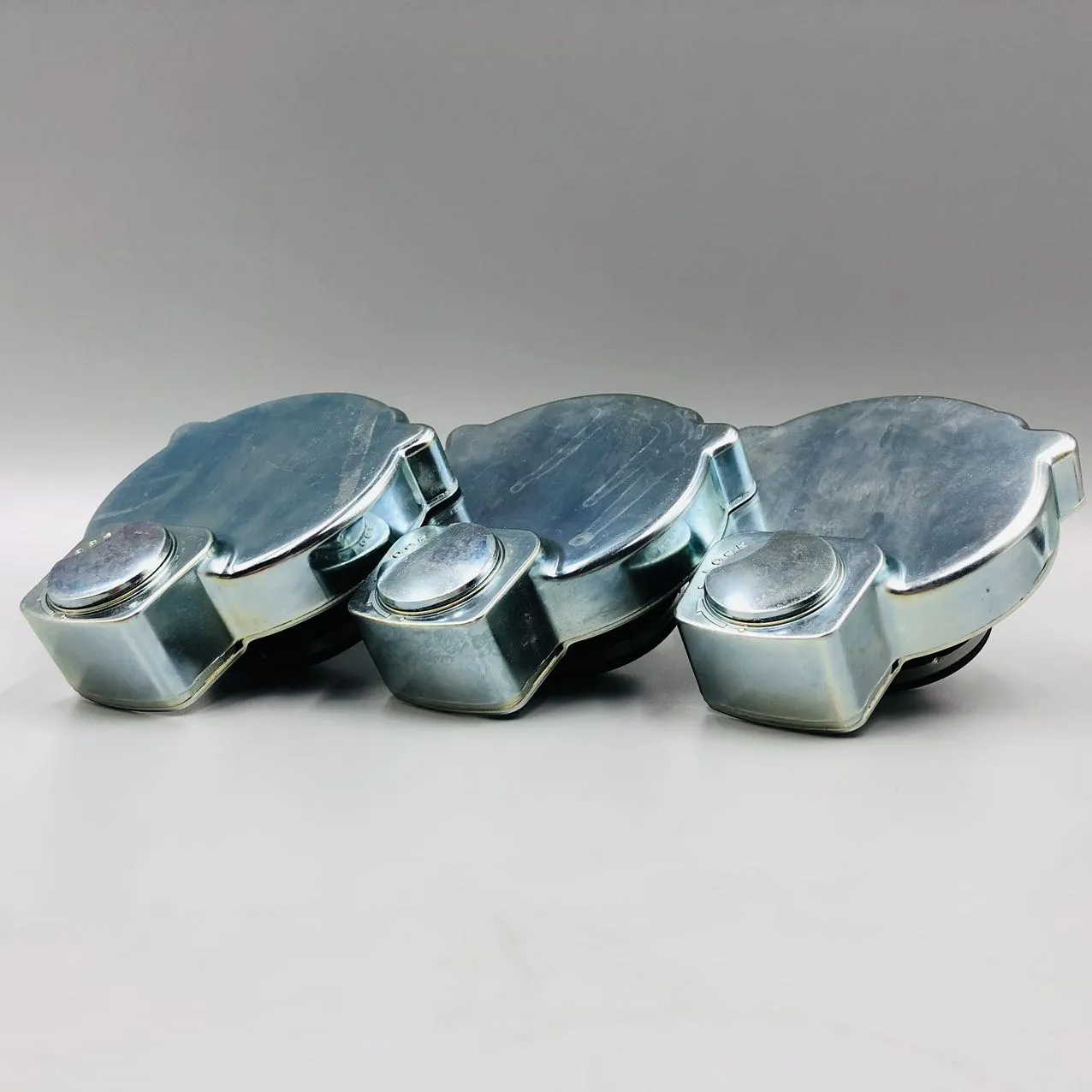 Hydraulic Oil Tank Cap 17A-60-11310 For Komatsu PC200-6 PC220-6 Parts
 -
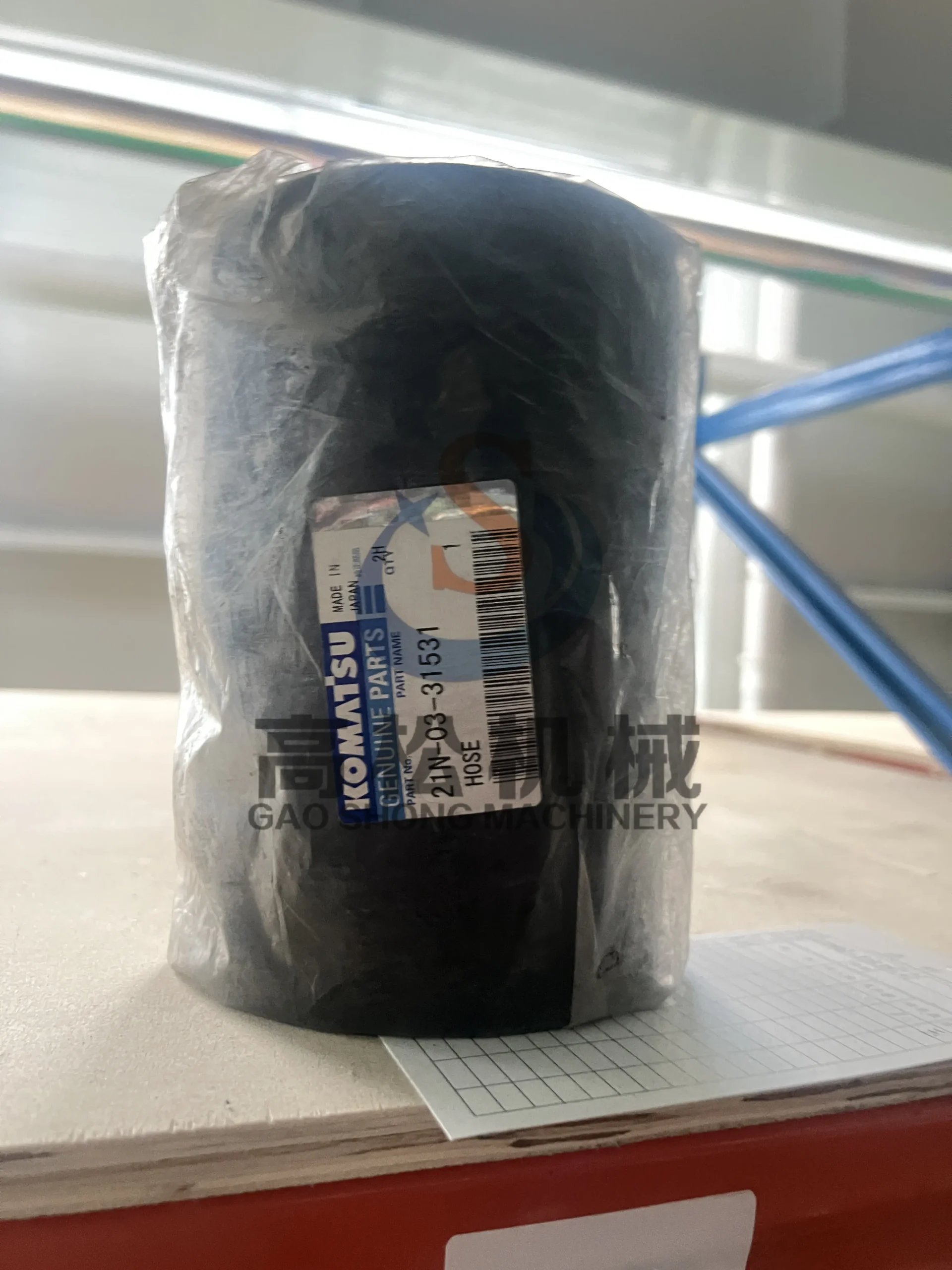 HOSE 21N-03-31531 – KOMATSU
 -
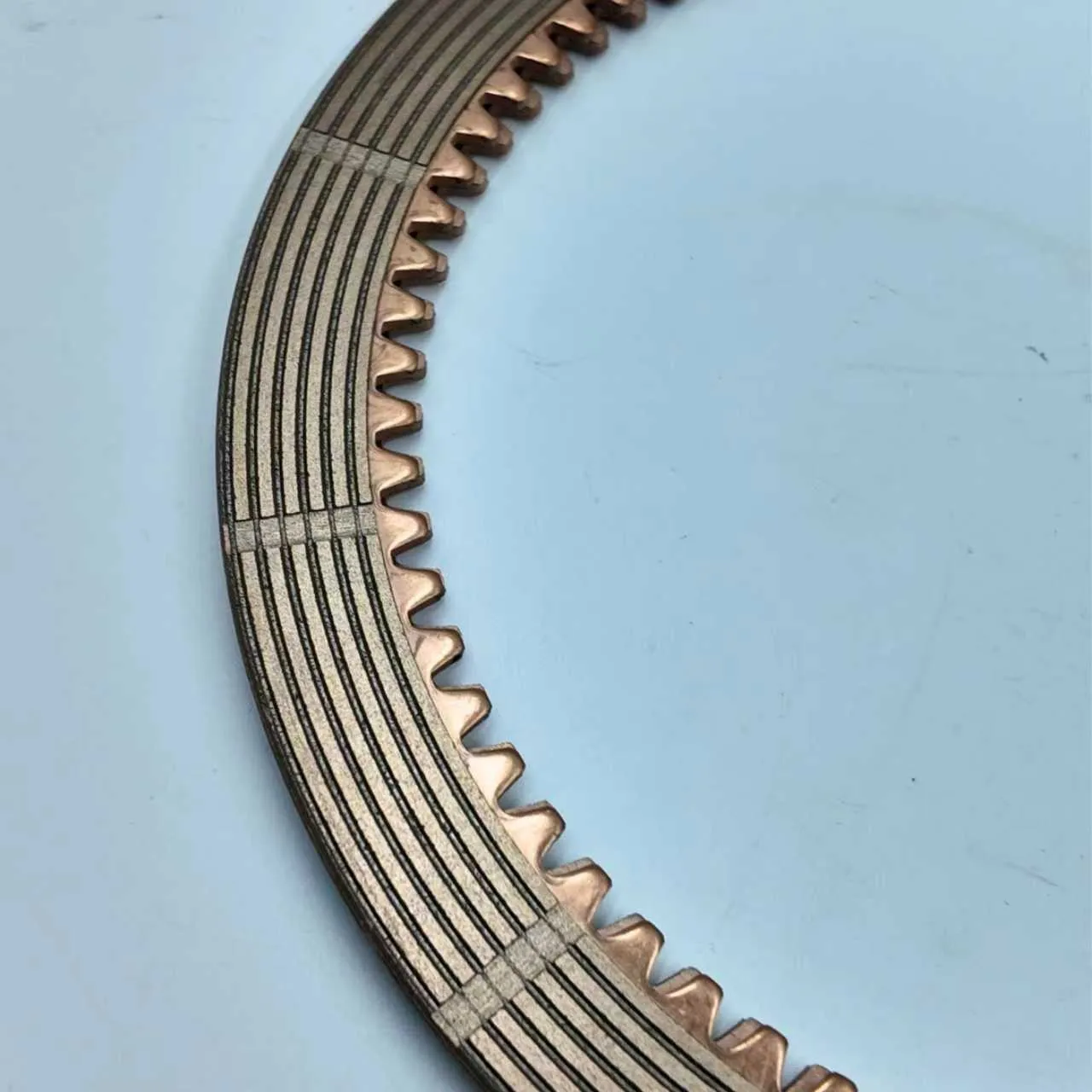 23S-15-12710 Komatsu Disc
 -
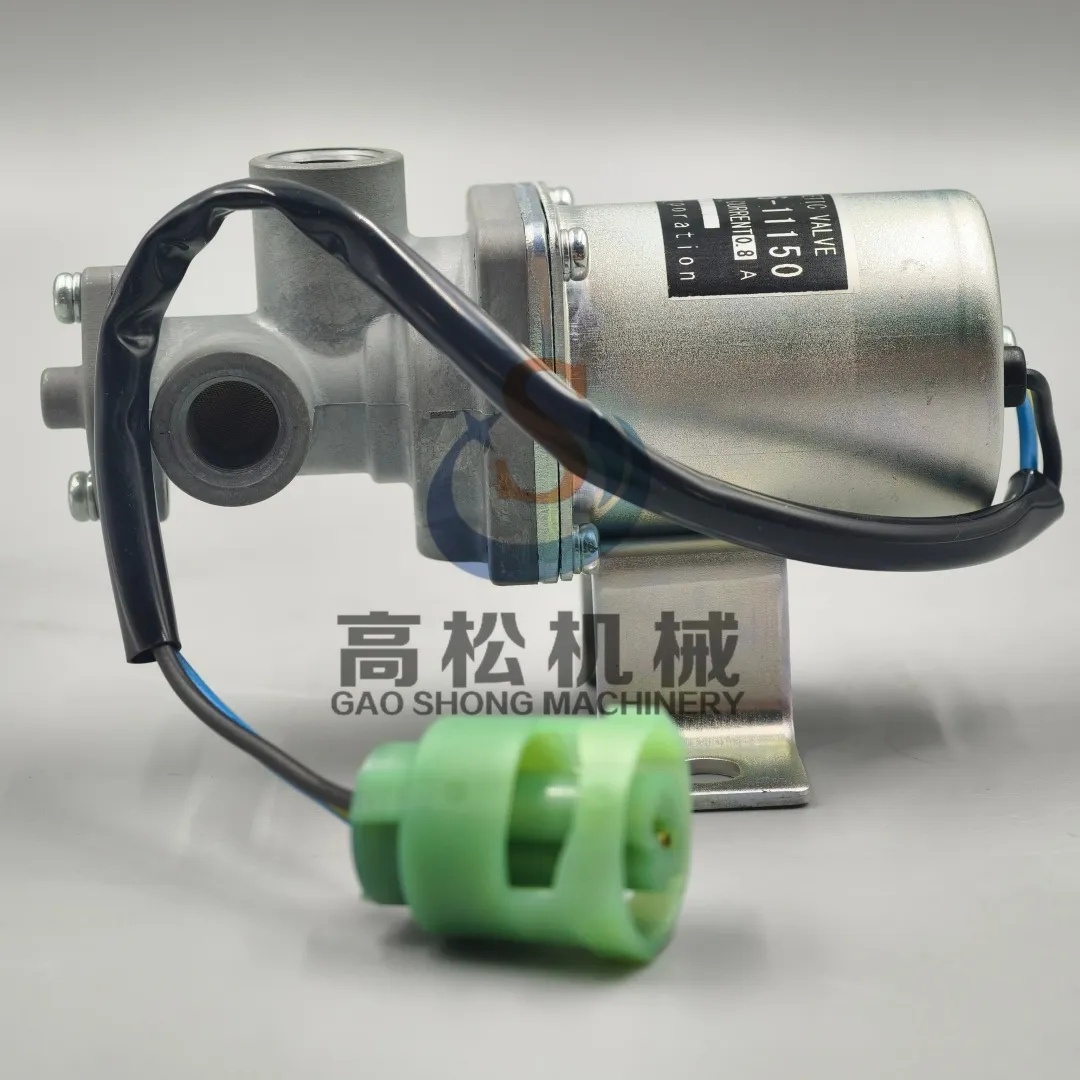 Komatsu Relay 425-06-11150 for Wheel loader WA600-1
 -
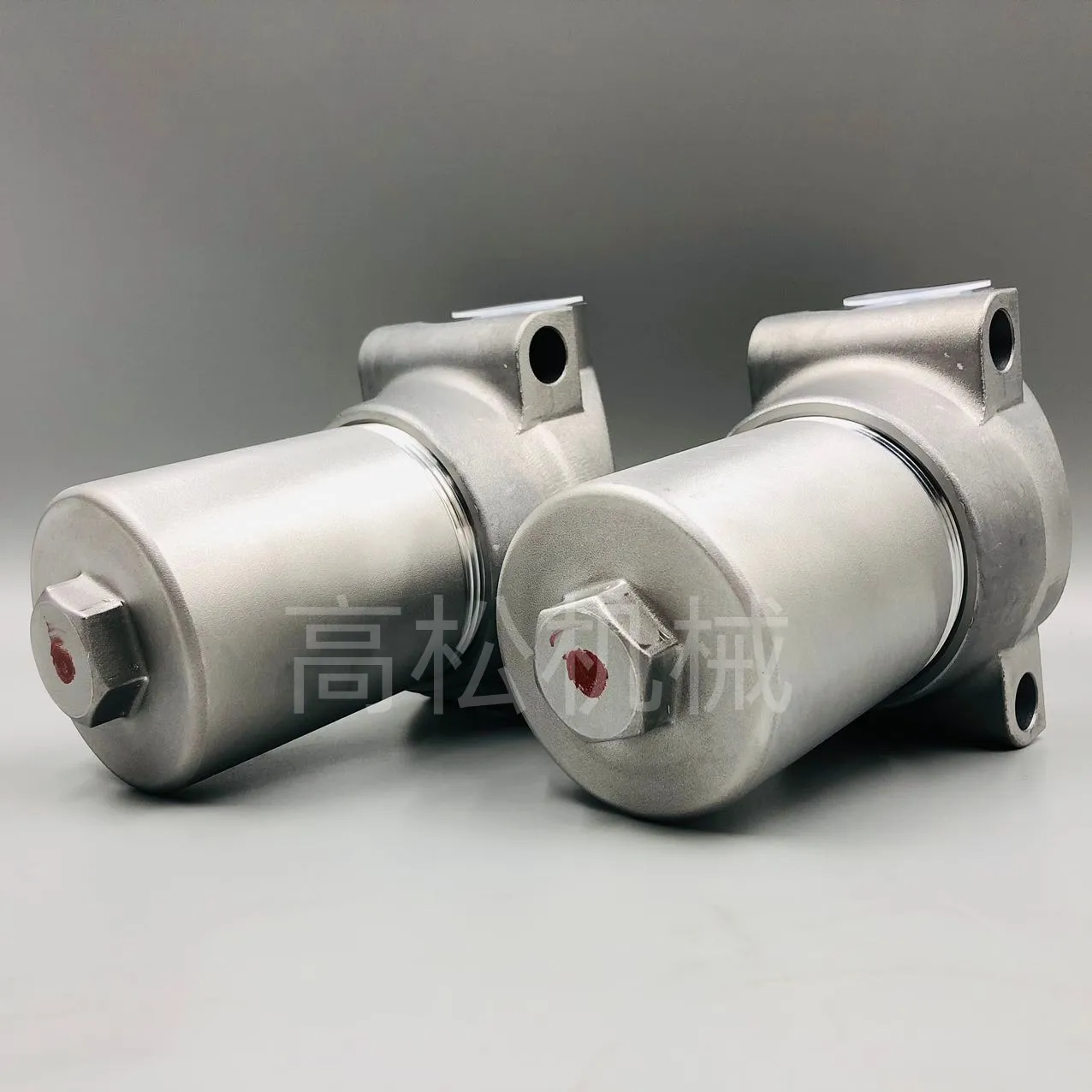 20Y-62-51681 FILTER ASS’Y-Komatsu Original Factory
 -
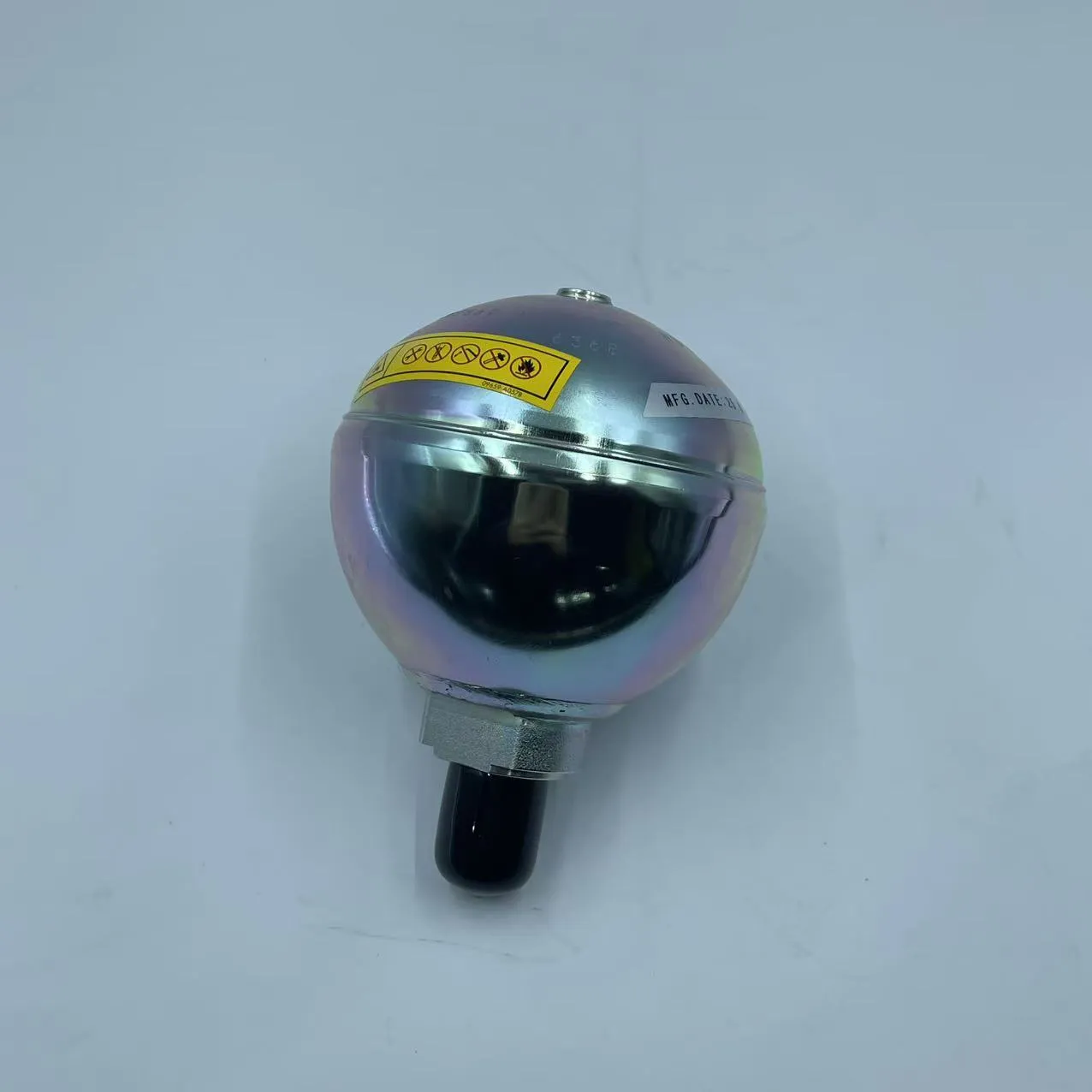 accumulator 22U-60-21331 22U-60-21330 For Komatsu PC300-8 excavator