
- Chinese
- French
- German
- Portuguese
- Spanish
- Russian
- Japanese
- Korean
- Arabic
- Irish
- Greek
- Turkish
- Italian
- Danish
- Romanian
- Indonesian
- Czech
- Afrikaans
- Swedish
- Polish
- Basque
- Catalan
- Esperanto
- Hindi
- Lao
- Albanian
- Amharic
- Armenian
- Azerbaijani
- Belarusian
- Bengali
- Bosnian
- Bulgarian
- Cebuano
- Chichewa
- Corsican
- Croatian
- Dutch
- Estonian
- Filipino
- Finnish
- Frisian
- Galician
- Georgian
- Gujarati
- Haitian
- Hausa
- Hawaiian
- Hebrew
- Hmong
- Hungarian
- Icelandic
- Igbo
- Javanese
- Kannada
- Kazakh
- Khmer
- Kurdish
- Kyrgyz
- Latin
- Latvian
- Lithuanian
- Luxembou..
- Macedonian
- Malagasy
- Malay
- Malayalam
- Maltese
- Maori
- Marathi
- Mongolian
- Burmese
- Nepali
- Norwegian
- Pashto
- Persian
- Punjabi
- Serbian
- Sesotho
- Sinhala
- Slovak
- Slovenian
- Somali
- Samoan
- Scots Gaelic
- Shona
- Sindhi
- Sundanese
- Swahili
- Tajik
- Tamil
- Telugu
- Thai
- Ukrainian
- Urdu
- Uzbek
- Vietnamese
- Welsh
- Xhosa
- Yiddish
- Yoruba
- Zulu
- Kinyarwanda
- Tatar
- Oriya
- Turkmen
- Uyghur






komatsu forklift spare parts
When you hear 'Komatsu forklift spare parts', the immediate thought for many is to go straight to the official dealer. That's the safe bet, right? But in my years of dealing with fleet maintenance across different regions, that's often where the real challenges begin—availability, lead times, and frankly, cost. There's a whole ecosystem beyond the official catalog that keeps machines running, and sometimes, that's where you find the most pragmatic solutions.
The OEM Promise and the On-Ground Reality
Let's be clear: nothing beats a genuine Komatsu part for a critical component like a hydraulic pump or a valve block. The precision, the material specs, the fit—it's engineered for the machine's lifecycle. I've seen too many quick fixes with subpar alternatives lead to cascading failures. A worn-out seal from a non-OEM kit might save $50 today, but it can contaminate a whole hydraulic system, leading to a $5000 pump replacement down the line. The math is brutal and real.
But here's the rub: the official supply chain isn't always seamless, especially in certain countries. You might be waiting 8 weeks for a simple steering linkage because it's not a high-demand SKU in your region's warehouse. During a peak season, that downtime isn't just an inconvenience; it's a direct hit on operations. This gap is where companies positioned within the Komatsu system but operating with more flexibility become crucial. I'm talking about entities like Jining Gaosong Construction Machinery Co., Ltd.. They describe themselves as an OEM product supplier within Komatsu and a third-party sales company. In practice, this often means they can source genuine or Komatsu-approved parts through alternative channels, helping to solve those specific regional supply bottlenecks. Their site, https://www.takematsumachinery.com, is one of those resources you bookmark after you've burned through your local contacts.
I remember a case with a Komatsu FD30 that had a failed mast roller assembly. The local dealer quoted a 6-week lead time. We found the exact part number through a supplier like Gaosong, who had it in a bonded warehouse in another region. It was shipped and installed in 10 days. Was it the same part? Yes, it came in Komatsu packaging with all the correct markings. The difference was the logistics network, not the provenance. This is the nuance that gets lost in the OEM vs. aftermarket debate.
Decoding the Third-Party Label
The term third-party can sound alarm bells. It shouldn't always. In the Komatsu universe, it doesn't automatically mean counterfeit or copy. There are authorized third-party distributors and suppliers who operate under agreements to distribute genuine parts, especially in markets where Komatsu doesn't have a strong direct presence. Their role, as Jining Gaosong notes, is to solve parts supply challenges. This isn't about undercutting the OEM; it's about filling the logistical gaps.
However, vigilance is non-negotiable. I've also been burned. Once, we ordered what was listed as a genuine equivalent axle seal for a Komatsu forklift. What arrived was a generic seal that looked similar but had a completely different rubber compound. It failed within 200 hours. The lesson? Equivalent is a dangerous word. Now, my first question to any third-party supplier is about traceability. Can they provide the Komatsu part number? Can they trace the batch back to a known factory? Suppliers who are transparent about this, often referencing their OEM supplier status, tend to be more reliable.
For non-critical, wear-and-tear items, a high-quality aftermarket option can be a valid cost-saving measure. Think about things like filters (if they meet the micron rating), certain pins, or standard bearings. But the decision tree is key. Is it safety-critical? Is it precision-machined? Does it interface with the machine's electronic control system? If yes, the risk skyrockets. I keep a mental list: steer cylinders, brake components, and anything with a solenoid—always genuine. A seat cushion or a non-load-bearing bracket? You have more room to maneuver.
The Pitfalls of Cross-Referencing and Compatibility
One of the biggest time-sinks is cross-referencing parts across different Komatsu forklift models. The model numbers—FD, FG, FR—they have subtle variations. A piston ring for an FD25T might not fit an FD25K, even though the base engine family is similar. I've wasted afternoons because someone assumed 25-ton capacity meant the part was universal. The serial number of the forklift is your bible. Always, always lead with that when sourcing parts, whether from a dealer or a company like Jining Gaosong.
Another practical headache is the kit versus individual component issue. Sometimes, the OEM only sells a complete assembly—like the entire brake master cylinder. A third-party supplier might offer the repair kit (the seals and springs) separately. This is a huge cost saver if you have a skilled mechanic who can rebuild the unit. But you need to know your team's capability. I opted for a repair kit for a steering valve once, only to find out the valve body itself was scored. We ended up buying the whole assembly anyway and lost two days of labor. A failure in judgment on my part, assuming the problem was only internal sealing.
Electronics are a whole different beast. A controller or a sensor from a non-OEM source is a gamble I rarely take. The communication protocols are proprietary. I knew a warehouse that installed a cheap aftermarket speed sensor on a Komatsu electric forklift. The machine would randomly go into error mode and shut down. Took them weeks to diagnose it was the sensor sending noisy signals that the main controller didn't like. They paid for the genuine part and the diagnostic time. False economy.
Sourcing Strategy: Building a Reliable Network
You don't want to be scrambling for a critical part at 3 PM on a Friday. Your parts sourcing strategy needs to be proactive. This means building relationships with more than one supplier. My shortlist includes the official dealer (for warranty work and critical parts), a couple of reputable third-party specialists for genuine parts (where companies like https://www.takematsumachinery.com come in, particularly for their stated focus on challenging regions), and a vetted aftermarket supplier for generic consumables.
I also maintain a small, critical inventory based on historical failure rates. For our Komatsu fleet, that includes things like ignition switches, specific relay modules, and common hydraulic hoses. These are items that cause immediate downtime and have a known lifespan. I source these during planned maintenance periods, not during a breakdown. For this bulk, pre-planned purchasing, I often get competitive quotes from my network of third-party suppliers, as they can sometimes bundle shipping or offer better terms on volume.
The website of a supplier tells you a lot. Is it just a parts catalog, or does it show technical insight? Do they list detailed compatibility charts? Can you see the actual part photos, not just stock images? The more technical information they provide upfront, the more confident I am that they understand the product, not just the SKU. It reduces the back-and-forth and costly ordering mistakes.
Final Thought: It's About Uptime, Not Just Parts
At the end of the day, chasing Komatsu forklift spare parts isn't about collecting components. It's a continuous effort to maximize equipment uptime. The cheapest part is the one that fits perfectly, lasts its designed lifespan, and gets installed correctly the first time. Sometimes that's a boxed part from the dealer. Sometimes it's a genuine part sourced through an alternative global channel from a supplier who understands the local logistical pain points.
The key is to move beyond a binary mindset. The landscape is more of a spectrum: Genuine OEM, OEM-authorized third-party, quality-certified aftermarket, and generic copies. Your job is to place each part need on that spectrum based on risk, cost of downtime, and the specific machine's history. It's an imperfect, always-evolving process filled with judgment calls.
So when you're searching, remember you're not just looking for a part number. You're looking for a solution that gets the forklift back to work reliably. And that solution often involves knowing which lever to pull in your supplier network—whether it's the official one or a specialized partner—to bridge the gap between the parts catalog and the reality on your shop floor.
Related Products
Related Products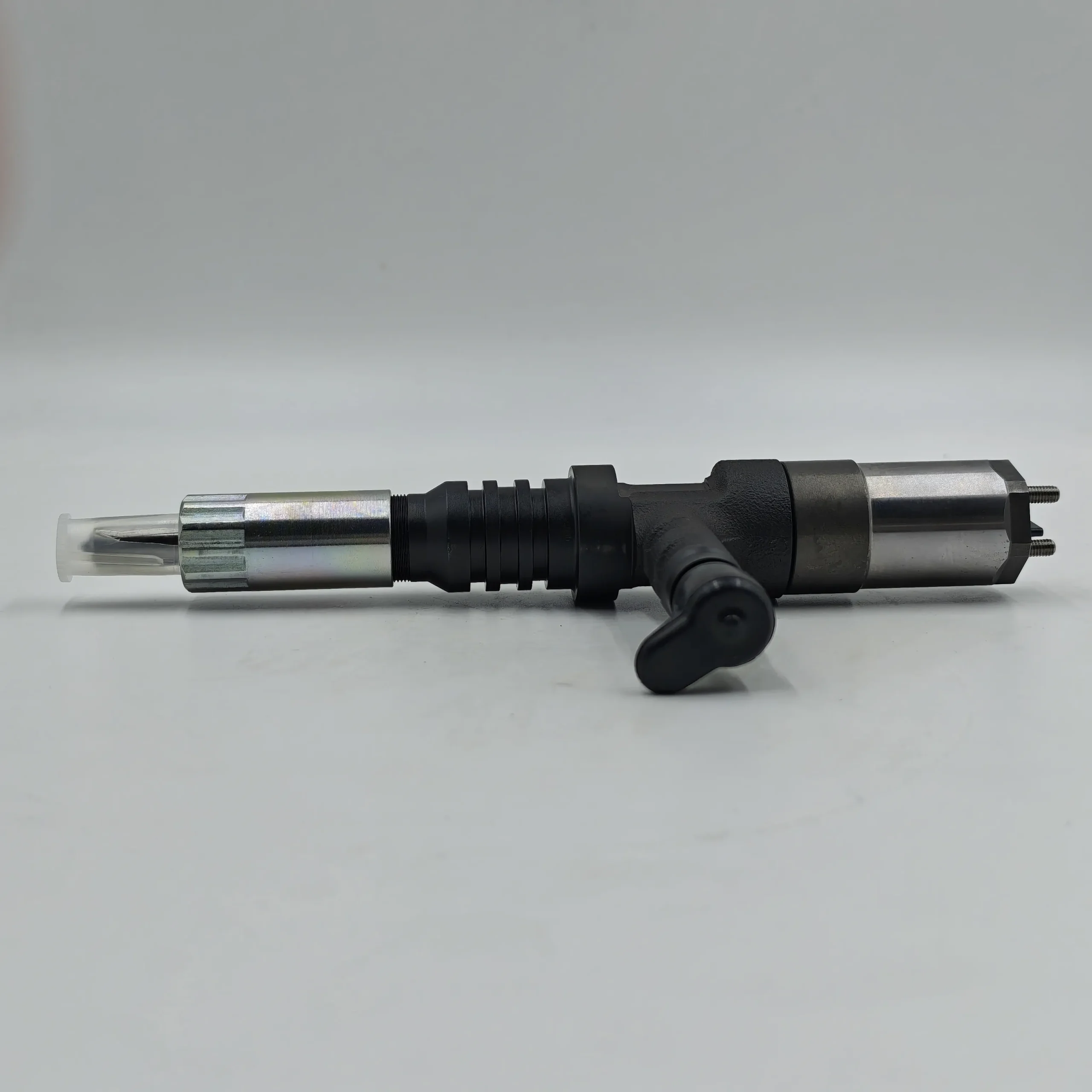
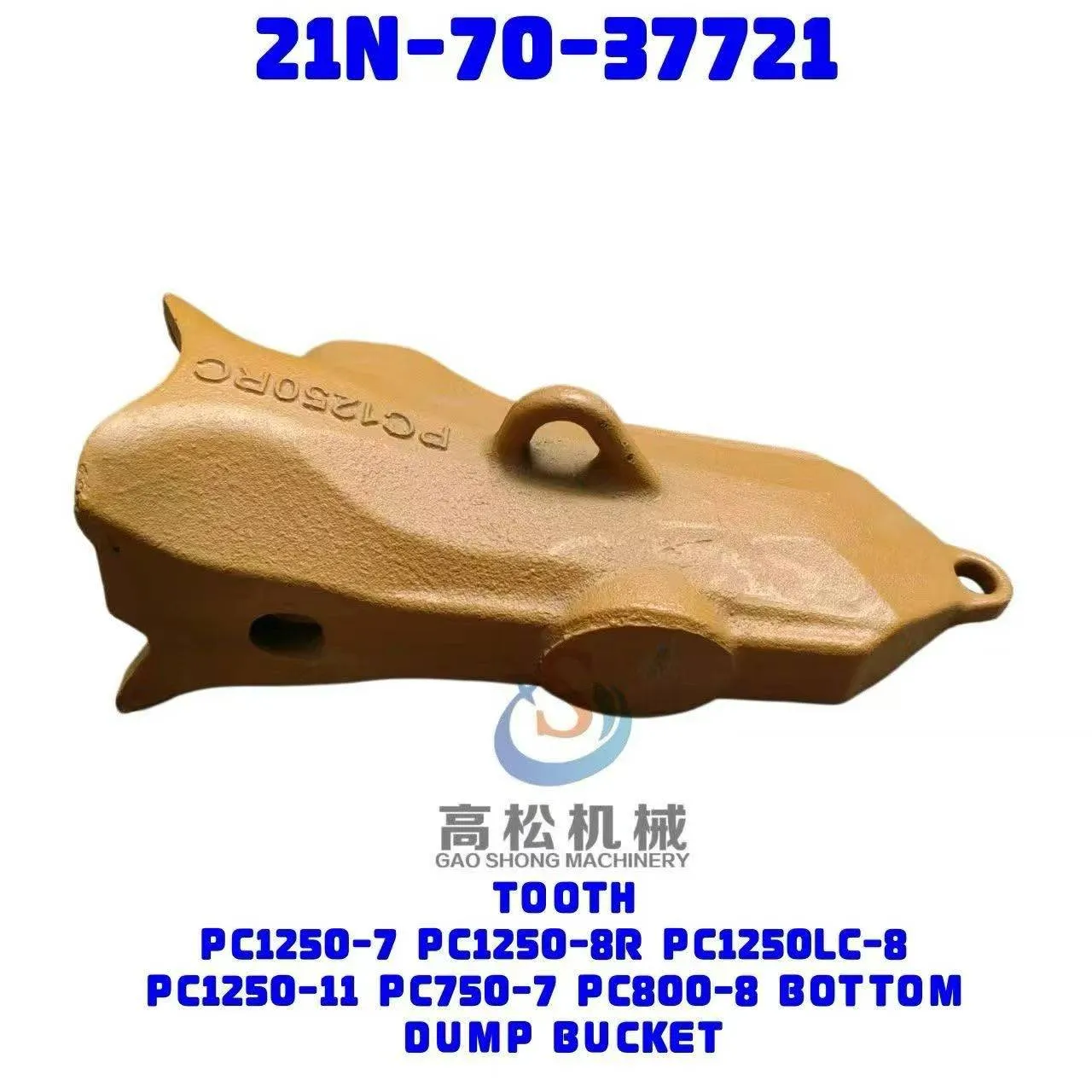
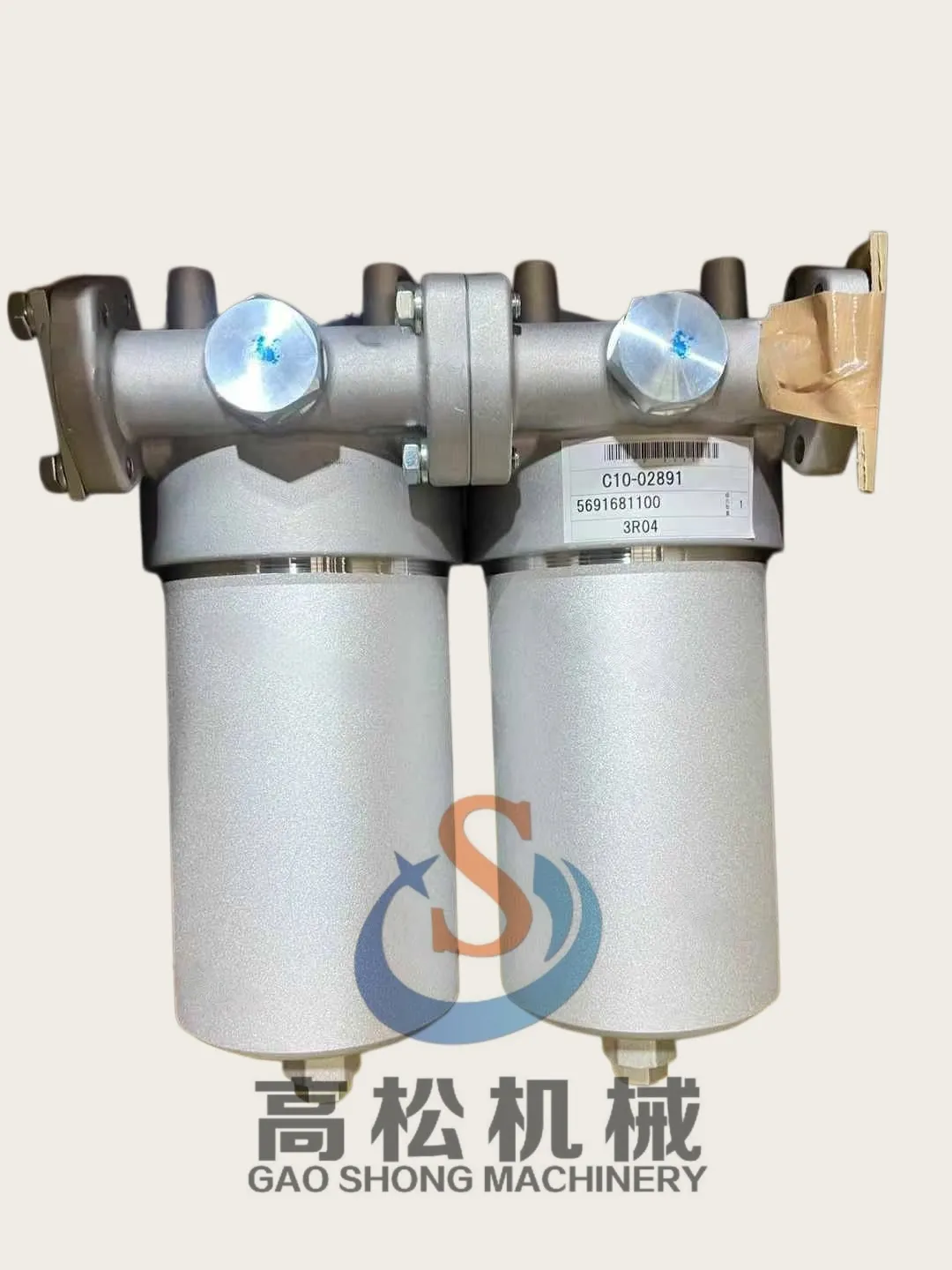
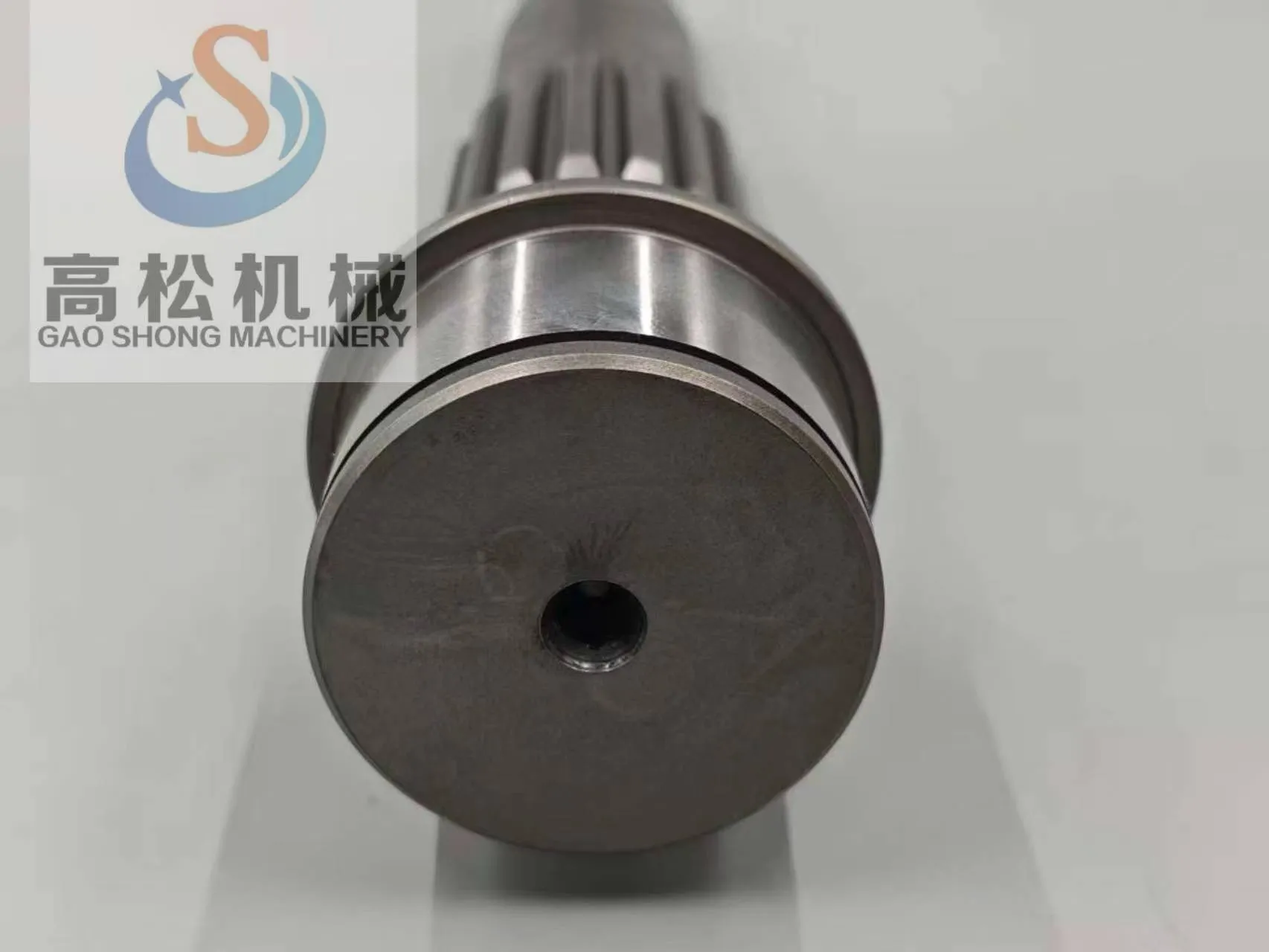

Best Selling Products
Best Selling Products-
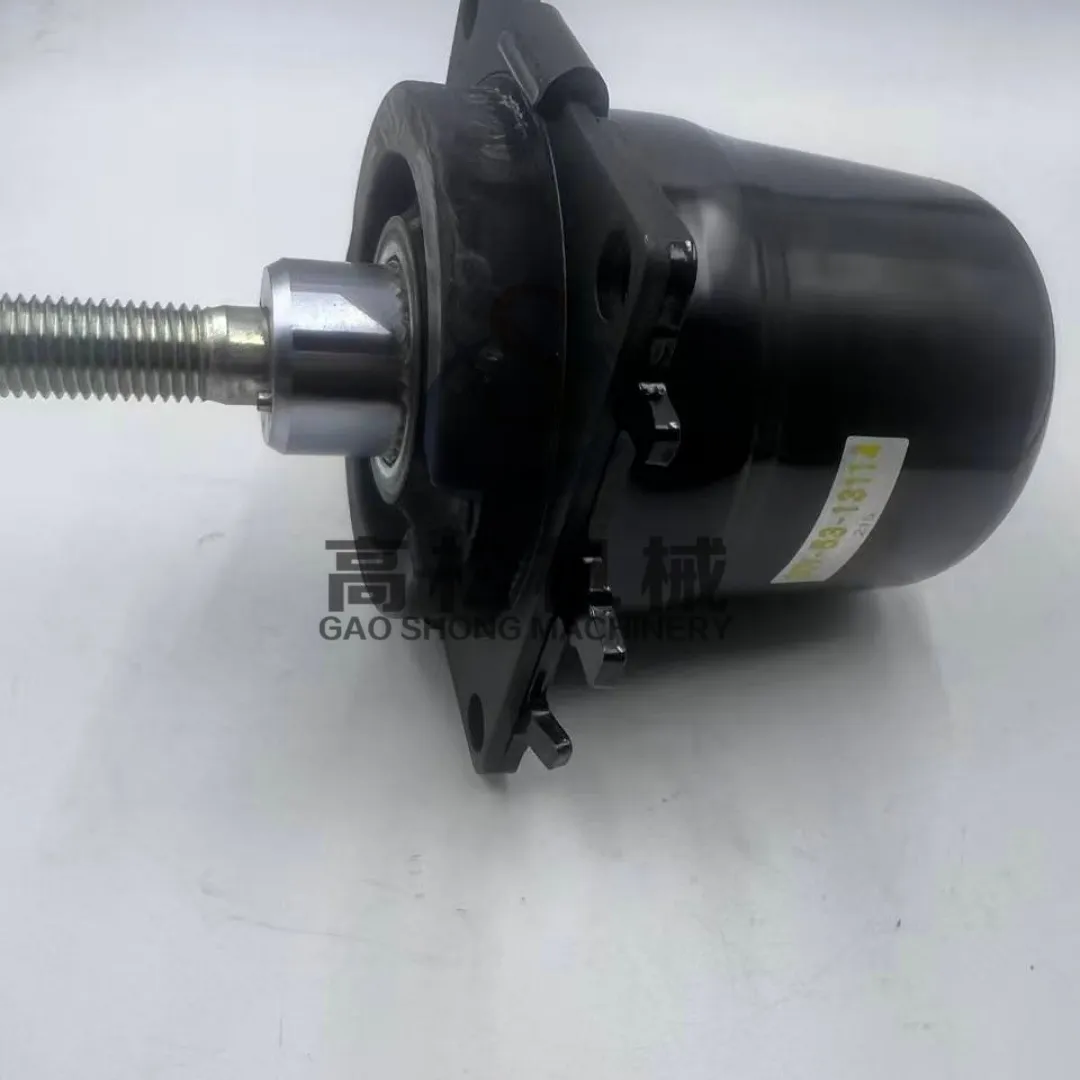 20Y-53-13114 SILENTBLOCK komatsu parts
 -
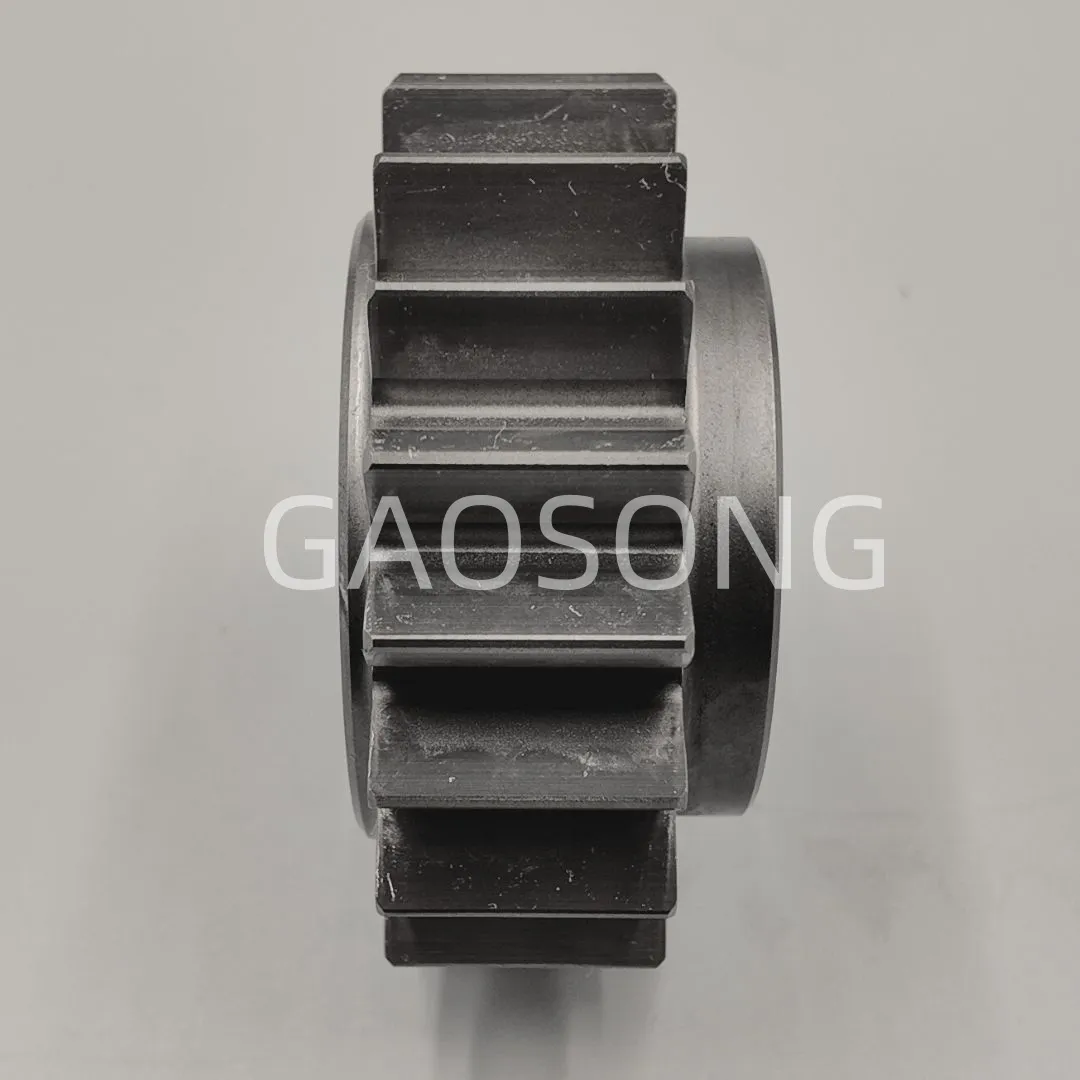 207-26-71510 Gear–Komatsu Original Factory
 -
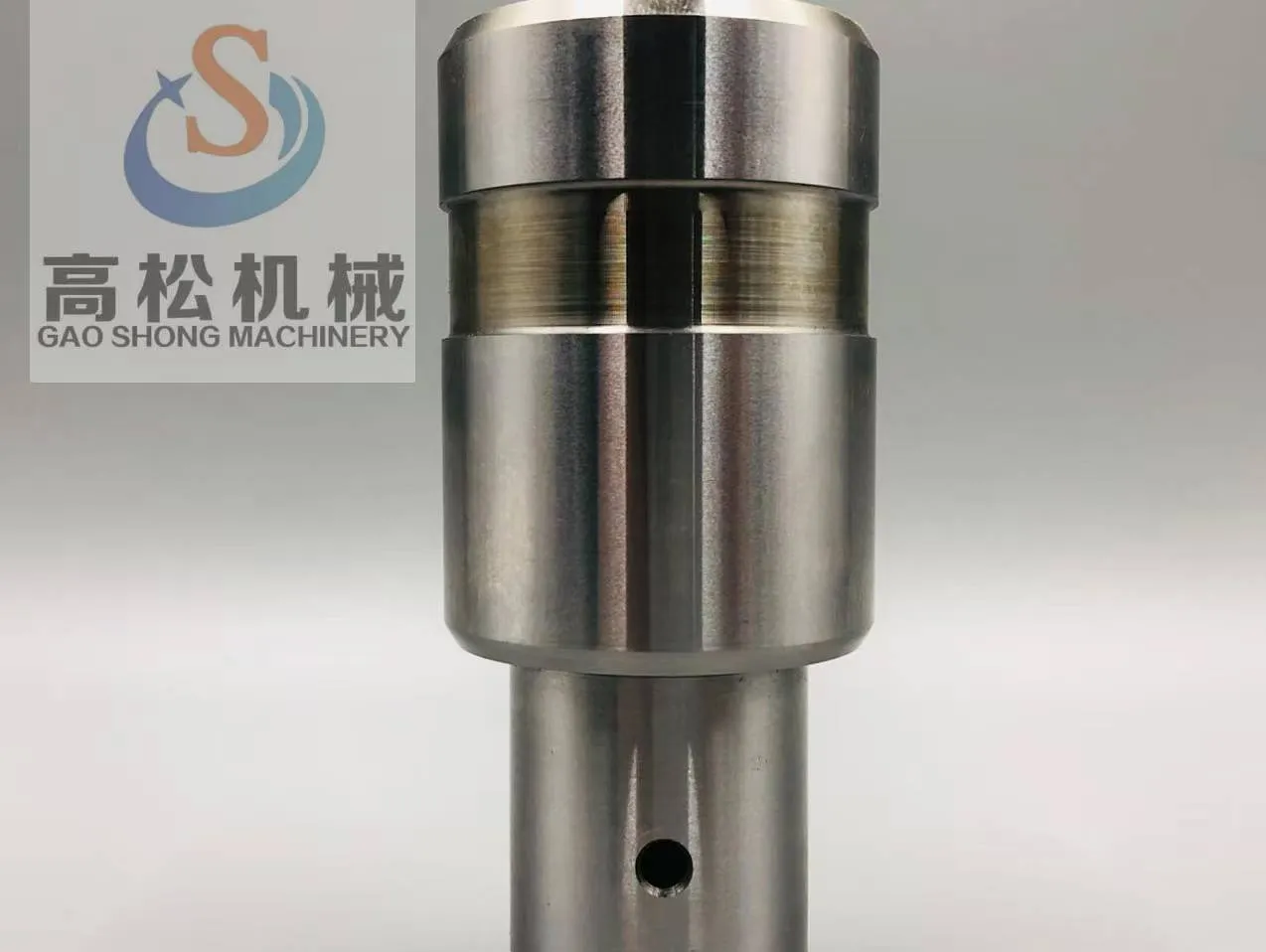 Excavator PC1250sp-8r Axle 6240-61-1313 6240611313
 -
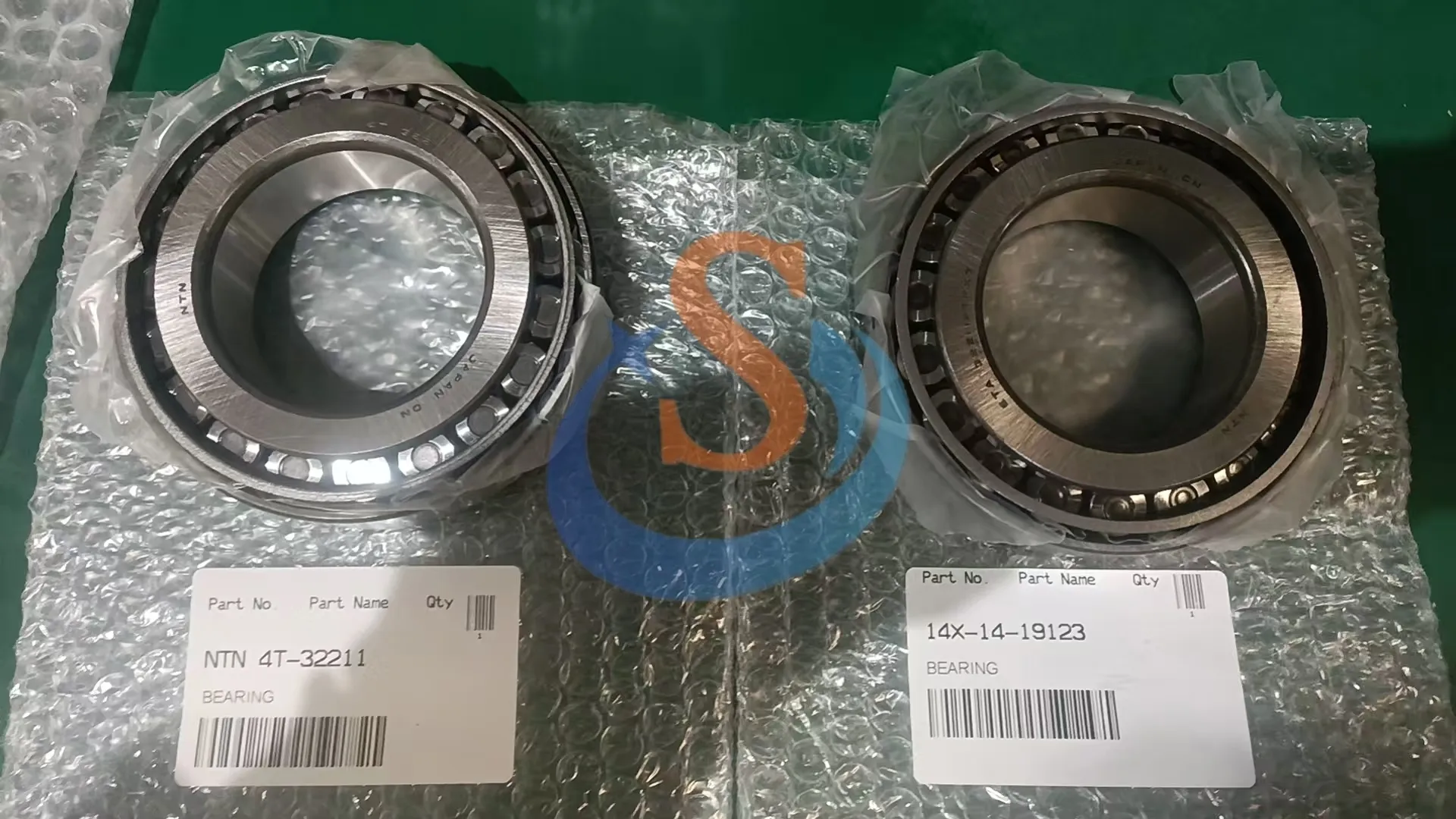 14X-14-19123 BEARING WA380/WA430/WA400
 -
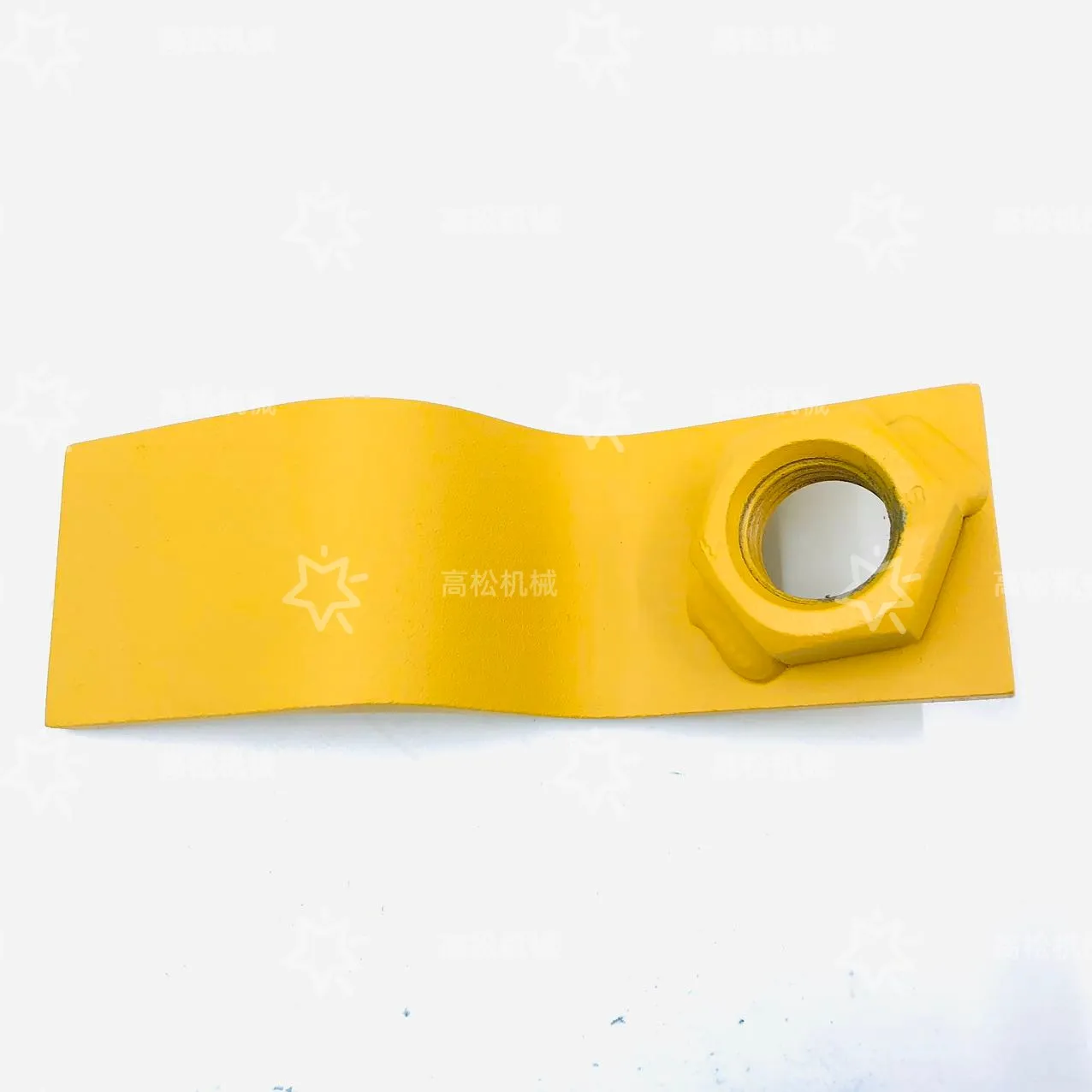 Hot Selling at Low Prices 21P-62-K1520 21M-62-11230 21T-01-67330 21U-62-34760 Underground Facilities
 -
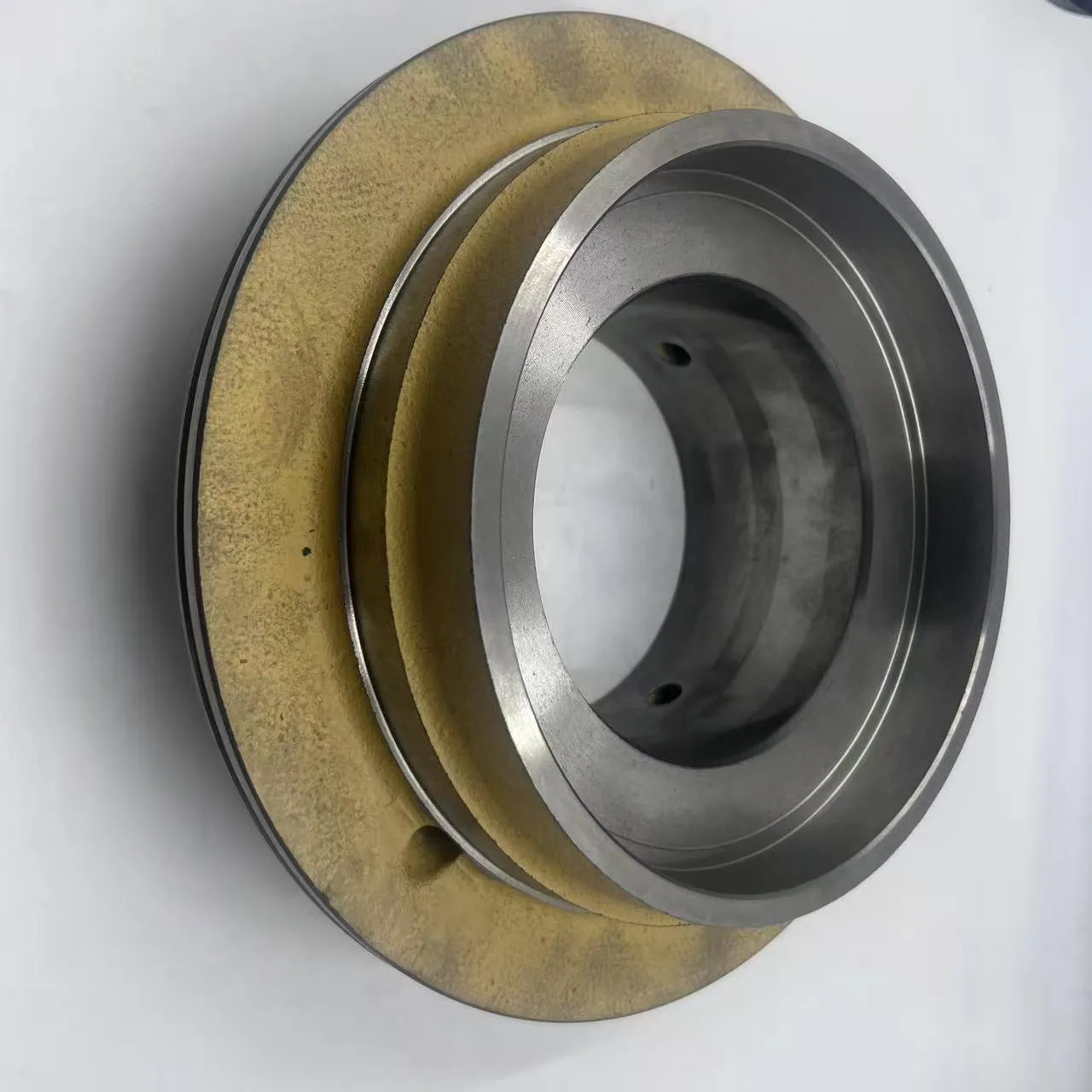 17A-22-11132 Komatsu Cylinder
 -
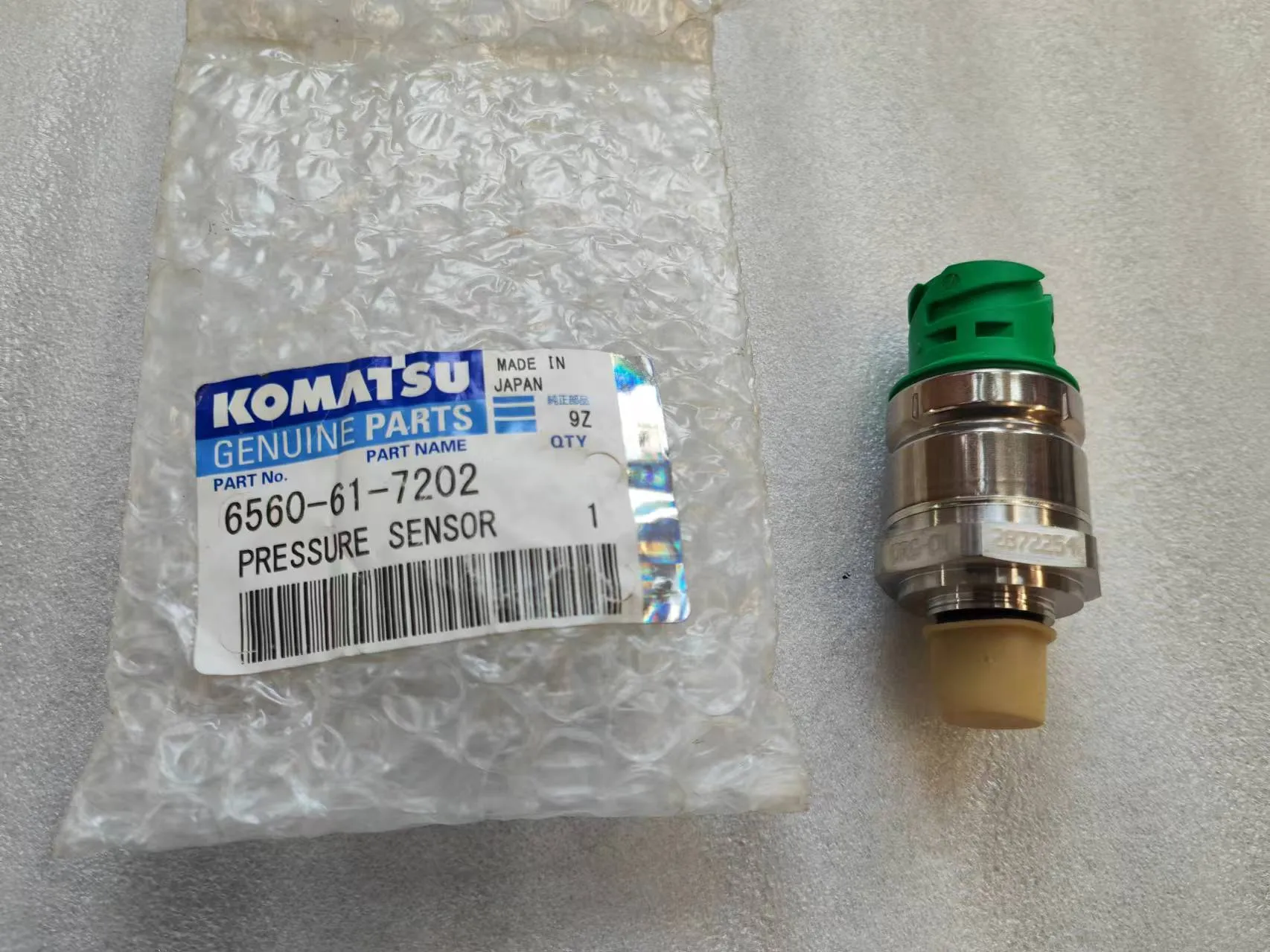 D155AX-6 Pressure Sensor 6560-61-7202
 -
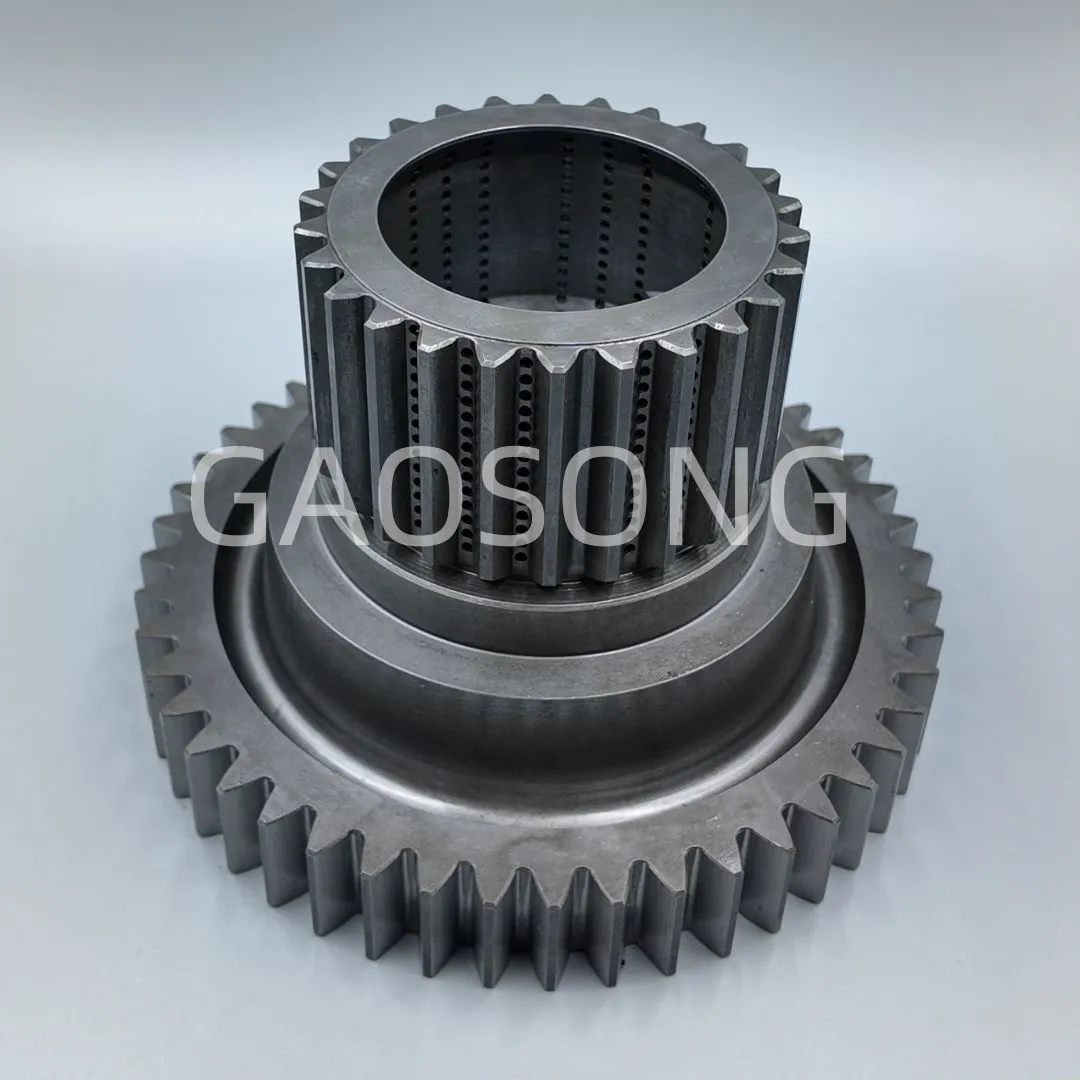 714-07-12420 •• GEAR¤ 48 TEETH,FORWARD–Komatsu Original Factory
 -
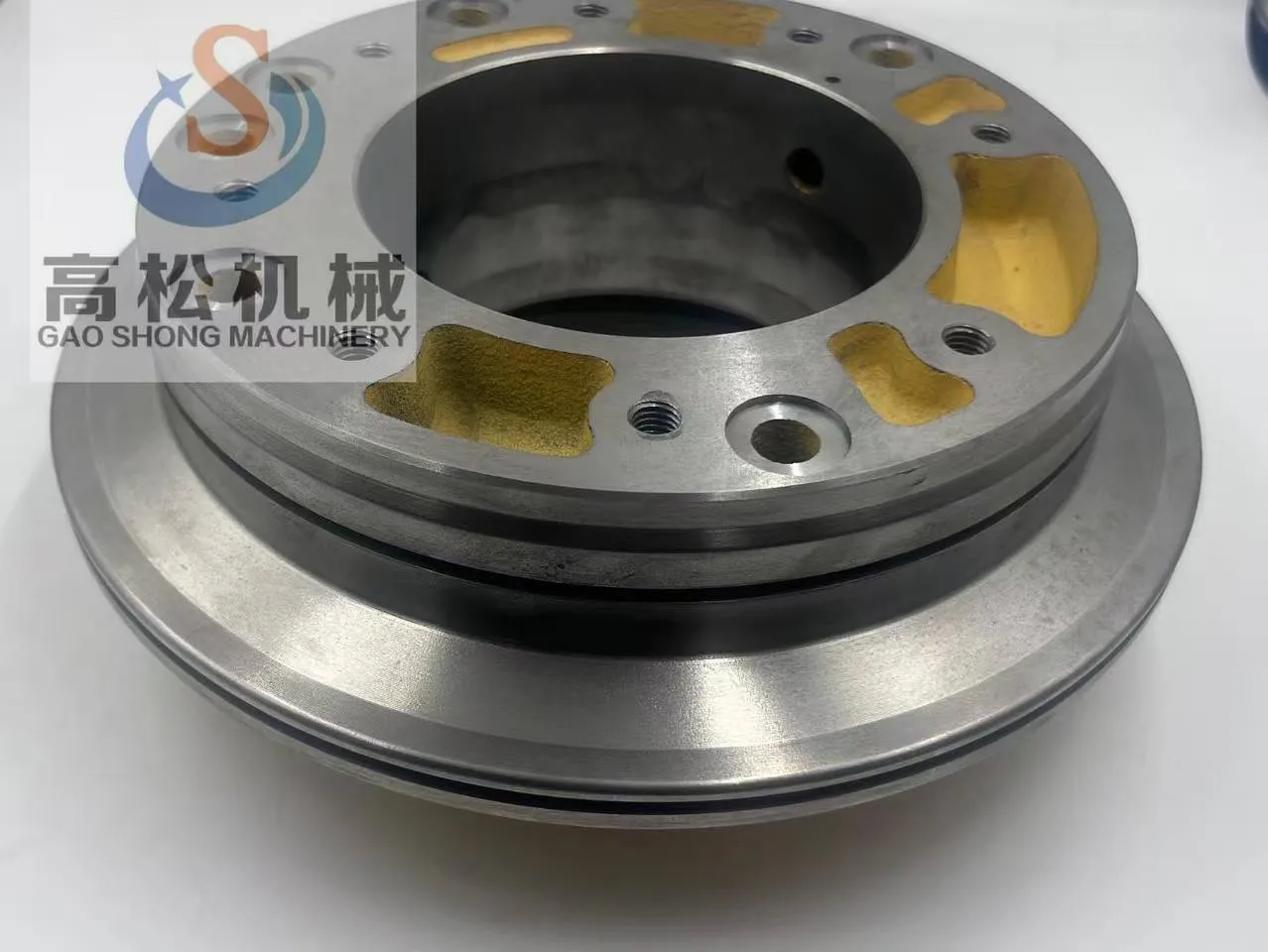 17A-22-11132 Komatsu Original Cylinder Compatible with Bulldozer 155
 -
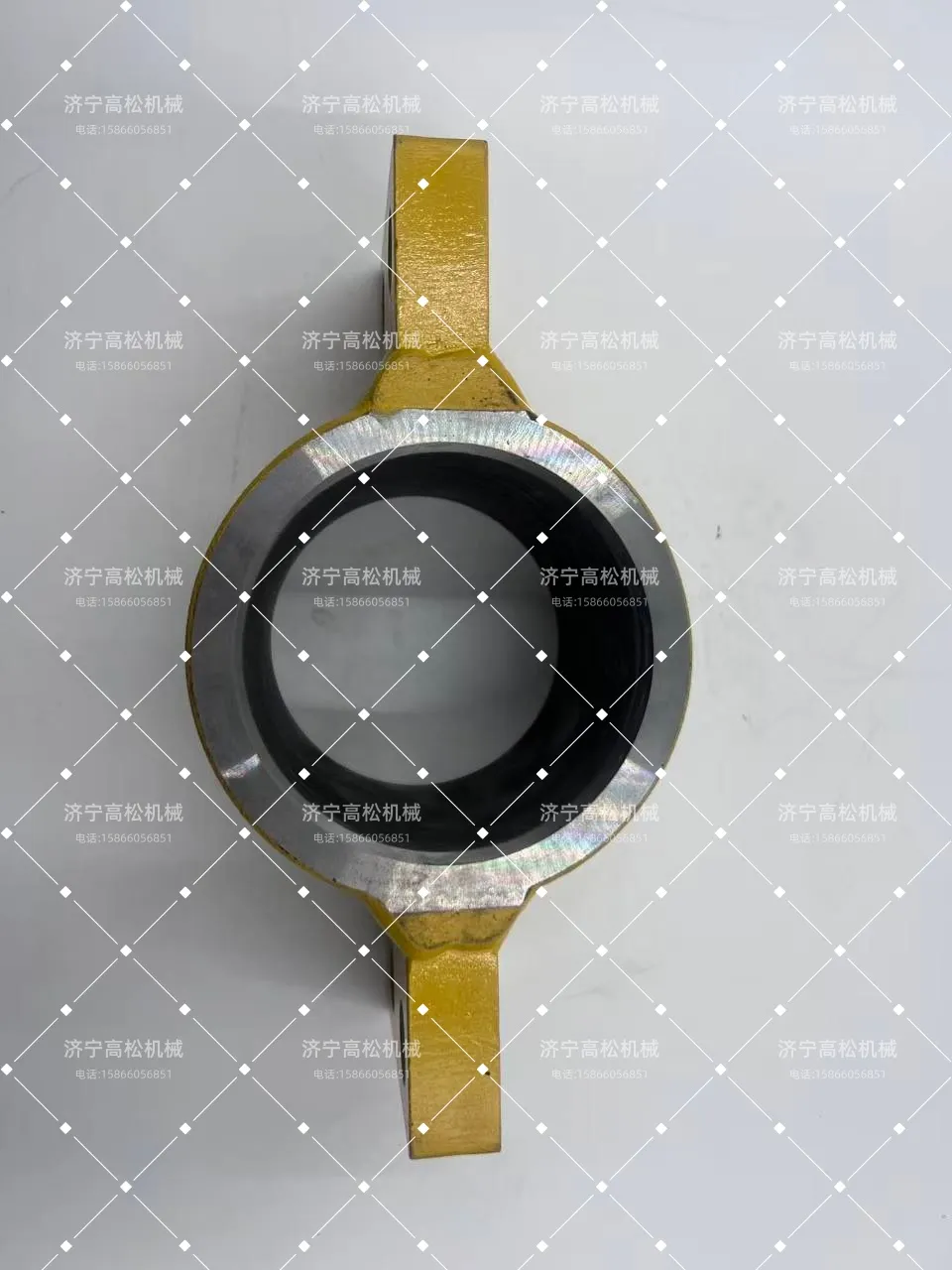 Komatsu Parçaları için İnşaatın Omurgası 566-14-41160 Braketi
 -
707-56-14740 Komatsu D155-3/-5
-
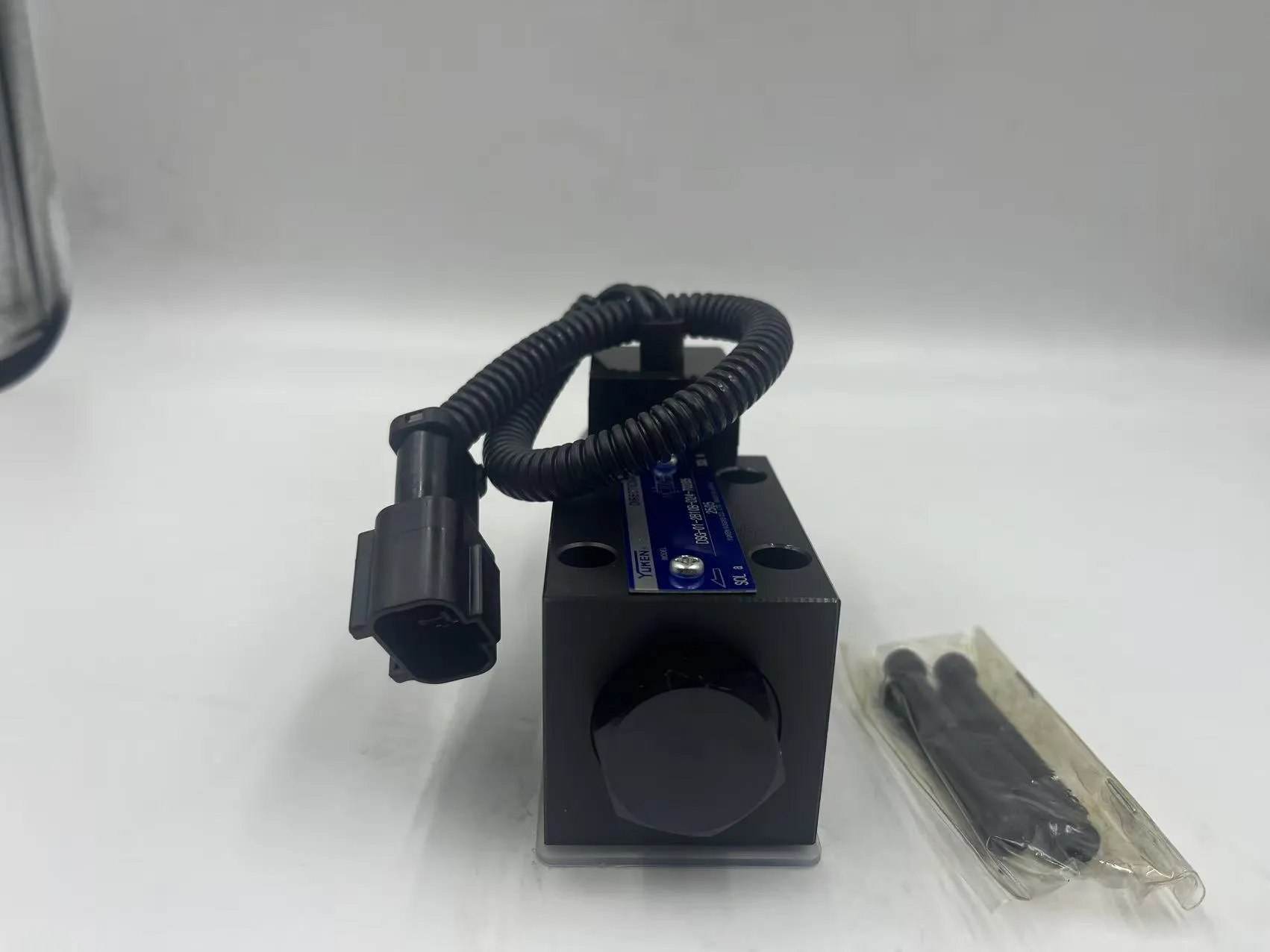 23W-60-28230Valve assembly