
- Chinese
- French
- German
- Portuguese
- Spanish
- Russian
- Japanese
- Korean
- Arabic
- Irish
- Greek
- Turkish
- Italian
- Danish
- Romanian
- Indonesian
- Czech
- Afrikaans
- Swedish
- Polish
- Basque
- Catalan
- Esperanto
- Hindi
- Lao
- Albanian
- Amharic
- Armenian
- Azerbaijani
- Belarusian
- Bengali
- Bosnian
- Bulgarian
- Cebuano
- Chichewa
- Corsican
- Croatian
- Dutch
- Estonian
- Filipino
- Finnish
- Frisian
- Galician
- Georgian
- Gujarati
- Haitian
- Hausa
- Hawaiian
- Hebrew
- Hmong
- Hungarian
- Icelandic
- Igbo
- Javanese
- Kannada
- Kazakh
- Khmer
- Kurdish
- Kyrgyz
- Latin
- Latvian
- Lithuanian
- Luxembou..
- Macedonian
- Malagasy
- Malay
- Malayalam
- Maltese
- Maori
- Marathi
- Mongolian
- Burmese
- Nepali
- Norwegian
- Pashto
- Persian
- Punjabi
- Serbian
- Sesotho
- Sinhala
- Slovak
- Slovenian
- Somali
- Samoan
- Scots Gaelic
- Shona
- Sindhi
- Sundanese
- Swahili
- Tajik
- Tamil
- Telugu
- Thai
- Ukrainian
- Urdu
- Uzbek
- Vietnamese
- Welsh
- Xhosa
- Yiddish
- Yoruba
- Zulu
- Kinyarwanda
- Tatar
- Oriya
- Turkmen
- Uyghur






komatsu forklift parts online catalog
When you punch 'komatsu forklift parts online catalog' into a search bar, you're not just looking for a list. You're likely in a bind—a machine is down, production is waiting, and you need the right part, fast. The common trap? Believing every digital catalog claiming Komatsu affiliation offers the same level of accuracy, authenticity, or logistical sense. Many are just glossy fronts with poor cross-referencing, leading to wrong orders and costly downtime. Having sourced parts for years, I've learned that the utility of an online catalog is less about its interface and more about the expertise and supply chain backing it.
The Illusion of Universal Availability
Early on, I assumed a major manufacturer like Komatsu had a seamless, global parts network. Reality check: it's fragmented. Regional distributors have varying stock, and official channels for one country might not ship to another. This is where the promise of an online catalog often falls apart. You find the part number, but then hit a wall: not available for your region or lead times of 8+ weeks. That's when you realize the catalog is just the first step; the entity behind it is what matters.
I remember a specific ordeal trying to source a solenoid valve for a 2016 Komatsu FG18T-16 forklift. The official regional portal showed it in stock, but the order stalled for weeks. The catalog was accurate, but the inventory data wasn't real-time. We lost nearly a month. This experience shifted my focus from the catalog itself to the supplier's operational transparency. Do they show live stock levels? Do they list OEM part numbers alongside compatible alternatives? That's critical info.
This gap in reliable supply is precisely why companies like Jining Gaosong Construction Machinery Co., Ltd. exist. Operating as both an OEM product supplier within the Komatsu system and a third-party sales company, they address these logistical fractures. Their role isn't just to list parts; it's to solve the last-mile problem in parts procurement for markets that are often underserved by primary distribution channels.
What a Real Catalog Actually Needs
Beyond the basic search-by-model function, a useful catalog needs depth. Can you search by the number stamped on the old component? Can you pull up a full schematic for the mast assembly or the hydraulic circuit? The best resources I've used integrate exploded-view diagrams directly into the catalog, like those you'd find in a technical service manual. This visual confirmation is a lifesaver, preventing mistakes when dealing with complex assemblies like the Komatsu forklift drive axle or control valve bank.
Another non-negotiable is clarity on part provenance. Is the listed item genuine Komatsu, OEM-equivalent, or aftermarket? A trustworthy catalog will distinguish these clearly. For instance, a wear part like a fork tip might have a robust aftermarket option, while a controller board should almost always be genuine. I've seen catalogs that blur these lines, causing performance issues later. The catalog at https://www.takematsumachinery.com reflects this dual role—it likely structures its listings to clarify what's sourced through the official Komatsu system versus what are vetted third-party solutions that meet the OEM standard.
Filtering capability is huge. Filtering by serial number range is crucial, as specs can change mid-model year. A good catalog will flag that. Also, showing related kits—like a seal kit for a cylinder rebuild alongside the individual components—shows the catalog is built by people who understand repair workflows, not just data entry.
The Pitfalls of Cross-Referencing and Compatibility
Here's where pure digital catalogs can mislead if they lack human oversight. A part number might supersede to a new one, but the new part may require a minor modification or an additional gasket. A basic listing won't tell you that. I once ordered a water pump based on a catalog match. It fit, but the impeller was slightly different, leading to inadequate coolant flow. The issue wasn't the part's fault, but the catalog's lack of a critical compatibility note.
This is why the background of the supplier is key. A company that is an OEM supplier within the Komatsu ecosystem has access to technical bulletins and update notes that a pure third-party reseller might not. They can build those nuances into their catalog system or, at the very least, have the expertise to advise when you call. Their website's stated mission of helping to solve parts supply challenges in certain countries suggests they're set up to handle these complex queries that go beyond a simple web search.
For electrical components, the catalog must include more than just the part number. Photos of the connector type, voltage ratings, and even a brief test procedure can be invaluable. I've found that the most reliable online resources are those that seem to anticipate the mechanic's next question right there on the product page.
Logistics: The Make-or-Break After the Click
You've found the correct forklift part in the catalog. Now what? A sophisticated catalog integrates logistics transparency. Estimated shipping time to your postal code, customs documentation support for international orders, and clear packaging details are essential. For urgent needs, seeing if a part is in a regional warehouse versus a central hub dictates the decision.
Companies operating in the space of solving supply challenges, like the mentioned Jining Gaosong, typically have logistics networks tailored for efficiency in their target regions. Their catalog's value is multiplied if their checkout or inquiry process seamlessly handles international commerce, taxes, and expedited freight options. This end-to-end integration is what transforms a reference catalog into a practical procurement tool.
A failure I experienced was with a supplier whose catalog was excellent but whose shipping was a black box. The part was dispatched, but with no tracking or carrier info. It arrived three weeks later via a convoluted postal route. Now, I judge a catalog's backend by its shipping clarity as much as its product data.
Beyond the Catalog: The Value of Technical Backstop
No online catalog is infallible. The final layer of trust comes from knowing there's expert support behind it. Can you send a blurry photo of a damaged component via WhatsApp or email and get a part number confirmation? Does the company provide technical documentation on request? This is where the distinction between a mere parts listing and a true solution provider becomes apparent.
The company profile of Jining Gaosong Construction Machinery Co., Ltd. hints at this capability. Being embedded in the Komatsu system suggests access to deeper technical resources. When you're dealing with a complex system like a Komatsu S6 Series engine or the hydrostatic transmission in a large forklift, this backstop is invaluable. It turns the online catalog from a static database into a gateway to specialized support.
In practice, the most efficient parts sourcing often involves a hybrid approach: using the online catalog for initial identification and validation, then direct contact for final verification, especially for high-value or critical components. The best suppliers encourage this, their catalog serving as a powerful starting point for a informed conversation, not a replacement for it.
So, when evaluating a 'komatsu forklift parts online catalog', look past the search bar. Scrutinize the depth of data, the clarity on provenance, the integration of logistics, and the technical substance of the organization behind it. The right catalog, backed by a knowledgeable partner, isn't just a shopping list—it's the fastest route from machine downtime to getting your lift truck back in operation.
Related Products
Related Products

Best Selling Products
Best Selling Products-
 23C02-15720komatsu parts
 -
 7861-93-1653 7861-93-1652 7861-93-1650 HYDRAULIC PUMP SENSOR for PC300-7
 -
 KD0-23500-1024 Komatsu CLUTCH ASS’Y
 -
 14X-60-11120,STRAINER,D31PX,D31EX,D65PX
 -
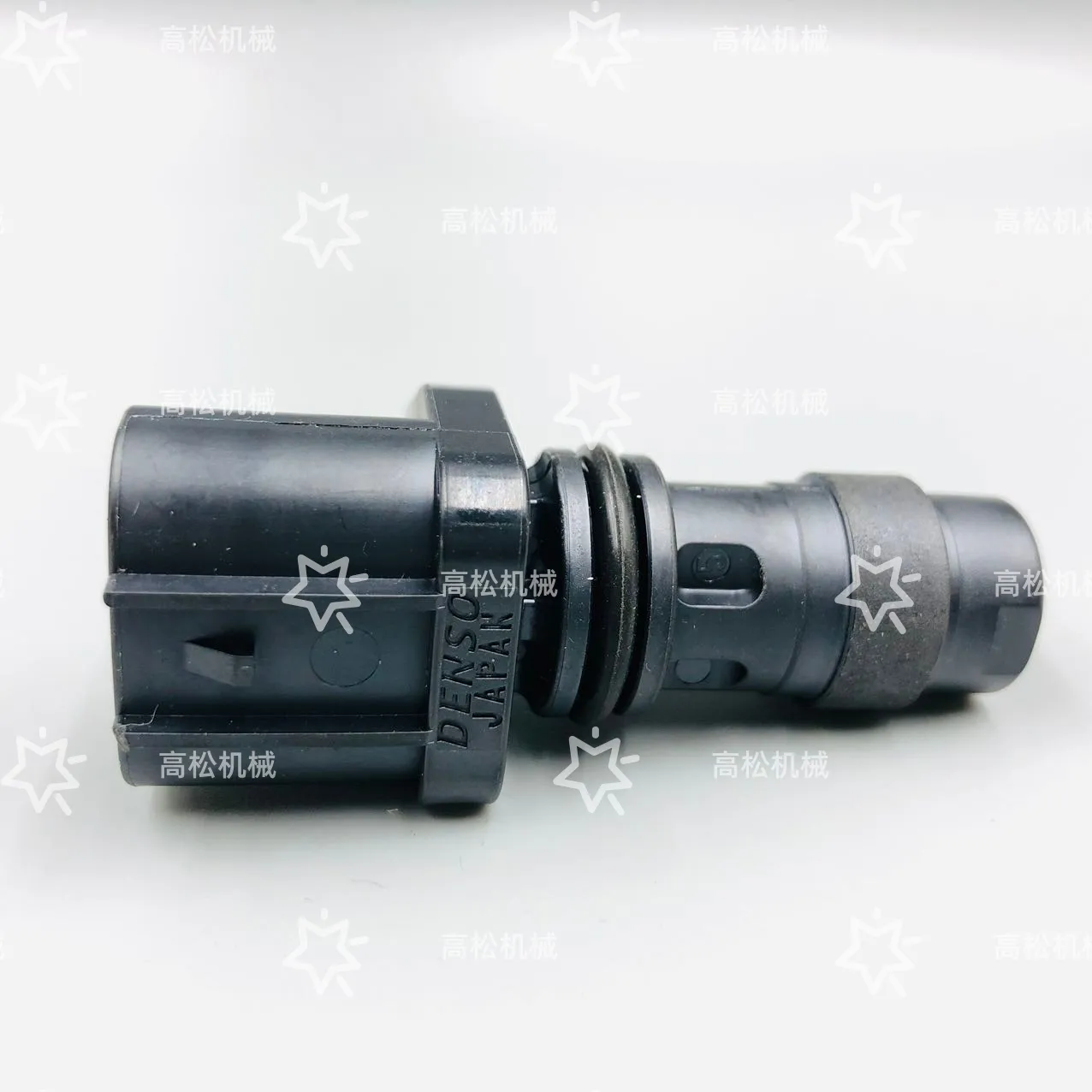 ND949979-1300 Camshaft Position Sensor for Komatsu Excavator PC400-8 PC450-8
 -
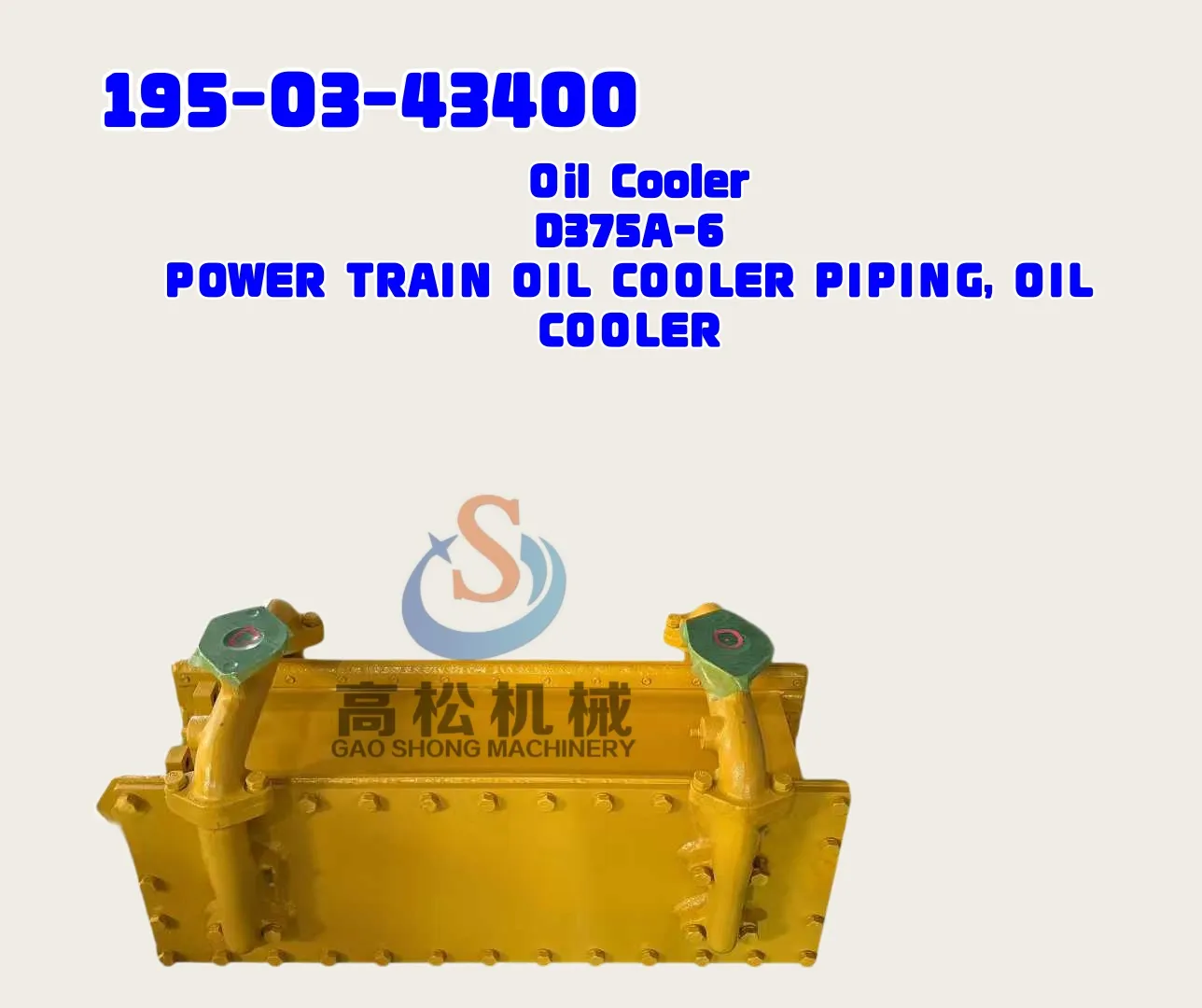 komatsu-part-195-03-43400 Oil Cooler D375A-6 D375A-6R POWER TRAIN OIL COOLER PIPING, OIL COOLER
 -
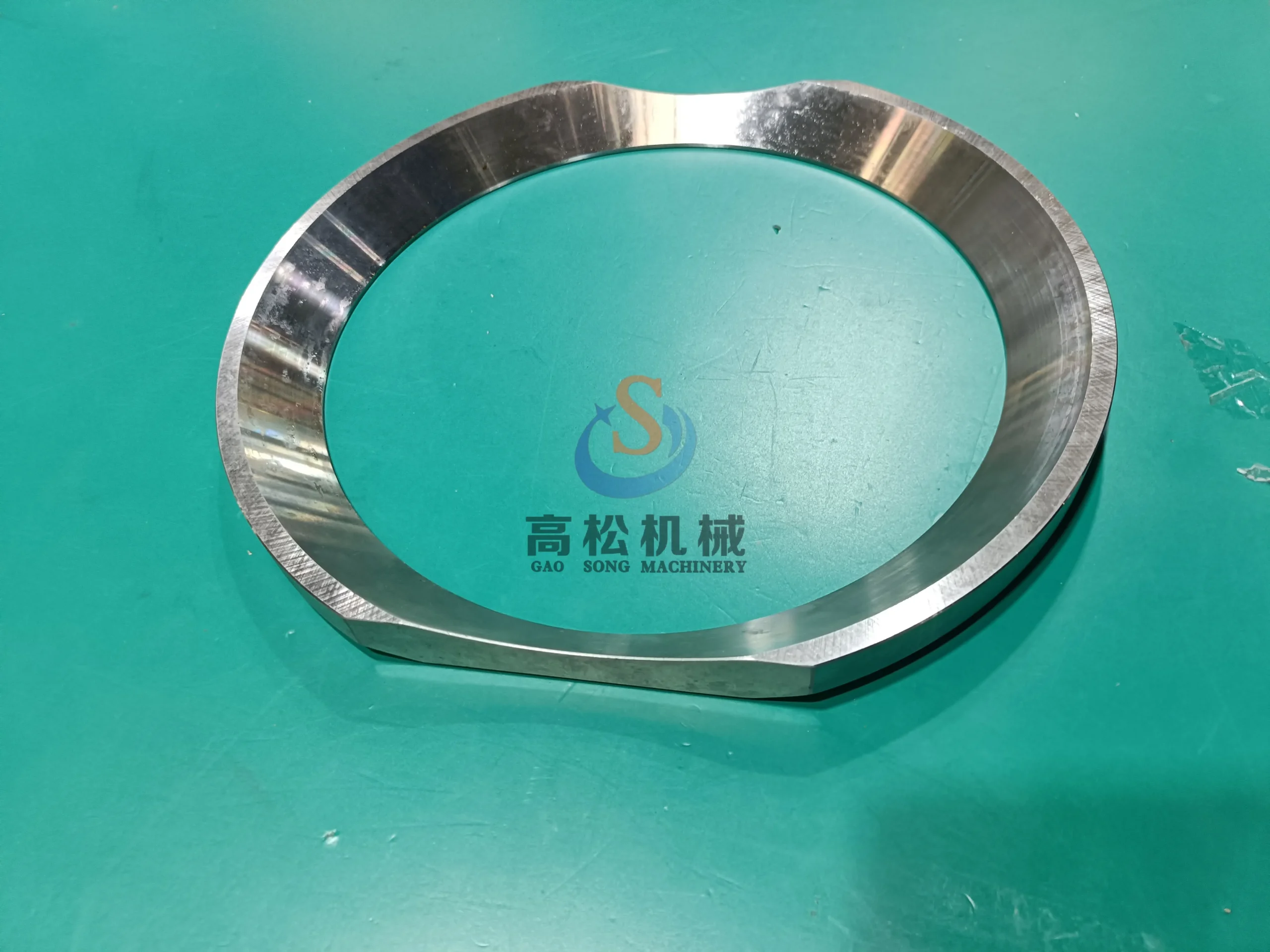 154-27-72350 komatsu COLLAR-D85
 -
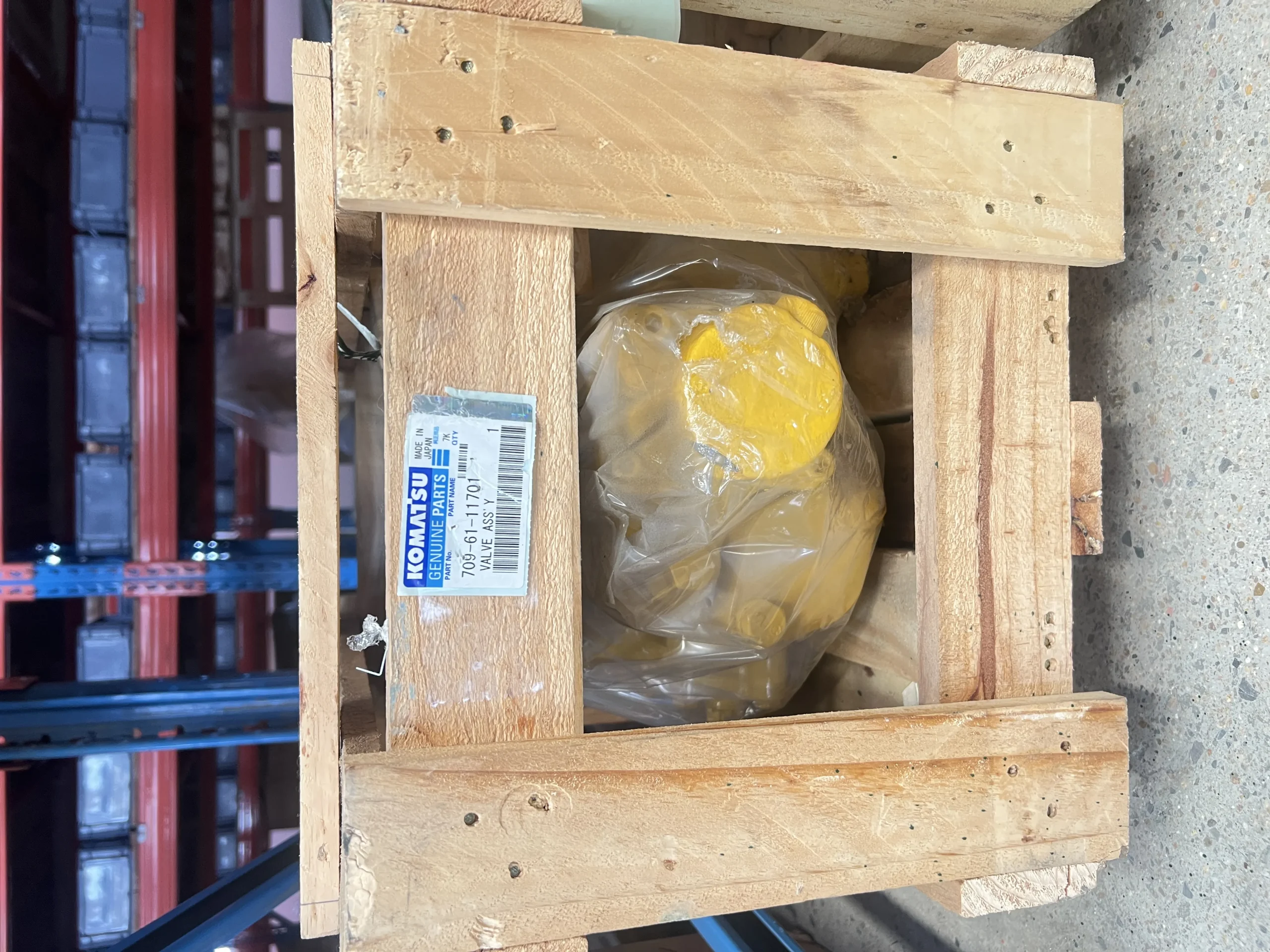 709-61-11701 Valve Assembly for Komatsu D375A-5D
 -
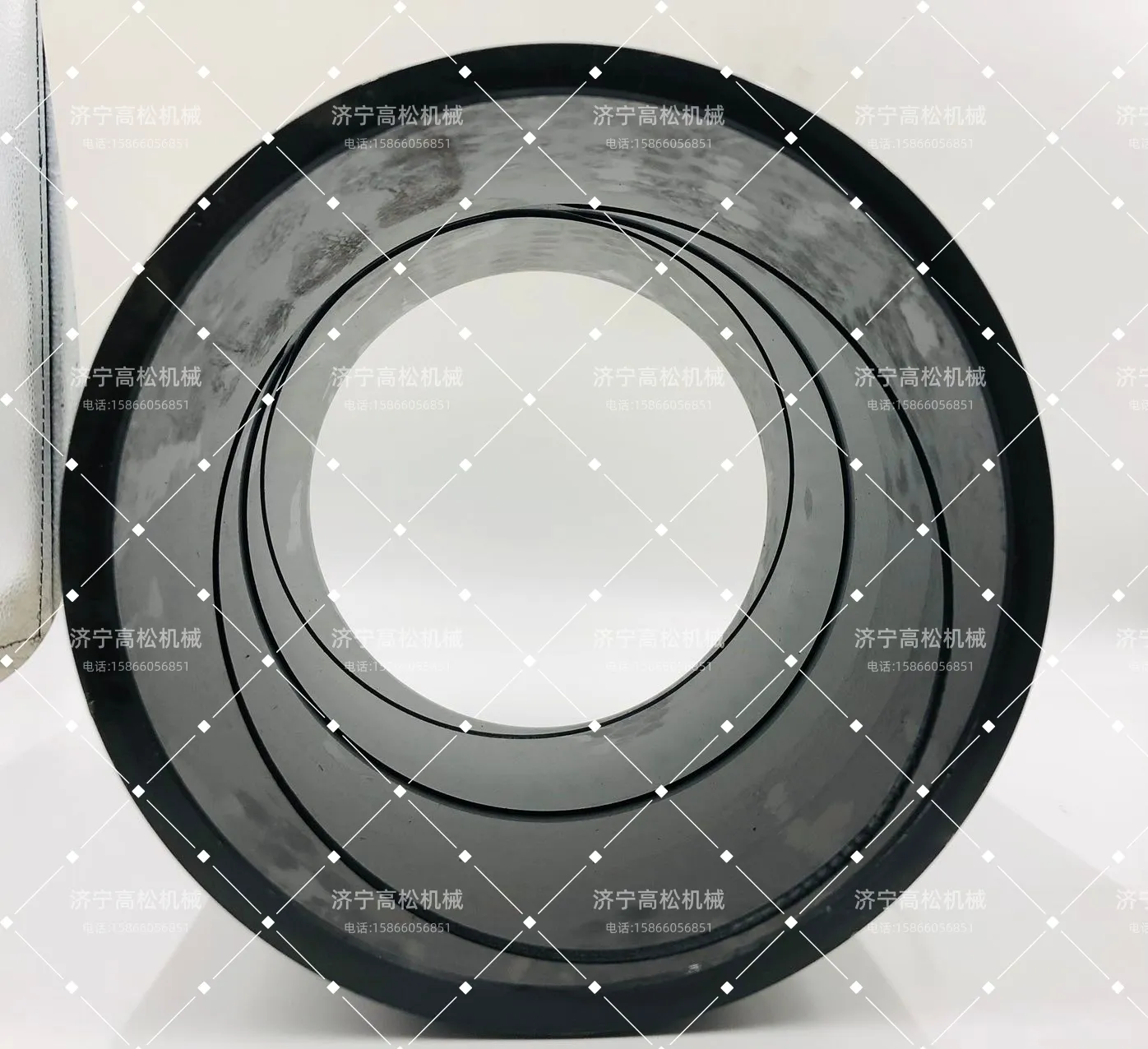 BUSHING 707-76-16011 KOMATSU
 -
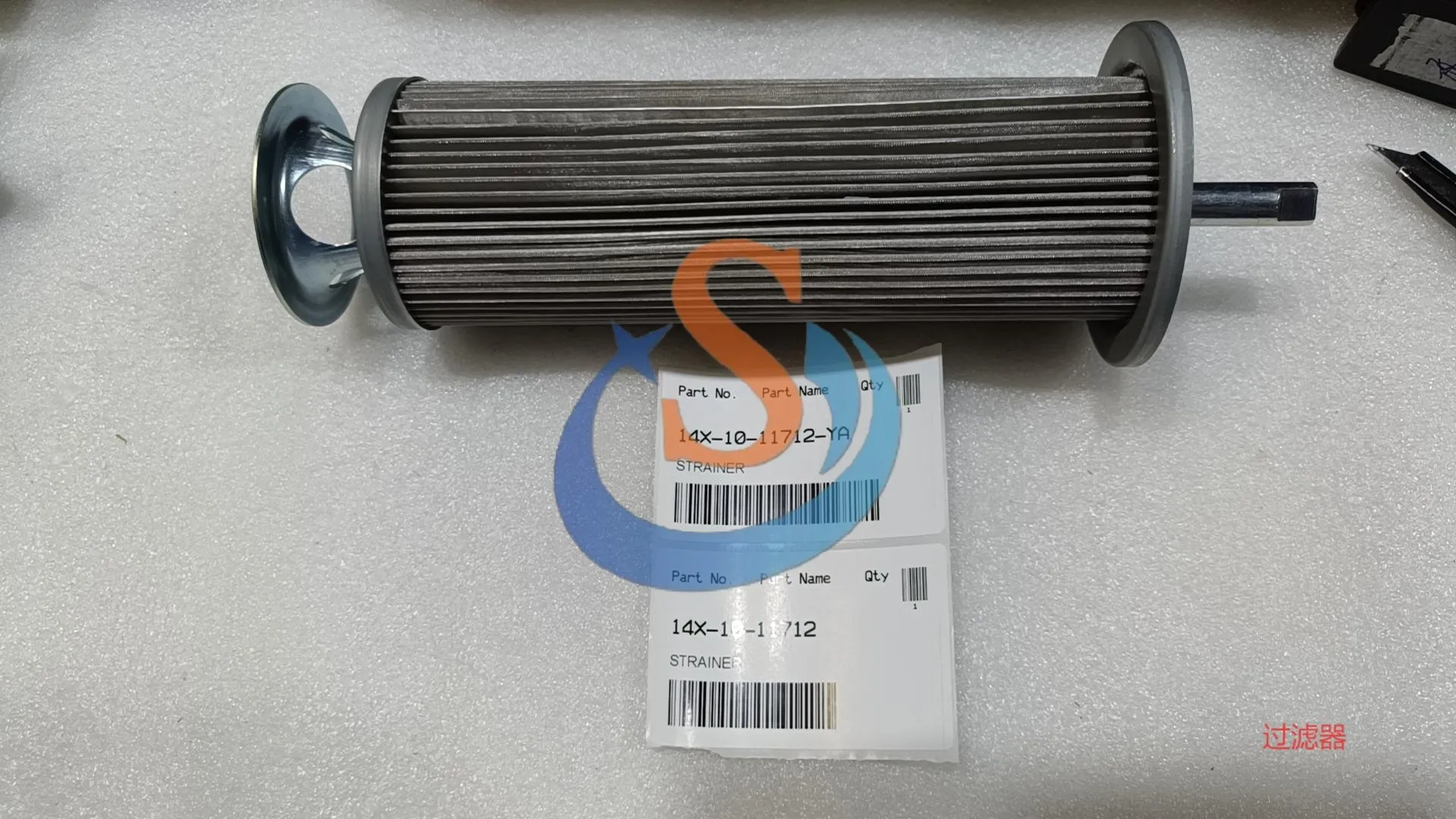 14X-10-11712 STRAINER D65EX/D85EX
 -
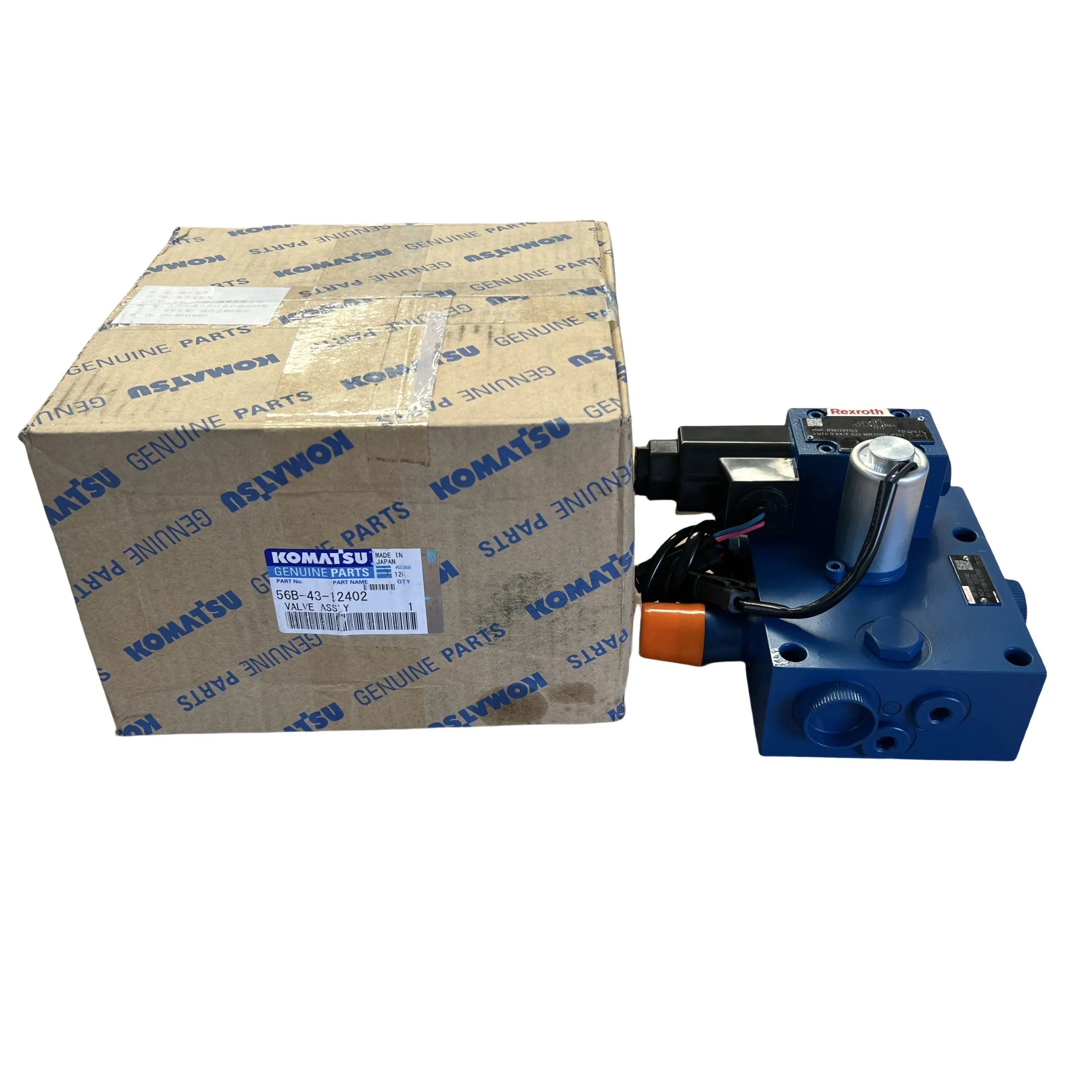 EPC valve 56B-43-120402 for Komatsu HD465-7
 -
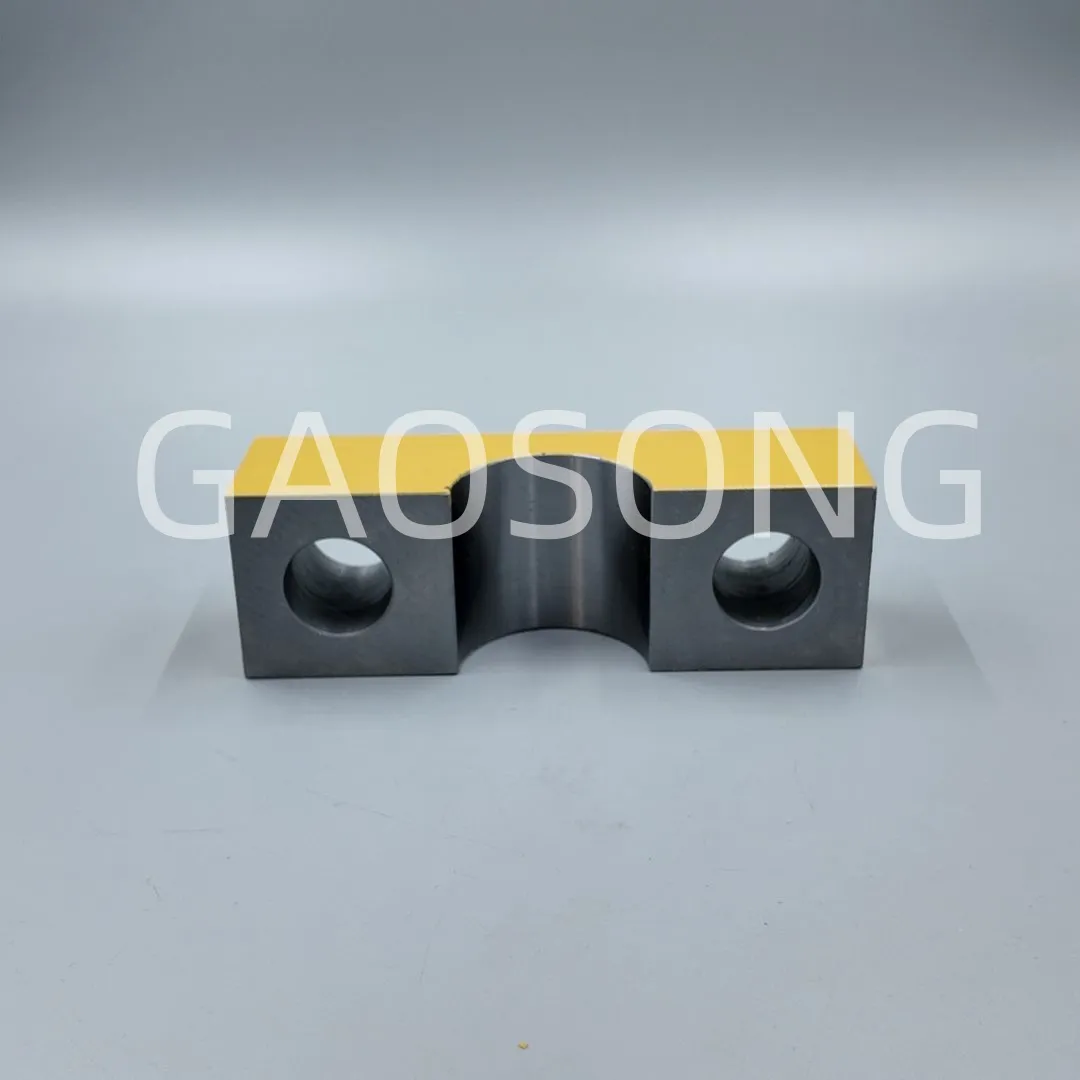 56B-50-12150 Komatsu Plate