
- Chinese
- French
- German
- Portuguese
- Spanish
- Russian
- Japanese
- Korean
- Arabic
- Irish
- Greek
- Turkish
- Italian
- Danish
- Romanian
- Indonesian
- Czech
- Afrikaans
- Swedish
- Polish
- Basque
- Catalan
- Esperanto
- Hindi
- Lao
- Albanian
- Amharic
- Armenian
- Azerbaijani
- Belarusian
- Bengali
- Bosnian
- Bulgarian
- Cebuano
- Chichewa
- Corsican
- Croatian
- Dutch
- Estonian
- Filipino
- Finnish
- Frisian
- Galician
- Georgian
- Gujarati
- Haitian
- Hausa
- Hawaiian
- Hebrew
- Hmong
- Hungarian
- Icelandic
- Igbo
- Javanese
- Kannada
- Kazakh
- Khmer
- Kurdish
- Kyrgyz
- Latin
- Latvian
- Lithuanian
- Luxembou..
- Macedonian
- Malagasy
- Malay
- Malayalam
- Maltese
- Maori
- Marathi
- Mongolian
- Burmese
- Nepali
- Norwegian
- Pashto
- Persian
- Punjabi
- Serbian
- Sesotho
- Sinhala
- Slovak
- Slovenian
- Somali
- Samoan
- Scots Gaelic
- Shona
- Sindhi
- Sundanese
- Swahili
- Tajik
- Tamil
- Telugu
- Thai
- Ukrainian
- Urdu
- Uzbek
- Vietnamese
- Welsh
- Xhosa
- Yiddish
- Yoruba
- Zulu
- Kinyarwanda
- Tatar
- Oriya
- Turkmen
- Uyghur






komatsu forklift parts online
When you punch 'komatsu forklift parts online' into a search bar, you're not just looking for a widget. You're likely in a bind, a machine is down, and the clock is ticking. The immediate flood of results—some genuine, some shady warehouses, some outright scams—is the first real hurdle. A common trap is assuming all parts labeled OEM or Genuine online are created equal, or that the cheapest listing is the smartest buy. Having spent years sourcing for operations, I've learned that search result position rarely correlates with part reliability or supplier integrity. The real game starts after you click.
The OEM Promise and the Third-Party Reality
Let's talk about that OEM tag. In the Komatsu universe, it's sacred. But here's the nuance most miss: being an OEM product supplier within the Komatsu system is different from just being an authorized dealer. The former often means manufacturing components to Komatsu's blueprint, sometimes for specific regional markets or older models phased out from primary channels. This is where a company like Jining Gaosong Construction Machinery Co., Ltd. operates. They position themselves as an OEM product supplier within the system and a third-party sales company for Komatsu. In practice, this dual role is critical. It means they can access the official pipeline but also navigate outside it to solve specific supply chain gaps, especially in regions where official distribution is thin or slow.
I recall a situation needing a mast roller assembly for an old 2013 FD30. The official local dealer quoted a 12-week lead time from Japan—a non-starter. Scouring online led me to several suppliers, including Gaosong's portal, takematsumachinery.com. Their listing showed the same part number, but the description was candid: OEM-spec, manufactured per original drawings. Not genuine, but OEM-spec. That transparency is worth more than a thousand five-star reviews. It tells me they understand the distinction and aren't trying to blur the lines for a quick sale.
The gamble, of course, is quality consistency. A true Komatsu genuine part has a predictable failure curve. A third-party OEM-spec part? It can be perfect, or it can have a heat treatment variance that shows up six months later. With Gaosong, their stated role as a problem-solver for parts supply challenges in certain countries suggests they're targeting exactly these pain points—obsolete models, regional shortages. They're not trying to be the primary source for every brand-new forklift part, but a backup for when the main system fails. That's a realistic, and valuable, niche.
Decoding the Online Marketplace: More Than Just a Cart
An effective parts website isn't about flashy graphics; it's about search functionality and data depth. Can you search by Komatsu's part number? By model? By serial number range? Many sites fail here. You type in 6D and get zero results, or worse, a contact us prompt. The good ones, and I've seen this on the takematsumachinery.com site, often have a robust cross-reference. They might list compatible aftermarket numbers or show which model series used that specific valve. This isn't automated magic; it's built from a deep, messy database someone had to manually populate—a sign of real backend work.
Photography is another tell. Stock OEM images are useless. You need to see the actual part you'll receive. Close-ups of casting marks, the finish on a seal surface, the packaging. I've ordered hydraulic pumps online that arrived in generic boxes with no protective caps on the ports—instant red flag. When a supplier shows real, sometimes even slightly imperfect, photos of their inventory, it builds trust. It says they physically have the part and have inspected it.
Then there's the logistics black box. Ships in 24 hours can mean it leaves the seller's dock, not that it's entered a traceable international freight system. For buyers in, say, Southeast Asia or Africa—those certain countries with challenges—this is everything. A supplier that understands incoterms, can provide real commercial invoices for customs, and knows which couriers don't get bogged down in local ports is as important as the part itself. This operational knowledge separates a parts seller from a parts solution provider.
When Compatible Isn't Compatible: A Costly Lesson
We've all been tempted by the 100% compatible part at half the price. Early on, I learned this lesson with a simple Komatsu starter motor. The online listing matched our model FD25. Physically, it bolted on perfectly. Electrically, it turned the engine. The problem was a slight variance in the pinion gear tooth profile. It engaged, but over three weeks, it wore down the ring gear in a way that wasn't immediately catastrophic but led to a total transmission teardown later—a repair bill twenty times the savings on the starter.
This is where the expertise of a specialized supplier matters. A generalist industrial parts website might list by broad compatibility. A specialist focused on Komatsu forklift parts will often have notes: For serial numbers before XXXX, use alternate part YYYY. Or they'll have a tech line you can call. Their entire business is built on preventing that one catastrophic mismatch. The description on Gaosong's site about solving supply challenges implies they're in the business of providing the right part, not just a part. That focus reduces risk.
The aftermath of that starter debacle changed our procurement SOP. Now, for any critical rotating or hydraulic component sourced online, we demand material certifications or specification sheets before purchase. Surprisingly, many reputable third-party OEM suppliers like the one mentioned can provide these. If they balk, it's a hard pass. This extra step filters out the drop-shippers from the real warehouses with engineering support.
The Unspoken Advantage: Access to Obsolete and Regional Stock
This might be the most valuable angle. Komatsu, like all majors, phases out support for older models. Sometimes after 10 years, sometimes 15. But in industrial settings, a 20-year-old forklift might still be a workhorse if maintained. Finding a steering axle for a 1990s 05-series model is a nightmare. Official channels say NLA (No Longer Available).
This is the secret strength of dedicated online parts networks. They aggregate leftover OEM stock from decommissioned machines, partner with factories that still have old tooling, or manufacture limited runs. A supplier acting as a third-party sales company for Komatsu can sometimes tap into this gray market of genuine old stock that never made it back to the mothership. Their website becomes a treasure hunt for obsolete part numbers. I've found NLA solenoid valves this way, saving a client from a $50k electric control upgrade they couldn't afford.
The website https://www.takematsumachinery.com explicitly states they help solve parts supply challenges in certain countries. Often, these challenges are precisely about obsolete models or regions with a high concentration of older equipment. Their model isn't about moving high volumes of common filters; it's about being the finder of the unfindable. For a maintenance manager with an aging fleet, that's a lifeline.
Building a Relationship, Not Just a Transaction
Finally, buying komatsu forklift parts online shouldn't feel anonymous. The best outcomes come from turning a one-time search into a dialogue. After a successful purchase of a hard-to-find hydraulic control block from a specialized supplier, I made a point to email their sales contact not just with a thanks, but with a technical question about the port thread spec. The detailed, engineer-level reply I got confirmed they weren't just order-takers.
This is the intangible. When you find a source that provides accurate photos, clear OEM vs. OEM-spec labeling, understands logistics, and specializes in your brand's ecosystem, you bookmark it. You might even send them a wish list of your fleet's model numbers. They can often set stock alerts or pre-identify potential future headaches.
In the end, the keyword search is just the opening move. The real work is in the vetting—interpreting website claims, understanding supplier models like Gaosong's hybrid OEM/third-party role, and using detailed communication to de-risk the purchase. The goal isn't just to get a part delivered, but to get the correct part that keeps the machine running without causing the next failure. That's the difference between buying a commodity and sourcing a component.
Related Products
Related Products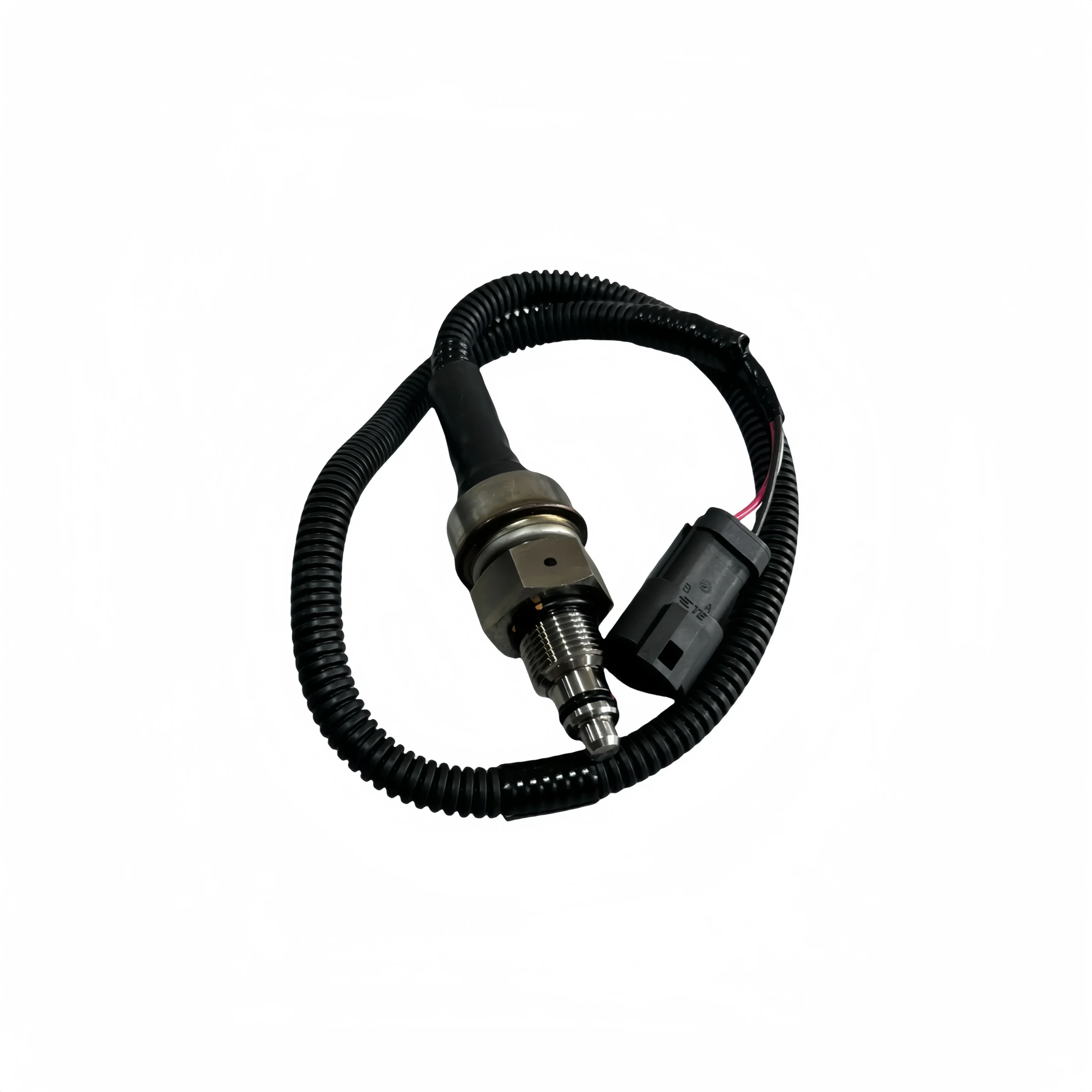

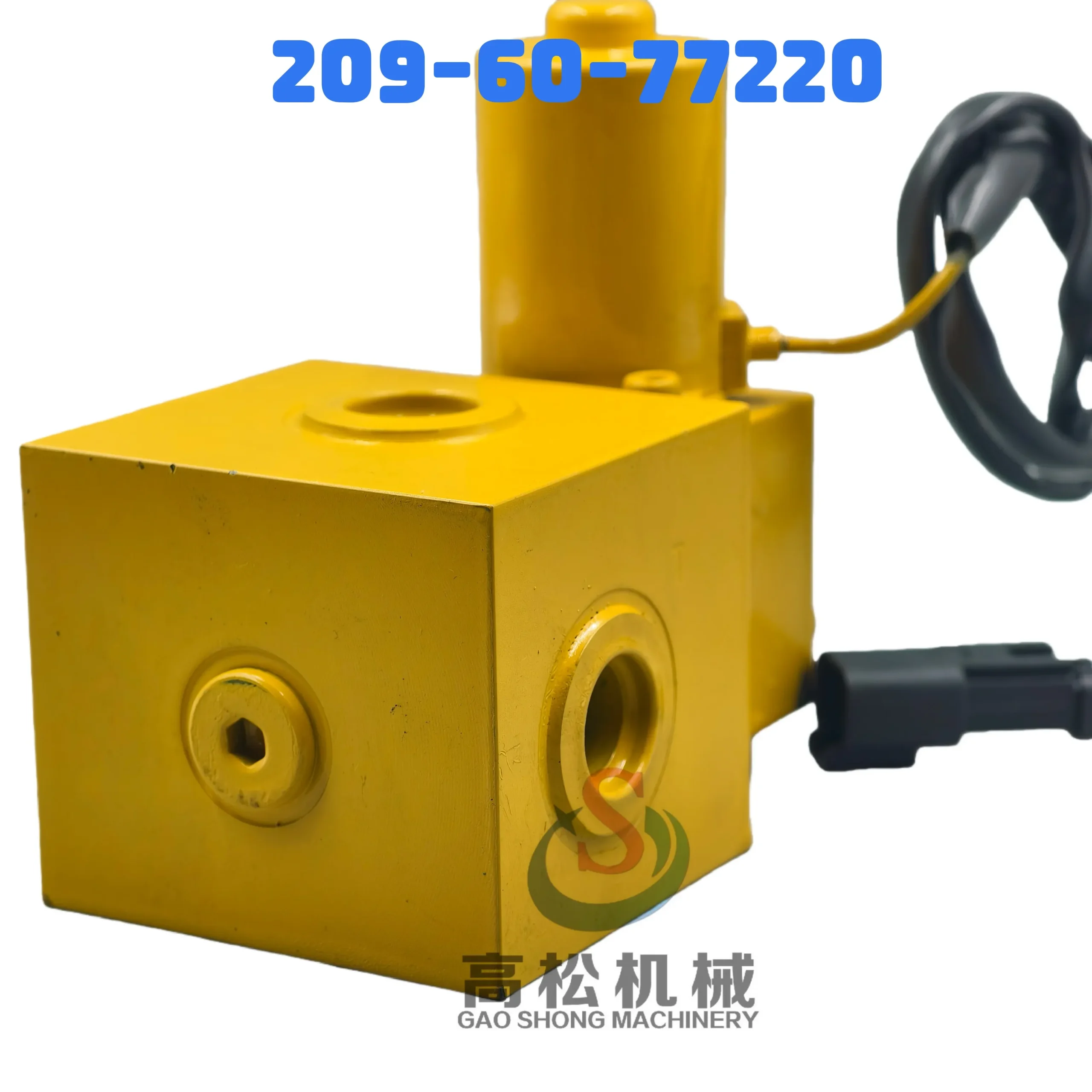
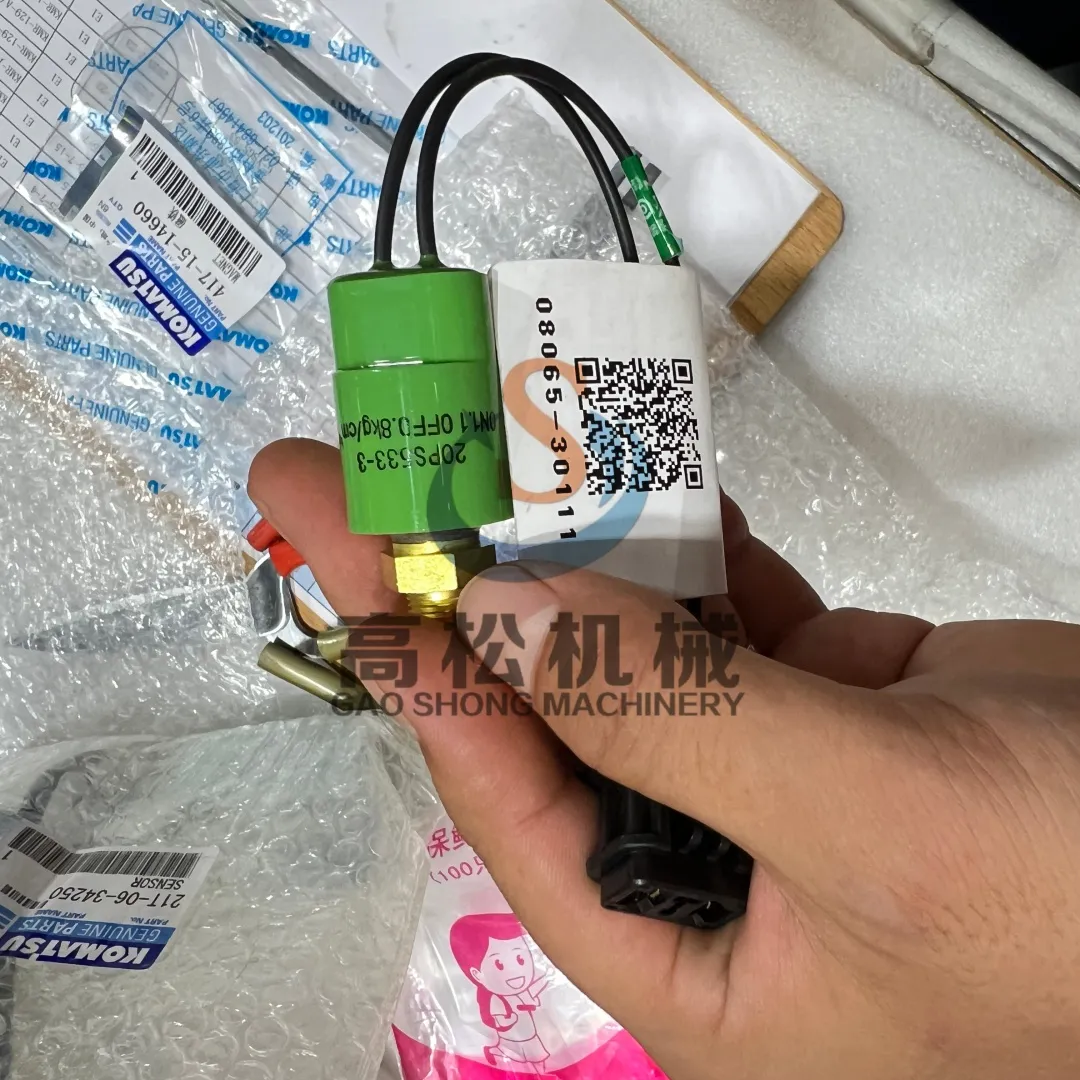
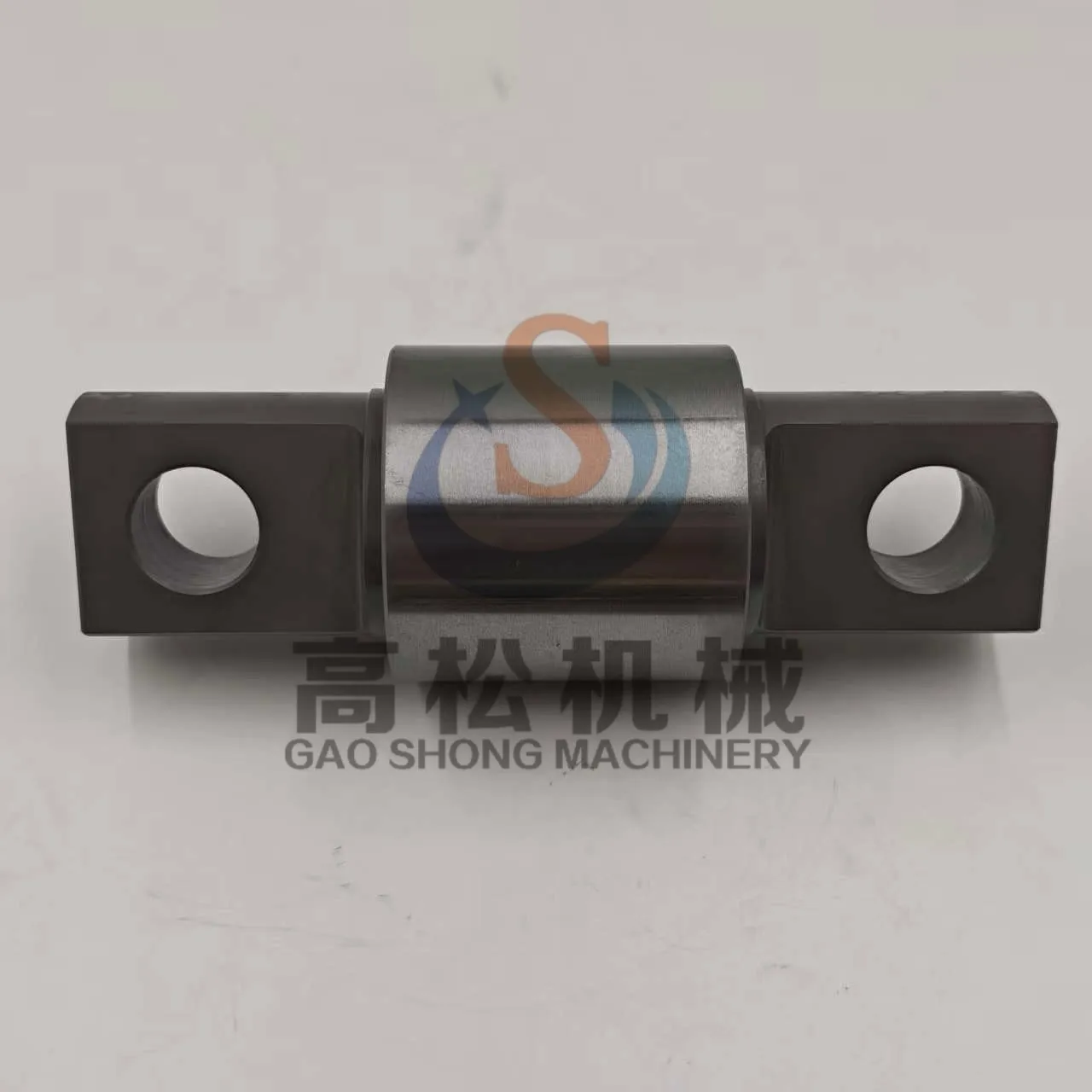

Best Selling Products
Best Selling Products-
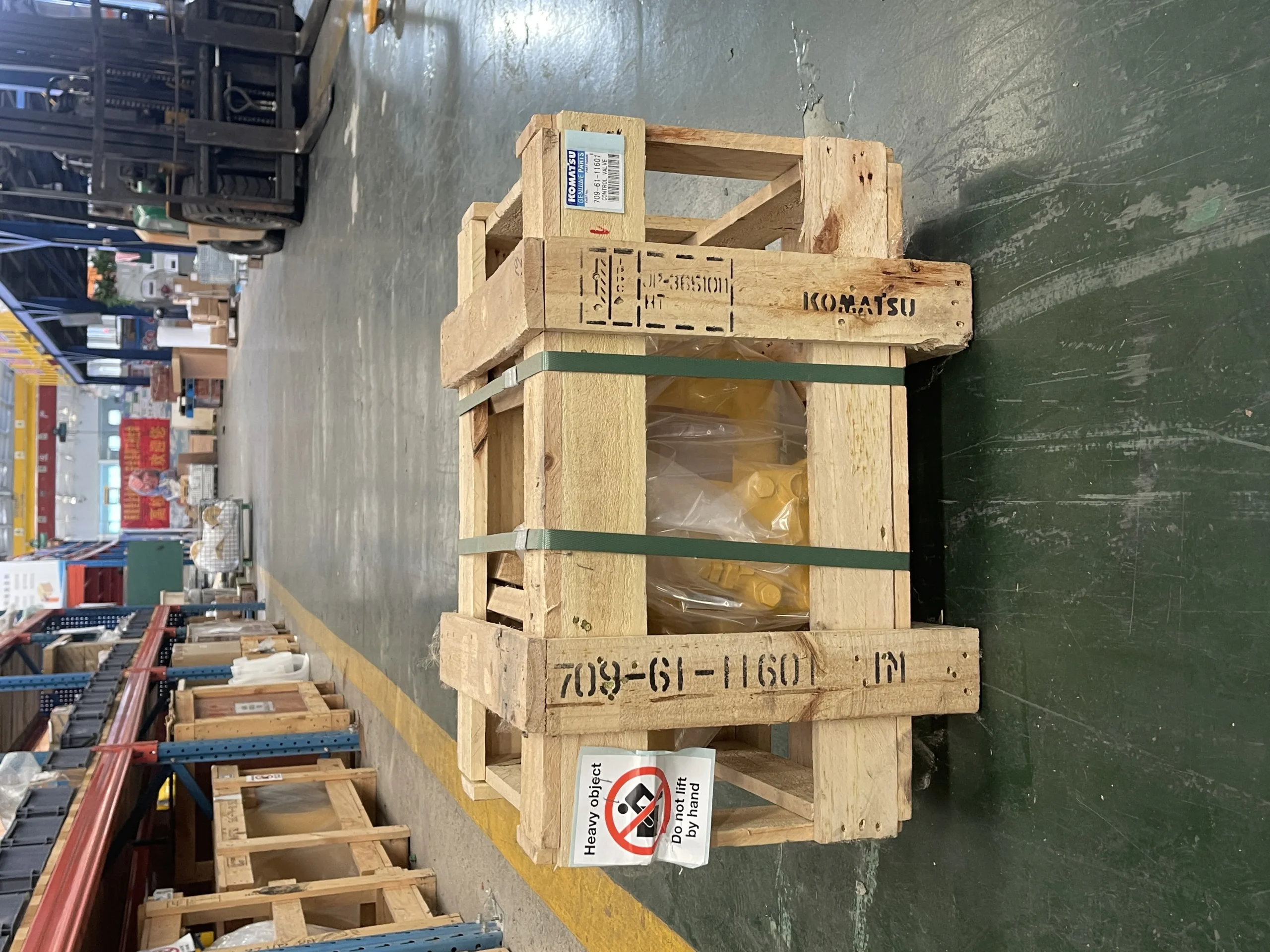 709-61-11601 Valve Assembly for Komatsu D375A-5
 -
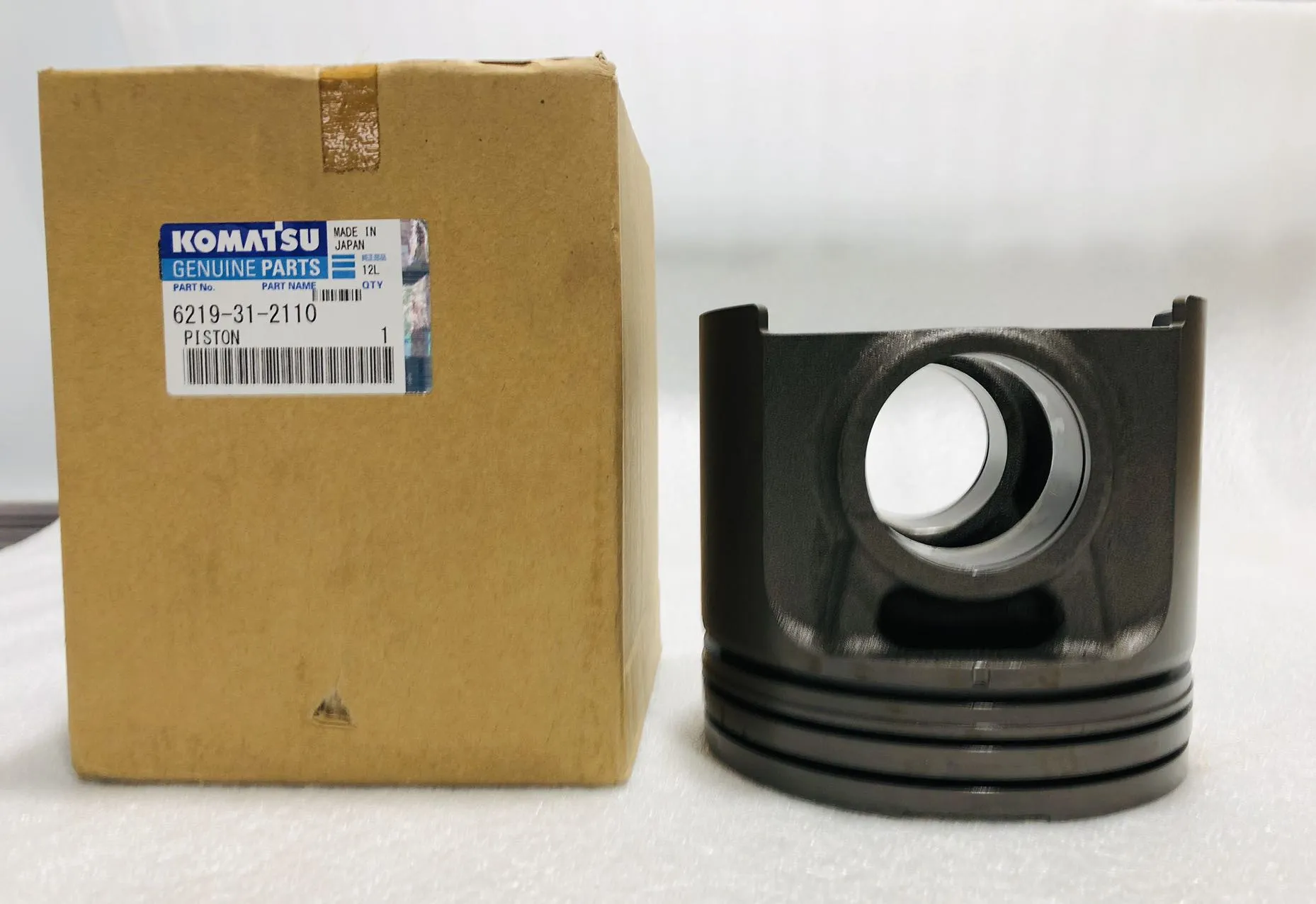 Komatsu 6219-31-2110 PISTON
 -
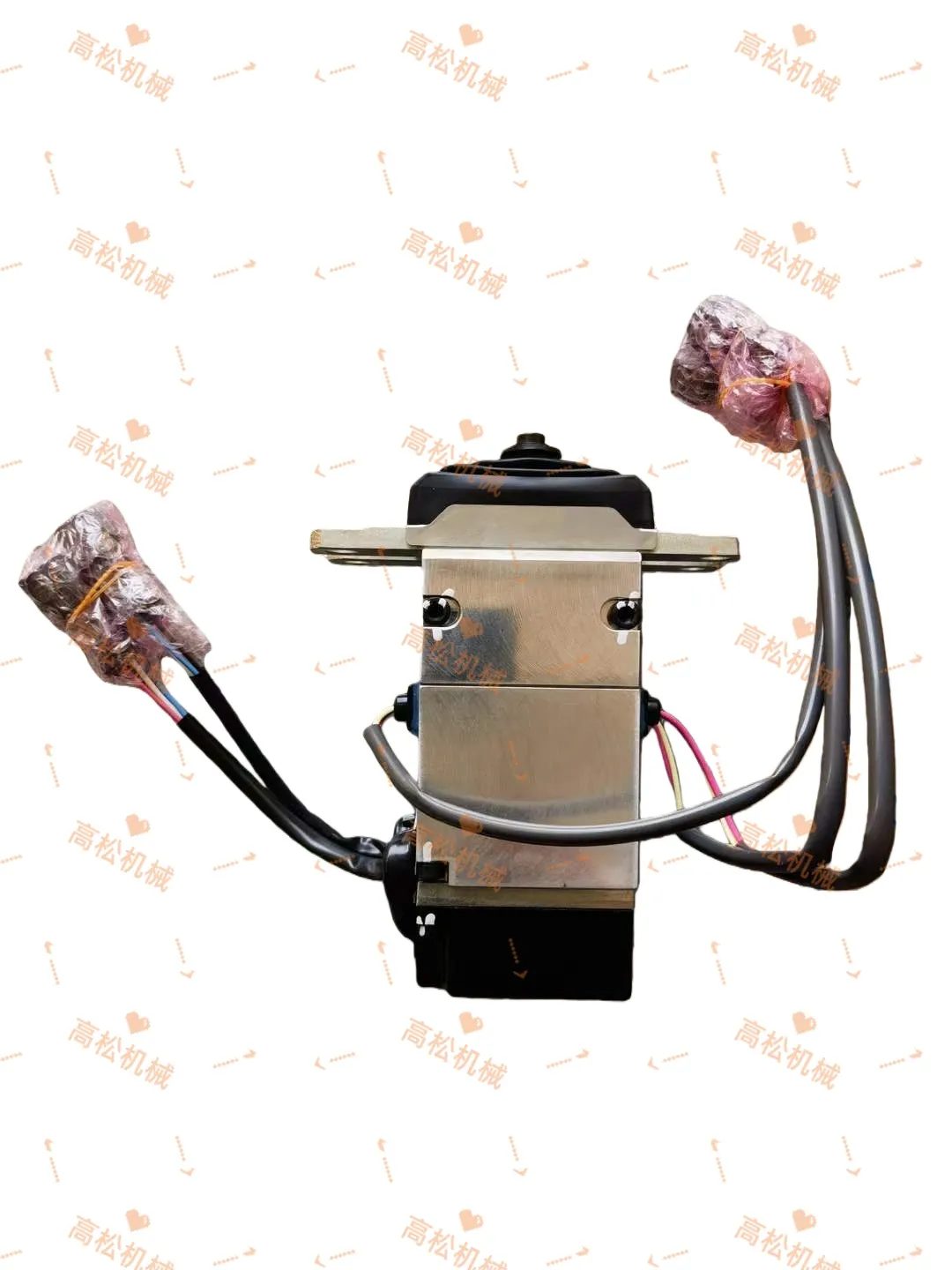 Komatsu Wheel loader machines WA500 WA480 WA470 702-16-02144 702-16-02143 Komatsu Control lever 702-16-02144 for Wheel loader WA480-5H
 -
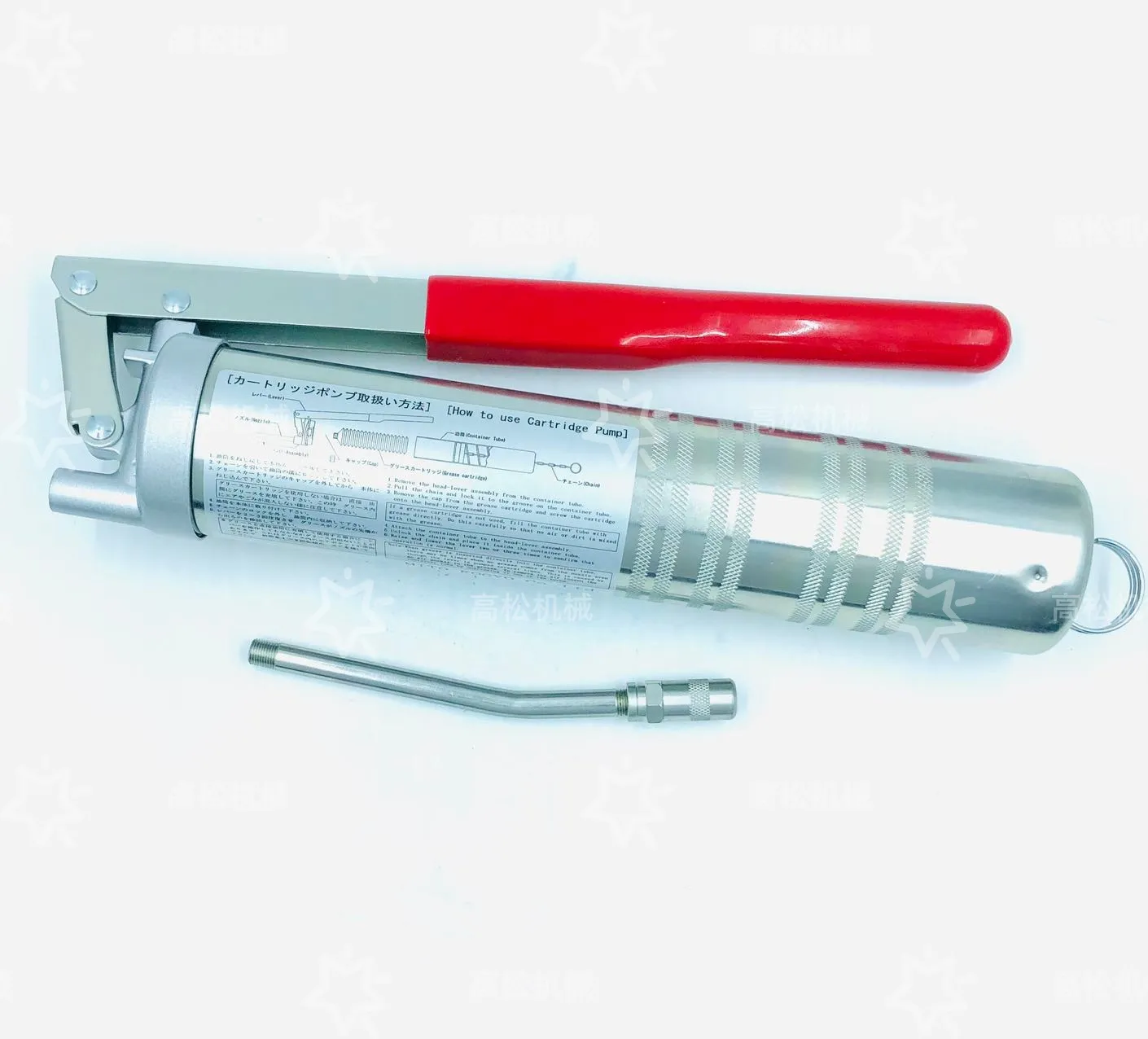 HM400 GREASE PUMP 07952-70014 07952-70004 For Komatsu Original
 -
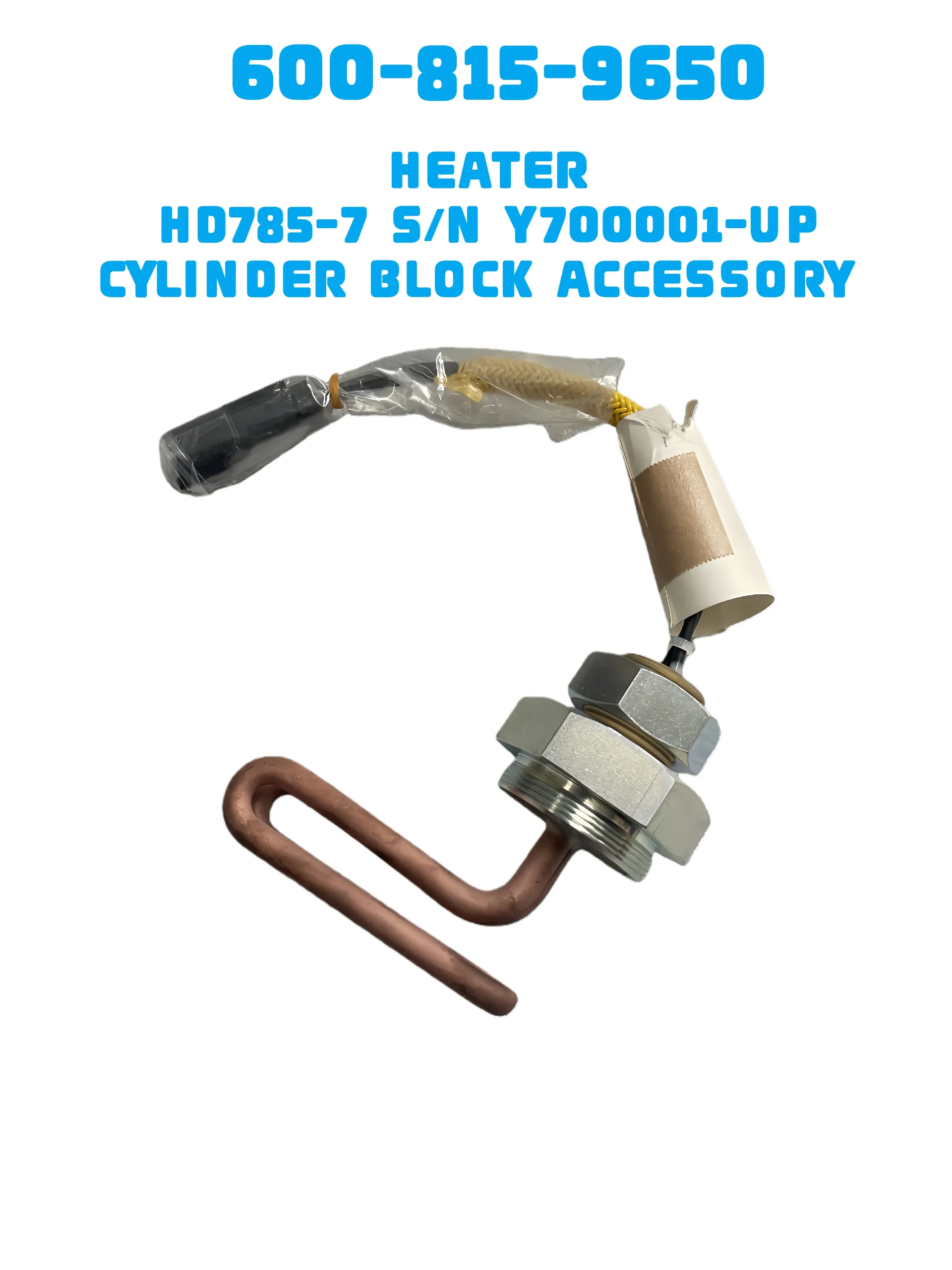 komatsu-part-600-815-9650 HEATER SAA12V140E-3B HD785-7 SAA12V140E-7 SAA12V140E-3D CYLINDER BLOCK ACCESSORY (OIL SENSOR¤ SWITCH AND WATER HEATER) OIL COOLER (COLD TERRAIN SPEC.) CYLINDER BLOCK ACCESSORY (FOR COLD AREA SPECIFICATION,ENGINE OIL PAN AND COOLANT HEATER) ENGINE OIL COOLER (FOR COLD AREA SPECIFICATION A (-30 DEG C),ENGINE OIL PAN AND COOLANT HEATER)
 -
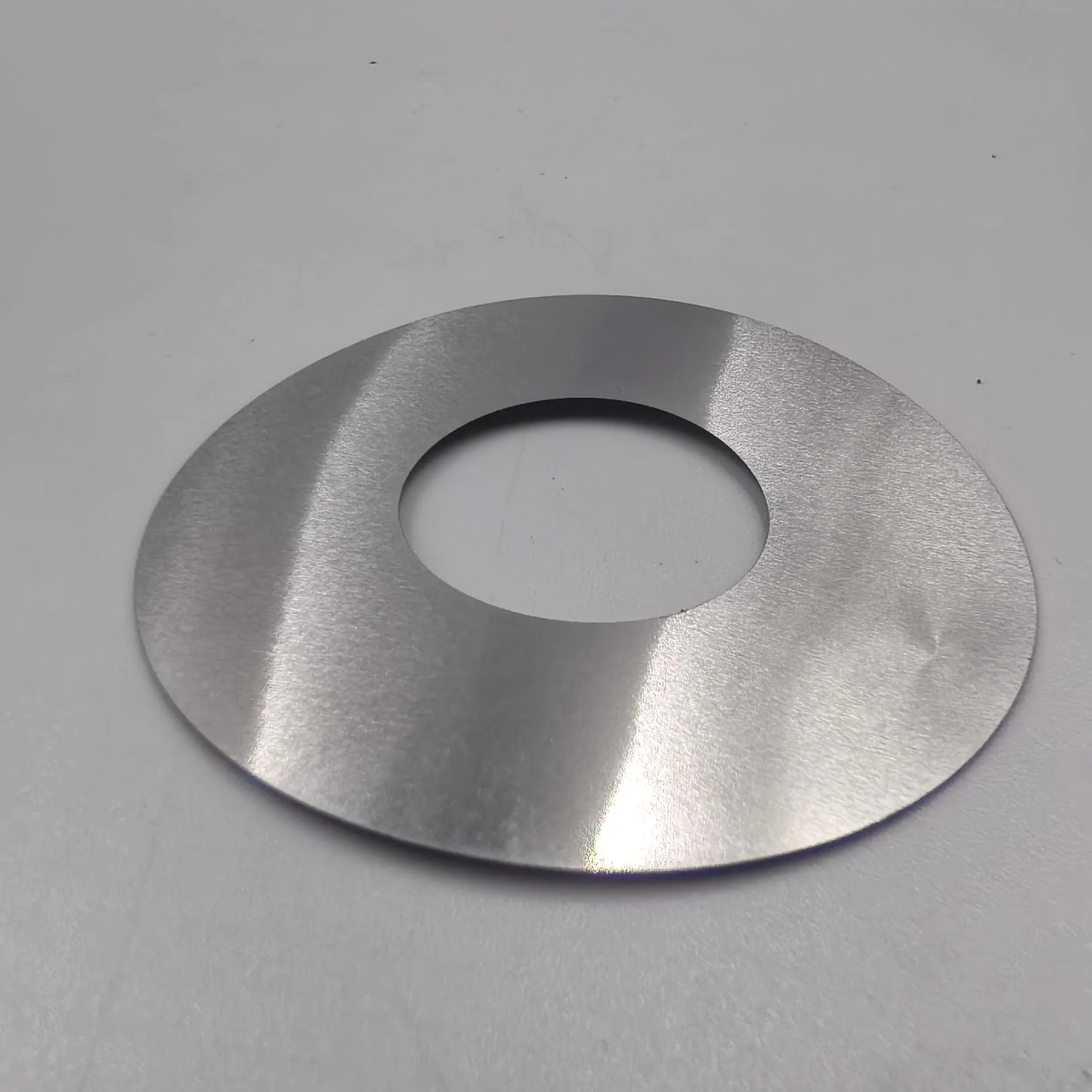 23W-22-21560 is suitable for Komatsu HM350/HM400
 -
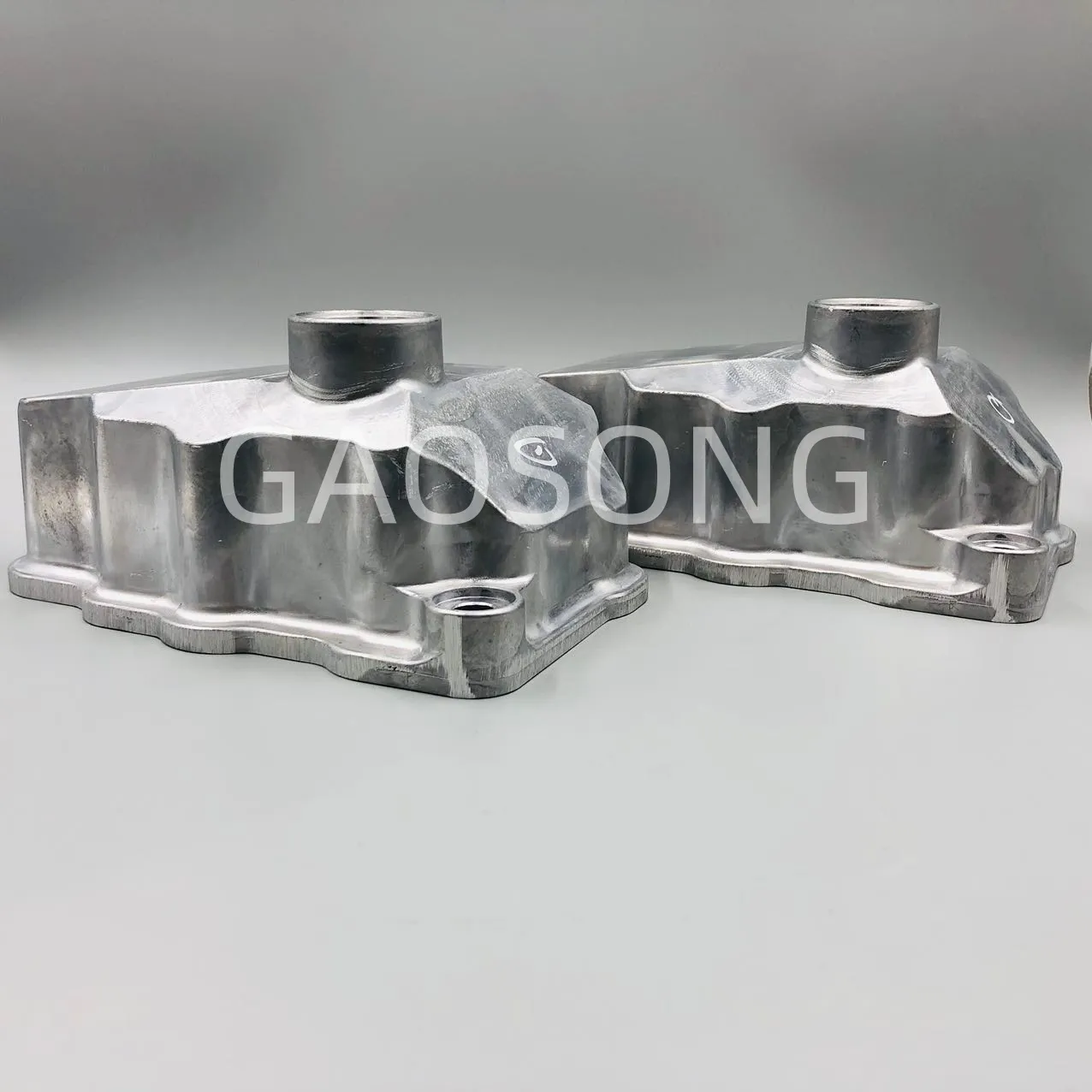 6251-11-8150 Komatsu Cover, Rocker Arm Housing
 -
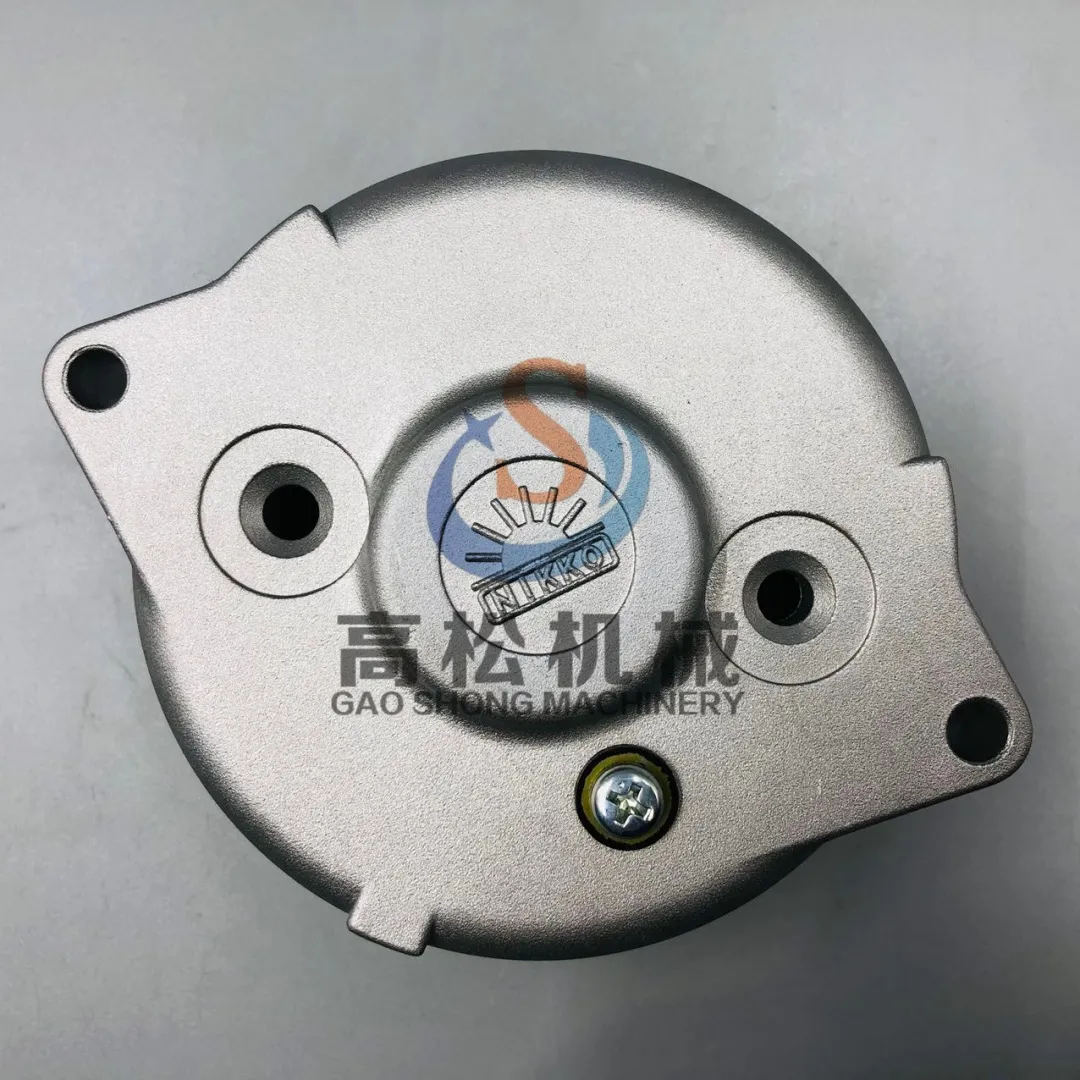 KD0-23700-0130 REAR BRACKET ASS’Y,REAR (Komatsu)
 -
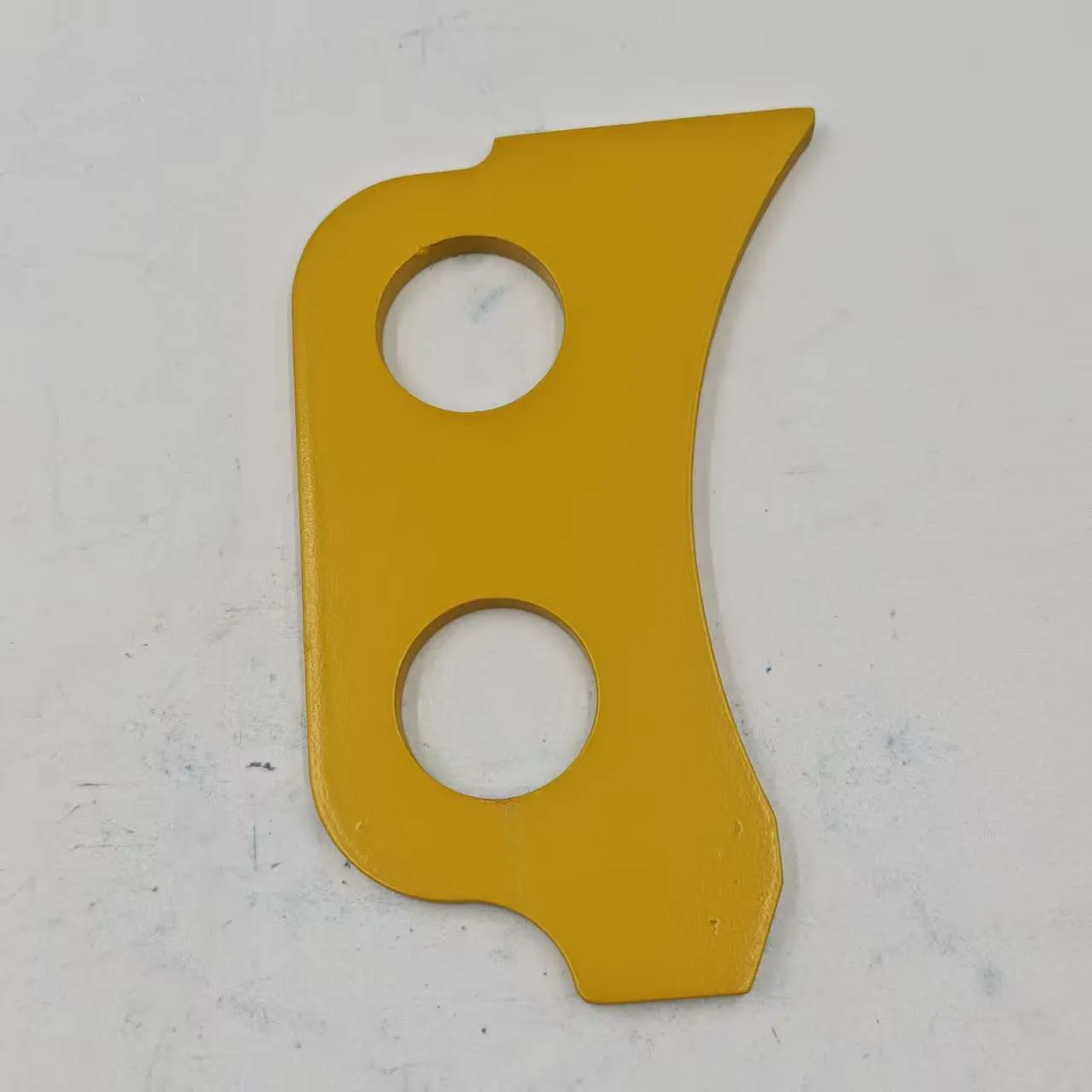 PLATE 195-71-74260 KOMATSU
 -
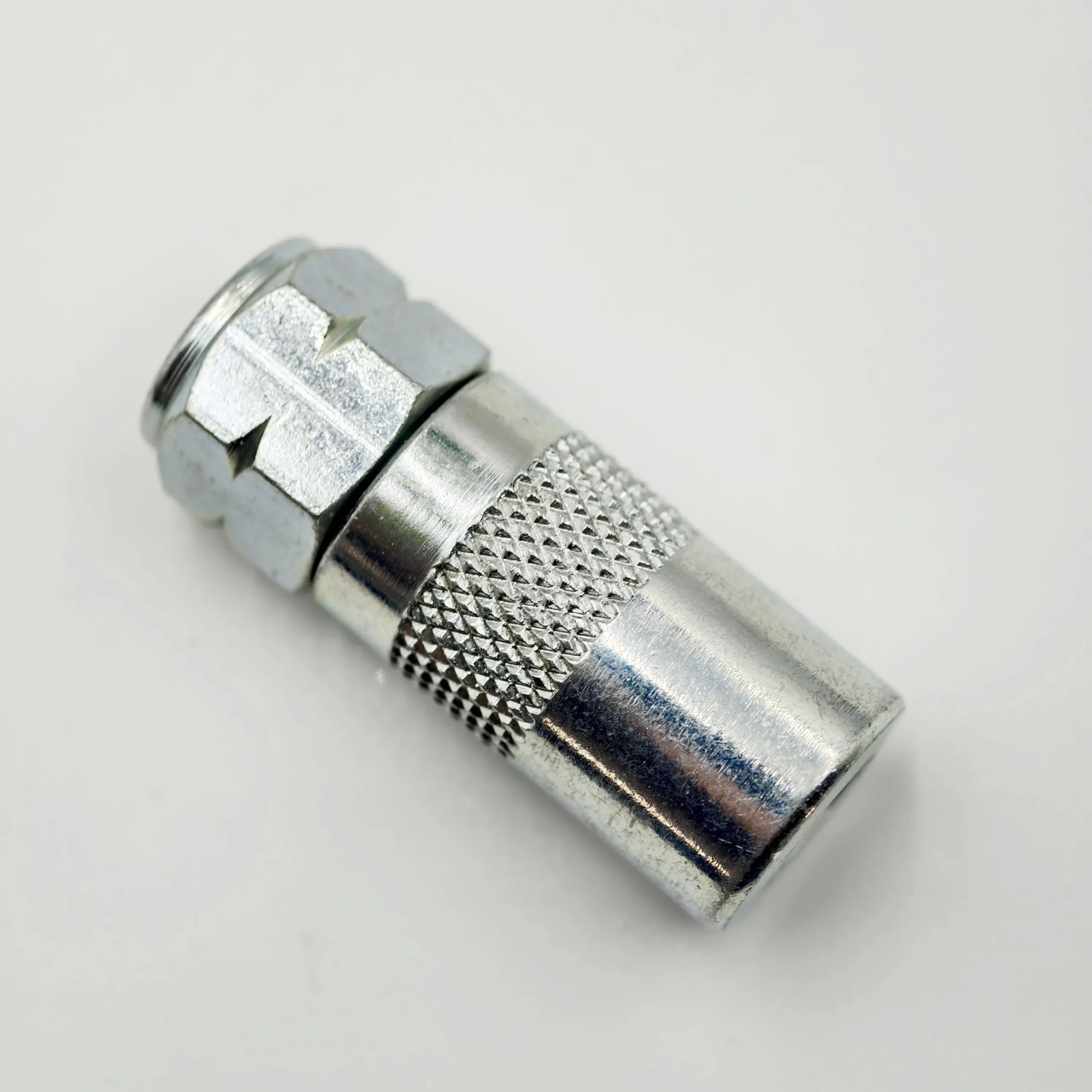 PC600-8/PC2000-8 Coupler 209-68-11640
 -
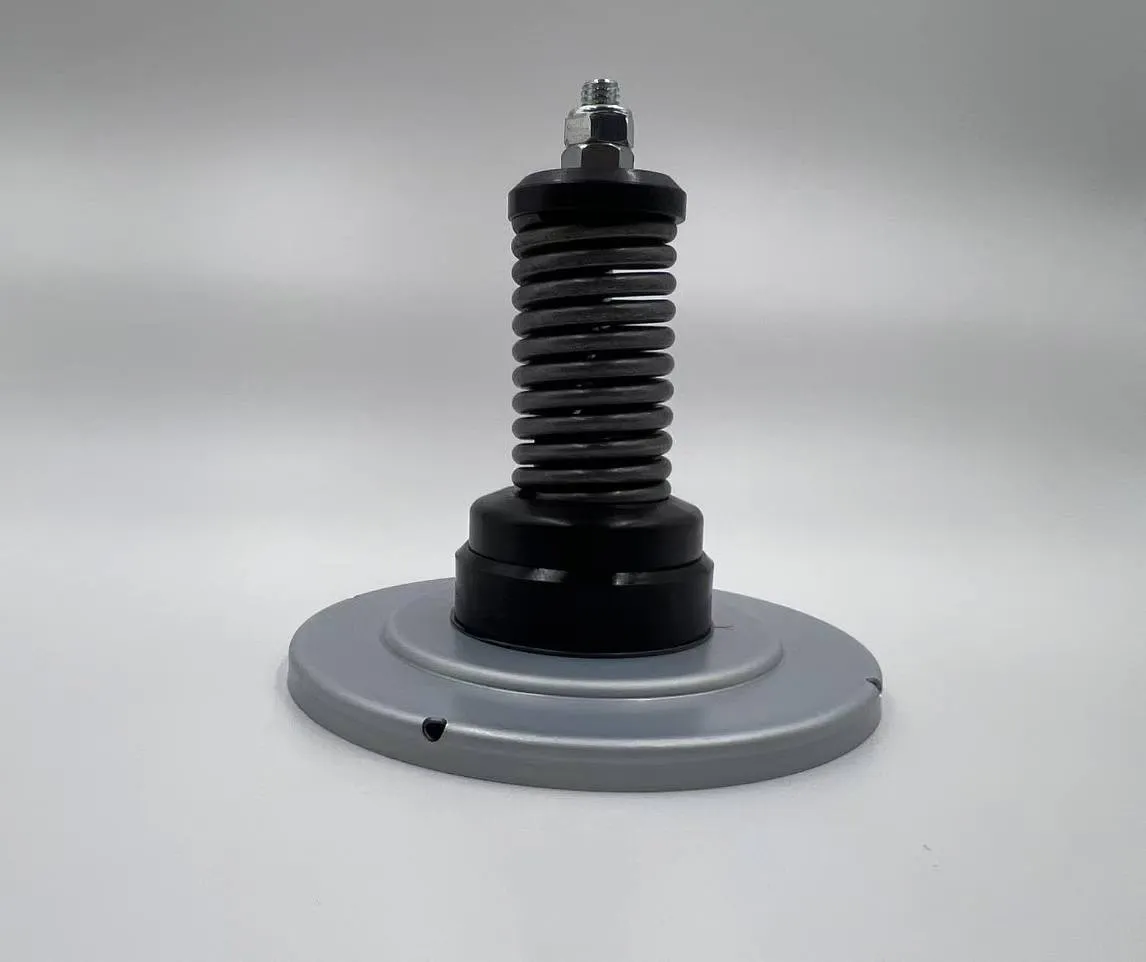 Valve Assembly 20Y-60-31450 – KOMATSU
 -
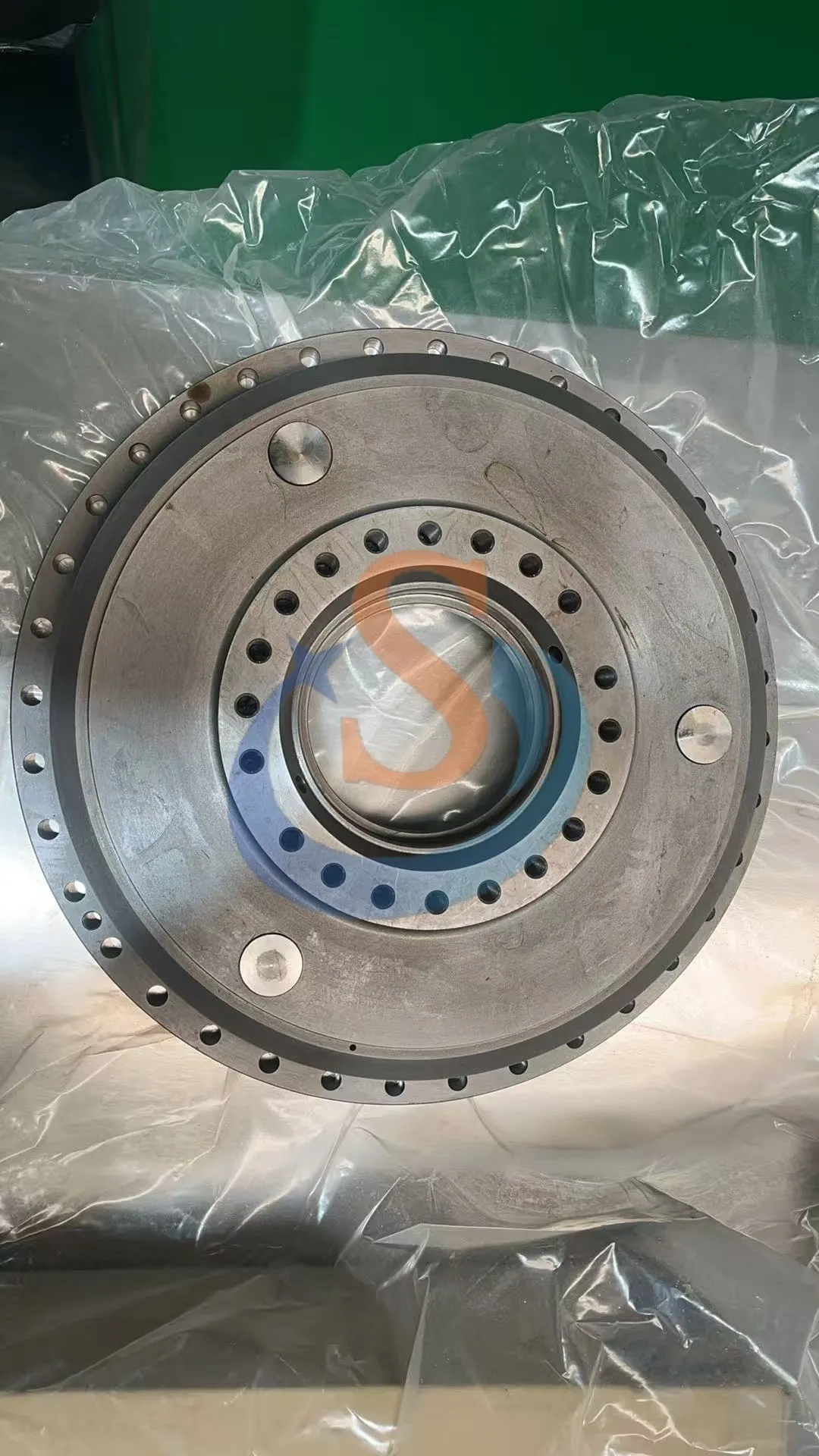 14X-13-57111 komatsu Housing D65