
- Chinese
- French
- German
- Portuguese
- Spanish
- Russian
- Japanese
- Korean
- Arabic
- Irish
- Greek
- Turkish
- Italian
- Danish
- Romanian
- Indonesian
- Czech
- Afrikaans
- Swedish
- Polish
- Basque
- Catalan
- Esperanto
- Hindi
- Lao
- Albanian
- Amharic
- Armenian
- Azerbaijani
- Belarusian
- Bengali
- Bosnian
- Bulgarian
- Cebuano
- Chichewa
- Corsican
- Croatian
- Dutch
- Estonian
- Filipino
- Finnish
- Frisian
- Galician
- Georgian
- Gujarati
- Haitian
- Hausa
- Hawaiian
- Hebrew
- Hmong
- Hungarian
- Icelandic
- Igbo
- Javanese
- Kannada
- Kazakh
- Khmer
- Kurdish
- Kyrgyz
- Latin
- Latvian
- Lithuanian
- Luxembou..
- Macedonian
- Malagasy
- Malay
- Malayalam
- Maltese
- Maori
- Marathi
- Mongolian
- Burmese
- Nepali
- Norwegian
- Pashto
- Persian
- Punjabi
- Serbian
- Sesotho
- Sinhala
- Slovak
- Slovenian
- Somali
- Samoan
- Scots Gaelic
- Shona
- Sindhi
- Sundanese
- Swahili
- Tajik
- Tamil
- Telugu
- Thai
- Ukrainian
- Urdu
- Uzbek
- Vietnamese
- Welsh
- Xhosa
- Yiddish
- Yoruba
- Zulu
- Kinyarwanda
- Tatar
- Oriya
- Turkmen
- Uyghur






komatsu forklift parts near me
When someone types 'komatsu forklift parts near me' into a search bar, I know exactly what they're after. It's not just a casual inquiry; it's usually a guy in a warehouse office, a forklift down, production slowing, and the pressure's on. The immediate thought is local, fast, now. But here's the thing I've learned over years in parts and service: that search term embodies a common, almost desperate, hope that often clashes with the reality of global supply chains for a brand like Komatsu. The expectation of a local shop stacked with every seal, pump, or controller for a Komatsu 20-series or an electric BX is where the first misunderstanding starts. Near me implies physical proximity, but for specialized OEM parts, the supply map is rarely that simple.
The Local Illusion and the Global Reality
Let me give you a scenario from last fall. A client with a Komatsu FG18T-16 had a failing mast cylinder. They called around, found a local supplier who swore they had it. Two days later, it arrives—wrong port size, wrong stroke. It was a will-fit part, not genuine Komatsu. That downtime cost them more than the part itself. This is the trap. A true komatsu forklift parts search isn't just about geography; it's about authentic supply lineage. Many local dealers are fantastic for fluids, filters, and common wear items. But for critical drivetrain or hydraulic components, their stock is limited. They often have to order from a regional warehouse themselves, which adds another link to the chain. So, near me becomes ordered for me, with a 3-5 day wait.
This is where the structure of Komatsu's distribution plays a huge role. They have a tight, authorized network. If you're not near a major industrial hub with a full-scale Komatsu distributor, your local options shrink fast. I've seen operations in secondary cities rely on third-party logistics from a hub 500 miles away, calling it local service. It's not. It's just the closest point in the system. The real challenge is for operations in countries or regions where Komatsu's direct footprint is thin. The official channels exist, but logistics and local stock are the bottlenecks.
This gap is precisely what creates space for specialized suppliers who understand this ecosystem. They aren't your walk-in storefront, but they solve the near me problem by being strategically integrated into the supply chain. For instance, a company like Jining Gaosong Construction Machinery Co., Ltd. operates in this space. From what I've seen and ordered through them, their model is interesting. They position themselves as an OEM product supplier within the Komatsu system, which gives them access to genuine parts pipelines. But their key role, as they state, is being a third-party sales company for Komatsu, helping to solve parts supply challenges in certain countries. That's a critical nuance. They're not a random parts website; they're a conduit, filling the logistical and availability gaps in specific markets where the main distributor network might be stretched.
What Genuine Really Means in a Pinch
Talk is cheap. I judge a supplier by the parts that land on my dock. I've used their portal at https://www.takematsumachinery.com for a specific pump assembly for an older Komatsu diesel. The process wasn't Amazon-prime-simple, and it shouldn't be. There were emails, part number confirmations, and lead time questions—the normal professional friction. The part arrived with the proper Komatsu packaging and seals. It wasn't near me geographically; it shipped from overseas. But the total time from order to installation was faster than waiting for my local dealer's next consolidated shipment from the national warehouse. So, in terms of solving the downtime crisis, they were effectively closer than my physical local option.
This gets to the heart of it. Near me is a function of total lead time and part authenticity, not just miles on a map. For a maintenance manager, a genuine Komatsu valve block that arrives in 4 days from a verified specialist across the ocean is infinitely better than a questionable aftermarket part from a local warehouse that arrives tomorrow but fails in a month. The cost of a second repair, more downtime, and potential collateral damage to other components blows the budget.
I've also had the opposite experience—a failure, to be honest. I once needed a simple but obsolete seat bracket for a Komatsu 3-ton model. I found a supplier claiming OEM stock. The part that arrived was clearly a poor fabrication, paint mismatch, and holes misaligned. It was a lesson. Now, my first step is to verify the supplier's actual connection to Komatsu. A claim of being an OEM supplier within the system needs to be backed by traceable part numbers and proper documentation. Jining Gaosong, in my transactions, has provided that paper trail, which is as important as the metal itself.
Beyond the Search Bar: A Practical Sourcing Strategy
So, what's the takeaway for the guy searching for komatsu forklift parts near me? First, identify the part with absolute precision. Use the Komatsu serial number. Don't just describe it. Second, call your authorized local dealer—always start there. Get their firm lead time and price. Third, if the lead time is unacceptable or the part is unavailable in-country, that's when you pivot to the specialized global suppliers who act as gap-fillers.
Your search criteria should shift from near me to verified genuine and total turnaround time. Check if the supplier explicitly mentions their relationship with Komatsu, like how the Takematsu Machinery site outlines its dual role. Look for specificity in their descriptions—do they list model series, component groups, or just have a generic parts page? The good ones get into the weeds.
Build a shortlist of these bridge suppliers. Have their contacts ready before the crisis hits. In our operation, we keep a list: the local dealer for common stuff, a national supplier for mid-range needs, and two or three international OEM-linked specialists like Jining Gaosong for the hard-to-find or urgent-critical items. This layered approach is what near me has evolved into in practice.
The Unspoken Details: Logistics and Communication
Here's a detail most gloss over: customs and documentation. Ordering a steering axle from overseas isn't like ordering a book. A professional supplier handles the Incoterms correctly (DAP, etc.), provides clean commercial invoices with accurate Harmonized System codes, and preps the packing list properly. I've had shipments held for weeks because a supplier listed a generic machine part description. The ones who list the precise Komatsu part number on the shipping docs save you immense headaches. This operational competence separates the real players from the drop-shippers.
Communication style matters too. When I email about a Komatsu controller, I want a reply that references technical specs or asks for my serial number for confirmation. A reply that just says yes in stock is a red flag. The dialogue should feel like you're talking to someone who knows the parts catalog, not just a sales interface.
It's these gritty, behind-the-scenes factors that truly define a reliable source for komatsu forklift parts. Speed is great, but speed with precision and administrative smoothness is what gets your equipment running again. That's the service level you should be hunting for, even if it's not physically around the corner.
Wrapping It Up: Redefining Local in a Global Market
Ultimately, the phrase 'komatsu forklift parts near me' is more about a state of mind—a need for a reliable, timely solution—than a strict geographic command. The market has adapted. Your local Komatsu dealer is your first and best port of call. But when the system hits a snag, whether due to part obsolescence, regional stockouts, or sheer logistical distance, the value of a dedicated, system-integrated third-party supplier becomes clear.
Companies operating in this niche, like the mentioned Jining Gaosong, aren't replacing the local dealer. They're complementing the ecosystem, providing an alternate route for genuine parts to flow where the primary channels are congested or incomplete. They solve the availability piece of the puzzle.
So next time you run that search, think in terms of networks, not just map pins. Look for the suppliers who articulate their role in the Komatsu supply chain clearly, who can provide evidence of their sourcing, and who understand the urgency and precision our field demands. That's how you find the right part, genuinely and efficiently, no matter where in the world it actually ships from.
Related Products
Related Products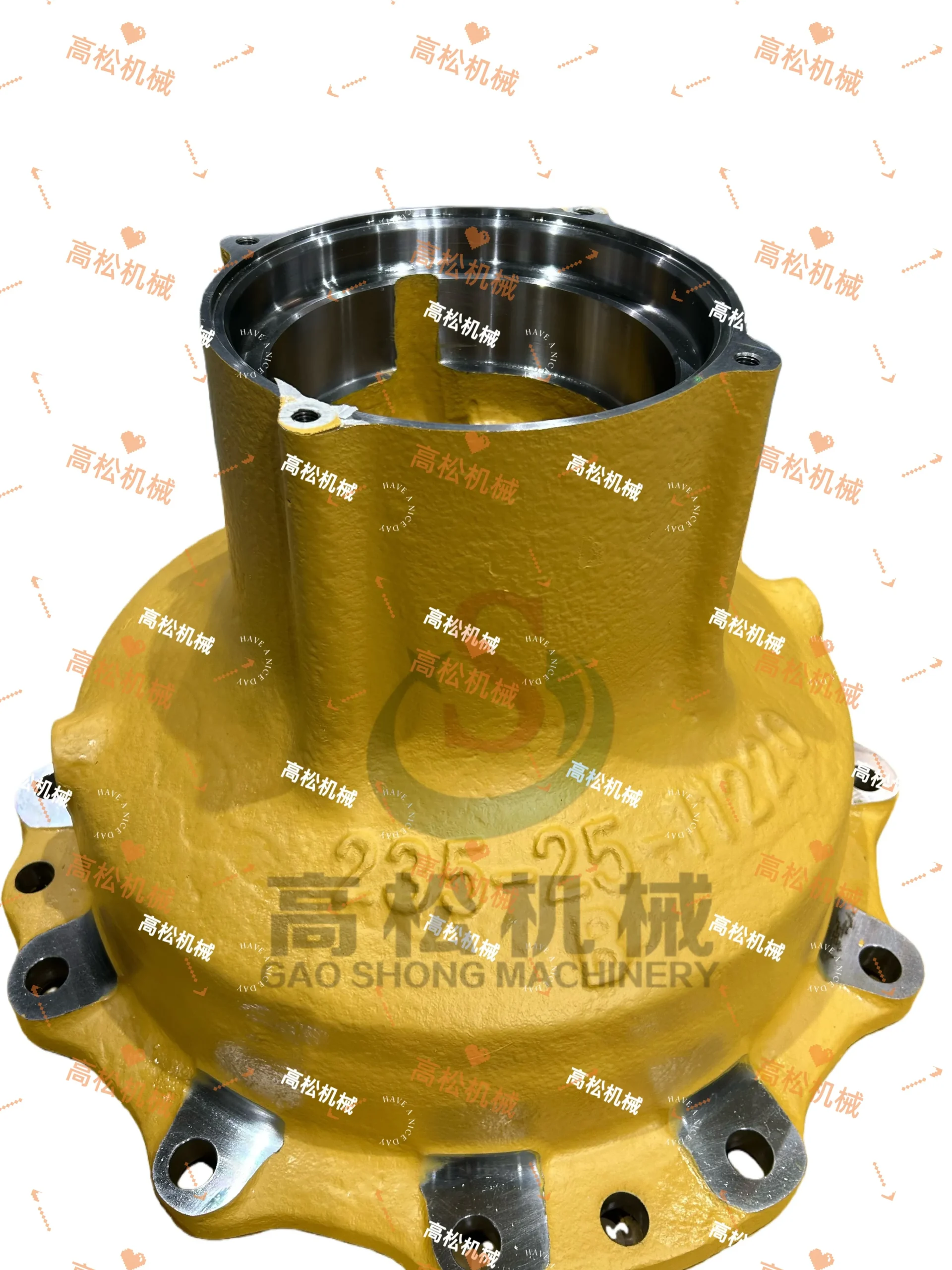
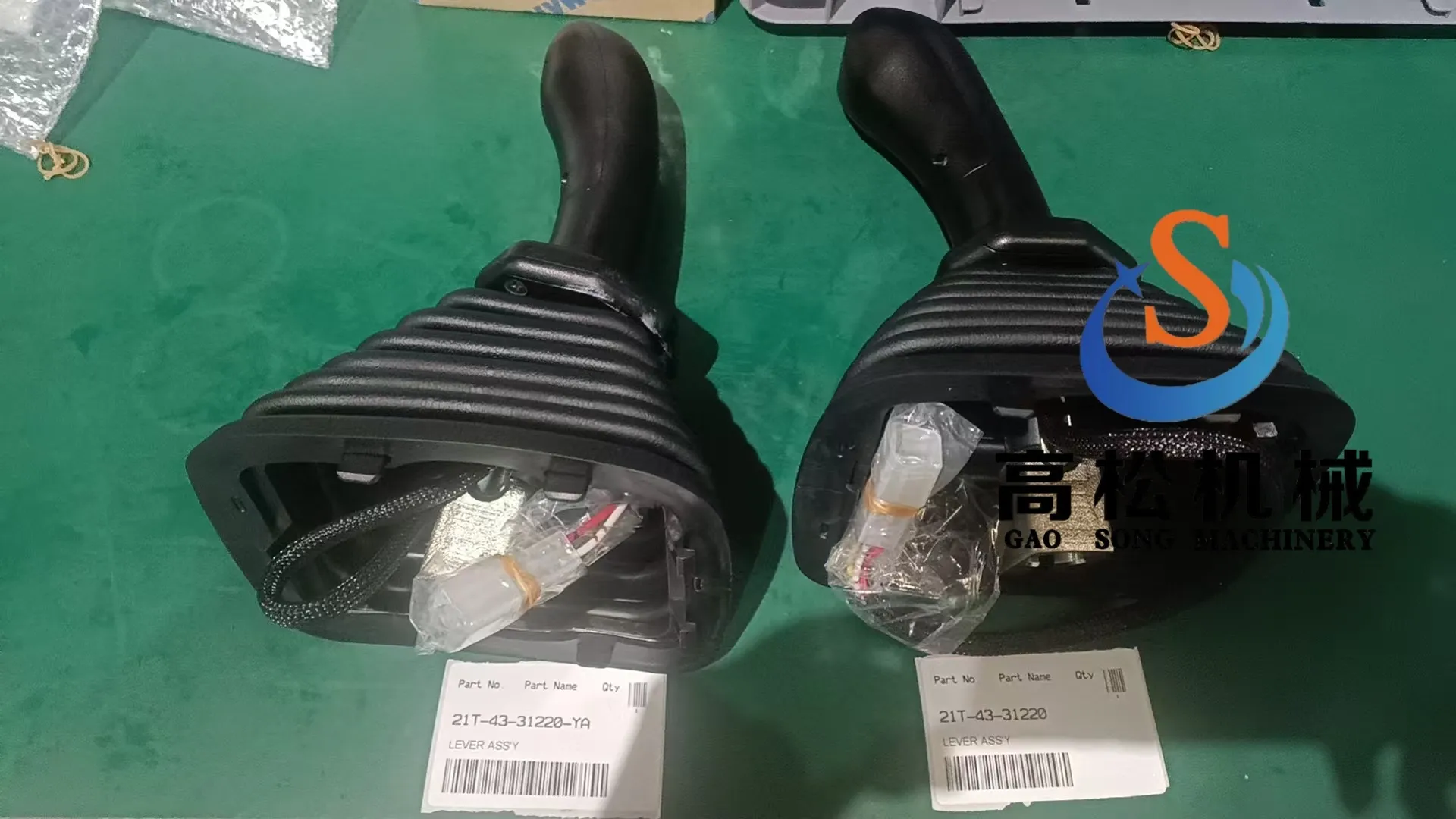
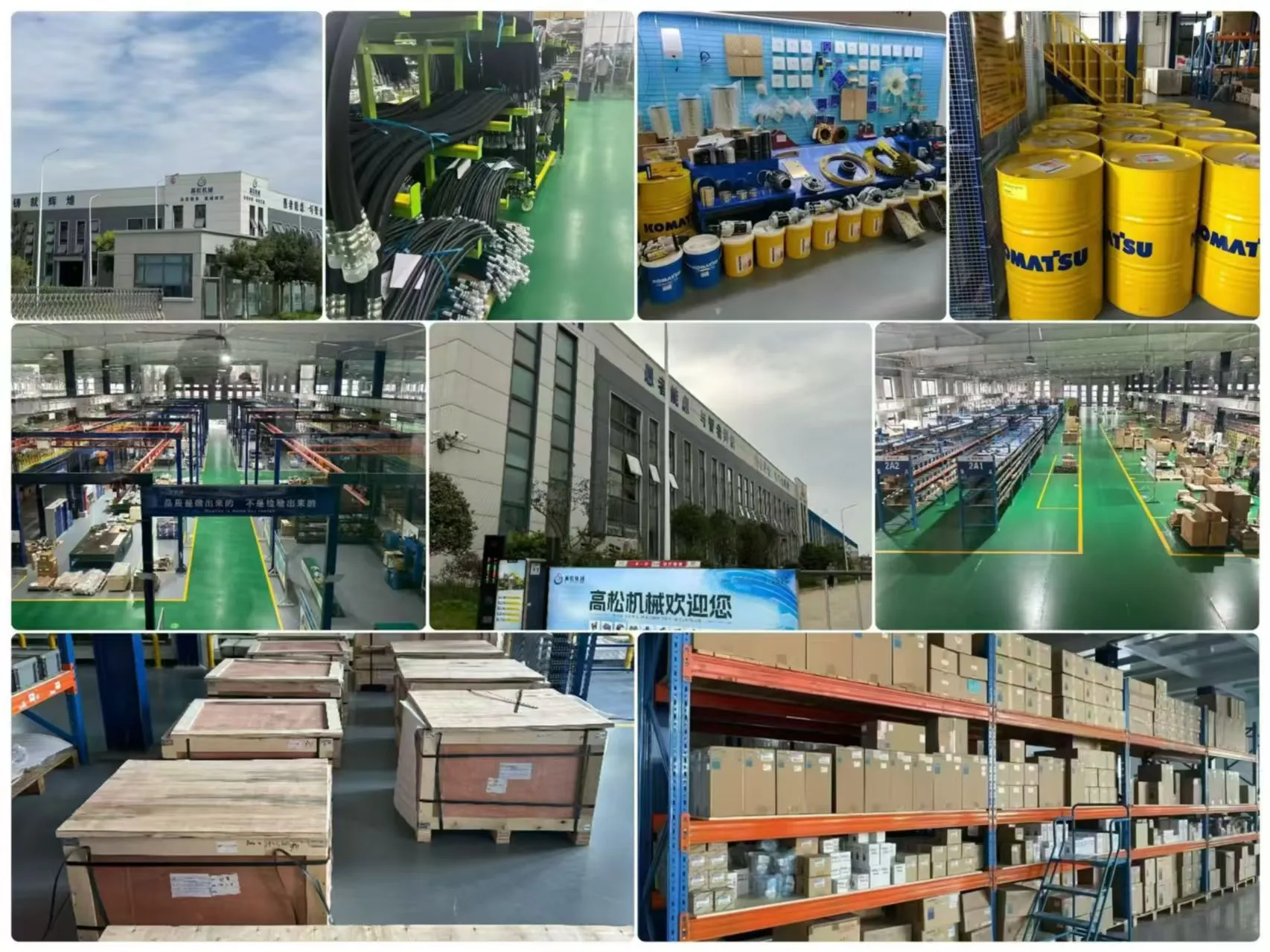
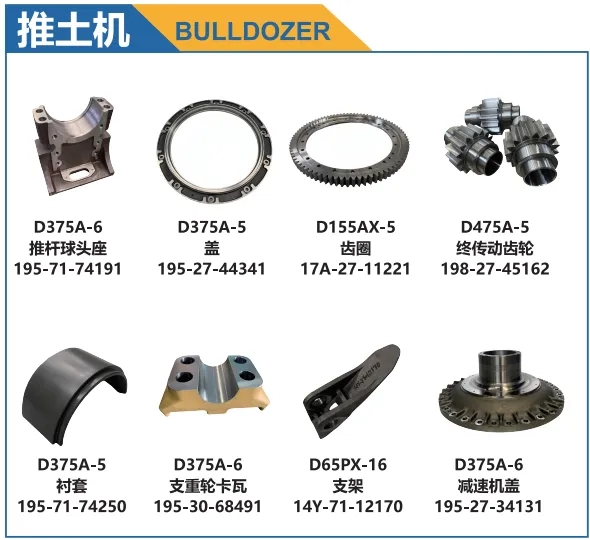

Best Selling Products
Best Selling Products-
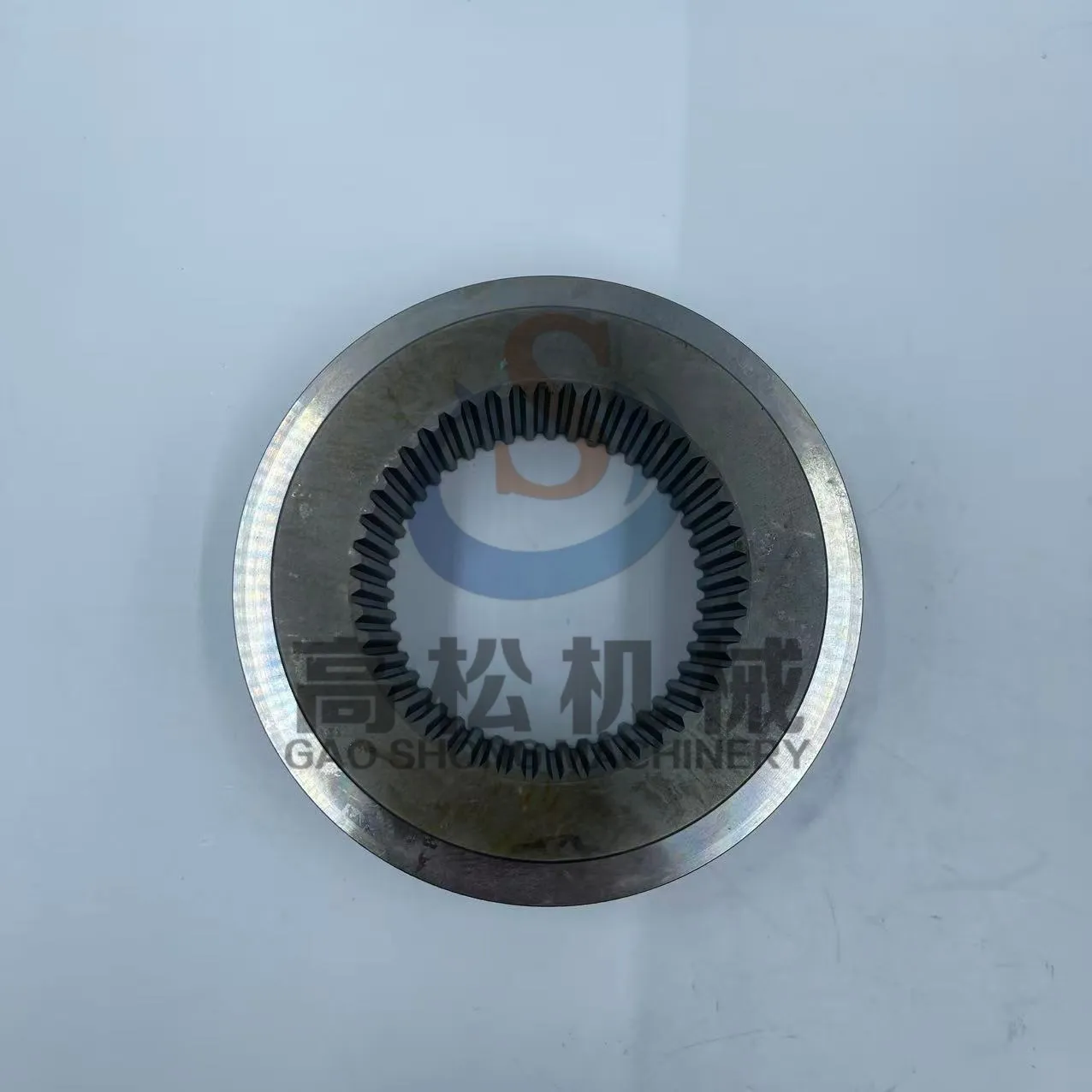 Provide Komatsu original bearing 170-09-13250
 -
 HD785-7 Oil Level Sensor 7861-93-4550
 -
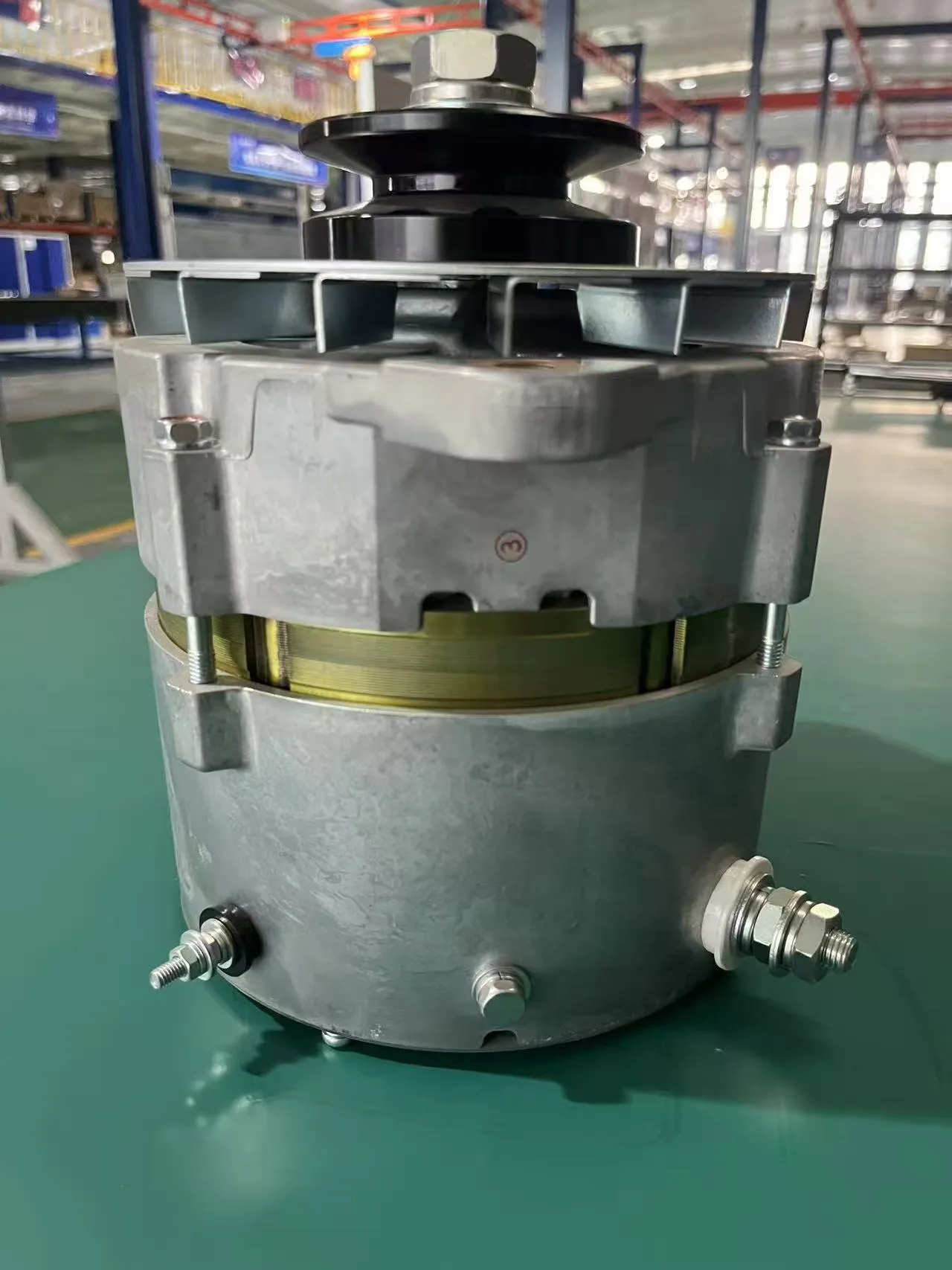 Hd 6d170 12v140 Engine Alternator Parts 600-821-9631…
 -
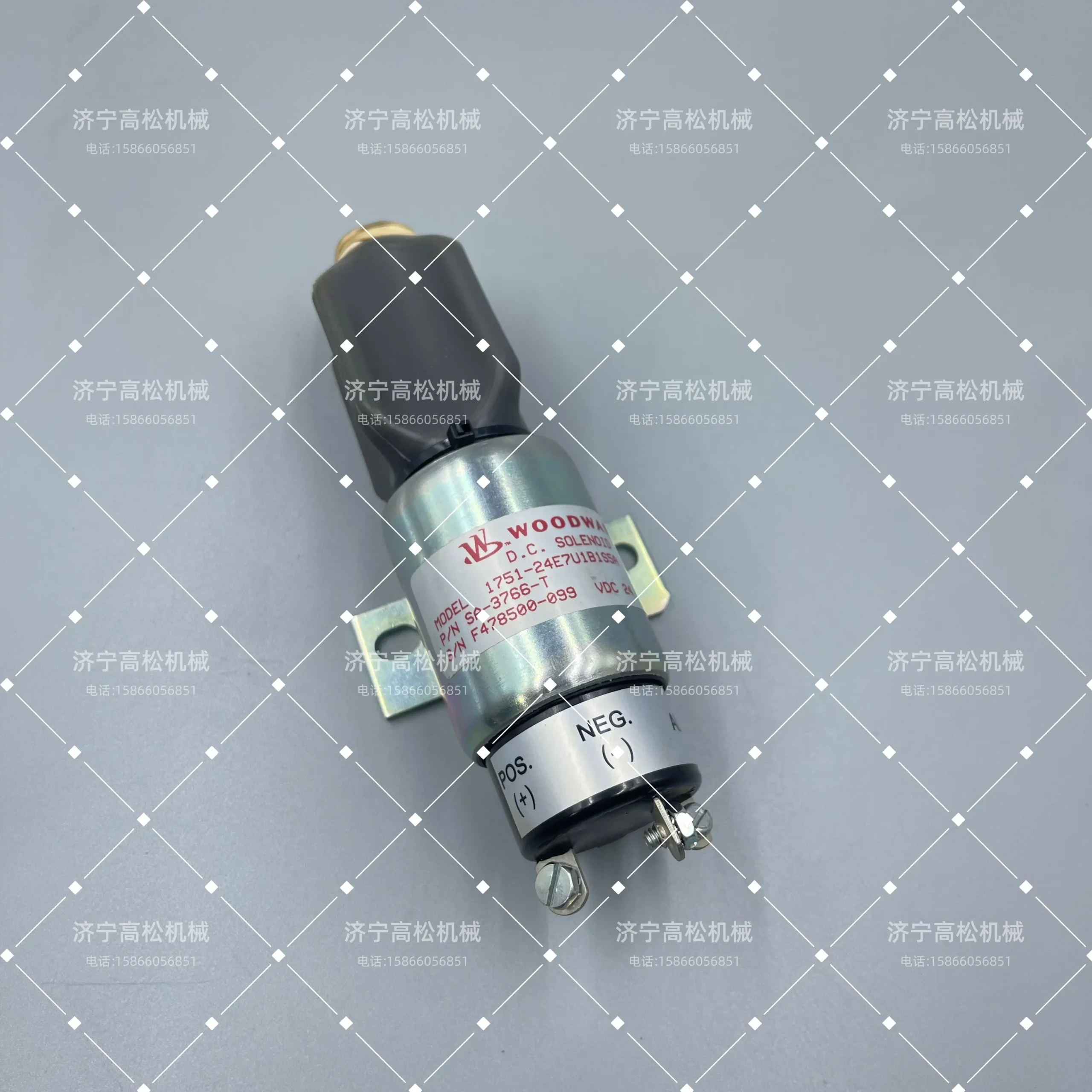 Solenoid Valve 600-815-7550 For Komatsu D41pf-6, High Quality…
 -
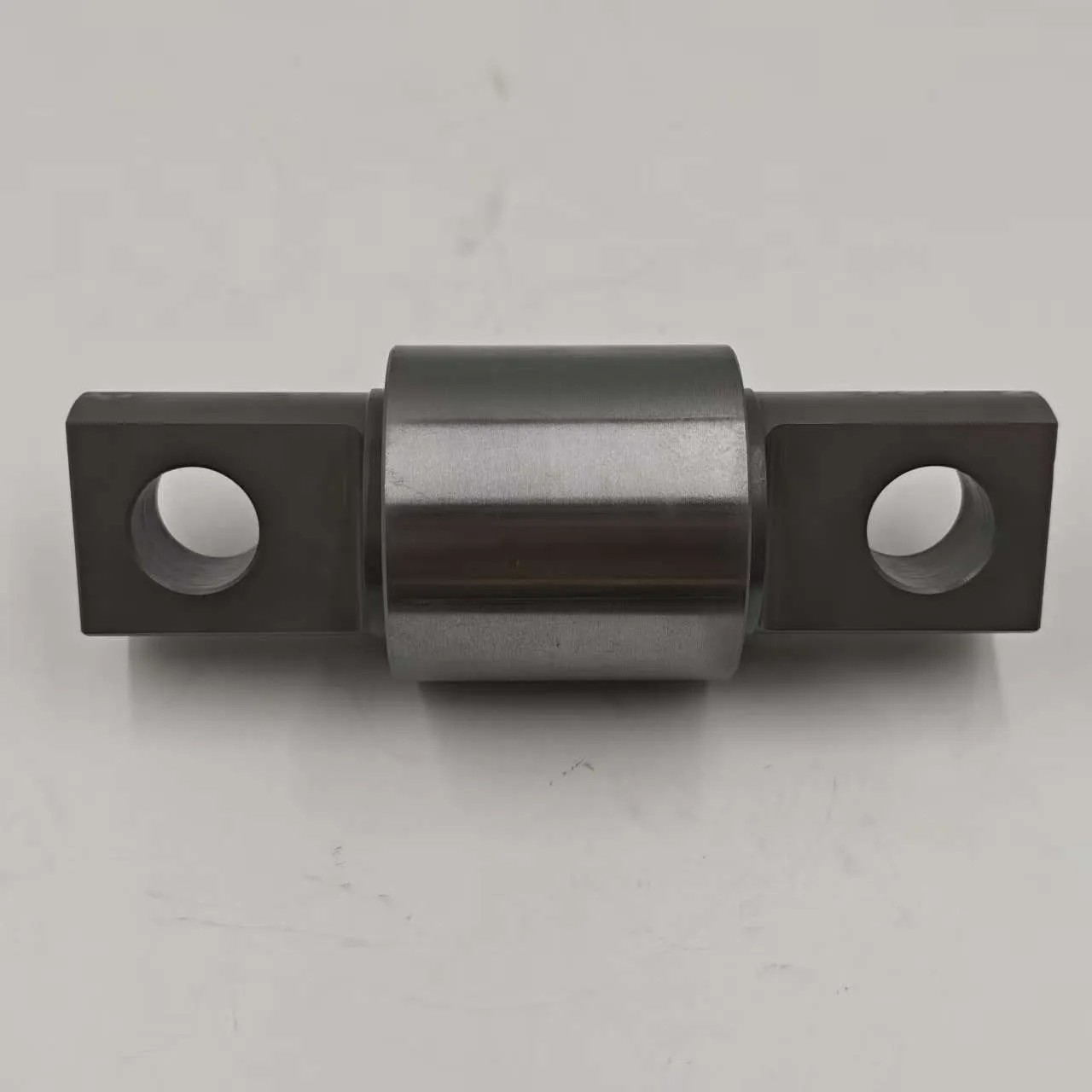 CUSHION 56B-16-11211 ORIGINAL (56B1611211) – Neopart…
 -
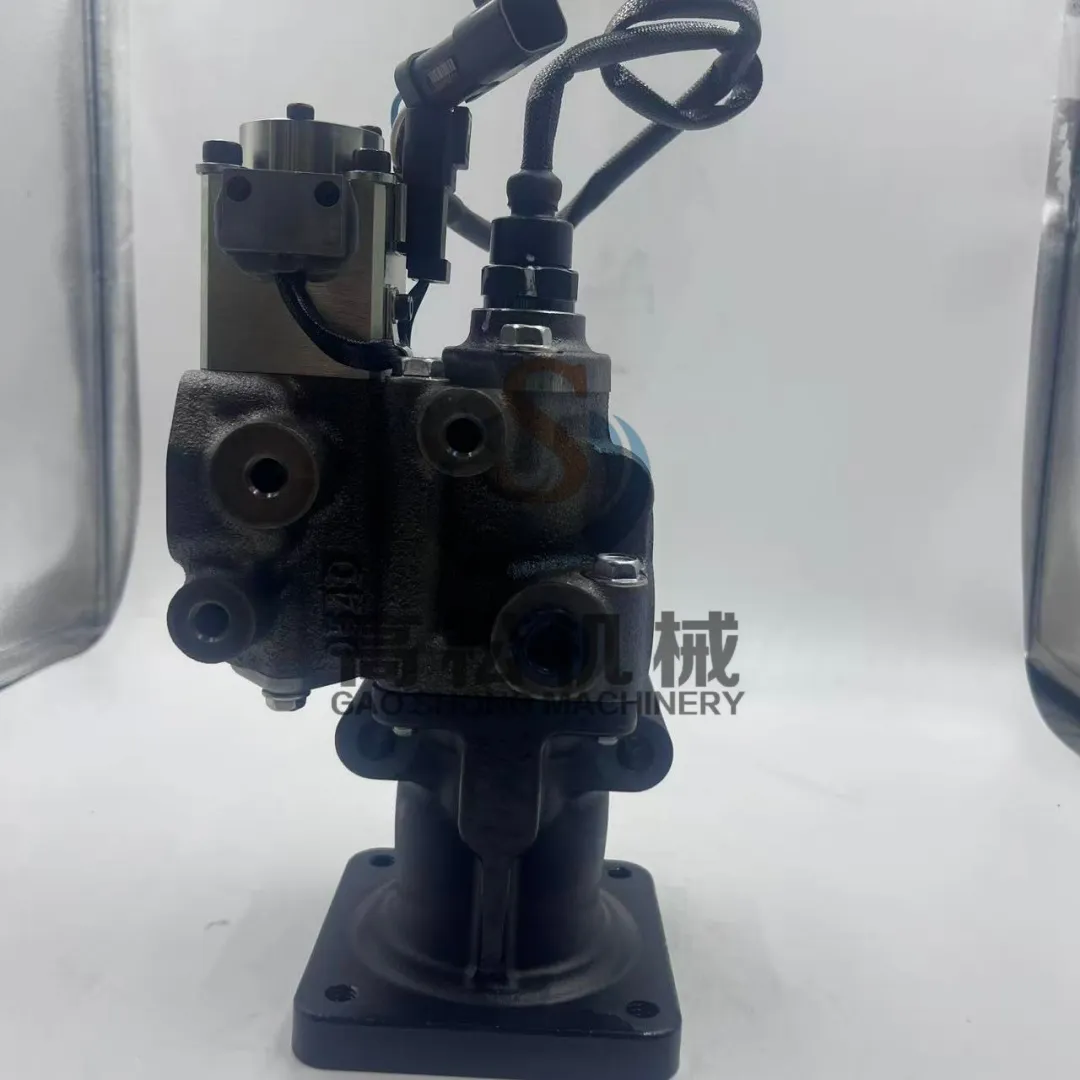 6261-41-9500 Komatsu Valve Assembly
 -
 424-15-16410 Komatsu SHIM, 0.5mm
 -
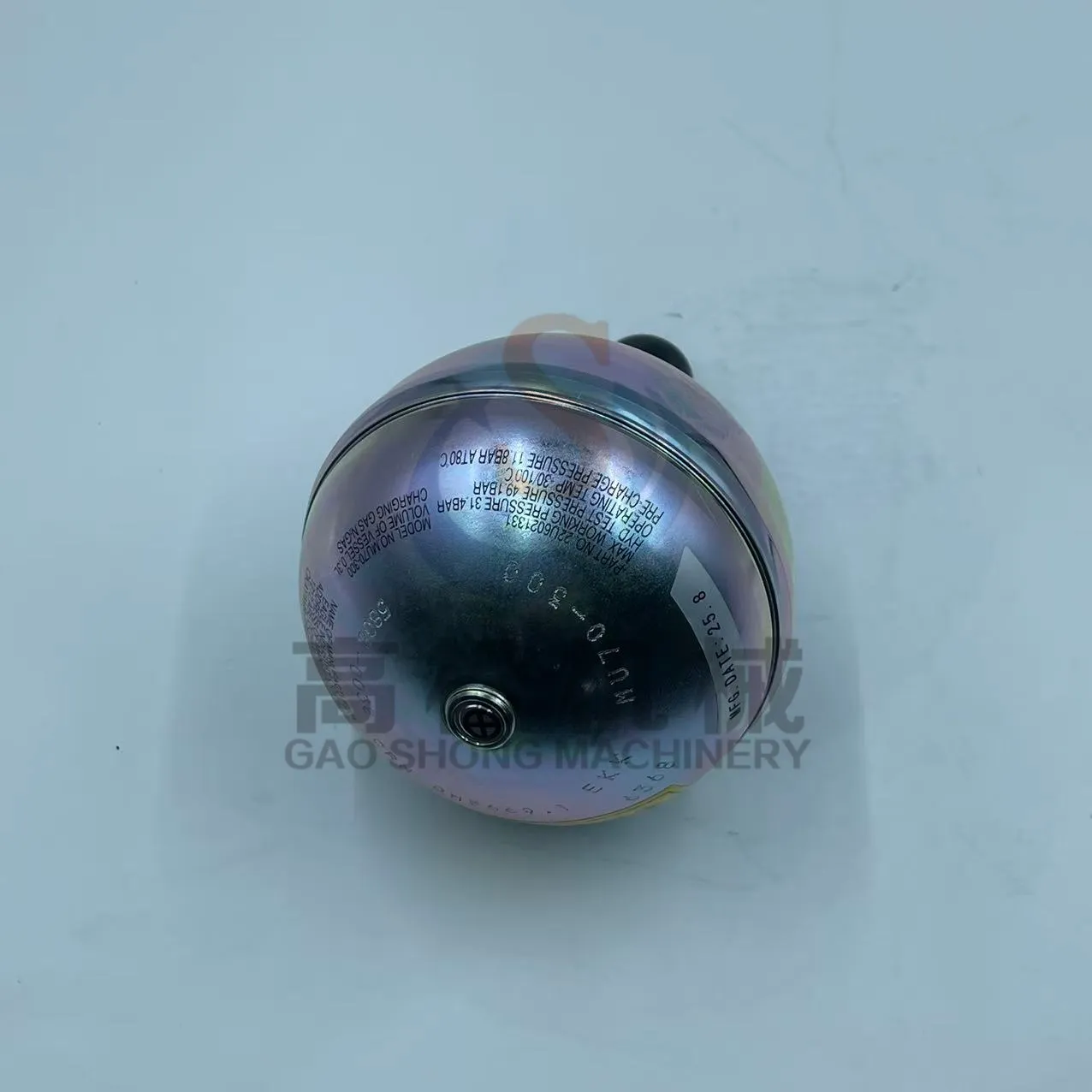 PC210 Excavator Accumulator 22U-60-21331 22U6021331 for Excavator PC300-8 PC350-8 PC130-8 PC200-8 PC220LC-8
 -
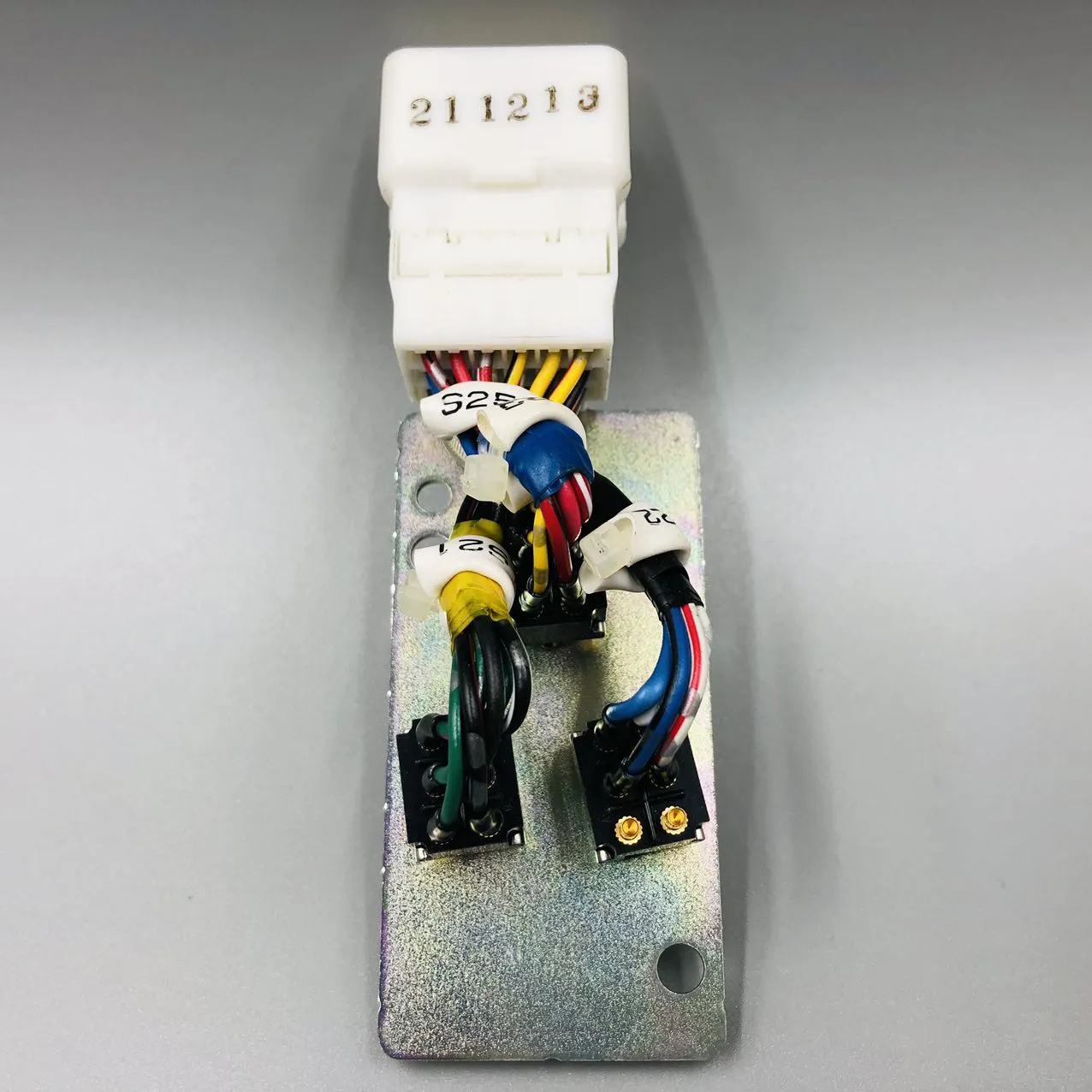 PC300-7 PC350-7 Switch Assy 22U-06-22370
 -
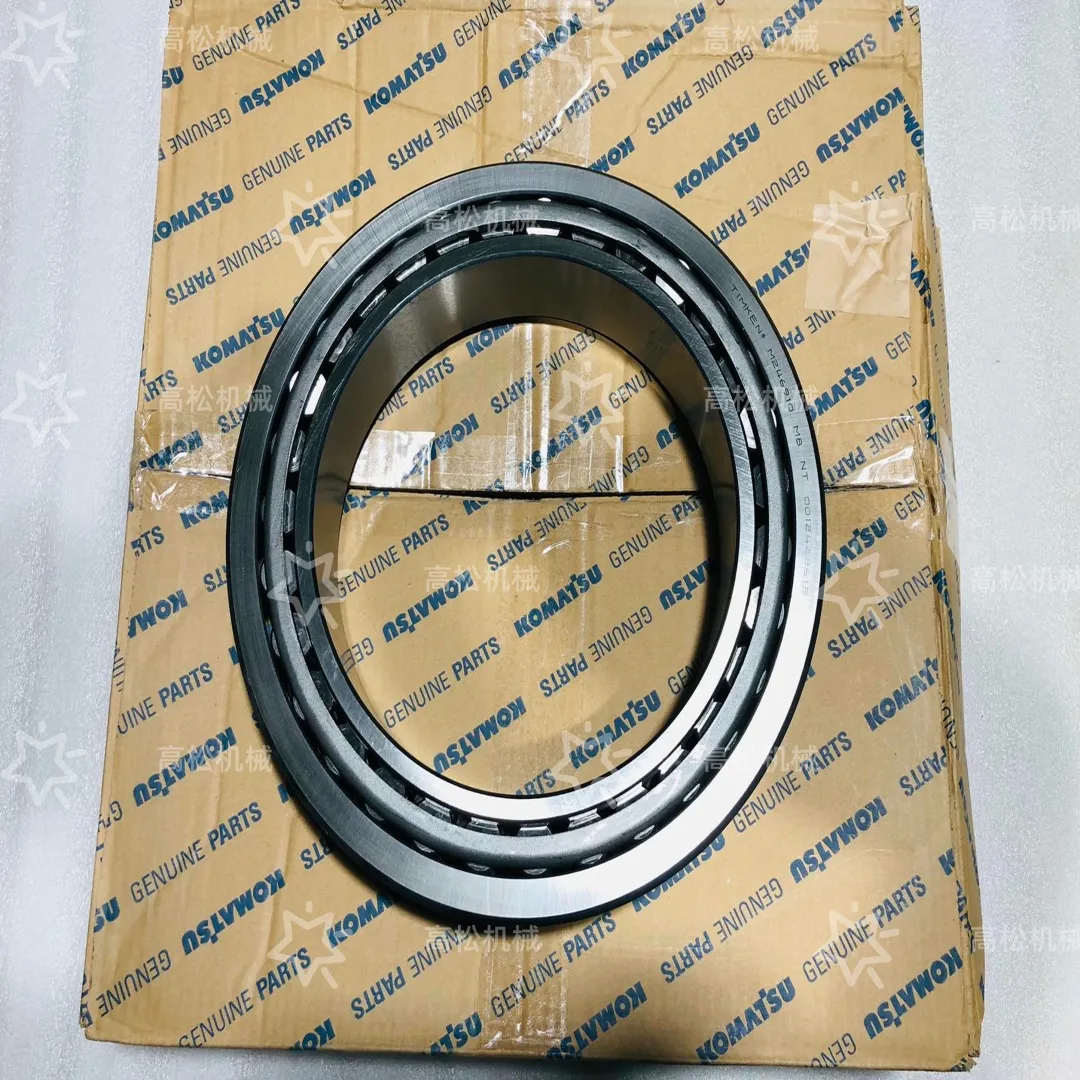 GL BEARING AS 17A-27-11331 Excavator Engine Loader Truck Bulldozer Grader Roller Spare Parts
 -
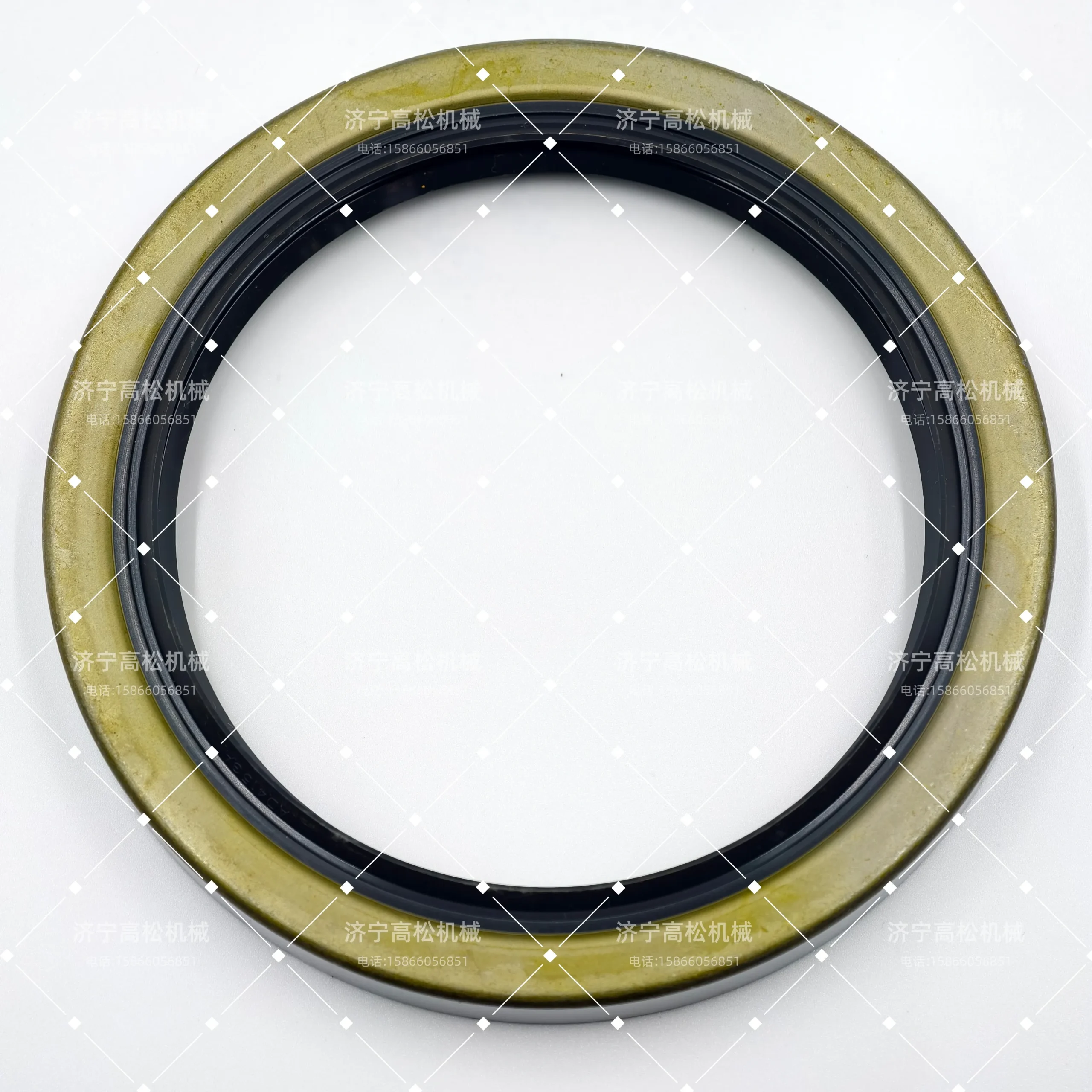 WA500-3 Oil Seal 425-20-15740 China Manufacturers Suppliers…
 -
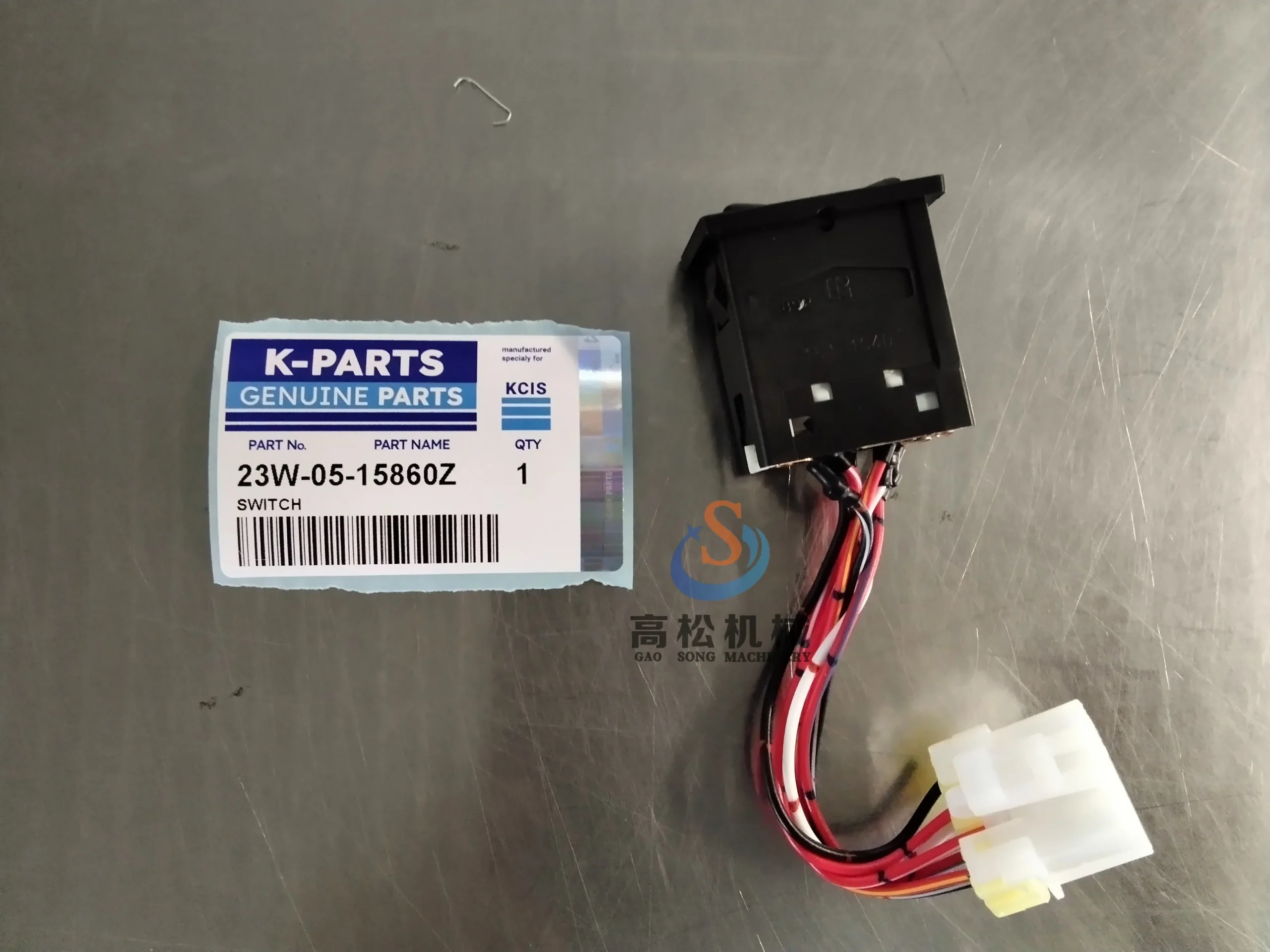 23W-05-15860 komatsu switch-HM300/HD325/HM400