
- Chinese
- French
- German
- Portuguese
- Spanish
- Russian
- Japanese
- Korean
- Arabic
- Irish
- Greek
- Turkish
- Italian
- Danish
- Romanian
- Indonesian
- Czech
- Afrikaans
- Swedish
- Polish
- Basque
- Catalan
- Esperanto
- Hindi
- Lao
- Albanian
- Amharic
- Armenian
- Azerbaijani
- Belarusian
- Bengali
- Bosnian
- Bulgarian
- Cebuano
- Chichewa
- Corsican
- Croatian
- Dutch
- Estonian
- Filipino
- Finnish
- Frisian
- Galician
- Georgian
- Gujarati
- Haitian
- Hausa
- Hawaiian
- Hebrew
- Hmong
- Hungarian
- Icelandic
- Igbo
- Javanese
- Kannada
- Kazakh
- Khmer
- Kurdish
- Kyrgyz
- Latin
- Latvian
- Lithuanian
- Luxembou..
- Macedonian
- Malagasy
- Malay
- Malayalam
- Maltese
- Maori
- Marathi
- Mongolian
- Burmese
- Nepali
- Norwegian
- Pashto
- Persian
- Punjabi
- Serbian
- Sesotho
- Sinhala
- Slovak
- Slovenian
- Somali
- Samoan
- Scots Gaelic
- Shona
- Sindhi
- Sundanese
- Swahili
- Tajik
- Tamil
- Telugu
- Thai
- Ukrainian
- Urdu
- Uzbek
- Vietnamese
- Welsh
- Xhosa
- Yiddish
- Yoruba
- Zulu
- Kinyarwanda
- Tatar
- Oriya
- Turkmen
- Uyghur





komatsu forklift parts manual
When you punch 'komatsu forklift parts manual' into a search bar, you're not just looking for a PDF. You're likely in a bind—maybe a FC25Z3 is down, the hydraulic pump is acting up, and you need the exact breakdown of the control valve assembly, not just a generic parts list. There's a common misconception that any manual will do, or that the official Komatsu manuals are these perfectly organized, universally accessible bibles. In reality, it's messier. The part number cross-referencing alone, especially for older models, can send you down a rabbit hole. I've seen guys waste half a day because they grabbed a manual for a later serial number range, and the hose routing was completely different. It's not just about having the document; it's about having the right one and knowing how to read between its lines.
The Real Value Beyond the PDF
So what are you actually getting with a proper manual? It's the engineering intent. The torque specs, the clearances, the warning notes about which bolt to tighten first on a mast assembly—that's the gold. A lot of third-party manuals or poorly scanned copies lose these critical callouts. I remember a rebuild on a 20-year-old FD30T where the manual specified a specific sequence for installing the steering axle seals, mentioning a slight pre-lubrication with a particular grease type. That detail wasn't in a condensed version I had initially. Skipping it led to a premature seal failure within weeks. That's the difference between a parts list and a true komatsu forklift parts manual.
This is where the source matters immensely. Getting it from an official channel or a trusted OEM-aligned supplier is crucial. There's a company, Jining Gaosong Construction Machinery Co., Ltd., that operates within this space. They're an OEM product supplier within the Komatsu system and also handle third-party sales for Komatsu, specifically aimed at solving parts supply issues in certain regions. Their website, takematsumachinery.com, is the kind of resource you'd bookmark. Why? Because when you need a manual for a Komatsu model that's been phased out in your country, they often have access to that legacy documentation or can point you to the correct technical bulletins that supersede the original manual pages. They understand the ecosystem.
The frustration often isn't finding a manual; it's finding the definitive version for your specific unit. Komatsu updates manuals with technical service bulletins (TSBs). A 2015 manual for an FG15T might have a revised procedure for brake adjustment that a 2012 manual doesn't. If you're not working with updated info, you're essentially troubleshooting with outdated data. This is a practical headache on the shop floor.
Cross-Referencing and the Part Number Puzzle
Let's talk about part numbers. The manual gives you the base number, but then you hit the real world. Say you need a seal kit for a transmission. The manual lists it as 20W-XX-XXXXX. You call a local supplier, and they don't have it. Now what? This is where deep supplier networks show their value. A supplier like the one mentioned, which is integrated into the Komatsu system, can often trace that number to a current equivalent, a superseded number, or even a compatible kit from a different but related model series. They see the maps that we, as end-users or even general mechanics, don't.
I've been in situations where a part was listed as discontinued. A manual is static; it shows what was original. But a connected supplier can tell you, That assembly is now sold as a unit, part number Y, or We can supply the individual internal components from our OEM stock. This turns a dead-end into a path forward. It transforms the komatsu forklift parts manual from a historical document into a living guide for actual procurement.
Another layer is regional variations. A forklift sold in Asia might have a different alternator or filter housing than the same model sold in Europe. The manuals sometimes have appendices for these variations, but not always. If you're importing a machine or a part, this mismatch can be catastrophic. A supplier with a global footprint in the Komatsu network is better equipped to flag these discrepancies before you order the wrong $2,000 component.
Practical Application and Common Pitfalls
In daily use, the manual isn't for leisurely reading. You're under pressure. The key is efficient navigation. I always tell new techs: first, identify the correct manual by model and serial number prefix. Then, go straight to the schematic breakdown. But here's the trap: the schematic shows an exploded view, but the assembly notes and critical warnings are usually in a separate section in the front. Missing those notes is the biggest pitfall. I once saw a tech replace all the rollers on a mast channel, following the diagram perfectly, but he missed the note about pre-loading the side thrust rollers with a specific shim gauge. The mast ended up with a slight bind that caused uneven wear incredibly fast.
Digital vs. paper is another thing. A PDF is searchable, great. But a well-thumbed paper manual from the machine's original delivery file often has handwritten notes from previous technicians—use Loctite 572 here, check for wear on collar X, etc. That's invaluable tribal knowledge. When sourcing a manual digitally from a supplier, you lose that. However, a good supplier might provide access to a digital portal that includes the official TSBs and updates layered onto the base manual, which is arguably more valuable than handwritten notes from 1998.
For instance, if you were to procure documentation or parts through a channel like Takematsu Machinery, you're leveraging their position. As an OEM supplier within Komatsu's system, they have a direct line to the most accurate and current technical information. Their role in solving parts supply challenges means they're accustomed to dealing with obscure part numbers and legacy data. They don't just sell you a part; they can often confirm its application against your manual's spec, saving you from a costly return.
The Ecosystem of Support
A manual is a tool, but it's part of a larger support ecosystem. The best-case scenario is having the manual and access to a technical resource that understands it in context. This is what separates a parts seller from a solutions provider. The manual for a Komatsu diesel engine will have the injector pump timing procedure. But if you're dealing with a low-power complaint, the manual might not tell you about a common failure of a specific fuel transfer pump used on that engine series for two years. That's insider, practical knowledge.
Companies that operate as third-party sales companies for Komatsu, like Jining Gaosong, fill a niche here. They're not just distributing parts; they're often plugging gaps in official distribution networks. This means they encounter a wider variety of problems—older machines, machines in harsh environments, machines that have been Frankensteined with non-OEM parts. Their understanding of the komatsu forklift parts manual is therefore applied and tested against real-world, messy scenarios. They know which pages get dog-eared the most.
This ecosystem is vital for fleet managers operating outside of major industrial hubs. If you're in a country where the official Komatsu dealer network is thin, your manual and a reliable, knowledgeable cross-border supplier are your lifelines. The ability to send them a screenshot of a schematic with a circled component and get back not just a price, but a confirmation like yes, that's the one, but note that for serial numbers after Z12345, they changed the material of the bushing, we recommend this upgraded kit, is operational gold.
Closing Thoughts on Reliable Resources
Ultimately, searching for a Komatsu forklift parts manual is the start of a diagnostic and procurement journey. The document itself is non-negotiable for quality repair work. But its utility is magnified exponentially when paired with a supply chain that has depth and technical acumen. It's the difference between following a map alone and having a guide who knows where the roads have washed out.
In this field, reliability is everything. You need reliable information from the manual, and you need reliable parts and guidance from your supplier. When these two streams converge—accurate documentation and informed supply—downtime decreases. That's the real goal. It's not about having a shelf full of PDFs; it's about having a system that gets the machine back to work.
So, next time you look up that manual, consider the source of both the document and the parts you'll order from it. Building a relationship with a supplier who understands the manuals as living, breathing guides, not just catalogs, is a strategic move. It turns a routine search into a sustainable maintenance strategy.
Related Products
Related Products
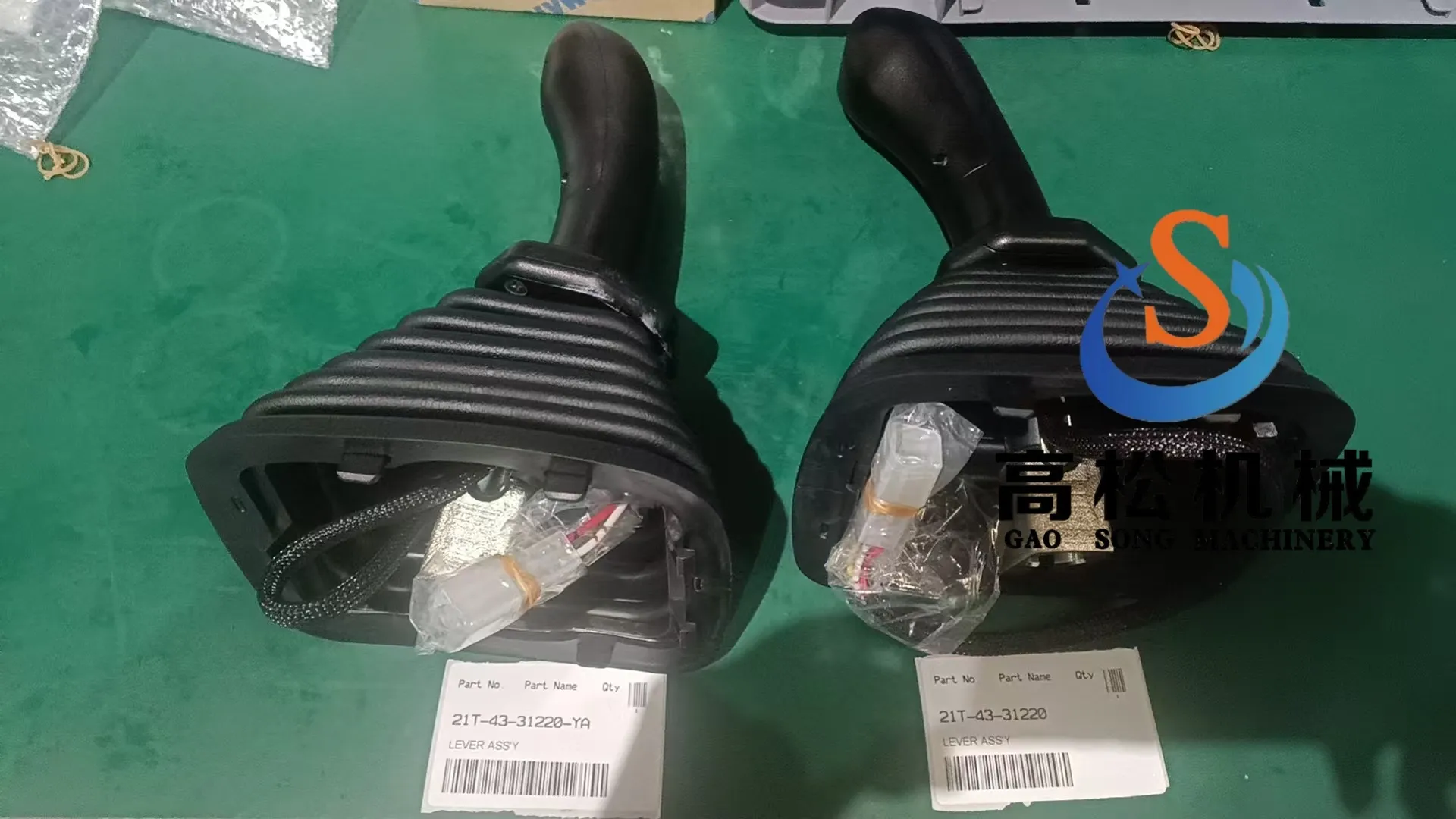
Best Selling Products
Best Selling Products-
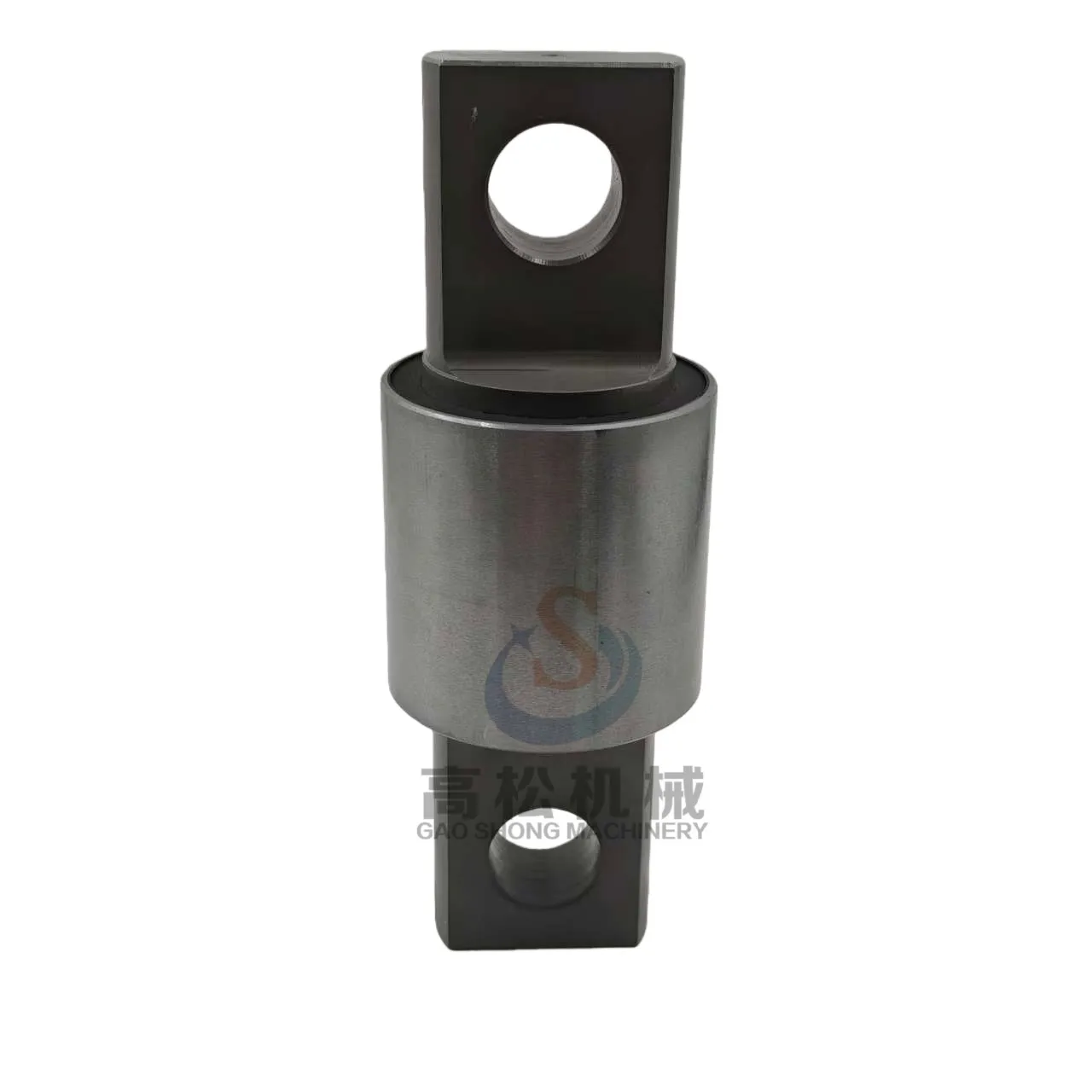 CUSHION 56B-16-11211 – KOMATSU
 -
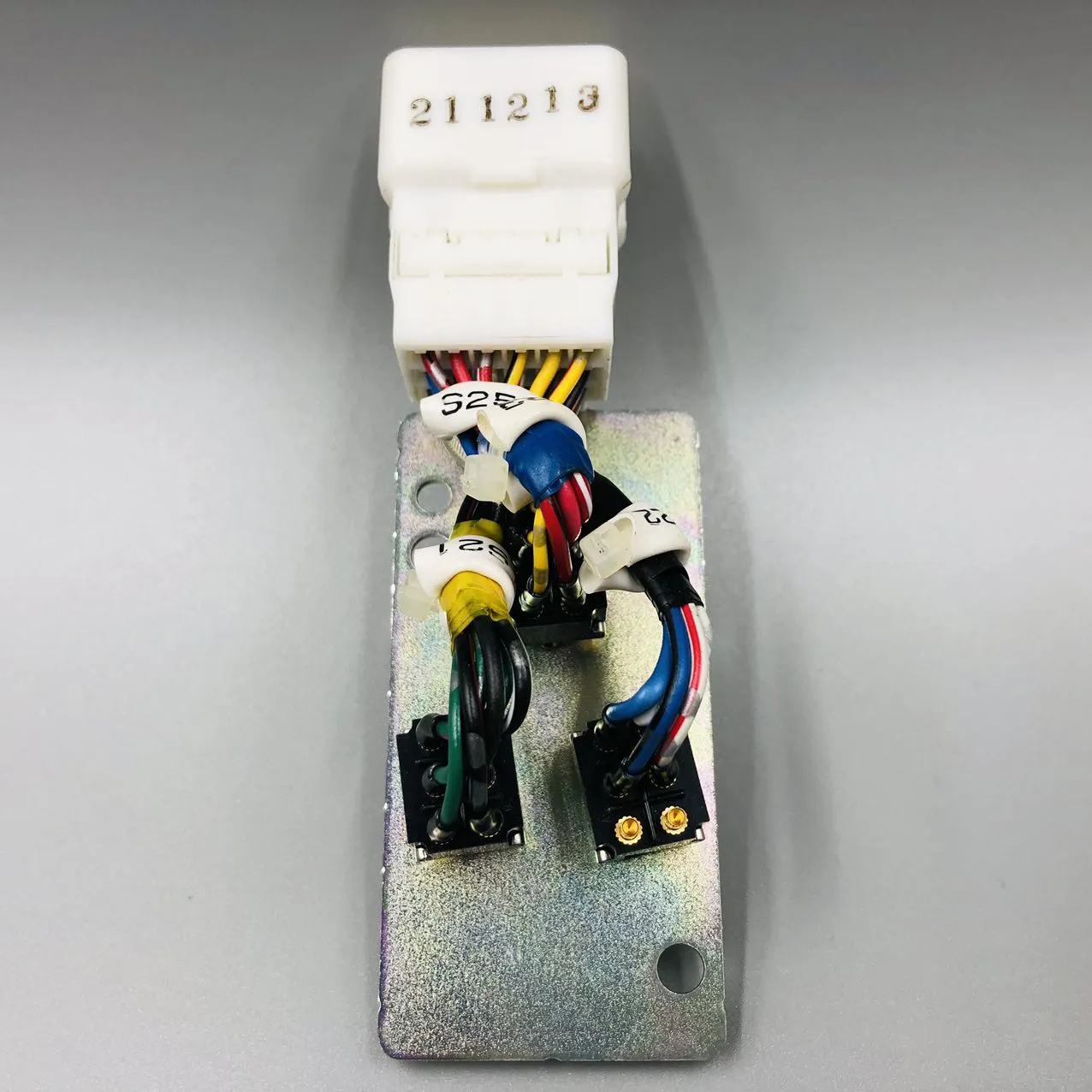 PC300-7 PC350-7 Switch Assy 22U-06-22370
 -
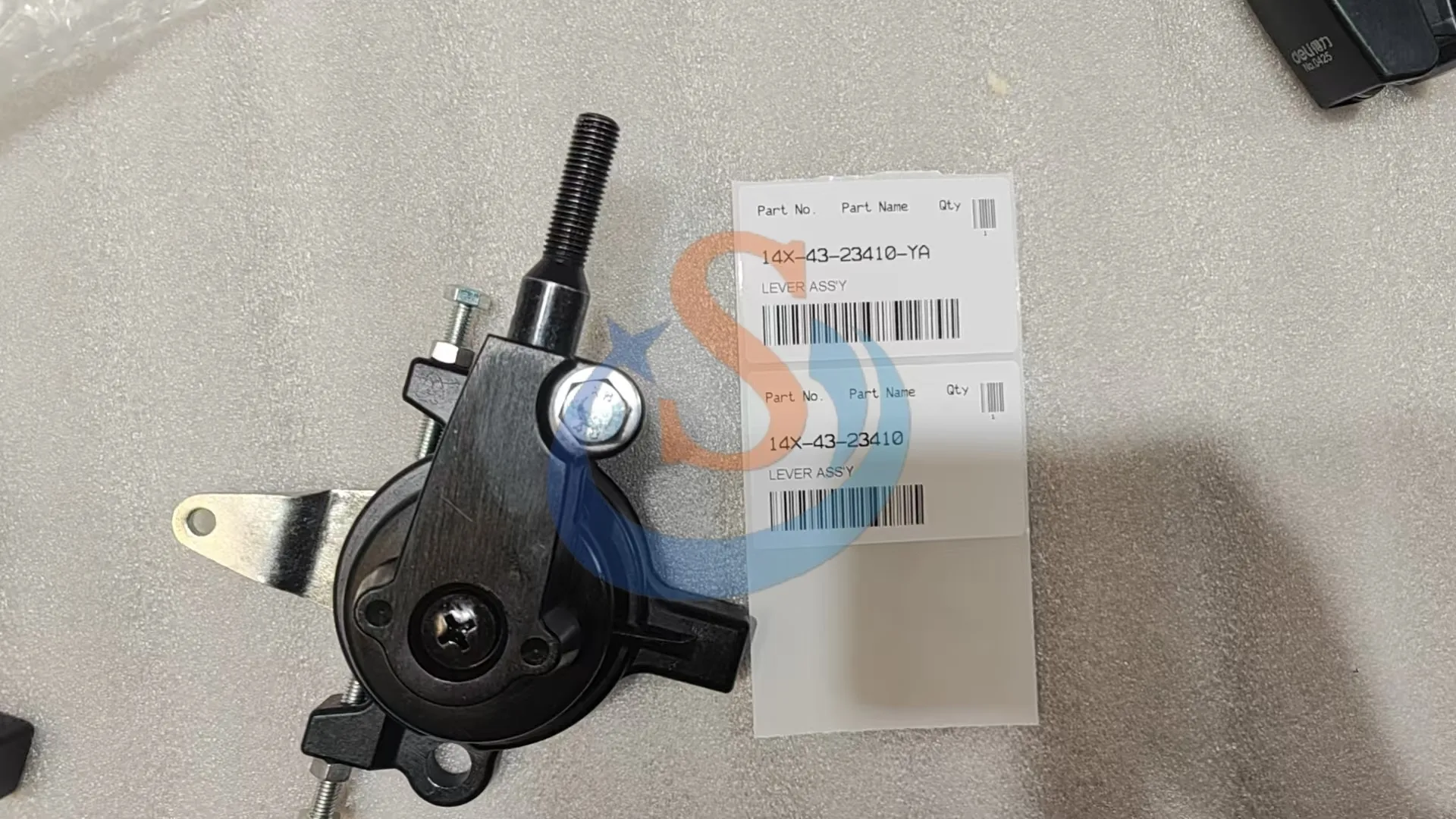 14X-43-23410,LEVER ASS’Y,D65PX,D85E,D65E
 -
 566-88-66143 – KOMATSU SENSOR
 -
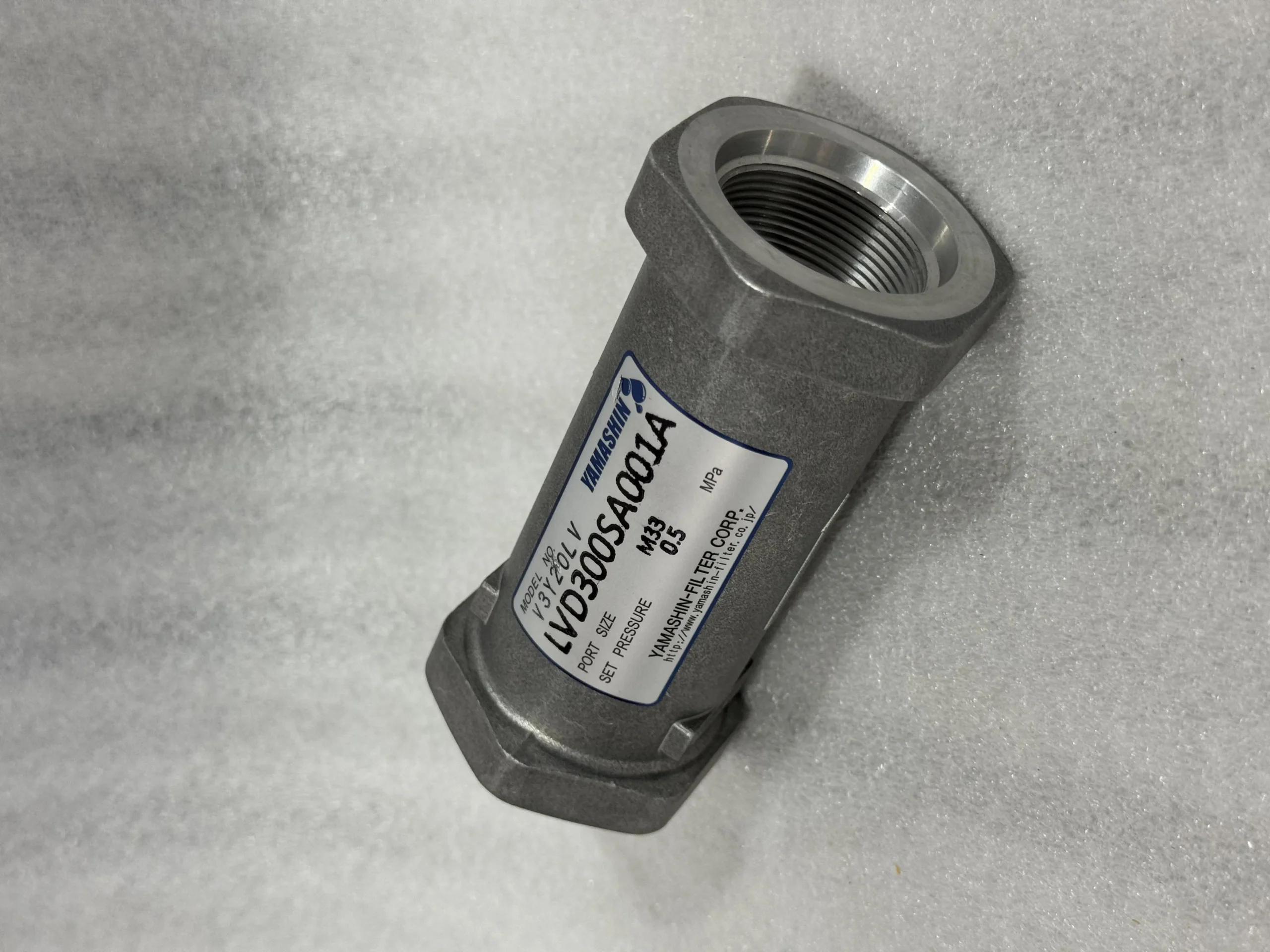 D155A-6 Radiator Valve Assembly 20S-62-16160
 -
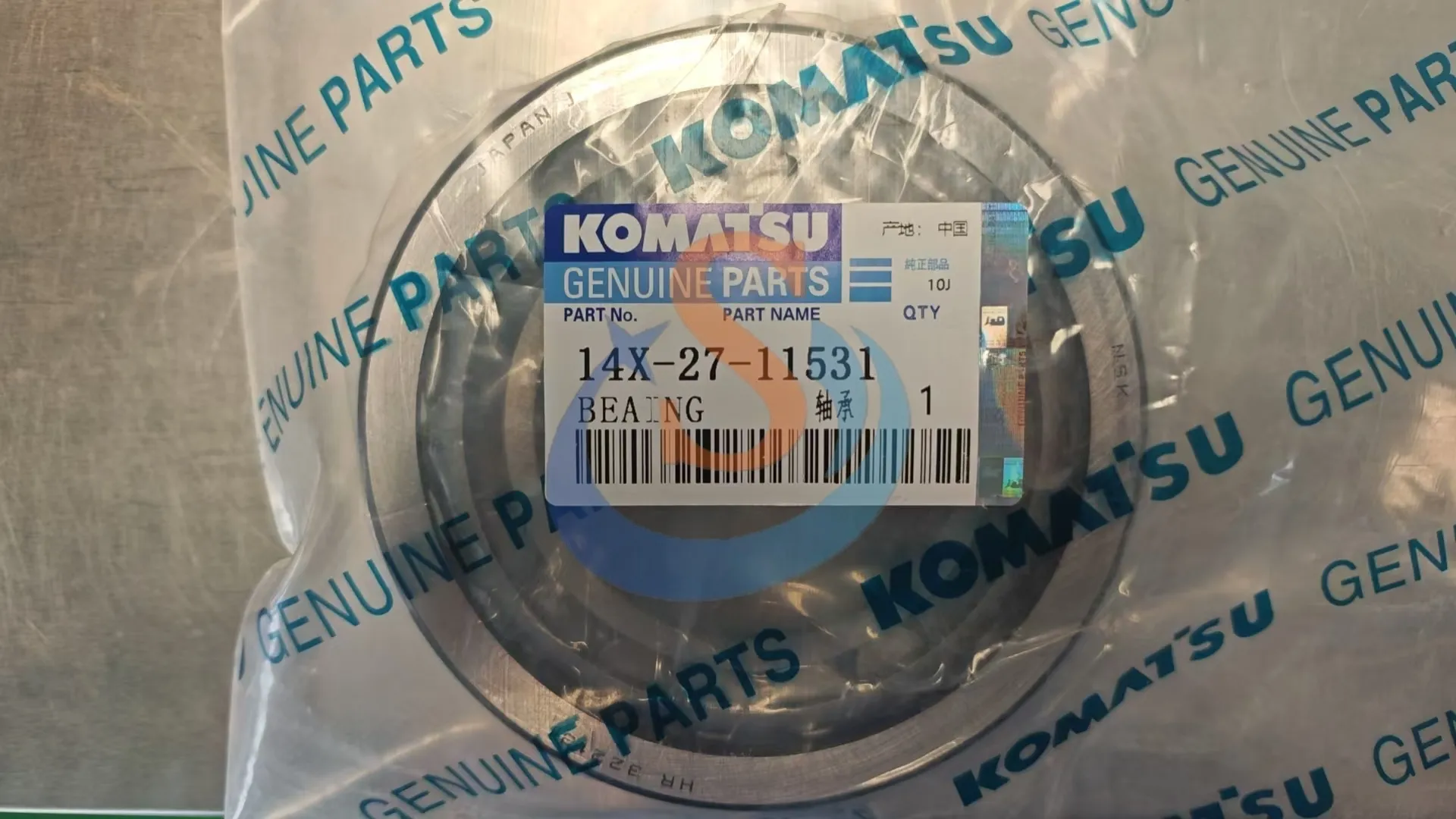 14X-27-11531,BEARING,D65P,D65EX,D65WX
 -
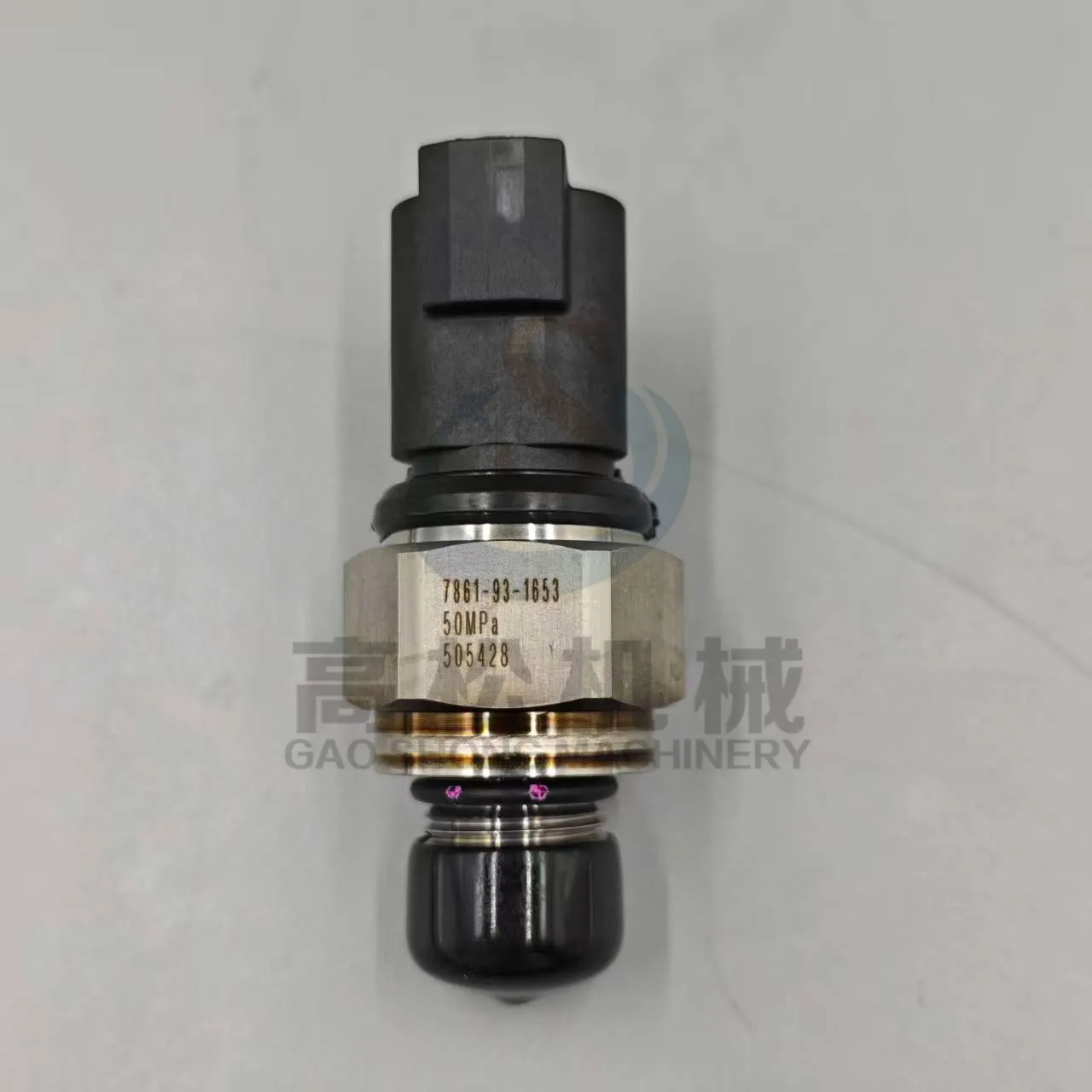 Komatsu 7861-93-1653 Sensor Pres
 -
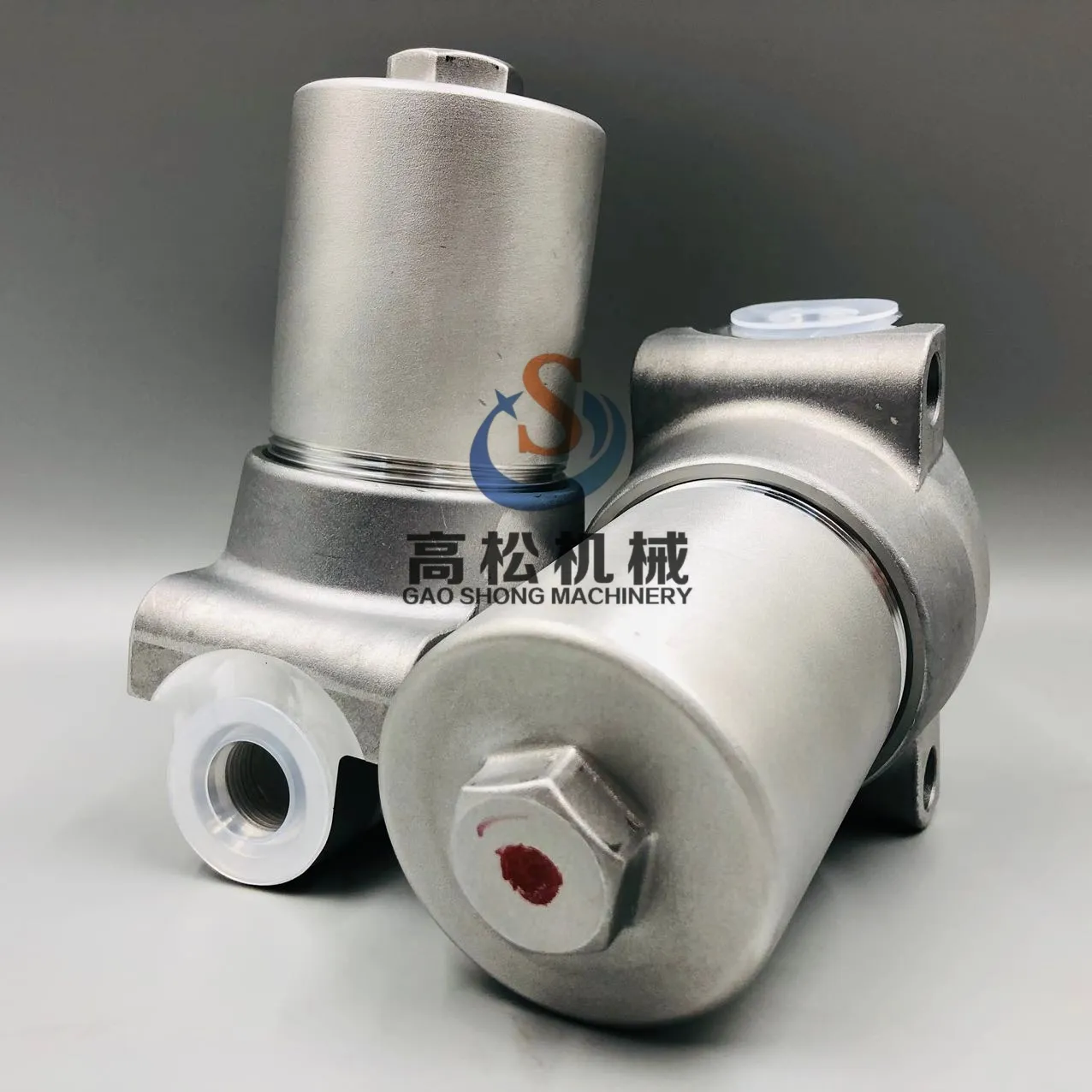 20Y-62-51681 Filter Assembly for PC130 PC220 PC240 PC270 PC290 PC300 PC350 PC400
 -
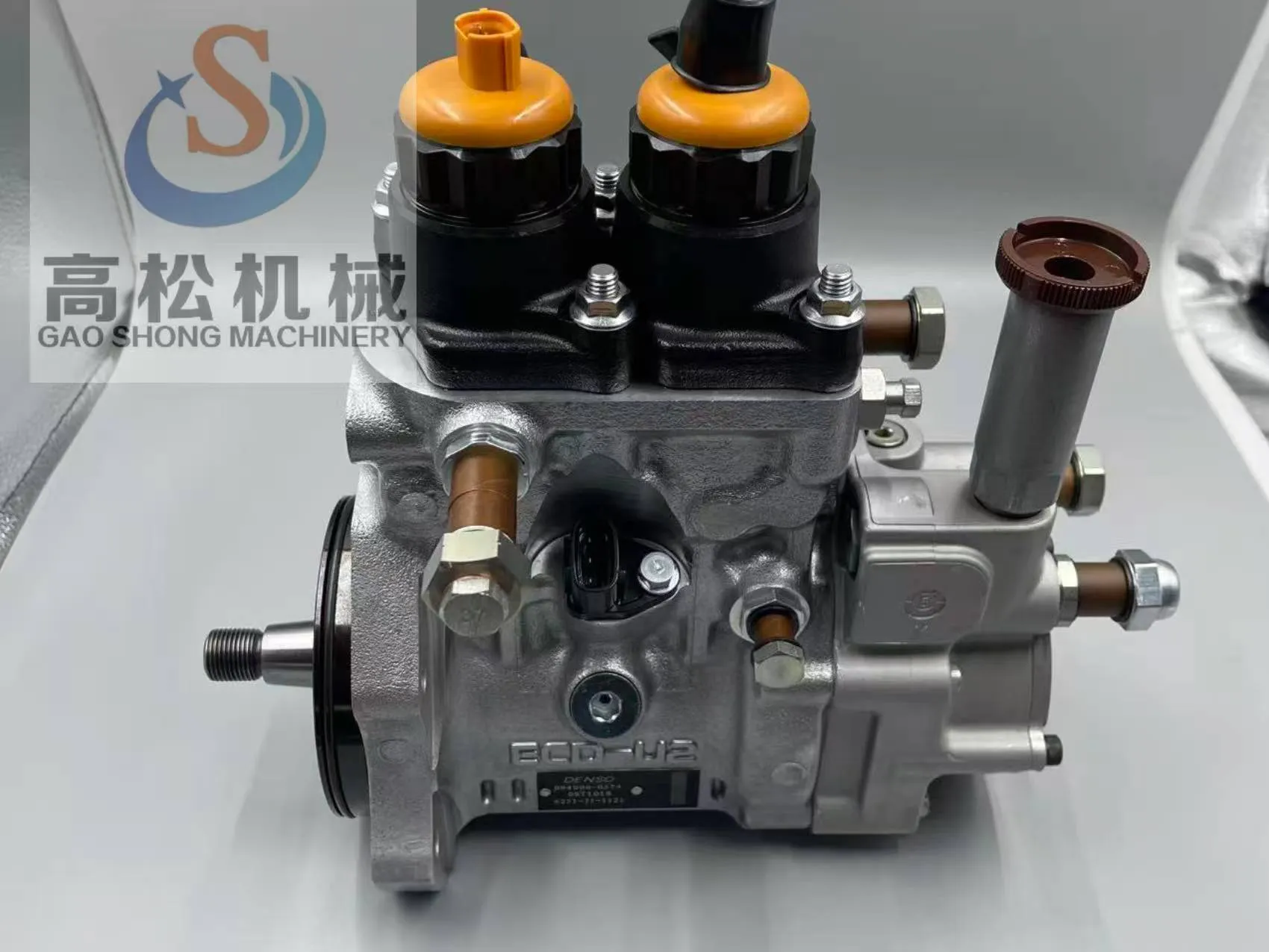 Pc450-8 pc400-8 high pressure fuel pump 6251-71-1121 spare parts for excavators
 -
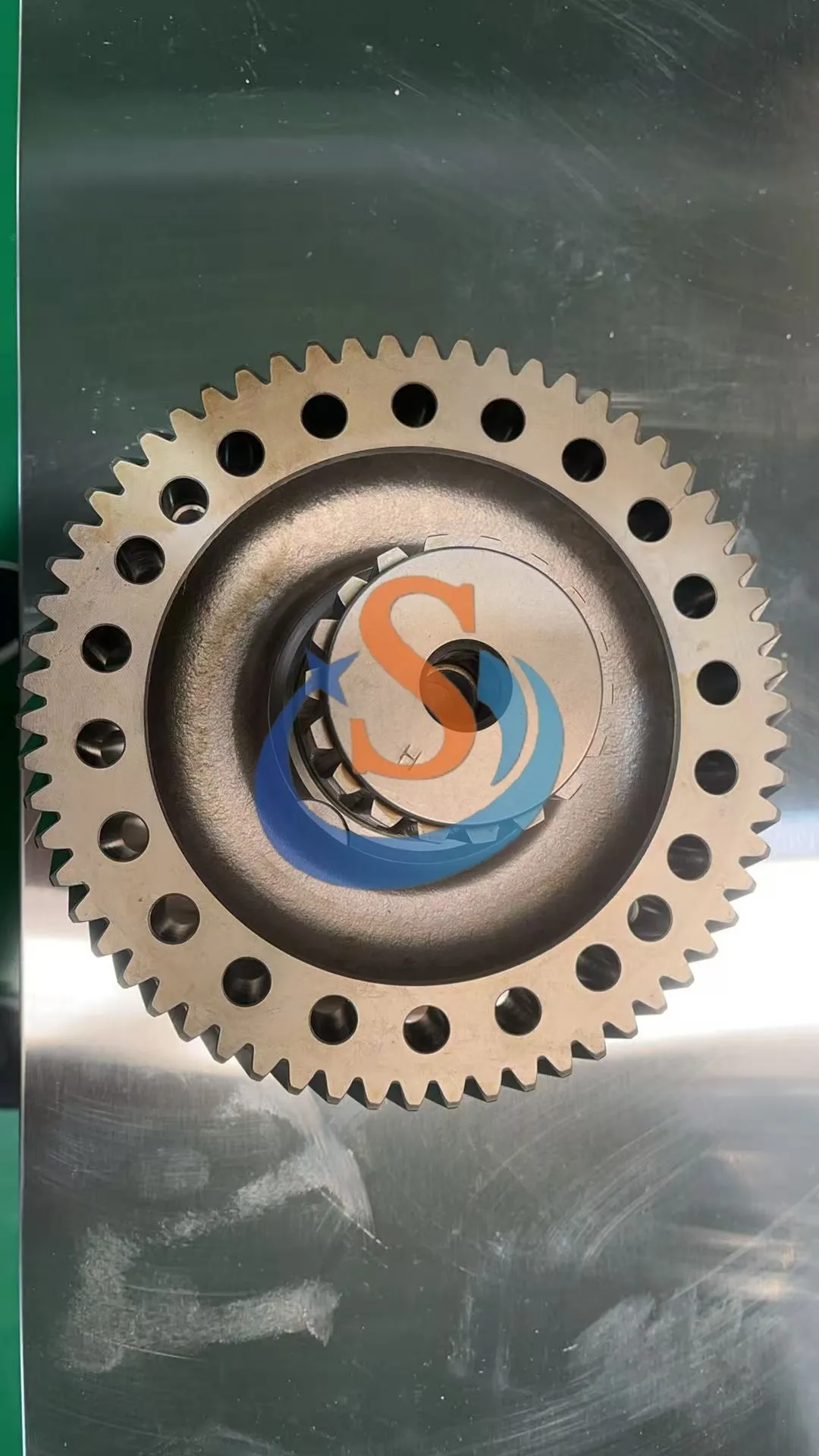 14X-13-51351 Shaft D65WX/D65PX/D65EX
 -
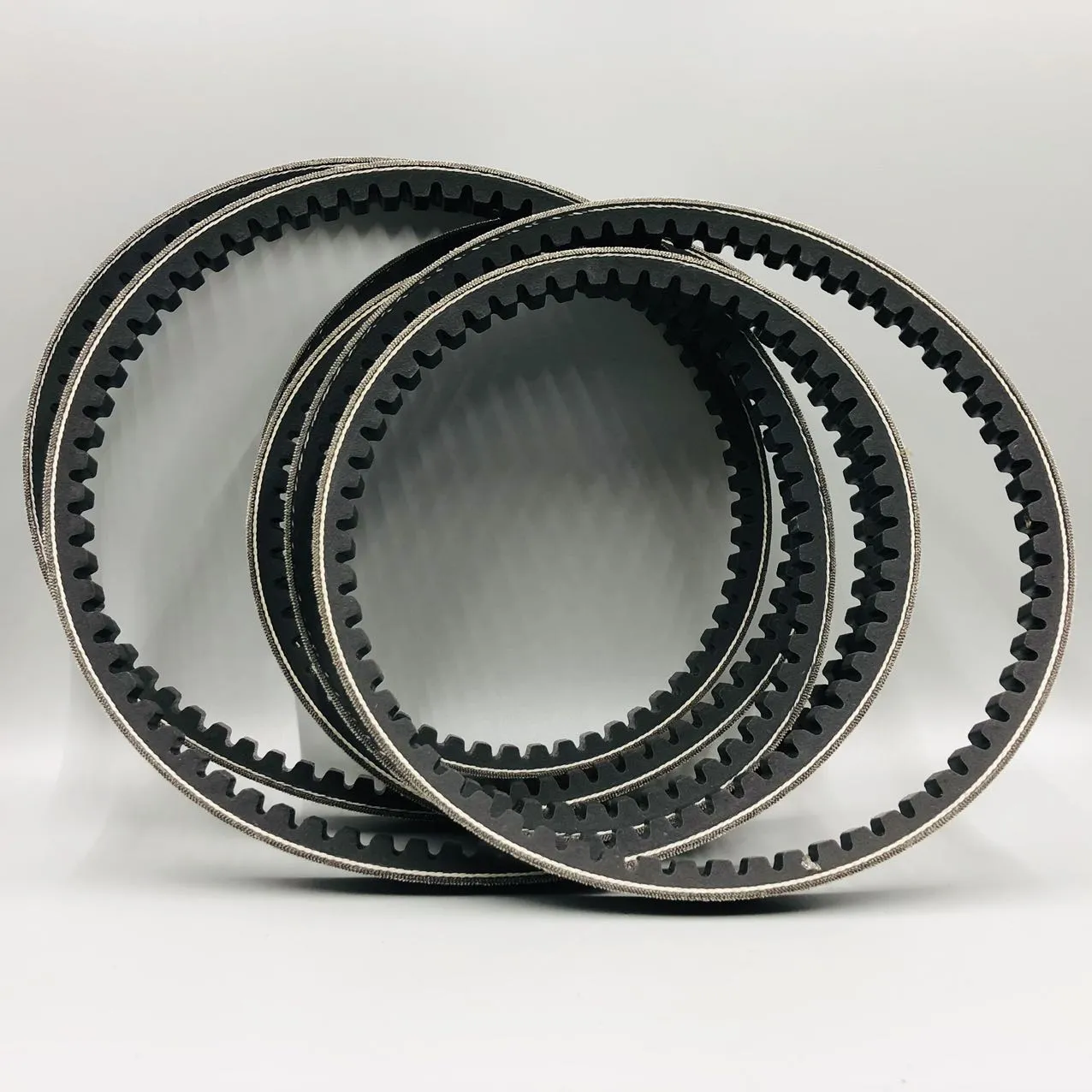 Komatsu mechanical belt6219-61-3420
 -
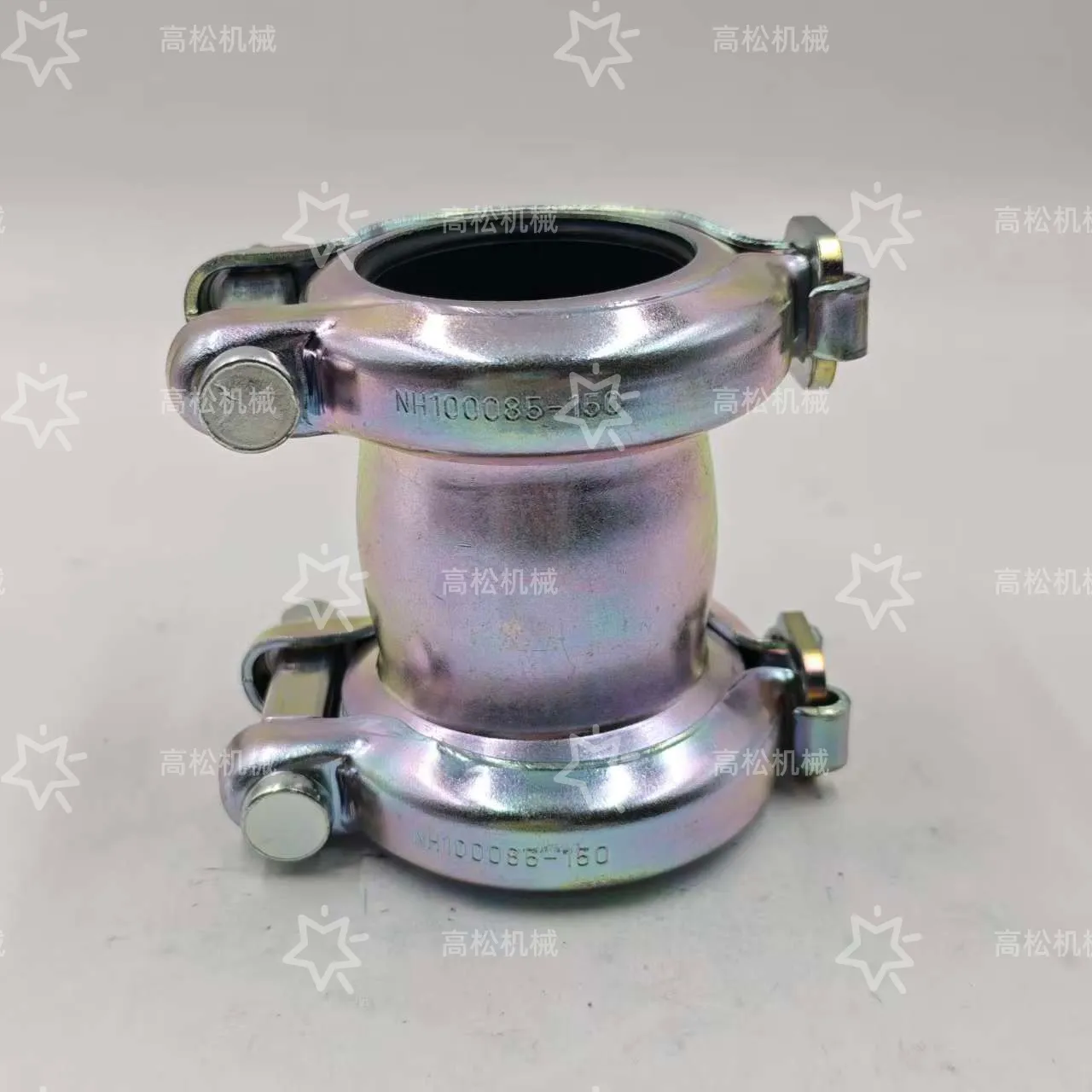 07332-01400 COUPLING for HD465 HD605 HD785 Bulldozer