
- Chinese
- French
- German
- Portuguese
- Spanish
- Russian
- Japanese
- Korean
- Arabic
- Irish
- Greek
- Turkish
- Italian
- Danish
- Romanian
- Indonesian
- Czech
- Afrikaans
- Swedish
- Polish
- Basque
- Catalan
- Esperanto
- Hindi
- Lao
- Albanian
- Amharic
- Armenian
- Azerbaijani
- Belarusian
- Bengali
- Bosnian
- Bulgarian
- Cebuano
- Chichewa
- Corsican
- Croatian
- Dutch
- Estonian
- Filipino
- Finnish
- Frisian
- Galician
- Georgian
- Gujarati
- Haitian
- Hausa
- Hawaiian
- Hebrew
- Hmong
- Hungarian
- Icelandic
- Igbo
- Javanese
- Kannada
- Kazakh
- Khmer
- Kurdish
- Kyrgyz
- Latin
- Latvian
- Lithuanian
- Luxembou..
- Macedonian
- Malagasy
- Malay
- Malayalam
- Maltese
- Maori
- Marathi
- Mongolian
- Burmese
- Nepali
- Norwegian
- Pashto
- Persian
- Punjabi
- Serbian
- Sesotho
- Sinhala
- Slovak
- Slovenian
- Somali
- Samoan
- Scots Gaelic
- Shona
- Sindhi
- Sundanese
- Swahili
- Tajik
- Tamil
- Telugu
- Thai
- Ukrainian
- Urdu
- Uzbek
- Vietnamese
- Welsh
- Xhosa
- Yiddish
- Yoruba
- Zulu
- Kinyarwanda
- Tatar
- Oriya
- Turkmen
- Uyghur






komatsu forklift parts lookup
You know, when someone types 'komatsu forklift parts lookup' into a search bar, I often wonder what they're really expecting. A magic portal? A single, perfect database that spits out the exact part number for their 15-year-old FD30? The reality, from my seat, is far messier. That search term embodies a hope—a hope to cut through the chaos of cross-references, obsolete codes, and regional supply blockades that anyone dealing with aging or globally dispersed Komatsu equipment faces daily. It's not just a search; it's a plea for clarity in a fragmented system.
The Illusion of a Universal Database
Let's get this straight first. There is no one-stop, public-facing super-database for all Komatsu forklift parts. The official Komatsu parts system is robust, but access is tiered. If you're a major fleet owner with a direct account, you have one level of access. A small workshop in another country might have another, or none at all. The lookup process often starts with the komatsu forklift parts lookup mindset, but quickly becomes a detective game. You need the model (like FD25, FG25), the serial number range, and sometimes the specific unit code. Even then, the part number you find on an official diagram might be listed as obsolete or superseded in your region's system.
I've spent hours with customers on the phone, both of us staring at different versions of what should be the same schematic. The diagram from a 2005 manual shows a seal kit with one number. The regional distributor's system shows a different, updated number. And the warehouse in another continent might only stock the original. This is where the lookup fails and real sourcing begins. The part number is just the first clue, not the solution.
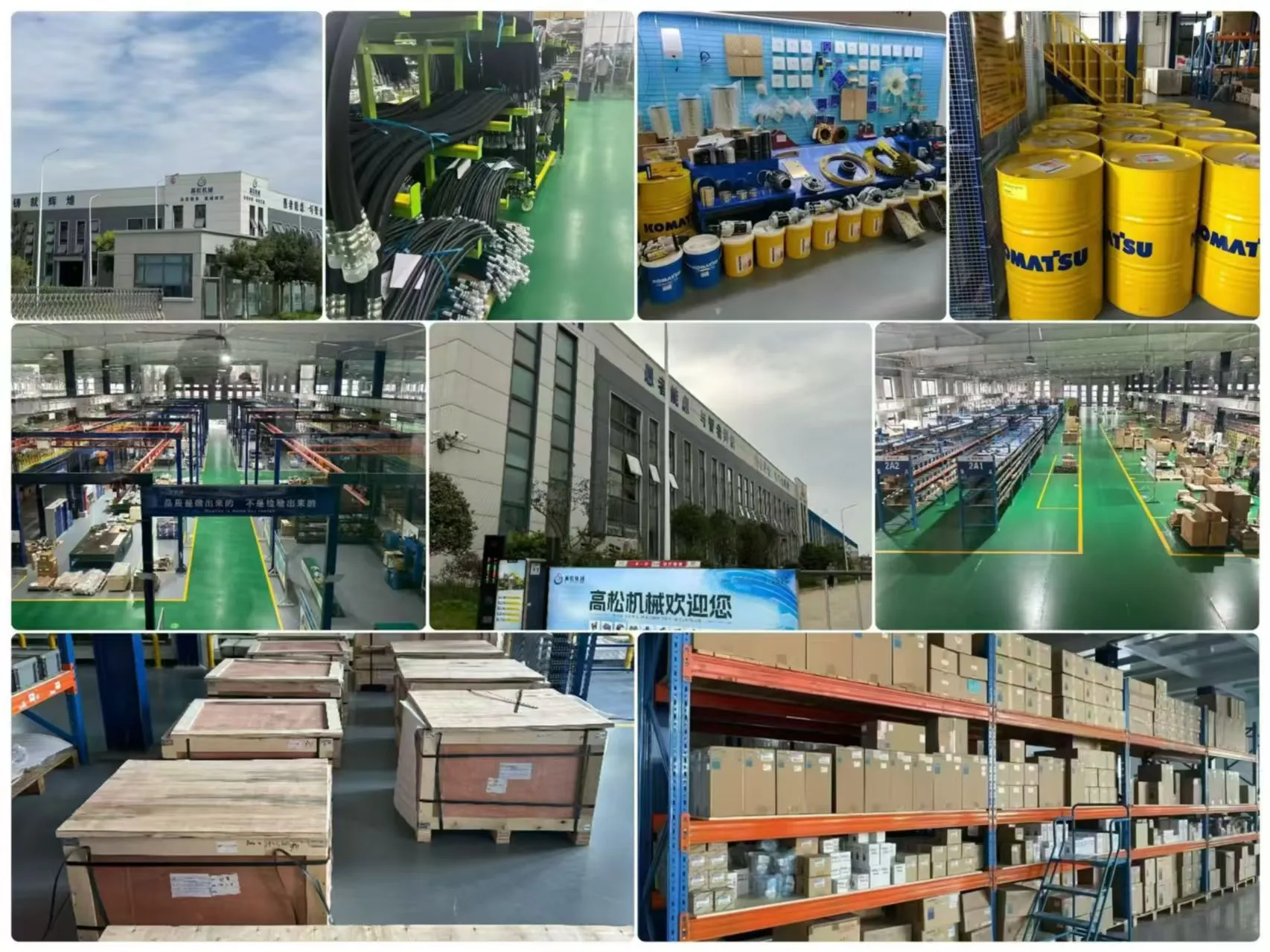
This fragmentation is precisely where third-party specialists carve their niche. They operate in the gaps of the official system. A company like Jining Gaosong Construction Machinery Co., Ltd. (you can find them at takematsumachinery.com) positions itself interestingly. They mention being an OEM product supplier within Komatsu's system and a third-party sales company. In practice, this often means they can access genuine OEM supply chains but also provide alternative sourcing or aftermarket solutions for parts that are logistically or economically impossible to get through standard channels in certain countries. They're not just looking up a part; they're solving a supply chain puzzle.
The Critical Role of Serial Numbers and Unit Codes
If I could hammer one point home, it's this: the model alone is useless for a precise komatsu forklift parts lookup. The serial number is king. A Komatsu FG15-10 from 2008 can have different brake components than an FG15-10 from 2010 due to mid-production updates. The unit code, often found on the nameplate, specifies the exact configuration—mast type, engine variant, transmission. Missing this, you're guessing. I've seen warehouses ship the wrong hydraulic pump because someone only provided FG25 and a vague description of the leak. The pump looked similar, but the port fittings were off by a few millimeters. Costly mistake, days of downtime.
When you're dealing with a source like the mentioned Takematsu Machinery site, providing the full data set is even more critical. Their value is in navigating both OEM and third-party inventories across regions. A complete serial number allows them to check not only the current Komatsu supersession chain but also cross-reference to equivalent quality aftermarket parts they might stock or source, which can be a lifeline for older models.
Here's a practical tip: always take a clear photo of the equipment nameplate and the part you need, with a tape measure for scale if it's a wear item like a seal or bushing. This visual aid, combined with the serial number, reduces errors by about 80% in my experience. It turns an abstract lookup into a concrete matching exercise.
When OEM Within the System Makes a Difference
The phrase OEM product supplier within the Komatsu system from their intro is significant, but it's nuanced. It doesn't mean they are Komatsu. It likely means they have a contractual relationship to purchase genuine parts directly from Komatsu manufacturing plants or primary distributors, often for redistribution in markets where Komatsu's direct presence is limited. This is a key distinction from a pure aftermarket seller.
For a user doing a parts lookup, this translates to reliability for critical components. Think about the controller on an electric Komatsu, or the main hydraulic valve. You'd want the genuine article. For a wear item like a fork tip or a standard bearing, a high-quality third-party alternative might be perfectly acceptable and more cost-effective. A competent supplier in this space should offer both paths and advise accordingly. Their job is to interpret your lookup need and provide the most sensible solution, not just the first part number that pops up.
I recall a case with a client in South America who needed a steering axle assembly for an old FD40. The local Komatsu dealer quoted a astronomical price and a 4-month lead time from Japan. We provided the full serial and unit code to a supplier with a similar profile to Gaosong. They confirmed the OEM part was indeed on a long backorder, but they identified a licensed re-manufacturer in Europe that produced the assembly to Komatsu specs. They facilitated that purchase. The machine was back running in three weeks. That's the helping to solve parts supply challenges promise in action. It's beyond lookup; it's supply chain management.
The Pitfalls of Aftermarket Cross-Reference
This is where things get tricky, and where a lot of online lookup tools fall flat. Many sites offer equivalent part numbers. You put in a Komatsu part number, and it spits out three aftermarket alternatives. Sometimes this works for simple, generic items like filters or spark plugs. For complex, proprietary components, it's a minefield.
A failure I learned from early on involved a swing cylinder seal kit for a Komatsu. The aftermarket cross-reference listed a kit that matched the dimensions on paper. It fit physically, but the material composition of the seals was different. It worked for about 200 hours before failing under high heat, whereas the OEM kit would last 1500+. The cost savings were wiped out by the second downtime and repair. Now, when I or any reputable supplier does a komatsu forklift parts lookup, we have to judge: is this a part where material and precision are critical (e.g., engine, hydraulics, electronics), or is it a generic mechanical item?
A supplier that is truly integrated will have this knowledge. They'll know which aftermarket brands are reliable for which components. They might say, For that pump, you need the genuine part. But for these hose clamps, here's a suitable alternative. This judgment is the value-add that a simple online database cannot provide.
Building a Relationship, Not Just a Transaction
Ultimately, effective parts lookup for complex equipment isn't a one-time web search. It's about building a channel to a resource. Whether it's a large dealer, a specialized third-party like Jining Gaosong, or a reliable local workshop, the goal is to find a partner who understands the ecosystem.
When I find a useful resource, like the Takematsu Machinery site, I don't just bookmark it for a lookup. I note what they seem to specialize in. Their description suggests a focus on bridging supply gaps in specific countries. That tells me they might be a good contact for sourcing parts for models that were sold in Asia or emerging markets but are now hard to support elsewhere. My next step would be to test them with a specific, hard-to-find part request, providing all the serial data and photos. Their response time, the questions they ask for clarification, and the options they present (OEM, OEM-spec, quality aftermarket) tell me more about their capability than any website copy.
The real lookup ends when you have a confirmed part number, a verified source, a clear price, and a shipping date. Everything before that is just inquiry. The professional's task is to navigate from the initial, often frustrated, Google search for 'komatsu forklift parts lookup' all the way to that tangible outcome. It's a process filled with verification, cross-checking, and sometimes, accepting that the original part must be repaired or re-manufactured because it simply doesn't exist in a box on a shelf anymore. That's the unglamorous, real-world truth of keeping these machines alive.
Related Products
Related Products

Best Selling Products
Best Selling Products-
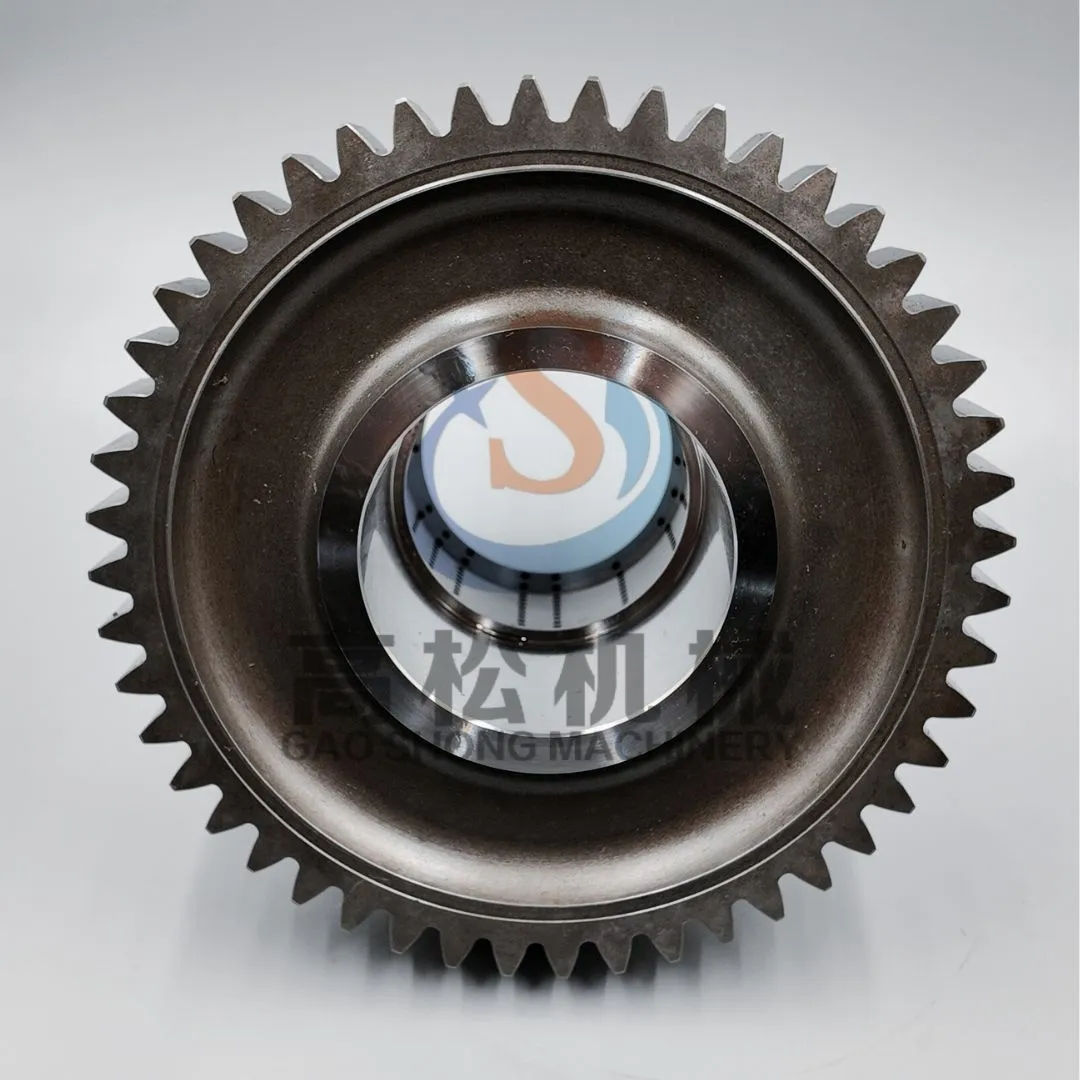 714-07-12420 Komatsu GEAR, 48 TEETH,FORWARD
 -
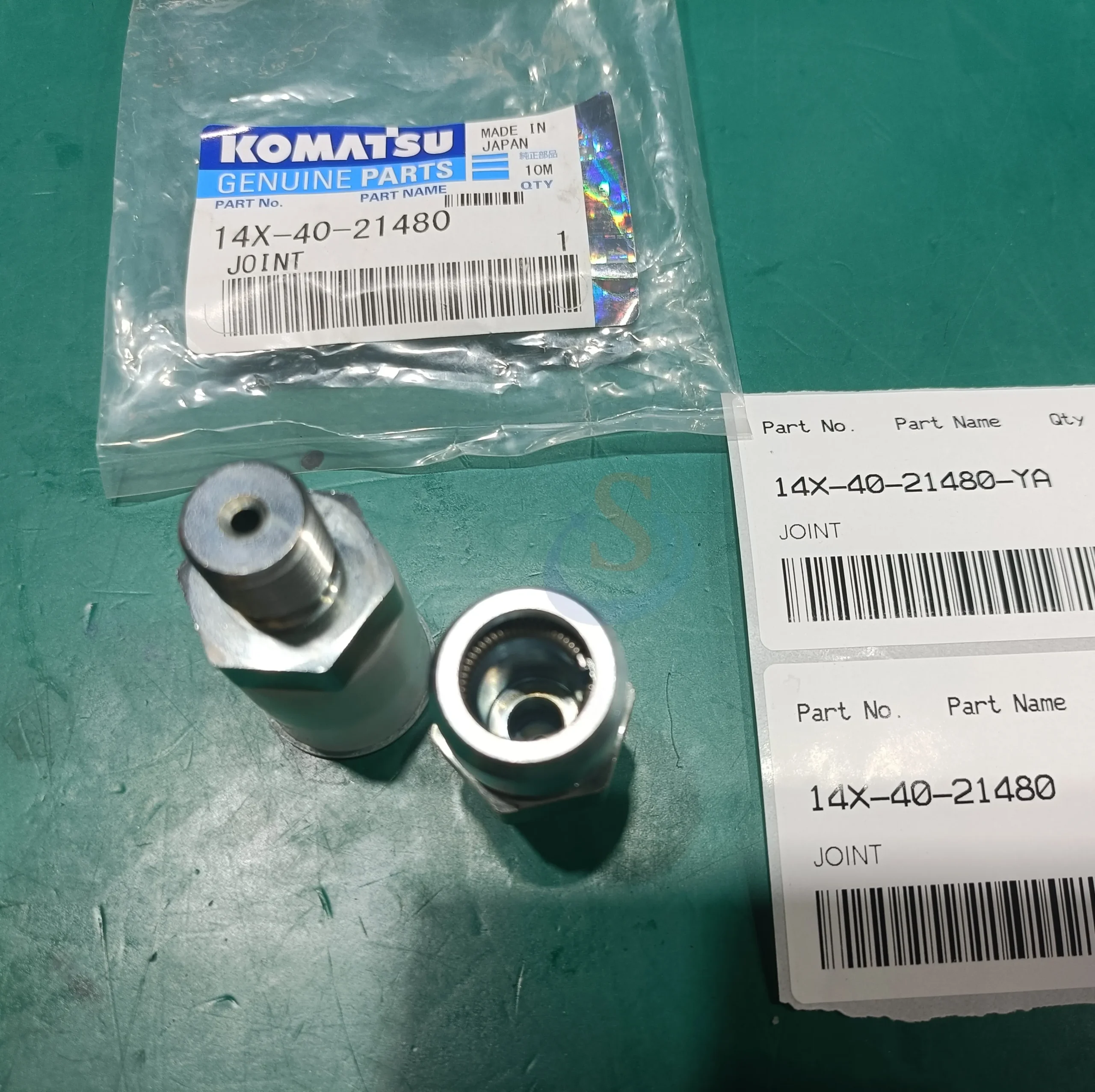 14X-40-21480,JOINT,D65P,D85E,D65E
 -
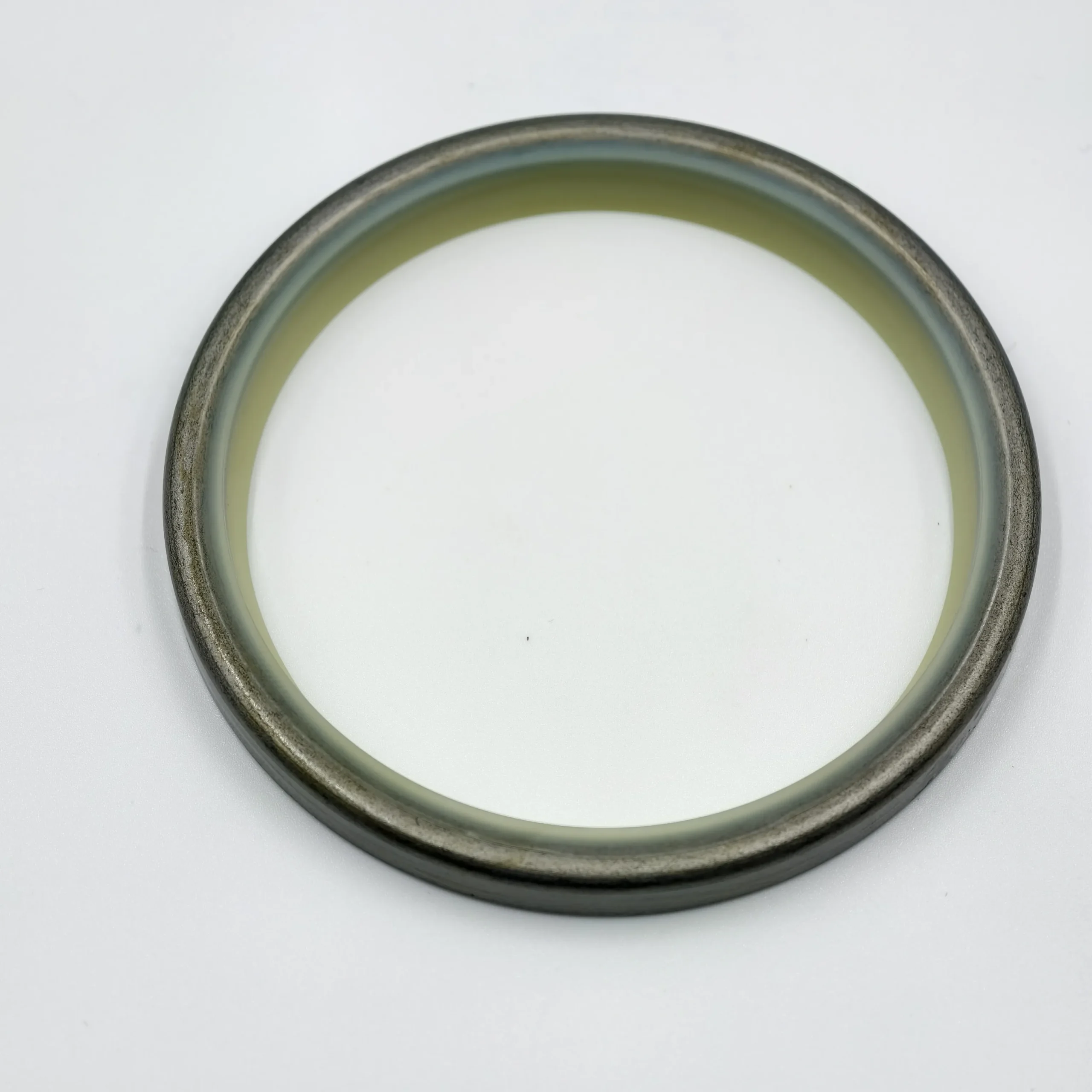 Komatsu 17M-50-24360 Seal, price for original and… — Pricing.Parts
 -
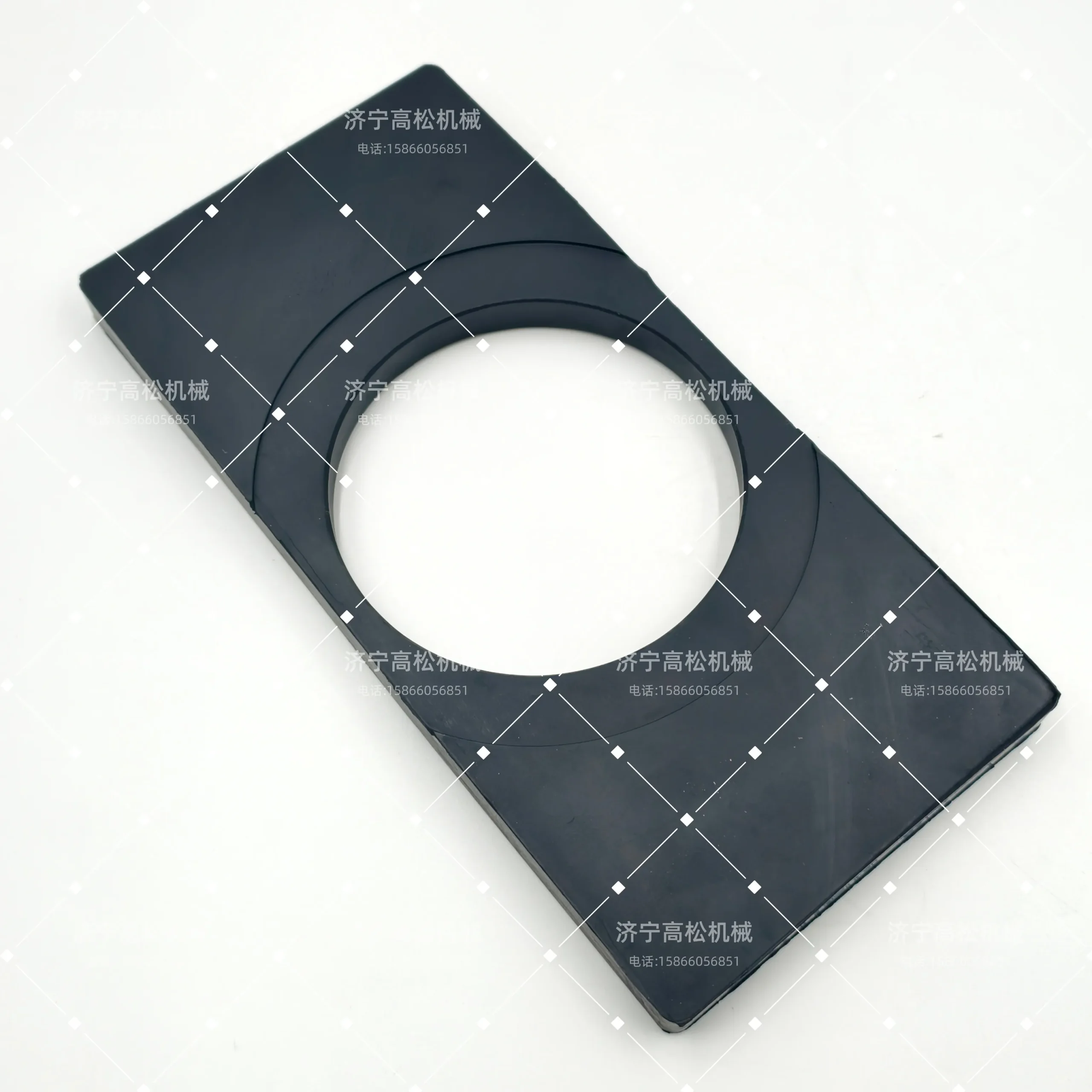 561-03-81550 High Quality Parts For Komatsu Hd465/hd785, High…
 -
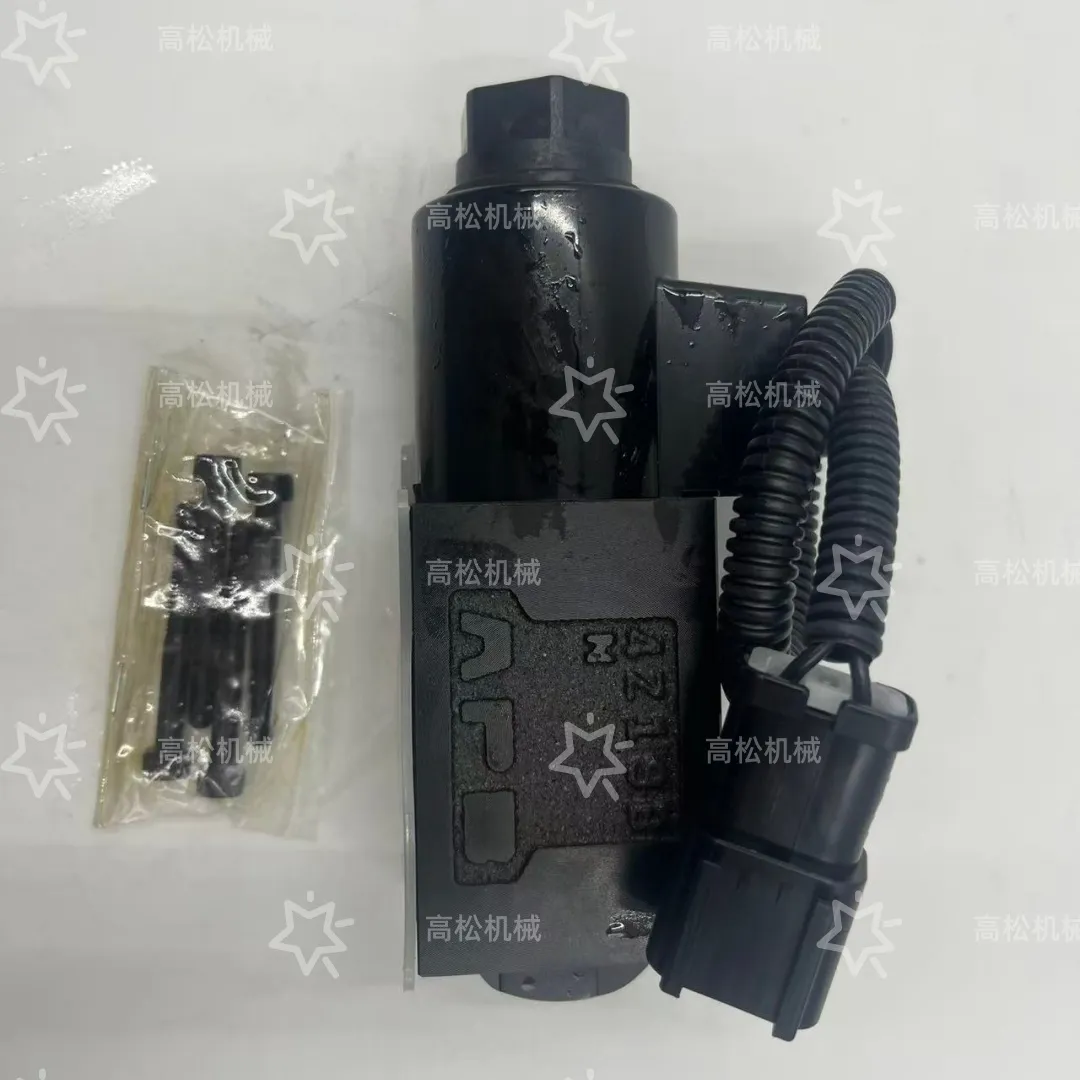 23W-60-28230 VALVE ASSEMBLY,SOLENOID – Komatsu
 -
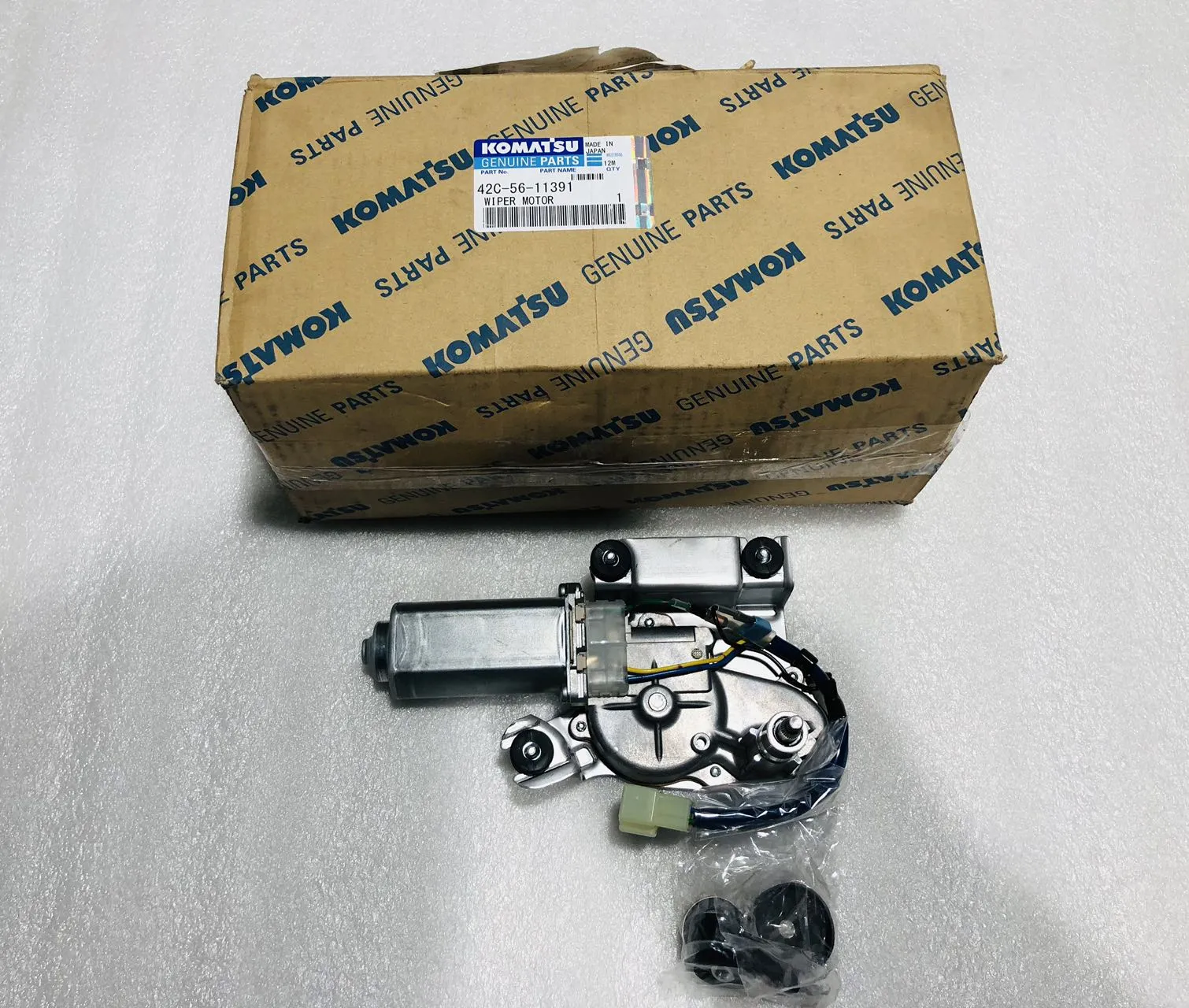 Komatsu grader GD555 wiper motor 42C-56-11391
 -
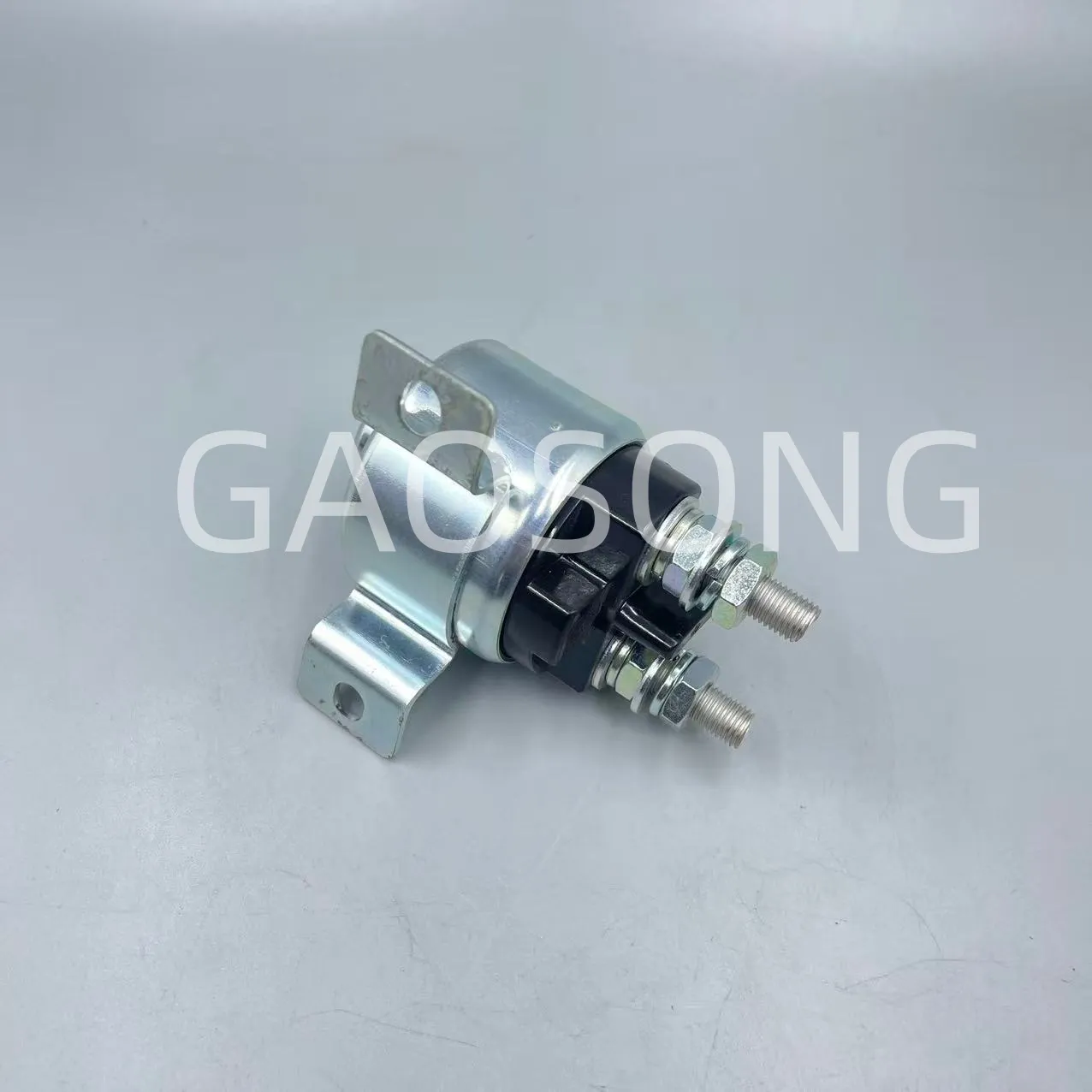 600-815-7510 SWITCH-Komatsu Original Factory
 -
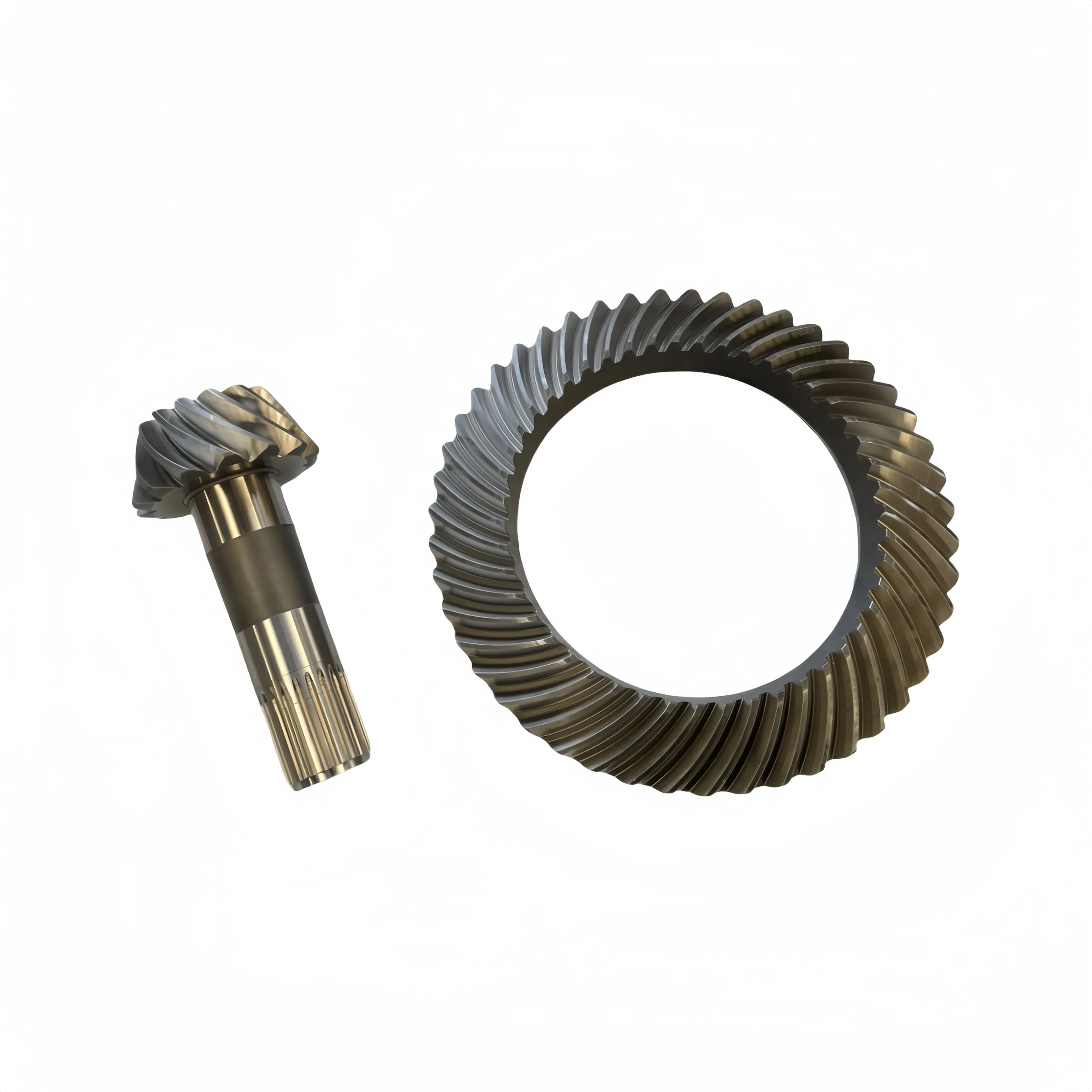 561-22-71207 Gear for komatsu HD785-7
 -
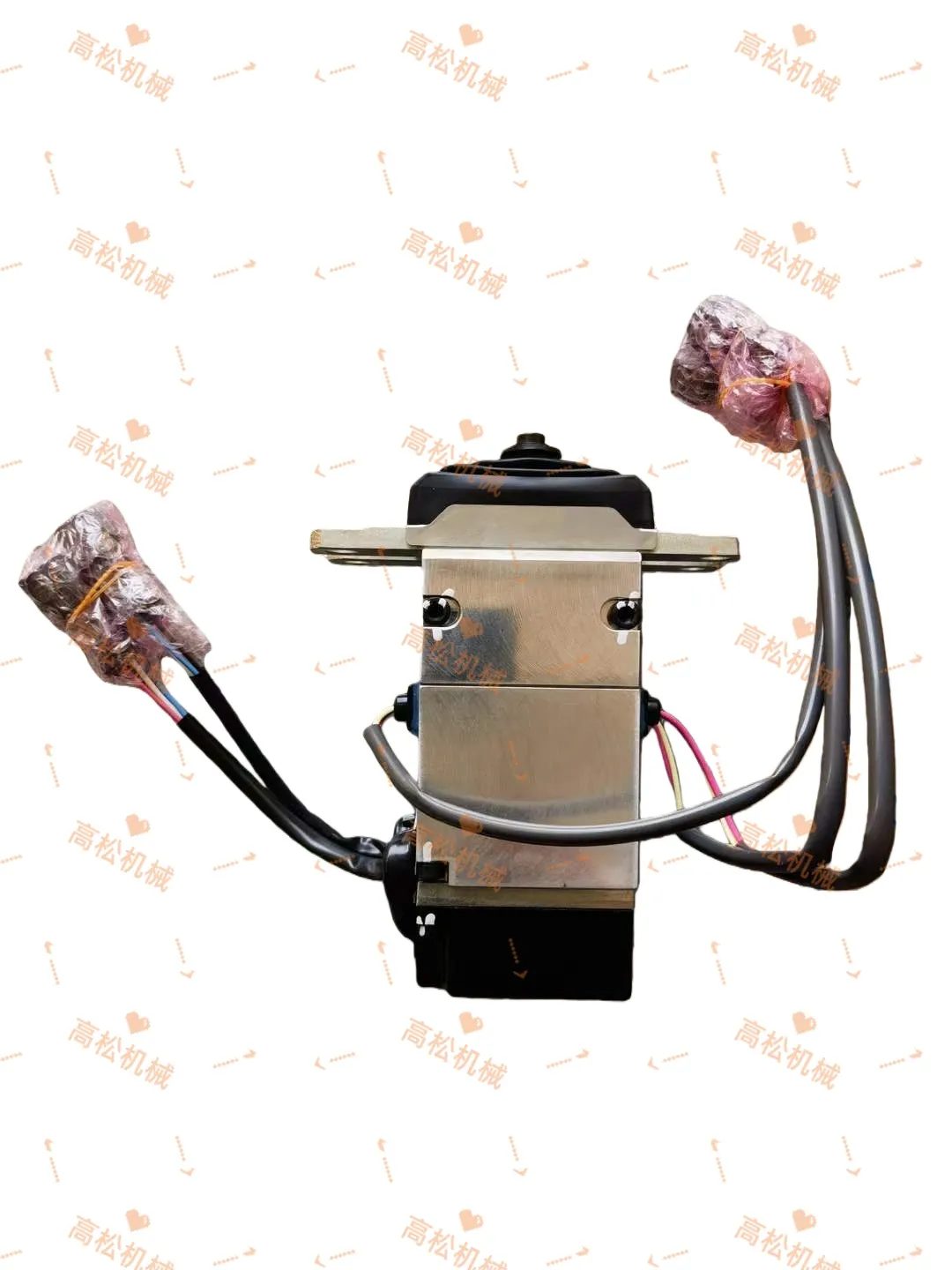 Komatsu Wheel loader machines WA500 WA480 WA470 702-16-02144 702-16-02143 Komatsu Control lever 702-16-02144 for Wheel loader WA480-5H
 -
 Heavy Machines Built to Last 799-101-5160 SOCKET for Komatsu…
 -
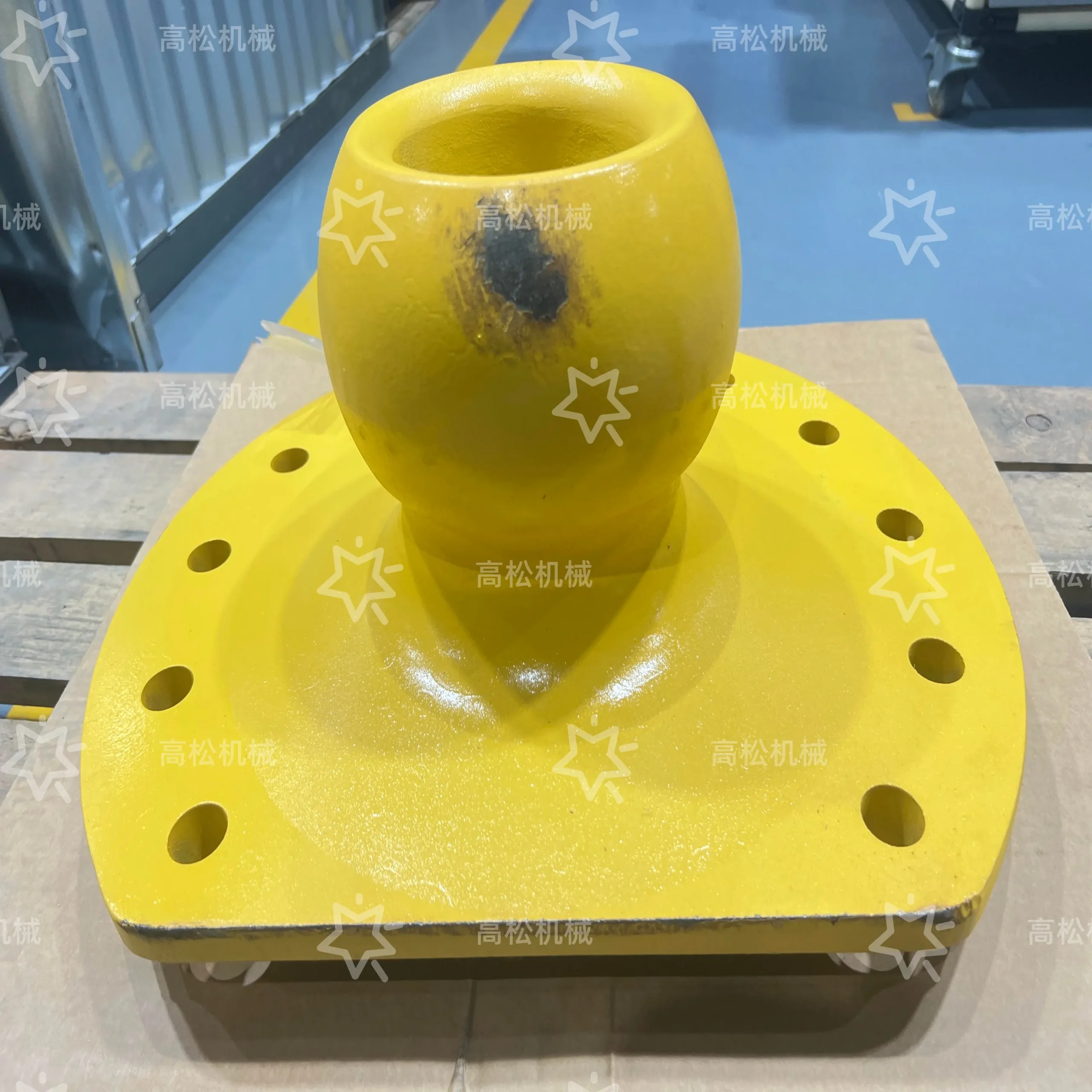 Trunnion 195-71-51191 for Bulldozer D375A-1/3/5/6
 -
Komatsu PC220-8, PC350-8, PC450-8 excavator filter assemblies 20Y-62-51681 (20Y62-51681, 20Y-625168) (pilot filters
Related Search
Related Search- OEM AND ORIGINAL KOMATSU PIN 561-40-81510
- komatsu pc300 hydraulic pump
- OEM AND ORIGINAL KOMATSU COVER 208-27-61180
- Komatsu wiring harness
- Komatsu moldboard cutting edge
- OEM AND ORIGINAL KOMATSU UNIVERSAL JOINT 195-20-33000
- komatsu forklift air filter
- 21N-03-53111
- Komatsu PC200 parts
- OEM AND ORIGINAL KOMATSU BUSHING 707-76-16030