
- Chinese
- French
- German
- Portuguese
- Spanish
- Russian
- Japanese
- Korean
- Arabic
- Irish
- Greek
- Turkish
- Italian
- Danish
- Romanian
- Indonesian
- Czech
- Afrikaans
- Swedish
- Polish
- Basque
- Catalan
- Esperanto
- Hindi
- Lao
- Albanian
- Amharic
- Armenian
- Azerbaijani
- Belarusian
- Bengali
- Bosnian
- Bulgarian
- Cebuano
- Chichewa
- Corsican
- Croatian
- Dutch
- Estonian
- Filipino
- Finnish
- Frisian
- Galician
- Georgian
- Gujarati
- Haitian
- Hausa
- Hawaiian
- Hebrew
- Hmong
- Hungarian
- Icelandic
- Igbo
- Javanese
- Kannada
- Kazakh
- Khmer
- Kurdish
- Kyrgyz
- Latin
- Latvian
- Lithuanian
- Luxembou..
- Macedonian
- Malagasy
- Malay
- Malayalam
- Maltese
- Maori
- Marathi
- Mongolian
- Burmese
- Nepali
- Norwegian
- Pashto
- Persian
- Punjabi
- Serbian
- Sesotho
- Sinhala
- Slovak
- Slovenian
- Somali
- Samoan
- Scots Gaelic
- Shona
- Sindhi
- Sundanese
- Swahili
- Tajik
- Tamil
- Telugu
- Thai
- Ukrainian
- Urdu
- Uzbek
- Vietnamese
- Welsh
- Xhosa
- Yiddish
- Yoruba
- Zulu
- Kinyarwanda
- Tatar
- Oriya
- Turkmen
- Uyghur





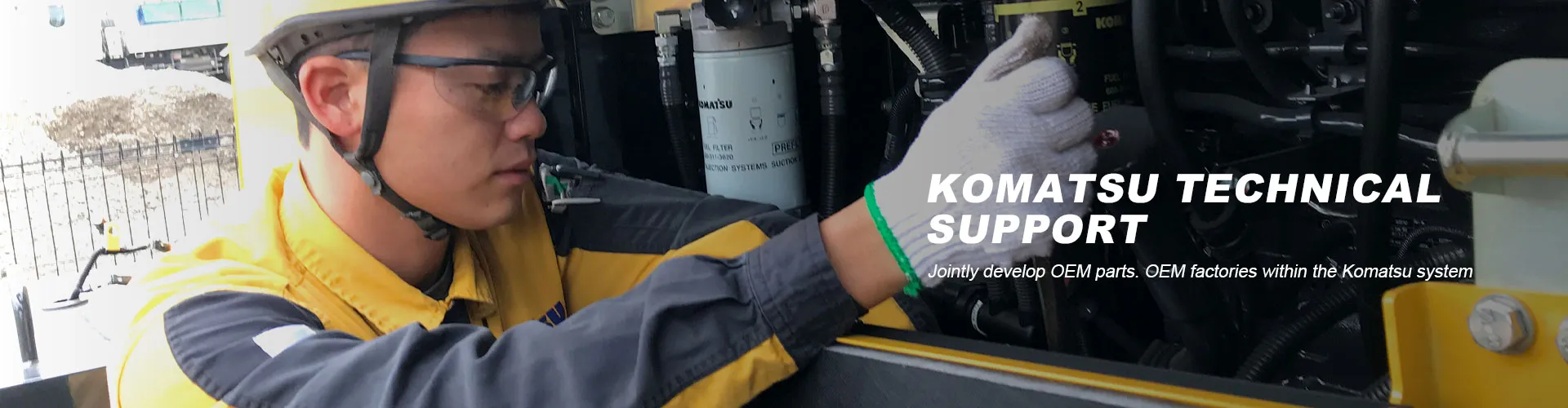
komatsu forklift parts dealer
When you hear Komatsu forklift parts dealer, most people picture a straightforward operation: you need a part, they have it, end of story. That's the first misconception. In reality, it's a landscape defined by tiers, origin, and a constant tension between pure OEM channels and the aftermarket. The term dealer itself can be misleading—it might mean an authorized distributor with full factory backing, or it could be a third-party specialist sourcing and supplying parts that fill critical gaps in the official supply chain. Understanding this distinction isn't just academic; it dictates part availability, price, and often, the uptime of your equipment.
The OEM Promise vs. The On-Ground Reality
Officially, Komatsu's network is robust. But having been in this space, I've seen the cracks. There are regions, specific countries, where logistics, tariffs, or simply the age of the fleet create a supply challenge. The official Komatsu forklift parts dealer might quote a lead time of 8 weeks for a transmission component for an older 3-ton electric model. For a warehouse running three shifts, that's a death sentence. This is where the ecosystem adapts. Companies emerge not to replace the OEM channel, but to supplement it where it strains. They operate with a deep understanding of Komatsu systems but aren't bound by the same inventory mandates.
I recall a case with a client running a fleet of Komatsu FD30s. The steering axle seal was a chronic failure point in their dusty environment. The local authorized dealer's stock was perpetually low, and the wait was killing them. We weren't the primary dealer, but we sourced an OEM-equivalent seal from a trusted manufacturer that met Komatsu's specs. It wasn't about undercutting; it was about solving an immediate operational halt. The client got back online in 48 hours. This is the unglamorous, practical side of parts supply that often gets overlooked in glossy brochures.
This leads to a crucial point: provenance. A reputable third-party supplier isn't dealing in counterfeits. Their value is in providing parts that are either genuine OEM from alternative channels or are produced by vetted manufacturers whose quality is validated. The risk, of course, is in the vetting. I've seen failures—a batch of OEM-equivalent starter motors that had a 40% DOA rate because someone upstream cheaped out on the brushes. It burns your reputation instantly. So the real work isn't just in having a catalog; it's in the relentless quality audits and having the technical knowledge to know which parts you can safely cross-reference and which you absolutely cannot.
The Role of a Specialized Supplier in the System
Take a company like Jining Gaosong Construction Machinery Co., Ltd.. Their model is interesting and reflects this nuanced reality. They position themselves as an OEM product supplier within the Komatsu system, which suggests a direct pipeline to genuine parts, but they also explicitly state they are a third-party sales company for Komatsu. This dual identity is key. It means they can navigate both worlds: accessing genuine parts when available and feasible, and leveraging their third-party role to help solve parts supply challenges in certain countries. Their website, https://www.takematsumachinery.com, becomes a hub not just for parts, but for a specific type of logistical solution.
What does this look like in practice? Imagine a mining operation in a country with complex import regulations. The official distributor might be hamstrung by bureaucracy. A supplier operating as a third-party entity can often navigate these channels more flexibly, using different logistics partners or leveraging different trade agreements. They aren't magic, but they have more degrees of freedom. Their focus isn't on selling the newest forklift; it's on keeping the existing ones, sometimes models that are 15-20 years old, running. That requires a different inventory strategy—one heavy on wear items and commonly failing assemblies for legacy models.
The pitfall here is communication. A client might contact them expecting the full warranty and support of a primary dealer. A professional supplier will be transparent about the origin of each part and the specific terms attached. Blurring those lines is a fast track to trouble. The good ones are meticulous about this. They'll say, This is a genuine Komatsu part, sourced from Japan, here's the lead time, or This is a premium aftermarket alternative we've validated, it comes with our 12-month warranty, not Komatsu's. That clarity builds long-term trust.
Beyond the Catalog: The Knowledge That Matters
Anyone can have a parts list. The value of a true specialist dealer or supplier is in the unwritten knowledge. For instance, knowing that on the Komatsu BX50 series, the brake solenoid tends to fail intermittently due to a specific vibration frequency, and that there's a modified part number with a dampener that solves it. Or knowing which aftermarket hydraulic hose manufacturer uses fittings that match the OEM torque specs exactly, and which ones use softer metals that strip.
This knowledge comes from handling returns, from field technician feedback, and from tearing down failed components. It's not clean. I remember spending a week cross-referencing seal kits for a Komatsu hydraulic pump because the official kit was obsolete. We had to build a kit from individual O-ring and gasket numbers from three different manufacturers. The result worked perfectly, but the process was all grunt work and cross-referencing diagrams. That's the anti-glamour of this business. The website might show a shiny part, but the real product is often this solved puzzle.
Another practical layer is the kit vs. individual part decision. A Komatsu forklift parts dealer might sell you just the failed bearing for a mast roller. An experienced supplier, seeing the context, might recommend the entire roller assembly kit, including seals and spacers, because if the bearing shattered, the race is likely damaged and the seals are compromised. Selling just the bearing leads to a callback in two weeks. Selling the right kit solves the problem for years. This advisory role is what separates a parts clerk from a parts partner.
Logistics and the Hidden Cost of Availability
In stock is the most abused term in this industry. What does it mean? In a warehouse on another continent? On a shelf in the same country? Ready for pickup today? A reliable dealer or supplier will be specific. The challenge with Komatsu parts, especially for older models, is that global stock is fragmented. A supplier like Jining Gaosong likely maintains a core stock of high-demand items but acts as a conduit for a wider network. Their promise to solve parts supply challenges hinges on this network intelligence—knowing who has that obscure controller board for a 1990s Komatsu reach truck sitting on a shelf in Singapore or Poland.
The cost isn't just the part price. It's the air freight, the import duty, the clearance time. A good supplier will manage this entire chain transparently. I've made the mistake of sourcing a cheap cylinder block from a vendor who shipped it surface freight without telling the client. The part price was 30% lower, but the machine was down for 11 weeks instead of 3. The total cost of downtime dwarfed any savings. Now, we always have the freight conversation upfront. We can get it here by air in 7 days for X cost, or by sea in 45 days for Y cost. Let the client, who knows their operational pressure, make that call.
This is where the digital presence, like the Takematsu Machinery site, is critical. It's not just an online store. It needs to be a communication tool that manages expectations. Real-time stock indicators (if accurate), clear shipping policy pages, and easy access to technical specs to confirm part numbers. The lack of these features is a red flag. It often means they're just order-takers, not solution providers.
Building a Relationship, Not Just a Transaction
Ultimately, finding the right Komatsu forklift parts dealer or supplier is about building a relationship with an entity that understands your operational rhythm. It's about them knowing that if you call about a specific motor, it's likely for your fleet of cold-storage forklifts, and the seals need to be rated for extreme temperatures without you having to specify it every time.
Companies that position themselves as problem-solvers, like the stated mission of Jining Gaosong, are aiming for this. They're not just another vendor; they're a specialized extension of your maintenance team. This is earned by consistently delivering the right part, at the right time, with the right advice. It's also earned by being honest when they don't have an answer, but committing to find it.
The landscape is complex. You have the primary OEM dealer, the pure aftermarket players, and hybrid entities that bridge the gap. For fleet managers, the choice isn't binary. It's about having a primary contact and a trusted secondary source for when the primary channel hits a wall. The best suppliers, whether they call themselves dealers or not, thrive by reliably filling that secondary—yet absolutely vital—role. They keep the wheels turning when the standard playbook fails, and that's a service with immense tangible value on the shop floor.
Related Products
Related Products
Best Selling Products
Best Selling Products-
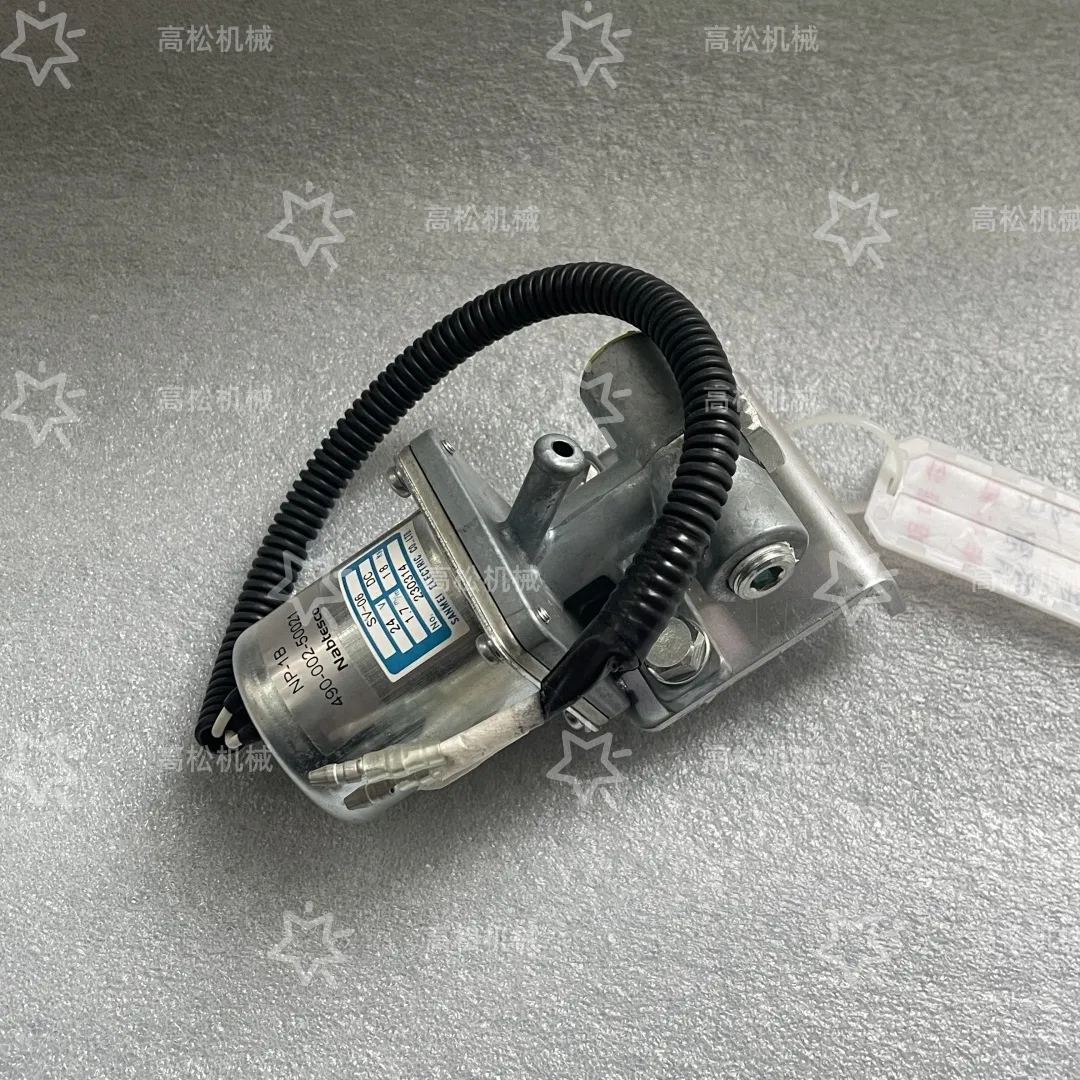 234-44-61430SOLENOID VALVE 234-44-61430 BANK CUTTING CONTROL PIPING AUTO TRANSMISSION SPEC for GD705/825
 -
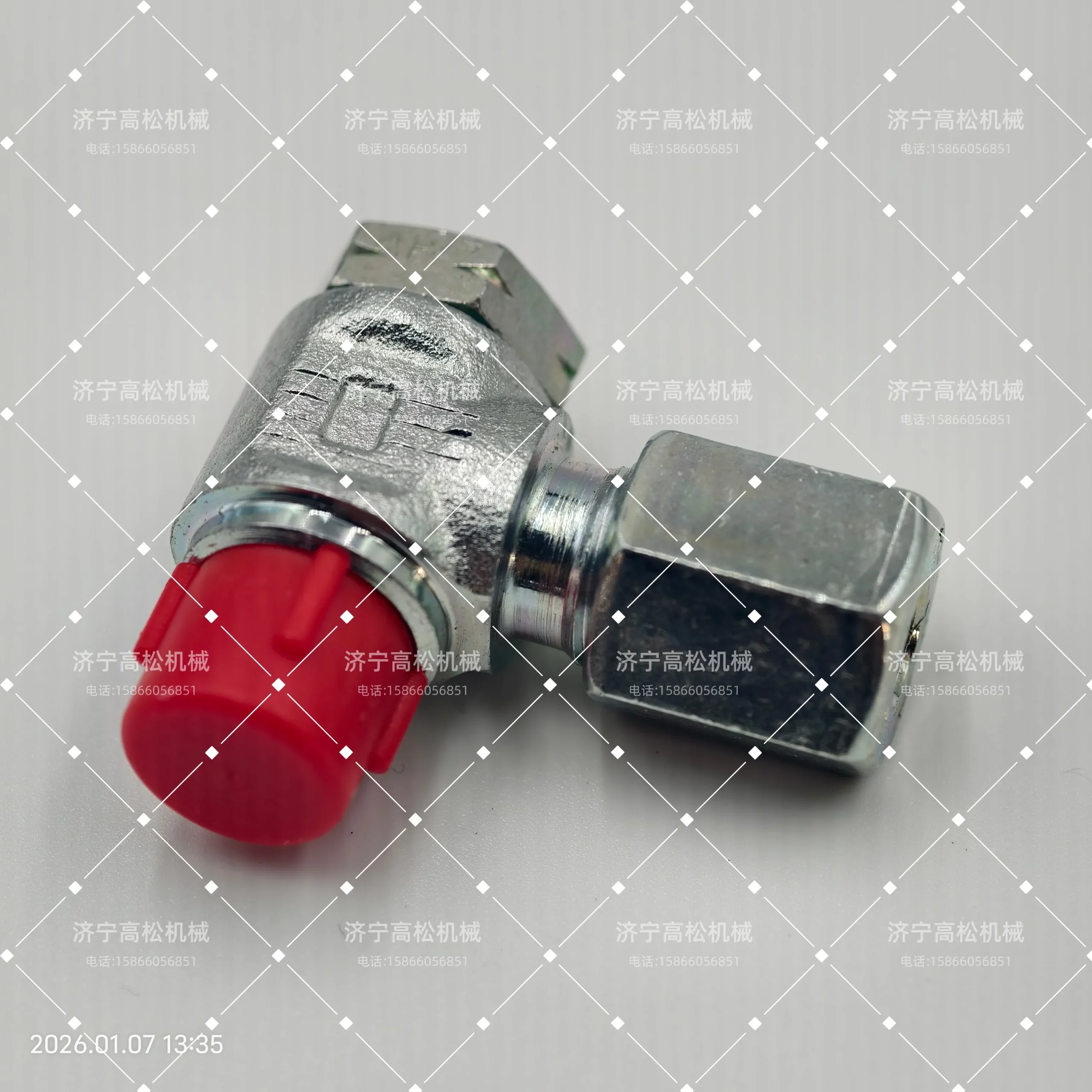 569-95-63520 – Connector fits KOMATSU
 -
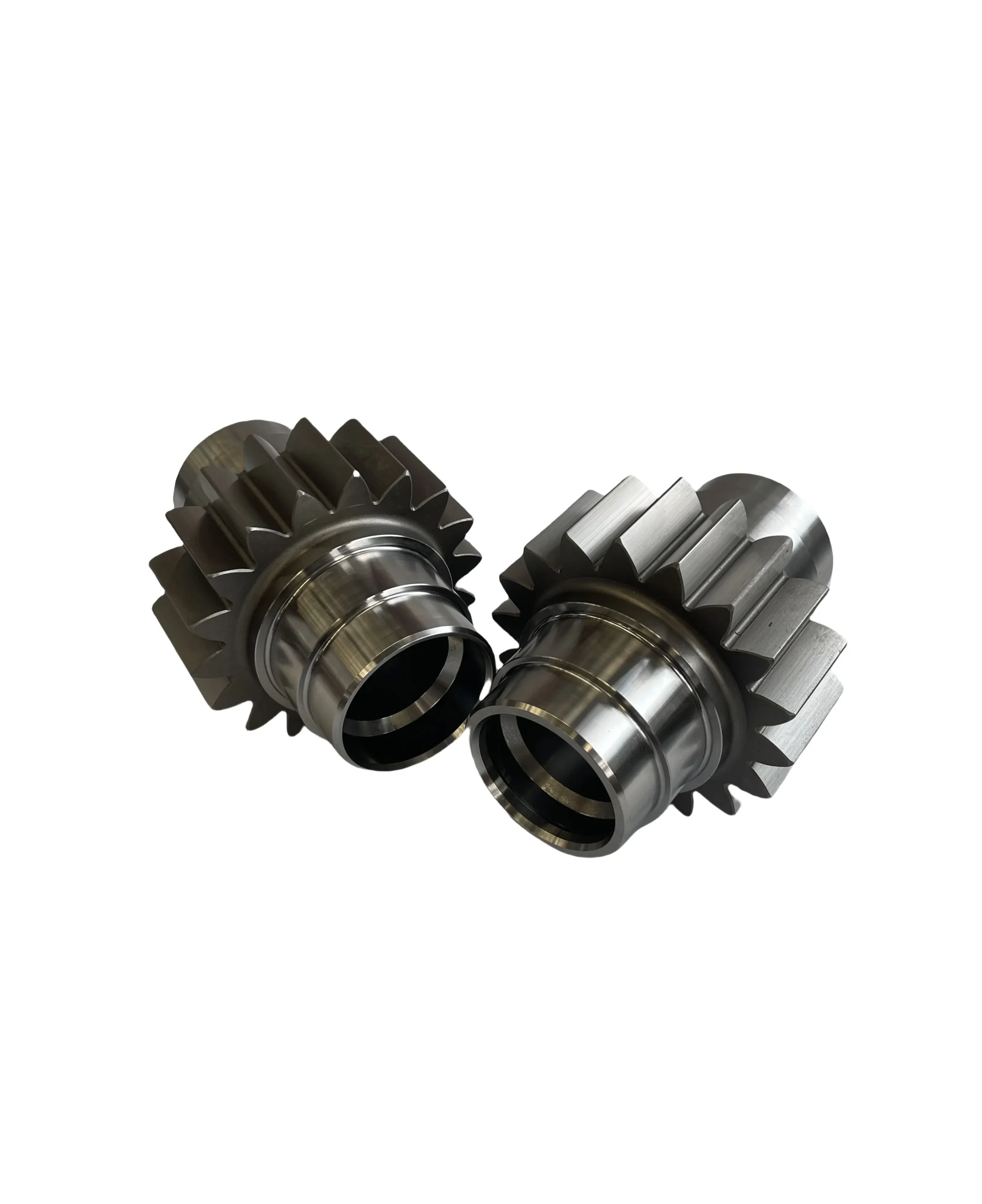 17M-27-41210 gear for Komatsu D275A-5
 -
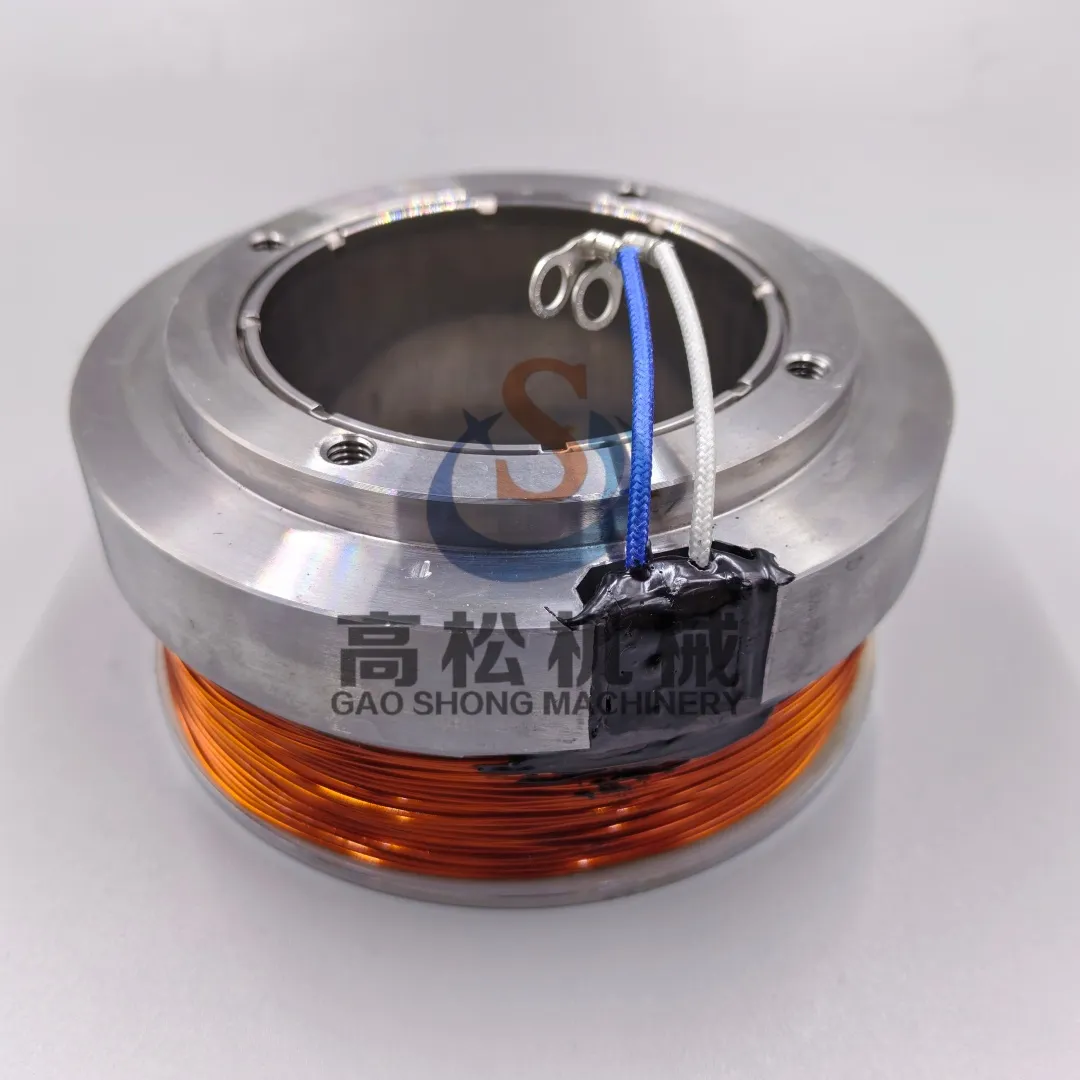 KD0-35120-0250 FIELD COIL ASS’Y (Komatsu)
 -
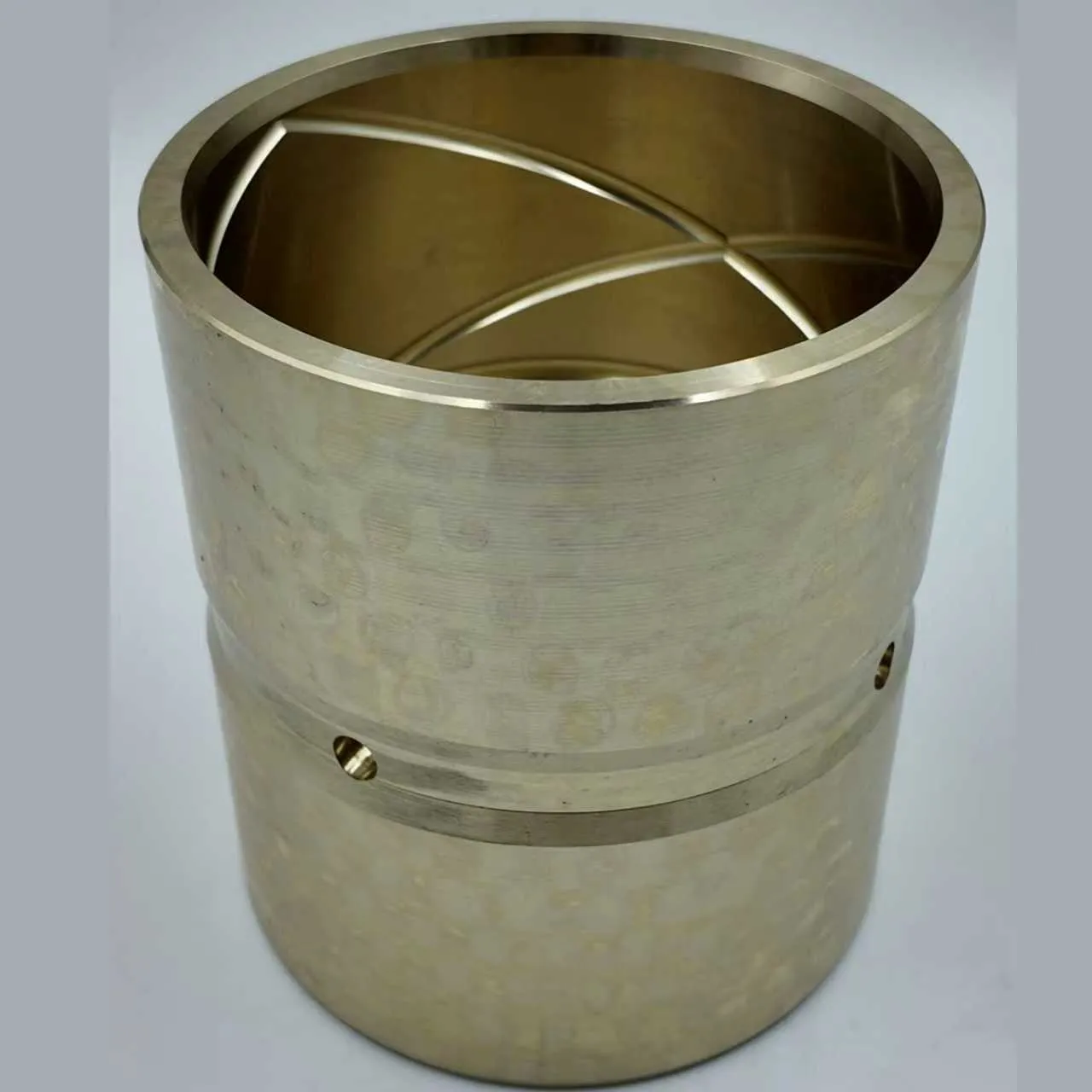 Bushing 207-70-61610 for Komatsu PC350-7 PC300LC-7 PC300-8 PC300LC-7L PC300-7
 -
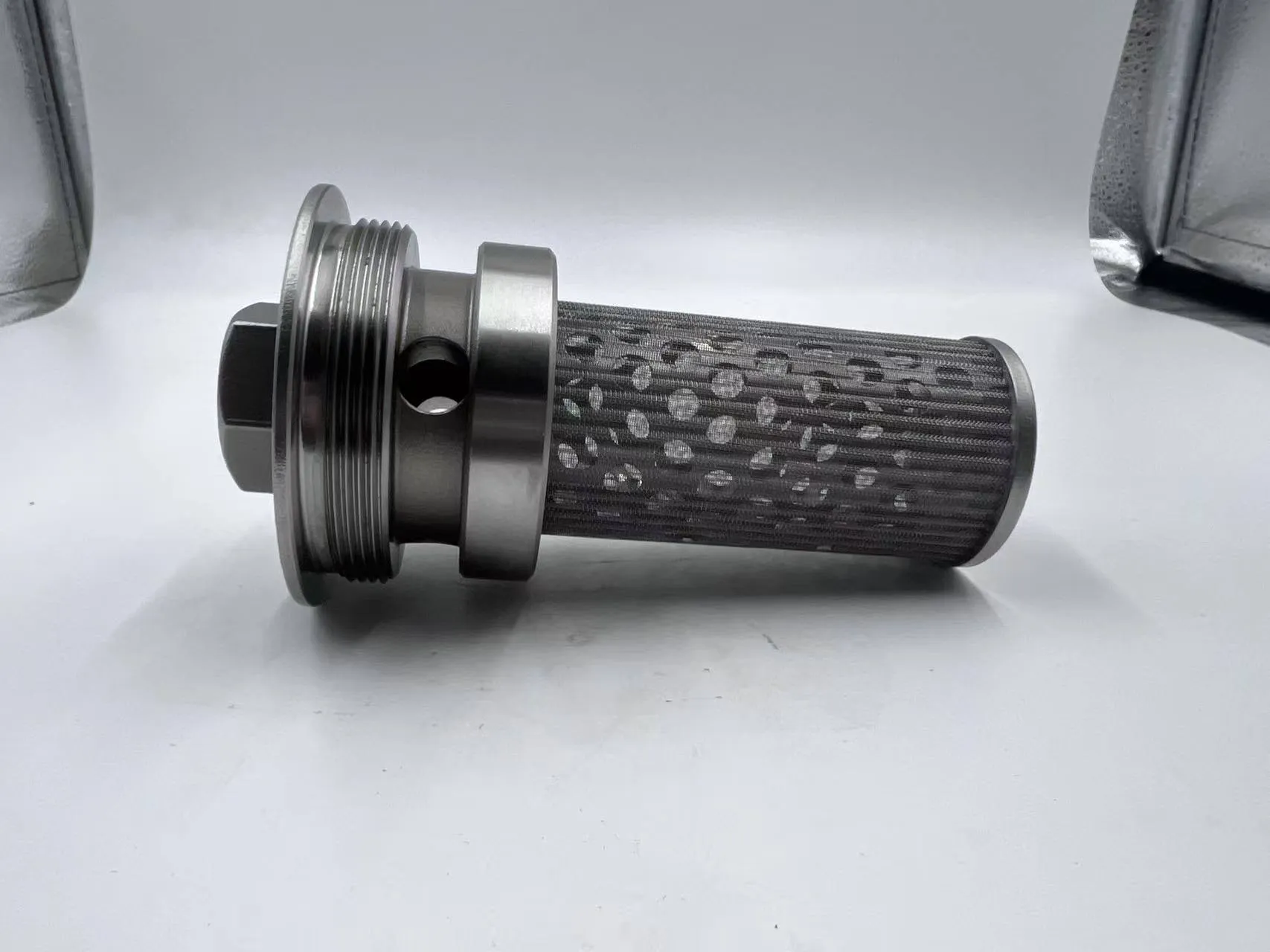 Hello friend 195-04-11150 17M-71-21530 17M-50-49290 is suitable for Komatsu Machinery
 -
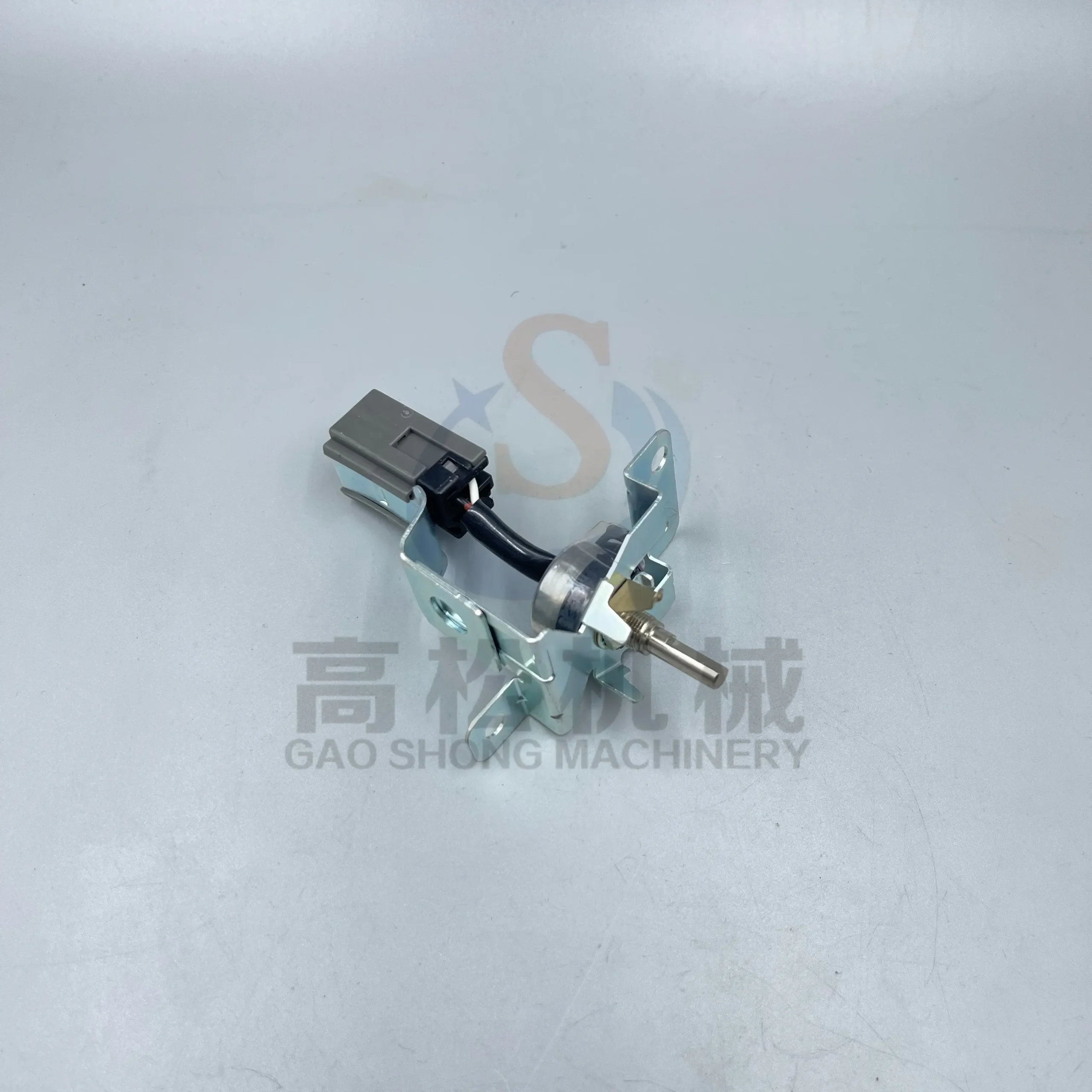 Throttle Knob 22U-06-22420
 -
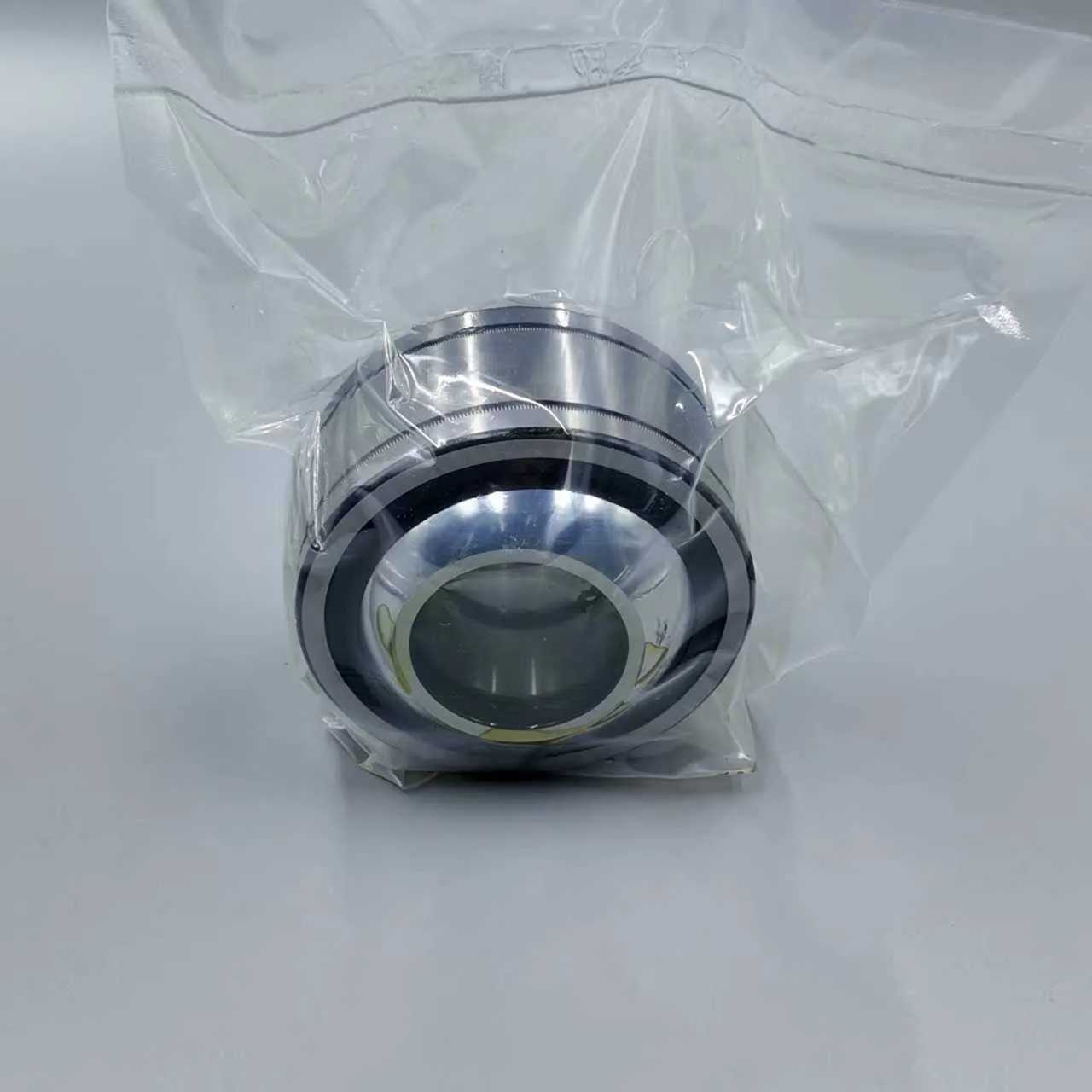 07137-04006 • BUSHING-Komatsu Original Factory
 -
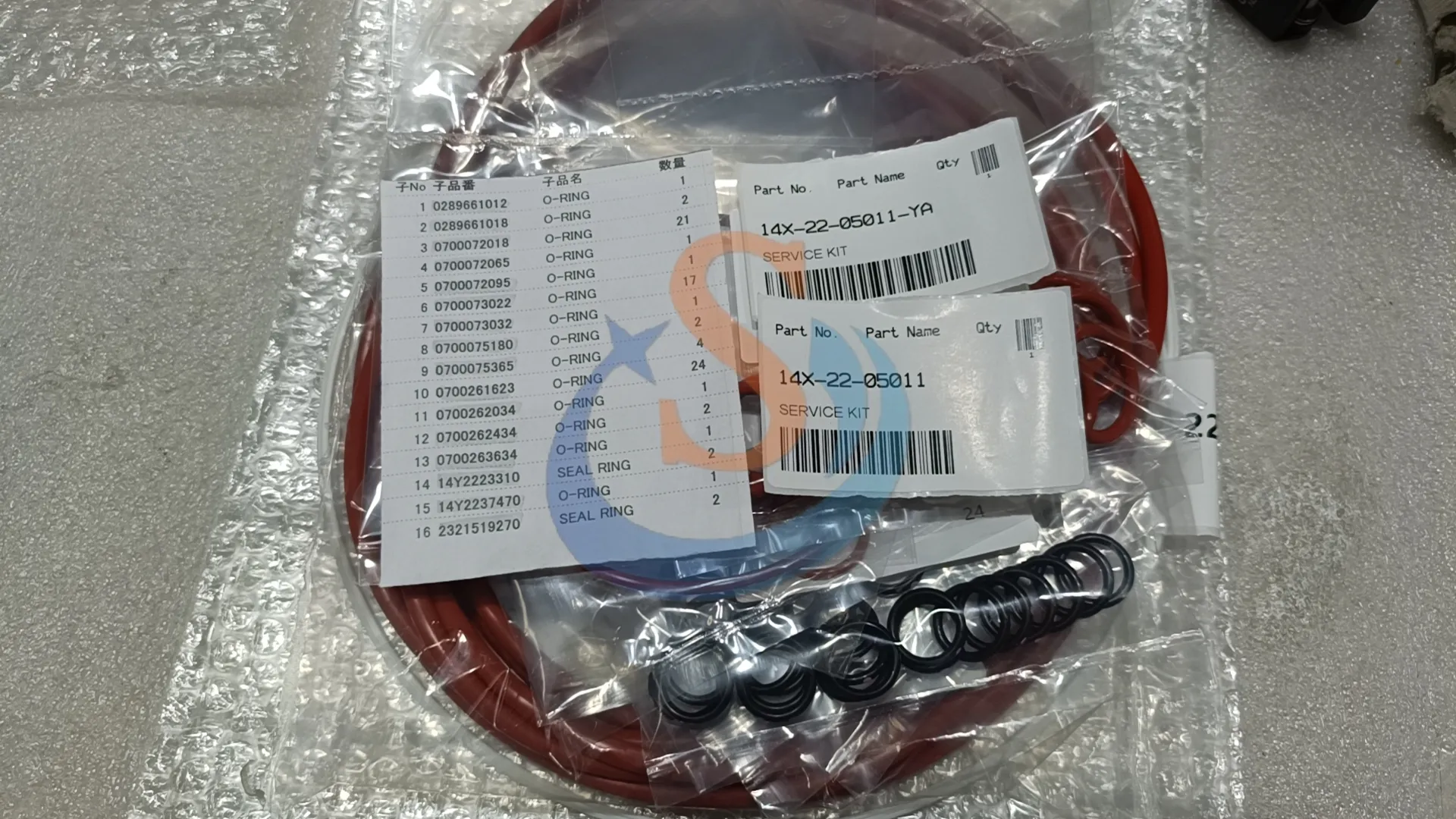 14X-22-05011,SERVICE KIT,D65PX,D65EX,D65WX
 -
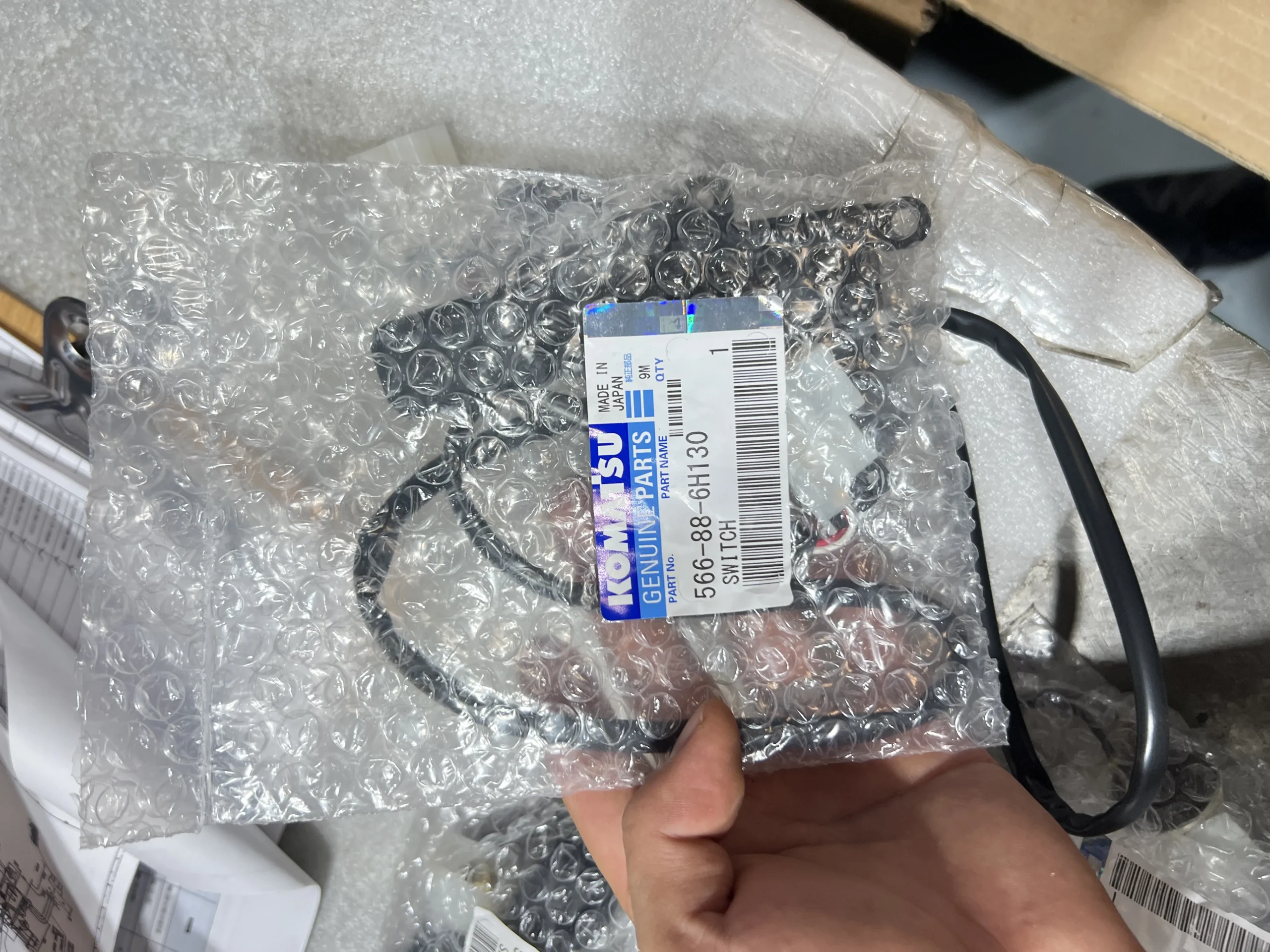 566-88-6H130 Komatsu Switch, Retarder
 -
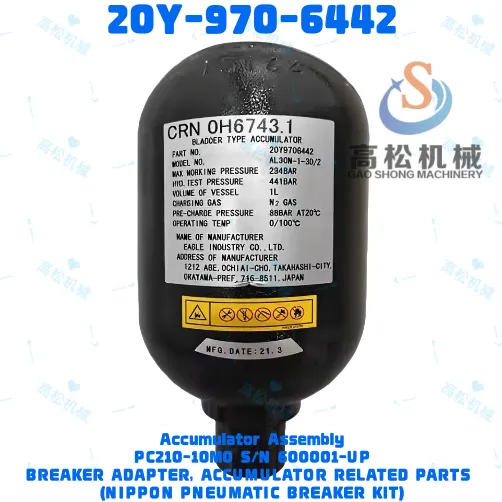 20Y-970-6442 Accumulator Assembly PC210-10M0 BREAKER ADAPTER, ACCUMULATOR RELATED PARTS (NIPPON PNEUMATIC BREAKER KIT) PC500LC-10M0 PC500LC-10R
 -
 20Y-979-3120 TANK-Komatsu Original Factory