
- Chinese
- French
- German
- Portuguese
- Spanish
- Russian
- Japanese
- Korean
- Arabic
- Irish
- Greek
- Turkish
- Italian
- Danish
- Romanian
- Indonesian
- Czech
- Afrikaans
- Swedish
- Polish
- Basque
- Catalan
- Esperanto
- Hindi
- Lao
- Albanian
- Amharic
- Armenian
- Azerbaijani
- Belarusian
- Bengali
- Bosnian
- Bulgarian
- Cebuano
- Chichewa
- Corsican
- Croatian
- Dutch
- Estonian
- Filipino
- Finnish
- Frisian
- Galician
- Georgian
- Gujarati
- Haitian
- Hausa
- Hawaiian
- Hebrew
- Hmong
- Hungarian
- Icelandic
- Igbo
- Javanese
- Kannada
- Kazakh
- Khmer
- Kurdish
- Kyrgyz
- Latin
- Latvian
- Lithuanian
- Luxembou..
- Macedonian
- Malagasy
- Malay
- Malayalam
- Maltese
- Maori
- Marathi
- Mongolian
- Burmese
- Nepali
- Norwegian
- Pashto
- Persian
- Punjabi
- Serbian
- Sesotho
- Sinhala
- Slovak
- Slovenian
- Somali
- Samoan
- Scots Gaelic
- Shona
- Sindhi
- Sundanese
- Swahili
- Tajik
- Tamil
- Telugu
- Thai
- Ukrainian
- Urdu
- Uzbek
- Vietnamese
- Welsh
- Xhosa
- Yiddish
- Yoruba
- Zulu
- Kinyarwanda
- Tatar
- Oriya
- Turkmen
- Uyghur






komatsu forklift parts book
When someone searches for 'komatsu forklift parts book', they're usually in a bind. They've got a machine down, a part number they can't trace, or a diagram that's just a blur of lines and numbers. The immediate thought is to find that digital holy grail—a PDF. But here's the thing I've learned over the years: the parts book isn't just a document; it's a system. And if you treat it like a simple download, you're already starting from a place of misunderstanding. The real value isn't in the file itself, but in knowing how to navigate the Komatsu ecosystem it represents, and more critically, where to source the actual parts it catalogs when official channels hit a wall.
The Illusion of the Universal Parts Book
Let's get specific. There is no single, monolithic Komatsu forklift parts book. That's the first practical hurdle. You have a Komatsu FG18HT-12? You need the specific manual for that model and serial number range. I've seen countless hours wasted because someone used a parts diagram for a similar-looking FG15HT, only to find the hydraulic pump assembly has a different port configuration. The suffix, the dash number, it all matters. The parts book is a precise map for a specific machine. Using the wrong one is like navigating Boston with a map of Chicago.
And the format? Sure, you might find a scanned PDF from the 90s floating online. The quality is often terrible, and the part numbers might be obsolete. Komatsu updates their parts systems, superseding old numbers. A professional doesn't just look up a number; they verify its current status. This is where being plugged into a network matters. Sometimes, the book you need is actually a live database query through a trusted supplier's portal, not a static file.
I recall a project in a Southeast Asian port where we had a fleet of older Komatsu FD30s. The local dealer had discontinued support. We had the original paper parts books, but half the listed numbers came back as NLA (No Longer Available). That's the reality. The book tells you what was. You need a partner who knows what is and what can work as a functional equivalent. This is precisely the gap that companies operating as OEM product suppliers within the Komatsu system fill. They have the lineage documents and the current cross-reference knowledge.
When the Official Channel Dries Up: The Third-Party Reality
This leads to the core of the issue. The parts book is step one. Step two is procurement. In many regions—think parts of Africa, South America, or Central Asia—getting genuine Komatsu parts through the standard distribution chain can be a months-long ordeal, if it's possible at all. Logistics, tariffs, minimum order quantities… it's a nightmare. The machine is idle, costing money every day.
This is the critical context for that keyword search. People aren't just looking for a diagram; they're looking for a solution to the supply chain problem the diagram reveals. They need a path from the part number on the page to a physical part on their dock. This is where the role of an authorized third-party sales company becomes invaluable. Their function isn't to replace the official dealer but to solve the specific parts supply challenges in certain countries that the primary network can't efficiently address.
For instance, we once needed a mast channel assembly for a Komatsu BX50. Official lead time was 16 weeks. By working with a specialized supplier who understood the Komatsu specifications and could source OEM-equivalent quality parts, we had a certified replacement in 3 weeks. The parts book gave us the critical dimensions and load specs; the supplier gave us the solution. The takeaway? The book is the question. A capable supplier provides the answer.
The Gaosong Example: A Practical Link in the Chain
You see operations like Jining Gaosong Construction Machinery Co., Ltd. pop up when you dig deep into this space. Their stated position is instructive: an OEM product supplier within the Komatsu system and a third-party sales company. In practice, what does that mean for someone holding a parts book? It means they likely have access to the same technical specifications and engineering drawings that define the part. They aren't making wild guesses; they're producing or sourcing to the OEM standard, often for models that have phased out of Komatsu's active production support.
Their website, https://www.takematsumachinery.com, isn't just a storefront. For a maintenance manager, it represents a potential alternative sourcing node. You won't find every single part there, but for key components—mast assemblies, drive axles, hydraulic control valves—they can be a lifeline. The important nuance is within the Komatsu system. It implies a formal understanding and adherence to quality protocols, which is different from a generic aftermarket parts maker.
I haven't ordered from them personally, but their model aligns with a proven need. When you're stuck, you look for entities that have the technical literacy to read the same parts book you are, and the supply chain agility to do something about it. They exist to bridge the gap between the official documentation and on-the-ground availability.
Beyond the Book: The Information You Won't Find
A parts book won't tell you which seals are prone to premature failure in high-humidity environments. It won't hint that the bearing on page 45 of section D should be upgraded to a different material if the forklift is used in a cold storage facility. This is tacit knowledge. When you engage with specialized suppliers, you're sometimes buying this knowledge alongside the part. A good sales engineer might say, You're ordering part 12345? For that serial range, we recommend also replacing 12346 as they wear as a set. That advice comes from seeing hundreds of units in the field, not just reading the breakdown.
It also won't tell you about compatible units. Maybe the final drive for your Komatsu model is 95% identical to one used in a different series, with a different part number and a 40% lower cost. A supplier deeply embedded in the ecosystem often knows these crossovers. The parts book is a siloed document; practical parts supply requires a network view.
This is the real parts book expertise: merging the static information from the manual with dynamic intelligence from the market. It's about knowing that a certain hydraulic hose routing in the diagram is tight and often chafes, so you might order the hose guard alongside it, even if it's listed in a different subsection.
Synthesis: From Search to Solution
So, when you type 'komatsu forklift parts book' into a search bar, you're starting a journey. The goal isn't to find a file. The goal is to restore function to a machine. The parts book is the essential first coordinate—it identifies the component. The second coordinate is finding a reliable source for that component, especially when the easiest path is blocked.
This process involves a professional judgment: Is this a part I must get from the primary dealer for warranty or critical safety reasons (like a load chain)? Or is this a component where an OEM-specification part from a qualified third-party like those described by Jining Gaosong is a viable, faster, and more cost-effective solution? There's no blanket answer; it's a case-by-case call based on the part's function, the machine's criticality, and downtime cost.
Ultimately, the keyword points to a need for clarity and resolution. The parts book provides the clarity. The resolution comes from a supply chain that understands the weight of that book's contents. It's about connecting the dots between the technical document and the physical world of global logistics, regional availability, and practical field maintenance. That's the unspoken search behind the search.
Related Products
Related Products

Best Selling Products
Best Selling Products-
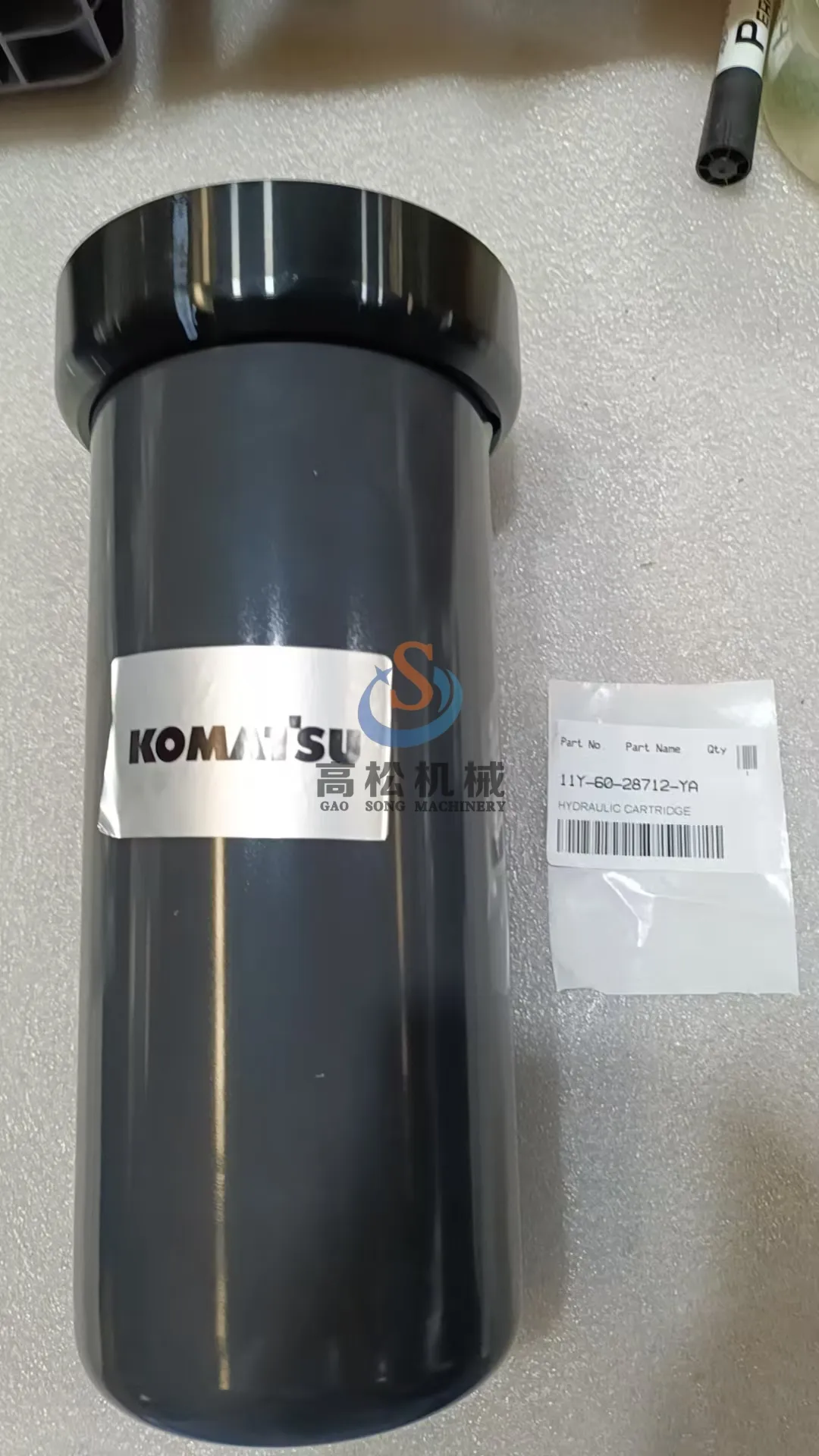 11Y-60-28712 komatsu CARTRIDGE-D37/D61
 -
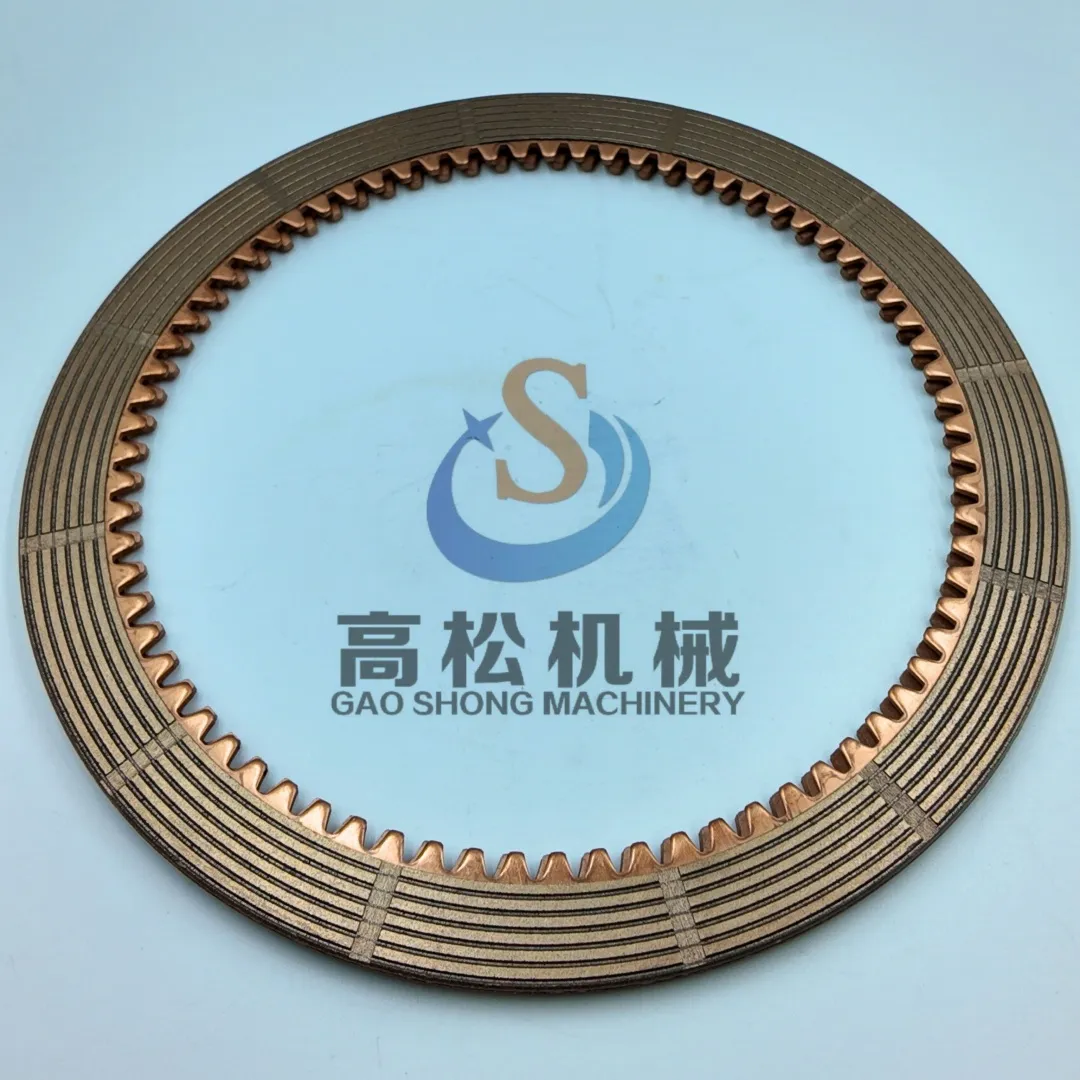 23S-15-12710 – DISC FRICTION – FITS KOMATSU
 -
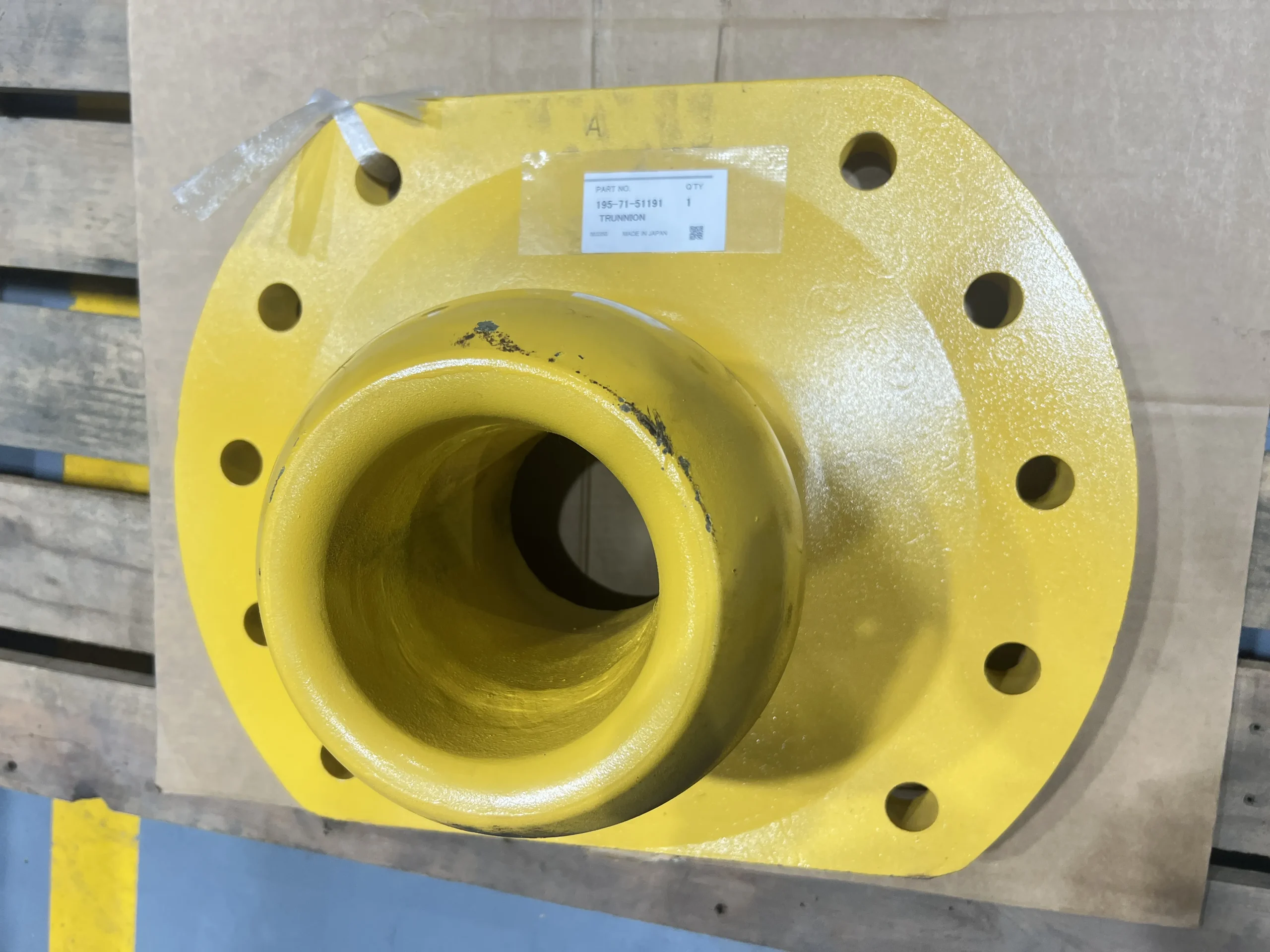 TRUNNION 195-71-51191 – KOMATSU
 -
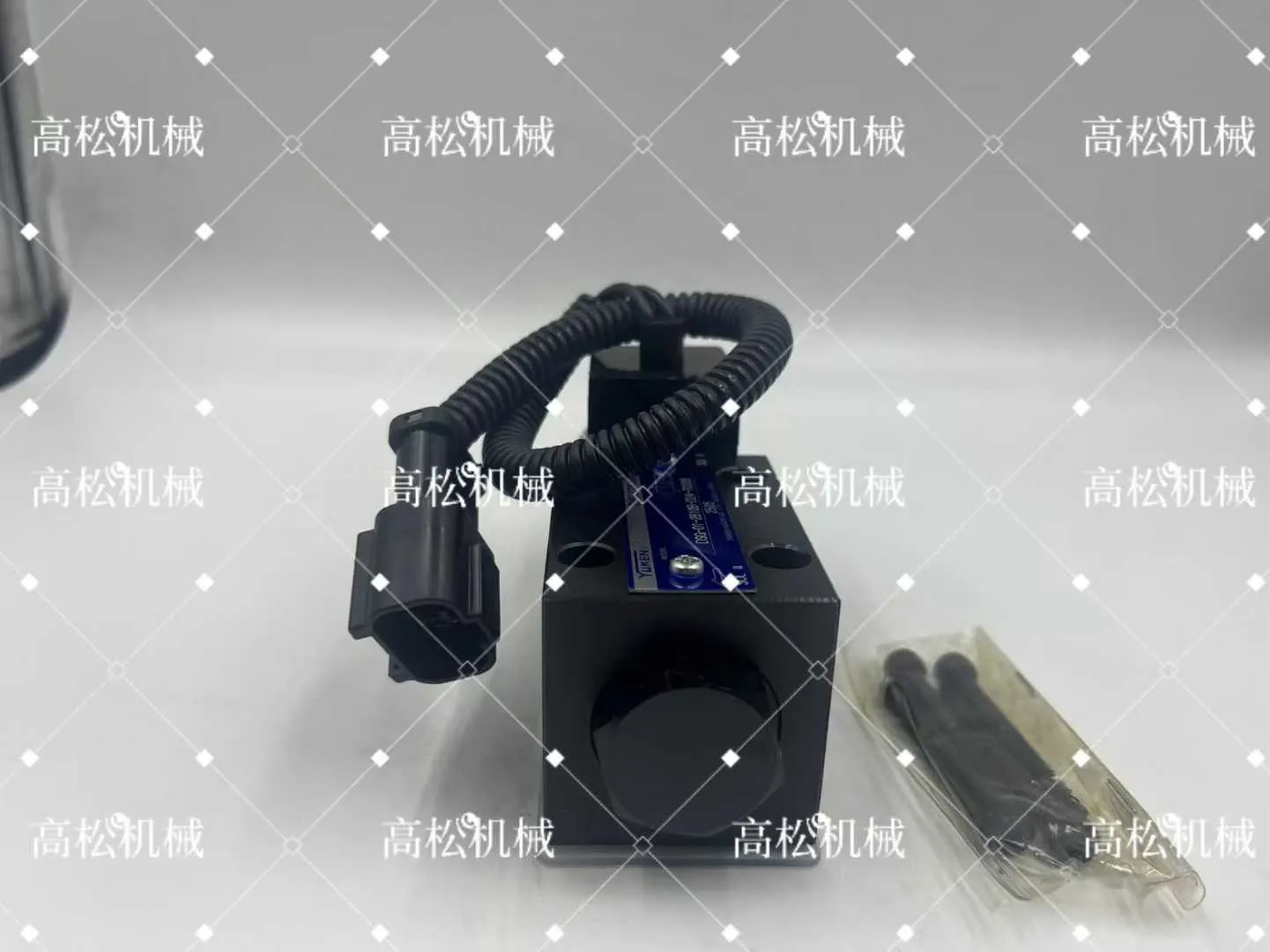 23W-60-28230 Valve Assembly, Komatsu. Applicable Model: WA600-3. In stock.
 -
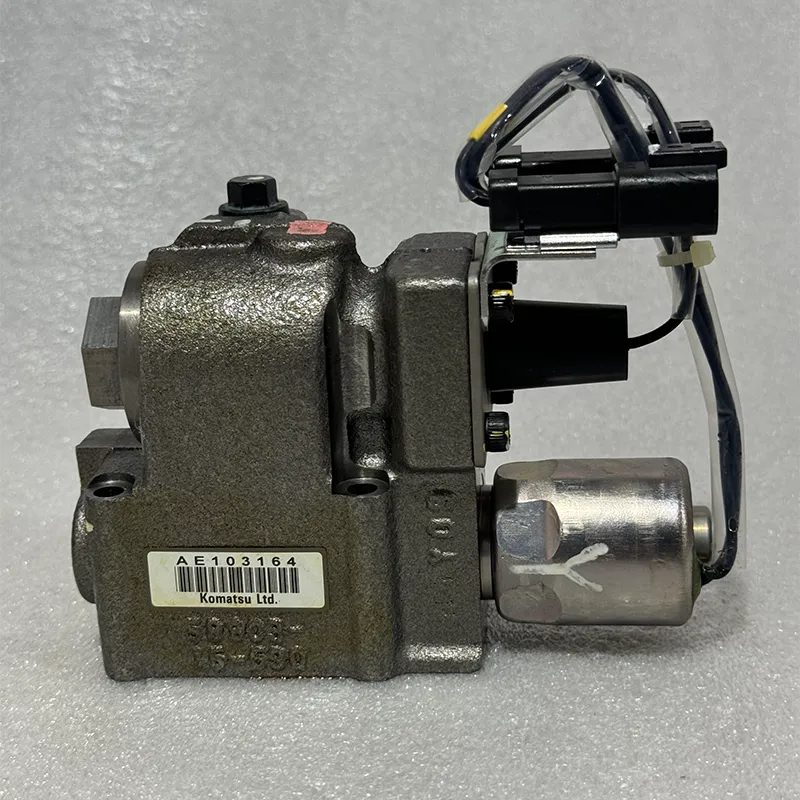 Original komatsu HD785-7 Valve 561-15-75701
 -
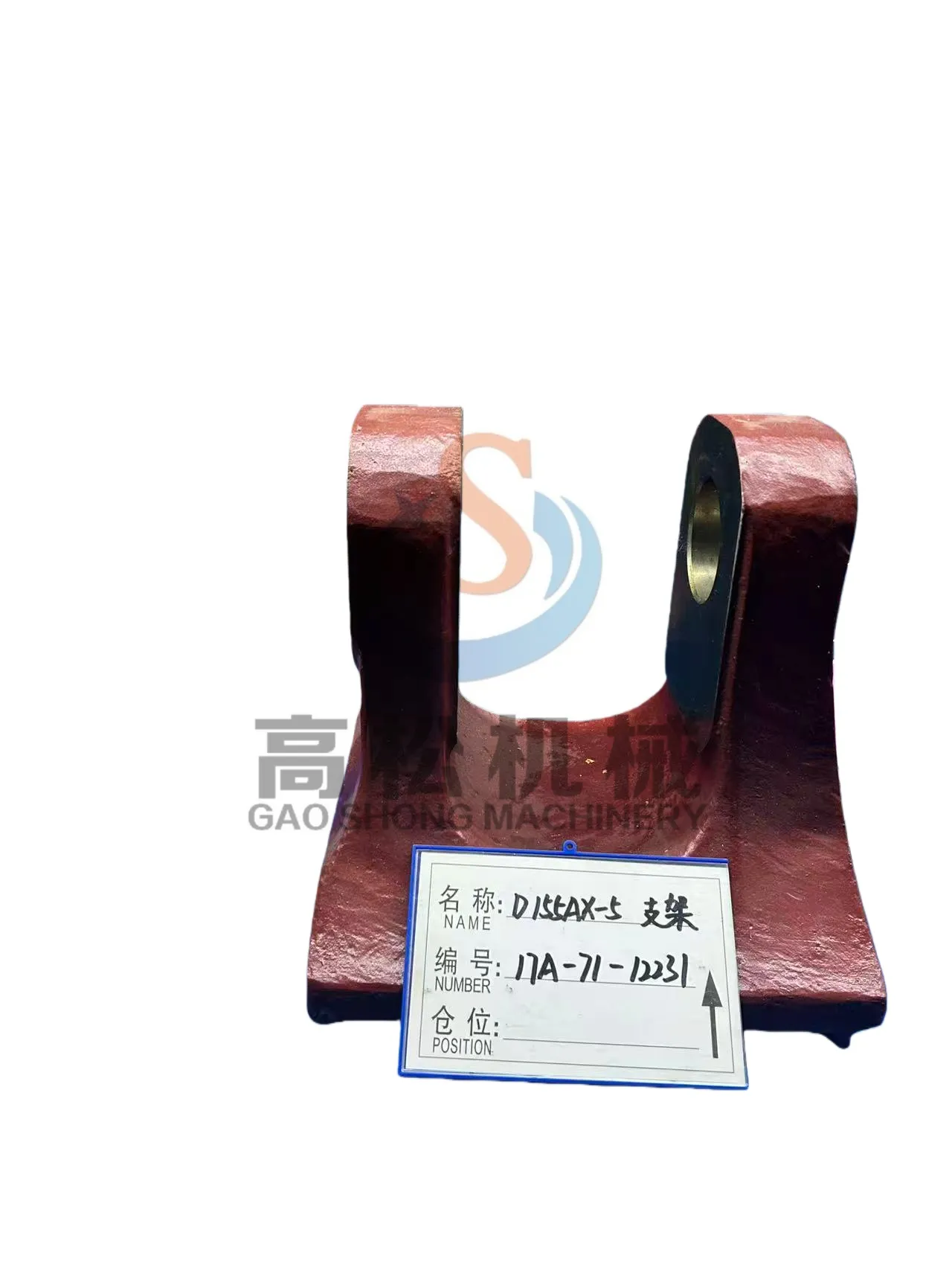 17A-71-12231 BRACKET (WELDED) D155AX-5 DOZER FRAME
 -
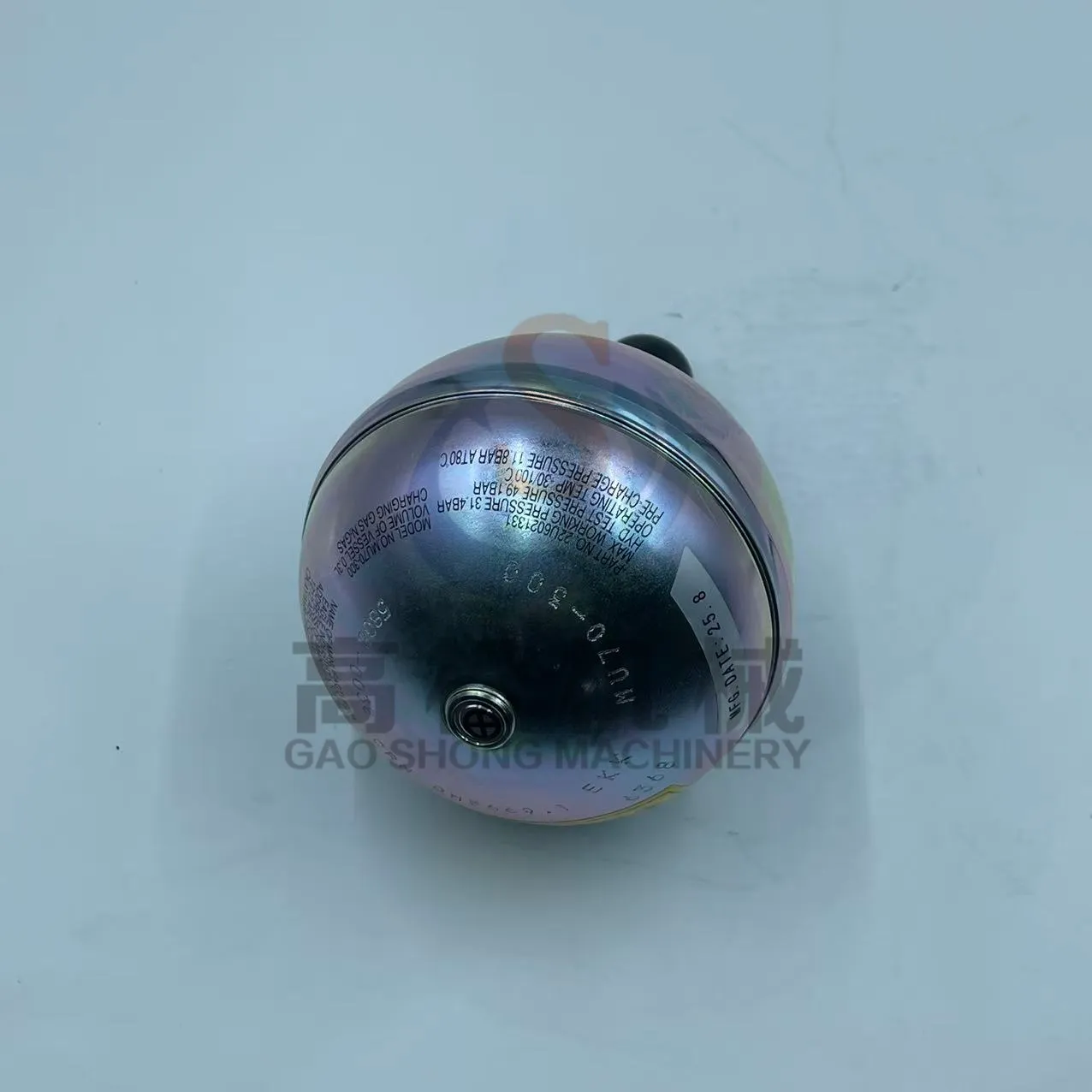 PC210 Excavator Accumulator 22U-60-21331 22U6021331 for Excavator PC300-8 PC350-8 PC130-8 PC200-8 PC220LC-8
 -
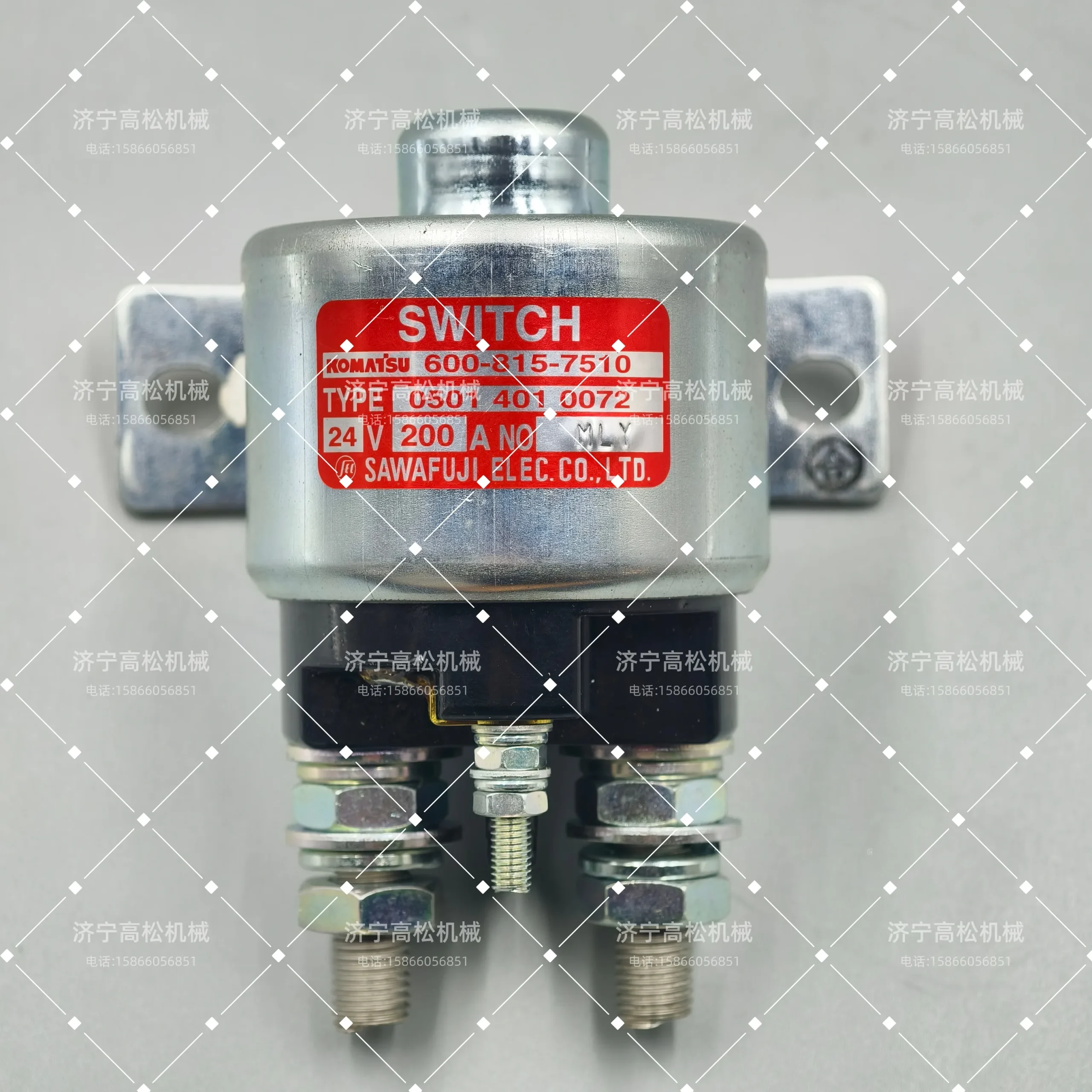 Accessories D375A-5 Switch Heater 600-815-7510 …
 -
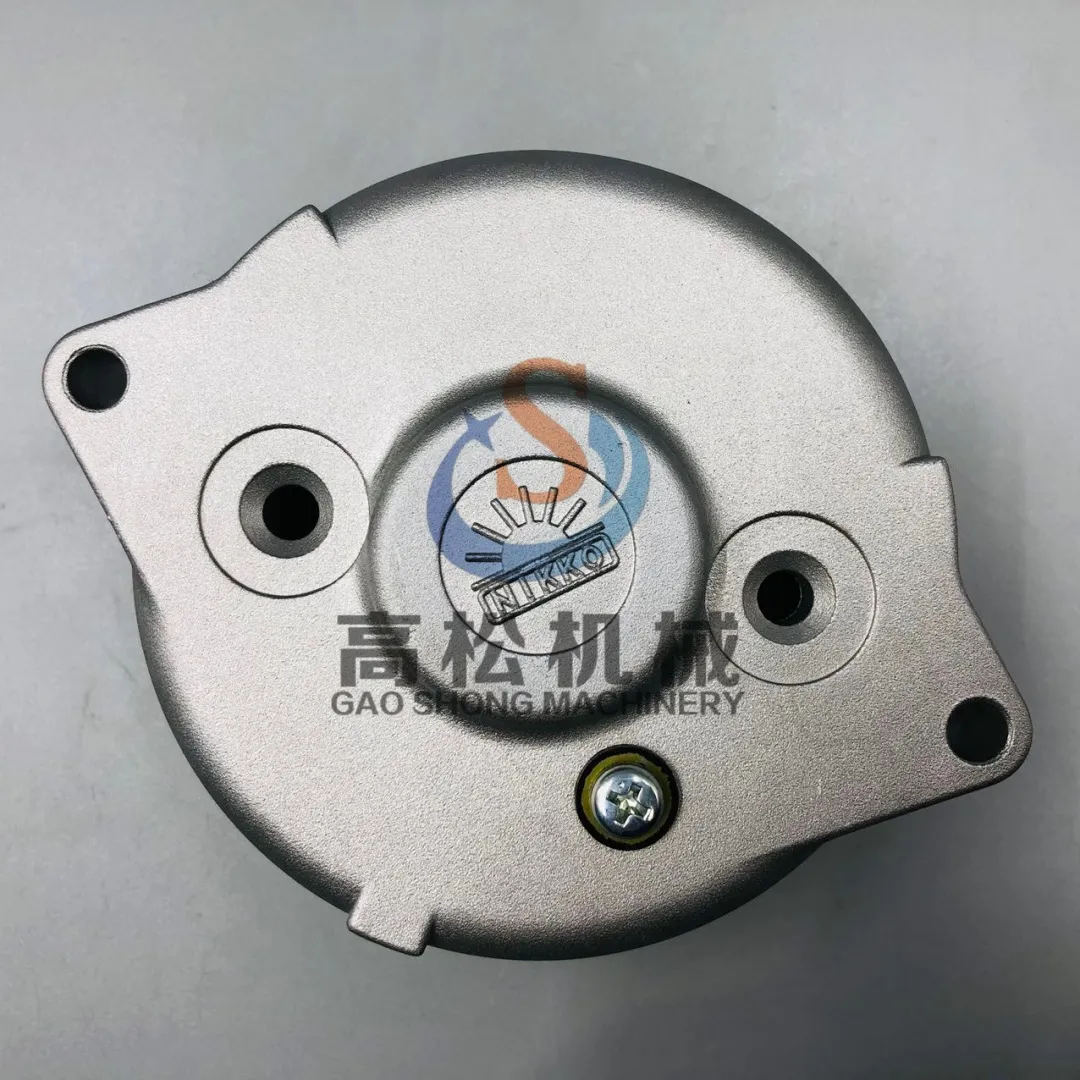 KD0-23700-0130 REAR BRACKET ASS’Y,REAR (Komatsu)
 -
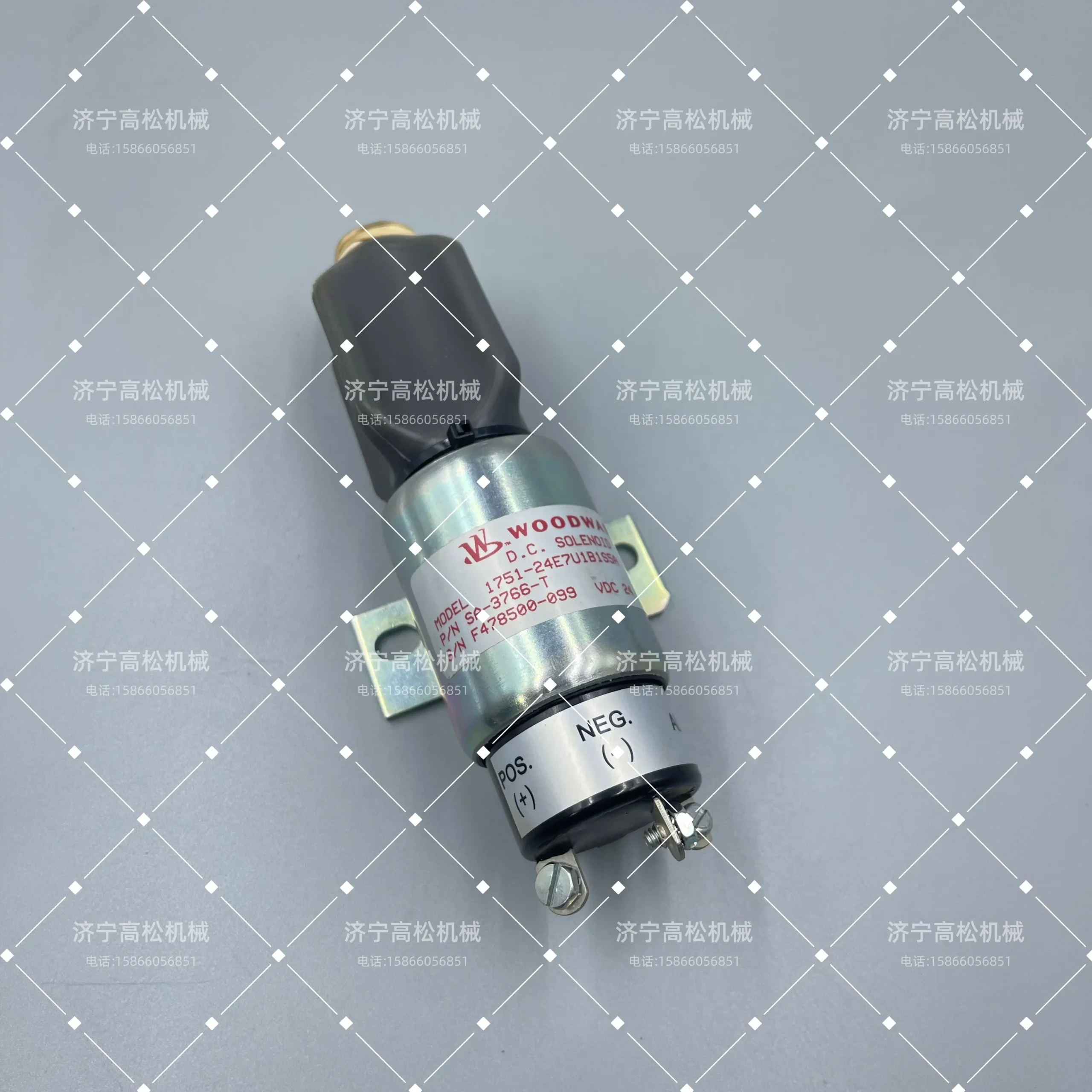 Solenoid Valve 600-815-7550 For Komatsu D41pf-6, High Quality…
 -
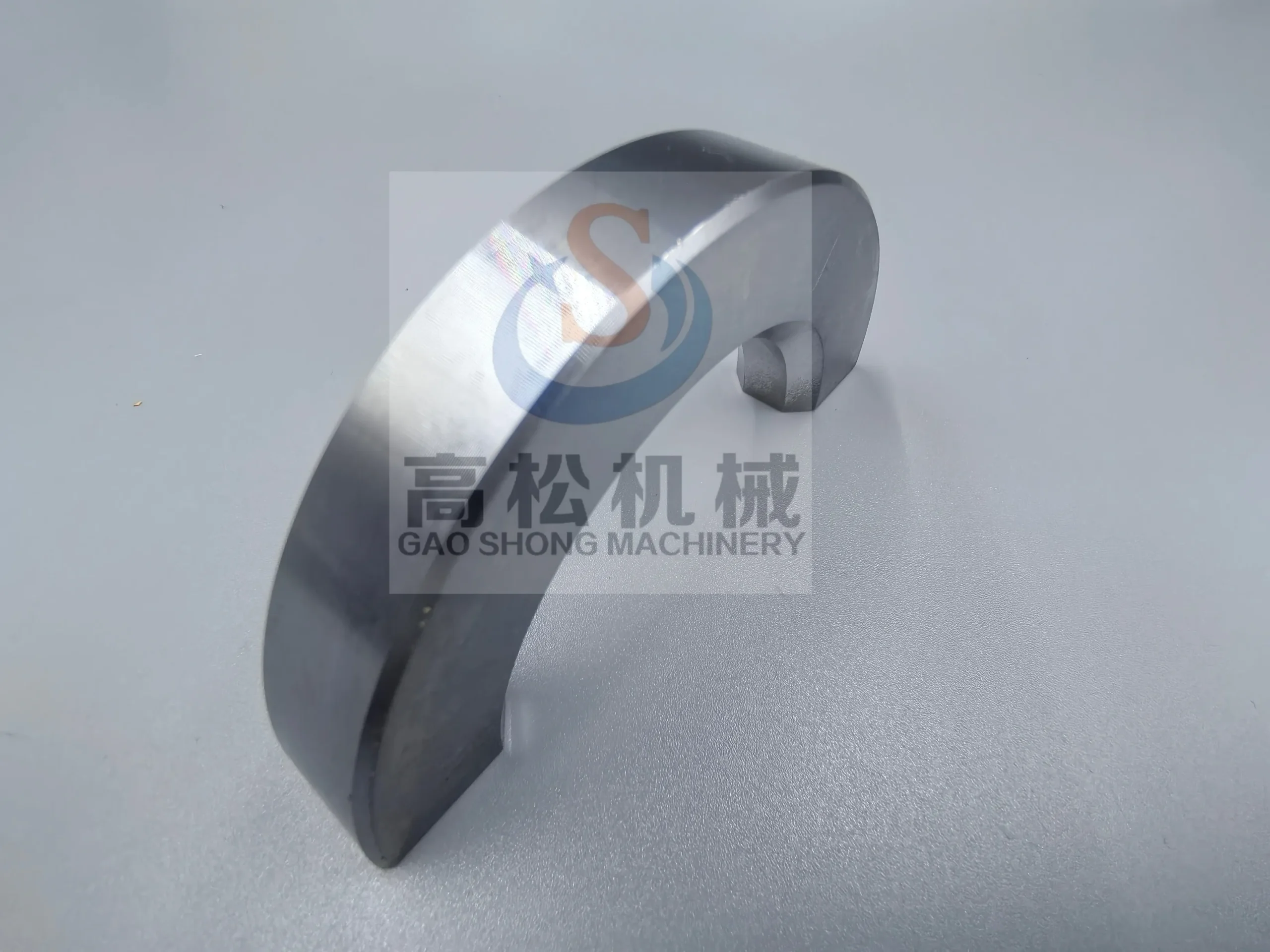 Komatsu bulldozer D65P-12 gasket 14X-30-13241 14X-30-13240
 -
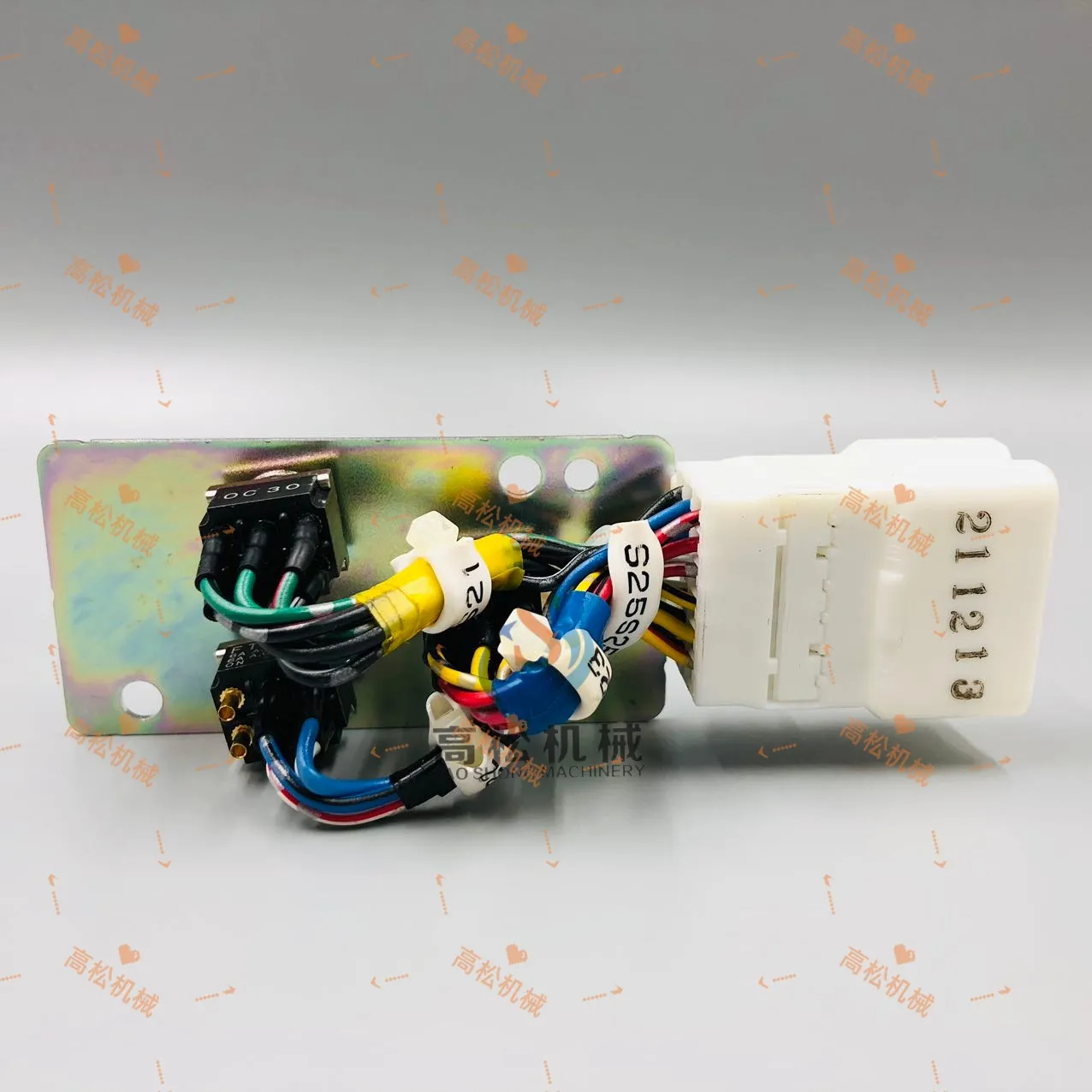 22u-06-22370 Komatsu PC228us-3 SWITCH ASS’Y submit for PC200LL, PC220LL, PC228, PC228US, PC270, PC270LL, PC300, PC300HD, PC300L, PC340, PC350, PC380