
- Chinese
- French
- German
- Portuguese
- Spanish
- Russian
- Japanese
- Korean
- Arabic
- Irish
- Greek
- Turkish
- Italian
- Danish
- Romanian
- Indonesian
- Czech
- Afrikaans
- Swedish
- Polish
- Basque
- Catalan
- Esperanto
- Hindi
- Lao
- Albanian
- Amharic
- Armenian
- Azerbaijani
- Belarusian
- Bengali
- Bosnian
- Bulgarian
- Cebuano
- Chichewa
- Corsican
- Croatian
- Dutch
- Estonian
- Filipino
- Finnish
- Frisian
- Galician
- Georgian
- Gujarati
- Haitian
- Hausa
- Hawaiian
- Hebrew
- Hmong
- Hungarian
- Icelandic
- Igbo
- Javanese
- Kannada
- Kazakh
- Khmer
- Kurdish
- Kyrgyz
- Latin
- Latvian
- Lithuanian
- Luxembou..
- Macedonian
- Malagasy
- Malay
- Malayalam
- Maltese
- Maori
- Marathi
- Mongolian
- Burmese
- Nepali
- Norwegian
- Pashto
- Persian
- Punjabi
- Serbian
- Sesotho
- Sinhala
- Slovak
- Slovenian
- Somali
- Samoan
- Scots Gaelic
- Shona
- Sindhi
- Sundanese
- Swahili
- Tajik
- Tamil
- Telugu
- Thai
- Ukrainian
- Urdu
- Uzbek
- Vietnamese
- Welsh
- Xhosa
- Yiddish
- Yoruba
- Zulu
- Kinyarwanda
- Tatar
- Oriya
- Turkmen
- Uyghur






komatsu forklift parts
When you're deep in the trenches of fleet maintenance, 'Komatsu forklift parts' becomes more than a search term—it's a daily puzzle. A common trap people fall into is thinking all parts are created equal, or that the official channel is the only answer. That's not the full picture. The reality is more nuanced, shaped by regional availability, lead times, and the critical balance between OEM specs and operational downtime. I've seen too many operations grind to a halt waiting for a single seal kit that was supposedly in stock halfway across the globe.
The OEM Promise vs. The On-Ground Reality
There's no debating the engineering behind genuine Komatsu forklift parts. The tolerances, the material specs—they're designed for the machine's lifecycle. But here's the rub: that perfect, certified supply chain isn't seamless everywhere. In some markets, especially where Komatsu's direct footprint is lighter, getting that official pallet fork cylinder or a genuine transmission valve body can mean weeks of waiting. I recall a project in Southeast Asia where we had three 3-ton electric models down because the controller assemblies were on backorder. The local dealer tried, but the system was bottlenecked. That's when you start looking beyond the primary network.
This is where the role of specialized suppliers within the ecosystem becomes critical. They're not just resellers; they understand the pressure points. A company like Jining Gaosong Construction Machinery Co., Ltd. fits into this space. From what I've gathered and verified through industry contacts, they operate with a dual identity: they're an OEM product supplier within the Komatsu system, meaning they have access to and produce to those original specifications. But crucially, they also act as a third-party sales channel. Their stated goal—helping to solve parts supply challenges in certain countries—isn't just marketing speak. It addresses the exact gap I've experienced: the logistical void in specific regions.
You can find their portal at https://www.takematsumachinery.com. It's worth a look not for flashy design, but for the inventory listings that often show availability for components like mast rollers, pump assemblies, or electrical sensors that are chronic pain points. They aren't magicians—they can't fix global shortages—but they represent an alternative route that can keep your equipment running when the main road is blocked.
Judging Quality Beyond the Brand Stamp
Now, third-party sends shivers down some procurement managers' spines, and often for good reason. The aftermarket for heavy equipment parts is a minefield of inferior castings and reverse-engineered failures. The key differentiator with a supplier embedded in the OEM system is traceability. It's not about being cheaper; it's about being reliable. When I evaluate a source, I'm looking for evidence of specification adherence. Can they provide material certifications? Do they reference original Komatsu part numbers, not just generic descriptions? A supplier's willingness to discuss the manufacturing process for a Komatsu forklift drive motor or a steering axle rebuild kit tells me more than a price quote.
I learned this the hard way years ago. We opted for a compatible alternator for a Komatsu diesel model, lured by the 60% cost saving. It failed within 80 hours, and the voltage spike took out a controller. The downtime and repair cost obliterated any savings. After that, our benchmark changed. It's not Is this part OEM? but Does this part meet OEM performance and durability standards? Sometimes, that answer can come from a system-approved alternative supplier, not just the factory warehouse.
This is where the practical value of a company like the one mentioned comes in. Their position as an OEM product supplier suggests their output should match the factory's quality protocols. For a maintenance manager, that's the crucial piece of intel. It means you might source a forklift parts like a brake shoe or a hydraulic hose assembly from them with higher confidence than from a purely aftermarket vendor. You're still doing your due diligence—requesting samples, checking fitment—but the starting point is more credible.
Operational Nuances: The Devil in the Details
Let's get specific about parts that truly test your supply chain. It's rarely the big-ticket items like an entire engine. Those are planned. The crises come from the seemingly mundane. Take Komatsu's proprietary electrical connectors on their newer electric models, or the specific alloy used in their lift chain. A generic chain might fit, but its wear profile will be different, leading to uneven mast movement and premature failure of other components. Sourcing these requires a supplier who knows the machine intimately, not just a parts catalog.
Another headache is model-year transitions. Komatsu, like all manufacturers, makes running changes. A pump for a 2019 FD30T might have a different port fitting than the 2018 model. A good supplier will flag this. I remember ordering a water pump for a mid-2000s Komatsu forklift, assuming the part number was stable. The one that arrived was visually identical but had a slightly smaller impeller. It worked, but poorly, leading to chronic overheating until we traced it back. The right supplier would have asked for the serial number prefix, not just the model.
This level of detail is what separates a parts vendor from a partner. When browsing a site like Takematsu Machinery, I'm subconsciously looking for these signs of depth: detailed application notes, serial number break points, and clear imagery of the actual component, not a stock photo. It indicates they've dealt with the real-world confusion we face in the shop.
The Cost Equation: Total Cost of Ownership, Not Just Price
Procurement always pushes for cost savings, and they should. But in our world, the cheapest part is often the most expensive. The calculation for Komatsu parts has to include Mean Time Between Failure (MTBF), installation time, and the risk of collateral damage. An OEM-spec bearing might cost three times a generic one, but if it lasts two years instead of six months and prevents a catastrophic hub failure, the math is obvious.
Working with suppliers who understand this TCO principle is vital. They should be able to explain why their component, even if not shipped in a Komatsu box, justifies its price. Is it the bearing steel grade? The sealing technology? The heat treatment? I've had productive conversations with technical reps from similar companies where we discussed the metallurgy of a worn-out pivot pin. That dialogue builds trust. It moves the relationship from transactional to strategic.
For a fleet with mixed ages of Komatsu equipment, this approach is essential. You might use genuine parts for critical drivetrain components on your newest models, but for an older, high-hour unit slated for replacement in a year, a high-quality alternative from a verified system supplier like Jining Gaosong could be the perfect balance of reliability and cost control. It's about applying the right part from the right source for the right machine at the right time.
Building a Resilient Supply Strategy
So, what's the takeaway? Relying on a single source for all your Komatsu forklift parts needs is a risk. The smart strategy is to develop a multi-tiered supplier list. Your primary tier is the official distributor. Your secondary tier should include reputable, system-integrated companies that can provide OEM-level quality and fill geographical or inventory gaps. Their role, as highlighted by companies focusing on solving regional supply challenges, is to be your pressure relief valve.
This isn't about abandoning the OEM. It's about augmenting it. Keep your official channel for warranty work, major overhauls, and highly sensitive electronics. But for the steady stream of wear items—filters, seals, brakes, rollers, hoses—and for urgent breakdowns where lead time is king, having a validated alternative is operational wisdom. It gives you negotiating leverage and, more importantly, keeps your wheels turning.
In the end, managing parts for Komatsu equipment is about blending respect for their engineering with pragmatic field solutions. The goal isn't to have every part in a Komatsu bag; it's to have every part that performs as if it were. That requires judgment, experience, and a network of suppliers you can trust. The ones who survive in this space, like those operating within the OEM framework to ease specific market pains, earn their place not through glossy brochures, but through consistent performance on the shop floor, one delivered part at a time.
Related Products
Related Products

Best Selling Products
Best Selling Products-
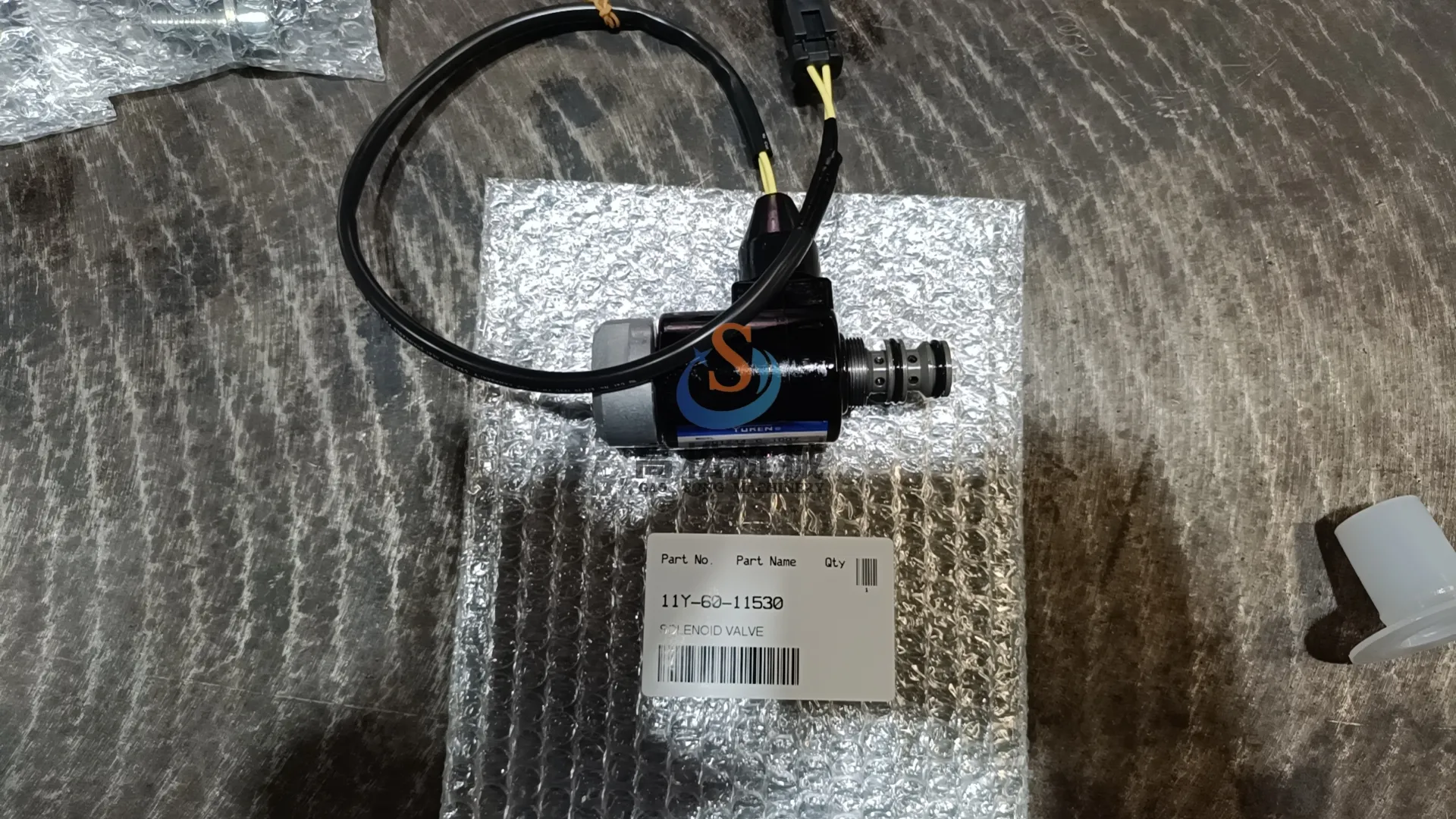 11Y-60-11530 komatsu SOLENOID VALVE
 -
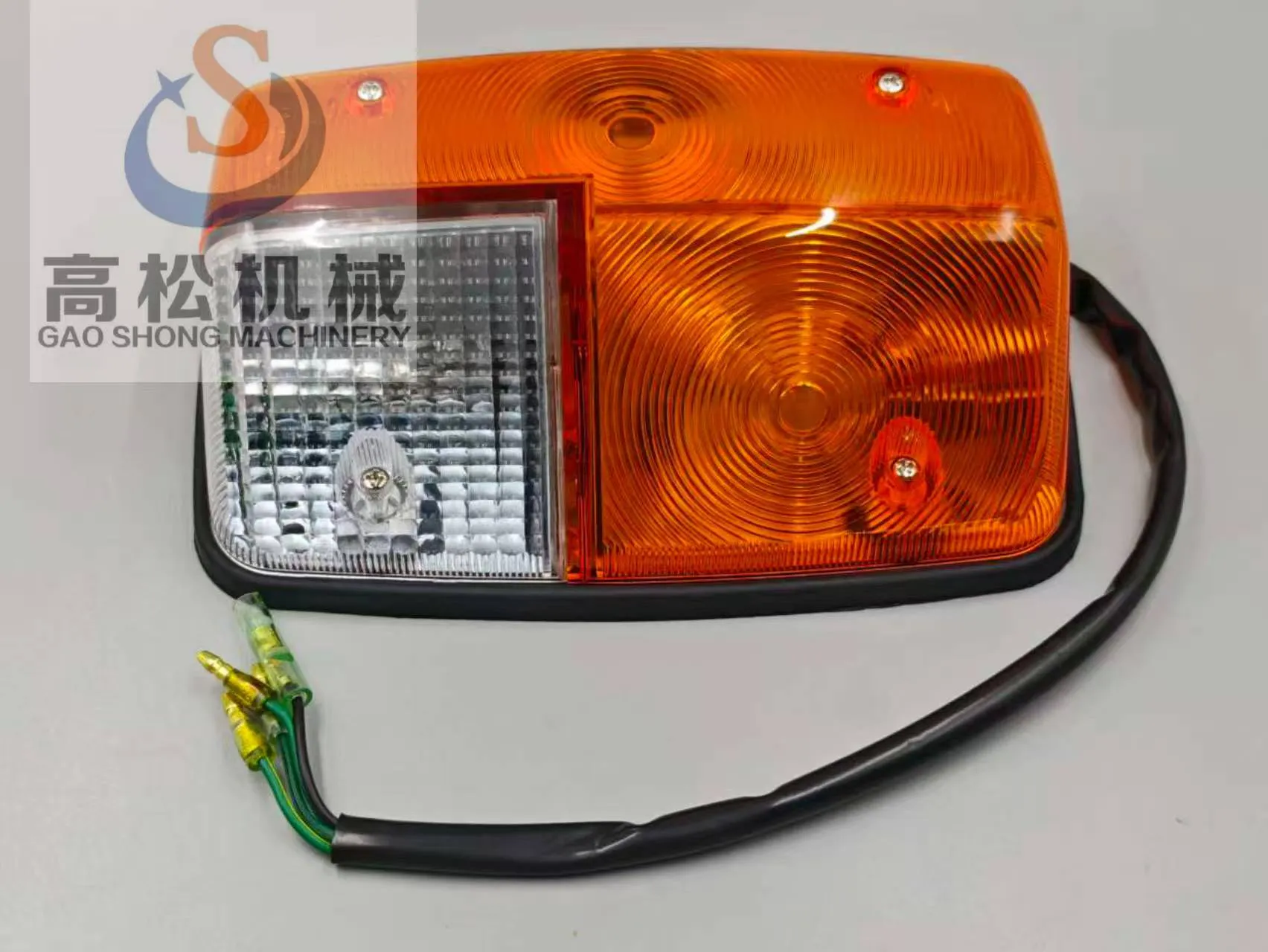 High quality, sales leader, light assembly 421-06-13401 421-06-13301, light assembly for komatsu gd405a-2 hd785-5lc 542 558
 -
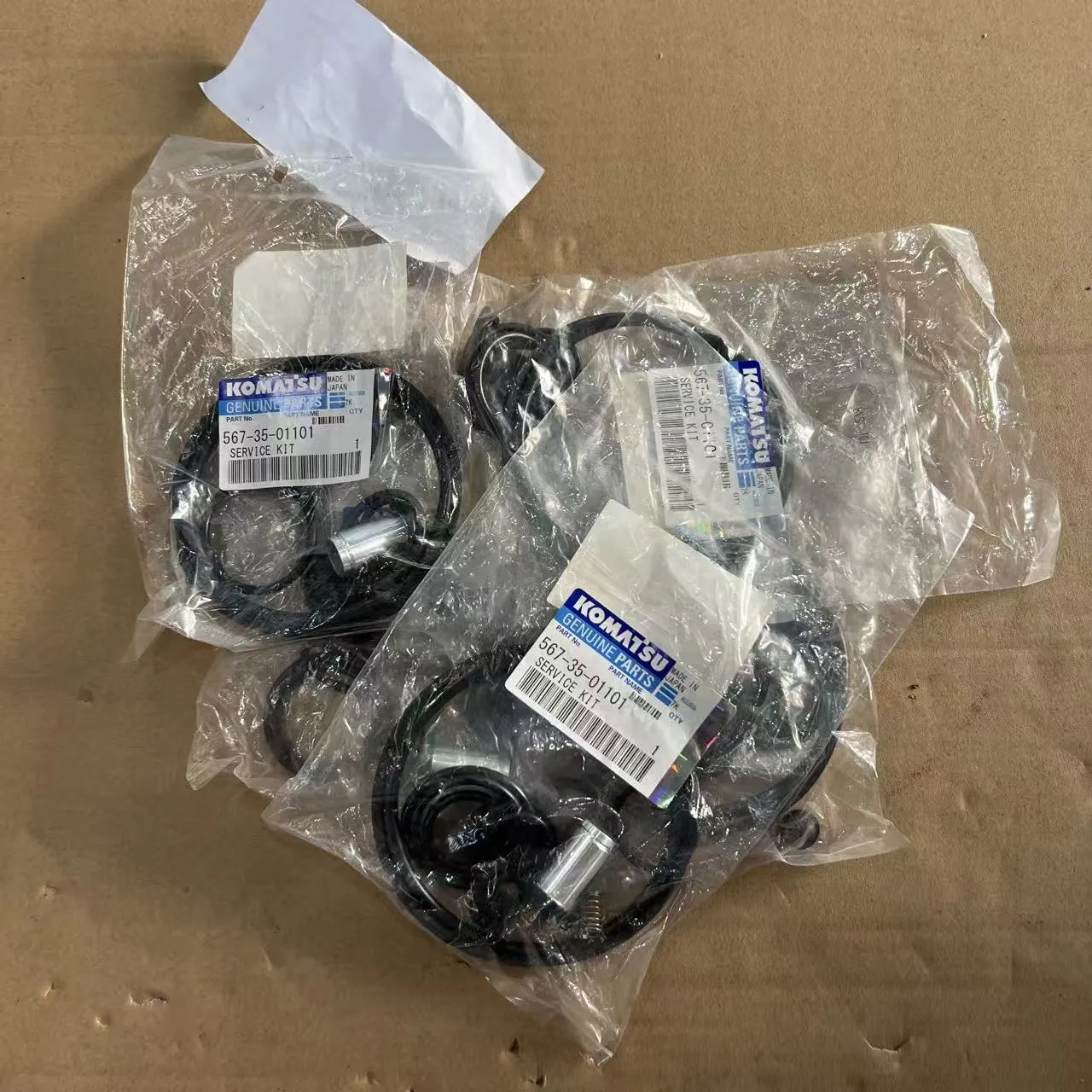 Komatsu 567-35-01101 Service Kit
 -
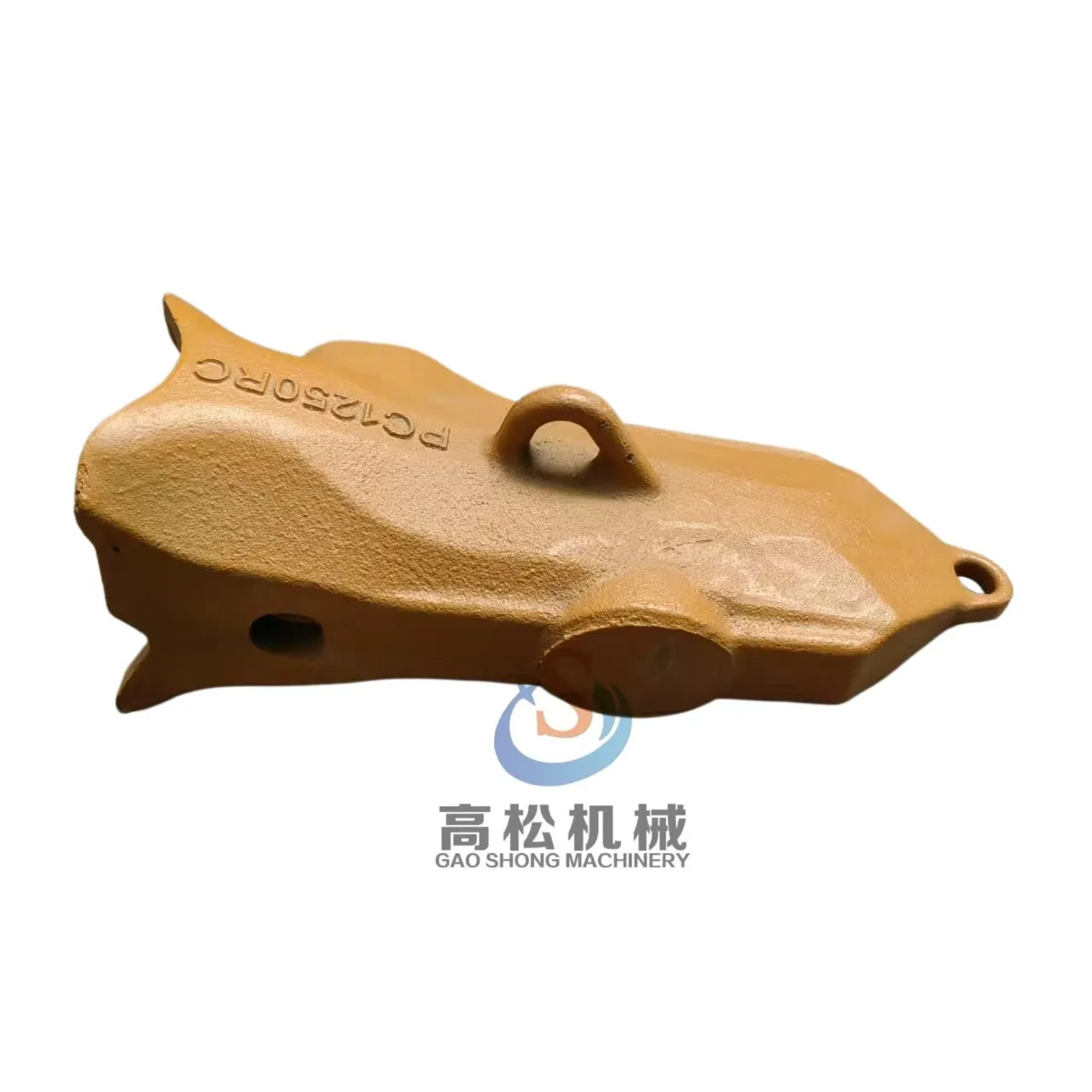 PC1250-8 Bucket Tooth 21N-70-37721 XS115RC
 -
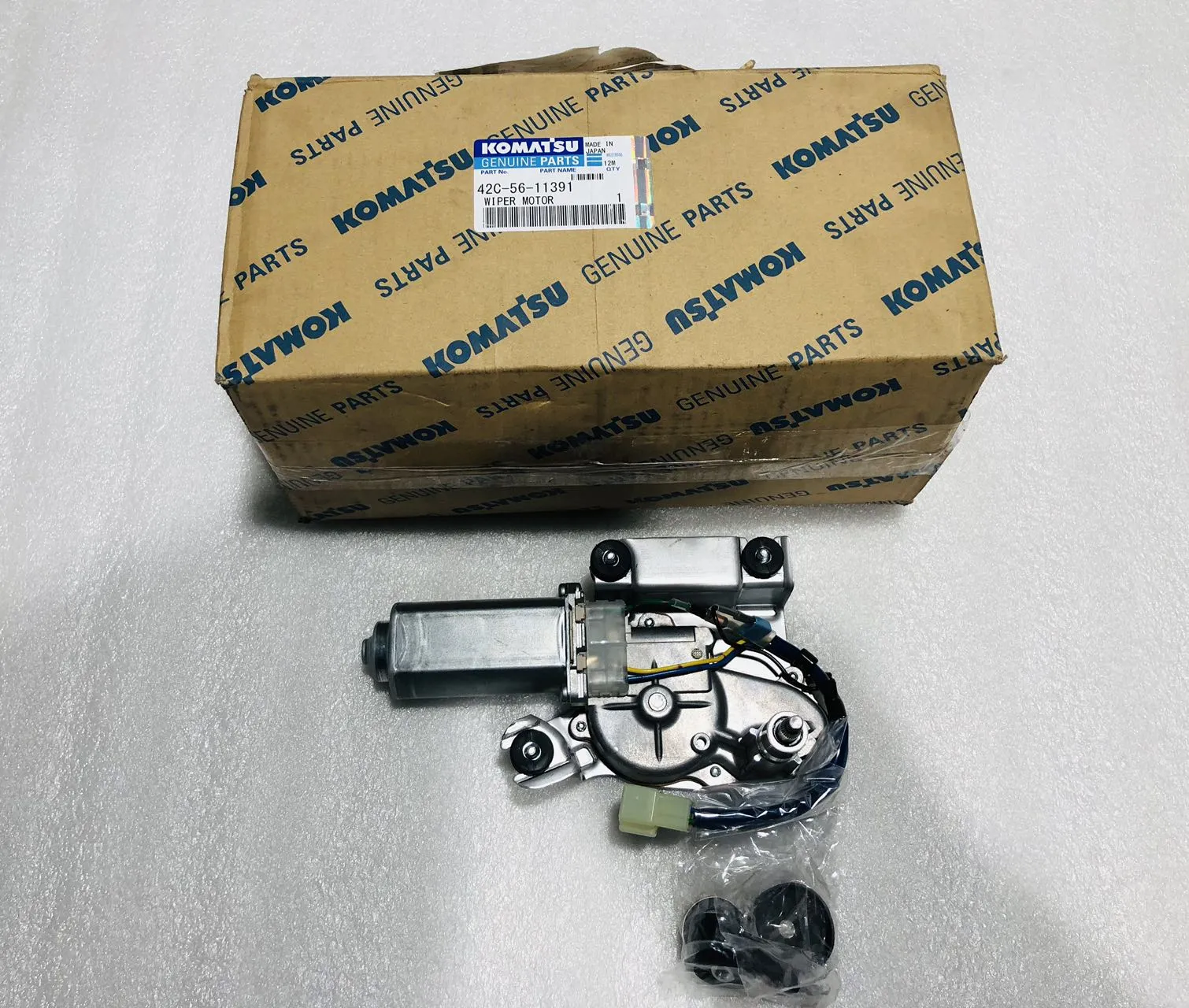 Komatsu grader GD555 wiper motor 42C-56-11391
 -
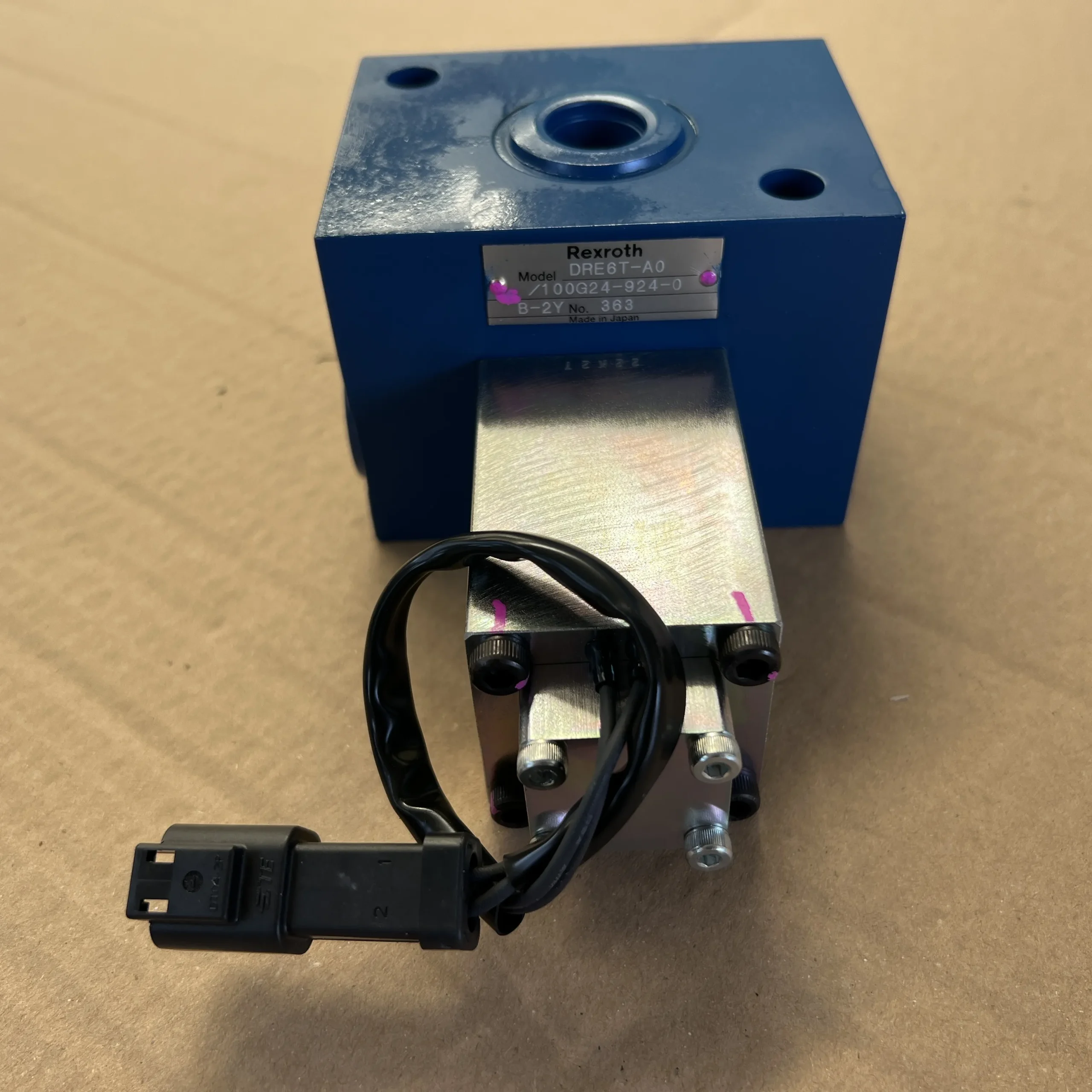 HD465-7 Proportional Solenoid Valve 569-43-83171
 -
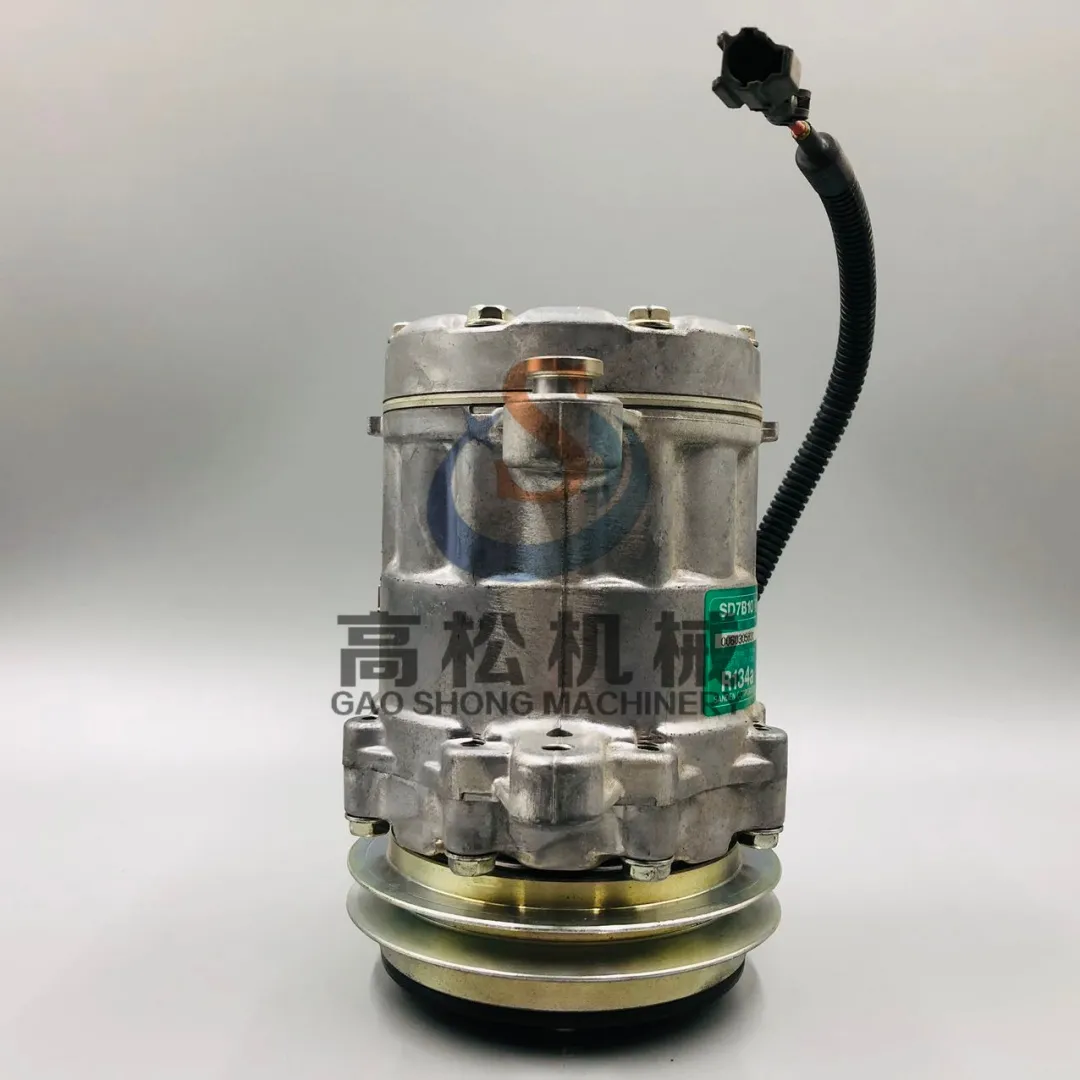 A/C Compressor 22L-979-2200 For Komatsu
 -
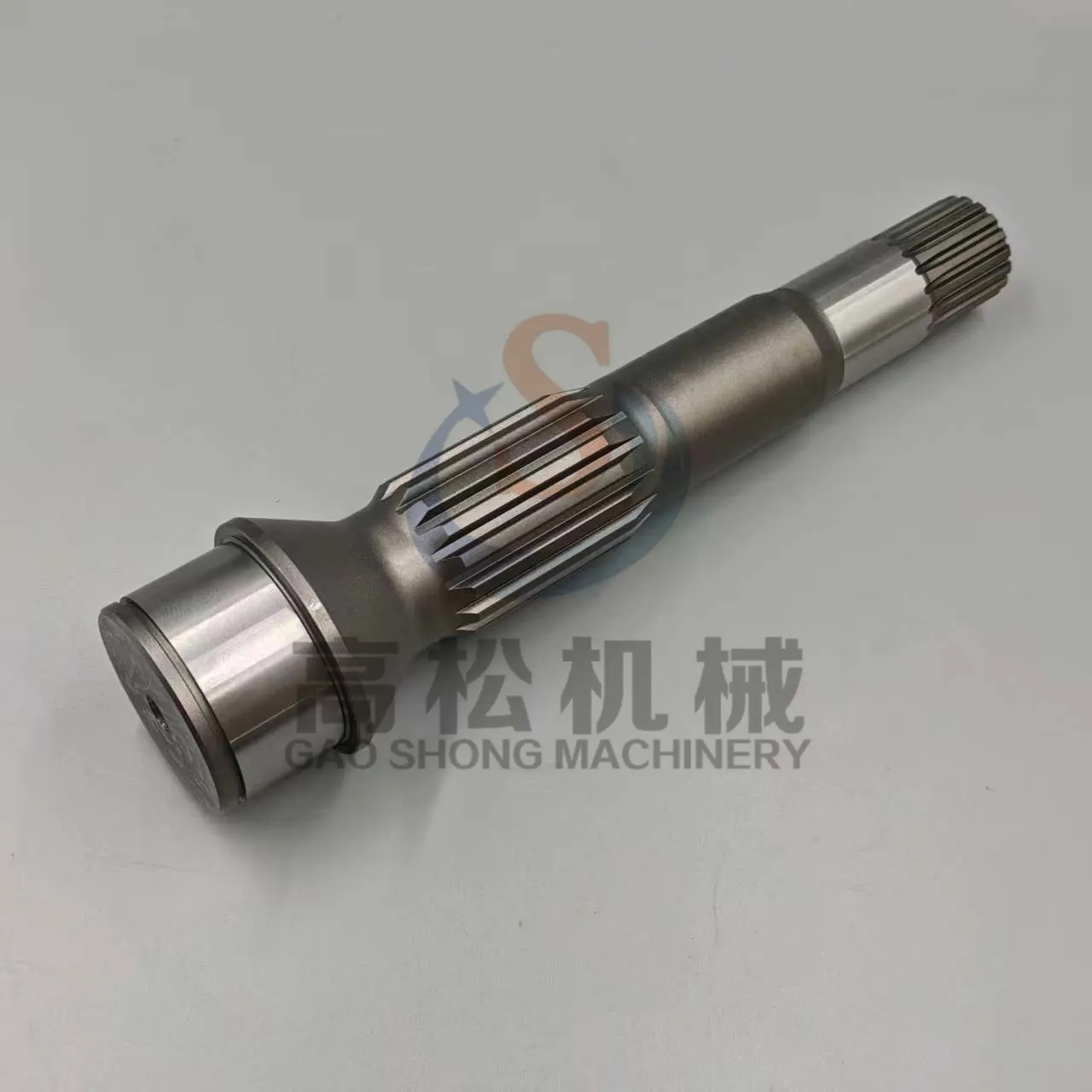 SHAFT 708-2G-12121 – KOMATSU
 -
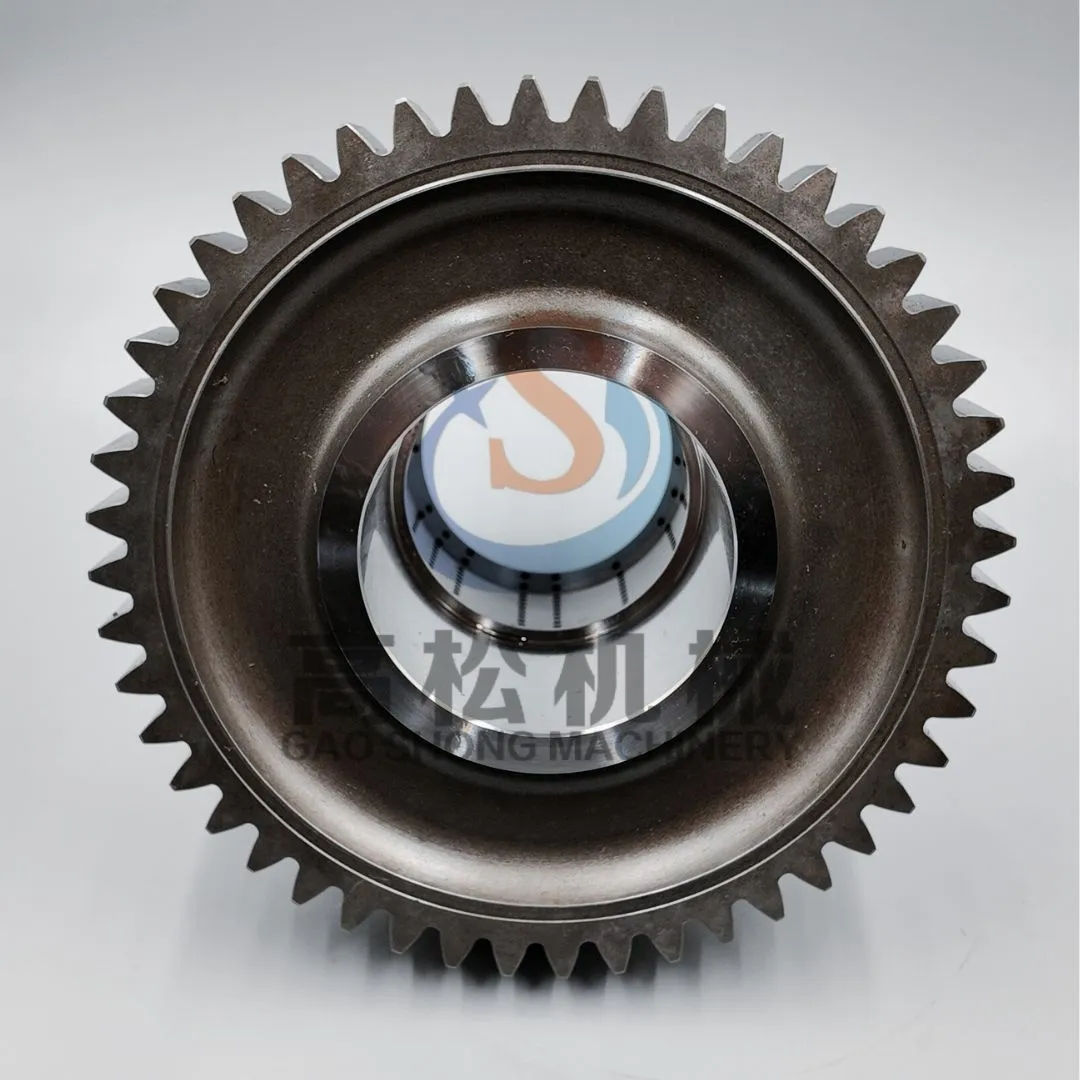 714-07-12420 Komatsu GEAR, 48 TEETH,FORWARD
 -
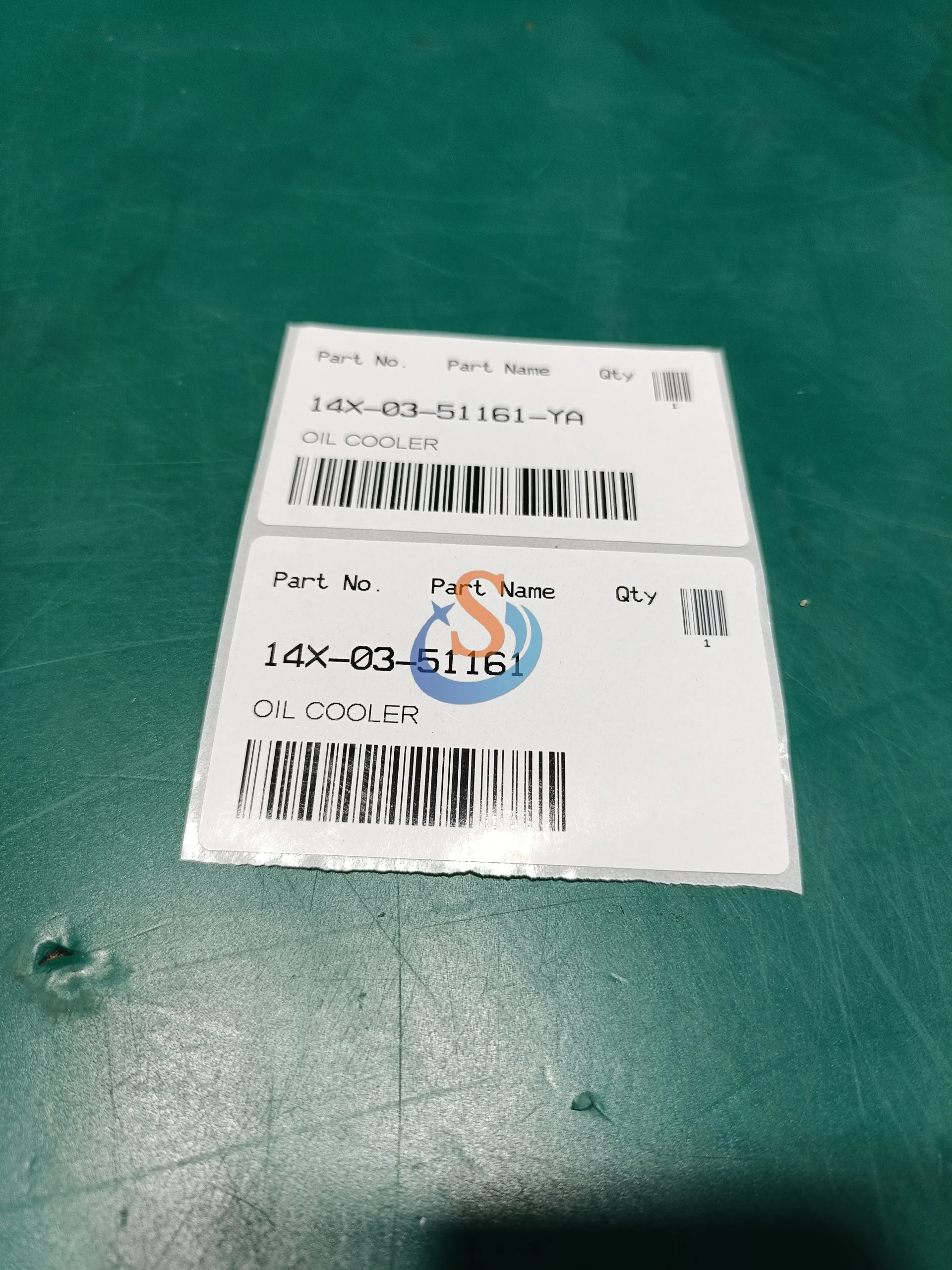 14X-03-51161 Oil Cooler-D65PX/D85ESS
 -
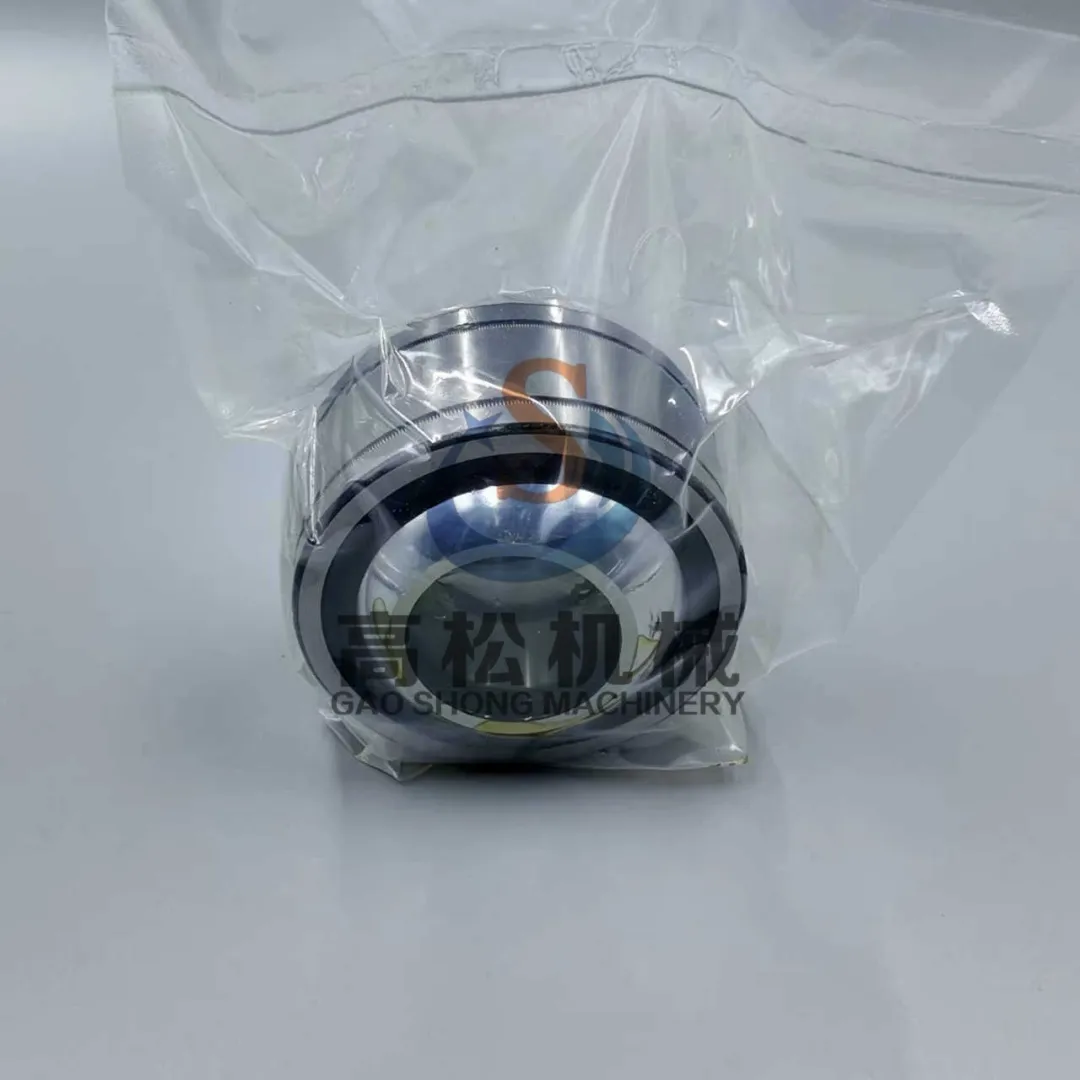 BUSHING 07137-04006 – KOMATSU Part
 -
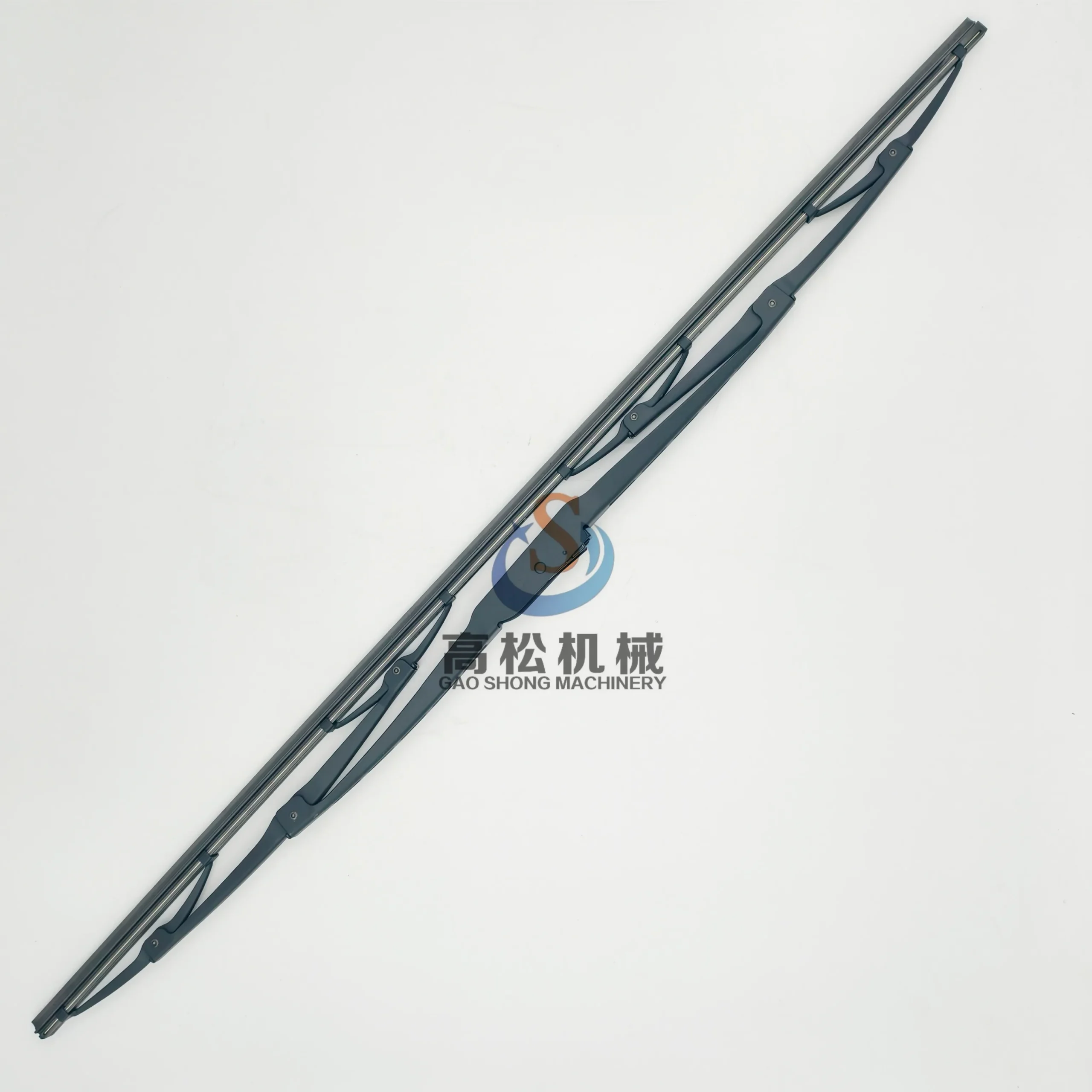 BLADE,FRONT 56B-54-13240 HM250-2 HM300-2 HM350-2 HM400-2 (ecot3) OPERATOR’S CAB (WIPER)