
- Chinese
- French
- German
- Portuguese
- Spanish
- Russian
- Japanese
- Korean
- Arabic
- Irish
- Greek
- Turkish
- Italian
- Danish
- Romanian
- Indonesian
- Czech
- Afrikaans
- Swedish
- Polish
- Basque
- Catalan
- Esperanto
- Hindi
- Lao
- Albanian
- Amharic
- Armenian
- Azerbaijani
- Belarusian
- Bengali
- Bosnian
- Bulgarian
- Cebuano
- Chichewa
- Corsican
- Croatian
- Dutch
- Estonian
- Filipino
- Finnish
- Frisian
- Galician
- Georgian
- Gujarati
- Haitian
- Hausa
- Hawaiian
- Hebrew
- Hmong
- Hungarian
- Icelandic
- Igbo
- Javanese
- Kannada
- Kazakh
- Khmer
- Kurdish
- Kyrgyz
- Latin
- Latvian
- Lithuanian
- Luxembou..
- Macedonian
- Malagasy
- Malay
- Malayalam
- Maltese
- Maori
- Marathi
- Mongolian
- Burmese
- Nepali
- Norwegian
- Pashto
- Persian
- Punjabi
- Serbian
- Sesotho
- Sinhala
- Slovak
- Slovenian
- Somali
- Samoan
- Scots Gaelic
- Shona
- Sindhi
- Sundanese
- Swahili
- Tajik
- Tamil
- Telugu
- Thai
- Ukrainian
- Urdu
- Uzbek
- Vietnamese
- Welsh
- Xhosa
- Yiddish
- Yoruba
- Zulu
- Kinyarwanda
- Tatar
- Oriya
- Turkmen
- Uyghur






komatsu forklift oil filter
You search for 'komatsu forklift oil filter' and you're likely just looking for a replacement. But here's the thing – that filter is more than just a canister. It's a decision point. Do you go pure OEM, aftermarket, or something in between? A lot of guys, especially in shops that run mixed fleets, think any filter with the right thread pitch will do. That's where the trouble often starts, not immediately, but down the line. I've seen it.
The Core Job and Where People Slip Up
The primary job of the komatsu forklift oil filter is straightforward: protect the heart of the engine. Komatsu designs their filtration systems with specific bypass pressures and micron ratings that match their engine's clearances and oil flow. The mistake is assuming all filters are created equal. An off-brand might look identical, even screw on perfectly, but its internal media could collapse prematurely or its bypass valve crack open too early. The result? Unfiltered oil circulating, accelerated wear on crankshaft journals and turbo bearings. You won't notice it next week, but come the 5,000-hour service, that extra bit of metal in the oil analysis tells the story.
I remember a client who was burning through hydraulic pumps on a Komatsu 3-tonner. They'd changed the oil religiously but used a cheap universal filter. After tracing everything, we found the filter's anti-drain back valve was faulty. On cold starts, the oil pump was pulling air for a few critical seconds, starving the hydraulic system. Swapped to a proper Komatsu-spec filter, and the problem vanished. It wasn't the pump; it was the twenty-dollar part supposed to protect the thousand-dollar one.
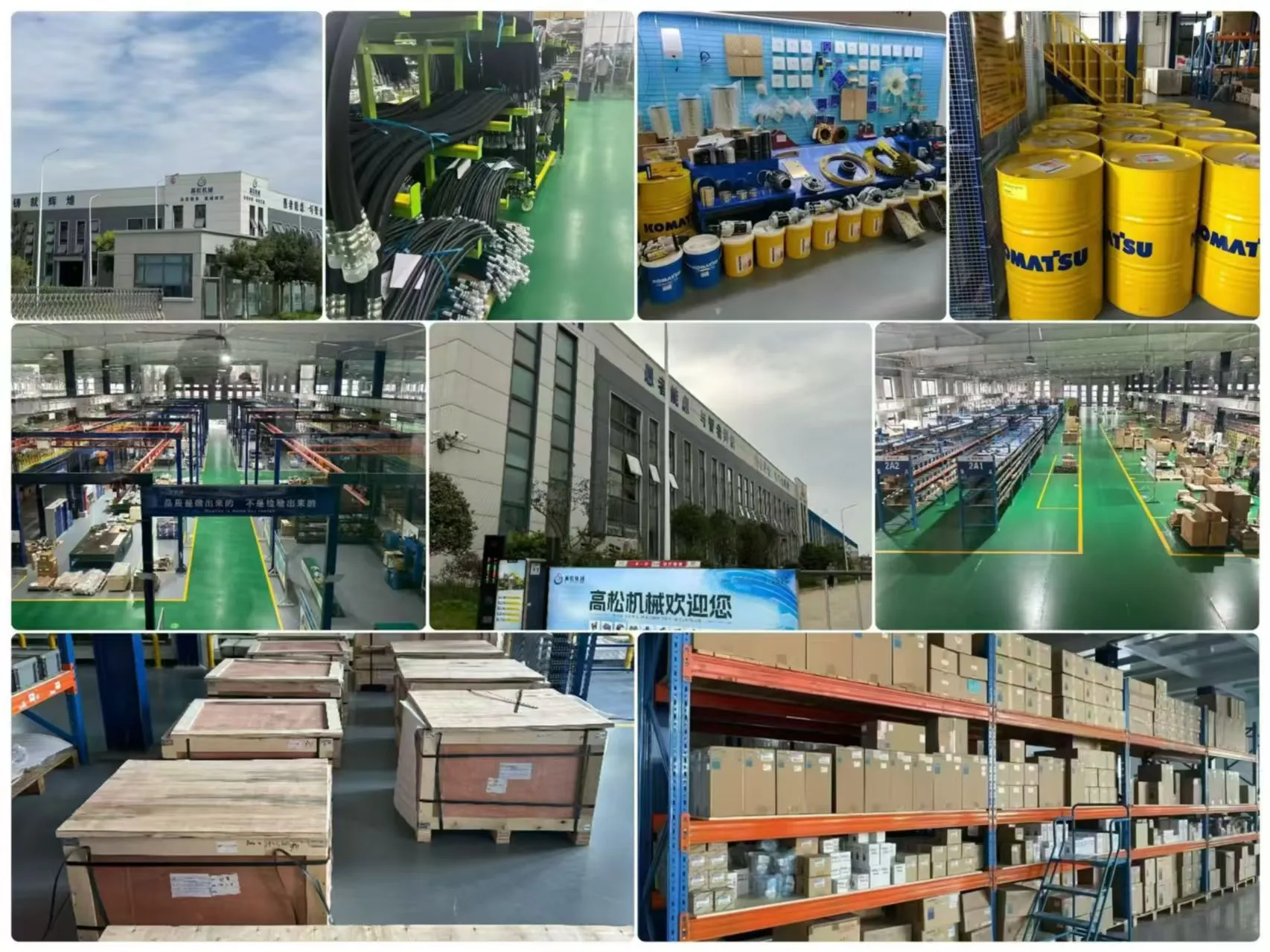
This is why sourcing matters. It's not just about the filter itself, but the chain of custody. A reputable supplier who understands the system is key. For instance, companies like Jining Gaosong Construction Machinery Co., Ltd. operate in a unique space. As they note on their site https://www.takematsumachinery.com, they're an OEM product supplier within Komatsu's system and also handle third-party sales. That dual role is crucial. It means they can often navigate parts shortages in certain regions, offering genuine options or vetted alternatives that won't compromise the machine. They're solving a real-world logistics problem, not just moving boxes.
Decoding the Genuine vs. OEM-Spec Dilemma
This is the murky water. A genuine Komatsu filter comes in the Komatsu box, with the Komatsu part number, distributed through their official channels. An OEM-spec filter might be made by the same factory that supplies Komatsu – sometimes called white box – but sold without the branding. Then there's aftermarket, which is a wild spectrum from excellent to terrible.
The practical take? For critical machines under warranty, or in severe duty cycles (like port container handling), bite the bullet and go genuine. The cost is higher, but the traceability is absolute. For older models, or in regions where supply is a nightmare, a trusted OEM-spec source becomes invaluable. This is where a supplier's background is everything. A company that is an OEM product supplier within the Komatsu system has the inside track on specifications and manufacturing tolerances. They're not guessing; they know what the blueprint says.
I've used cross-reference charts from various suppliers, and the ones that are accurate always come from outfits with deep system knowledge. They'll list not just the part number interchange, but notes like ensure gasket diameter is 78mm, not 76mm or bypass setting is 18 psi. That's detail you only get from hands-on experience or direct access to engineering specs.
Real-World Fitment and The Almost Right Problem
Let's get physical. You have the filter in hand. Threads match, gasket looks good. You install it. A month later, there's a seep around the base. Why? The sealing surface on the filter head might have a slight chamfer that your old filter matched, but this new one doesn't sit flush. Or the gasket material is slightly less compliant, failing to seal minor imperfections. It's almost right.
This is a classic failure mode with some aftermarket parts. The dimensional tolerance is just outside spec. I learned this the hard way on a Komatsu FD30. We installed a well-known aftermarket oil filter. It sealed, but after a few thermal cycles, we'd get a weep. Tried a different brand with the same listed spec – no leak. The difference was in the gasket's compound and the flange thickness, maybe a half-millimeter total. The machine doesn't care about the catalog number; it cares about the physical interface.
This is another argument for leaning on suppliers embedded in the ecosystem. Their business hinges on solving parts supply challenges in certain countries. They can't afford to ship parts that almost fit. Their reputation depends on providing a solution that works, whether it's a genuine part or a vetted equivalent that has been proven in the field on Komatsu equipment.
Maintenance Interval Interplay
Your service manual says change the oil and filter every 500 hours. That interval assumes you're using a filter that meets Komatsu's performance criteria. If you downgrade the filter, you should realistically shorten the interval. But who does that? Nobody. We follow the manual.
A high-quality filter has more media area, better cellulose/synthetic blends, and a robust center tube. It can hold more contaminants and maintain flow longer. A cheap filter might be clogged by 400 hours, forcing the bypass open. So you're running on a degraded filter for the last 100 hours of every cycle. Over years, that adds up. It's a hidden cost.
When you source from a technical supplier, not just a parts broker, they can advise on this. If you're moving from genuine to an alternative due to availability, they might suggest a 450-hour check. That's value-added service. It shows they're thinking about the machine's lifecycle, not just the sale.
Sourcing Strategy: Beyond the Quick Fix
So, you need a komatsu forklift oil filter tomorrow. The easy button is to call the first result. The smarter play is to build a relationship with a supplier who understands the whole picture. Look for those who clarify their position like Jining Gaosong Construction Machinery Co., Ltd. does – an OEM supplier and a third-party solver. That duality suggests they can provide options and context.
In practice, this means they might say, The genuine filter for that model is backordered for 8 weeks, but here is an OEM-spec filter from the same factory line we've tested, and here's the data sheet. Or, Stick with genuine for that particular series; we've seen issues with alternatives on the cooling jet alignment. That's professional judgment.
Ultimately, the filter is a small part with a big responsibility. Choosing it wisely isn't about brand loyalty alone; it's about understanding the engineering behind it and having a supply partner who understands it too. It's the difference between just changing a part and maintaining the integrity of the machine. The goal isn't just to get it running, but to keep it running right, for the long haul.
Related Products
Related Products

Best Selling Products
Best Selling Products-
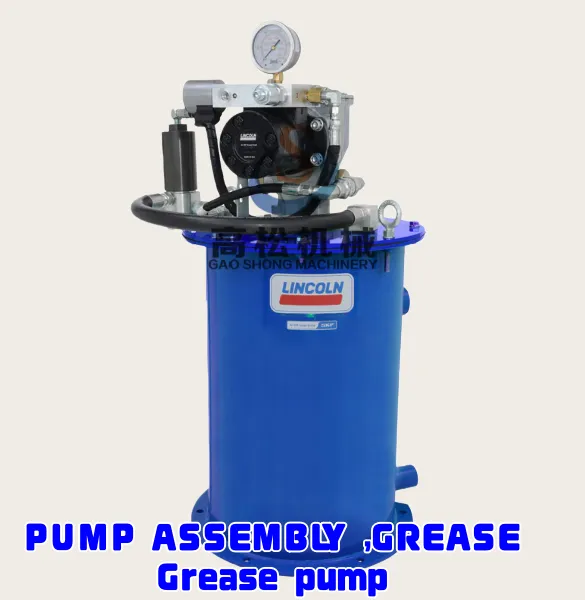 PUMP ASSEMBLY,GREASE 21T-68-31132 561-95-83012 561-95-83011 561-95-8A530 561-95-84800 LI270670 grease pump
 -
 magnetic swi kd7-47100-0274 – fits KOMATSU
 -
 14X-40-11421,GASKET,D375A,D475A,D85ESS
 -
 Valve Assembly 20Y-60-31450 – KOMATSU
 -
 56B-15-19210 RING
 -
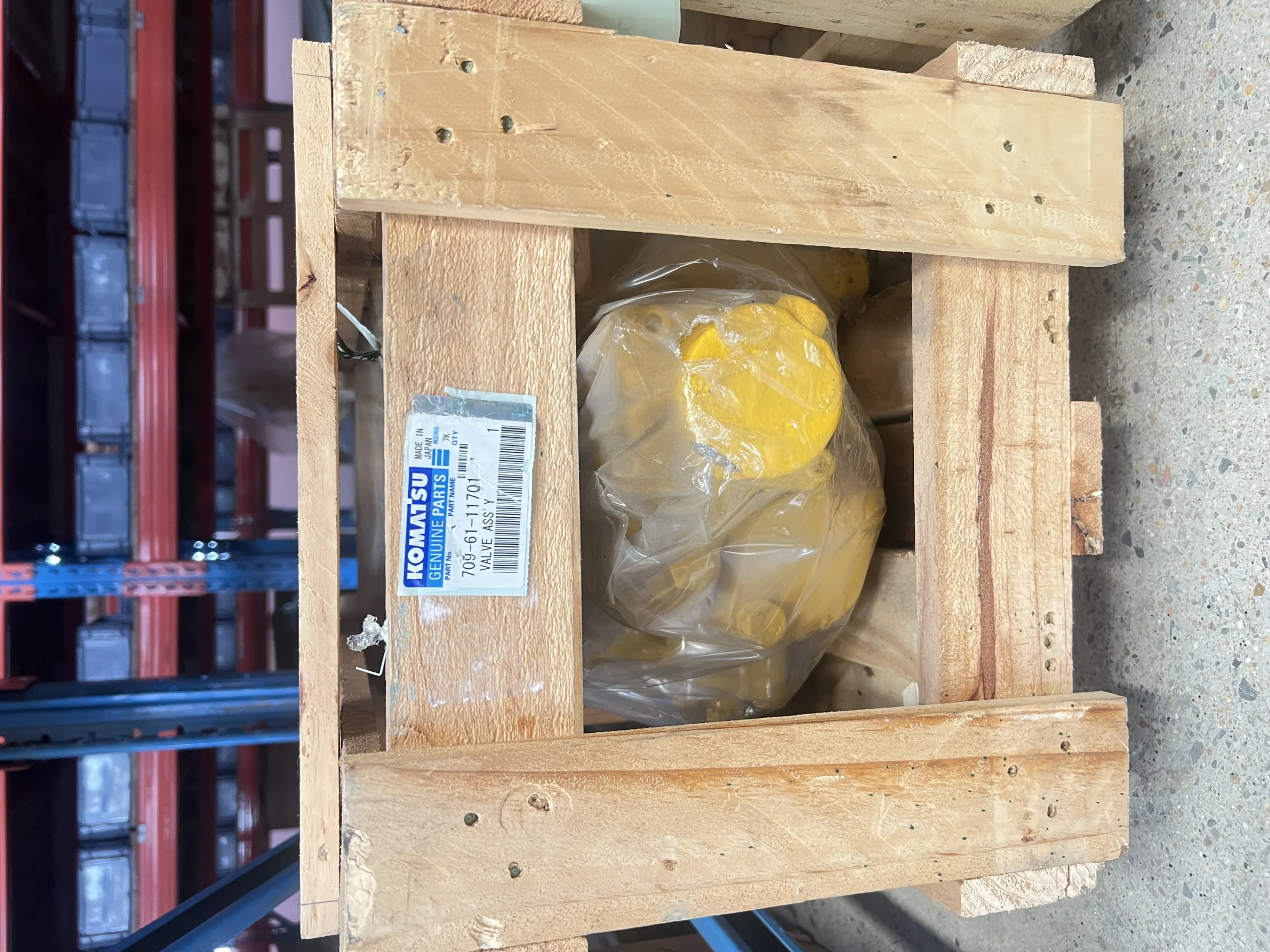 D375A-3D Valve Assembly 709-61-11701
 -
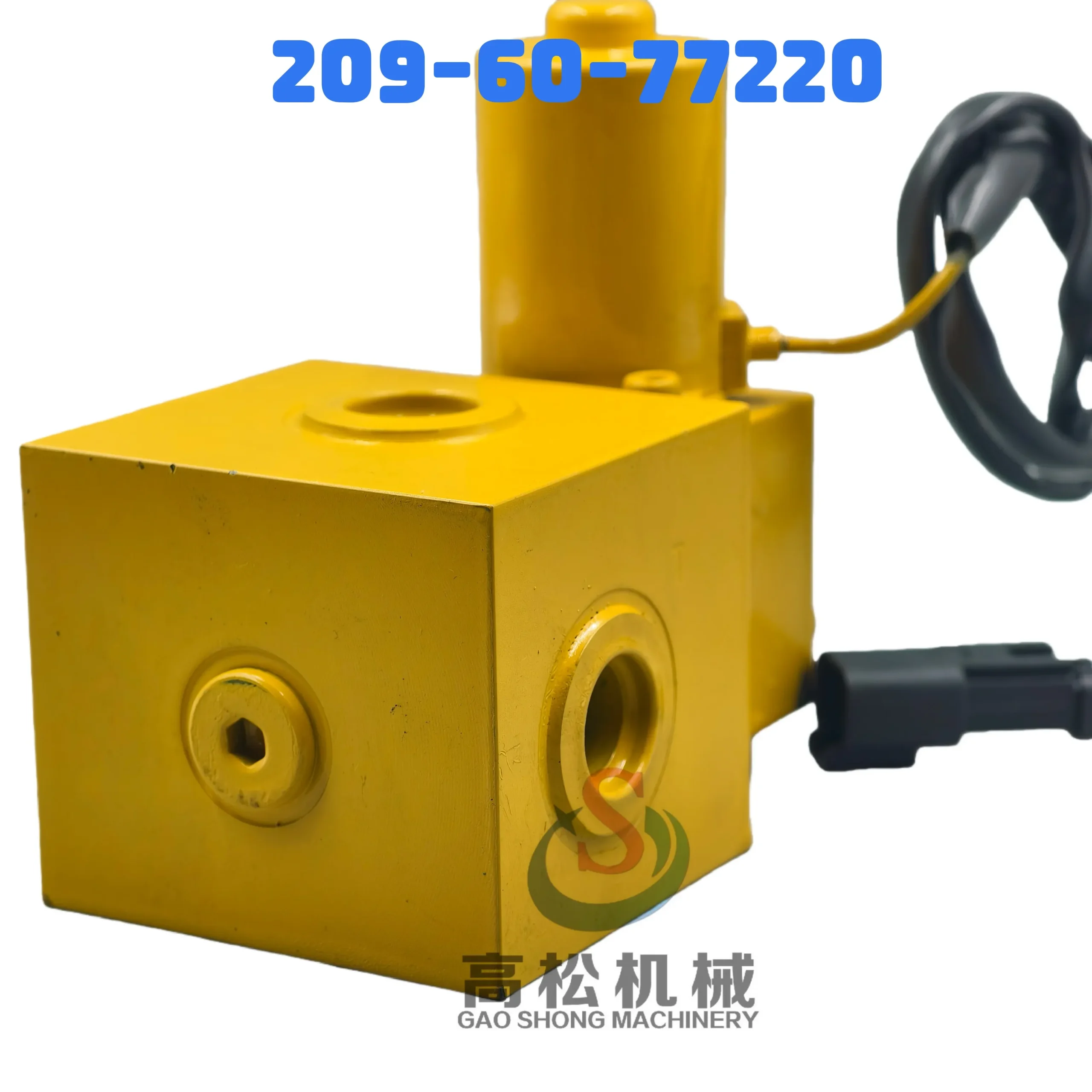 Valve 209-60-77220 for Komatsu
 -
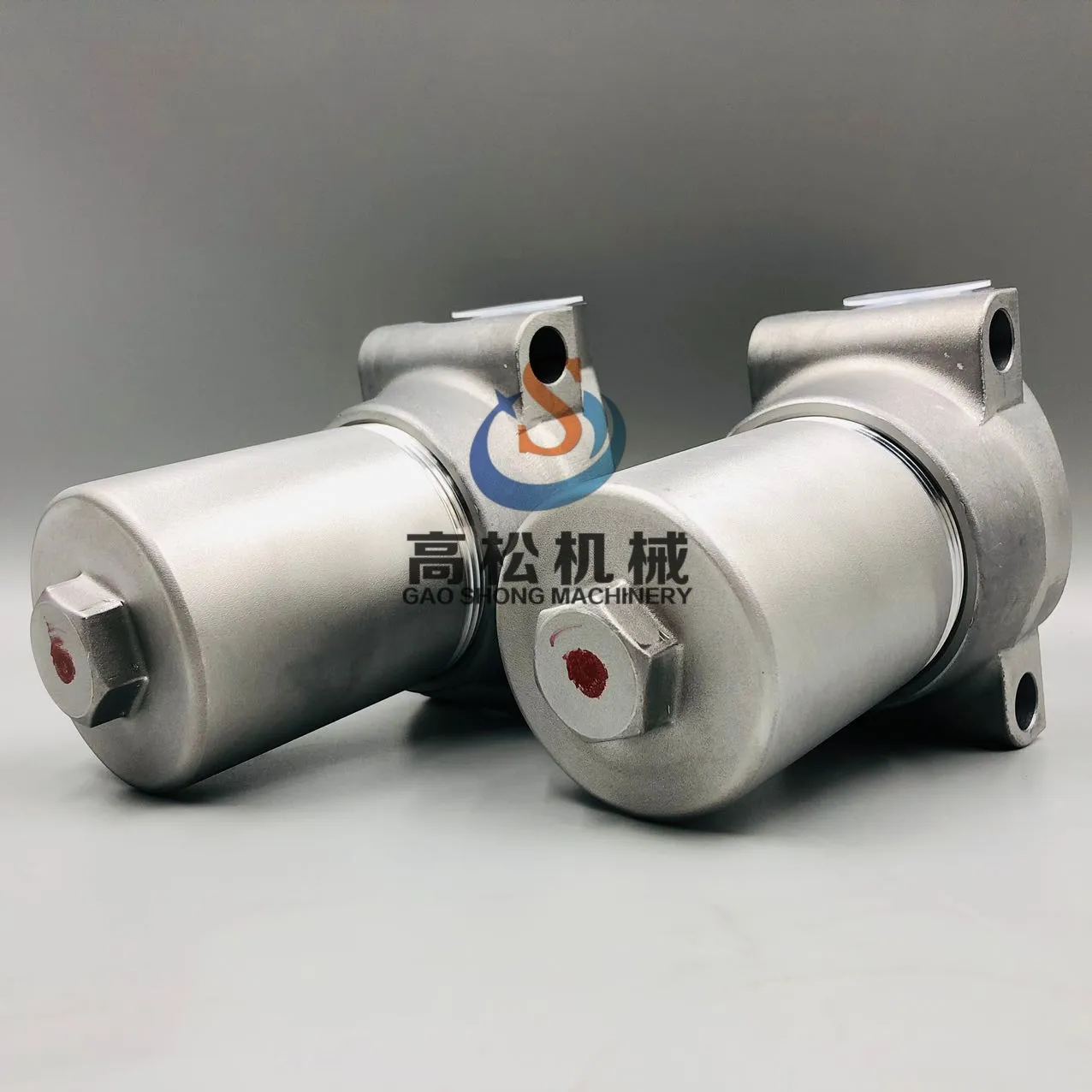 Komatsu Filter 20Y-62-51681 for Crawler excavator PC210LC-8 Filter Assembly 20Y-62-51681
 -
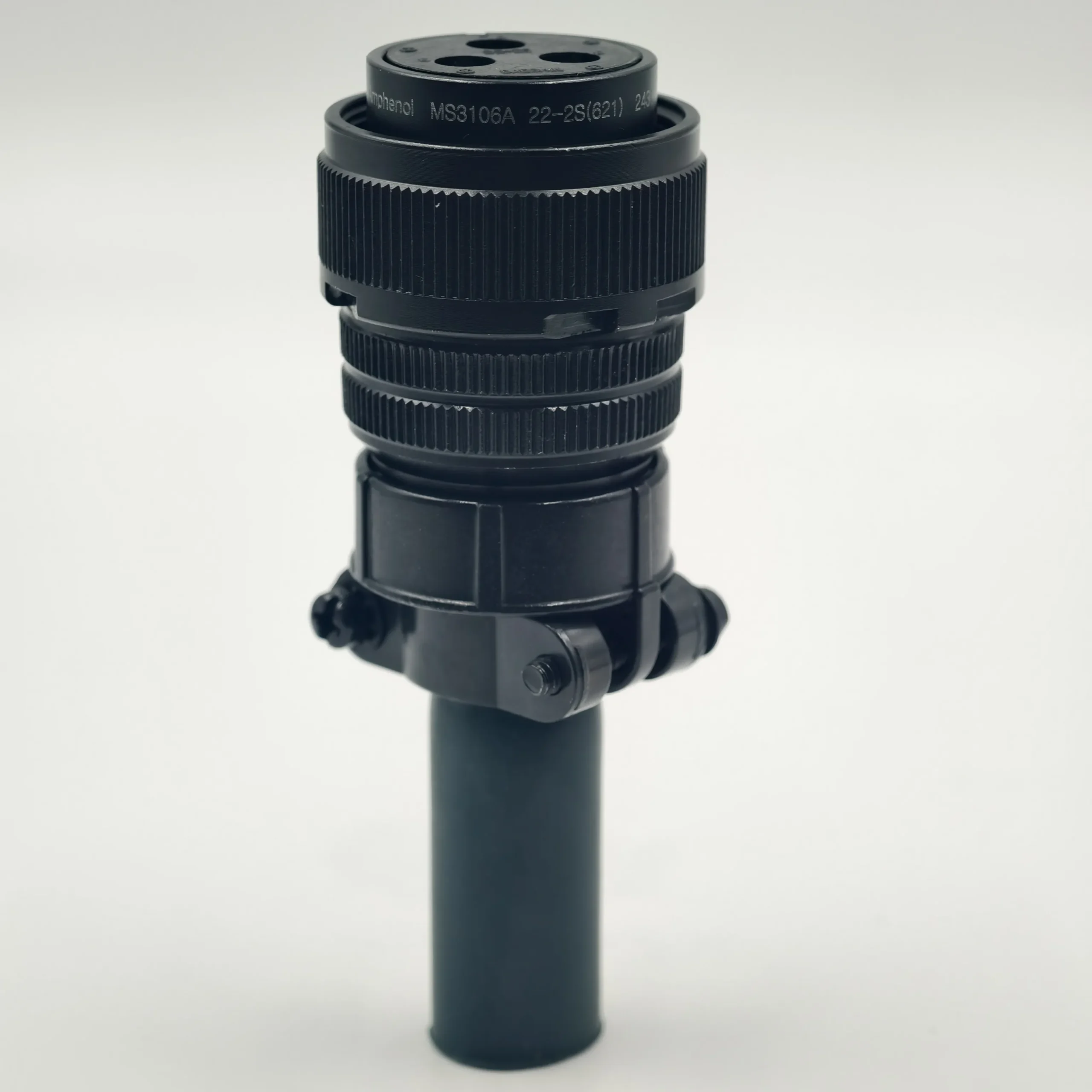 175-06-37871 PLUG(WITH HEATER) (Komatsu)
 -
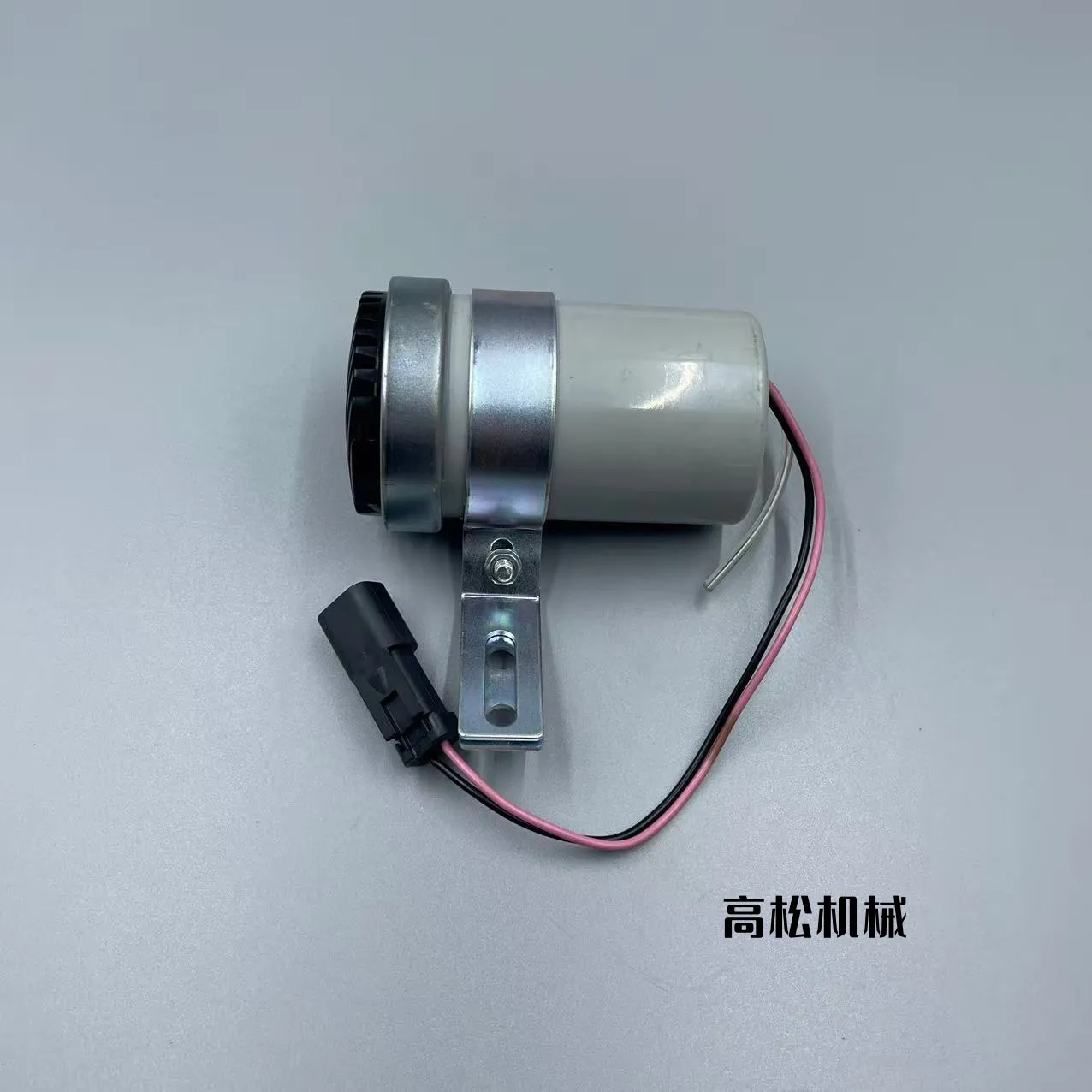 198-06-56570-BUZZER-Komatsu Original Factory
 -
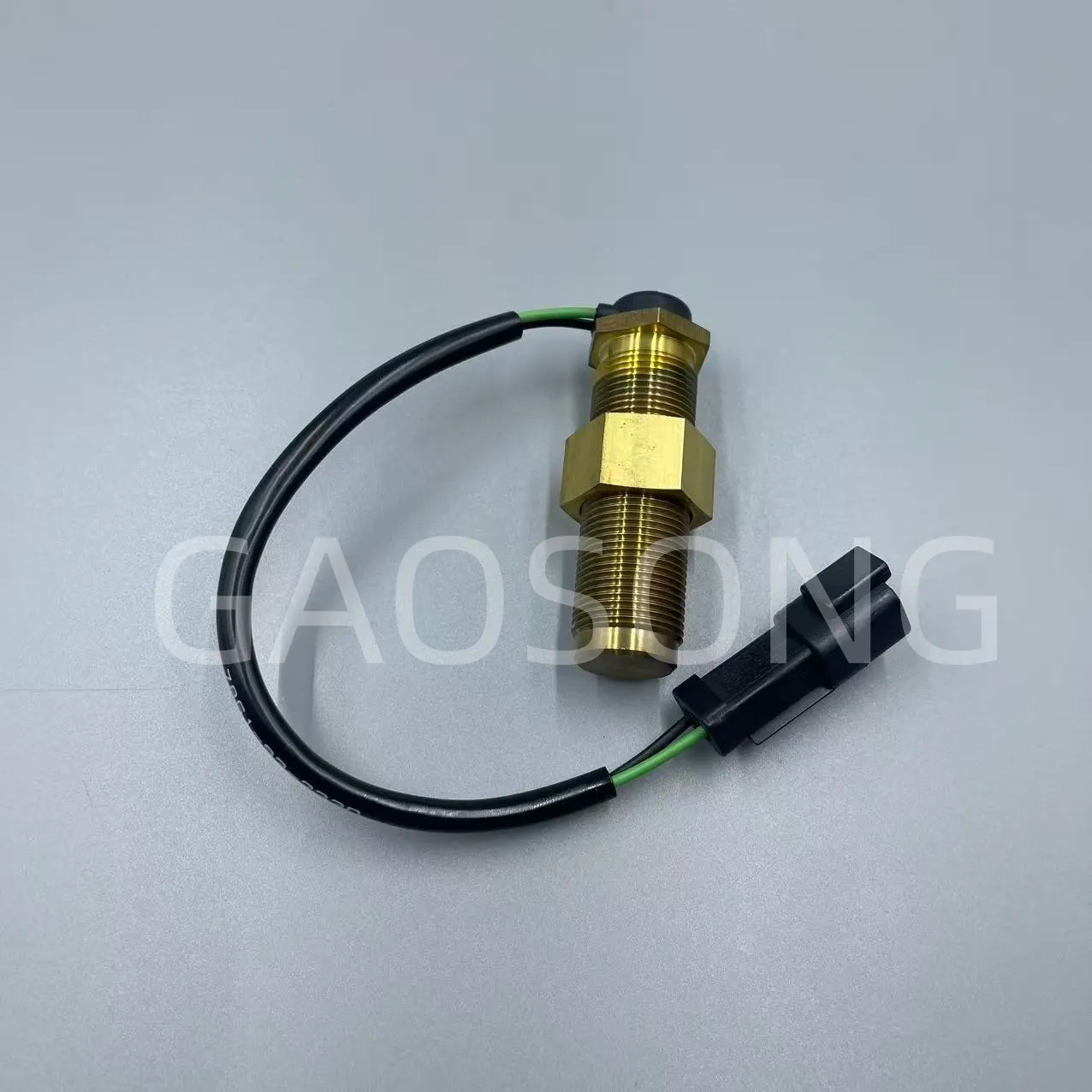 7861-93-2330 SENSOR,REVOLTION–Komatsu Original Factory
 -
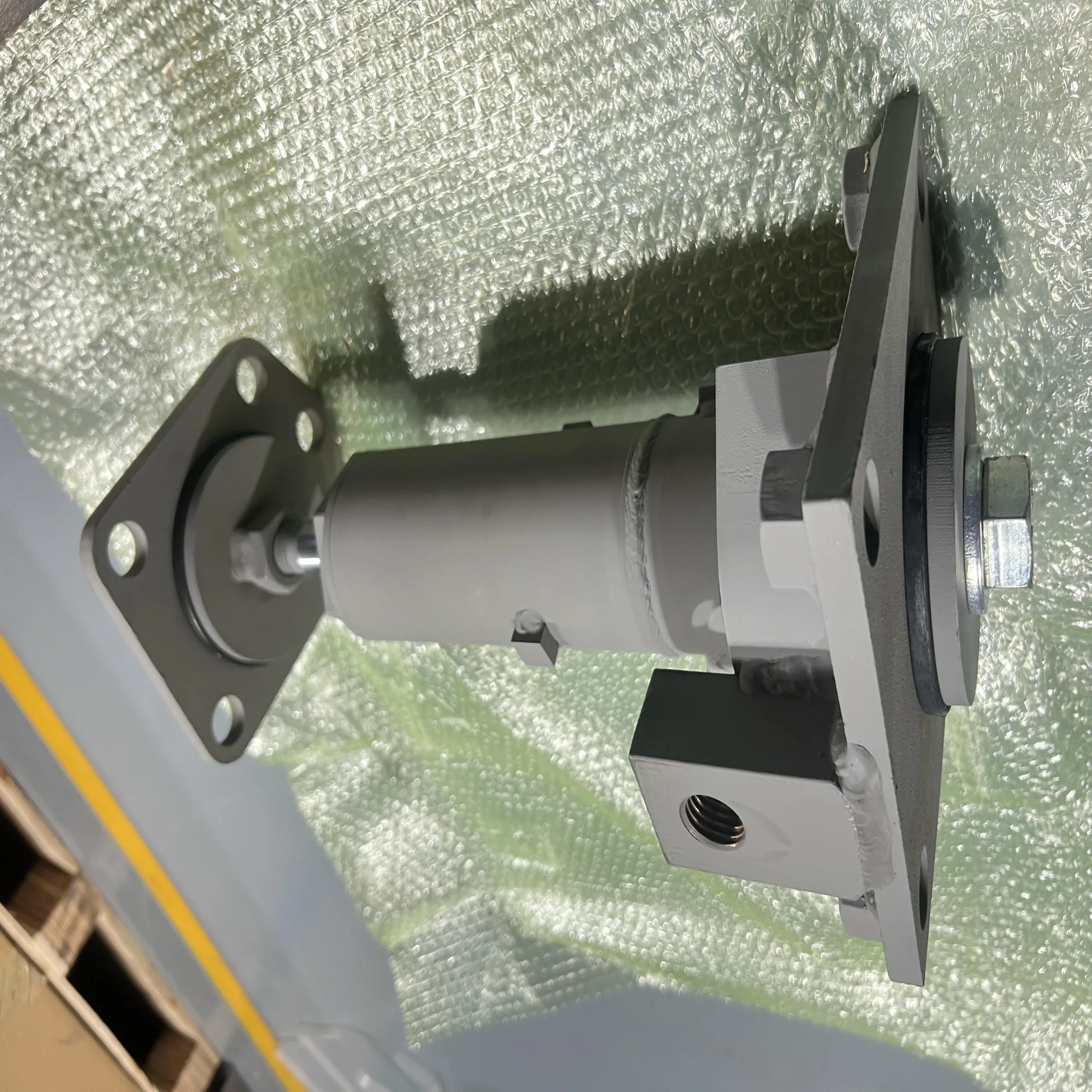 SUSPENSION ASS’Y 17A-54-16201 – KOMATSU