
- Chinese
- French
- German
- Portuguese
- Spanish
- Russian
- Japanese
- Korean
- Arabic
- Irish
- Greek
- Turkish
- Italian
- Danish
- Romanian
- Indonesian
- Czech
- Afrikaans
- Swedish
- Polish
- Basque
- Catalan
- Esperanto
- Hindi
- Lao
- Albanian
- Amharic
- Armenian
- Azerbaijani
- Belarusian
- Bengali
- Bosnian
- Bulgarian
- Cebuano
- Chichewa
- Corsican
- Croatian
- Dutch
- Estonian
- Filipino
- Finnish
- Frisian
- Galician
- Georgian
- Gujarati
- Haitian
- Hausa
- Hawaiian
- Hebrew
- Hmong
- Hungarian
- Icelandic
- Igbo
- Javanese
- Kannada
- Kazakh
- Khmer
- Kurdish
- Kyrgyz
- Latin
- Latvian
- Lithuanian
- Luxembou..
- Macedonian
- Malagasy
- Malay
- Malayalam
- Maltese
- Maori
- Marathi
- Mongolian
- Burmese
- Nepali
- Norwegian
- Pashto
- Persian
- Punjabi
- Serbian
- Sesotho
- Sinhala
- Slovak
- Slovenian
- Somali
- Samoan
- Scots Gaelic
- Shona
- Sindhi
- Sundanese
- Swahili
- Tajik
- Tamil
- Telugu
- Thai
- Ukrainian
- Urdu
- Uzbek
- Vietnamese
- Welsh
- Xhosa
- Yiddish
- Yoruba
- Zulu
- Kinyarwanda
- Tatar
- Oriya
- Turkmen
- Uyghur





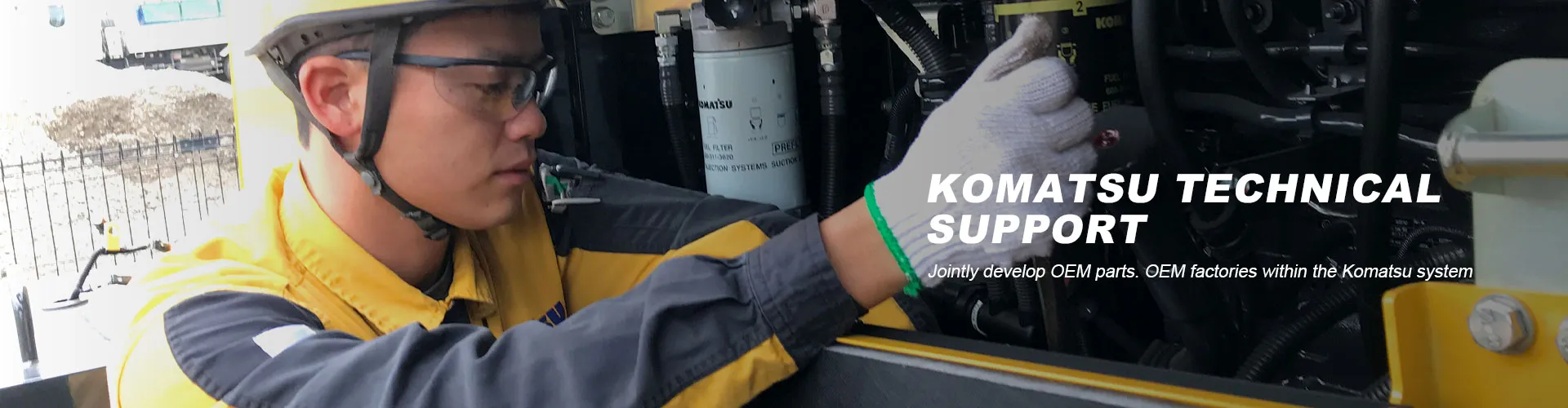
komatsu forklift nissan engine
When you hear 'Komatsu forklift Nissan engine', there's often a bit of confusion. People sometimes think it's a mismatch or an aftermarket hack. But in reality, especially in certain models and markets from the late 90s to early 2000s, this was a fairly common factory configuration. Komatsu, like other majors, would source reliable power plants to meet specific emission or cost targets for different regions. The Nissan engines, often the H20 or H25 series, were solid, torquey units. The misconception that everything under a Komatsu hood must be Komatsu-built can lead to unnecessary headaches during troubleshooting or parts sourcing. That's where the real-world experience kicks in.
The OEM and Aftermarket Parts Reality
Working with machines like these, you quickly learn that the official parts pipeline isn't always smooth, especially for older models or in countries outside major distribution networks. This is precisely the gap companies like Jining Gaosong Construction Machinery Co., Ltd. operate in. As an OEM product supplier within the Komatsu system, they have the genuine line. But their real value, stated on their site https://www.takematsumachinery.com, is being a third-party sales company helping solve parts supply challenges. For a Komatsu forklift with a Nissan engine, this dual role is crucial. You might need a Komatsu-specific hydraulic valve block one day and a Nissan engine gasket kit the next.
I recall a specific instance with a Komatsu FD30T model, which used the Nissan H20 engine. The head gasket blew. The local Komatsu dealer had a lead time of three weeks for the part, which was unacceptable for a client running 24/7 logistics. Going to a generic auto parts store for a 'Nissan' gasket is risky—the industrial variant often has subtle differences in material or coolant passage design. We reached out to a supplier in the network, similar to Gaosong's model, and they had the correct OEM-spec gasket kit, cross-referenced from the Komatsu parts manual but supplied through their third-party channel, in three days. It wasn't just about having the part; it was about having the right part with the correct provenance.
The challenge is verification. When you're not buying directly from a branded dealer, you need to trust your supplier's technical knowledge. Do they understand that the Nissan engine in a Komatsu machine might have a different oil pump drive or a unique flywheel housing adapter? A good supplier does. They don't just sell codes; they understand the assembly. The description from Jining Gaosong about being an OEM product supplier within the Komatsu system suggests they have that direct access, which builds confidence when you're in a bind.
Performance and Service Nuances
From a mechanic's stool, the Nissan-powered Komatsu units were generally robust. The engines had a reputation for good low-end torque, which is ideal for forklift duty cycles—lots of lugging, not much high-speed running. However, they weren't without quirks. The fuel system on some of those older Nissan industrial engines could be sensitive to poor-quality diesel. We saw more clogged injectors on these compared to the contemporary Komatsu-built diesels, which seemed to have a slightly more forgiving pump.
Another detail often overlooked is the cooling system integration. The engine is Nissan, but the radiator, fan, and shroud are part of the Komatsu machine design. We had a case of chronic overheating on an FD25. After replacing the thermostat and water pump (Nissan parts), the issue persisted. Turns out, the fan shroud had been damaged and replaced with a non-OEM part years prior. It was the wrong depth, reducing fan efficiency. The fix came from a Komatsu-specific cooling system component. This hybrid nature means your diagnostics must span both systems. You can't be just an engine guy or just a forklift guy.
Electronics were another interface point. The engine sensors would feed into the Komatsu control unit. Sometimes, a faulty Nissan engine speed sensor would throw a code that the Komatsu dealer's generic scanner would read as a transmission control error, sending you down the wrong path for hours. The lesson? Always have the wiring diagrams for both the engine and the chassis. A supplier that understands this integrated system is worth their weight in gold.
The Economics of Long-Term Operation
Keeping these older hybrids running profitably is a balancing act. The initial cost savings of sourcing a generic Nissan part versus a Komatsu-packaged one can be wiped out by a single downtime event. For fleet managers, the decision tree is critical. For high-failure-rate, consumable items like filters or belts, quality aftermarket parts for the Nissan side are usually fine. But for core engine components—like cylinder heads, crankshafts, or the engine control module—the risk of using non-validated parts is too high.
This is where the third-party sales model of a company like the one mentioned proves its mettle. They can often offer a validated alternative that meets OEM spec but doesn't carry the full Komatsu branding premium, striking a good balance between cost and reliability. For instance, a rebuilt fuel injection pump for the Nissan engine, sourced through their network, might come with a 12-month warranty that matches the OEM offer but at 60% of the cost. That's a tangible, operational impact.
The real test comes with major overhauls. Is it worth rebuilding a 20-year-old Komatsu forklift with a Nissan engine? The answer depends heavily on parts availability for the entire machine, not just the power plant. If the mast, drive axles, and control systems are still in good shape, and you have a reliable parts conduit for both the Komatsu and Nissan elements, then yes, it can be. If the Nissan engine is sound but the Komatsu-specific transmission controller is obsolete and unavailable, the whole machine becomes a parts donor.
On-the-Ground Sourcing and Verification
Let's talk about the messy reality of finding parts. You search for Komatsu forklift Nissan engine parts, and you get a million hits. How do you filter? First, you need the exact Komatsu model and serial number. Then, you need the Nissan engine model and serial number, usually on a tag on the valve cover or block. Cross-referencing is key. A professional supplier will ask for both.
I've been burned before. Ordered a set of valve stem seals listed for an H20 engine. They fit, but they were a fraction of a millimeter thinner than the originals, leading to oil consumption issues within 200 hours. The supplier was just an auto parts wholesaler. Contrast that with a later order from a specialist who asked, Is this for the industrial H20 in a Komatsu MHE? That's the level of detail that matters. The company profile of Jining Gaosong, positioning itself within the Komatsu ecosystem, hints at this level of specificity. Their website, https://www.takematsumachinery.com, would be a first stop for me now to check availability for such a niche crossover.
The process isn't always linear. Sometimes you have to get creative. I remember needing a exhaust manifold for an old Komatsu with a Nissan H25. No one had it. We ended up having a local shop fabricate one, but we used the original gasket from a Komatsu parts kit (which we could source) as the template to ensure the port alignment was perfect. It worked, but it was a workaround born of necessity, not an ideal solution.
Concluding Thoughts on a Hybrid Legacy
So, what's the final take on the Komatsu forklift Nissan engine combination? They're a testament to an era of industrial pragmatism. They're not museum pieces; they're workhorses that are still out there earning their keep. Their continued viability hinges entirely on intelligent, knowledgeable support networks. You need suppliers who don't see a conflict between being an OEM conduit and a third-party solver, but rather see it as the only way to fully support the machine in front of them.
For anyone operating or maintaining these units, the strategy is clear: Build a relationship with a technical supplier that understands the hybrid nature of your equipment. Verify every critical part against both sets of manuals. And prioritize repairs that protect the integrity of the entire system, not just one component. Machines like these defy simple categorization, and keeping them running requires a similarly blended approach—part brand loyalty, part pragmatic parts hunting, and a lot of accumulated, hands-on sense.
In the end, the keyword isn't just a search term; it's a diagnostic category. When a machine rolls in with that spec, you know your job just got a bit more interesting. You're not just a forklift mechanic or a Nissan mechanic for the day. You're both.
Related Products
Related Products
Best Selling Products
Best Selling Products-
 HD785-7 Temperature Sensor 6219-11-8810
 -
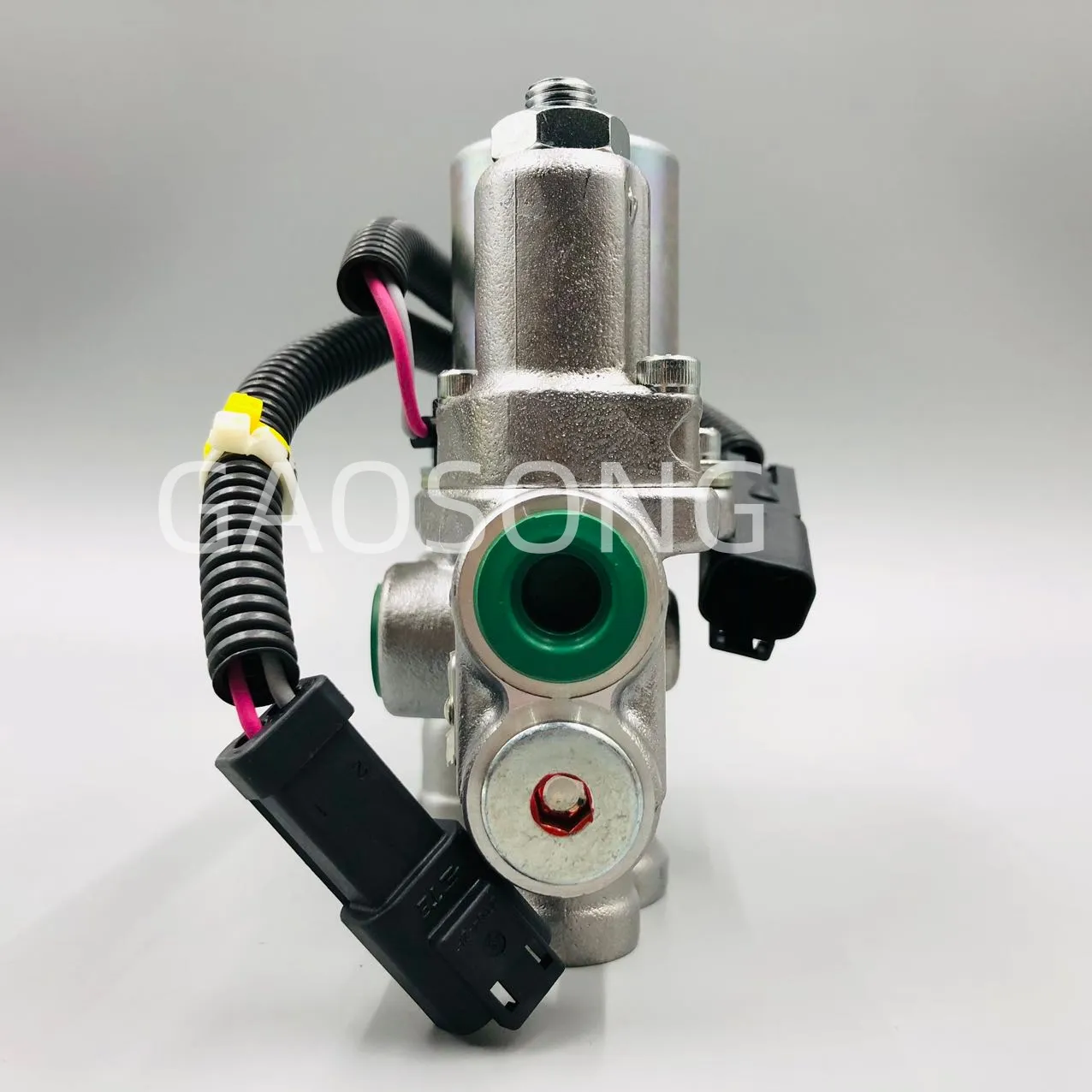 22F-60-31600 VALVE ASS’Y,(SEE FIG.Y1681-01A0).-Komatsu Original Factory
 -
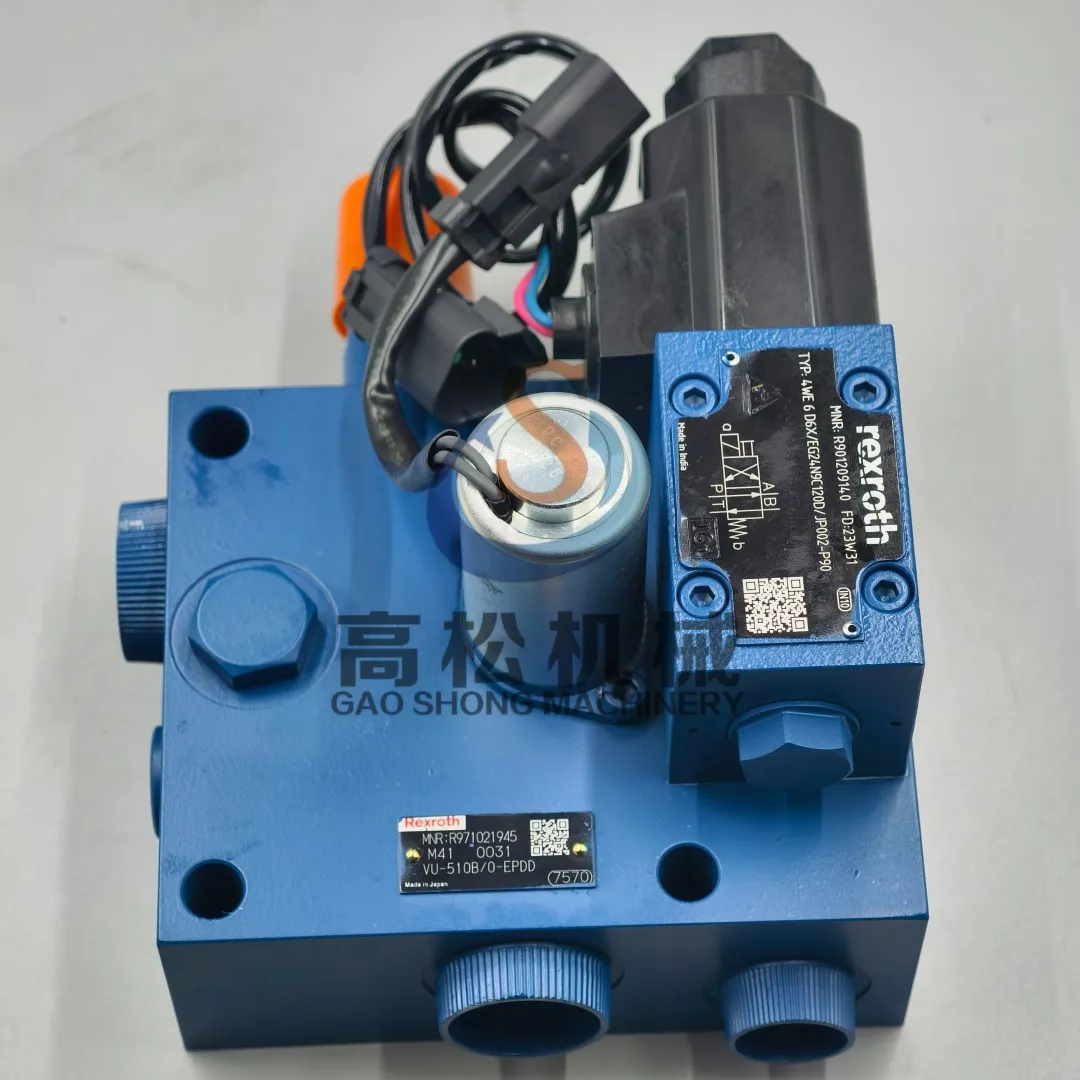 Valve Ass’y 56B-43-12402 56B-43-17340 For KOMATSU Dump Truck HD785 HD325 HD605
 -
 Komatsu fuel tank cap 17A-60-11310
 -
 22W-70-16120 WASHER (50A ALTERNATOR) – 22w7016120
 -
 21N-30-14170 21N3014170 Spare Ring for Komatsu Excavator PC1250 PC1250SP
 -
 11Y-06-22150 SWITCH D31PX-21A S/N 50501-UP CENTER FLOOR Komatsu – 14X-06-12160, SWITCH
 -
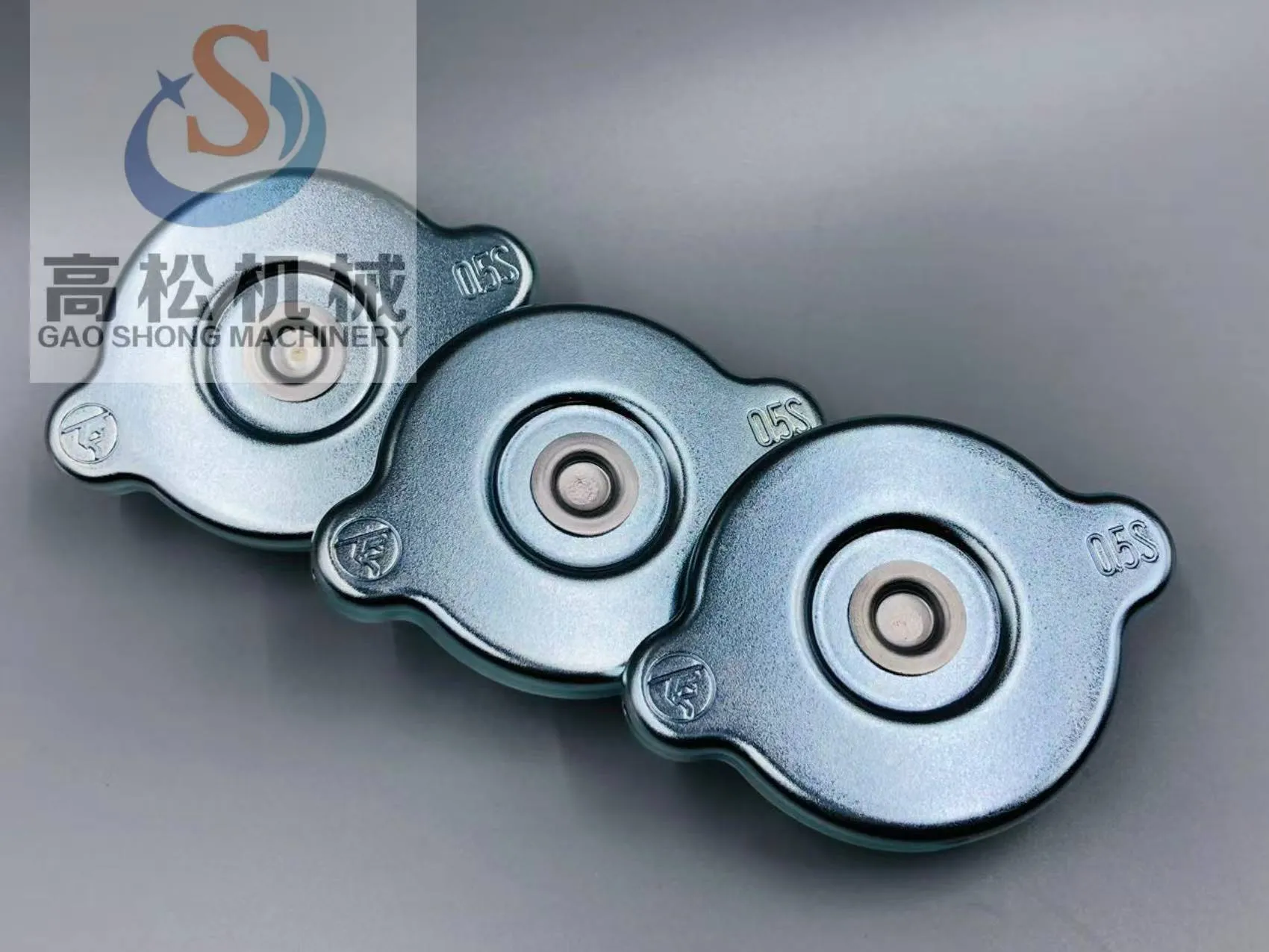 Cap of excavator radiator 20y-03-22110 for pc200-8 pc200-7
 -
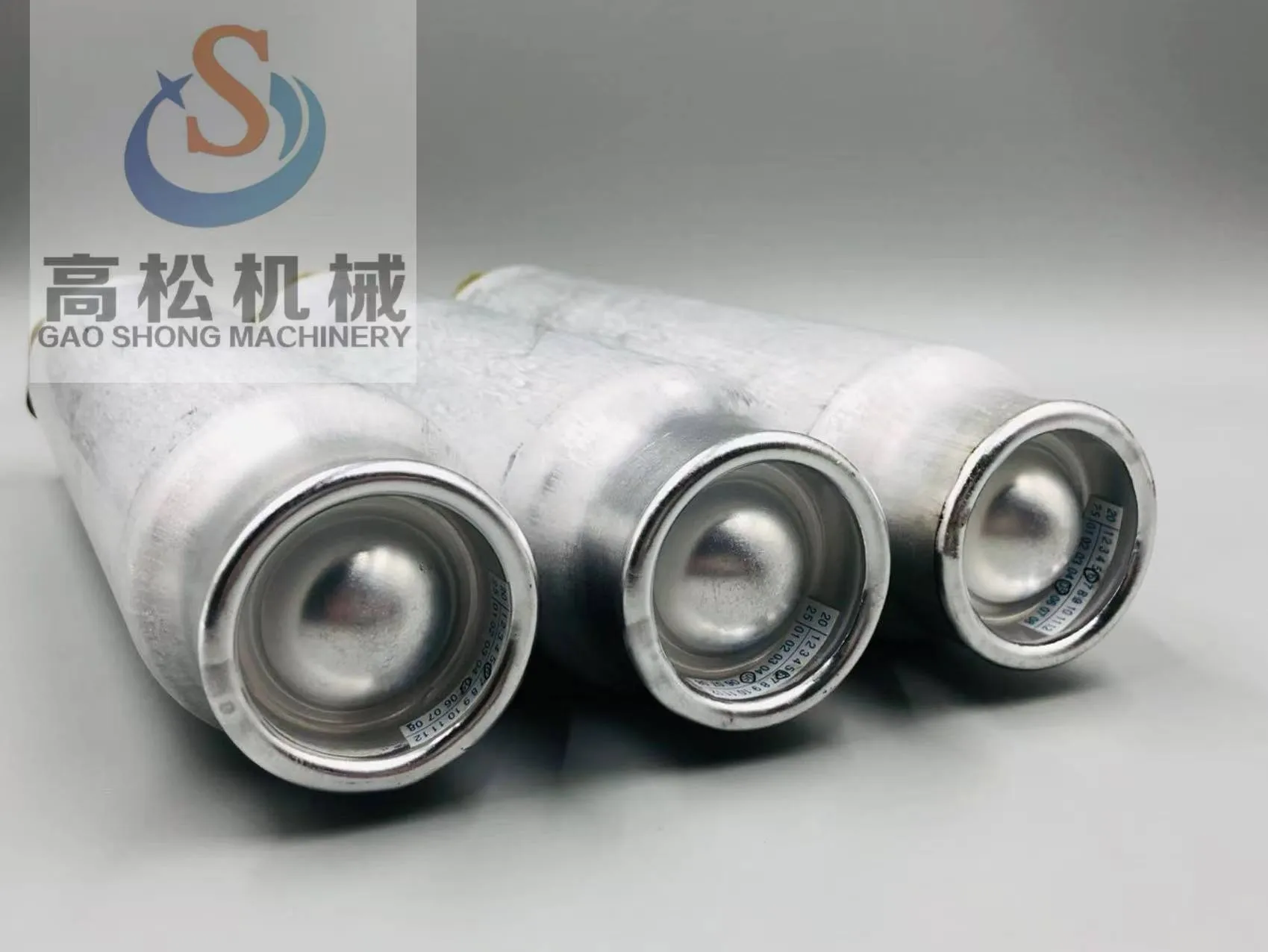 Original 20y-979-3120 receiver for pc300-7 excavators, parts of construction machinery
 -
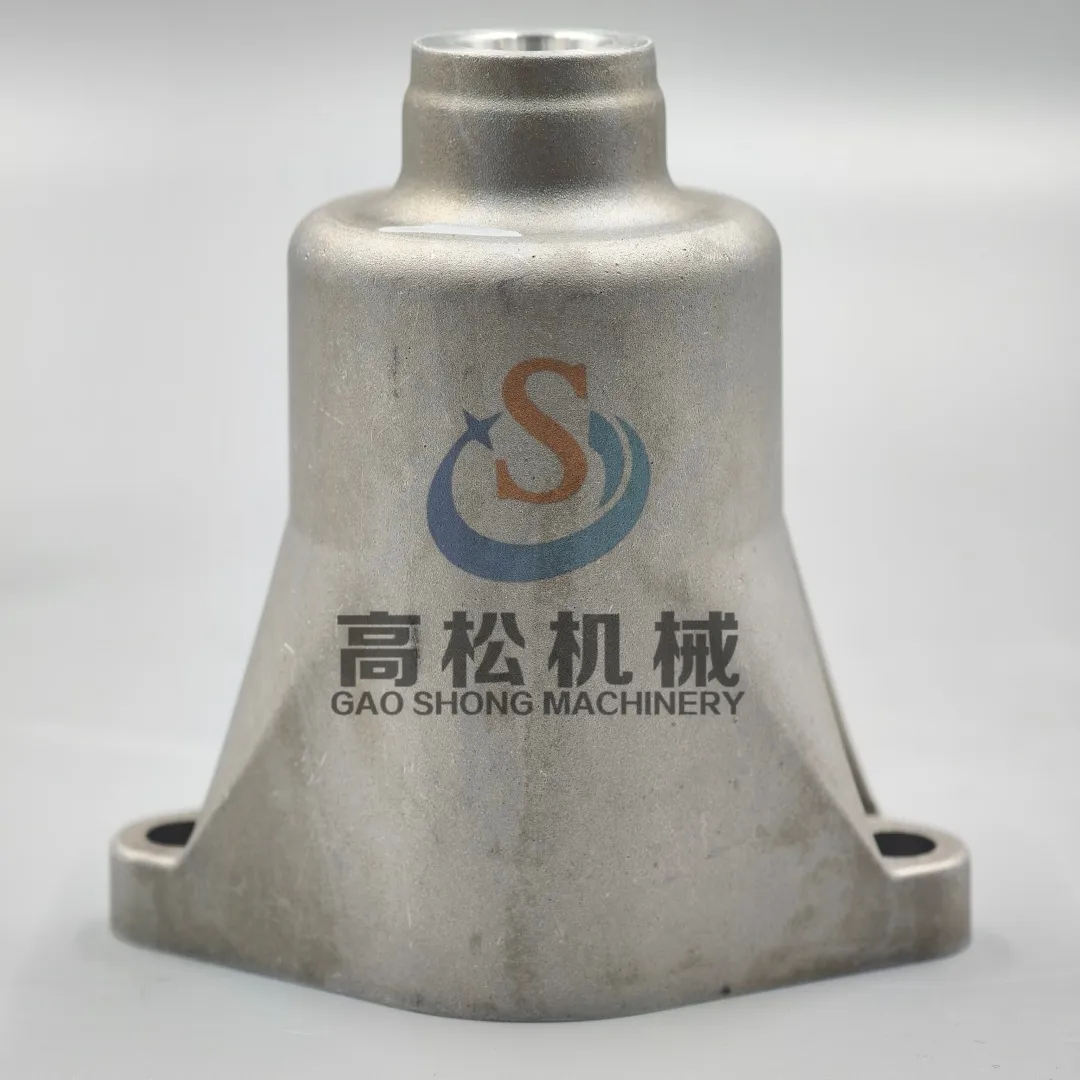 723-46-15111 Control Valve Case for Komatsu PC300 PC350 PC400 Excavator Diesel Fuel Cap Model Engine Parts
 -
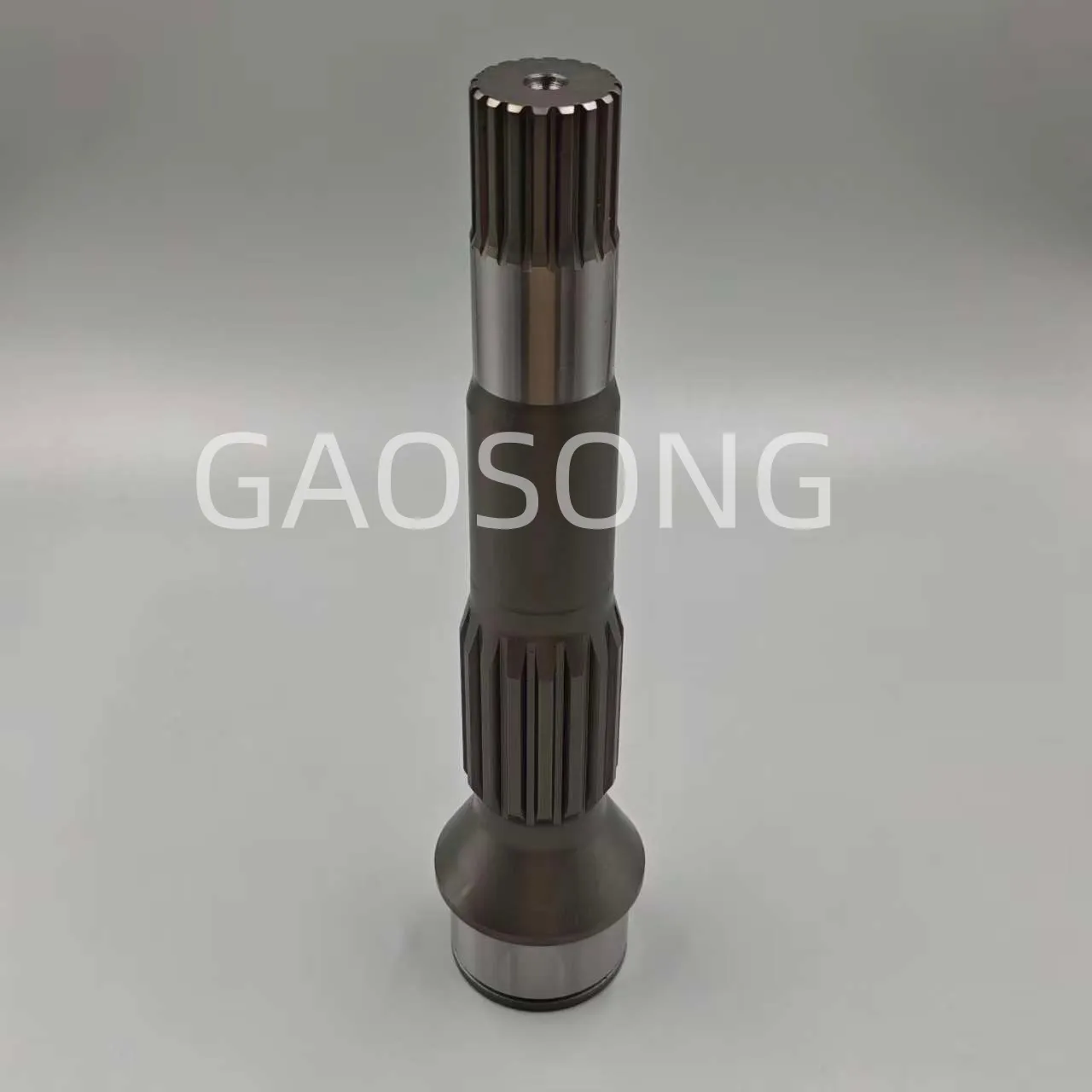 708-2G-12121 •• SHAFT-Komatsu Original Factory
 -
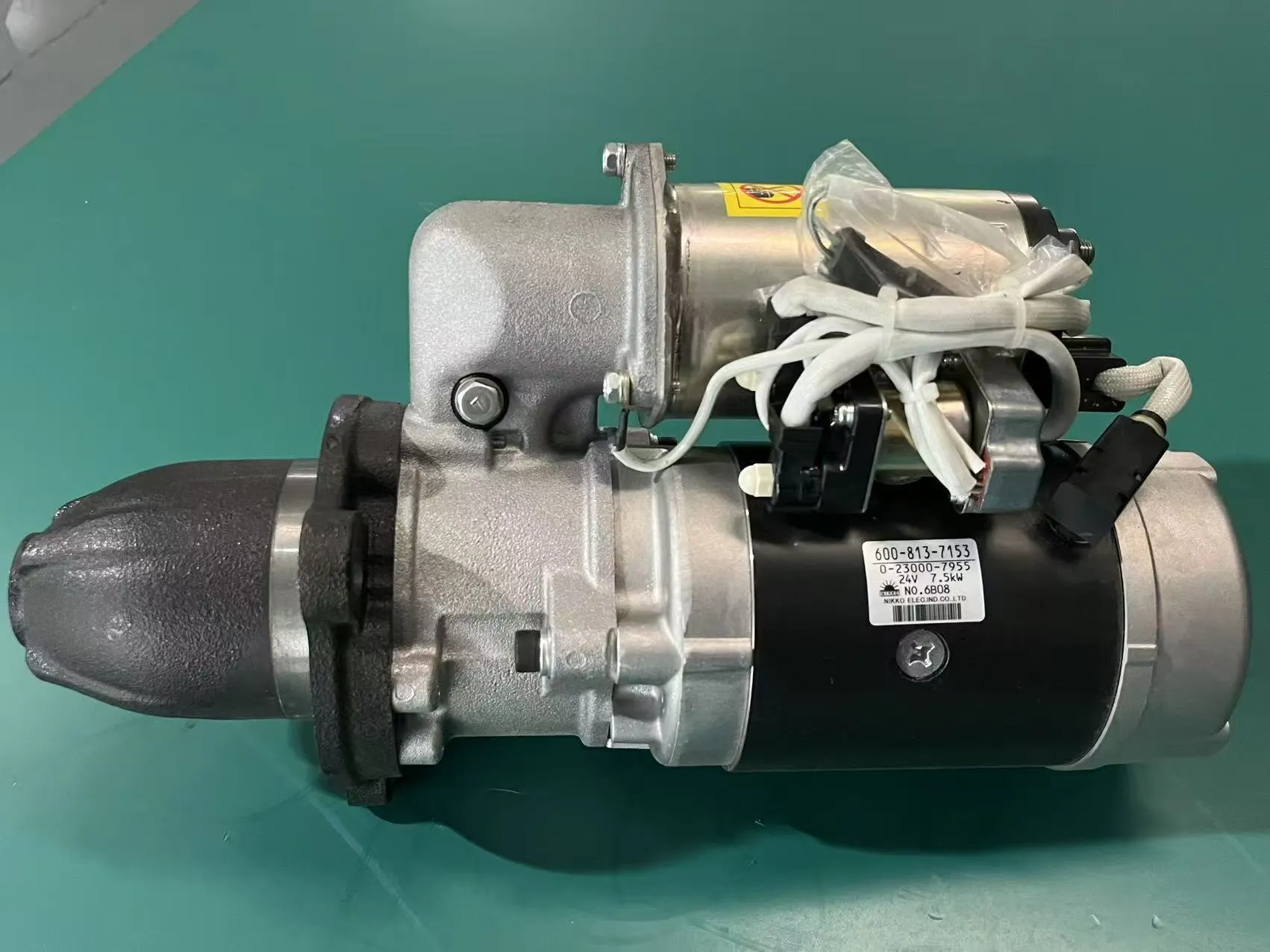 Starting Motor 7.5kw 600-813-7153