
- Chinese
- French
- German
- Portuguese
- Spanish
- Russian
- Japanese
- Korean
- Arabic
- Irish
- Greek
- Turkish
- Italian
- Danish
- Romanian
- Indonesian
- Czech
- Afrikaans
- Swedish
- Polish
- Basque
- Catalan
- Esperanto
- Hindi
- Lao
- Albanian
- Amharic
- Armenian
- Azerbaijani
- Belarusian
- Bengali
- Bosnian
- Bulgarian
- Cebuano
- Chichewa
- Corsican
- Croatian
- Dutch
- Estonian
- Filipino
- Finnish
- Frisian
- Galician
- Georgian
- Gujarati
- Haitian
- Hausa
- Hawaiian
- Hebrew
- Hmong
- Hungarian
- Icelandic
- Igbo
- Javanese
- Kannada
- Kazakh
- Khmer
- Kurdish
- Kyrgyz
- Latin
- Latvian
- Lithuanian
- Luxembou..
- Macedonian
- Malagasy
- Malay
- Malayalam
- Maltese
- Maori
- Marathi
- Mongolian
- Burmese
- Nepali
- Norwegian
- Pashto
- Persian
- Punjabi
- Serbian
- Sesotho
- Sinhala
- Slovak
- Slovenian
- Somali
- Samoan
- Scots Gaelic
- Shona
- Sindhi
- Sundanese
- Swahili
- Tajik
- Tamil
- Telugu
- Thai
- Ukrainian
- Urdu
- Uzbek
- Vietnamese
- Welsh
- Xhosa
- Yiddish
- Yoruba
- Zulu
- Kinyarwanda
- Tatar
- Oriya
- Turkmen
- Uyghur






komatsu forklift hydraulic filter
If you're searching for 'komatsu forklift hydraulic filter', you're probably in one of two camps: you're doing preventative maintenance, or you're already troubleshooting a sluggish lift or a whining pump. Most operators don't give this part a second thought until it's too late. The common mistake? Treating it like any other filter. It's not. The hydraulic system is the muscle, and this filter is its kidney—let it fail, and you're looking at a costly system flush or pump replacement, not just a simple swap.
The Real Function Beyond the Mesh
It's not just about catching dirt. A genuine Komatsu hydraulic filter, or a high-quality OEM-equivalent, is designed for a specific flow rate and pressure drop across the system. I've seen guys throw in a cheaper, look-alike filter because the thread pattern matched. It fits, sure, but the bypass valve pressure might be off. This means under a heavy load, when you need full flow, the valve might open prematurely, sending unfiltered fluid straight past the element and into your valve blocks. That's how you get scoring on spools. The filter isn't just a screen; it's a calibrated component of the pressure circuit.
On older models like the FD30 or FD40, the filter location can be a pain—tucked behind the counterweight sometimes. You need to plan for spillage. The other detail is the seal. The O-ring or gasket kit that comes with a proper filter is made from material compatible with Komatsu's recommended hydraulic oil. A generic one might swell or degrade faster, leading to a slow seep you won't notice until you see the stain on the floor or get a low fluid warning.
There's also the element media itself. It's not uniform. The good ones use a layered, synthetic media that catches particles in stages, balancing filtration efficiency with the need to maintain flow. A cheap filter might just be a pleated paper that collapses under suction if it gets saturated with moisture, which is a real risk in humid environments. That sudden restriction is a quick way to starve a pump.
When Compatible Isn't Compatible: A Parts Sourcing Story
This brings me to the core headache: sourcing. For a long time, getting a true OEM filter for a Komatsu forklift in certain regions was a months-long wait. Operations would turn to local parts shops selling compatible filters. We tried this route once on a client's fleet of Komatsu BX50 series. The filters looked nearly identical, down to the packaging. Six months later, three trucks showed a gradual loss of lifting power. Diagnosis? Increased fluid contamination. The aftermarket filters were rated for a lower micron level on paper, but they lacked the consistent pleat spacing. They clogged unevenly and went into bypass mode more often than they should have.
The failure wasn't catastrophic, but it was expensive. We had to drop the tanks, clean the systems, and replace all the filters again—this time with the right ones. The downtime cost far outweighed the initial parts savings. This is exactly the kind of supply chain problem that companies like Jining Gaosong Construction Machinery Co., Ltd. aim to solve. As an OEM product supplier within the Komatsu system, they bridge that gap. You can check their parts catalog at their portal, https://www.takematsumachinery.com, which is useful for verifying part numbers and cross-references. Their role as a third-party sales channel for Komatsu is crucial—they provide an authorized alternative when the main pipeline is clogged, so to speak, ensuring you don't have to gamble with unknown brands.
It's not just about having a box with a Komatsu logo. It's about the specification sheet that comes with it, the batch testing, and the assurance that the bypass valve spring is exactly to spec. That's what you're paying for. A supplier embedded in the system understands that a komatsu forklift hydraulic filter for a 3-ton electric model has different requirements than one for a 10-ton diesel model, even if they look similar. They're not just moving boxes; they're providing the correct technical component.
Practical Swap: Observations and Pitfalls
Let's talk about the actual replacement. First, never, ever change a hydraulic filter without also changing the fluid. It defeats the purpose. You're putting a clean filter into contaminated oil. The procedure seems straightforward: drain, unscrew, replace, refill, and purge. But here's where experience kicks in.
On many Komatsu forklifts, the hydraulic tank is also the structural frame member. Draining it completely is almost impossible. You'll get 80% out. When you refill, you must use the exact grade specified—often AW32 or AW46 hydraulic oil. Mixing grades or using a generic universal fluid can change the viscosity enough to affect how the filter element performs. I once saw a tech use a thicker oil in winter because it was all he had. The cold startup viscosity was so high it created a massive pressure drop across the new filter, triggering the bypass and causing momentary pump cavitation. We heard the shriek from across the yard.
Another pitfall is torque. The filter housing is usually a spin-on canister. It doesn't need to be cranked on with a strap wrench. Hand-tight plus a quarter-turn with the tool is usually enough. Over-torquing can crush the sealing gasket or even distort the housing base on the manifold. Under-torquing, of course, leads to leaks. It's a simple step, but one that's often done wrong in a hurry.
Interpreting Symptoms: Filter as a Diagnostic Tool
The condition of an old filter is a goldmine of information. Don't just throw it in the trash. Cut it open (carefully, wear gloves). What do you see? Shiny brass flakes? That's wear from the pump's thrust plate or vanes. Rubber bits? That's likely a deteriorating hose lining or seal. A sludge-like paste? That's water contamination mixed with oil oxidation.
This is where a consistent parts source matters. If you're always using a verified filter from a known supplier, you eliminate one variable. When you find debris, you can be more confident it's from the machine's internal wear and not from a substandard filter element breaking down. I recall a case where we kept finding a fine gray paste. The client insisted they were using OEM-equivalent filters. When we switched to a filter sourced through a proper Komatsu system partner like Jining Gaosong, the paste disappeared on the next change. The equivalent filter's media was degrading and adding its own contaminant to the system.
A sudden high-pressure alarm or excessive noise isn't always a pump failure. Often, it's the last cry of a completely blocked filter. The pressure sensor is reading the massive differential across the element. Swapping the filter might solve the immediate noise, but you must then ask why it blocked so quickly. Was there a recent hose failure? Was the system opened for another repair and not cleaned properly? The filter is the canary in the coal mine.
Long-Term View: Cost of Ownership
Ultimately, the debate over the komatsu forklift hydraulic filter boils down to total cost of ownership. The part itself is a minor expense compared to a new hydraulic pump or a set of control valves. Stretching intervals or using cheap filters is the definition of false economy.
Building a relationship with a reliable supplier who understands the Komatsu ecosystem is part of smart maintenance. It's not just about buying a part; it's about accessing the technical support and correct specifications. A company that operates as an OEM supplier and a third-party sales arm, as described on https://www.takematsumachinery.com, fills a specific niche. They help solve parts supply challenges, which directly prevents downtime. You're not just buying a filter canister; you're buying the assurance that the component will perform as engineered, protecting an asset worth tens of thousands of dollars.
The takeaway is simple, but learned through hard experience: never underestimate the hydraulic filter. Specify it correctly, source it reliably, install it meticulously, and read its condition religiously. It's a small part with a very big job.
Related Products
Related Products
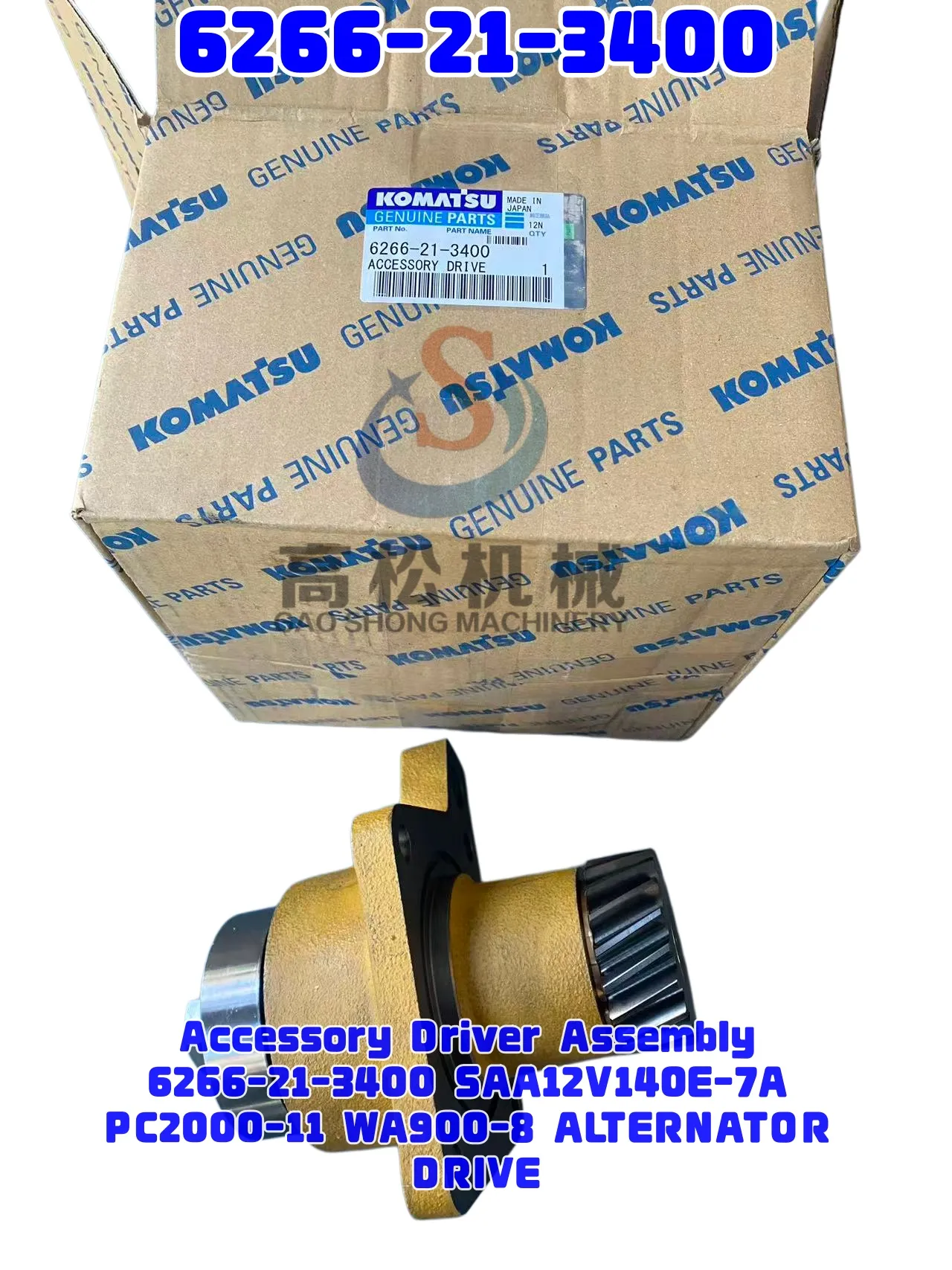
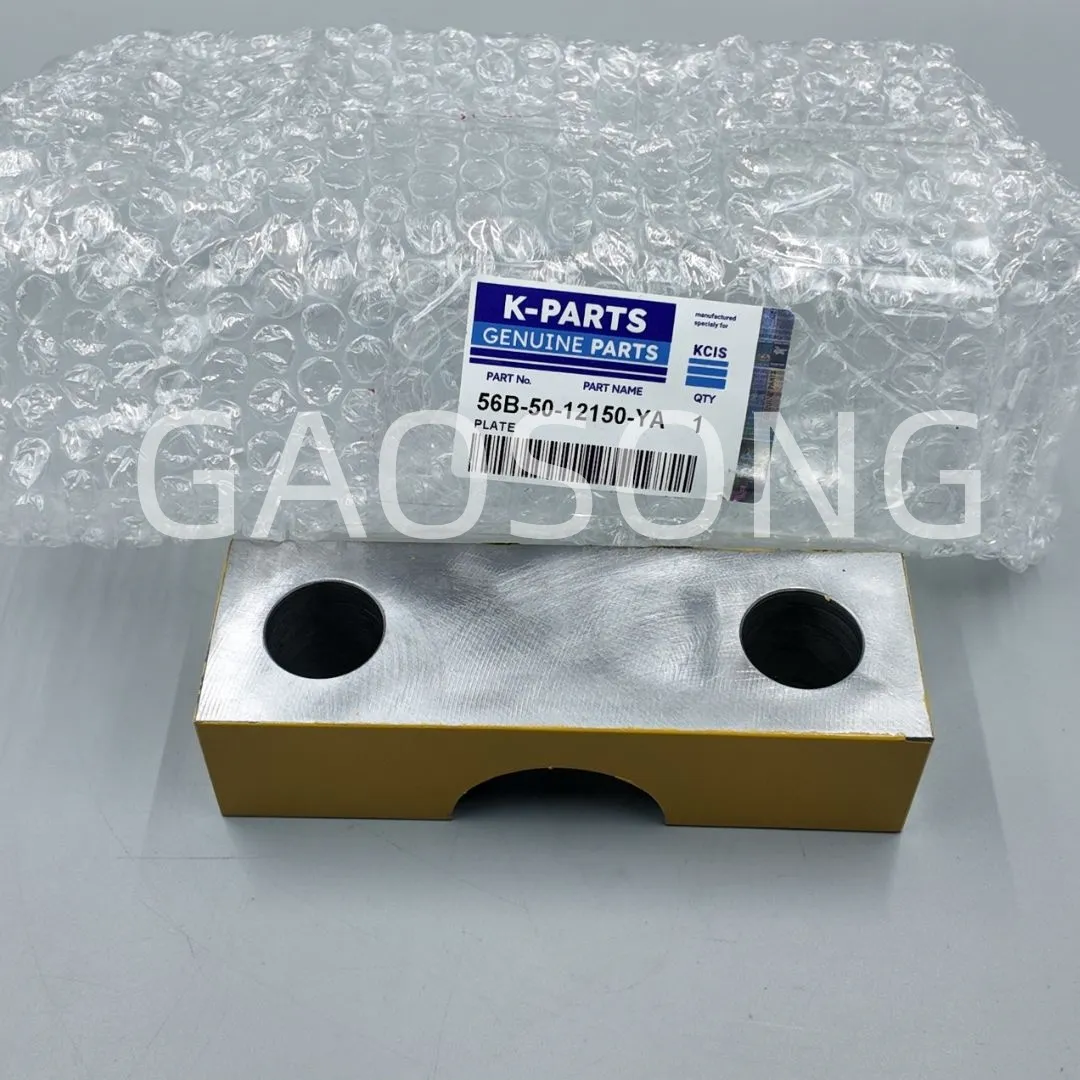
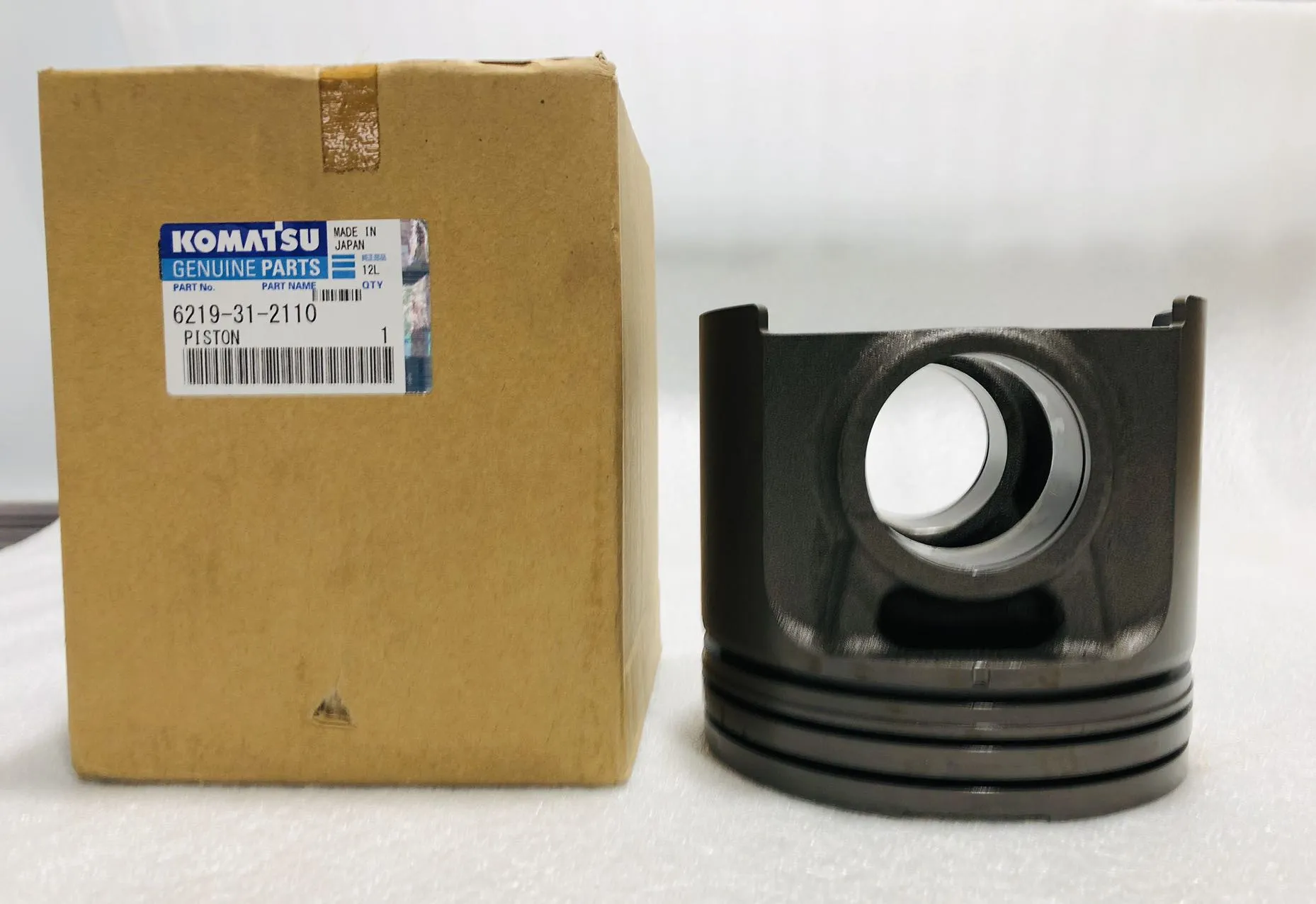
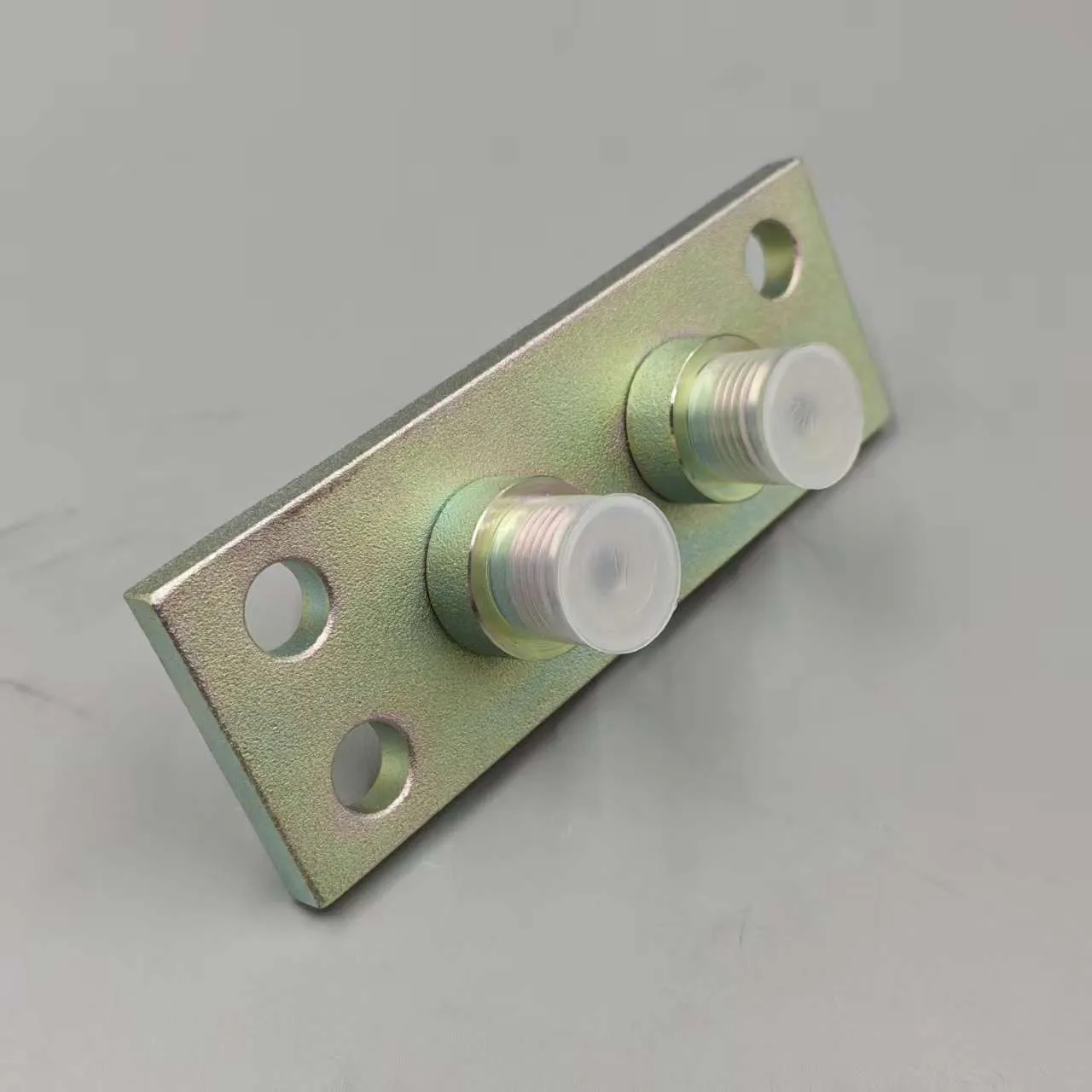

Best Selling Products
Best Selling Products-
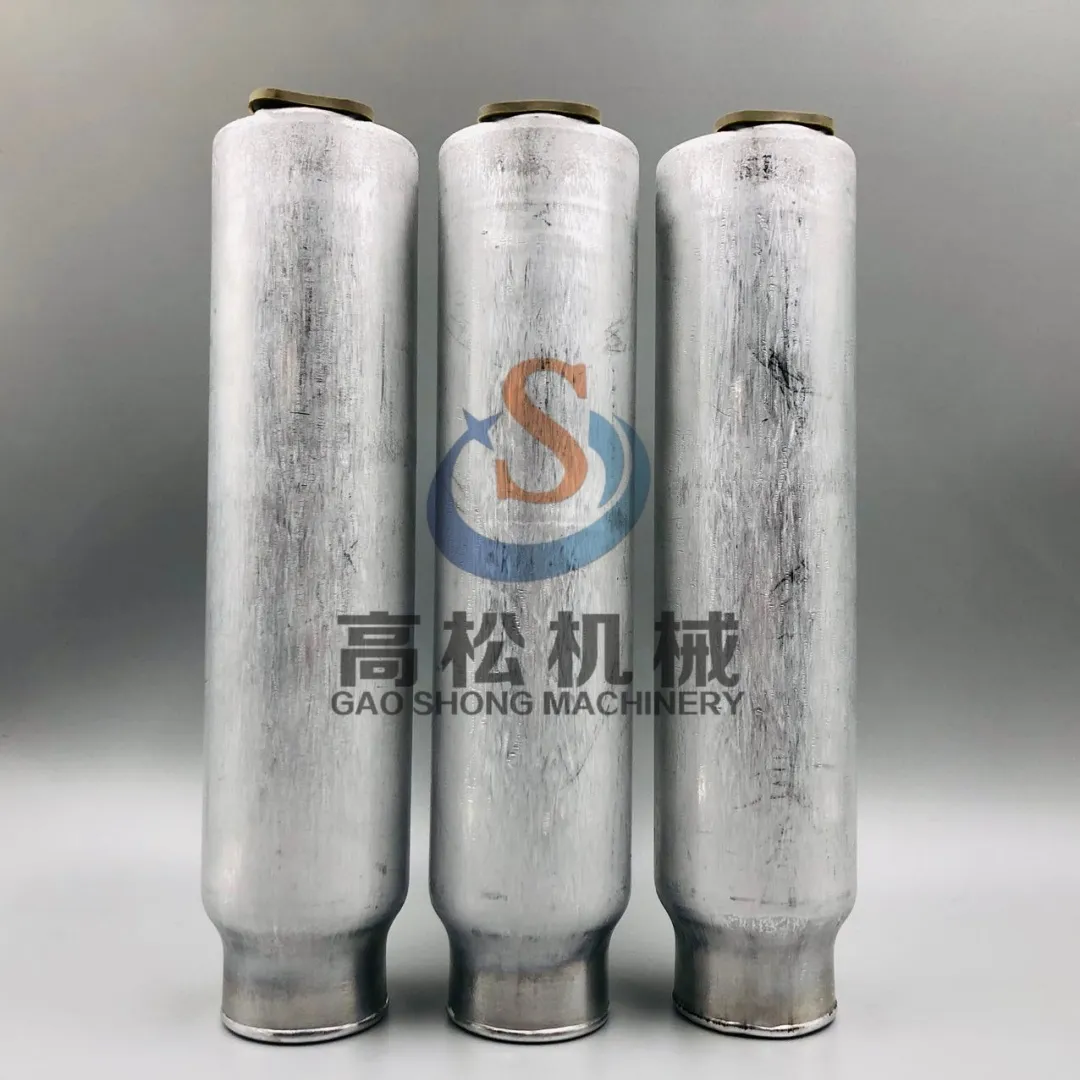 20Y-979-3120 Receiver Drier For Komatsu Equipment
 -
707-56-14740 Komatsu D155-3/-5
-
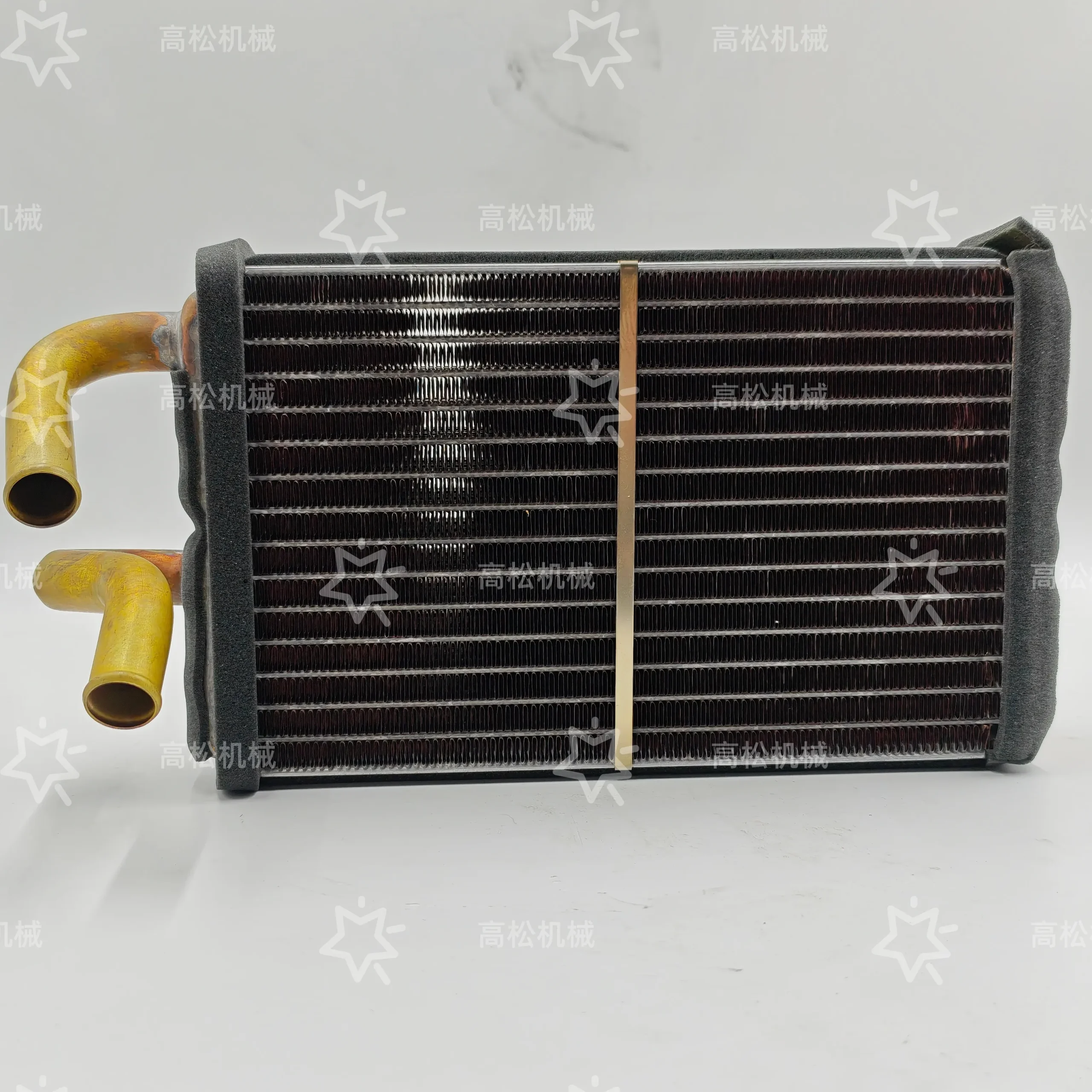 Original ND116410-9681 UNIT SUB ASS’Y for HM300-1 HM350-1 ND1164109681
 -
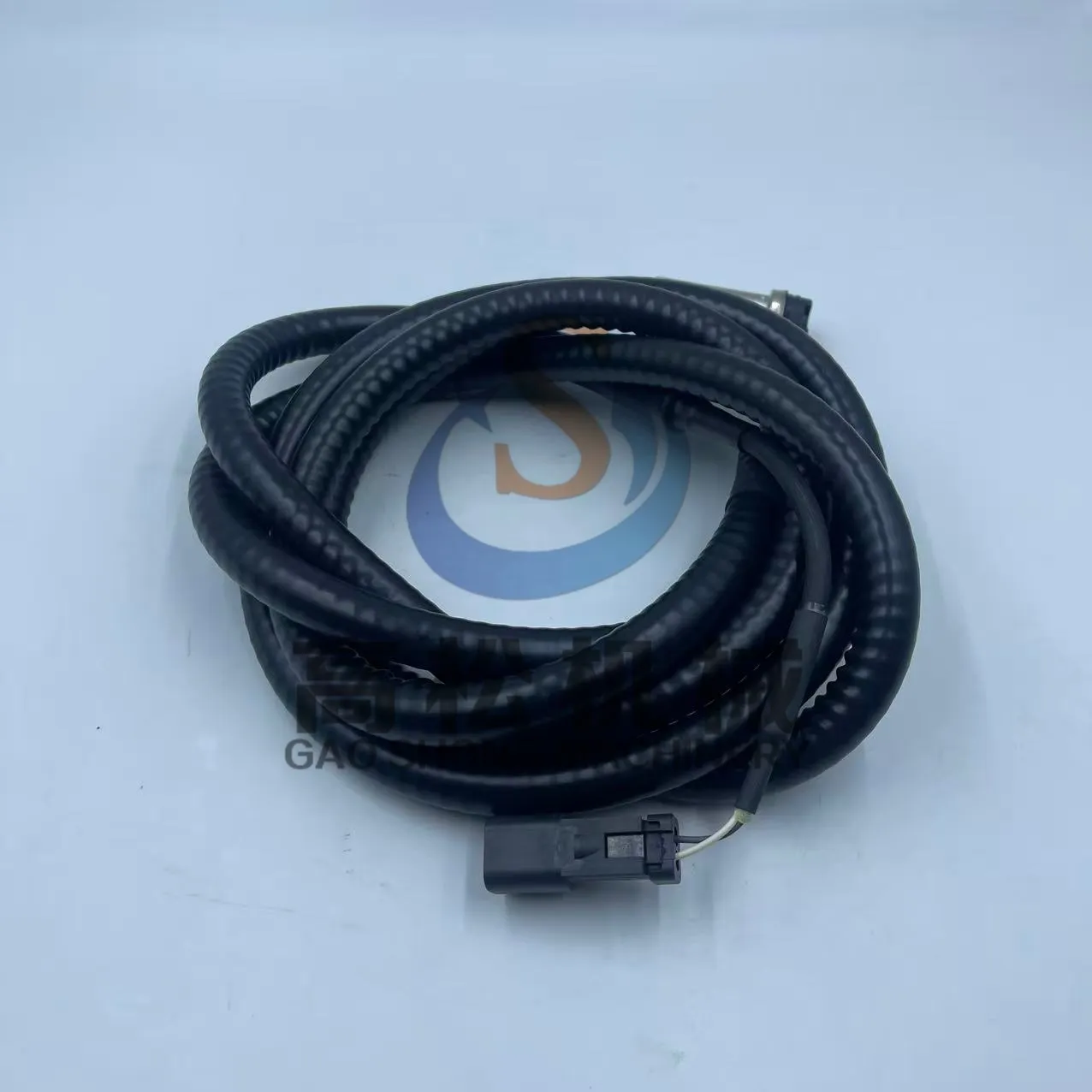 566-88-66143 – KOMATSU SENSOR
 -
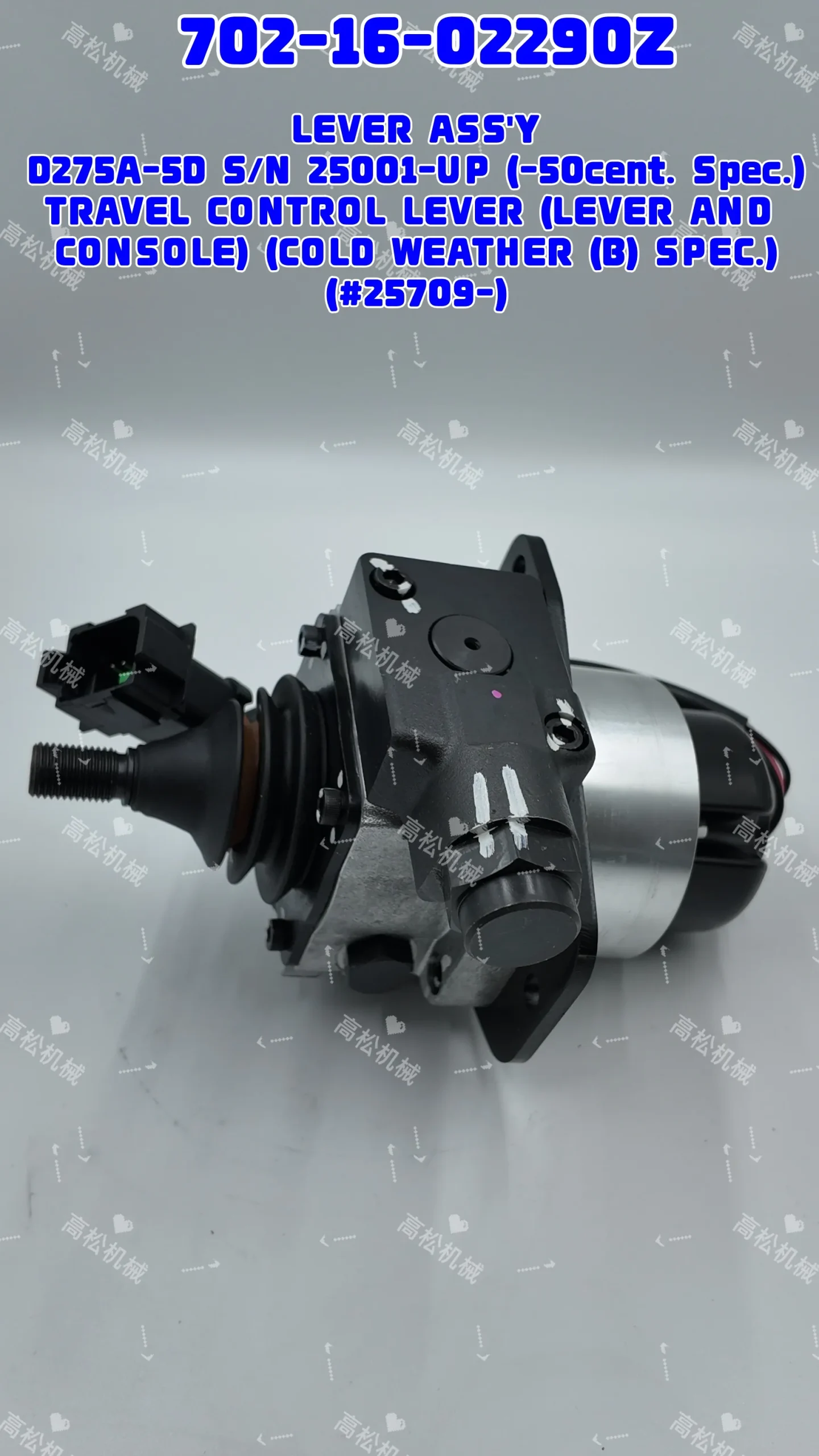 komatsu-part-702-16-02290 Lever Assembly D65WX-17 D65PX-18 D65WX-18E0 D85MS-15 D85EX-15R D155AX-6 D155AX-7 D475A-5E0 D475ASD-5E0 FLOOR FRAME, LEVE CONTROL UNIT, PCCS (PALM COMMAND CONTROL SYSTEM) LEVER ROPS CAB, PCCS (PALM COMMAND CONTROL SYSTEM) LEVER CONTROL UNIT, PCCS (PALM COMMAND CONTROL SYSTEM) LEVER
 -
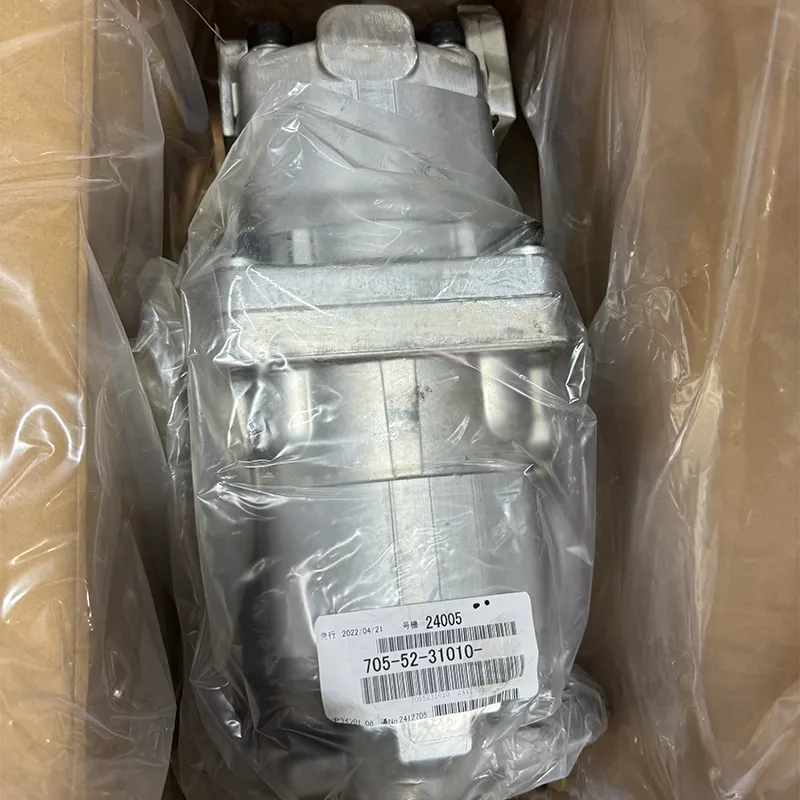 Original komatsu HD605-5 Pump Assembly 705-52-31010
 -
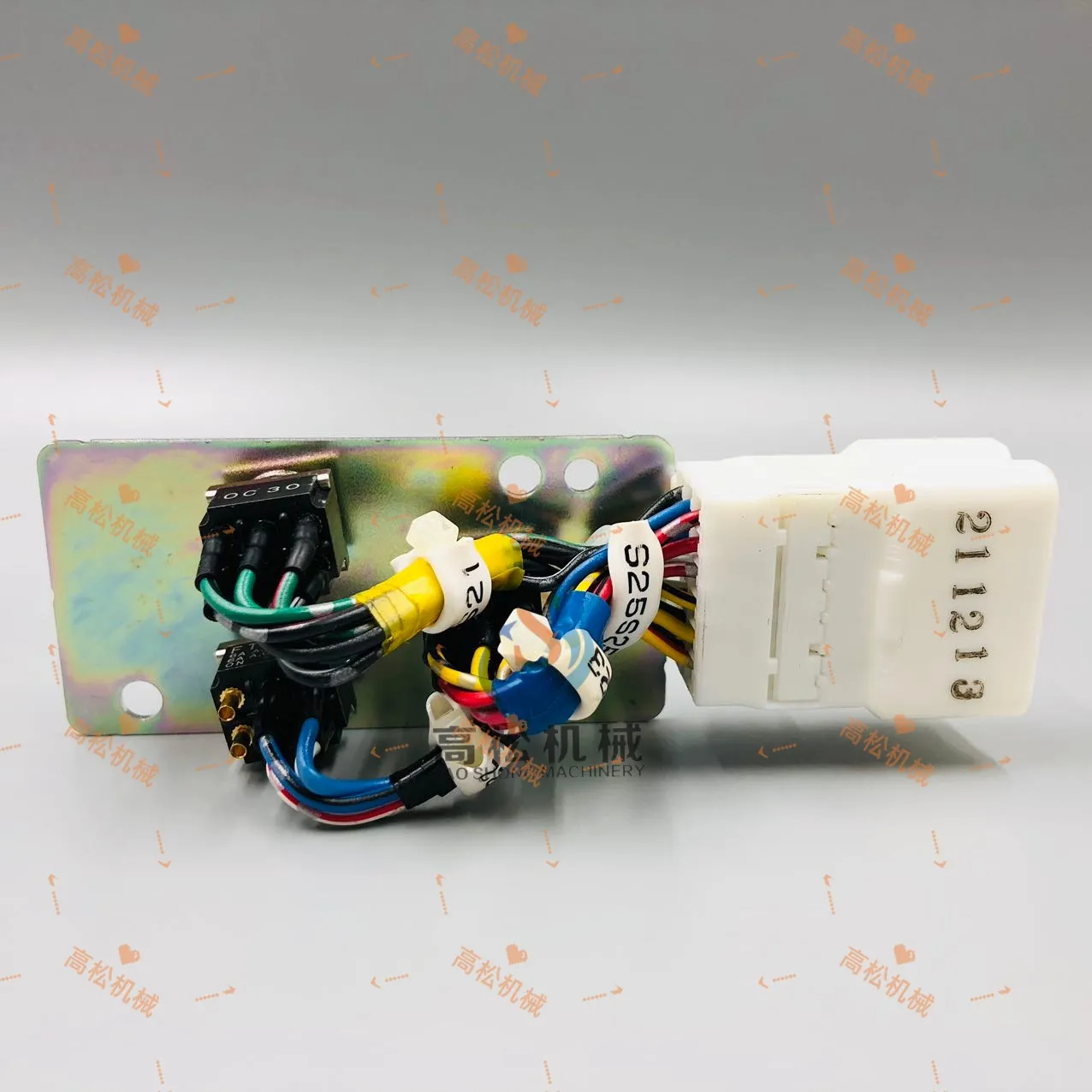 22u-06-22370 Komatsu PC228us-3 SWITCH ASS’Y submit for PC200LL, PC220LL, PC228, PC228US, PC270, PC270LL, PC300, PC300HD, PC300L, PC340, PC350, PC380
 -
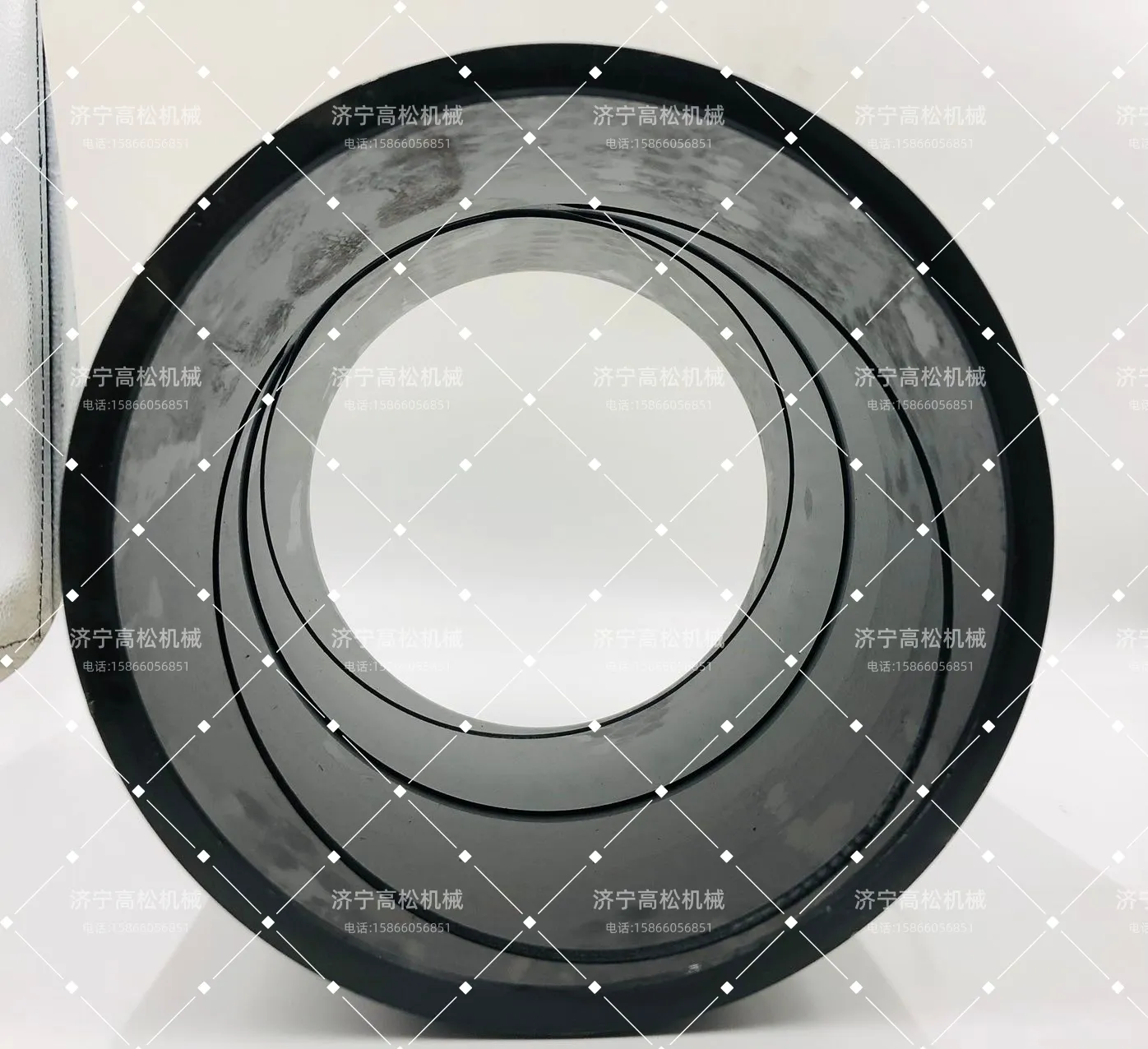 BUSHING 707-76-16011 KOMATSU
 -
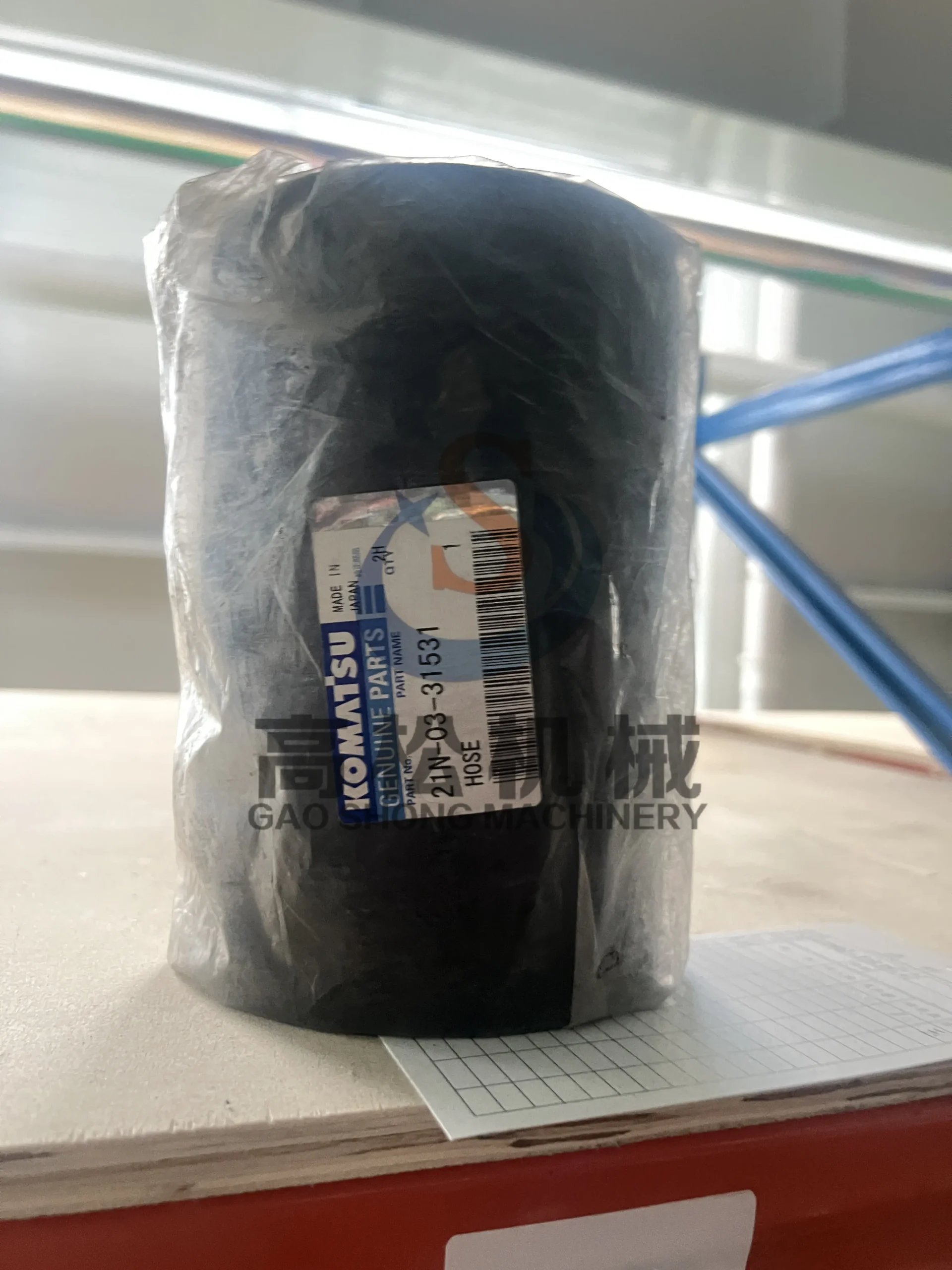 HOSE 21N-03-31531 – KOMATSU
 -
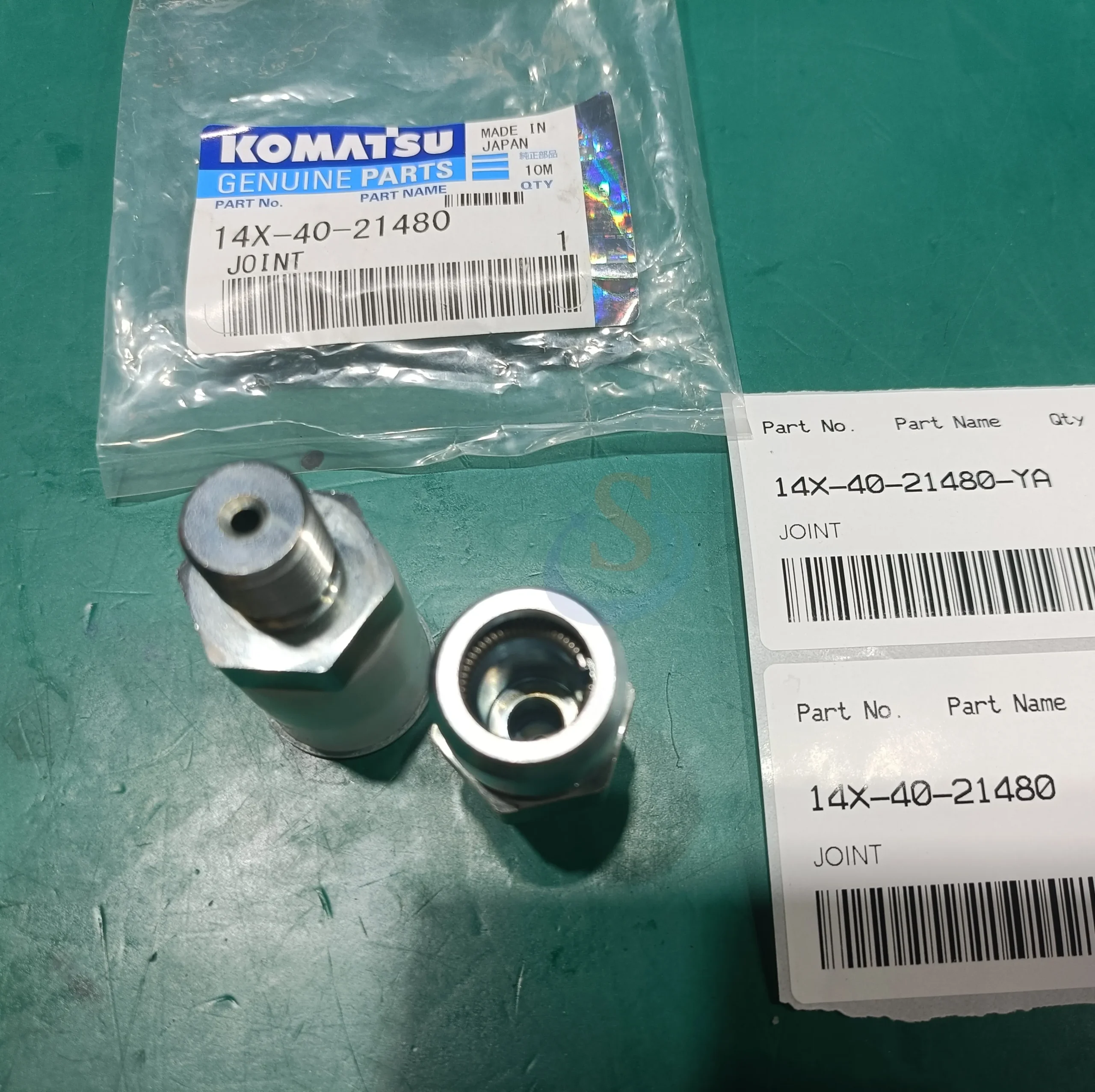 14X-40-21480,JOINT,D65P,D85E,D65E
 -
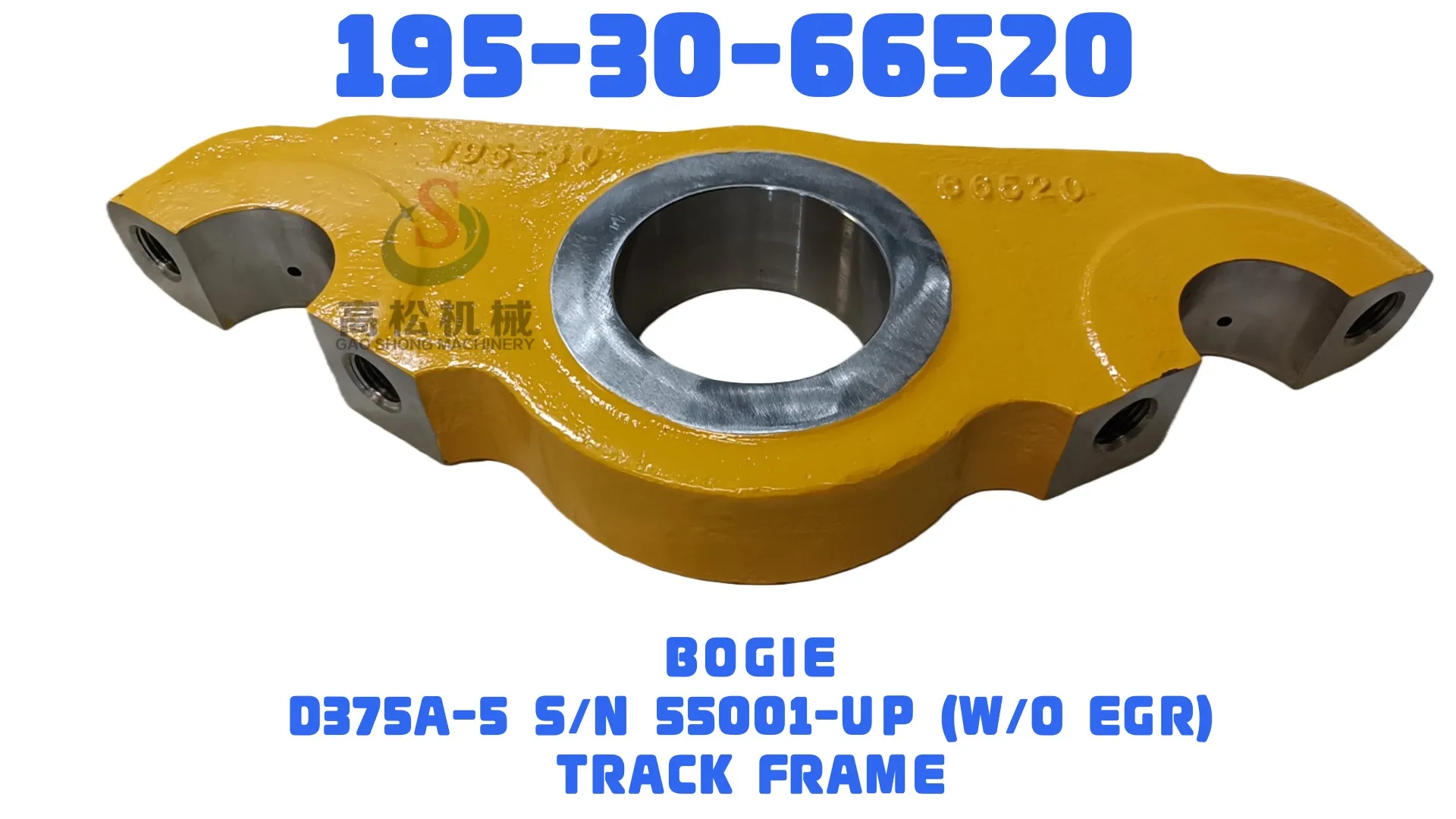 komatsu-part-195-30-66520 17M-30-66122 BOGIE D375A-5 D375A-6 D375A-6R TRACK FRAME (L.H.) BOGIE (L.H.) (FIRST) (FOR FULL ROLLER GUARD) TRACK FRAME, BOGIE, 2ND AND 3RD, L.H.
 -
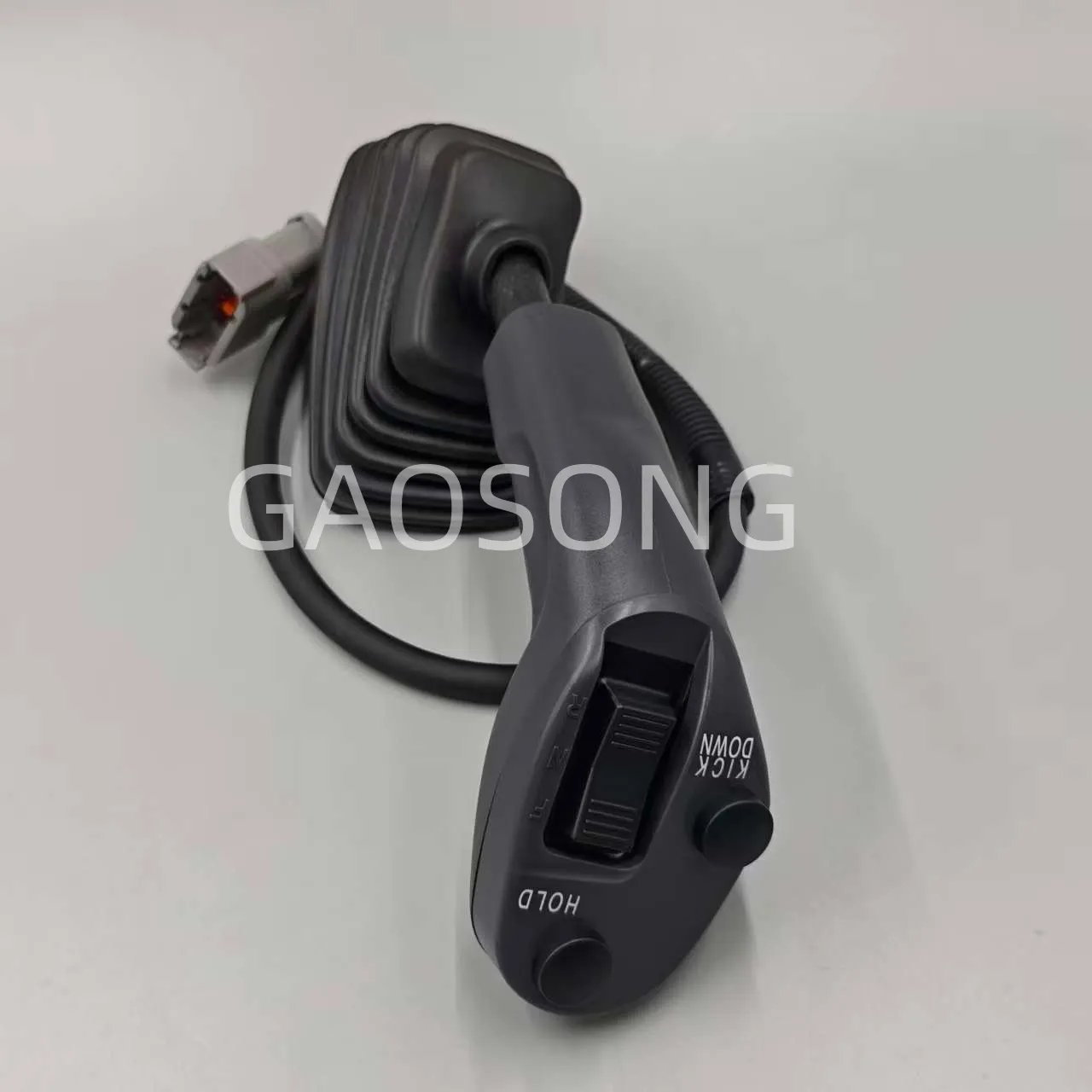 423-V91-4144 Lever Assembly-Komatsu Original Factory