
- Chinese
- French
- German
- Portuguese
- Spanish
- Russian
- Japanese
- Korean
- Arabic
- Irish
- Greek
- Turkish
- Italian
- Danish
- Romanian
- Indonesian
- Czech
- Afrikaans
- Swedish
- Polish
- Basque
- Catalan
- Esperanto
- Hindi
- Lao
- Albanian
- Amharic
- Armenian
- Azerbaijani
- Belarusian
- Bengali
- Bosnian
- Bulgarian
- Cebuano
- Chichewa
- Corsican
- Croatian
- Dutch
- Estonian
- Filipino
- Finnish
- Frisian
- Galician
- Georgian
- Gujarati
- Haitian
- Hausa
- Hawaiian
- Hebrew
- Hmong
- Hungarian
- Icelandic
- Igbo
- Javanese
- Kannada
- Kazakh
- Khmer
- Kurdish
- Kyrgyz
- Latin
- Latvian
- Lithuanian
- Luxembou..
- Macedonian
- Malagasy
- Malay
- Malayalam
- Maltese
- Maori
- Marathi
- Mongolian
- Burmese
- Nepali
- Norwegian
- Pashto
- Persian
- Punjabi
- Serbian
- Sesotho
- Sinhala
- Slovak
- Slovenian
- Somali
- Samoan
- Scots Gaelic
- Shona
- Sindhi
- Sundanese
- Swahili
- Tajik
- Tamil
- Telugu
- Thai
- Ukrainian
- Urdu
- Uzbek
- Vietnamese
- Welsh
- Xhosa
- Yiddish
- Yoruba
- Zulu
- Kinyarwanda
- Tatar
- Oriya
- Turkmen
- Uyghur






komatsu forklift fuel filter
You know, when most folks hear 'Komatsu forklift fuel filter,' they just think of a replacement interval in the manual. But in the field, it's rarely that straightforward. The real story isn't just about swapping it out; it's about understanding why a specific filter exists for a specific engine series, and the headaches that come from treating them all as interchangeable. I've seen too many mechanics, even experienced ones, grab a generic-looking filter because it 'fits,' only to be chasing down power loss or injector issues weeks later. That's the common pitfall—viewing it as a simple strainer rather than a critical, engineered component of the fuel system's pressure and flow characteristics.
The Core Function and Why OEM Specs Matter
Let's break down its job. It's not just catching dirt. A genuine Komatsu forklift fuel filter is designed for the precise flow rate and filtration micron rating that the Komatsu engine's fuel pump and injectors expect. The housing design, the bypass valve pressure, the seal material—all of it is matched. When you substitute with an off-brand part that 'looks right,' the bypass might open too early, letting unfiltered fuel through, or too late, causing restriction. I recall a client with a 3-ton Komatsu model, complaining of intermittent stalling. They'd been using a compatible filter from a local parts shop. We swapped in the OEM-spec filter from a reliable supplier, and the issue vanished. It wasn't a clog; it was the wrong filtration dynamics causing a vapor lock effect under load.
This is where the value of a dedicated supplier becomes clear. For instance, in our operations, partnering with entities like Jining Gaosong Construction Machinery Co., Ltd. makes a difference. They operate as https://www.takematsumachinery.com, and their positioning is key: an OEM product supplier within the Komatsu system. That means they have access to the exact specifications and often, the actual OEM-produced parts or ones built to those precise tolerances. Their role in solving parts supply challenges isn't just logistics; it's about ensuring the part you get has the right engineering behind it.
The difference often shows up in the medium-term. A non-OEM filter might work fine for 100 hours, then you start seeing a slight drop in fuel efficiency or a faint hesitation on startup. It's subtle. Most would blame the fuel quality (and that's a factor too), but the filter's media might be degrading or collapsing unevenly. The OEM-spec ones tend to wear more predictably.
Real-World Application and Common Failure Points
Installation seems foolproof, but I've botched it myself early on. The classic is not priming the filter housing after replacement on systems without a self-bleed. You get air in the line, the engine coughs, and you're bleeding it at the injectors—a messy, avoidable job. Another nuance is the seal. The O-ring must be seated perfectly and lightly lubricated with clean fuel or the specified grease. A pinched or dry seal will let air seep in, causing all sorts of erratic performance issues that are a nightmare to diagnose because the leak is on the suction side.
Environment is a huge factor. In high-dust environments like demolition sites or grain handling, the fuel filter workload is immense. I'd actually recommend shortening the change interval by 25% in those conditions, regardless of the hour meter. Contaminants find a way into the fuel tank, no matter how careful you are. Water separation is another key function. In humid climates, checking the water drain at the bottom of the filter bowl (on models that have it) should be part of the daily check, not just the service interval.
There's also the issue of the 'last filter' before the injection pump. On some older Komatsu forklift models, there's a secondary, often overlooked screen or filter in the fuel line itself, closer to the pump. You change the primary canister filter, but if that secondary one is clogged, you're back to square one. The manual has the full schematic, but it's a step even seasoned techs can miss when in a hurry.
Navigating Supply and Identifying Quality
This is the practical headache. You need a filter for a Komatsu FG25, and the local dealer is out of stock for two weeks. The machine is down. This is exactly the gap that third-party specialists aim to fill. A company like the aforementioned Jining Gaosong, which describes itself as helping to solve parts supply challenges in certain countries, becomes crucial. The key is whether they are providing true OEM-spec parts or just 'will-fit' alternatives. The trustworthy ones are transparent about this.
How do you judge quality without a lab? A few tactile checks. The weight of the filter canister—flimsy metal is a bad sign. The printing on the label should be sharp and durable, not smudged. The filter media, if you can see the pleats through the ports, should be evenly spaced and tight. The seal should be a uniform, pliable rubber, not a brittle or misshapen piece. It sounds basic, but these are the tells. An OEM-spec part from a system supplier usually feels 'right' in these aspects.
I learned this the hard way years ago. We bought a batch of cheap filters for a fleet. They looked okay. Within two months, three machines had fuel delivery problems. Upon cutting open the filters, the media inside had partially disintegrated, sending debris downstream toward the injectors. That was a costly lesson. Now, even with a trusted pipeline, I might cut open a random filter from a new batch just to inspect the interior construction. It's about verification.
Integrating Filter Maintenance into Broader System Health
You can't talk about the filter in isolation. Its condition is a direct diagnostic tool for the rest of the fuel system. A filter that clogs abnormally fast points to tank contamination or issues with the fuel transfer system. Finding metallic particles on the filter element is a red flag for a failing fuel pump. We use filter changes as a mandatory inspection point. What's in the old filter? Just dark fuel and normal sediment, or something more concerning?
This holistic view is what separates a parts changer from a technician. The Komatsu forklift fuel system is a closed, pressurized loop. The filter is its kidney. If the kidney is failing repeatedly, you need to look at what it's processing. Are fuel storage practices on-site adequate? Is the machine's tank cap seal intact? It's these ancillary questions that solve recurring problems.
Furthermore, with newer Komatsu models with common rail systems, the filter's role is even more critical. The tolerances in those high-pressure pumps and injectors are microscopic. The specified filtration is there for a life-or-death reason for those components. Using a sub-par filter is essentially gambling with the most expensive parts of the engine.
Concluding Thoughts: A Pragmatic Approach
So, what's the takeaway? Don't treat the Komatsu forklift fuel filter as a commodity. It's a specified component. The goal is reliable, cost-effective uptime. Sometimes, that means paying a slight premium for a verifiable OEM-spec part from a dedicated supplier to avoid a $5,000 injector repair. Other times, in a pinch, a high-quality 'will-fit' from a reputable source you've validated might get you through until the correct part arrives.
The key is making an informed choice, not a random one. Understand what the filter does beyond filtering. Check your supply chain—know where your parts are coming from and the philosophy of the supplier. Are they box-shifters or integrated specialists like those who position themselves as part of the OEM system? Their focus on solving supply challenges often aligns with a deeper understanding of the parts' criticality.
In the end, it comes down to this: the few dollars saved on a cheap filter are never worth the downtime, diagnostic time, and potential collateral damage. Your filter choice is a direct investment in the health of the entire fuel system. Treat it with the same consideration you'd give to choosing the engine oil. It's that fundamental.
Related Products
Related Products

Best Selling Products
Best Selling Products-
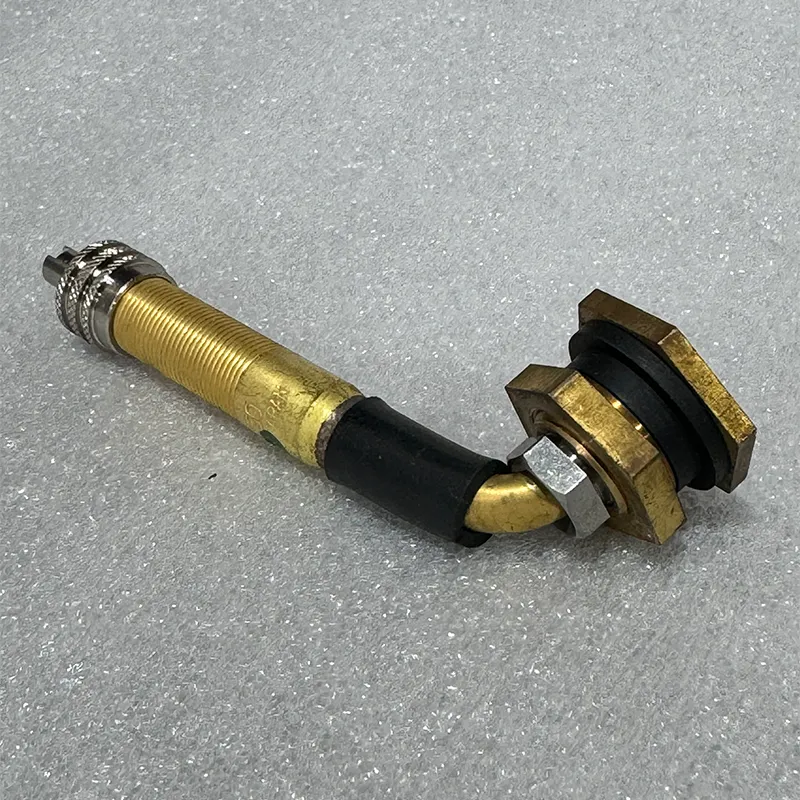 Original komatsu HD1200-1 Valve Assembly 581-30-21401
 -
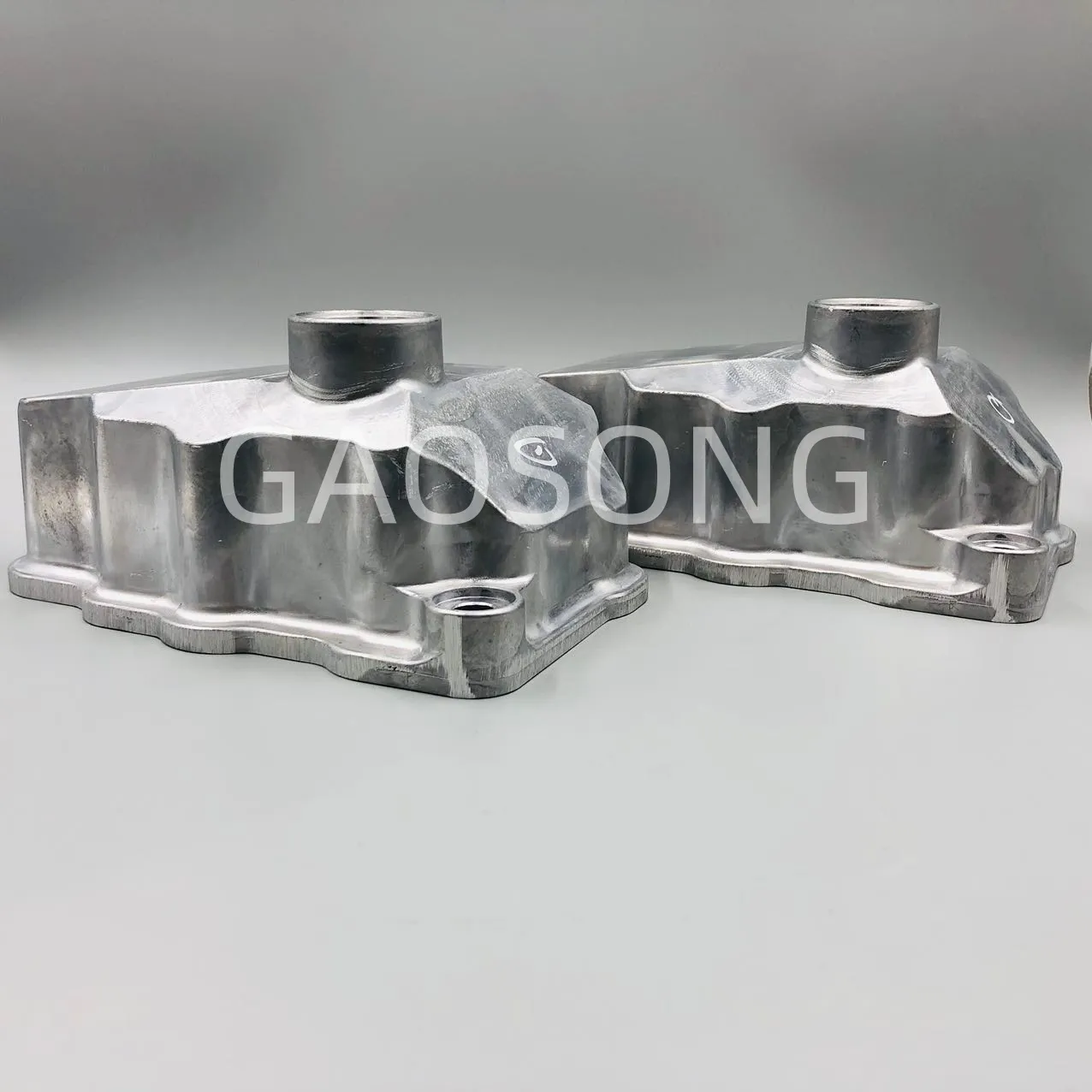 6251-11-8150 Komatsu Cover, Rocker Arm Housing
 -
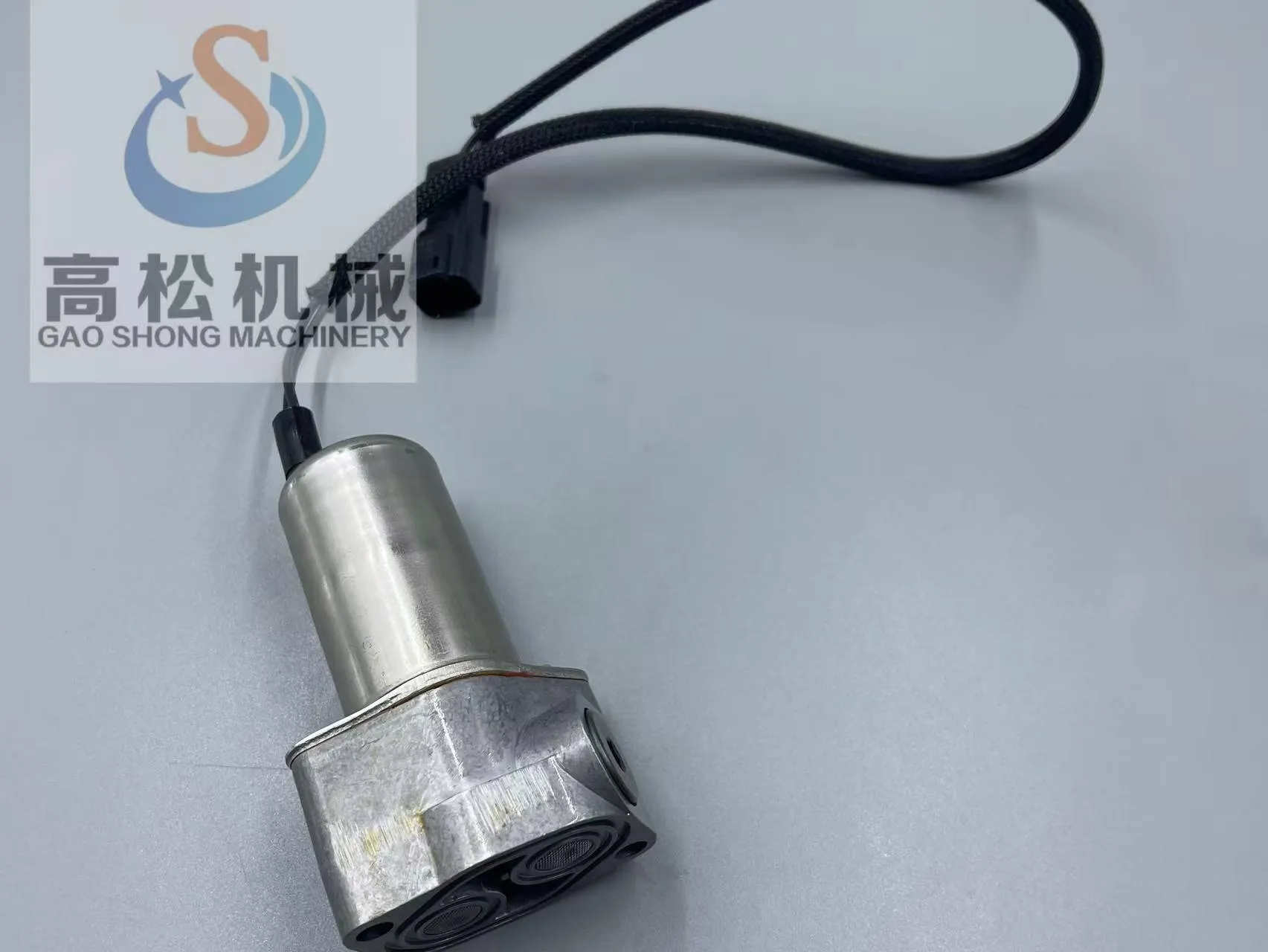 702-21-07610, 702-21-07620, 702-21-07630, 702-21-07640 are suitable for solenoid valves of PC350-8, PC200-8, PC300-8, D65, D85, D155 and Wa470
 -
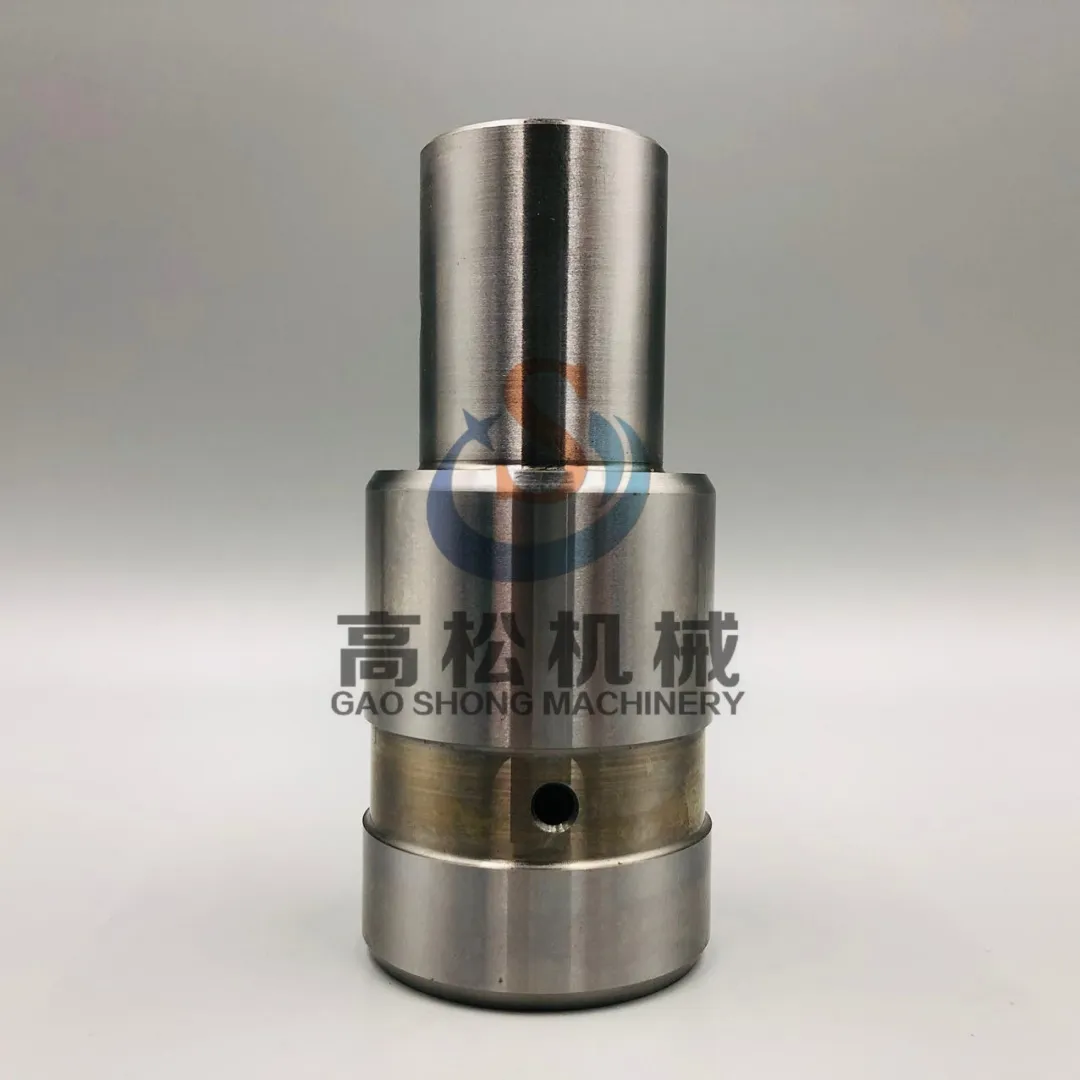 komatsu 6240-61-4630 shaft komatsu original
 -
 Komatsu original D155A-3 Valve Assembly 17A-49-21100
 -
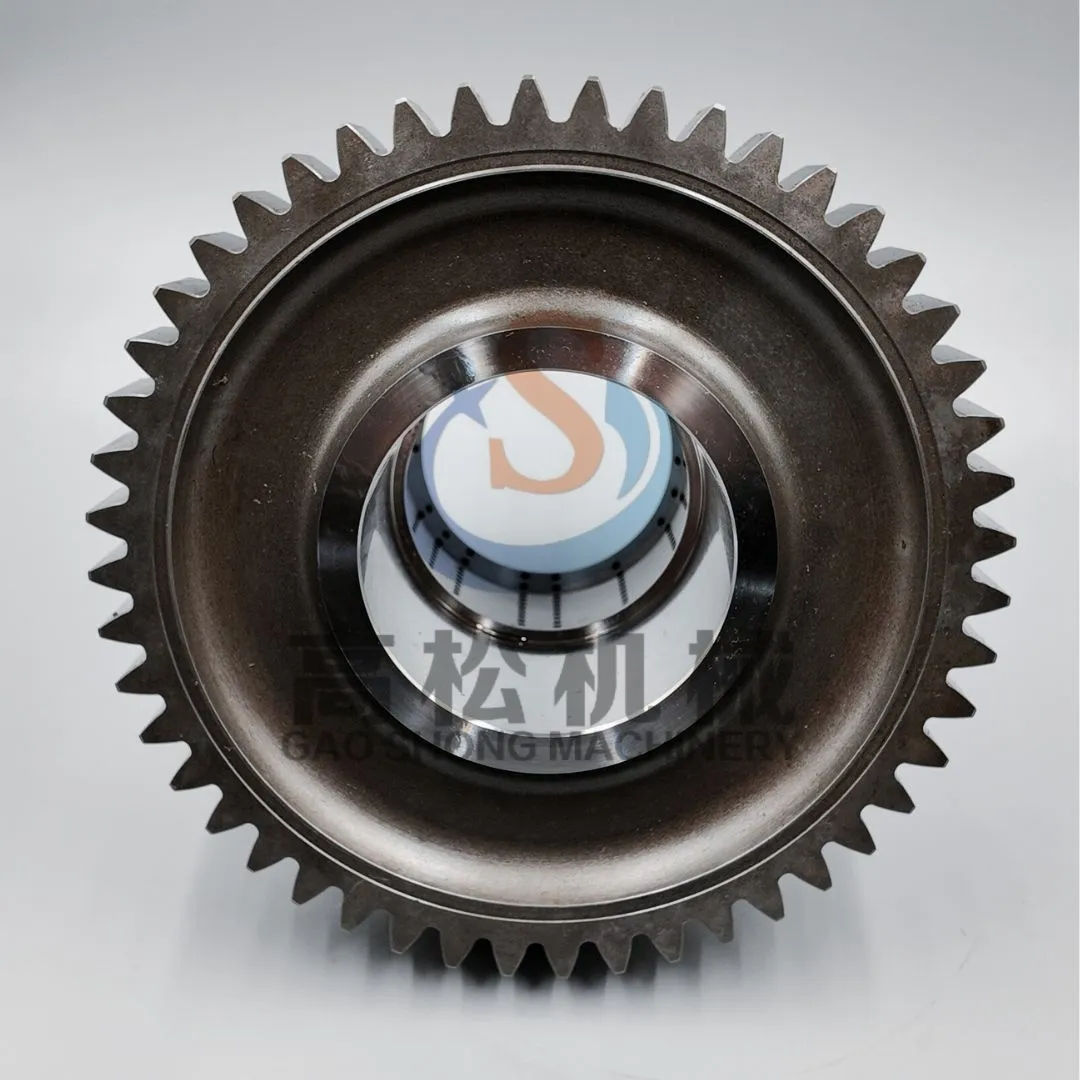 714-07-12420 Komatsu GEAR, 48 TEETH,FORWARD
 -
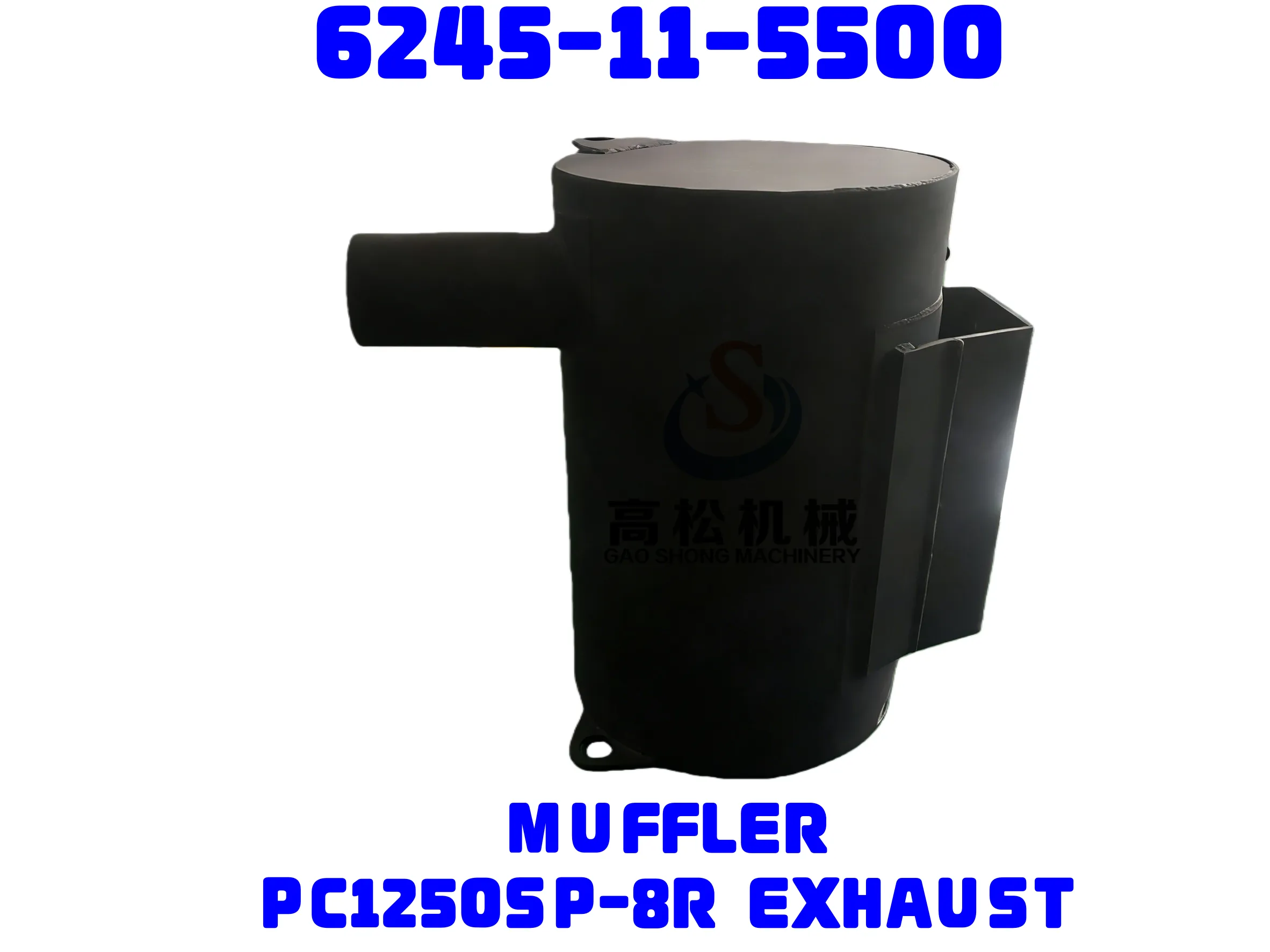 komatsu-part-6245-11-5500 MUFFLER PC1250-8R SAA6D170E-5CR MUFFLER MOUNTING (TROPICAL GROUND SPEC. 55ЯC EXHAUST (+55C SPEC.) EXHAUST MUFFLER
 -
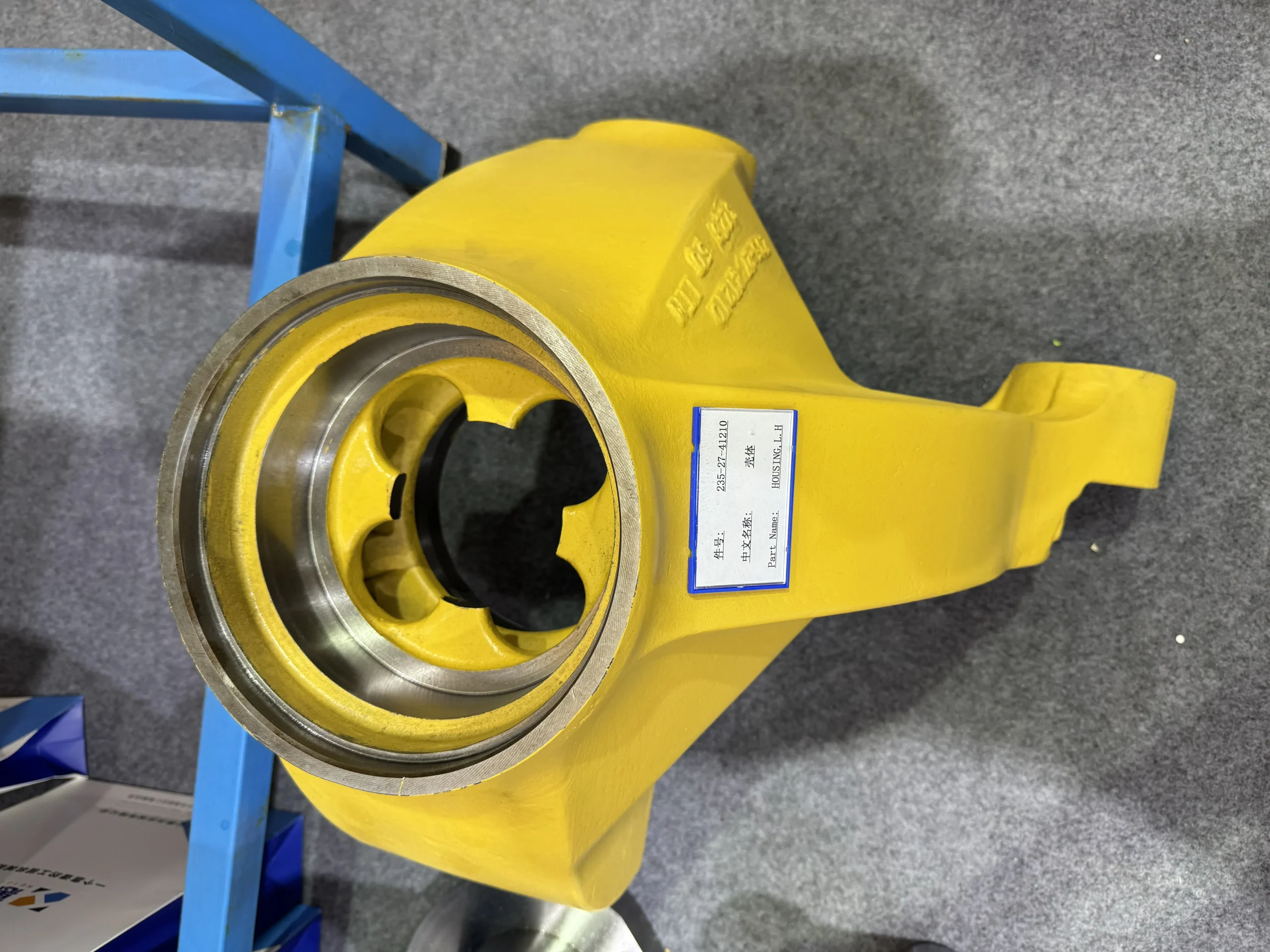 GD825A-2 shell 235-27-41210
 -
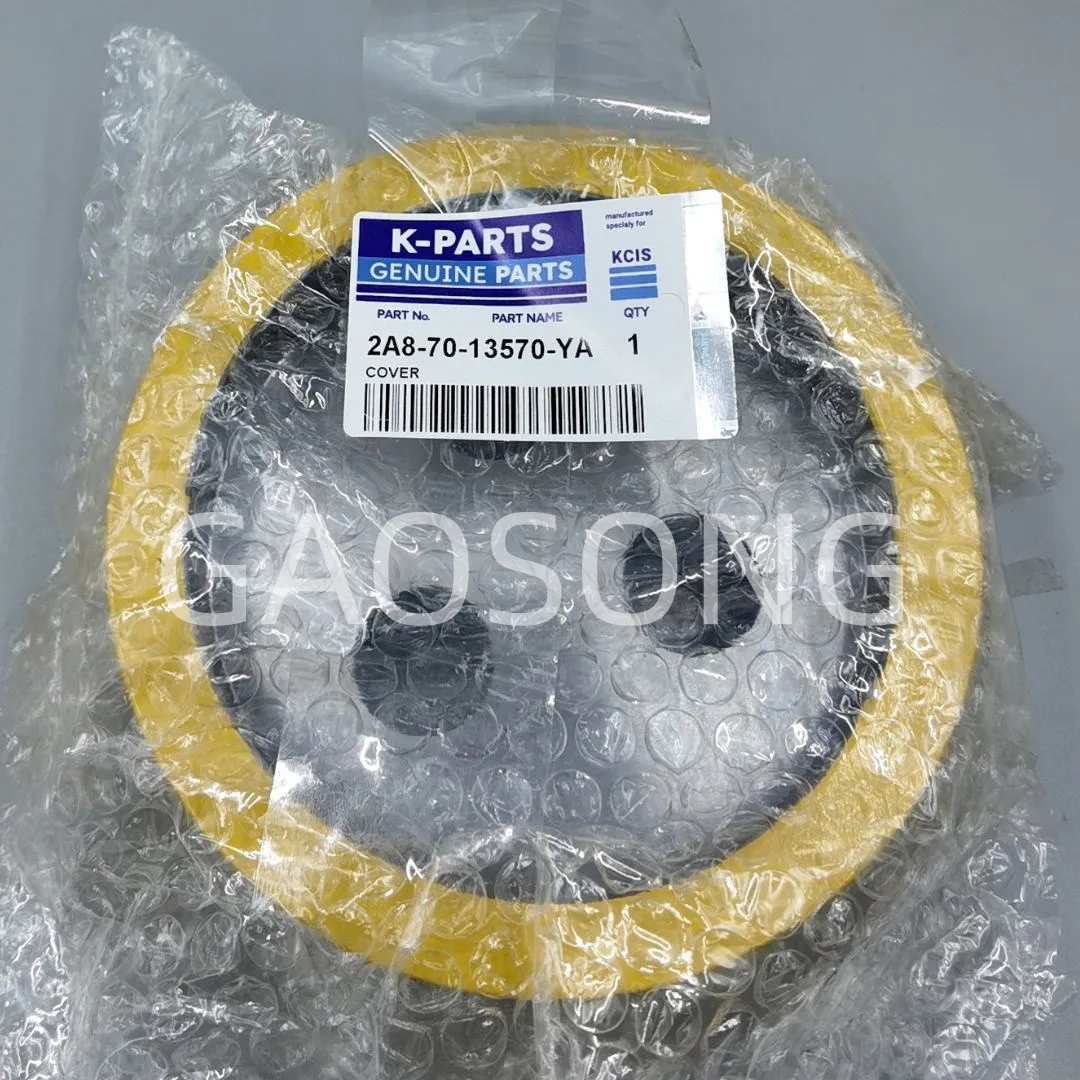 2A8-70-13570 Cover-Komatsu Original Factory
 -
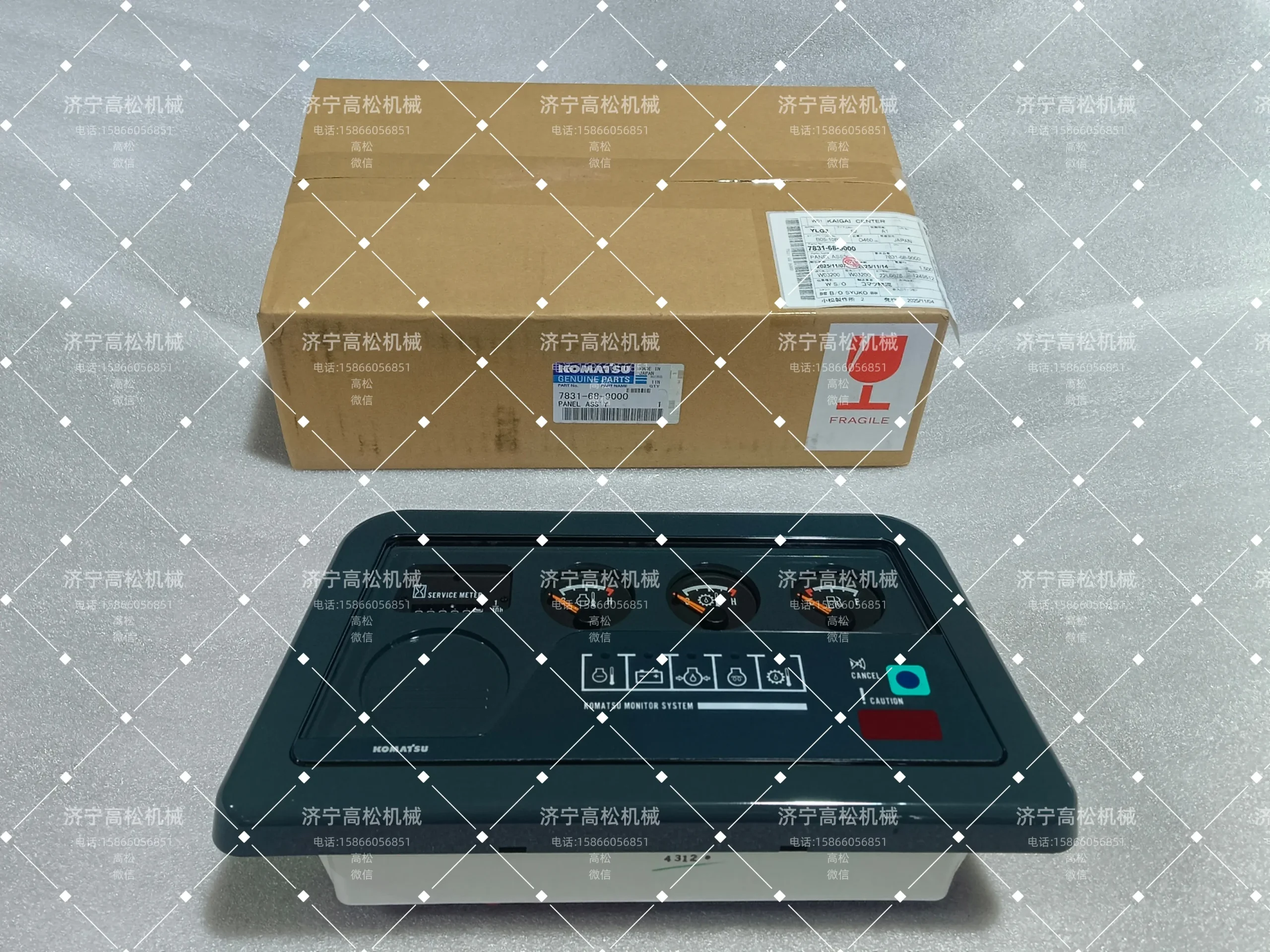 Komatsu 7831-68-9000 PANEL ASS’Y, price for… — Pricing.Parts
 -
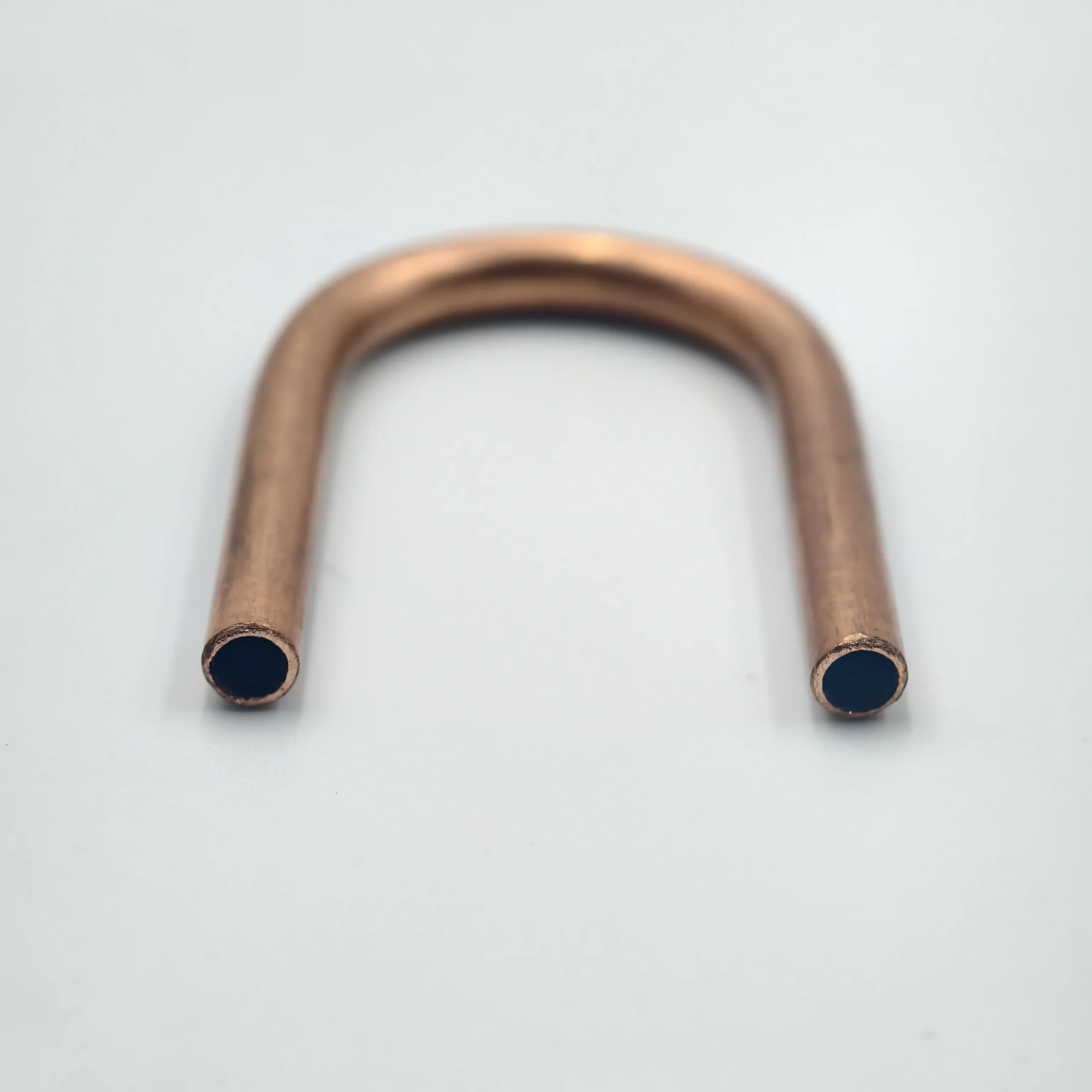 TUBE 21N-68-32360 – KOMATSU.
 -
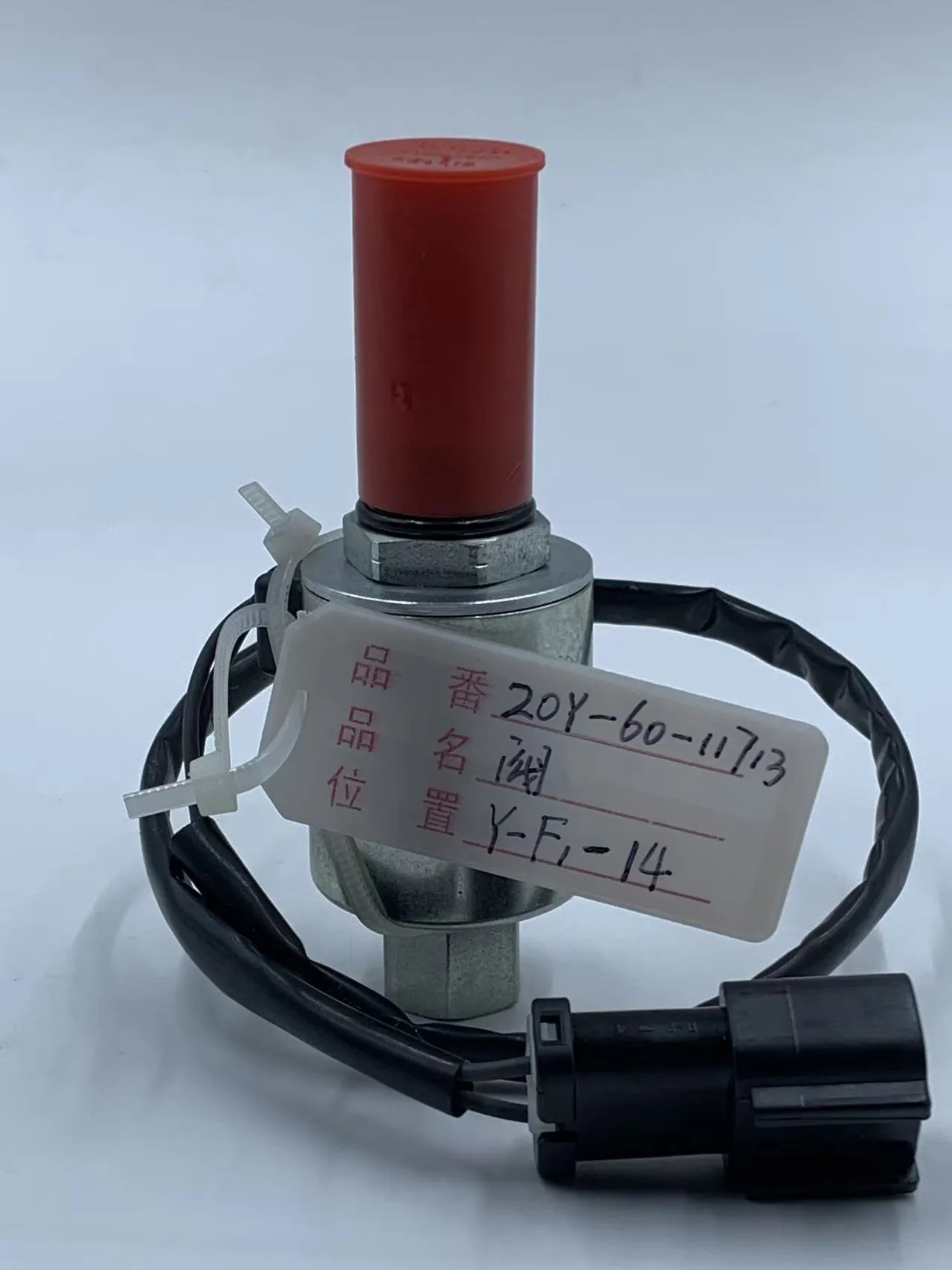 New Swing Solenoid Valve 20Y-60-11713 Excavator Parts for KOMATSU PC200-5 6D95