
- Chinese
- French
- German
- Portuguese
- Spanish
- Russian
- Japanese
- Korean
- Arabic
- Irish
- Greek
- Turkish
- Italian
- Danish
- Romanian
- Indonesian
- Czech
- Afrikaans
- Swedish
- Polish
- Basque
- Catalan
- Esperanto
- Hindi
- Lao
- Albanian
- Amharic
- Armenian
- Azerbaijani
- Belarusian
- Bengali
- Bosnian
- Bulgarian
- Cebuano
- Chichewa
- Corsican
- Croatian
- Dutch
- Estonian
- Filipino
- Finnish
- Frisian
- Galician
- Georgian
- Gujarati
- Haitian
- Hausa
- Hawaiian
- Hebrew
- Hmong
- Hungarian
- Icelandic
- Igbo
- Javanese
- Kannada
- Kazakh
- Khmer
- Kurdish
- Kyrgyz
- Latin
- Latvian
- Lithuanian
- Luxembou..
- Macedonian
- Malagasy
- Malay
- Malayalam
- Maltese
- Maori
- Marathi
- Mongolian
- Burmese
- Nepali
- Norwegian
- Pashto
- Persian
- Punjabi
- Serbian
- Sesotho
- Sinhala
- Slovak
- Slovenian
- Somali
- Samoan
- Scots Gaelic
- Shona
- Sindhi
- Sundanese
- Swahili
- Tajik
- Tamil
- Telugu
- Thai
- Ukrainian
- Urdu
- Uzbek
- Vietnamese
- Welsh
- Xhosa
- Yiddish
- Yoruba
- Zulu
- Kinyarwanda
- Tatar
- Oriya
- Turkmen
- Uyghur






komatsu forklift engine parts
When you hear 'Komatsu forklift engine parts', most guys immediately think pistons, liners, the head. That's the surface. The real story, and where most downtime hides, is in the supporting cast. The gasket kits nobody stocks, the tensioner that seems fine until it isn't, the injector spill tubes that get cannibalized from old cores. I've seen too many shops order the big-ticket items and then the machine sits for two more weeks waiting for a $50 seal. It's not about the part, it's about the system it lives in.
The OEM vs. Genuine Confusion in the Aftermarket
Here's a nuance that costs people real money. There's Komatsu OEM, and then there are parts branded Komatsu but made by a network of suppliers. For the engine, think Denso for fuel systems, NTN for bearings. As an OEM product supplier within the Komatsu system, a company like Jining Gaosong Construction Machinery Co., Ltd. operates in that first tier. They're providing the components that might go into Komatsu's own assembly line or their official service kits. This is different from a pure aftermarket manufacturer. The quality traceability is usually tighter.
The confusion sets in when buyers just search for a part number. You might find a dozen options. Some are true OEM-spec, some are licensed copies, some are just will-fit. For critical engine components—think camshafts, crankshafts—I lean heavily toward the OEM-channel parts. The metallurgy and heat treatment specs are non-negotiable. I tried a high-quality aftermarket connecting rod once on a 6D95 engine. It passed initial inspection, but after 800 hours, we found a hairline crack near the pin bore. The cost of the rebuild doubled.
That's where the value of a specialist supplier comes in. Their role isn't just to sell you a part; it's to provide the correct part for your serial number range. A S6D102 engine in a 2012 model might have a different water pump flange than a 2015. A general parts house might send you either one. A company focused on this niche, like the one at https://www.takematsumachinery.com, typically has the breakdowns to catch that. Their stated mission of solving parts supply challenges in certain countries isn't just marketing—it's often about accessing these exact OEM-spec components where the official distribution is thin or slow.
Fuel System Specifics: More Than Just Injectors
Everyone fears injector failure on the common rail systems. But obsessing over the injector alone is like fixing one leak in a sieve. The fuel supply system is a chain. The lift pump, the priming filter (often overlooked), the high-pressure pump, the rail, and the pressure control valve. I've diagnosed bad injectors that were actually a failing rail pressure sensor sending the ECU into a limp mode.
For the Komatsu forklift engine parts in the fuel domain, you need to think in sets. Replacing one injector on a high-hour engine? You're asking for trouble. The new one will work at a different flow rate, stressing the pump and the others. If you're in there, do the set. Same with the high-pressure pump. If the internals are worn, metal shavings are already in the system. Just swapping the pump without flushing the lines and rail is a guaranteed comeback job.
We learned this through a painful project on a Komatsu FD30. Had a rough idle and power loss. Code pointed to cylinder 2 injector. Swapped it. Ran better for a day. Then the high-pressure pump started whining. Turns out, the original failing injector had sent debris upstream, damaging the pump's plungers. Ended up replacing all four injectors, the pump, and doing a full system flush. The cost tripled. Now, our first step is always a fuel contamination test and a scope check of the pump's output waveform.
The Cooling System: Where Corrosion Eats Profit
Engine parts aren't just the moving bits. In many environments, the cooling system is the killer. Komatsu engines often use a mix of aluminum and cast iron. The thermostat housing, water pump body, and sometimes the oil cooler are aluminum. The block is iron. This sets up for galvanic corrosion if the coolant isn't maintained.
You see it on the water pump. The impeller erodes, efficiency drops, and the engine starts running hot. But the real damage is often hidden in the cylinder head water passages. Scale builds up, creating hot spots. That leads to head gasket failure or, worse, a warped head. I've pulled heads where the passages were half-clogged with silicate dropout from the wrong coolant mix.
The Komatsu forklift engine parts for cooling need to be considered as a maintenance package. When you replace a water pump, you must replace the gasket, the thermostat, and flush the system thoroughly. Use the recommended OAT (Organic Acid Technology) coolant. We started stocking complete coolant system overhaul kits—pump, thermostat, gaskets, hoses, compatible coolant—because doing it piecemeal always led to another related failure within months. It's a system, treat it like one.
Gaskets and Seals: The Devil's in the Details
This might be the most under-ordered category, and it causes the most rework. A gasket isn't just a piece of material. The valve cover gasket on a modern Komatsu is often a molded rubber with metal inserts. The head gasket is a multi-layer steel (MLS) design with specific torque sequences and surface finish requirements.
The biggest mistake is assuming any gasket will do. We had a case using a generic cork-valve cover gasket on a 4D95 engine. It sealed initially, but after a few thermal cycles, it shrank and started weeping oil. The oil would drip onto the exhaust manifold—a fire risk. Had to redo the entire job with the proper OEM-spec rubber gasket. The downtime cost far exceeded the price difference in the parts.
This is a key area where partnering with a supplier who understands the OEM specifications is critical. They know that the rear main seal for one serial number range might have a different lip design than another. Their value is in preventing that comeback. When I look at a supplier's site, like the one mentioned earlier, I'm looking for that depth in their catalog—not just the major components, but the full suite of seals, O-rings, and gaskets that make a repair lasting.
Sourcing Realities and Building a Reliable Pipeline
Finally, let's talk logistics. Having the right part number is half the battle. Getting it, and getting it reliably, is the other half. The parts supply challenges in certain countries that companies like Jining Gaosong mention is a daily reality. Official distributors might be continents away, with long lead times.
Building a relationship with a capable third-party sales company for Komatsu parts means you have a backup channel. They often have access to regional warehouses or can consolidate orders from the OEM network more efficiently. For example, needing a set of valve springs for an S6D105 might be a 6-week wait through standard channels. A well-connected specialist might source them from another region's stock in 10 days.
The key is verification. When a new supplier says they have an OEM-spec part, you test it on one machine first. We always do a trial run on a less critical unit. Check the packaging, the machining marks, the material certificates if possible. It's about building trust. The goal is to have two or three verified sources for critical Komatsu forklift engine parts, so a supply chain hiccup doesn't shut down your entire fleet. It's not glamorous work, but it's what keeps machines—and your business—running.
Related Products
Related Products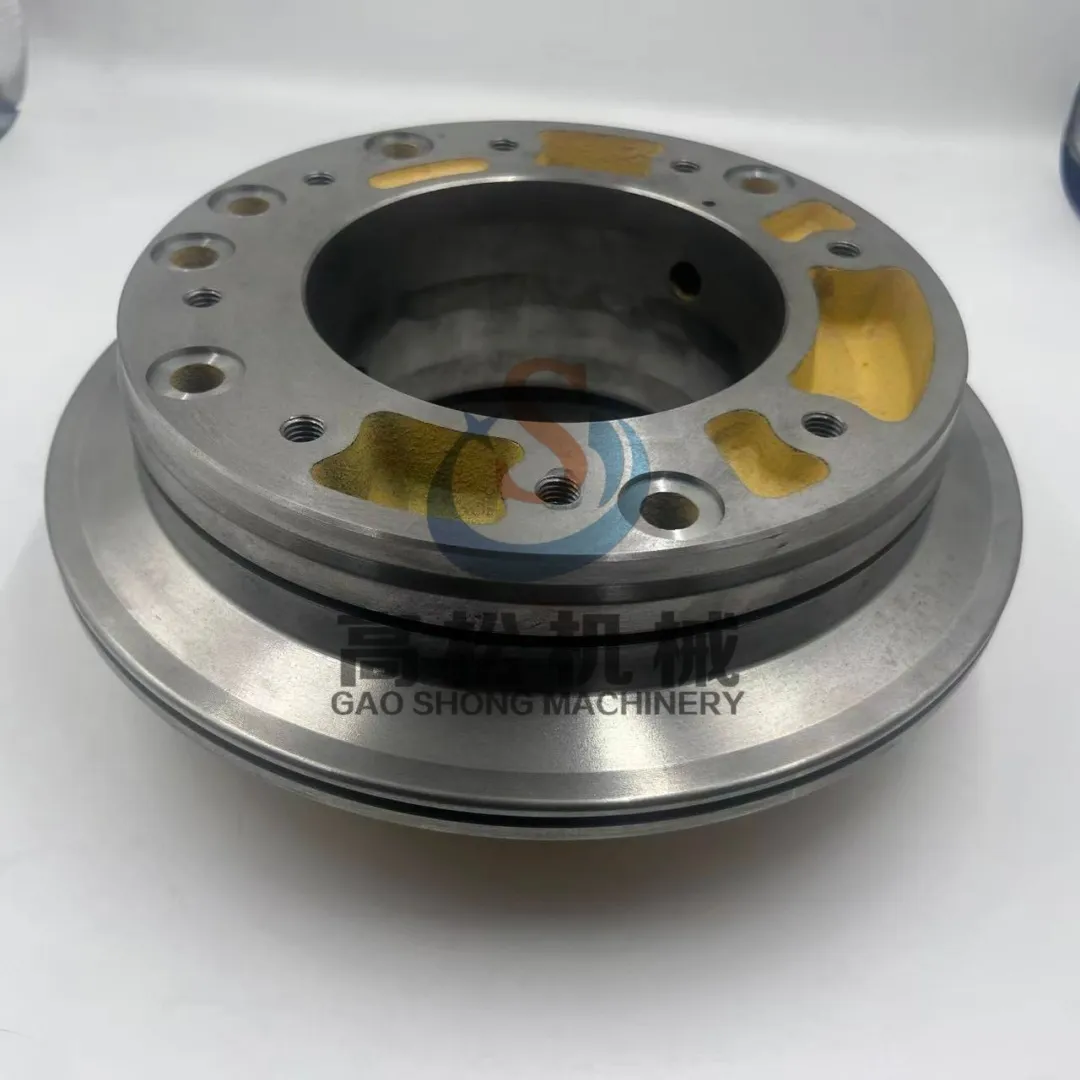
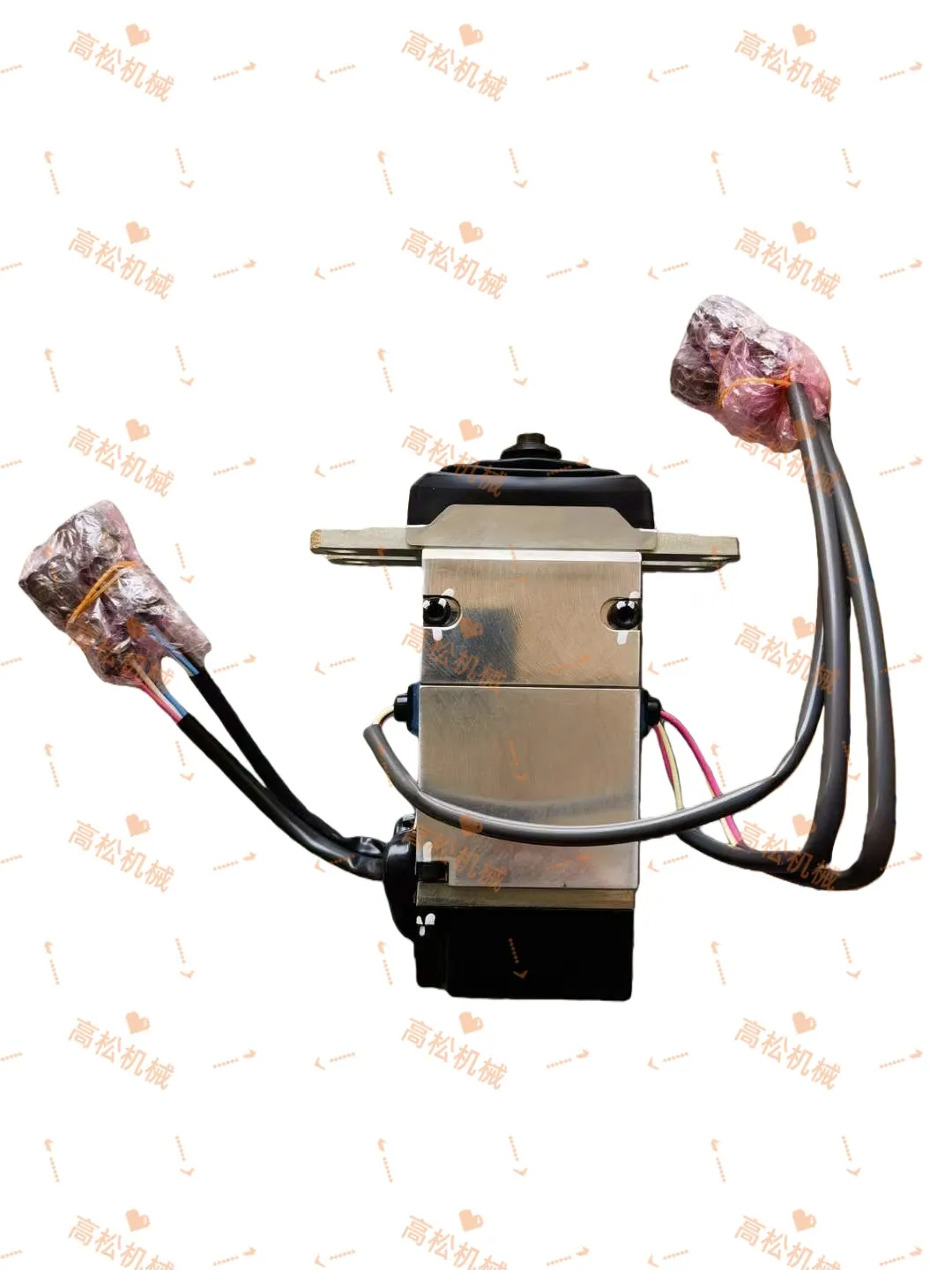
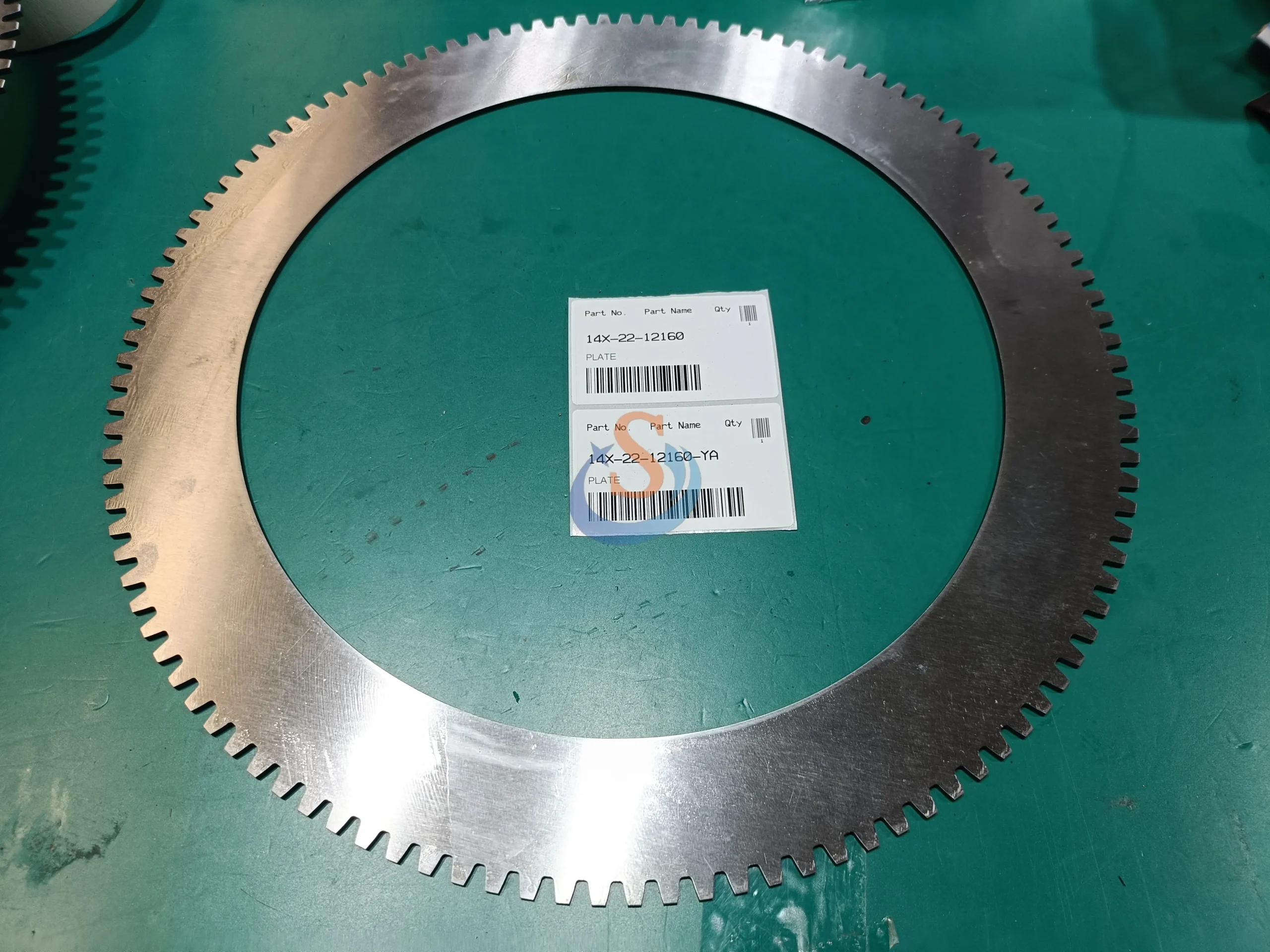
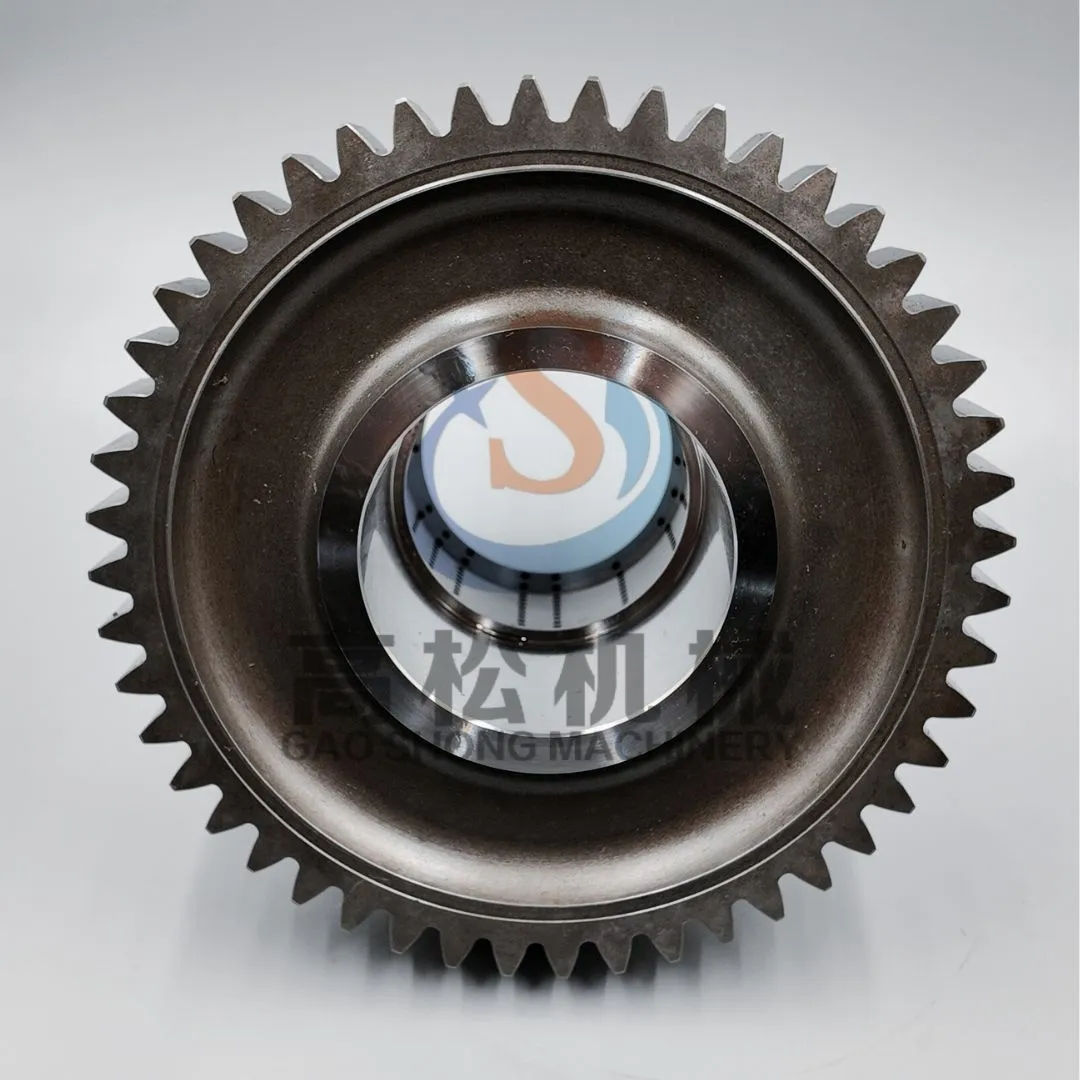
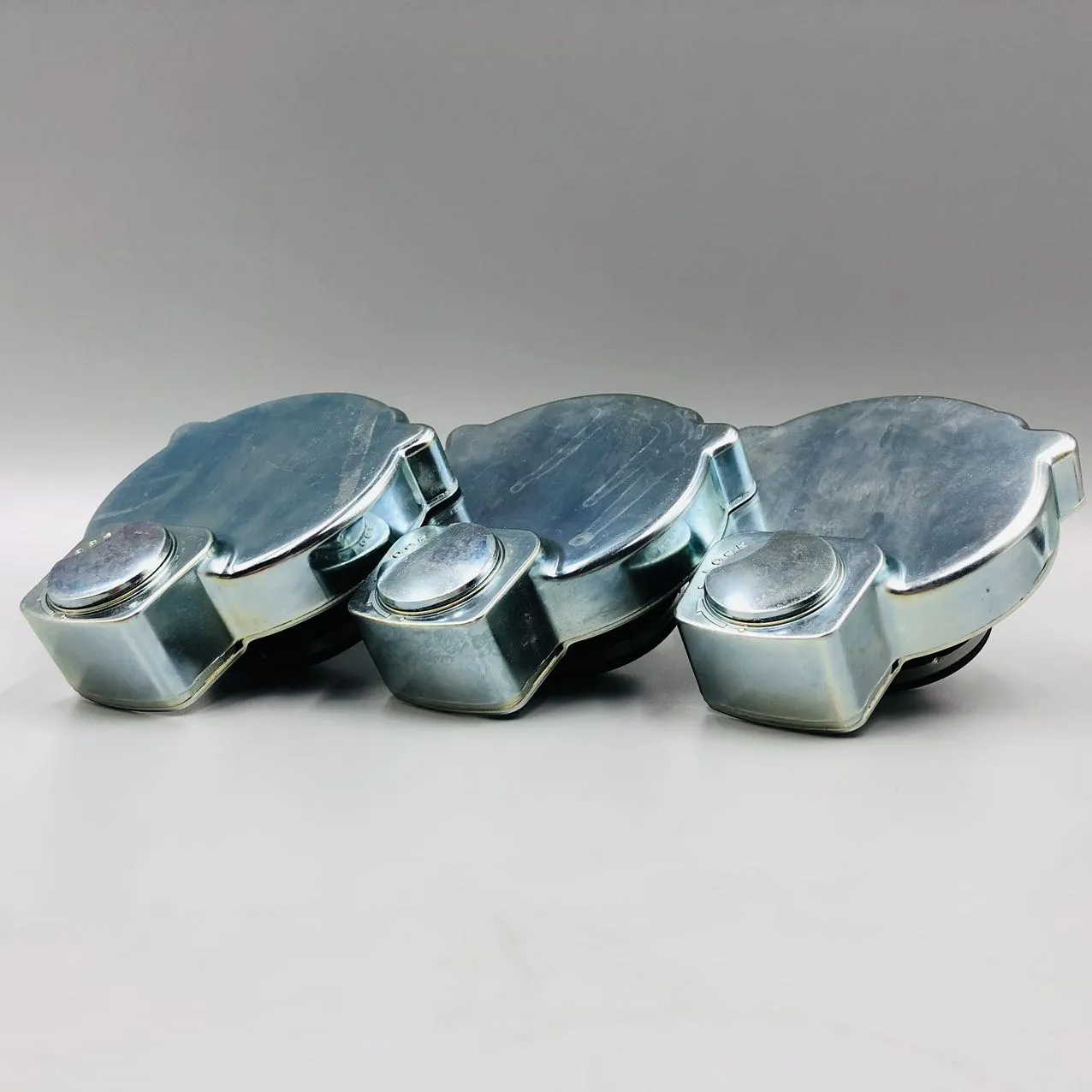
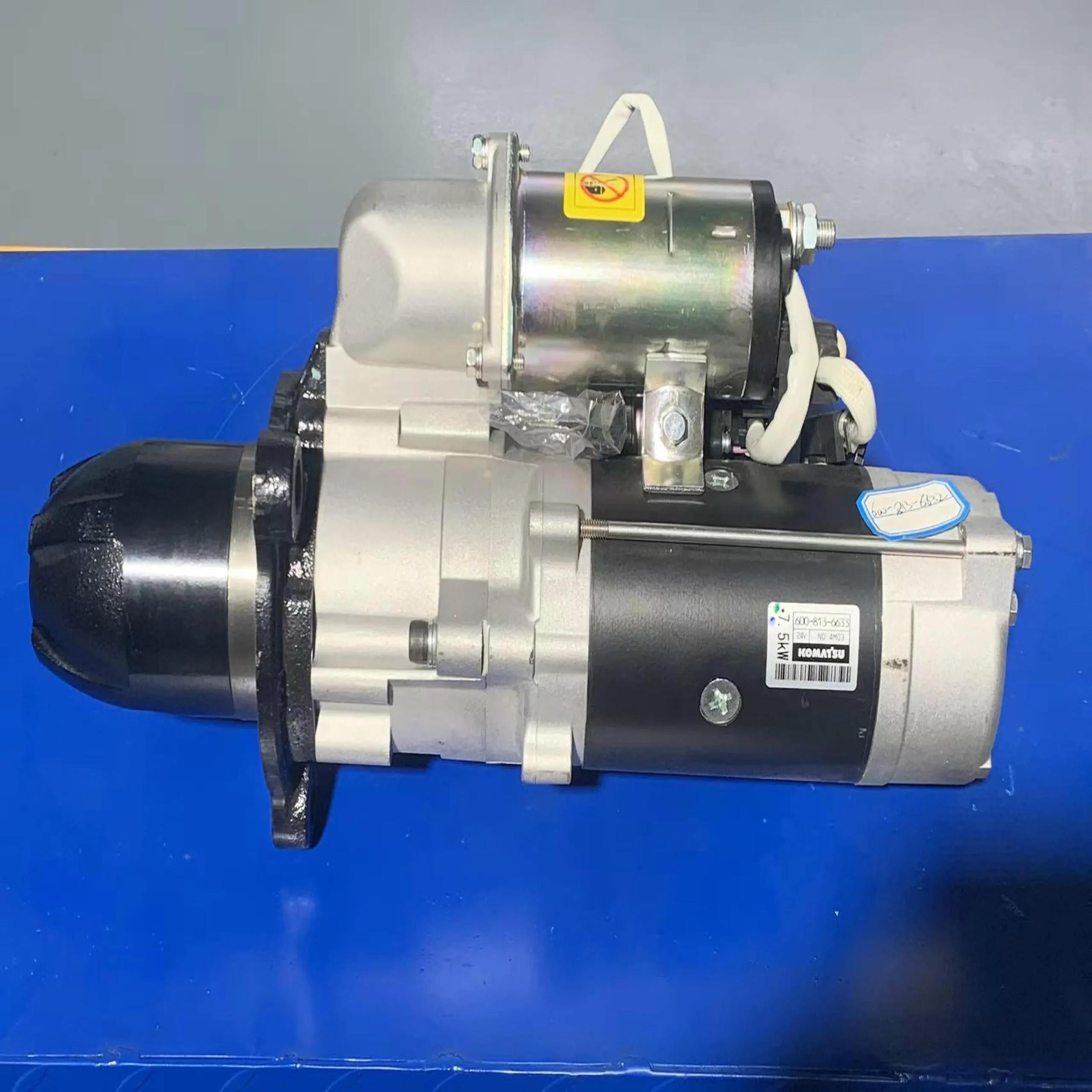

Best Selling Products
Best Selling Products-
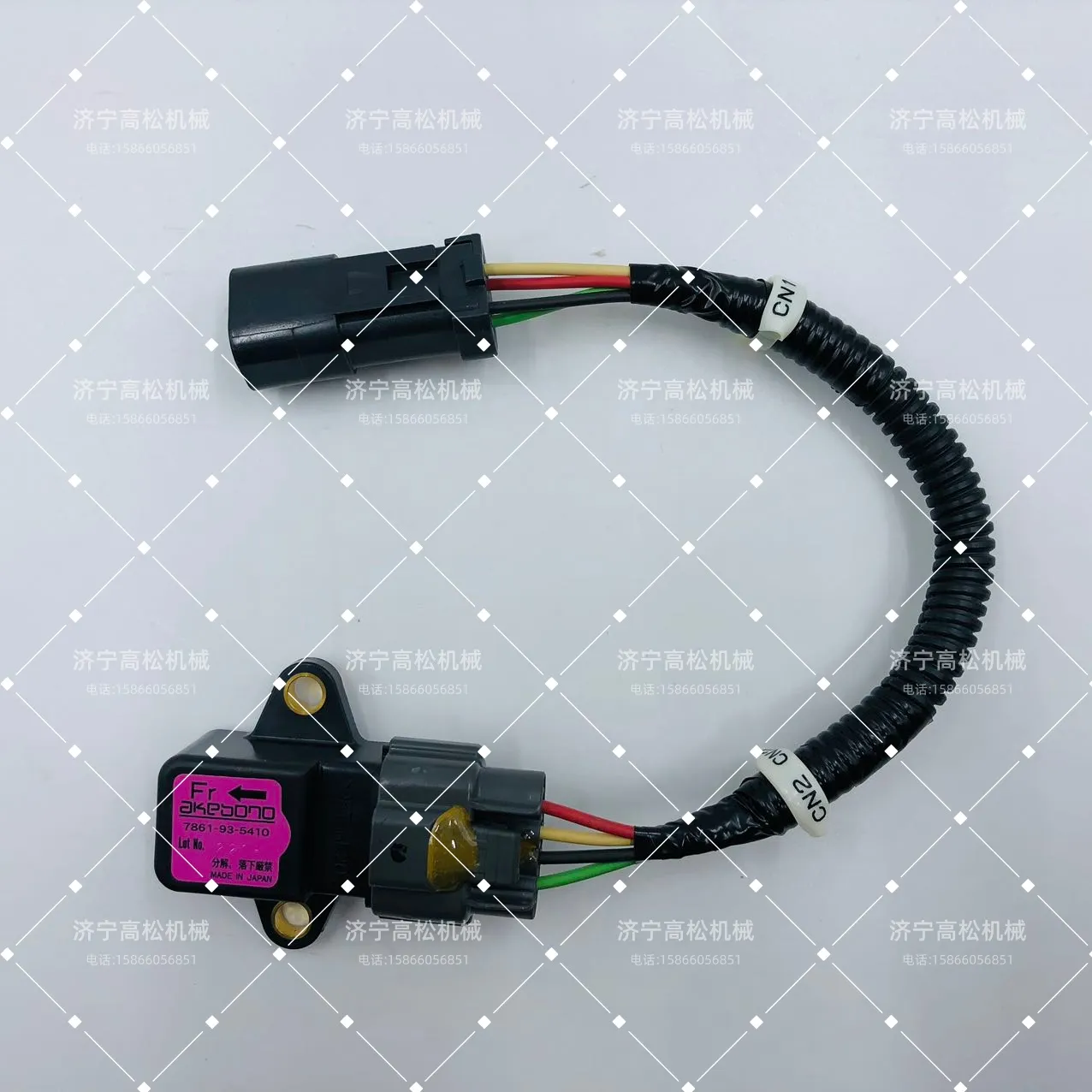 7861-93-5410 Komatsu Sensor, Acceleration
 -
 22U-06-22370 Switch Assembly
 -
 komatsu-part-235-27-41210 HOUSING,L.H. GD825A-2 GD825A-2E0 FRONT AXLE
 -
 17M-50-24360 Seal (Komatsu)
 -
 56D-43-37101 Komatsu Valve Assembly
 -
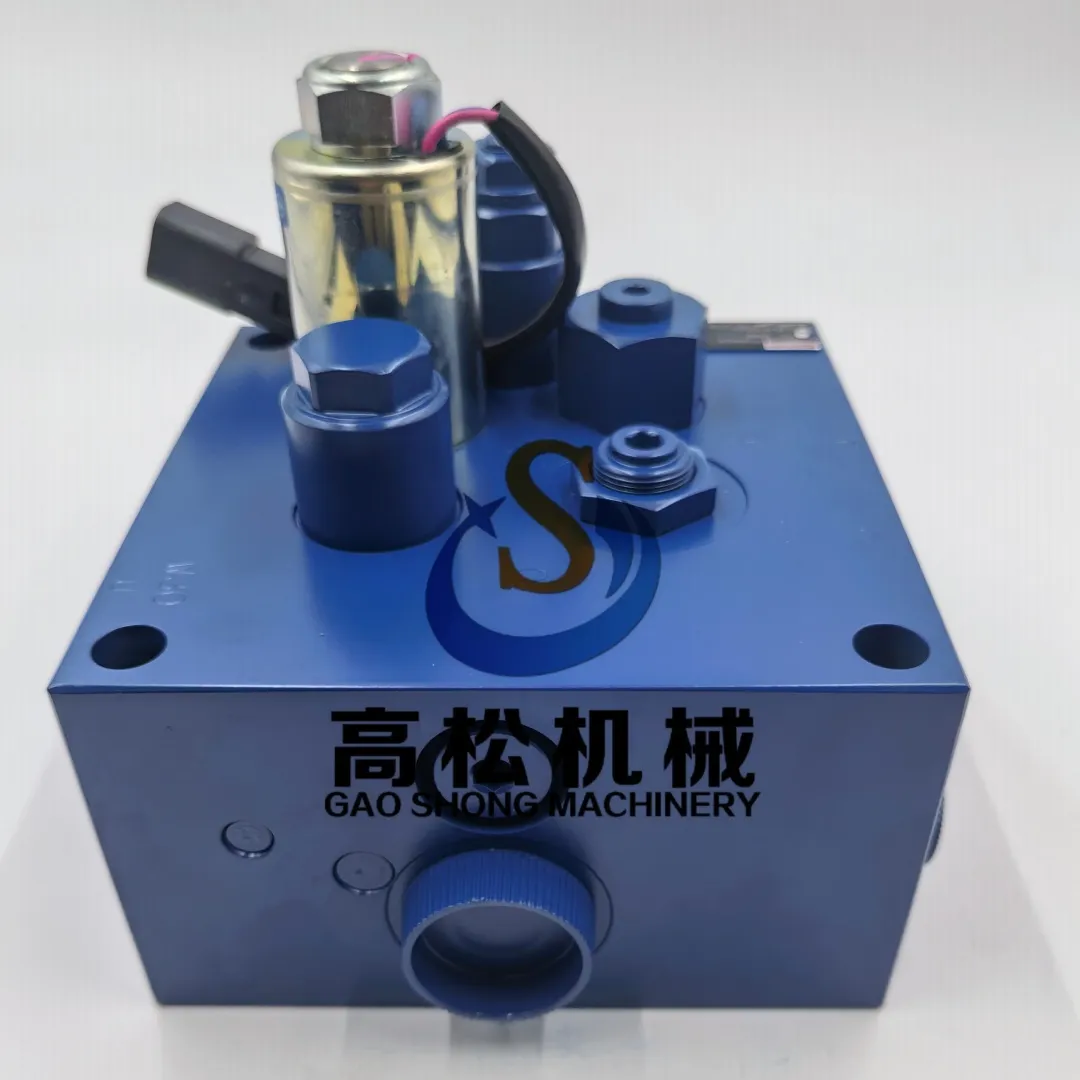 56D-43-37101Z56D-43-37101 Valve Assembly
 -
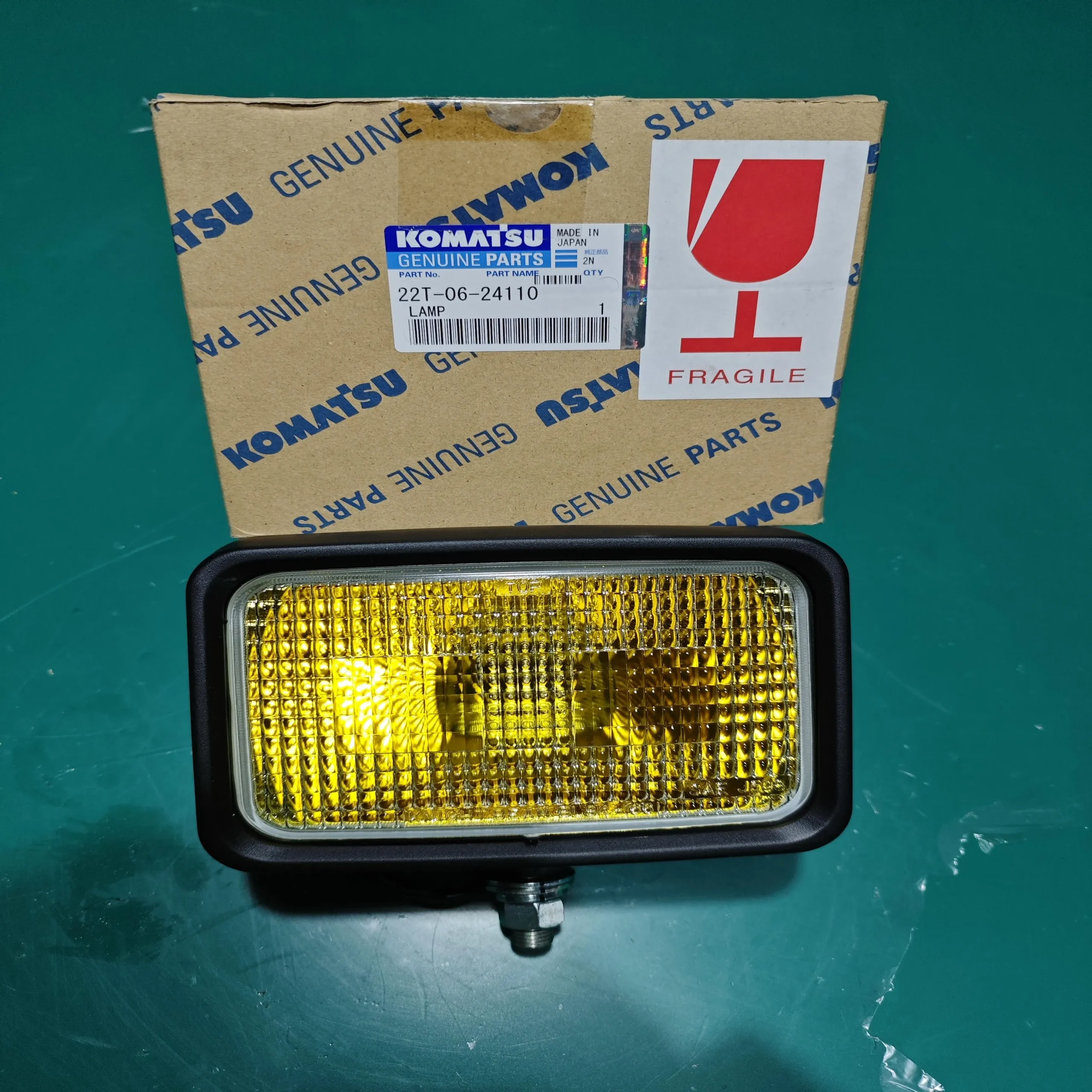 Komatsu HD465/785/HM350/WA155 22T-06-24110 Lamp
 -
 CORE ASSEMBLY 6506-21-5921, myKomatsu
 -
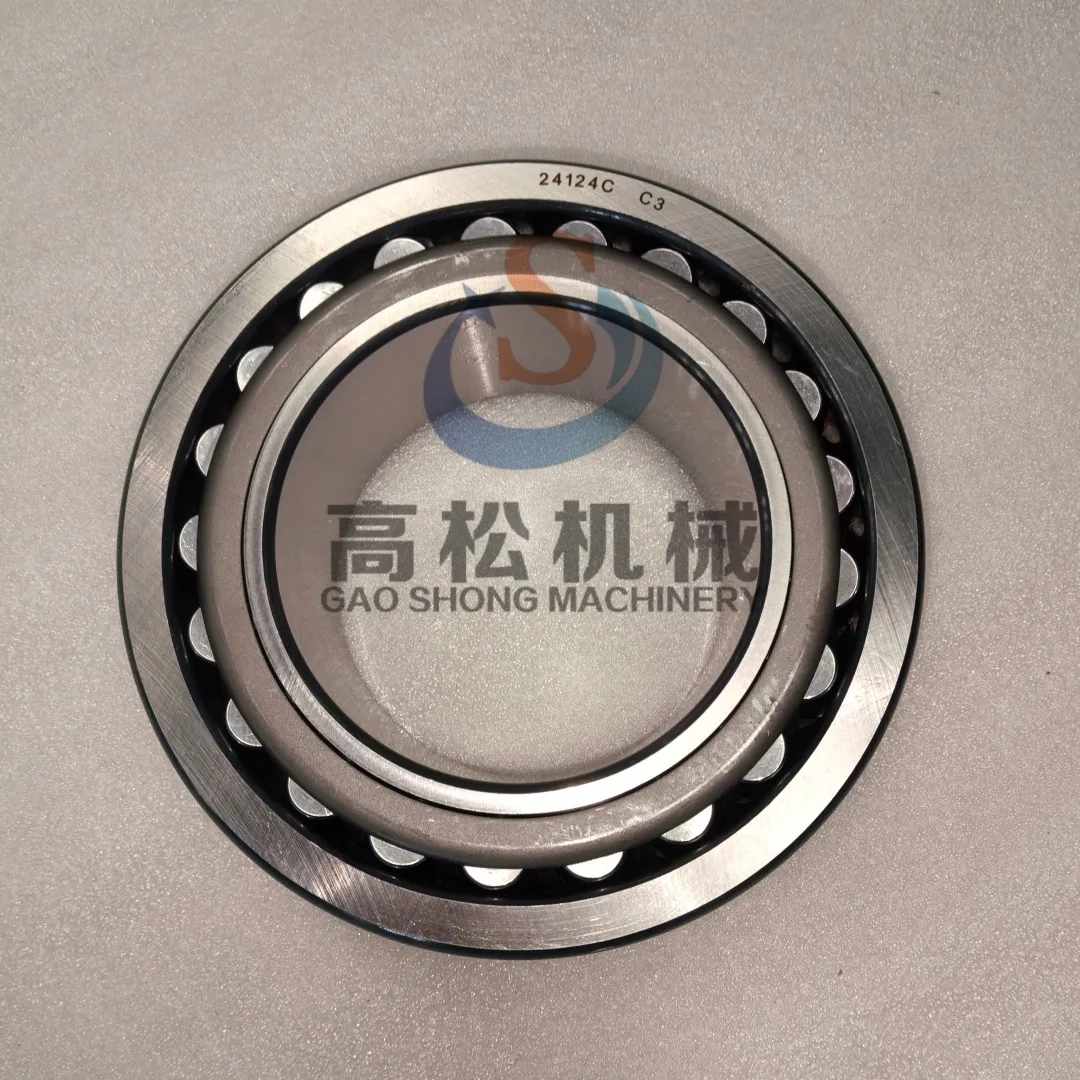 ROLLER BEARING 170-09-13250 1700913250 for Komatsu Bulldozer D85 D80 SD32 D155 FINAL DRIVE GEAR
 -
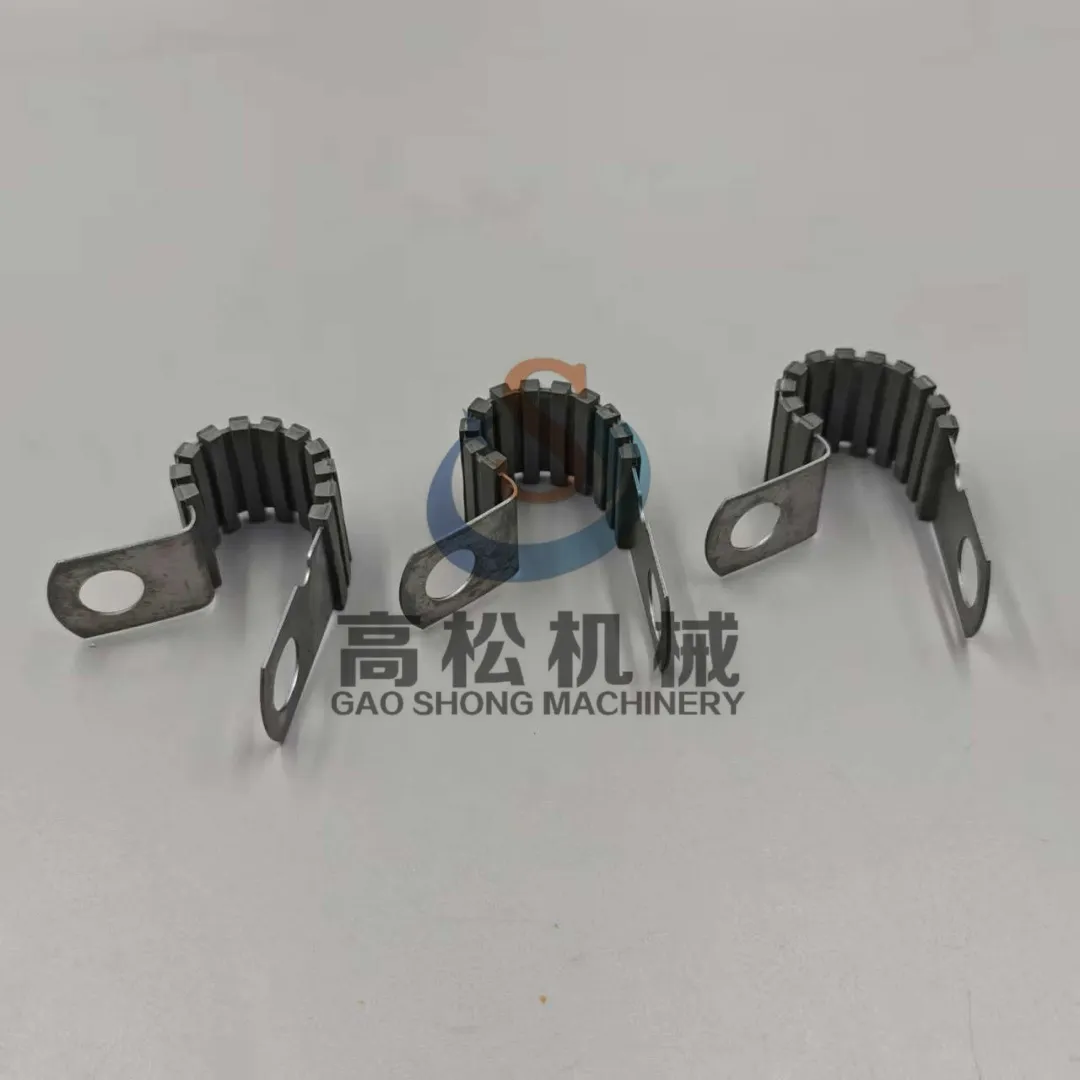 600-051-2180 Clip (Komatsu)
 -
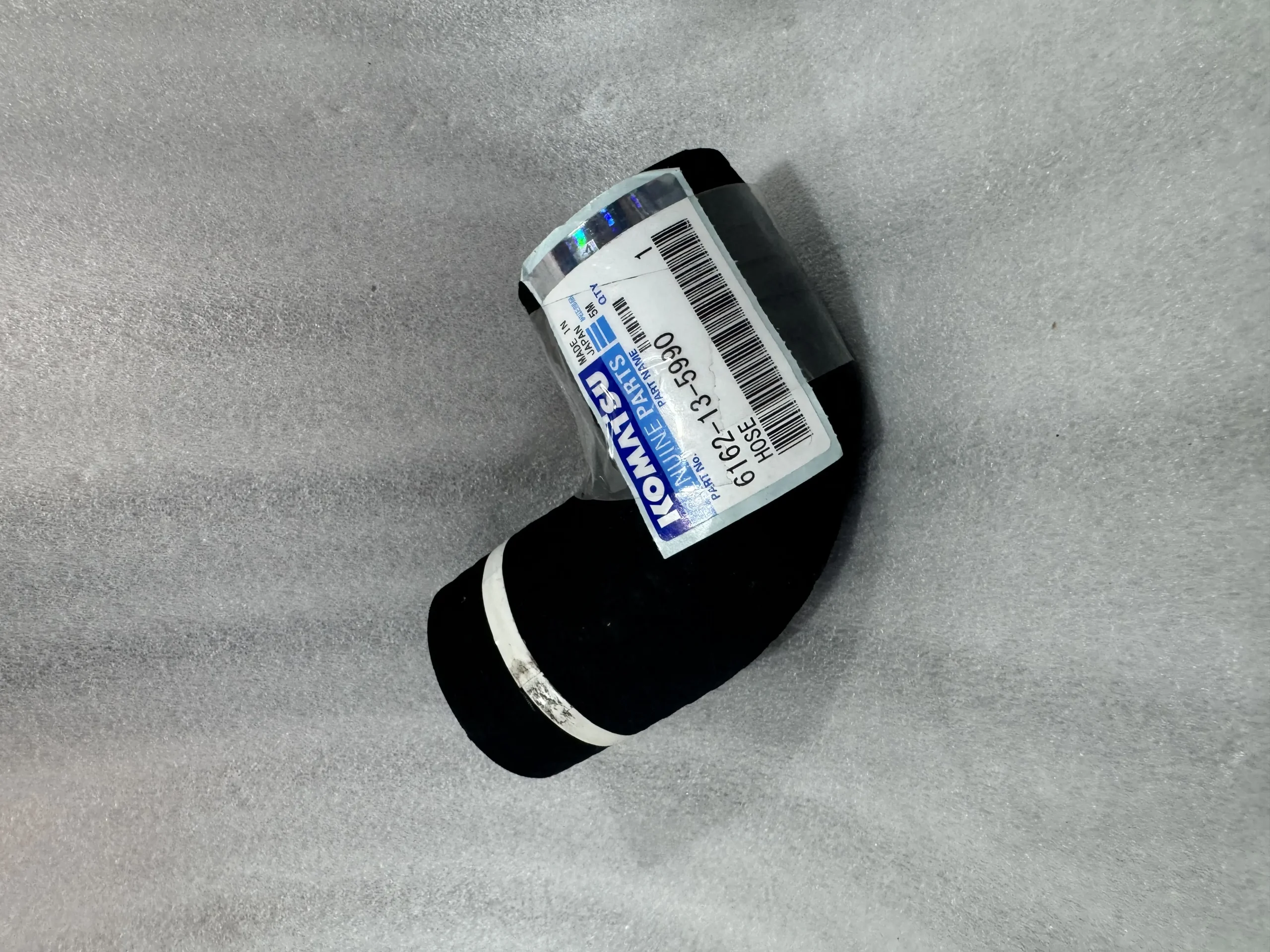 6D170-2 Hose 6162-13-5990
 -
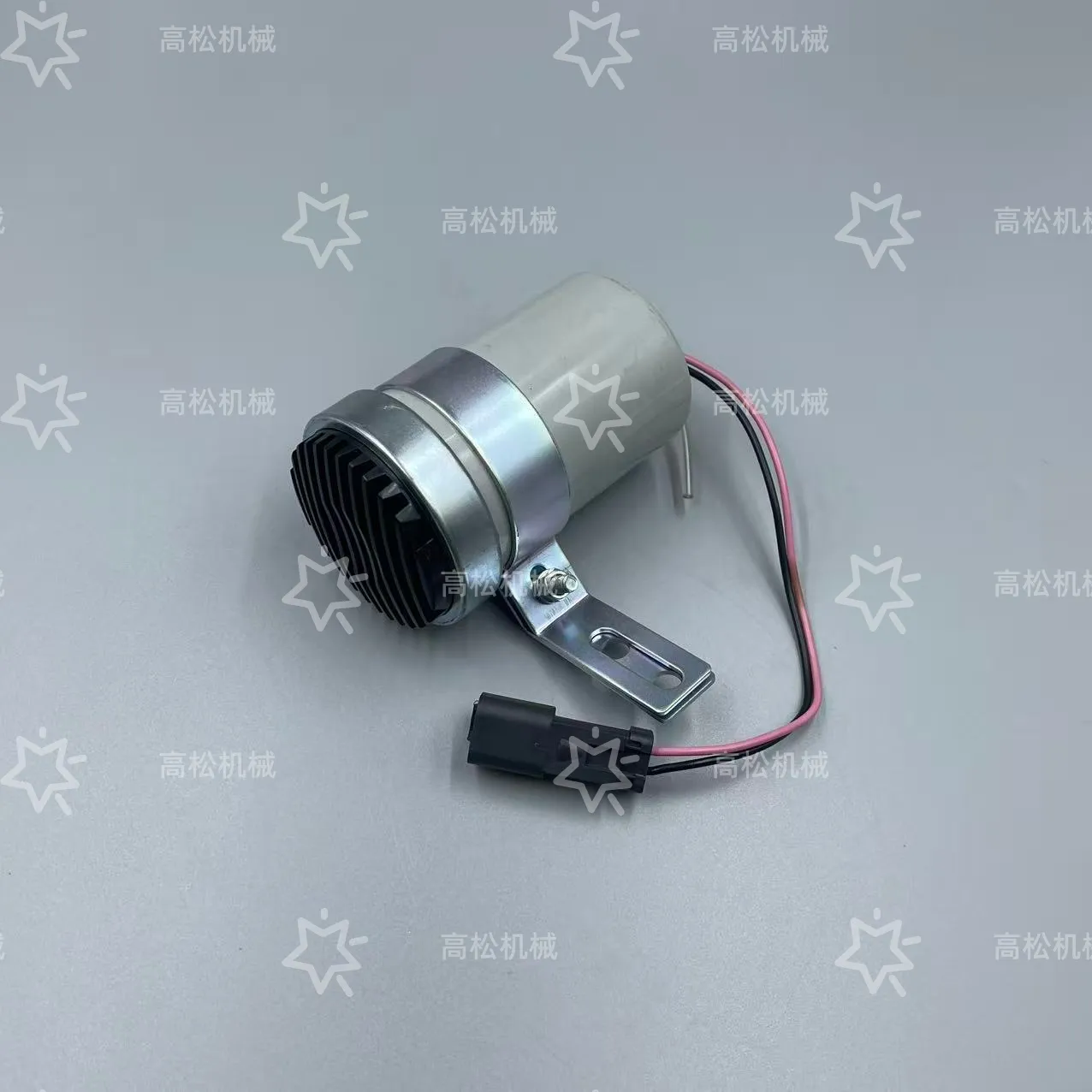 Komatsu Alarm 198-06-56570 for Bulldozer D65PX-15EO