
- Chinese
- French
- German
- Portuguese
- Spanish
- Russian
- Japanese
- Korean
- Arabic
- Irish
- Greek
- Turkish
- Italian
- Danish
- Romanian
- Indonesian
- Czech
- Afrikaans
- Swedish
- Polish
- Basque
- Catalan
- Esperanto
- Hindi
- Lao
- Albanian
- Amharic
- Armenian
- Azerbaijani
- Belarusian
- Bengali
- Bosnian
- Bulgarian
- Cebuano
- Chichewa
- Corsican
- Croatian
- Dutch
- Estonian
- Filipino
- Finnish
- Frisian
- Galician
- Georgian
- Gujarati
- Haitian
- Hausa
- Hawaiian
- Hebrew
- Hmong
- Hungarian
- Icelandic
- Igbo
- Javanese
- Kannada
- Kazakh
- Khmer
- Kurdish
- Kyrgyz
- Latin
- Latvian
- Lithuanian
- Luxembou..
- Macedonian
- Malagasy
- Malay
- Malayalam
- Maltese
- Maori
- Marathi
- Mongolian
- Burmese
- Nepali
- Norwegian
- Pashto
- Persian
- Punjabi
- Serbian
- Sesotho
- Sinhala
- Slovak
- Slovenian
- Somali
- Samoan
- Scots Gaelic
- Shona
- Sindhi
- Sundanese
- Swahili
- Tajik
- Tamil
- Telugu
- Thai
- Ukrainian
- Urdu
- Uzbek
- Vietnamese
- Welsh
- Xhosa
- Yiddish
- Yoruba
- Zulu
- Kinyarwanda
- Tatar
- Oriya
- Turkmen
- Uyghur





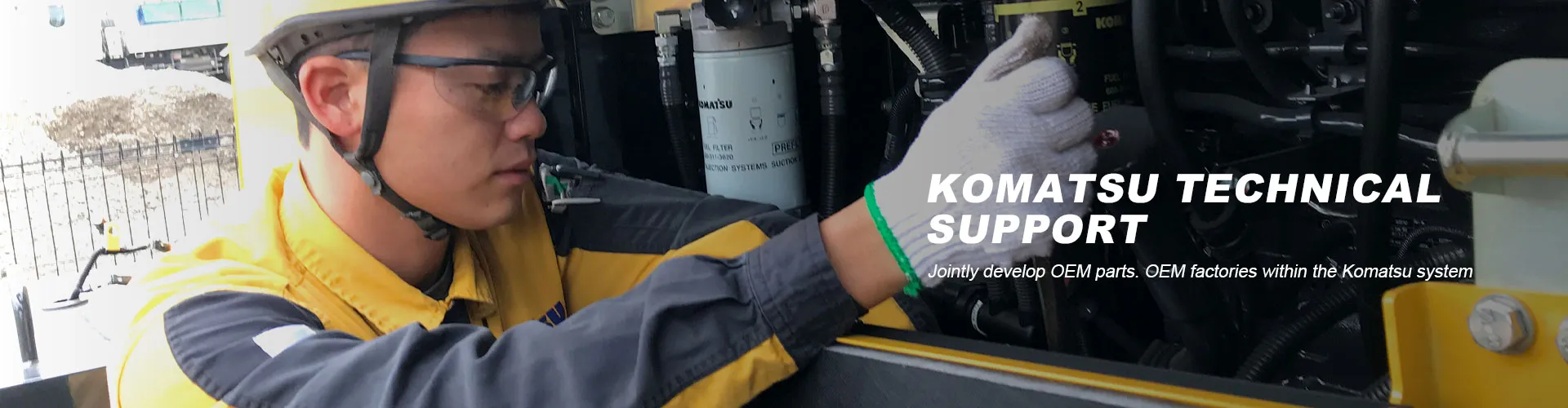
komatsu forklift engine
When most people hear 'Komatsu forklift engine', they immediately picture the big S6D or 4D95 units. That's not wrong, but it's a starting point that misses the nuance. The reality on the shop floor is more about application, legacy, and the constant battle against time and counterfeit parts. Having sourced and serviced these powerplants for years, I've seen the gap between the catalog spec and what keeps a machine running another shift.
The Core Power Units: More Than Just Displacement
Let's get specific. The Komatsu 4D95 is a workhorse, but calling it just a 3.3L diesel is lazy. The real discussion is about the injection pump variations and the later common-rail iterations. I've had units where the only failure point was the lift pump feeding the main Bosch unit—a part not even listed in some generic breakdowns. You learn to listen for that specific hollow whine before the pressure drops.
The S6D series is another beast. It's robust, but its Achilles' heel is often the aftercooler. In high-ambient environments, like the warehouses we supplied to in Southeast Asia, the core would clog with dust and oil residue, leading to overheating that mechanics would misdiagnose as a radiator or thermostat issue. The fix wasn't in the engine manual; it was a scheduled cleaning protocol we had to develop.
Then there's the misconception about 'complete' remanufactured engines. A true OEM-spec rebuild for an S6D involves specific clearances for the Komatsu forklift engine crankshaft that aftermarket kits often ignore. The result? It runs, but the oil pressure is at the lower limit, and you'll be tearing it down again in 4000 hours. I've seen it happen with units sourced from non-specialist suppliers.
The Parts Puzzle and the OEM Link
This is where the real-world headache begins. The official Komatsu network is comprehensive, but in certain regions or for older models, the lead time for a simple gasket set can halt operations for weeks. This gap is where companies operating within the Komatsu system but with flexible sourcing become critical. For instance, in our work with Jining Gaosong Construction Machinery Co., Ltd., their role as an OEM product supplier within Komatsu's system means they have access to genuine blueprints and material specs. This allows them to facilitate parts that are functionally identical, solving acute supply chain issues without resorting to questionable alternatives.
I recall a case with a client in a country facing trade restrictions. Their Komatsu FD80 had a cracked cylinder head for the 4D95 engine. The local dealer quoted a 3-month wait. Through a channel like Takematsu Machinery, which is Gaosong's portal, we managed to source a certified replacement head from an OEM-affiliated foundry, not the open market. The machine was back online in 12 days. The distinction matters: it wasn't just 'a' cylinder head; it was one produced to the original Komatsu casting standard.
Their company model—being both an OEM supplier and a third-party solutions provider—addresses a very real pain point. It's not about bypassing the official chain, but about providing a parallel, reliable lane when the main road is blocked. For a fleet manager, that's the difference between meeting a logistics contract or paying penalties.
Failures and Misdiagnoses I've Lived Through
Not every story has a clean ending. Early on, I trusted a non-OEM turbocharger marketed as perfect for Komatsu S6D. It bolted on fine, and the boost pressure looked correct on the gauge. But the compressor map was subtly different. The result was chronic under-heating in the combustion chamber during partial loads, leading to wet stacking and severe carbon buildup on the valves within 800 hours. A costly lesson that a Komatsu forklift engine is a system, not a collection of interchangeable parts.
Another common misstep is ignoring the peripheral drives. The hydraulic pump for the power steering and mast is often gear-driven directly off the engine. A failing pump bearing creates a lateral load on the gear train that can prematurely wear the crankshaft gear. I've seen mechanics replace the crankshaft gear twice before realizing the root cause was the $200 pump mounted on the side. Now, the first step in any gear train noise diagnosis is to drop the drive belt and run the engine briefly.
Cooling system neglect is a classic. The fan hub on many Komatsu engines is a viscous clutch unit. When it fails, it often fails 'engaged,' so the fan spins all the time. The engine doesn't overheat, so it gets ignored. But you're losing 15-20 horsepower to drag, and fuel consumption creeps up. Operators complain of lack of power, and the easy blame goes to the injectors. A simple stall test (checking fan speed against engine RPM) is a five-minute check that saves thousands in unnecessary fuel system overhauls.
The Evolution and Adaptation
The newer Komatsu engines, especially those meeting Tier 4 Final or equivalent emissions standards, are a different world. The 4D97LE with its DOC+DPF system introduces a new failure mode: operator habit. In a multi-shift operation, if the machine doesn't get a chance to run a periodic regeneration cycle because it's constantly shut down, the DPF clogs. The fault code points to the differential pressure sensor, but the root cause is operational. We've had to implement training for shift leads, not just mechanics.
Electronics have changed everything. An engine ECU on a modern Komatsu forklift isn't just controlling injection; it's talking to the transmission controller and the hydraulic controller. I worked on a fault where the engine would derate to 1500 RPM. All engine parameters checked out. The problem was a faulty speed sensor on the rear axle, feeding bad data into the transmission ECU, which then requested a derate from the engine for 'protection.' The fix was a $150 sensor, but the diagnosis took two days of tracing communication logs.
This complexity reinforces the need for proper technical data. It's why access to resources from within the Komatsu ecosystem is invaluable. A third-party sales company that understands this, like the one mentioned earlier, isn't just selling parts; they're often a conduit for the correct service bulletins and wiring diagrams that are hard to find publicly. That information density is what turns a repair from a guessing game into a surgical procedure.
Practical Takeaways for the Floor
So, what does this mean for someone running a fleet? First, know your exact engine model and suffix. Komatsu S6D isn't enough. Is it the S6D95L, or the S6D102E? The parts and tuning differ. Second, build a relationship with a supplier who understands the system, not just the part numbers. When you need a head gasket for a Komatsu forklift engine, they should ask you for the engine serial number to check for mid-production updates.
Third, invest in basic diagnostics. A good code reader that can access the Komatsu proprietary codes is worth its weight in gold. And finally, listen to your operators and your mechanics. The guy who says it sounds different when it lifts is often giving you the first clue. The hum of a healthy Komatsu diesel is distinct—a steady, deep-throated pulse. Any change in that rhythm is worth investigating. It's these granular, lived details, far more than glossy brochures, that define the real world of keeping these engines running.
Related Products
Related Products
Best Selling Products
Best Selling Products-
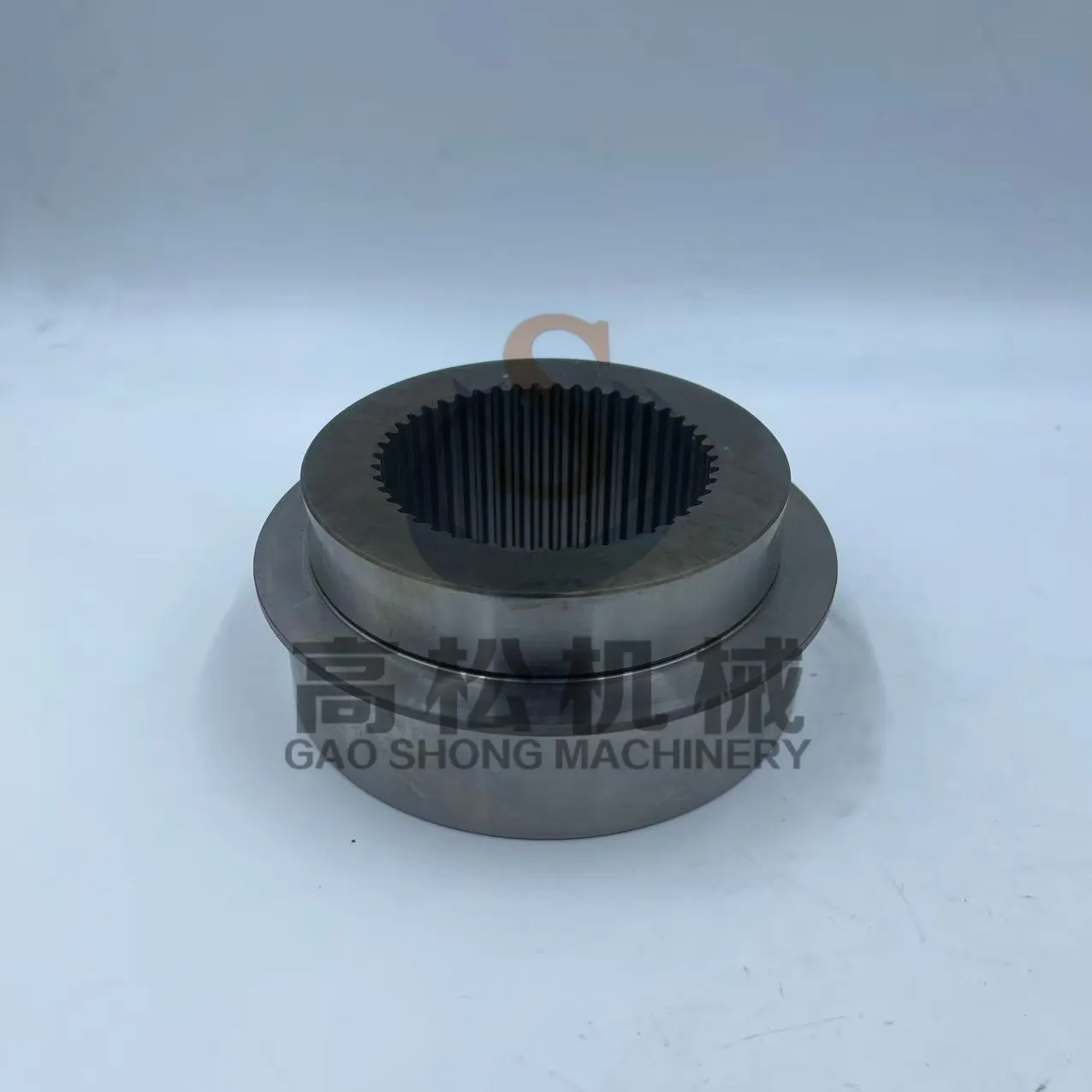 Komatsu 195-15-82570 Spacer
 -
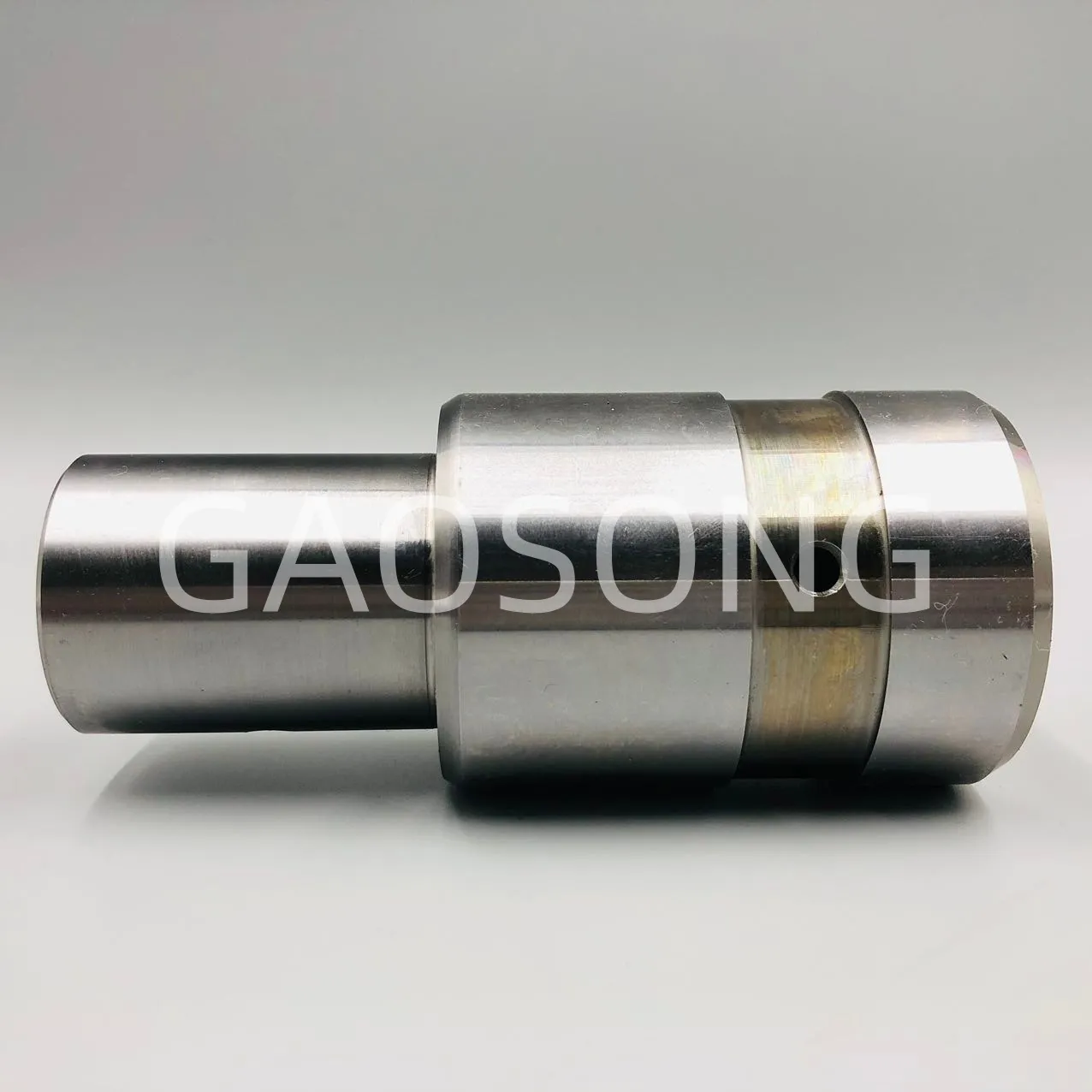 SHAFT 6240-61-4630 – KOMATSU
 -
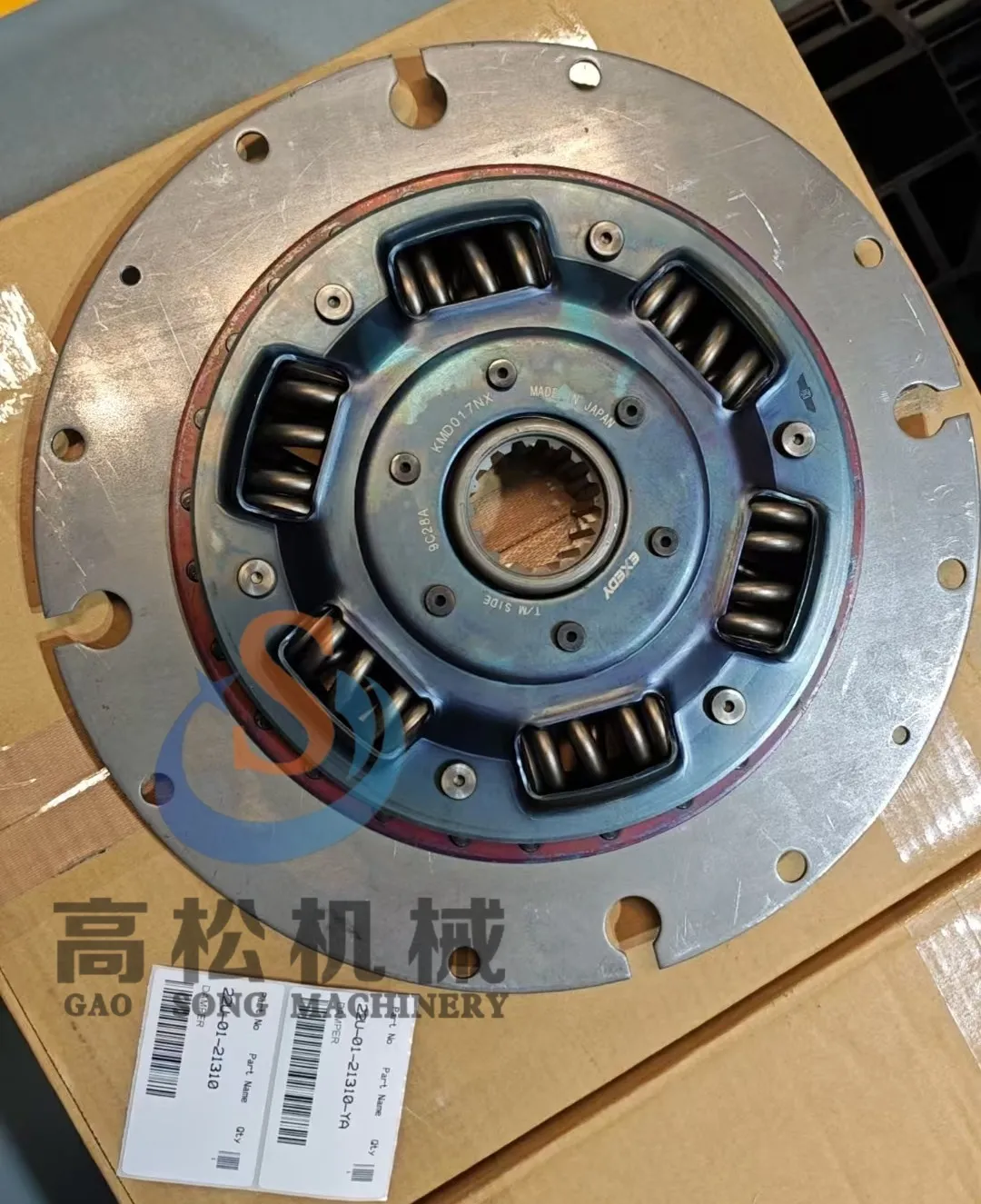 22U-01-21310 komatsu DAMPER-PC230/PC240/PC300
 -
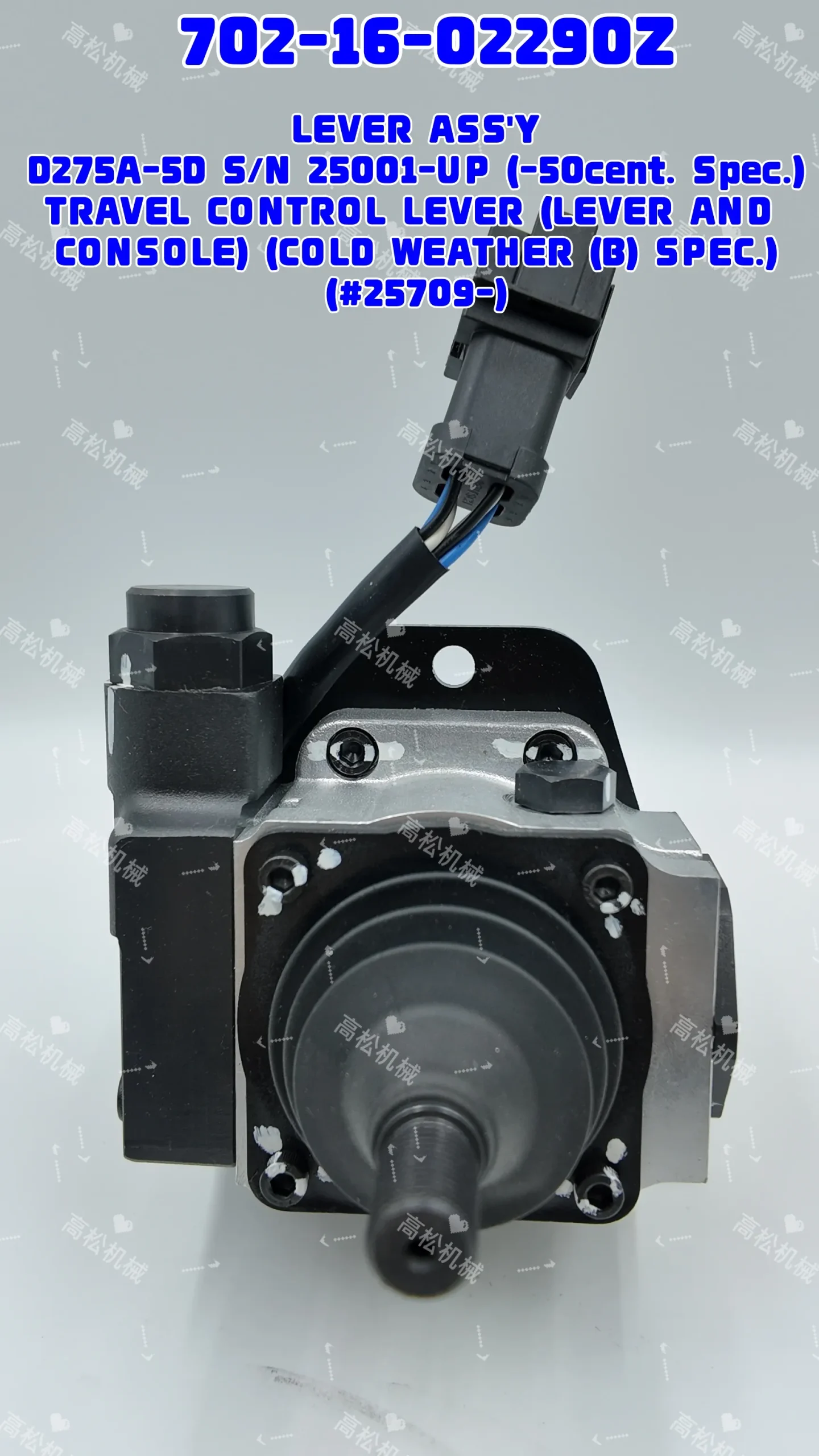 komatsu-part-702-16-02290 LEVER ASS’Y D65PX-15E0 D155AX-6 D155AX-8 D275A-5R D85EXI-18 FLOOR FRAME, TRAVEL CONTROL LEVER FLOOR FRAME, LEVER ROPS CAB, PCCS (PALM COMMAND CONTROL SYSTEM) LEVER
 -
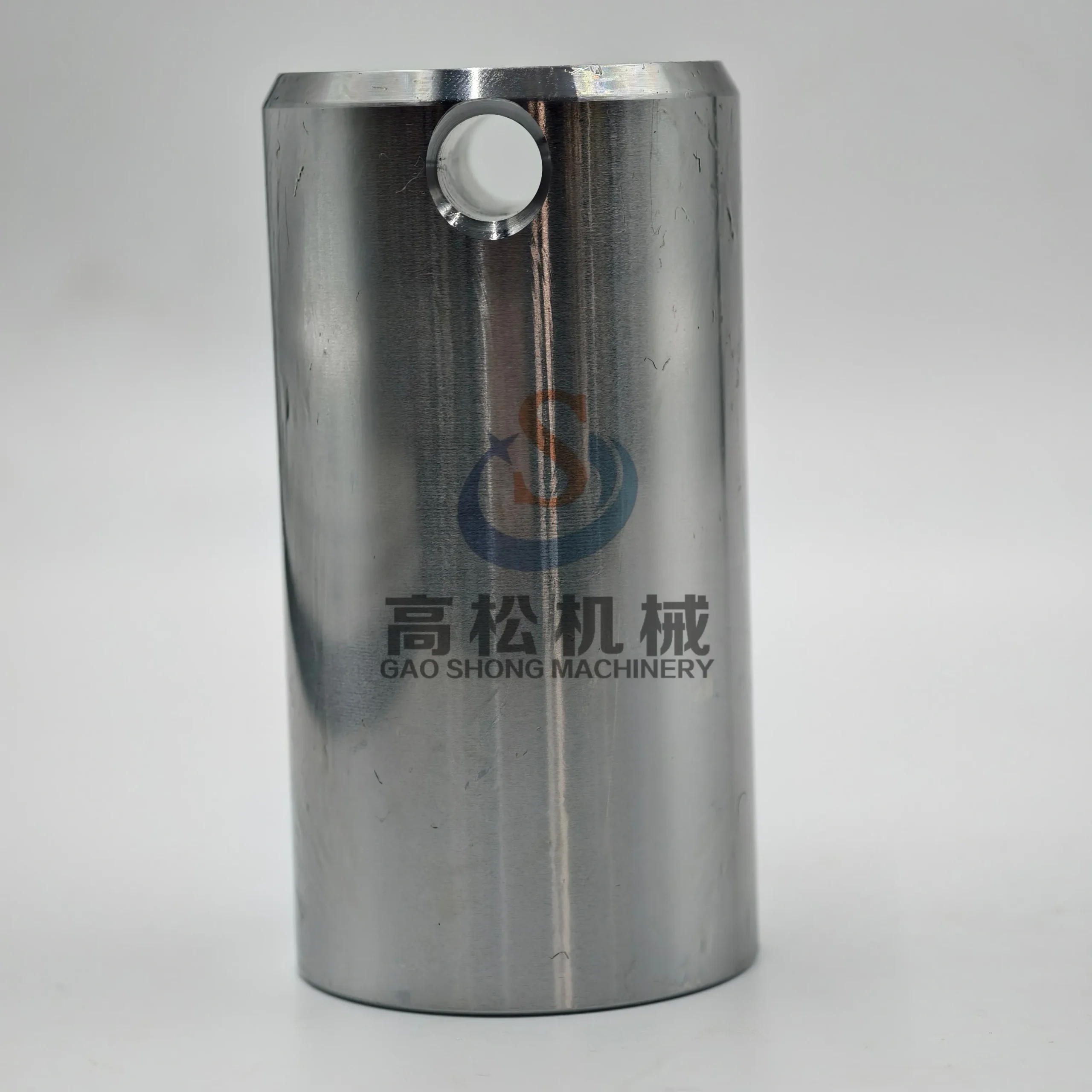 20Y-27-31160Komatsu Pin – 20Y-27-31160
 -
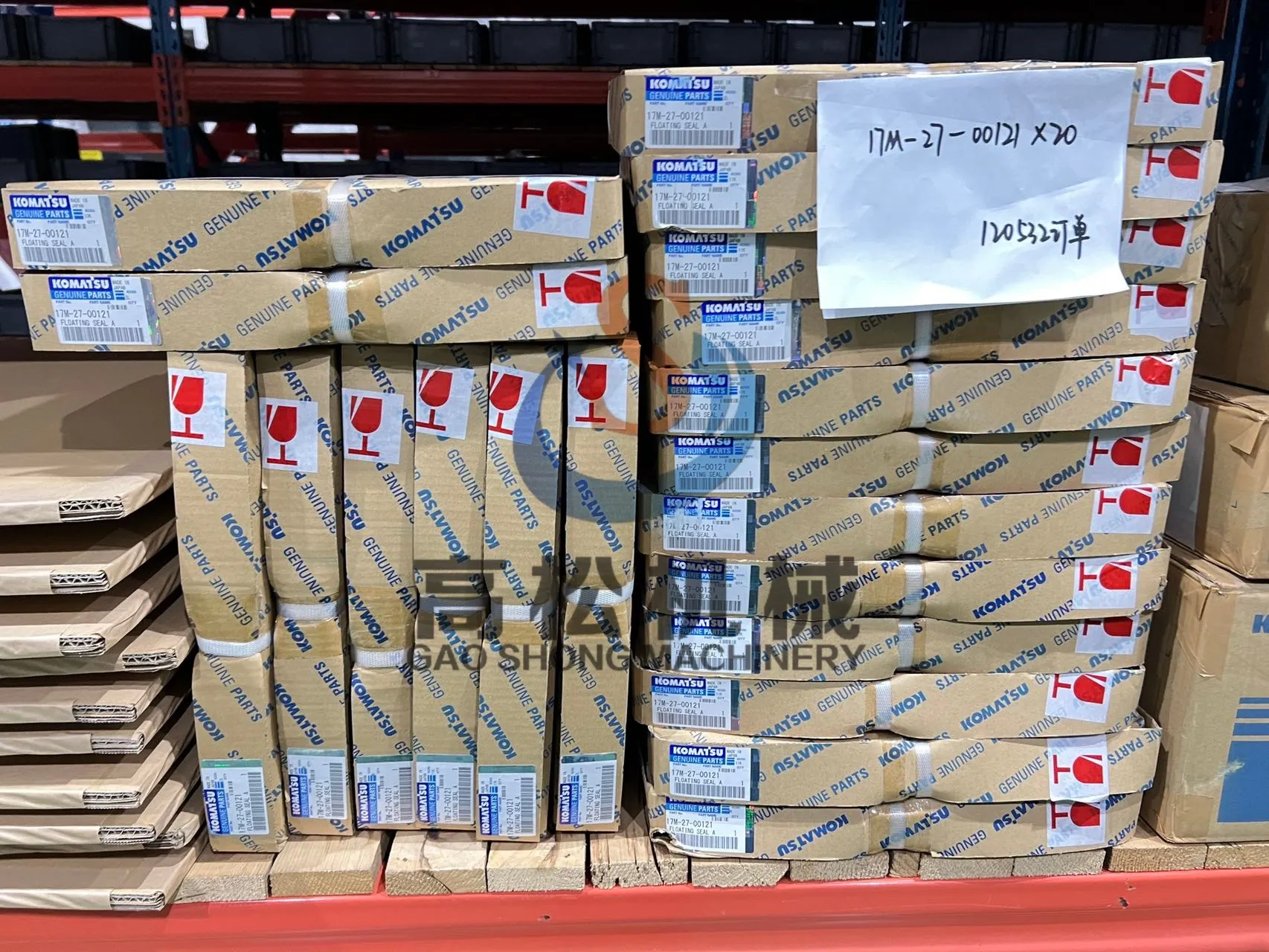 17M-27-00121 FLOATING SEAL ASSY
 -
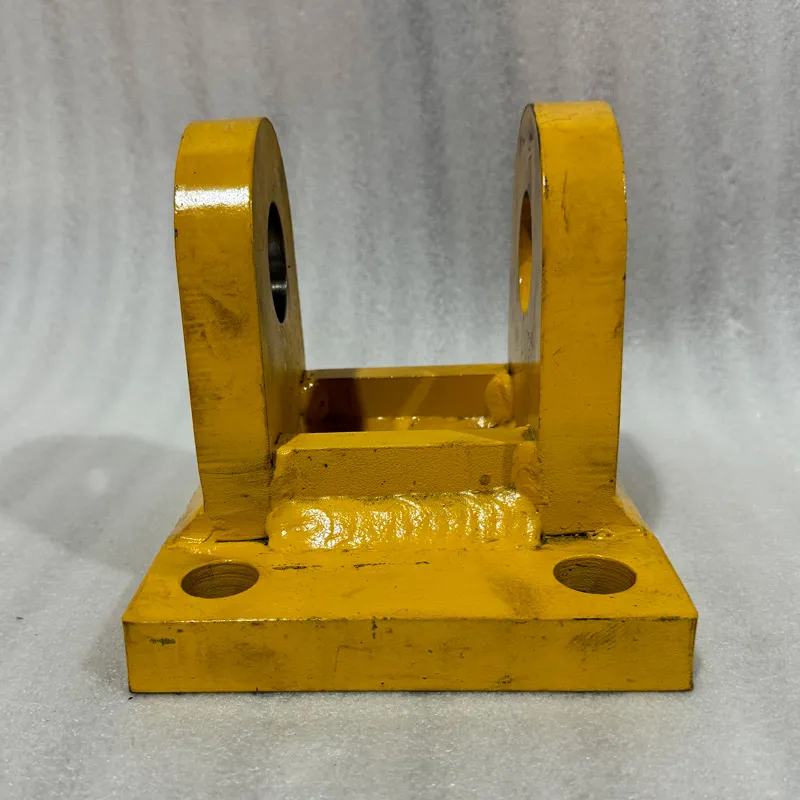 Original komatsu GD661A-1 Pull Rod 238-46-11810
 -
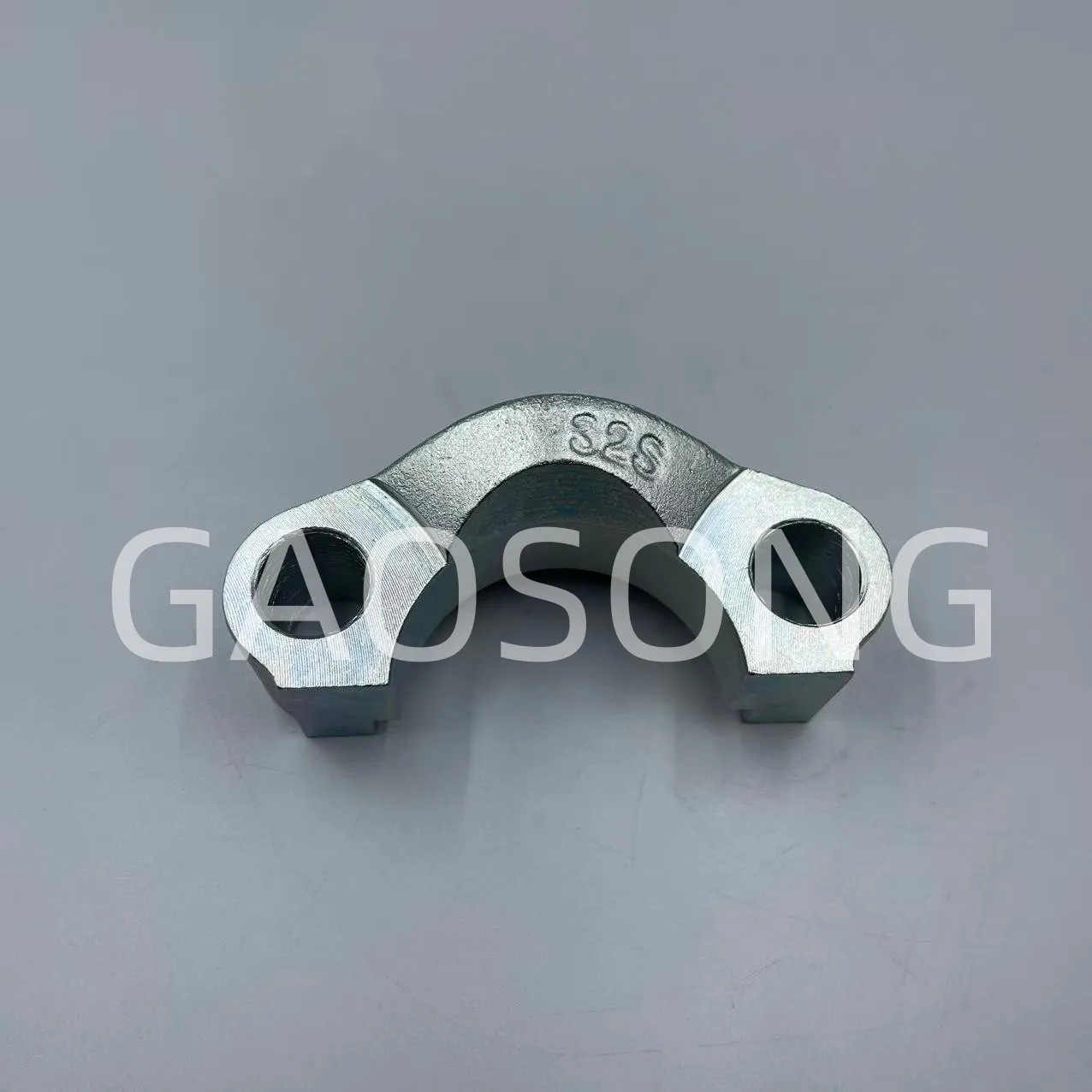 707-40-28020 • SPACER-Komatsu Original Factory
 -
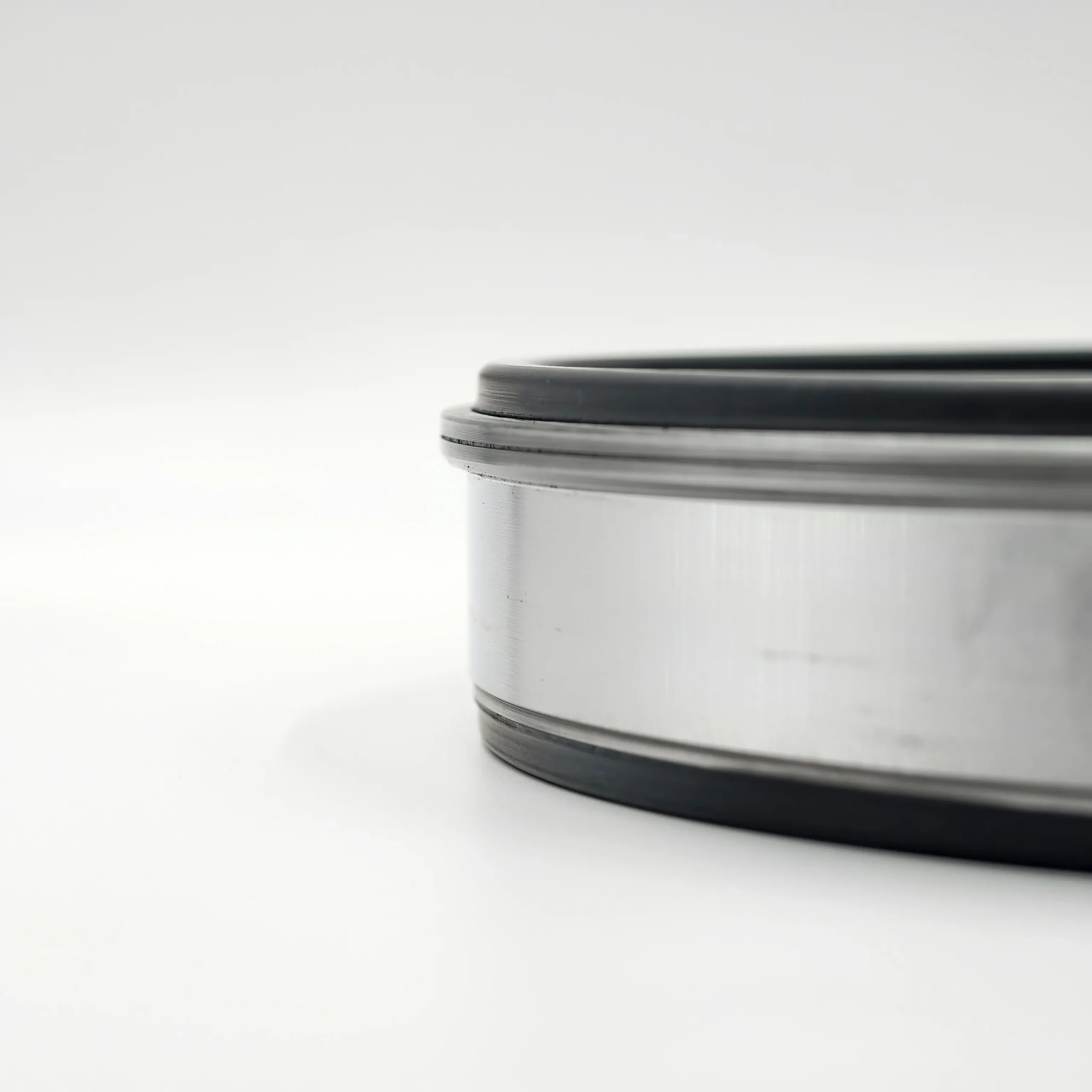 KOMATSU-Collar Assembly 14Y-21-13242
 -
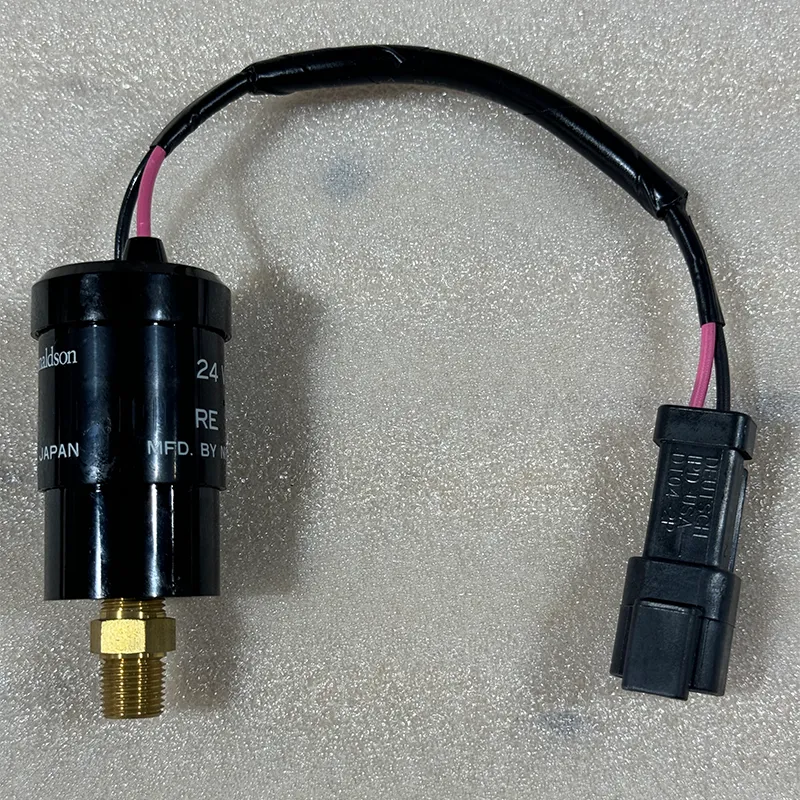 600-815-8860 Original komatsu Indicator Air Cleaner for HD325-7R WA500-6 HM300-2
 -
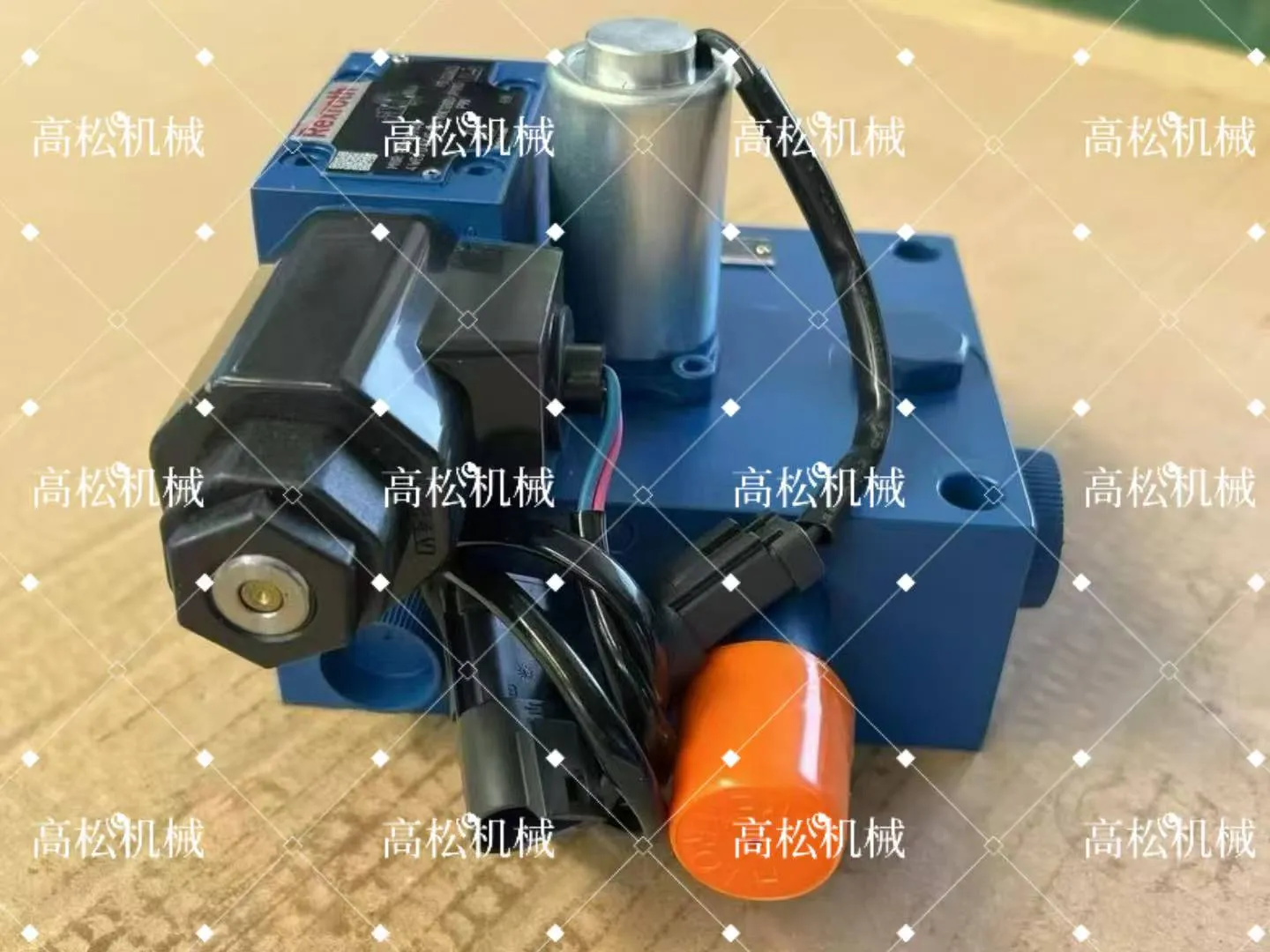 New available valve assembly hm300-5 for charging the hydraulic battery 56d-43-37101 for earth-digging machinery of komatsu
 -
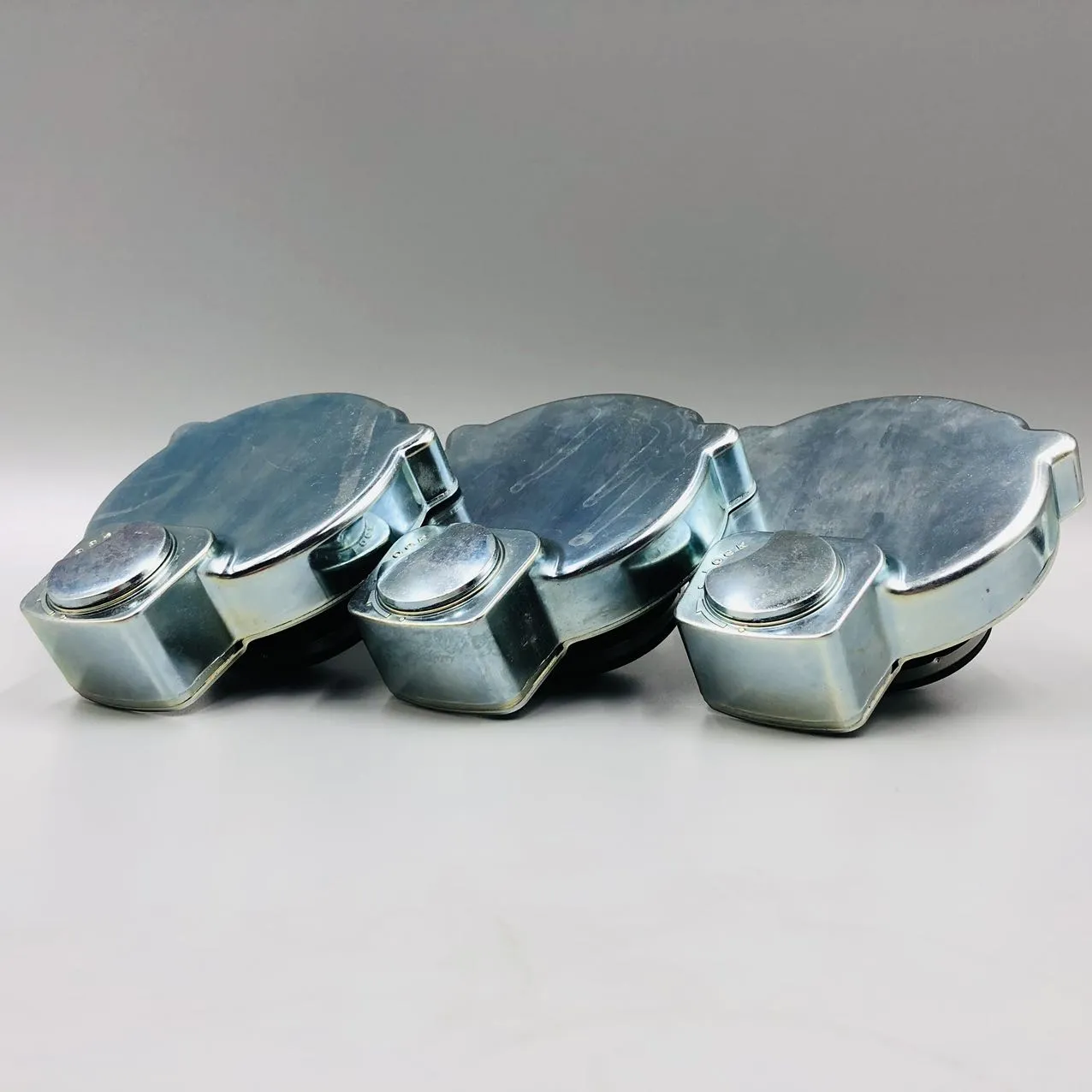 Hydraulic Oil Tank Cap 17A-60-11310 For Komatsu PC200-6 PC200-8 D155A PC400-8