
- Chinese
- French
- German
- Portuguese
- Spanish
- Russian
- Japanese
- Korean
- Arabic
- Irish
- Greek
- Turkish
- Italian
- Danish
- Romanian
- Indonesian
- Czech
- Afrikaans
- Swedish
- Polish
- Basque
- Catalan
- Esperanto
- Hindi
- Lao
- Albanian
- Amharic
- Armenian
- Azerbaijani
- Belarusian
- Bengali
- Bosnian
- Bulgarian
- Cebuano
- Chichewa
- Corsican
- Croatian
- Dutch
- Estonian
- Filipino
- Finnish
- Frisian
- Galician
- Georgian
- Gujarati
- Haitian
- Hausa
- Hawaiian
- Hebrew
- Hmong
- Hungarian
- Icelandic
- Igbo
- Javanese
- Kannada
- Kazakh
- Khmer
- Kurdish
- Kyrgyz
- Latin
- Latvian
- Lithuanian
- Luxembou..
- Macedonian
- Malagasy
- Malay
- Malayalam
- Maltese
- Maori
- Marathi
- Mongolian
- Burmese
- Nepali
- Norwegian
- Pashto
- Persian
- Punjabi
- Serbian
- Sesotho
- Sinhala
- Slovak
- Slovenian
- Somali
- Samoan
- Scots Gaelic
- Shona
- Sindhi
- Sundanese
- Swahili
- Tajik
- Tamil
- Telugu
- Thai
- Ukrainian
- Urdu
- Uzbek
- Vietnamese
- Welsh
- Xhosa
- Yiddish
- Yoruba
- Zulu
- Kinyarwanda
- Tatar
- Oriya
- Turkmen
- Uyghur






komatsu forklift air filter
Look, when most folks hear 'Komatsu forklift air filter', they immediately think of that rectangular box on the side of the engine. The part number, the price, swap it out. Done. But that's where the disconnect starts. The real story isn't just the filter itself; it's the entire intake system's health and the supply chain nightmare that keeps machines down for weeks. I've seen too many operators blow out a filter with an air hose, thinking they're saving money, only to score the inner lining and send a fine grit cocktail straight into the cylinder. That $150 savings just turned into a $5,000 overhaul. The filter is the cheapest insurance you've got, but only if it's the right one and installed with a bit of sense.
The OEM Illusion and The Aftermarket Trap
Everyone wants the Genuine Komatsu box with the logo. I get it. But here's the rub: in many regions, that box has been sitting on a backroom shelf for three years. The sealing gasket material can degrade. We had a client in a port environment who insisted on only official parts from a local supplier. The filters kept failing prematurely, causing constant alarm codes. Turns out, the supplier's stock was old, and the paper media had absorbed so much ambient moisture it was collapsing under suction. It wasn't a design flaw; it was a logistics failure.
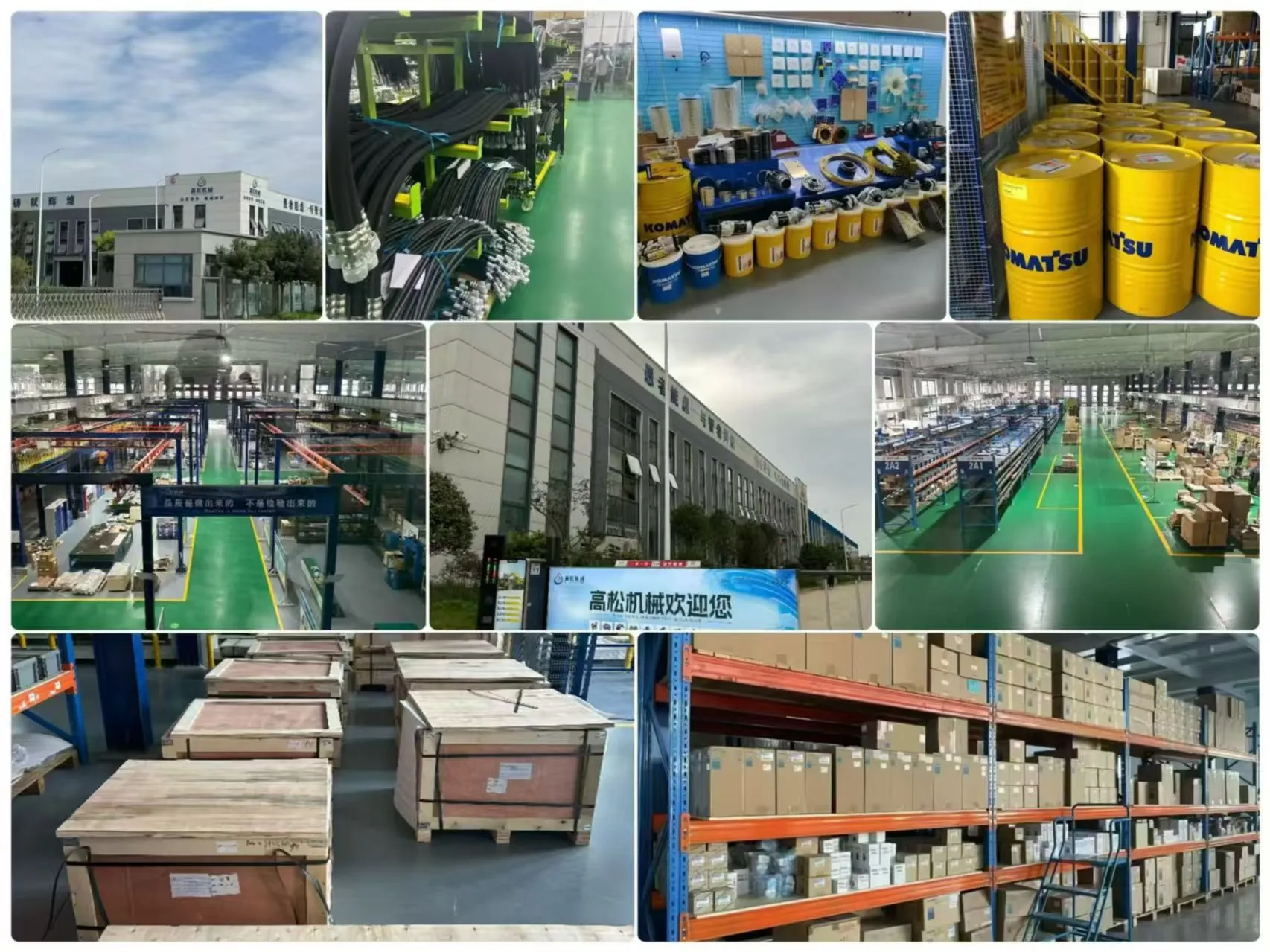
This is exactly where a company's position gets critical. Take Jining Gaosong Construction Machinery Co., Ltd.. Their setup is interesting because they operate within the Komatsu system as an OEM product supplier, but they also function as a third-party sales channel. What that means on the ground is they can often bridge that availability gap. You're not necessarily getting a part from a five-year-old pallet in a humid warehouse; their model is built on solving those specific parts supply challenges. It's a different kind of reliability.
Then you've got the pure aftermarket copies. Some are fine, honestly, for light-duty, clean applications. But for a Komatsu forklift working in a lumber yard or a cement bagging plant? Forget it. The pleat count is off, the adhesive used between the paper layers can't handle the temperature swings, and the rubber end caps crack within months. You might save 40% upfront, but you're changing filters twice as often and gambling with your engine's life. The total cost equation never adds up.
More Than Just Paper: The System Around the Filter
Focusing solely on the filter cartridge is like worrying about the tire tread but ignoring the bent rim. The entire intake tract matters. The pre-cleaner cap, the rubber intake hoses, the clamps, and the housing itself. A tiny crack in the housing after a minor impact, or a hardened, ill-fitting hose clamp, can bypass the filter entirely. I learned this the hard way early on. We replaced a filter on a Komatsu FD30, but the service light came back on in a week. Spent hours diagnosing sensors. The problem? The old clamp had over-compressed the intake hose. When we put on the new filter and re-used the clamp, it never sealed properly on the deformed hose. A $2 clamp wasted a $200 filter.
You have to inspect the whole path. Run your hand inside the housing for dust. Check the rubber for flexibility. Listen for hisses. The filter is the final guard, but it's not a magician. It can't clean air that's already sneaking in past its post.
This system-awareness is where practical experience trumps a pure parts catalog approach. A supplier that understands this—like one that helps solve broader supply issues—might also be the one to point out that you should order the housing inspection gasket or the updated hose kit alongside your air filter. It's about fixing the problem, not just selling the part.
Service Intervals: Following the Manual vs. Reading the Machine
The manual says 500 hours. That's a suggestion, not a law. In a climate-controlled food distribution center, 500 hours might be conservative. In a demolition yard, 150 hours might be pushing it. The only real gauge is the restriction indicator, and even that needs a sanity check. If the indicator pops early and often, your environment is brutal, or you have a leak letting in dirty air. If it never pops by 600 hours, maybe your hour meter is off or the indicator is stuck.
I've adopted a simple rule: visual check every 250 hours, no matter what. Pull it out, hold it up to a bright light. If you can't see light through a significant portion of the pleats, it's done, regardless of what the service timer says. This is especially true for Komatsu's newer EPA Tier 4 models. The air system is tied into the ECU's calculations. A clogged filter doesn't just rob power anymore; it can derate the engine or throw it into limp mode to protect the DPF. Suddenly, your productivity is zero.
This is another layer of the supply challenge. When a machine is down in limp mode, you need that filter now, not in three weeks. Long lead times on parts aren't just an inventory cost; they're a massive operational risk. Having a reliable pipeline for critical wear items like Komatsu forklift air filters becomes a strategic advantage.
Case in Point: The Silica Dust Debacle
Our worst-case scenario was at a glass manufacturing plant. Silica dust is a killer—abrasive and fine. They were using a decent aftermarket filter on their Komatsu fleet, changing on schedule. But engines were still showing wear. We did a particle count test downstream of the filter. The results were shocking. The filters were trapping the larger stuff, but the sub-micron silica was passing right through. The aftermarket media just didn't have the right density or electrostatic charge.
We switched them to a proper OEM-spec filter sourced through a partner that could guarantee the spec, not just the shape. The particle count dropped dramatically. The cost per filter was higher, but the engine oil analysis came back clean, and the overhaul intervals extended. This wasn't about brand loyalty; it was about material science. The takeaway? Know your contaminant. Generic dust isn't specific enough. Mineral dust, organic dust, metal shavings—they all interact with filter media differently.
In that situation, a supplier who is an OEM product supplier within the Komatsu system has a leg up. They have access to the exact material specifications and testing data that a generic parts reseller doesn't. They can tell you why the Komatsu filter is built a certain way for certain applications, which is far more valuable than just a price quote.
Final Thought: It's a Component, Not a Commodity
So, wrapping this up, the key is to stop thinking of the air filter as a simple, interchangeable commodity. It's a precision component of your engine's breathing system. The right choice balances genuine specification, predictable availability, and an understanding of your specific operating hellscape. It's the one part you never want to make do with.
That's why the landscape is shifting towards suppliers who can offer more than just a transaction. You need someone who gets the machine, gets the application, and has a supply chain robust enough to get you the right part before your entire yard grinds to a halt. It's about minimizing total cost, not unit cost.
When your next service is due, don't just order a filter. Look at the housing, check the hoses, think about what's in your air. And maybe consider where your parts are really coming from, and how long you can afford to wait. That's the real filter test.
Related Products
Related Products

Best Selling Products
Best Selling Products-
 Komatsu 21N-68-32320 CONNECTOR-Komatsu Original Factory CONNECTOR PC1250SP-8R PC1800-6 PC1100SP-6 PC2000-8
 -
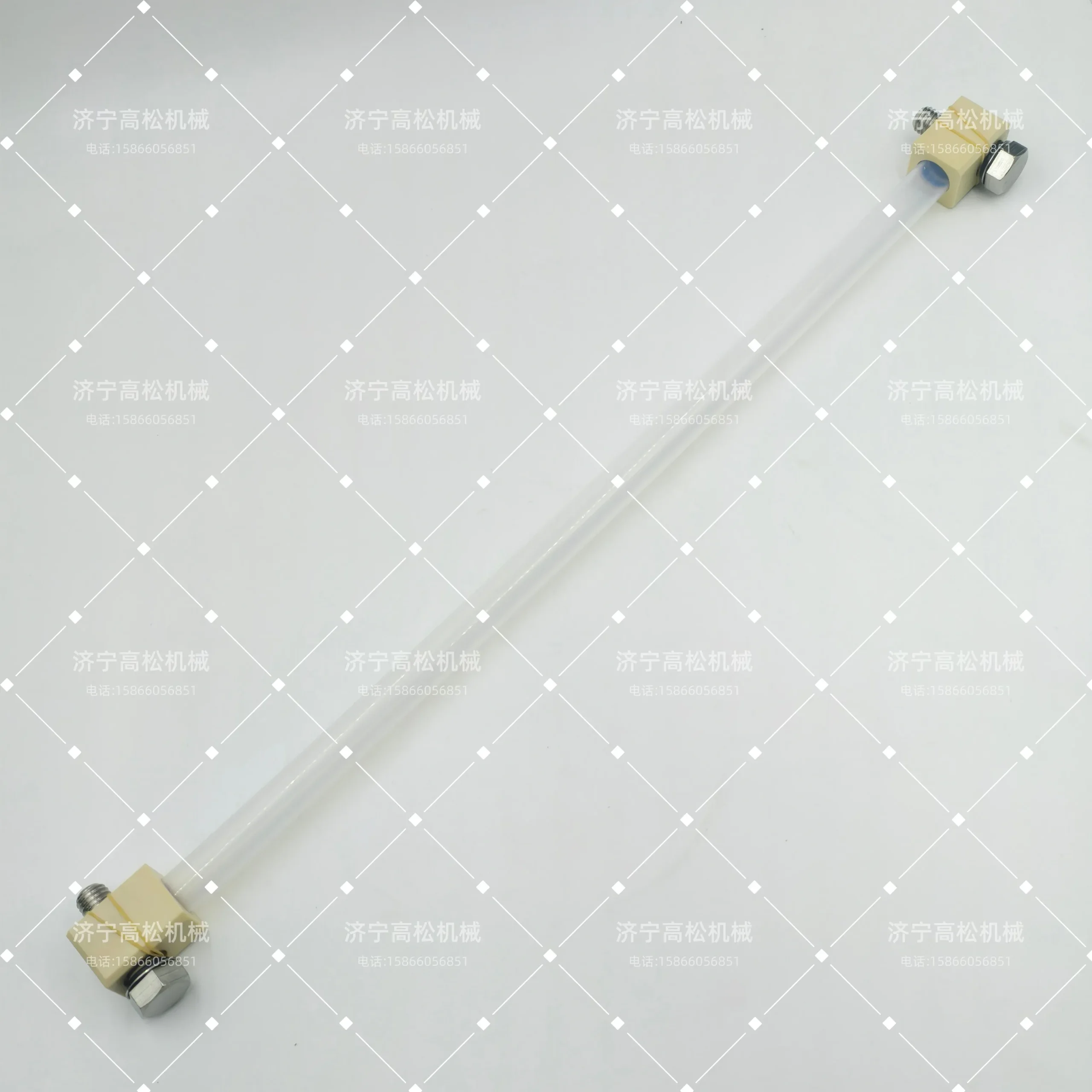 427-16-21120 Komatsu Head Cover Assembly
 -
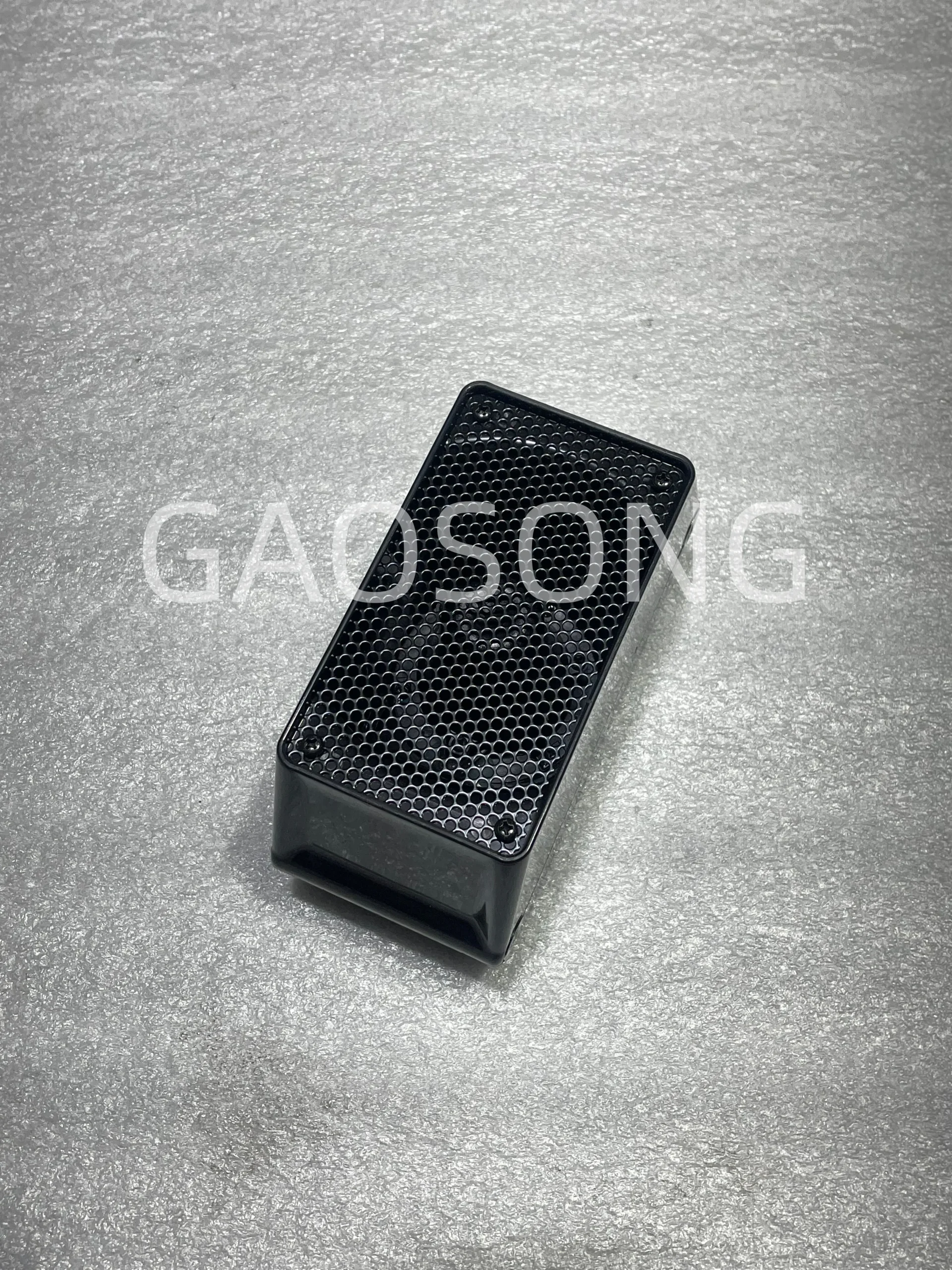 415-06-22100 ALARM.BACK-UP-Komatsu Original Factory
 -
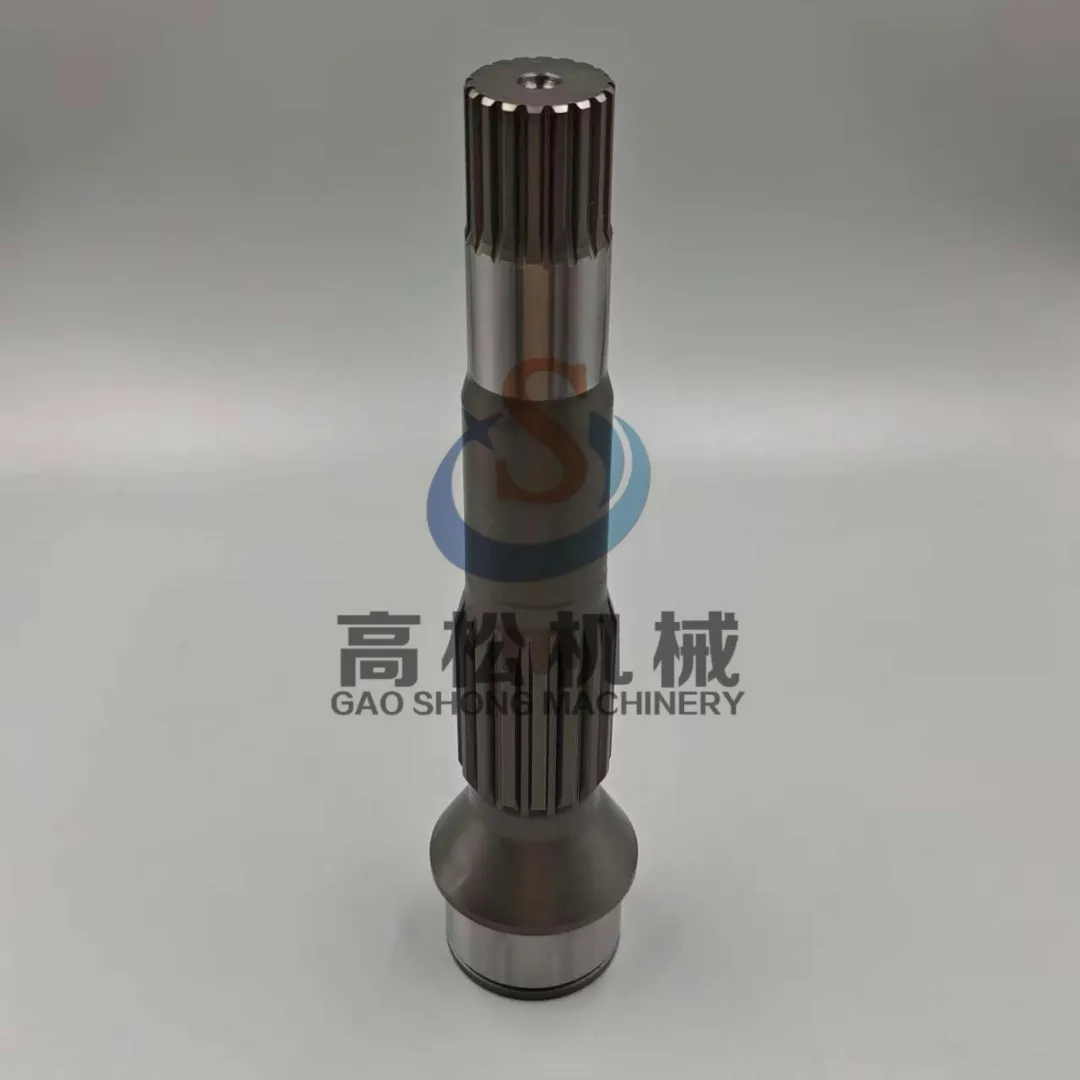 708-2G-12121 Shaft Drive L Fits Komatsu PC300-7 PC360-7 PC350-7 HPV140 Pump
 -
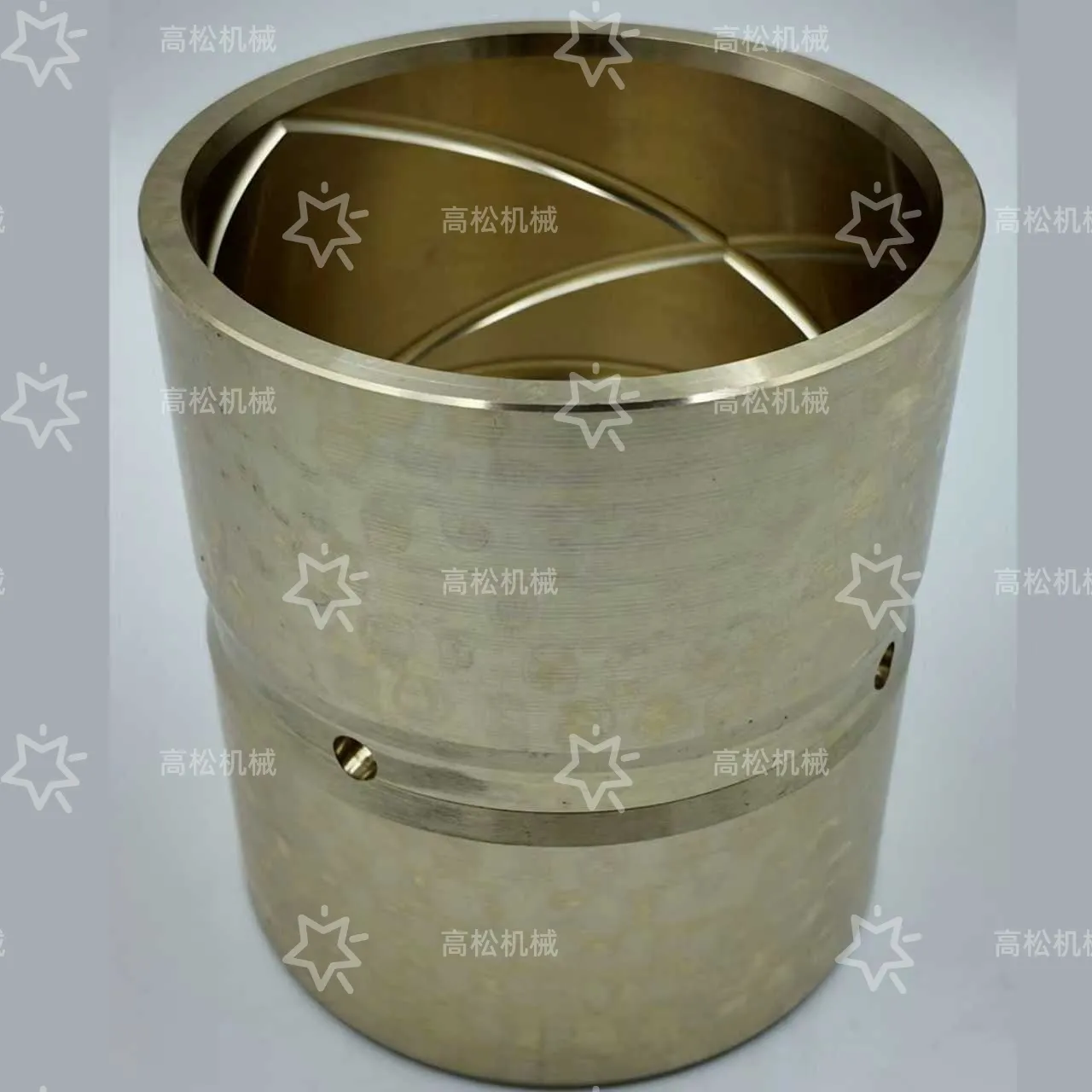 BUSHING 207-70-61610 for KOMATSU PC350-7 PC300LC-7 PC300-8 PC300LC-7L PC300-7
 -
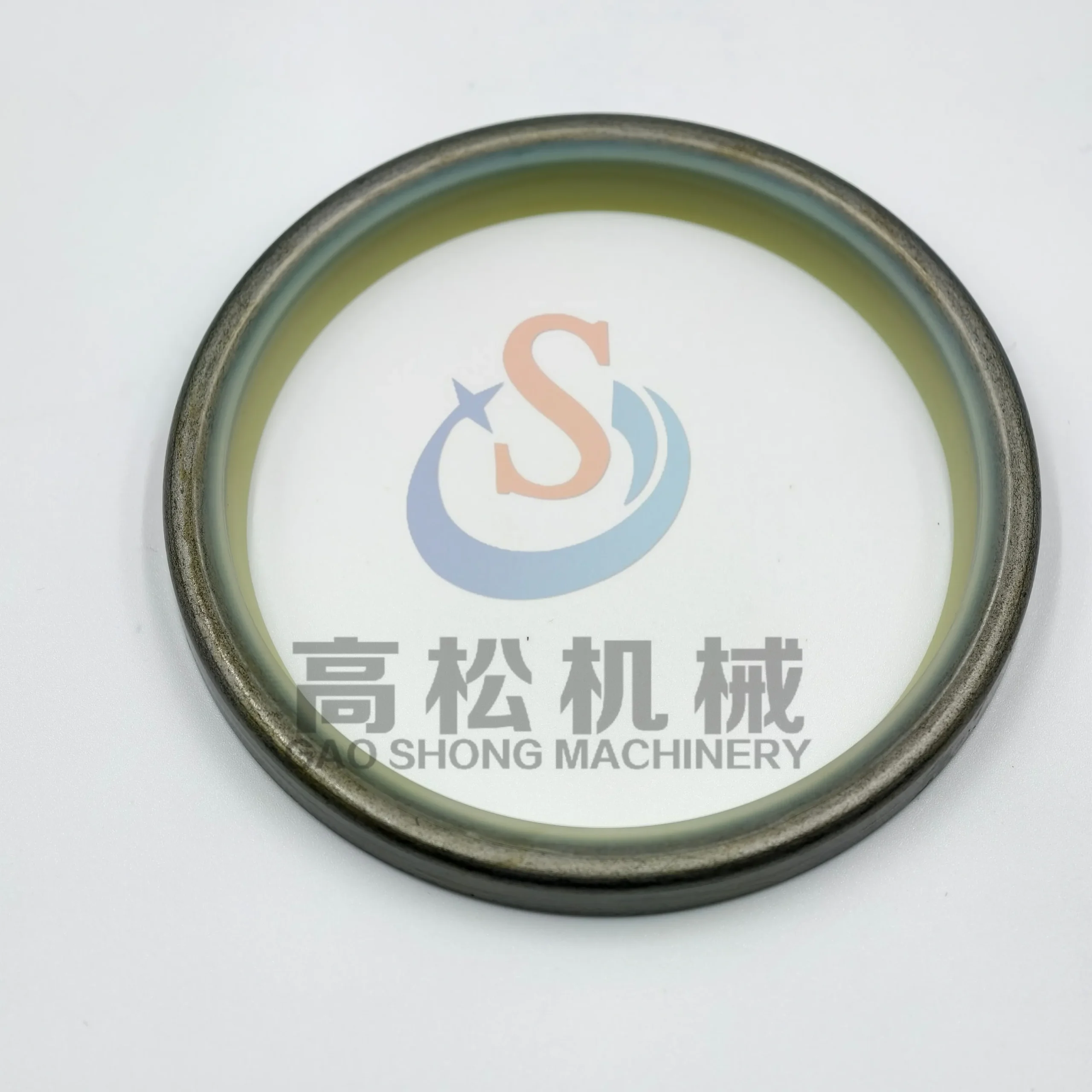 17M-50-24360 Seal (Komatsu)
 -
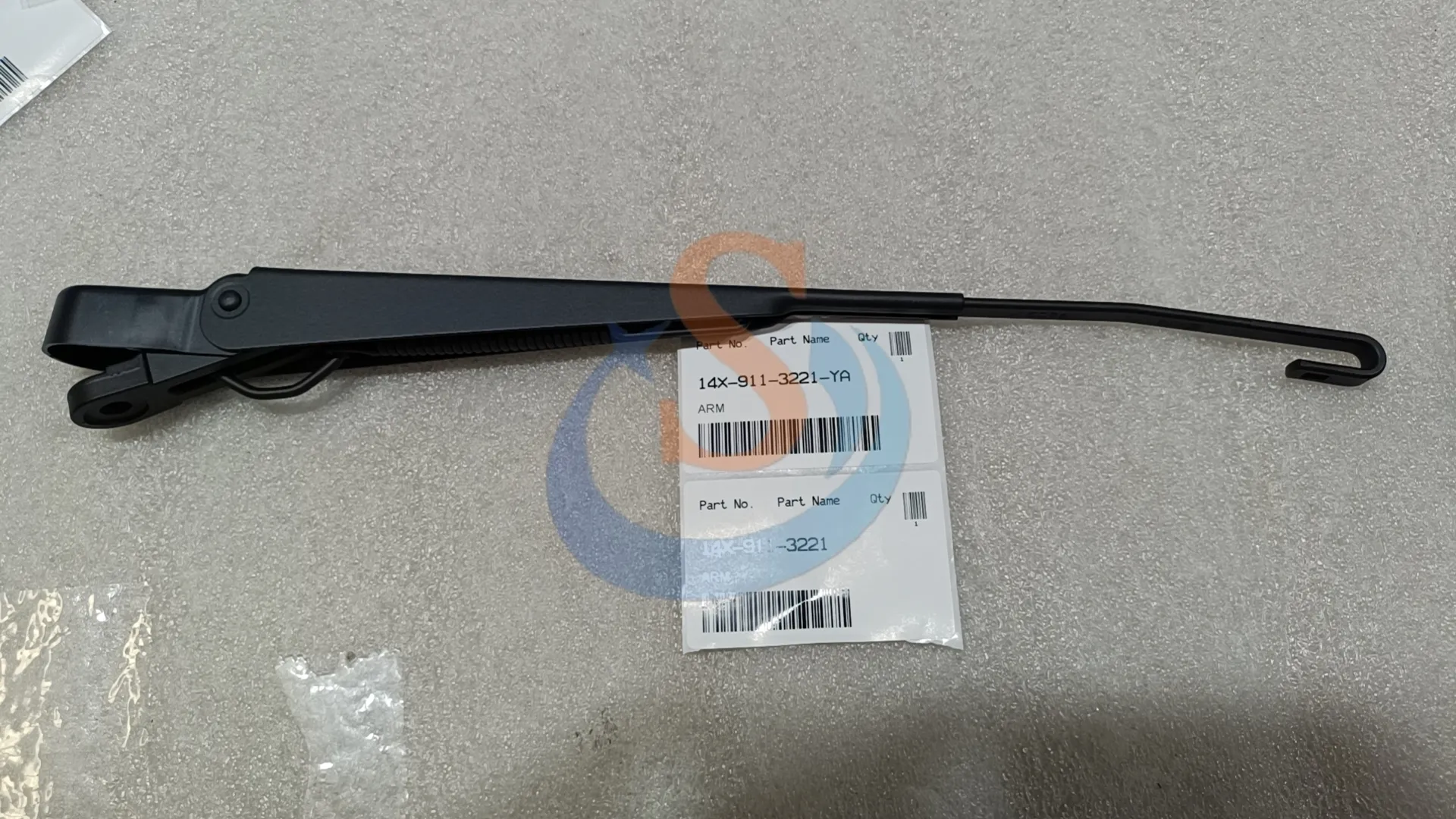 14X-911-3221,ARM,D155AX,D375A,D475A
 -
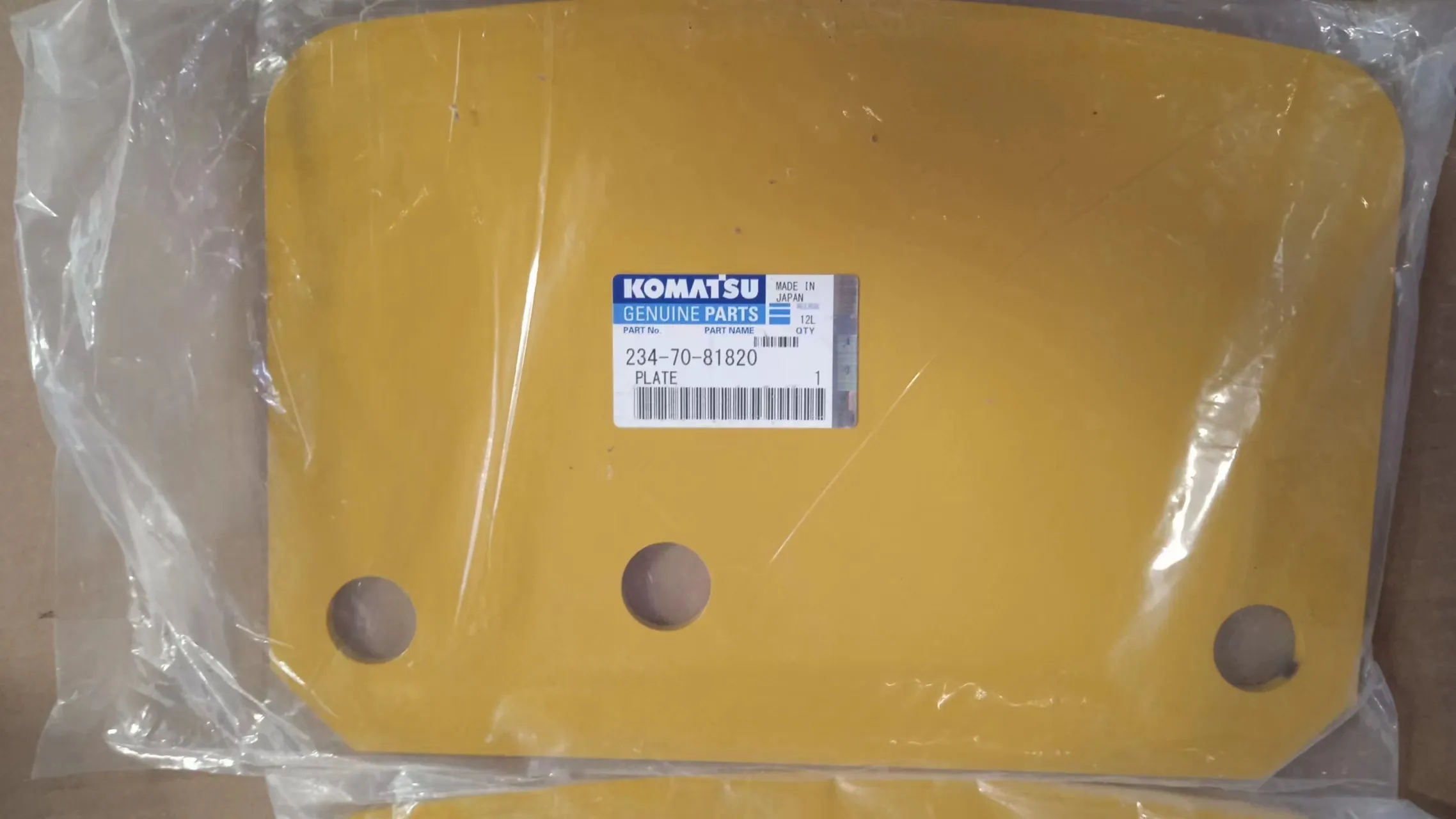 GD705-5 metal plate 234-70-81820
 -
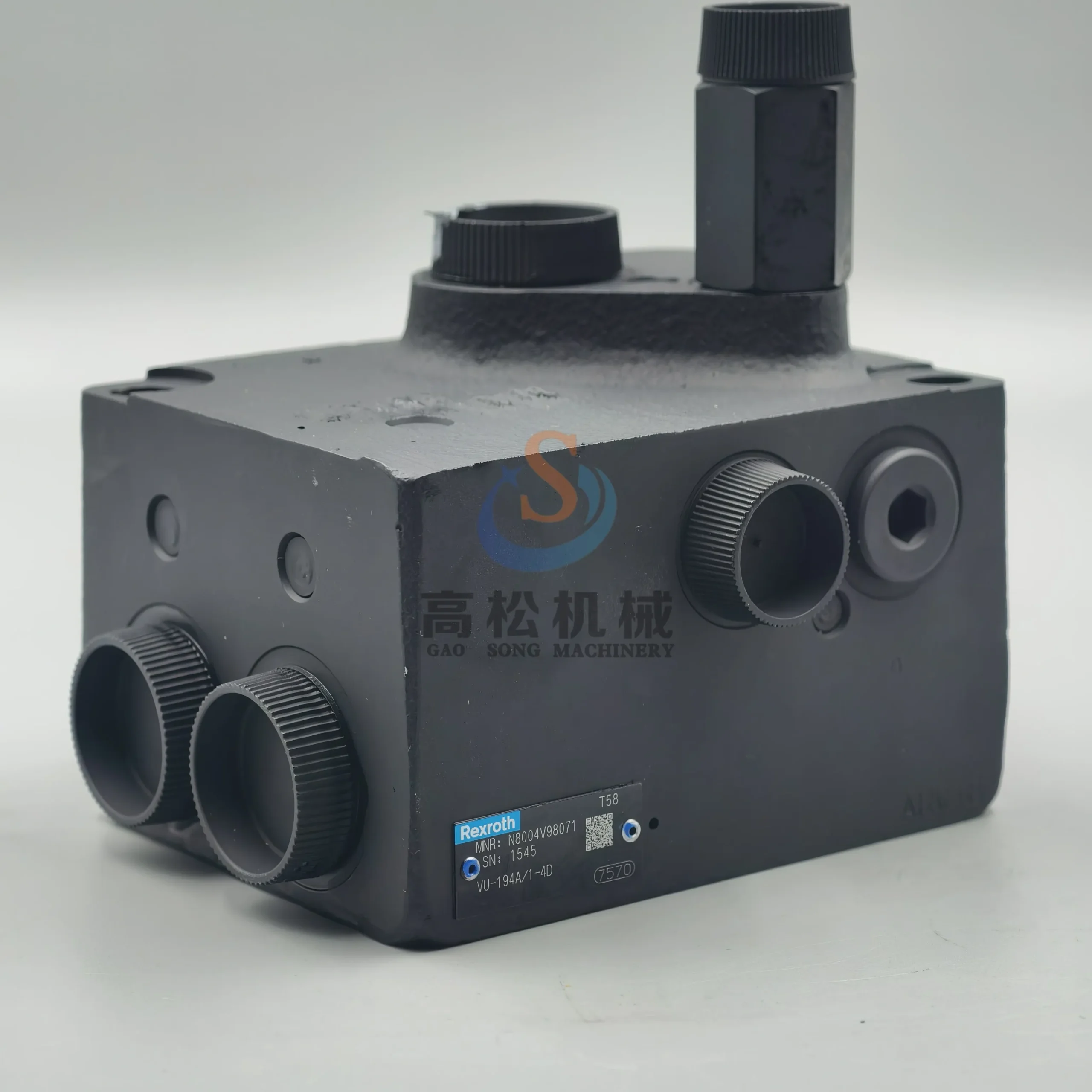 419-43-27401 komatsu vavle-WA400/WA300
 -
 6240-61-2120 Cover for Engine SAA6D170E-3F-8 Parts – Komatsu
 -
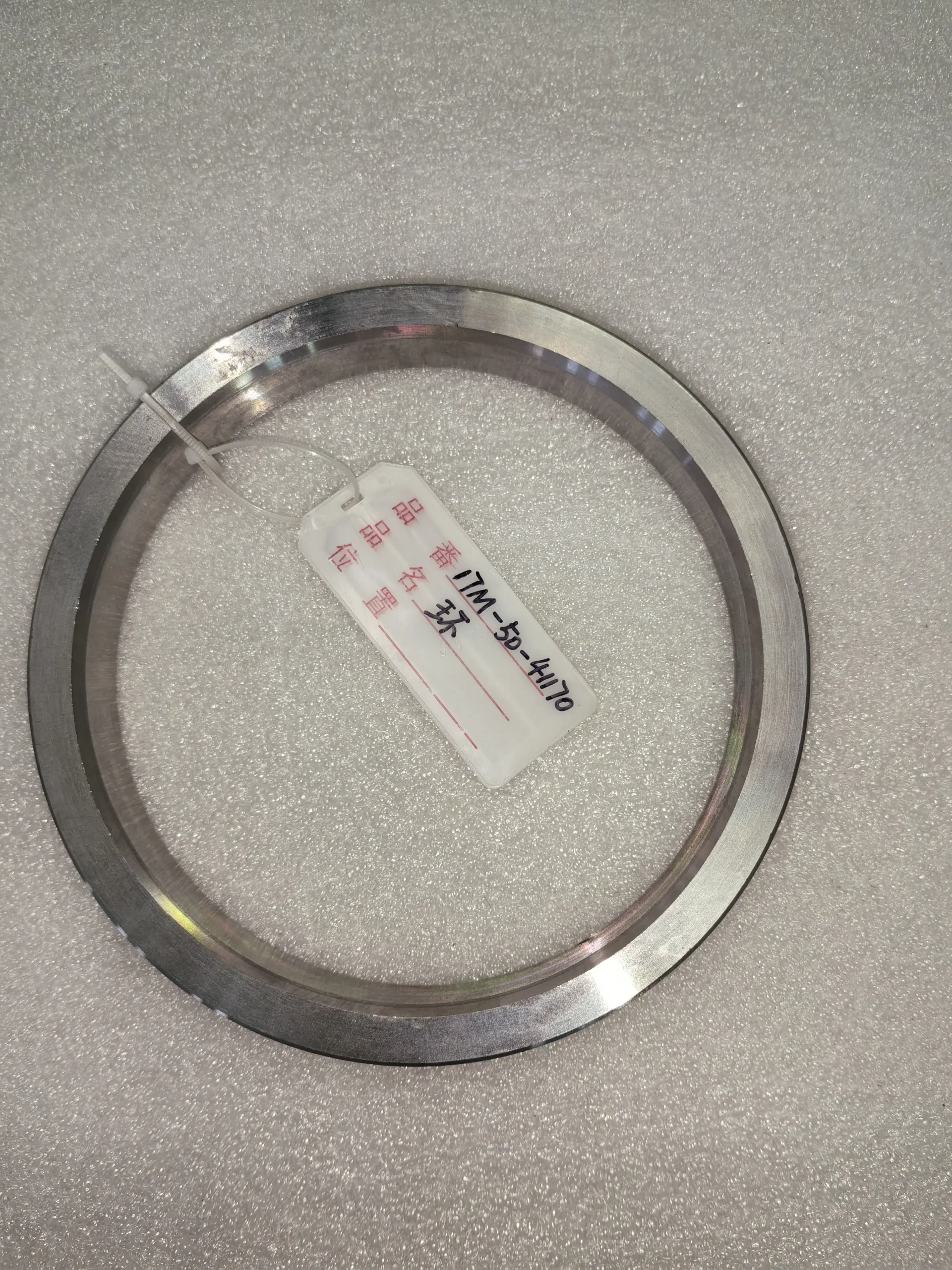 RING 17M-50-41170 – KOMATSU
 -
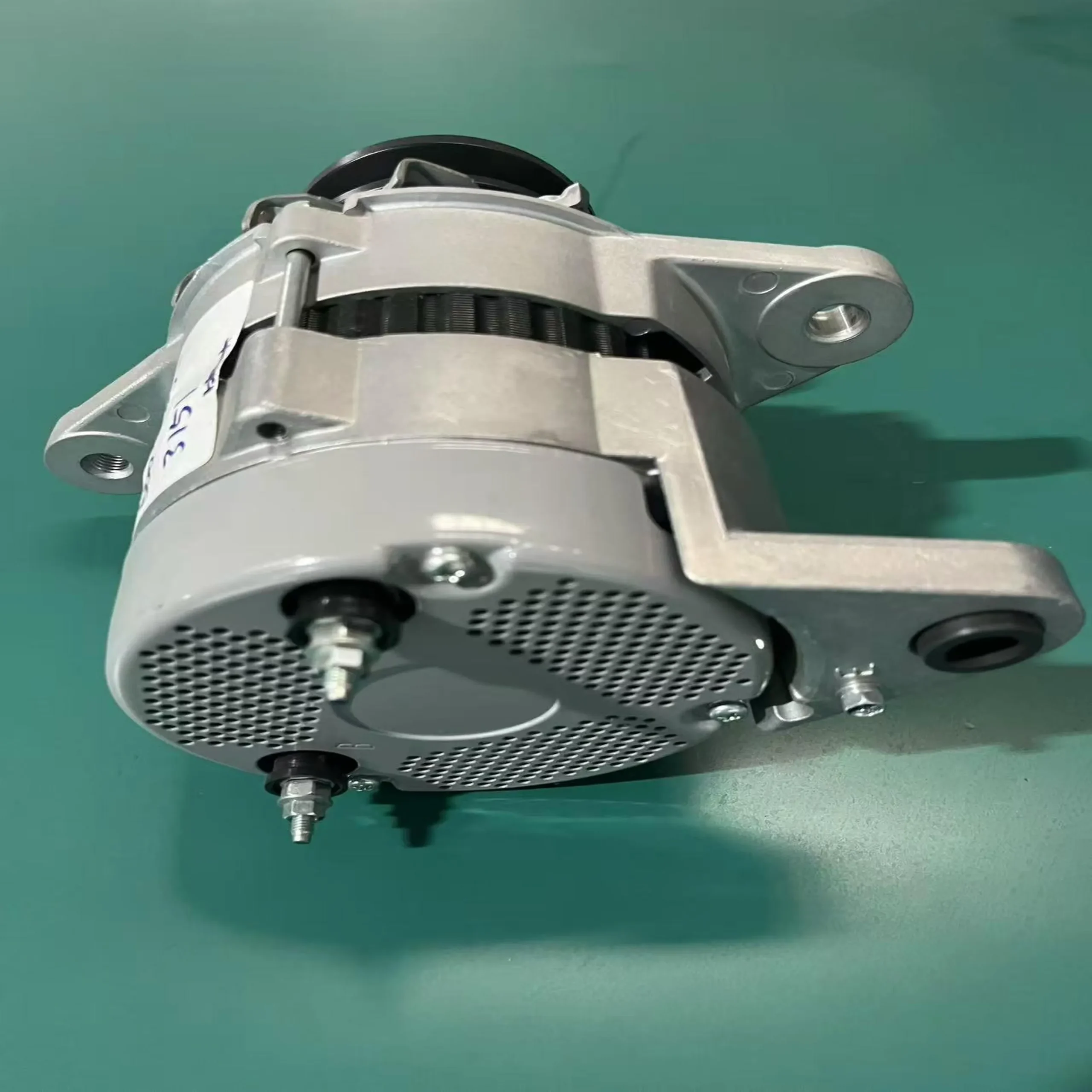 Komatsu D53a D53p Alternator Is Compatible600-825-3250 600-825-3260