
- Chinese
- French
- German
- Portuguese
- Spanish
- Russian
- Japanese
- Korean
- Arabic
- Irish
- Greek
- Turkish
- Italian
- Danish
- Romanian
- Indonesian
- Czech
- Afrikaans
- Swedish
- Polish
- Basque
- Catalan
- Esperanto
- Hindi
- Lao
- Albanian
- Amharic
- Armenian
- Azerbaijani
- Belarusian
- Bengali
- Bosnian
- Bulgarian
- Cebuano
- Chichewa
- Corsican
- Croatian
- Dutch
- Estonian
- Filipino
- Finnish
- Frisian
- Galician
- Georgian
- Gujarati
- Haitian
- Hausa
- Hawaiian
- Hebrew
- Hmong
- Hungarian
- Icelandic
- Igbo
- Javanese
- Kannada
- Kazakh
- Khmer
- Kurdish
- Kyrgyz
- Latin
- Latvian
- Lithuanian
- Luxembou..
- Macedonian
- Malagasy
- Malay
- Malayalam
- Maltese
- Maori
- Marathi
- Mongolian
- Burmese
- Nepali
- Norwegian
- Pashto
- Persian
- Punjabi
- Serbian
- Sesotho
- Sinhala
- Slovak
- Slovenian
- Somali
- Samoan
- Scots Gaelic
- Shona
- Sindhi
- Sundanese
- Swahili
- Tajik
- Tamil
- Telugu
- Thai
- Ukrainian
- Urdu
- Uzbek
- Vietnamese
- Welsh
- Xhosa
- Yiddish
- Yoruba
- Zulu
- Kinyarwanda
- Tatar
- Oriya
- Turkmen
- Uyghur






Komatsu final drive parts
Let's be straight about Komatsu final drive parts. A lot of people just see a price tag and a part number, thinking it's a simple swap. That's the first mistake. The final drive isn't just a component; it's the endpoint of your machine's power train, taking all that torque from the travel motor and turning it into track movement. When it fails, everything stops. I've seen too many operations get hung up on chasing the cheapest option or assuming all remanufactured units are equal, only to face the same failure in half the time. The real conversation should start with understanding the failure mode—was it a seal, the planetary set, the hub bearing?—and then matching the solution to the machine's actual duty cycle, not just the model number.
The OEM Illusion and the Aftermarket Reality
Everyone wants genuine Komatsu parts. I get it. The blue box feels safe. But the supply chain isn't what it was a decade ago. For certain older models or in specific regions, getting that genuine part can mean weeks of downtime. That's where the landscape gets interesting. You have the official network, and then you have a tier of suppliers who operate within the Komatsu system but provide alternative solutions. This isn't about counterfeit parts; it's about certified compatibility.
I recall a D375A-6 dozer down in a quarry. Needed a final drive assembly. The official lead time was 12 weeks, air freight was astronomical. The client was desperate. We sourced a unit from a supplier that works as an OEM product supplier within the Komatsu system. The key was their documentation—traceable metallurgy reports for the gears, the exact same Koyo bearing numbers, and a seal kit that matched the original spec. It wasn't in a Komatsu box, but it got the machine running in 7 days. The machine's still going three years later. That experience shifted my perspective from genuine only to specification first.
This is precisely the niche companies like Jining Gaosong Construction Machinery Co., Ltd. operate in. From what I've seen, their role as an OEM product supplier within the Komatsu system, and also a third-party sales channel, addresses a very real pain point. They're not just another parts shop; they're a logistical bridge for solving parts supply challenges in certain countries where the official pipeline is slow or non-existent. You can check their approach at their portal, https://www.takematsumachinery.com. It’s about having another viable option when the clock is ticking.
Failure Analysis is Non-Negotiable
Swapping a final drive without a post-mortem is like fixing a leak by mopping the floor. You will be back there soon. I learned this the hard way early on. We replaced a Komatsu final drive parts assembly on a PC360 excavator. Six months later, the same side failed. Turns out, the original failure was due to a slightly misaligned travel motor flange, causing uneven load. We just treated the symptom.
Now, we tear down every failed unit. You look for the witness marks. Is the wear even across the planetary gears? Are the bearing rollers brinelled or spalled? The color of the oil tells a story—silvery sheen means gear wear, bronze tint points to bushing material. This forensic step dictates your next move. If the housing is scored, a whole assembly might be the only fix. If it's just a seal and bearing set, a quality repair kit makes economic sense.
This analysis also informs what you buy. If the failure was a catastrophic bearing collapse that wrecked the housing, you need a unit with a verified, stress-relieved housing—not just a used casing that's been cleaned and painted. Some aftermarket suppliers are good at this level of rebuild, others aren't. You have to ask for the rebuild sheet, the torque specs they used on the planet carrier bolts, the pre-load procedure for the bearings. If they can't provide that, walk away.
The Rebuild vs. Replace Calculus
This is the daily debate. Rebuilding a final drive on-site or sending it to a shop can save up to 40% versus a new or quality reman assembly. But it's not always the right call. The calculus depends on three things: downtime window, in-house skill, and the condition of the core.
For a common model like a PC200-8, where cores are plentiful and rebuild kits are readily available, a shop rebuild can be fast and cost-effective. But for a newer or rarer model, finding the correct kit—especially the specific duo-cone seal assembly—can be a nightmare. I've been stuck waiting for a single seal ring for two weeks. In that scenario, a drop-in replacement assembly, even at a higher upfront cost, saves money when you factor in total project delay.
We tried to do an in-field rebuild on a large mining shovel's final drive once. Big mistake. The tolerances were too tight, the press-fitting of the bearings required a controlled hydraulic press we didn't have on-site, and setting the gear backlash without the proper jigs was guesswork. It ran for about 50 hours before a loud whine turned into a grind. We ended up flying in a complete assembly. The lesson was clear: know the limits of your facility. Some repairs are workshop-only.
Seals: The Smallest Part, The Biggest Headache
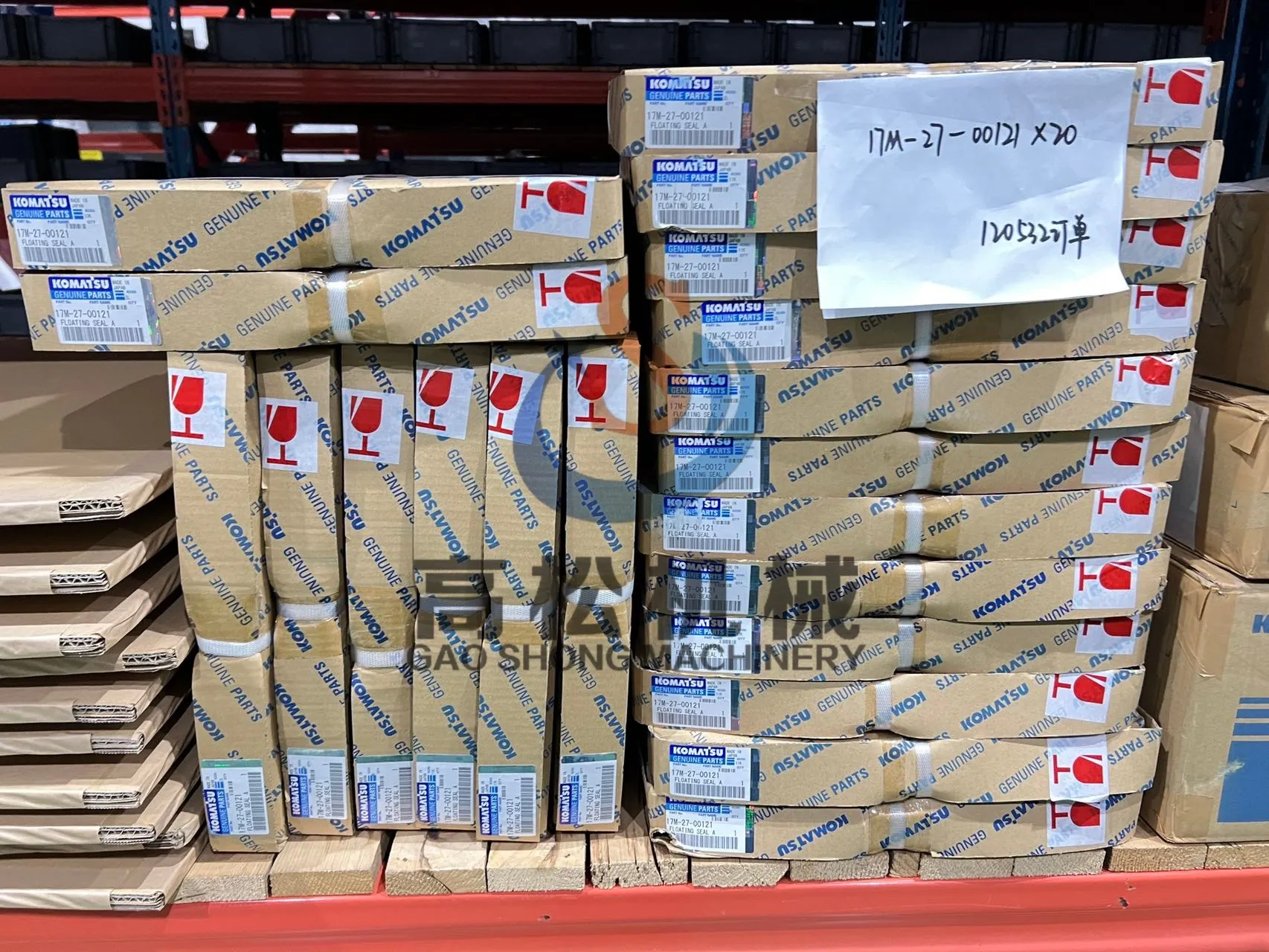
If I had to pick one sub-component that causes the majority of Komatsu final drive parts failures, it's the seal system. Specifically, the floating face seals (often called duo-cone seals). They keep the gear oil in and the dirt out. When they fail, contamination enters, and the whole unit grinds itself to dust.
The common error is just slapping in new seal rings. That's often insufficient. You must inspect and measure the seal mating surfaces on the housing and the hub. If they're pitted or grooved, even a new seal will leak immediately. Sometimes these surfaces can be machined smooth; other times, you need a sleeve or even a new housing section. This is a detail many rebuilders skip, leading to premature comebacks.
Another nuance is the seal kit itself. There are different grades. The cheapest kits might use inferior rubber compounds that harden quickly in high-temperature applications. For a machine working in abrasive conditions, specifying a kit with tungsten carbide-coated seal faces can triple the seal life. It's a 15% price increase for the kit that can prevent a 100% failure. Always specify the operating environment to your parts supplier.
Navigating the Supply Chain: A Practical View
So, you need a final drive for a Komatsu Dash-3 series excavator. Where do you go? The flowchart in your head should run: 1) Check local Komatsu dealer stock and lead time. 2) If unavailable or timeline critical, contact specialized third-party suppliers with OEM links. 3) Vet their offering—is it a true rebuild to spec or just a cleaned-up used part? 4) Get clarity on warranty and core return terms.
This is where a supplier's stated mission matters. A company that positions itself as helping to solve parts supply challenges in certain countries is typically set up for export logistics and understands documentation (certificates of origin, commercial invoices, HS codes) which is half the battle in cross-border purchases. Their website, like the one for Jining Gaosong, often isn't flashy, but it should have clear contact methods and a focus on specific model support. That's more valuable than a fancy e-commerce site with no technical backup.
My advice is to build a relationship with one or two such suppliers. Send them your failed unit's serial number and photos of the damage. A good supplier will ask about the machine's application and recommend the appropriate solution—whether a full assembly, a repair kit, or just advising that the housing is toast. It becomes a technical conversation, not just a transaction. That's the difference between buying a part and solving a problem.
In the end, managing Komatsu final drive parts is about risk management. It's balancing cost against reliability, lead time against downtime, and perceived value against actual specification. There's no single right answer, only the right answer for this machine, in this location, right now. The goal isn't to never have a failure; it's to have a plan for the failure that gets you back to work with confidence, and hopefully, a bit more wisdom for next time.
Related Products
Related Products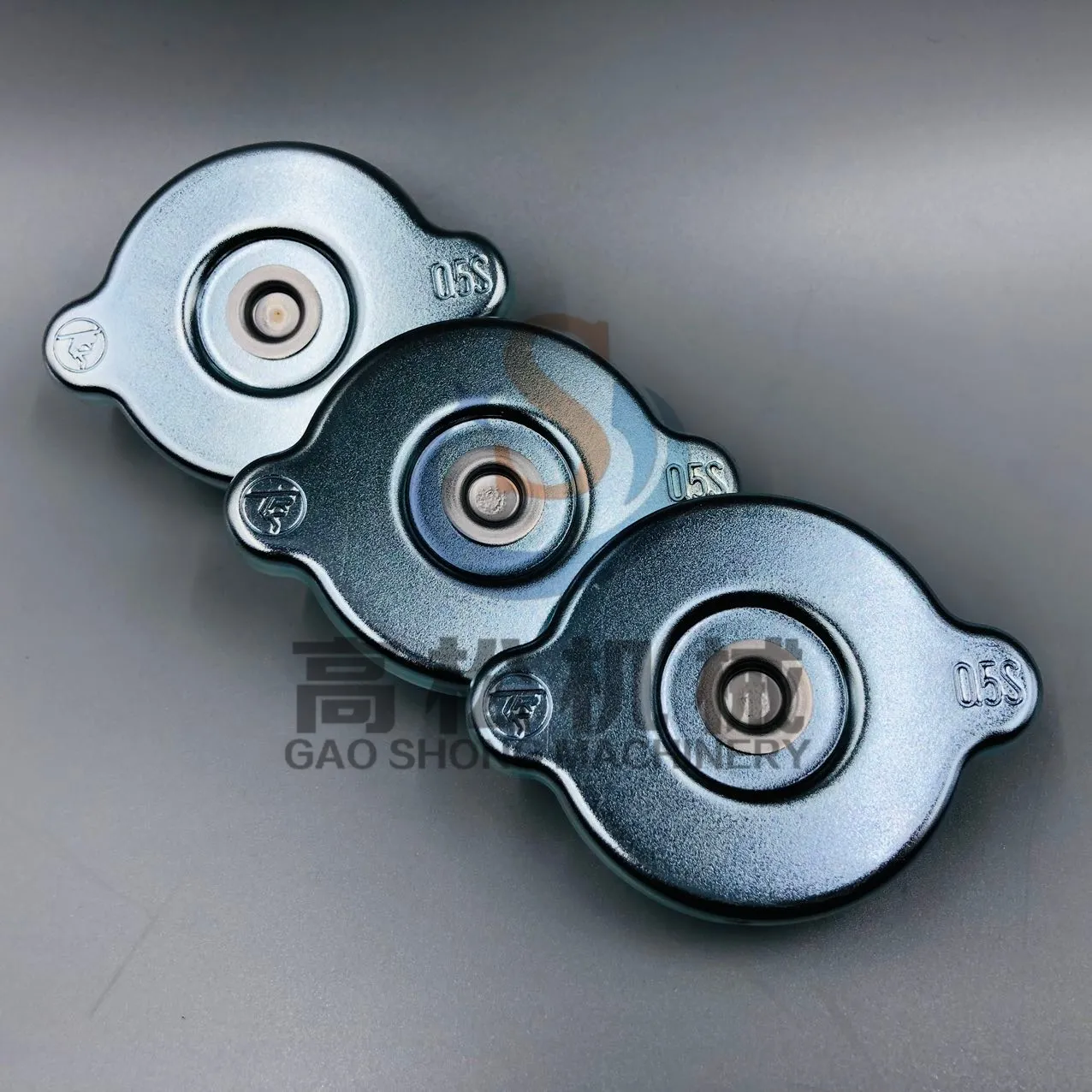

Best Selling Products
Best Selling Products-
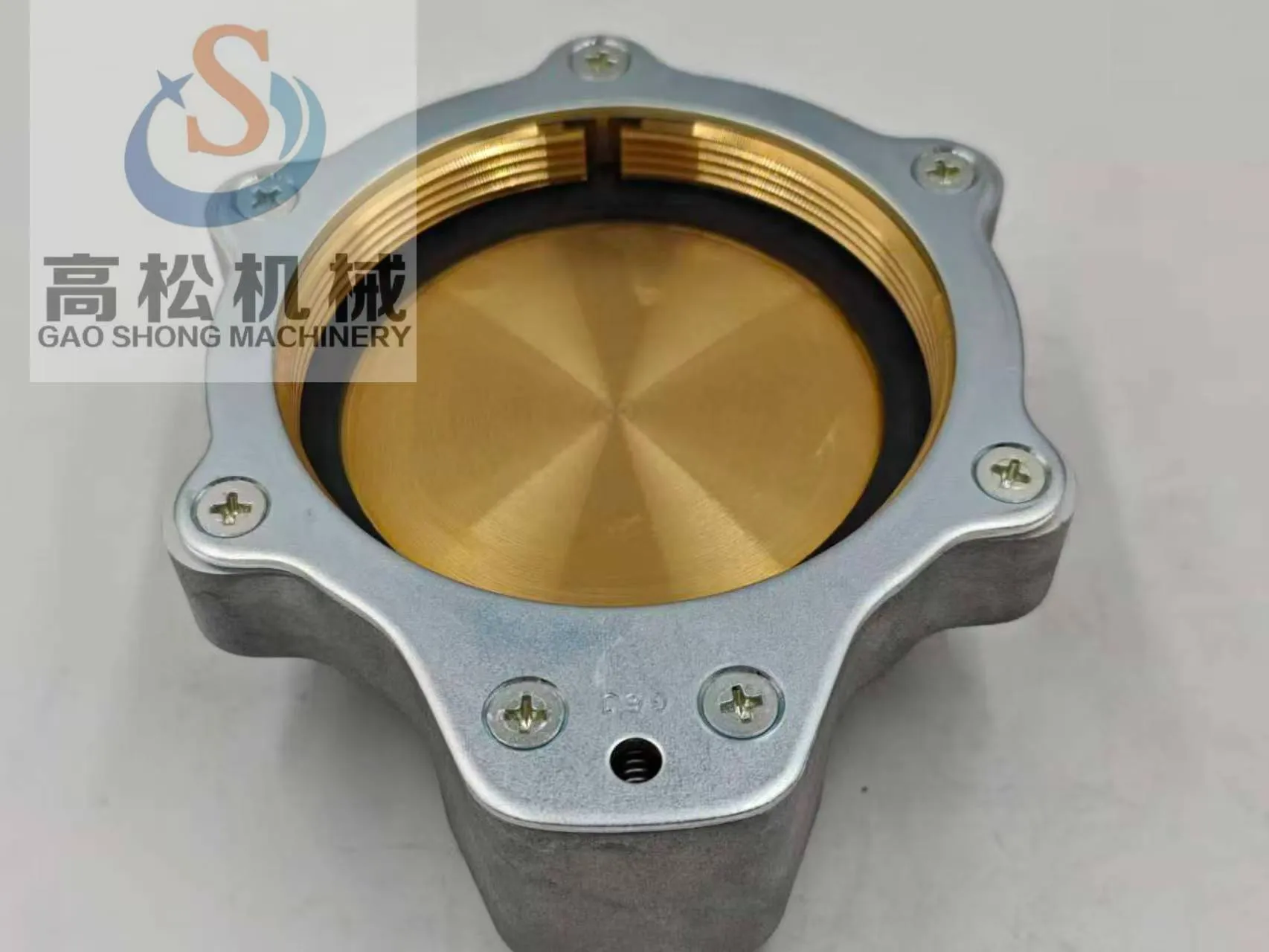 Original new water tank lid 07093-20000 lid suitable for bulldozer komatsu d85 d275
 -
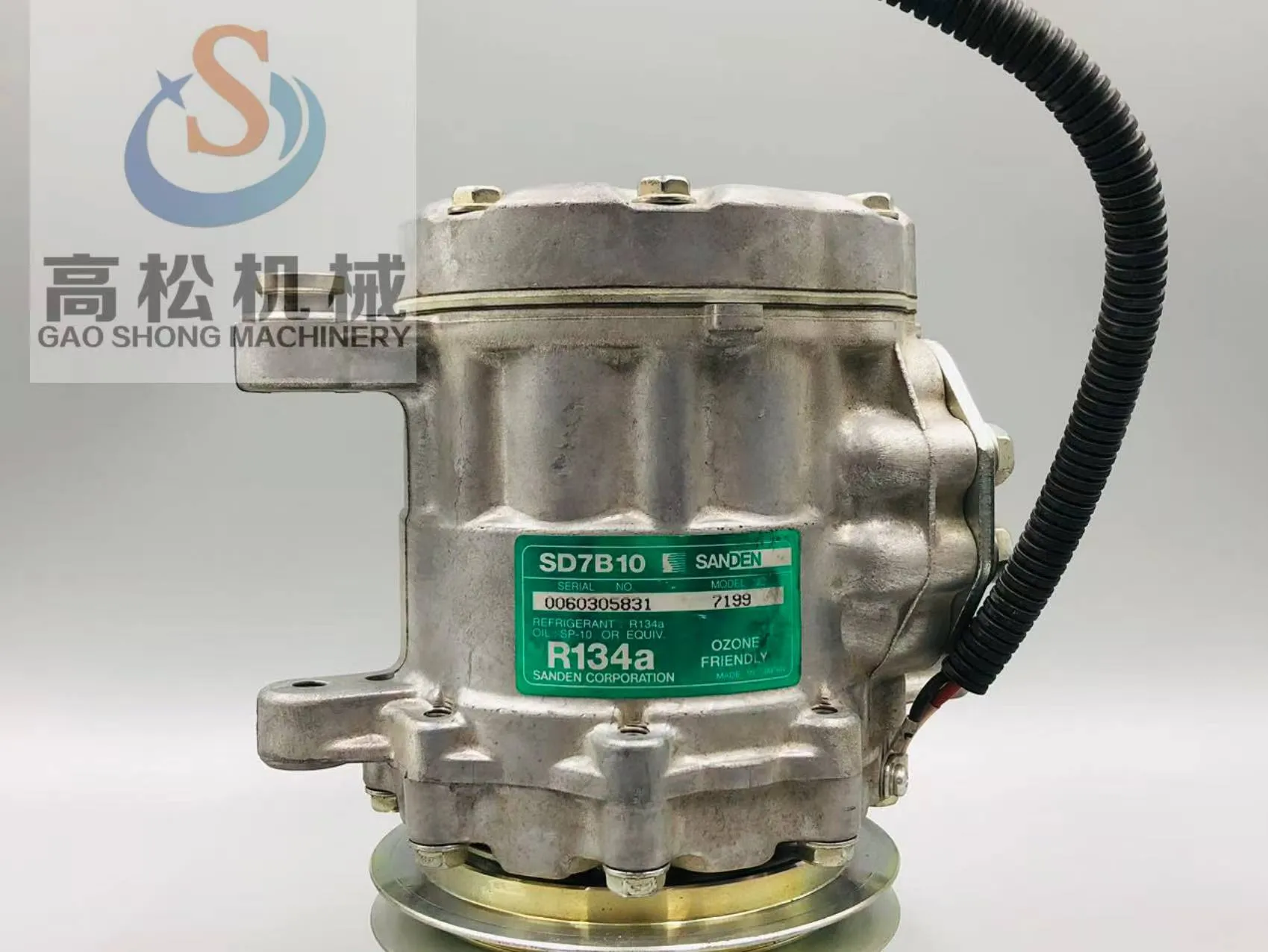 PC55MR PC56-7 Excavator Compressor PC45MR Air Conditioning 22L-979-2200 Compressor Ass’y
 -
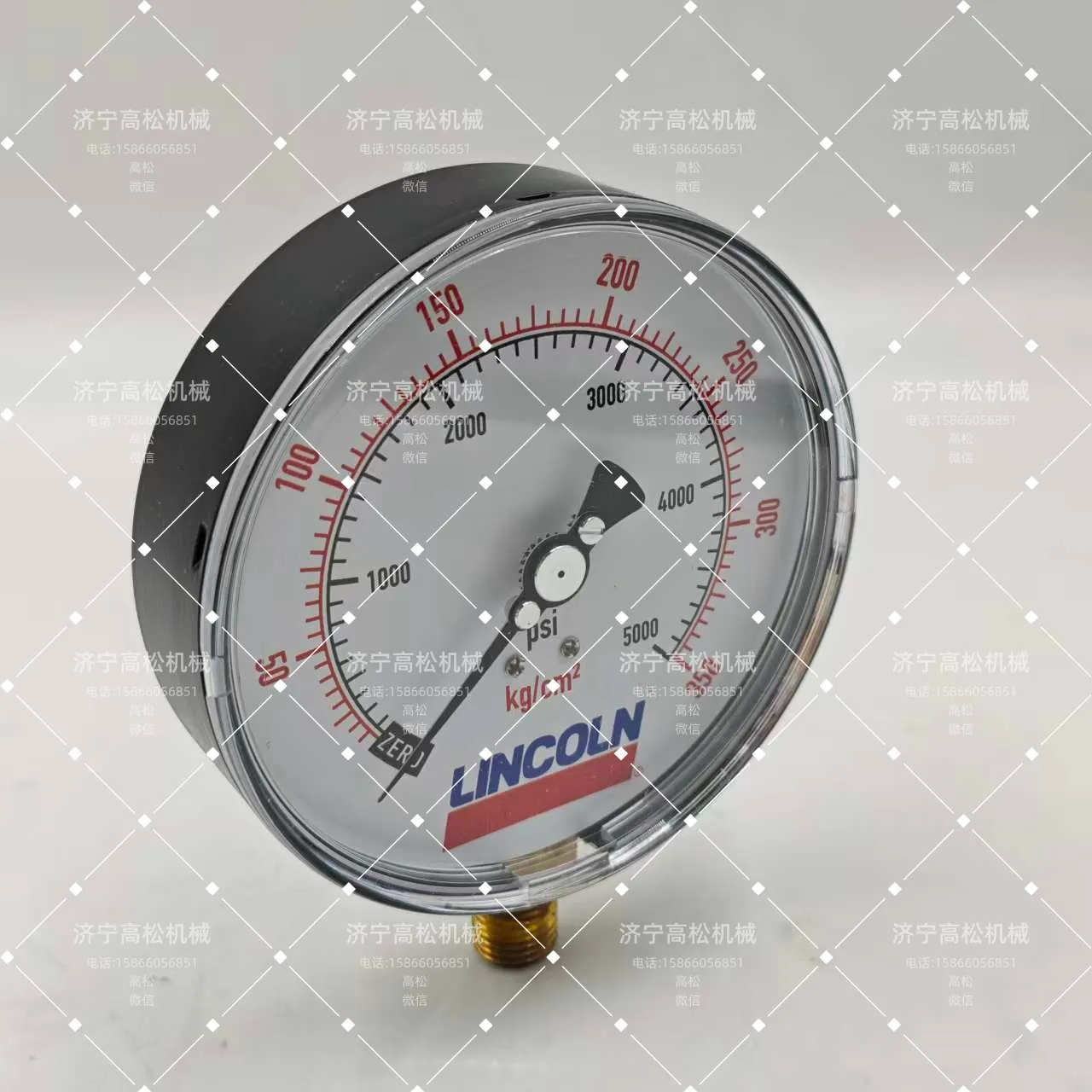 427-S95-2410 Komatsu Gauge, Pressure
 -
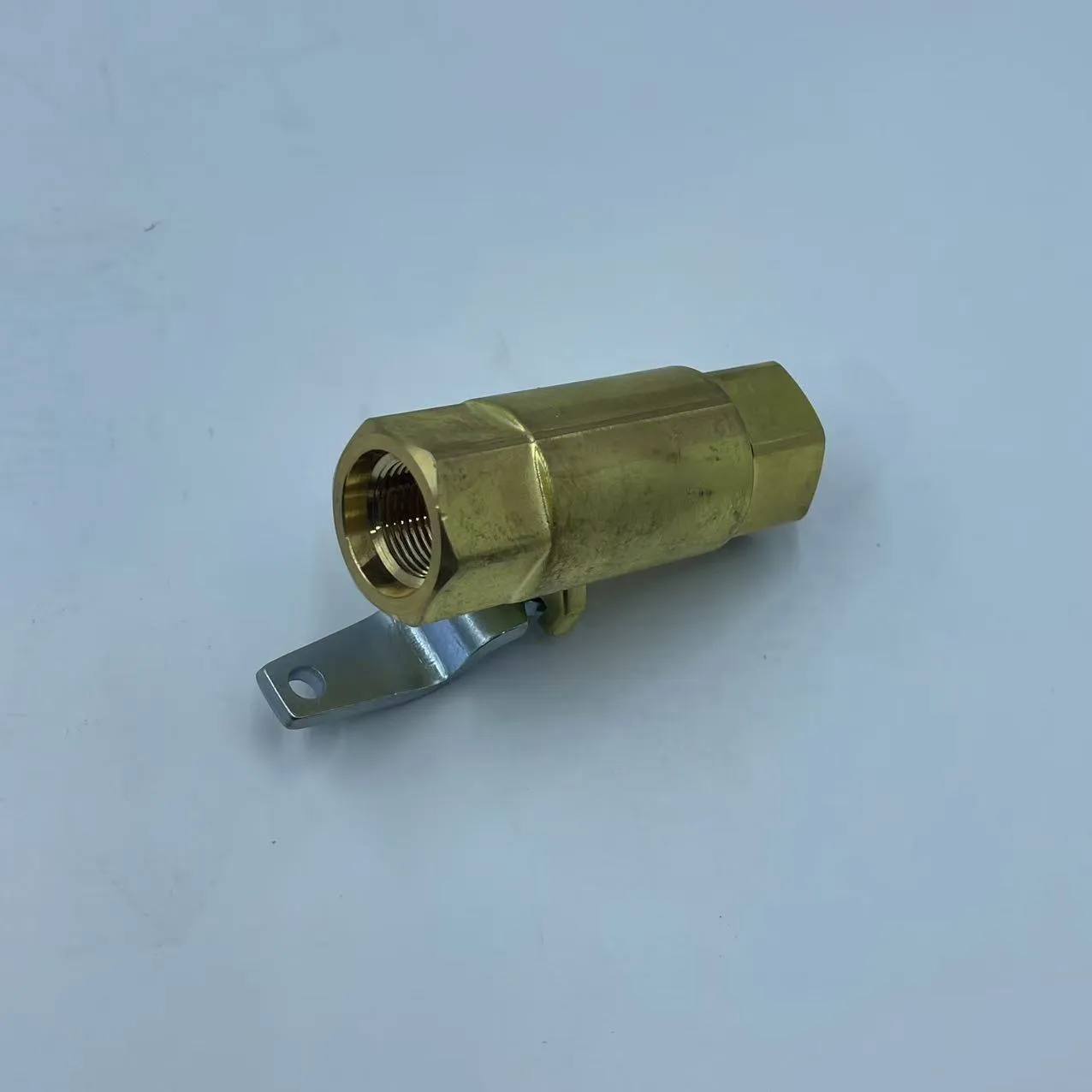 KOMATSU-VALVE 20Y-62-15651 –
 -
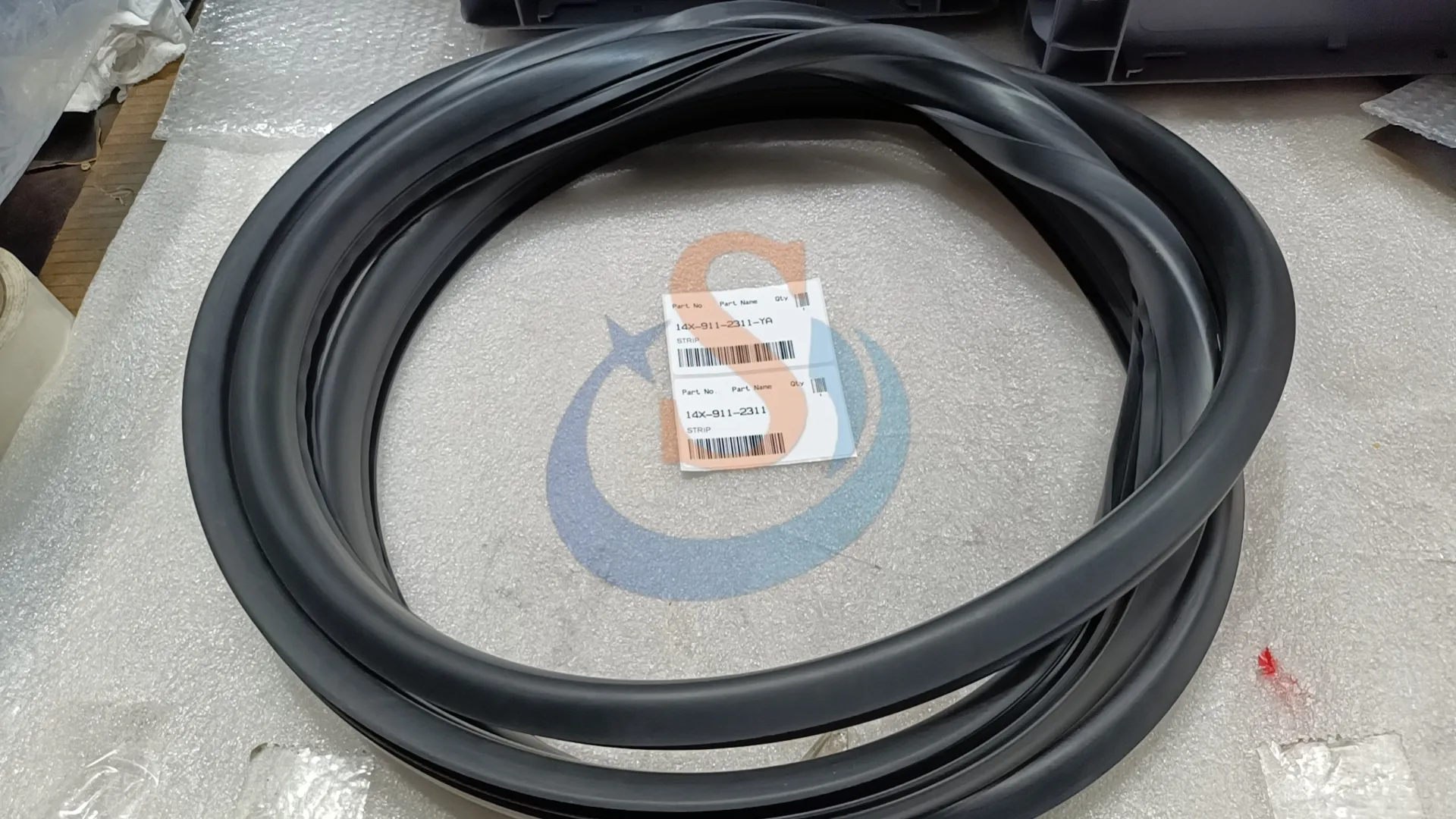 14X-911-2311,STRIP WEATHER,D155A,D375A,D65E
 -
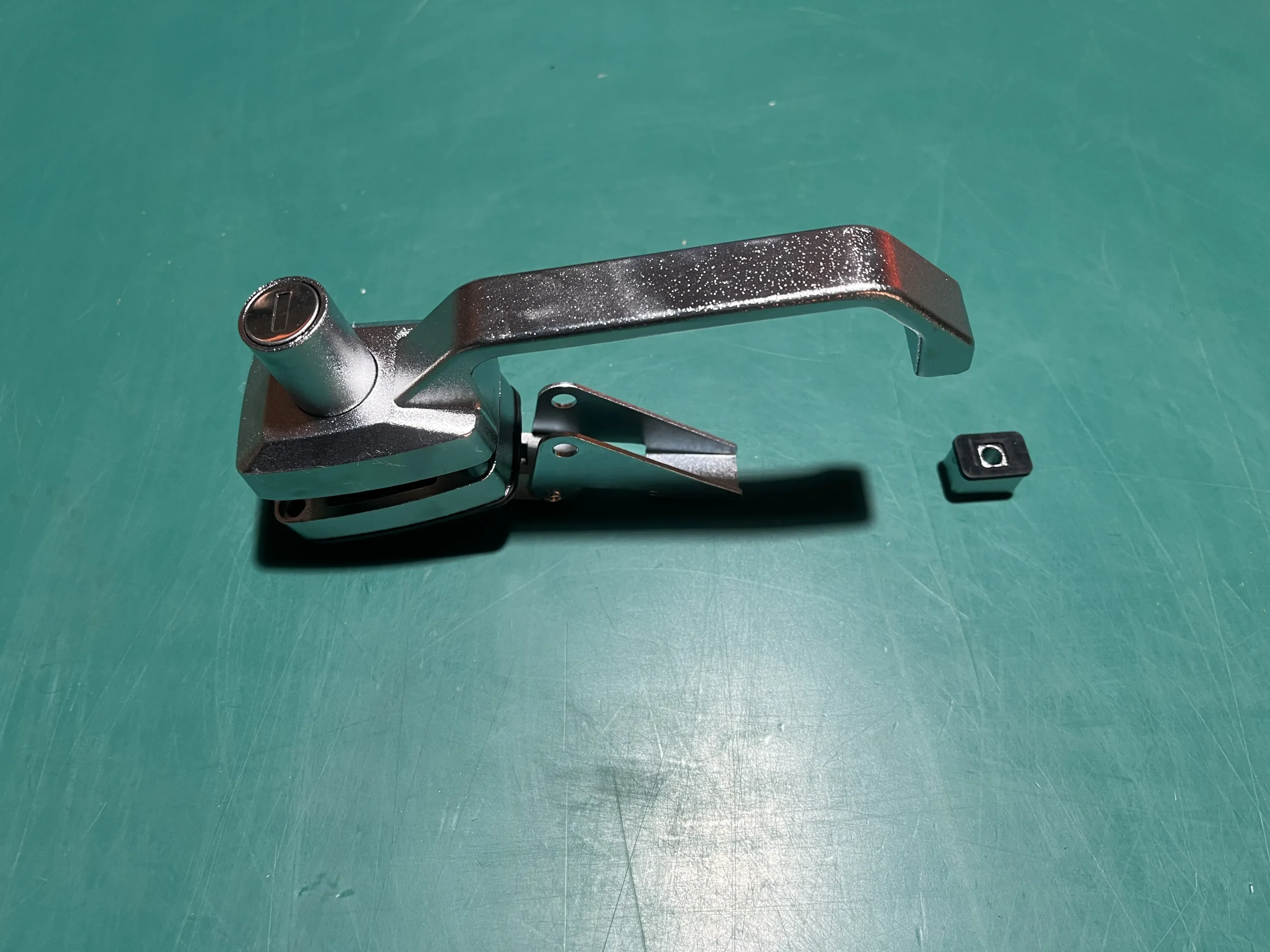 Komatsu Locks 198-Z11-3710 for Bulldozer D65EX-12
 -
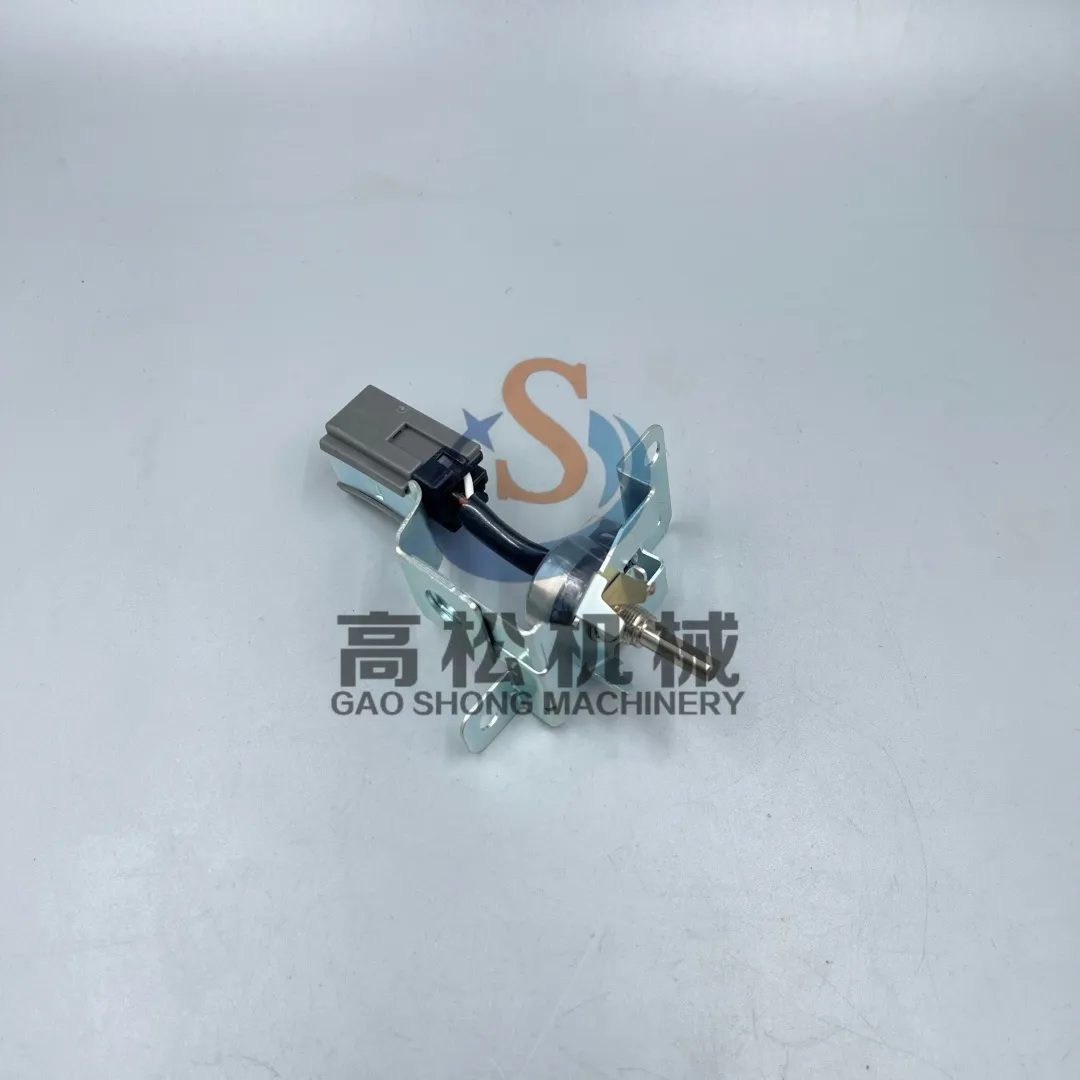 22U-06-22420 Komatsu Potentiometer Assembly
 -
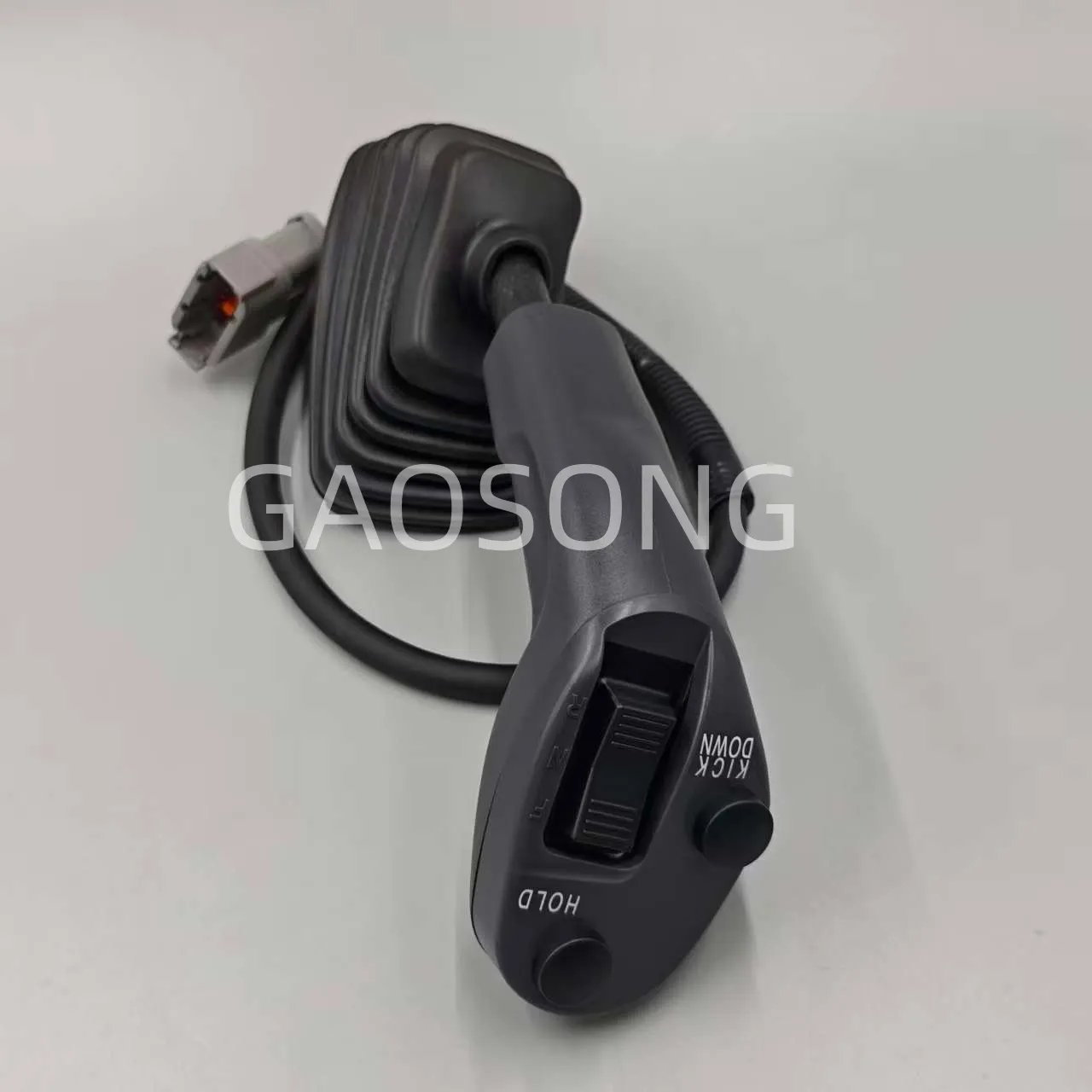 423-V91-4144 Lever Assembly-Komatsu Original Factory
 -
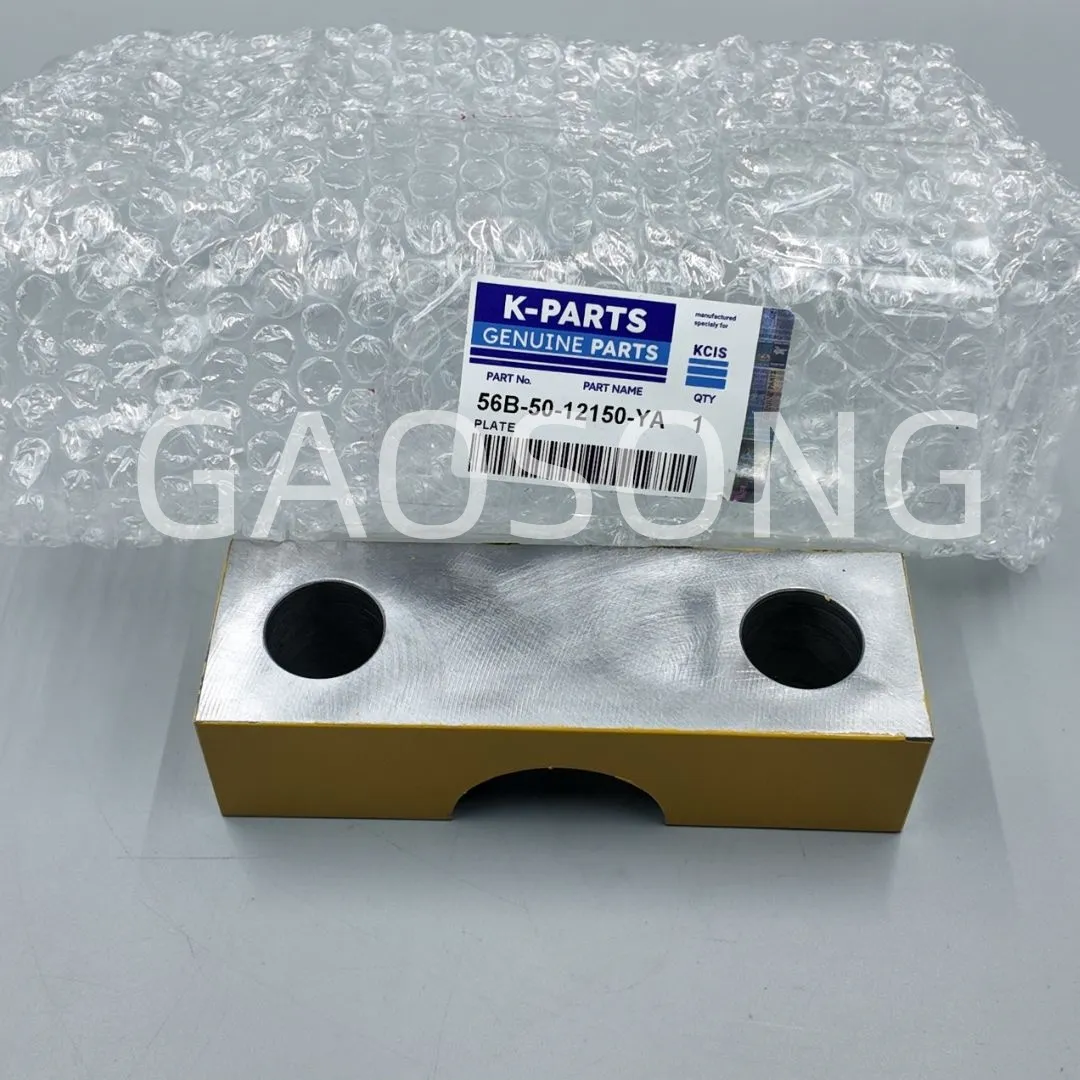 56B-50-12150 PLATE-Komatsu Original Factory
 -
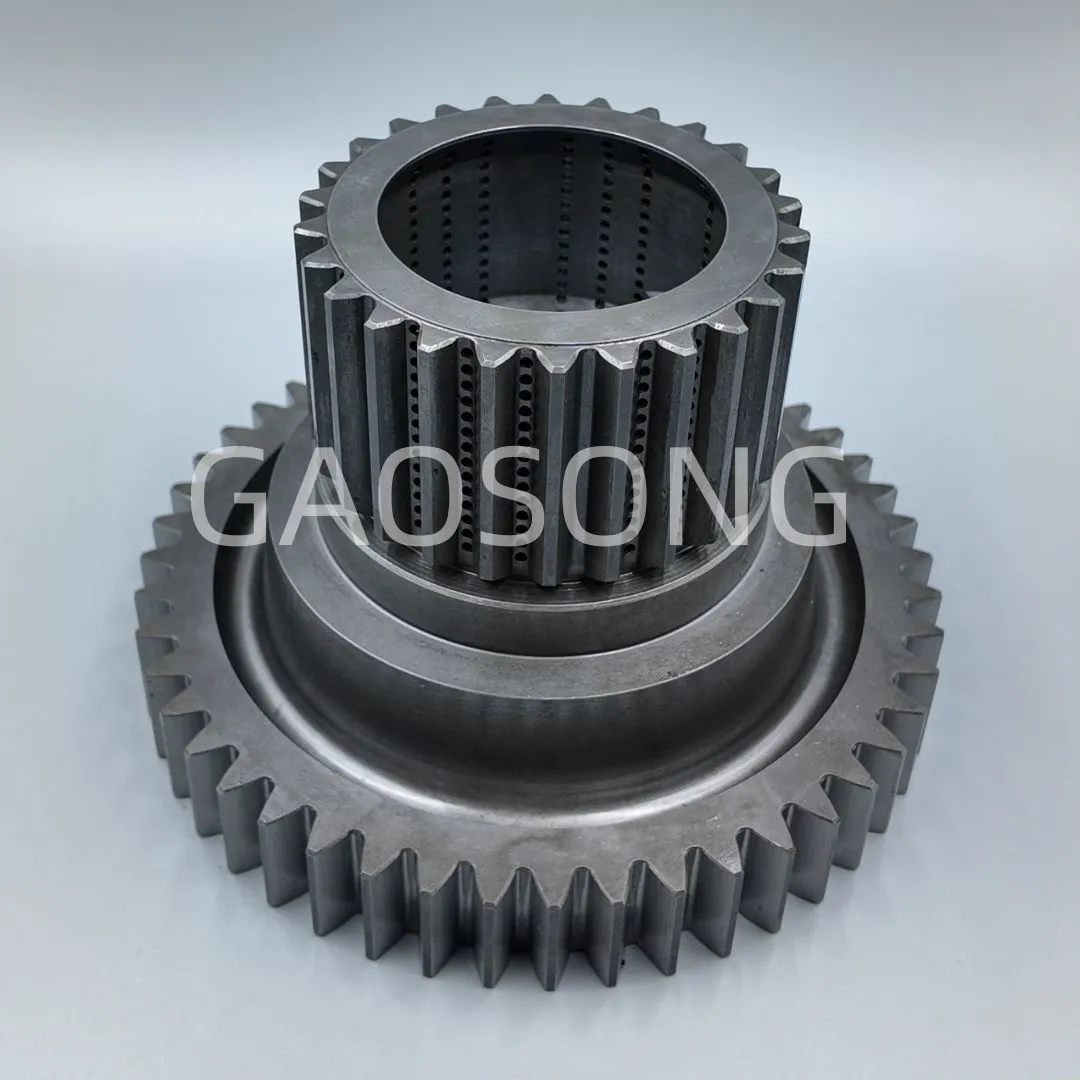 714-07-12420 •• GEAR¤ 48 TEETH,FORWARD–Komatsu Original Factory
 -
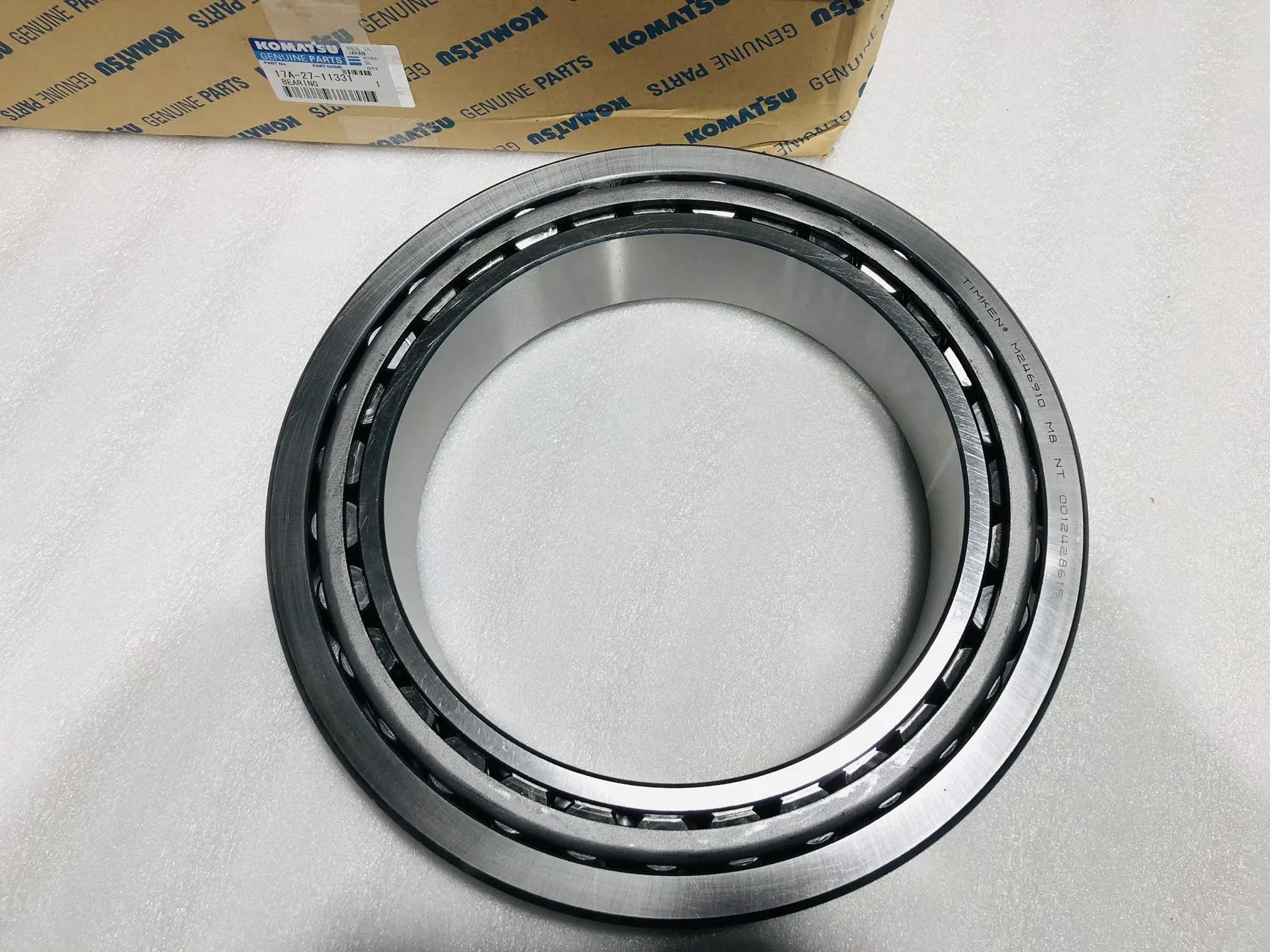 KOMATSU-BEARING 17A-27-11331
 -
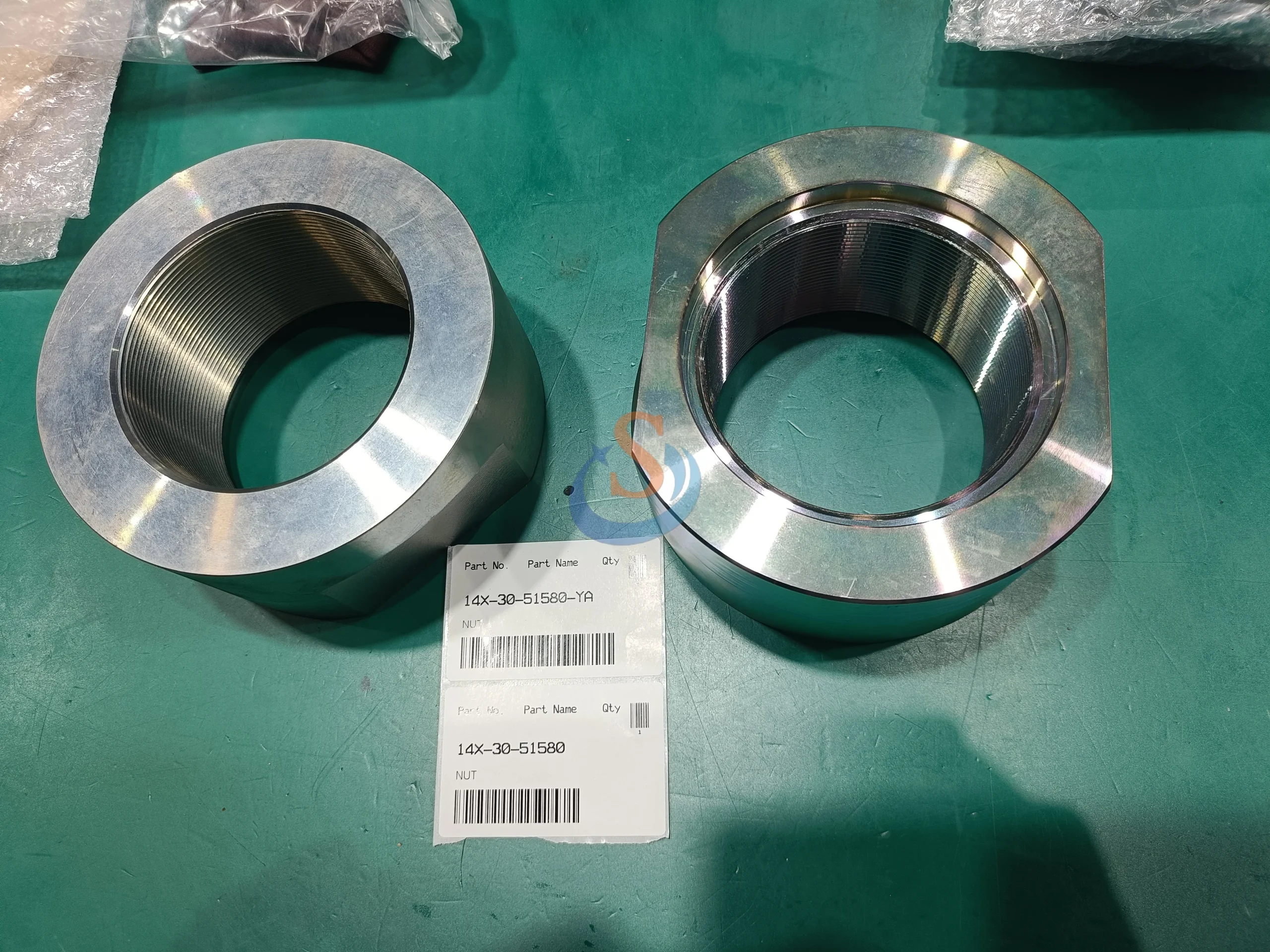 14X-30-51580,NUT,D65EX,D65PX,D65WX