
- Chinese
- French
- German
- Portuguese
- Spanish
- Russian
- Japanese
- Korean
- Arabic
- Irish
- Greek
- Turkish
- Italian
- Danish
- Romanian
- Indonesian
- Czech
- Afrikaans
- Swedish
- Polish
- Basque
- Catalan
- Esperanto
- Hindi
- Lao
- Albanian
- Amharic
- Armenian
- Azerbaijani
- Belarusian
- Bengali
- Bosnian
- Bulgarian
- Cebuano
- Chichewa
- Corsican
- Croatian
- Dutch
- Estonian
- Filipino
- Finnish
- Frisian
- Galician
- Georgian
- Gujarati
- Haitian
- Hausa
- Hawaiian
- Hebrew
- Hmong
- Hungarian
- Icelandic
- Igbo
- Javanese
- Kannada
- Kazakh
- Khmer
- Kurdish
- Kyrgyz
- Latin
- Latvian
- Lithuanian
- Luxembou..
- Macedonian
- Malagasy
- Malay
- Malayalam
- Maltese
- Maori
- Marathi
- Mongolian
- Burmese
- Nepali
- Norwegian
- Pashto
- Persian
- Punjabi
- Serbian
- Sesotho
- Sinhala
- Slovak
- Slovenian
- Somali
- Samoan
- Scots Gaelic
- Shona
- Sindhi
- Sundanese
- Swahili
- Tajik
- Tamil
- Telugu
- Thai
- Ukrainian
- Urdu
- Uzbek
- Vietnamese
- Welsh
- Xhosa
- Yiddish
- Yoruba
- Zulu
- Kinyarwanda
- Tatar
- Oriya
- Turkmen
- Uyghur






Komatsu final drive
When someone mentions 'Komatsu final drive', most people in the shop just think of a part number and a massive bill. It's the unit that takes the beating, the one that turns hydraulic power into actual track movement on an excavator or dozer. But there's a common, costly mistake: treating it as a simple, sealed black box. The reality is more nuanced, and getting it wrong means downtime that can cripple a project. I've seen too many operations just swap in a reman unit without asking why the last one failed, which is a surefire way to see it happen again in six months.
The Core of the Matter: More Than Just Gears
Let's break it down. A final drive isn't just a gear reduction box. It's a system. You've got the planetary gearset, the hydraulic motor (integrated or bolted on), the travel brake, the slew bearing connection, and the case itself. On a Komatsu PC360 or a D155, the failure often starts elsewhere—contaminated hydraulic oil from a neglected filter, a failing swing bearing that puts uneven load on the sprocket, or even a misadjusted track tension. Just replacing the drive without diagnosing the root cause is like putting a new engine in a car with no brakes.
I recall a specific case with a PC300-8. The machine had a recurring final drive failure on the left side. The first two times, the crew just replaced the whole assembly with a pricey OEM unit. By the third failure, they called us in, frustrated. We didn't start with the drive. We checked the hydraulic pressure to the travel motor, which was fine. Then we looked at the track frame alignment and the sprocket wear pattern. It was off. The root cause was a slightly bent track frame from an old impact, putting constant side load on the final drive shaft and bearings. The fix wasn't a fourth new drive; it was straightening the frame. That machine's been running fine for three years since.
This is where the distinction between an OEM supplier and a knowledgeable third-party partner becomes critical. An OEM catalog gives you the part. A good partner asks about the machine's history. Companies that understand this, like Jining Gaosong Construction Machinery Co., Ltd., operate within that space. They're an OEM product supplier within the Komatsu system, but their value often comes from their role as a third-party sales company, helping to solve parts supply challenges. It means they see the whole ecosystem—not just the boxed part, but the logistical and application headaches that come with it.
The Rebuild vs. Replace Dilemma
This is a daily debate. For a catastrophic failure—say, a seized planetary gearset that's sent metal through the entire case—a complete replacement is usually the only sane option. But for many failures, a quality rebuild is not just cheaper; it can be better. The trick is in the details of the rebuild. Are they using genuine Komatsu bearings and seals? Or are they using generic substitutes that might have a 20% lower load rating? The difference might not show up on a test bench, but it will show up after 2000 hours in a rock quarry.
I've had mixed results with rebuilds. One time, we got a unit back from a local shop that failed in under 500 hours. The culprit was a cheap, non-original seal that allowed fine abrasive dust into the gear oil. The gears looked new but were scored. Contrast that with a rebuild we sourced through a specialized channel for a Komatsu D85 dozer. That unit used OEM-spec components and included a detailed report on what was replaced and why. It's still running. The lesson is that rebuilt is not a standard term. You have to know what's inside.
This is a scenario where a supplier's depth matters. A company that is both an OEM supplier and a third-party solutions provider, like the one found at https://www.takematsumachinery.com, often has better access to the correct, high-specification components needed for a durable rebuild, even if they aren't assembling it themselves. They understand the supply chain gaps and can navigate them to get the right seal kit or bearing that a pure aftermarket shop might not even know exists.
Logistics and the Real-World Clock
Time is money, and a machine down for a final drive is bleeding it fast. The standard OEM lead time can be weeks, sometimes months, depending on your location and the model's age. This is the brutal reality for many operations in remote areas or countries with complex import rules. I've sat on sites where the entire schedule was blown because a promised part was stuck in customs.
The alternative isn't always a sketchy aftermarket part. Sometimes it's about parallel supply channels. The business model of helping to solve parts supply challenges in certain countries, as Jining Gaosong notes, is born from this exact pain point. It's not about bypassing Komatsu quality; it's about bypassing logistical bottlenecks. They might have the same genuine Komatsu final drive sitting in a different warehouse, or they might have a vetted, high-quality compatible unit that can get to your port in days instead of weeks. Knowing which option is appropriate for the situation—a stopgap to finish a critical job versus a long-term fix—is a professional judgment call.
I remember air-freighting a final drive for a PC200-8 on a dam project. The cost was astronomical, but the penalty for delay was higher. If we had a relationship with a supplier who had regional stock or could fast-track through alternative routes, we could have saved tens of thousands. That's the kind of practical value that goes beyond a price list.
Preventive Insights: Listening to the Machine
Failure is usually loud and expensive. But the warnings are often there. Unusual noise during travel is the big one. A high-pitched whine can indicate bearing wear, while a grinding or knocking sound points to gear damage. But don't just listen to the drive itself. Check the temperature of the case with a laser thermometer after a few hours of work. One side significantly hotter than the other is a major red flag for internal friction.
Oil analysis is your best friend, yet so few people do it regularly. Draining a bit of oil from the final drive's check port and sending it to a lab can tell you about bearing wear (presence of copper, lead) and gear wear (iron) long before you hear a sound. We implemented this on a fleet of Komatsu HD785 trucks, and it caught a failing pinion bearing on a final drive. The repair cost a fraction of what a full rebuild would have after a catastrophic failure.
It's a mindset shift. The final drive shouldn't be a mystery component. It's a wear item with a predictable life—if you monitor the conditions it operates under. This proactive approach is what separates a maintenance manager from a parts changer.
Concluding Thoughts: The Integrated Approach
So, what's the takeaway? The Komatsu final drive is a critical, complex component. Success in dealing with it isn't about finding the cheapest part or the fastest shipping. It's about integrated thinking: accurate failure diagnosis, choosing the right repair strategy (rebuild vs. replace) based on component-level knowledge, and planning for logistics as part of your maintenance strategy.
This is where the industry is moving. It's not enough to just sell a part. The value is in providing the part along with the contextual knowledge and supply chain flexibility to keep machines moving. Whether it's leveraging an OEM-supplied component or facilitating a third-party solution to bypass a regional shortage, the goal is the same: minimize unscheduled downtime.
In the end, it comes down to partners who understand the machine, the job site, and the pressure of the clock. That practical, problem-solving layer is often what makes the difference between a machine that's down and a machine that's earning. And that, frankly, is the whole point.
Related Products
Related Products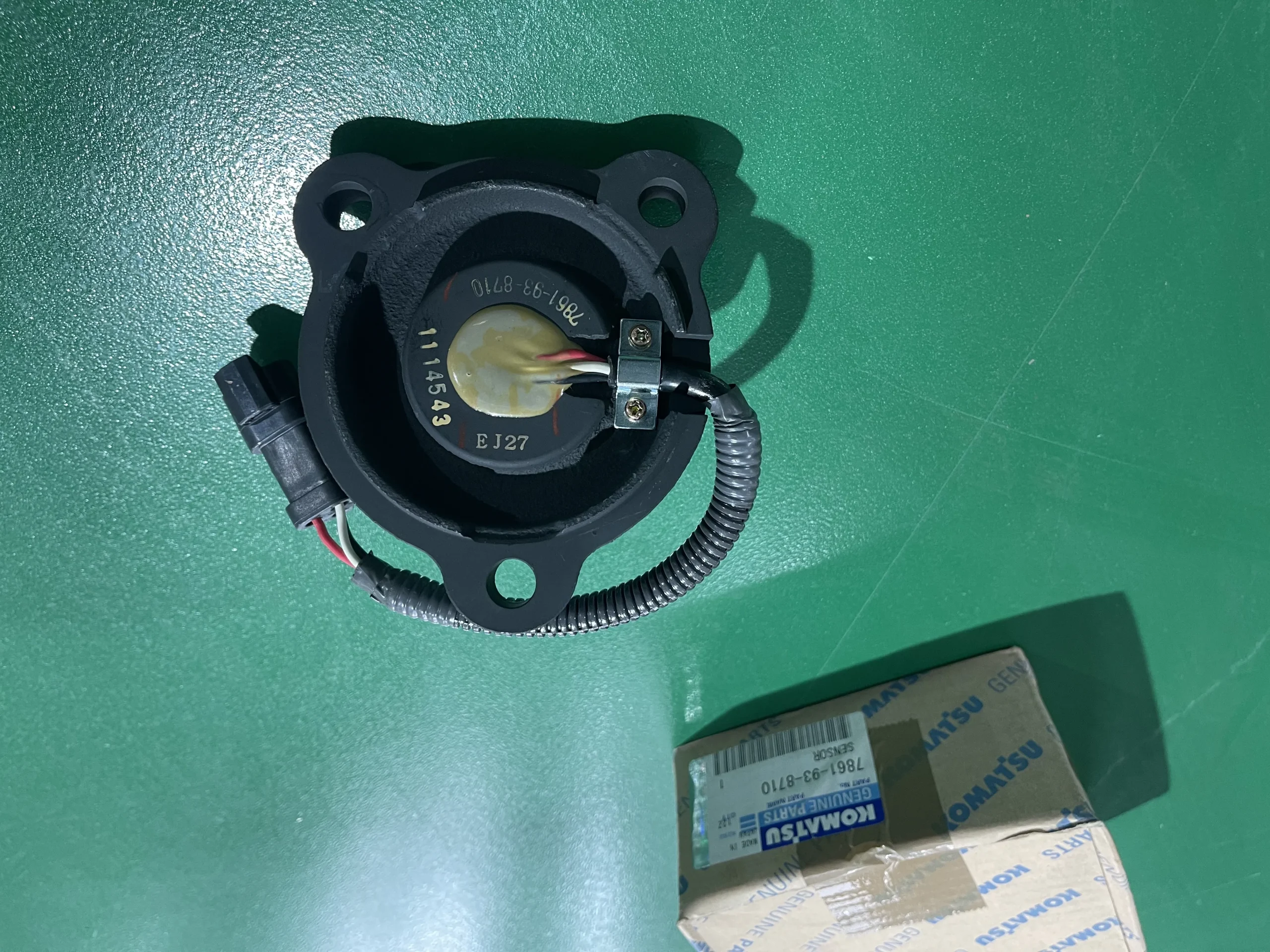
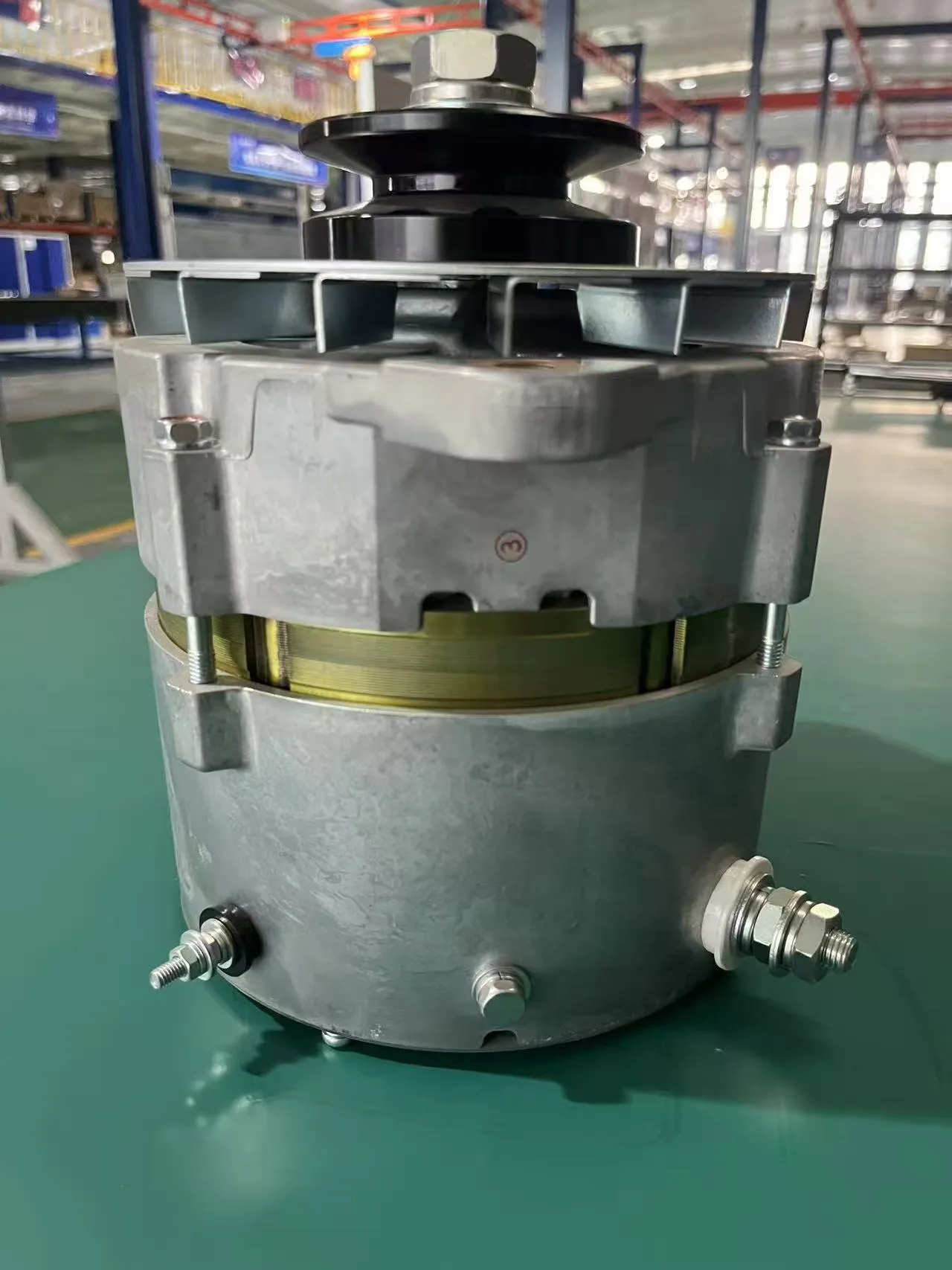
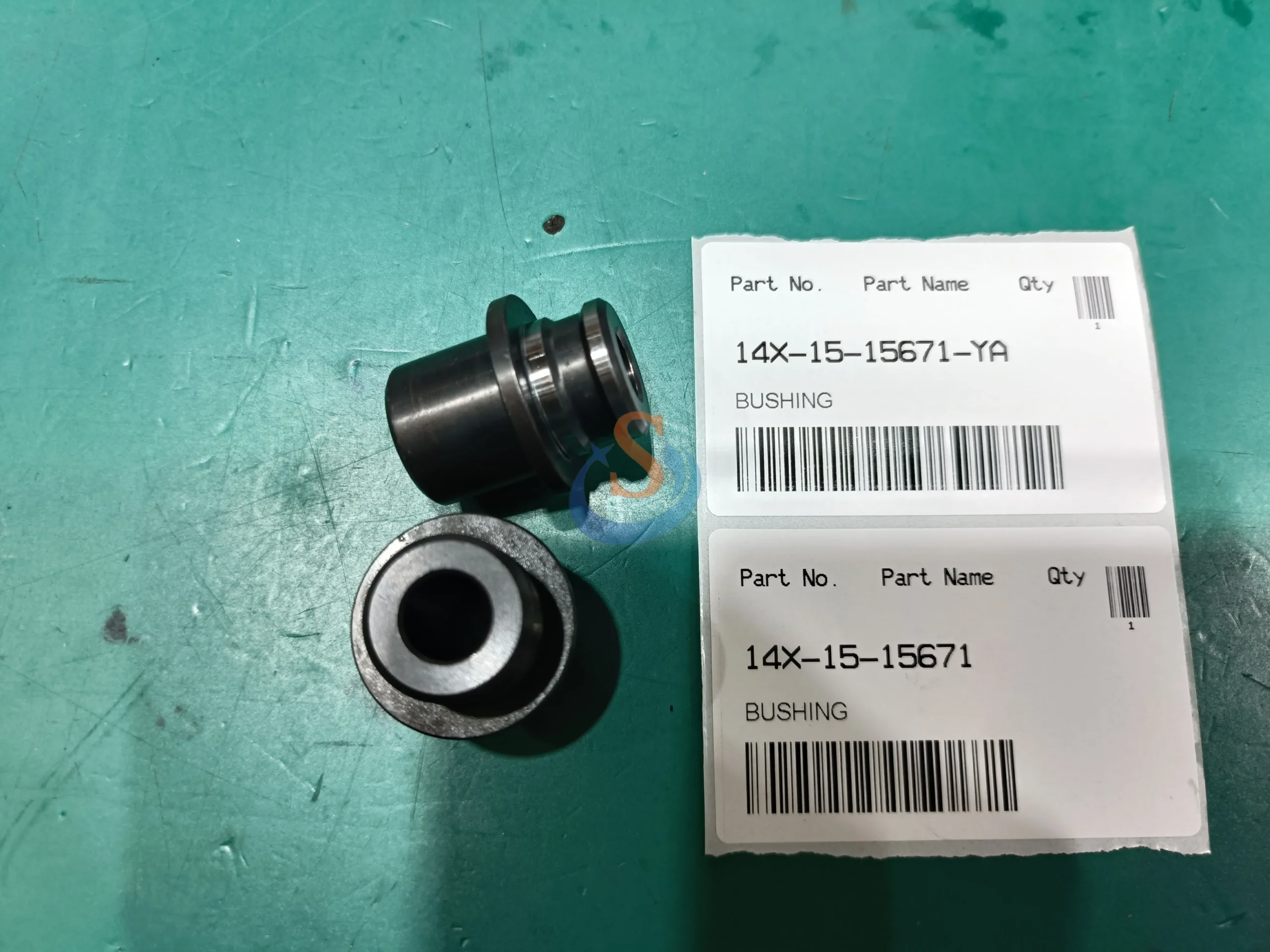
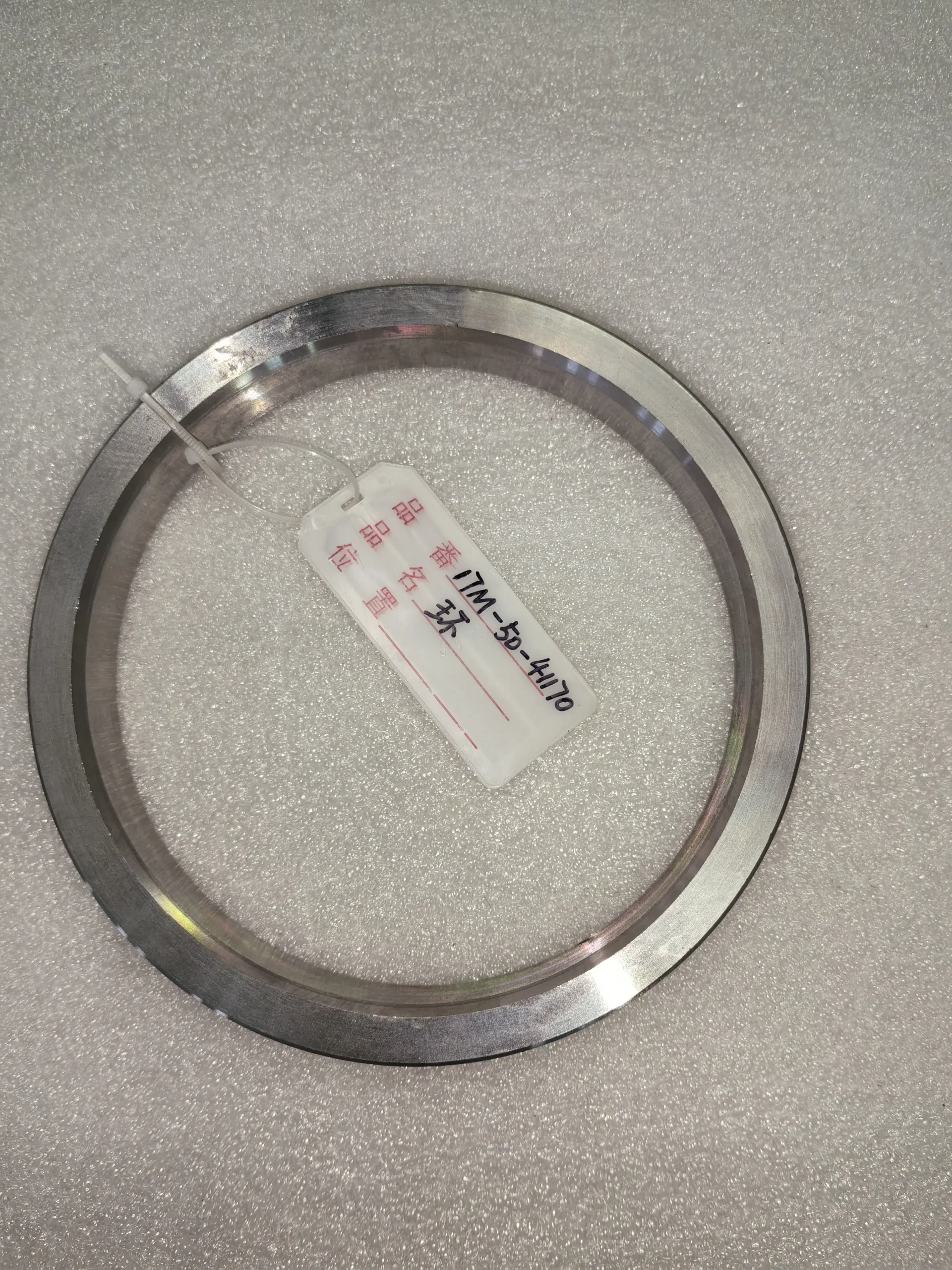

Best Selling Products
Best Selling Products-
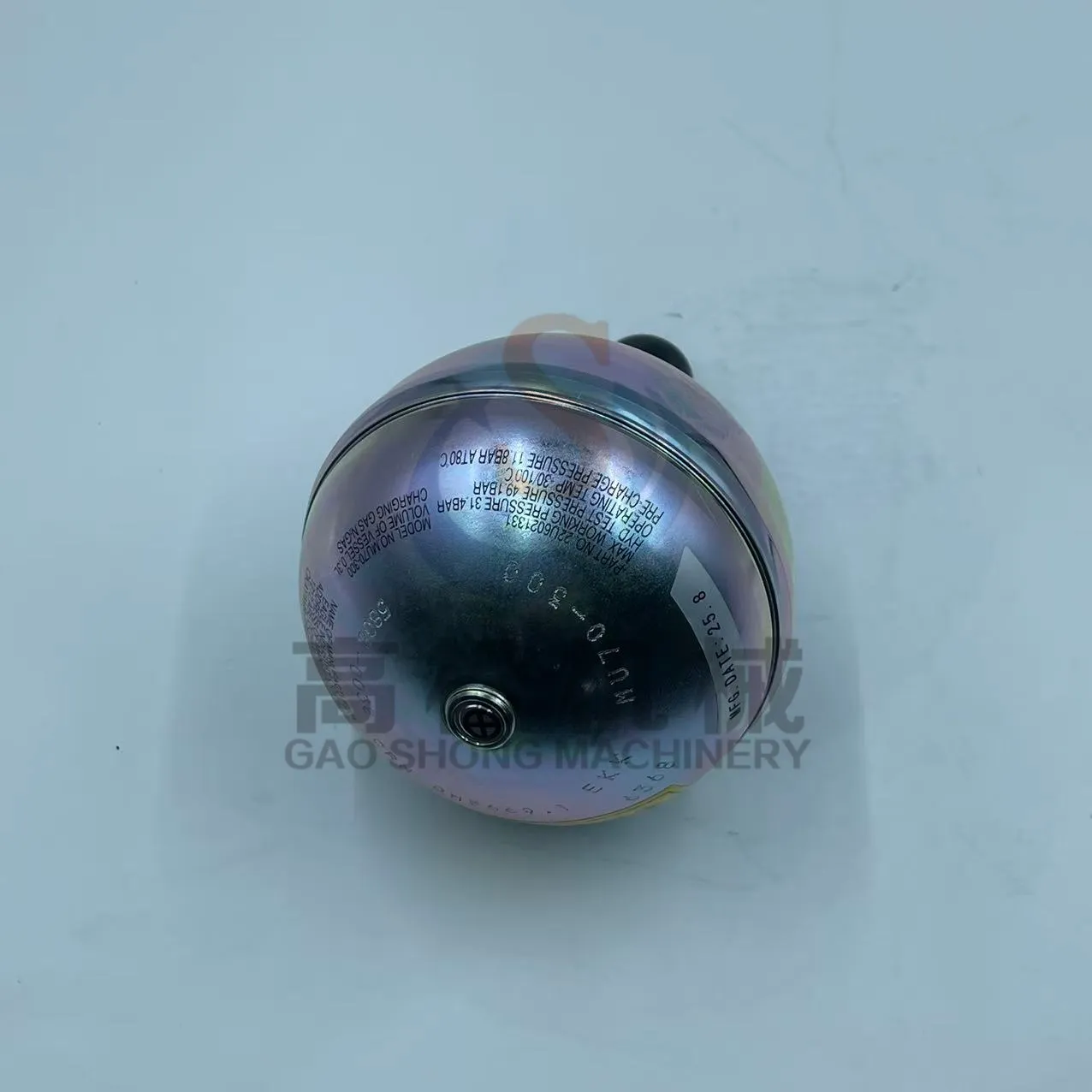 PC210 Excavator Accumulator 22U-60-21331 22U6021331 for Excavator PC300-8 PC350-8 PC130-8 PC200-8 PC220LC-8
 -
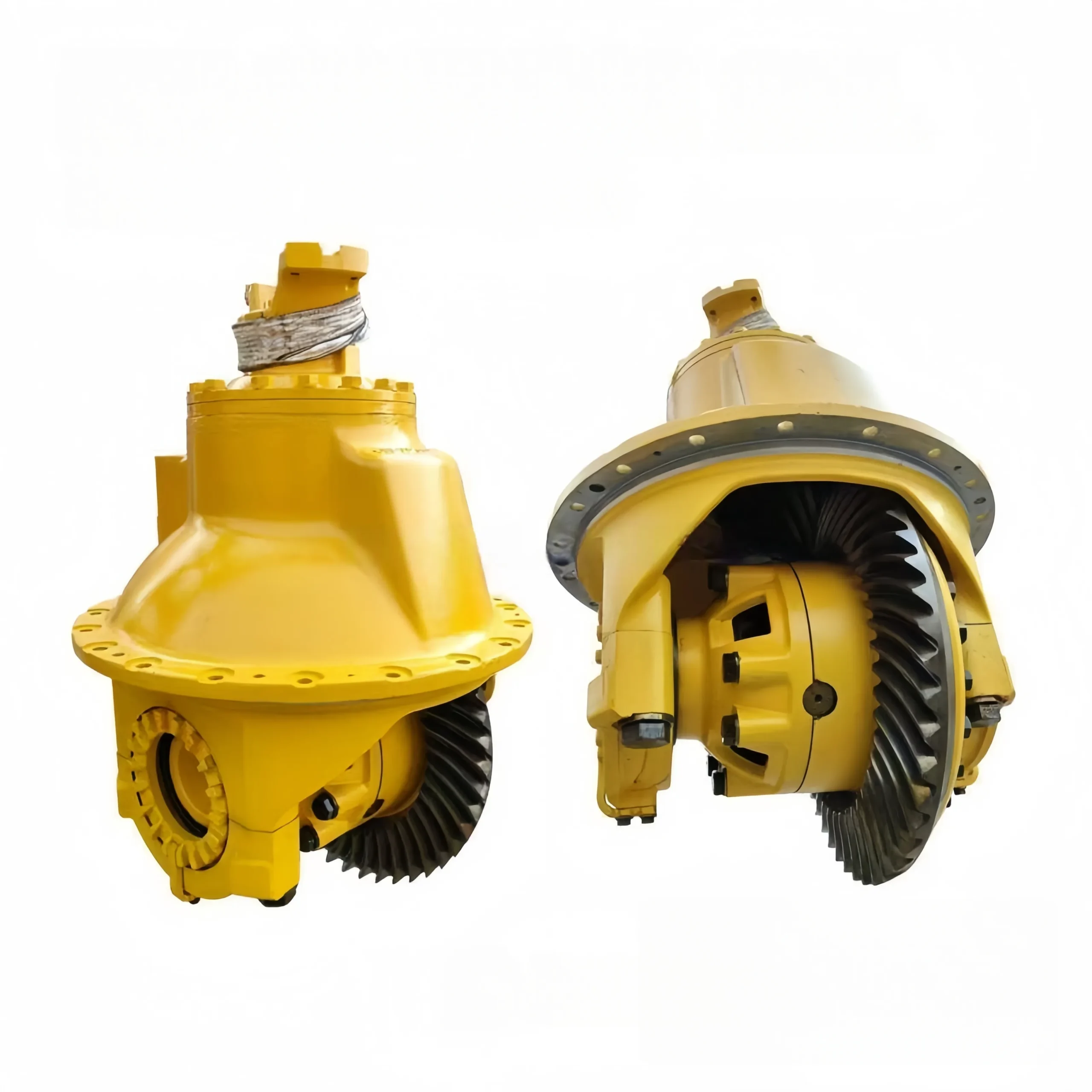 komatsu-part-569-22-71002 RM569-22-71002 569-22-71001 DIFFERENTIAL ASS’Y HD465-7 HD605-7 REAR AXLE (REAR DIFFERENTIAL)
 -
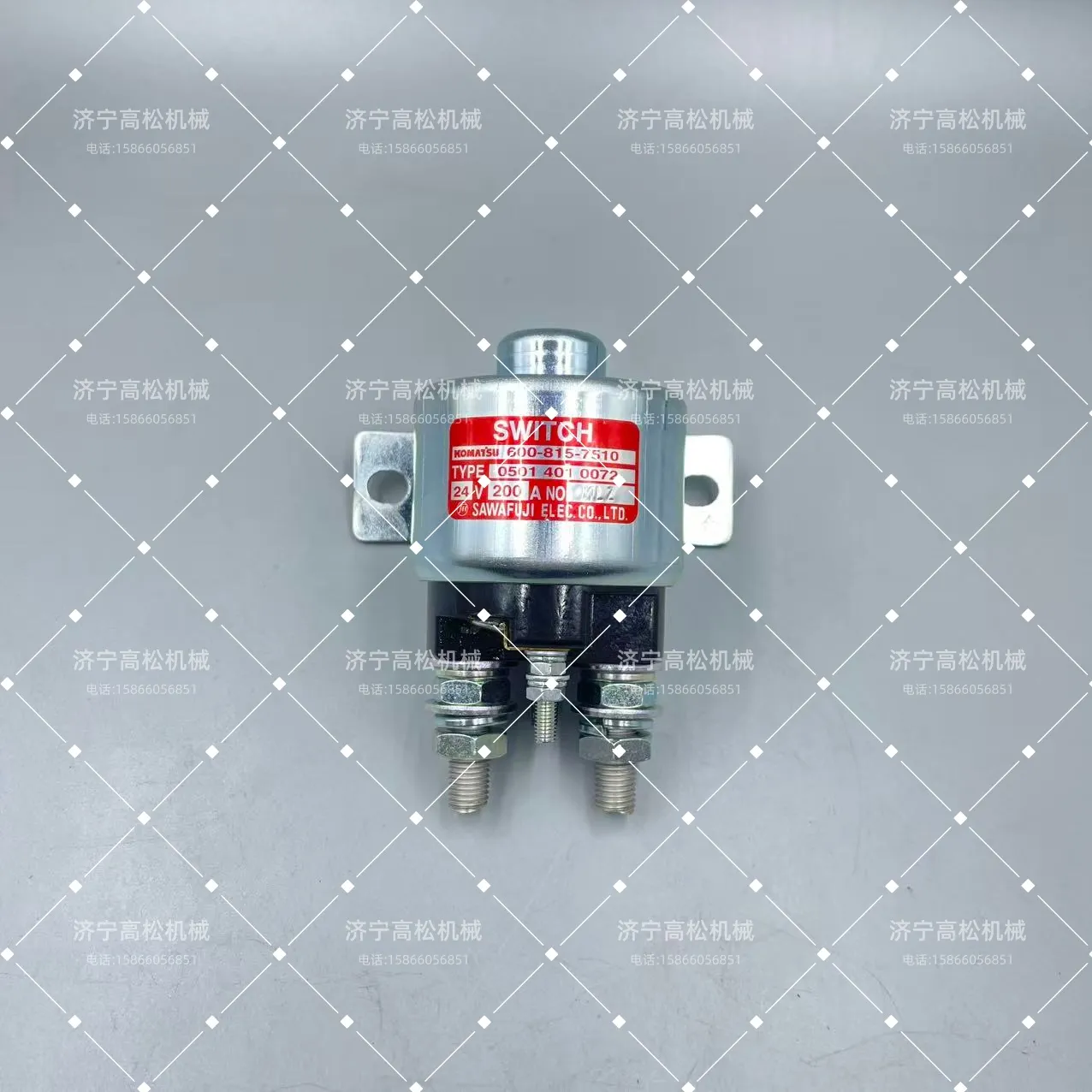 Accessories D375A-5 Switch Heater 600-815-7510 6008157510…
 -
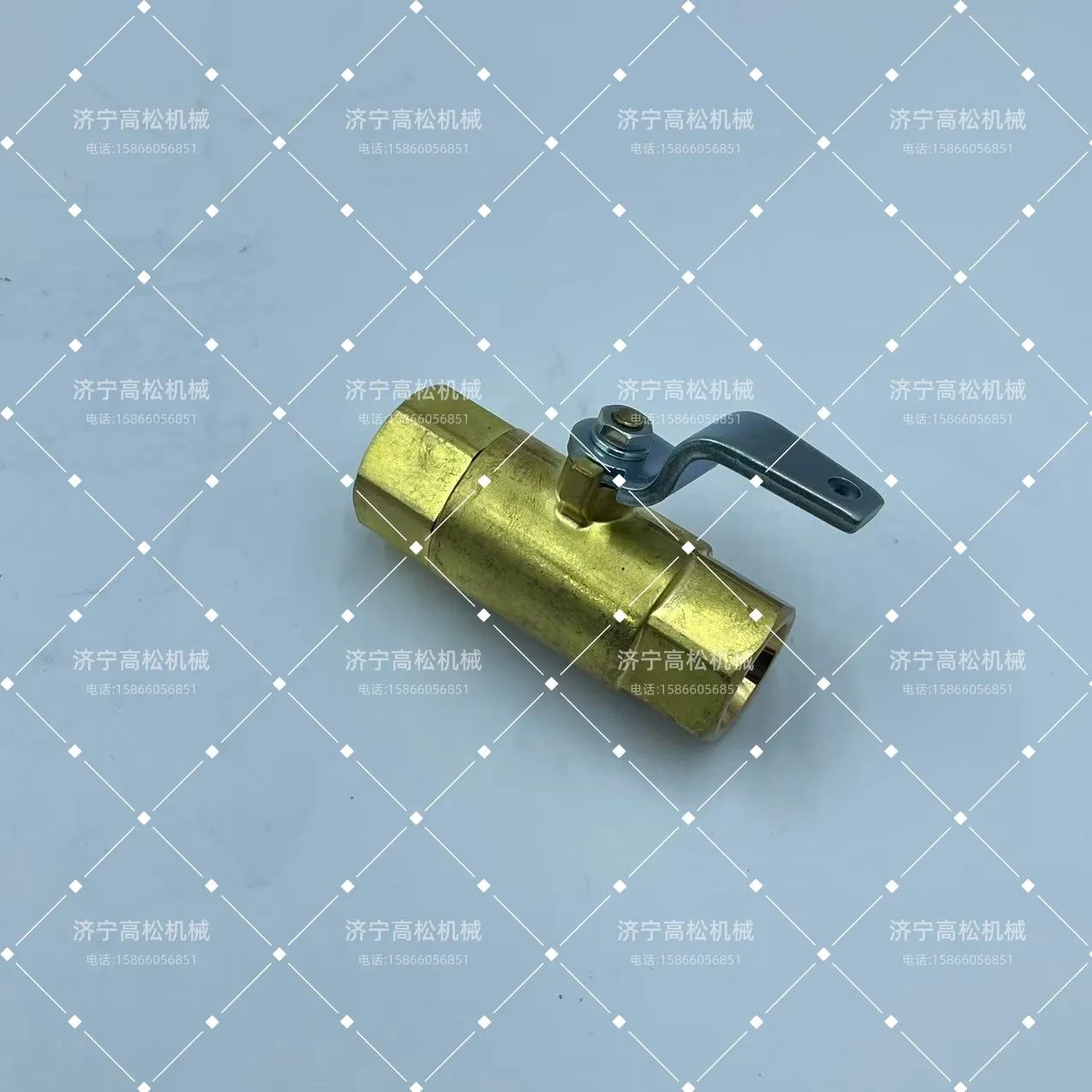 VALVE 20Y-62-15651 – KOMATSU Part catalog
 -
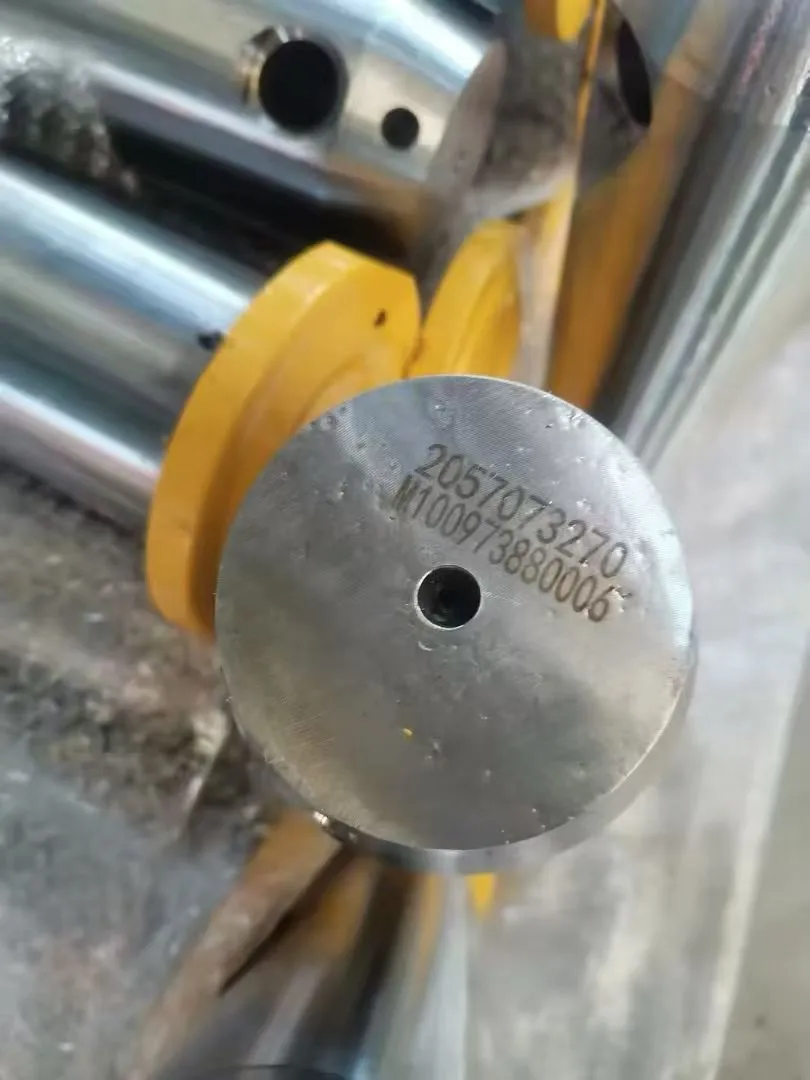 All types of Komatsu original sales pins welcome to inquire
 -
 PISTON – 287-15-15360
 -
 702-16-02190Lever Assembly 702-16-02190 – KOMATSU – Avrora parts
 -
 711-50-41520 TURBINE fits KOMATSU
 -
 21N-26-33240Komatsu original factory accessories
 -
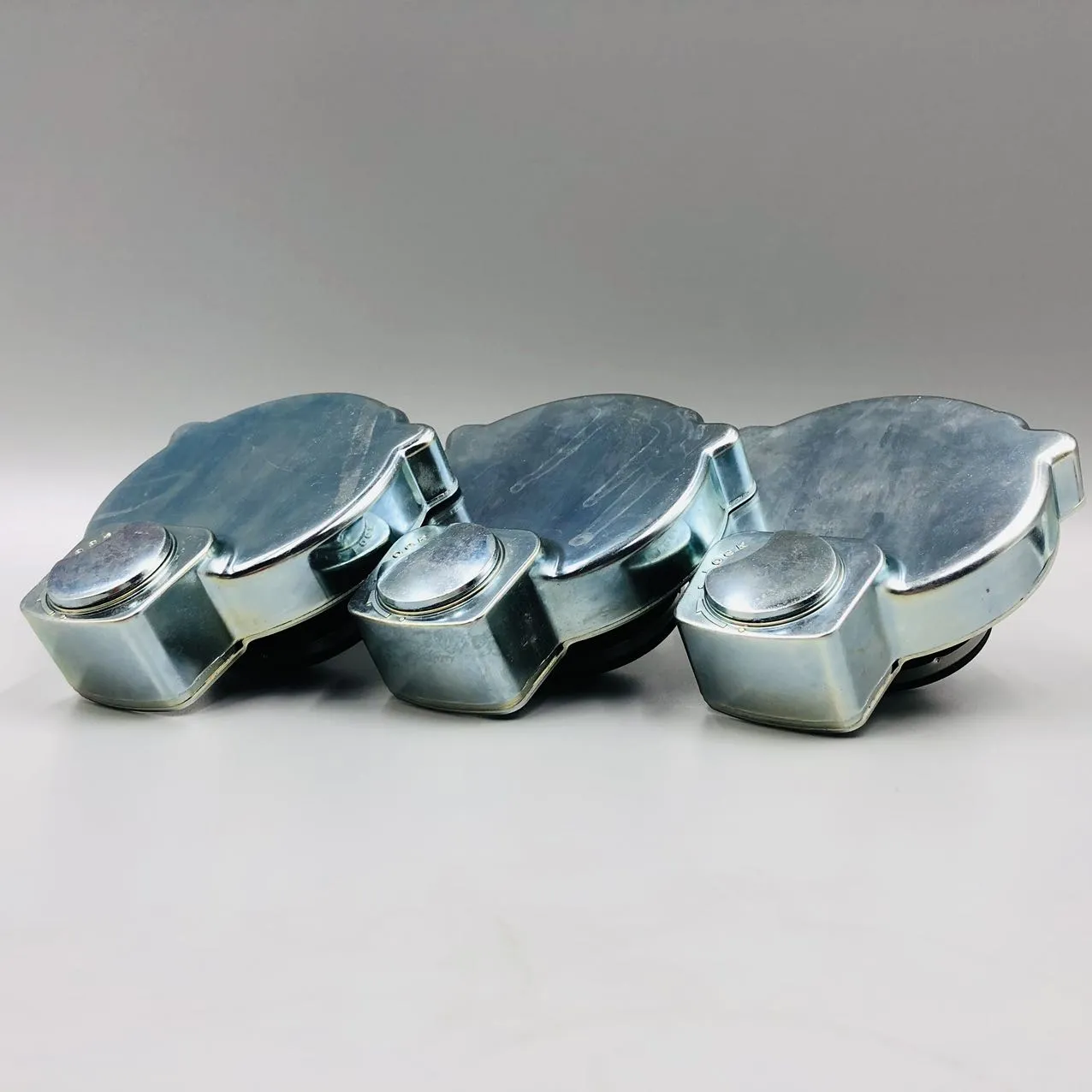 Hydraulic Oil Tank Cap 17A-60-11310 For Komatsu
 -
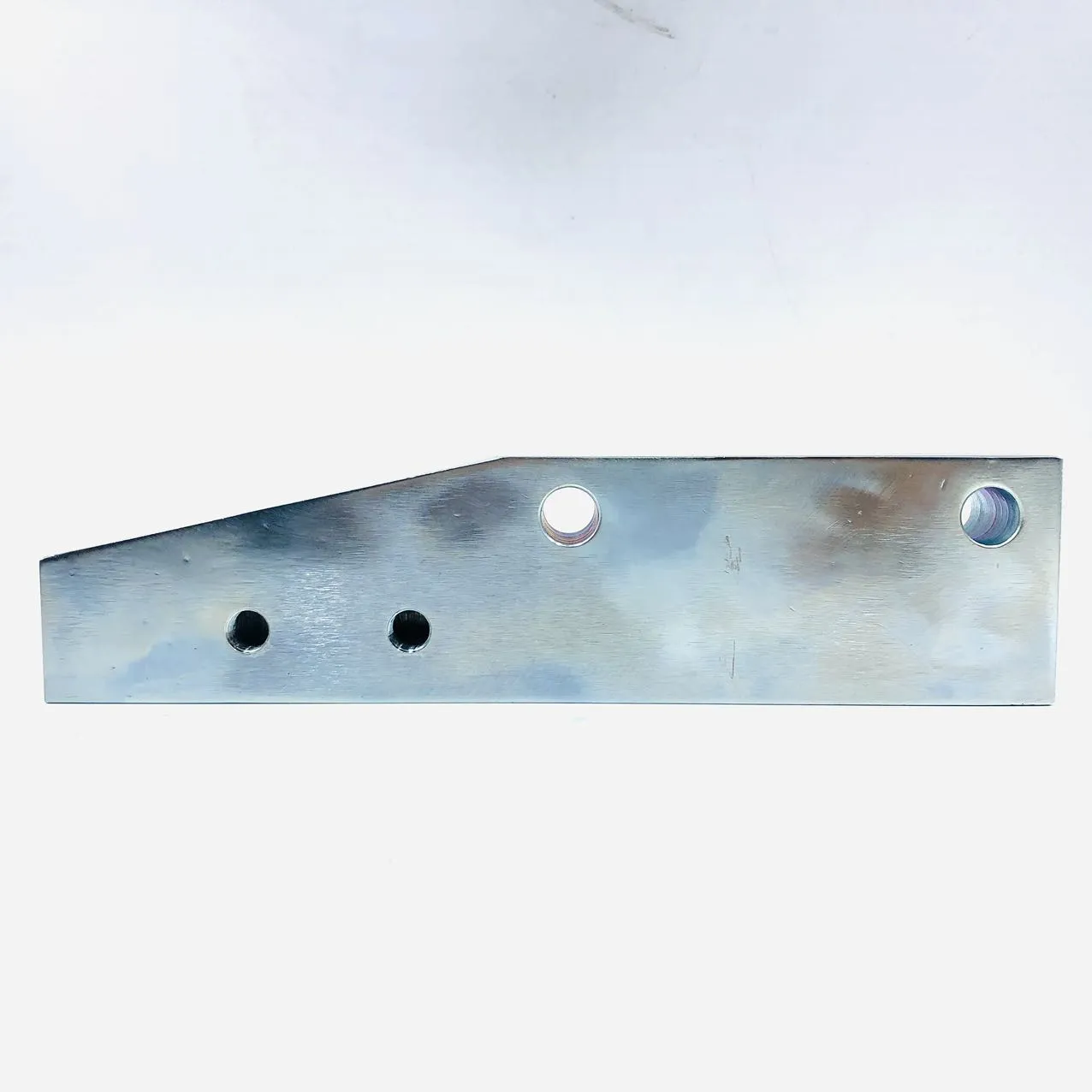 209-38-73281-BLOCK Komatsu Original Factory
 -
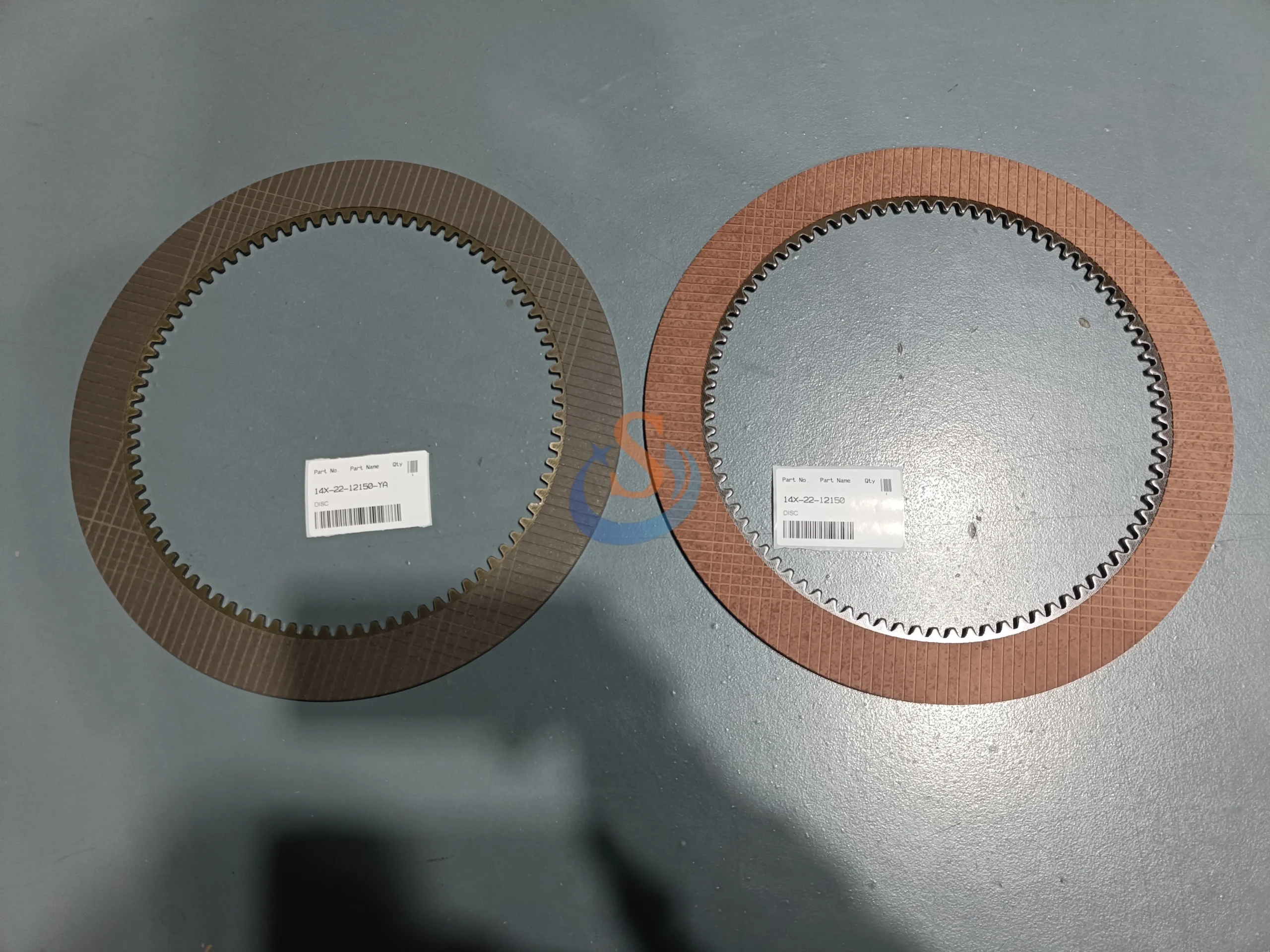 14X-22-12150,DISC,D85ESS,D275A