
- Chinese
- French
- German
- Portuguese
- Spanish
- Russian
- Japanese
- Korean
- Arabic
- Irish
- Greek
- Turkish
- Italian
- Danish
- Romanian
- Indonesian
- Czech
- Afrikaans
- Swedish
- Polish
- Basque
- Catalan
- Esperanto
- Hindi
- Lao
- Albanian
- Amharic
- Armenian
- Azerbaijani
- Belarusian
- Bengali
- Bosnian
- Bulgarian
- Cebuano
- Chichewa
- Corsican
- Croatian
- Dutch
- Estonian
- Filipino
- Finnish
- Frisian
- Galician
- Georgian
- Gujarati
- Haitian
- Hausa
- Hawaiian
- Hebrew
- Hmong
- Hungarian
- Icelandic
- Igbo
- Javanese
- Kannada
- Kazakh
- Khmer
- Kurdish
- Kyrgyz
- Latin
- Latvian
- Lithuanian
- Luxembou..
- Macedonian
- Malagasy
- Malay
- Malayalam
- Maltese
- Maori
- Marathi
- Mongolian
- Burmese
- Nepali
- Norwegian
- Pashto
- Persian
- Punjabi
- Serbian
- Sesotho
- Sinhala
- Slovak
- Slovenian
- Somali
- Samoan
- Scots Gaelic
- Shona
- Sindhi
- Sundanese
- Swahili
- Tajik
- Tamil
- Telugu
- Thai
- Ukrainian
- Urdu
- Uzbek
- Vietnamese
- Welsh
- Xhosa
- Yiddish
- Yoruba
- Zulu
- Kinyarwanda
- Tatar
- Oriya
- Turkmen
- Uyghur






Komatsu filter kit
When you hear 'Komatsu filter kit', the immediate image is that blue and white box, maybe a part number like 20R-63-11100, sitting on a shelf. But in the real world, especially in markets outside Japan or North America, that kit is more than just a collection of filters. It's a point of tension between pure OEM supply, availability, and the practical need to keep a machine running. A common misconception is that if it doesn't come in that specific branded box, it's automatically inferior or will void some mythical warranty. Having sourced and supplied these for years, I've seen that the reality is far more nuanced, often hinging on supply chain access and the actual quality of the filtration media inside, not just the packaging.
The Core of the Kit: More Than Just Paper and Rubber
Let's break down what you're really buying. A genuine Komatsu filter kit for, say, a PC200-8 excavator, isn't just a random assembly. The hydraulic filter element, the engine oil filter, the fuel filters—they're designed with specific bypass pressures, micron ratings, and media composition that match the tolerances of Komatsu's pumps and injectors. The danger with some aftermarket alternatives isn't always immediate failure; it's the slow grind. I've seen cases where a cheaper fuel filter allowed finer particulate through, leading to premature wear on the fuel injection system that only showed up hundreds of hours later. The kit's value is in this engineered compatibility.
However, this is where the practical dilemma hits. What happens when the official channel is backlogged for 12 weeks, but the machine is down on a remote site? You can't just tell a project manager to wait. This is the gap that companies operating within the Komatsu ecosystem but addressing supply challenges fill. They aren't just resellers; they understand the specs and often provide validated alternatives or facilitate access to genuine kits through parallel channels. It's about solving the operational stoppage, not just moving a product.
For instance, a partner like Jining Gaosong Construction Machinery Co., Ltd. positions itself precisely in this space. As they note on their site https://www.takematsumachinery.com, they are an OEM product supplier within the Komatsu system and a third-party sales company helping to solve parts supply challenges. This dual role is critical. It means they have the technical understanding of the OEM specifications—what makes a Komatsu filter kit correct—but also the logistical flexibility to get a solution to a customer in a region where the main distributor network is thin. Their work isn't about undercutting the brand; it's about ensuring machine uptime by navigating the complex global parts landscape.
On-Site Realities and the Good Enough Trap
In the field, the conversation is rarely about micron ratings first. It's about what fits and what's available now. The pressure to get equipment back to work leads to the good enough trap. A filter might thread on and seal, but if its anti-drain back valve is weaker or its pleat count is lower, you're compromising. I recall a mining contractor in West Africa using a pattern air filter on a Komatsu HD785 truck. It looked identical, but the housing seal was slightly less pliable. Over time, dust ingestion increased, leading to accelerated cylinder liner wear. The cost saved on filters was negligible compared to the engine overhaul.
This is why provenance matters. When a supplier says they are an OEM supplier within the system, it implies a level of accountability and specification adherence. They are less likely to stock a sub-standard pattern part because their reputation with Komatsu itself is on the line. For a critical component like a filter, which is the kidney of your machine, this supply chain integrity is everything. It's not about brand loyalty; it's about risk management.
Another practical headache is kit completeness. A true Komatsu filter kit should include all O-rings, gaskets, and seals needed for the service. Cheaper bundles often omit the hydraulic tank breather filter or the final drive oil filter for a multi-machine service. You only discover this when you're halfway through the job, covered in oil. A professional supplier ensures the kit is complete as per the machine's service schedule, not just a few obvious filters thrown in a bag. This attention to detail separates a parts seller from a solutions provider.
The Validation Process and Trust
So how do you trust a non-direct source? It comes down to validation. Reputable third-party companies don't operate on blind faith. They often have their own quality audits, comparing flow rates, burst pressure, and filtration efficiency against OEM benchmarks. They might use the same filter media manufacturers that supply Komatsu. The goal is functional equivalence. When I evaluate a new source, I ask for test reports or, better yet, I'll run a parallel test on a low-priority machine—monitor pressure differentials, take oil samples. It's not perfect, but it's real-world due diligence.
This is where the website of a company like Jining Gaosong becomes a useful signal. Their explicit statement about being part of the Komatsu system and solving supply challenges suggests a formal relationship and a focus on a specific problem set. It's a different proposition from a generic online parts marketplace. They are targeting the pain point of availability in certain countries, which aligns perfectly with the experience of many fleet managers outside core markets. Their value is in bridging that trust gap through systemic affiliation and specialized focus.
Failure has been a teacher here. Early on, I once sourced a batch of OEM-equivalent hydraulic filters from a new vendor at a great price. They failed prematurely, clogging within 50 hours on a PC300. The root cause? The filter media was collapsing under the system's pulsation, something a standard bench test wouldn't catch. It taught me that equivalence isn't just about static specs; it's about dynamic performance under real operating conditions. Now, any new filter source gets a trial on a single machine with close monitoring before any fleet-wide adoption.
Logistics and the Total Cost of Downtime
Ultimately, the discussion about a Komatsu filter kit circles back to total cost. The price on the box is a tiny fraction of the cost of a machine sitting idle. A reliable supplier's real product isn't the filter; it's reliable availability and guaranteed compatibility. If a company can get a genuine or validated-compatible kit to a port in Nigeria or Kazakhstan faster than the official channel, they are selling time—which is more valuable than the part itself.
This logistics capability is a silent differentiator. It involves navigating customs, having local stockpiles, and understanding documentation. A supplier embedded in the Komatsu ecosystem often has advantages here too, with established shipping routes and paperwork familiar to Komatsu equipment. It turns a simple purchase order into a service-level agreement for machine uptime.
In closing, the next time you order a filter kit, look past the logo. Ask: Does this supplier understand the engineering behind the part? Can they explain why this specific filter is right for my machine model? Do they have a track record of solving supply chain blockages? The right partner, one that operates with the technical rigor of an OEM supplier and the agility of a third-party solver, like Jining Gaosong describes itself, turns a routine maintenance item into a strategic decision for fleet reliability. It's the difference between just changing a filter and protecting a capital asset.
Related Products
Related Products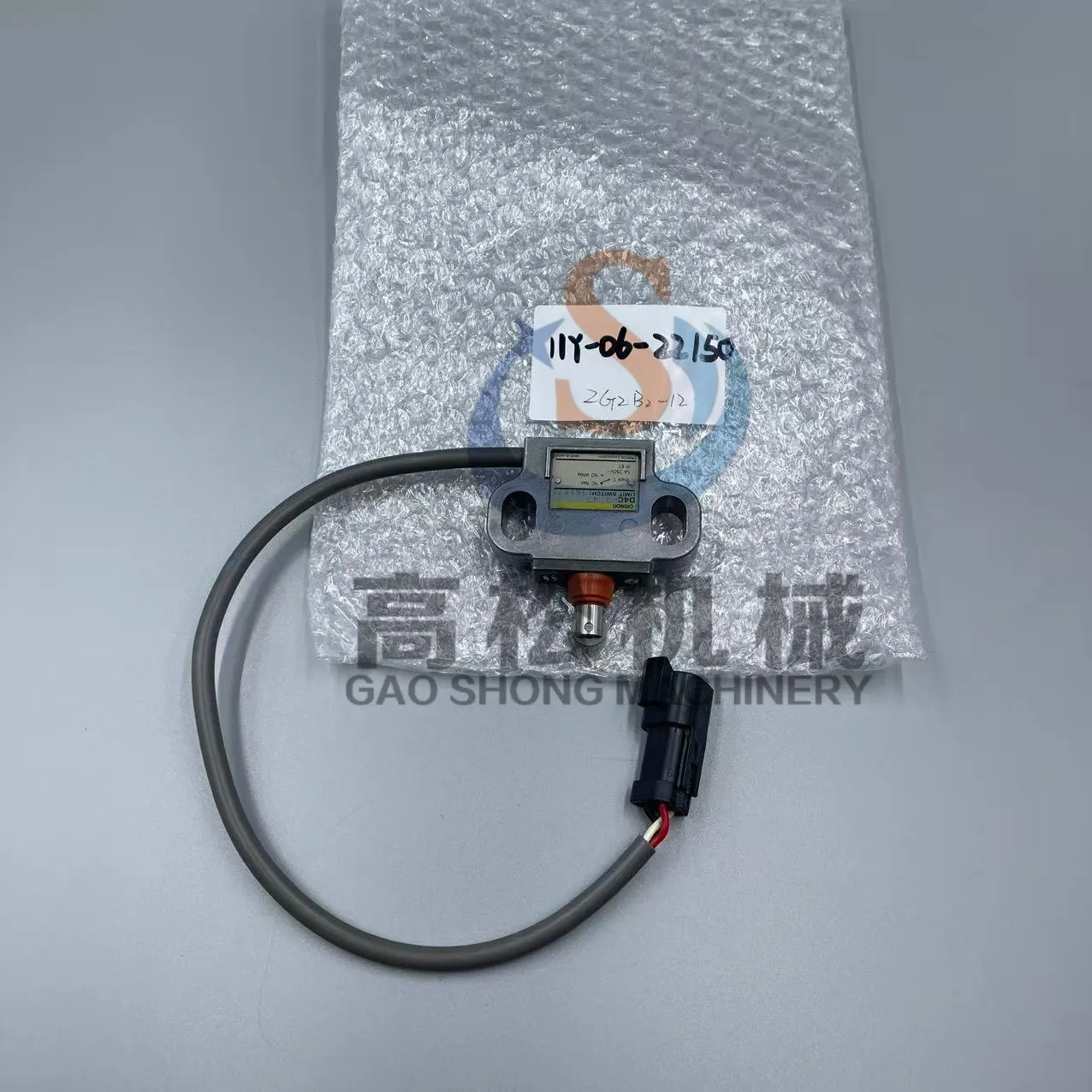
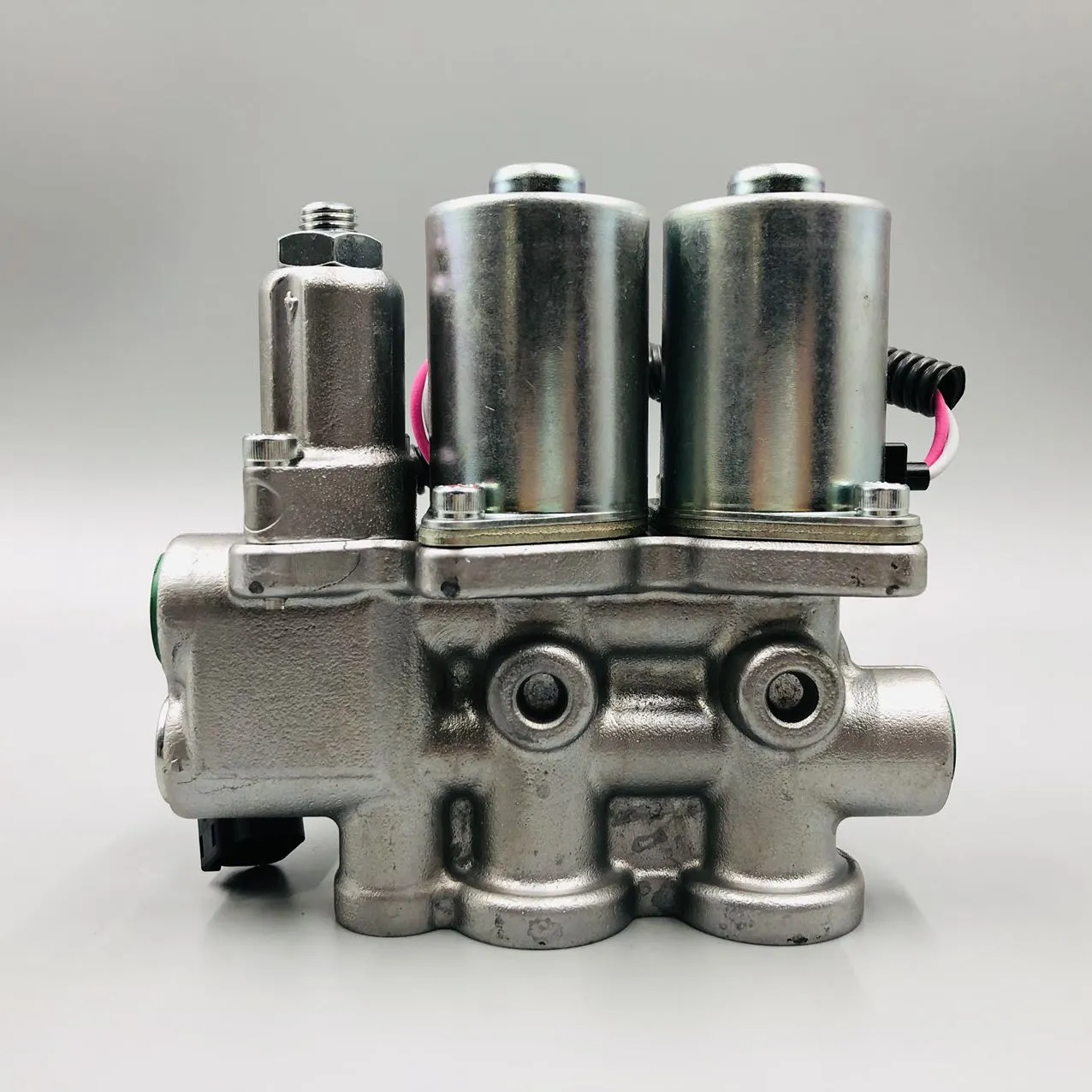

Best Selling Products
Best Selling Products-
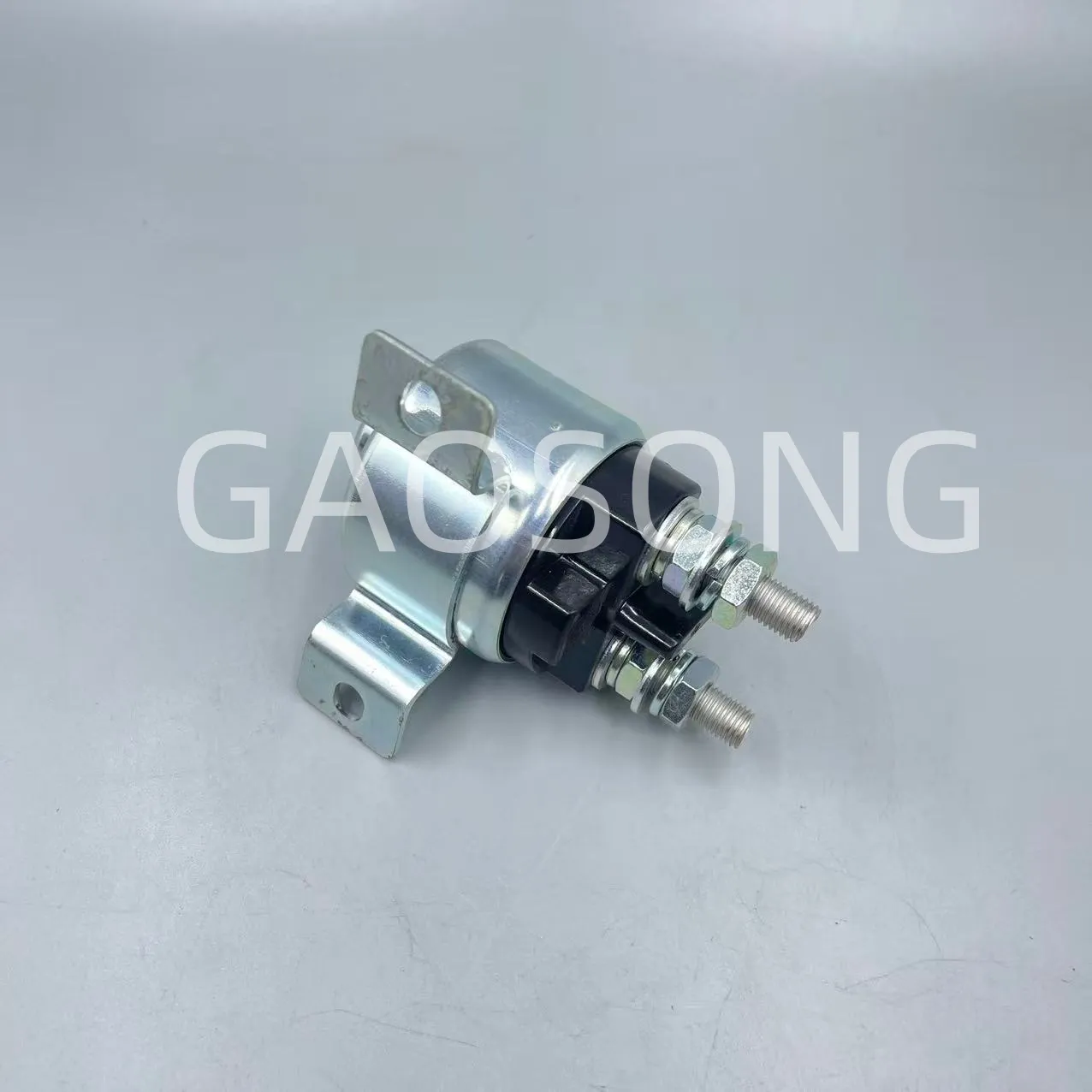 600-815-7510 SWITCH-Komatsu Original Factory
 -
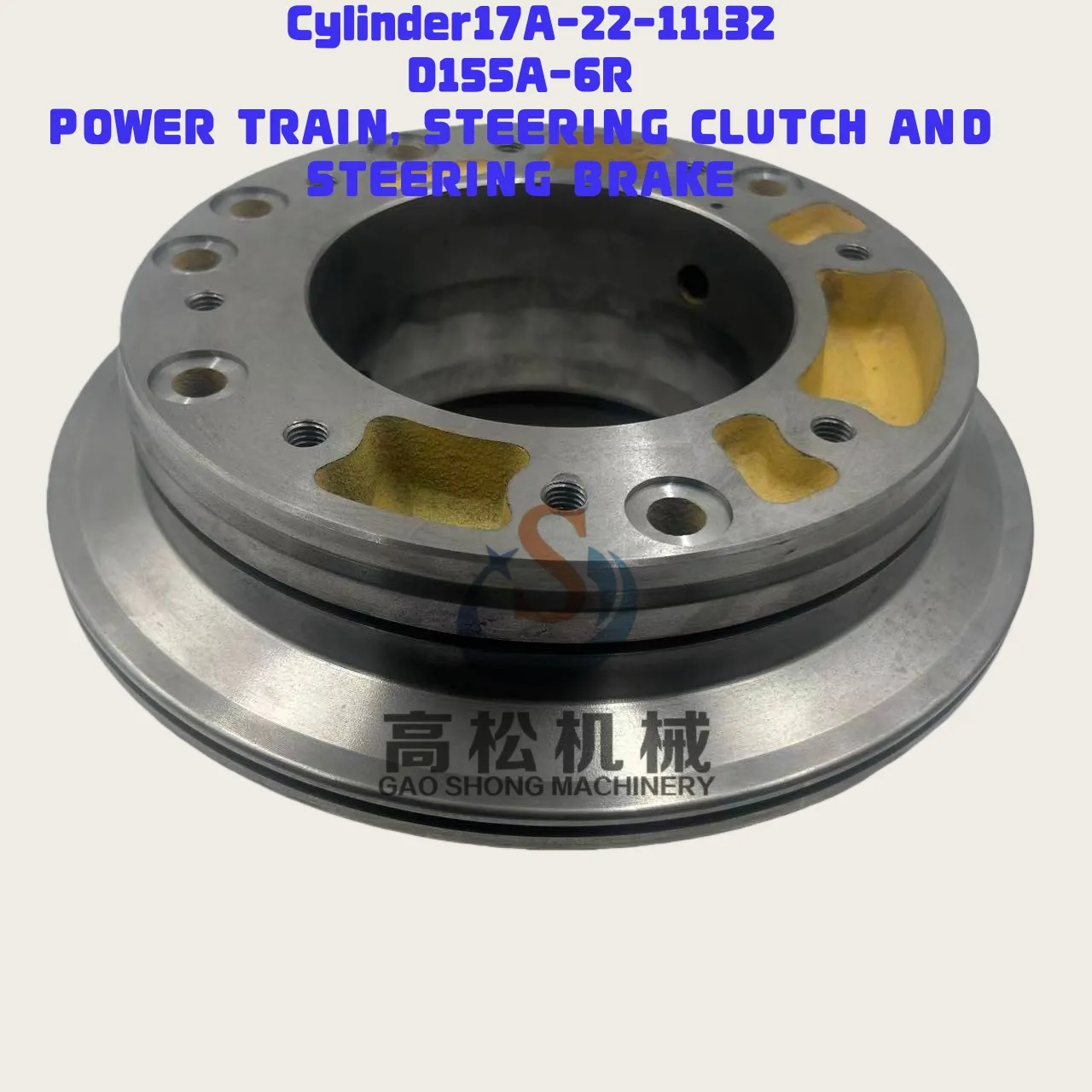 CYLINDER 17A-22-11132 D155A-6 D155A-3 D155A-5 D155A-6R STEERING CLUTCH AND BRAKE
 -
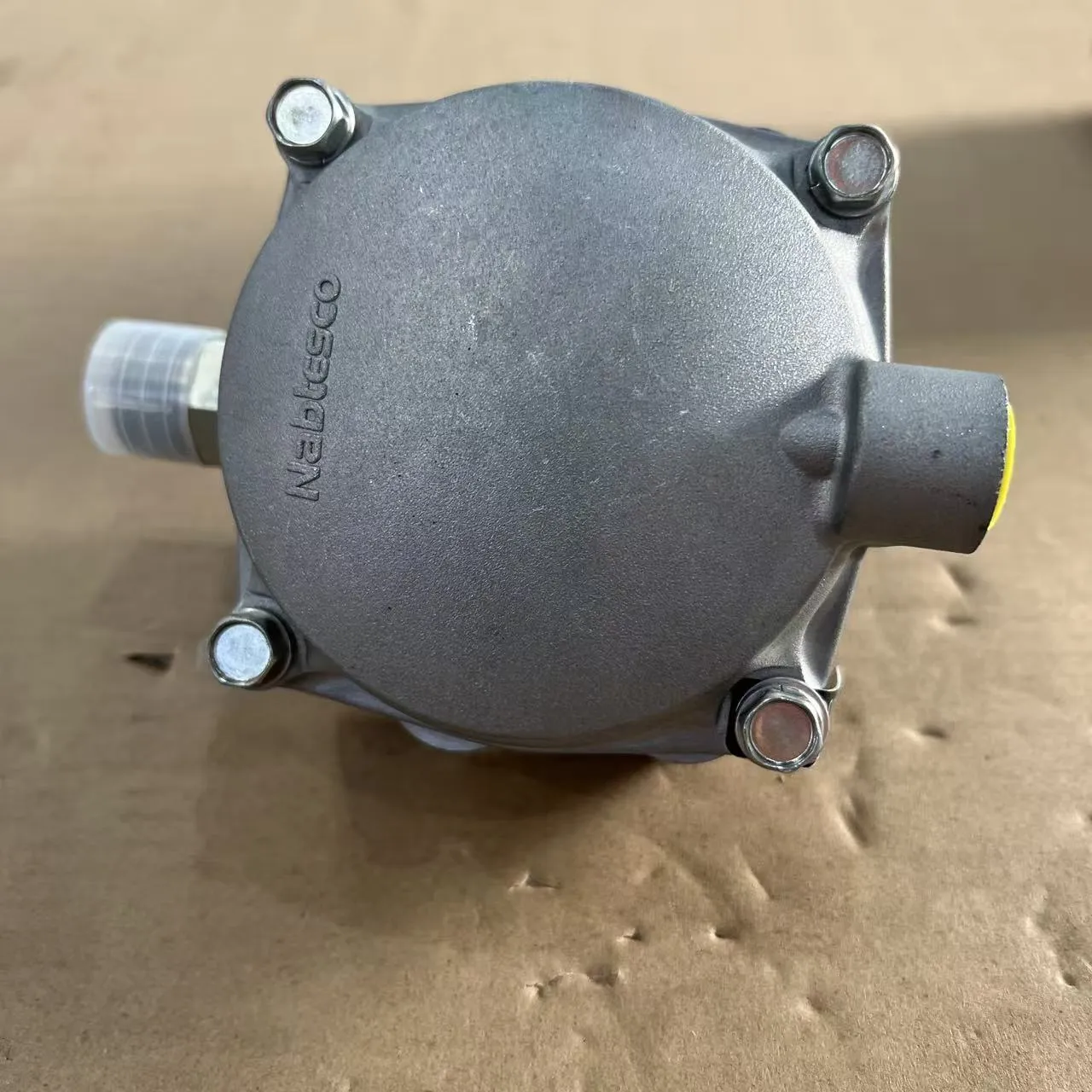 Relay Valve 561-35-61601 for Komatsu Dump Truck…
 -
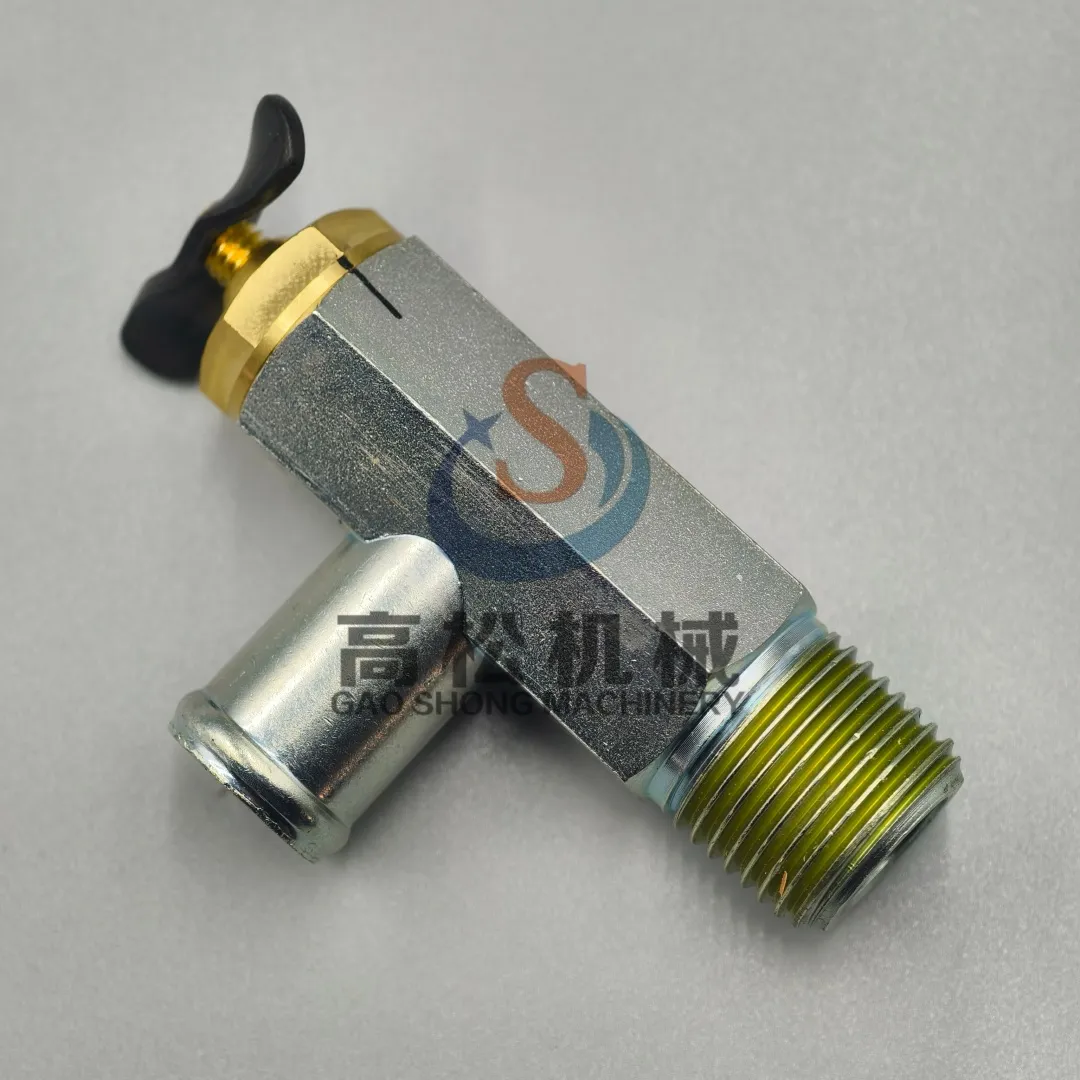 Spare part 09482-10000 VALVE,HOSE (Komatsu)
 -
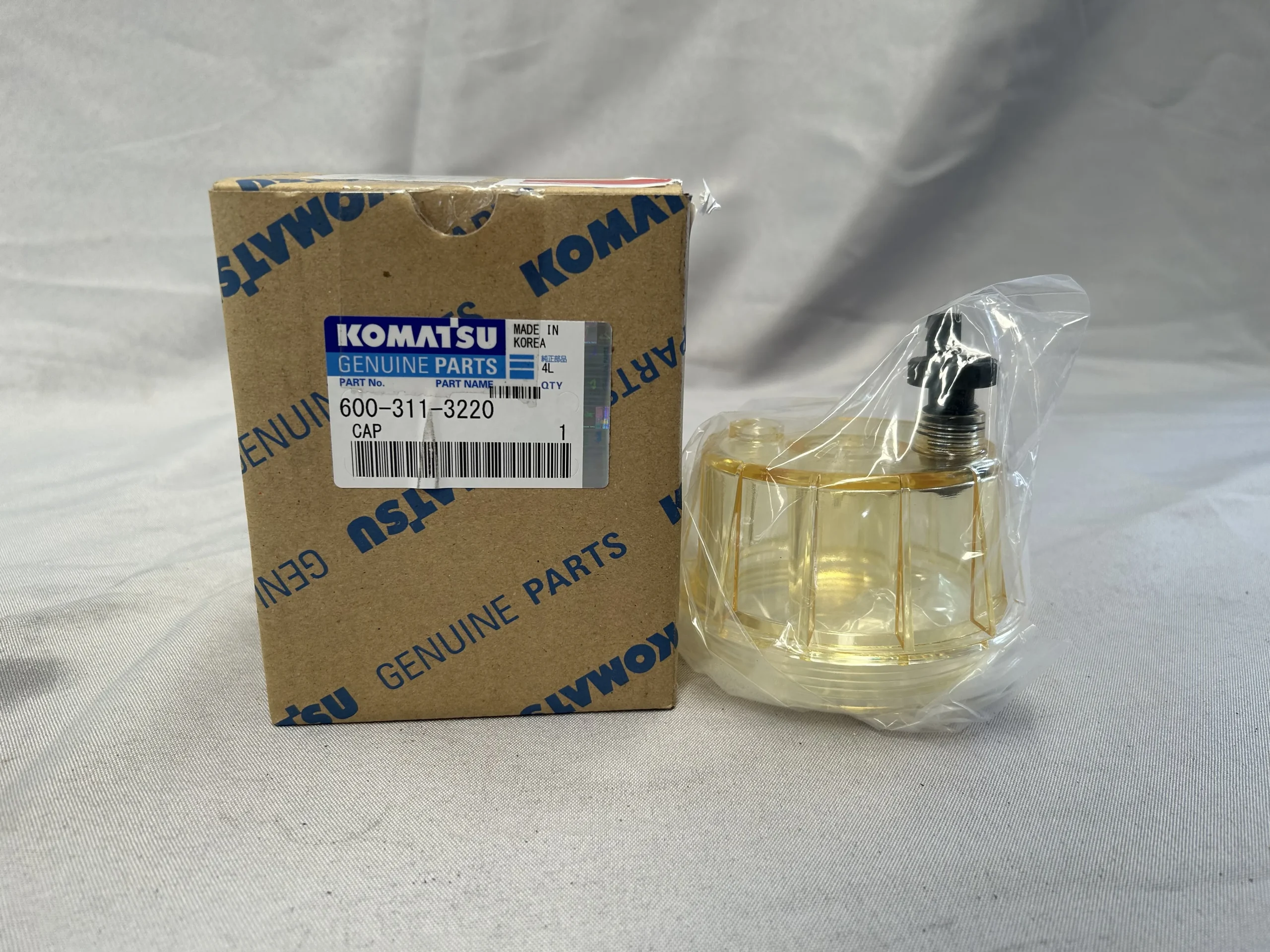 SA6D170E-3A Filter Cup 600-311-3220
 -
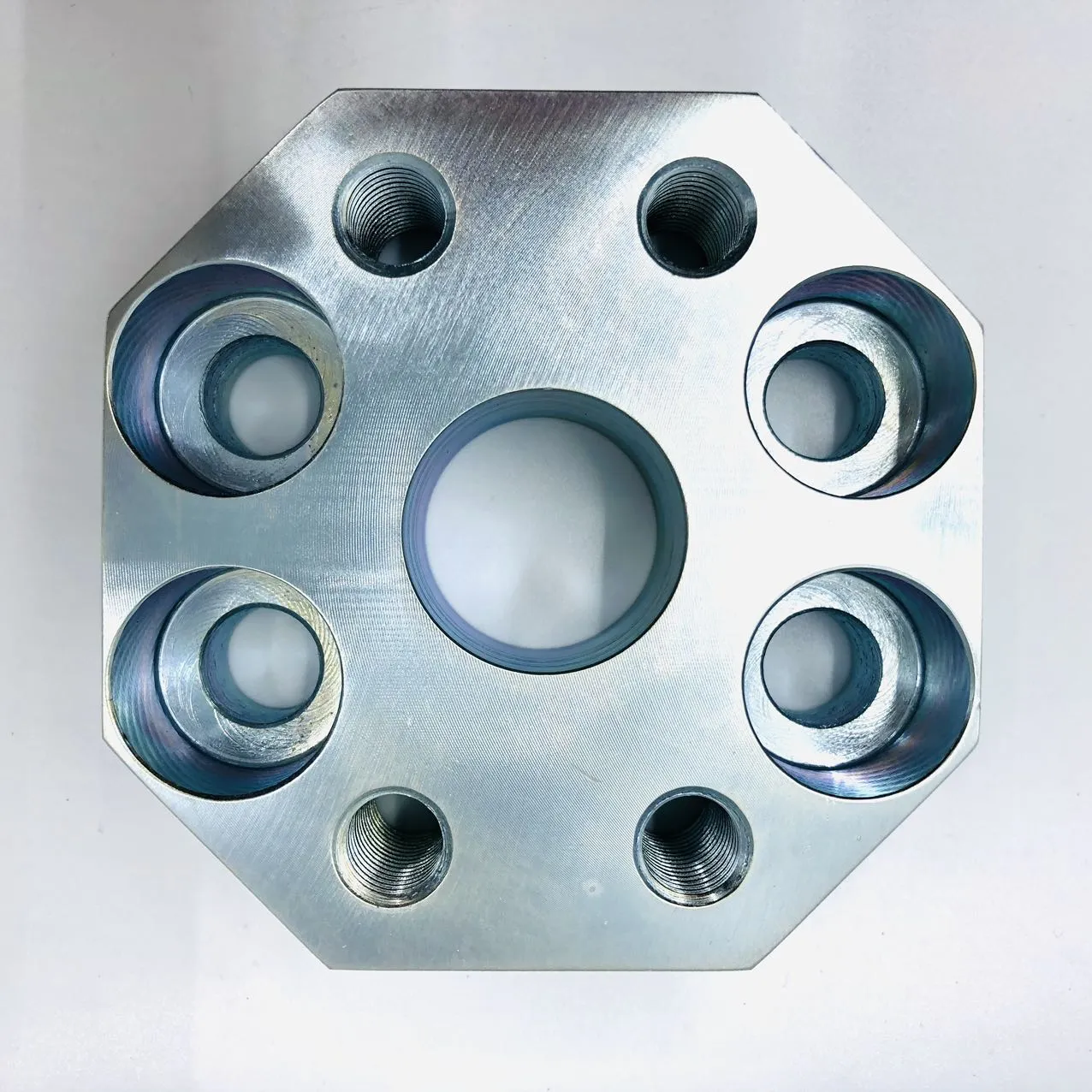 21N-62-11361 Komatsu Flange
 -
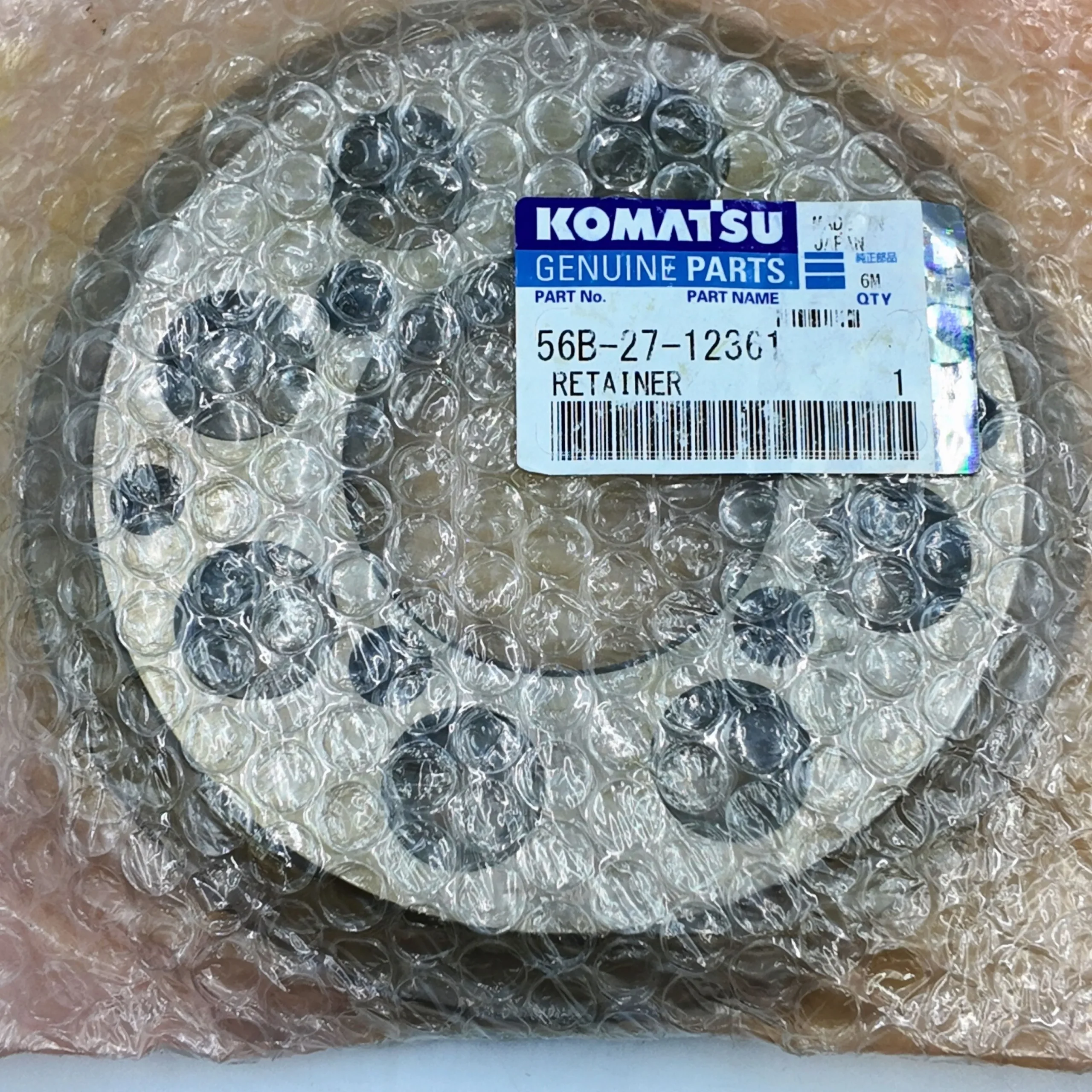 56B-27-12361•• RETAINER-Komatsu Original Factory
 -
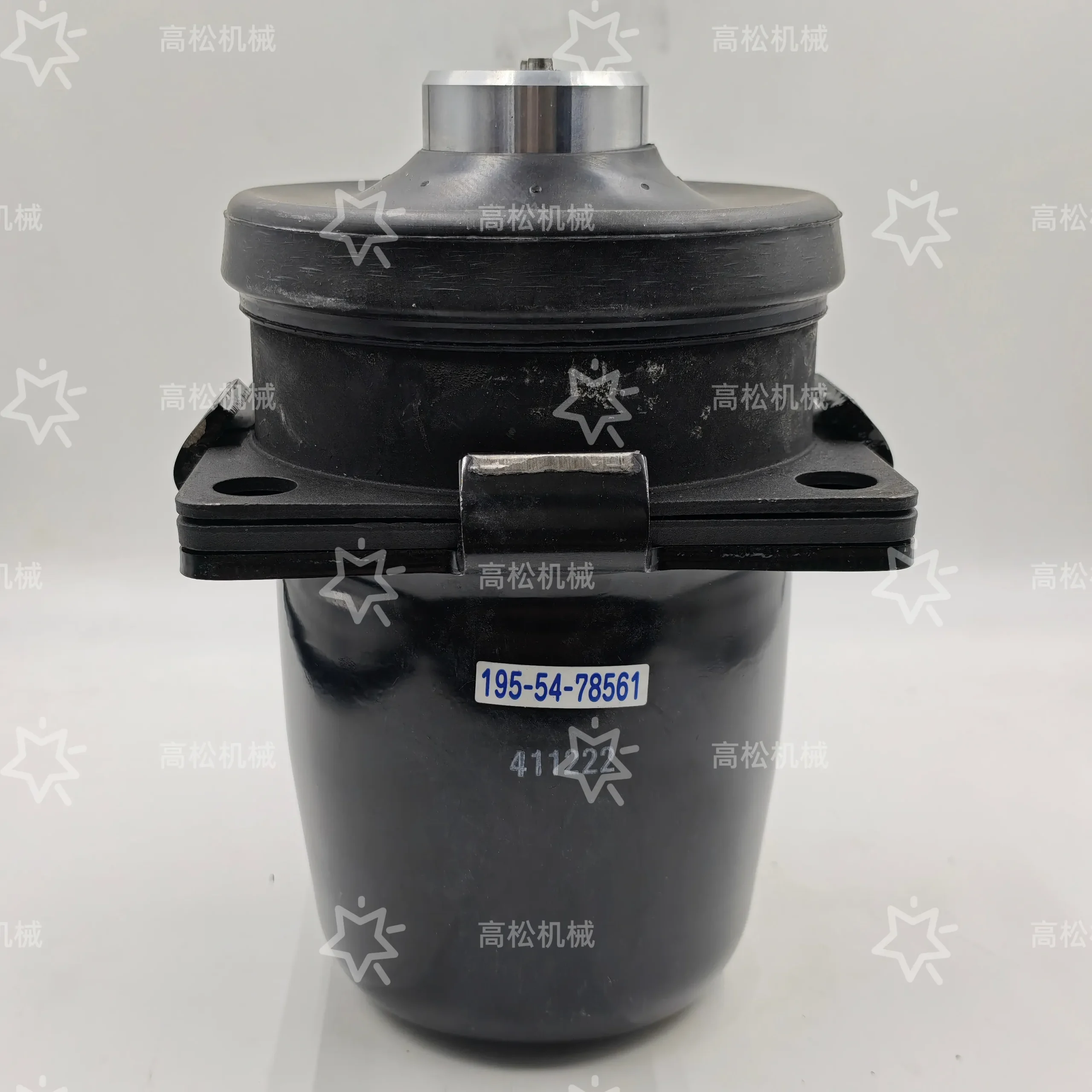 195-54-78561 Engine Cushion for D275A D375A Bulldozer
 -
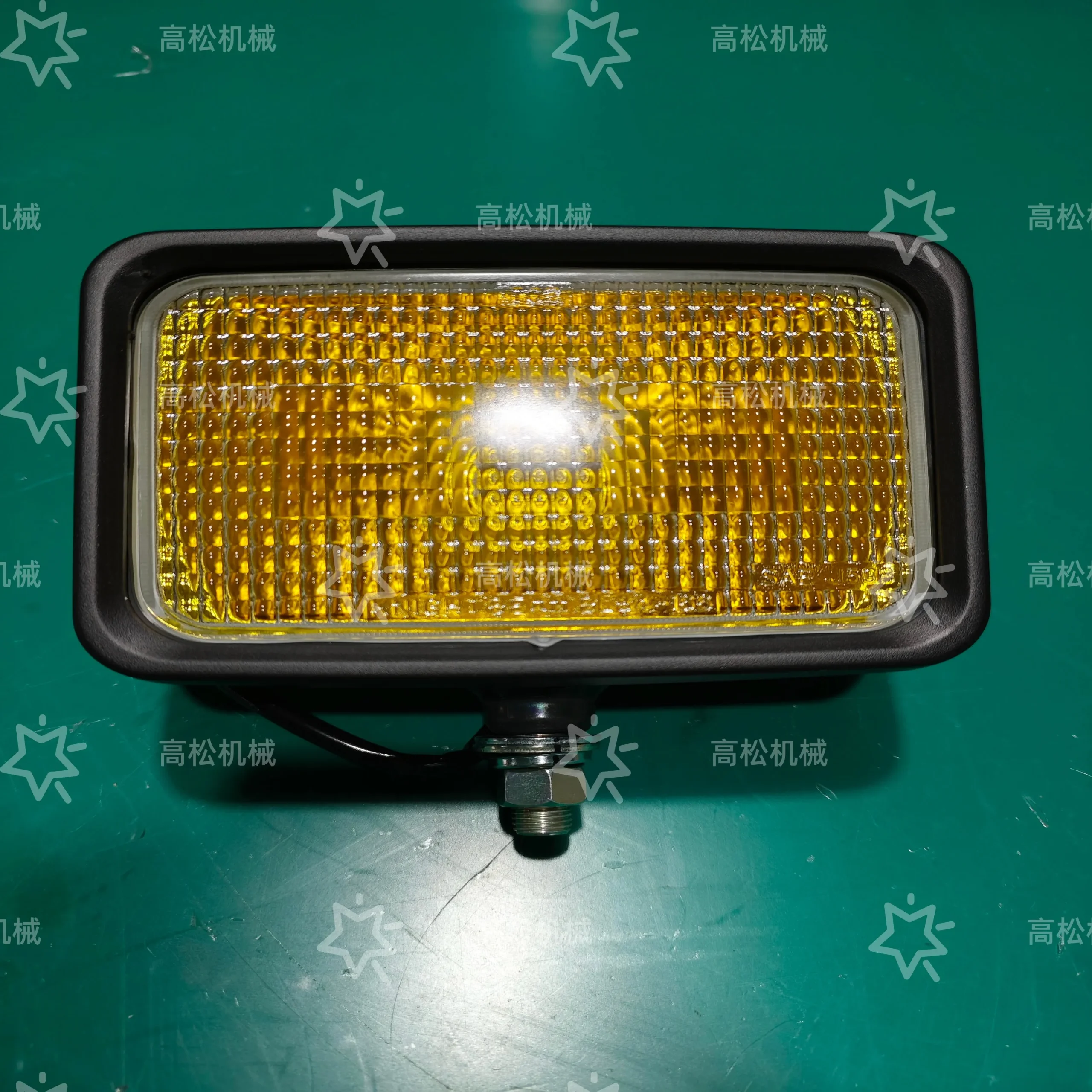 22T-06-24110Hd350 2 Front Light Lamp 22t 06 24110
 -
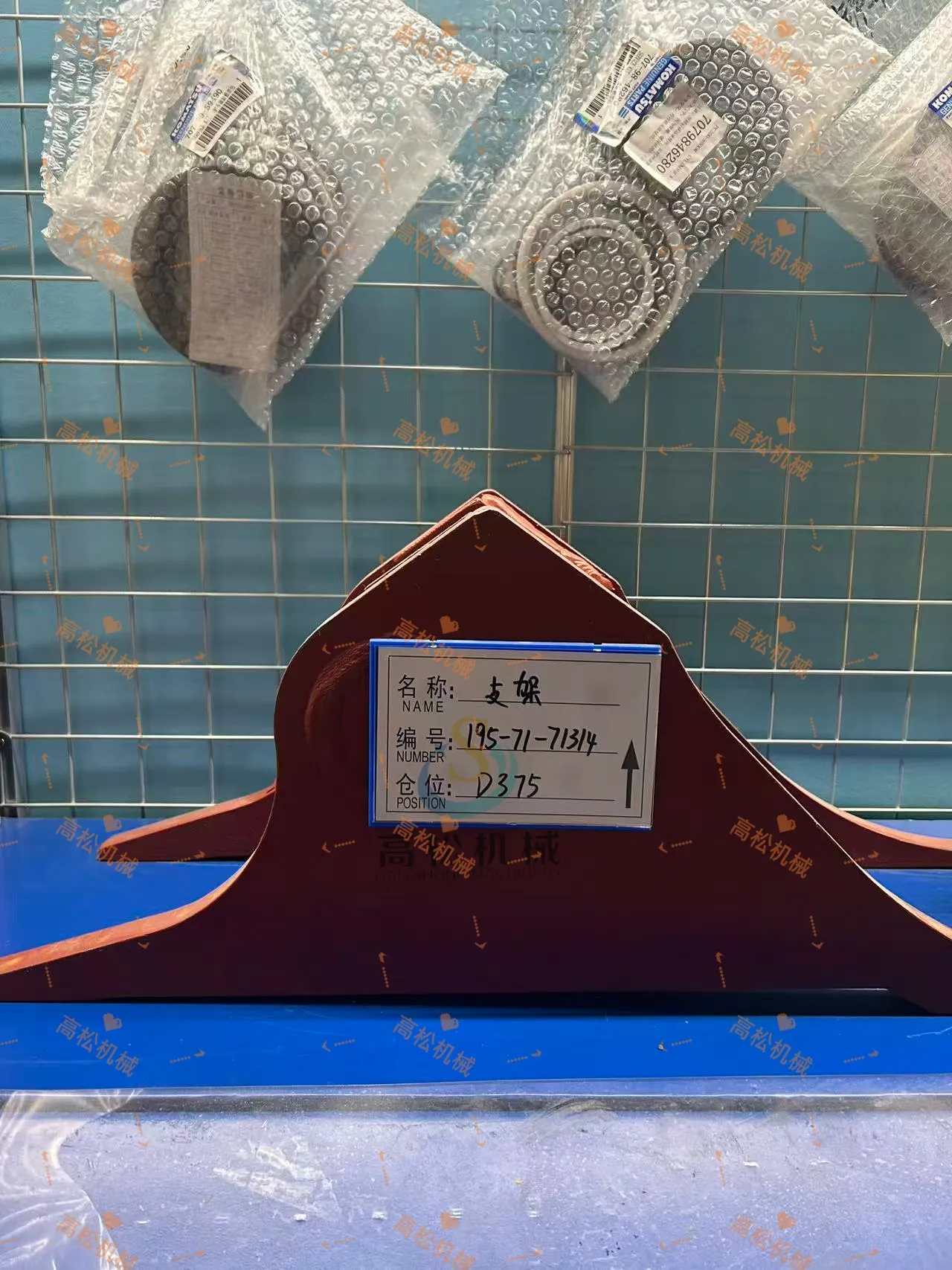 195-71-71314 BRACKET (WELDED) D375A-5 S/N 55001-UP (W/O EGR) BLADE
 -
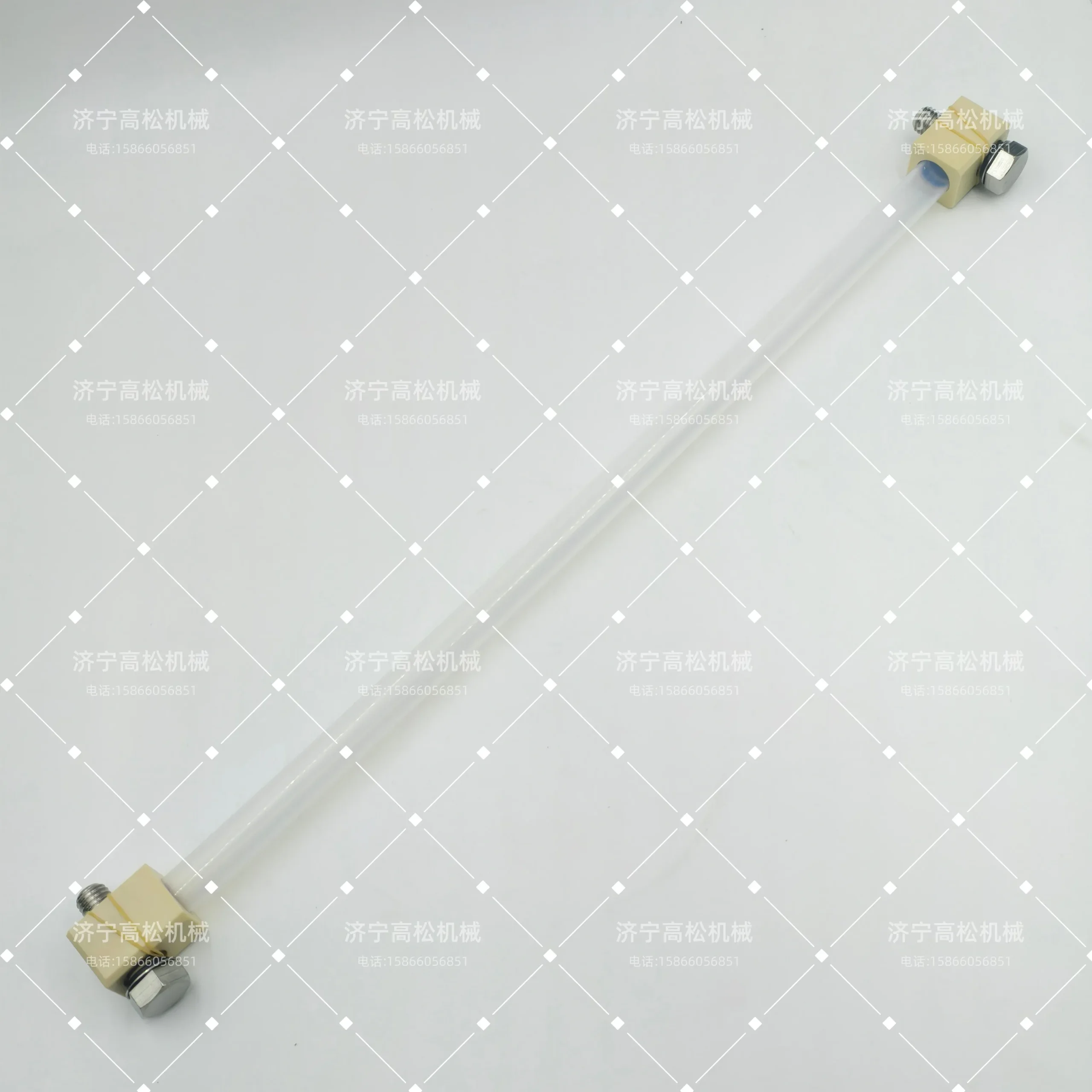 427-16-21120 Komatsu Head Cover Assembly
 -
Komatsu Excavator PC1250 Flange 21N-62-11361