
- Chinese
- French
- German
- Portuguese
- Spanish
- Russian
- Japanese
- Korean
- Arabic
- Irish
- Greek
- Turkish
- Italian
- Danish
- Romanian
- Indonesian
- Czech
- Afrikaans
- Swedish
- Polish
- Basque
- Catalan
- Esperanto
- Hindi
- Lao
- Albanian
- Amharic
- Armenian
- Azerbaijani
- Belarusian
- Bengali
- Bosnian
- Bulgarian
- Cebuano
- Chichewa
- Corsican
- Croatian
- Dutch
- Estonian
- Filipino
- Finnish
- Frisian
- Galician
- Georgian
- Gujarati
- Haitian
- Hausa
- Hawaiian
- Hebrew
- Hmong
- Hungarian
- Icelandic
- Igbo
- Javanese
- Kannada
- Kazakh
- Khmer
- Kurdish
- Kyrgyz
- Latin
- Latvian
- Lithuanian
- Luxembou..
- Macedonian
- Malagasy
- Malay
- Malayalam
- Maltese
- Maori
- Marathi
- Mongolian
- Burmese
- Nepali
- Norwegian
- Pashto
- Persian
- Punjabi
- Serbian
- Sesotho
- Sinhala
- Slovak
- Slovenian
- Somali
- Samoan
- Scots Gaelic
- Shona
- Sindhi
- Sundanese
- Swahili
- Tajik
- Tamil
- Telugu
- Thai
- Ukrainian
- Urdu
- Uzbek
- Vietnamese
- Welsh
- Xhosa
- Yiddish
- Yoruba
- Zulu
- Kinyarwanda
- Tatar
- Oriya
- Turkmen
- Uyghur






Komatsu filter
When you hear 'Komatsu filter,' the immediate thought is genuine parts, the yellow box, and that premium price tag. But in the real world of keeping machines running, especially outside the primary dealer networks, that term takes on a different, more pragmatic meaning. It's not just about the OEM part anymore; it's about the entire ecosystem of filtration solutions that keep a Komatsu excavator or dozer alive. A common pitfall is equating quality solely with the OEM stamp. I've seen plenty of non-OEM filters that meet or exceed the spec, and just as many instances where a 'genuine' filter was swapped for a sub-par alternative somewhere down the supply chain. The real challenge is verifying the performance, not just the logo.
The OEM Promise and the On-Ground Reality
Komatsu's OEM filters are engineered with specific tolerances and media designed for their engines and hydraulics. Using them is the safest bet, no argument. But the supply chain isn't always cooperative. For a project in a remote region, waiting six weeks for an air filter for a PC360 isn't an option. The machine has to work. That's where the complexity starts. You can't just slap on any filter that threads on. The bypass valve pressure, the micron rating of the hydraulic filter media, the anti-drain back valve in the oil filter—these aren't marketing points; they're critical specs. I recall a D155 dozer that kept showing high hydraulic temp spikes. We'd changed the filter regularly, but it was an aftermarket unit with a slightly higher flow resistance. Swapped it for a proper spec unit, and temps normalized. The filter 'fit,' but it didn't 'function' correctly.
This is where companies operating within the Komatsu system but with flexibility become crucial. A supplier like Jining Gaosong Construction Machinery Co., Ltd. positions itself interestingly. They note they are an OEM product supplier within the Komatsu system and a third-party sales company. In practice, this often means they can source the genuine article when needed but also provide validated alternatives that solve the acute parts supply challenges they mention. Their website, takematsumachinery.com, highlights this dual role. It’s a realistic model for many markets.
The key is transparency. When a supplier says this is an OEM-equivalent filter for the SAA6D114E engine, they need to back it with data sheets, not just promises. I've learned to ask for the test standards—is it ISO 4548, ISO 19438? Does it have the correct efficiency rating for that specific system? The brand on the box matters less than the paperwork behind it.
Failure Points and Field Observations
Let's talk about where it goes wrong. Fuel filters are a prime example. With ultra-high-pressure common rail systems, a filter that doesn't handle water separation effectively or has media that sheds can destroy injectors. I saw a fleet of three Komatsu HD785 trucks all develop injector issues within 200 hours of each other. The common link? A batch of aftermarket fuel filters from a new, 'cost-effective' supplier. The filters passed a visual check but failed in service. The cost savings were wiped out ten times over.
Another subtle point is the filter housing itself. On older models, the housing can wear or the seal surface gets scored. You can install a perfect filter, but if the housing isn't sealing, you're pulling in unfiltered air or bypassing oil. It's a step often missed during maintenance. Sometimes, the fix isn't a better filter; it's a new housing or a proper torque on the central bolt.
Then there's the operational environment. A machine working in a silica-rich quarry needs a different air filter service schedule than one in a damp clay pit. The standard OEM service interval is a guideline, not a law. I've pushed clients to install vacuum gauges on air intakes or use restriction indicators. It moves the change-out from a calendar-based guess to a condition-based necessity. This is where operator and mechanic training ties directly into filter life and engine health.
The Validation Process: More Than a Fit Check
So how do you vet a non-OEM Komatsu filter? First, it's a tear-down comparison. Cut open a known-good OEM filter and the alternative. Compare the media pleat count, the end caps, the glue lines, the integrity of the relief valve spring. It's a destructive test, but for a high-volume item, it's worth sacrificing one unit. Second, it's about the supplier's reputation. A company like Jining Gaosong, which explicitly states its role in solving supply challenges, is staking its business on providing reliable solutions, not just moving boxes. Their long-term viability depends on the performance of the parts they sell.
Third, and most critically, it's about field testing. Start with a single machine in a non-critical application. Monitor pressure differentials, oil analysis results (checking for silicon for air filtration, particle counts for oil), and any abnormal wear metals. This isn't a one-cycle test; it needs to run for a few hundred hours. Only then can you start to build confidence.
I've been involved in such tests that failed. An oil filter for a Komatsu S6D engine showed perfect particle counts but caused a slight pressure drop that led to intermittent warnings from a sensitive sensor. The filter was technically 'cleaner,' but the system wasn't designed for that flow characteristic. We reverted to the OEM-spec part. It was a reminder that equivalence is a multi-dimensional problem.
The Economics of Filtration in Total Cost of Ownership
The conversation always circles back to cost. The initial price of a filter is a tiny fraction of the potential damage from a failure. However, blanket insistence on OEM-only isn't always economically sustainable, especially for older fleets or in markets with import restrictions. The total cost of ownership (TCO) calculation must include filter price, change-out labor, and the risk-adjusted cost of a potential failure.
A reliable third-party supplier that provides technically sound alternatives can significantly lower the TCO without elevating risk, if—and it's a big if—their products are validated. This is the niche companies like the one mentioned aim to fill. They aren't just brokers; they are (or should be) technical partners who understand that a filter is a component of a system. Their website introduction suggests this understanding by focusing on solving parts supply challenges, which implies a solutions-based approach rather than just a transactional one.
For a fleet manager, building a relationship with such a supplier involves sharing machine data, failure histories, and operational contexts. It becomes collaborative. You might work with them to develop a tailored filtration kit for a specific model in your fleet, combining a high-efficiency air filter from one source with a proven hydraulic filter from another. This is the advanced stage of parts management beyond the catalog.
Conclusion: The Filter as a System Component
Ultimately, a Komatsu filter is more than a consumable. It's a key system component that protects the most expensive parts of the machine. The brand on the filter is less important than the engineering and validation behind it. The aftermarket, when responsible and technically rigorous, provides essential flexibility and continuity for equipment operations worldwide.
The landscape is filled with options, from outright counterfeits to superior alternatives. Navigating it requires skepticism, a willingness to test, and partners who are transparent about their supply chain and their product's capabilities. It's not about finding the cheapest option or blindly paying a premium; it's about finding the most reliable solution for your specific operational and logistical reality. That's the real filter test.
Suppliers who frame their mission around solving supply chain problems, as Jining Gaosong does, are acknowledging this complex reality. The proof, as always, is in the performance on the machine, over thousands of hours, in the dust and the mud. That's the only test that truly matters.
Related Products
Related Products

Best Selling Products
Best Selling Products-
 Hot Selling at Low Prices 21P-62-K1520 21M-62-11230 21T-01-67330 21U-62-34760 Underground Facilities
 -
 Switch 600-815-9472 HD785 Dump Truck Spare Parts
 -
 600-815-9640 HEATER-Komatsu Original Factory
 -
 Komatsu HD465/785/HM350/WA155 22T-06-24110 Lamp
 -
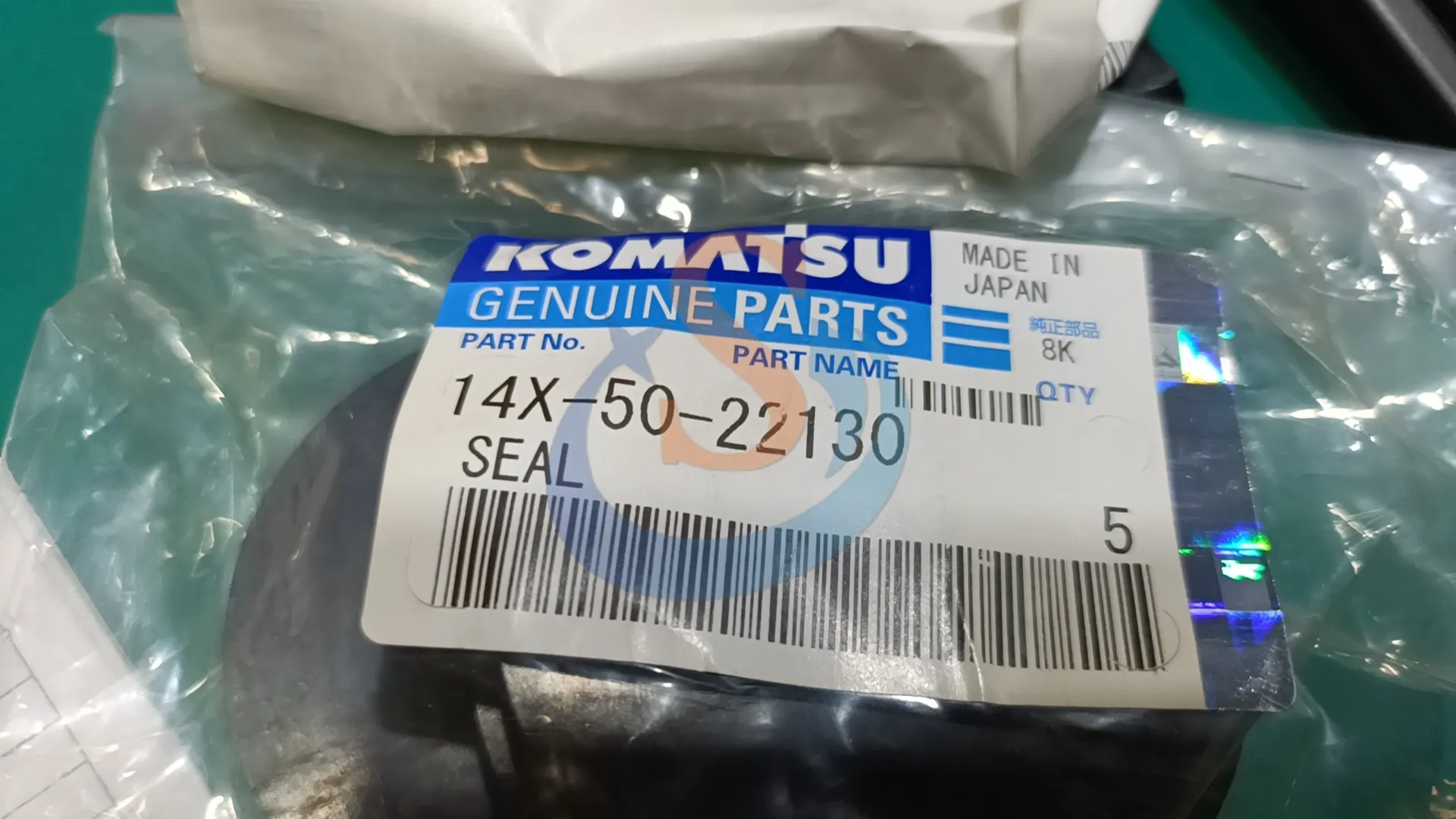 14X-50-22130,SEAL,D65PX,D65E,D85E
 -
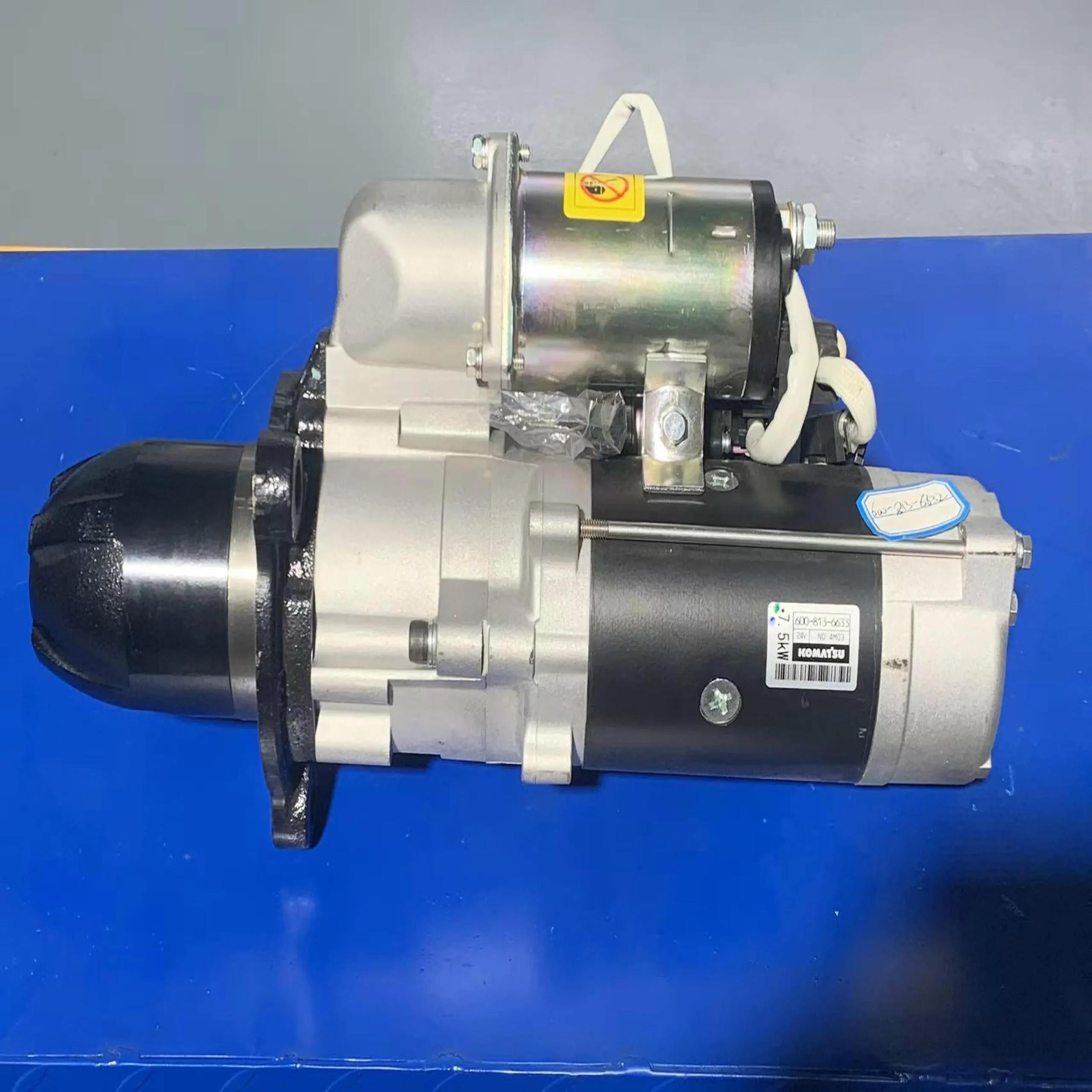 608-813-6632 Starter Motor for Komatsu Construction Parts
 -
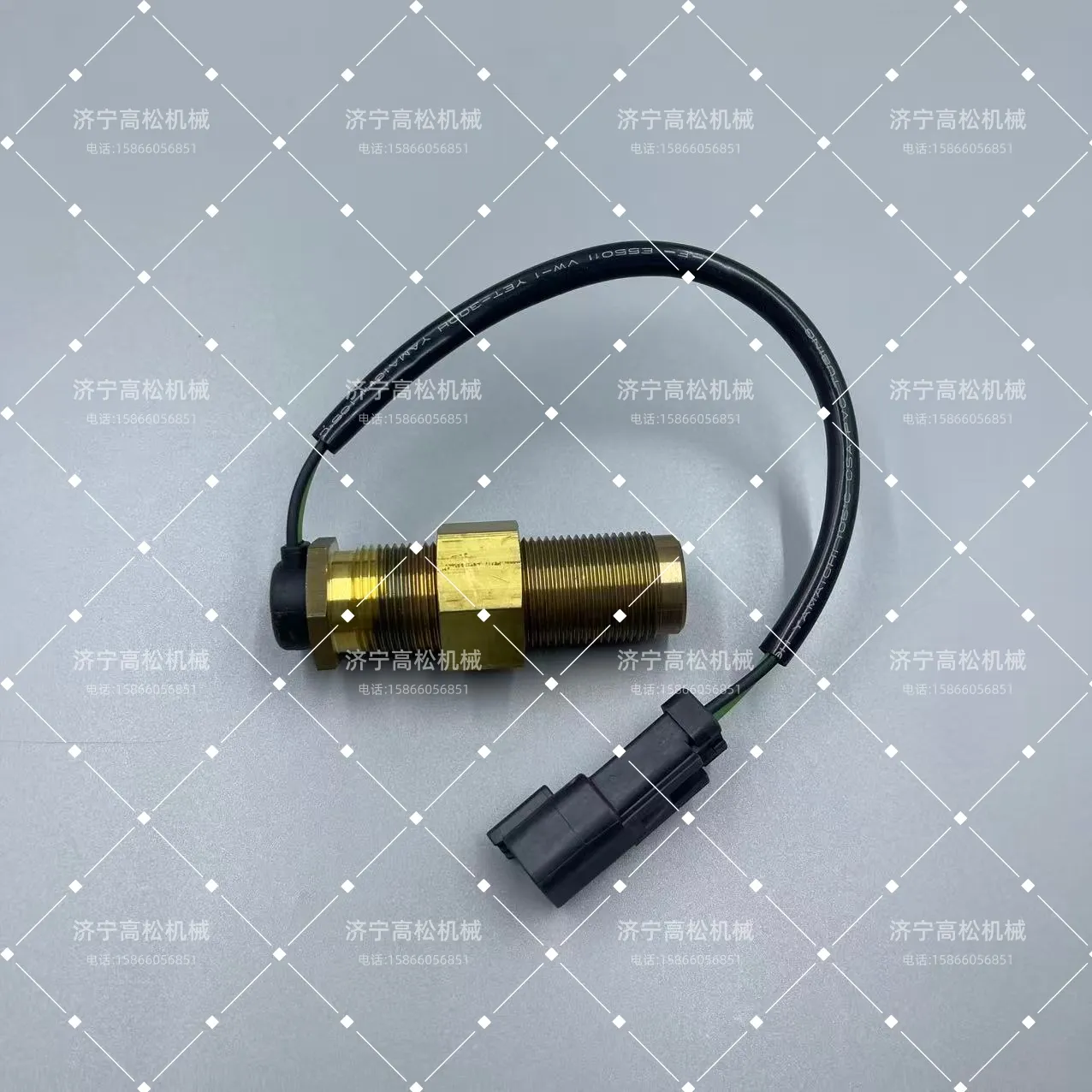 Revolution Sensor 7861-93-2330 for Bulldozer D85EX-15
 -
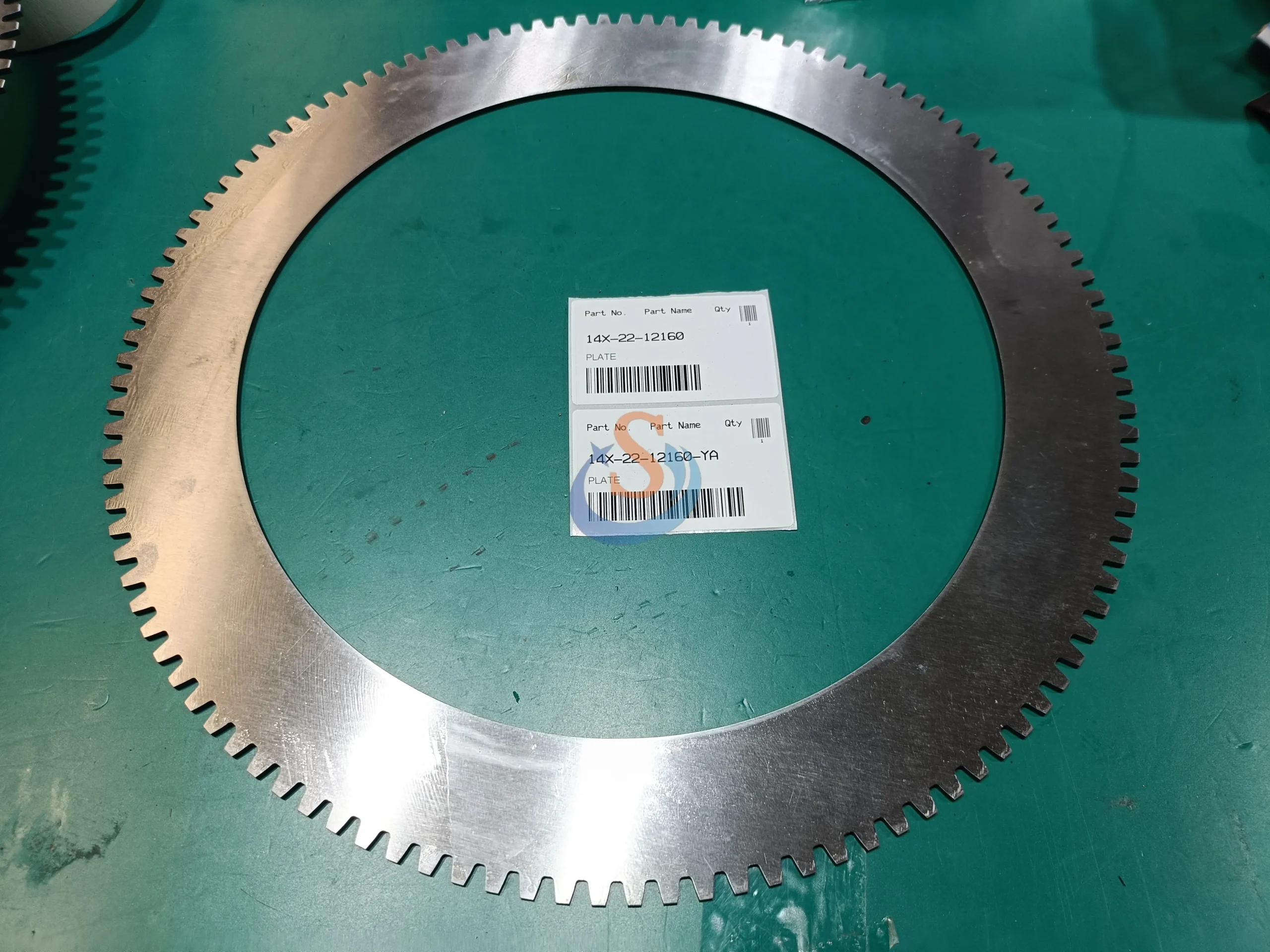 14X-22-12160,PLATE,D275A,D85ESS,D65E
 -
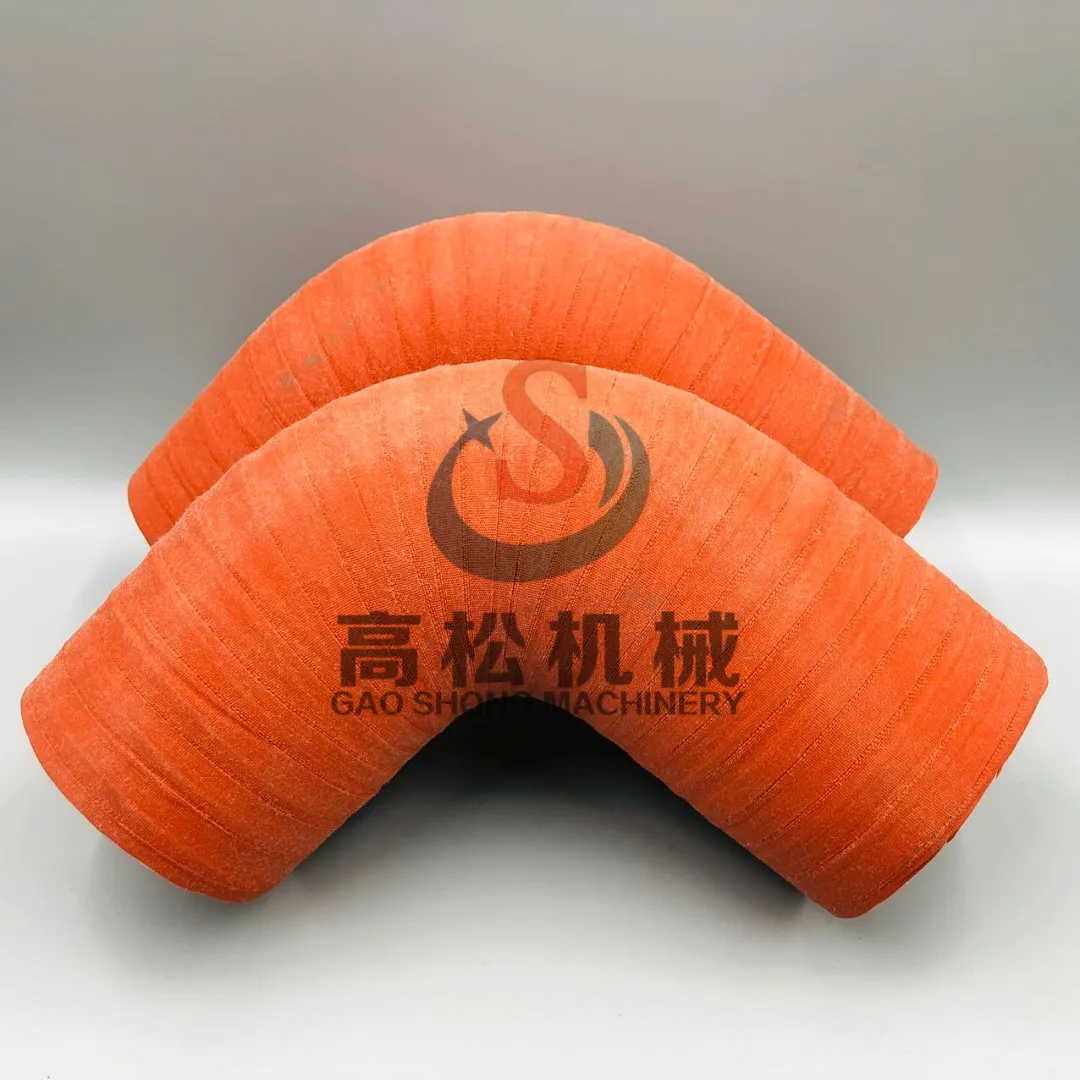 Hose 6743-11-4931 6743114931 Fits For Komatsu PC300 PC300HD PC340 PC350 PC360
 -
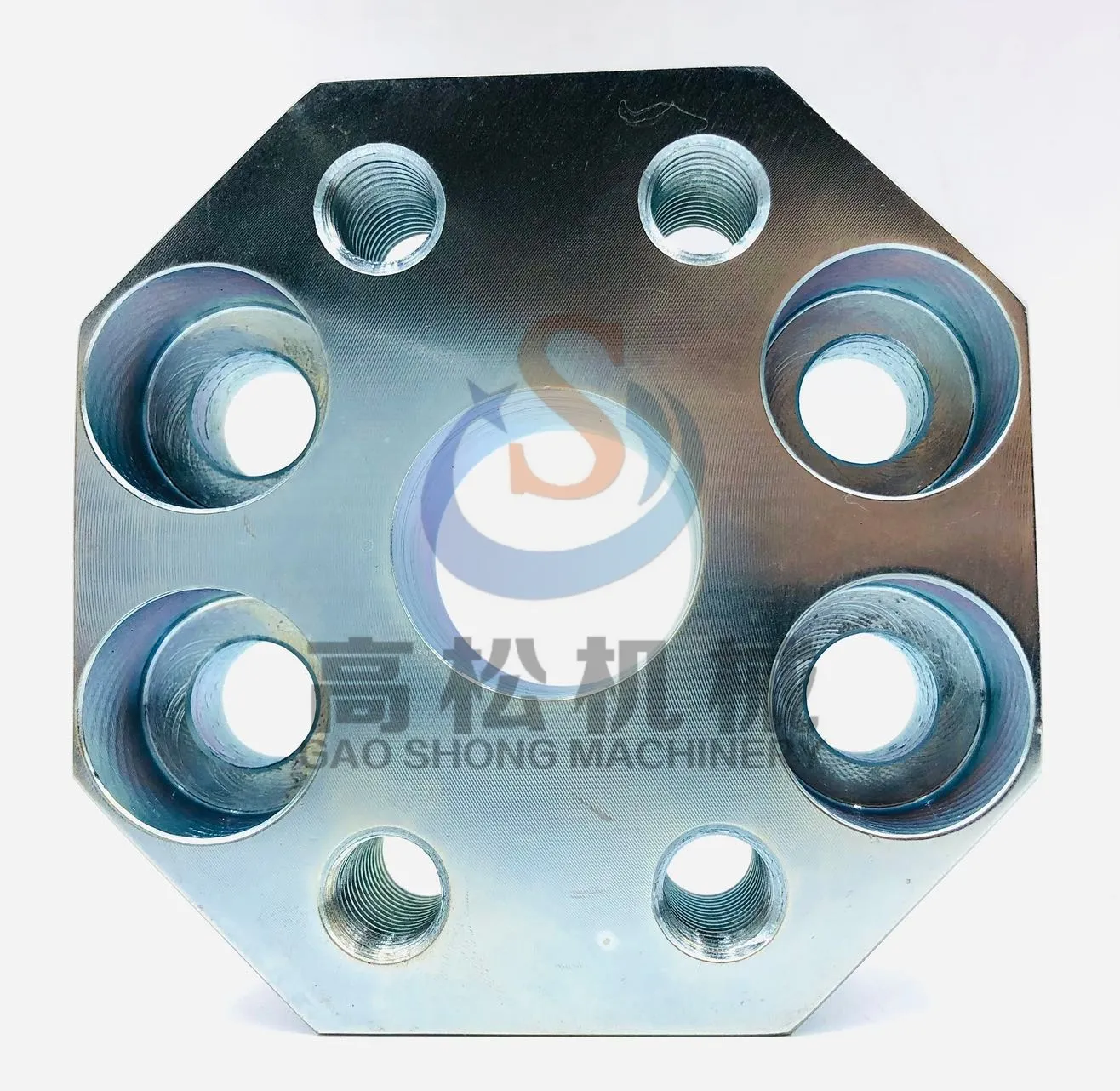 Komatsu excavator PC1250 flange 21N-62-11361
 -
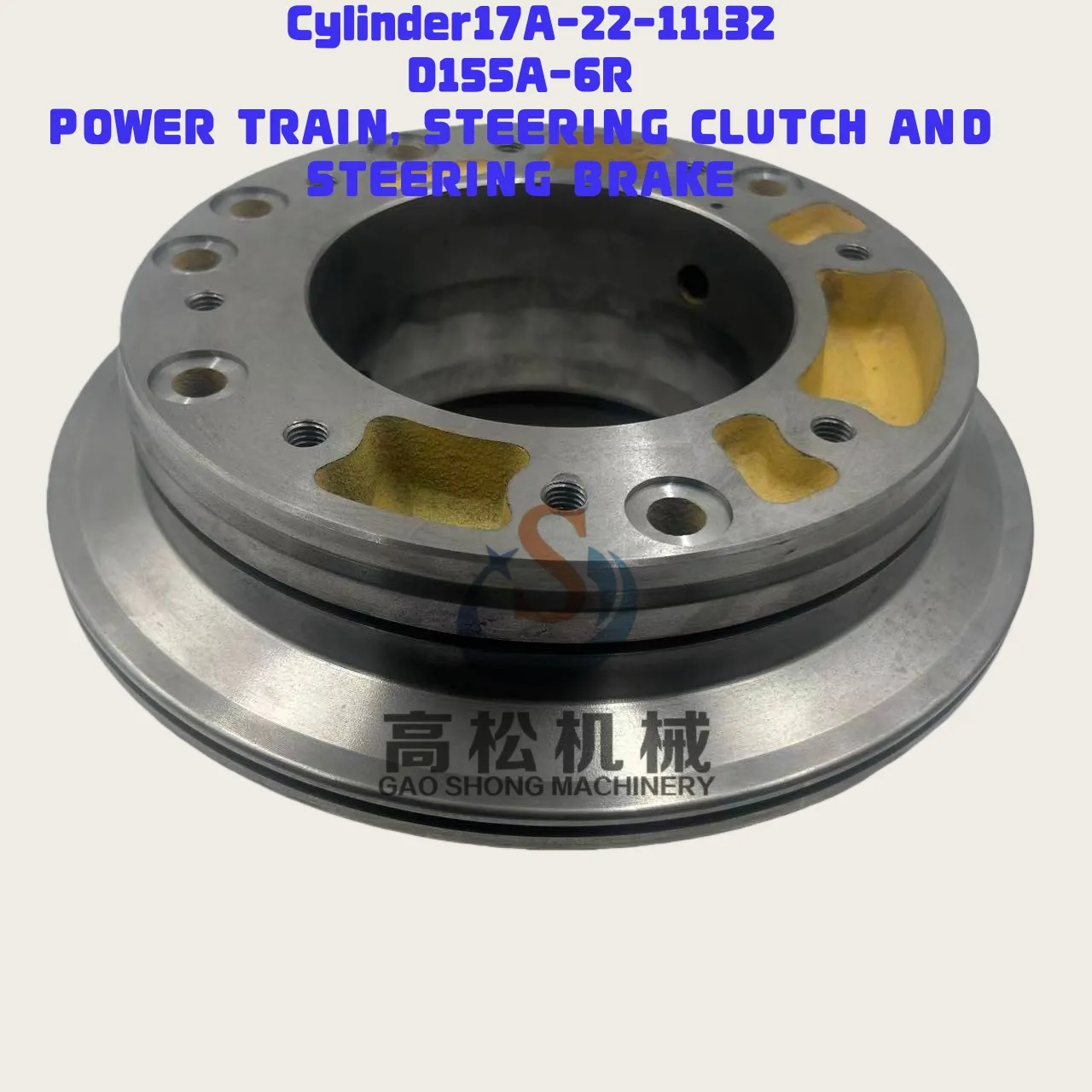 CYLINDER 17A-22-11132 D155A-6 D155A-3 D155A-5 D155A-6R STEERING CLUTCH AND BRAKE
 -
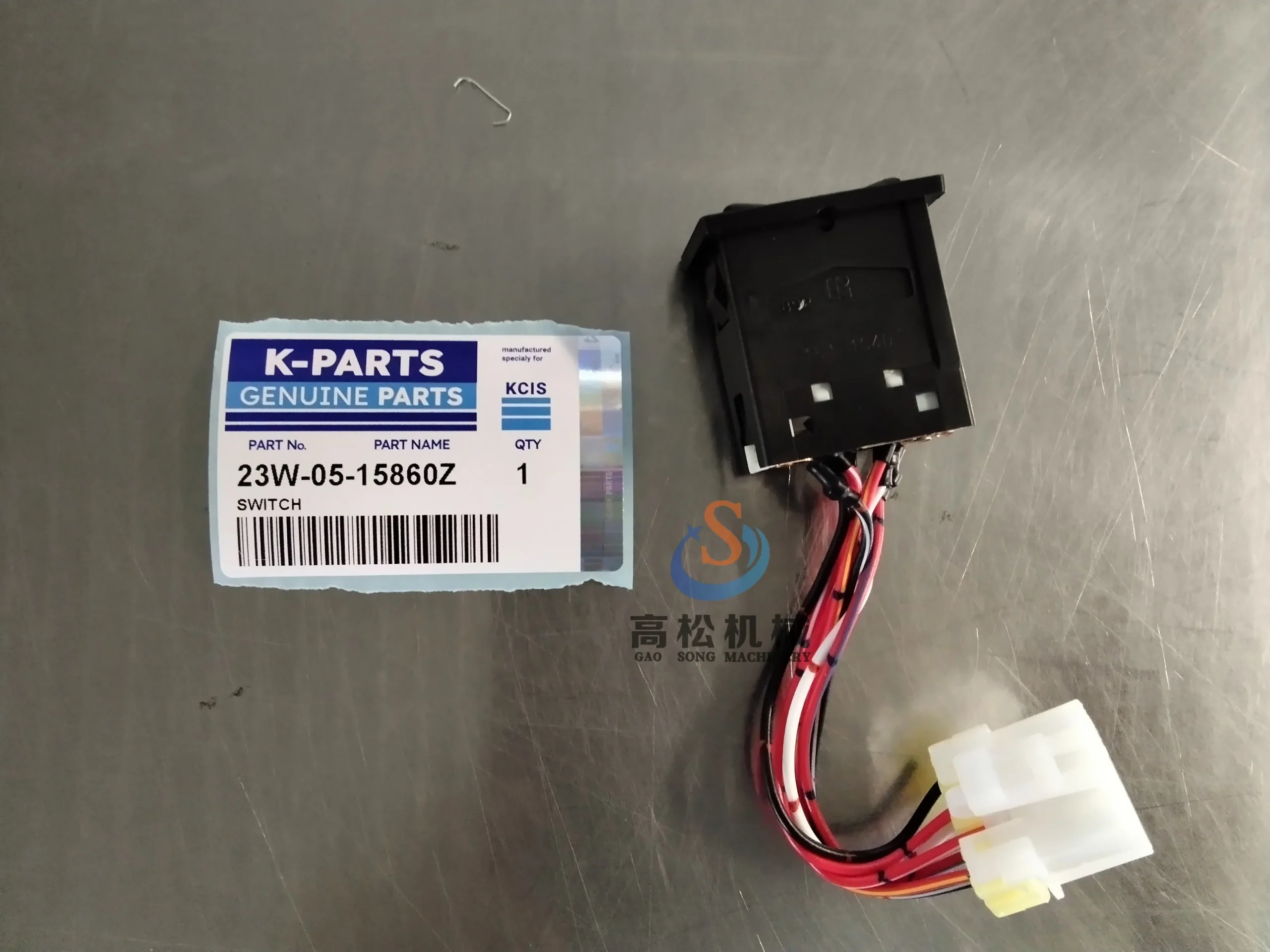 23W-05-15860 komatsu switch-HM300/HD325/HM400
Related Search
Related Search- OEM AND ORIGINAL KOMATSU PIN 427-70-11982
- Komatsu parts manufacturer
- OEM AND ORIGINAL KOMATSU COVER 21N-27-31161
- OEM AND ORIGINAL KOMATSU BEARING 06000-32052
- OEM AND ORIGINAL KOMATSU BUSHING 21T-960-3310
- komatsu marine engine
- Komatsu WA380 parts
- Komatsu gasket
- 195-15-00090
- OEM AND ORIGINAL KOMATSU RING 561-34-71661