
- Chinese
- French
- German
- Portuguese
- Spanish
- Russian
- Japanese
- Korean
- Arabic
- Irish
- Greek
- Turkish
- Italian
- Danish
- Romanian
- Indonesian
- Czech
- Afrikaans
- Swedish
- Polish
- Basque
- Catalan
- Esperanto
- Hindi
- Lao
- Albanian
- Amharic
- Armenian
- Azerbaijani
- Belarusian
- Bengali
- Bosnian
- Bulgarian
- Cebuano
- Chichewa
- Corsican
- Croatian
- Dutch
- Estonian
- Filipino
- Finnish
- Frisian
- Galician
- Georgian
- Gujarati
- Haitian
- Hausa
- Hawaiian
- Hebrew
- Hmong
- Hungarian
- Icelandic
- Igbo
- Javanese
- Kannada
- Kazakh
- Khmer
- Kurdish
- Kyrgyz
- Latin
- Latvian
- Lithuanian
- Luxembou..
- Macedonian
- Malagasy
- Malay
- Malayalam
- Maltese
- Maori
- Marathi
- Mongolian
- Burmese
- Nepali
- Norwegian
- Pashto
- Persian
- Punjabi
- Serbian
- Sesotho
- Sinhala
- Slovak
- Slovenian
- Somali
- Samoan
- Scots Gaelic
- Shona
- Sindhi
- Sundanese
- Swahili
- Tajik
- Tamil
- Telugu
- Thai
- Ukrainian
- Urdu
- Uzbek
- Vietnamese
- Welsh
- Xhosa
- Yiddish
- Yoruba
- Zulu
- Kinyarwanda
- Tatar
- Oriya
- Turkmen
- Uyghur






komatsu fg30ht 16 parts manual
When someone punches 'komatsu fg30ht 16 parts manual' into a search bar, I know exactly what they're after. It's rarely just the PDF. They're usually up against a wall—a machine down, a specific seal blown, or a sourcing nightmare for a discontinued part number. The common mistake is thinking the manual is the finish line. In reality, it's just the map. The real work starts with interpreting those exploded diagrams and cross-referencing numbers with what's actually available in your region, which is where the supply chain gets messy.
The Manual as a Diagnostic Tool, Not a Parts List
I've got a dog-eared physical copy of the FG30HT-16 manual in my office, and the digital one on the server. The value isn't in having it; it's in knowing how to use it. For instance, the hydraulic system schematics for the FG30HT-16 are detailed, but they don't tell you that the pump shaft seal (let's say part 20Y-60-11310) had a material change around 2015 due to premature failures in high-temperature operations. The manual number stays the same, but the part physically changed. If you order based solely on the manual, you might get the old spec seal that fails again in six months.
This is where a pure parts manual falls short. It's static. You need layered knowledge. I learned this the hard way years ago replacing a steering cylinder. The manual listed the assembly, but the bolt torque specs for the gland nut were in a separate service bulletin. Overtightened it, caused a hairline crack, and it wept fluid until we caught it. Costly rework. Now, the manual is always the starting point, followed by a check for any technical service updates or product improvement notices that might exist.
Another nuance is regional variation. The FG30HT-16 shipped to Southeast Asia sometimes had different air filter housings or alternator specs than units for the Middle East, due to dust conditions. The base manual might not reflect that. You need to match the serial number prefix to the correct parts breakdown. I've seen guys order the wrong pre-cleaner because they didn't check the S/N against the manual's introduction section.
The Real Challenge: Sourcing After Discontinuation
This is the core of the problem. Komatsu, like all OEMs, has a formal parts obsolescence schedule. For a model like the FG30HT-16, which had a long production run, support continues for a time, but certain components get phased out early. The manual lists everything, but the global system might show 'NLA' (No Longer Available) for, say, the dashboard control module.
This is precisely the gap companies like Jining Gaosong Construction Machinery Co., Ltd. operate in. They position themselves as an OEM product supplier within the Komatsu system. In practice, what this often means is they have access to remaining genuine stock in various global warehouses that main dealers might not routinely check, or they facilitate production of components that Komatsu has officially discontinued but for which there's still steady demand. Their role as a third-party sales company for Komatsu is key—they're not selling counterfeit parts; they're providing an alternative channel for genuine or OEM-equivalent supply.
I had a case last year where a client needed the mast lift chain for an FG30HT-16. The local Komatsu dealer quoted a 4-month lead time from Japan. We reached out to a channel like Gaosong. They located two sets in a partner warehouse in Singapore, verified they were the correct Komatsu P/N, and had them shipped in three weeks. The manual gave us the exact specification and part number; their network solved the logistics and availability crisis.
When Equivalent is Better than Genuine
Here's a controversial but practical take. For some non-safety-critical wear items, a high-quality aftermarket part can be more cost-effective and sometimes more durable than the original. The manual won't tell you this. For example, the standard Komatsu fork tips on the FG30HT-16 are excellent, but in a constant heavy-pallet handling application, we found a third-party manufacturer that offered a version with a harder, more abrasion-resistant heel. They lasted 30% longer. We still used the FG30HT-16 parts manual to get the base dimensions and mounting specs, then sourced an upgraded component.
This requires deep vendor vetting. You can't just buy the cheapest option. The bearing tolerances, metallurgy, and heat treatment have to be right. A company that is also a third-party sales company for Komatsu often has a foot in both worlds. They might supply the genuine Komatsu part but also offer a vetted, premium alternative for certain items, giving the end user a choice. It's about solving the parts supply challenges, not just slavishly following a catalog.
The risk, of course, is compatibility. We once tried an aftermarket solenoid valve for the transmission control. It physically fit, but the response time was milliseconds slower, which caused intermittent jerky shifting. We went back to the genuine part. The lesson was that for electronic or precision hydraulic components, sticking with OEM or a certified equivalent is usually safer. The manual is the bible for fit and function; experience tells you when you can deviate.
Practical Use: Cross-Referencing and Verification
Let's talk about the daily grind. A mechanic comes in with a failed water pump. You pull up the FG30HT-16 manual, find the assembly (Group 008), and get the Komatsu part number. Step one is checking availability through normal channels. If it's unavailable or exorbitantly priced, you start cross-referencing.
The pump itself might be a modified unit from a supplier like Aisin or Bosch. Sometimes, the core component (the bearing, the impeller) can be sourced separately if the housing is still good. The manual's exploded view helps you see if that's possible. I've spent hours matching bearing numbers from the Komatsu P/N to a generic SKF or NTN number, then sourcing that. It's a repair, not a replacement, but it gets the machine running for a fraction of the cost.
This verification process is critical when using secondary suppliers. If Takematsu Machinery (their web presence) lists a part for the FG30HT-16, you must verify it against your manual's diagram and serial number range. A good supplier will ask for your machine S/N. A bad one will just sell you a fits FG30HT-16 part that might be for an earlier or later variant. The responsibility for final verification always lies with the technician or parts manager.
The Human Element in the Digital Age
Ultimately, a search for a parts manual is a search for a solution, not a document. The PDF is a tool. The real asset is the combination of that document, access to a reliable supply chain, and the experience to know what matters.
Companies that genuinely help to solve parts supply challenges in certain countries do so by understanding this ecosystem. They're not just order-takers; they're problem-solvers who can look at a part number from the manual and say, That's been superseded by this number, or We have a remanufactured exchange unit for that which is more cost-effective, or That's on backorder, but here's a breakdown kit for the internal seals if you want to attempt a rebuild.
So when you finally download that Komatsu FG30HT-16 parts manual, remember it's the key, but not the treasure. The treasure is getting the right component, at a reasonable cost, in a realistic timeframe, to minimize machine downtime. That process is far less digital and far more human, relying on networks, experience, and suppliers who know the difference between just selling a part and providing a real solution.
Related Products
Related Products


Best Selling Products
Best Selling Products-
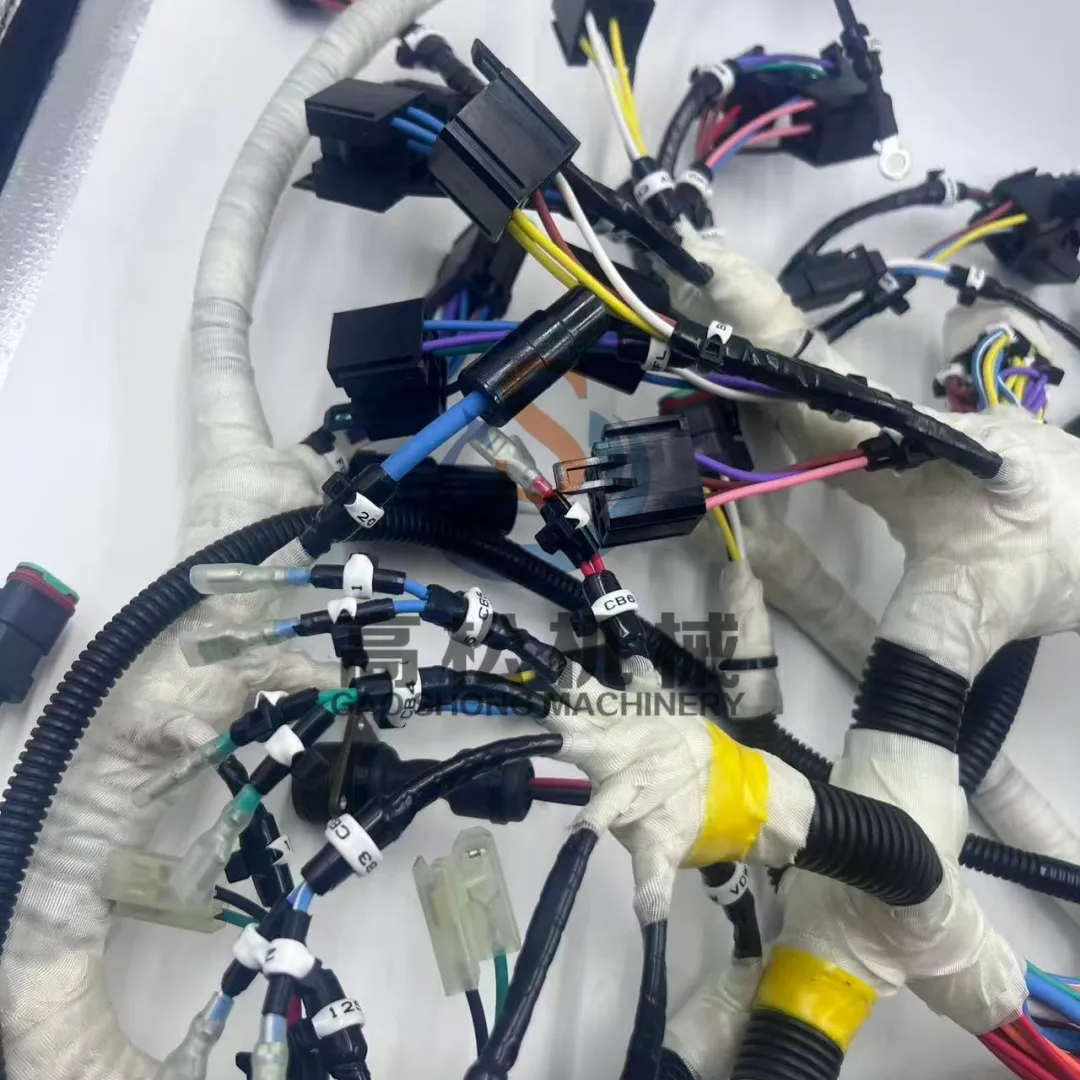 195-06-84471 Komatsu Wiring Harness
 -
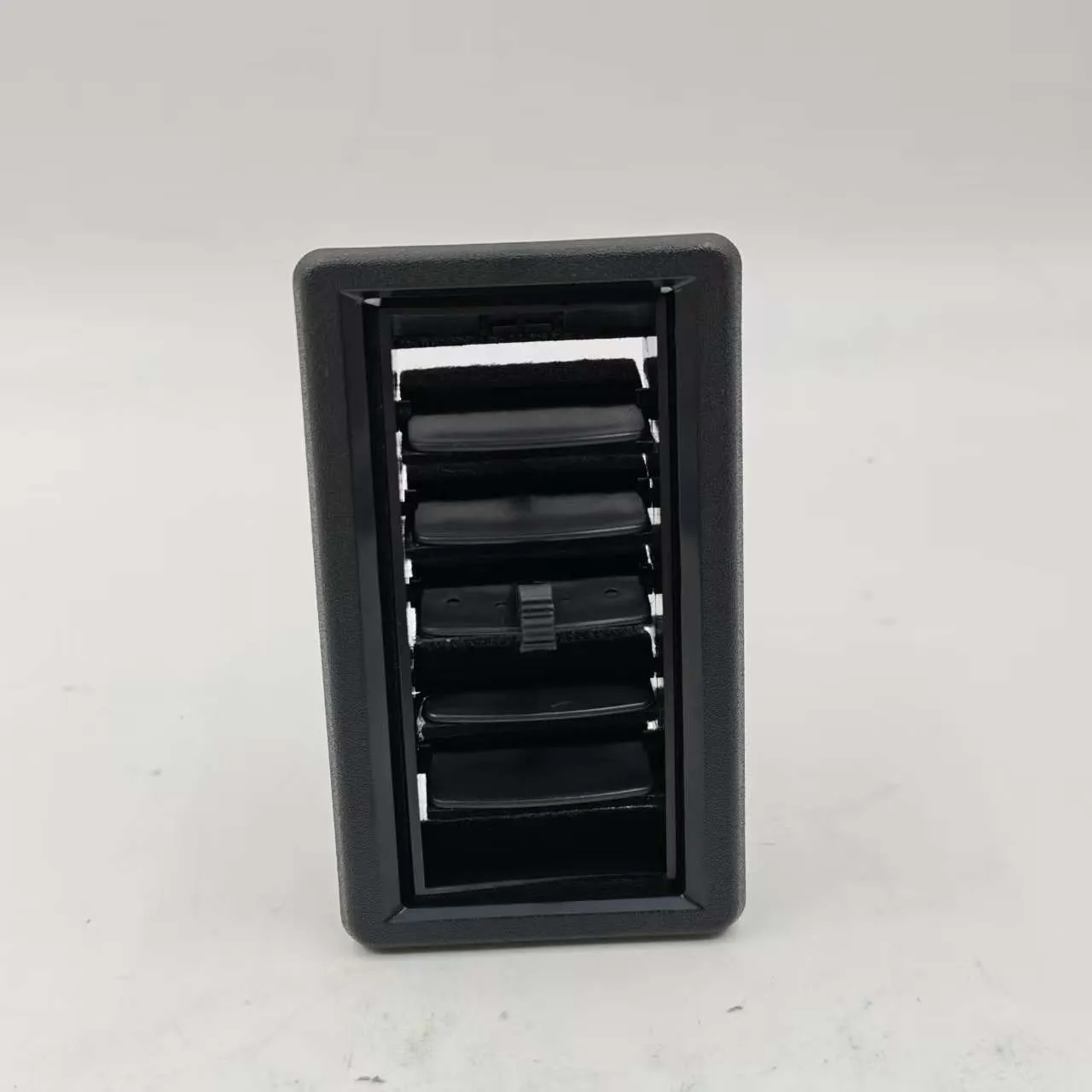 Komatsu Inside cover 17A-54-18270 for Bulldozer D155AX-5
 -
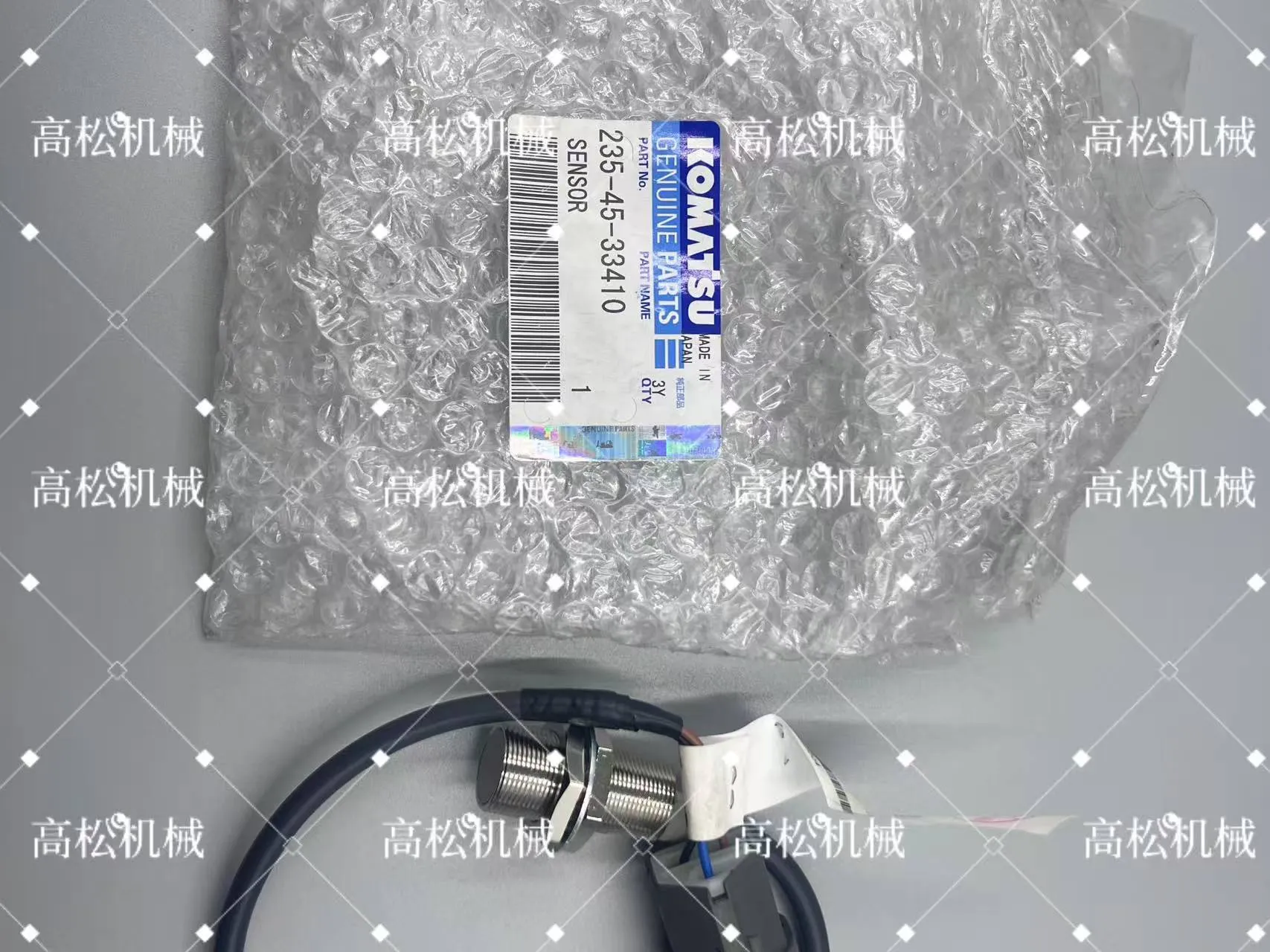 High-quality sensor set 235-45-33410 for automotive motor graders, suitable for GD805A and ZH003
 -
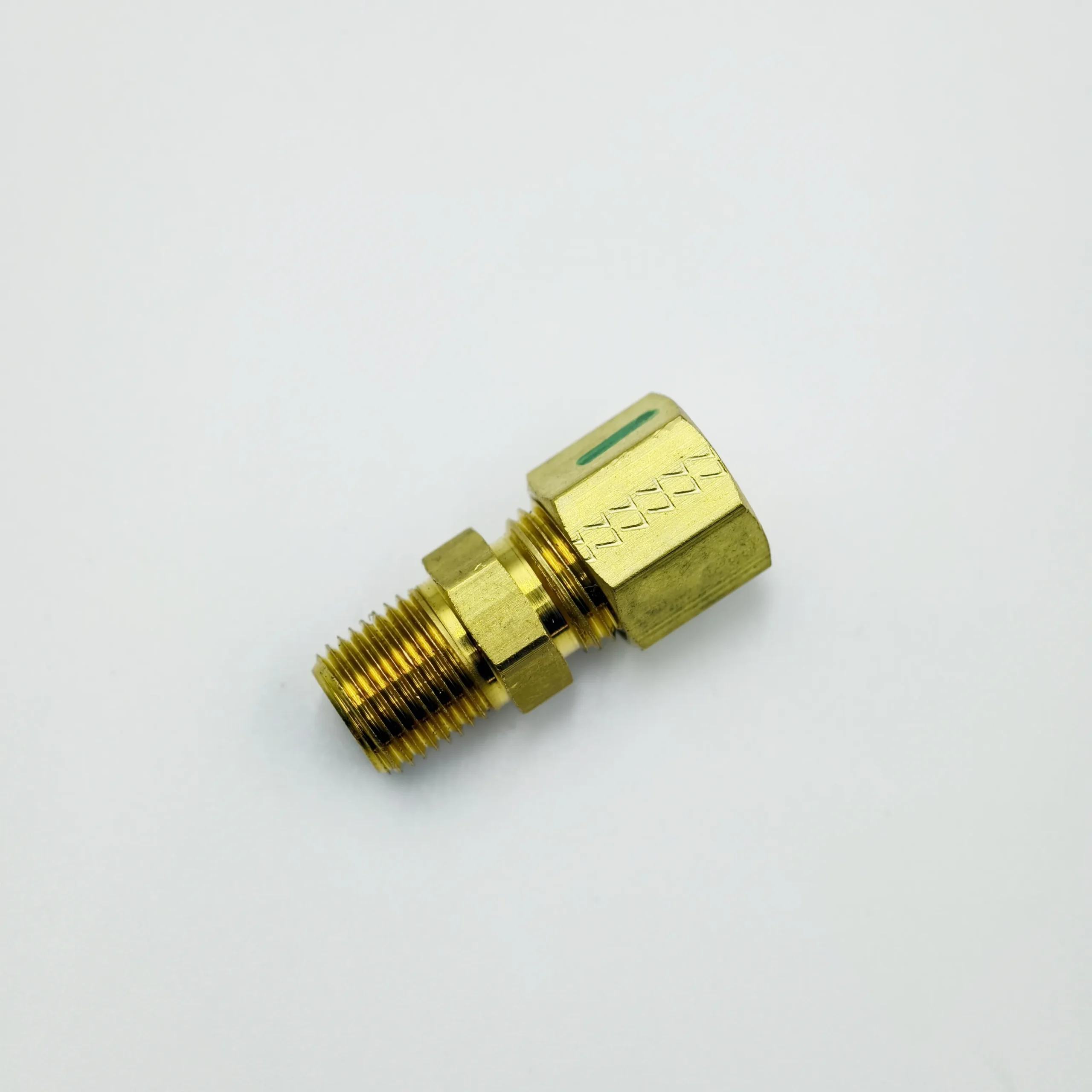 The PC1250SP-8 connector 21N-68-32320 is used for automotive grease in various countries ..
 -
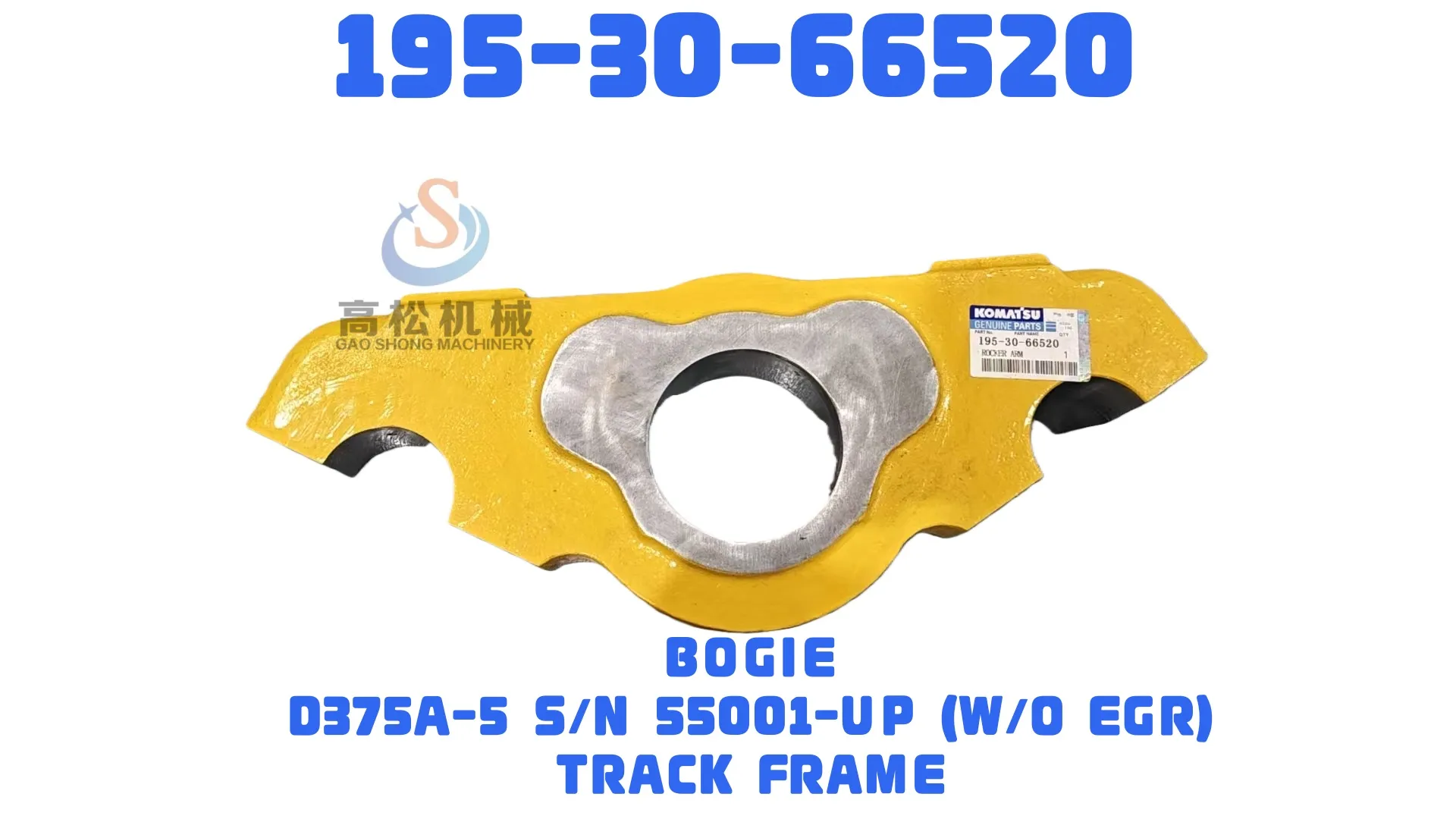 195-30-66520 – Bogie
 -
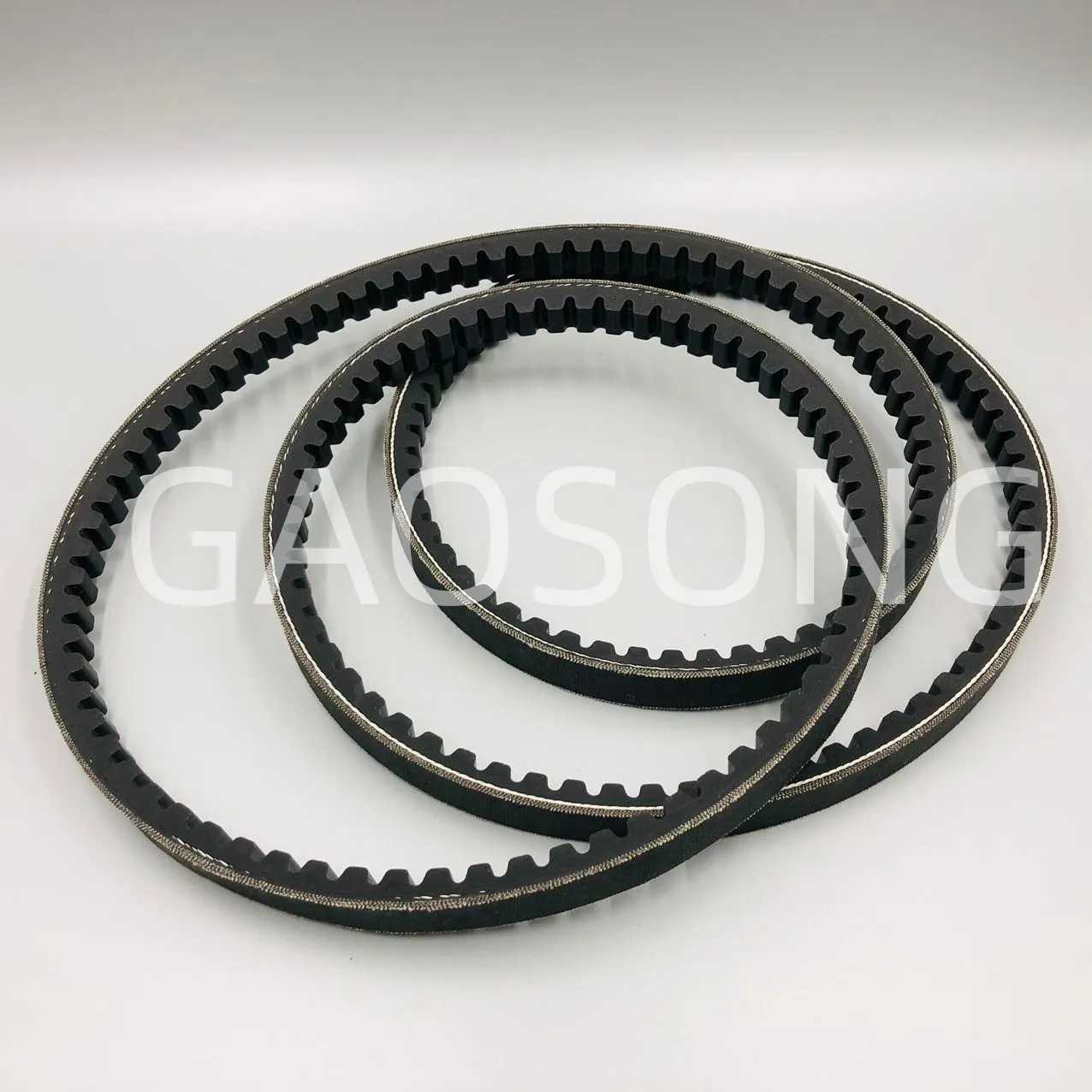 6219- 61- 3420 Komatsu factory belt
 -
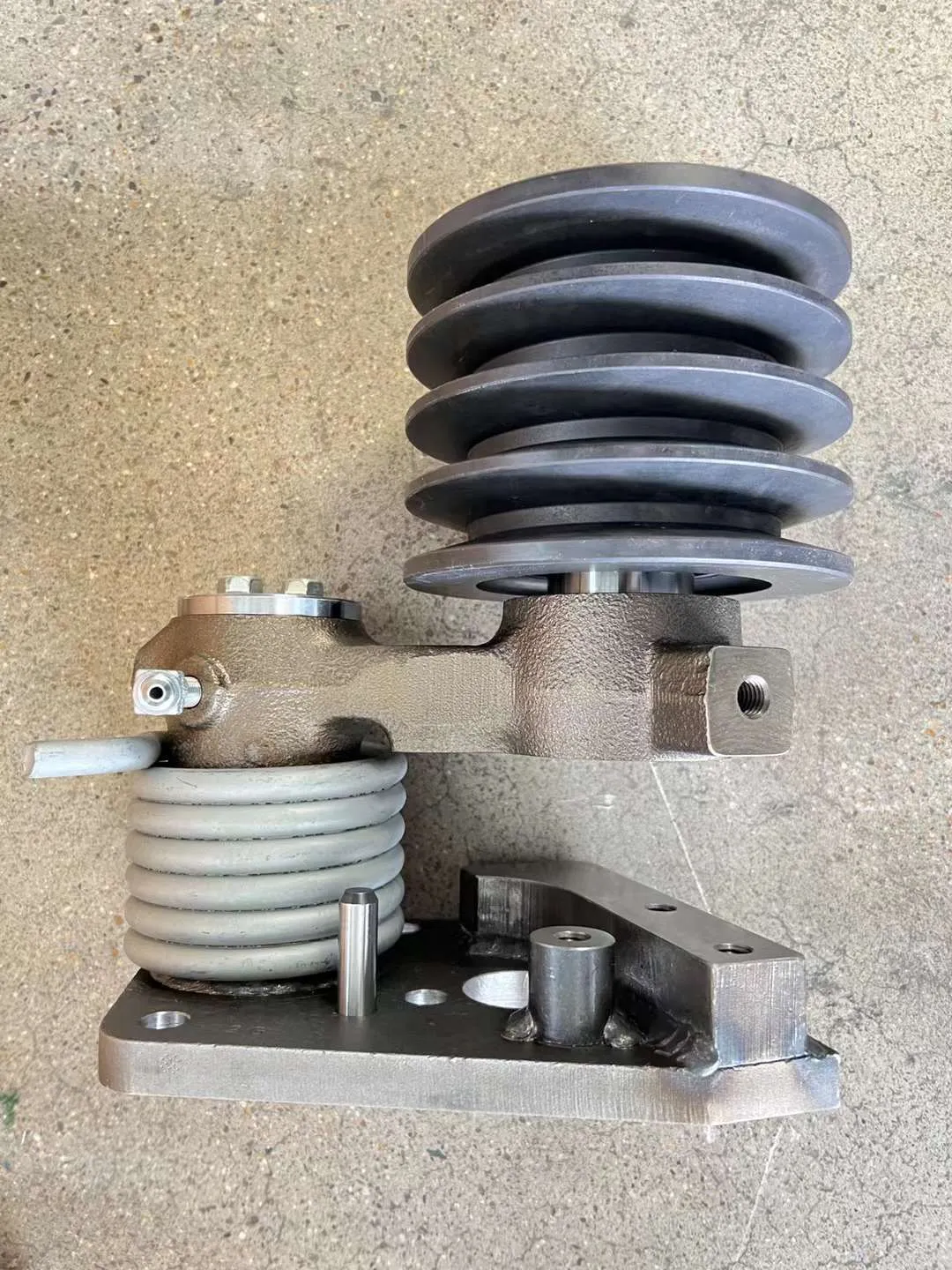 HD465-7R Tension Assembly 6245-61-3901
 -
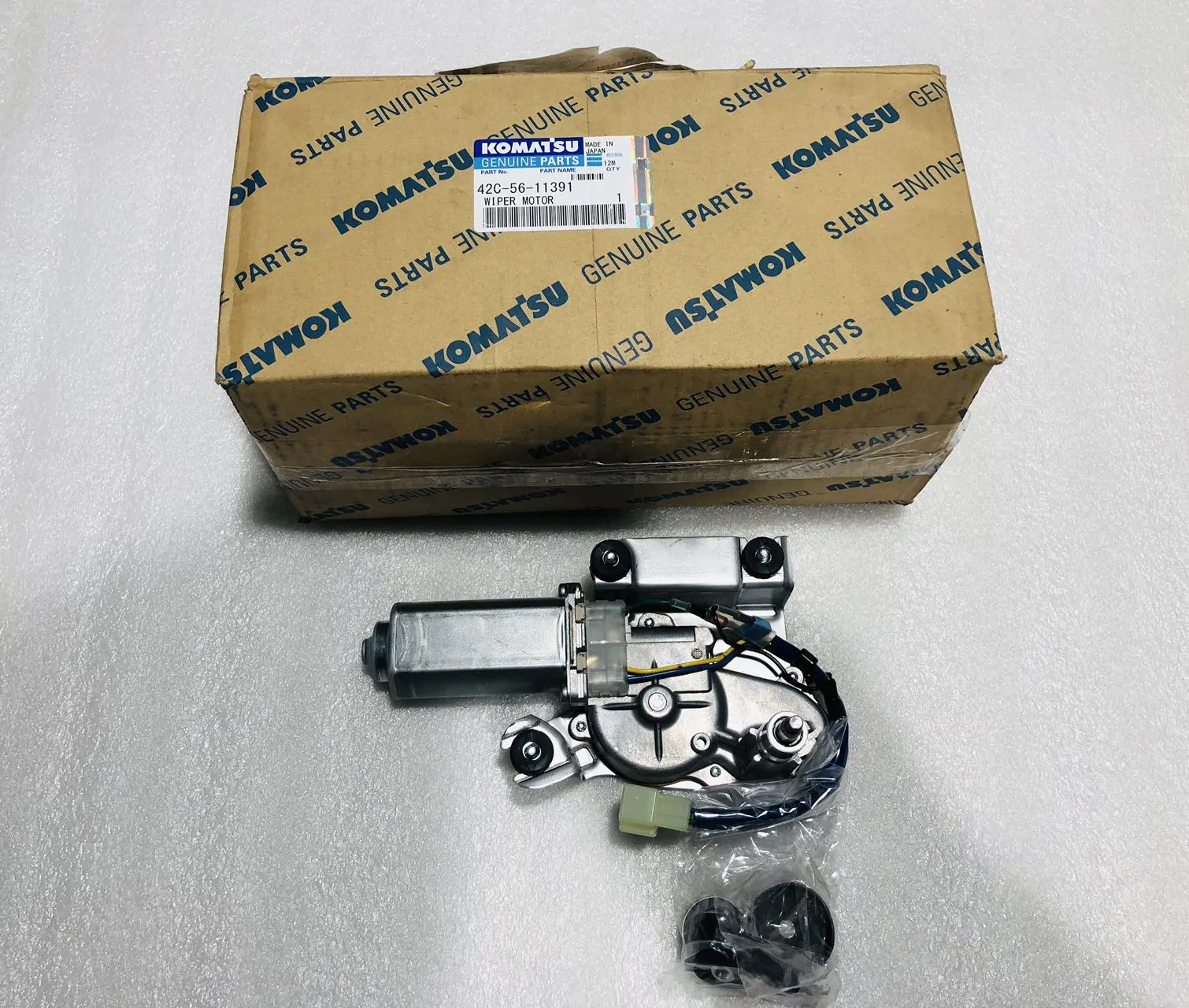 42C-56-11391Right windshield wiper motor assembly
 -
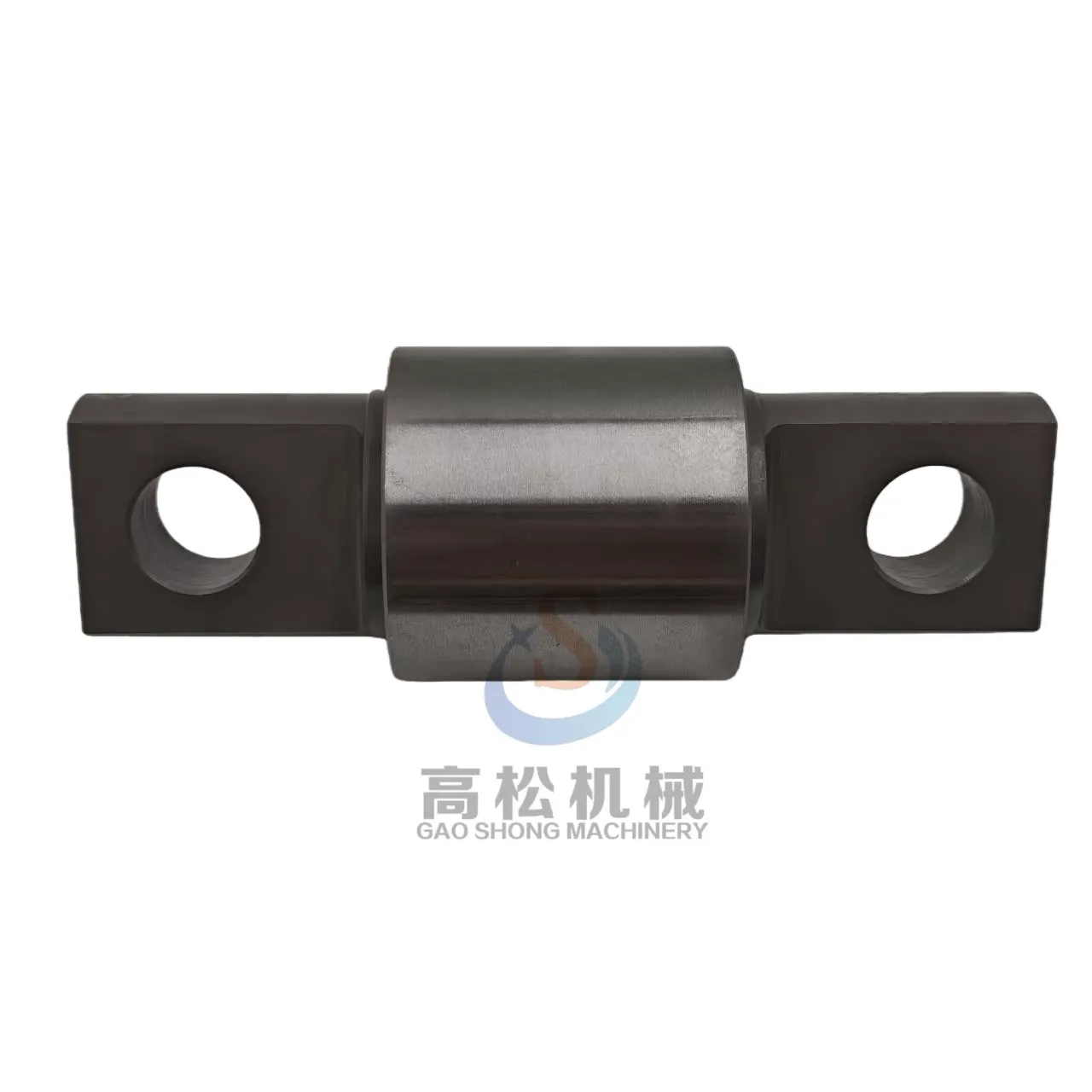 56B-16-11211 CUSHION HM350-2 HM350-2R HM400-3R HM400-2 HM400-1 FRONT DIFFERENTIAL MOUNTING
 -
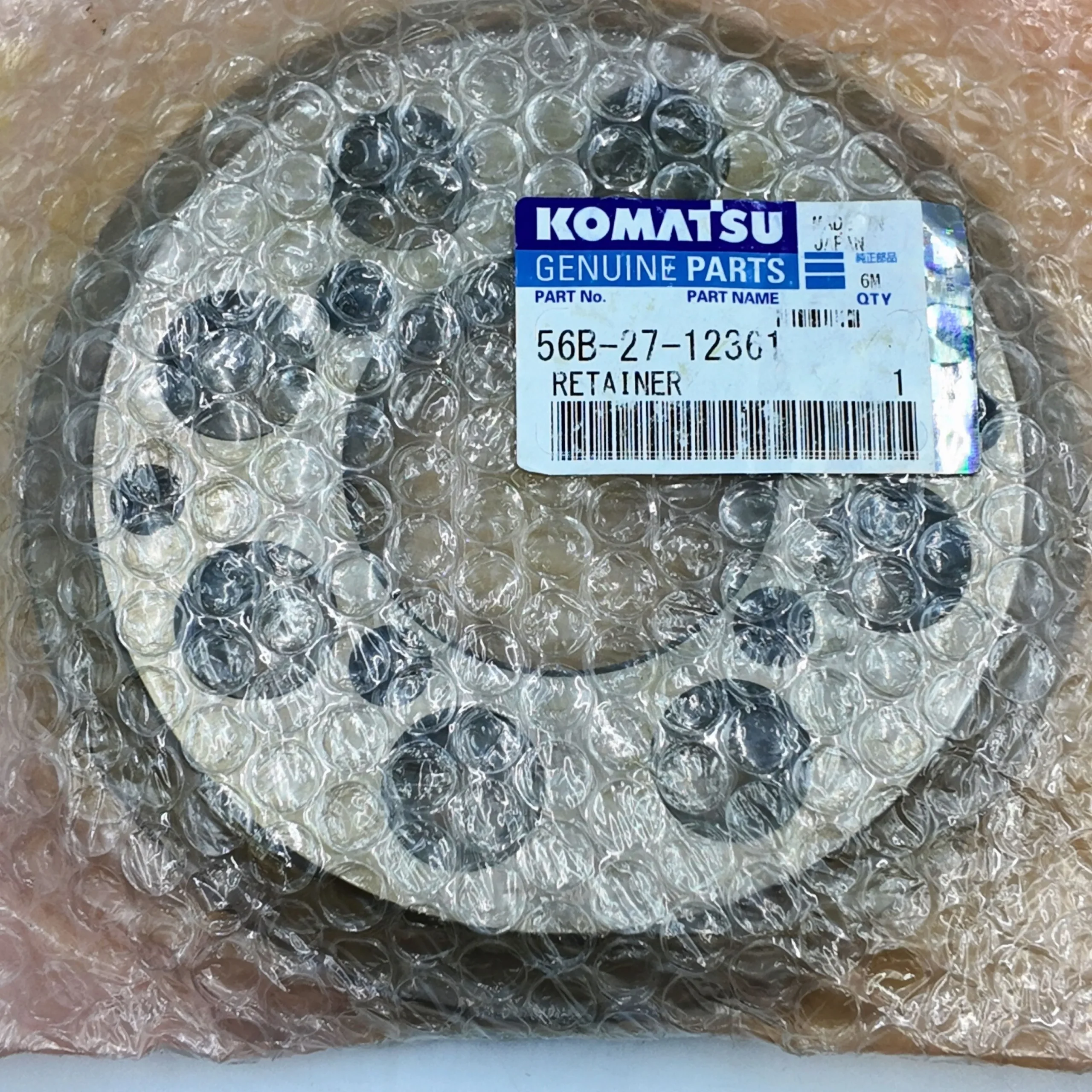 56B-27-12361•• RETAINER-Komatsu Original Factory
 -
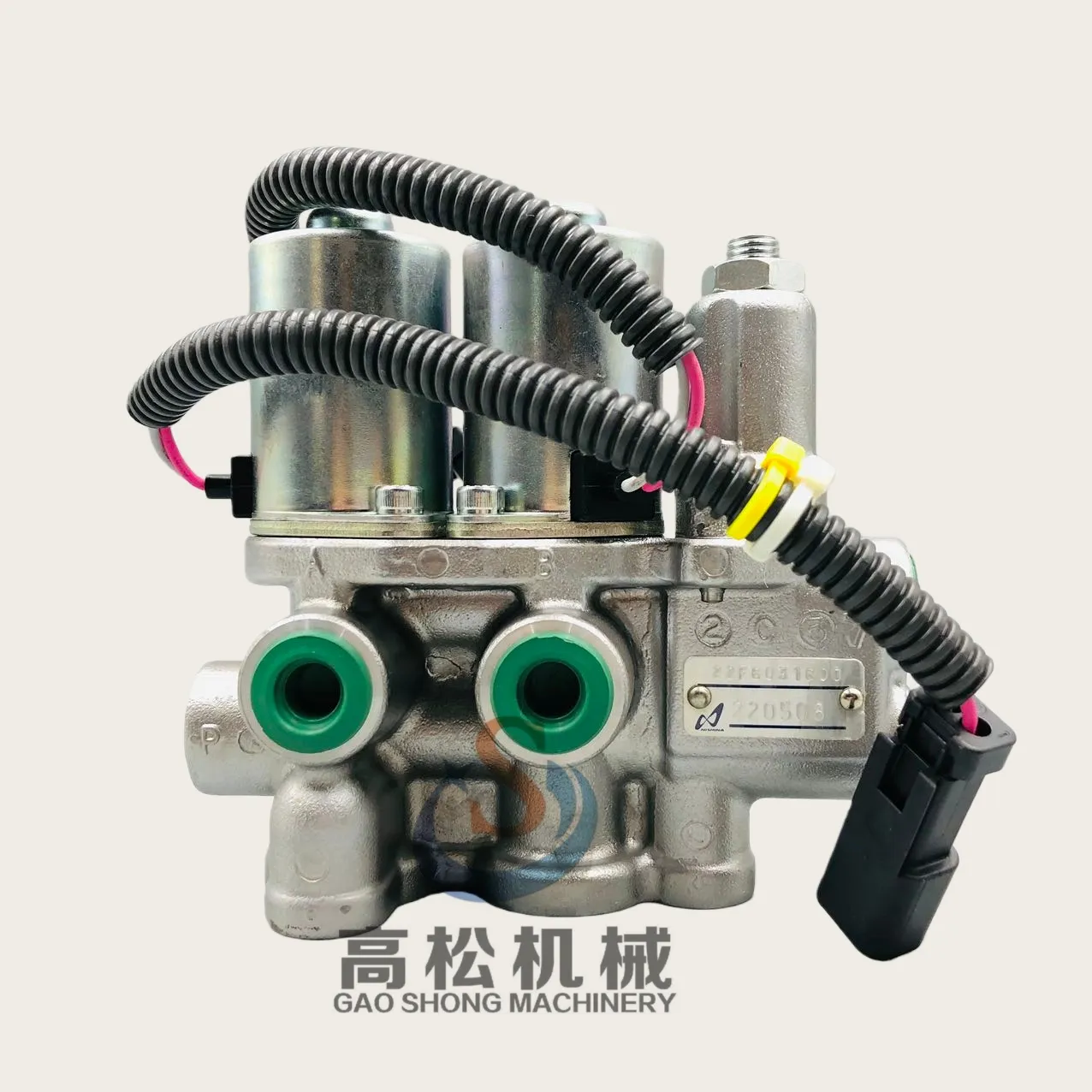 komatsu 22F-60-31600 VALVE ASS’Y PC18MR-3 PC35MR-3 PC45MR-3 PC55MR-3 MAIN VALVE
 -
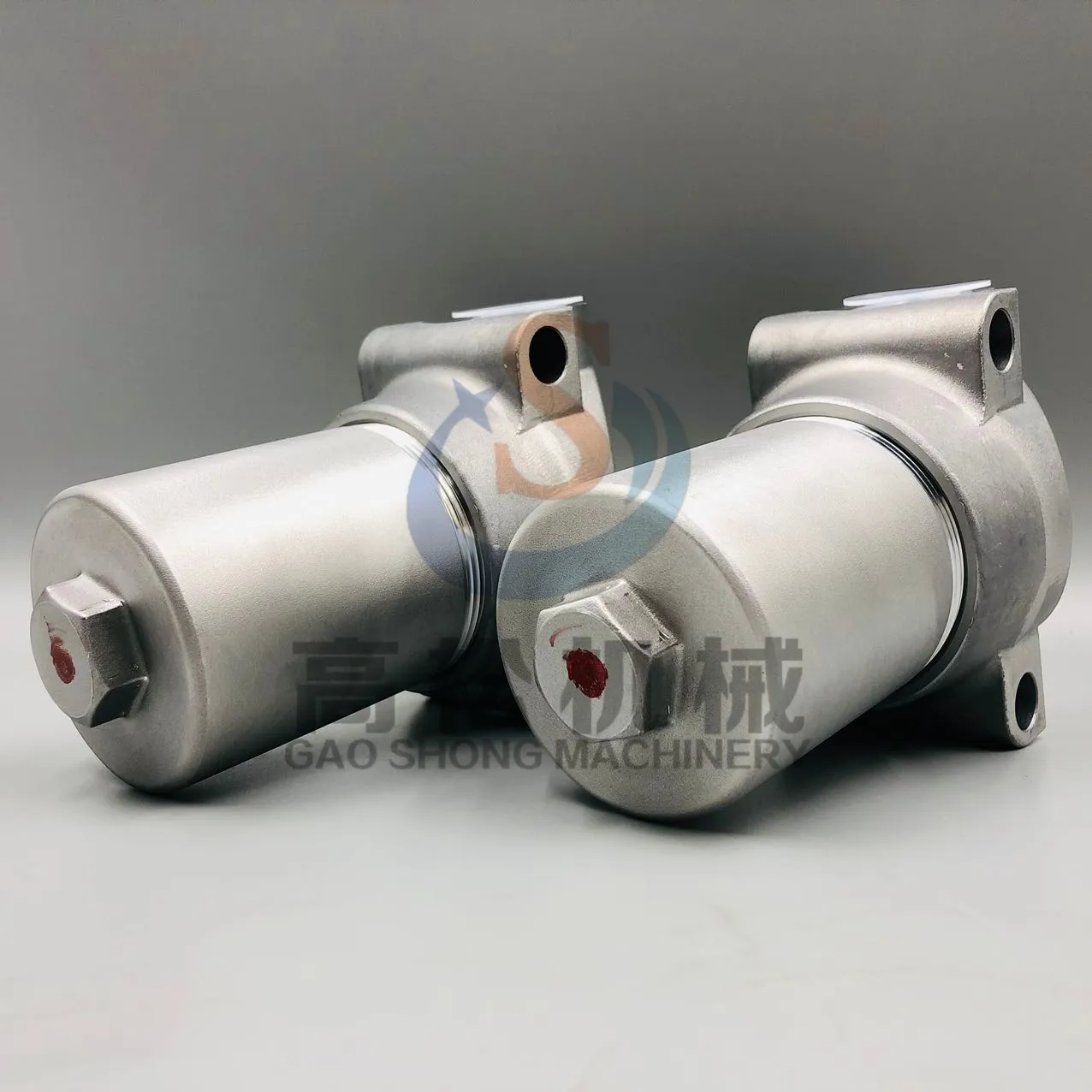 20Y-62-51681 Komatsu Filter Assembly