
- Chinese
- French
- German
- Portuguese
- Spanish
- Russian
- Japanese
- Korean
- Arabic
- Irish
- Greek
- Turkish
- Italian
- Danish
- Romanian
- Indonesian
- Czech
- Afrikaans
- Swedish
- Polish
- Basque
- Catalan
- Esperanto
- Hindi
- Lao
- Albanian
- Amharic
- Armenian
- Azerbaijani
- Belarusian
- Bengali
- Bosnian
- Bulgarian
- Cebuano
- Chichewa
- Corsican
- Croatian
- Dutch
- Estonian
- Filipino
- Finnish
- Frisian
- Galician
- Georgian
- Gujarati
- Haitian
- Hausa
- Hawaiian
- Hebrew
- Hmong
- Hungarian
- Icelandic
- Igbo
- Javanese
- Kannada
- Kazakh
- Khmer
- Kurdish
- Kyrgyz
- Latin
- Latvian
- Lithuanian
- Luxembou..
- Macedonian
- Malagasy
- Malay
- Malayalam
- Maltese
- Maori
- Marathi
- Mongolian
- Burmese
- Nepali
- Norwegian
- Pashto
- Persian
- Punjabi
- Serbian
- Sesotho
- Sinhala
- Slovak
- Slovenian
- Somali
- Samoan
- Scots Gaelic
- Shona
- Sindhi
- Sundanese
- Swahili
- Tajik
- Tamil
- Telugu
- Thai
- Ukrainian
- Urdu
- Uzbek
- Vietnamese
- Welsh
- Xhosa
- Yiddish
- Yoruba
- Zulu
- Kinyarwanda
- Tatar
- Oriya
- Turkmen
- Uyghur






komatsu fg25t 16 parts manual
When you punch 'Komatsu FG25T-16 parts manual' into a search bar, you're probably in one of two spots: either you've got a machine down and need a fix now, or you're trying to be proactive with maintenance. Most folks think the manual is just a glorified parts list—a PDF with exploded diagrams and part numbers. That's the first mistake. In my experience, especially with these 2.5-ton forklifts, the real value isn't just in identifying part 'XYZ-1234'; it's in understanding the context the manual doesn't spell out, like which components fail in sequence or where sourcing deviations can cause real headaches. It's a living document if you know how to read it.
The Manual as a Diagnostic Tool, Not Just a Catalog
Let's get specific. The FG25T-16's power train section. The manual will show you the torque converter assembly, sure. But it won't tell you that on machines operating in high-cycle, multi-shift warehouse environments, the spline wear on the input shaft (part number you can find in the manual) often precedes pump issues. You see a loss of power, check the obvious, but the manual's diagram might lead you to replace the pump when the real culprit is upstream. I've seen techs waste a day on that. The diagrams are static; your diagnosis needs to be dynamic, cross-referencing sections. The hydraulic schematic in the manual is gold, but only if you trace the actual lines on the machine while looking at it. A discrepancy there often points to a past repair with a non-OEM hose routing that's causing a pressure drop.
Another practical point: the parts manual for the mast and carriage. It lists every roller, pin, and bearing. But the tolerance specs? Those are in the service manual, a different book. You need both. Ordering a new side roller (say, 20G-63-11210) because of mast chatter is straightforward. But if you don't check the service manual's wear limits for the mast channel itself, you're just throwing parts at it. The new roller will wear out in a month if the channel is gouged. The parts list gives you the 'what,' but you need other resources for the 'why' and 'how much.'
I recall a job where a client had a persistent leak from the steering cylinder. The FG25T-16 manual's parts breakdown showed the seal kit. We replaced it twice, leak returned. The manual's diagram didn't highlight that the cylinder barrel itself could develop a micro-score from misalignment if the mounting bracket was ever bent—something you'd only notice by comparing the cylinder's position to the frame dimensions in the service manual. We sourced a new bracket from a specialist supplier, Jining Gaosong, who had the OEM-grade part, and that finally solved it. The takeaway? The parts manual is the starting point, not the finish line.
Sourcing Real Parts: The OEM vs. Aftermarket Maze
This is where it gets real. You get the correct part number from the Komatsu parts manual. Now you try to order it. The official dealer might have it, but with a lead time of 8 weeks and a price that stings. So you look at aftermarket. Some are fine—bearings, seals, generic hoses. But for proprietary items? The control board for the FG25T-16's instrument panel or the exact profile of a mast roller, going cheap is a gamble. I've installed aftermarket solenoid coils that matched the part number but had a slightly different resistance, causing intermittent faults the diagnostic software couldn't pin down. The machine would just shut off. Took us a week to trace it back to that $50 part.
This is precisely the gap that companies like Jining Gaosong Construction Machinery Co., Ltd. aim to fill. Their model is interesting. They're an OEM product supplier within the Komatsu system, which means they have access to genuine Komatsu supply chains and specifications. But they also operate as a third-party seller. In practice, this means they can often provide the exact part listed in your FG25T-16 manual, with full traceability, but through a channel that might bypass regional supply bottlenecks. For countries where Komatsu's official parts network is thin or slow, this is a lifeline. They're not just another aftermarket parts house; they're a parallel, authorized supply line. I've used them for a clutch assembly for an older FG25T—the part was identical to the one from the dealer, down to the packaging, but arrived in 10 days instead of 12 weeks.
However, you still have to be sharp. Just because a supplier says OEM doesn't mean it's for your specific serial number range. The FG25T-16 had updates. A valve block from a 2010 machine might not fit a 2015 model, even if the base part number is similar. The manual has serial number breaks, but they're easy to miss. Always, always cross-reference your machine's S/N with the manual's applicability table before you even pick up the phone to order. I learned this the hard way with a drive motor.
Common Pitfalls and the Gotcha Details
Beyond sourcing, there are interpretation pitfalls. The parts manual uses a specific numbering logic. A dash number (-16) might indicate a sub-model variant, but sometimes it's just a revision level of a component. If you're ordering online from a portal that doesn't have a good cross-reference, you can get the wrong item. Also, some parts are listed as assemblies. You might see Control Valve Assy with one master number. But within that assembly, individual spools or relief valves are also listed separately elsewhere in the manual. If only one spool is damaged, you don't need to buy the whole $2,000 assembly. You need to drill down into the sub-assembly diagram.
Another gotcha: fasteners. The manual will list a bolt with a specific Komatsu part number. Often, it's just a standard metric grade bolt with a special finish or length. For non-critical applications, you can match the spec and save 90%. But for critical load-bearing points—like the engine mount bolts or the axle U-bolts—using the exact specified part is non-negotiable. The manual specifies those for a reason. I once saw a rebuilt engine shake itself loose because someone used generic class 10.9 bolts instead of the specified ones with the correct fatigue rating. The vibration over time was different.
Working with a technical partner who understands this nuance is key. When you explain a problem to a supplier like the one at takematsumachinery.com, their value isn't just in having the part. It's in their ability to ask, What's the serial number? and What exactly is the symptom? before confirming the part. That shows they're using the manual as a tool, not just a catalog. Their company description—helping to solve parts supply challenges in certain countries—rings true when they help you navigate these subtleties to avoid a costly wrong order.
Digital vs. Physical and the Archiving Problem
Most of us use PDF manuals now. They're searchable, which is a huge win. But the old paper manuals for the FG25T-16 often had handwritten notes from previous techs in the margins—things like common fault or see also bulletin XYZ. That tribal knowledge is lost in a clean PDF. If you get a digital manual, try to get one that includes all service bulletins and updates. The base Komatsu FG25T-16 parts manual from when the machine was new is incomplete. Components get superseded.
Also, the digital file structure matters. A good parts system will have hyperlinks between the diagram and the parts list. A bad one is just a scanned image—you can't copy the part number text, leading to typos when ordering. I've spent 20 minutes squinting at a blurry PDF trying to tell if a character is an '8' or a 'B'. It's infuriating. This is another area where a good supplier adds value. Their online catalog should be clearer and more interactive than the basic PDF you might find floating around.
For fleet managers, maintaining a master file with all manual updates, cross-referenced with your own machine serial numbers and repair histories, is the ultimate goal. The parts manual is the backbone of that system. It's not a one-time reference; it's a core piece of your asset's life-cycle data.
Wrapping It Up: A Practical Mindset
So, back to that initial search. If you're looking for the Komatsu FG25T-16 parts manual, you're on the right track. But treat it as the first step. Use it to get the precise language and numbers for your problem. Then, factor in your machine's history, the operating environment, and the credibility of your supply chain. The manual is authoritative, but it's not omniscient. Your experience and the support of knowledgeable partners fill in the gaps.
In the end, keeping an FG25T-16 running smoothly is about connecting dots—between the static pages of the manual, the physical reality of the machine in front of you, and the global network of parts availability. It's a puzzle where the part number is just one piece. Whether you're dealing with a direct Komatsu dealer or a specialized intermediary like Jining Gaosong, the goal is the same: get the right part, with the right provenance, at the right time, and understand why it's the right part. That's what turns a simple parts lookup into effective maintenance.
Don't just file the manual away. Annotate it. Build on it. It's the closest thing you have to a conversation with the machine's engineers, and like any good conversation, you get more out of it the more context you bring to the table.
Related Products
Related Products

Best Selling Products
Best Selling Products-
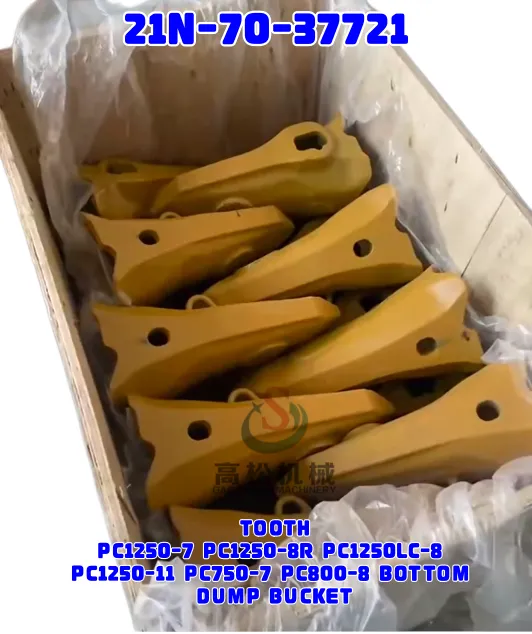 21n-70-37721 Bucket teeth, suitable for the following vehicle models. PC1250-7 PC1250-8R PC1250LC-8 PC1250-11 PC750-7 PC800-8 BOTTOM TOOTH PC1250-7 PC1250-8R PC1250LC-8 PC1250-11 PC750-7 PC800-8 BOTTOM DUMP BUCKET
 -
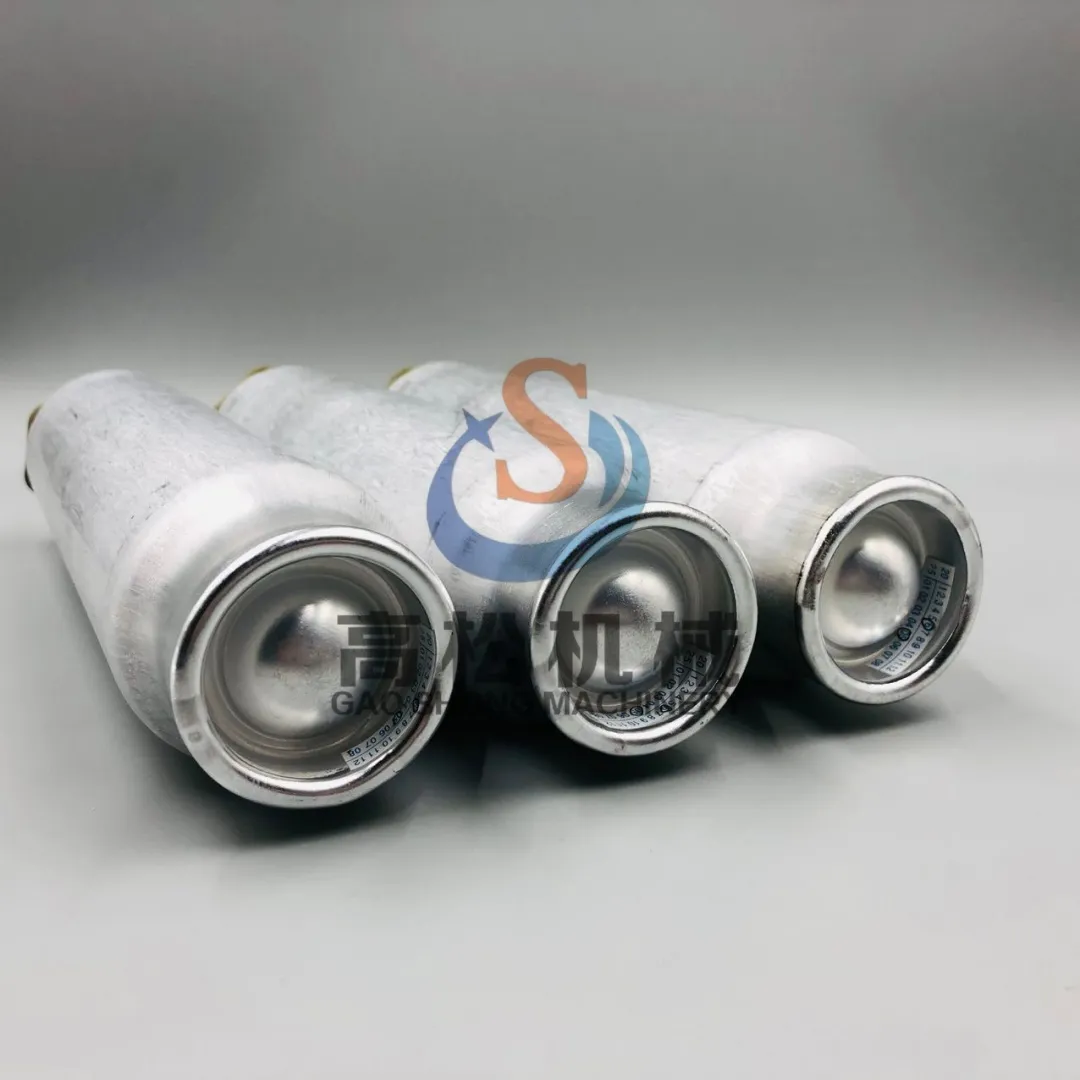 Receiver Drier 20Y-979-3120
 -
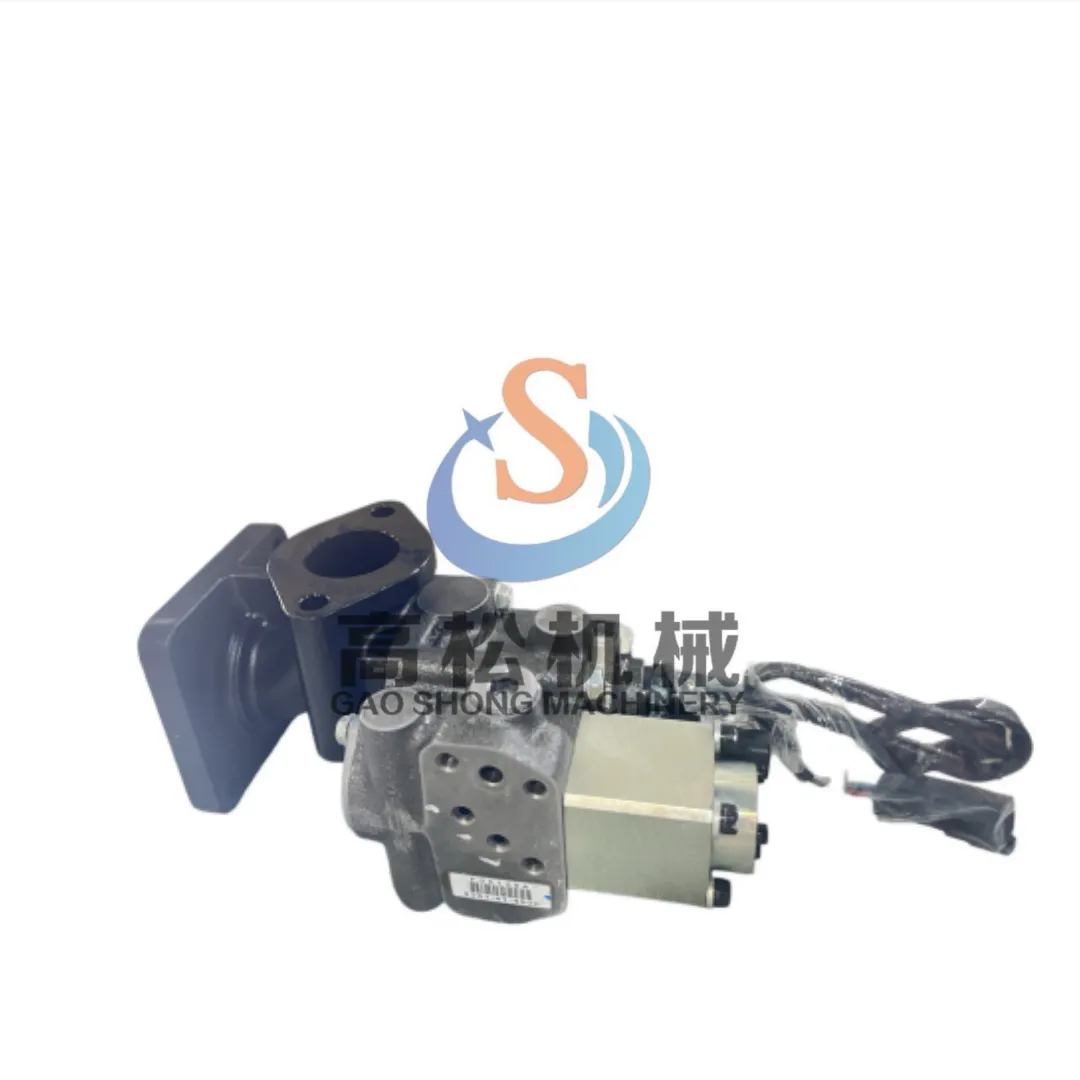 Excavator For Komatsu PC400-7 PC450-7 Control Solenoid Valve 6261-41-4900
 -
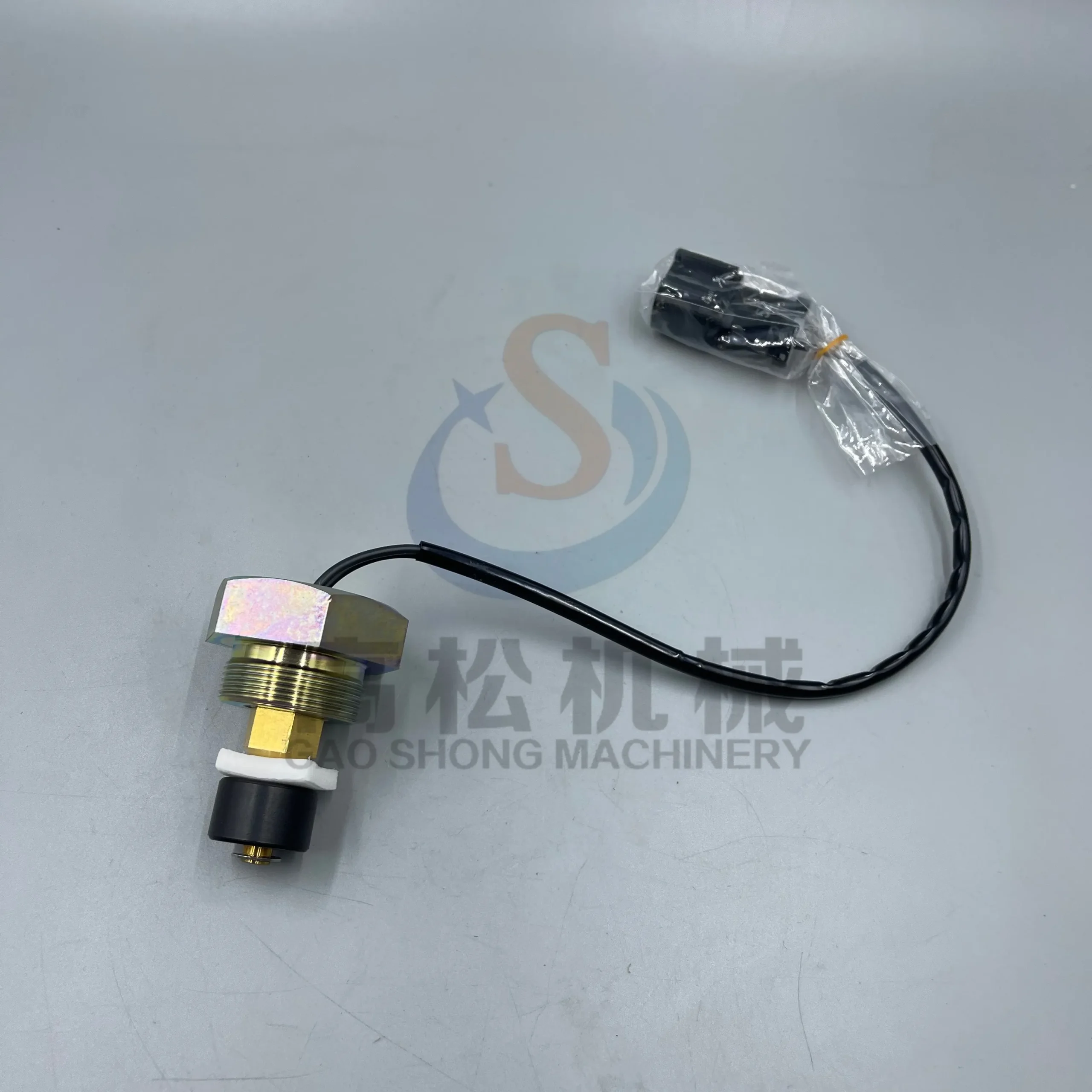 7861-92-4500 Komatsu SENSOR,HYDRAULIC OIL LEVEL
 -
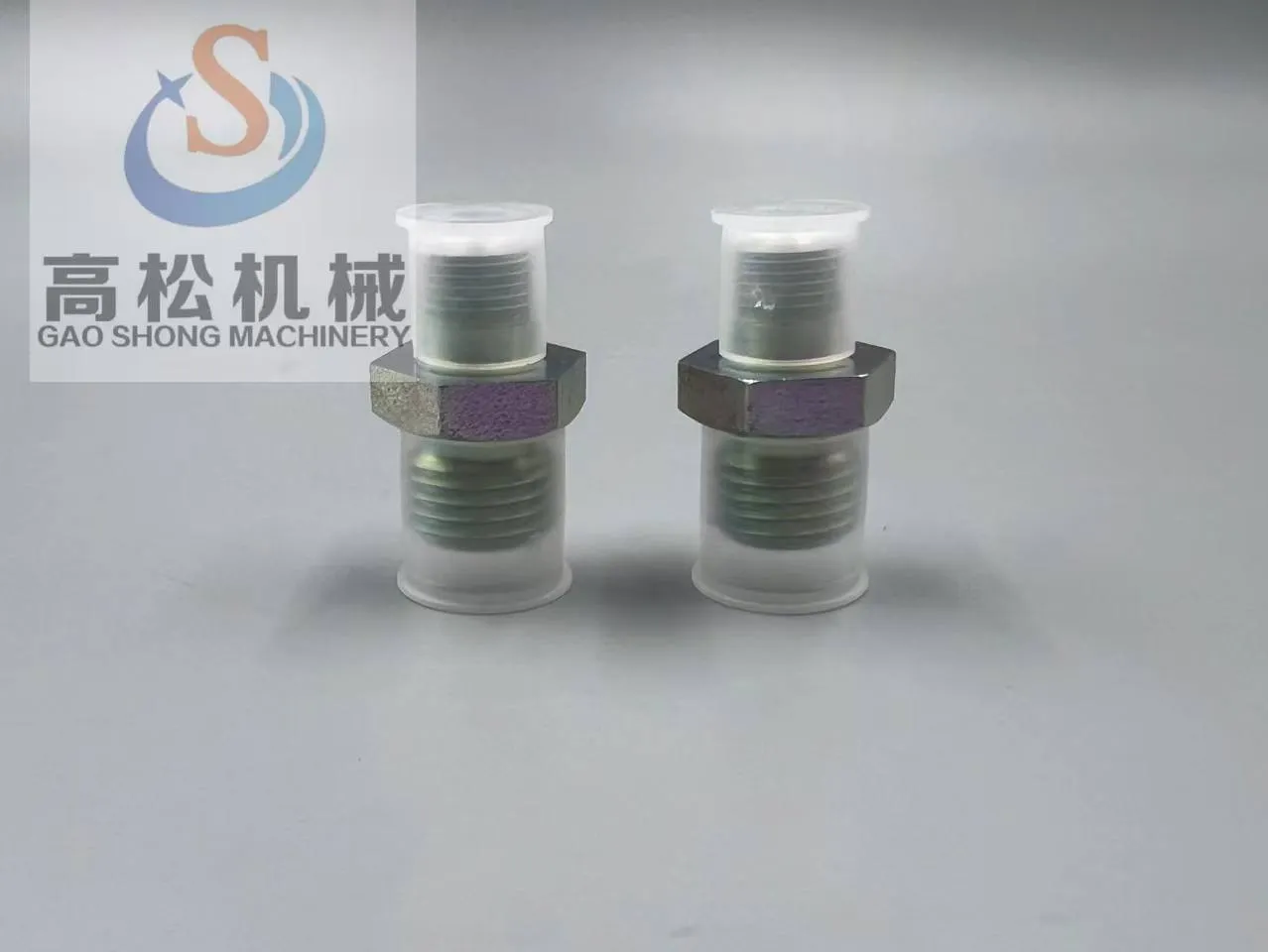 07213-50710 Connector, suitable for Komat Su D275A/D375A/D475A/PC600/PC1250
 -
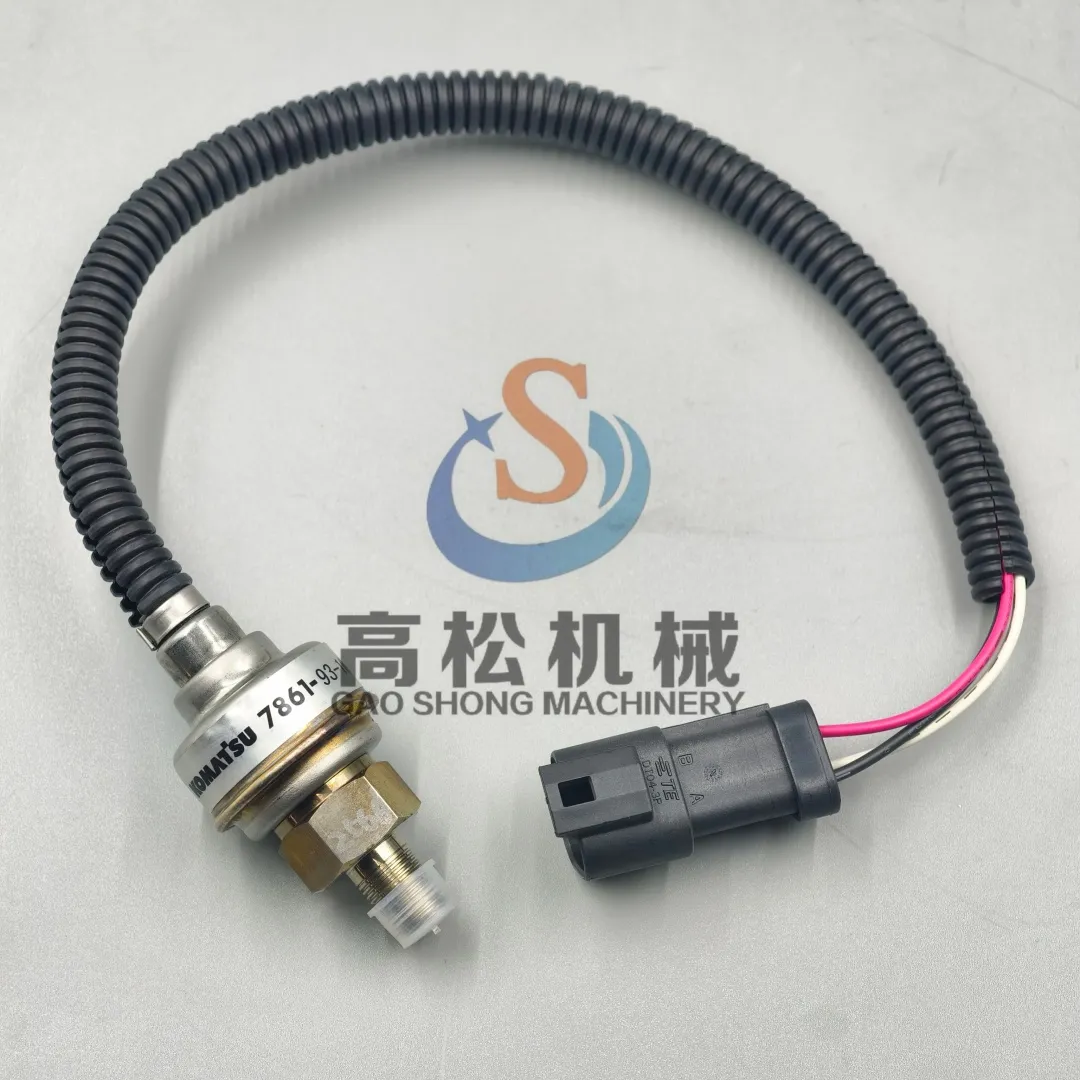 7861-93-1670 Main Pressure Sensor For Komatsu Bulldozers Parts D375 D475
 -
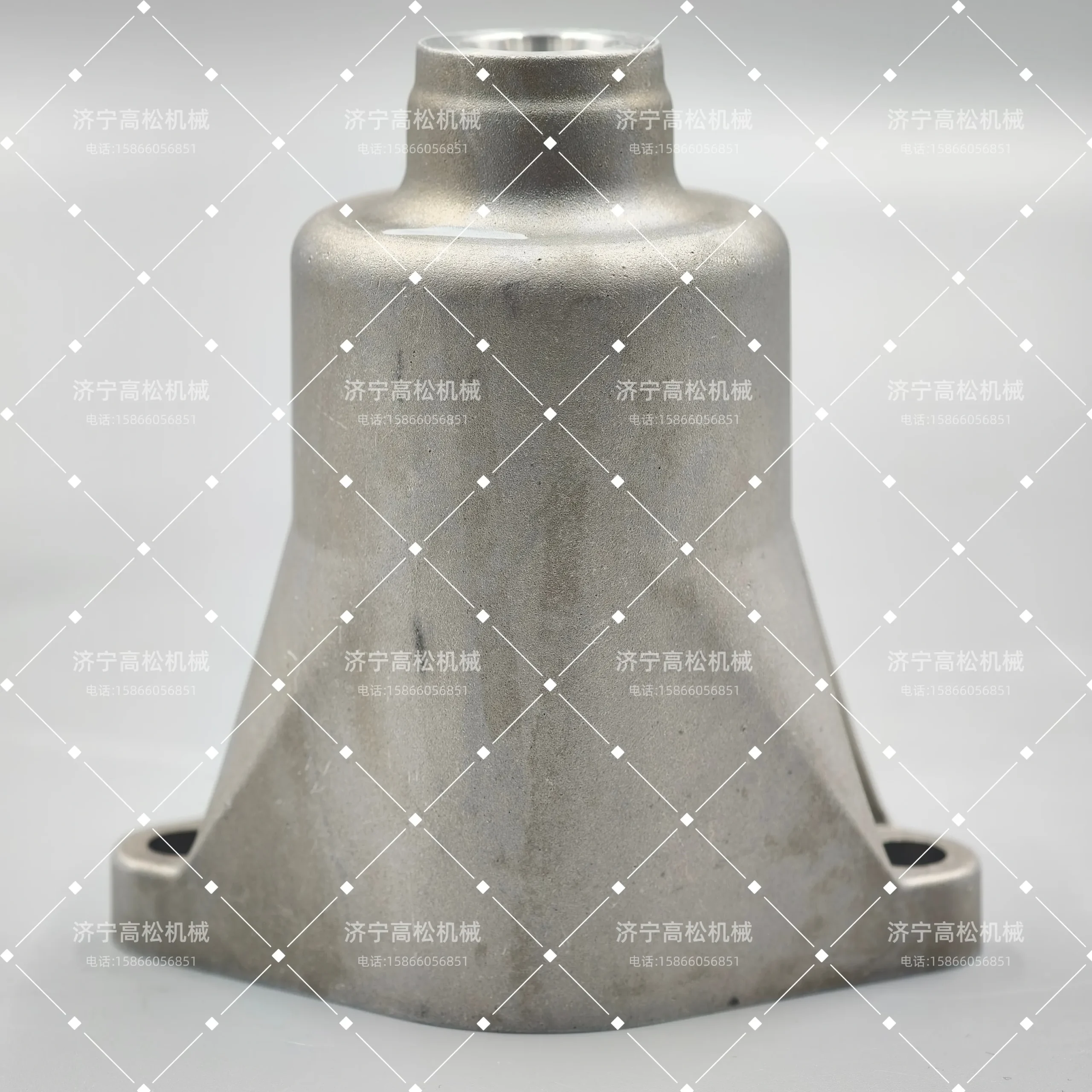 Excavator Valve Case 723-46-15111: Parts Search, High Quality…
 -
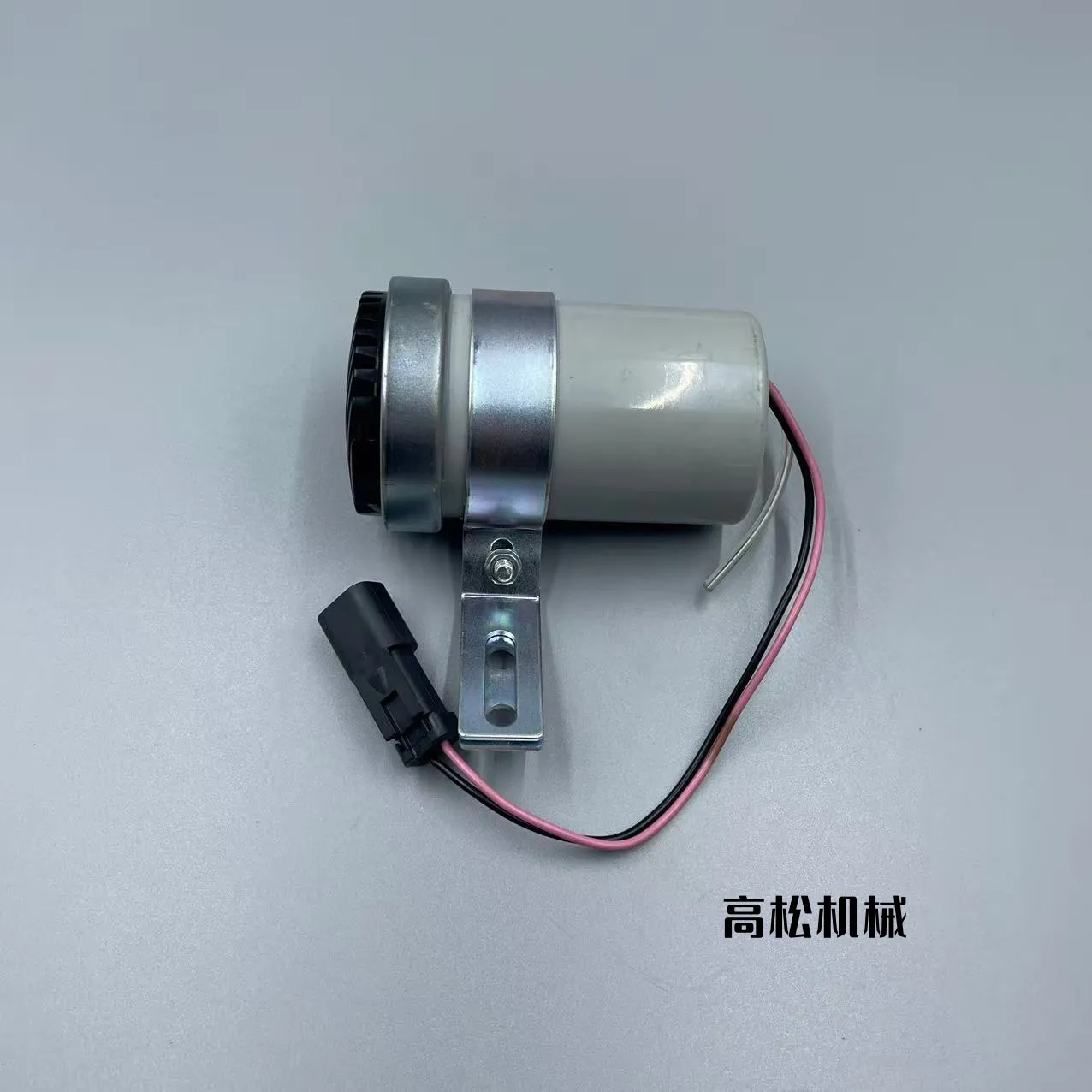 198-06-56570-BUZZER-Komatsu Original Factory
 -
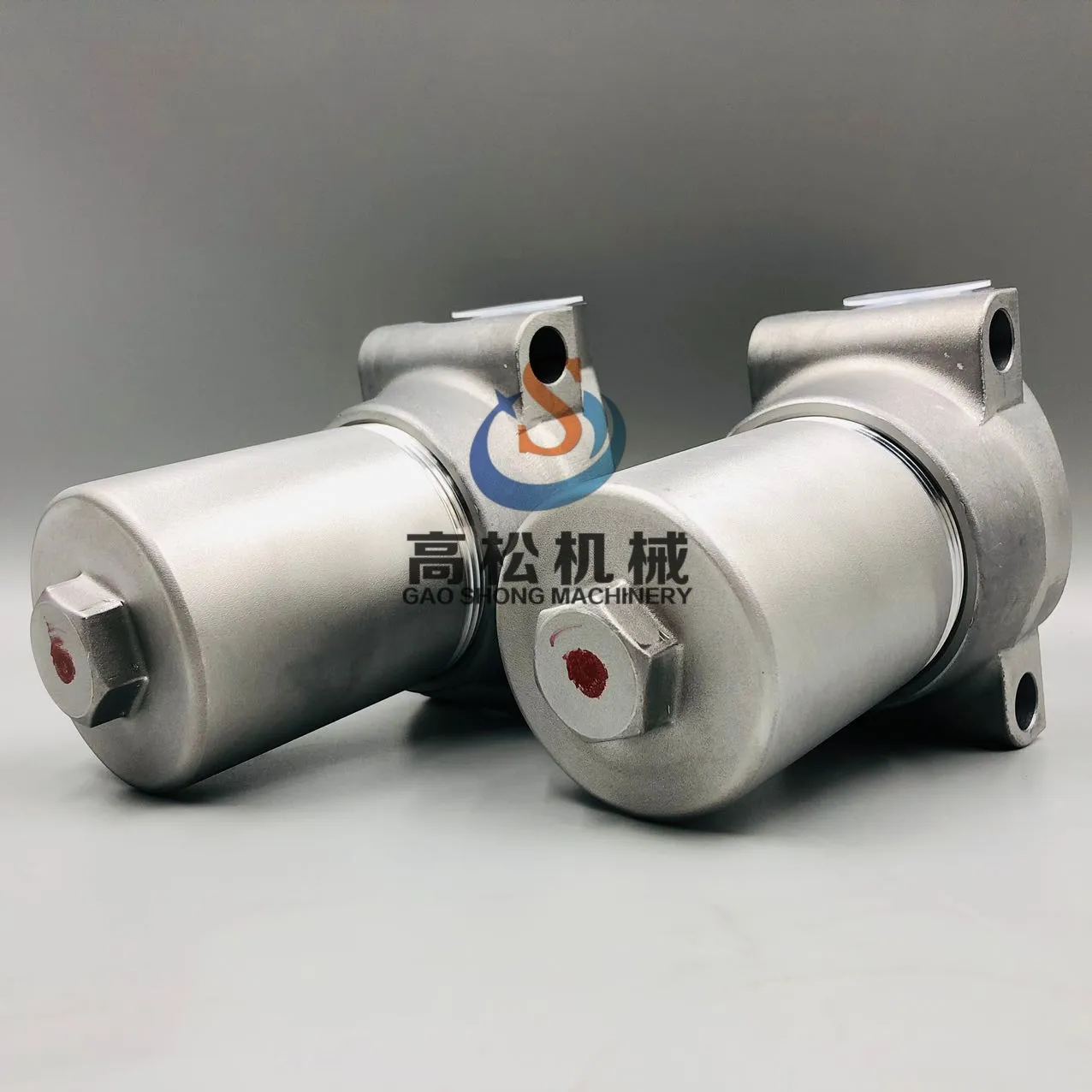 Komatsu Filter 20Y-62-51681 for Crawler excavator PC210LC-8 Filter Assembly 20Y-62-51681
 -
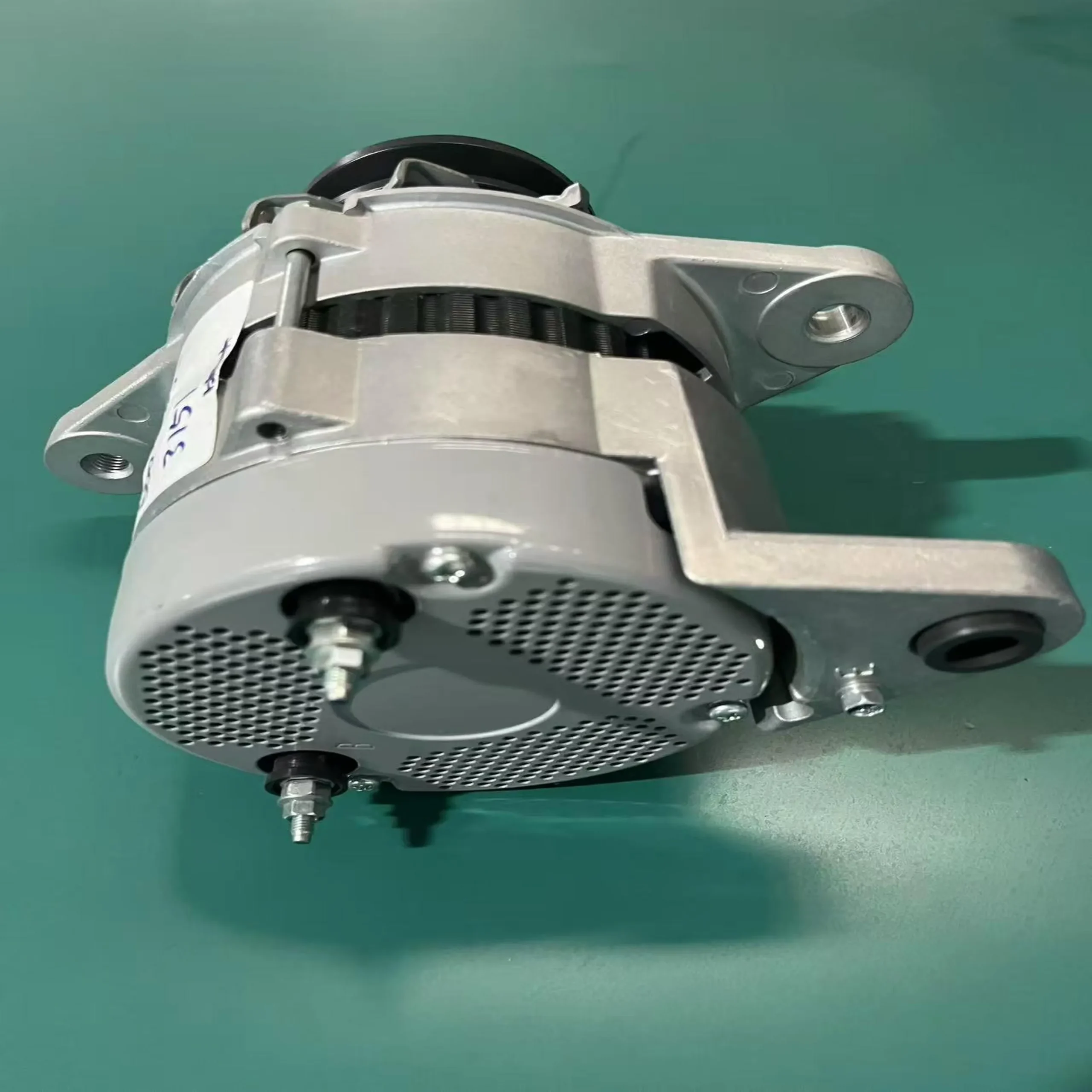 600-825-3151 Komatsu ALTERNATOR PC-400
 -
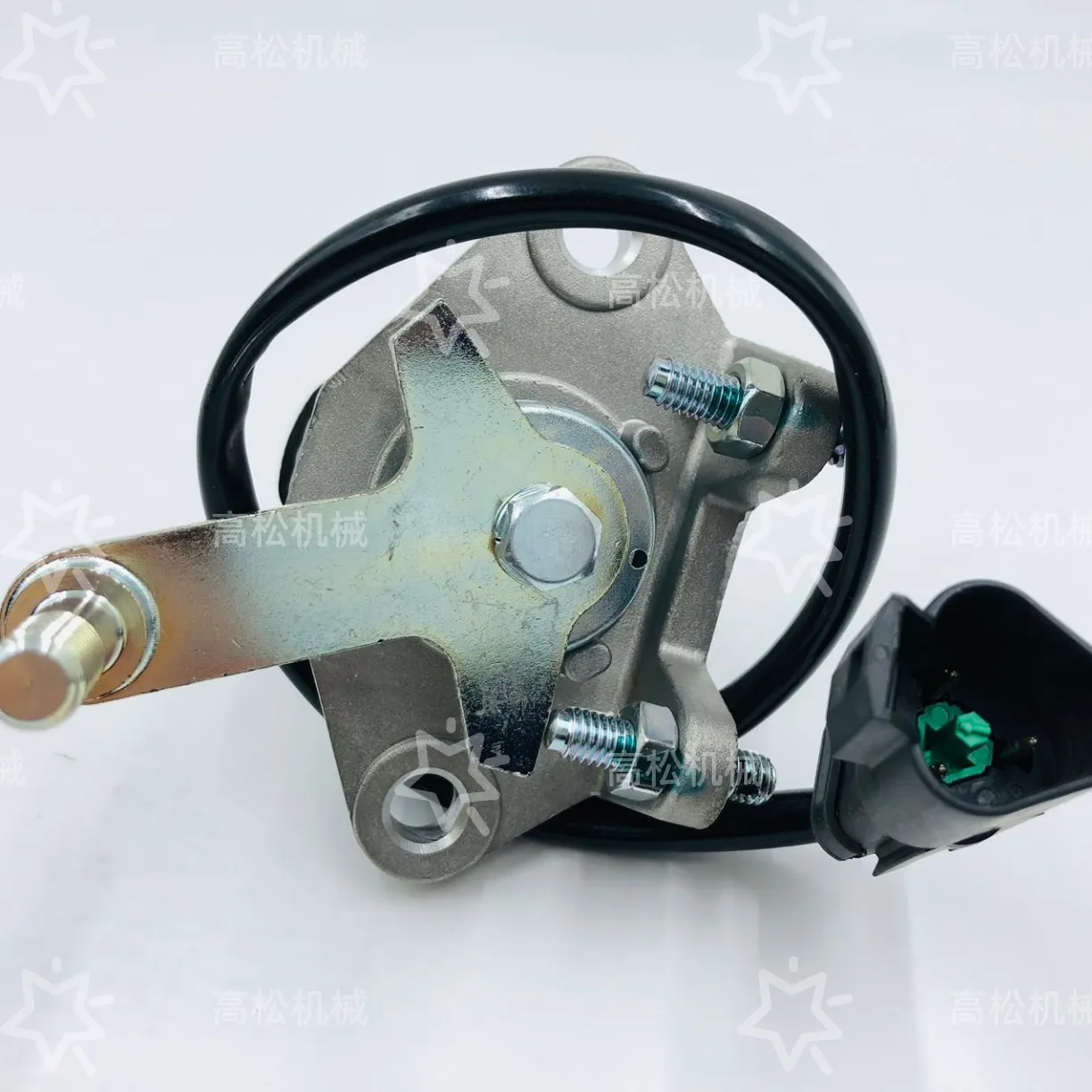 7861-93-4040 Bulldozer D275 D375 Sensor
 -
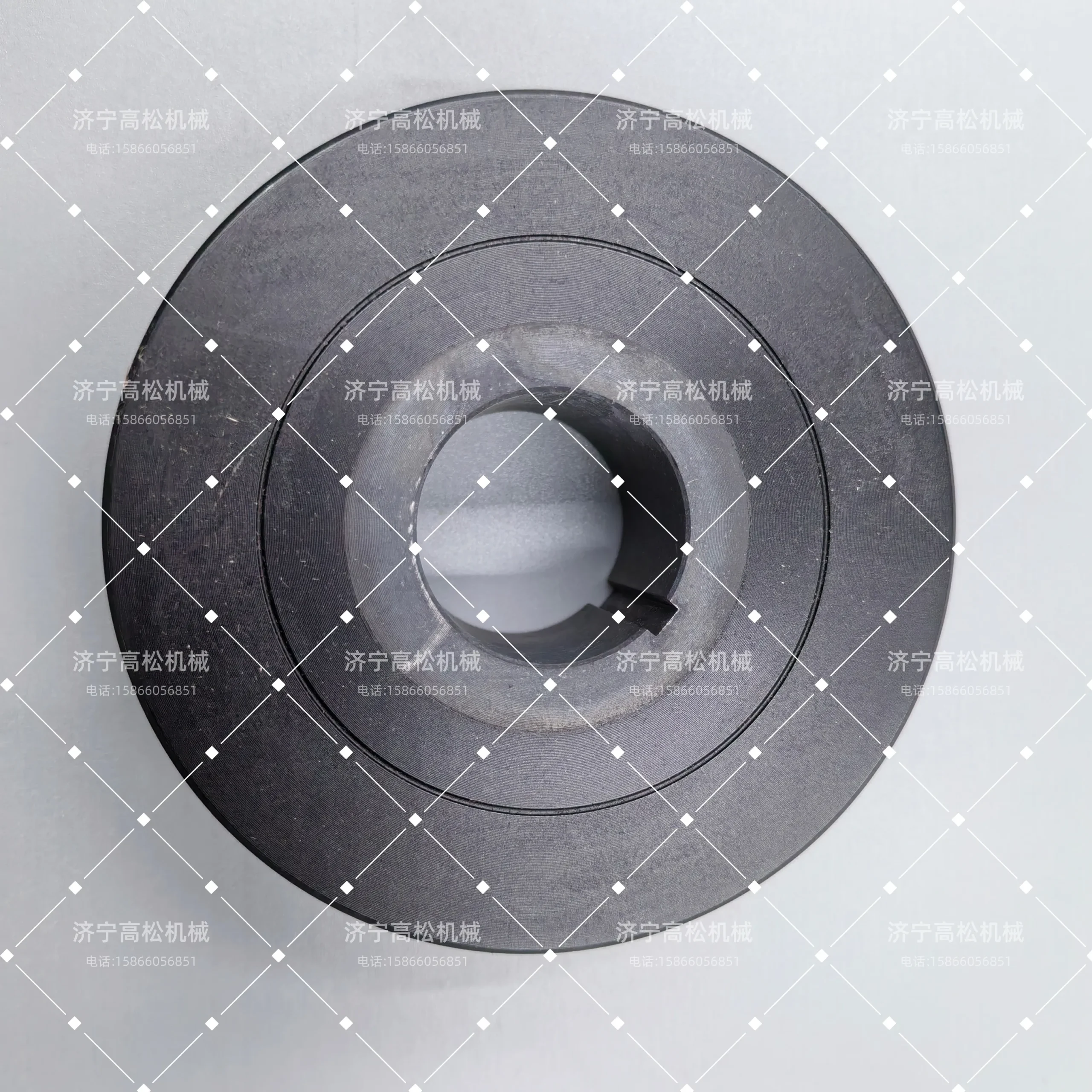 Original Parts Kd0-35411-0854 Pulley, High Quality Original Parts…