
- Chinese
- French
- German
- Portuguese
- Spanish
- Russian
- Japanese
- Korean
- Arabic
- Irish
- Greek
- Turkish
- Italian
- Danish
- Romanian
- Indonesian
- Czech
- Afrikaans
- Swedish
- Polish
- Basque
- Catalan
- Esperanto
- Hindi
- Lao
- Albanian
- Amharic
- Armenian
- Azerbaijani
- Belarusian
- Bengali
- Bosnian
- Bulgarian
- Cebuano
- Chichewa
- Corsican
- Croatian
- Dutch
- Estonian
- Filipino
- Finnish
- Frisian
- Galician
- Georgian
- Gujarati
- Haitian
- Hausa
- Hawaiian
- Hebrew
- Hmong
- Hungarian
- Icelandic
- Igbo
- Javanese
- Kannada
- Kazakh
- Khmer
- Kurdish
- Kyrgyz
- Latin
- Latvian
- Lithuanian
- Luxembou..
- Macedonian
- Malagasy
- Malay
- Malayalam
- Maltese
- Maori
- Marathi
- Mongolian
- Burmese
- Nepali
- Norwegian
- Pashto
- Persian
- Punjabi
- Serbian
- Sesotho
- Sinhala
- Slovak
- Slovenian
- Somali
- Samoan
- Scots Gaelic
- Shona
- Sindhi
- Sundanese
- Swahili
- Tajik
- Tamil
- Telugu
- Thai
- Ukrainian
- Urdu
- Uzbek
- Vietnamese
- Welsh
- Xhosa
- Yiddish
- Yoruba
- Zulu
- Kinyarwanda
- Tatar
- Oriya
- Turkmen
- Uyghur





komatsu fg25t 12 parts manual
You search for 'komatsu fg25t 12 parts manual' and you're probably hoping for a clean, official PDF that solves everything. That's the first misconception. In the real world of keeping these older Komatsu forklifts running, the manual is just the starting point, and often not even the right one if you don't know where it came from.
The Manual Isn't the Magic Bullet
Let's be clear: having the parts manual for the FG25T-12 is crucial. It's your map. But I've seen too many guys download a random file, match a part number, and order something that's completely wrong. Why? Because the manual might be for a different regional spec, or a later serial number break that changed a minor but critical component, like the steering axle seal or the mast roller dimensions. The diagram looks right, the number is off by one digit, and you're stuck with a part that doesn't fit and a machine down for two extra weeks.
This is where the relationship with a supplier who understands the system matters more than the document itself. I recall a job where we needed the brake master cylinder rebuild kit. The manual listed an old part number that was discontinued. A generic supplier just said NLA (No Longer Available). But a specialist, like the team at Jining Gaosong Construction Machinery Co., Ltd., could cross-reference it to the current Komatsu system number and even suggest an aftermarket equivalent that they had vetted. That's the difference. Their site, takematsumachinery.com, positions them as an OEM supplier within Komatsu and a third-party solver for parts challenges, which isn't just marketing speak if you've dealt with part obsolescence on models like the FG25T-12.
The real value isn't in the manual's pages; it's in the interpretation and the supply chain behind it. You learn to use the manual to identify the assembly, then you need someone who can navigate the reality of what's actually in stock, what's been superseded, and what can be reliably interchanged.
Where Sourcing Gets Real (And Messy)
Okay, so you've got your genuine Komatsu FG25T-12 parts manual open. You've identified the transmission control valve you need. Now what? Ordering from the main dealer for a machine this age can be a lesson in patience and budget shock. Some parts are on global backorder for months. This is the exact parts supply challenge that companies like Gaosong mention. They operate in that niche, finding pathways.
I tried the cheap route once. Sourced a pattern part for the hydraulic pump coupling from a non-specialist. It looked identical, but the metallurgy was subpar. It sheared within 40 hours of operation, causing collateral damage that cost more than three genuine couplings would have. A hard lesson. Now, for critical driveline and hydraulic components, I lean towards suppliers with direct OEM lineage or proven quality. They might not always have the cheapest price, but they understand the consequence of failure.
It's about judgment. For a cabin filter or a seat cushion, a good quality aftermarket part is fine. For the FG25T-12 engine's injection pump parts or the mast chain, you want the real deal or a certified equivalent. A proper supplier will tell you the difference, not just sell you whatever they have. You develop a sense for which parts are tolerance-critical and which aren't.
The Serial Number is Your Bible
This can't be overstated. The FG25T-12 had a production run with updates. The parts manual you need is specific to your serial number range. I've wasted time before I learned this. Needing a new steering cylinder, I quoted the part number from a manual for an early model. The one that arrived had different port fittings. The function was the same, but the plumbing was not. The fix? Always, always lead with your machine's full serial number when inquiring. A competent parts specialist will ask for it first thing.
Companies that are deep in the Komatsu ecosystem use this serial number to drill down into the exact build list. It unlocks the correct diagrams and the current part status. When browsing a site like takematsumachinery.com, you won't find a parts catalog just sitting there. You'll need to engage, provide the serial, and let them pull the correct data. That's a sign they're working from the real system, not just a static library of old PDFs.
It turns the manual from a static reference into a dynamic tool. You're not just looking at a picture; you're confirming that the picture matches your specific machine's configuration.
On-the-Ground Troubleshooting Beyond the Book
The manual shows you the exploded view of the parking brake assembly. It doesn't tell you that on certain FG25T-12 units, the actuator lever is prone to seizing if not greased every 500 hours, or that the cable adjustment is finicky and often misdiagnosed as a failed shoe. This is the unwritten knowledge.
You learn patterns. For instance, a complaint of weak lifting power might lead you to the hydraulic pump in the manual. But experience might tell you to check the multi-control valve's spool for scoring first, a common wear point on high-hour machines, before condemning the pump. The manual lists the valve as a single, expensive assembly. A good supplier might offer the repair kit for the spool and seals, saving a small fortune.
This is where a supplier's technical insight matters. When you call, you're not just reading a part number to them. You're describing the symptom: The forklift creeps forward when the hydraulic lever is in neutral. They might come back with, Yeah, common on that model. It's likely the seal kit for the inlet section of the control valve, part number X. We've got a few in stock because it's a frequent mover. That dialogue is worth more than any PDF.
Building a Reliable Pipeline, Not a One-Time Fix
Managing a fleet of older Komatsus isn't about heroic repairs; it's about predictable maintenance and having a parts pipeline you trust. The FG25T-12 parts manual becomes the foundation of your preventative schedule. You use it to plan ahead, to order wear items like filter elements, axle seals, and bearing kits before they fail.
Your relationship with your parts source becomes strategic. I view suppliers like Jining Gaosong not as a store, but as a partner in uptime. Their stated role as a problem-solver for supply issues means they're set up to hunt for parts, to offer alternatives, and to know what's about to be discontinued. For a model that's no longer in primary production, that's essential.
In the end, the goal is to make the parts manual almost secondary. You want a resource where you can describe the problem, give your serial, and get the right part, the right advice, and a realistic timeline. That turns a potentially crippling downtime event into a scheduled, manageable maintenance window. The manual started the journey, but the right human and supply-chain expertise is what gets your machine—and keeps it—running.
Related Products
Related Products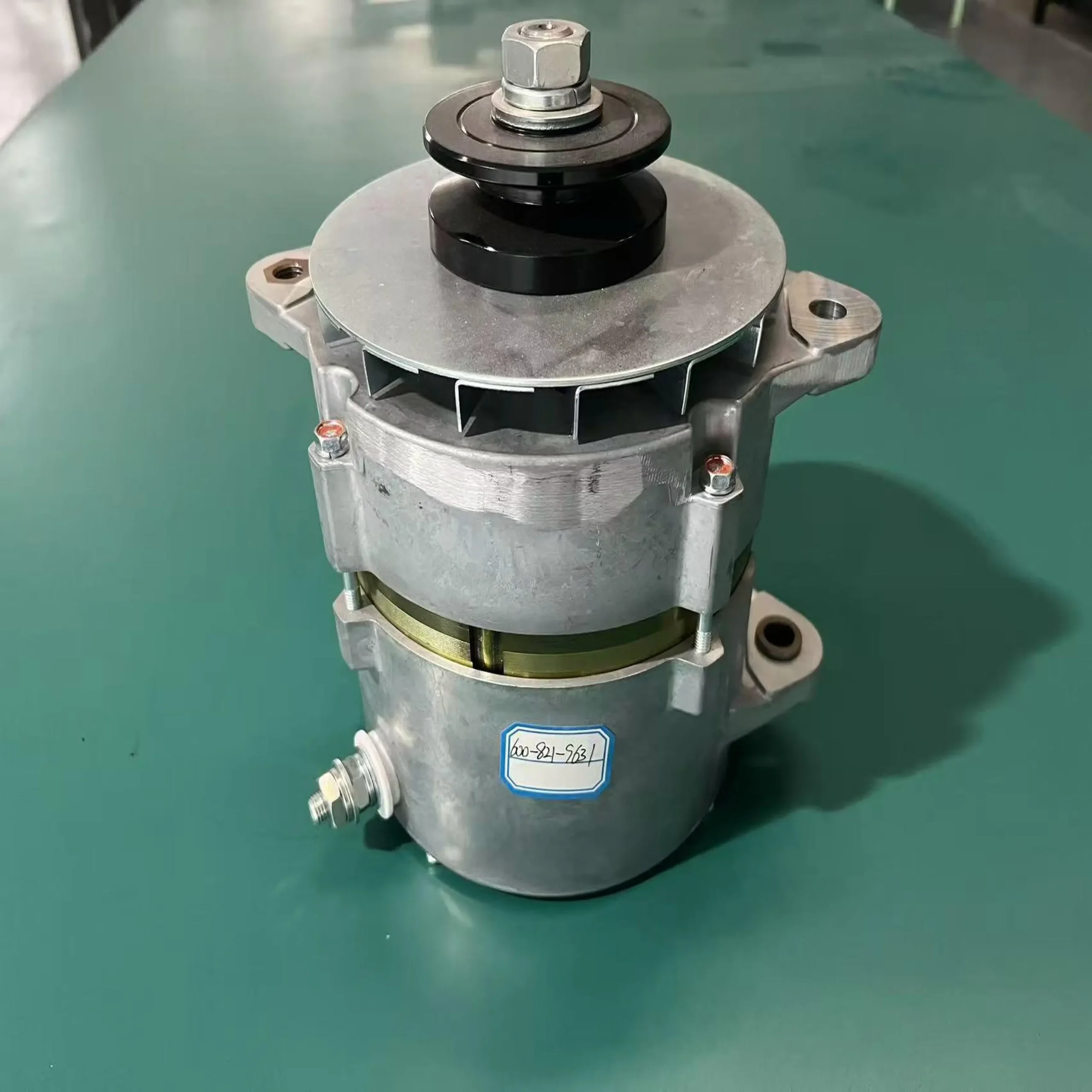
Best Selling Products
Best Selling Products-
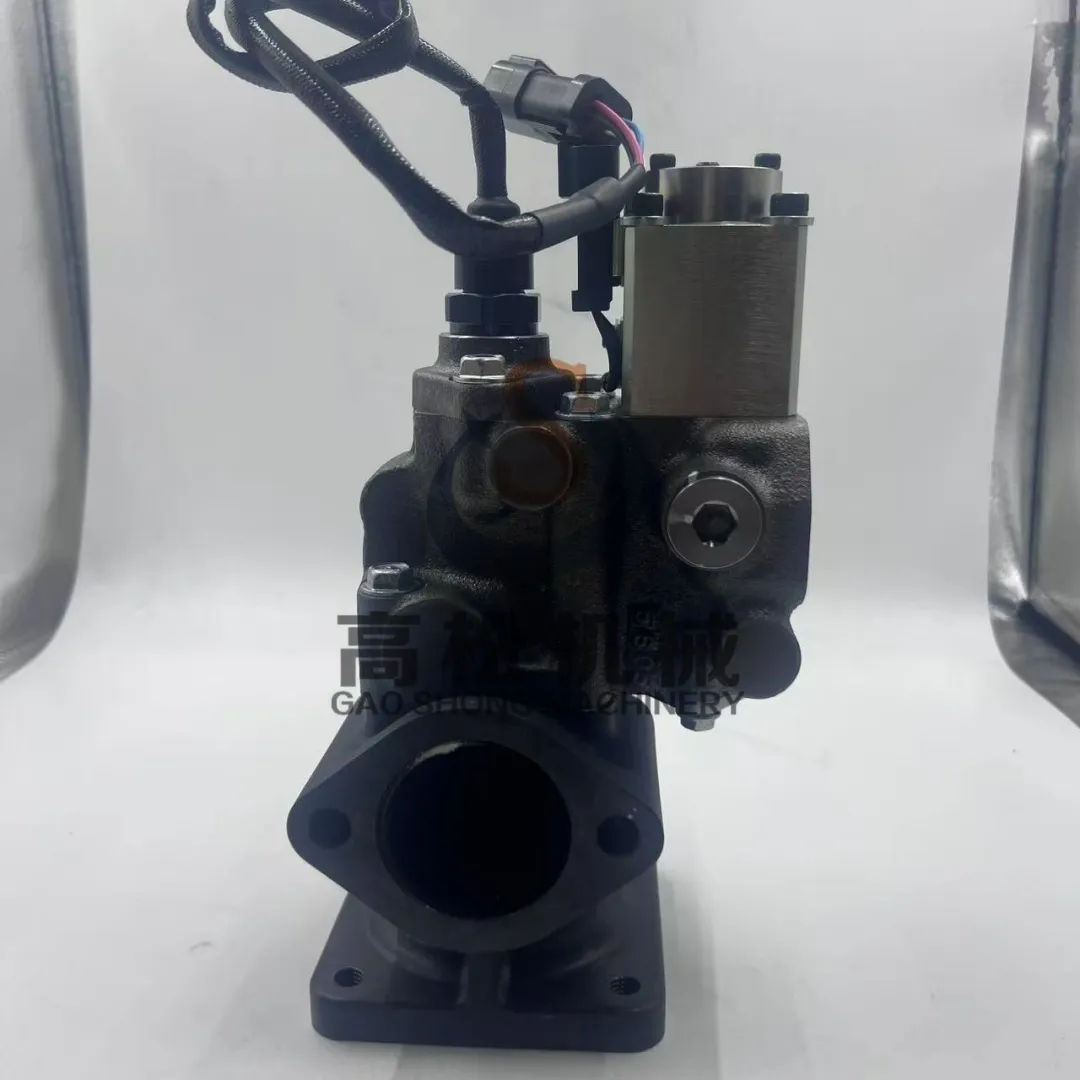 626141-9500komatsu parts
 -
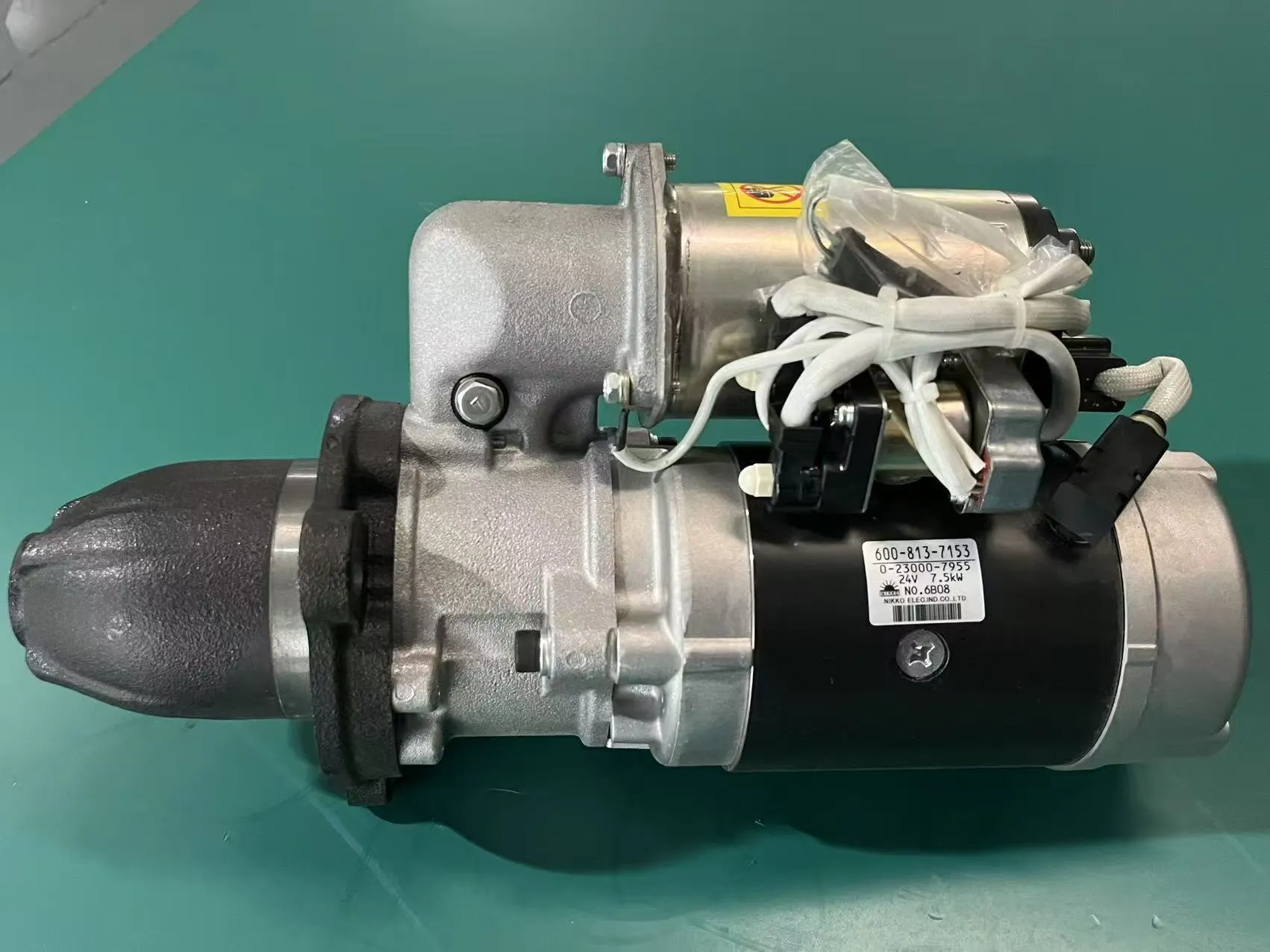 Starting Motor 7.5kw 600-813-7153
 -
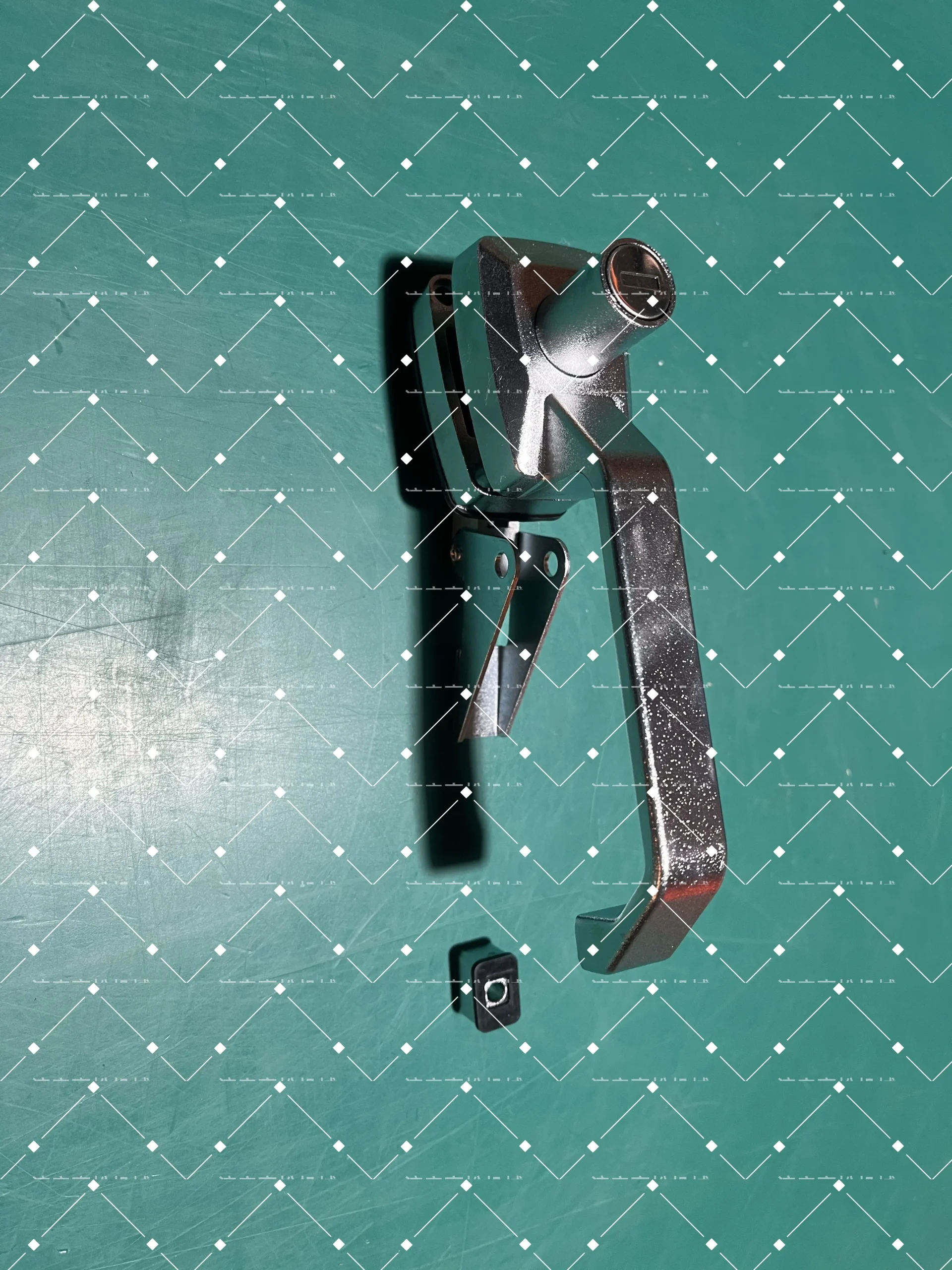 198-Z11-3710 Komatsu Handle Assembly
 -
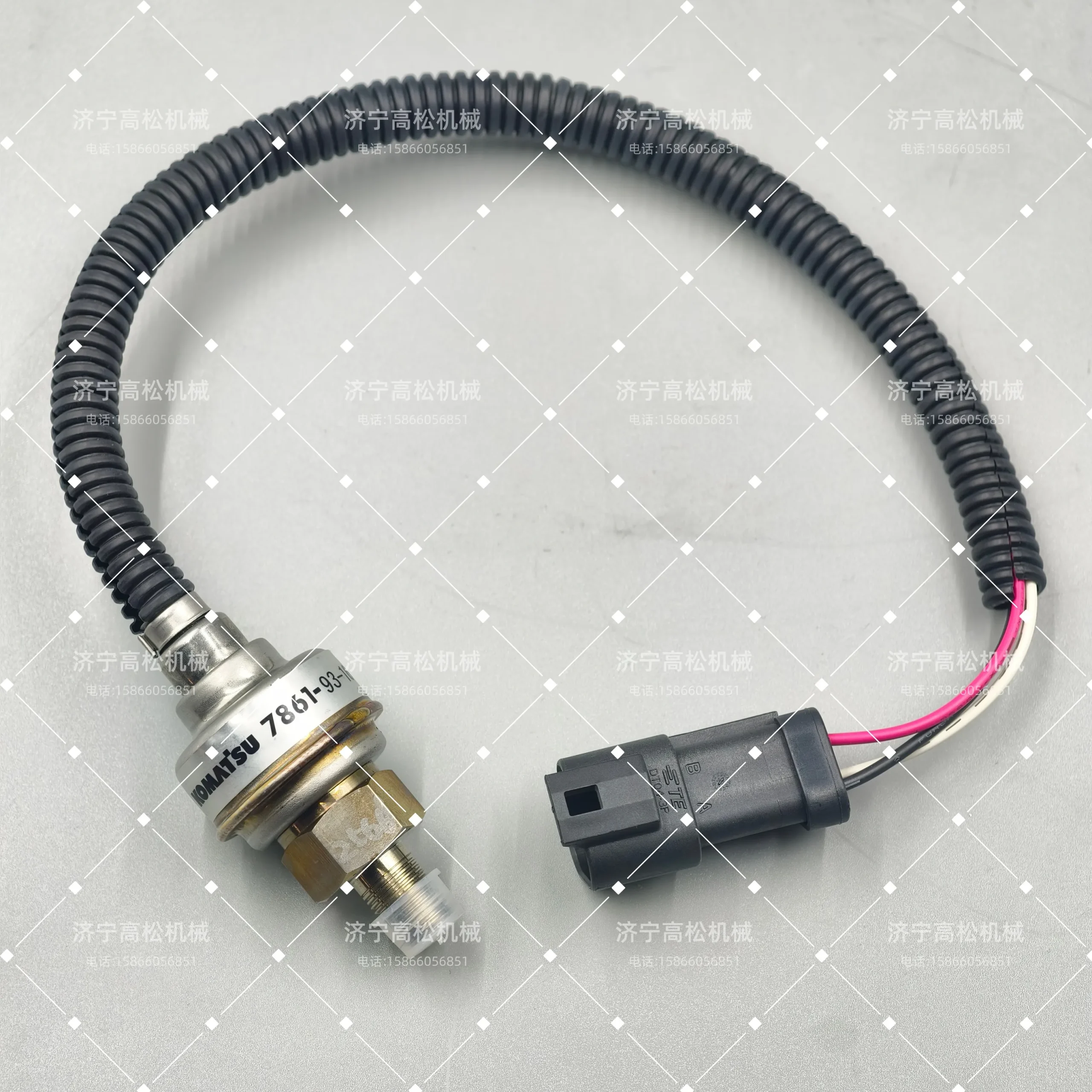 Construction Machinery Parts 7861-93-1670 for Komatsu Excavator…
 -
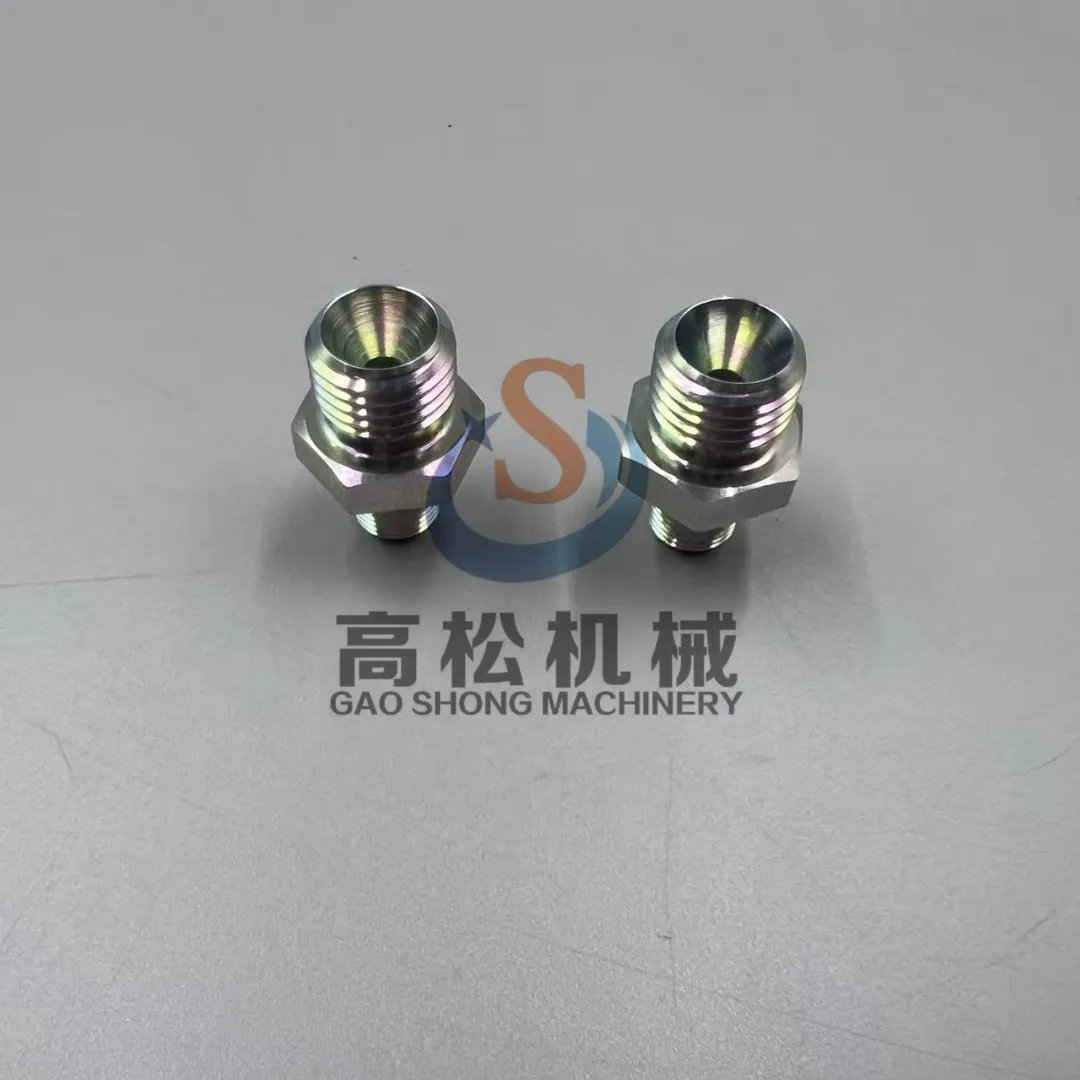 07213-50710 Connector for Komat Su D275A/D375A/D475A/PC600/PC1250
 -
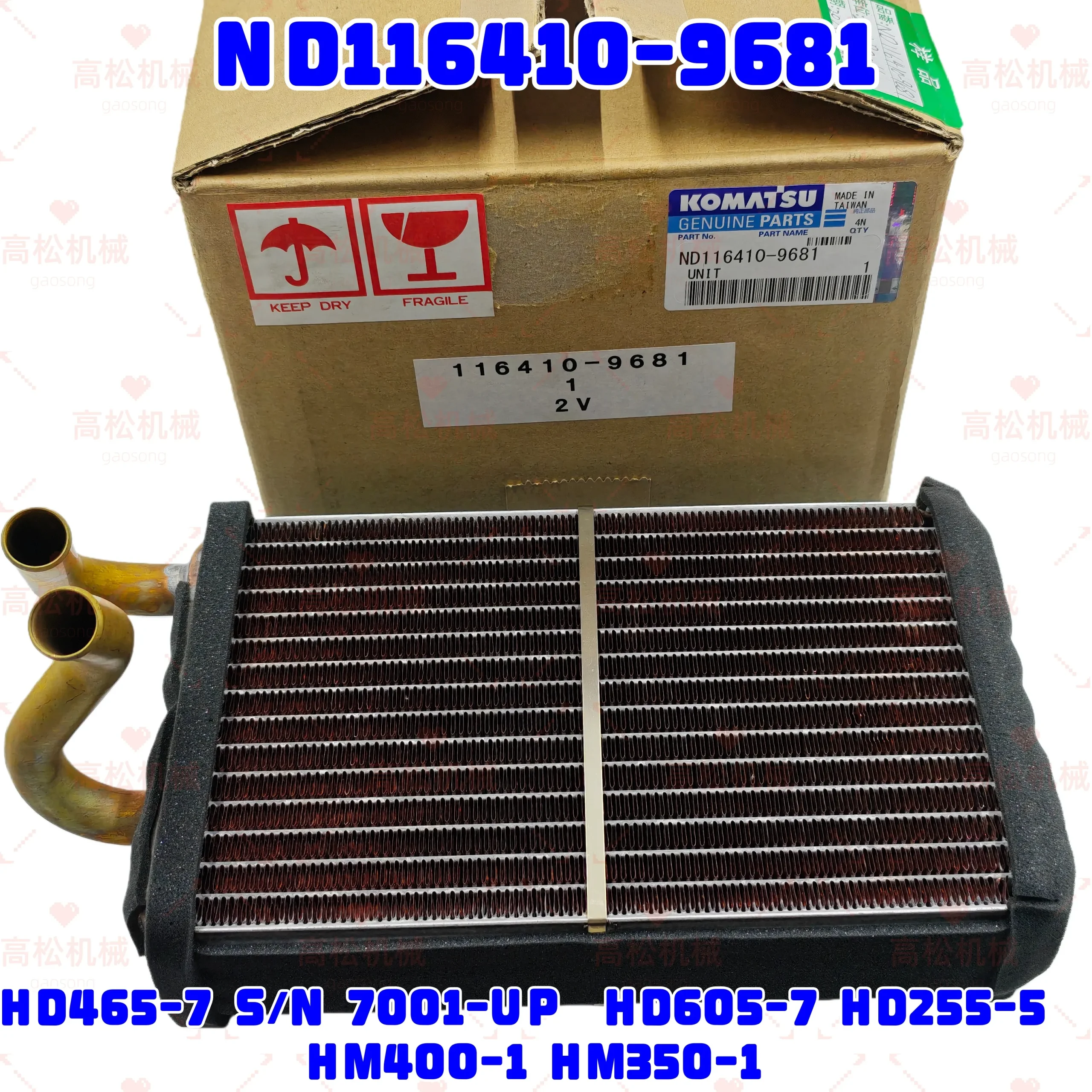 IMIFAFTAbT 702-16-02290 702-16-02210 Lever Assembly Fits for Komatsu D65EX-16 D65PX-16 D65WX-16 D275A-5R D155AX-6 Bulldozer
 -
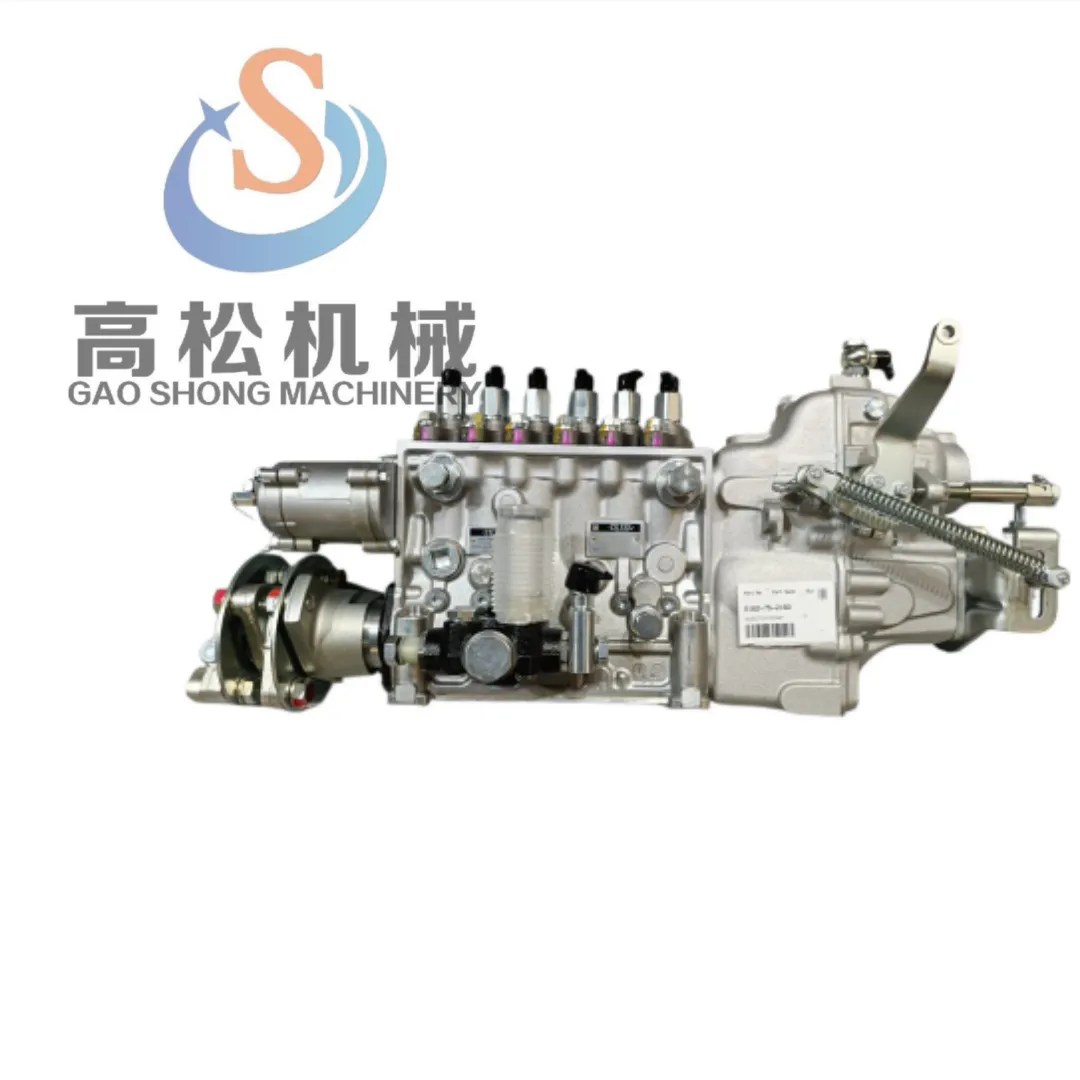 Engine Fuel Injection Pump 6162-75-2160 for SA6D170E
 -
 21N-30-14160 PACKING (Komatsu)
 -
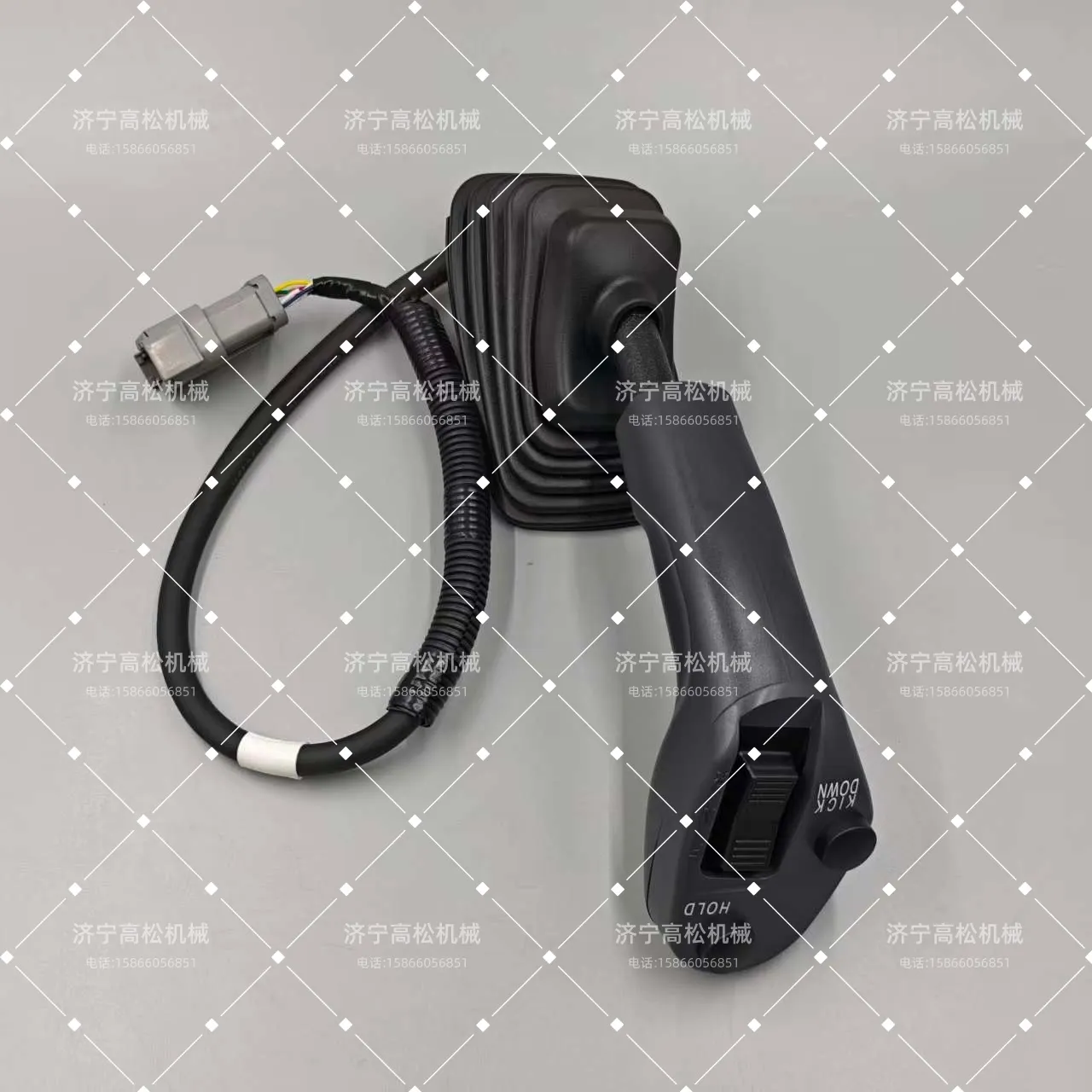 Original Brand New LEVER ASSEMBLY 423-V91-4144 for Komatsu…
 -
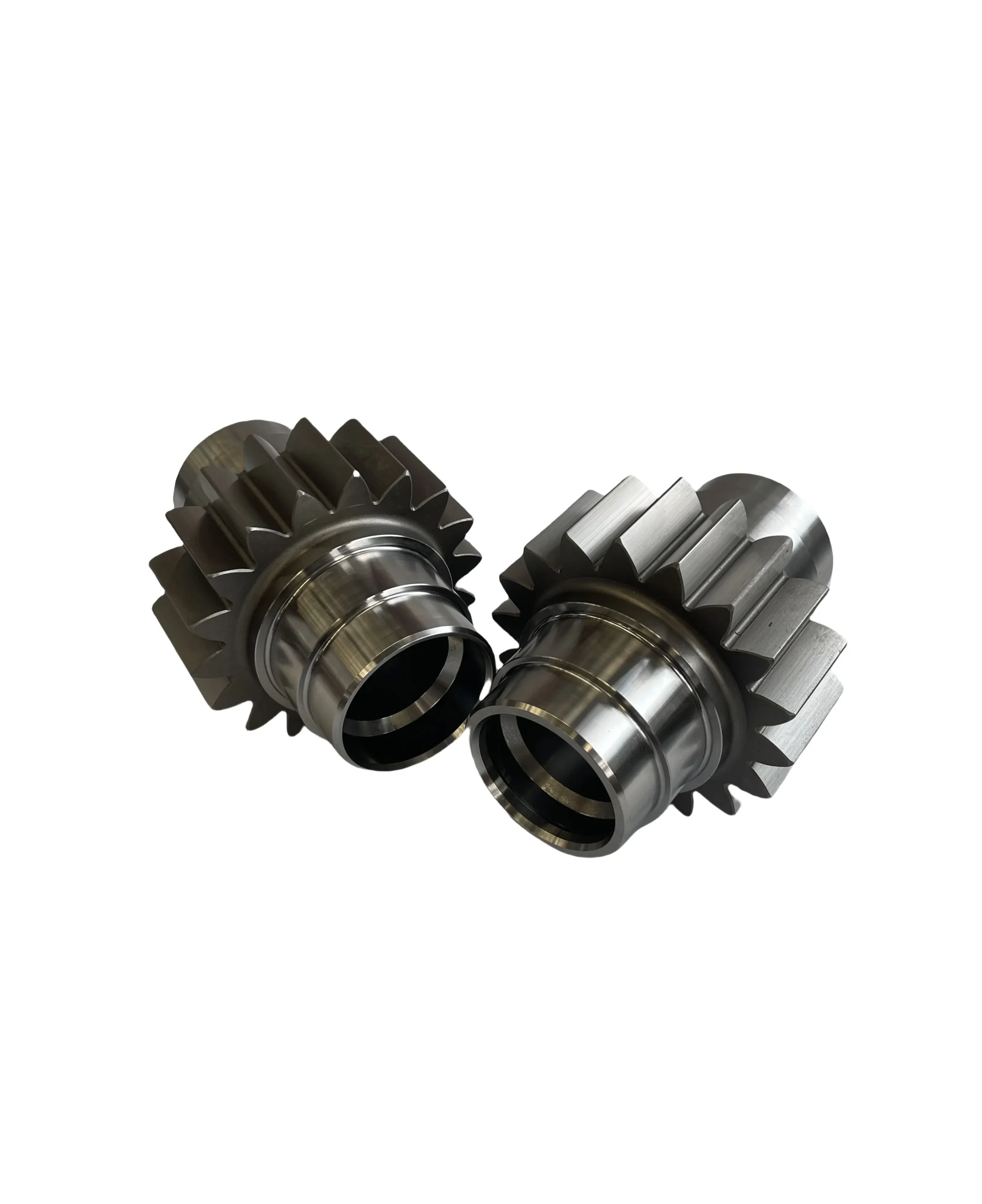 17M-27-41210 gear for Komatsu D275A-5
 -
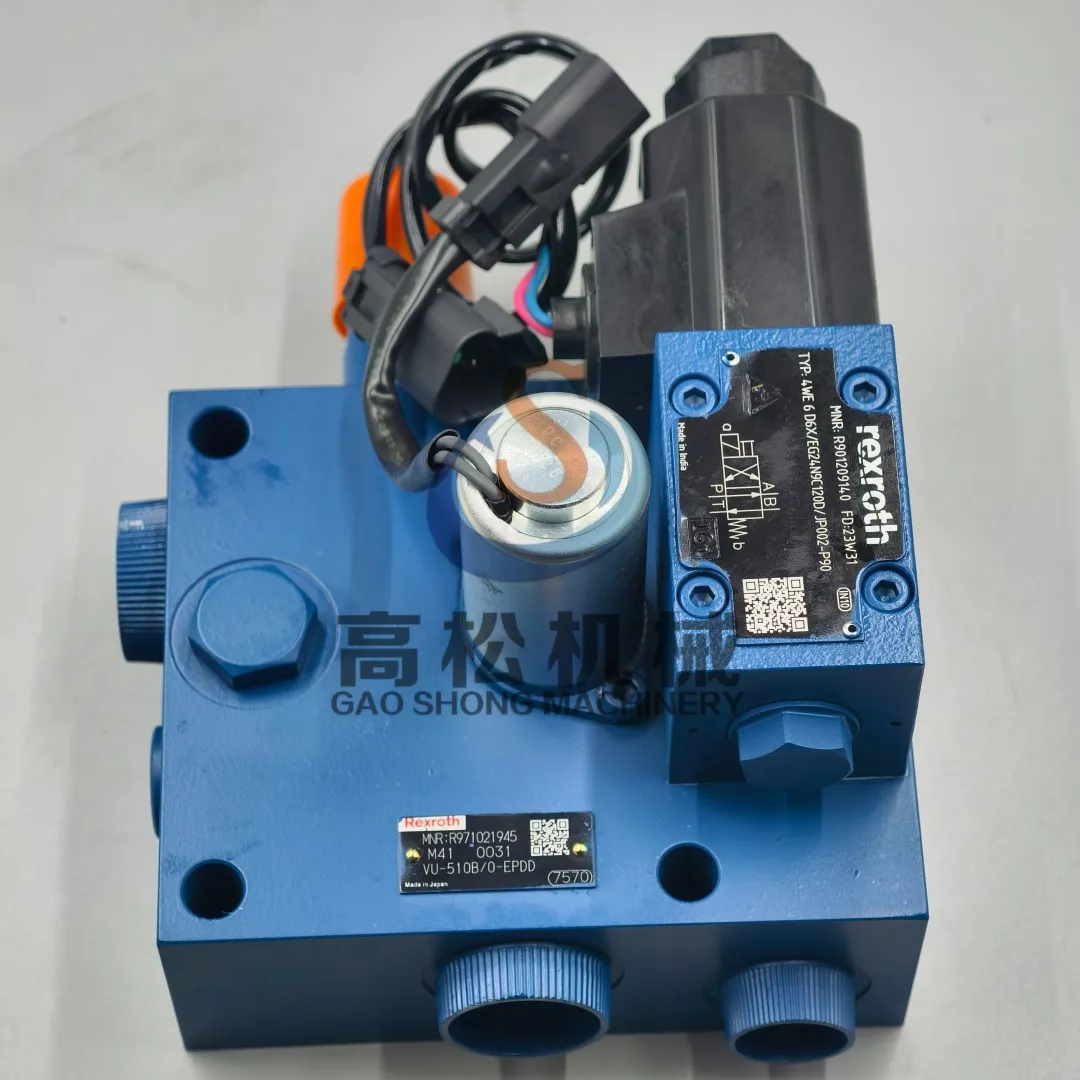 Valve Ass’y 56B-43-12402 56B-43-17340 For KOMATSU Dump Truck HD785 HD325 HD605
 -
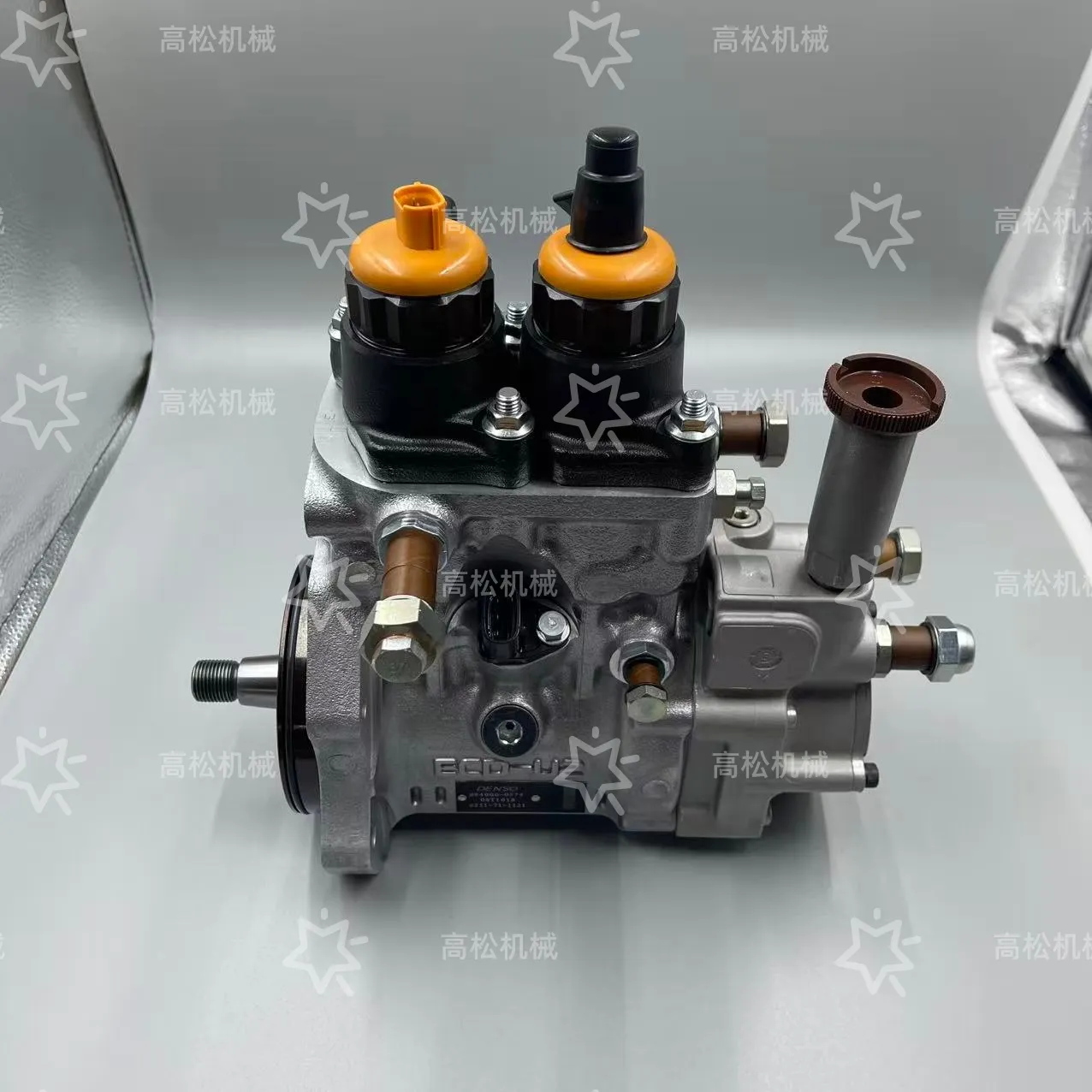 Fuel Injection Pump For Komatsu PC400-8 6251-71-1120 6251-71-1121 094000-057