
- Chinese
- French
- German
- Portuguese
- Spanish
- Russian
- Japanese
- Korean
- Arabic
- Irish
- Greek
- Turkish
- Italian
- Danish
- Romanian
- Indonesian
- Czech
- Afrikaans
- Swedish
- Polish
- Basque
- Catalan
- Esperanto
- Hindi
- Lao
- Albanian
- Amharic
- Armenian
- Azerbaijani
- Belarusian
- Bengali
- Bosnian
- Bulgarian
- Cebuano
- Chichewa
- Corsican
- Croatian
- Dutch
- Estonian
- Filipino
- Finnish
- Frisian
- Galician
- Georgian
- Gujarati
- Haitian
- Hausa
- Hawaiian
- Hebrew
- Hmong
- Hungarian
- Icelandic
- Igbo
- Javanese
- Kannada
- Kazakh
- Khmer
- Kurdish
- Kyrgyz
- Latin
- Latvian
- Lithuanian
- Luxembou..
- Macedonian
- Malagasy
- Malay
- Malayalam
- Maltese
- Maori
- Marathi
- Mongolian
- Burmese
- Nepali
- Norwegian
- Pashto
- Persian
- Punjabi
- Serbian
- Sesotho
- Sinhala
- Slovak
- Slovenian
- Somali
- Samoan
- Scots Gaelic
- Shona
- Sindhi
- Sundanese
- Swahili
- Tajik
- Tamil
- Telugu
- Thai
- Ukrainian
- Urdu
- Uzbek
- Vietnamese
- Welsh
- Xhosa
- Yiddish
- Yoruba
- Zulu
- Kinyarwanda
- Tatar
- Oriya
- Turkmen
- Uyghur






komatsu fg25t 12 parts
When you type 'komatsu fg25t 12 parts' into a search, you're not just looking for a list. You're likely in a bind, trying to keep a 2.5-ton forklift running with a production line waiting. The common mistake is thinking all parts under that model code are equal, or that availability is just a click away. In reality, the FG25T-12, especially the later series, has nuances in its parts that can trip you up—the difference between a genuine Komatsu seal kit and a pattern part for the mast cylinder isn't just price, it's about downtime two months later. My own experience sourcing for projects in Southeast Asia taught me that the catalog number is only the start of the conversation.
The OEM vs. Aftermarket Reality Check
Let's get straight to it. Ordering directly through Komatsu's official channels is the ideal path, but it's not always the practical one, especially if you're operating in regions outside their primary service networks. I've seen lead times quoted at 12 weeks for a simple FG25T-12 brake valve assembly. That's catastrophic for operational continuity. This gap is precisely where a specialized supplier becomes critical, not just as a vendor, but as a logistics partner who understands the machine's anatomy.
This is why companies like Jining Gaosong Construction Machinery Co., Ltd. have a role. They position themselves as an OEM product supplier within the Komatsu system. In practice, what this often means is they have access to genuine Komatsu-origin components, but they operate with a flexibility that the main distribution chain sometimes lacks. Their site, takematsumachinery.com, explicitly states they help solve parts supply challenges in certain countries. That's a diplomatic way of saying they navigate the complex tariffs, customs, and regional availability issues that stall projects.
I recall a specific case with a client in a Pacific island nation. The FG25T-12 needed a new steering axle pivot bearing. The local Komatsu dealer's system showed it as back-ordered from Japan. Through a third-party channel that understood the cross-compatibility with older FG25T models, we sourced a genuine-quality part from a certified alternative supplier—the kind of operation Jining Gaosong describes—and had it air-freighted in 7 days. The machine was down for 8 days total. The official channel was projecting 70. That's the tangible difference.
Critical Parts That Always Surprise You
It's never the big-ticket items like the engine block that cause the longest waits. It's the integrated sensors and the controller assemblies. The FG25T-12's transmission control module (TCM) is one. If it fails, the forklift is a dead weight. A new one from Komatsu is prohibitively expensive. Here, the aftermarket solution isn't just a cheap copy; it's often a remanufactured unit with updated seals and connectors, tested to match OEM specs. The key is finding a supplier that does this reman process correctly, not just a wipe-down and repaint.
Another sneaky one is the parts for the hydraulic pilot control valve. The O-rings and spools wear in a specific pattern. Ordering a generic seal kit might get it working, but the feel of the controls will be off—sluggish or too sensitive. You need the kit that matches the specific valve sub-series, something a parts diagram might not clearly differentiate. I learned this the hard way after a successful repair led to an operator complaining about precision, which we eventually traced to a 0.5mm tolerance difference in a replacement spool.
Mast rollers and side thrusters are consumables, but not all are created equal. The metallurgy on the rollers matters immensely for noise and wear on the mast channels. We once tried a set of non-OEM rollers on an FG25T-12 that looked identical. Within 400 hours, they had developed flat spots and were scoring the mast. The cost saved on the parts was a fraction of the mast repair bill. Now, the rule is to only use rollers from suppliers who can verify the hardness rating and provide a material certificate.
The Logistics and Verification Dance
So you've found a supplier with the right part number at a good price and a promise of genuine quality. The next hurdle is verification. How do you, sitting thousands of miles away, know what you're getting? Reputable third-party suppliers like the one mentioned earlier understand this distrust. The good ones will provide pre-shipment photos of the actual part, showing casting marks, Komatsu logos (if it's OEM), and packaging. They'll share the batch number. It's a manual, trust-building process that a faceless e-commerce portal won't do.
Logistics is where the real expertise shows. A 300kg counterweight for an FG25T-12 isn't something you ship via standard courier. You need a supplier who understands incoterms, who can handle palletization, ocean freight consolidation, and customs clearance in your country. Their value isn't just in the warehouse shelf; it's in their freight forwarder relationships. I've had suppliers mess up the HS code, turning a simple import into a month-long customs inspection nightmare. The smooth transactions always come from partners who treat logistics as part of their core service.
Payment terms are another tell. If a supplier insists on 100% upfront wire transfer for a first-time order, it's a red flag. The established, confident ones—those integrated into the Komatsu ecosystem as OEM suppliers or authorized third parties—often offer more secure terms like 50% deposit, 50% before shipment, or even trade assurance through platforms. It shows they stand behind their product and their chain of custody.
When Equivalent Isn't Equivalent
The market is flooded with Komatsu-compatible parts. For some non-critical items—like a step plate or a headlight lens—this is fine. For anything in the power train, hydraulics, or safety systems, it's a gamble. I differentiate between pattern parts (reverse-engineered copies) and quality equivalent parts. The latter are often produced by Tier-1 manufacturers who originally supplied Komatsu and now sell the same design under their own brand, sometimes with minor improvements. Identifying these requires deep supplier knowledge.
Take the alternator. The DENSO unit on the FG25T-12 is standard. A pattern alternator might use inferior brushes and bearings. A quality equivalent might be the same DENSO unit, just without the Komatsu sticker and part number ground off, sourced from DENSO's aftermarket division. A supplier worth their salt will tell you this origin story. The website for Jining Gaosong, for instance, hints at this depth by emphasizing their position within the Komatsu system, suggesting they understand these provenance layers.
A failed experiment we ran was with aftermarket parts for the SAA6D107E-1 engine's fuel injection pump. We tried a rebuilt unit from a non-authorized shop. The calibration was never quite right, leading to intermittent power loss and higher emissions. After three attempts at recalibration, we bit the bullet and sourced a Komatsu-certified remanufactured unit. The problem vanished. The lesson was that for high-precision, ECU-linked components, the certification matters more than the part itself.
Building a Sustainable Parts Strategy
Relying on emergency sourcing for FG25T-12 components is a recipe for high costs and stress. The professional approach is to build a relationship with a primary supplier who can act as your external parts desk. This means sharing your fleet list, expected annual usage, and maintenance schedule with them. They can then suggest which critical parts to stock locally based on failure rates and lead times.
For example, we always keep on hand: a set of mast rollers, a steering angle sensor, a few key hydraulic hoses with the correct Komatsu fittings, and the most common seal kits for the lift cylinder. These were recommendations that came not from a manual, but from a supplier analyst who saw cross-customer data on FG25T-12 failures. This proactive strategy turns a parts supplier from a retailer into a partner. The core mission of a company like Jining Gaosong, as they state, is to solve parts supply challenges. That's achieved through this kind of advisory partnership, not just transactional sales.
Ultimately, managing komatsu fg25t 12 parts is about recognizing that the search term is the beginning of a diagnostic and logistical process. It's about technical knowledge—knowing which parts are forgiving and which are not—combined with supply chain intelligence. The goal is to move from reacting to breakdowns to managing a fleet's total cost of ownership. The right supplier, whether an OEM conduit or a highly specialized third-party, is the one that provides both the genuine parts and the contextual insight to use them effectively, keeping those forklifts running not just today, but for the next 10,000 hours.
Related Products
Related Products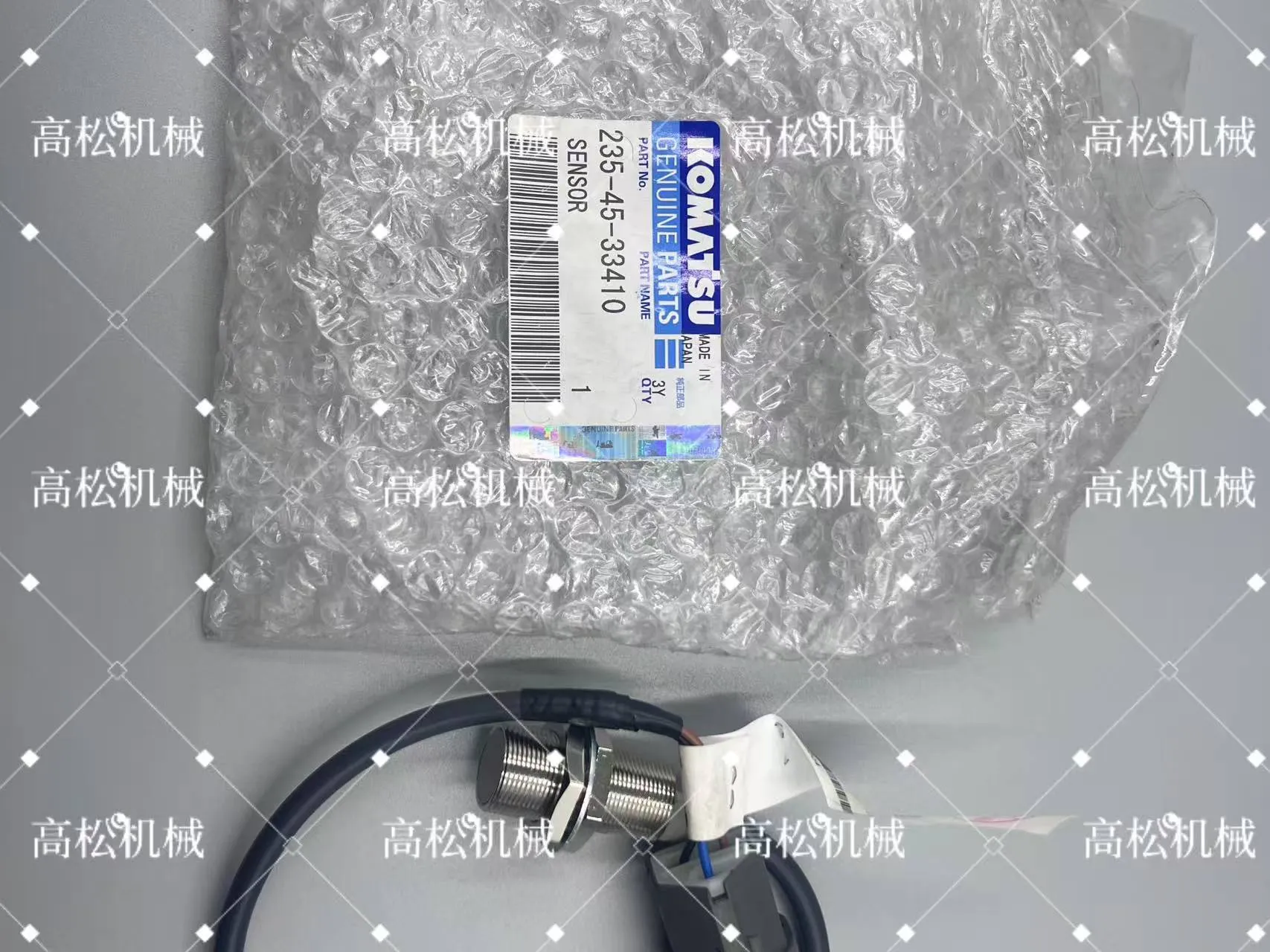
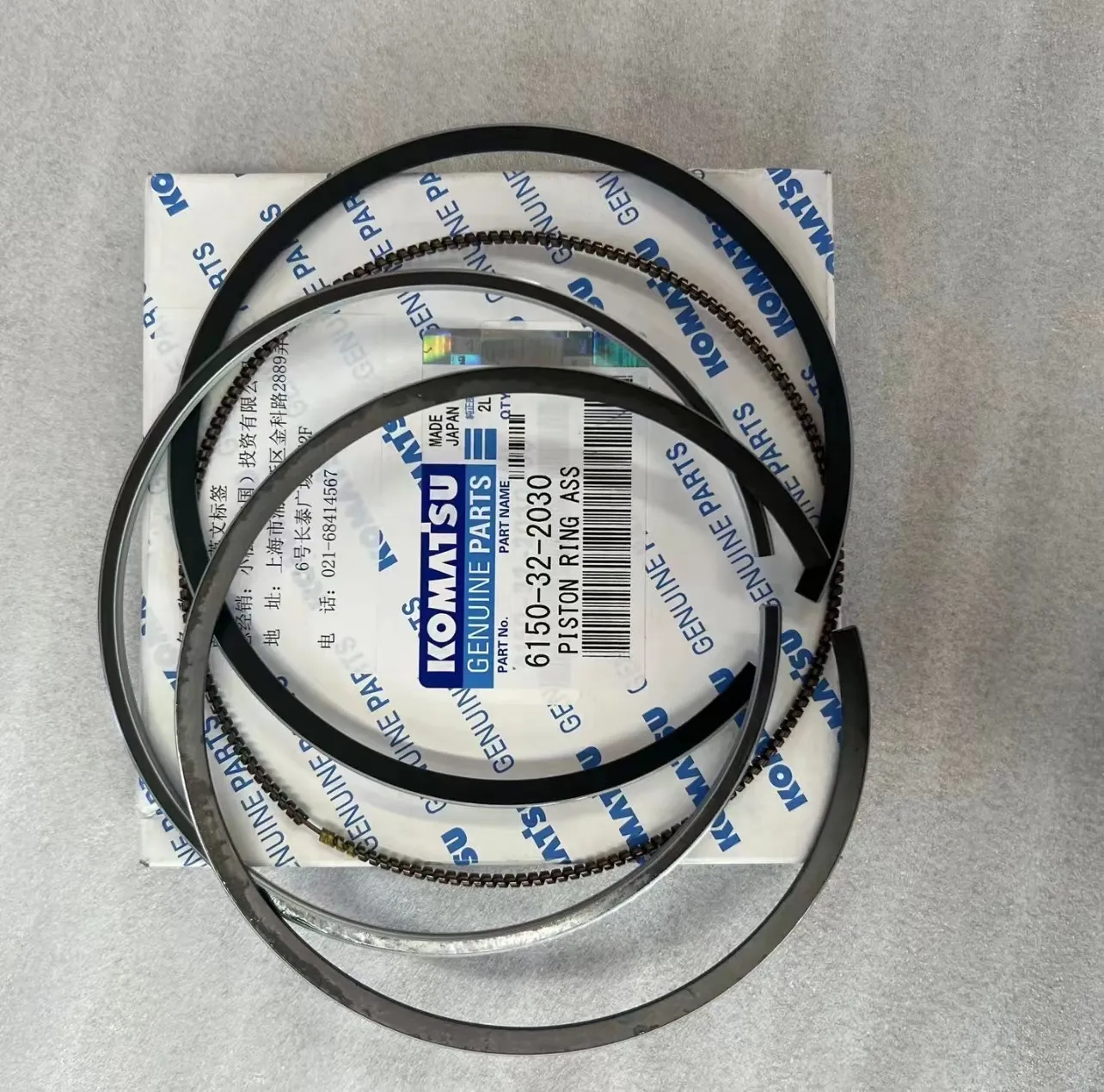

Best Selling Products
Best Selling Products-
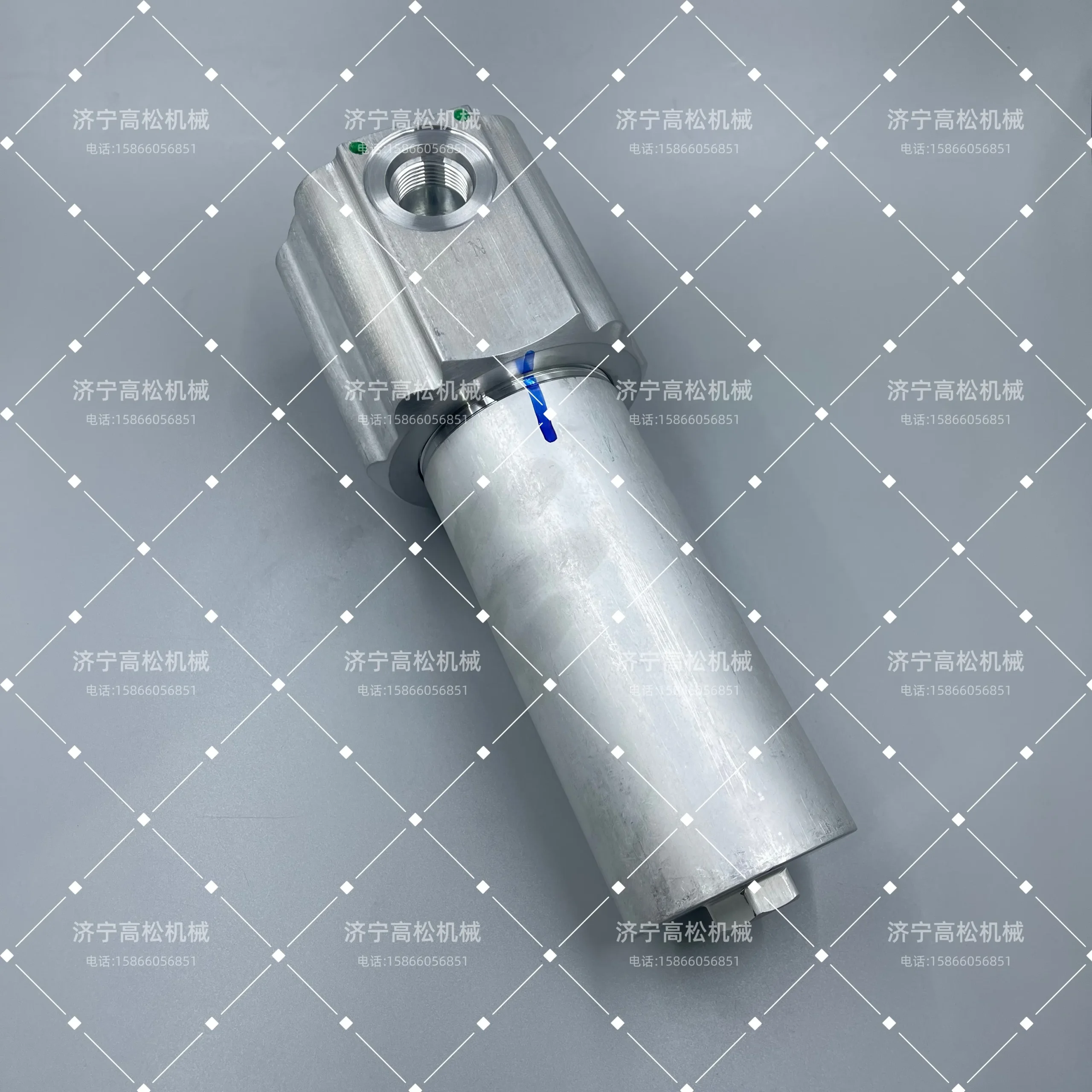 Filter Assembly 569-43-83911 for Komatsu HD785 Dump Trucks
 -
 Excavator Gear Pump 705-95-05140 Stainless Steel Vertical…
 -
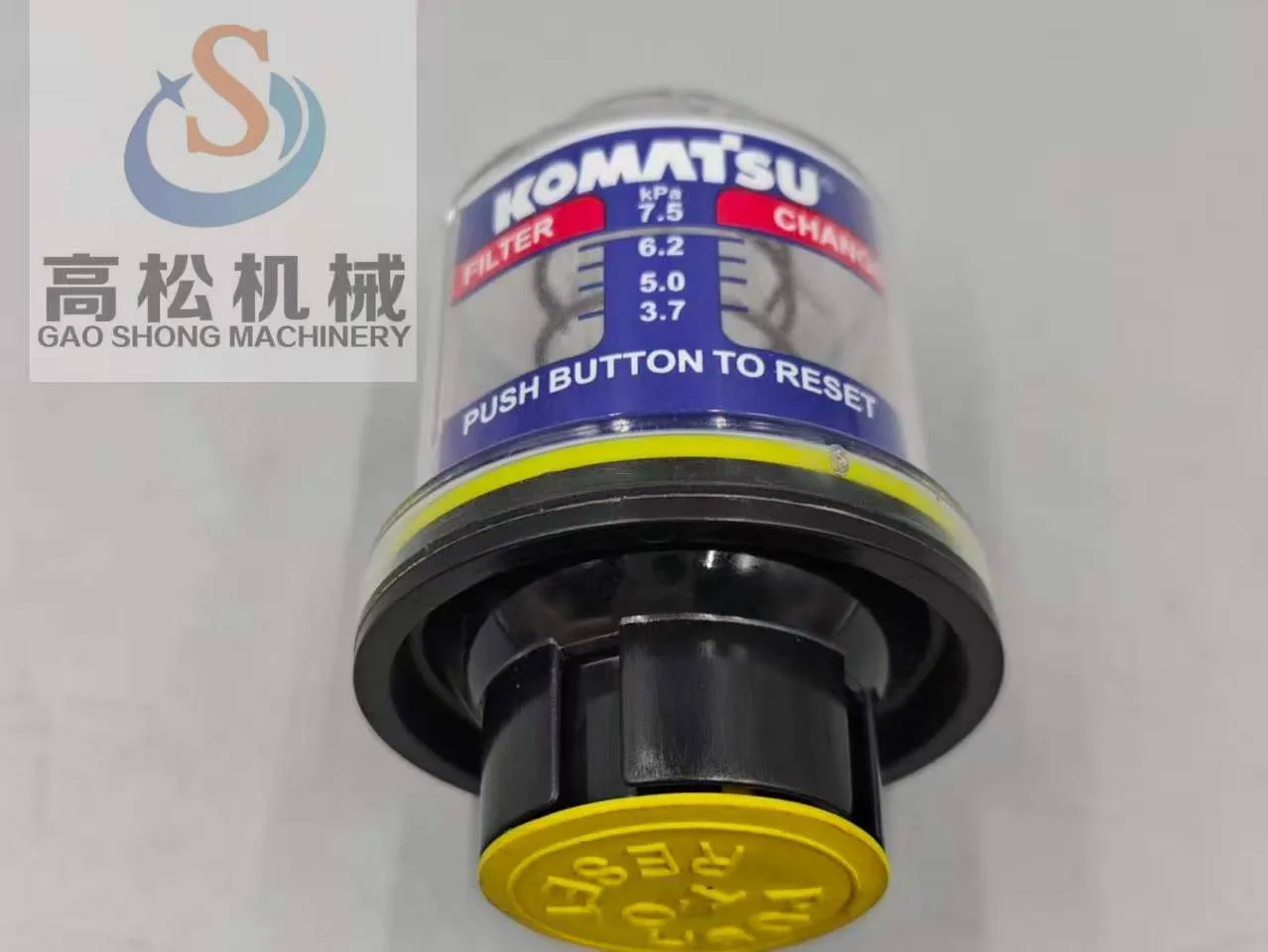 Komatsu GD405A-3 6D125E engine original factory engineering parts Indicator 08672-01000
 -
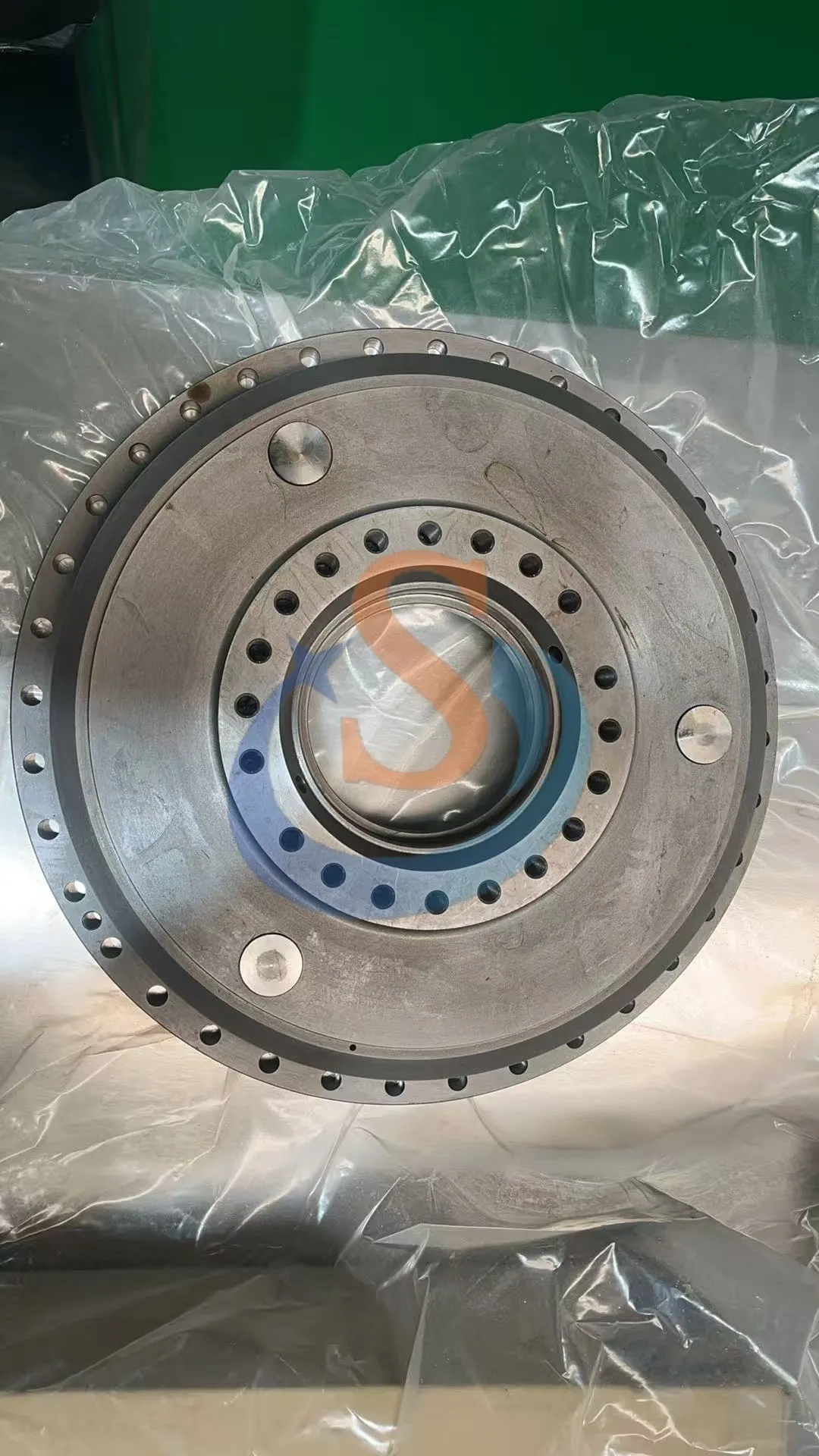 14X-13-57111 komatsu Housing D65
 -
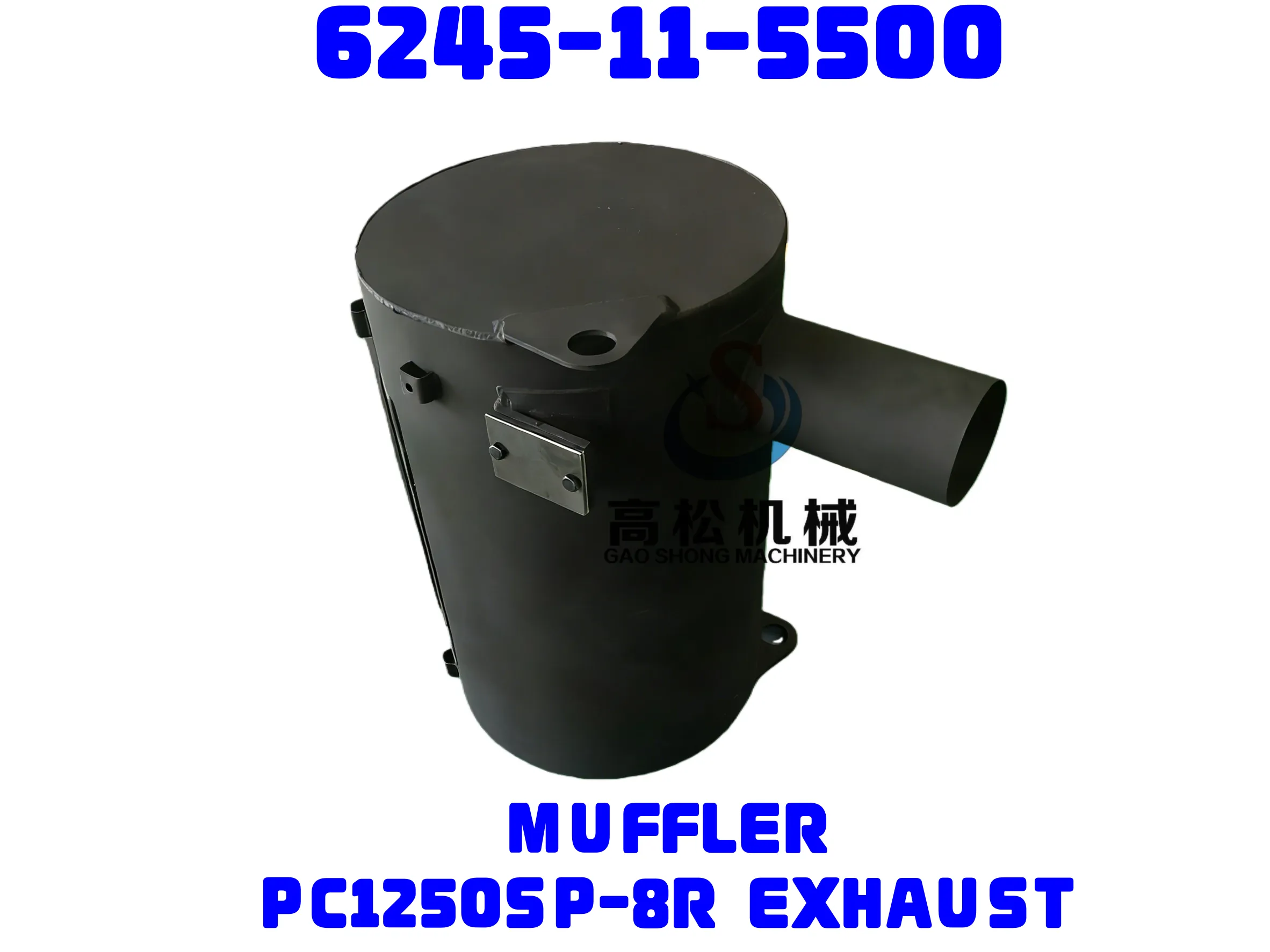 komatsu parts 6245-11-5500 MUFFLER PC1250SP-8R EXHAUST MUFFLER SAA6D170E-5CR-W MUFFLER MOUNTING
 -
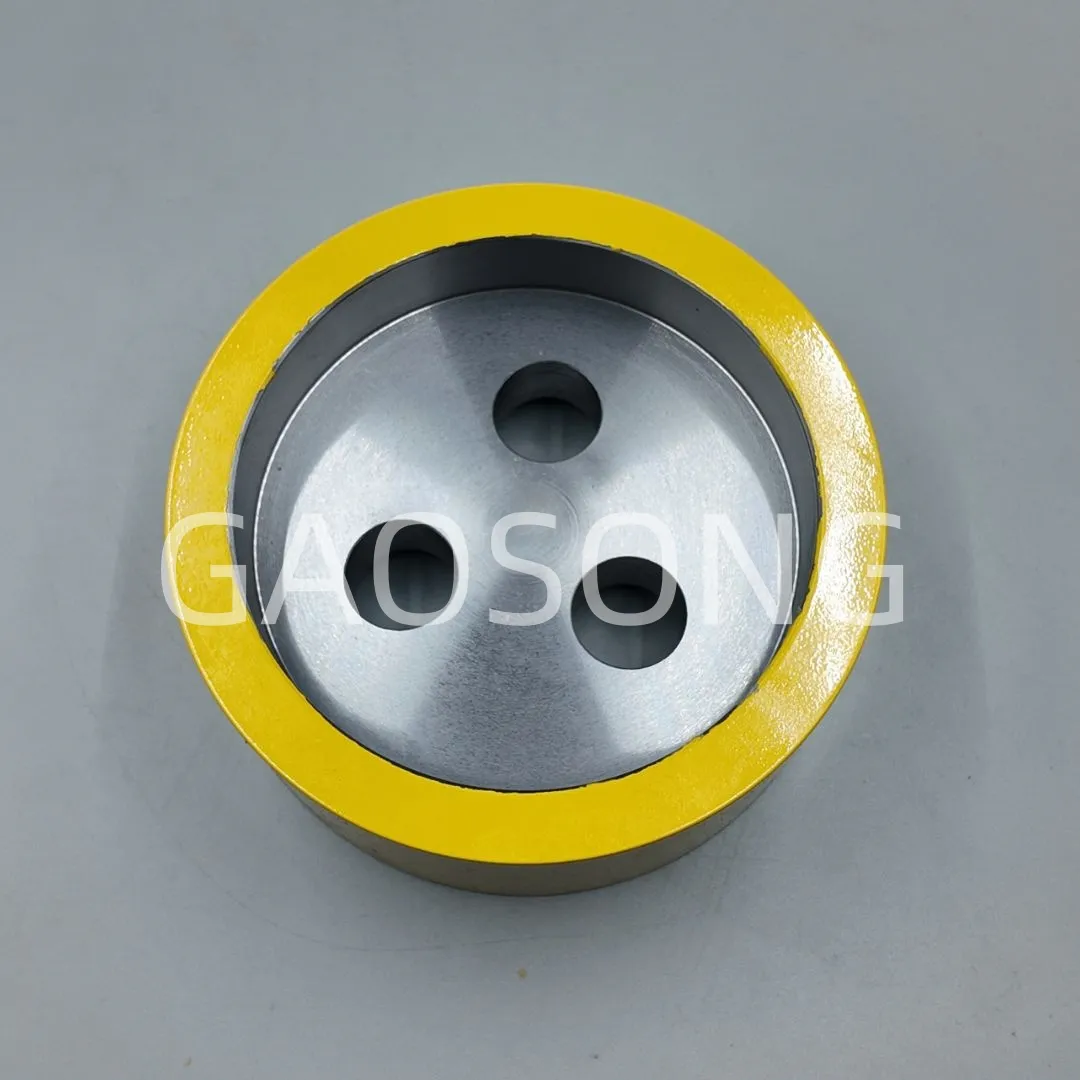 2A8-70-13570 Komatsu Cover
 -
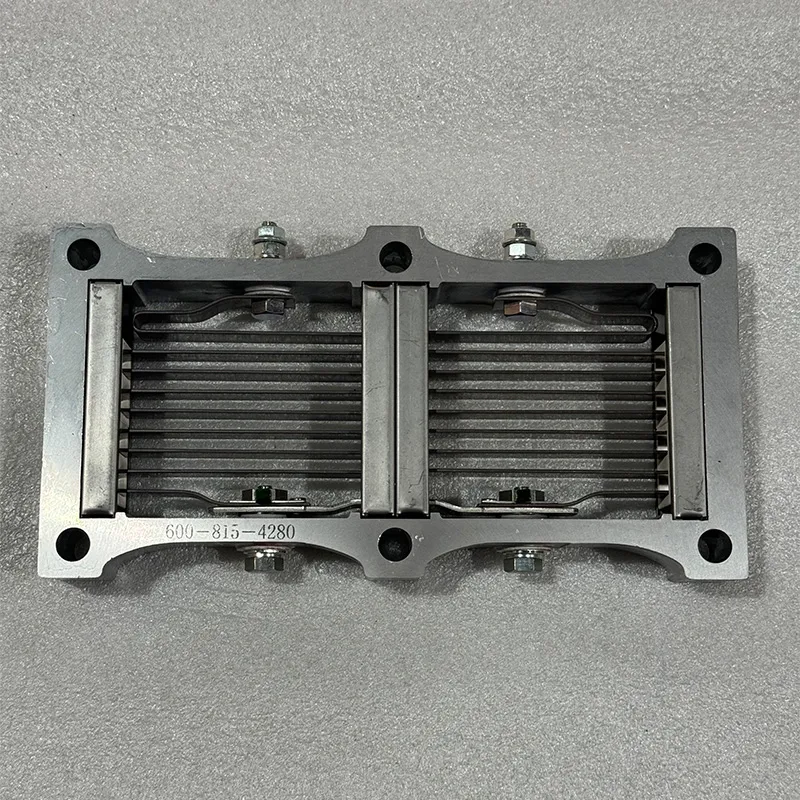 600-815-4280 Original komatsu Heater Ribbon for komatsu SAA6D engines
 -
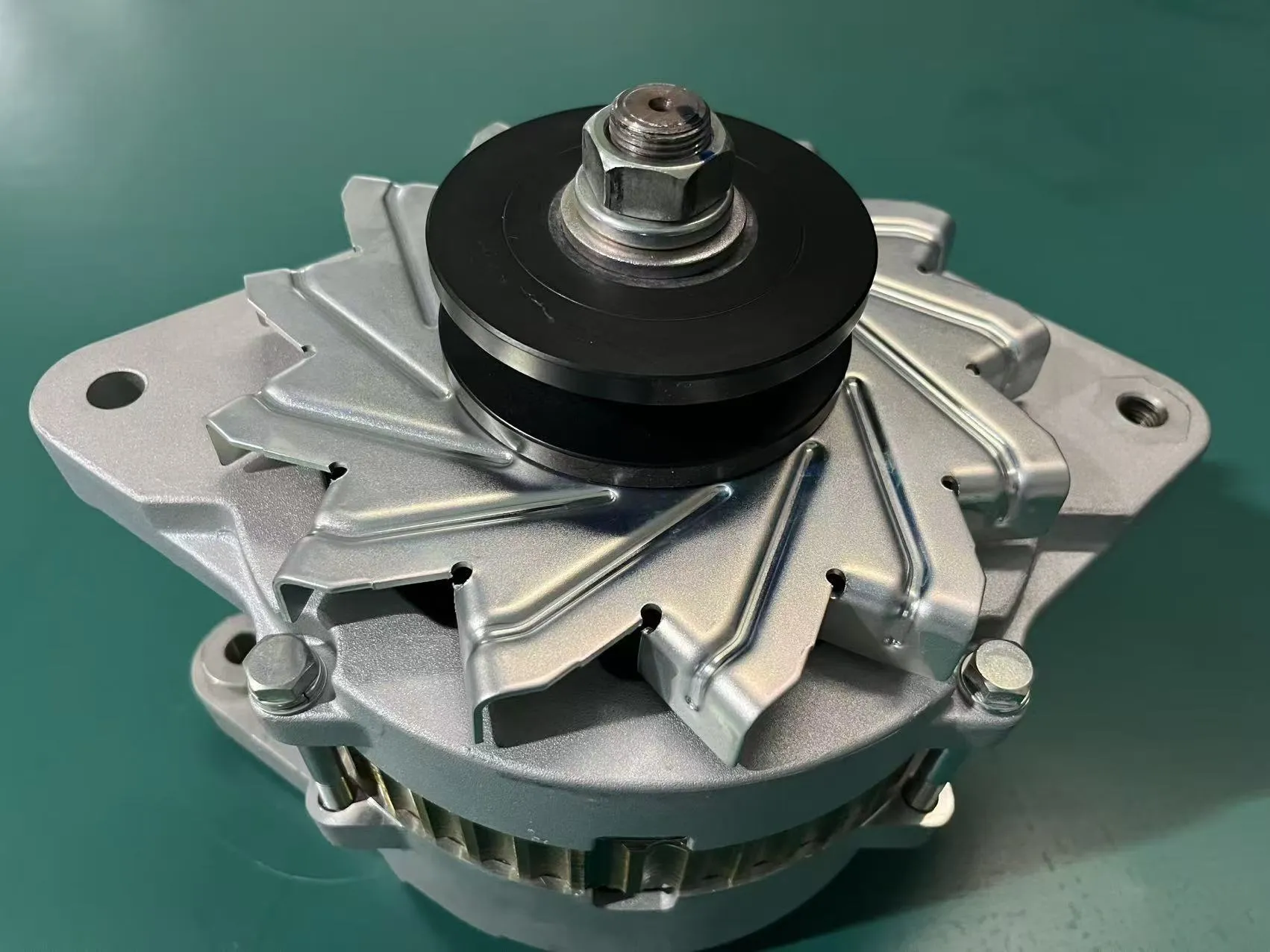 600-825-9332 Komatsu Alternator
 -
 708-2G-12121 •• SHAFT-Komatsu Original Factory
 -
 709-61-11601 Valve Assembly for Komatsu D375A-5
 -
 22U-06-22420 POTENIOMETER ASS’Y-Komatsu Original Factory
 -
 Komatsu frosted sheet 23S-15-12710