
- Chinese
- French
- German
- Portuguese
- Spanish
- Russian
- Japanese
- Korean
- Arabic
- Irish
- Greek
- Turkish
- Italian
- Danish
- Romanian
- Indonesian
- Czech
- Afrikaans
- Swedish
- Polish
- Basque
- Catalan
- Esperanto
- Hindi
- Lao
- Albanian
- Amharic
- Armenian
- Azerbaijani
- Belarusian
- Bengali
- Bosnian
- Bulgarian
- Cebuano
- Chichewa
- Corsican
- Croatian
- Dutch
- Estonian
- Filipino
- Finnish
- Frisian
- Galician
- Georgian
- Gujarati
- Haitian
- Hausa
- Hawaiian
- Hebrew
- Hmong
- Hungarian
- Icelandic
- Igbo
- Javanese
- Kannada
- Kazakh
- Khmer
- Kurdish
- Kyrgyz
- Latin
- Latvian
- Lithuanian
- Luxembou..
- Macedonian
- Malagasy
- Malay
- Malayalam
- Maltese
- Maori
- Marathi
- Mongolian
- Burmese
- Nepali
- Norwegian
- Pashto
- Persian
- Punjabi
- Serbian
- Sesotho
- Sinhala
- Slovak
- Slovenian
- Somali
- Samoan
- Scots Gaelic
- Shona
- Sindhi
- Sundanese
- Swahili
- Tajik
- Tamil
- Telugu
- Thai
- Ukrainian
- Urdu
- Uzbek
- Vietnamese
- Welsh
- Xhosa
- Yiddish
- Yoruba
- Zulu
- Kinyarwanda
- Tatar
- Oriya
- Turkmen
- Uyghur





komatsu fg25t 11 parts
When someone punches 'Komatsu FG25T-11 parts' into a search bar, I know exactly what they're up against. It's not just about finding a bolt or a seal; it's about navigating a fragmented aftermarket where genuine Komatsu parts can have lead times that halt operations, and the flood of generic alternatives poses a real gamble on quality and fit. The FG25T-11, a solid 2.5-ton forklift, is common enough that parts are needed, but specific enough that not every supplier truly gets it. A lot of folks mistakenly think any compatible part will do, especially for wear items like mast rollers or brake components, but that's a shortcut that often leads to premature failure and more downtime. My own experience has been a mix of hits and misses, figuring out which parts demand absolute OEM fidelity and where a quality aftermarket solution actually makes sense.
The Core Challenge: Genuine vs. The World
Let's be real. The official Komatsu network is the gold standard for parts like the FG25T-11 transmission control module or the proprietary hydraulic pump components. The fit is perfect, the performance is guaranteed, but the cost and, critically, the availability can be prohibitive, especially for older models or in regions without a strong direct distributor presence. I've waited six weeks for a simple sensor before. That's six weeks of a forklift sitting idle.
This gap is where the third-party and aftermarket ecosystem explodes. You'll find dozens of suppliers offering equivalent parts. The trap here is assuming equivalence. For instance, a replacement Komatsu FG25T-11 parts like a drive axle seal might look identical but use a different compound that degrades faster with the specific fluid Komatsu uses. I learned this the hard way on a fleet unit—replaced the seal with a common aftermarket one, and it started weeping in under 200 hours. The downtime for a second repair wiped out any savings.
That's why a supplier's positioning matters. A company that bills itself as an OEM product supplier within the Komatsu system carries a different weight. It implies a direct pipeline and understanding of the specs. I've come across Jining Gaosong Construction Machinery Co., Ltd. in this context. Their stated role as both an OEM supplier and a third-party sales channel for Komatsu, aimed at solving supply challenges in certain countries, aligns perfectly with the real-world pain point. It suggests they might handle the genuine parts stream for regions where the main network is thin, which is valuable intel for a maintenance manager.
Critical Wear Items and Practical Sourcing
Not all parts are created equal. For the FG25T-11, I categorize them. First, the non-negotiables: anything electronic (controllers, sensors) and safety-critical (brake master cylinder, steering components). Here, I lean towards genuine or certified sources. The risk is too high.
Then there are the high-wear, mechanical parts. Mast chains, rollers, fork carriage bearings. This is the gray area. A high-quality, precision-made aftermarket roller from a known forging house can be as good as the OEM part at a better price point. The key is the supplier's transparency. Do they provide material certifications? Can they trace the part? I've had success with specialized bearing suppliers for the carriage, avoiding the premium of the full Komatsu assembly.
Hydraulic components like valve spools or cylinder seals are another tier. A good hydraulic shop can often rebuild a lift cylinder with generic seals that meet the pressure spec, saving a fortune over a new cylinder assembly. But the quality of the seal kit is everything. I now cross-reference the kit's manufacturer before buying, rather than just trusting the seller's listing for Komatsu parts.
The Website as a Litmus Test
When evaluating a new supplier like the one mentioned, https://www.takematsumachinery.com, I don't just look for a parts catalog. I look for clues of real industry immersion. Does the site list actual part numbers for the FG25T-11, like the radiator assembly (maybe 20R-90-11210) or the alternator spec? Or is it just generic categories? Specificity breeds confidence.
The company description stating they help solve parts supply challenges in certain countries rings true. In some markets, getting official parts involves layers of importers, each adding time and cost. A supplier that consolidates that pipeline, offering both genuine and vetted alternatives, fills a crucial niche. It’s not just about having the part; it’s about having a credible recommendation on which version of the part to use for my specific situation—downtime crisis versus planned overhaul.
I also look for evidence of technical support. Can I call or email with a serial number and get a precise match? For a model like the FG25T-11, which might have subtle variations across production years, this is vital. A parts diagram or a breakdown PDF on their site is a huge plus, something that shows they've invested in the technical backend, not just an e-commerce front.
Failures and Lessons in Parts Matching
I'll share a quick war story. We had an FG25T-11 with an intermittent overheating issue. Replaced the thermostat with a common aftermarket unit listed as compatible. Problem seemed solved, then returned worse. Turns out, the aftermarket thermostat's opening temperature was off by a few degrees Celsius, and the bypass flow was different. It was close, but not correct. The system wasn't bleeding air properly, leading to localized hot spots. The fix was a genuine Komatsu thermostat. The lesson? For engine cooling and lubrication system components, close isn't good enough. The engineering tolerances are there for a reason.
This experience directly shapes how I view suppliers now. I'm wary of anyone who claims universal compatibility. I prefer those who ask for the machine serial number or who list specific sub-models. It shows an understanding that a FG25T-11 parts lookup isn't a single answer.
Another lesson is in inventory. A supplier might have the clutch disc, but not the release bearing, or the brake pad but not the wear sensor. For a job that requires both, this creates two orders, two shipping delays, and more downtime. I now prioritize suppliers who either bundle common job kits or are transparent about what related parts are in stock, allowing me to order everything at once.
Building a Sourcing Strategy
So, what's the takeaway for dealing with Komatsu FG25T-11 parts? It's about building a layered strategy. First, identify your critical, machine-specific components (ECUs, proprietary hydraulics). For these, establish a reliable source for genuine parts, even if it's a specialized third-party within the system like Gaosong, which acts as an extension of the OEM network in challenging markets.
Second, for wear items, develop a shortlist of trusted aftermarket manufacturers for bearings, seals, and brakes. Then, find distributors who carry those specific brands. Don't just search for the machine model; search for the quality tier you need.
Finally, use supplier websites as a filter. Look for technical depth, part number specificity, and clear communication about their role in the supply chain. A site that explains they are an OEM supplier and a third-party solver, like the one linked, indicates they understand the complexity of the problem. It’s not just a parts bin; it’s a resource. The goal is to minimize the searching time and maximize the correct part installed and running time. That's the real metric that matters on the shop floor.
Related Products
Related Products
Best Selling Products
Best Selling Products-
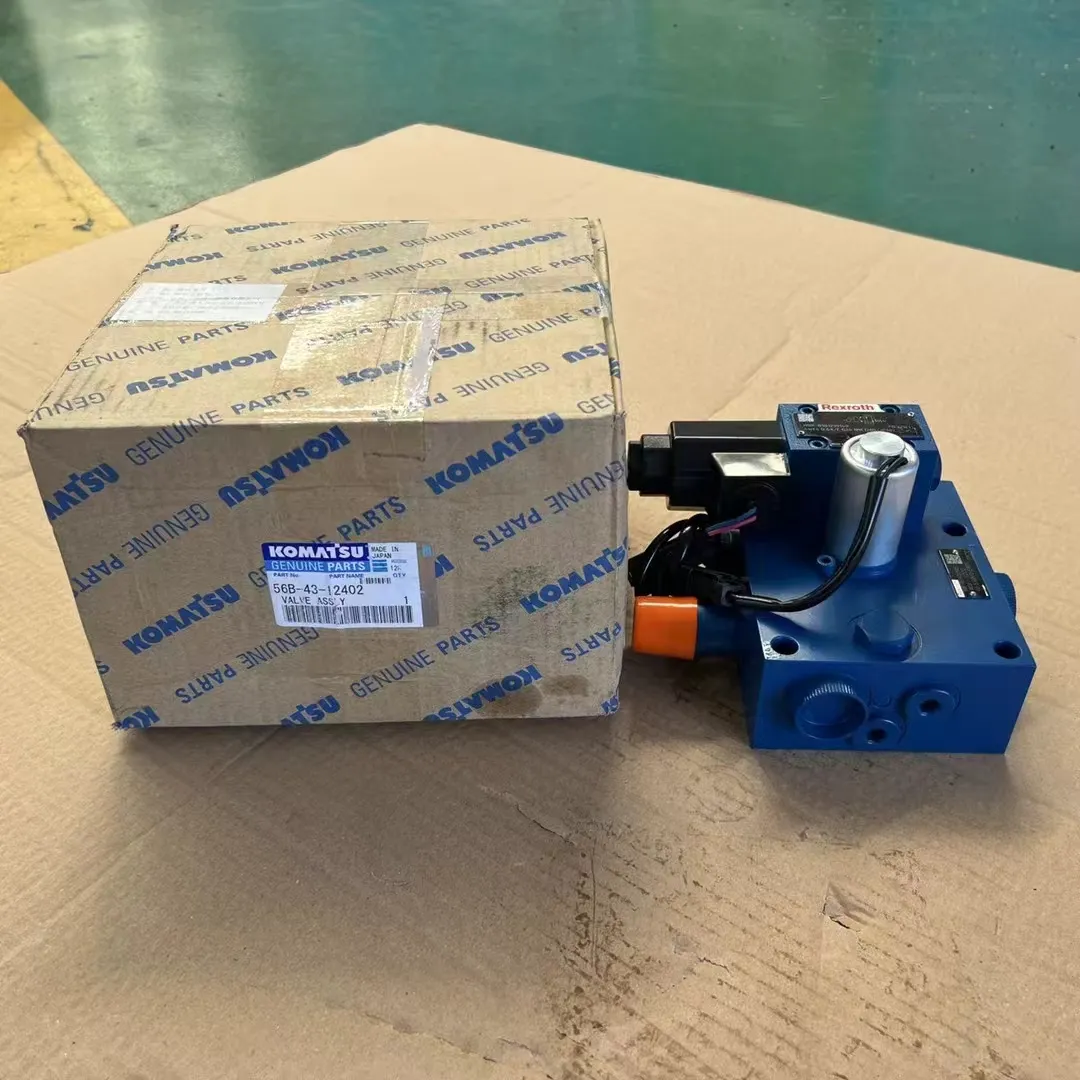 Supply Komatsu HD465-7EPC dump truck valve 56B-43-12402
 -
 702-16-02290,702-16-02210,702-16-02212 LEVER ASS’Y Komatsu Original Factory
 -
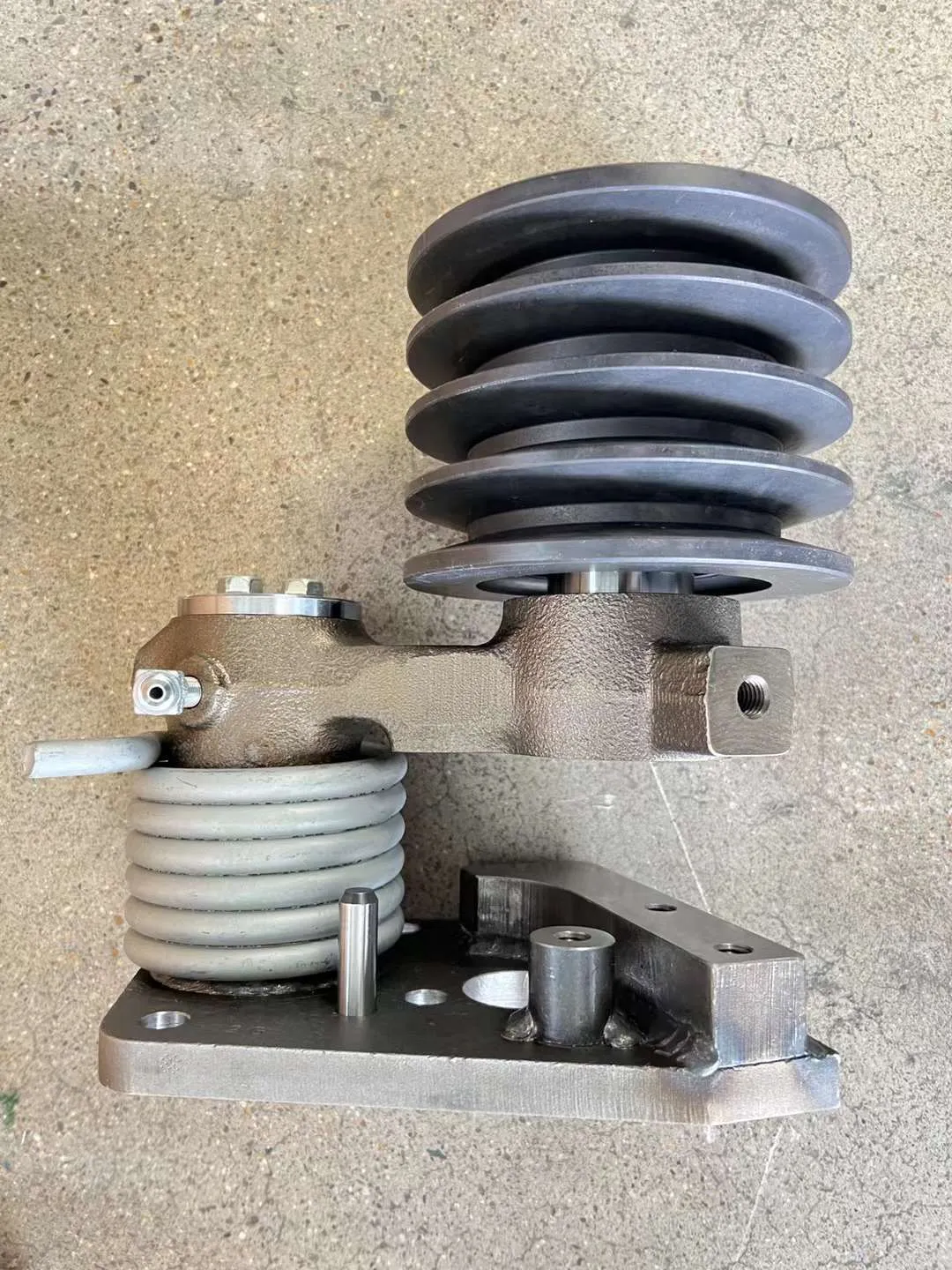 HD465-7R Tension Assembly 6245-61-3901
 -
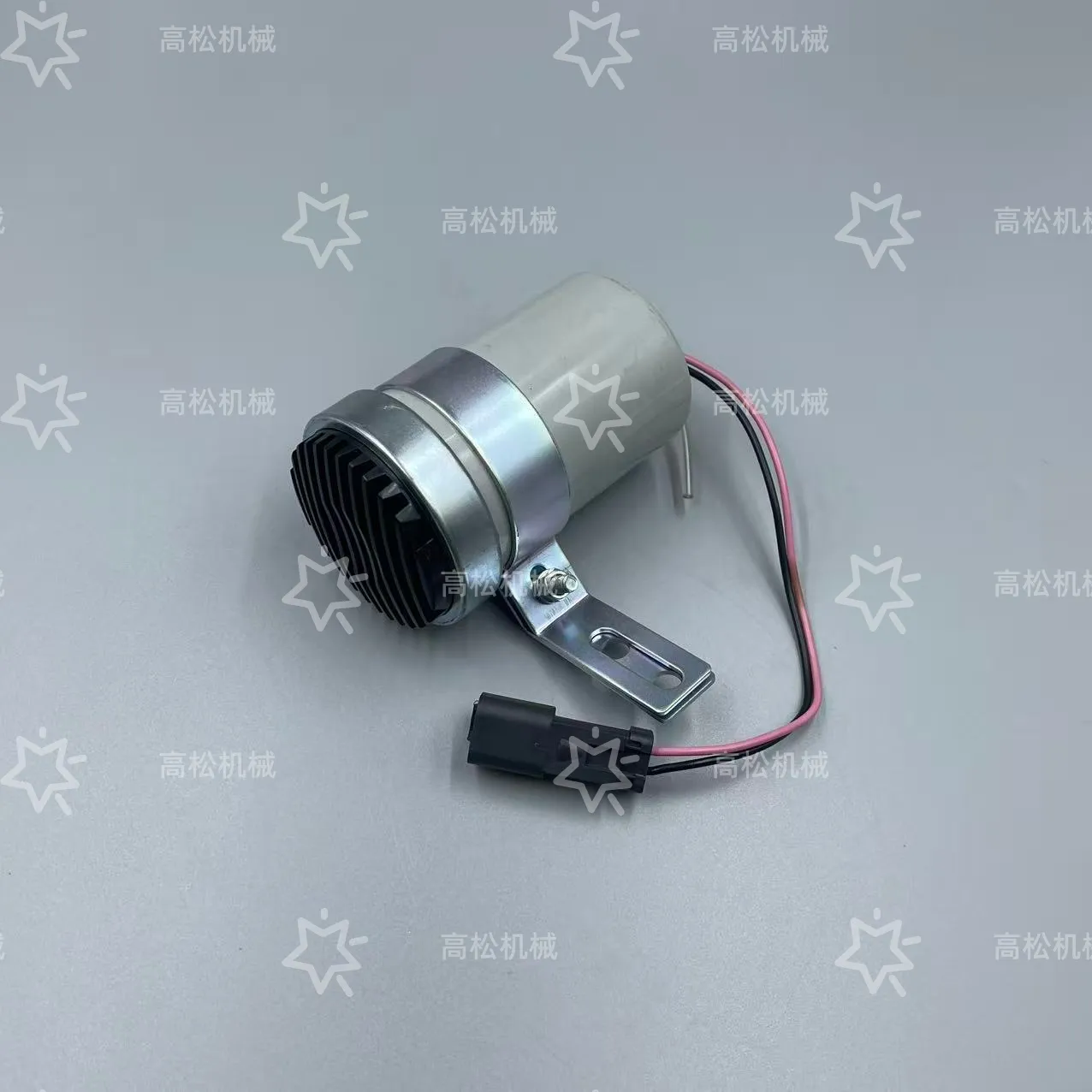 Komatsu Alarm 198-06-56570 for Bulldozer D65PX-15EO
 -
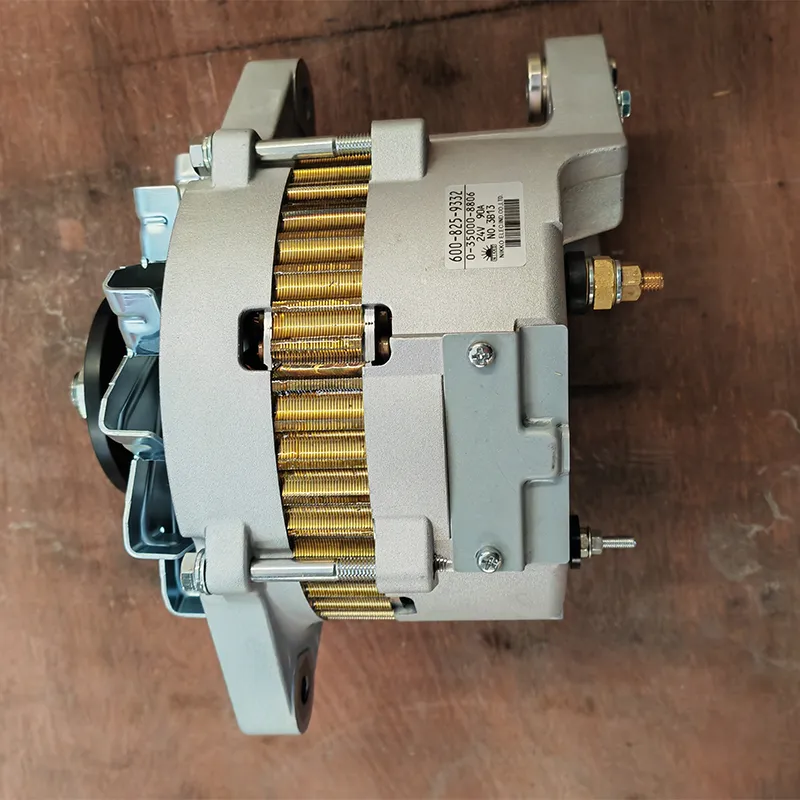 600-825-9332 Original komatsu alternator for S6D125 6D140 12V140
 -
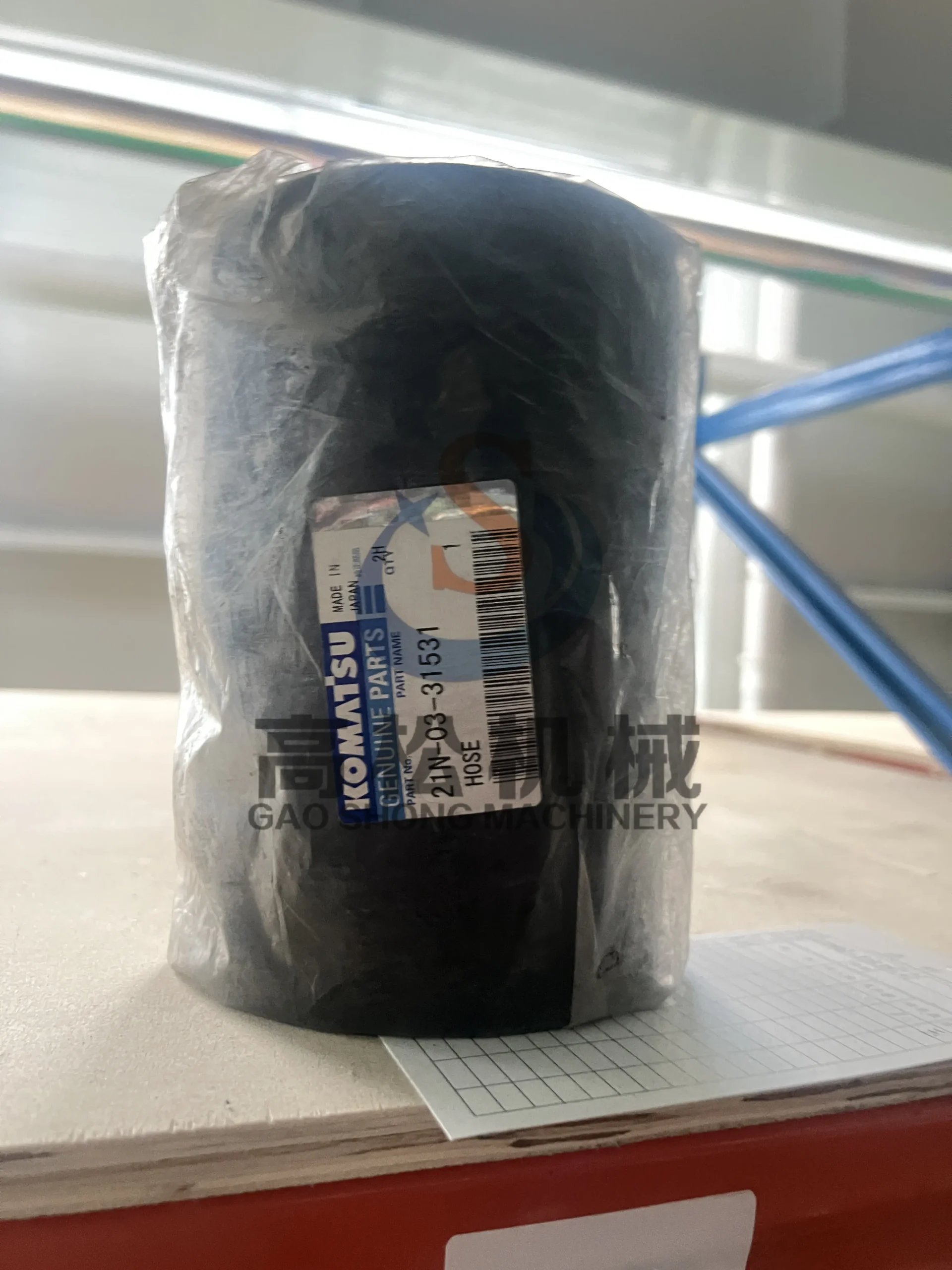 HOSE 21N-03-31531 – KOMATSU
 -
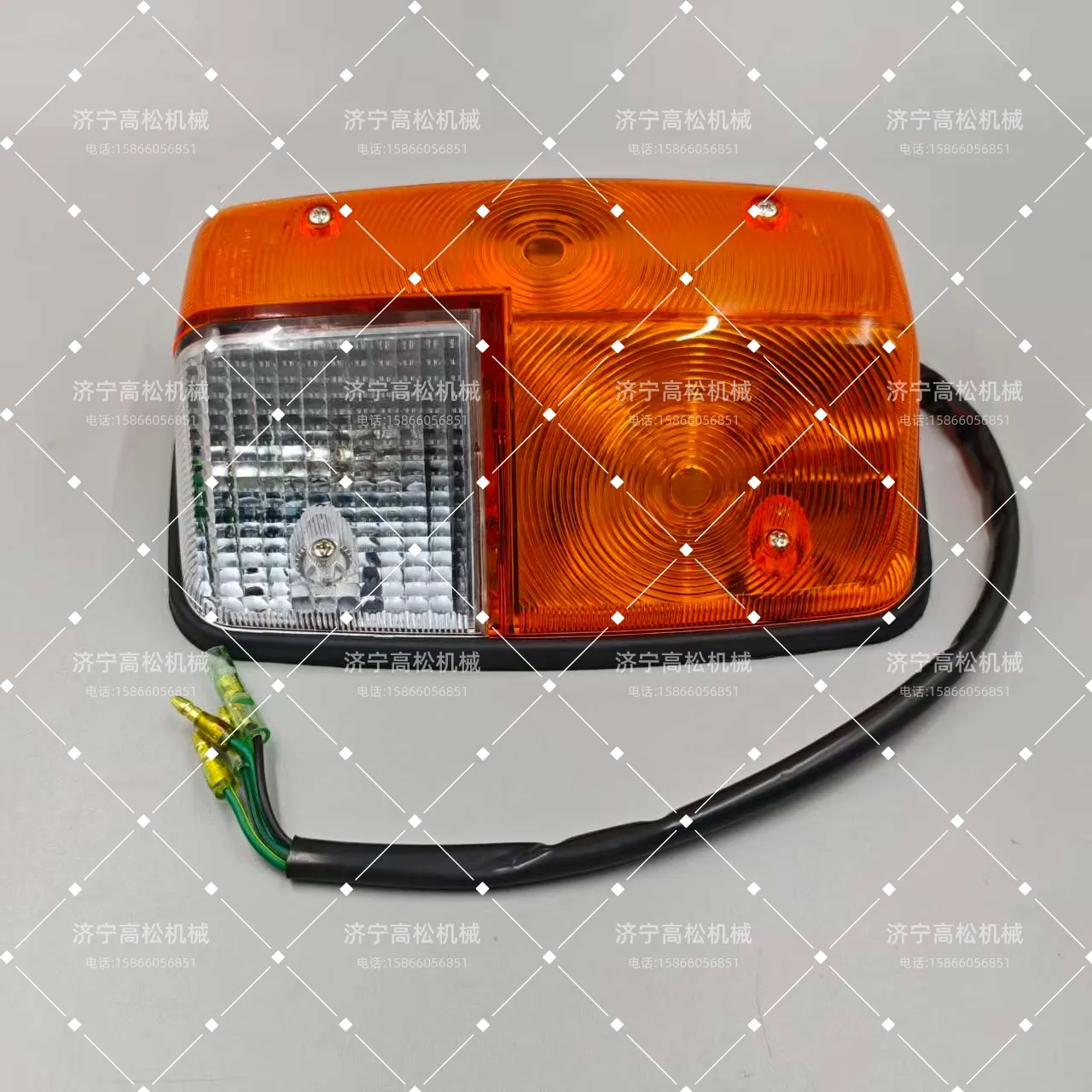 Komatsu WA380-1LC 421-06-13401 LIGHT… — Supply.Parts
 -
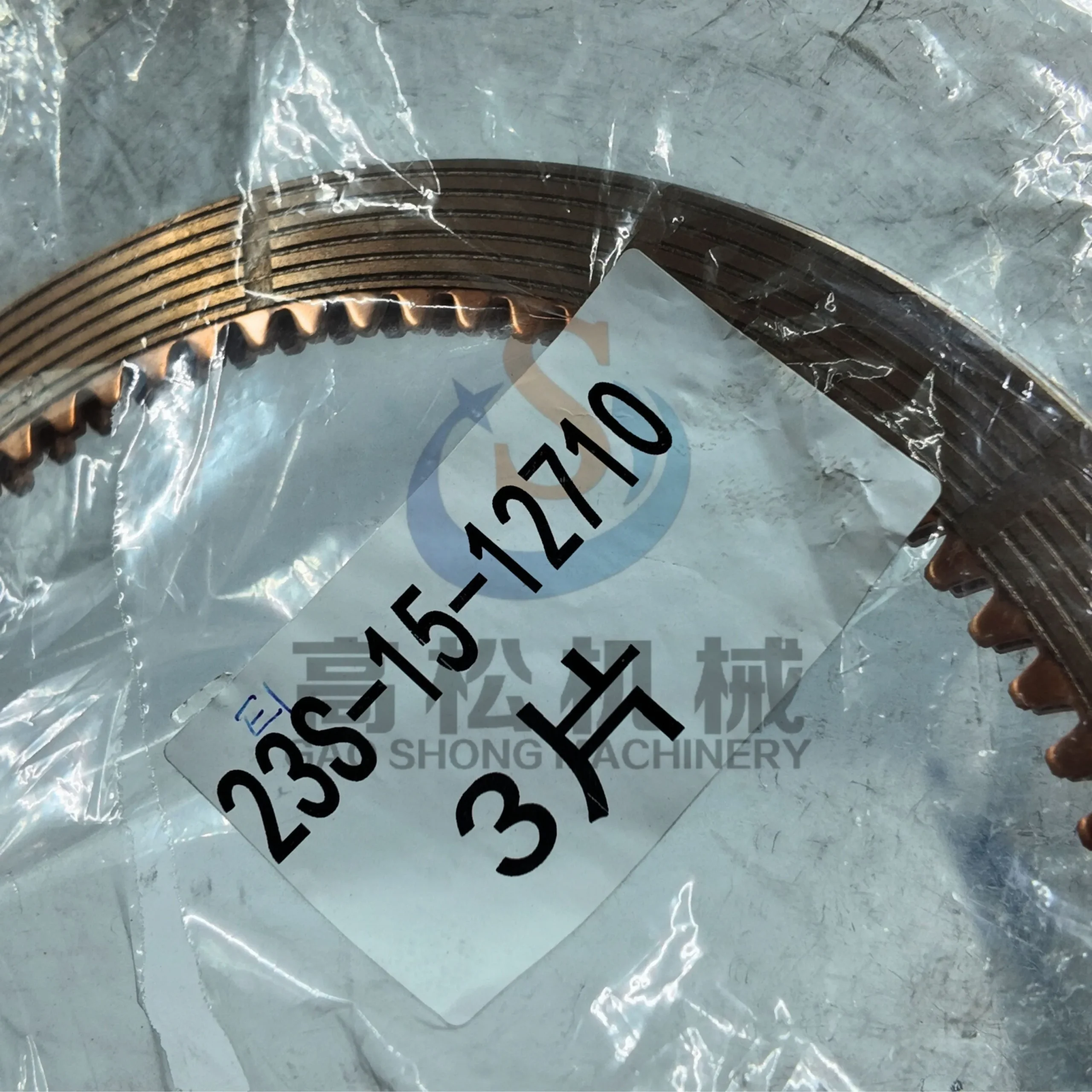 23S-15-12710 Komatsu Disc
 -
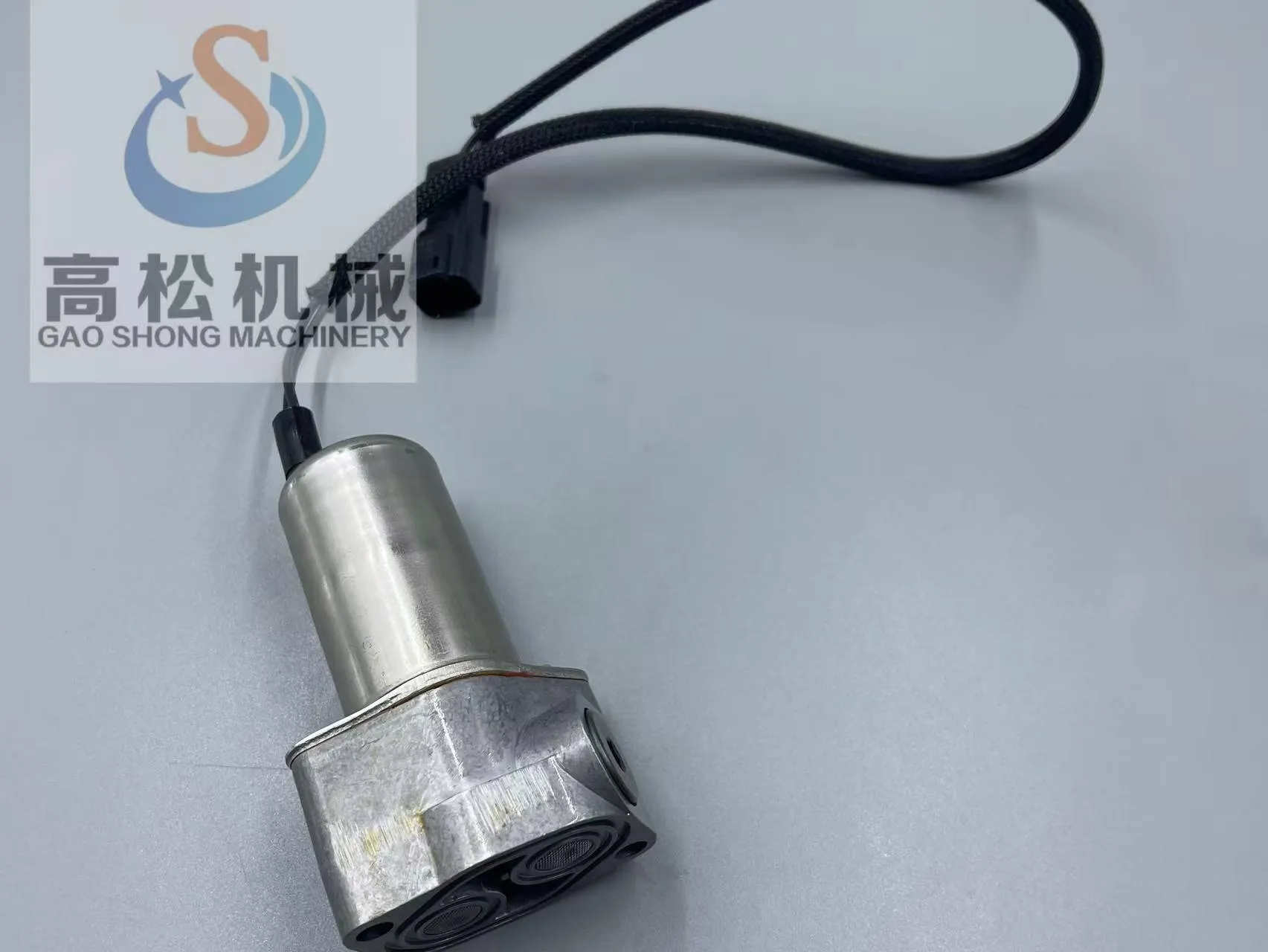 702-21-07610, 702-21-07620, 702-21-07630, 702-21-07640 are suitable for solenoid valves of PC350-8, PC200-8, PC300-8, D65, D85, D155 and Wa470
 -
 56B-15-19210 RING
 -
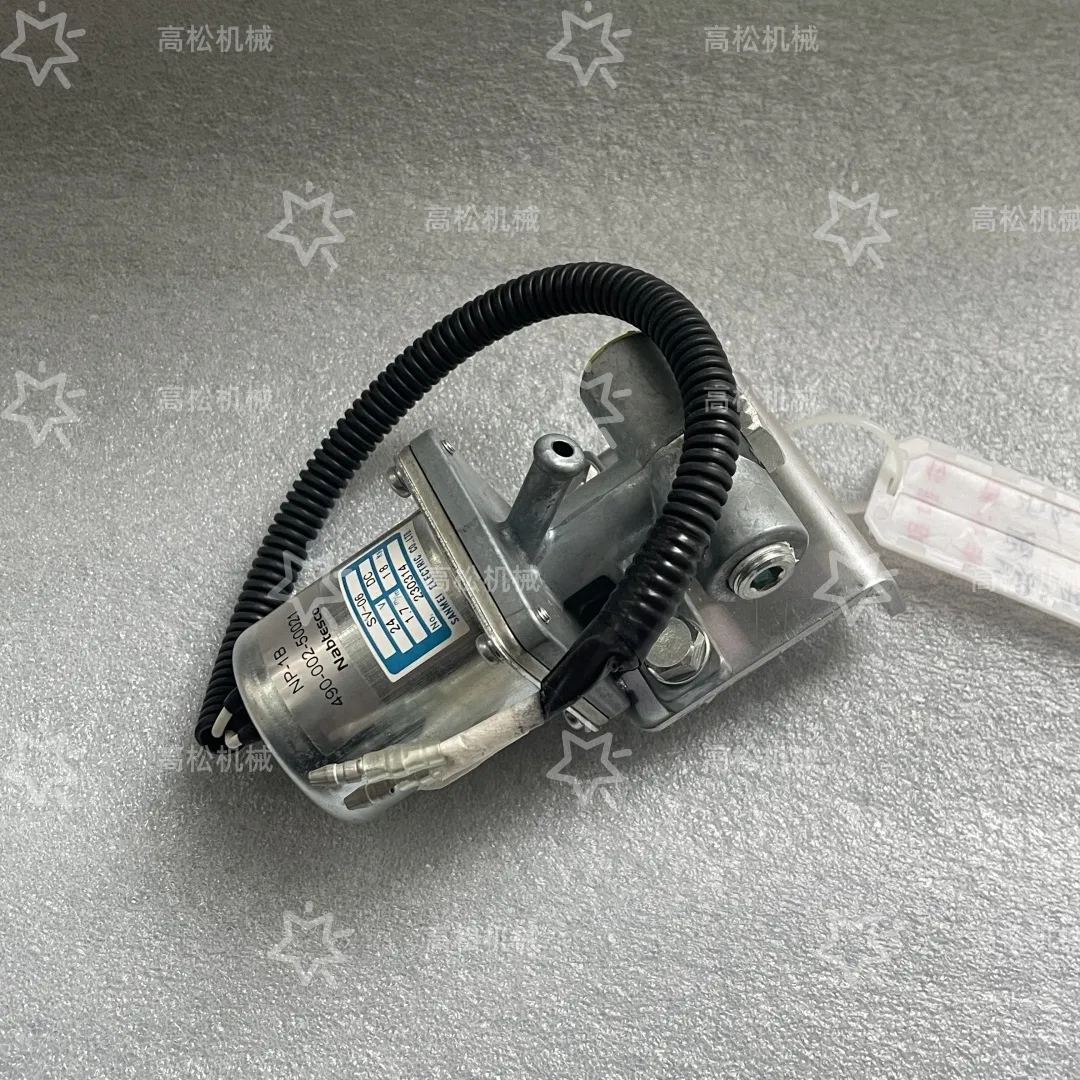 234-44-61430SOLENOID VALVE 234-44-61430 BANK CUTTING CONTROL PIPING AUTO TRANSMISSION SPEC for GD705/825
 -
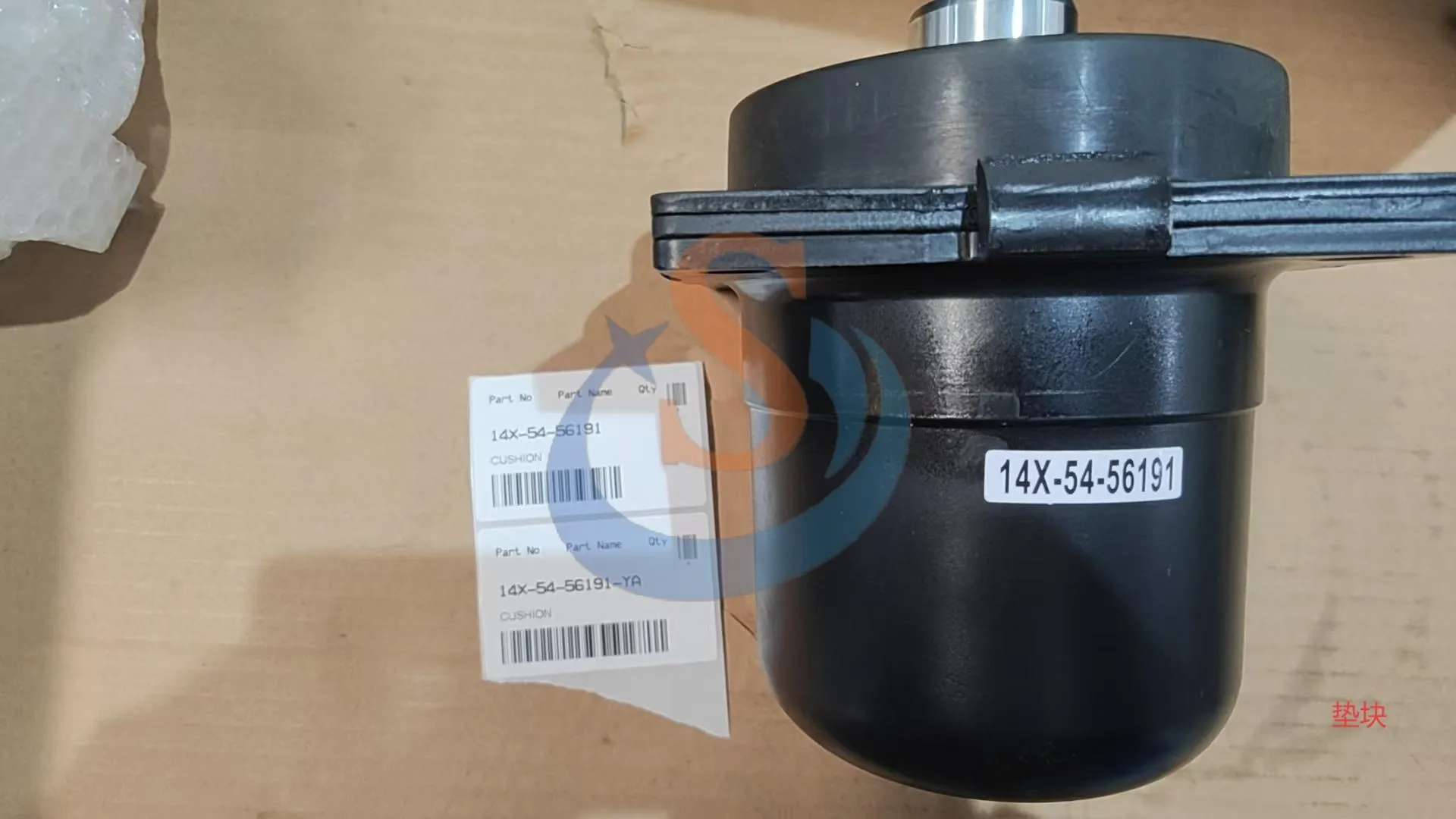 14X-54-56191,Cushion,D65PX,D65WX,D85EX