
- Chinese
- French
- German
- Portuguese
- Spanish
- Russian
- Japanese
- Korean
- Arabic
- Irish
- Greek
- Turkish
- Italian
- Danish
- Romanian
- Indonesian
- Czech
- Afrikaans
- Swedish
- Polish
- Basque
- Catalan
- Esperanto
- Hindi
- Lao
- Albanian
- Amharic
- Armenian
- Azerbaijani
- Belarusian
- Bengali
- Bosnian
- Bulgarian
- Cebuano
- Chichewa
- Corsican
- Croatian
- Dutch
- Estonian
- Filipino
- Finnish
- Frisian
- Galician
- Georgian
- Gujarati
- Haitian
- Hausa
- Hawaiian
- Hebrew
- Hmong
- Hungarian
- Icelandic
- Igbo
- Javanese
- Kannada
- Kazakh
- Khmer
- Kurdish
- Kyrgyz
- Latin
- Latvian
- Lithuanian
- Luxembou..
- Macedonian
- Malagasy
- Malay
- Malayalam
- Maltese
- Maori
- Marathi
- Mongolian
- Burmese
- Nepali
- Norwegian
- Pashto
- Persian
- Punjabi
- Serbian
- Sesotho
- Sinhala
- Slovak
- Slovenian
- Somali
- Samoan
- Scots Gaelic
- Shona
- Sindhi
- Sundanese
- Swahili
- Tajik
- Tamil
- Telugu
- Thai
- Ukrainian
- Urdu
- Uzbek
- Vietnamese
- Welsh
- Xhosa
- Yiddish
- Yoruba
- Zulu
- Kinyarwanda
- Tatar
- Oriya
- Turkmen
- Uyghur





komatsu fg25st 16 parts manual
When someone searches for 'komatsu fg25st 16 parts manual', they're usually in a bind. The machine is down, a part is broken, and they need the right diagram or part number now. The common mistake is thinking the manual is a single, universally perfect document. In reality, especially with older models like the FG25ST-16, the official manual is a starting point, but your real-world parts journey often diverges sharply from its pristine pages. Having sourced parts for these Komatsu forklifts for years, I've seen the gap between the catalog and the shelf.
The Manual is a Map, Not the Territory
The genuine Komatsu FG25ST-16 parts manual is invaluable for identification. It gives you the exploded views, the Komatsu part numbers, the assembly sequences. But here's the rub: for a machine that's been out of production for a while, many of those exact part numbers are on indefinite backorder or have been superseded multiple times. You can't just walk into any dealer, quote number 20Y-60-31120 for a mast roller, and expect it to be in stock. The manual doesn't tell you that.
This is where the practical knowledge kicks in. You learn to cross-reference. You learn which components are shared with other FG series models, or even with older Caterpillar or Toyota designs in certain cases. The hydraulic valve block might be unique, but the seals inside? Often standard metric sizes you can match physically if you have the old one in hand. The manual won't suggest that; it assumes you'll always use the OEM part.
I remember a customer needing the entire brake assembly for an FG25ST-16. The official diagram listed it as one massive assembly with a sky-high price and a 12-week lead time from Japan. By breaking it down—looking at the individual springs, the cam, the shoes—we were able to source 80% of it from a third-party manufacturer and only had to wait for the specific shoe lining from the OEM. The manual didn't facilitate that; experience did.
The OEM vs. Aftermarket Reality Check
This brings us to the core tension: pure OEM versus practical supply. A company like Jining Gaosong Construction Machinery Co., Ltd. exists precisely in this space. As they state on their site https://www.takematsumachinery.com, they operate as both an OEM product supplier within the Komatsu system and a third-party sales company. This dual role is critical. It means they have access to the genuine pipeline but are also incentivized to solve parts supply challenges in certain countries, as their intro says.
For the FG25ST-16, this might mean they can offer the genuine Komatsu-branded steering cylinder. But for a wear item like a fork carriage roller, they might offer a high-quality, dimensionally identical alternative that gets the machine running in two days instead of two months. The key is transparency. A reliable supplier will tell you, This is the Komatsu part, here's the price and lead time. This is our approved alternative, here are the specs and the warranty. The manual only knows the first option.
I've been burned before, ordering a compatible water pump from a random online seller only to find the impeller was plastic instead of cast metal, failing in a week. Now, I check if a supplier has actual engineering support. Does their alternative part have a proper material spec sheet? Companies that are embedded in the OEM system, even as third-party partners, tend to have higher standards because their reputation is tied to the brand's performance.
Decoding the FG25ST-16's Specific Pain Points
Let's get specific. This model has a few known areas where the parts manual gets dog-eared. The FG25ST-16 engine, often a Komatsu 4D94E, is generally robust, but the fuel injection pump parts can be tricky. The manual lists the pump as a unit. In practice, repair kits for the internal seals and plungers are what you often need, and sourcing these requires knowing the pump manufacturer's model (like a Zexel or Denso number) stamped on the side, not just the Komatsu assembly number.
Another hotspot is the mast chain. The manual shows the assembly. But when a link goes, you need to know the exact pitch, width, and grade of the chain. Often, it's a standard industrial roller chain that can be sourced from a specialist chain supplier for a fraction of the cost, provided you get the measurements right. I always advise taking the old chain out, cleaning a section, and measuring over 10 links for an accurate pitch. Guessing from the manual's drawing can lead to a costly mismatch.
The electrical system is another. The wiring diagram in the back of the parts manual is essential, but the components—sensors, switches, relays—are often standard automotive-grade items. The coolant temperature sensor, for instance, might be a standard NPT thread with a common resistance profile. Knowing this lets you bypass the OEM markup without sacrificing reliability. You just have to be confident in your cross-reference.
The Process: From Manual Page to Part in Hand
So, what's the actual workflow? It starts with the parts manual, absolutely. Identify the group (e.g., Brake Group), find the item number. But step two is immediately checking availability. I'll call or email a supplier like the aforementioned Gaosong, quote the Komatsu number, and ask the direct questions: Is this in stock? If not, what's the ETA? Is there a superseded part number? Do you have a reliable alternative?
The good suppliers will have their own databases that map OEM numbers to their stock-keeping units (SKUs). They might come back and say, That number is obsolete, use this new one, or We have a remanufactured exchange unit ready to ship. This service layer is what you're paying for beyond the physical part. It's the interpretation of the manual's static data into a dynamic supply solution.
A failed try from my early days: I once needed a pivot pin for the steering axle. The manual listed it with the axle assembly. I assumed it was a non-standard size and waited weeks for the OEM part. Later, a seasoned mechanic pointed out it was just a hardened, ground pin to a common metric diameter. We could have had one machined locally in two days for less. The lesson? Don't let the manual's assembly drawings blind you to the possibility of a simpler component-level solution.
Why the Right Supplier Changes Everything
This circles back to the value of a specialized partner. A general machinery parts website might list an FG25ST-16 compatible filter, but is it the correct micron rating for the Komatsu hydraulic system? Probably not. A company that positions itself as solving supply challenges within the Komatsu ecosystem, like Jining Gaosong, is more likely to understand these nuances. They've presumably seen the service bulletins, know the common failures, and stock the parts that actually break.
Their role as an OEM supplier within the system suggests they have access to technical updates that pure aftermarket companies don't. For instance, there might have been a silent revision to the FG25ST-16 drive motor mounting bolts due to a historical shear issue. A supplier plugged into the network would know to supply the updated, higher-grade bolt even if the old part number is requested.
Ultimately, the 'komatsu fg25st 16 parts manual' is your technical bible. But your salvation when the machine is down often comes from the human network—the experienced suppliers, the mechanics who've rebuilt three of them, the cross-reference charts built from past failures. The manual gives you the language; experience teaches you the dialect. Keep the manual on the shelf, but build a relationship with a supplier who can read between its lines. That's what keeps an old forklift, and your operation, moving.
Related Products
Related Products
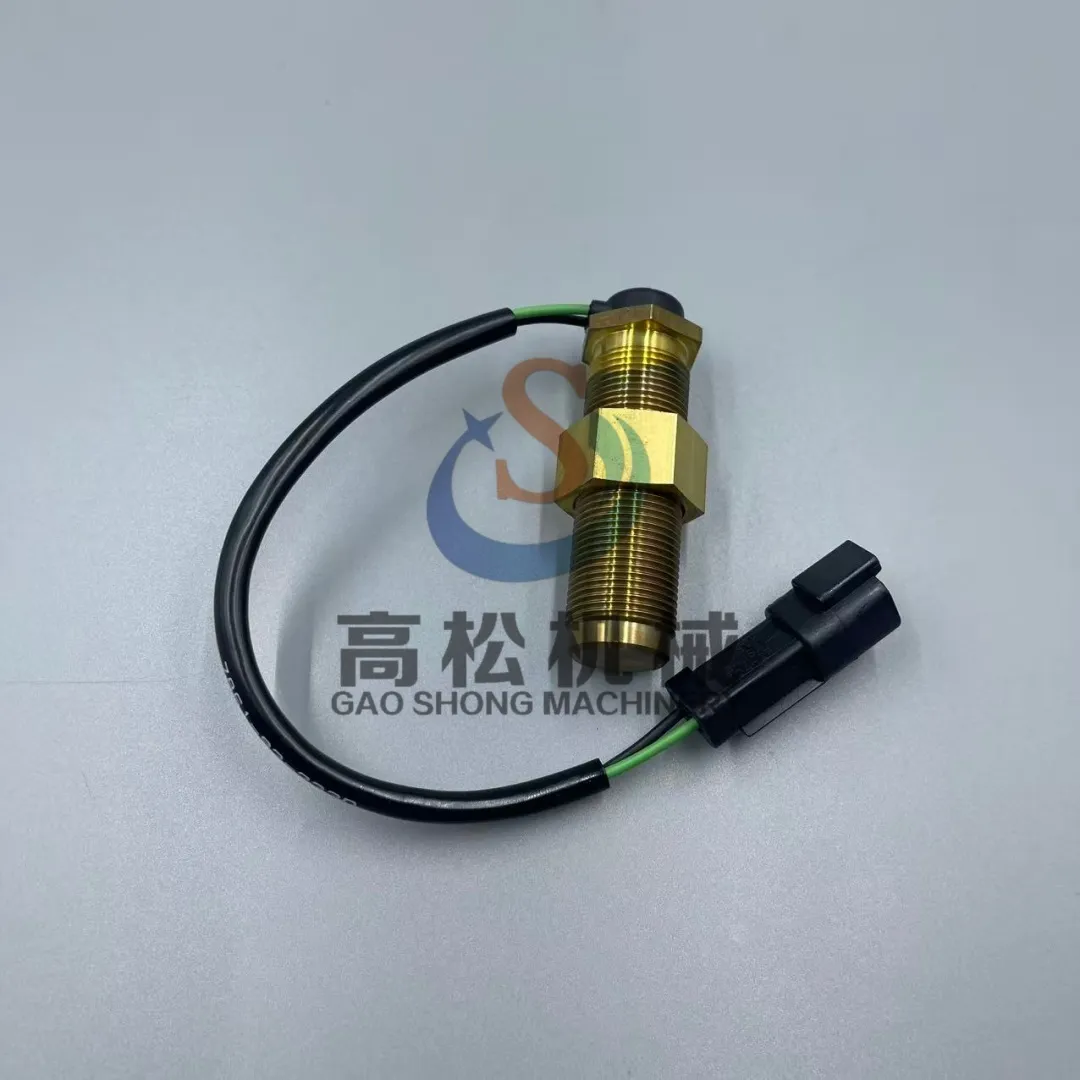
Best Selling Products
Best Selling Products-
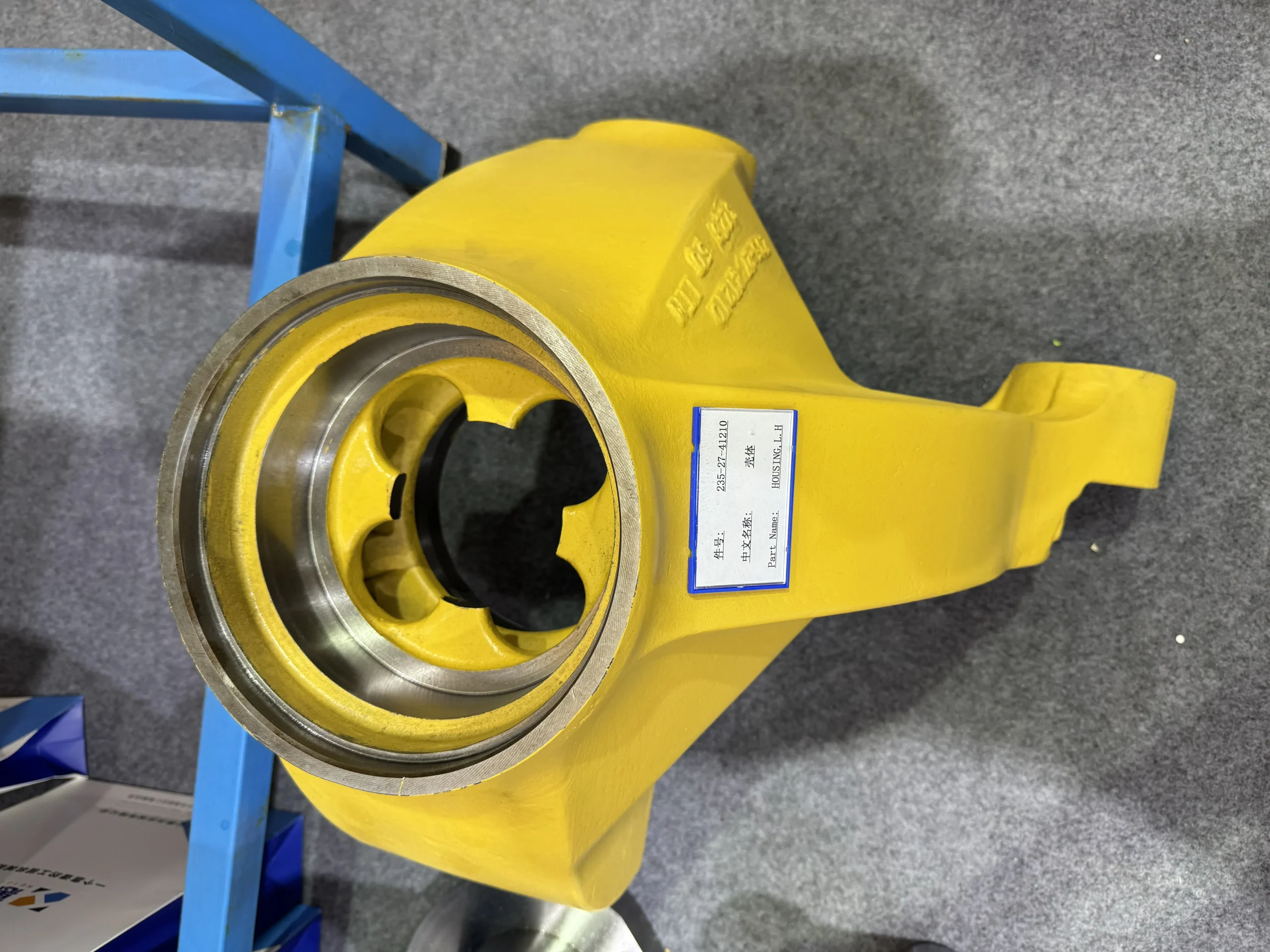 GD825A-2 shell 235-27-41210
 -
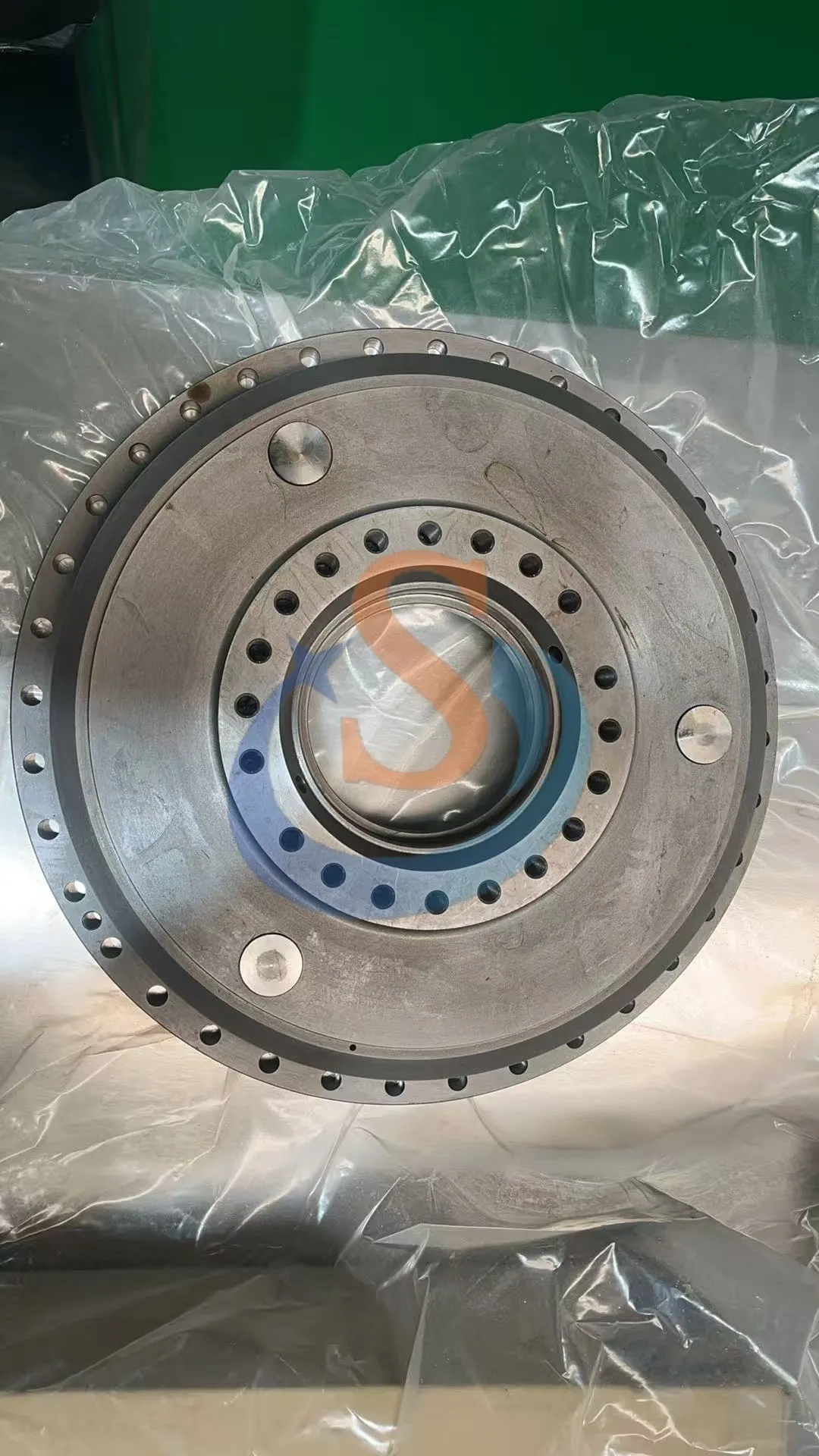 14X-13-57111 komatsu Housing D65
 -
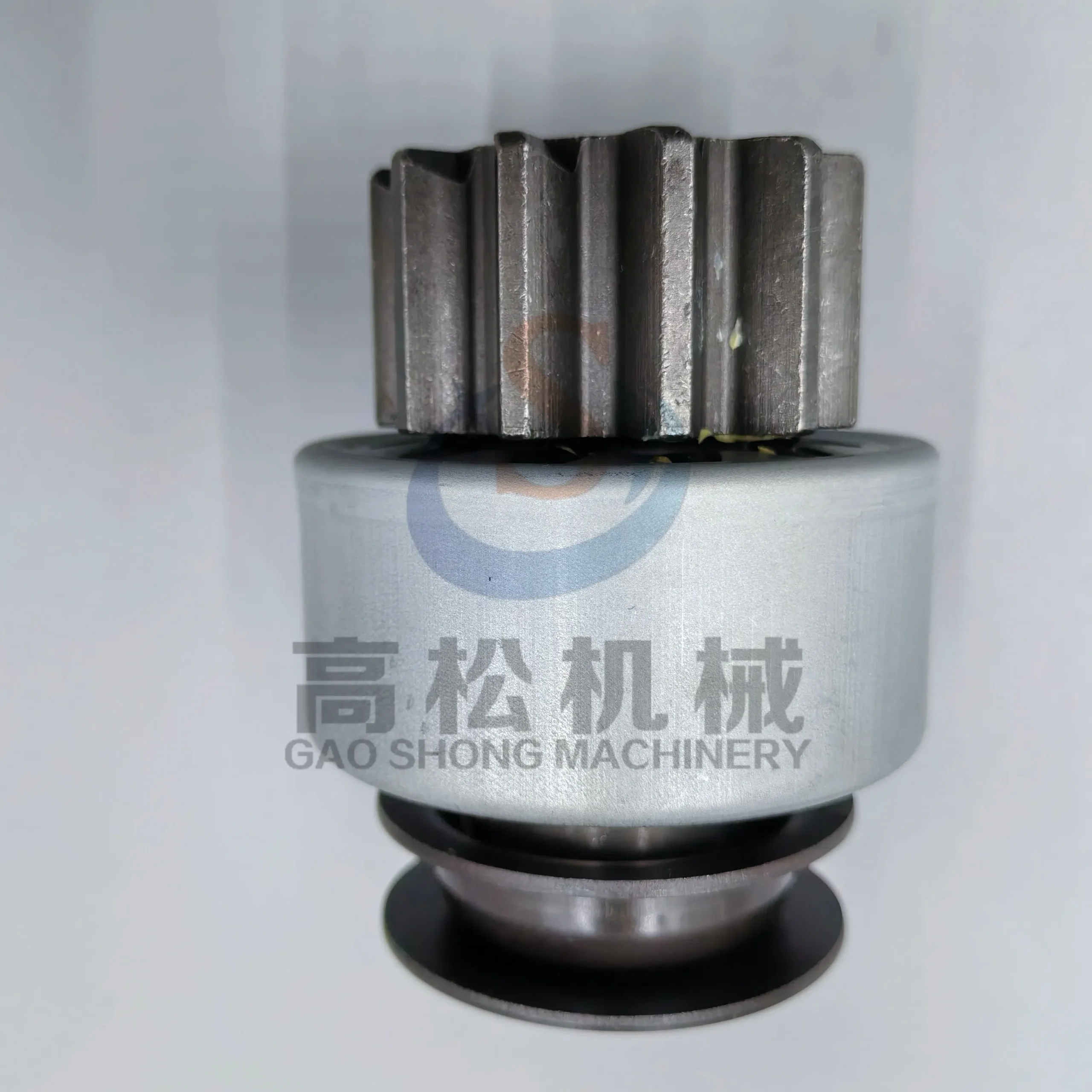 KD0-23500-1024 Komatsu Clutch Assembly
 -
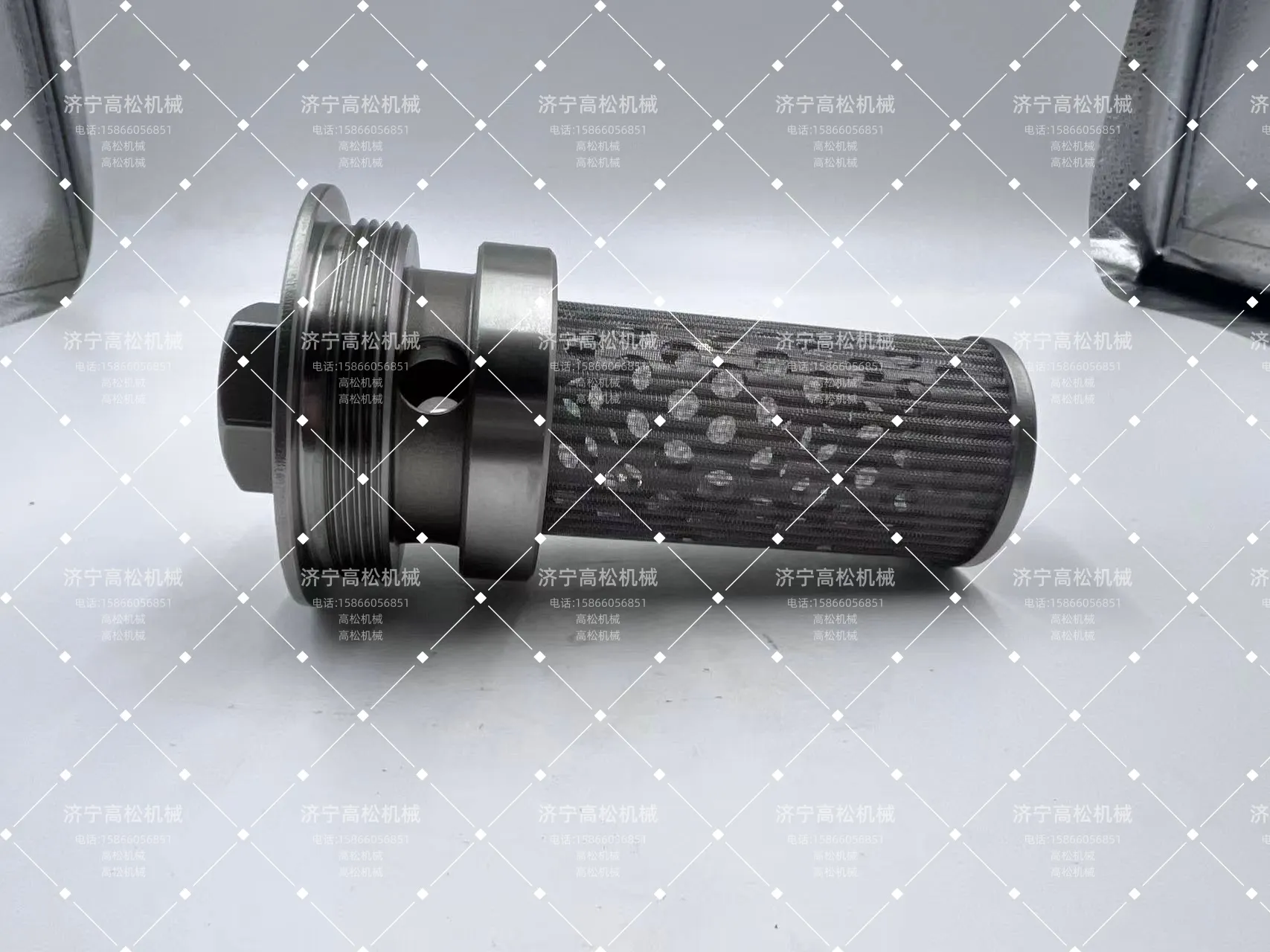 Original Brand New Filter element 195-04-11150 Filter Suitable for…
 -
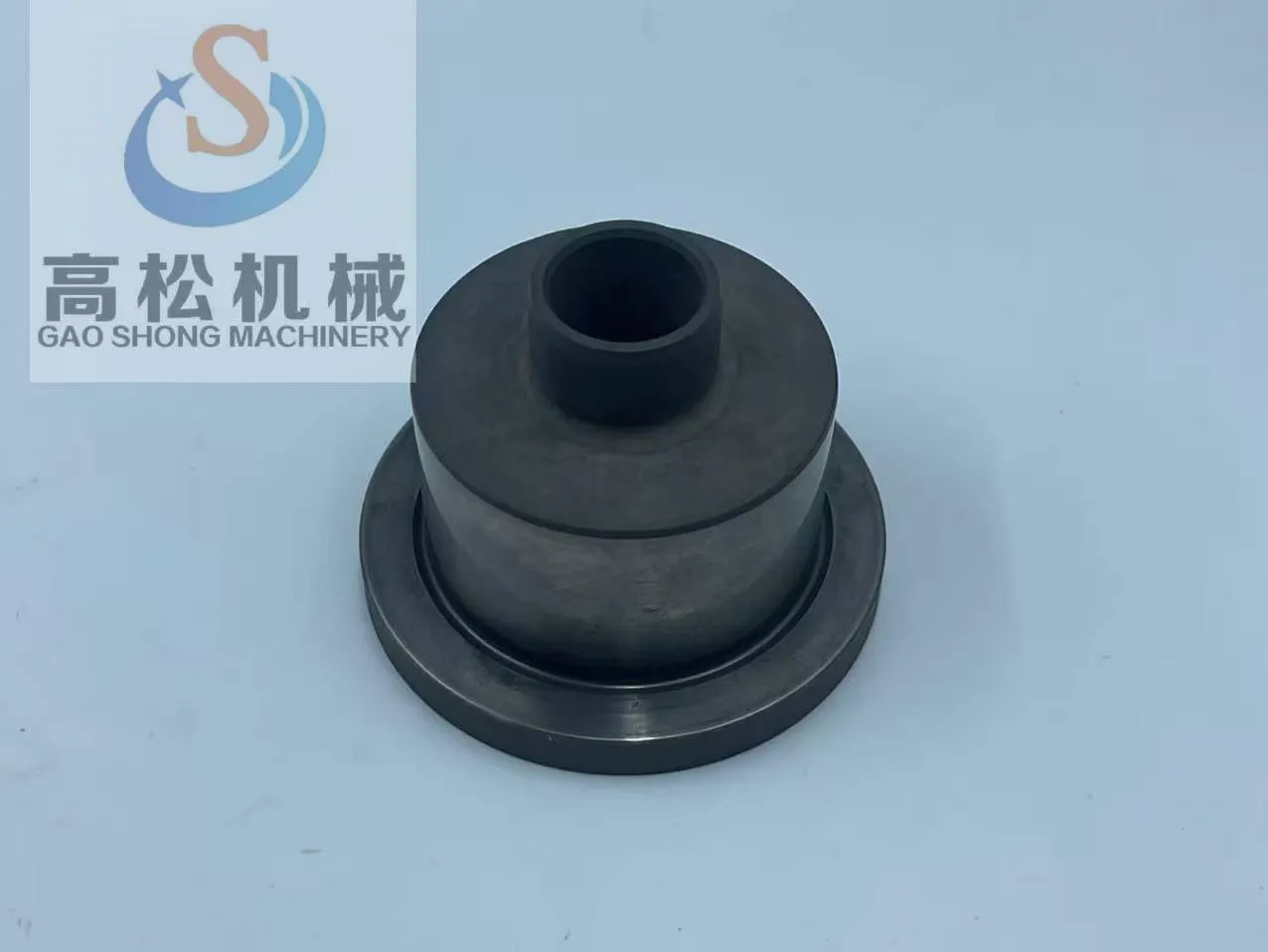 Direct sale, original fast delivery shaft 6212-21-2511 for parts of construction machinery komatsu
 -
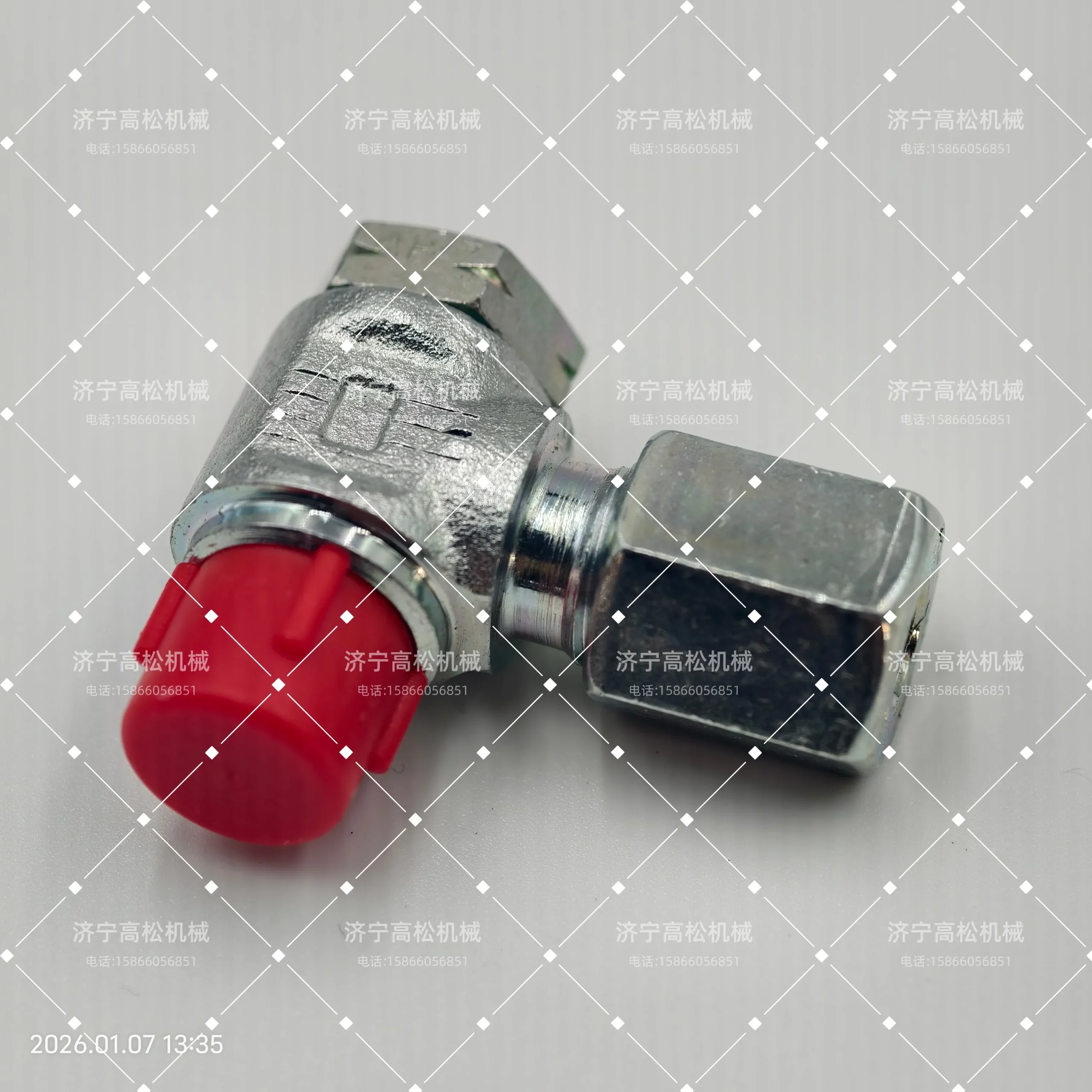 569-95-63520 – Connector fits KOMATSU
 -
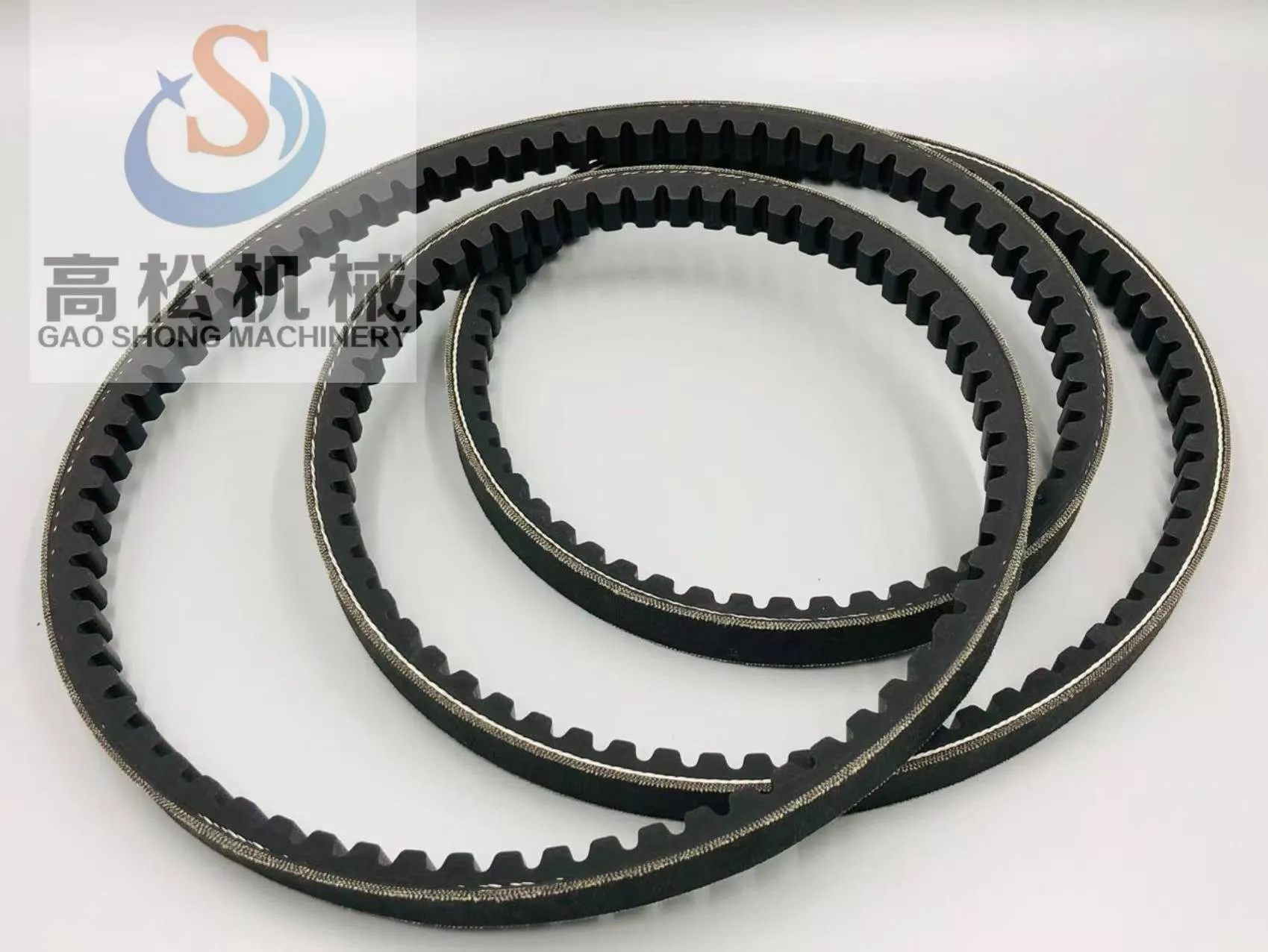 Genuine KOMATSU V-Belt for KOMATSU/SA12V140E-3/D375A-5/HD785-7 | P/N 6219-61-3420
 -
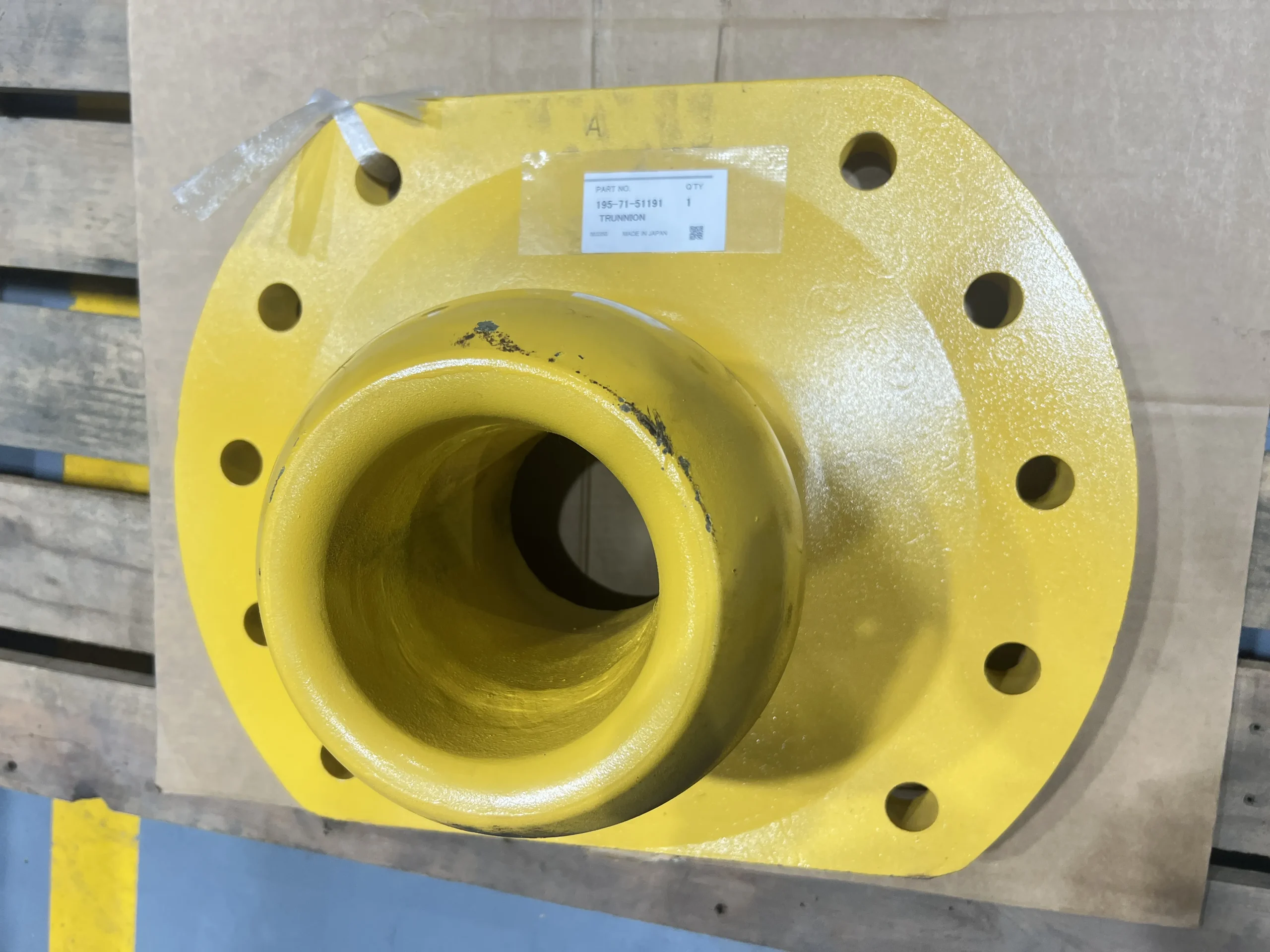 TRUNNION 195-71-51191 – KOMATSU
 -
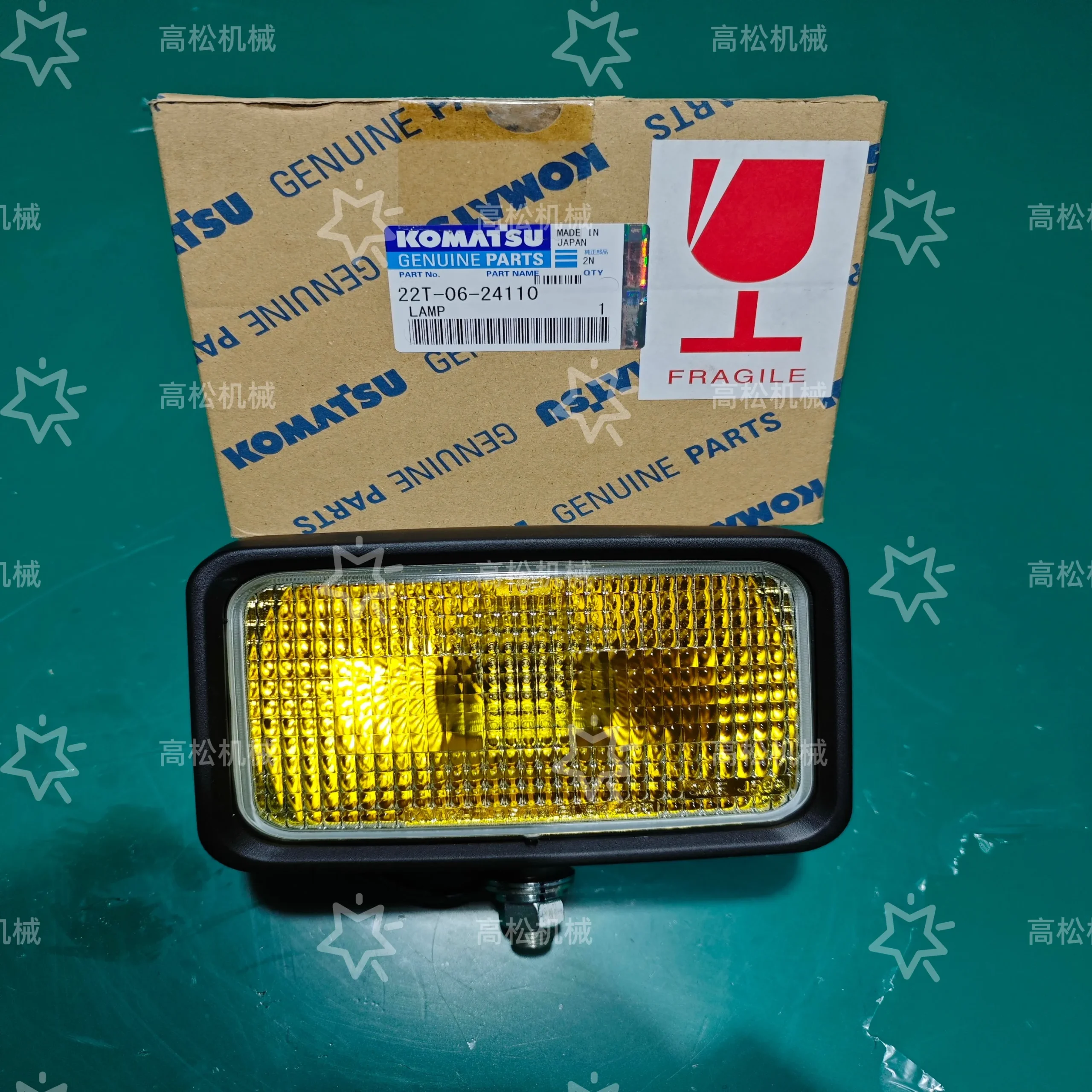 LAMP 22T-06-24110 – KOMATSU
 -
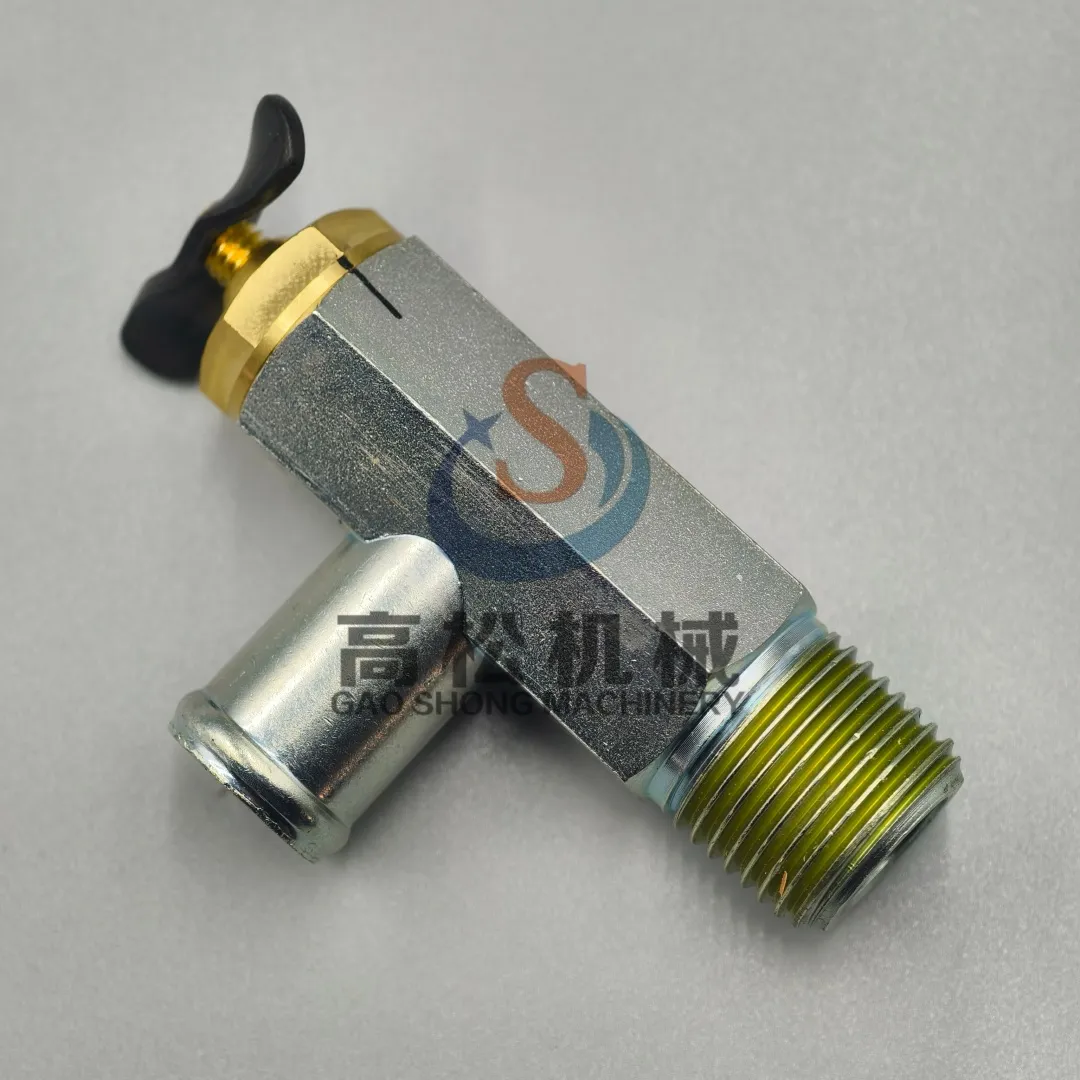 Spare part 09482-10000 VALVE,HOSE (Komatsu)
 -
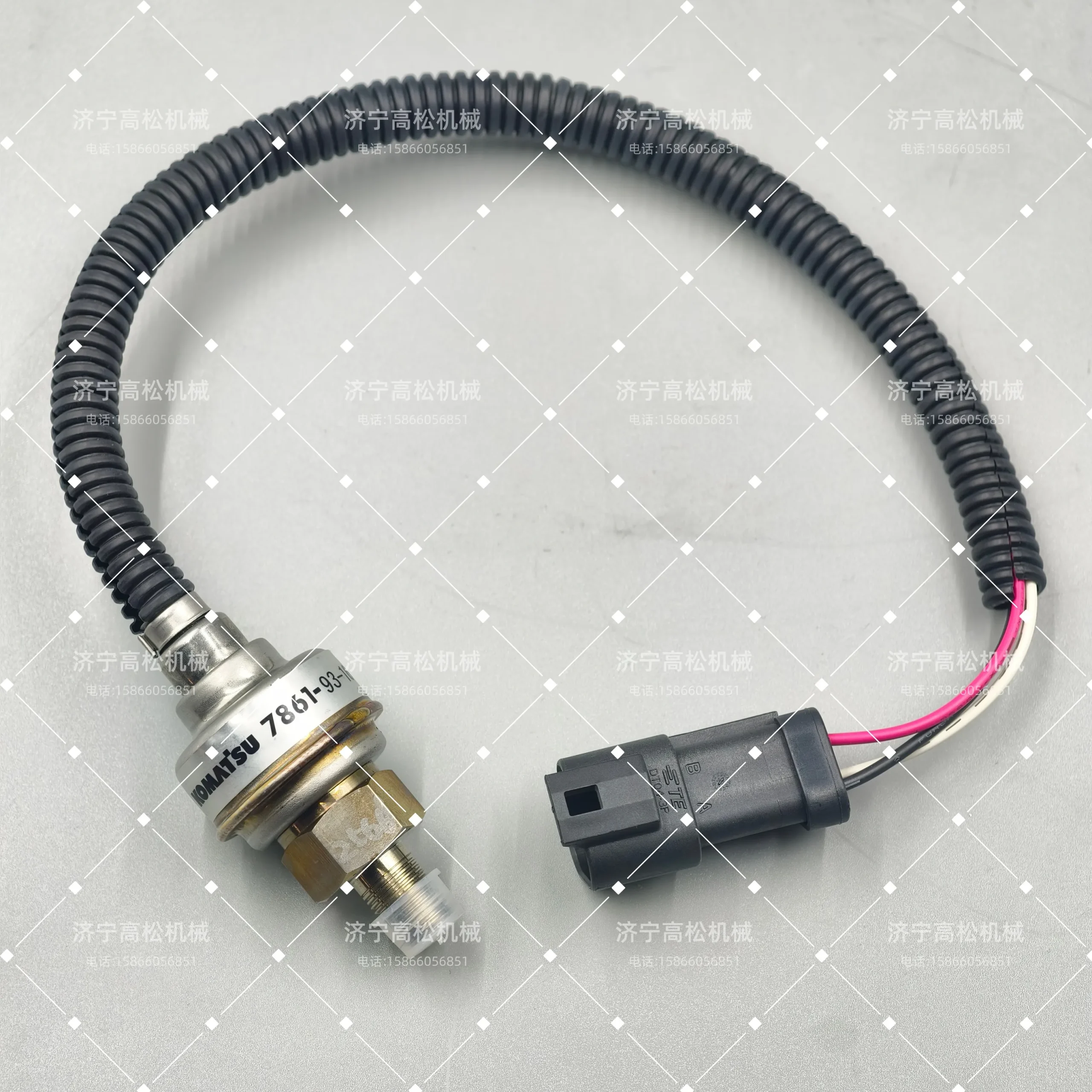
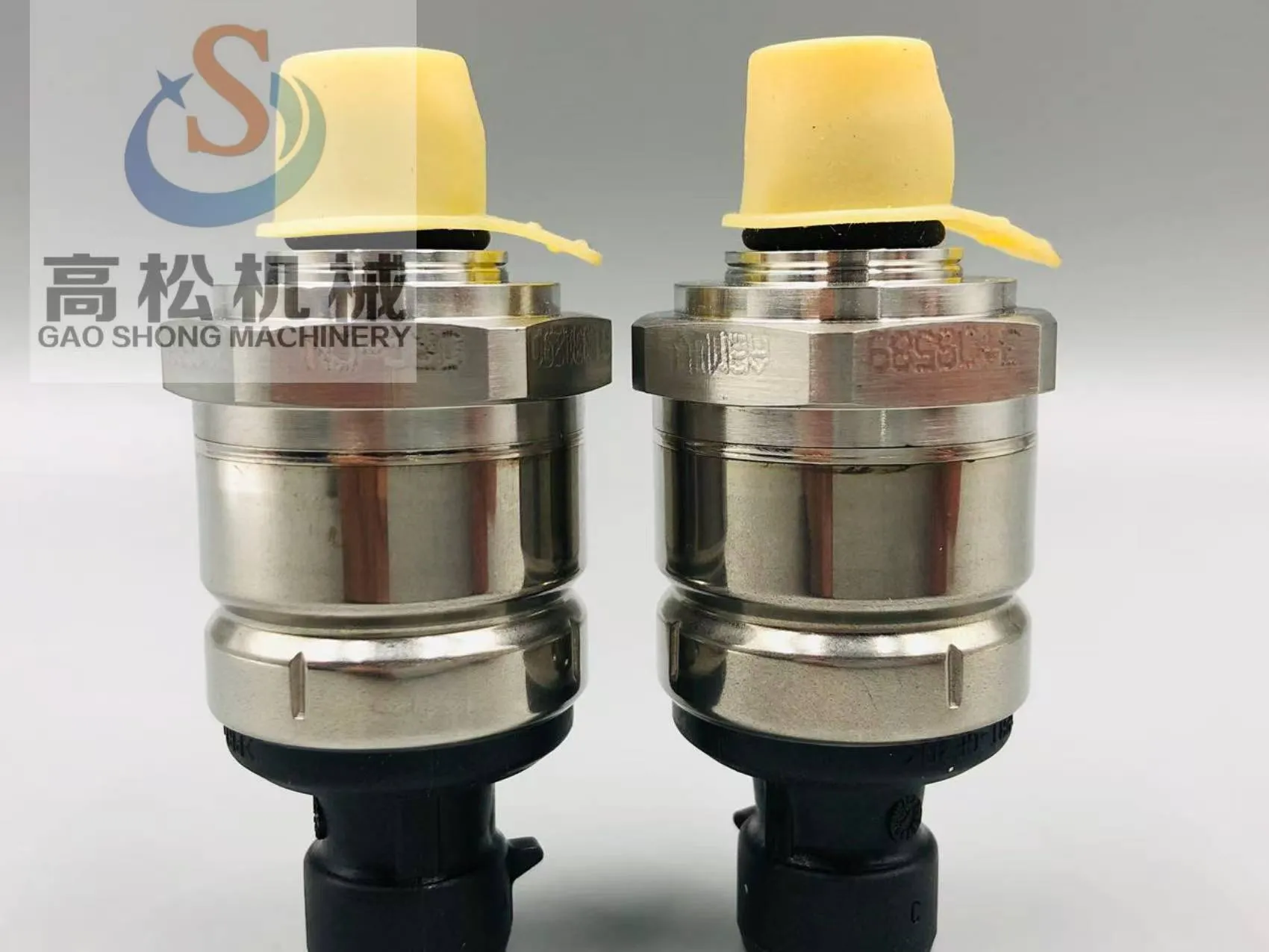 Cummins diesel engine high-pressure sensor 3408589 6560-61-7101 6560-61-7102komatsu
 -
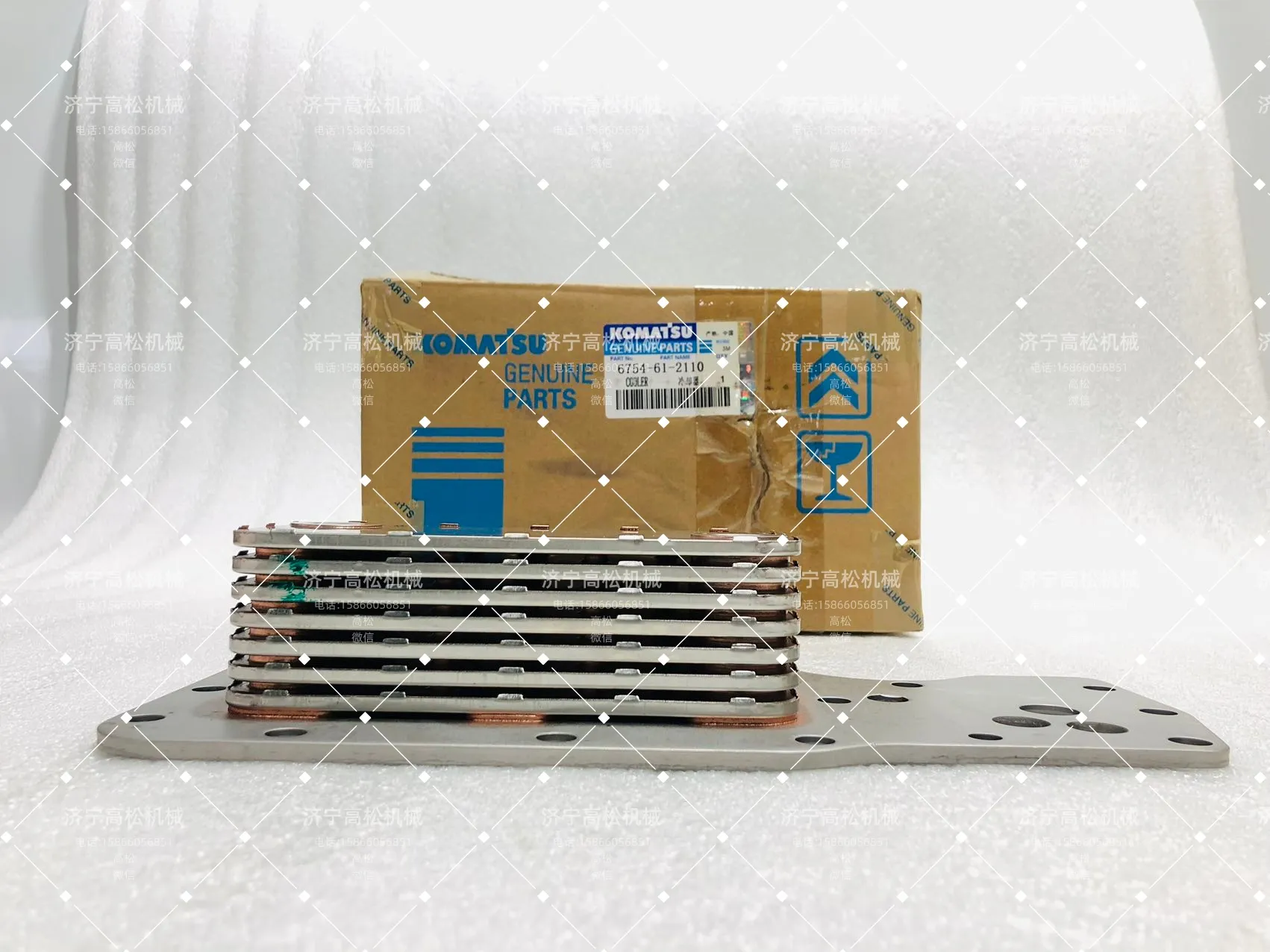 6754-61-2110 komatsu:core CORE, COOLER