
- Chinese
- French
- German
- Portuguese
- Spanish
- Russian
- Japanese
- Korean
- Arabic
- Irish
- Greek
- Turkish
- Italian
- Danish
- Romanian
- Indonesian
- Czech
- Afrikaans
- Swedish
- Polish
- Basque
- Catalan
- Esperanto
- Hindi
- Lao
- Albanian
- Amharic
- Armenian
- Azerbaijani
- Belarusian
- Bengali
- Bosnian
- Bulgarian
- Cebuano
- Chichewa
- Corsican
- Croatian
- Dutch
- Estonian
- Filipino
- Finnish
- Frisian
- Galician
- Georgian
- Gujarati
- Haitian
- Hausa
- Hawaiian
- Hebrew
- Hmong
- Hungarian
- Icelandic
- Igbo
- Javanese
- Kannada
- Kazakh
- Khmer
- Kurdish
- Kyrgyz
- Latin
- Latvian
- Lithuanian
- Luxembou..
- Macedonian
- Malagasy
- Malay
- Malayalam
- Maltese
- Maori
- Marathi
- Mongolian
- Burmese
- Nepali
- Norwegian
- Pashto
- Persian
- Punjabi
- Serbian
- Sesotho
- Sinhala
- Slovak
- Slovenian
- Somali
- Samoan
- Scots Gaelic
- Shona
- Sindhi
- Sundanese
- Swahili
- Tajik
- Tamil
- Telugu
- Thai
- Ukrainian
- Urdu
- Uzbek
- Vietnamese
- Welsh
- Xhosa
- Yiddish
- Yoruba
- Zulu
- Kinyarwanda
- Tatar
- Oriya
- Turkmen
- Uyghur






komatsu fg25c 12 parts manual
When you punch 'komatsu fg25c 12 parts manual' into a search bar, you're likely hunting for a specific part number or a schematic to fix a nagging issue on that 3-ton forklift. But here's the thing most people outside the day-to-day grind don't realize: finding the manual is the easy part. The real challenge, the one that eats up hours and holds up jobs, is translating that diagram into a physical, genuine part that arrives before your machine's downtime costs more than the part itself. The manual is just a map; it doesn't help you navigate the actual, often fragmented, supply terrain.
The Illusion of Availability and the OEM Reality
So you've got your PDF. You've identified the seal kit for the mast cylinder or the specific bearing for the drive motor. You call your local Komatsu distributor. Sometimes it's smooth, but often you hit a wall—backordered for 8 weeks, discontinued, or priced at a point that makes you wince. This is where the gap between the catalog and reality widens. The official channels are paramount for critical, safety-related components, no question. But for a multitude of other parts, the supply chain isn't always optimized for urgency or cost-effectiveness, especially for older models like the FG25C-12 which, while robust, aren't the newest in the fleet.
This is precisely the niche companies like Jining Gaosong Construction Machinery Co., Ltd. operate in. They're an interesting hybrid: an OEM product supplier within the Komatsu system, but also a third-party sales entity. In practice, what this means is they have access to genuine Komatsu lineage parts—sometimes the same production lines—but they function outside the primary regional distribution agreements. Their stated goal is to solve parts supply challenges in certain countries, and from experience, that often translates to filling the availability gaps for mature models. It's not about undercutting the network, but supplementing it where it's thin.
I recall a specific instance with an FG25C-12 where we needed the steering axle pivot bushings. The local dealer's system showed zero stock globally with a 12-week lead time. A machine stuck for three months over two bushings? Not an option. We found the part number from the manual, and through a contact, ended up sourcing it via a channel similar to Gaosong's operation. The parts were genuine, arrived in 10 days, and the cost was noticeably different. It wasn't a failure of the main dealer, per se, but a demonstration of how layered and complex the global parts ecosystem for a brand like Komatsu truly is.
Decoding Genuine in the Aftermarket Space
This leads to the big, messy question of authenticity. When you're not buying directly from the distributor's shelf, how do you know what you're getting? The term OEM product supplier within the Komatsu system is crucial here. It suggests a formal relationship, likely manufacturing components or full assemblies under contract. These parts are, for all functional purposes, genuine. They might not come in the classic Komatsu box, but they came from the same factory floor.
The risk, of course, is the flood of outright counterfeit parts. A manual gives you the number, but it can't protect you from a poorly cast imitation. This is where a supplier's transparency is key. A legitimate operation will be upfront about origin. For example, a company like the one mentioned, with a clear web presence at https://www.takematsumachinery.com, isn't hiding. They're stating their role. You still have to do due diligence—ask for material certifications, previous shipment references, clear photos—but the starting point is more credible than a random Alibaba listing with stolen manual images.
I've been burned before. Not on a Komatsu, but on a different make. Ordered what was promised as an OEM-equivalent hydraulic pump. The part number matched the manual, but the performance was off from day one. Failed within 400 hours. The lesson wasn't to avoid third-party sources altogether, but to vet them relentlessly. Now, a supplier's stated position as an integrated OEM supplier would be a significant factor in that vetting process. It moves them from the generic aftermarket category into a more specialized tier.
The Manual as a Troubleshooting Tool, Not Just a Parts List
Back to the FG25C-12 parts manual. Its value isn't just in ordering. In the field, it's your first line of diagnostics. Say you have a hydraulic leak at the valve bank. The manual's exploded view lets you see the sequence of seals, spacers, and bolts. Often, the issue isn't a single failed part, but a combination of wear and an incorrect reassembly order by the last mechanic. The manual provides that authoritative sequence.
But manuals have blind spots. They don't tell you that the O-ring for the lift cylinder cap on the FG25C-12 tends to get pinched if you don't lubricate it with hydraulic oil during assembly—a small field tip that prevents a callback. They also don't tell you that a certain bolt torque feels right in the manual, but experience tells you to go a bit lighter on older, fatigued threads to avoid stripping. This tacit knowledge is what separates a parts changer from a technician. The manual is the scripture, but the practice is full of necessary heresies.
When sourcing from a specialized supplier, this depth of model-specific knowledge is what you hope for. Does the person on the other end just read a number, or do they know that for serial numbers below a certain range, there was a different flange design? The best suppliers do. When you mention FG25C-12, they might immediately ask, Is it the early model with the exposed brake linkage? That kind of response builds instant confidence that they've handled these machines before.
Logistics and the True Cost of a Part
Let's talk logistics, the silent killer of profitability. You can have the right part at the best price, but if it's stuck in customs for two weeks or arrives damaged, you've lost. This is another area where alternative suppliers can shine or fail spectacularly. A company focused on solving cross-border supply challenges should have this figured out. Incoterms should be clear (DAP, DDP), and they should be able to provide a reliable shipping timeline and trackable documentation.
My rule now is to always factor in the hassle cost. A part from the main dealer might be 20% more expensive, but it's on my dock in 48 hours with all paperwork handled. A part from an overseas supplier might be 40% cheaper, but if it takes 3 weeks and I have to handle customs clearance myself, that savings evaporates in machine downtime and my own labor. The ideal supplier, like the one referenced, aims to remove that hassle. They're not just selling a part; they're selling a solution to the supply challenge, which includes predictable delivery.
For non-critical parts where you can plan ahead—say, ordering a set of filter kits or wear shoes for the FG25C-12 during a scheduled service—the overseas route with a reliable partner makes perfect economic sense. It's about building a pipeline, not just making a one-time panic buy.
Building a Sourcing Strategy, Not Just Making a Purchase
So what's the takeaway from all this? Don't let your search end with the parts manual. Treat the manual as the technical starting point. Your sourcing strategy should be multi-layered. Primary channel: your authorized Komatsu dealer for safety-critical, proprietary, and urgent-need parts. Secondary channel: vetted, specialized suppliers with demonstrable OEM links for a wide range of other components. Companies like Jining Gaosong Construction Machinery occupy this space. They exist because the primary channel, while essential, isn't universally perfect for every part in every region.
The relationship with a supplier in this secondary channel is built on transparency, consistent communication, and proven performance over time. You test them with a small, non-critical order. You inspect the parts meticulously against the manual's specifications. You see how they handle a shipping issue. If they pass, you've effectively expanded your parts availability pool for that Komatsu fleet.
Ultimately, managing equipment like the FG25C-12 is about minimizing downtime. The parts manual is a vital tool in that fight, but it's only one tool. The other, equally important tool is your rolodex (or today, your bookmarked supplier list) of reliable parts sources. Understanding the ecosystem—where companies fit within it, their stated roles, and their real-world performance—is what turns a frustrating search for a seal or a bearing into a routine, manageable operation. That's the real-world application of the knowledge that starts with a simple search for a manual.
Related Products
Related Products

Best Selling Products
Best Selling Products-
 Komatsu 20Y-27-31160 Pin, price for original and… — Pricing.Parts
 -
 425-43-37200 Komatsu VALVE ASS’Y
 -
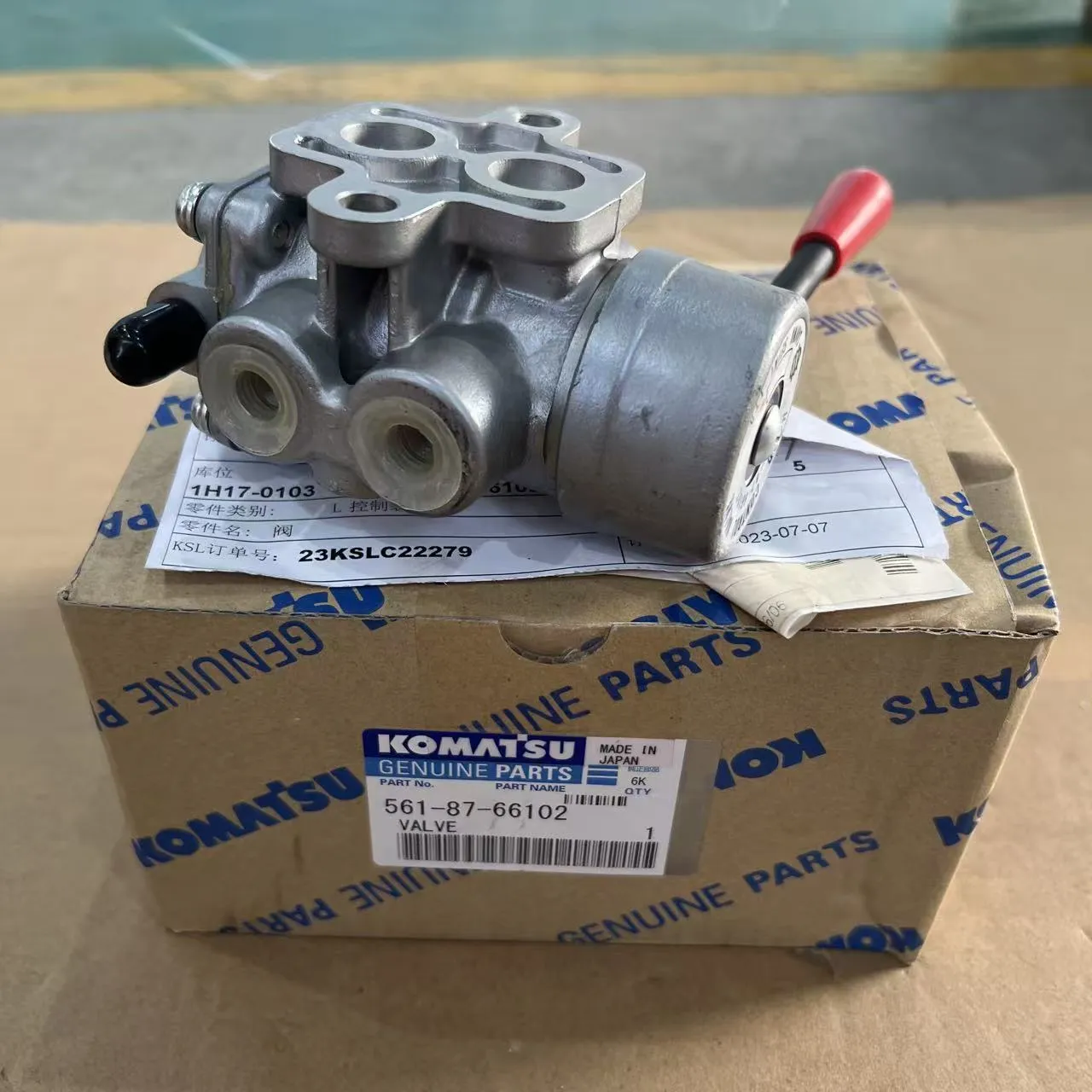 VALVE ASS’Y 561-87-66102 – KOMATSU
 -
 Komatsu 41E-70-15461 Plate
 -
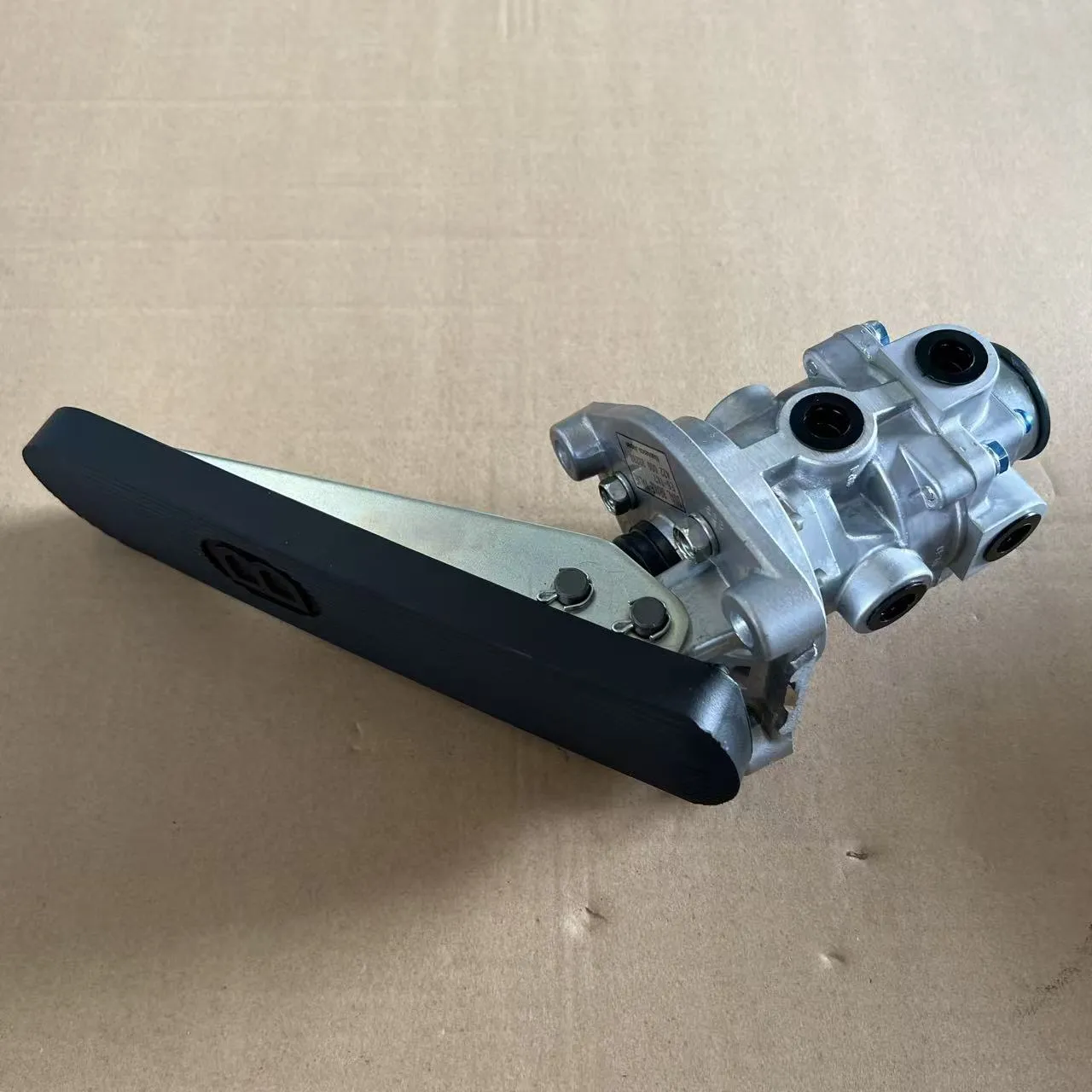 566-35-44110 Komatsu VALVE ASSEMBLY
 -
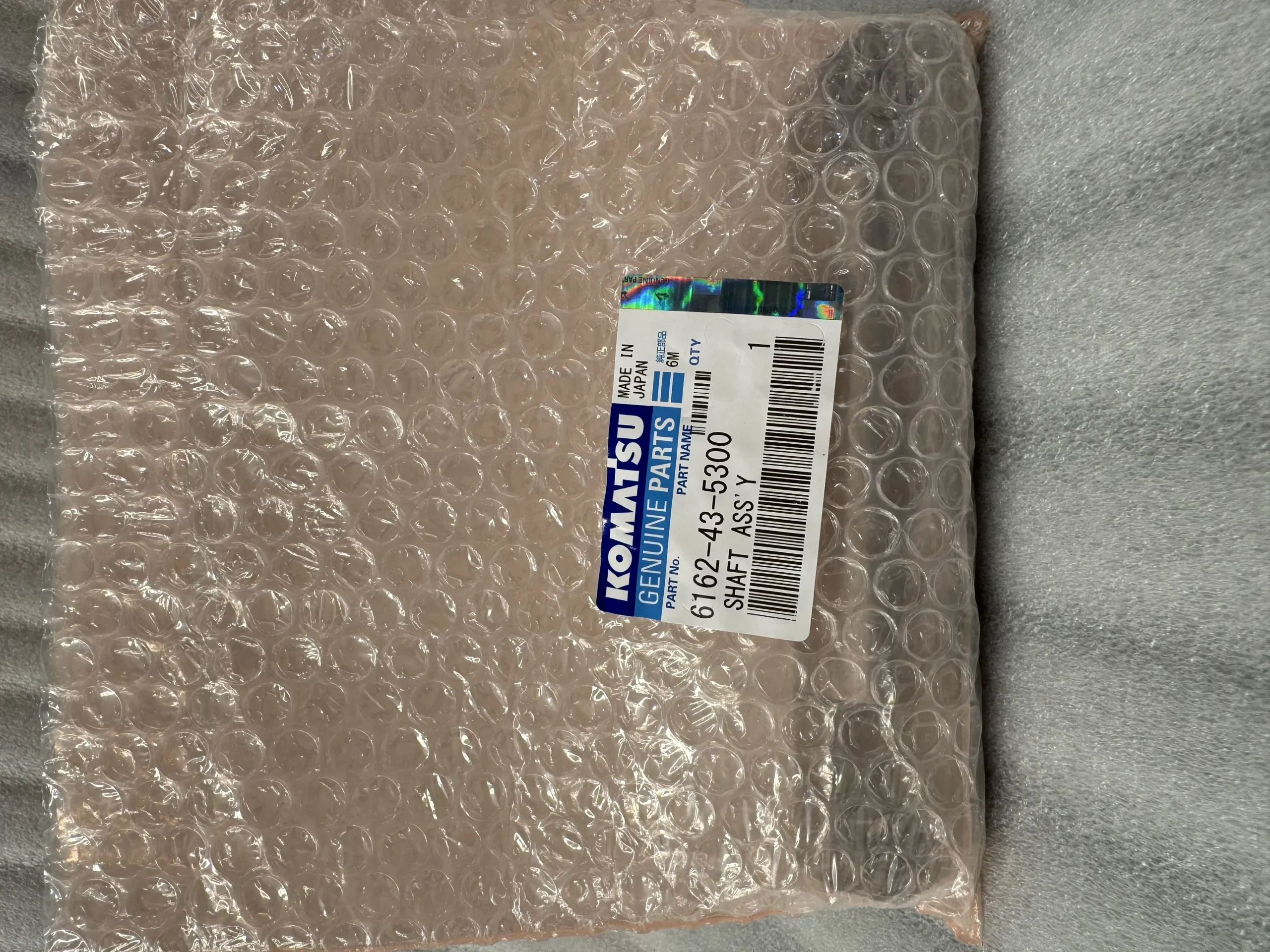 6D170-2 rocker arm shaft 6162-43-5300
 -
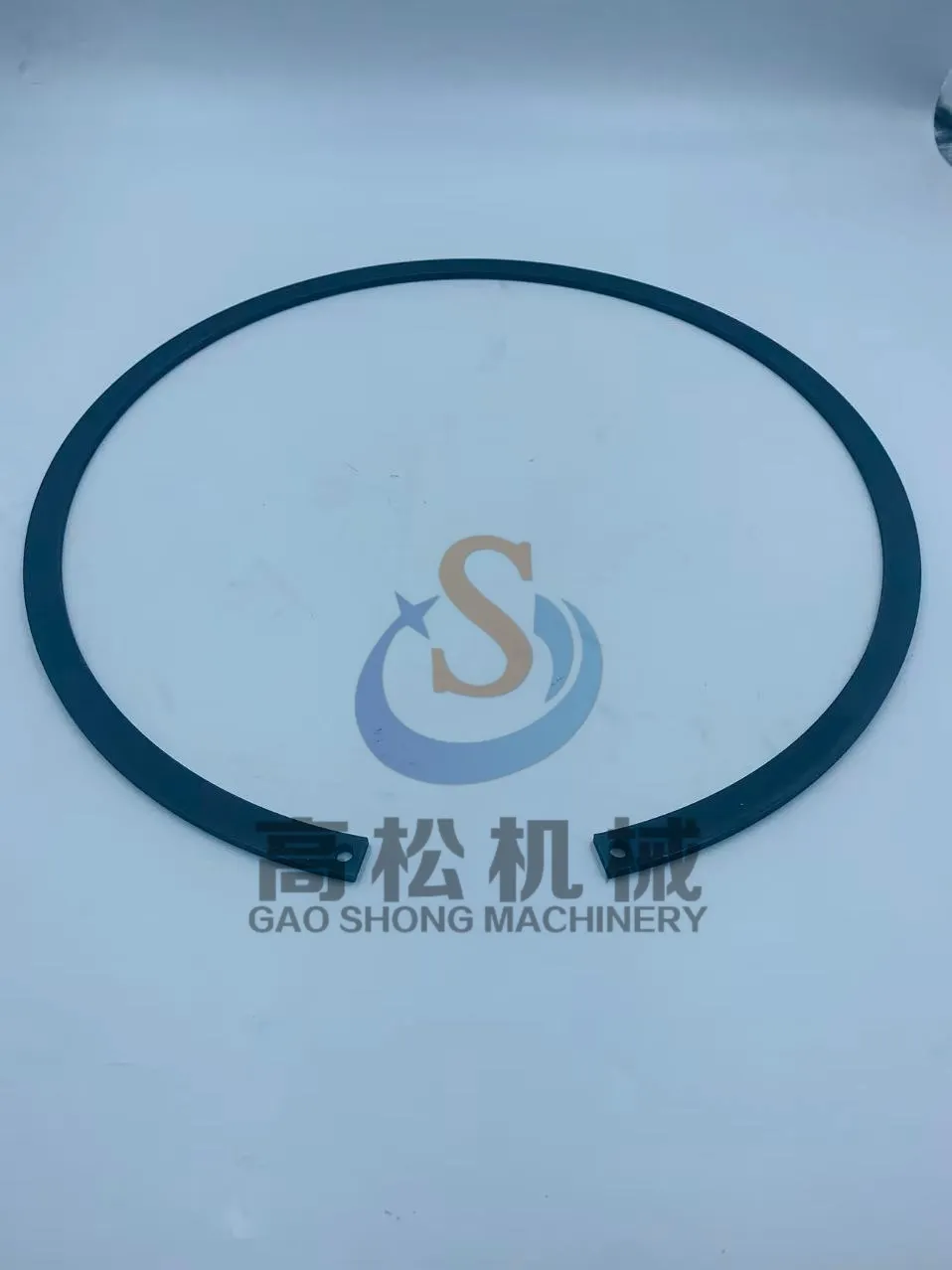 SNAP RING – 21T-26-11270
 -
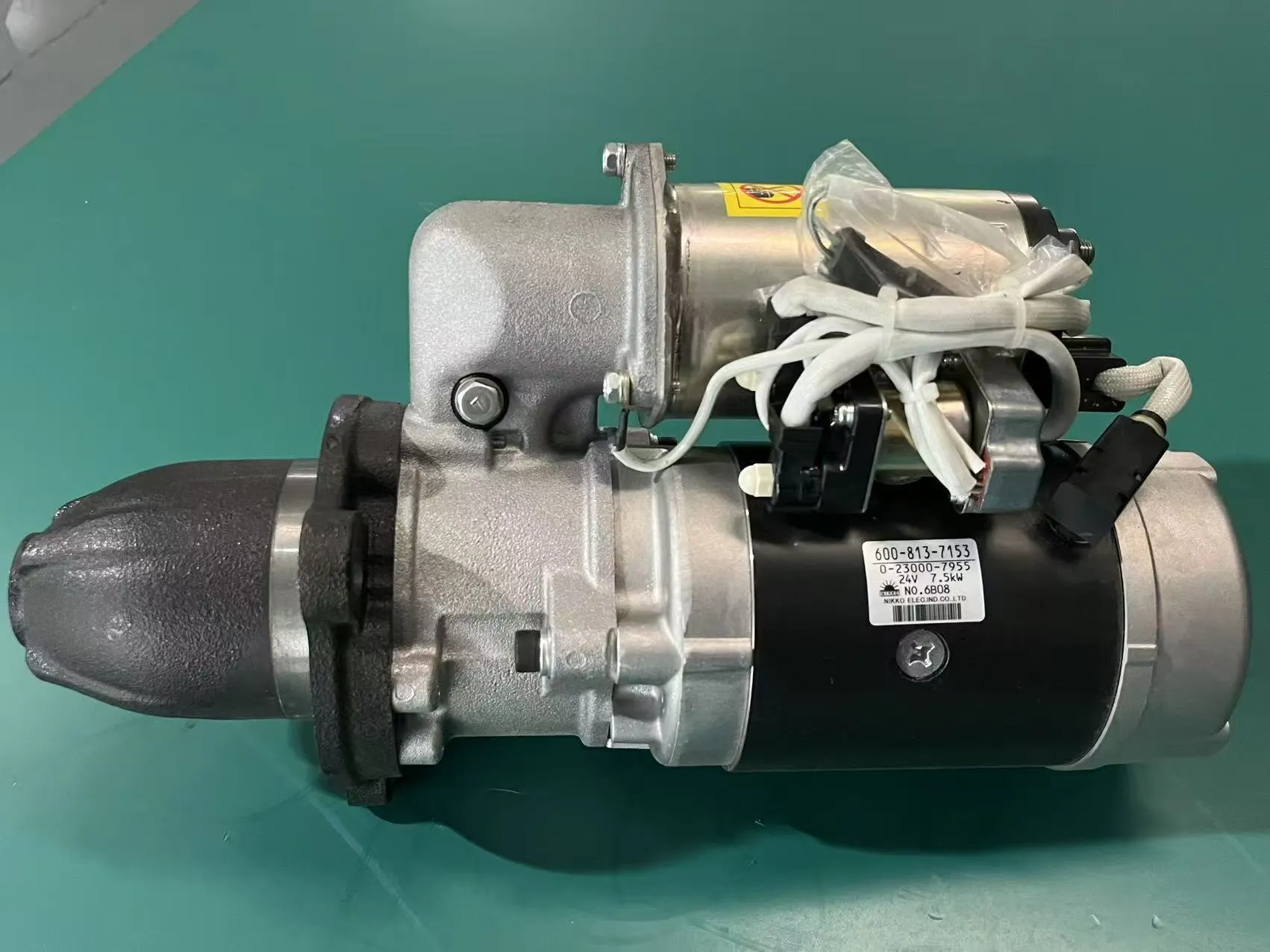 Starting Motor 7.5kw 600-813-7153
 -
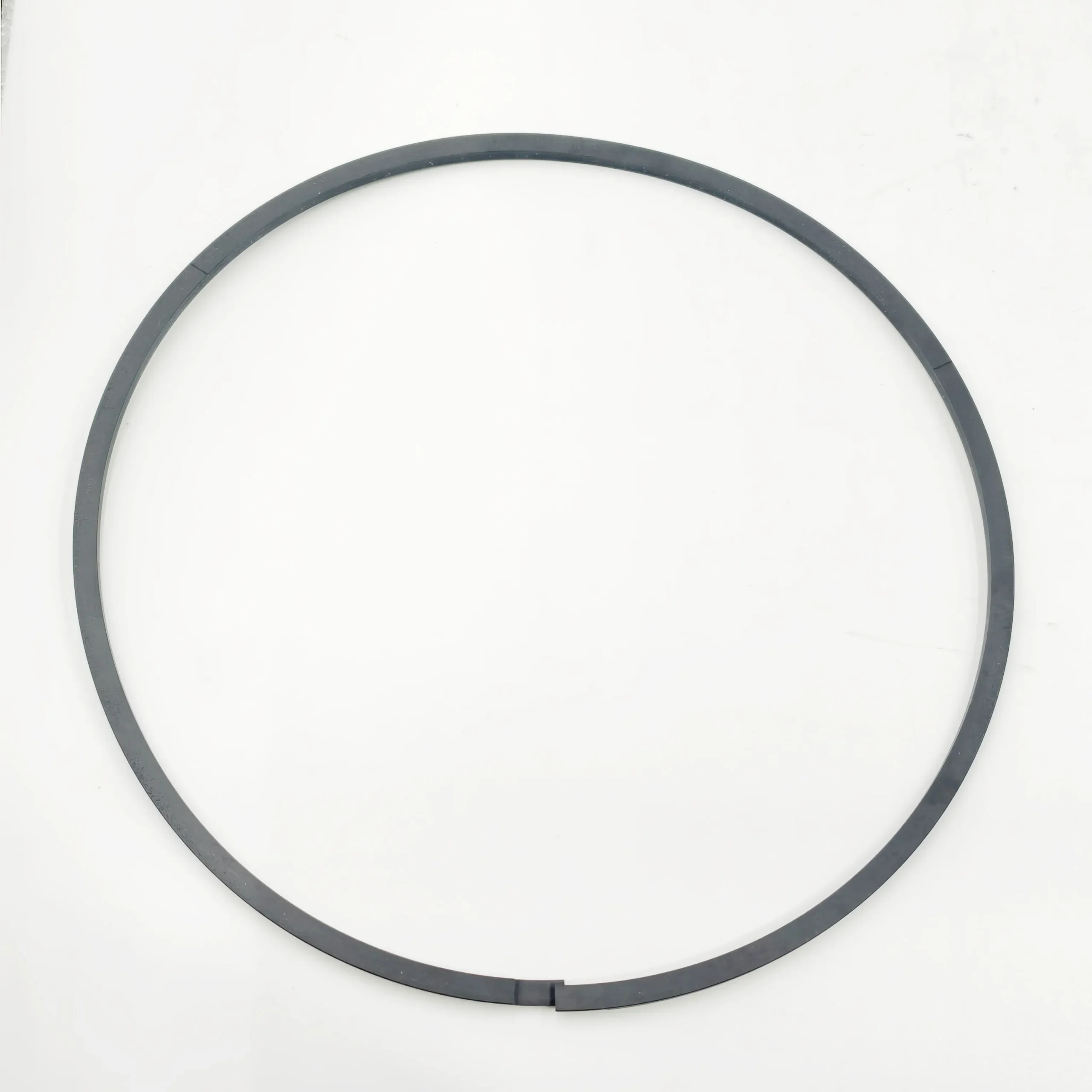 KOMATSU-SEAL RING 14X-15-19210
 -
 HD785-7 Oil Level Sensor 7861-93-4550
 -
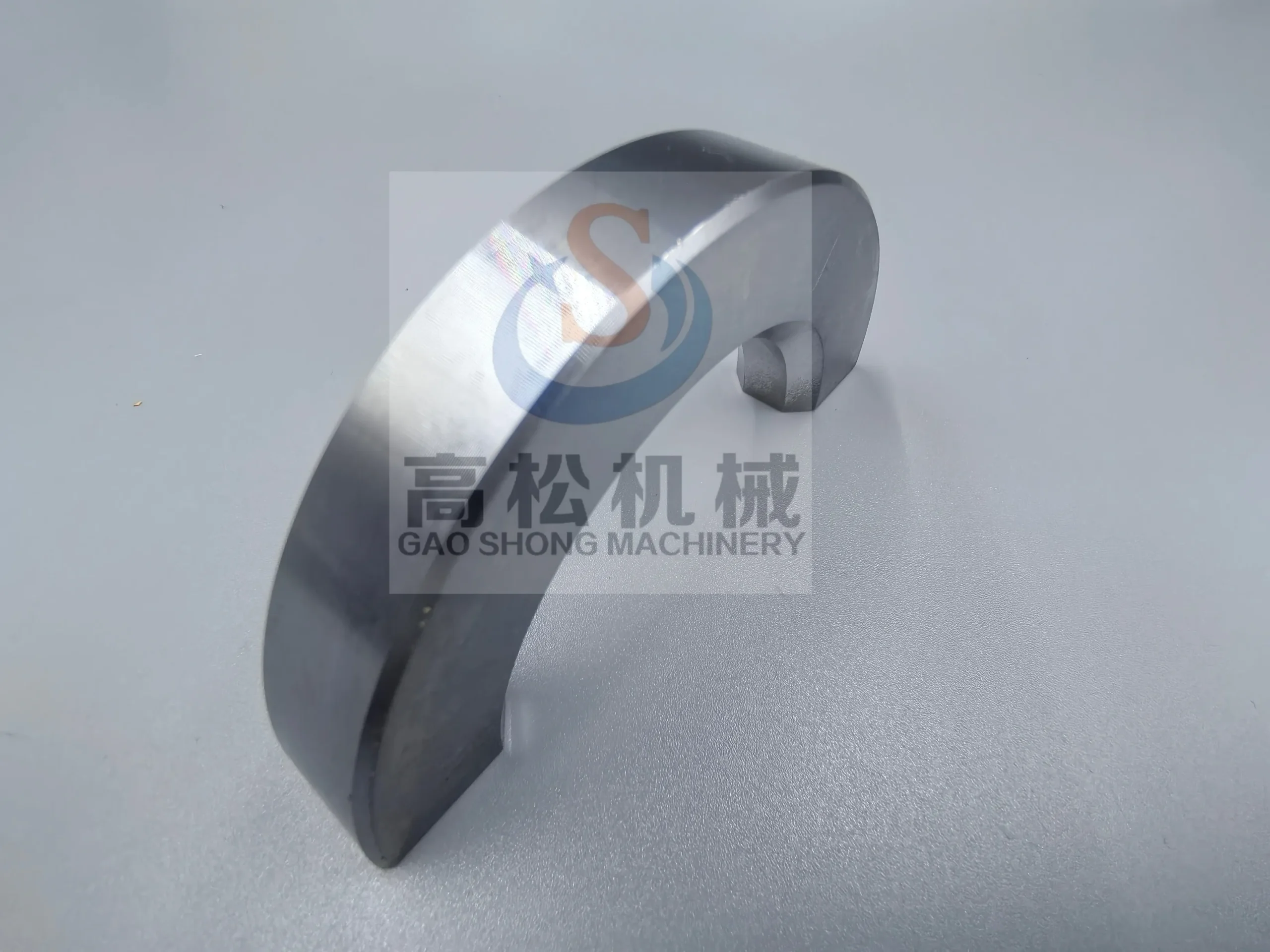 Komatsu bulldozer D65P-12 gasket 14X-30-13241 14X-30-13240
 -
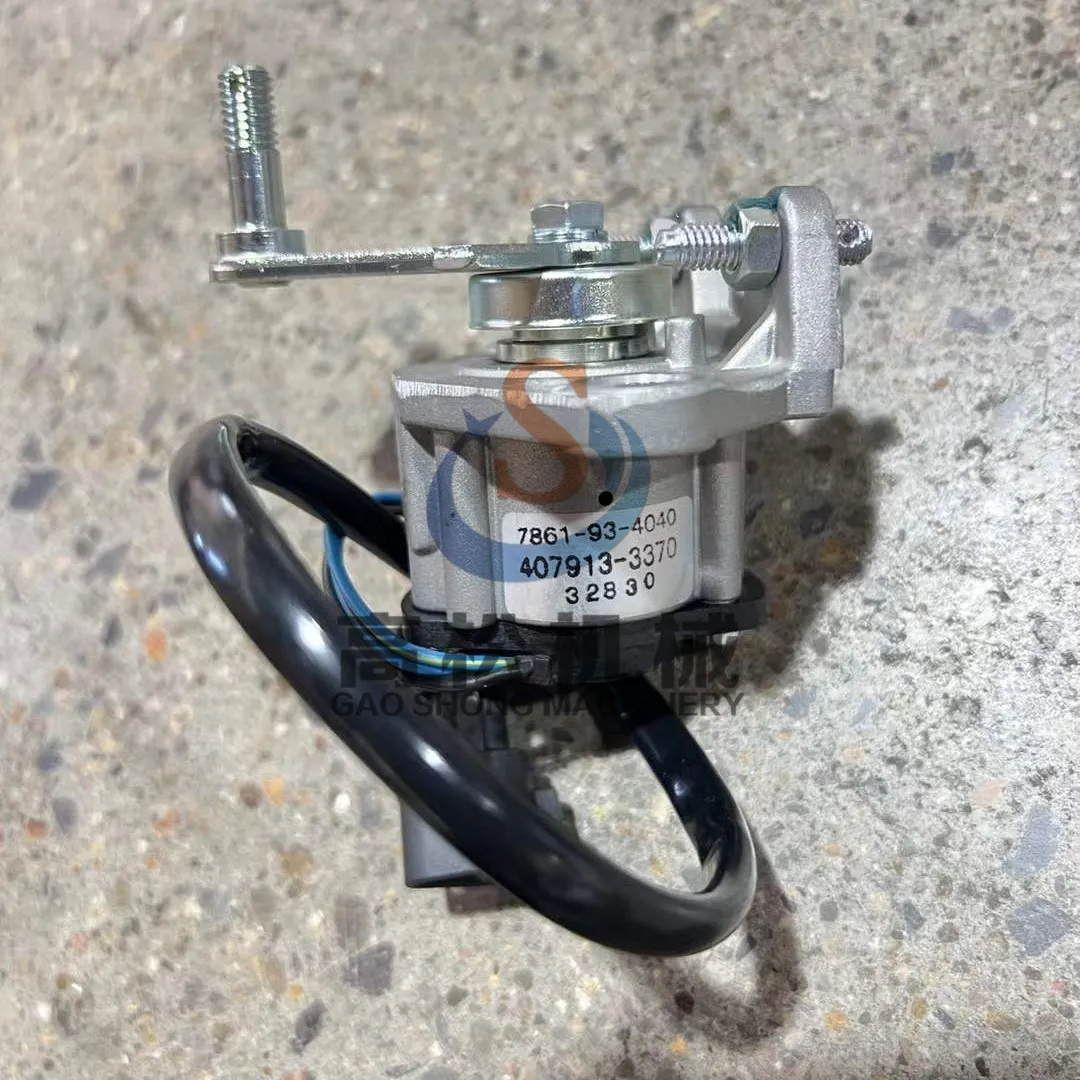 Angle Sensor 7861-93-4040 for Komatsu Bulldozer D475A-5 D575A-3 D375A-6 D475A-5E0 Crawler Loader D85PX-15R