
- Chinese
- French
- German
- Portuguese
- Spanish
- Russian
- Japanese
- Korean
- Arabic
- Irish
- Greek
- Turkish
- Italian
- Danish
- Romanian
- Indonesian
- Czech
- Afrikaans
- Swedish
- Polish
- Basque
- Catalan
- Esperanto
- Hindi
- Lao
- Albanian
- Amharic
- Armenian
- Azerbaijani
- Belarusian
- Bengali
- Bosnian
- Bulgarian
- Cebuano
- Chichewa
- Corsican
- Croatian
- Dutch
- Estonian
- Filipino
- Finnish
- Frisian
- Galician
- Georgian
- Gujarati
- Haitian
- Hausa
- Hawaiian
- Hebrew
- Hmong
- Hungarian
- Icelandic
- Igbo
- Javanese
- Kannada
- Kazakh
- Khmer
- Kurdish
- Kyrgyz
- Latin
- Latvian
- Lithuanian
- Luxembou..
- Macedonian
- Malagasy
- Malay
- Malayalam
- Maltese
- Maori
- Marathi
- Mongolian
- Burmese
- Nepali
- Norwegian
- Pashto
- Persian
- Punjabi
- Serbian
- Sesotho
- Sinhala
- Slovak
- Slovenian
- Somali
- Samoan
- Scots Gaelic
- Shona
- Sindhi
- Sundanese
- Swahili
- Tajik
- Tamil
- Telugu
- Thai
- Ukrainian
- Urdu
- Uzbek
- Vietnamese
- Welsh
- Xhosa
- Yiddish
- Yoruba
- Zulu
- Kinyarwanda
- Tatar
- Oriya
- Turkmen
- Uyghur






komatsu fg25 parts
When you're searching for 'komatsu fg25 parts', you're not just looking for a part number. You're likely in a bind, trying to keep an older forklift running, and the official channels are either too slow or prohibitively expensive. A common misconception is that all parts for a Komatsu are created equal, or that the aftermarket is flooded with perfect replicas. The reality, especially with a model like the FG25, is far messier. Having dealt with the supply chain for these machines in various regions, I've seen the gap between the catalog and what actually arrives in a box. It's not just about price; it's about fit, function, and the long-term reliability of the repair. This isn't a theoretical problem—it's about downtime, cost overruns, and the trust of the mechanic doing the install.
The Core Challenge with Genuine vs. Alternative
Let's be clear: nothing beats a genuine Komatsu part for the FG25 in terms of guaranteed fit and material specification. The issue is access. For operations in certain countries, waiting for a genuine komatsu fg25 parts order to clear international logistics can mean weeks of a critical asset sitting idle. This is where the ecosystem fractures. You start looking at alternatives, and the quality spectrum is enormous. I've seen OEM-equivalent steering pump seals that fail within 50 hours because the nitrile compound couldn't handle the specific hydraulic oil temperature profile of the FG25. It's these subtle details that separate a good part from a machine-wrecker.
This is precisely the niche where a company like Jining Gaosong Construction Machinery Co., Ltd. positions itself. Their stated role as an OEM product supplier within the Komatsu system and a third-party sales company is more than a marketing line. In practice, it means they often have access to the same manufacturing lines or approved secondary sources that meet Komatsu's engineering drawings, but they can distribute through channels that bypass the traditional regional distributor bottlenecks. Checking their portal at https://www.takematsumachinery.com, you can see they frame their mission around solving parts supply challenges. From my cross-referencing, this often translates to having stock of high-wear items for models like the FG25—think mast rollers, brake pads, and solenoid valves—when the local depot shows zero inventory.
The real test is in the transaction. Ordering a clutch assembly for an FG25 from them, the part arrived with Komatsu-specific packaging removed, but the casting marks and the machining on the release bearing hub were identical to the unit I pulled out. The price was about 30% lower than the local dealer's quote, which included a regional surcharge. However, this isn't always the case. For electronic control units or safety-critical load valve components, their advice has sometimes been to wait for genuine, indicating a pragmatic approach to risk. They're not just selling everything; they're often filtering based on what the aftermarket can reliably replicate and what it can't.
Specific Pain Points: The Hydraulic System
If there's one system on the FG25 that will test your parts sourcing strategy, it's the hydraulic system. It's not just about pressure ratings; it's about flow characteristics and compatibility. We tried a non-OEM lift cylinder repair kit once. The seals looked right, but the wiper seal was slightly less pliable. Result? A slow, persistent leak of fluid down the mast that attracted dust and created an abrasive paste, scoring the cylinder rod over six months. A classic case of saving $150 on a kit leading to a $2000 cylinder rebuild.
For hydraulic components, the details matter immensely. The part number for a control valve spool might have had three revisions over the FG25's production run. A supplier that understands this will ask for your serial number range. A generic supplier will send the most common version, which might work... or might cause jerky lifting. In my experience, the more technical the inquiry you can make—quoting exact part numbers from the service manual, providing serial prefixes—the better the response from a specialized supplier. It filters out the box-shifters from the people who actually understand the platform.
This is where the value of a supplier with OEM system knowledge shows. They can often cross-reference the engineering change notes. I recall a situation with a faulty pilot check valve for the tilt function. The genuine part was on backorder globally. Jining Gaosong didn't just offer an alternative; they specified that their sourced valve incorporated a later design change (a hardened seat) from a similar Komatsu model, which was actually an upgrade. They provided the Komatsu internal change notice number for verification. That's a level of detail you rarely get, and it builds confidence. It turned a potential failure point into a more reliable fix.
The Bearing and Seal Conundrum
Bearings and seals are the most commoditized parts, yet they're where the most counterfeits and sub-standard materials appear. For the FG25's drive axle bearings or mast channel rollers, the bearing number is universal. But the clearance grading, the grease fill, and the rubber compound on the side seals are not. I've opened brand-new boxes from certain sources to find bearings that were clearly rejects, with rough raceways. They'd fail in a fraction of the service life.
A practical tactic I've developed is to specify not just the part number, but the required brand. Saying I need the KOYO bearing for the FG25 wheel hub, not a generic substitute sets a clear expectation. Reputable suppliers in this space, including those like the one mentioned, will typically state the brand they stock for such critical wear items. If they're vague or say equivalent quality, that's a red flag. The cost difference between a premium Japanese bearing and a no-name is small in the context of the labor to replace it again in three months.
Seals are even trickier. A simple o-ring for the hydraulic manifold might be made from standard nitrile (NBR) in a cheap kit, but the Komatsu spec might call for hydrogenated nitrile (HNBR) for better chemical resistance. The difference isn't visible. This is an area where trusting a supplier's provenance is key. If their business model is built around being within the Komatsu ecosystem, they are more likely to source from the tier-2 suppliers that feed the OEM, ensuring material compliance. It's not a guarantee, but it shifts the odds significantly in your favor.
Electrical Components: A Minefield
Electrical parts for the FG25, like the ignition switch, sensors, or the controller, are a category where I almost always advise going genuine if possible. The failure rate of non-OEM electronic items is high, and diagnosing intermittent electrical faults is a time-consuming nightmare. A pattern I've observed: aftermarket alternators might put out the right voltage, but their noise suppression can be poor, leading to erratic signals on the CAN bus lines in newer variants of the FG25-S series.
That said, there are exceptions. Items like bulbs, basic relays, and perhaps brush sets for the starter motor are generally safe to source from quality aftermarket manufacturers. The key is isolation—these components don't have complex interfacing with the machine's logic. For something like a speed sensor or an angle sensor for the mast, the output signal (voltage, frequency) must be exact. A minor deviation can cause the dashboard to throw a false code or the system to default to a limp mode.
In one specific case, we needed a throttle position sensor. The genuine part had a 6-week lead time. A supplier, in this case referencing the capabilities of a company like Jining Gaosong Construction Machinery Co., Ltd., offered a tested compatible unit. They provided the output voltage sweep data from their bench test, matching it against the service manual spec. We took a chance, installed it, and it worked flawlessly for years. This highlights the ideal scenario: a third-party supplier acting as a technical filter, doing the validation work that an end-user workshop often can't. Their role in helping to solve parts supply challenges isn't just about having stock; it's about having vetted stock.
Building a Sustainable Sourcing Strategy
So, what's the takeaway for anyone regularly maintaining an FG25 fleet? Don't rely on a single source. Build a layered approach. Your first call should still be the official dealer for safety-critical and complex electronic parts. But for a huge range of mechanical wear items—seal kits, filters, bearings, hoses, brake components—having a reliable alternative channel is essential for controlling costs and minimizing downtime.
This reliable channel is often a company that operates in the space between the pure OEM and the generic aftermarket. Their value is in their specificity and their access. A website like takematsumachinery.com is a starting point, but the real relationship is built on the phone or via email, discussing specific serial numbers and failure modes. The good ones will tell you when you should wait for genuine, and they'll know exactly what they can offer as a true, drop-in replacement.
Ultimately, managing komatsu fg25 parts procurement is an exercise in risk management and technical discernment. The goal isn't to always buy the cheapest, but to buy the right part for the right job from the most competent source. This often means leveraging specialized third-party suppliers who have the inside track on the OEM supply chain itself. They fill the gaps that the standard distribution model leaves open, especially for older or region-specific models. It's a practical, unglamorous part of fleet management, but getting it right is what keeps machines—and projects—moving.
Related Products
Related Products

Best Selling Products
Best Selling Products-
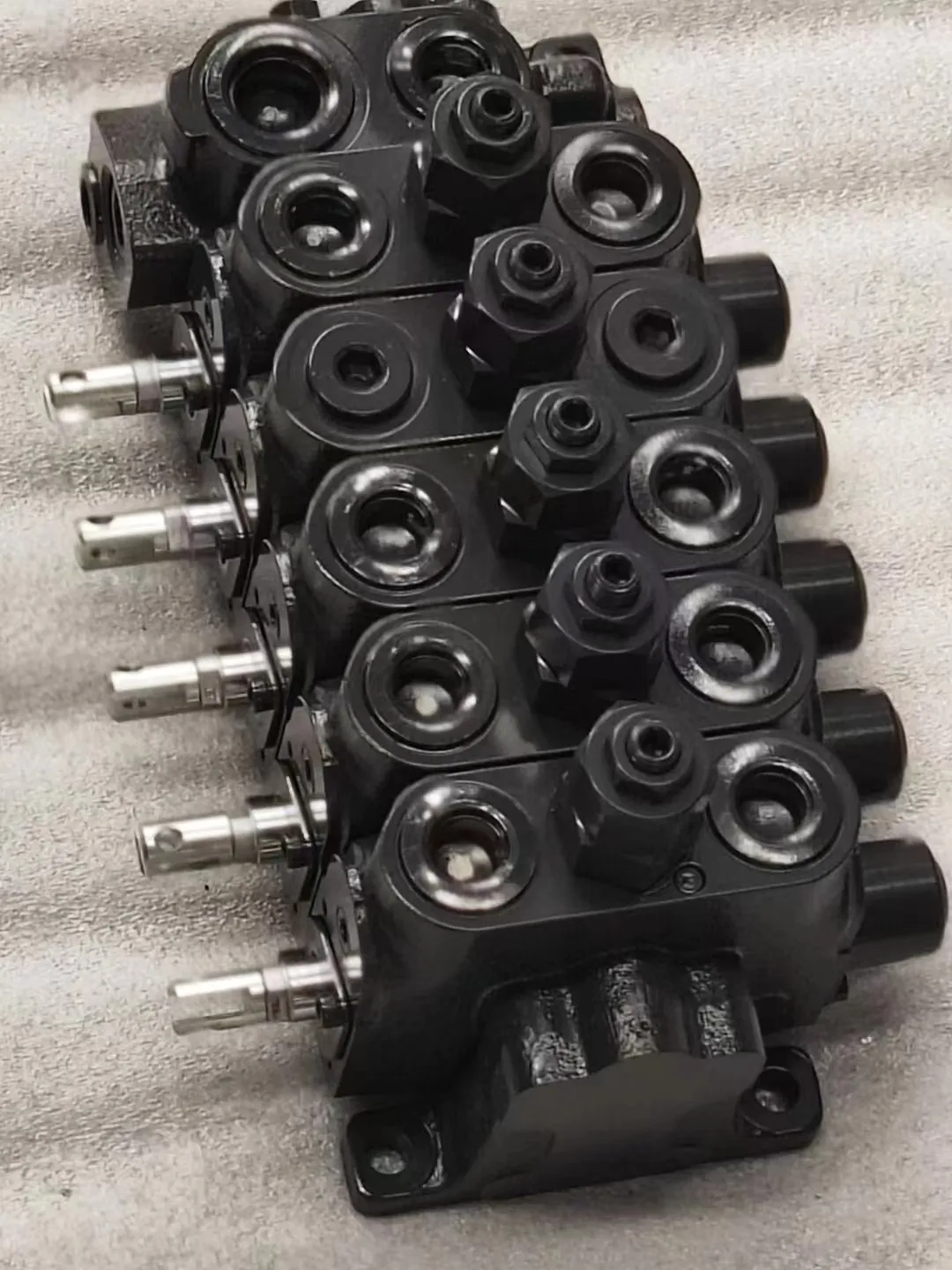 GD825A-2 Control Valve 235-60-35401
 -
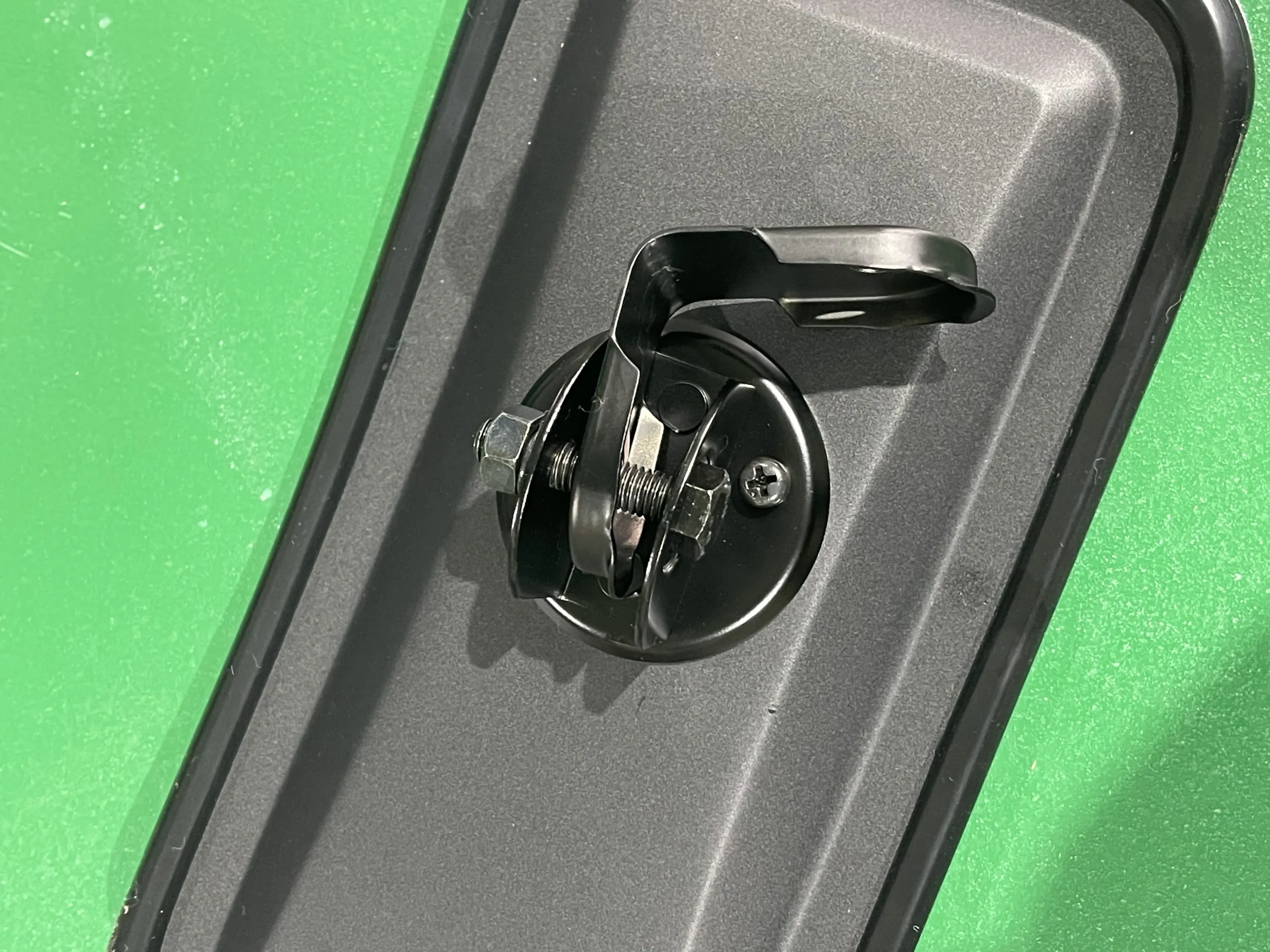 Komatsu 195-Z11-2180 Dozer Replacement Mirror
 -
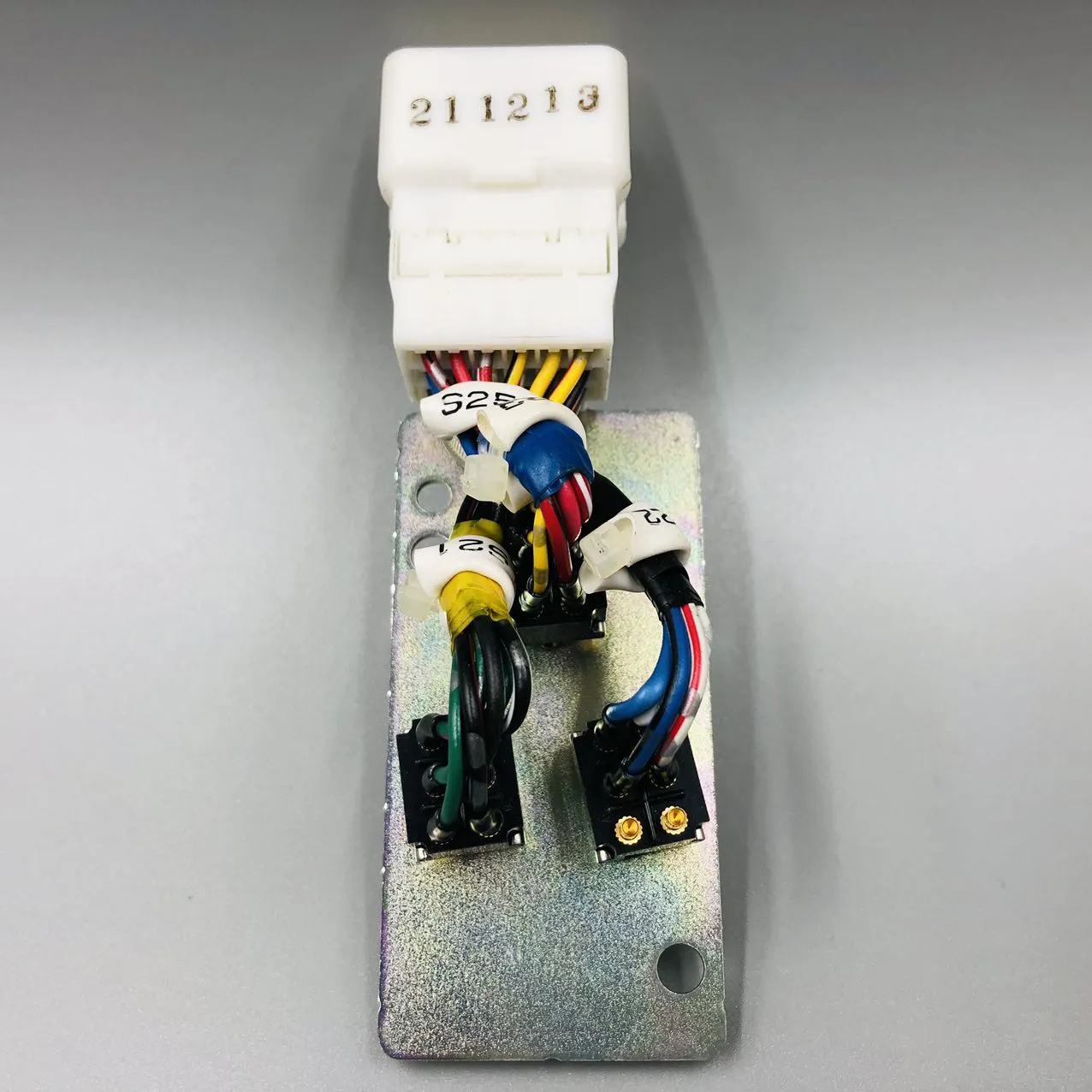 PC300-7 PC350-7 Switch Assy 22U-06-22370
 -
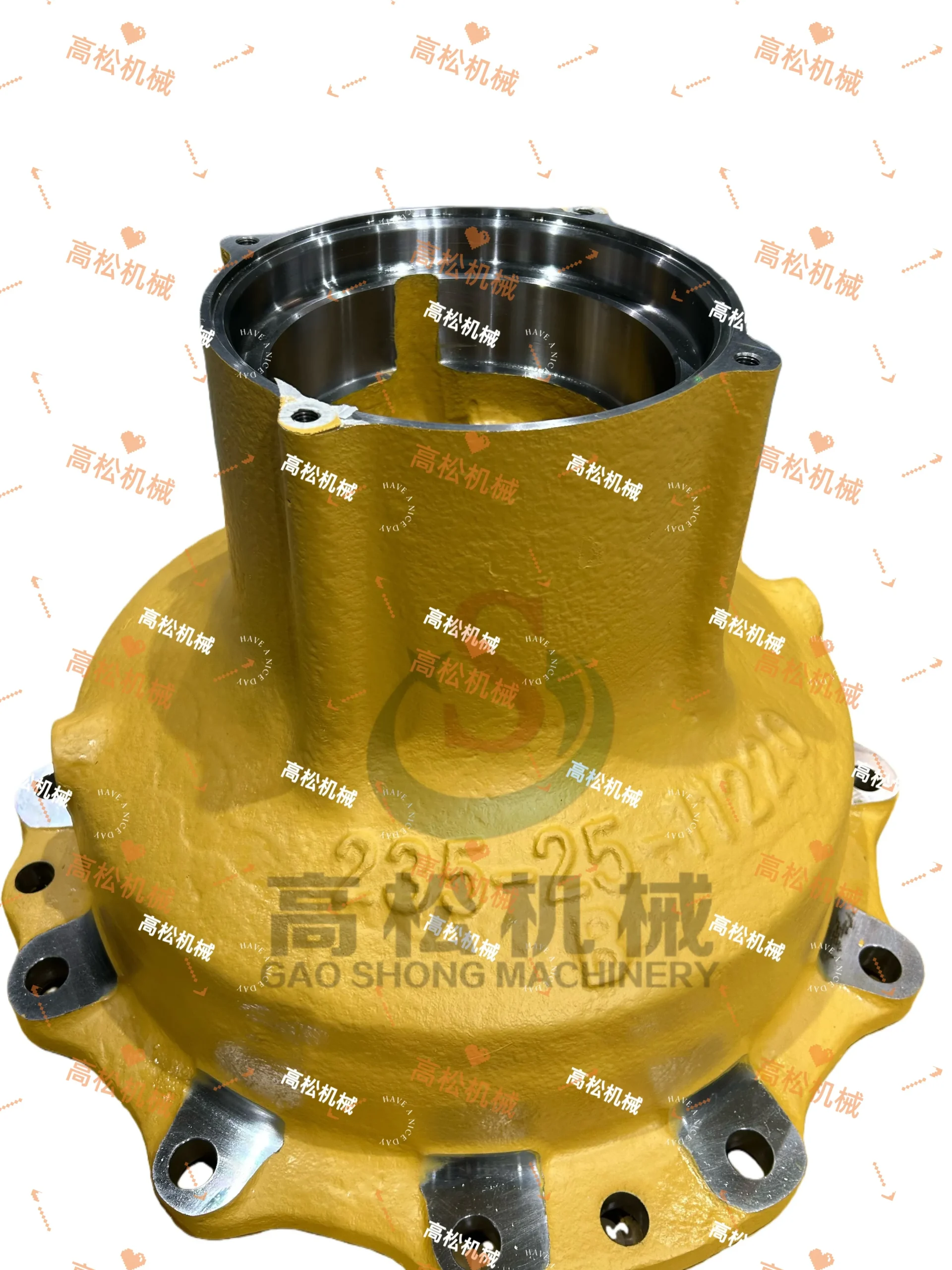 CAGE 235-25-11220 CAGE GD825A-2 S/N 11001-UP TANDEM DRIVE GEAR AND CHAIN
 -
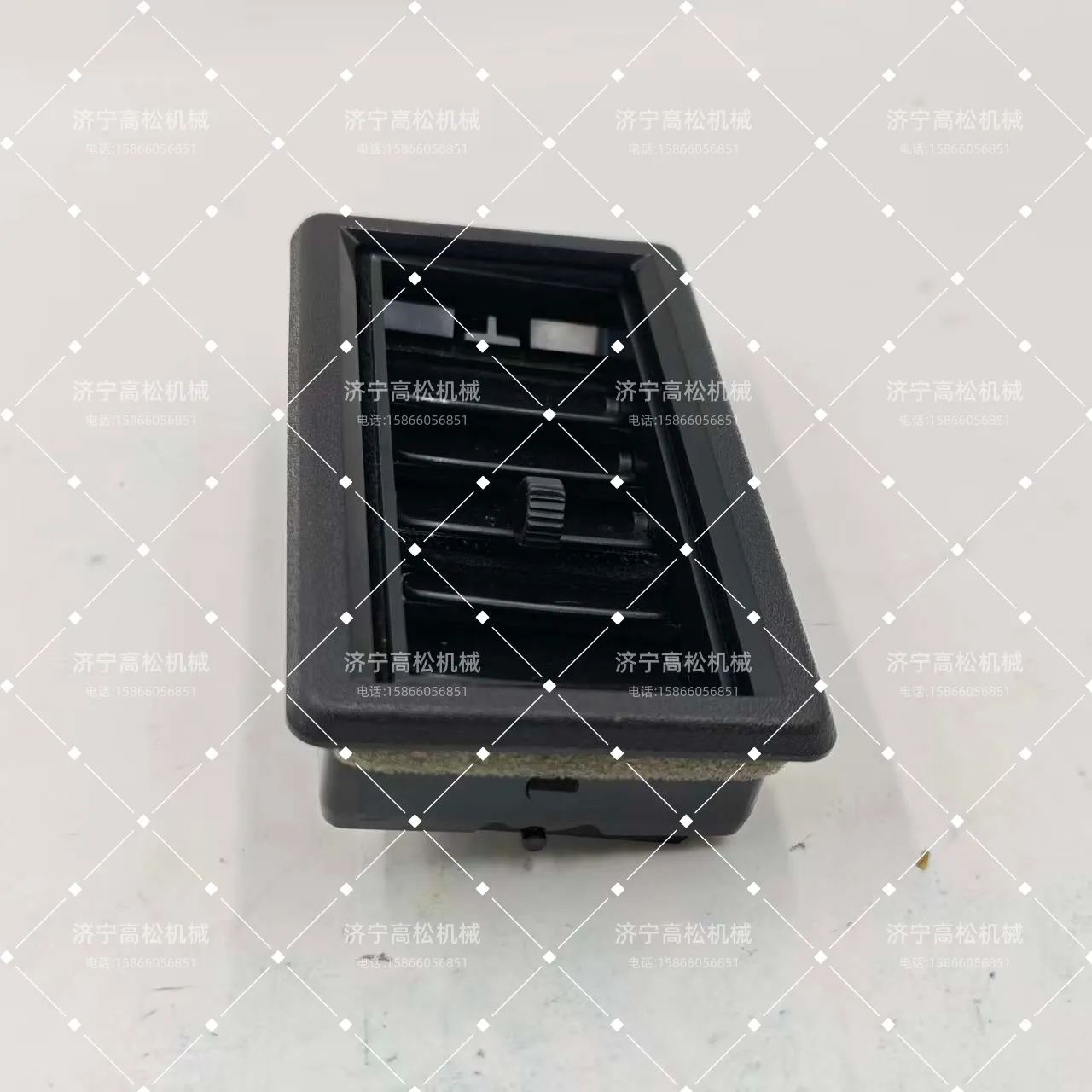 Komatsu 17A-54-18270 Inside cover for D155AX-5 Bulldozer
 -
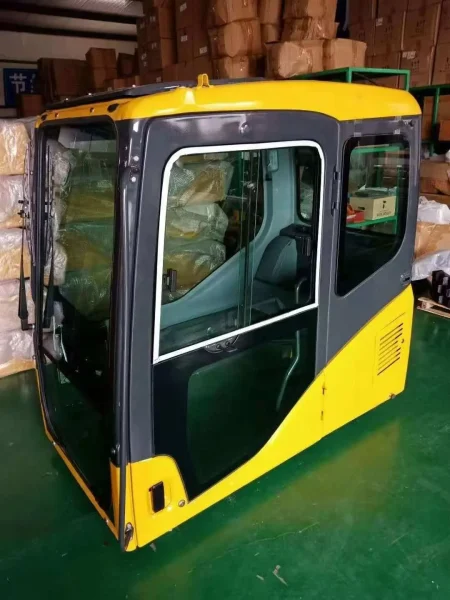 21T-54-00303 21T-54-00302 CAB ASS’Y FOR PC2000-8
 -
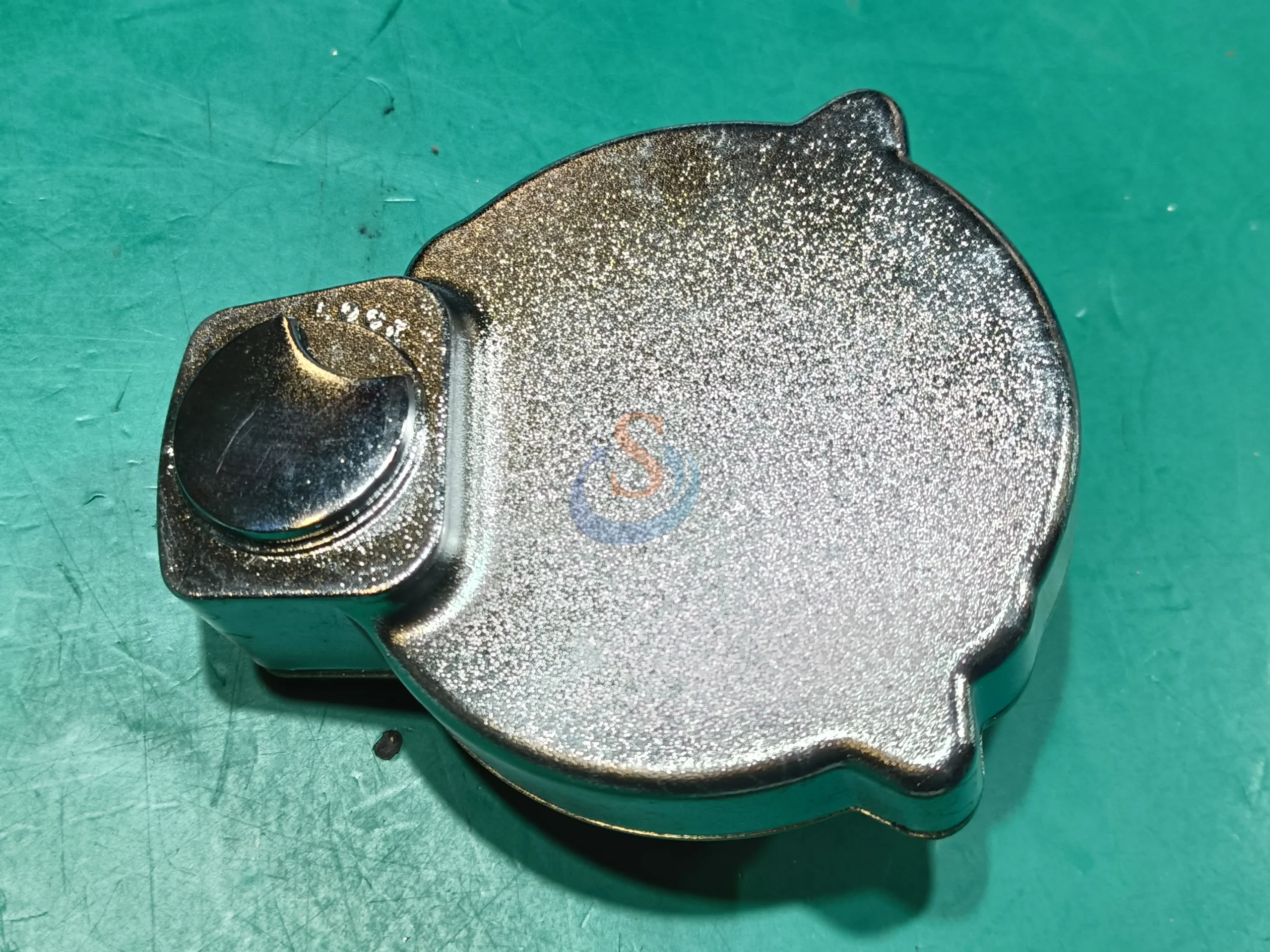 14X-60-31130,CAP,D31EX,D37EX,D65WX,D65PX,PC70
 -
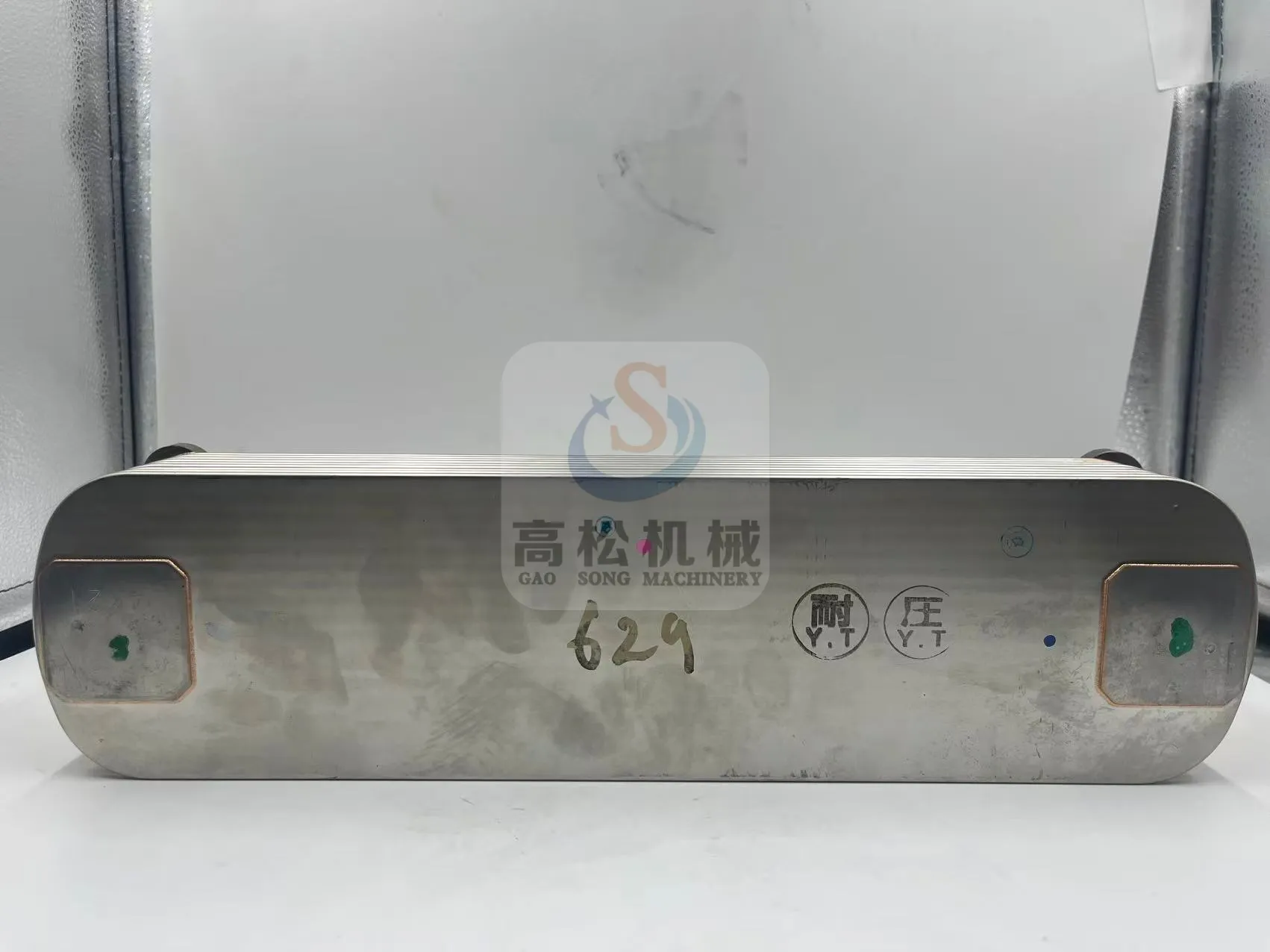 6240-61-2111 ENGINE OIL COOLER for Komatsu PC1250-11
 -
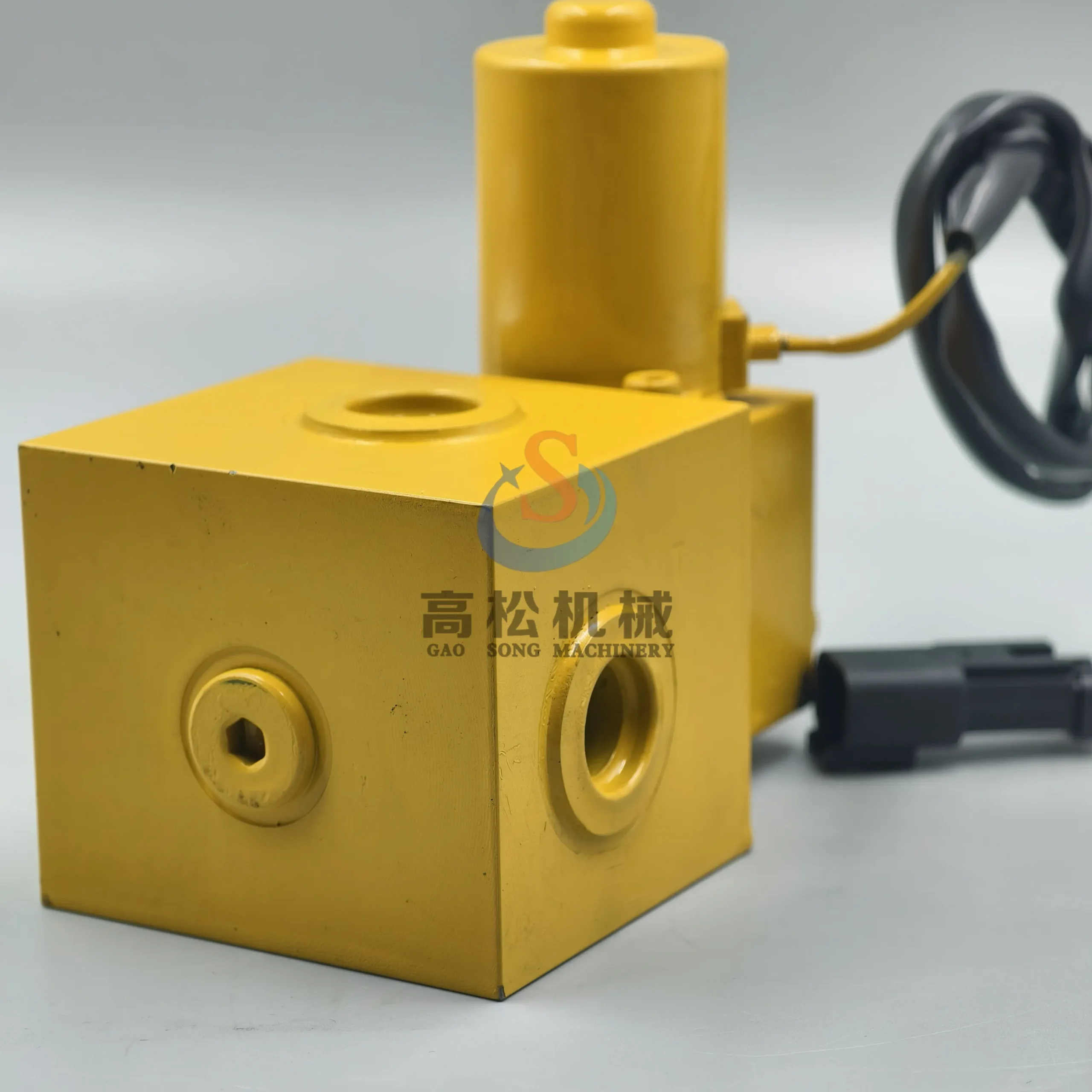 209-60-77220 komatsu vavle-PC600/PC700
 -
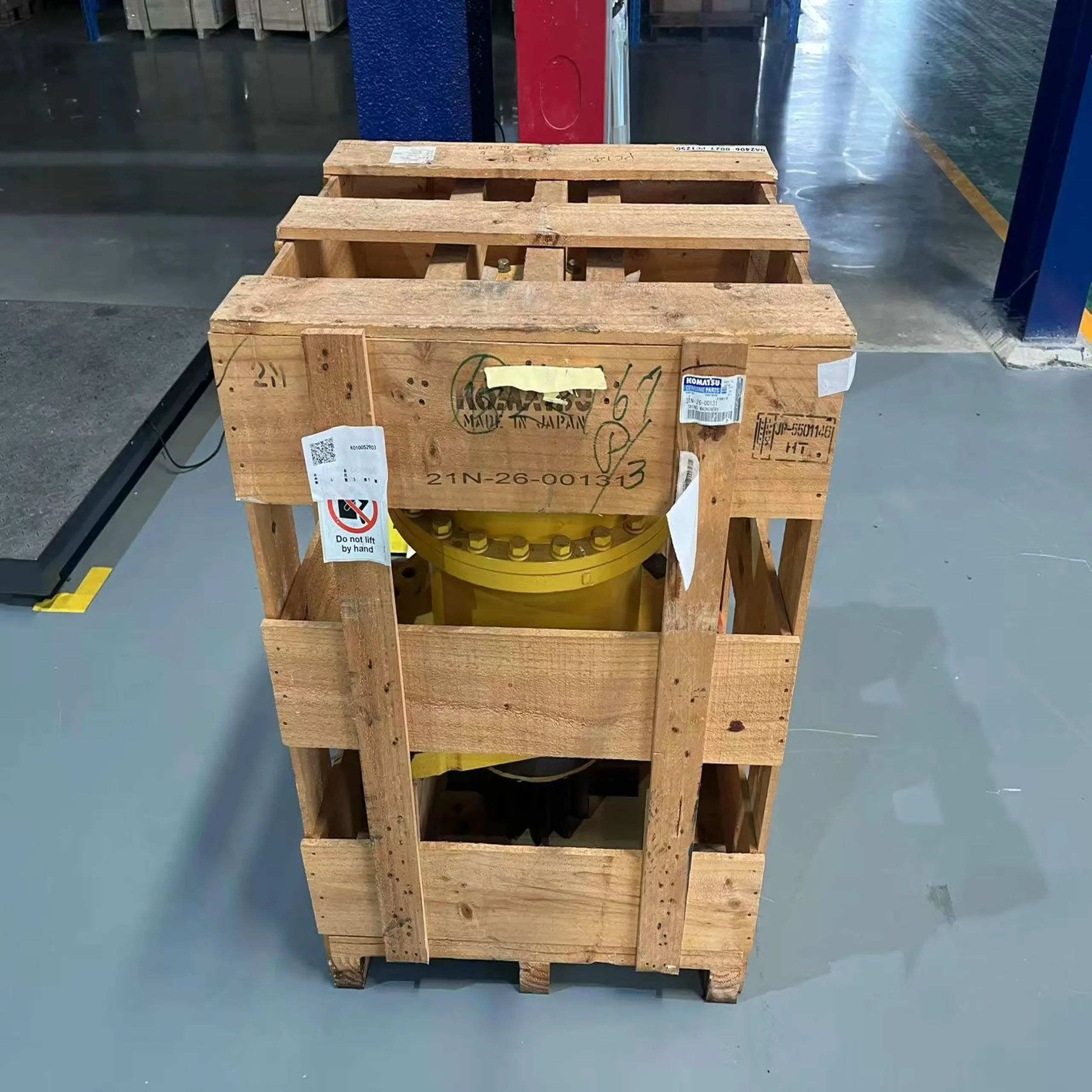 21N-26-00131 Rotary reducer, suitable for PC1250-11 #komatsu #komatsuparts #PC1250 #komatsurotaryreducer
 -
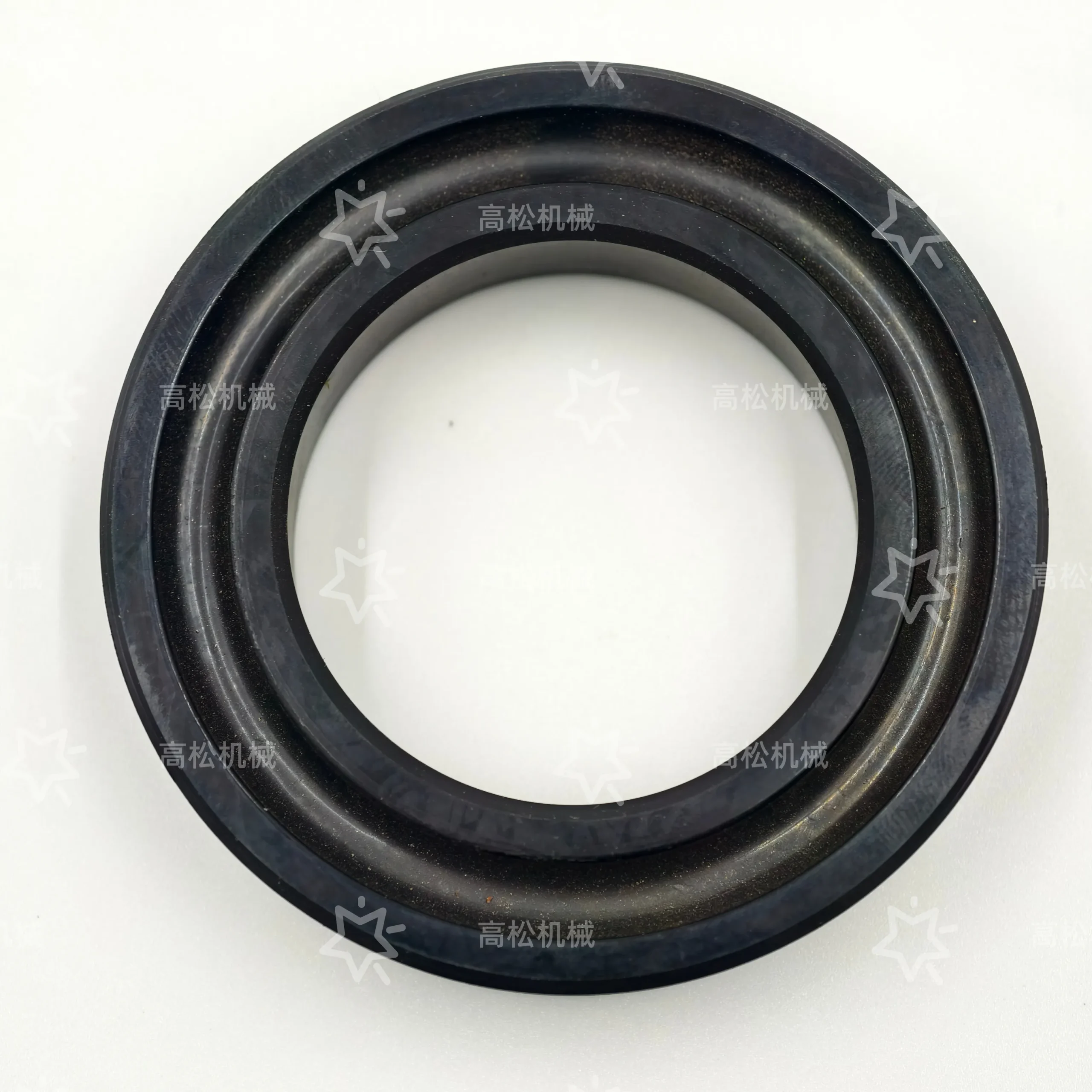 09370-00070 – U-PACKING fits Komatsu
 -
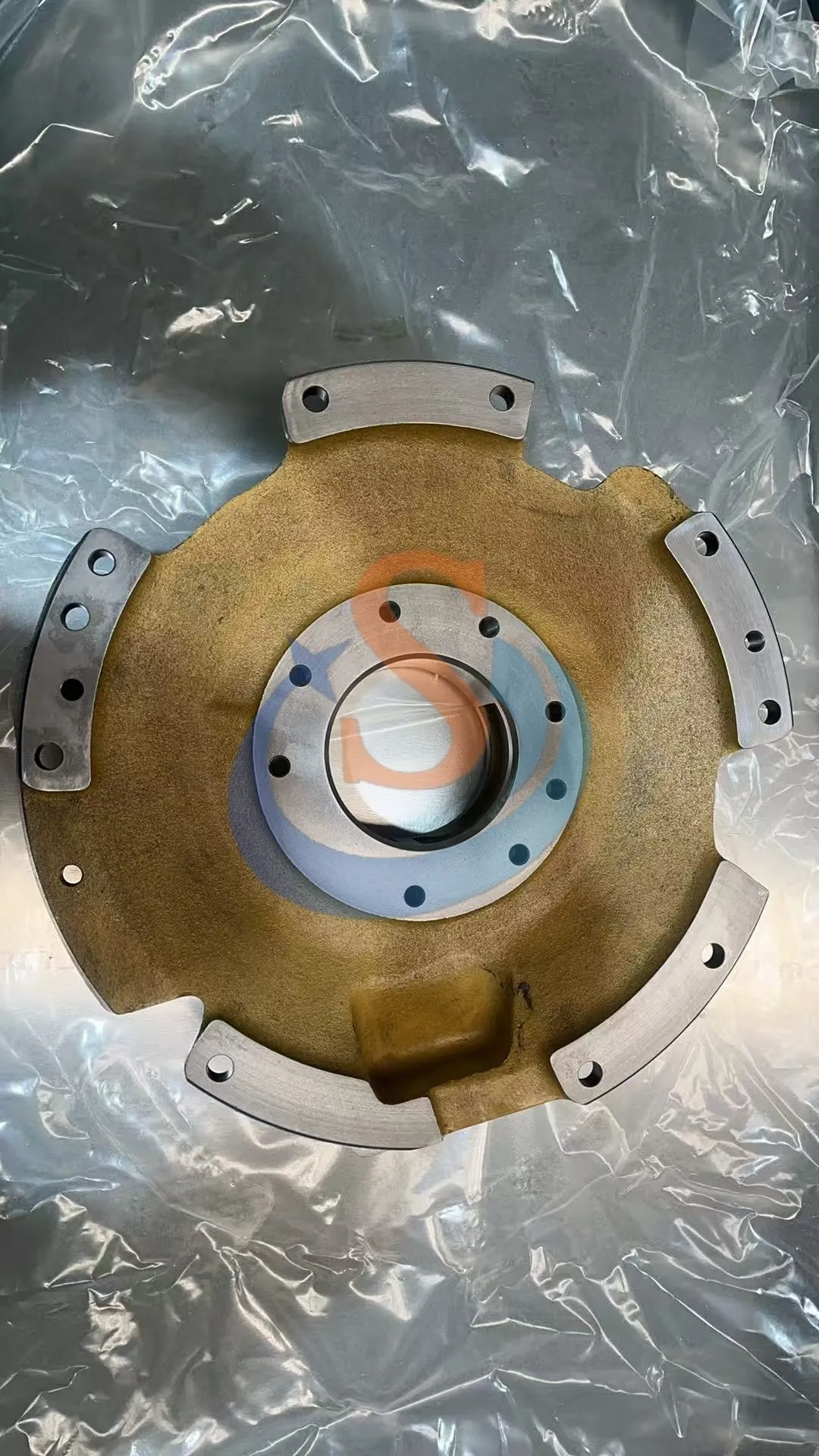 14X-13-54411 Housing D65PX/D65WX/D65EX