
- Chinese
- French
- German
- Portuguese
- Spanish
- Russian
- Japanese
- Korean
- Arabic
- Irish
- Greek
- Turkish
- Italian
- Danish
- Romanian
- Indonesian
- Czech
- Afrikaans
- Swedish
- Polish
- Basque
- Catalan
- Esperanto
- Hindi
- Lao
- Albanian
- Amharic
- Armenian
- Azerbaijani
- Belarusian
- Bengali
- Bosnian
- Bulgarian
- Cebuano
- Chichewa
- Corsican
- Croatian
- Dutch
- Estonian
- Filipino
- Finnish
- Frisian
- Galician
- Georgian
- Gujarati
- Haitian
- Hausa
- Hawaiian
- Hebrew
- Hmong
- Hungarian
- Icelandic
- Igbo
- Javanese
- Kannada
- Kazakh
- Khmer
- Kurdish
- Kyrgyz
- Latin
- Latvian
- Lithuanian
- Luxembou..
- Macedonian
- Malagasy
- Malay
- Malayalam
- Maltese
- Maori
- Marathi
- Mongolian
- Burmese
- Nepali
- Norwegian
- Pashto
- Persian
- Punjabi
- Serbian
- Sesotho
- Sinhala
- Slovak
- Slovenian
- Somali
- Samoan
- Scots Gaelic
- Shona
- Sindhi
- Sundanese
- Swahili
- Tajik
- Tamil
- Telugu
- Thai
- Ukrainian
- Urdu
- Uzbek
- Vietnamese
- Welsh
- Xhosa
- Yiddish
- Yoruba
- Zulu
- Kinyarwanda
- Tatar
- Oriya
- Turkmen
- Uyghur






komatsu fg25 nissan engine
When you hear 'Komatsu FG25 Nissan engine,' a lot of folks immediately think it's just another forklift with a rebadged powerplant. That's the first place people get tripped up. The reality is more nuanced, and frankly, where the real operational headaches and solutions are found. Having dealt with these units through channels like Jining Gaosong Construction Machinery Co., Ltd., you start to see the pattern not as a simple parts swap, but as a specific supply chain and maintenance strategy, especially in markets where genuine Komatsu-sourced parts are a logistical nightmare.
The Core of the Matter: Why This Combo Exists
Let's be clear: the Komatsu FG25 is a solid, no-nonsense 2.5-ton forklift. But in certain production cycles and for specific regional markets, Komatsu didn't always slot in their own engine. The Nissan engine here, typically the H25 or a variant, became a common fixture. This wasn't about inferiority; it was often about localized production, cost structures for that market segment, and existing supplier networks. The misconception that it's a lesser machine because of the Nissan block is where operators lose out. Performance-wise, for standard duty cycles, it's perfectly adequate. The issue is never really raw power—it's long-term support.
I recall a batch of FG25s that came into a port warehouse operation. The fleet manager was frustrated because his local Komatsu dealer was quoting exorbitant prices and weeks of lead time for what he thought were Komatsu-specific engine parts. Once we identified it as the Nissan H25 unit, sourcing opened up dramatically. This is precisely the gap that third-party specialists like Gaosong operate in. They aren't just selling alternatives; they're providing the cross-reference intelligence that keeps equipment running. You can see their approach on their portal at takematsumachinery.com, where their role as an OEM supplier within Komatsu's system gives them the specs, but their third-party sales focus gives them the flexibility to solve these exact puzzles.
The durability question comes up a lot. In my observation, the Nissan engine's weak point in this application isn't the bottom end—it's the ancillary systems. The fuel pump couplings and the thermostat housings seem to be the first things to give grief after 3,000 or so hours, especially in high-ambient-temperature environments. It's not a design flaw per se, but more that these components might have been specced to a different tolerance than what the forklift's full-load, stop-start cycle demands. You learn to check these proactively during servicing.
On-the-Ground Maintenance and Cross-Referencing Headaches
This is where the professional experience turns from theory into spilled coolant and skinned knuckles. The parts catalog for an FG25 with the Nissan engine can be a minefield. The Komatsu part number for, say, a head gasket, leads to a dead end and a 12-week backorder from Japan. But the Nissan industrial engine part number for the identical gasket might be on a shelf in a warehouse in another city. The value of a supplier that understands both systems is immense. Jining Gaosong positions itself exactly there, leveraging its OEM knowledge to bridge that parts supply challenge they mention in their intro.
I've made the mistake of assuming compatibility. Once, we ordered a water pump using the model number stamped on the FG25's chassis. It arrived, bolted up perfectly, but the impeller pitch was wrong—it was for a different application of the same base Nissan engine, leading to chronic overheating under load. The lesson? The industrial version of the H25 has subtle variations. You need the specific industrial engine serial number, not just the forklift model. A good technical partner will ask for that engine S/N, not just the machine model.
Another practical note: the engine mounts. They wear differently than in a pure Komatsu-engine configuration. The vibration frequency seems to be just off enough to cause premature cracking in the right-side mount if not torqued correctly during installation. It's a small detail, but one that causes a major downtime event if it fails. We started using a center punch to mark the torque position after installation as a quick visual check during pre-op inspections.
Fuel System Quirks and Cold-Start Behaviors
The fuel system on these Nissan engines, particularly the older mechanical injection pumps, is robust but sensitive to fuel quality—more so than some contemporary direct-injection diesels. In regions with less-regulated diesel, the injection timing tends to drift faster. You'll notice a loss of low-end torque and a smokier exhaust. It's not the engine failing; it's the fuel shearing the lubricity in the pump. The fix isn't always a rebuild. Often, just sourcing a higher-cetane fuel and adding a legitimate lubricity additive for a few tankfuls brings it back. This is rarely in any official manual.
Cold starts. Below 5°C, the glow plug system is critical, but the relay and bus bar setup on these integrated engines are a known failure point. You'll get one or two plugs not heating, causing rough starts and white smoke. Diagnosing it isn't hard with a multimeter, but the official Komatsu service bulletin for the FG25 might not highlight this Nissan-specific component layout. Again, it's about knowing the engine, not just the machine it's dropped into. Suppliers who focus on the parts supply challenges in certain countries often stock these specific bus bars and relays because they know they're high-failure items in the field.
We tried bypassing the relay once with a manual switch, a field fix you sometimes see. It worked, but it blew the controller for the instrument panel a month later—a costly lesson. The electrical draw on startup was somehow feeding back. The proper repair was, of course, to replace the entire glow plug circuit as per the engine maker's spec, not the machine maker's. This distinction is crucial.
The Value of a Hybrid Supply Chain
This brings me back to the model of a company like Jining Gaosong Construction Machinery Co., Ltd.. Their stated role makes perfect sense in this context. As an OEM product supplier within Komatsu's system, they have access to the technical data, the build specs, and the original part numbers. But as a third-party sales company, they can look at that FG25 with its Nissan engine and think, Right, for the water pump, the Nissan industrial number is X, and it's available here, and it's 40% cheaper with a two-day lead time. That's solving a real problem. It's not about undercutting the brand; it's about uptime.
I've visited operations where their entire fleet of older FG25s is supported through such channels. The maintenance superintendents aren't loyal to a single brand of part; they're loyal to reliability and availability. They might use a genuine Komatsu drive axle seal, but a fully certified aftermarket Nissan engine gasket kit. This hybrid approach is the smart way to manage mixed or aging fleets. The website takematsumachinery.com essentially communicates this capability: We know the system, and we know how to work around its constraints to keep your machine running.
This model does require trust. You're trusting that the third-party supplier knows the difference between a cost-effective alternative and a sub-par part. That comes from their depth of experience. For instance, they should know that not all aftermarket head gaskets for the H25 are equal—some lack the specific sealing bead around the oil feed hole that the FG25's sustained high-rpm operation needs. A good supplier will specify the correct one.
Long-Term Viability and Final Thoughts
So, is the Komatsu FG25 with a Nissan engine a good long-term bet? It depends almost entirely on your support channel. The machine itself is fundamentally sound. The Nissan H25 is a workhorse engine found in generators, small ag equipment, and other industrial roles. Parts exist globally. The challenge was always connecting the Komatsu machine to the Nissan engine parts stream. That gap is now a dedicated business niche.
If you're looking at one of these units, your first step shouldn't be to check the hour meter—it should be to locate the engine serial number plate and then call a supplier who can read it. Ask them for the availability and price of three key items: a cylinder head, a fuel injection pump, and the engine mount brackets. Their response will tell you everything about your future support pipeline.
In the end, the Komatsu FG25 Nissan engine combination is a testament to pragmatic engineering and global manufacturing. Its perceived complexity is actually its strength, provided you navigate the support landscape correctly. It forces you, as a maintenance professional or fleet manager, to look deeper than the brand name on the chassis. You have to understand the DNA of the machine, piece by piece. And sometimes, that means partnering with the specialists who have already done that mapping, like those operating in the space between OEM and end-user, solving those very specific parts supply challenges.
Related Products
Related Products

Best Selling Products
Best Selling Products-
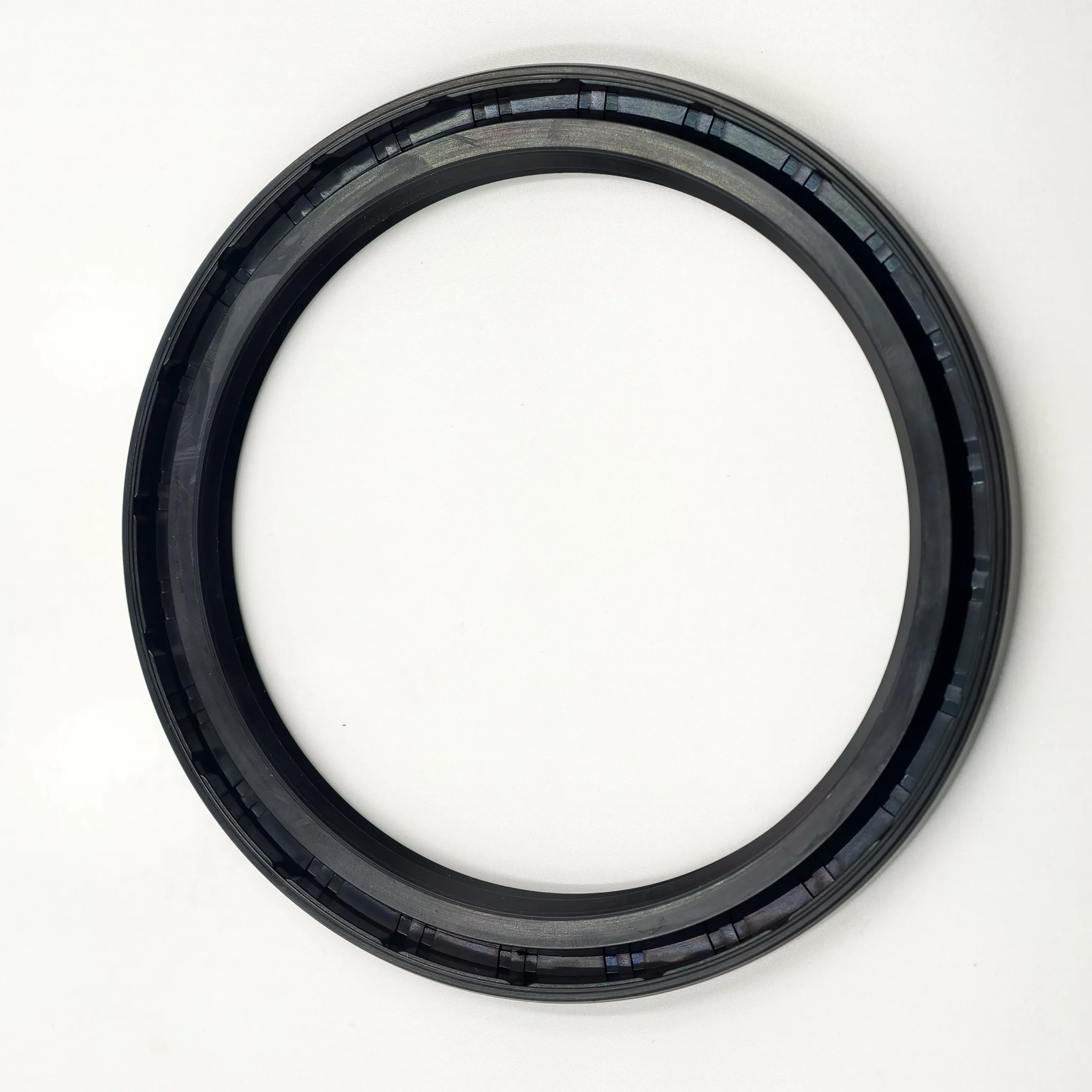 Komatsu56D-15-19810 Seal, Dust
 -
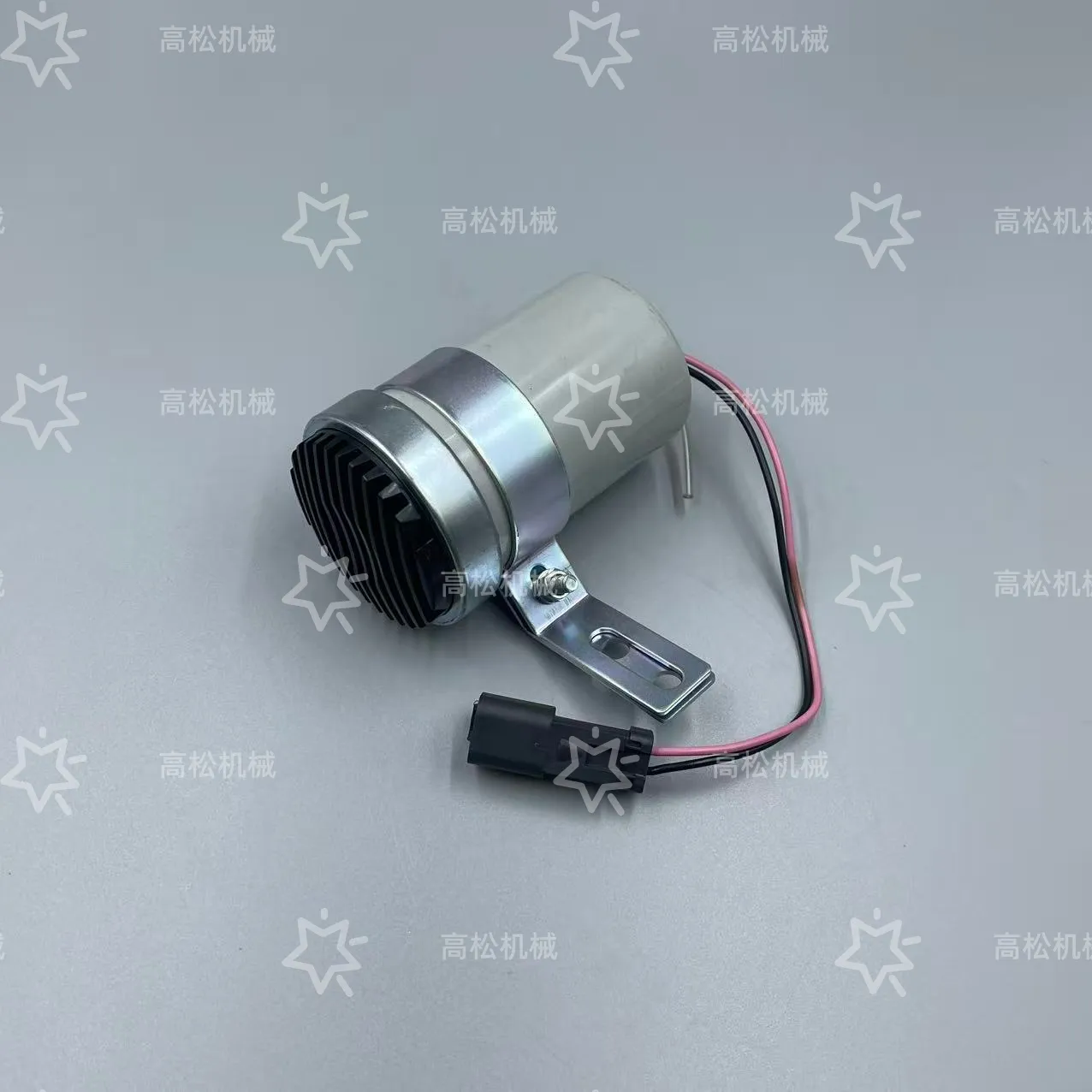 Komatsu Alarm 198-06-56570 for Bulldozer D65PX-15EO
 -
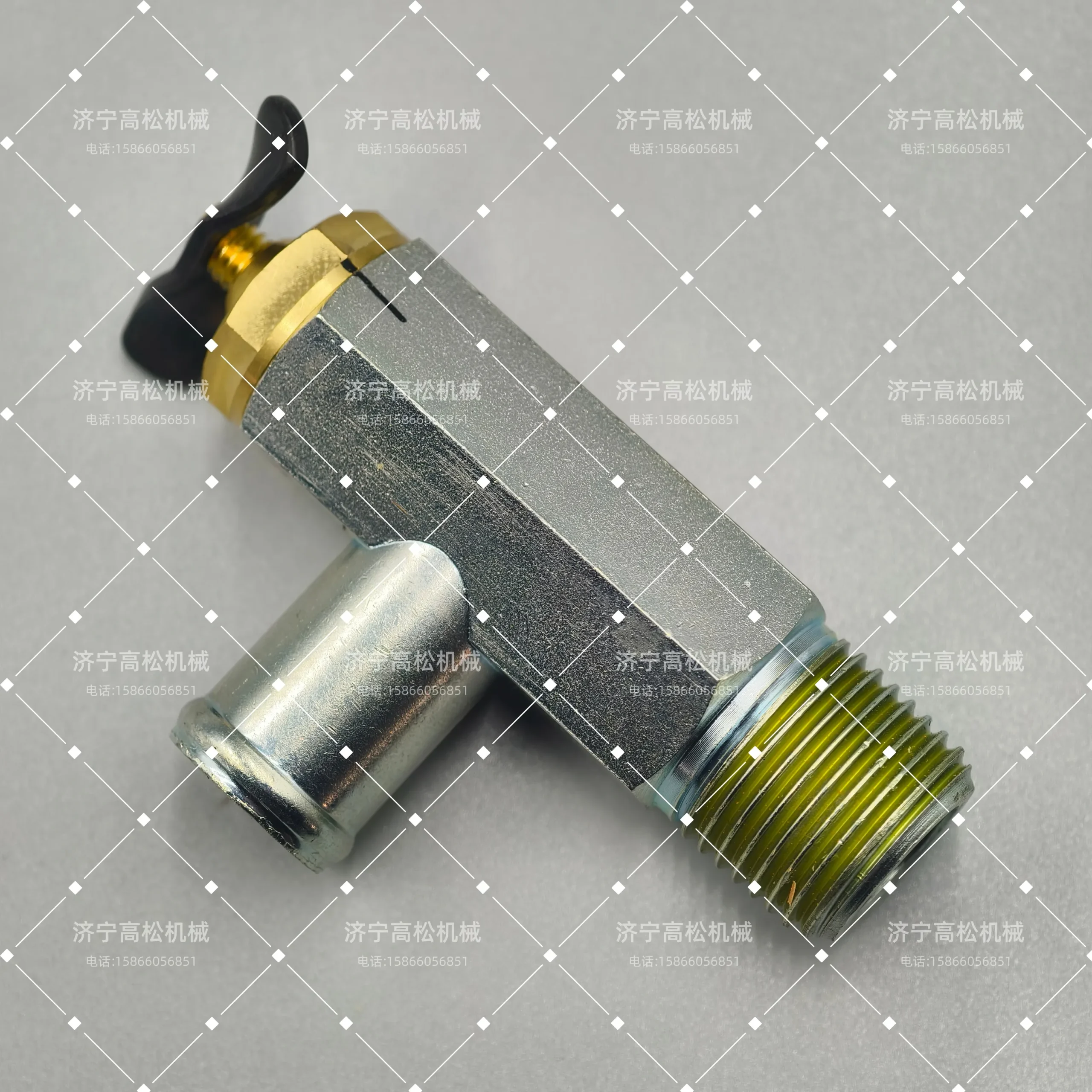 Komatsu 09482-10000 VALVE, HOSE, price for… — Pricing.Parts
 -
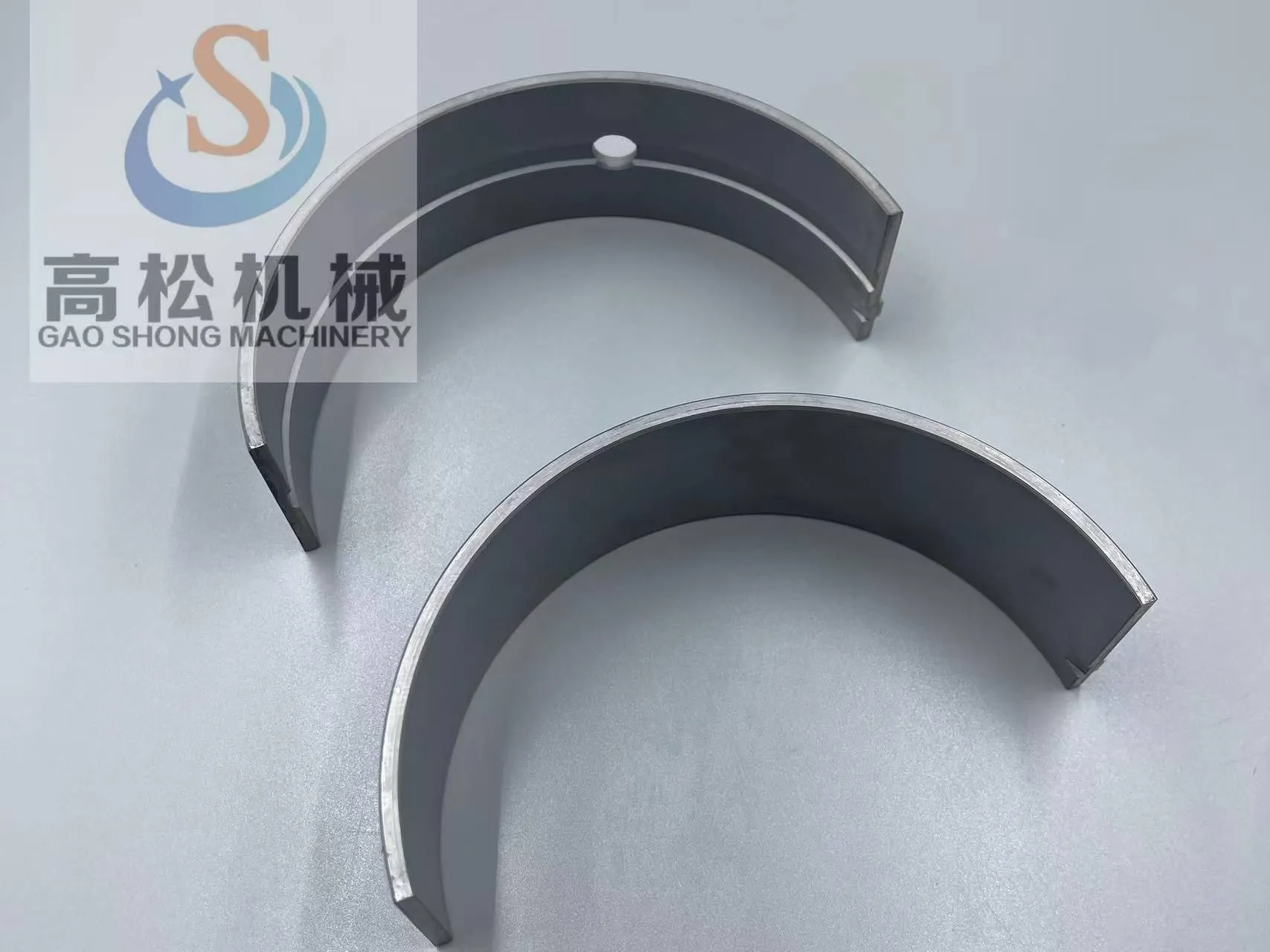 Main bearing of mechanical engine 6162-23-8010, applicable to S6d170 wheel loader, WA600 type Buildozer D375 engine
 -
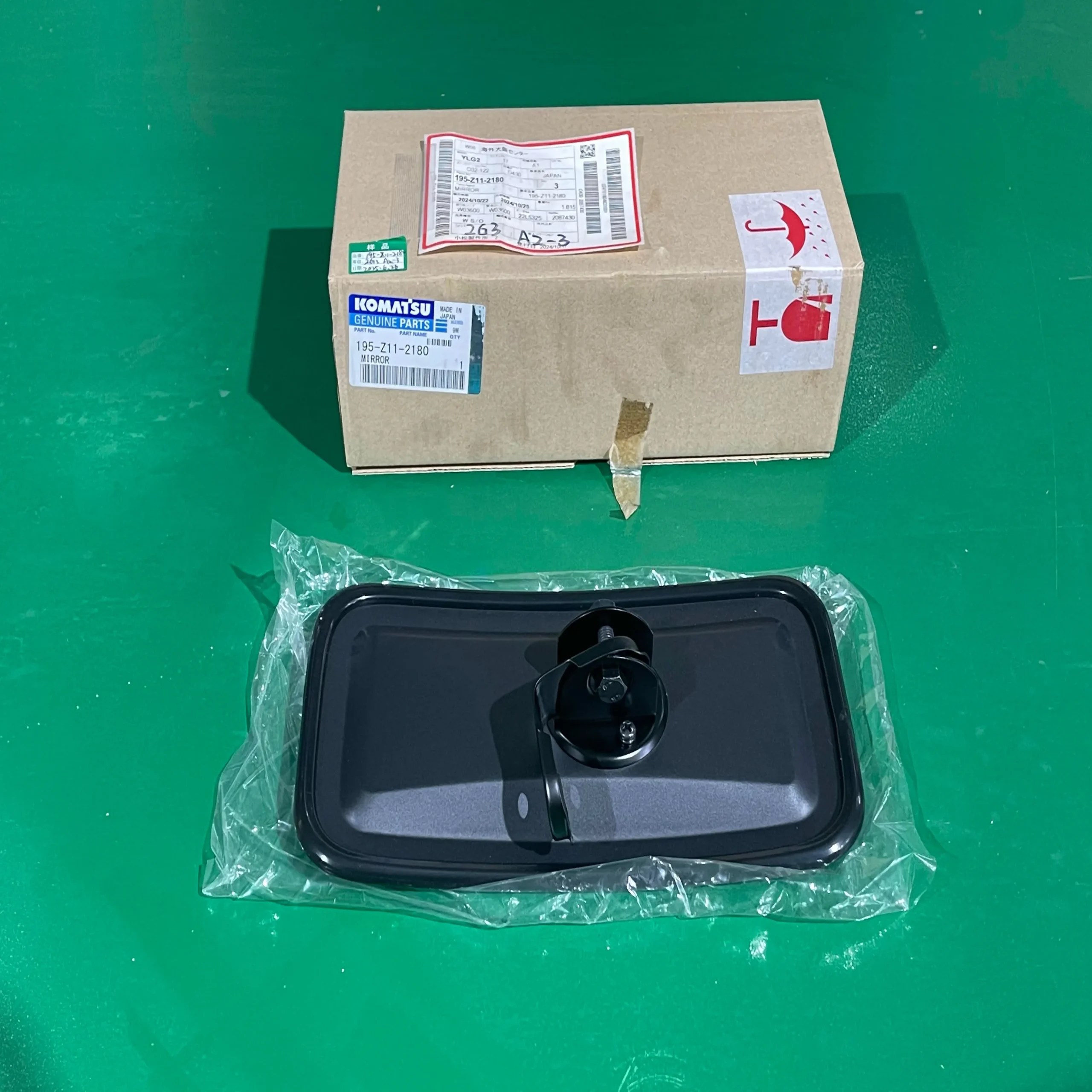 Komatsu bulldozer rearview mirror 195-Z11-2180
 -
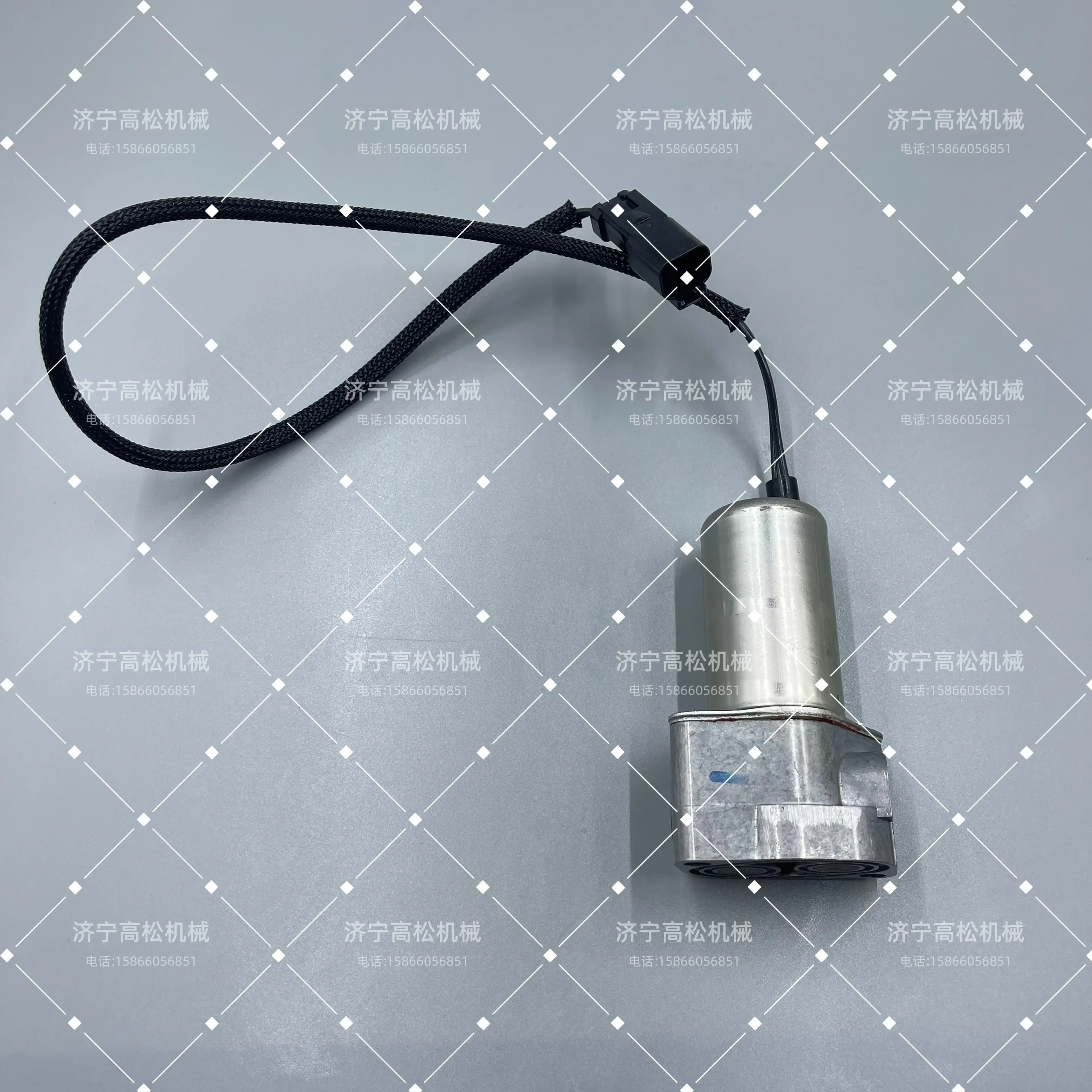 For Komatsu 702-21-07620 7022107620 High Quality Hydraulic…
 -
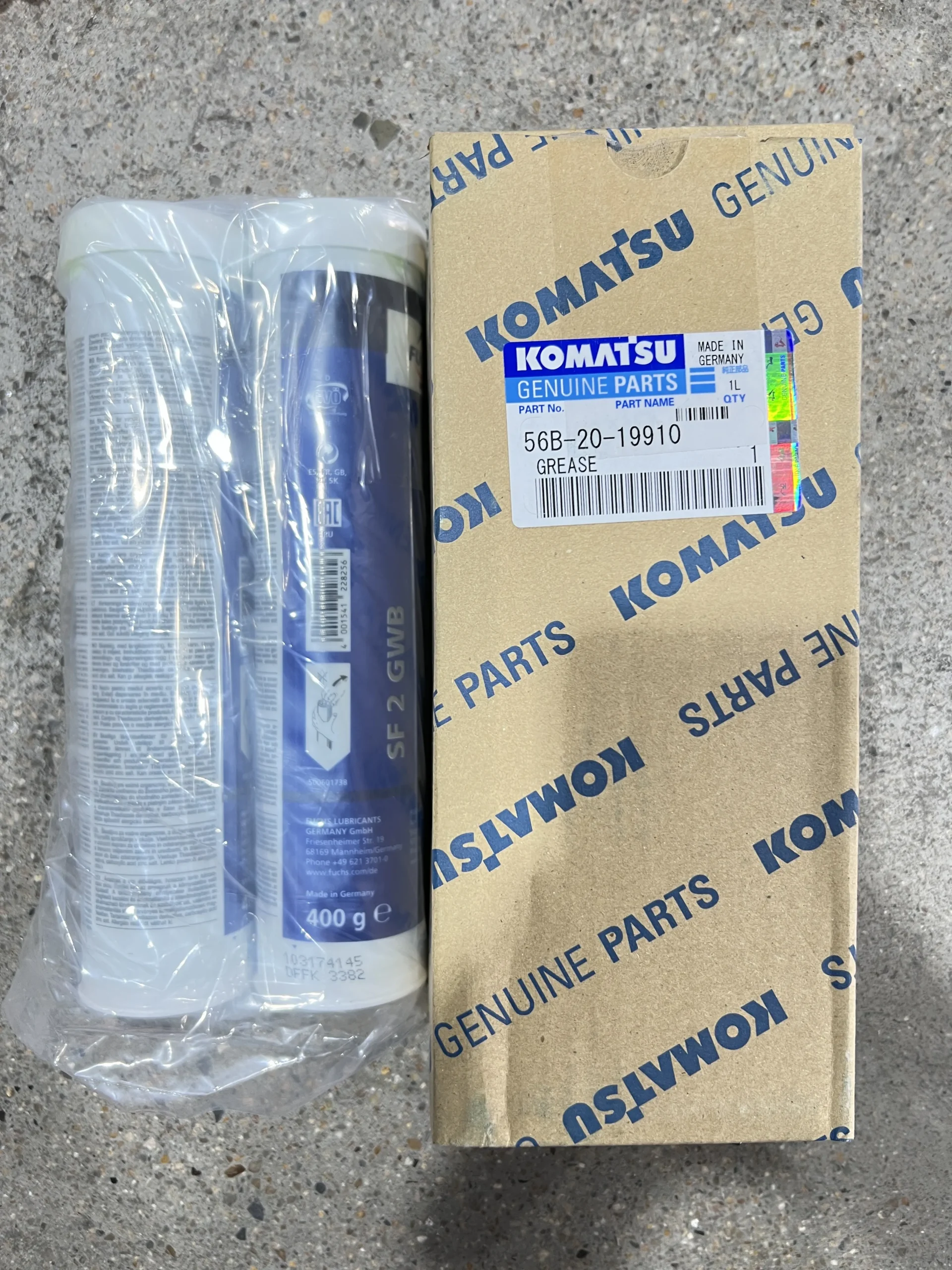 Original Hot Sale GREASE 56B-20-19910 GREASE for Komatsu HM400-1 HM350-1
 -
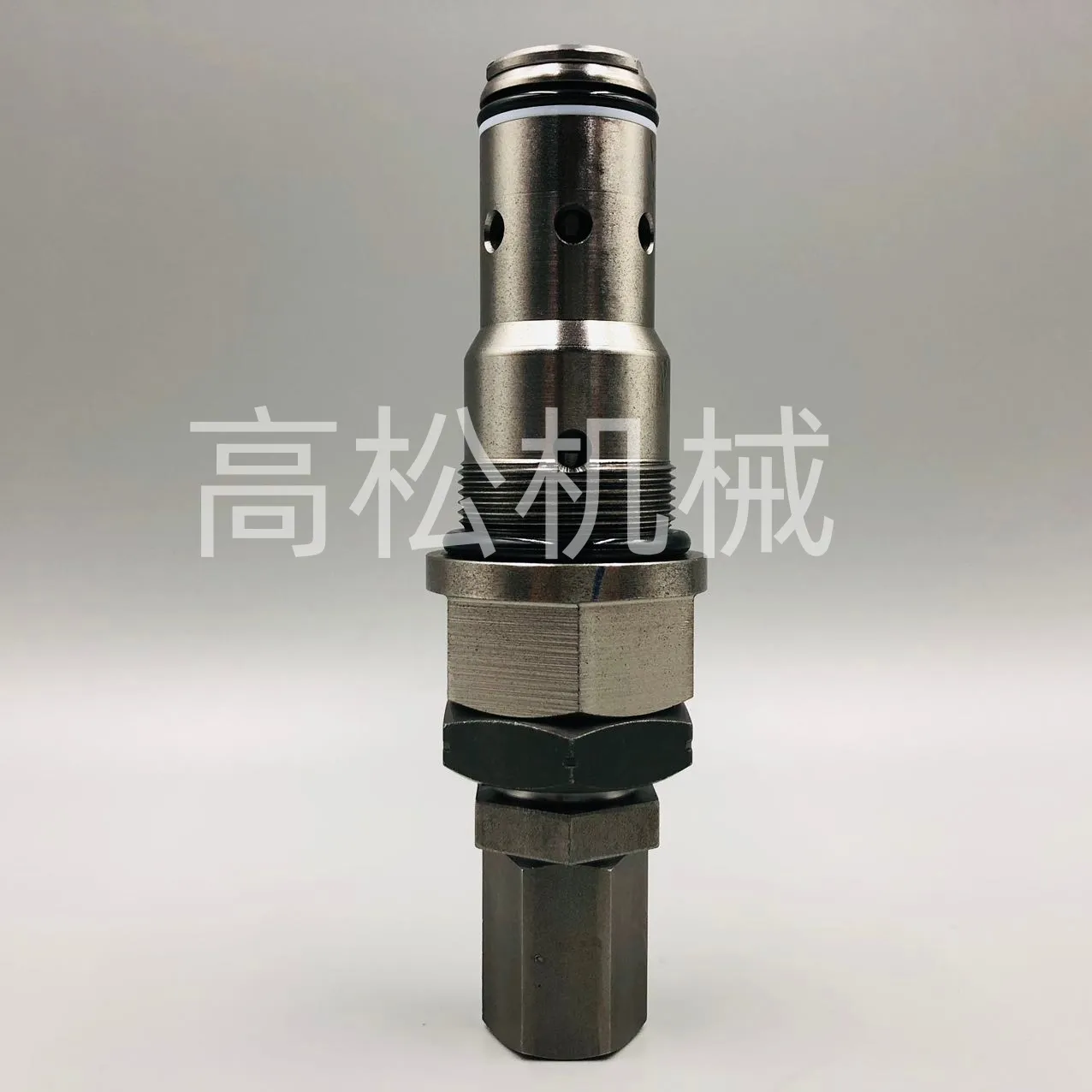 700-89-66000 Komatsu RELIEF VALVE
 -
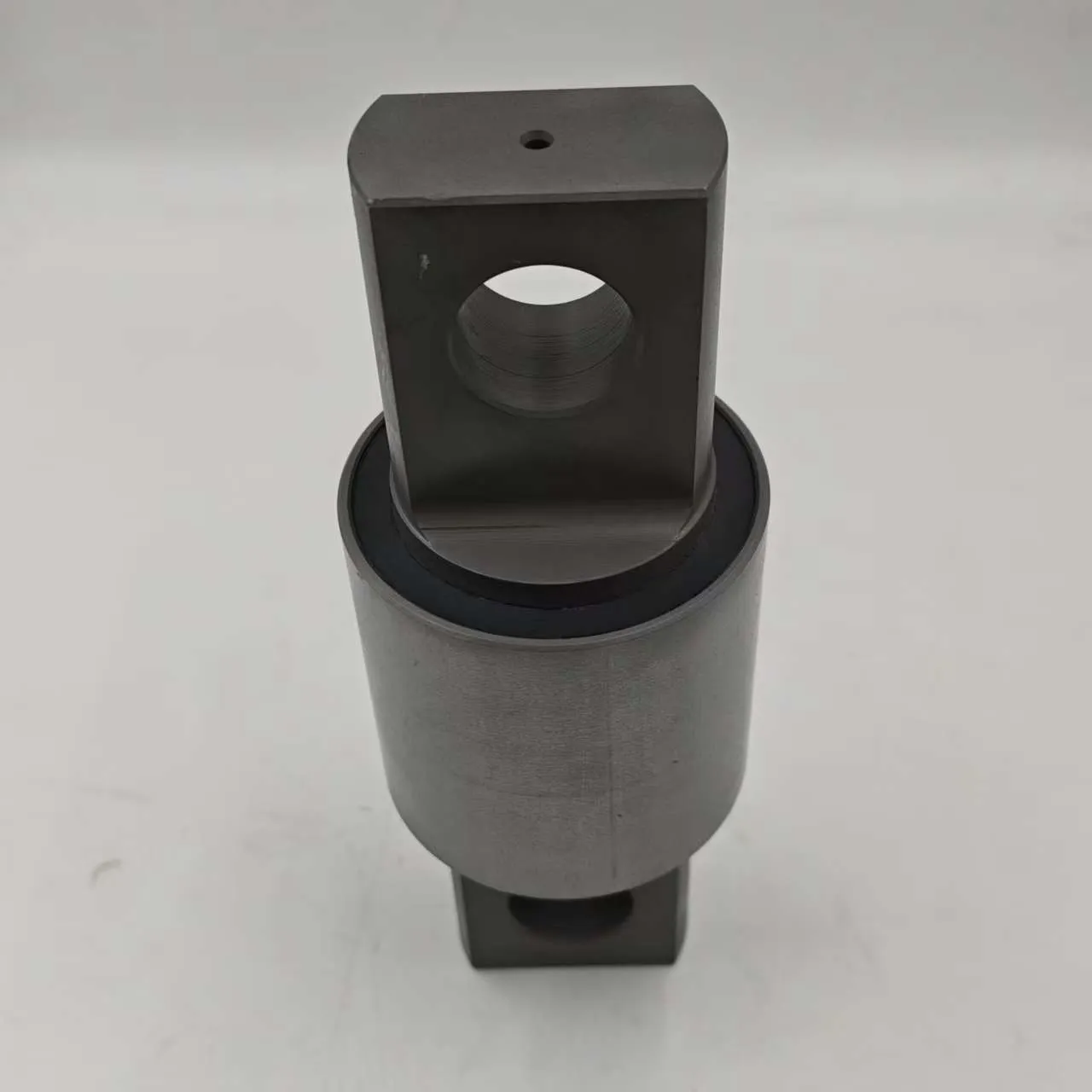 Komatsu hinge card HM350 shock absorber 56B-16-11211
 -
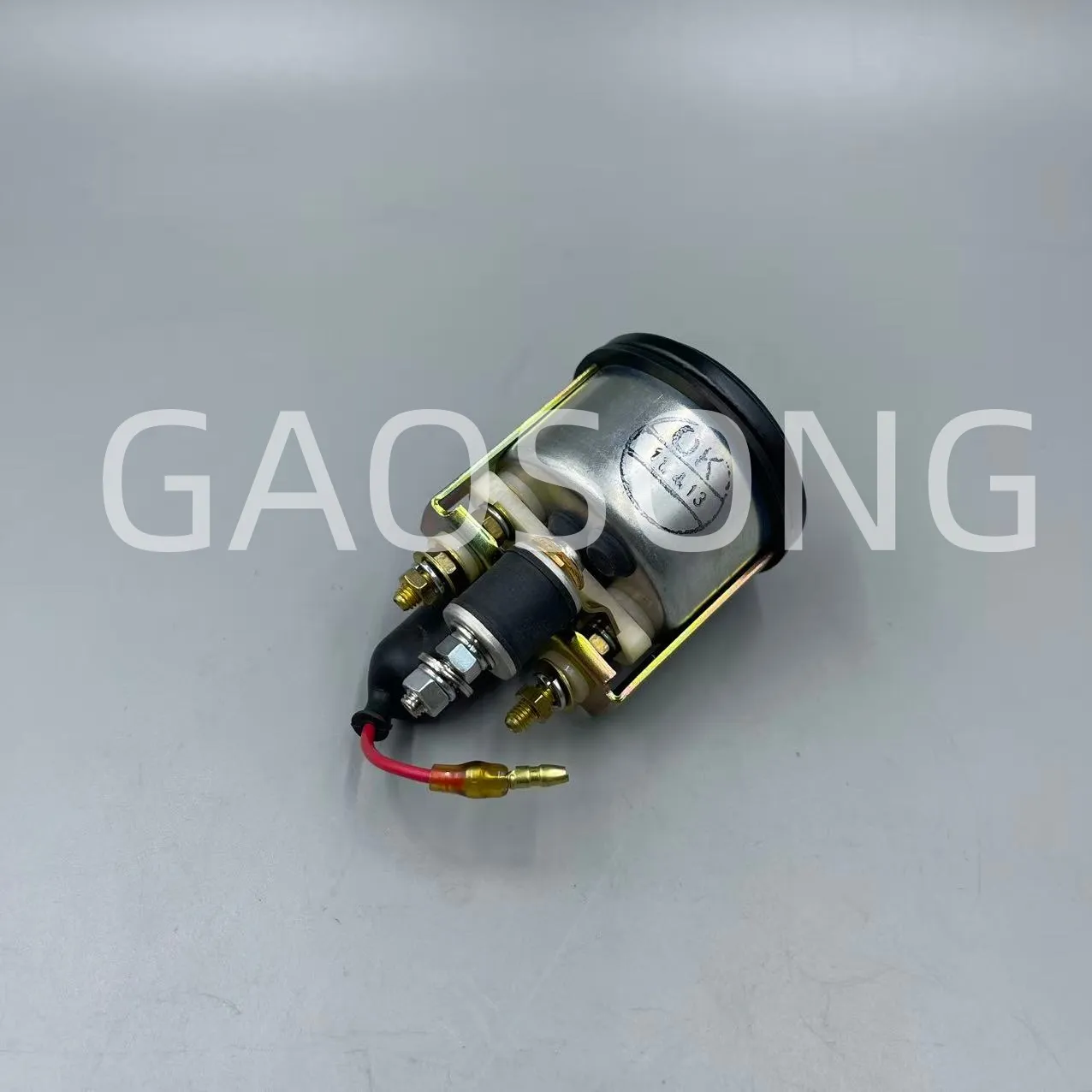 195-06-23110 GAUGE,WATER TEMPERATURE-Komatsu Original Factory
 -
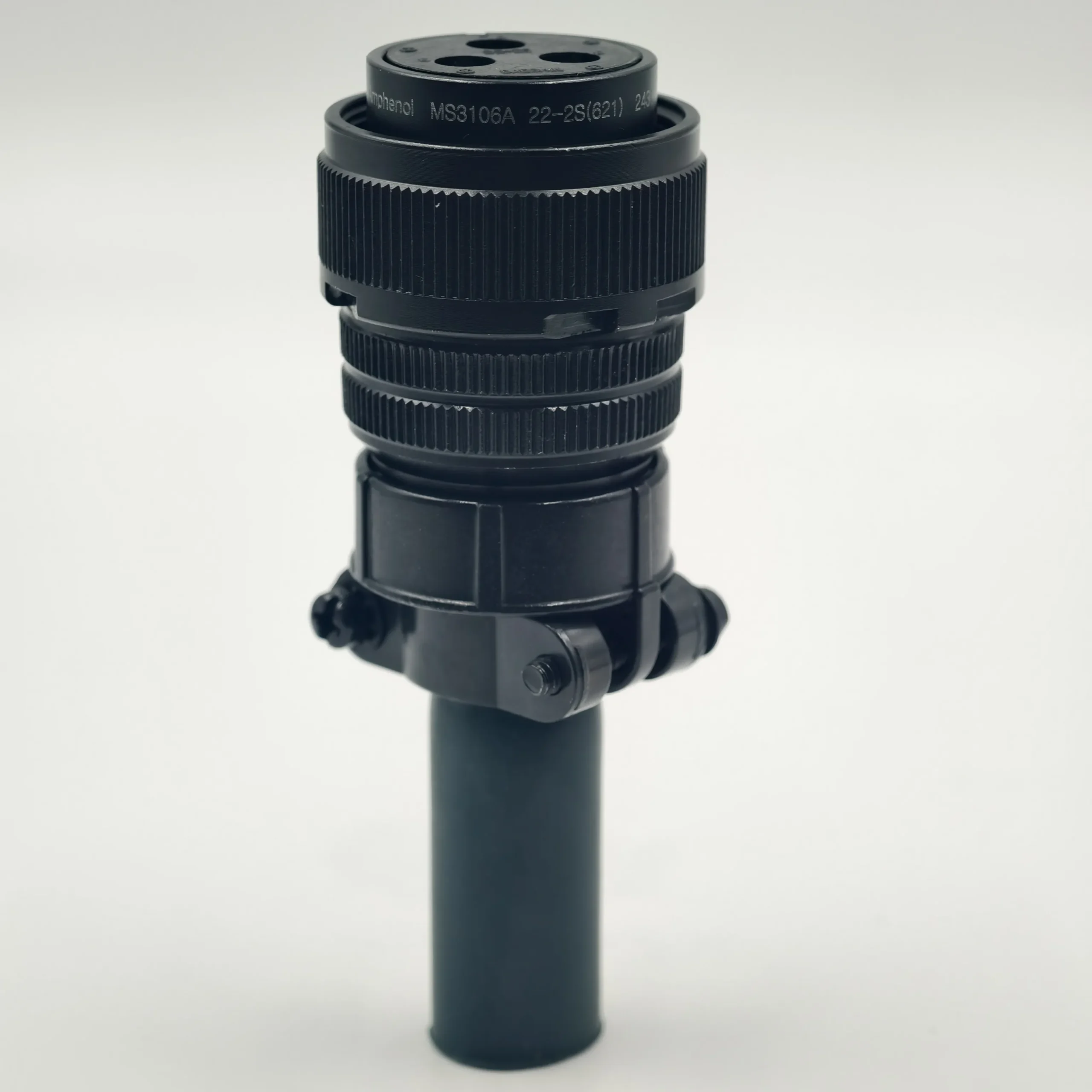 175-06-37871 PLUG(WITH HEATER) (Komatsu)
 -
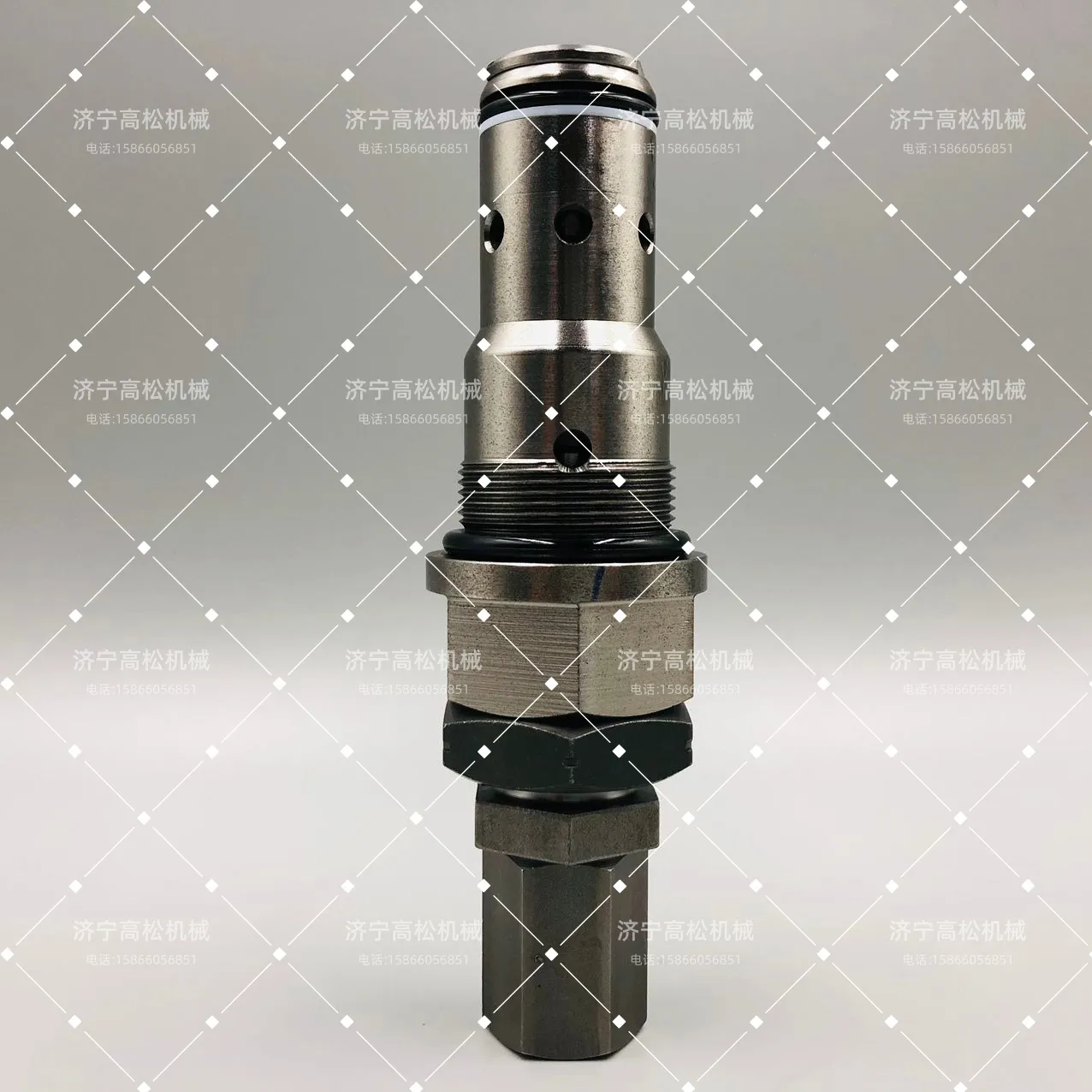 RELIEF VALVE 700-89-66000 – KOMATSU Part catalog