
- Chinese
- French
- German
- Portuguese
- Spanish
- Russian
- Japanese
- Korean
- Arabic
- Irish
- Greek
- Turkish
- Italian
- Danish
- Romanian
- Indonesian
- Czech
- Afrikaans
- Swedish
- Polish
- Basque
- Catalan
- Esperanto
- Hindi
- Lao
- Albanian
- Amharic
- Armenian
- Azerbaijani
- Belarusian
- Bengali
- Bosnian
- Bulgarian
- Cebuano
- Chichewa
- Corsican
- Croatian
- Dutch
- Estonian
- Filipino
- Finnish
- Frisian
- Galician
- Georgian
- Gujarati
- Haitian
- Hausa
- Hawaiian
- Hebrew
- Hmong
- Hungarian
- Icelandic
- Igbo
- Javanese
- Kannada
- Kazakh
- Khmer
- Kurdish
- Kyrgyz
- Latin
- Latvian
- Lithuanian
- Luxembou..
- Macedonian
- Malagasy
- Malay
- Malayalam
- Maltese
- Maori
- Marathi
- Mongolian
- Burmese
- Nepali
- Norwegian
- Pashto
- Persian
- Punjabi
- Serbian
- Sesotho
- Sinhala
- Slovak
- Slovenian
- Somali
- Samoan
- Scots Gaelic
- Shona
- Sindhi
- Sundanese
- Swahili
- Tajik
- Tamil
- Telugu
- Thai
- Ukrainian
- Urdu
- Uzbek
- Vietnamese
- Welsh
- Xhosa
- Yiddish
- Yoruba
- Zulu
- Kinyarwanda
- Tatar
- Oriya
- Turkmen
- Uyghur






komatsu fg15 parts
When you start digging into Komatsu FG15 parts, especially for the older models, you quickly realize it's not a simple catalog lookup. The common mistake? Assuming availability is universal or that every part labeled FG15 is created equal. The reality is a maze of supersessions, regional supply chains, and the critical decision between OEM, aftermarket, and what I'd call system-approved alternatives. It's this last category where things get interesting, and where companies operating within Komatsu's own ecosystem but not directly under the main brand play a crucial, often overlooked role.
The Core Challenge: Genuine vs. Genuine Enough
The FG15, a solid 1.5-ton forklift, has been around in various iterations. For daily operators, the immediate need is often for wear items: brake pads, mast rollers, or hydraulic seals. The official dealer route is straightforward but can be prohibitively expensive or slow for operations in certain regions, say parts of Southeast Asia or Africa. That's where the supply chain cracks appear.
I've seen workshops wait weeks for a simple axle seal, grounding a machine. The temptation then turns to local aftermarket copies. Some are serviceable for non-critical components, but for anything involving safety or precision—like the mast chain or valve block parts—the risk isn't worth the few dollars saved. Failure here isn't just a breakdown; it's a potential accident.
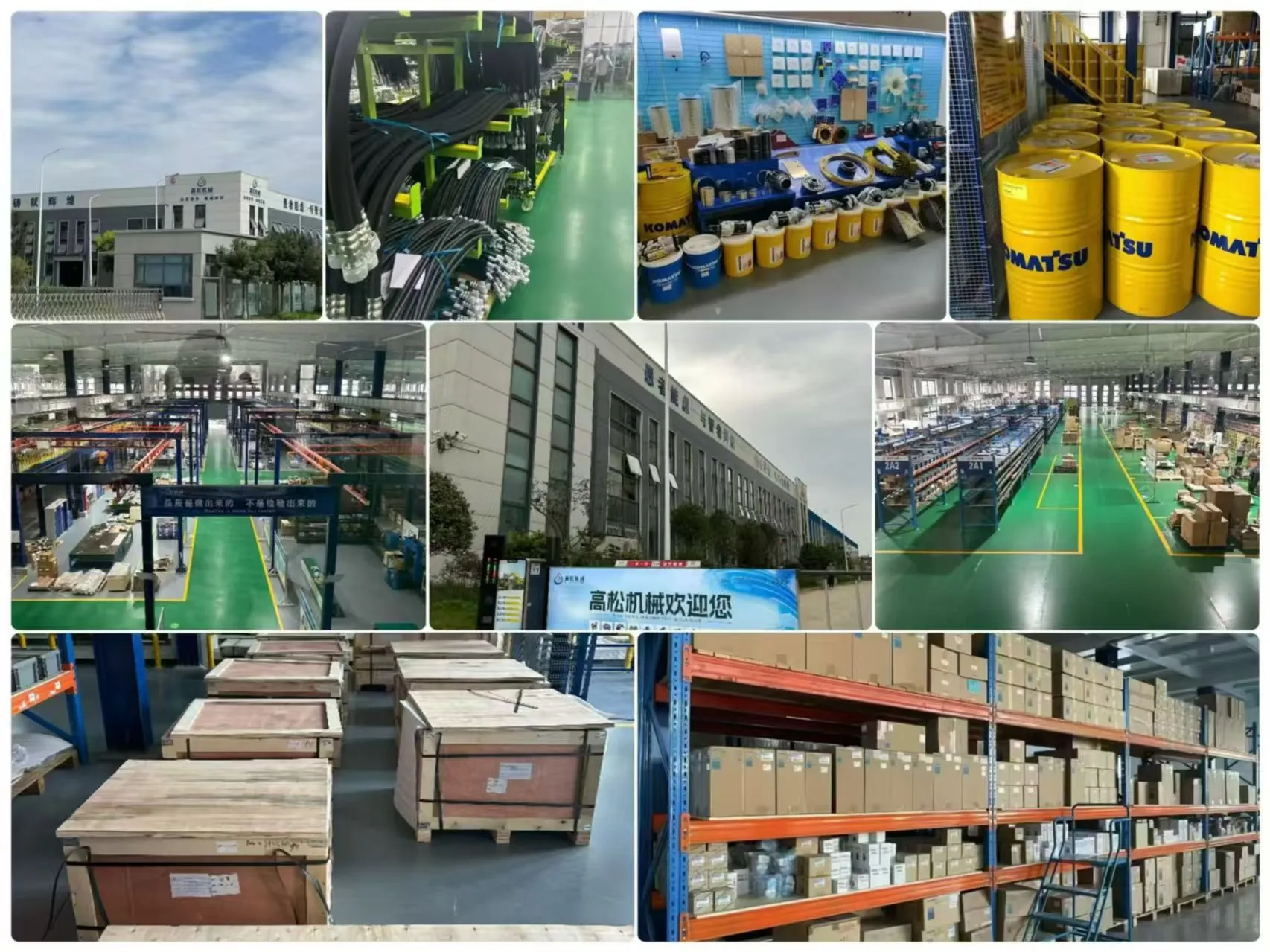
This gap is precisely where a supplier like Jining Gaosong Construction Machinery Co., Ltd. positions itself. Checking their site at takematsumachinery.com, their claim of being an OEM product supplier within the Komatsu system is key. It suggests they manufacture components that meet Komatsu's specifications, possibly for the after-sales network in specific markets, while also acting as a third-party seller. This isn't your typical gray market; it's more of an integrated gray area.
Case in Point: The Transmission Filter Fiasco
A concrete example from last year. A client had an FG15 with recurring transmission shudder. They'd replaced the filter twice with a common aftermarket brand, but the issue returned. The official Komatsu filter was on a 2-month backorder. We sourced a filter from a supplier with a similar system-OEM claim, which in this case was Jining Gaosong.
The part arrived. Packaging was plain, but the casting and part number stamping were precise, matching the OEM geometry exactly. More importantly, the filter media density and bypass valve spec checked out against the manual. Installed it, and the problem cleared up. It wasn't in a Komatsu box, but it performed like it was. The cost was about 40% below the dealer price. This is the practical value of such channels.
However, it's not all seamless. Communication and logistics can be hurdles. Lead times from these specialized suppliers can be unpredictable, and you must be precise with your model and serial number. An FG15 from 2005 might use a different steering linkage than a 2012 model. I've also received parts where the quality was visually identical but the metal hardness was slightly off on a pivot pin, leading to premature wear. You have to vet each component category.
Where to Draw the Line: Critical vs. Non-Critical Parts
My rule of thumb, born from a couple of expensive lessons, is to categorize. For Komatsu FG15 parts related to the load chain, brakes, steering, and hydraulic pressure systems, I lean heavily towards verified OEM or these system-OEM sources with proven track records. The risk calculus is too high.
For non-structural parts—guards, floor mats, certain sensors, or even the seat assembly—reputable aftermarket or high-quality generic parts are perfectly acceptable. Here, a third-party sales company's role is most evident. They aggregate demand and can offer availability that a local dealer might not stock.
The website for Jining Gaosong explicitly mentions helping to solve parts supply challenges in certain countries. This isn't marketing fluff. It addresses the real geopolitical and logistical bottlenecks that official channels sometimes can't or won't prioritize. They become a lifeline for keeping equipment running in markets Komatsu's primary network serves slowly.
The Verification Process: Trust but Verify
Engaging with any non-dealer source requires a protocol. First, always cross-reference the part number from the official Komatsu parts manual. Second, request material certifications or test reports for critical components; a legitimate system supplier will often have them. Third, start with a small, non-critical order to assess quality, packaging, and shipping reliability.
I recall ordering a set of mast rollers from a new supplier. They looked perfect, but the rubber compound was inferior. They flattened under load within 200 hours, causing mast chatter. The supplier, to their credit, acknowledged the batch issue and replaced them with a different lot. This kind of interaction reveals the supplier's integrity. A company like the one mentioned, embedded in the Komatsu ecosystem, has more brand equity to lose and is often more responsive than a fly-by-night parts trader.
Always ask: Can you trace this back to the original manufacturing line or drawing? The answer tells you everything.
Long-Term View: Sustainability of the Machine
Ultimately, sourcing Komatsu FG15 parts is about sustaining the asset's value and safety over a 15-20 year lifespan. Relying solely on the primary dealer network is ideal but often economically unrealistic for older machines. The secondary market, filled with clones and copies, is a minefield.
The middle path—utilizing OEM-aligned manufacturers and authorized third-party distributors—offers a viable solution. It keeps machines operational with quality-appropriate parts while managing cost. For the FG15, which is a workhorse in many warehouses, this approach is often the only practical one.
In closing, it comes down to informed judgment. Know your machine's serial number break points. Build relationships with a couple of trusted, specialized suppliers who understand the Komatsu system from the inside. And remember, the right part isn't always in the box with the logo; sometimes it's from a factory that built it to the same print, for the same parent company, just sold through a different door. That's the nuanced reality of keeping these forklifts running.
Related Products
Related Products

Best Selling Products
Best Selling Products-
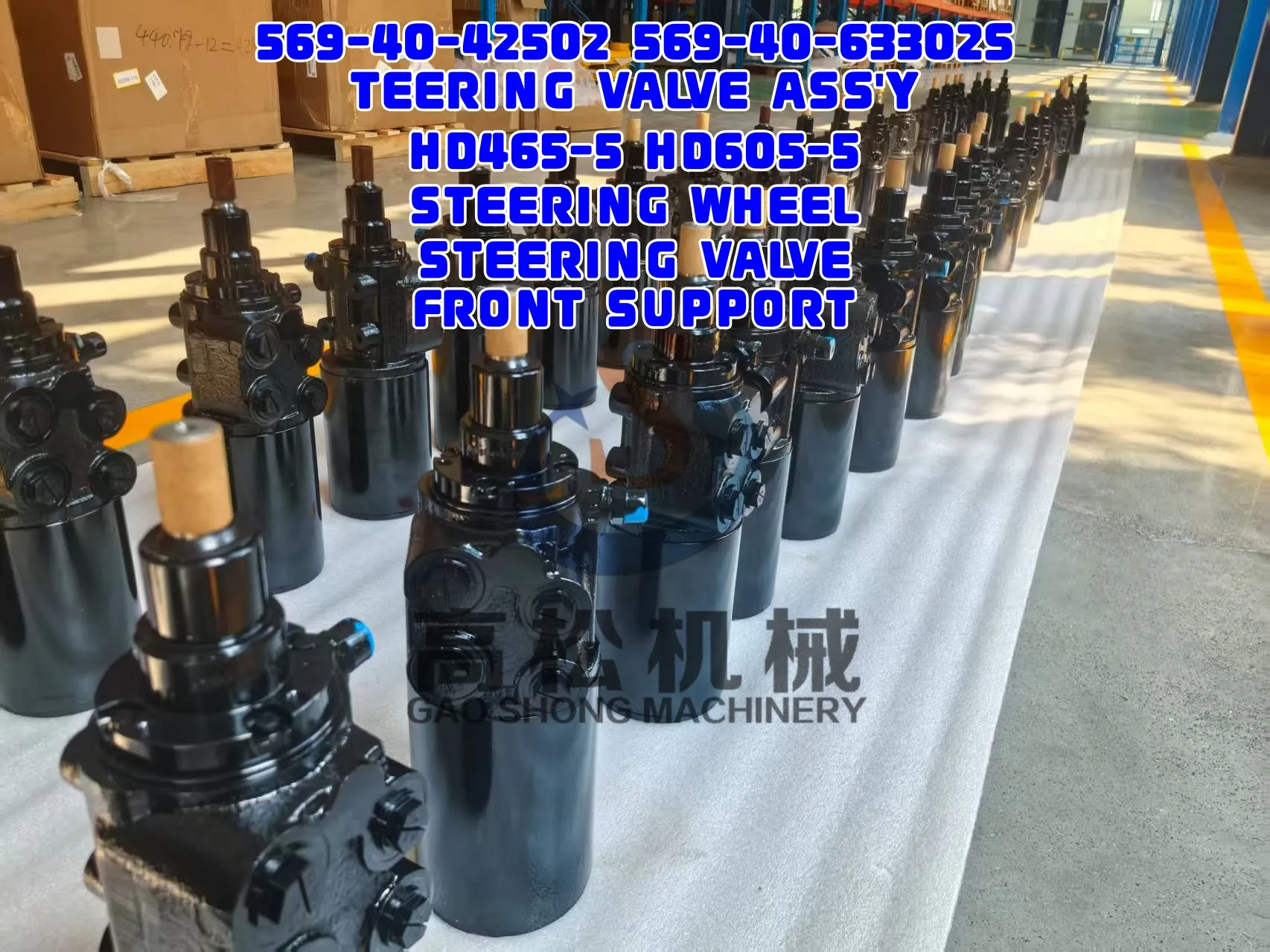 komatsu-part-569-40-42502 569-40-63302 STEERING
 -
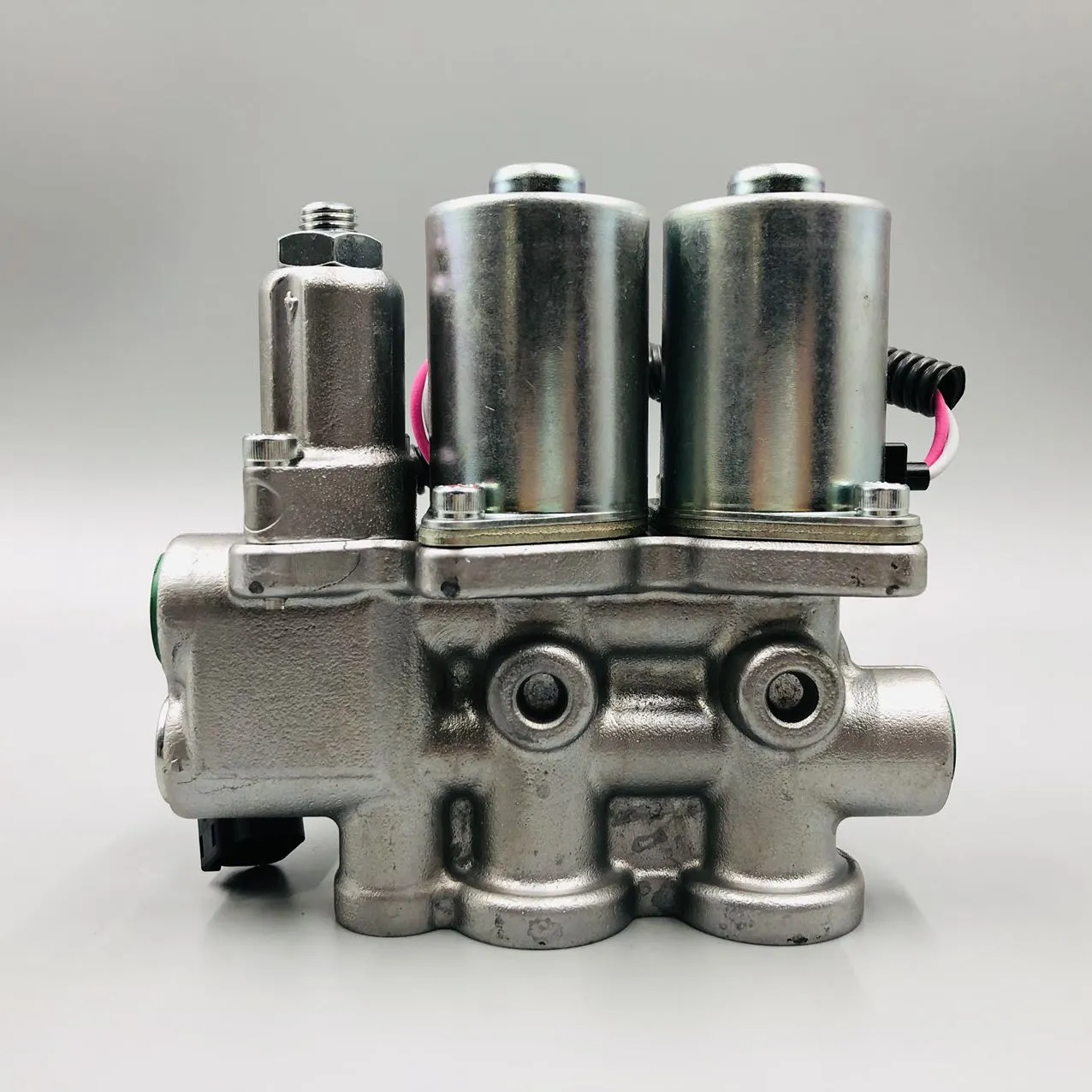 Valve Assembly22F-60-31600
 -
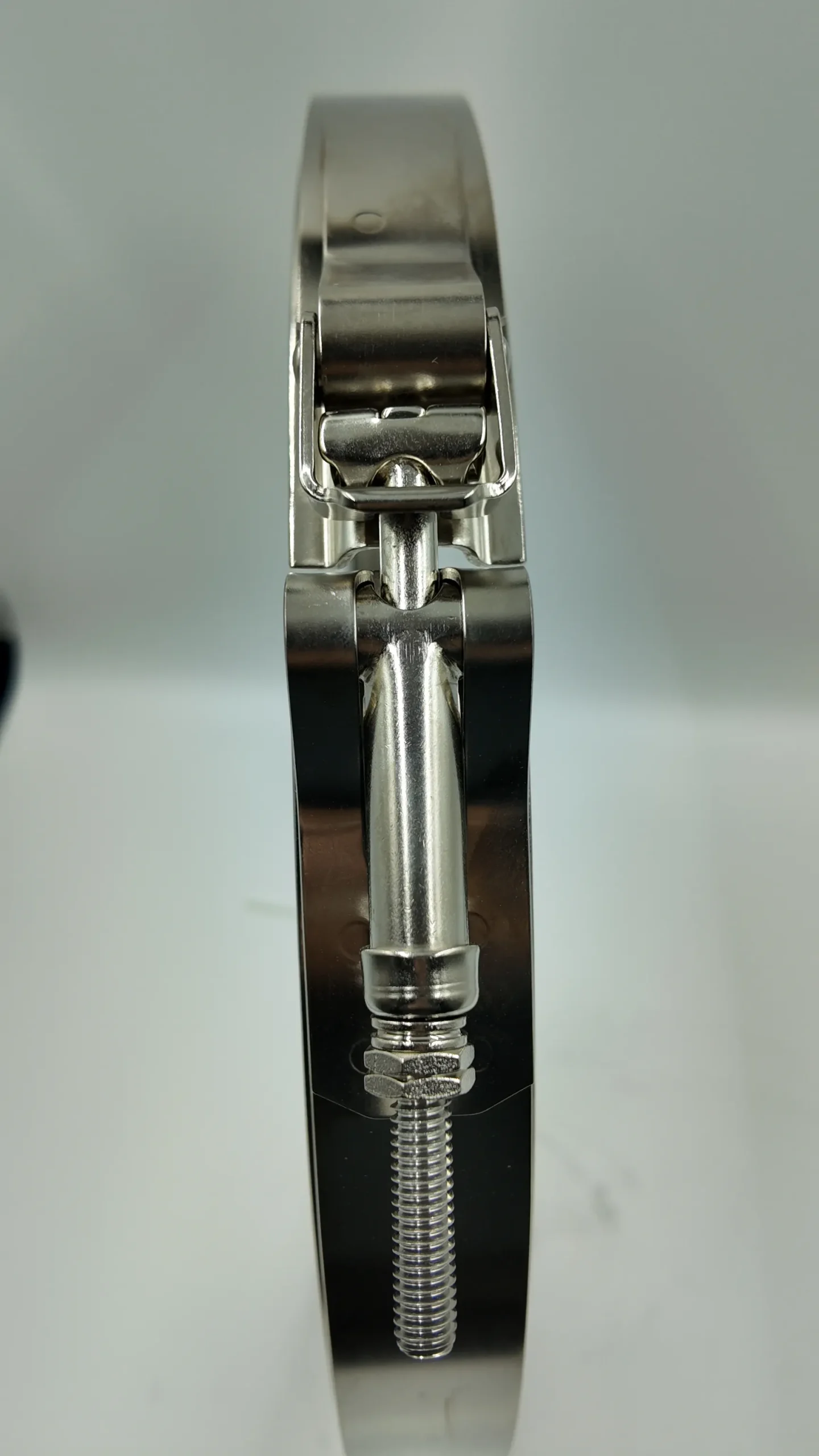 195-21-32821 COUPLING HEAVY DUTY Komatsu
 -
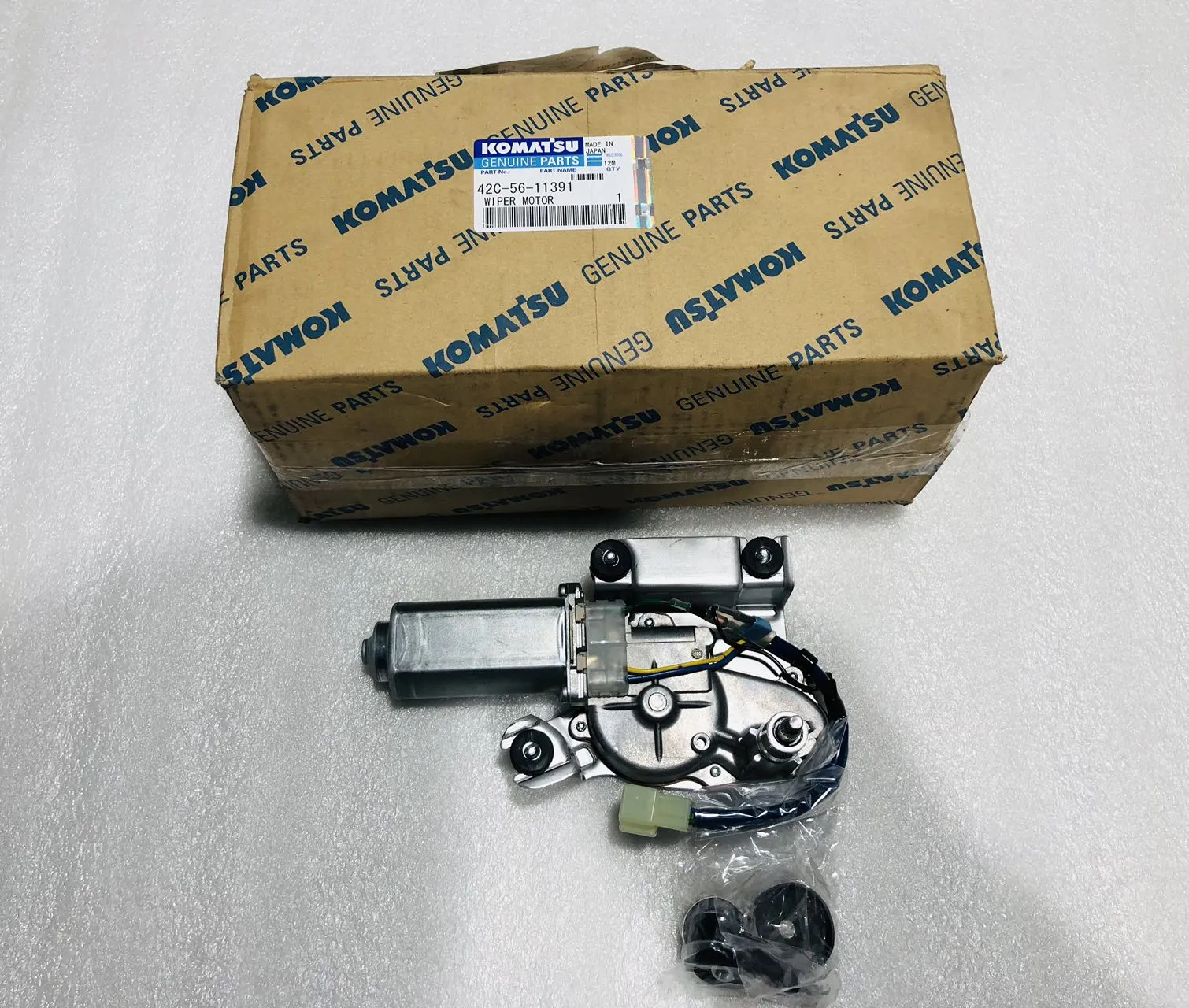 Komatsu 42C-56-11391 WIPER MOTOR
 -
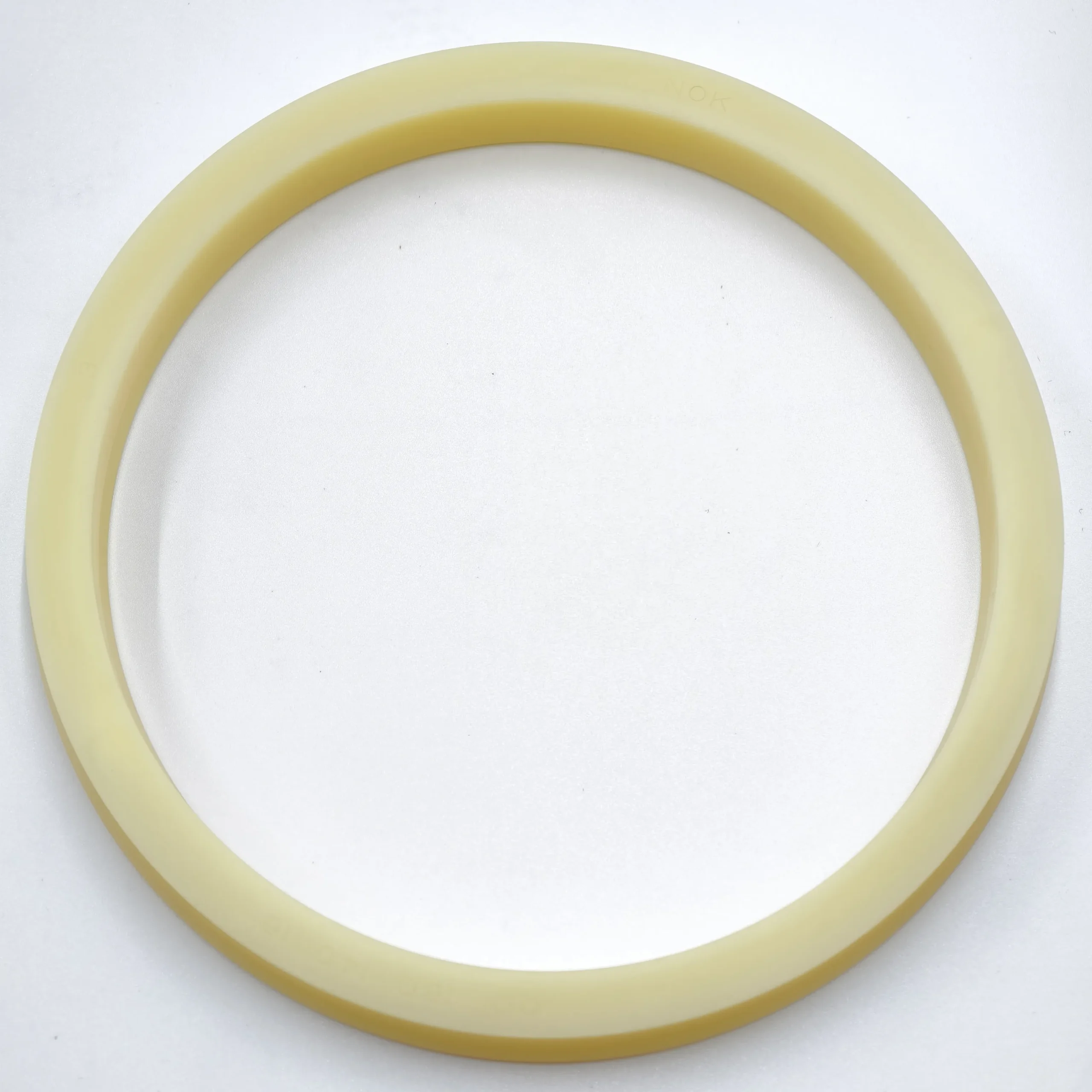 21N-30-14160 for Excavator PC1250-7 PC1100 IDLER CUSHION PACKING
 -
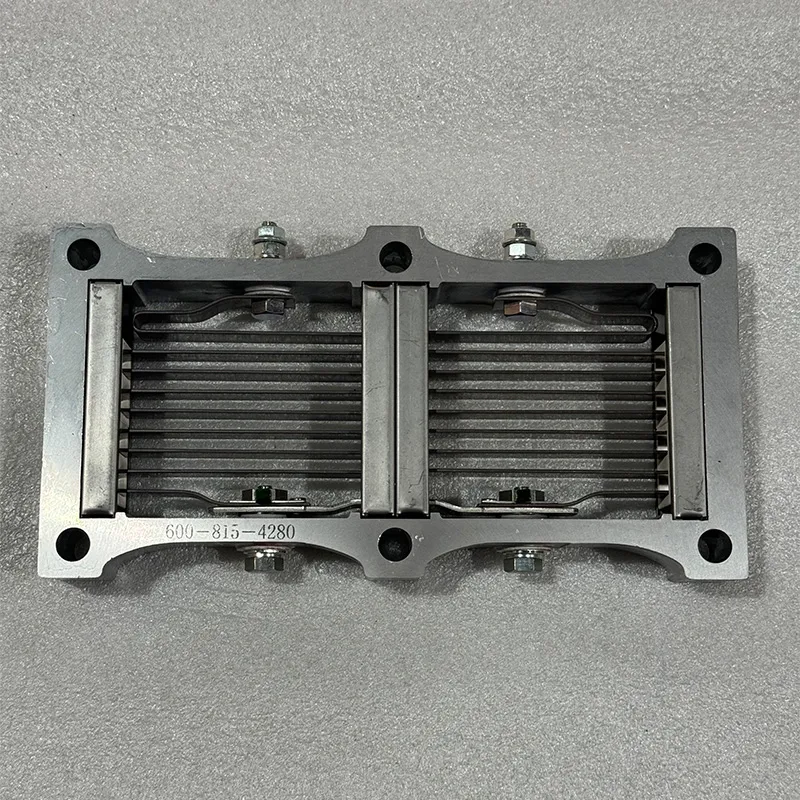 600-815-4280 Original komatsu Heater Ribbon for komatsu SAA6D engines
 -
 6240-61-2120 Cover for Engine SAA6D170E-3F-8 Parts – Komatsu
 -
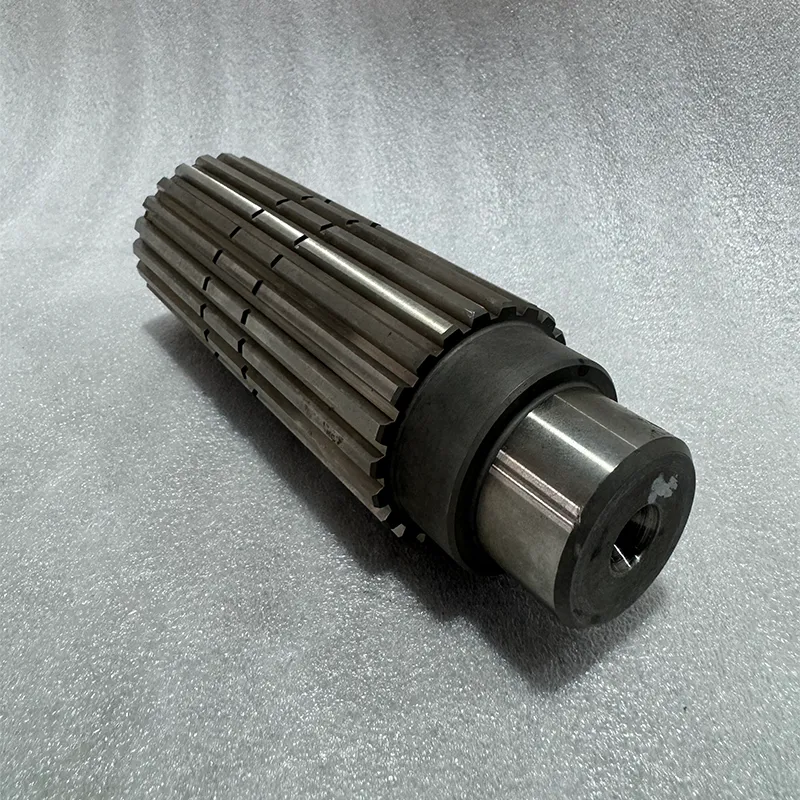 Komatsu original D65PX-15 Gear Shaft 14X-12-11411
 -
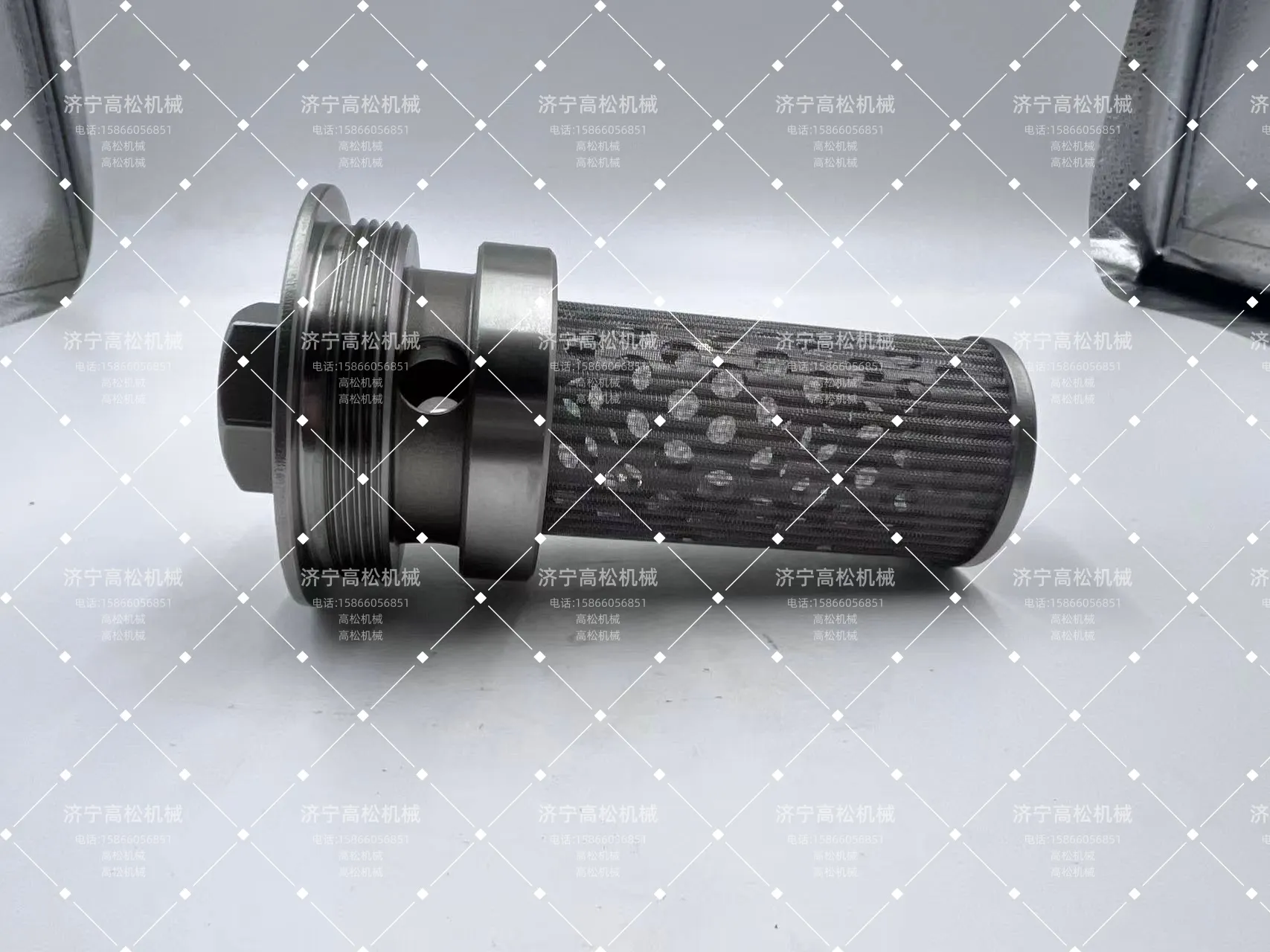 Original Brand New Filter element 195-04-11150 Filter Suitable for…
 -
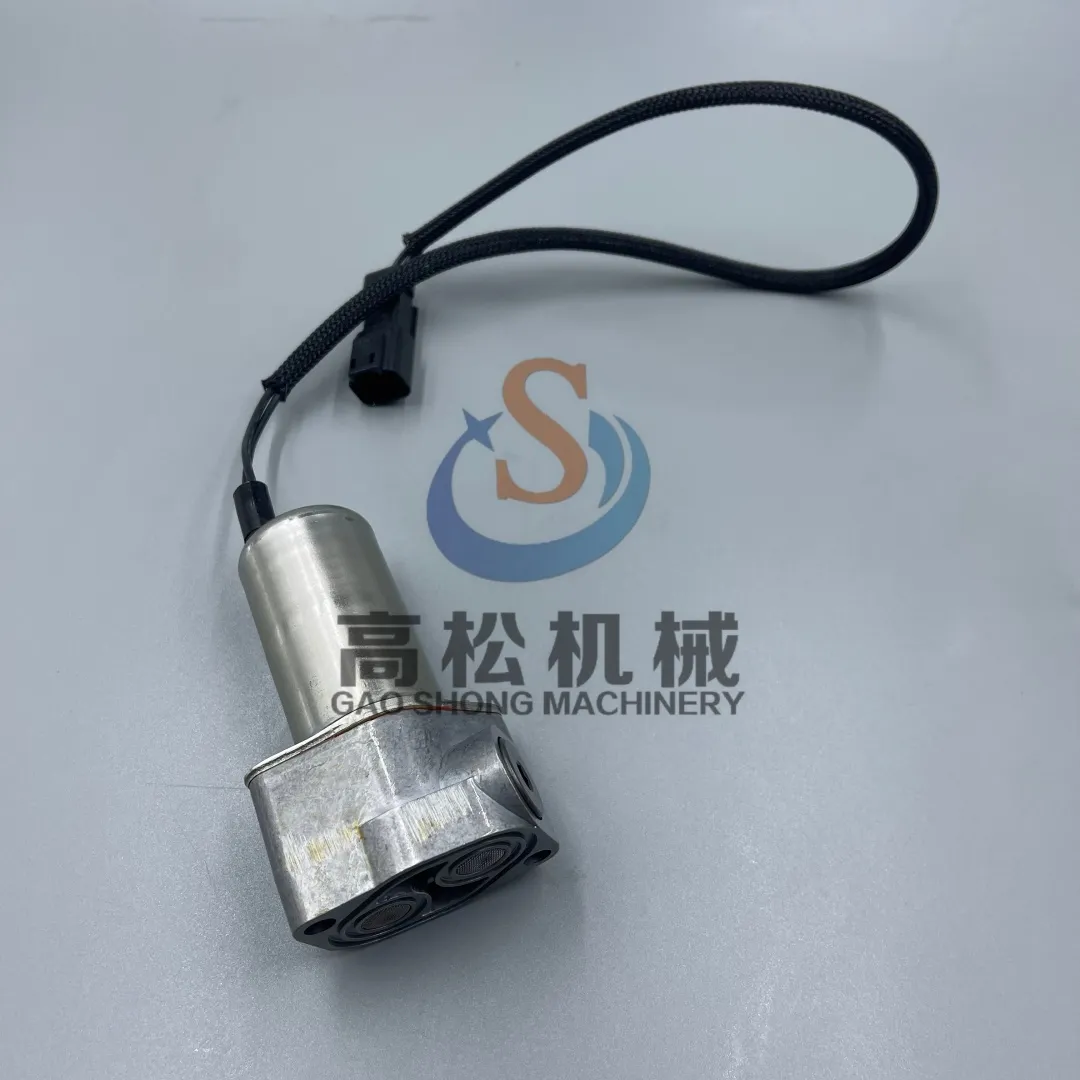 702-21-07620 Solenoid Valve for Komatsu PC450-8 PC300-8 PC350-8 7022107620
 -
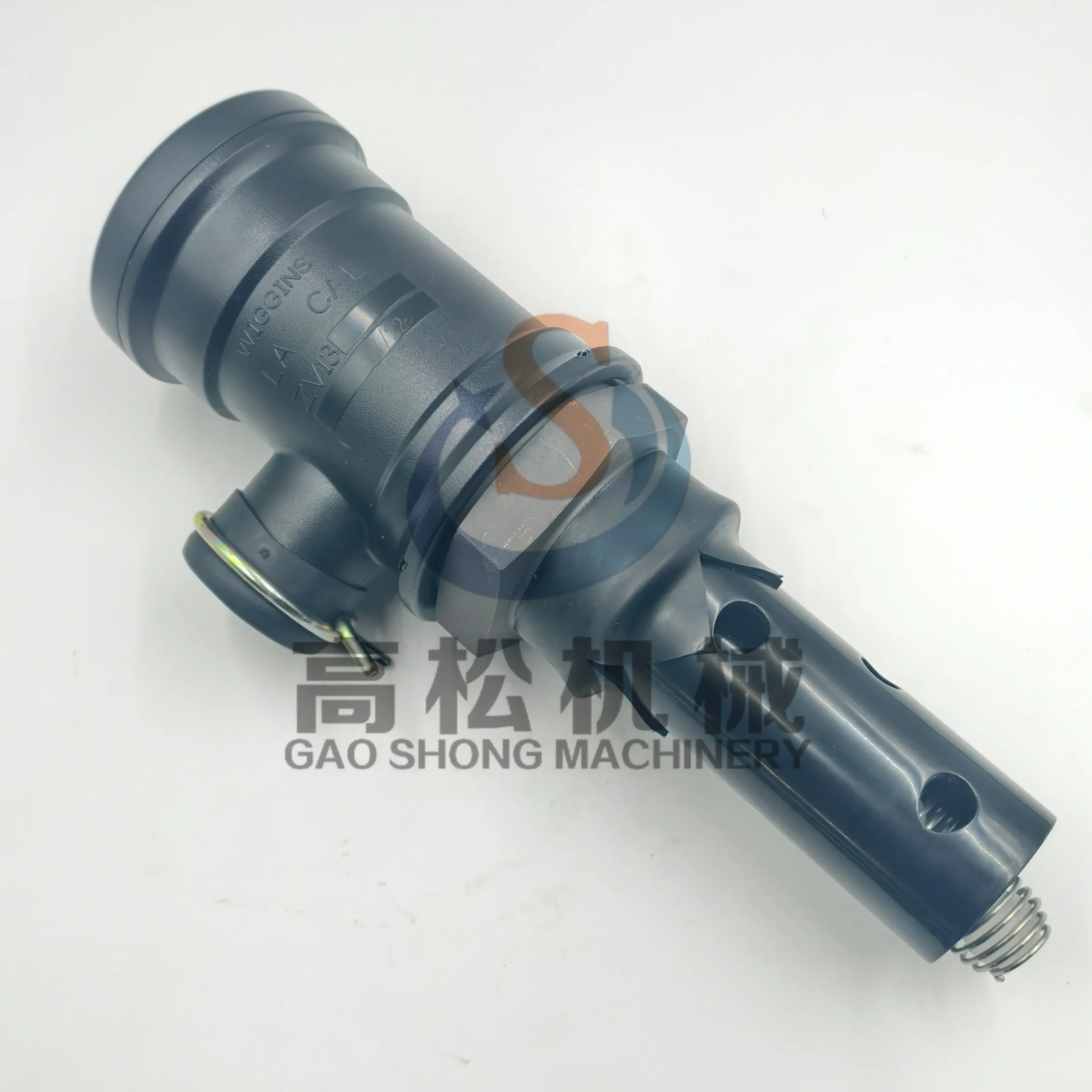 21T-04-31130 VENT ASS’Y (Komatsu)
 -
 56B-15-19210 RING