
- Chinese
- French
- German
- Portuguese
- Spanish
- Russian
- Japanese
- Korean
- Arabic
- Irish
- Greek
- Turkish
- Italian
- Danish
- Romanian
- Indonesian
- Czech
- Afrikaans
- Swedish
- Polish
- Basque
- Catalan
- Esperanto
- Hindi
- Lao
- Albanian
- Amharic
- Armenian
- Azerbaijani
- Belarusian
- Bengali
- Bosnian
- Bulgarian
- Cebuano
- Chichewa
- Corsican
- Croatian
- Dutch
- Estonian
- Filipino
- Finnish
- Frisian
- Galician
- Georgian
- Gujarati
- Haitian
- Hausa
- Hawaiian
- Hebrew
- Hmong
- Hungarian
- Icelandic
- Igbo
- Javanese
- Kannada
- Kazakh
- Khmer
- Kurdish
- Kyrgyz
- Latin
- Latvian
- Lithuanian
- Luxembou..
- Macedonian
- Malagasy
- Malay
- Malayalam
- Maltese
- Maori
- Marathi
- Mongolian
- Burmese
- Nepali
- Norwegian
- Pashto
- Persian
- Punjabi
- Serbian
- Sesotho
- Sinhala
- Slovak
- Slovenian
- Somali
- Samoan
- Scots Gaelic
- Shona
- Sindhi
- Sundanese
- Swahili
- Tajik
- Tamil
- Telugu
- Thai
- Ukrainian
- Urdu
- Uzbek
- Vietnamese
- Welsh
- Xhosa
- Yiddish
- Yoruba
- Zulu
- Kinyarwanda
- Tatar
- Oriya
- Turkmen
- Uyghur






komatsu fg15 forklift parts
When you're deep in a search for Komatsu FG15 forklift parts, you quickly realize it's not just about finding a listing. The FG15, a solid 1.5-tonner, is a workhorse, but its age in many markets creates a specific parts puzzle. A common trap is assuming all OEM parts on the open market are created equal, or that availability is uniform. The reality is more fragmented, hinging on regional supply chains and the often-overlooked role of authorized OEM suppliers who also operate independently.
The Core Challenge with FG15 Parts Availability
Let's be specific. The pain points aren't usually the common wear items like forks or tires. It's the proprietary components. Think about the Komatsu FG15 forklift parts like the mast roller assemblies for the duplex or triplex configurations, or the specific solenoid valves inside the hydraulic control block. These aren't generic. When one fails, production can stall. I've seen warehouses where a forklift is down for weeks because a local dealer is back-ordered on a simple-looking seal kit for the tilt cylinder, only to find out the kit was superseded by a new part number years ago.
The issue is legacy support. Komatsu's main channels naturally prioritize current models. For older units like the FG15, parts inventory gets streamlined. Some parts get discontinued, others are made in batches. This creates a gap. That's where specialized suppliers who understand the system become critical. They aren't just resellers; they often have the pipeline to access batch inventories or even hold legacy stock that main distributors have cleared out.
For instance, sourcing a genuine Komatsu FG15 forklift parts like the throttle cable or the complete ignition switch assembly can be a nightmare if you're relying on a general parts website. The part numbers must be exact. A mistake I made early on was ordering a compatible steering axle pivot bush. It fit, poorly, and wore out in a quarter of the time, causing premature wear on the adjacent kingpin. The cost-saving was illusory.
Why the OEM Supplier Relationship Matters
This is where the distinction of an OEM product supplier within Komatsu's system is more than a badge. It implies access to original blueprints, material specs, and quality control protocols. A company like Jining Gaosong Construction Machinery Co., Ltd. operates in this space. Their model, as an OEM supplier and a third-party sales entity, directly addresses the supply challenge they mention. In practice, this means they can often provide the genuine article through official channels where possible, and likely offer a rigorously vetted alternative when the genuine part is logistically impossible to get to certain countries.
It's not about bypassing Komatsu, but complementing the supply chain. In regions where official distribution is thin or focused on new equipment, these suppliers are the lifeline for keeping older machines like the FG15 running. They solve the last mile problem in parts logistics. I recall a project in South America where we needed a replacement hydraulic pump for an FG15. The local Komatsu affiliate quoted a 3-month lead time and a staggering cost due to import duties. A supplier with a similar dual-role structure managed to source an OEM-unit from a different regional warehouse and ship it through a more cost-effective route, cutting the downtime and cost by over half.
The key takeaway? When you see OEM product supplier within the Komatsu system, it should signal traceability. It means the part, whether it's a clutch disc or a set of Komatsu FG15 forklift parts like mast channel liners, has a provenance back to the original manufacturing specifications. This is different from a will-fit part manufacturer who reverse-engineers the component.
Practical Sourcing and Verification Tips
Always start with the exact part number from the forklift's serial number plate and parts manual. Cross-reference it. Komatsu parts numbers evolve. A good supplier will ask for your serial number to verify compatibility, not just the model FG15. If they don't, be wary.
When evaluating a supplier like the one mentioned, look for evidence of direct engagement with the industry. Do they list specific part groups for the FG15—things like brake master cylinders, drive axle gaskets, or propeller shaft couplings? Or is it just generic forklift parts? The former shows specialization. Their stated mission of helping to solve parts supply challenges in certain countries rings true if you've ever been in a bind far from a major port.
Don't hesitate to ask about origin. A legitimate supplier will be transparent if a part is genuine Komatsu, OEM-spec from the original factory, or a high-quality certified alternative. For critical safety components like brakes or mast parts, I always push for the first or second option. For a non-critical bracket or a simple cover, a certified alternative might be perfectly rational. This discernment comes from having paid for mistakes before.
Common Pitfalls and Component-Specific Notes
Engine parts for the FG15 can be tricky, depending on whether it's the original Komatsu engine or a Perkins, etc. The cooling system components—water pumps, thermostats—are often shared with other models, but the mounting flanges or pulley sizes can have subtle differences. I've received a water pump that was for a Komatsu FG15, but the pulley had a different offset, throwing the belt alignment off. The devil is in these details.
The electrical system is another area. The alternator and starter might be standard Denso or Mitsubishi units, but the wiring harness connectors and the regulator plug are specific. Aftermarket alternators sometimes come with the wrong plug, forcing a messy splice job. It's worth seeking out the unit that matches the OEM connector exactly.
For the Komatsu FG15 forklift parts related to the mast and carriage, precision is non-negotiable. Roller dimensions, chain link thickness, and side thrust roller tolerances must be exact. Slight deviations here cause binding, uneven wear, and potential load instability. This is the category where I would most strongly recommend sticking with verified OEM or OEM-spec sources, like those an in-system supplier would provide. The cost of failure is too high.
Closing Thoughts on Sustainable Maintenance
Keeping an FG15 running reliably isn't just about reacting to breakdowns. It's about proactive sourcing and building a relationship with a competent supplier. Understanding the landscape—where genuine parts are essential and where a high-quality alternative suffices—is a core skill for any fleet manager or technician.
Suppliers that fill the niche Jining Gaosong describes are assets. They aren't just selling widgets; they're providing access to a controlled supply chain and expertise for models that are out of the mainstream spotlight but still vital to operations. Their value is in reducing uncertainty.
So next time you're hunting for a steering tie rod end or a valve spool for your FG15, look beyond the basic search. Dig into the supplier's background. Their role within the broader ecosystem of Komatsu parts is often the most reliable indicator of whether you'll get the right part, at the right time, and of the right quality to keep that old workhorse lifting another day.
Related Products
Related Products
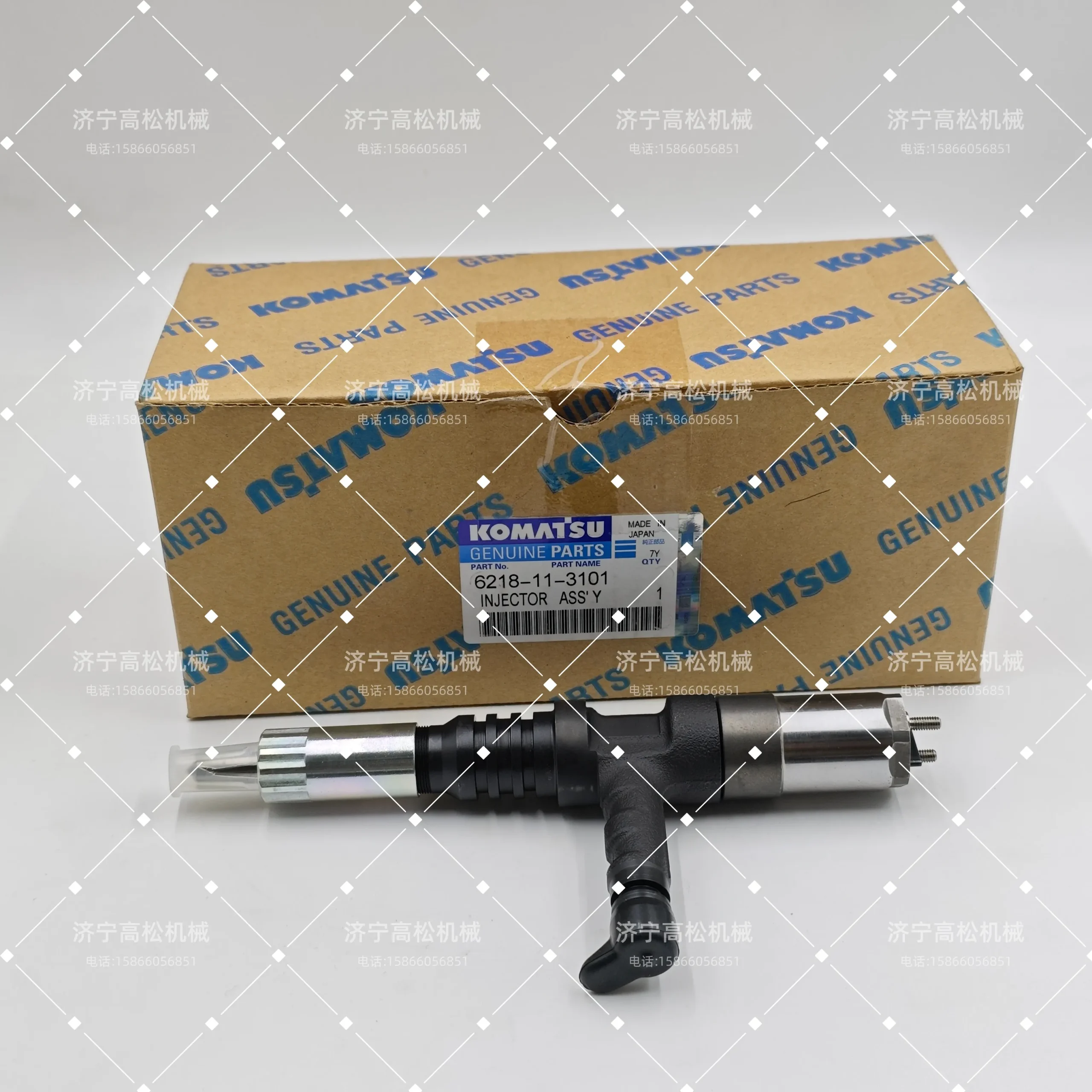
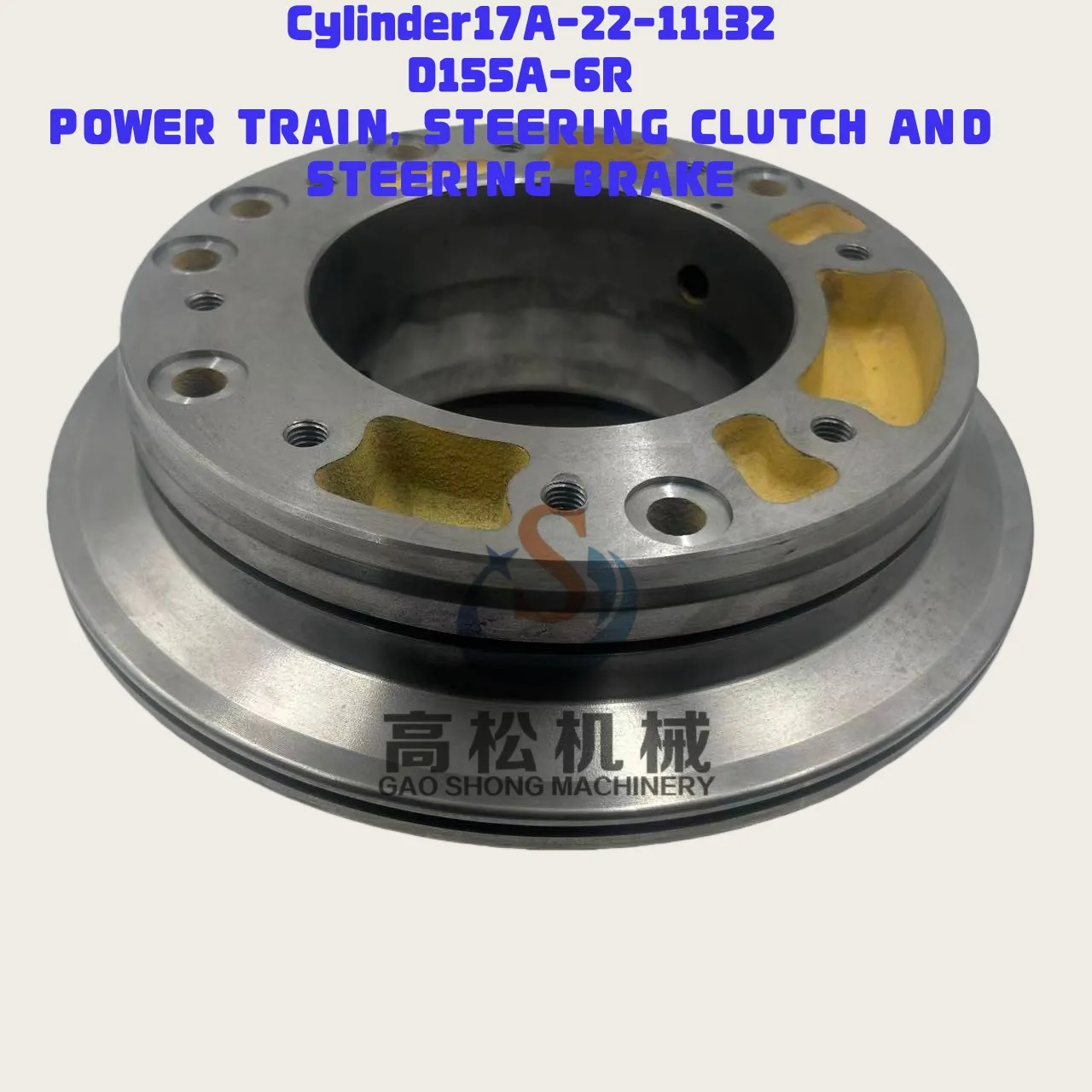
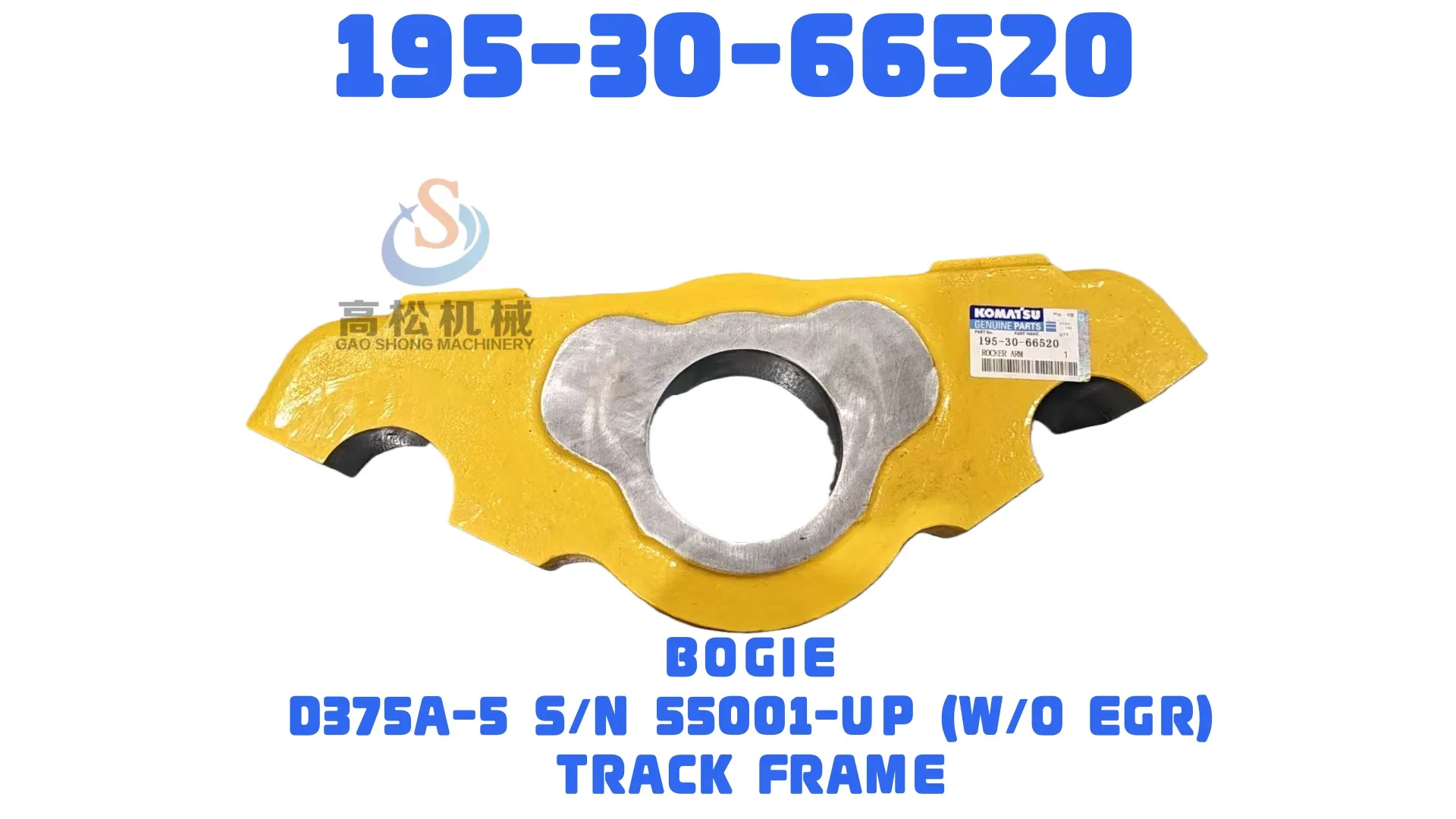
Best Selling Products
Best Selling Products-
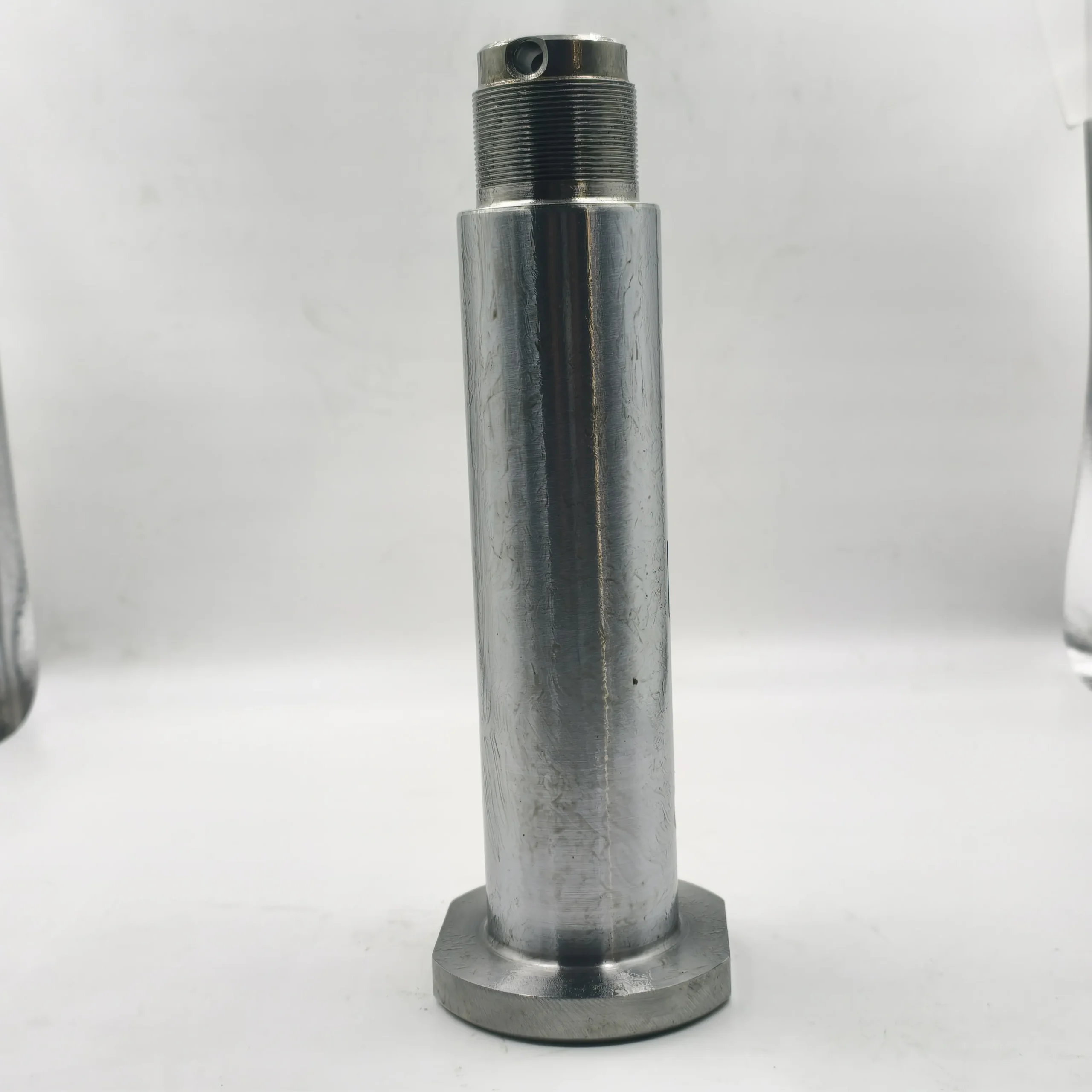 235-27-11330-PIN Komatsu Original Factory
 -
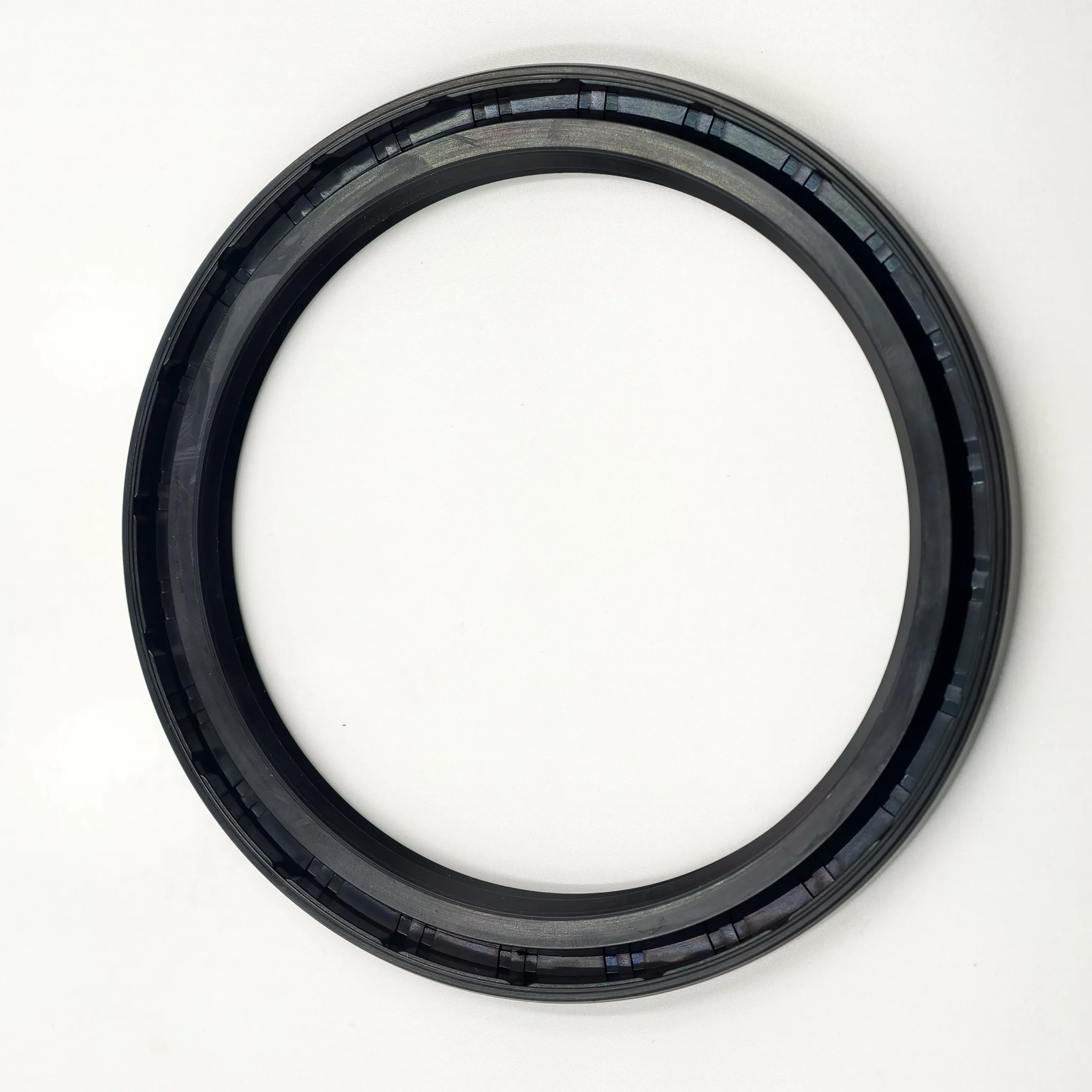 Komatsu56D-15-19810 Seal, Dust
 -
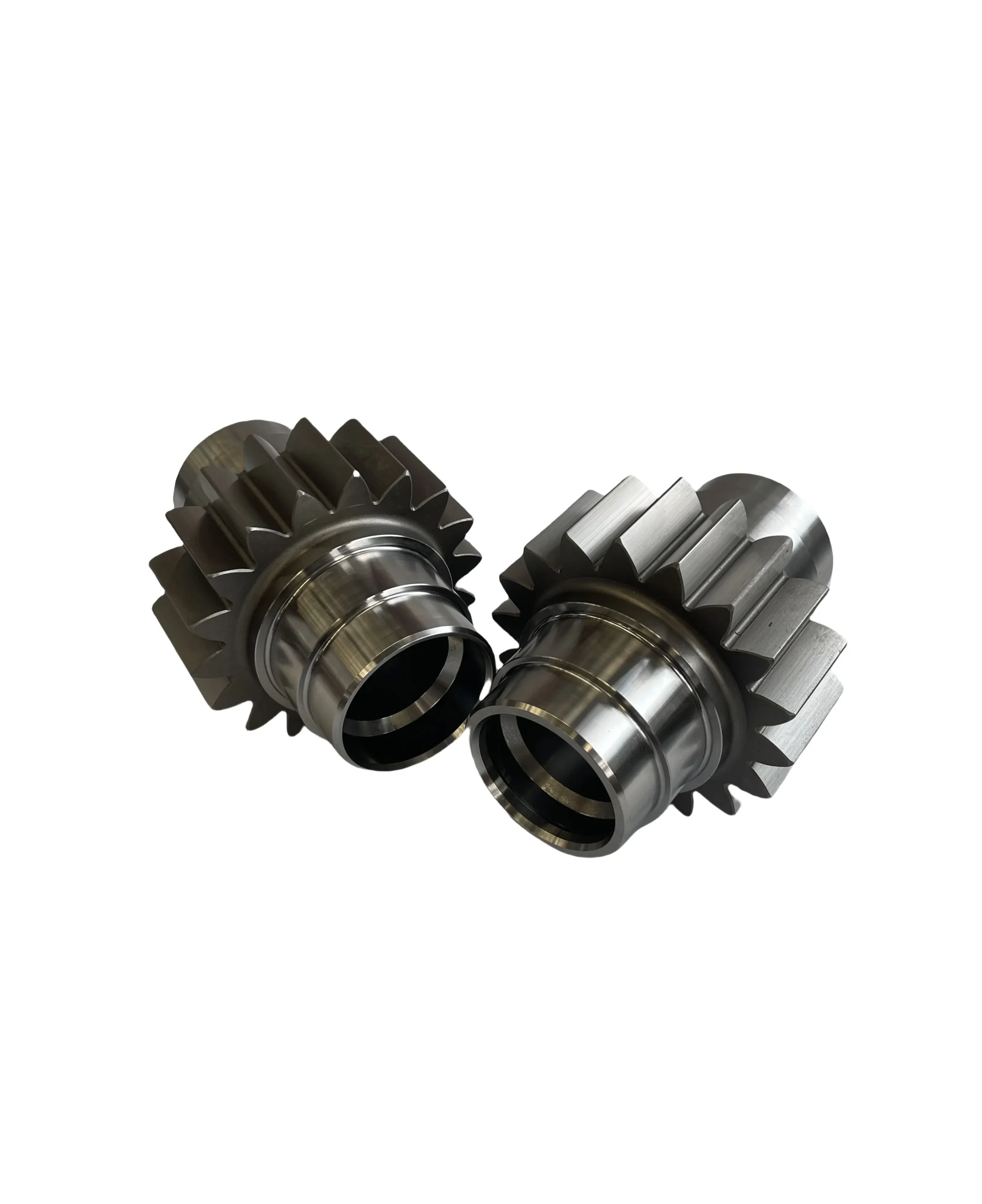 17M-27-41210 gear for Komatsu D275A-5
 -
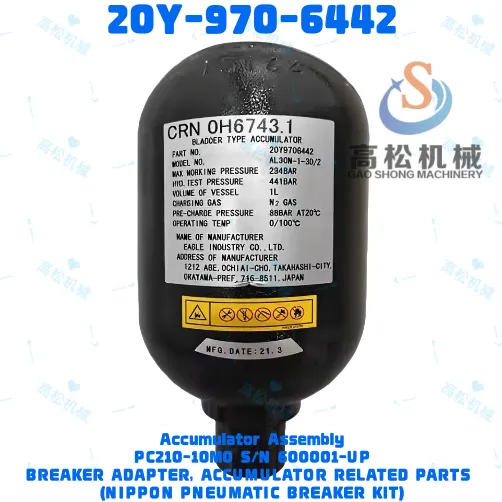 20Y-970-6442 Accumulator Assembly PC210-10M0 BREAKER ADAPTER, ACCUMULATOR RELATED PARTS (NIPPON PNEUMATIC BREAKER KIT) PC500LC-10M0 PC500LC-10R
 -
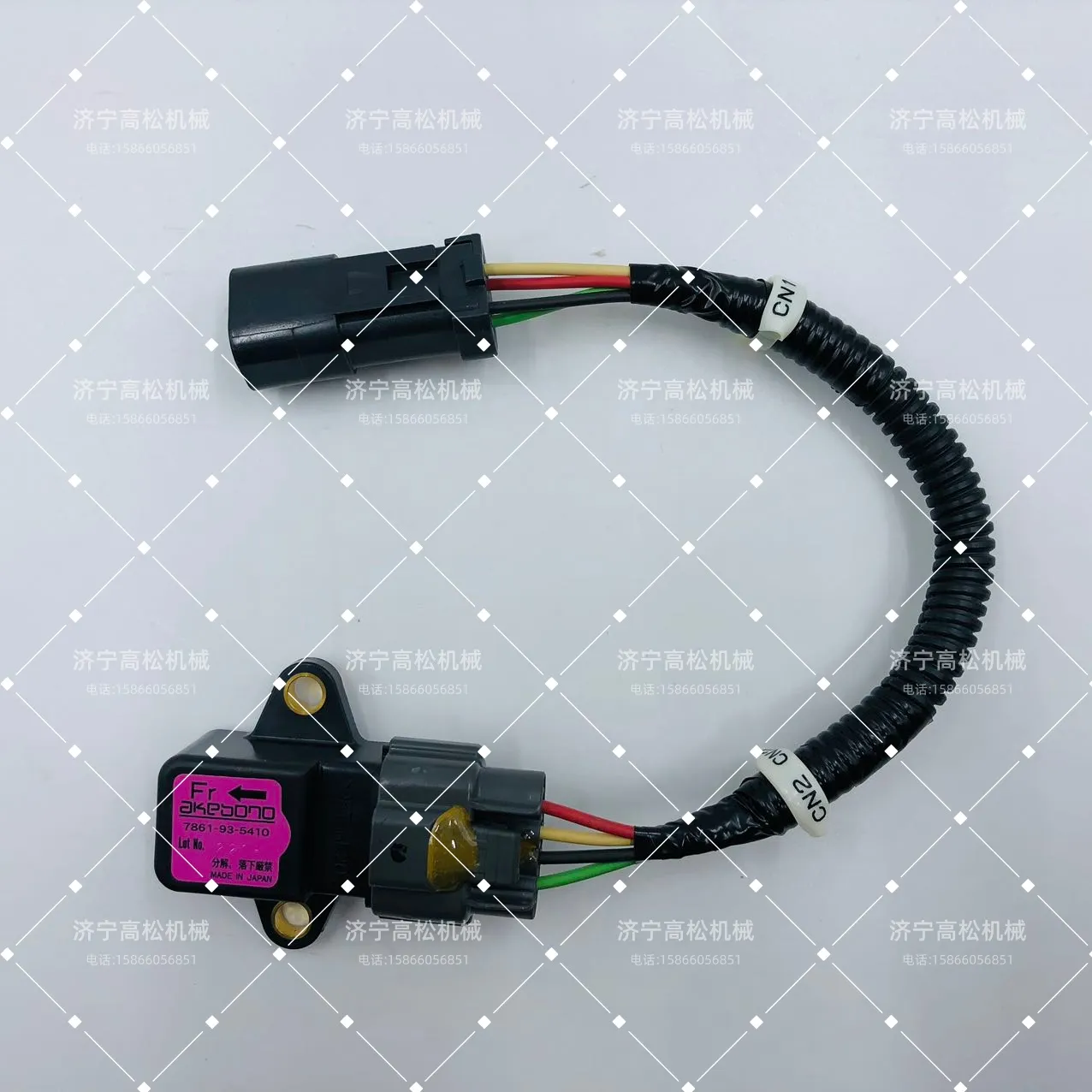 7861-93-5410 Komatsu Sensor, Acceleration
 -
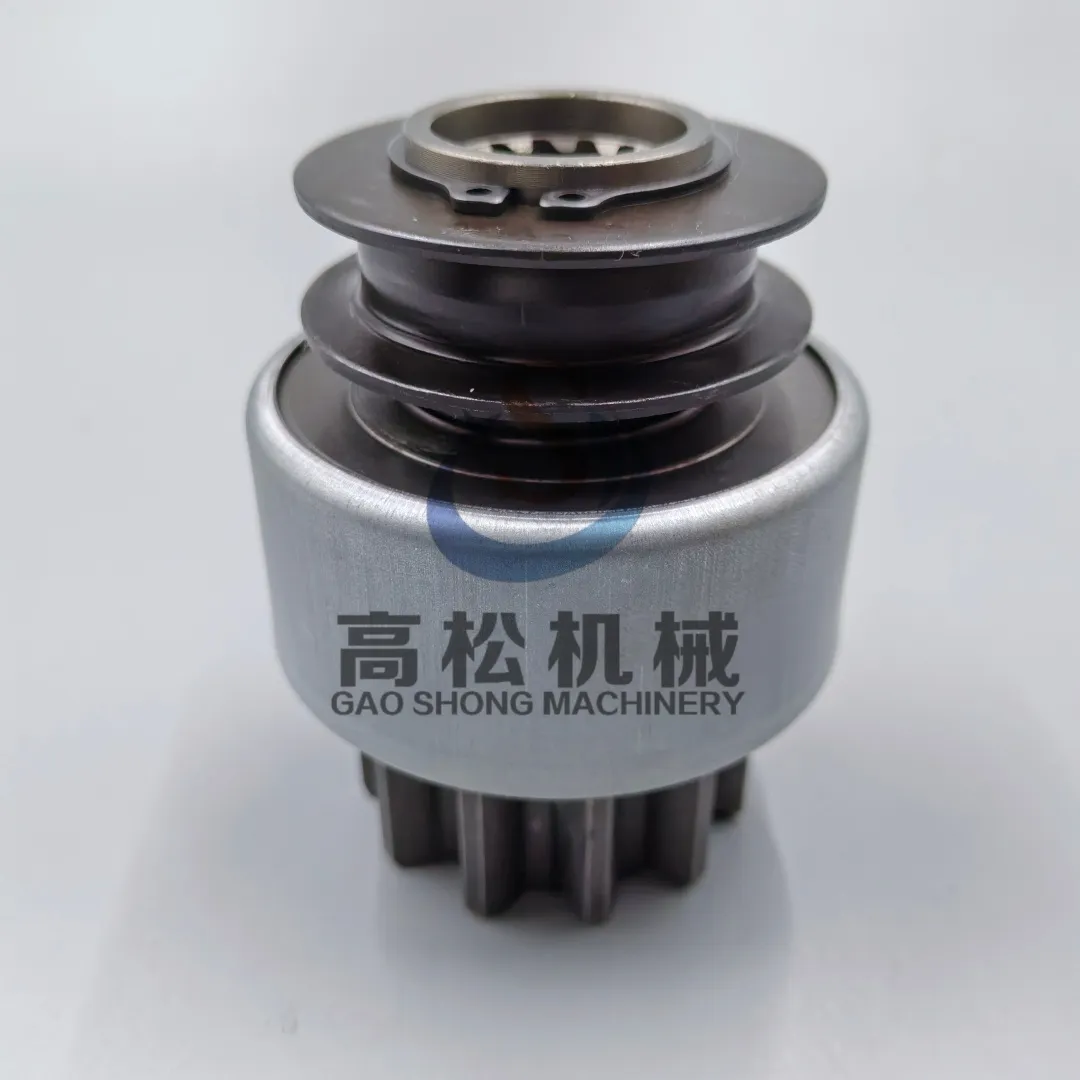 KD0-23500-1024 Komatsu CLUTCH ASS’Y
 -
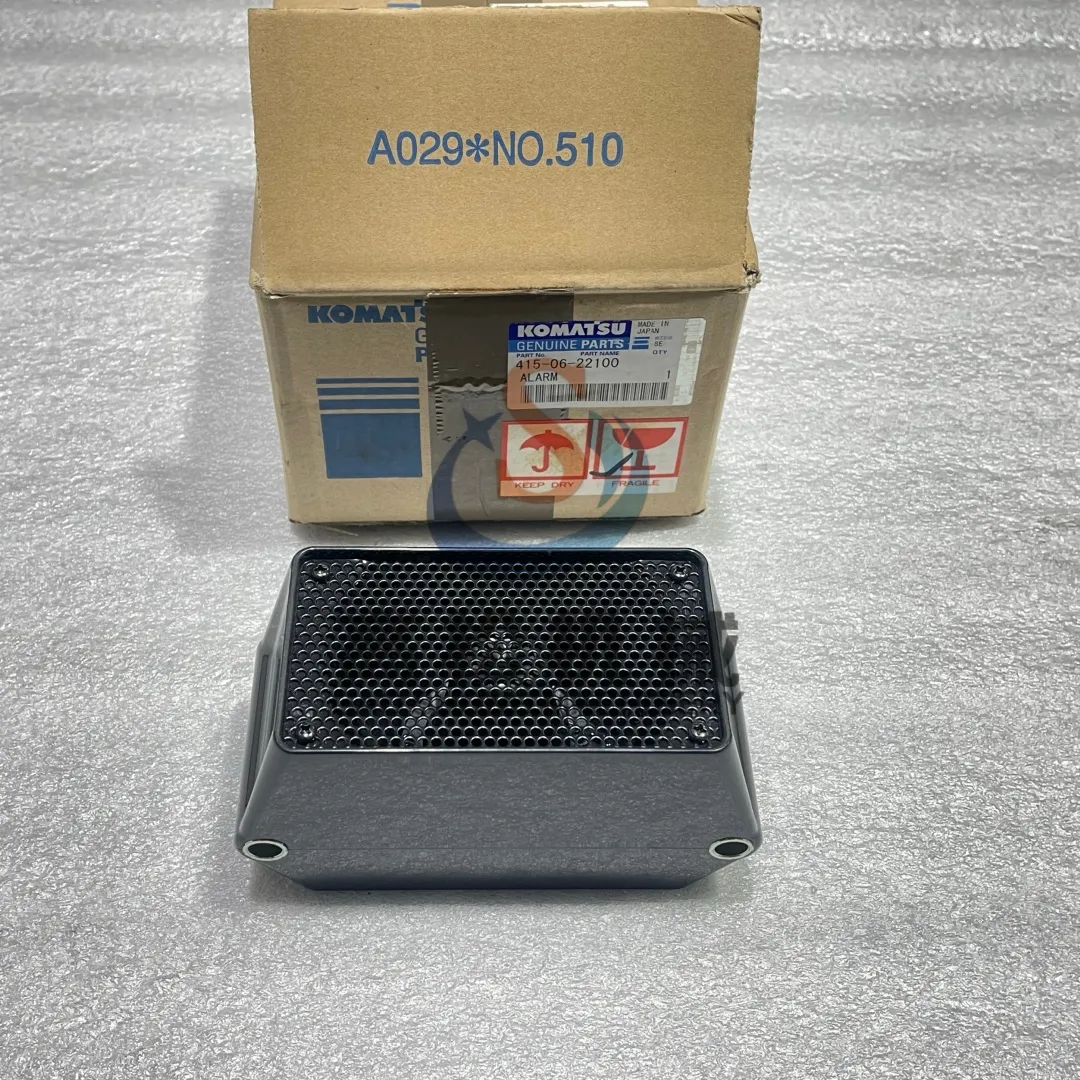 alarm 415-06-22100 – komatsu
 -
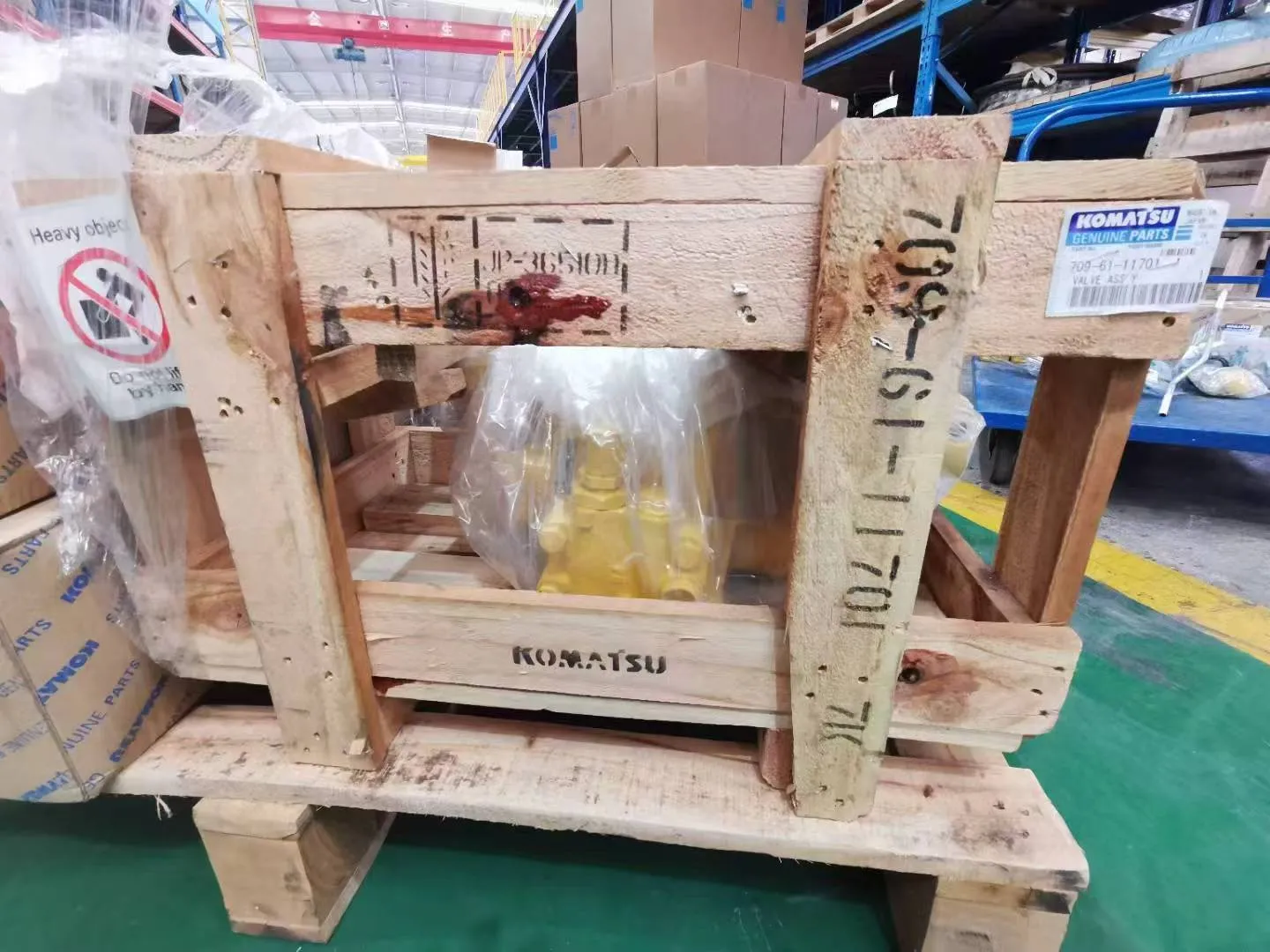 709-61-11701 709-61-11700 Vane poppet valve assembly
 -
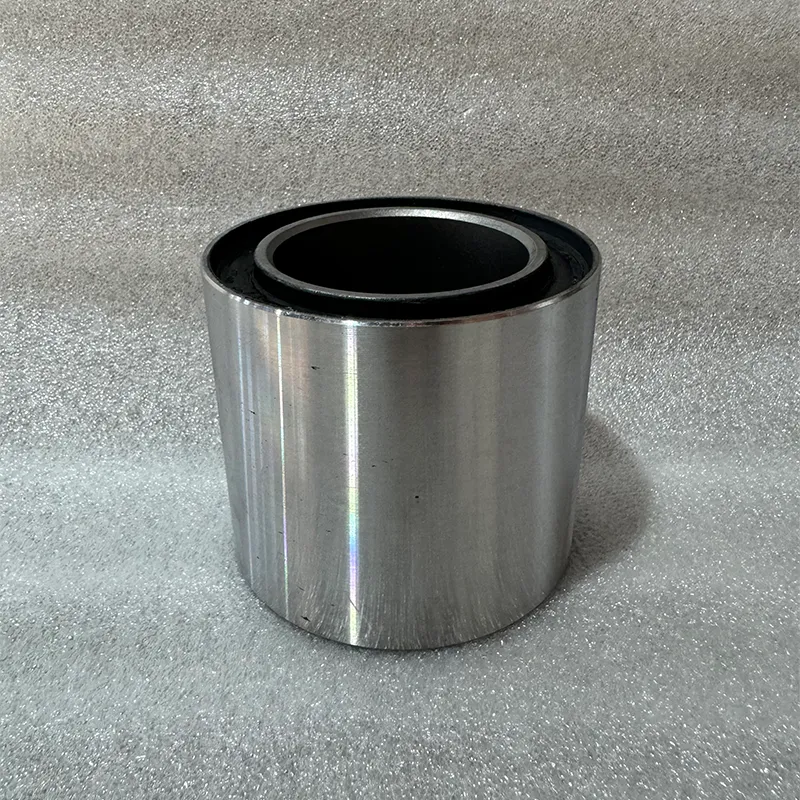 Original komatsu WA900-3 pad 569-14-41130
 -
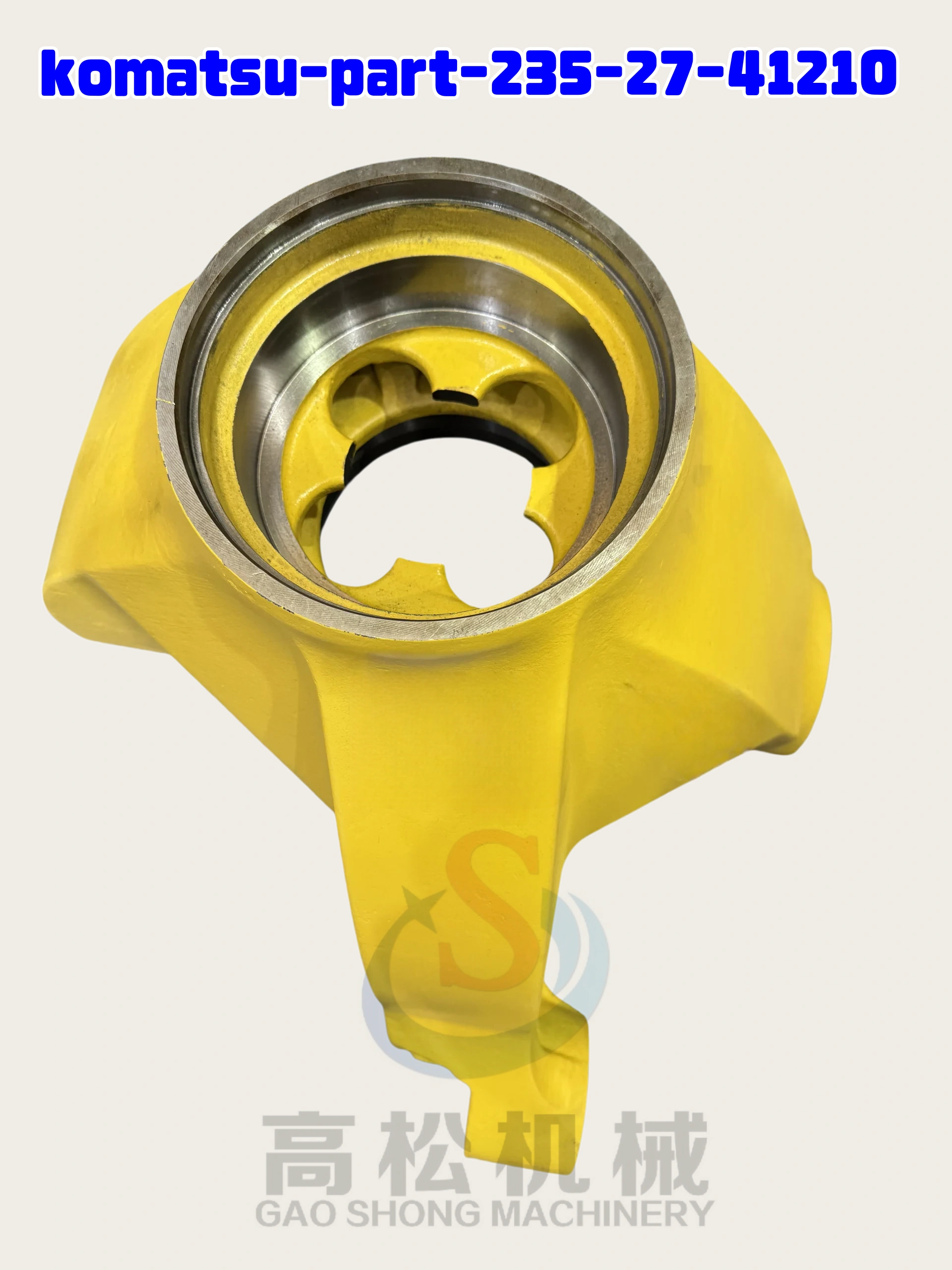 komatsu-part-235-27-41210 HOUSING,L.H. GD825A-2 GD825A-2E0 FRONT AXLE
 -
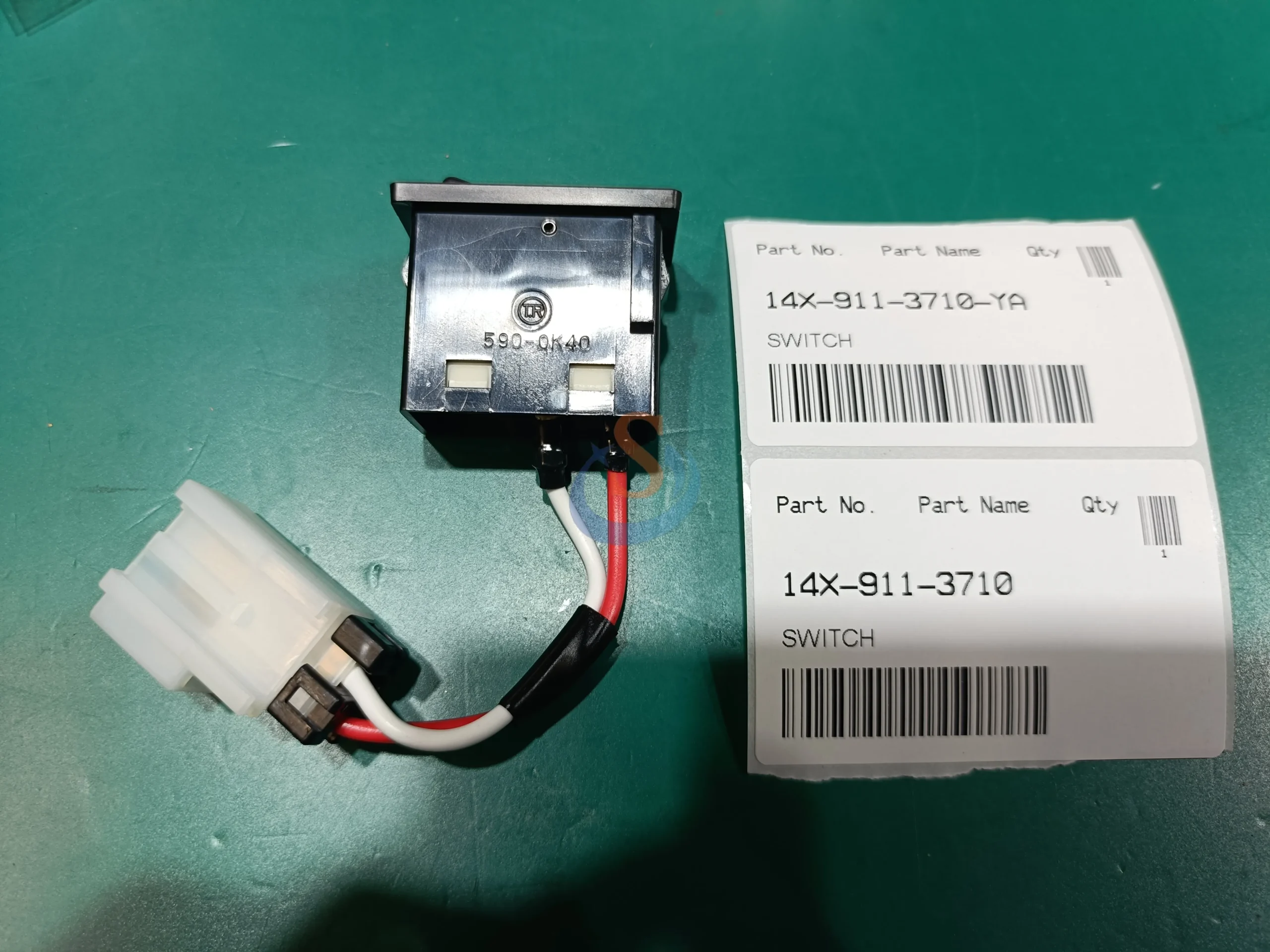 14X-911-3710,SWITCH,D65WX,D65PX,D85PX,D155AX,WA50
 -
 HD785-7 steering valve 561-40-83300