
- Chinese
- French
- German
- Portuguese
- Spanish
- Russian
- Japanese
- Korean
- Arabic
- Irish
- Greek
- Turkish
- Italian
- Danish
- Romanian
- Indonesian
- Czech
- Afrikaans
- Swedish
- Polish
- Basque
- Catalan
- Esperanto
- Hindi
- Lao
- Albanian
- Amharic
- Armenian
- Azerbaijani
- Belarusian
- Bengali
- Bosnian
- Bulgarian
- Cebuano
- Chichewa
- Corsican
- Croatian
- Dutch
- Estonian
- Filipino
- Finnish
- Frisian
- Galician
- Georgian
- Gujarati
- Haitian
- Hausa
- Hawaiian
- Hebrew
- Hmong
- Hungarian
- Icelandic
- Igbo
- Javanese
- Kannada
- Kazakh
- Khmer
- Kurdish
- Kyrgyz
- Latin
- Latvian
- Lithuanian
- Luxembou..
- Macedonian
- Malagasy
- Malay
- Malayalam
- Maltese
- Maori
- Marathi
- Mongolian
- Burmese
- Nepali
- Norwegian
- Pashto
- Persian
- Punjabi
- Serbian
- Sesotho
- Sinhala
- Slovak
- Slovenian
- Somali
- Samoan
- Scots Gaelic
- Shona
- Sindhi
- Sundanese
- Swahili
- Tajik
- Tamil
- Telugu
- Thai
- Ukrainian
- Urdu
- Uzbek
- Vietnamese
- Welsh
- Xhosa
- Yiddish
- Yoruba
- Zulu
- Kinyarwanda
- Tatar
- Oriya
- Turkmen
- Uyghur






komatsu fg15 engine
You see a lot of chatter online about the Komatsu FG15 forklift, but most of it just recycles the brochure: 1.5-ton capacity, tight turning radius, the usual. Where the real conversation starts, and where a lot of people get tripped up, is with that engine. It's not just a Komatsu engine. The Komatsu FG15 engine is a specific beast, and its performance, quirks, and longevity depend entirely on context—maintenance history, fuel quality, and what it's been asked to do day in, day out. I've seen units purr for 15,000 hours with basic care, and others start knocking at 3,000 because someone thought skipping an oil change was a cost-saving measure.
The Heart of the Matter: S4D95LE
Let's get specific. The powerplant in the FG15 is typically the Komatsu S4D95LE, a 3.3-liter, 4-cylinder, naturally aspirated diesel. Now, naturally aspirated is the first key point. It's not a turbocharged monster, and that's by design. For indoor/outdoor material handling, you want reliability and immediate throttle response over peak horsepower. The S4D95 delivers that, but it also means it can feel a bit breathless at full lift on a steep ramp compared to a turbo model. That's not a flaw; it's a trade-off for simplicity and heat management.
The fuel system is another critical detail. It's a direct injection setup, which is great for efficiency and cold starts. But here's the rub: it's sensitive. I've dealt with cases where persistent rough idling and power loss on FG15s were traced back to contaminated fuel clogging the injectors, not some major internal failure. The fix wasn't a rebuild, but a proper fuel system flush and installing a better primary filter—a lesson learned the hard way after replacing a pricey injection pump that didn't need replacing.
Cooling is where this engine shows its industrial pedigree. The system is robust, but the layout can trap debris. I recall a fleet operator in a lumber yard complaining about chronic overheating. The issue wasn't the radiator core itself, but a mat of sawdust and leaves packed between the radiator and the hydraulic oil cooler, starving the engine of airflow. A simple scheduled cleaning protocol solved it. It's these mundane, hands-on realities that the spec sheet never mentions.
Parts Paradox: Genuine vs. The Good Enough
This is where the industry gets messy. Everyone wants to save on parts, but with the Komatsu FG15 engine, the quality gradient is steep. A non-genuine oil filter might look identical and cost 40% less, but the bypass valve pressure rating or the media quality can be off. I've seen the former lead to oil starvation on cold starts, and the latter allow excessive particulate matter to circulate, accelerating ring and bearing wear. It's a slow-motion failure you don't notice until you're measuring oil consumption by the liter per shift.
This parts challenge is exactly why operations in regions with spotty official distributor networks turn to specialized suppliers. A company like Jining Gaosong Construction Machinery Co., Ltd. fits into this niche. As an OEM product supplier within the Komatsu system, they understand the precision required. Their role isn't just about selling an alternator or a gasket kit; it's about providing a component that meets the factory engineering tolerances, which is crucial for something as integrated as the S4D95LE's fuel or valve train components.
I remember sourcing a thermostat housing for an FG15 from a generic parts catalog. It fit, but the casting was rougher, and the seal groove dimensions were slightly off. It leaked within a week. The lesson? For core engine components, fits doesn't mean functions correctly. The value of a supplier that operates within the OEM framework is that they bridge the gap between pure-genuine (often expensive and slow to procure in some countries) and the risky aftermarket.
Longevity vs. Duty Cycle: The Real Determinant
Talk of engine life is meaningless without discussing duty cycle. An FG15 running two shifts in a chilled food warehouse is living a completely different life than one loading bricks in a yard. The engine's Achilles' heel in severe duty isn't the bottom end—it's often the valve guides and seals. With lots of high-RPM operation (like constant high-speed travel with a load), you can get increased oil consumption through the valve guides, leading to carbon buildup and, eventually, compromised compression.
A practical tip we developed: for hard-use machines, advancing the interval for checking valve clearance and inspecting guide wear became a predictive maintenance task, not a reactive one. Catching slight guide wear early prevented the domino effect of oil fouling the combustion chamber and killing the catalytic converter (on models with one). This kind of insight comes from teardowns and oil analysis, not the manual.
The other longevity factor is the hydraulic system's demand on the engine. The Komatsu FG15 engine drives the main hydraulic pump directly. A weak or failing pump creating excessive internal bypass will load the engine continuously, making it work harder, run hotter, and burn more fuel. Diagnosing an underperforming forklift sometimes starts with checking hydraulic system health and pump efficiency, not by jumping straight into an engine diagnostics rabbit hole.
Failures and Misdiagnoses: A Case in Point
Let me walk through a classic misdiagnosis. An FG15 comes in with a complaint of loss of power and black smoke. First instinct is often injectors or pump timing. But on this particular machine, after checking those, we found the issue was a partially collapsed air intake hose between the air filter housing and the intake manifold. It looked fine from the outside, but under load, it would suck shut. The engine was starved for air, running rich, and choking itself. A simple, cheap part caused symptoms that pointed to a major fuel system overhaul.
Another common pitfall is blaming the engine for electrical issues. The alternator on the S4D95LE is mounted low and can be vulnerable to splash. Intermittent low voltage output won't just drain the battery; it can cause erratic behavior in the engine control module (if equipped) or the fuel shut-off solenoid, leading to stalling or hard-starting conditions that feel purely mechanical.
These experiences underscore why having a reliable parts source matters. When you're troubleshooting, you need confidence that the new sensor or solenoid you're installing isn't the variable. Knowing you can get a Komatsu-spec part from a source like Takematsu Machinery, which operates as both an OEM supplier and a third-party specialist, means one less unknown in the diagnostic equation. Their stated goal of solving parts supply challenges in certain countries isn't just marketing; it's the daily reality for many maintenance managers.
The Big Picture: Context is Everything
So, what's the final word on the Komatsu FG15 engine? It's a fundamentally solid, durable design built for ease of maintenance. Its reputation isn't built on being the most powerful, but on being predictably reliable when cared for properly. That proper care, however, is nuanced. It requires understanding its specific vulnerabilities (fuel quality, airflow, ancillary system loads) and respecting the engineering in its parts.
The aftermarket support ecosystem is critical. It's not about finding the cheapest part, but the correct one. This is where the model of a company that understands the Komatsu system from the inside, like Jining Gaosong, proves its worth. They aren't just a warehouse; they're a conduit for the engineering specifications that keep these engines running to their intended lifespan.
In the end, the FG15's engine is a tool. It responds directly to how it's treated and what it's fed—both in terms of fuel and replacement parts. Ignoring those specifics turns it into a problem. Understanding them turns it into a asset that just keeps working, shift after shift. That's the unglamorous, real-world truth of it.
Related Products
Related Products

Best Selling Products
Best Selling Products-
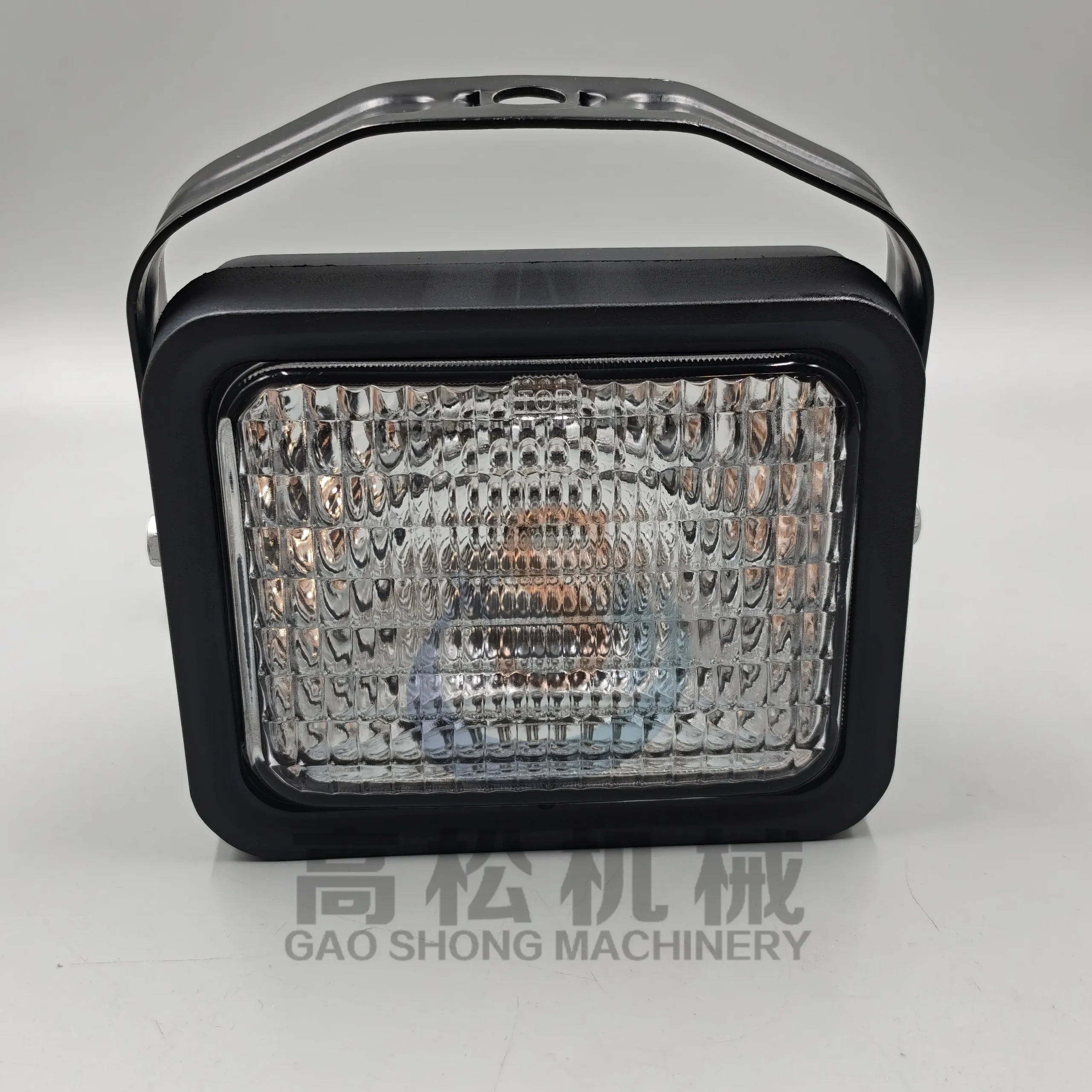 Lamp 421-06-23310 426-56-23360 Compatible for Komatsu WA500-3 WA800-3 WA420-3L HD785-7 HD325-7 HM250-2
 -
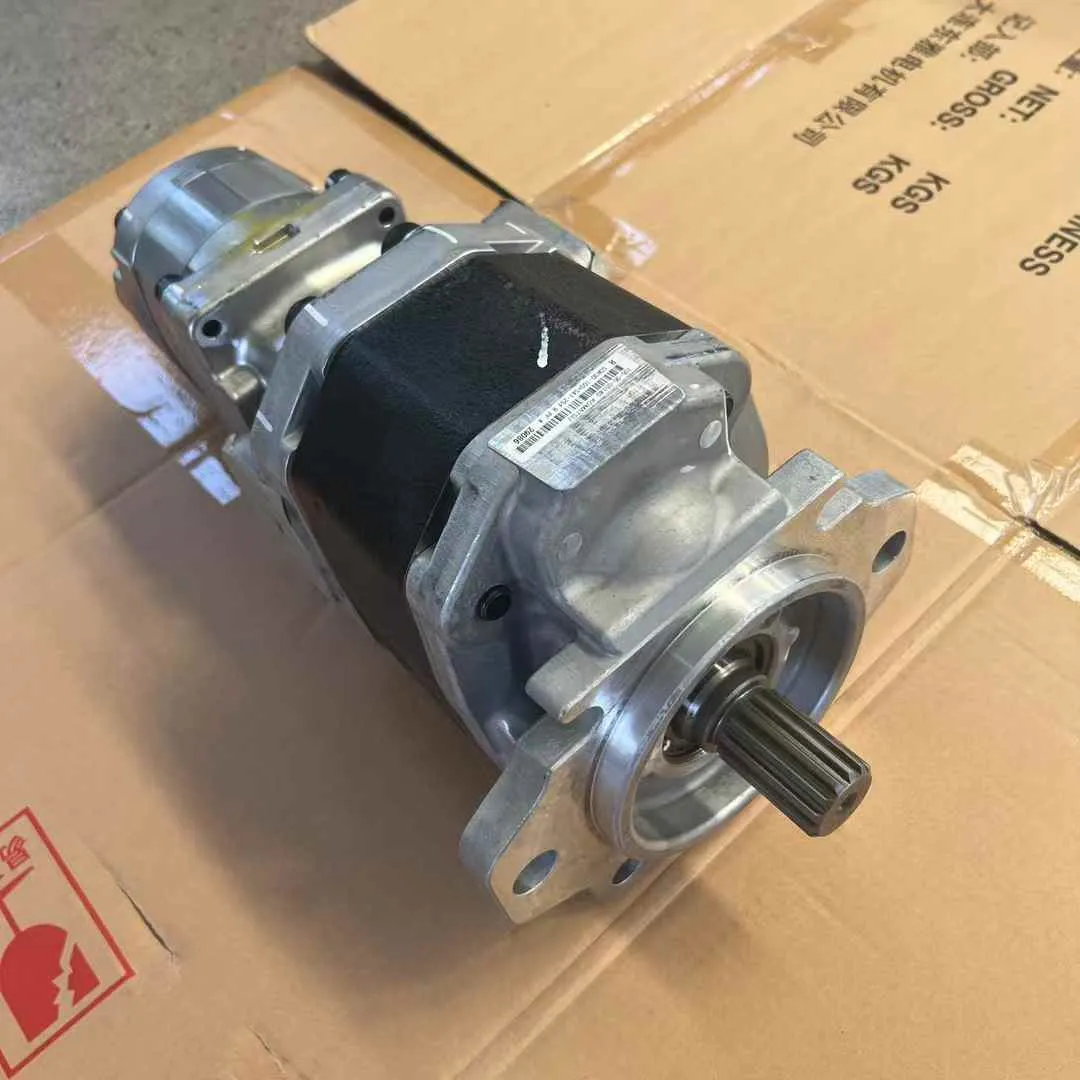 705-95-05140 HydraulicPump
 -
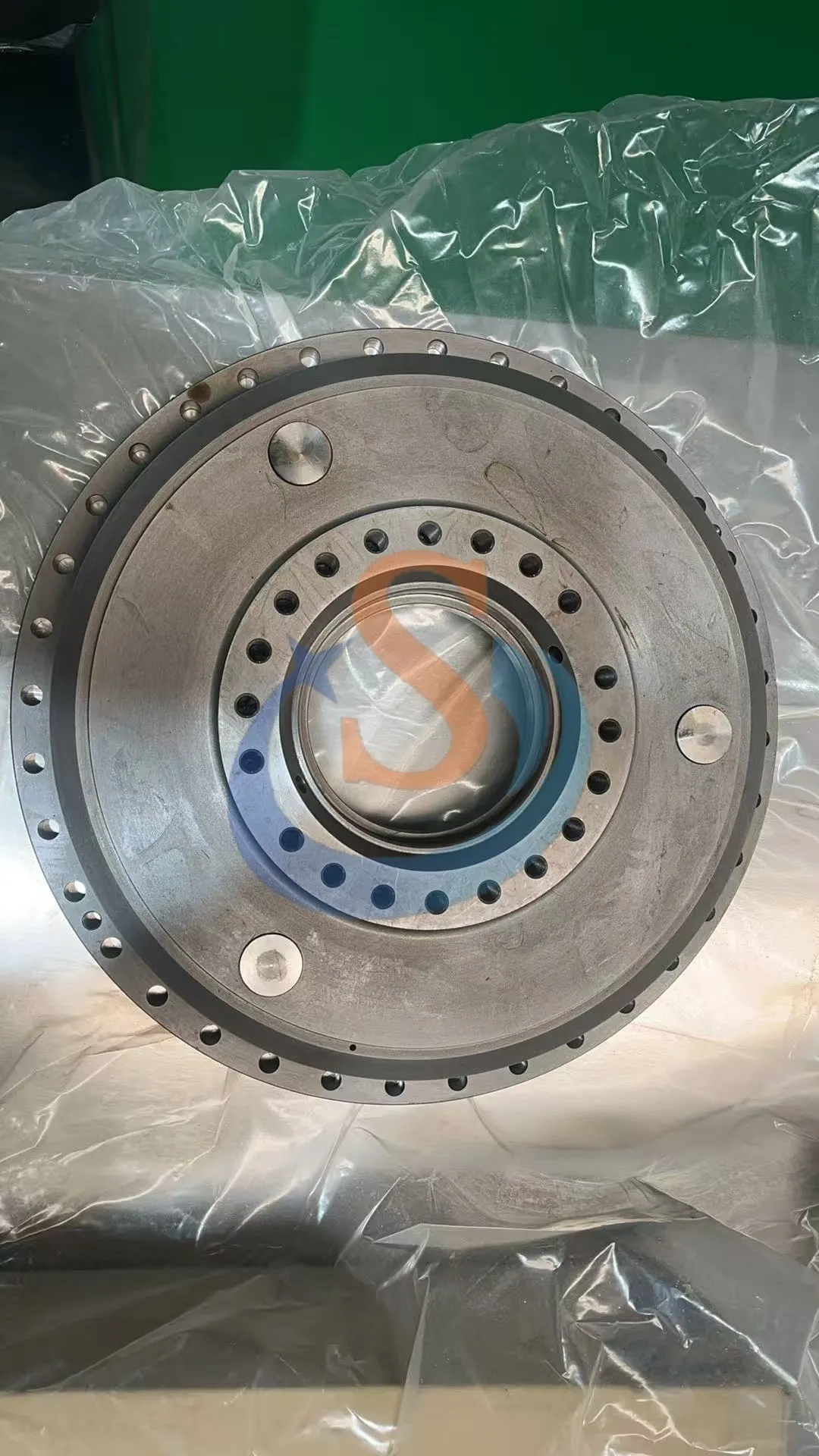 14X-13-57111 komatsu Housing D65
 -
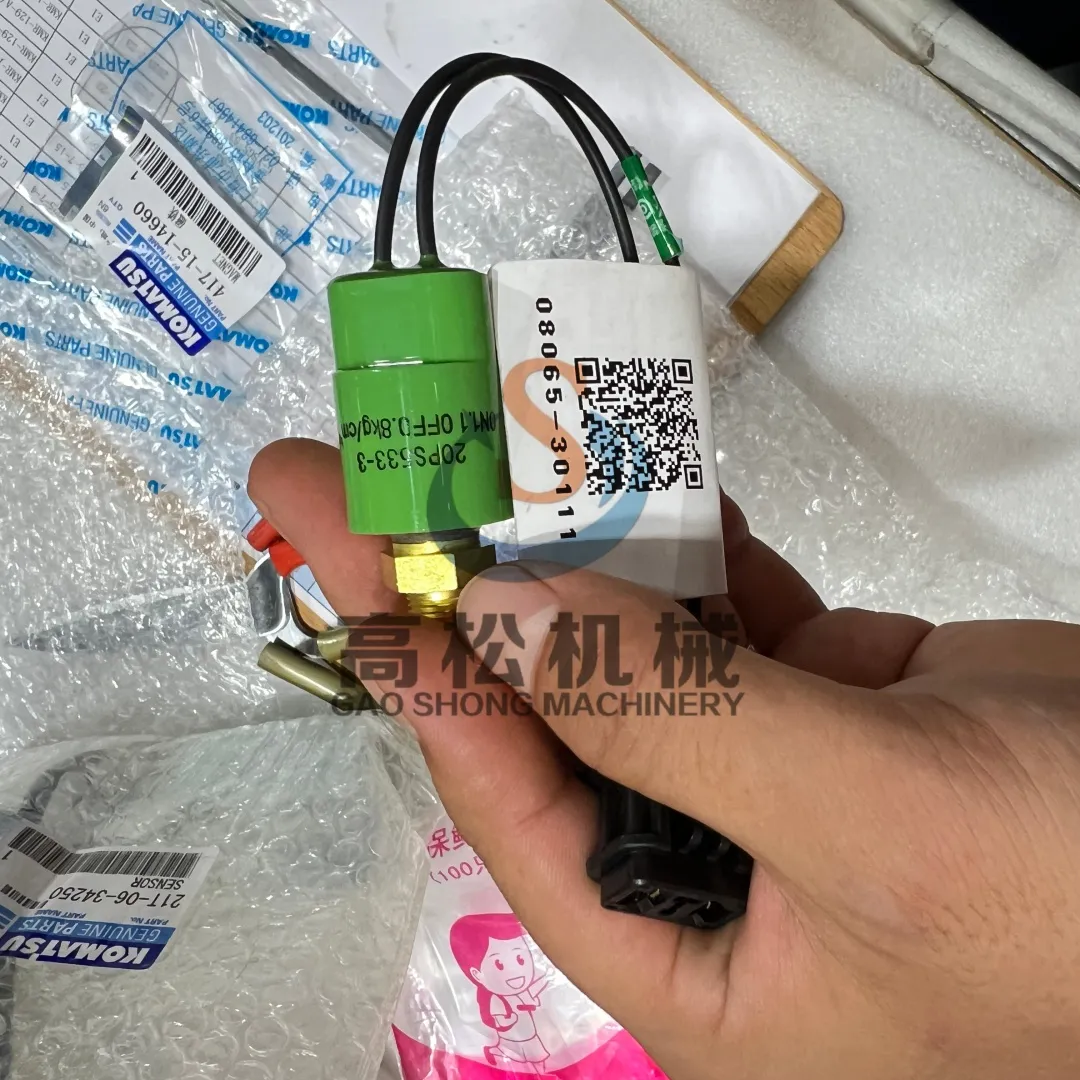 08065-30111 SWITCH,ENGINE OIL PRESSURE – Komatsu
 -
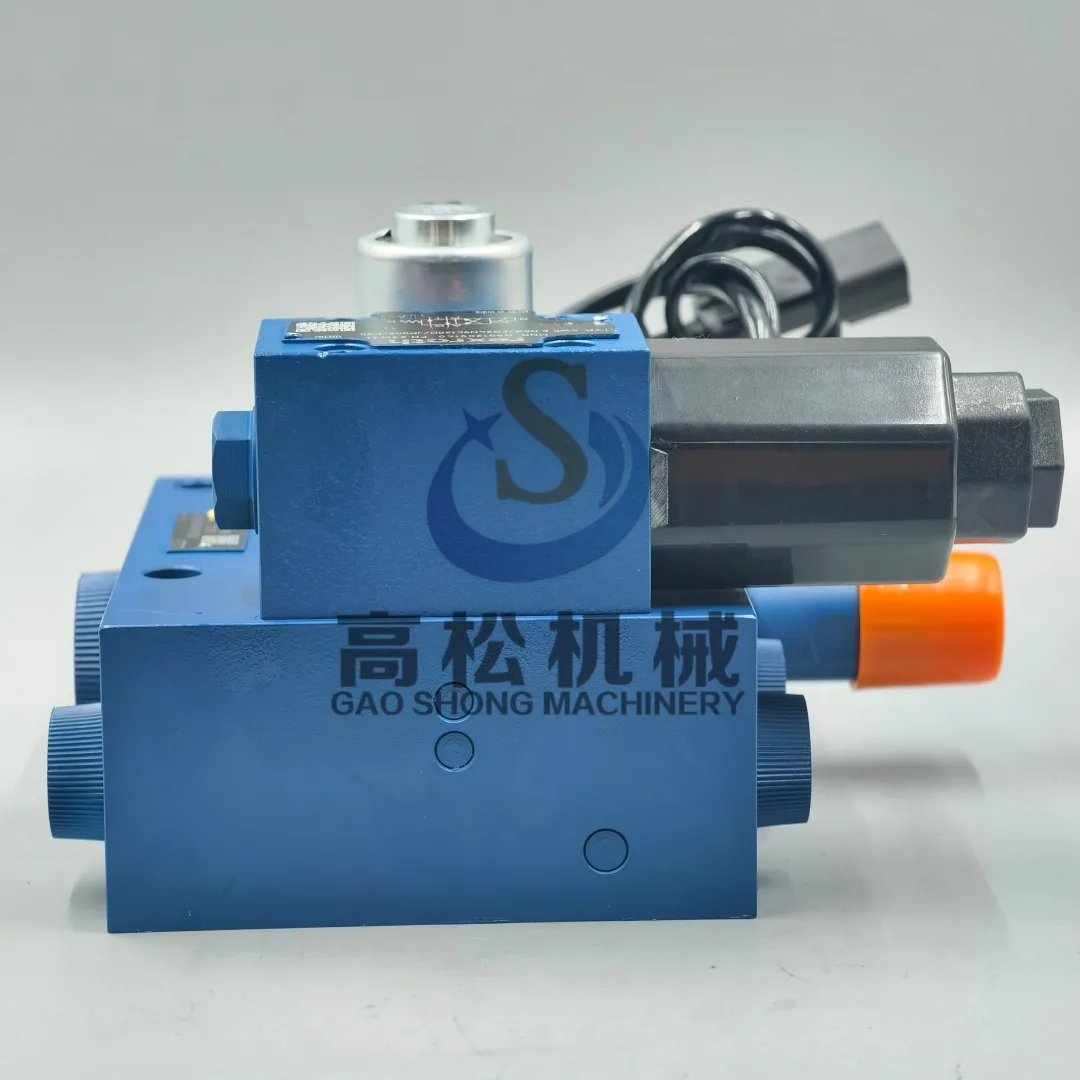 Komatsu 56B-43-12402 Valve for machines model HD405-7
 -
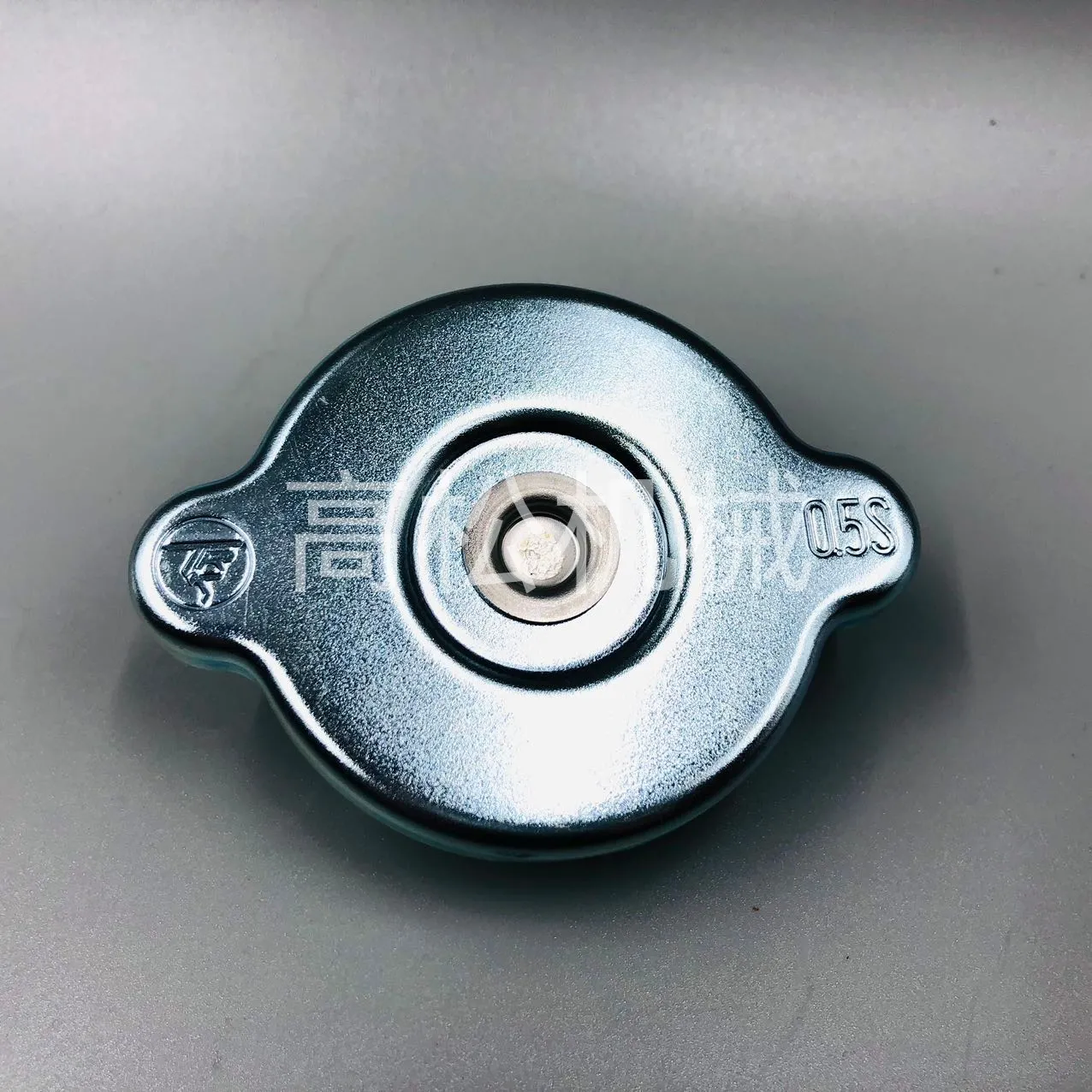 20Y-03-22110-CAP-Komatsu Original Factory
 -
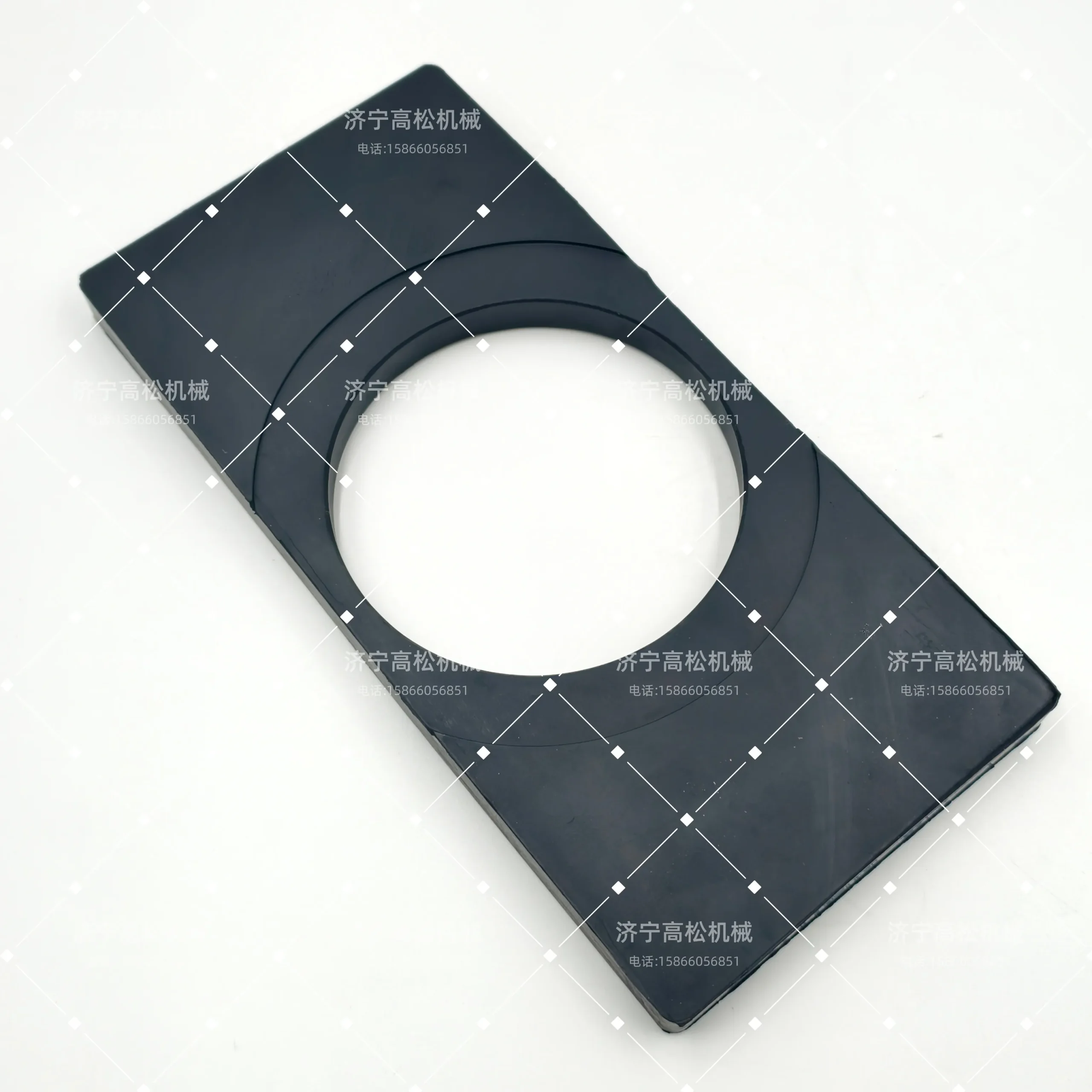 561-03-81550 High Quality Parts For Komatsu Hd465/hd785, High…
 -
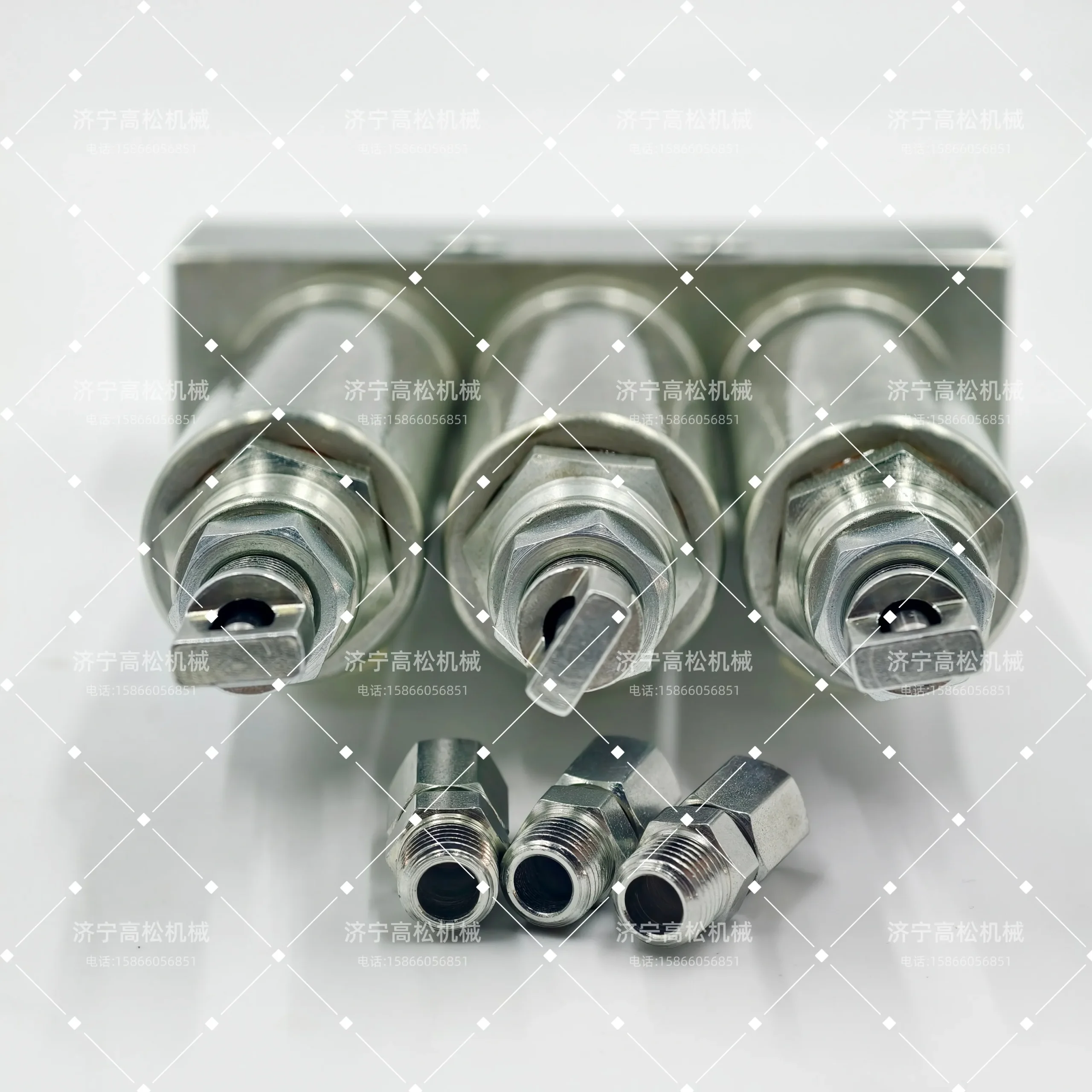 HD785 fuel injector 5819-961-9520
 -
 HD785-7 Oil Level Sensor 7861-93-4550
 -
 Komatsu 561-95-8A540 VALVE… — Pricing.Parts
 -
 7861-93-2330 SENSOR,REVOLTION–Komatsu Original Factory
 -
 09482-10000 komatsu vavle-D275A/PC750/WA800