
- Chinese
- French
- German
- Portuguese
- Spanish
- Russian
- Japanese
- Korean
- Arabic
- Irish
- Greek
- Turkish
- Italian
- Danish
- Romanian
- Indonesian
- Czech
- Afrikaans
- Swedish
- Polish
- Basque
- Catalan
- Esperanto
- Hindi
- Lao
- Albanian
- Amharic
- Armenian
- Azerbaijani
- Belarusian
- Bengali
- Bosnian
- Bulgarian
- Cebuano
- Chichewa
- Corsican
- Croatian
- Dutch
- Estonian
- Filipino
- Finnish
- Frisian
- Galician
- Georgian
- Gujarati
- Haitian
- Hausa
- Hawaiian
- Hebrew
- Hmong
- Hungarian
- Icelandic
- Igbo
- Javanese
- Kannada
- Kazakh
- Khmer
- Kurdish
- Kyrgyz
- Latin
- Latvian
- Lithuanian
- Luxembou..
- Macedonian
- Malagasy
- Malay
- Malayalam
- Maltese
- Maori
- Marathi
- Mongolian
- Burmese
- Nepali
- Norwegian
- Pashto
- Persian
- Punjabi
- Serbian
- Sesotho
- Sinhala
- Slovak
- Slovenian
- Somali
- Samoan
- Scots Gaelic
- Shona
- Sindhi
- Sundanese
- Swahili
- Tajik
- Tamil
- Telugu
- Thai
- Ukrainian
- Urdu
- Uzbek
- Vietnamese
- Welsh
- Xhosa
- Yiddish
- Yoruba
- Zulu
- Kinyarwanda
- Tatar
- Oriya
- Turkmen
- Uyghur





Komatsu fan
When you hear 'Komatsu fan', most people immediately picture the plastic or metal blade assembly bolted onto a water pump or crankshaft. That's not wrong, but it's a surface-level view that can lead to costly mistakes in the field. In my years dealing with Komatsu equipment, especially through channels like the work we do at Jining Gaosong, I've seen the fan become a diagnostic focal point for issues ranging from mysterious overheating to unexpected hydraulic pump failures. It's not just a part; it's a system health indicator.
The OEM Illusion and the Aftermarket Reality
There's a pervasive belief that if it spins and fits, any fan will do. That's the quickest path to a comeback job. A genuine Komatsu fan, or a proper OEM-spec equivalent, is engineered for a specific balance and airflow profile. We're an OEM product supplier within the Komatsu system, and the tolerance sheets we see for these components are tighter than most aftermarket producers bother with. The imbalance on a cheap replacement might only manifest as a slight vibration at high RPM, but over months, that's bearing death for the water pump and stress cracks on the fan shroud.
I recall a PC360-7 where the customer insisted on a non-OEM fan due to lead time. It cooled... adequately. But six months later, we were replacing the water pump and the radiator had developed leaks at the tank seams from the constant harmonic vibration. The cost saving was erased three times over. The lesson was that the fan's job isn't just to move air; it's to do so smoothly within the ecosystem of the machine.
This is precisely the gap companies like ours aim to fill. As a third-party sales company for Komatsu, helping to solve parts supply challenges in certain countries, our value isn't just in having the part. It's in knowing why this specific fan for a Dash-8 model has a different blade pitch than the Dash-7, and what happens if you mix them up. The documentation and application knowledge are part of the product.
Hydraulic Fan Systems: The Real Brain Teaser
Moving into the electro-hydraulic fan drives on newer models, the term 'Komatsu fan' encompasses the entire control system. Here, the blade is almost the simple part. The real action is in the solenoid valve, the temperature sensors, and the ECM logic. A fan running constantly at high speed isn't just noisy; it's telling you the system defaulted to a fail-safe mode, often due to a faulty sensor or a break in the control circuit.
I spent a full day once tracing an intermittent high-speed fan issue on a D65EX-18. The blade itself was perfect. The problem was a chafed wire going to the coolant temp sensor, shorting occasionally and telling the ECM the engine was at 120°C. The customer was ready to replace the entire hydraulic motor assembly. A systematic check of the inputs, starting from the simplest sensor, saved that expense. This is where the 'supply challenge' shifts from hardware to technical know-how.
You can't just throw parts at these systems. You need the wiring diagrams and the fault code trees—resources that are as crucial as the physical part. Our role at Jining Gaosong Construction Machinery Co., Ltd. often involves bundling this technical support with the component, especially in regions where dealer network support is thin. Solving the supply challenge means providing the solution, not just the hardware.
Material Failures and Environmental Warfare
Not all failures are electronic. Environment eats fans alive. In coastal or high-sulfate soil areas, the corrosion on the aluminum alloy blades can be aggressive. You get pitting, which alters the aerodynamic surface and creates stress points. I've seen blades separate at the hub from corrosion fatigue. The OEM specs sometimes call for specific coatings or material grades for different operating environments, details that get lost in generic aftermarket catalogs.
Then there's physical damage from debris. The plastic composite fans on many mid-size excavators are tough but brittle in extreme cold. A common but often missed precursor to a shattered fan is a cracked or misaligned shroud. If the shroud isn't holding the proper clearance, it's only a matter of time before flex or debris contact causes a failure. A pre-replacement inspection should always include the shroud, mounts, and drive hub for runout.
We've had to source these environment-specific variants directly, leveraging our position within the Komatsu system. It's not a fast process, but it's the correct one. Explaining to a mine manager in a high-chloride environment why they need the coated, heavy-duty fan variant and why it takes two extra weeks is part of the job. It builds credibility more than selling a standard part that fails in a year ever could.
The Installation Pitfall: Torque and Balance
This might sound basic, but I'd wager half of premature fan failures come from incorrect installation. It's not a wheel lug; you can't just crank it down. The hub bolts have a specific torque sequence and specification. Over-torquing distorts the hub, guaranteeing an imbalance. We include torque specs and sequence diagrams with every fan we ship, but you'd be surprised how often those sheets stay in the box.
There's also the practice of reusing old bolts. These are often torque-to-yield bolts, meant for one-time use. Reusing them risks them stretching or failing under load, which can be catastrophic. It's a small cost item with huge risk. I always recommend a new bolt kit, and we make them available as a package for this reason.
After installation, if possible, a simple run-up and visual check for wobble is invaluable. Sometimes, the fan itself is true, but the mounting flange on the pump or crankshaft has minor damage or corrosion. That's a judgment call—can it be cleaned up, or does the driving component need attention too? Skipping this step just passes the problem down the line.
Beyond the Part: The Supply Chain Ethos
Working as a third-party supplier in the Komatsu ecosystem isn't about undercutting the dealer network. It's about solving specific, acute problems. A dealer might not stock a fan for a 15-year-old grader in a remote country, and the official lead time might be 90 days. That machine sitting idle is a massive financial drain. Our model at Jining Gaosong is to bridge that gap, providing authentic OEM or OEM-equivalent parts through alternative channels to get that machine back to work.
This requires deep inventory knowledge and relationships with multiple OEM producers within the system. The Komatsu fan for a 930E haul truck is a different beast from one for a mini-excavator. Having access to both, and knowing their interchangeability (or lack thereof), is the core service. We're not just a warehouse; we're a filter for applicability and quality.
The end goal is reliability. When we supply a Komatsu fan, we're staking our reputation on that component performing as Komatsu intended. It eliminates the machine as a variable in the operator's day. That's the real product: certainty. And in the heavy equipment world, that's what keeps the business moving, long after the initial purchase order is forgotten.
Related Products
Related Products
Best Selling Products
Best Selling Products-
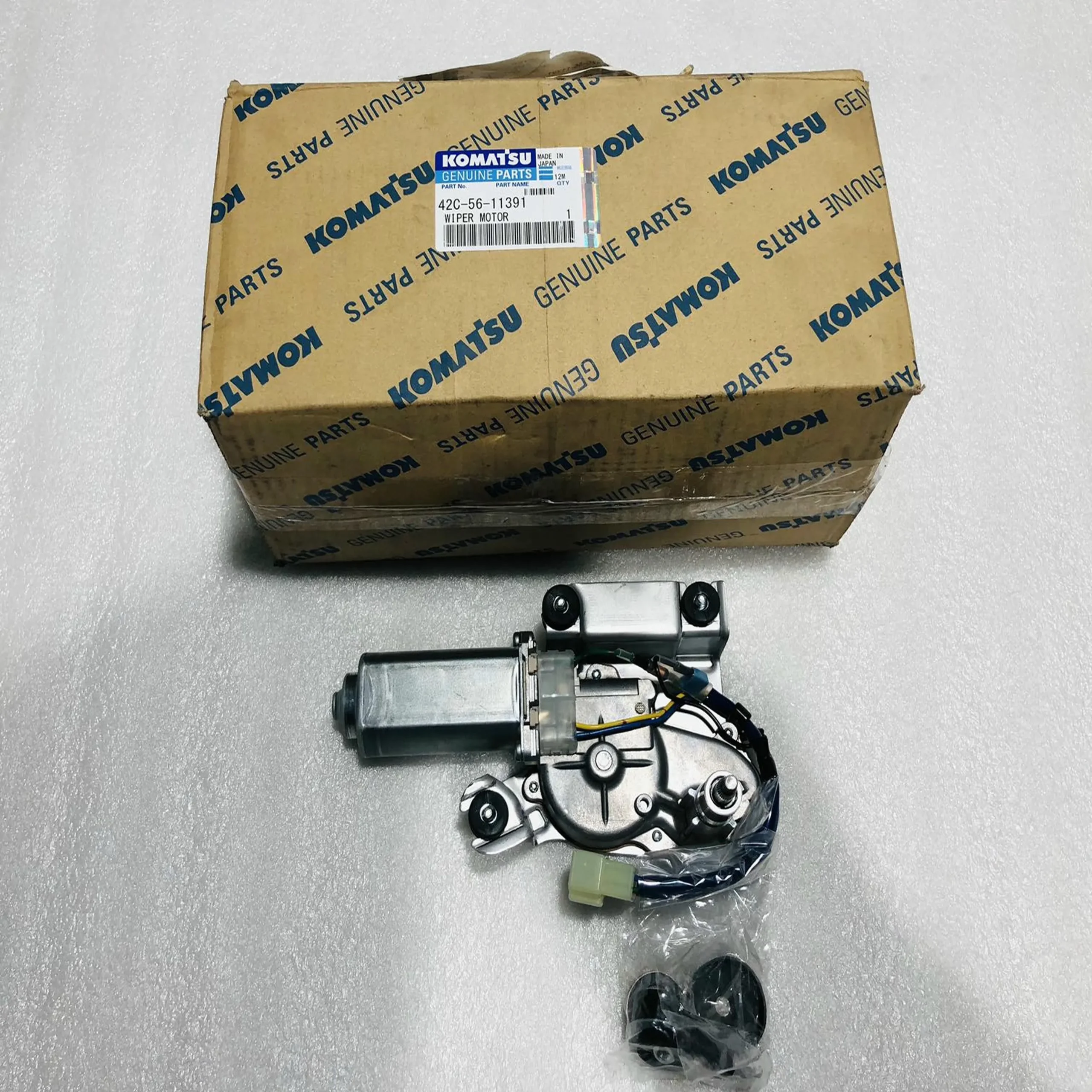 WIPER MOTOR,R.H. 42C-56-11391 – KOMATSU
 -
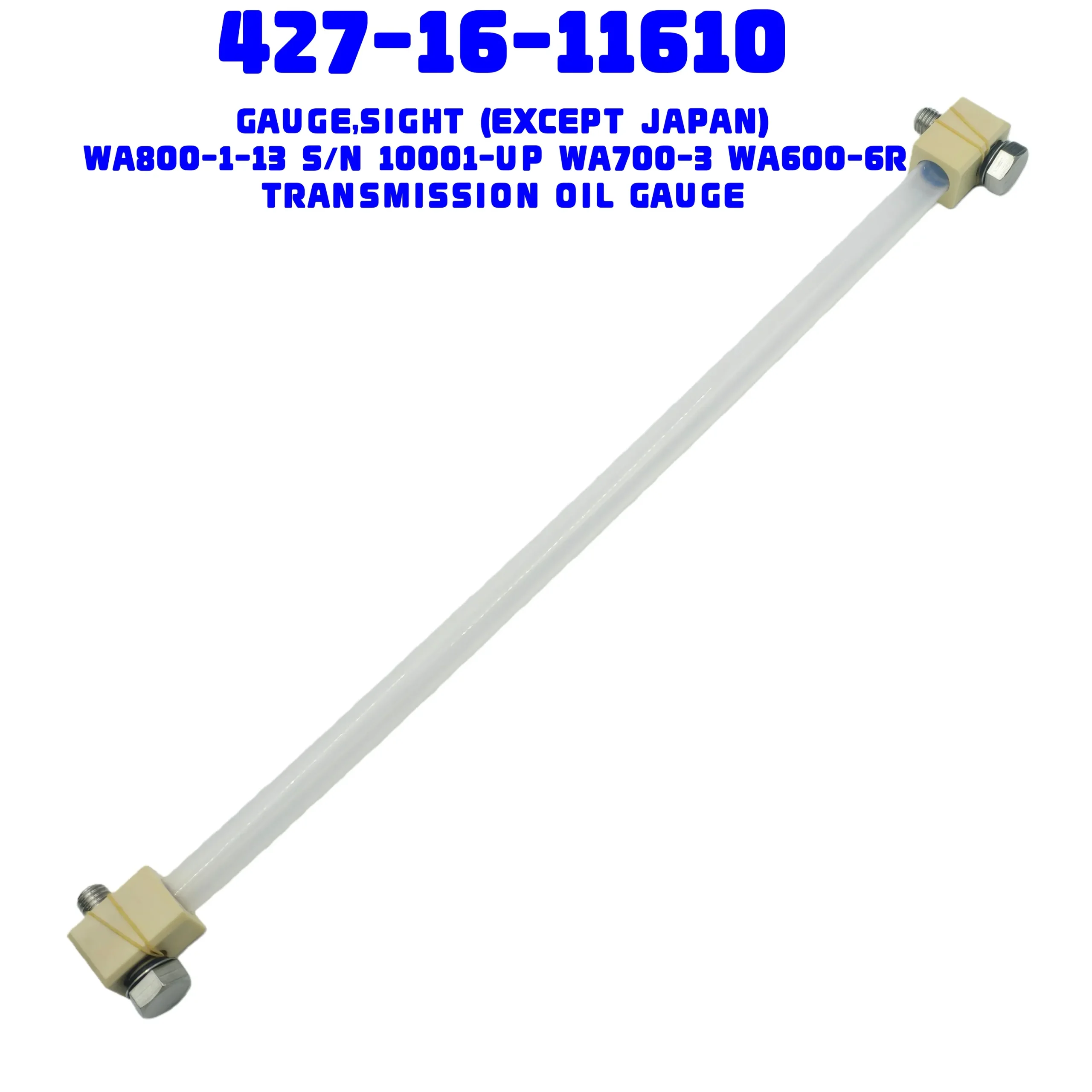 komatsu parts427-16-11610 GAUGE,SIGHT (EXCEPT JAPAN) WA800-1-13 S/N 10001-UP TRANSMISSION OIL GAUGE427-16-11610 GAUGE,SIGHT KOMATSU parts WA1200, WA600, WA700, WA800, WA800L, WA900, WA900L, WD600, WD900
 -
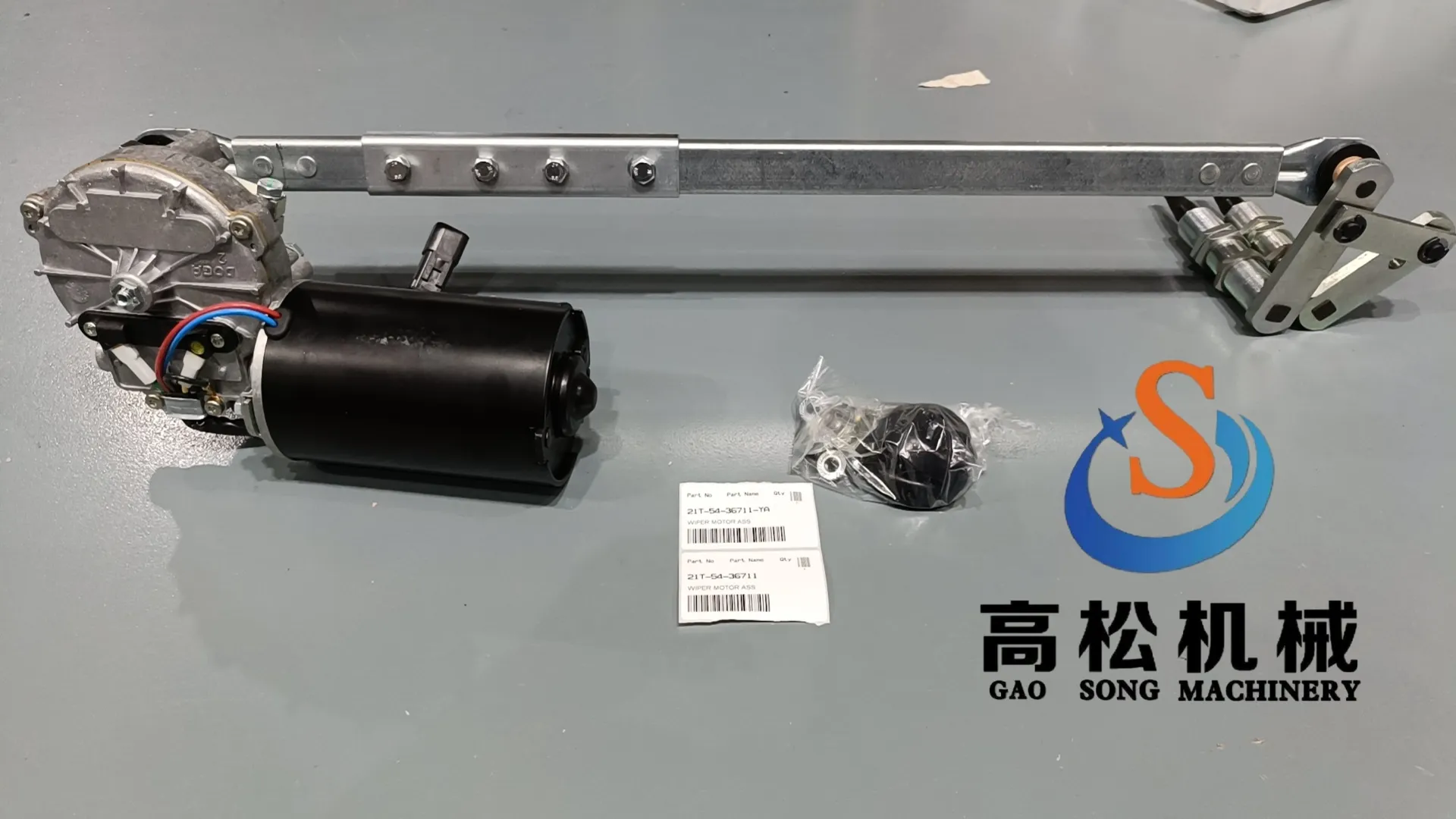 21T-54-36711 komatsu WIPER MOTOR ASS’Y
 -
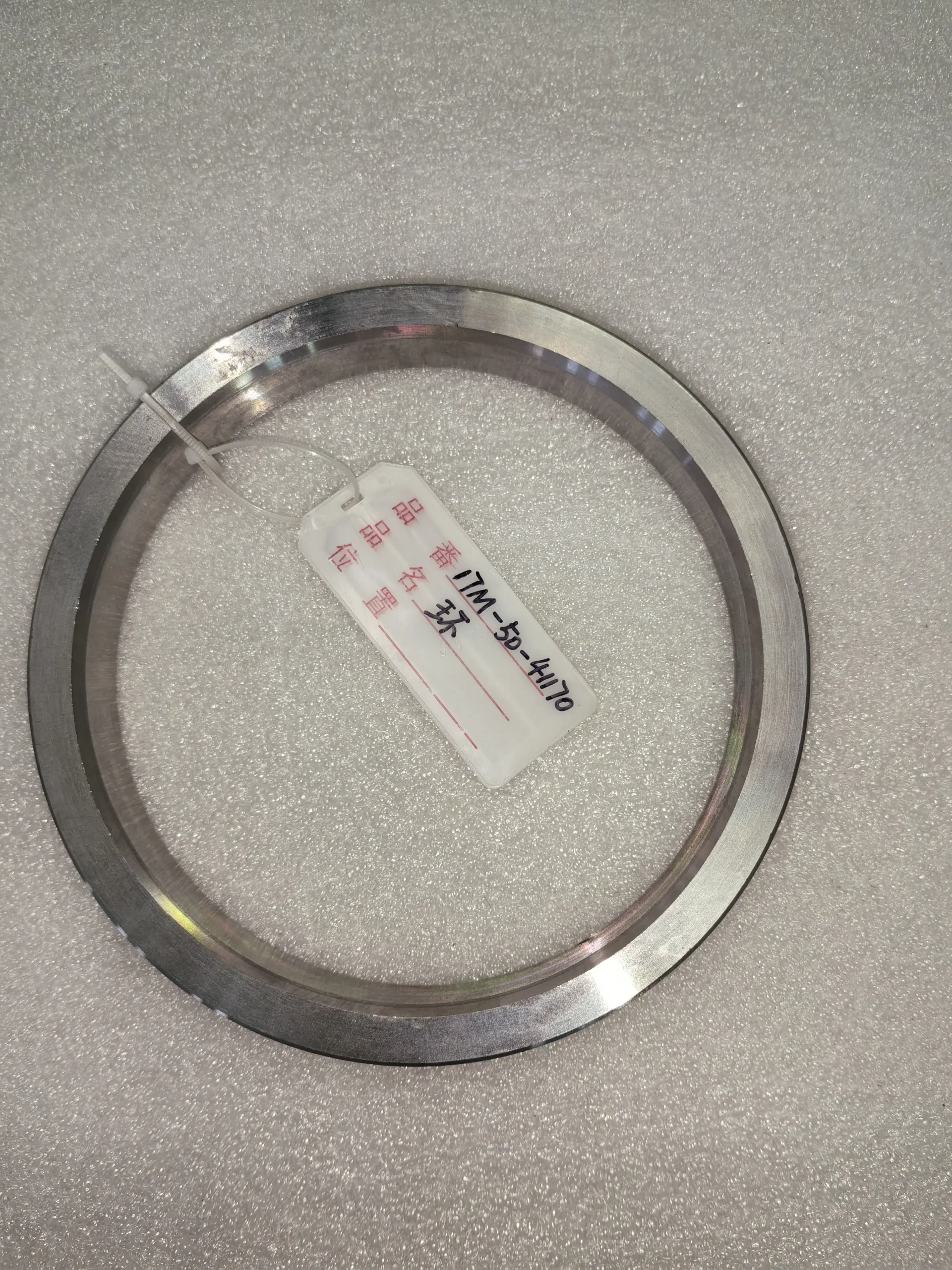
 21N-30-14170 21N3014170 Spare Ring for Komatsu Excavator PC1250 PC1250SP
 -
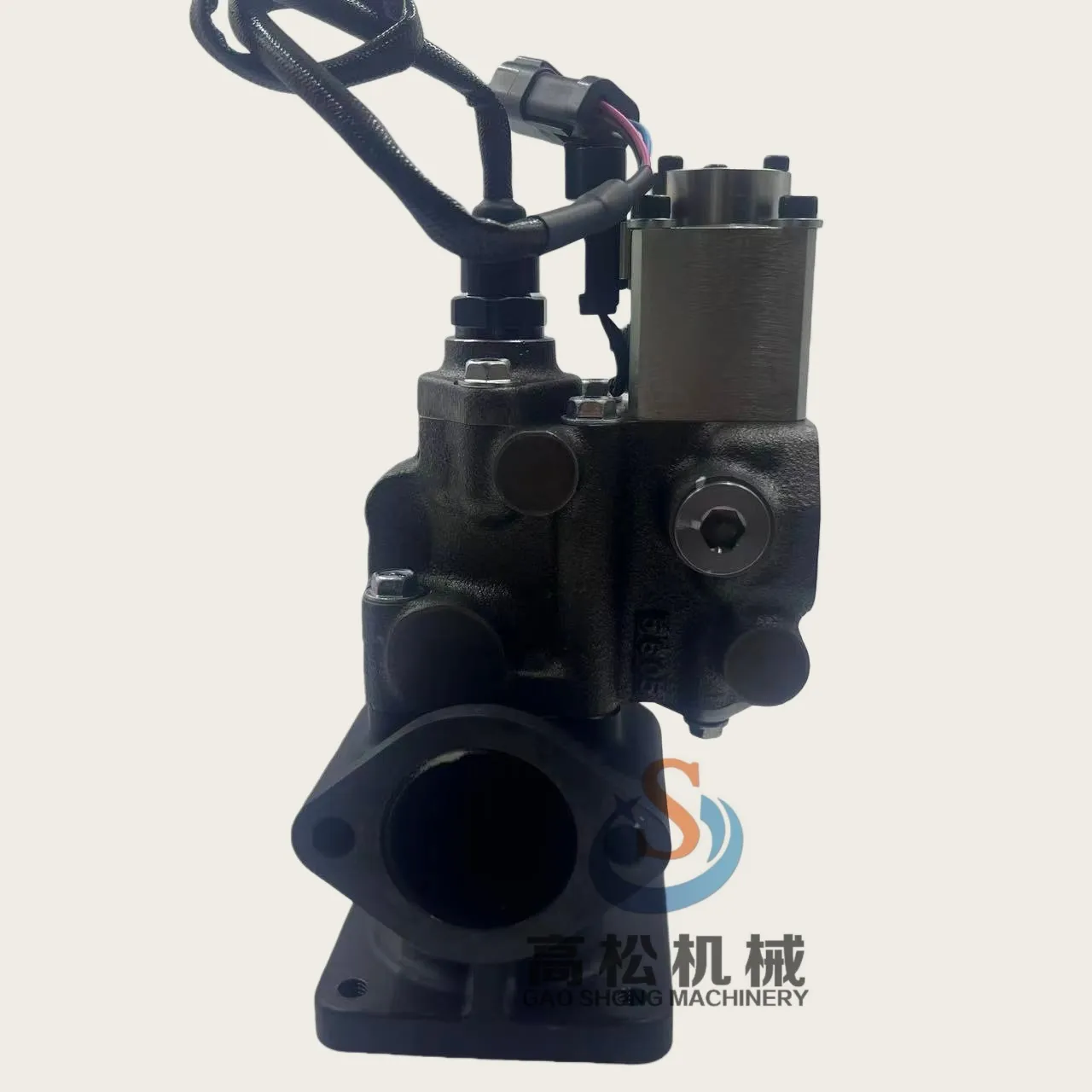 VALVE ASS’Y BYPASS 6261-41-9500 SAA6D140E-5C-01 SAA6D170E-5C EXHAUST GAS RECIRCULATION VALVE HM400-2 HM350-2 WA500-6
 -
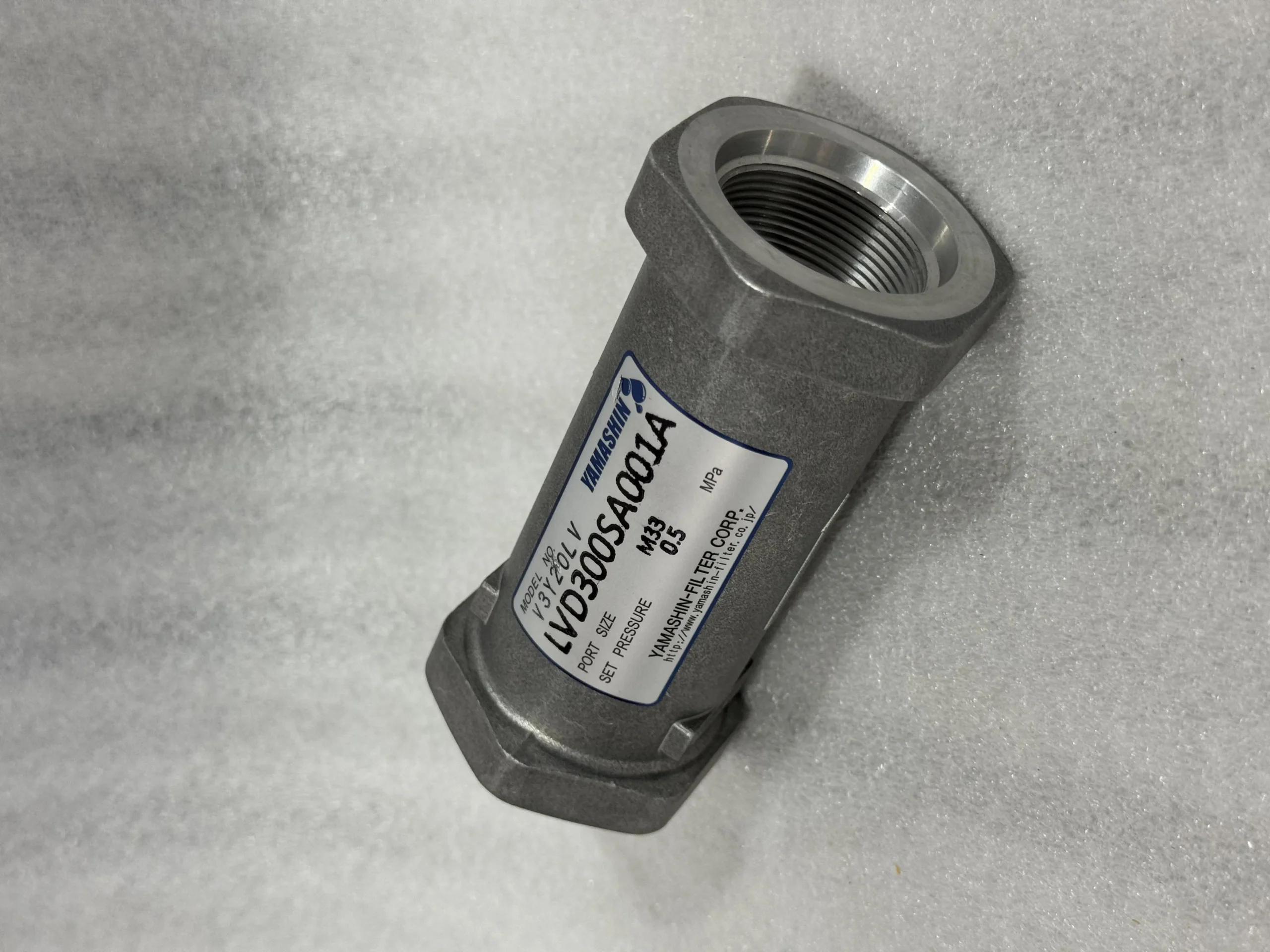 D155A-6 Radiator Valve Assembly 20S-62-16160
 -
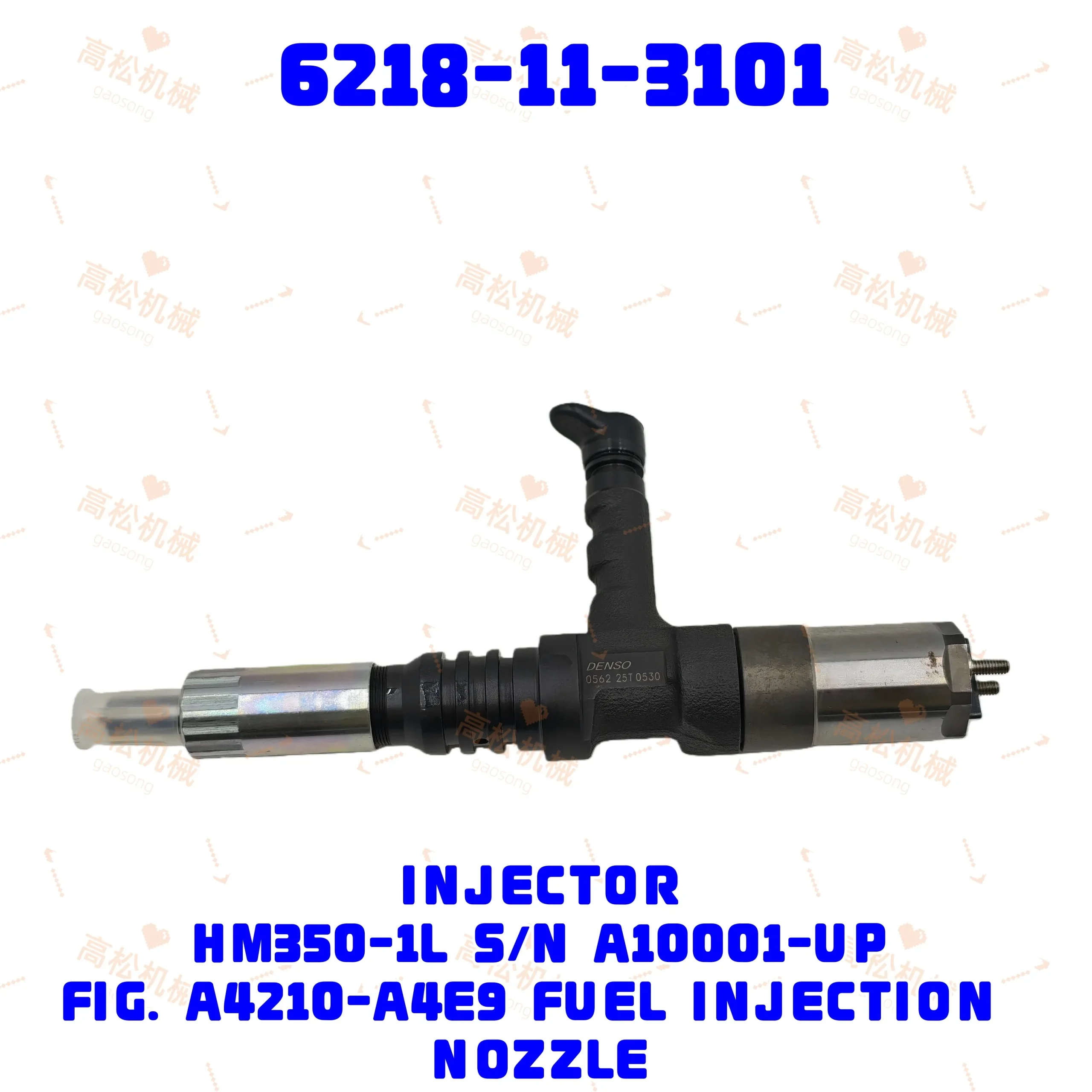 komatsu-part-6218-11-3101 6127-11-3104 6734-11-3110 6732-11-3300 6738-11-3090 6209-11-3100 6743-11-3320 6215-11-3620 6211-12-3520 6211-12-3500 INJECTOR ASS’Y SA6D140E-3J-7 SA6D140E-3CM-7 SA6D140E-3H-7 SA6D140E-3G-7 HM350-1L FUEL INJECTOR FUEL INJECTOR
 -
 Heavy Machines Built to Last 799-101-5160 SOCKET for Komatsu…
 -
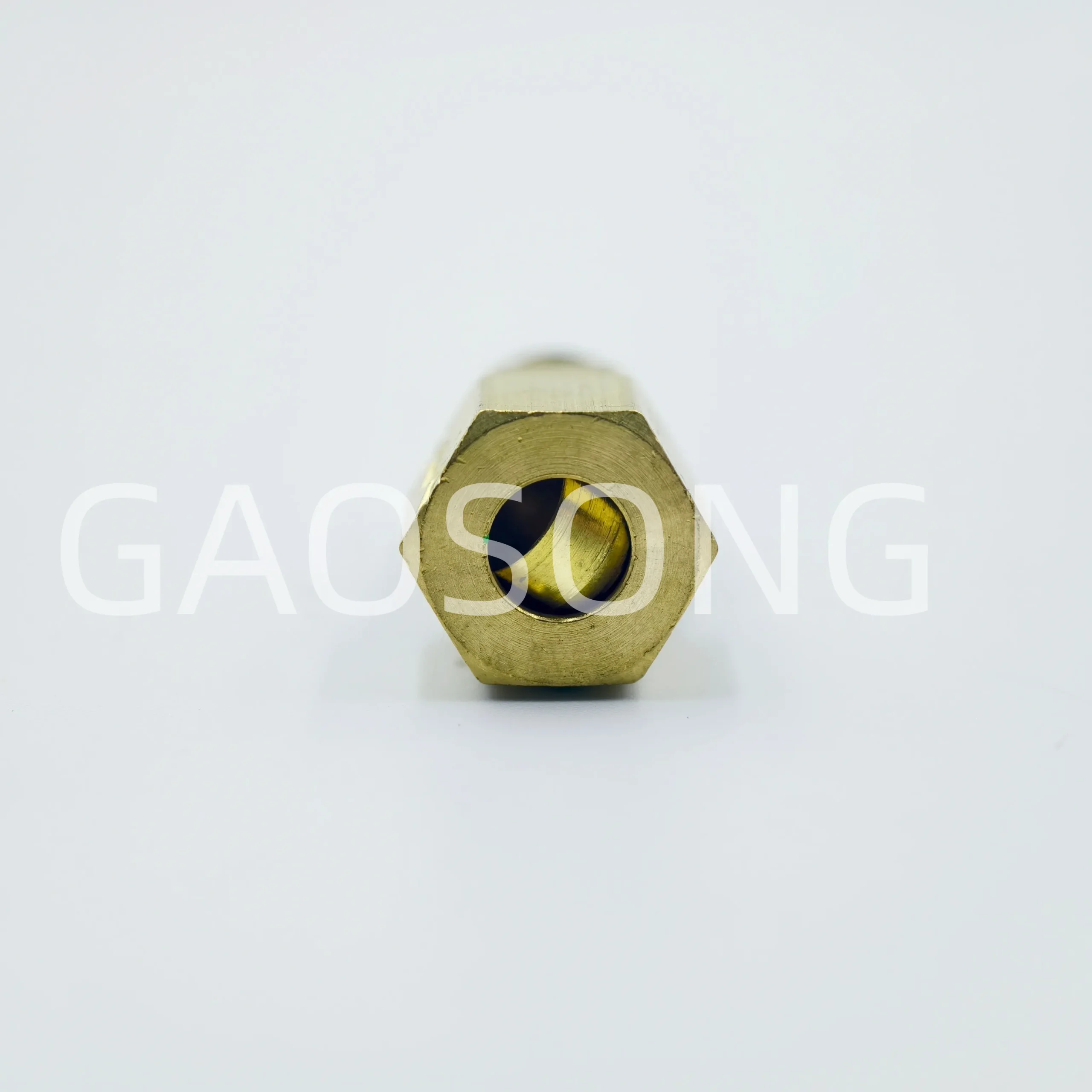 Komatsu 21N-68-32320 CONNECTOR-Komatsu Original Factory CONNECTOR PC1250SP-8R PC1800-6 PC1100SP-6 PC2000-8
 -
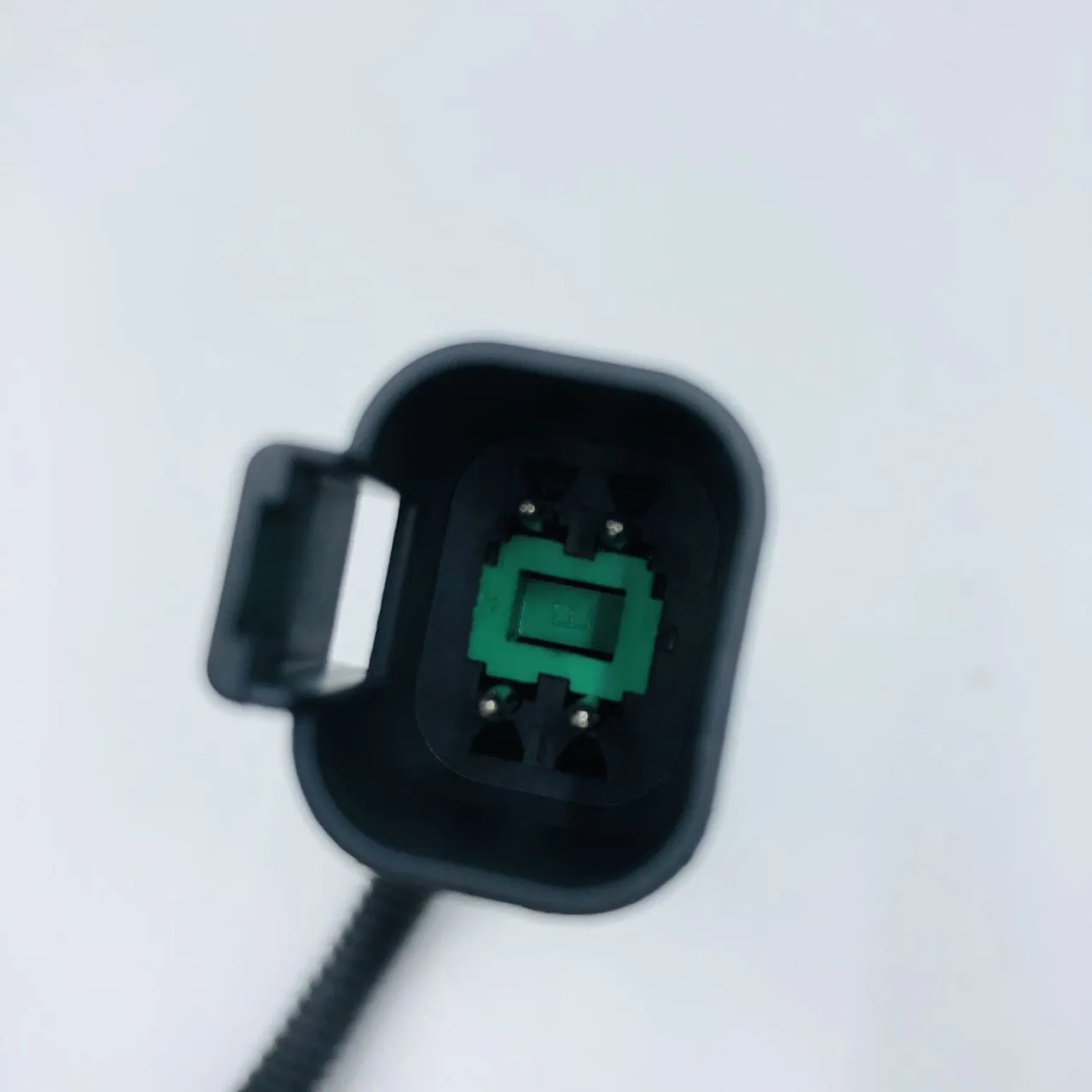 7861-93-5410-SENSOR-Komatsu Original Factory
 -
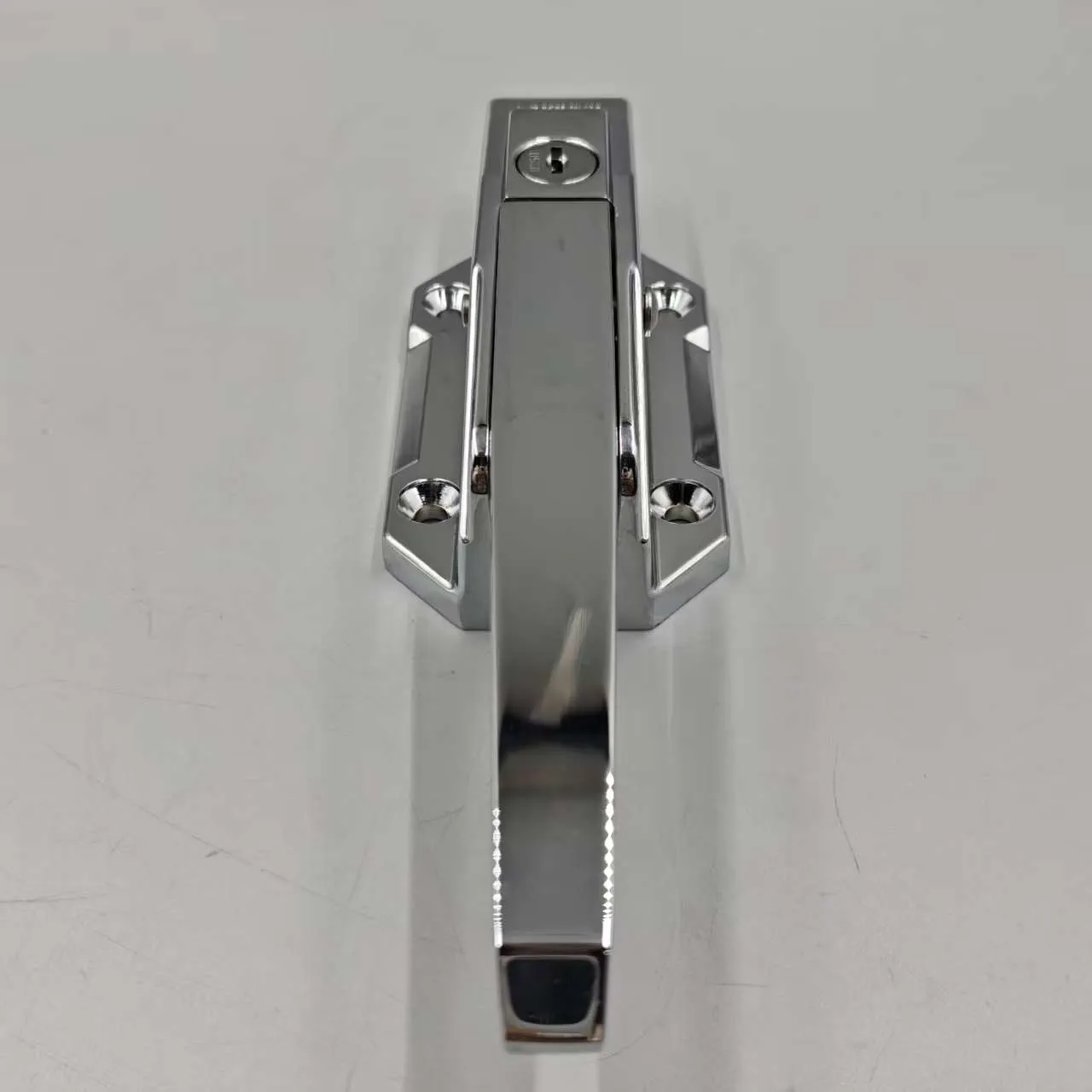 21T-54-35421excavator handle
 -
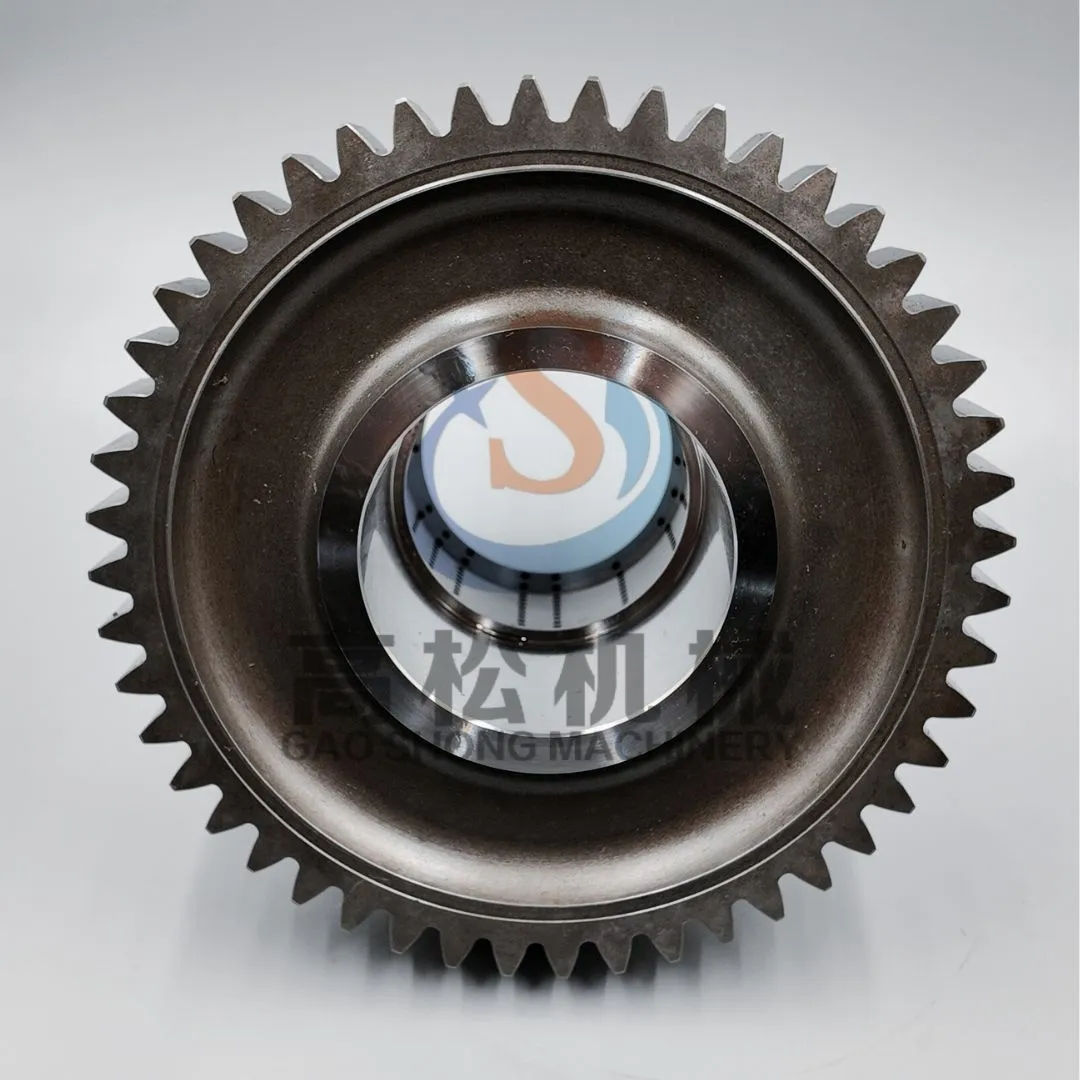 714-07-12420 Komatsu GEAR, 48 TEETH,FORWARD