
- Chinese
- French
- German
- Portuguese
- Spanish
- Russian
- Japanese
- Korean
- Arabic
- Irish
- Greek
- Turkish
- Italian
- Danish
- Romanian
- Indonesian
- Czech
- Afrikaans
- Swedish
- Polish
- Basque
- Catalan
- Esperanto
- Hindi
- Lao
- Albanian
- Amharic
- Armenian
- Azerbaijani
- Belarusian
- Bengali
- Bosnian
- Bulgarian
- Cebuano
- Chichewa
- Corsican
- Croatian
- Dutch
- Estonian
- Filipino
- Finnish
- Frisian
- Galician
- Georgian
- Gujarati
- Haitian
- Hausa
- Hawaiian
- Hebrew
- Hmong
- Hungarian
- Icelandic
- Igbo
- Javanese
- Kannada
- Kazakh
- Khmer
- Kurdish
- Kyrgyz
- Latin
- Latvian
- Lithuanian
- Luxembou..
- Macedonian
- Malagasy
- Malay
- Malayalam
- Maltese
- Maori
- Marathi
- Mongolian
- Burmese
- Nepali
- Norwegian
- Pashto
- Persian
- Punjabi
- Serbian
- Sesotho
- Sinhala
- Slovak
- Slovenian
- Somali
- Samoan
- Scots Gaelic
- Shona
- Sindhi
- Sundanese
- Swahili
- Tajik
- Tamil
- Telugu
- Thai
- Ukrainian
- Urdu
- Uzbek
- Vietnamese
- Welsh
- Xhosa
- Yiddish
- Yoruba
- Zulu
- Kinyarwanda
- Tatar
- Oriya
- Turkmen
- Uyghur





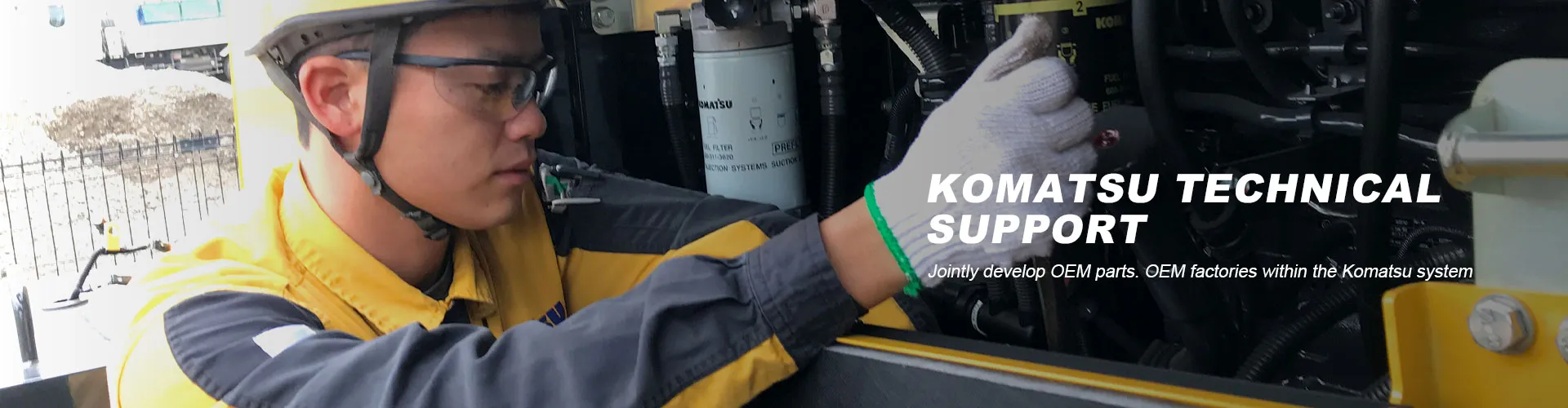
komatsu excavator undercarriage parts
When most people hear 'Komatsu excavator undercarriage parts,' they immediately think of track chains and rollers, maybe idlers and sprockets. That's the surface. The real story, the one that determines if a machine runs for 12,000 hours or gets sidelined at 8,000, is in the specifics—the bolt torque, the metallurgy of a link, the seal design on a carrier roller. There's a pervasive misconception that undercarriage is just a consumable, a cost to be minimized. That mindset leads to buying the cheapest available replacement, which is, in my experience, the fastest way to inflate your total cost of ownership. It's not just about the part; it's about the system's integrity.
The OEM vs. Aftermarket Dilemma Isn't What You Think
Let's be clear: genuine Komatsu undercarriage is engineered as a system. The hardness profile of a sprocket tooth is matched to the chain link. It's a precise dance. The problem, as we all know, is availability and cost, especially in regions outside major markets. That's where the real-world decisions happen. I've seen operations wait six weeks for a genuine top roller, bleeding project money daily, when a quality alternative was available in three days.
This is precisely the gap that companies like Jining Gaosong Construction Machinery Co., Ltd. aim to bridge. Their position is interesting. They're an OEM product supplier within the Komatsu system, which suggests access to certain genuine lines or manufacturing standards. But they also operate as a third-party sales company, which means they're sourcing and vetting solutions for those supply challenges. It's a hybrid model. You can check their approach at their portal, https://www.takematsumachinery.com. Their stated goal of solving parts supply challenges in certain countries rings true to the logistical headaches I've witnessed firsthand.
The key isn't a blind OEM good, aftermarket bad rule. It's about traceability and specification. I once used a set of aftermarket track links that looked perfect. But the metal was more brittle. In cold conditions, on rocky terrain, we started seeing link body cracks, not just bushing wear. The failure mode was different, and more dangerous, than the predictable wear we anticipated. The lesson? Know what you're buying. An OEM supplier might mean they produce a specific component to Komatsu's print, which is valuable intel.
Failure Analysis: Reading the Wear Patterns
Ignoring undercarriage inspection is like ignoring blood pressure. The signs are all there. Excessive wear on the link rail's inside? That's often misalignment, maybe a bent carrier frame from an unseen impact, not just a bad link. Replacing the chain without fixing the root cause burns money.
Take sprockets and final drives. They fail together. A worn sprocket doesn't mesh cleanly, creating shock loads that travel straight into the final drive planetary set. I've torn down finals where the failure was clearly precipitated by a sprocket we'd let go too long. The cost multiplier is brutal. So when evaluating Komatsu excavator underercarriage parts, you can't view the sprocket in isolation. It's a critical input to the health of a far more expensive assembly.
Then there's the grease. Sounds trivial. But the wrong consistency in a roller or idler can't maintain the oil seal lip, letting in abrasive slurry. Premature seal failure is a death sentence. I now specify the exact grease type alongside the part number when ordering components. It's that integral.
The Logistics & Provenance Quagmire
Ordering a Komatsu-compatible track chain from an online marketplace is a gamble. The provenance is opaque. Is it new? Is it remanufactured? Is it a blend of new links and used bushings? I've received new rollers where the sealing surface had microscopic tooling marks that would never pass OEM QC, destined for early leakage.
This is where a supplier's role becomes critical. A company operating as part of the Komatsu ecosystem, even as a third-party seller, typically has more skin in the game regarding quality control. They're not just a drop-shipper. For instance, if Jining Gaosong is supplying an OEM-grade product, they are likely accountable to certain material and heat-treatment specifications. That's the kind of assurance you need for core components like undercarriage parts.
I recall a project in a remote area. We needed a complete undercarriage kit for a PC360. The local dealer's lead time was prohibitive. We sourced a kit through a channel similar to what's described on the takematsumachinery.com site. The crucial factor was their ability to provide the full kit—rails, links, rollers, sprockets, bolts—from a coordinated source, with all the hardness ratings and dimensional checks aligned. It wasn't a scramble to piece together mismatched components. The machine runtime post-installation matched OEM performance specs. That's solving a supply challenge, not just selling a part.
Installation: Where Theory Meets Dirt
You can have perfect parts and ruin them in a day with poor installation. Torque sequence on track chain bolts is non-negotiable. They are often torque-to-yield, a single-use stretch bolt. Reusing them or using an impact gun to tighten is a recipe for a thrown track. I've done it, early in my career. Learned the expensive way.
Alignment during reassembly is another silent killer. You must tension the track properly, then roll the machine to settle everything before final adjustment. Jumping the gun leads to asymmetric load on the rollers and idlers. I now keep a checklist that includes post-installation re-torque intervals after the first 50 and 100 hours. Most manuals say it, few crews do it consistently.
And don't forget the hardware. The bolts, nuts, and washers for Komatsu excavator undercarriage are specific. Substituting a generic grade 8 bolt can cause galling or fatigue failure. It seems pedantic until you're searching for a broken bolt fragment inside a link assembly.
Cost Calculation: Looking at the Full Picture
The initial purchase price is a tiny slice of the undercarriage life-cycle cost. The real calculation is cost per hour. A cheaper chain that wears out 30% faster might have a 40% lower cost per hour, but if it causes accelerated wear on your sprockets and idlers (and it often does), that saving evaporates.
My rule of thumb now is to evaluate the source's technical support. Can they explain why their part lasts? Can they provide wear rate comparisons or material certifications? A supplier focused on solving supply challenges, like the one mentioned, often has this data to justify their product's position in the market—be it genuine, OEM-spec, or a vetted alternative.
Ultimately, managing Komatsu excavator undercarriage parts is an exercise in proactive system management. It's about understanding interdependencies, demanding transparency in part provenance, and respecting the installation process. The goal isn't to always buy the most expensive option, but to buy the most informed one. That requires suppliers who understand the machinery, not just the inventory. Sometimes, that comes from within the OEM network itself, just through a different, more flexible channel tailored for real-world obstacles.
Related Products
Related Products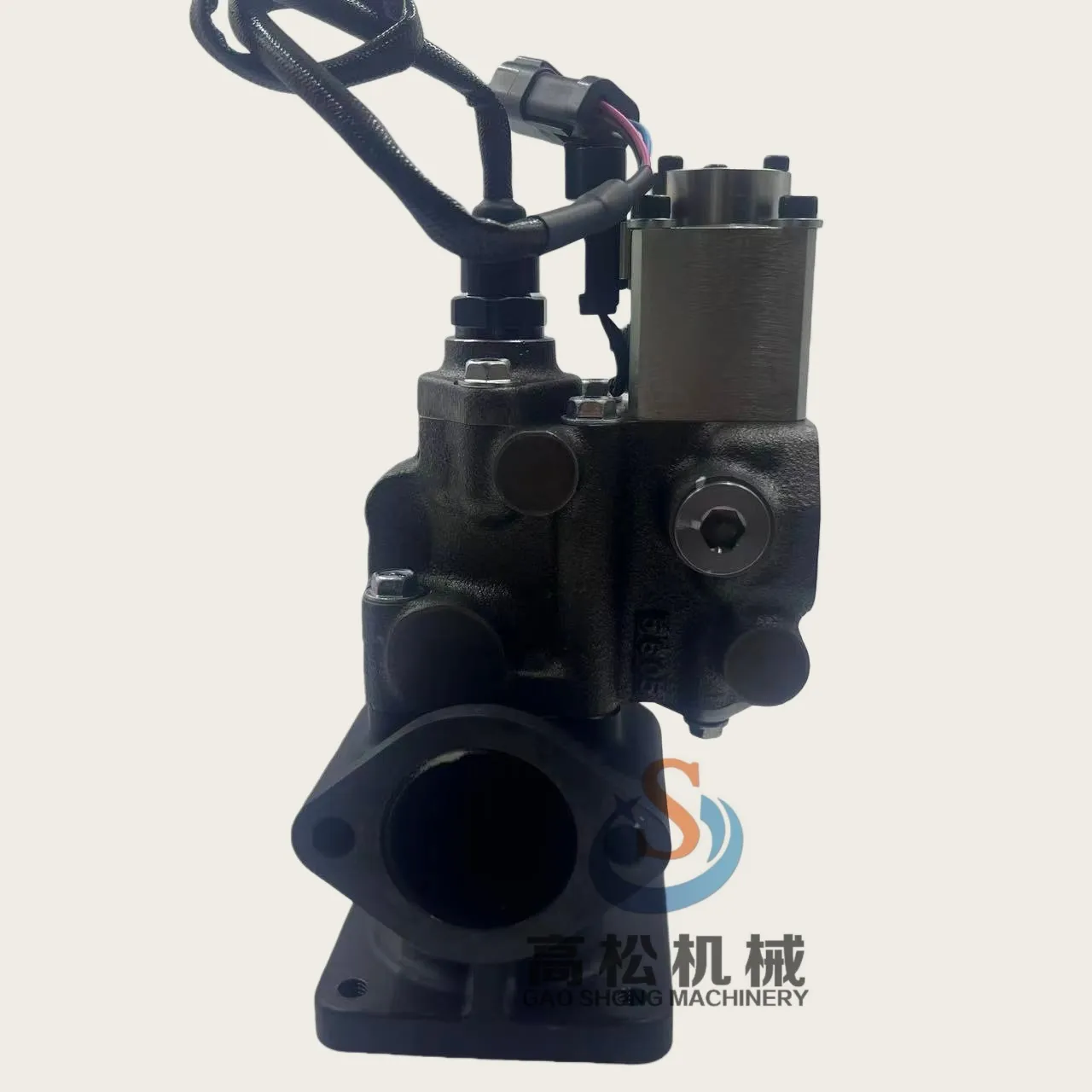
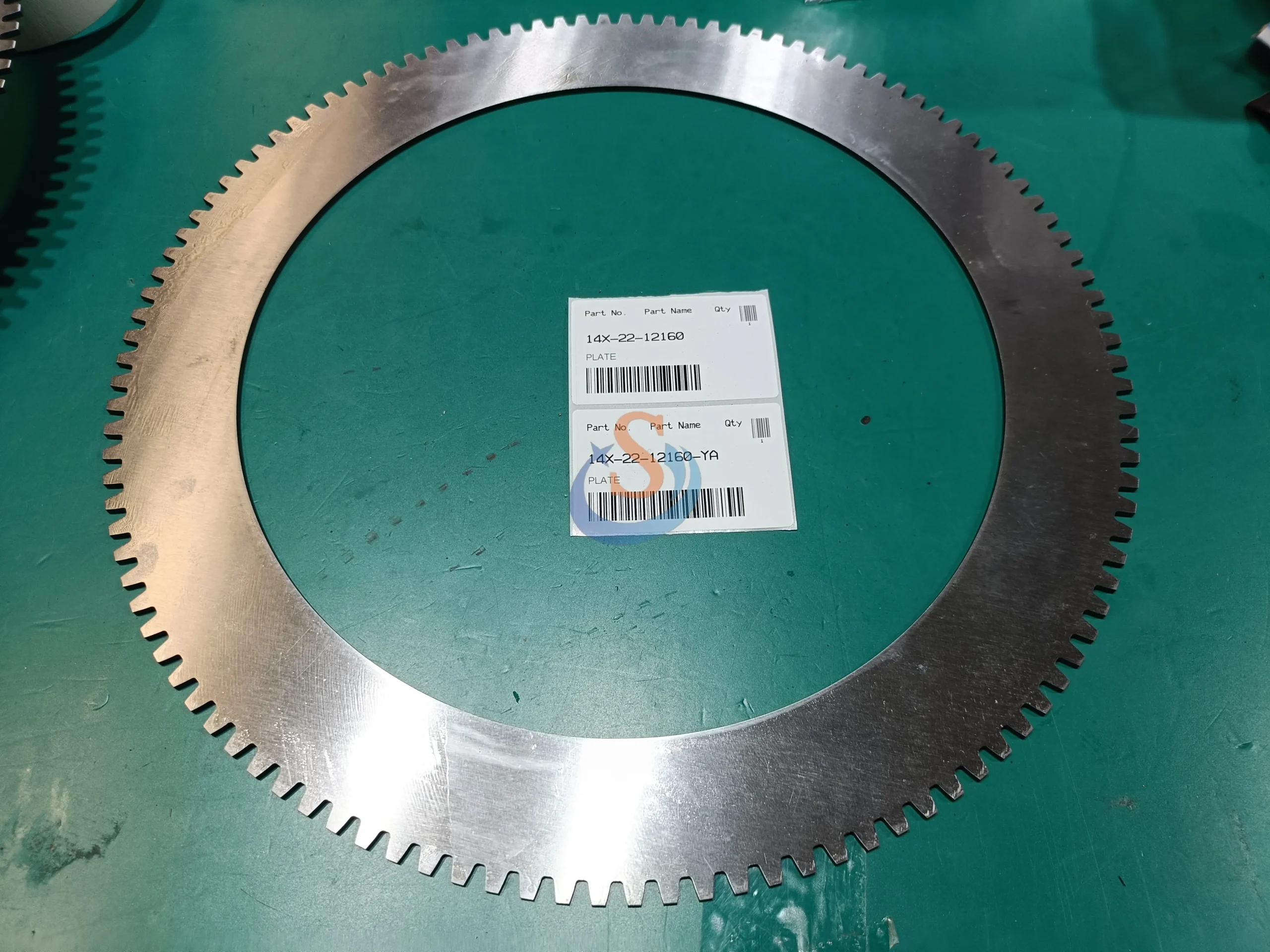

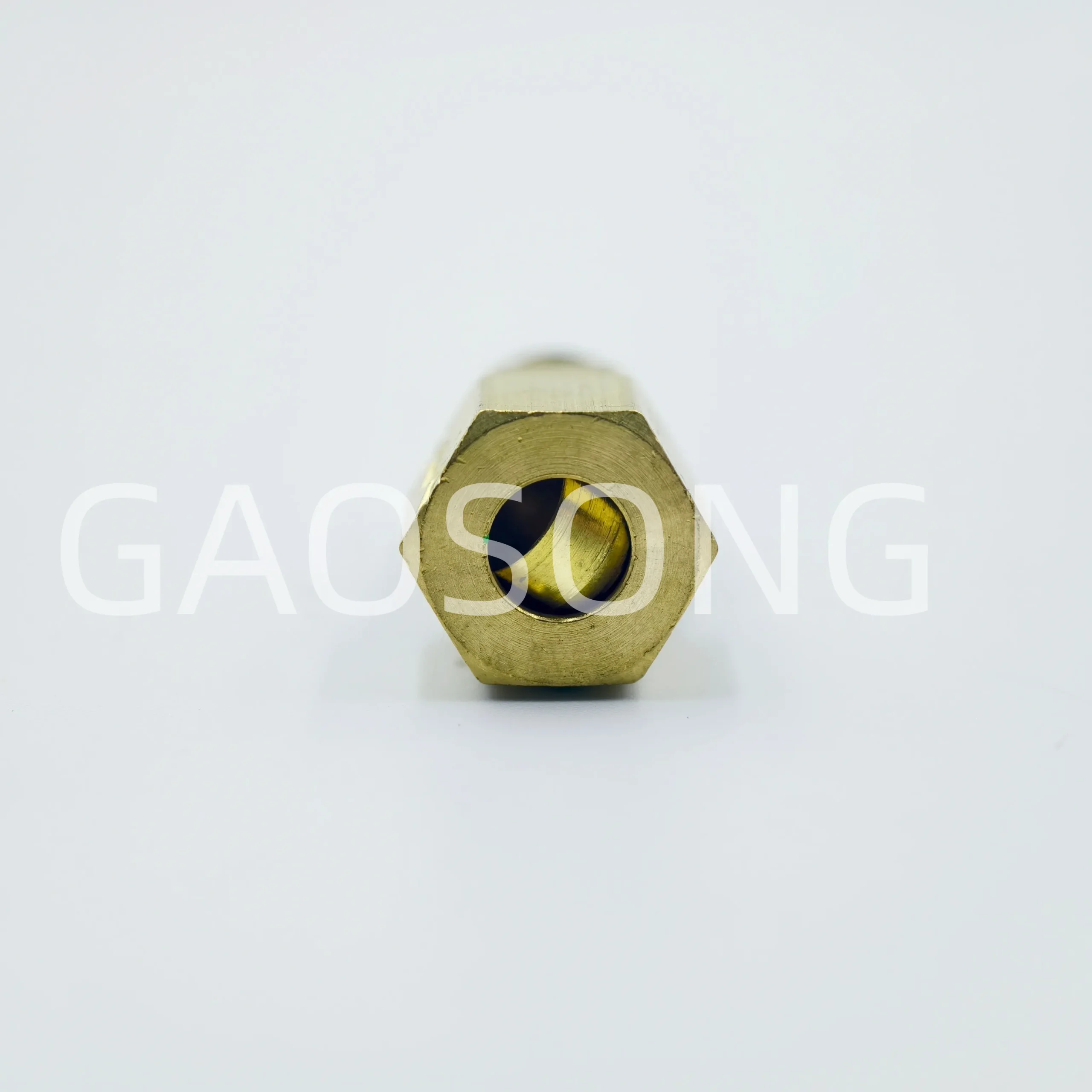
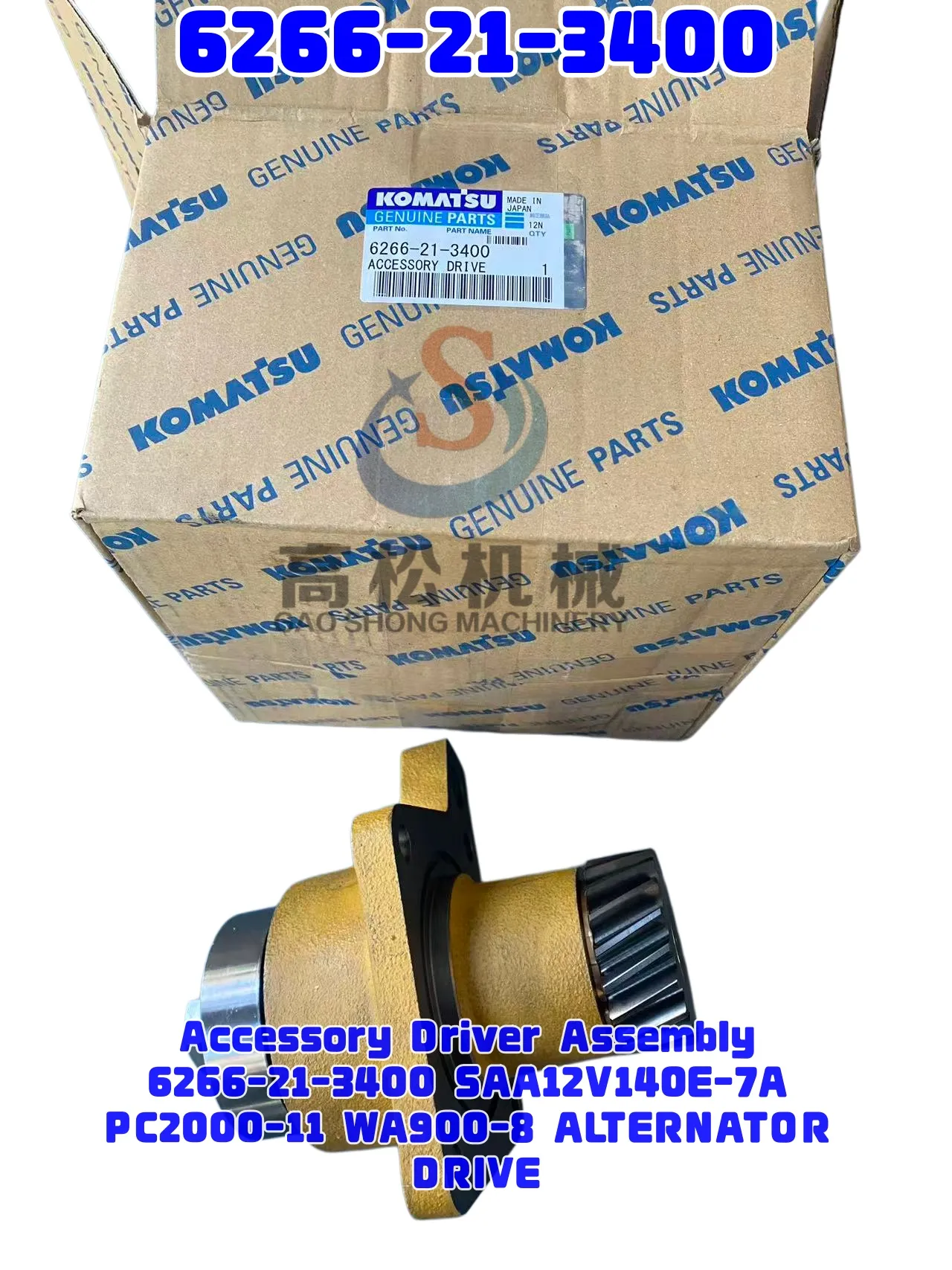
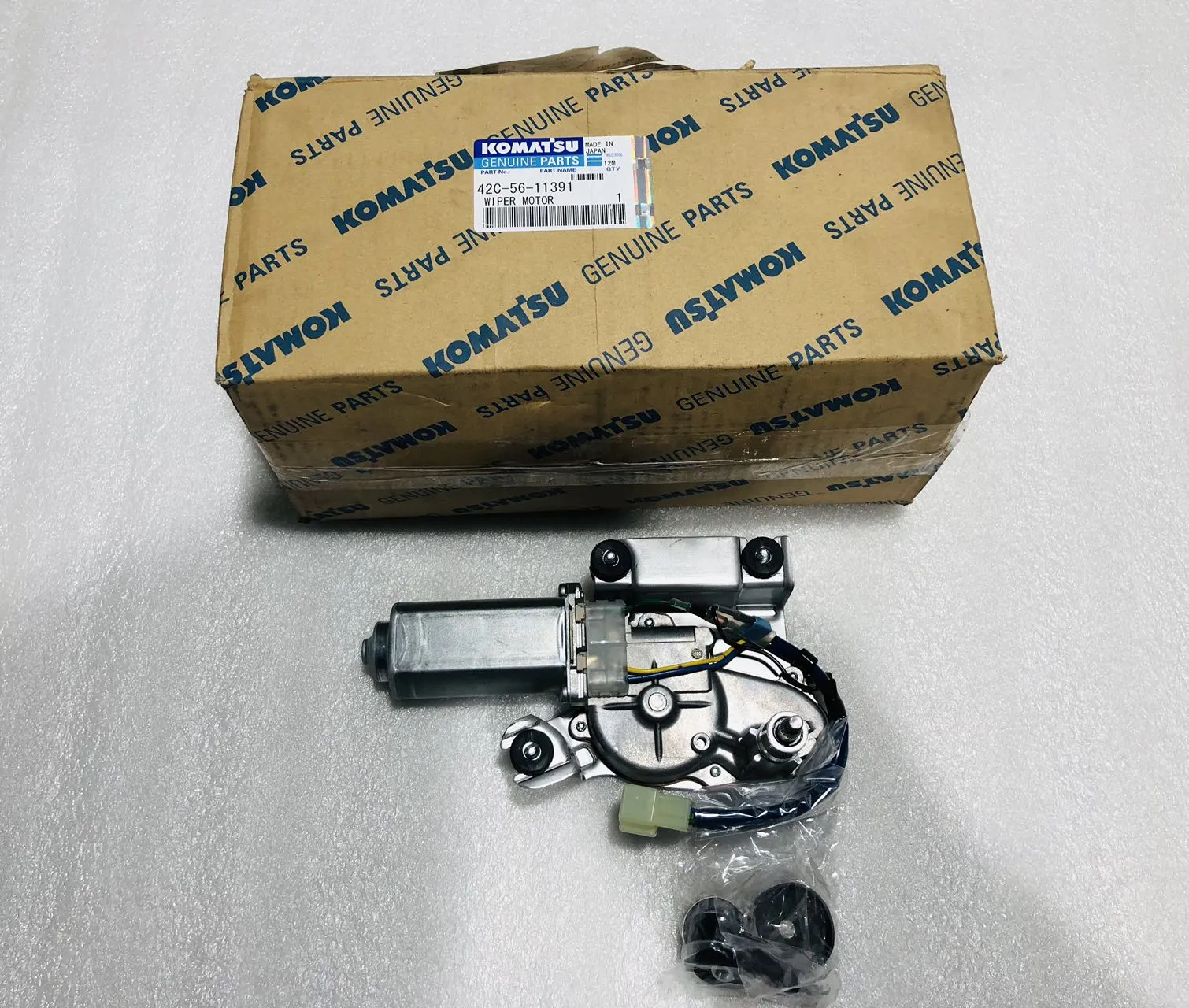
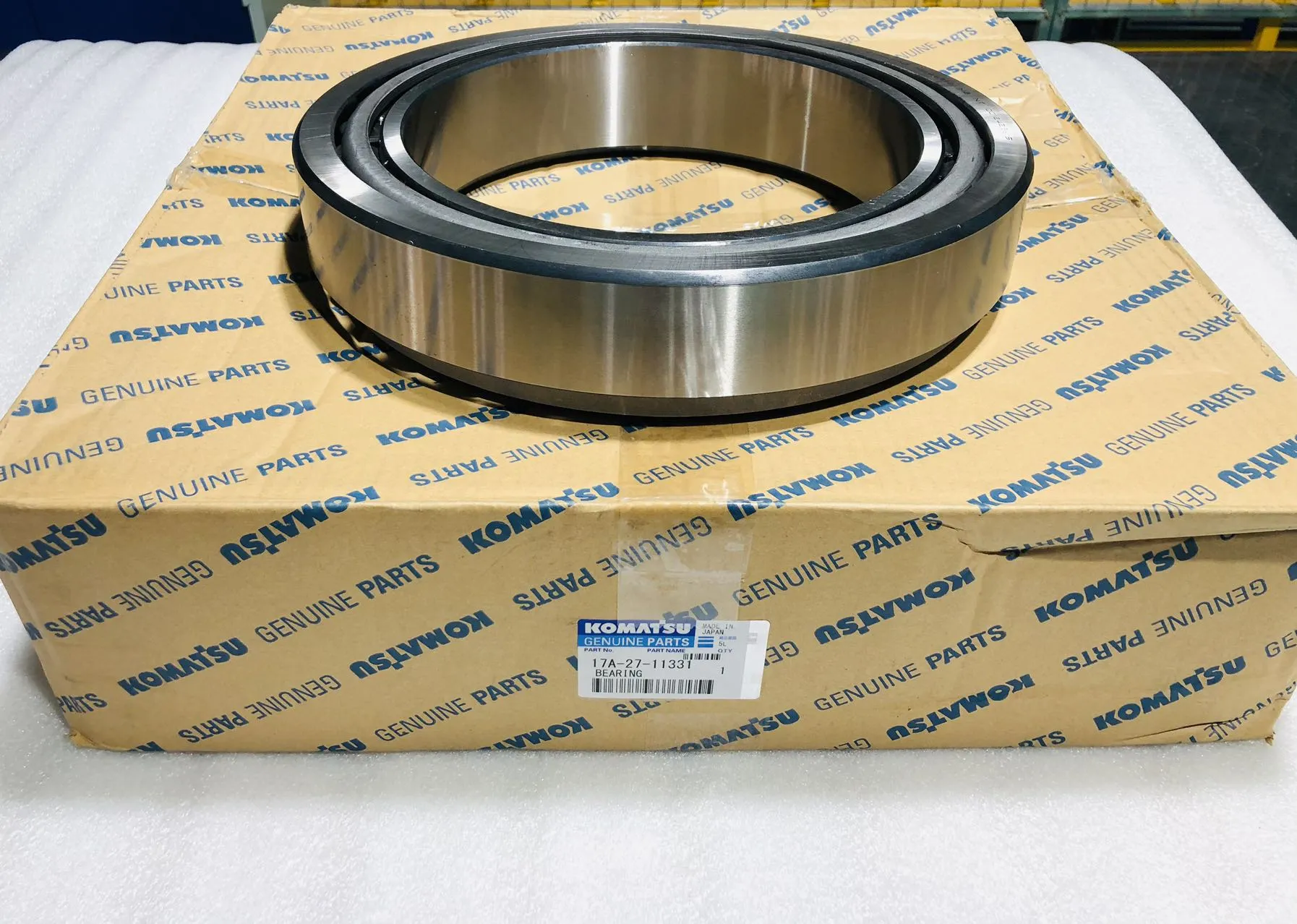
Best Selling Products
Best Selling Products-
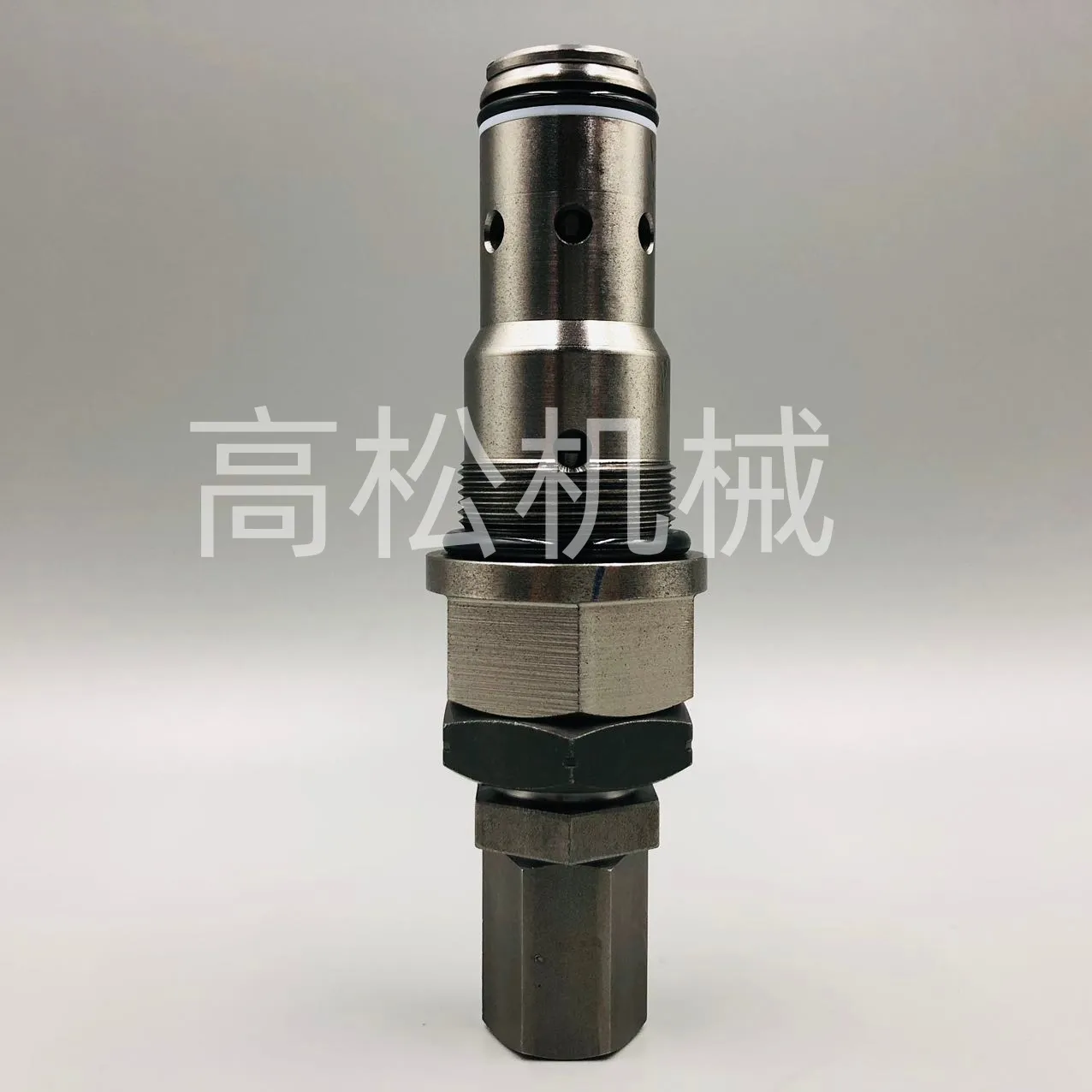 700-89-66000 Komatsu RELIEF VALVE
 -
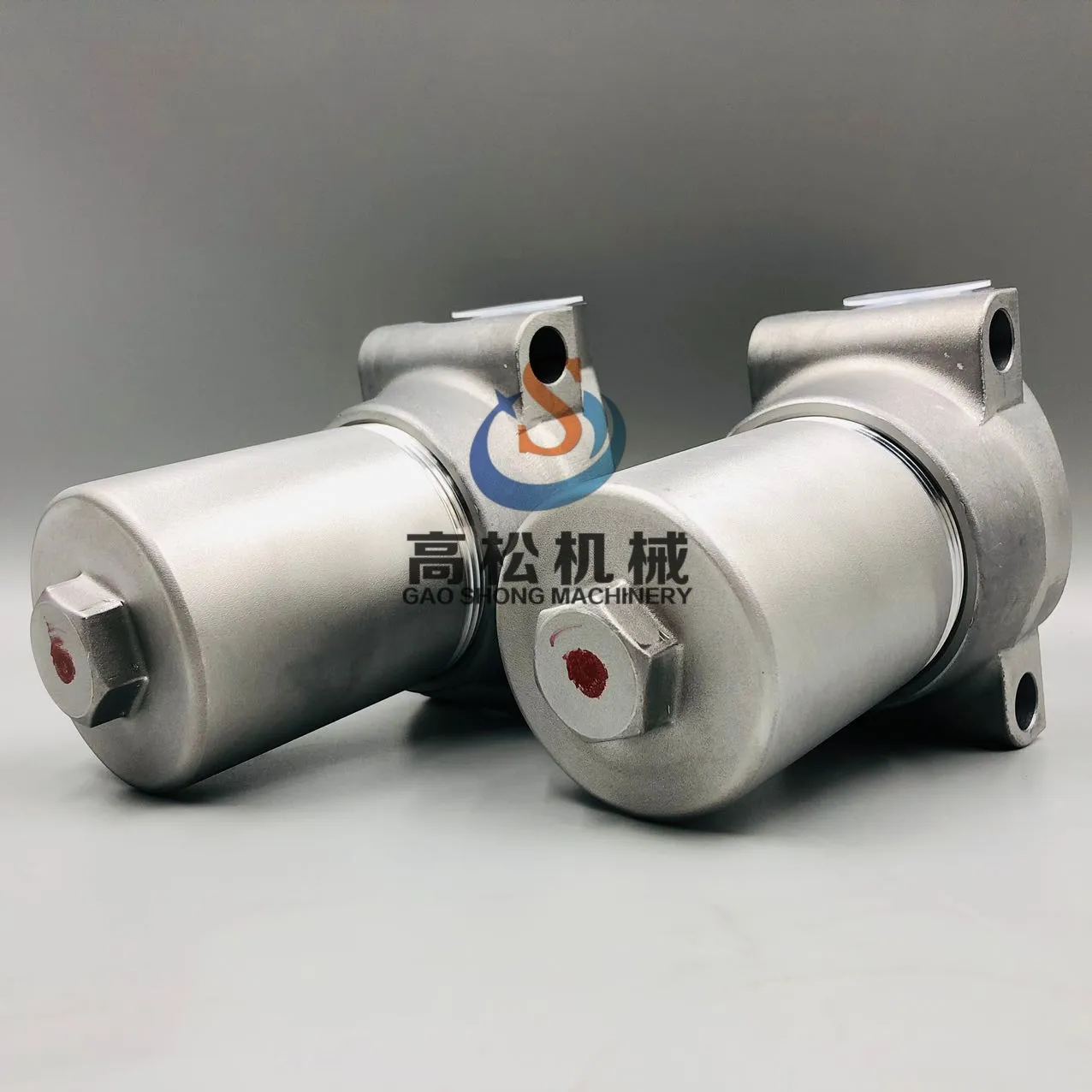 Komatsu Filter 20Y-62-51681 for Crawler excavator PC210LC-8 Filter Assembly 20Y-62-51681
 -
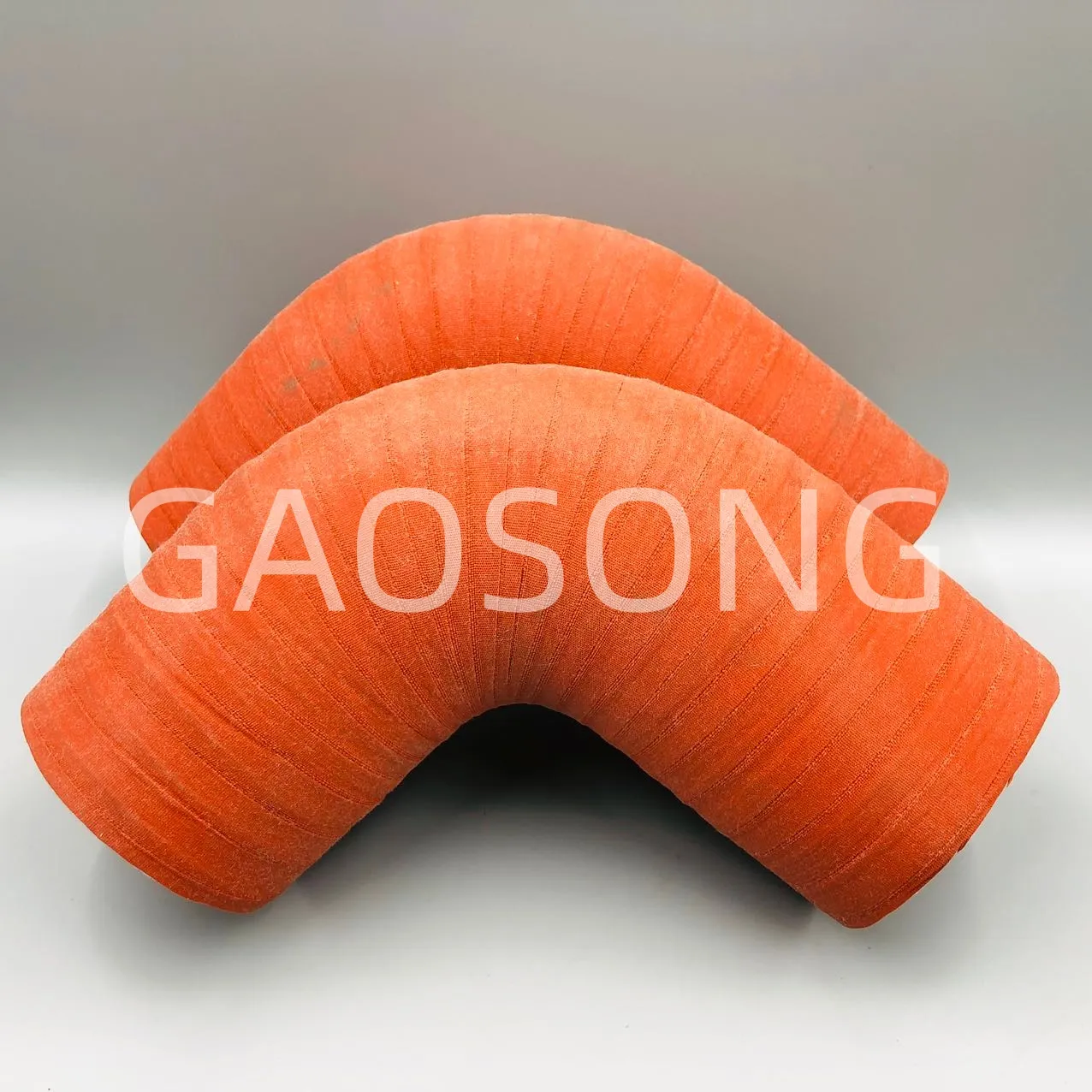 6743-11-4931 Komatsu HOSE
 -
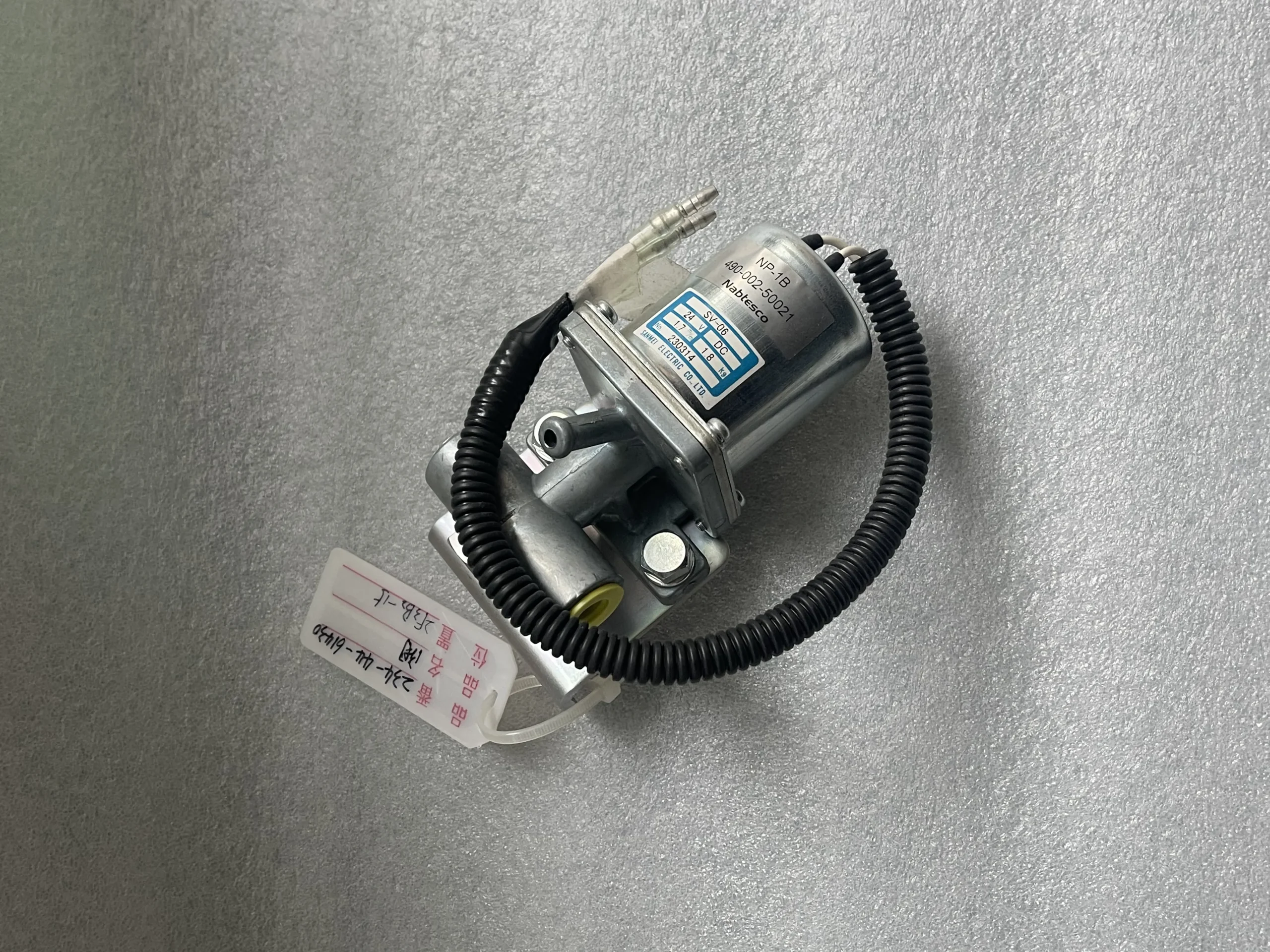 SOLENOID VALVE 234-44-61430 for GD705/825
 -
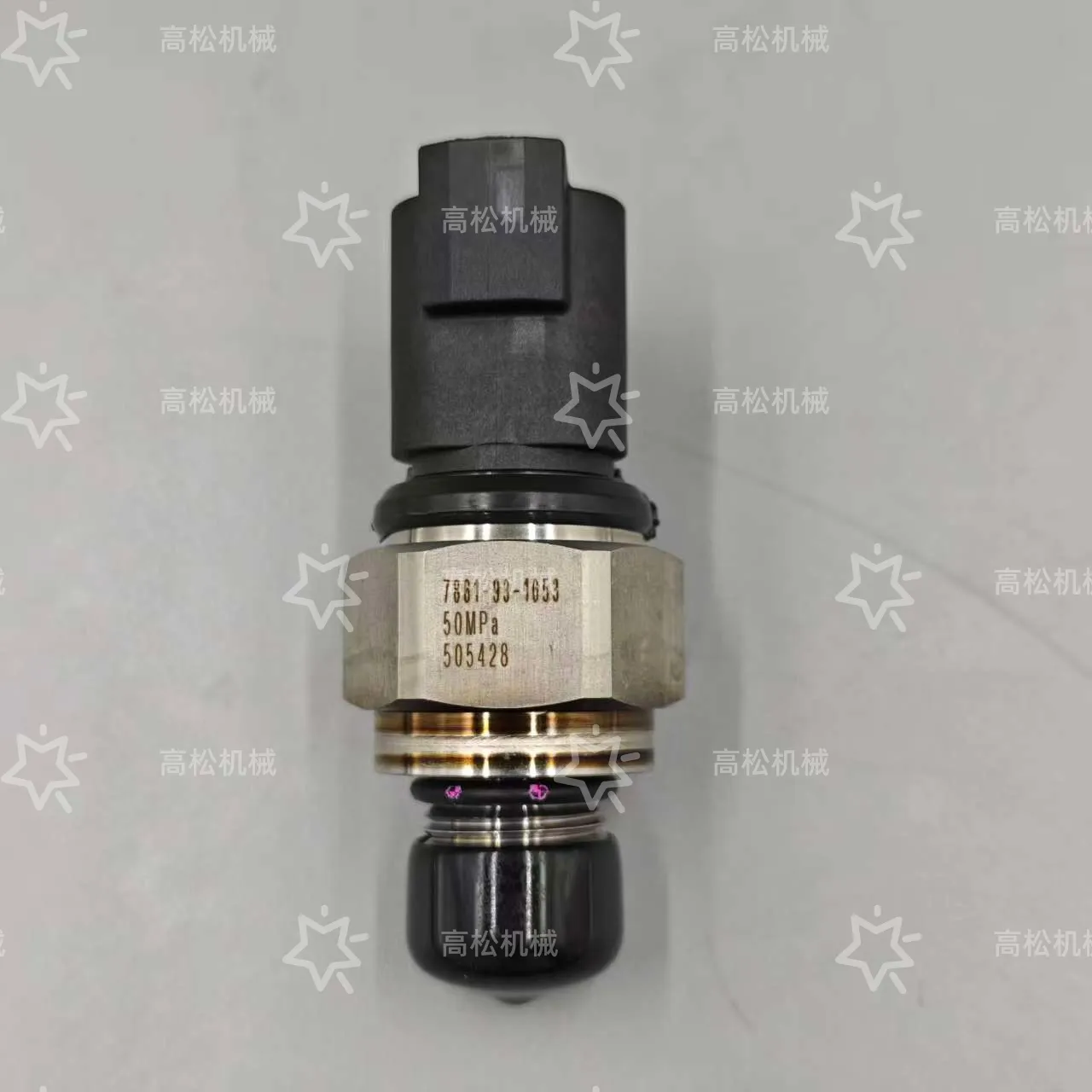 7861-93-1653 7861-93-1652 7861-93-1650 HYDRAULIC PUMP SENSOR for PC300-7
 -
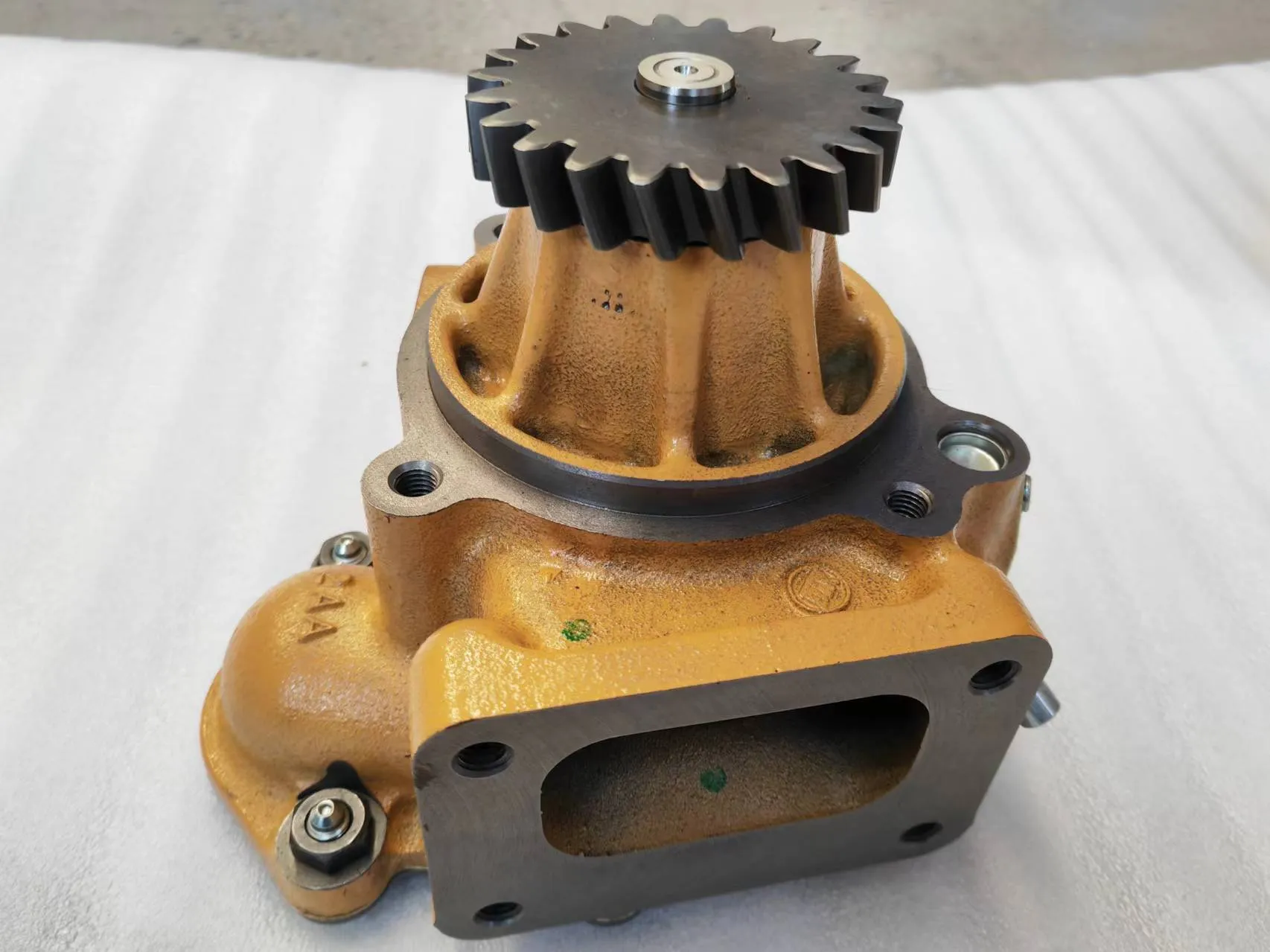 WA480-6 engine water pump 6251-61-1101
 -
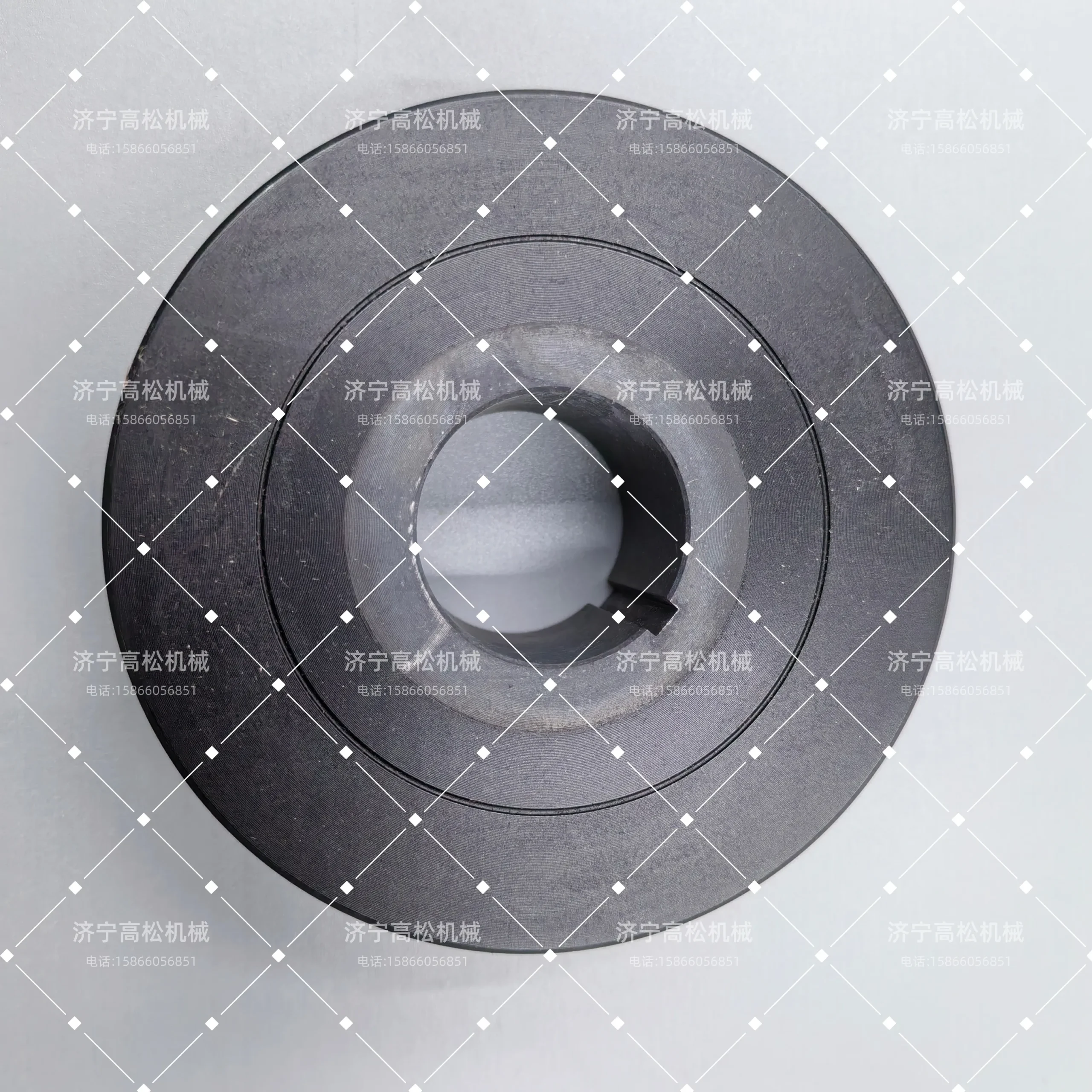 Original Parts Kd0-35411-0854 Pulley, High Quality Original Parts…
 -
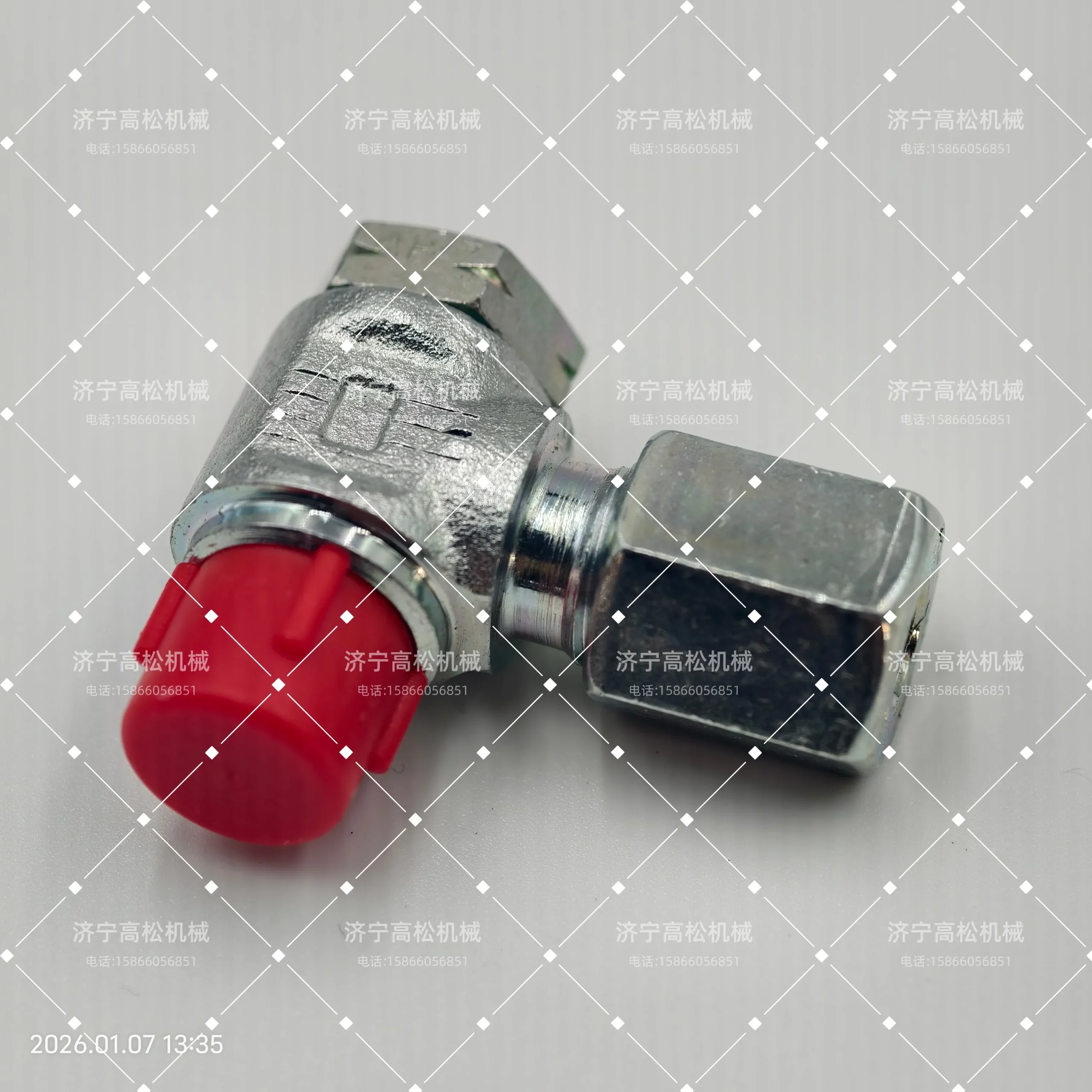 569-95-63520 – Connector fits KOMATSU
 -
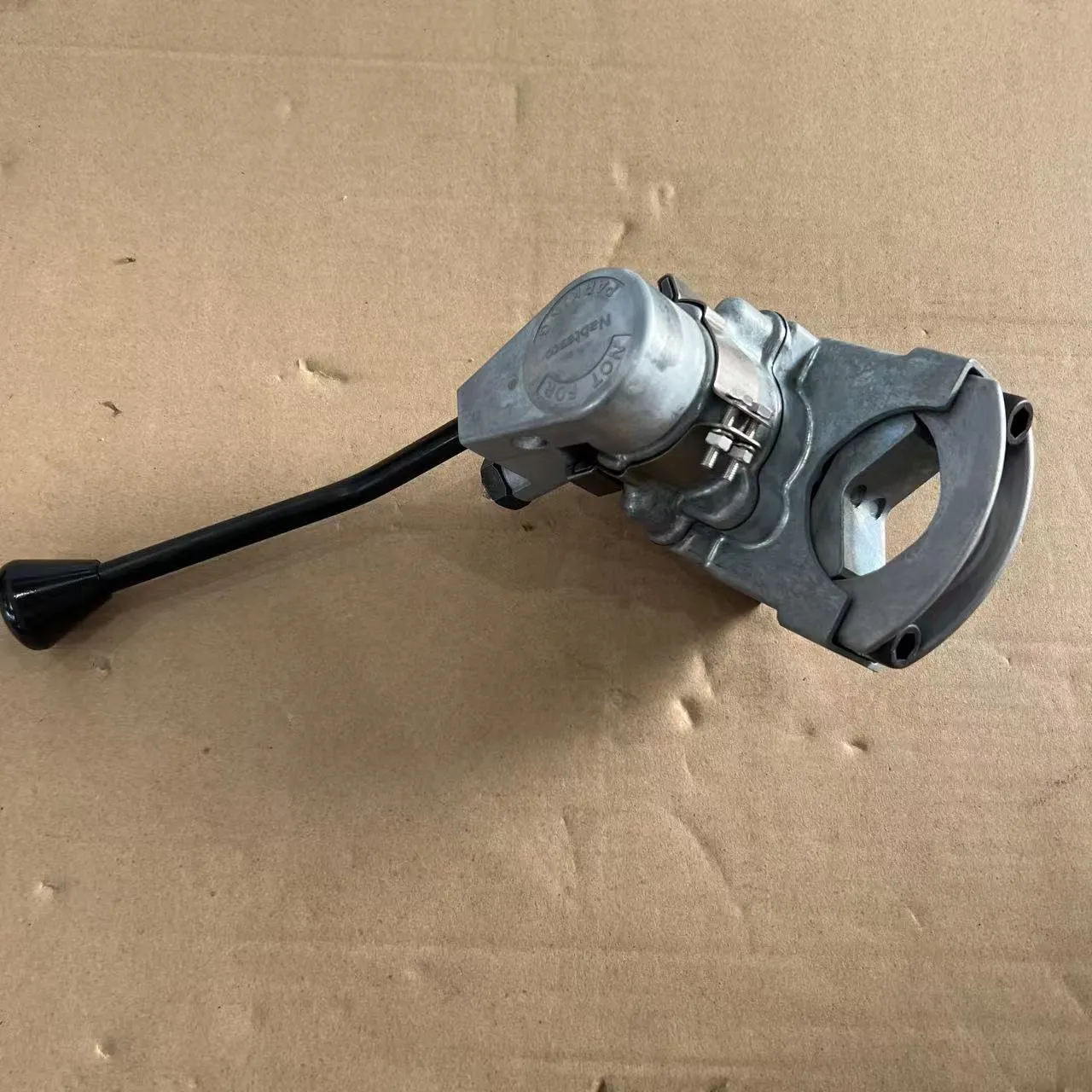 Hd785-5 Retarder 561-35-62203 For Dump Truck Original Parts, High…
 -
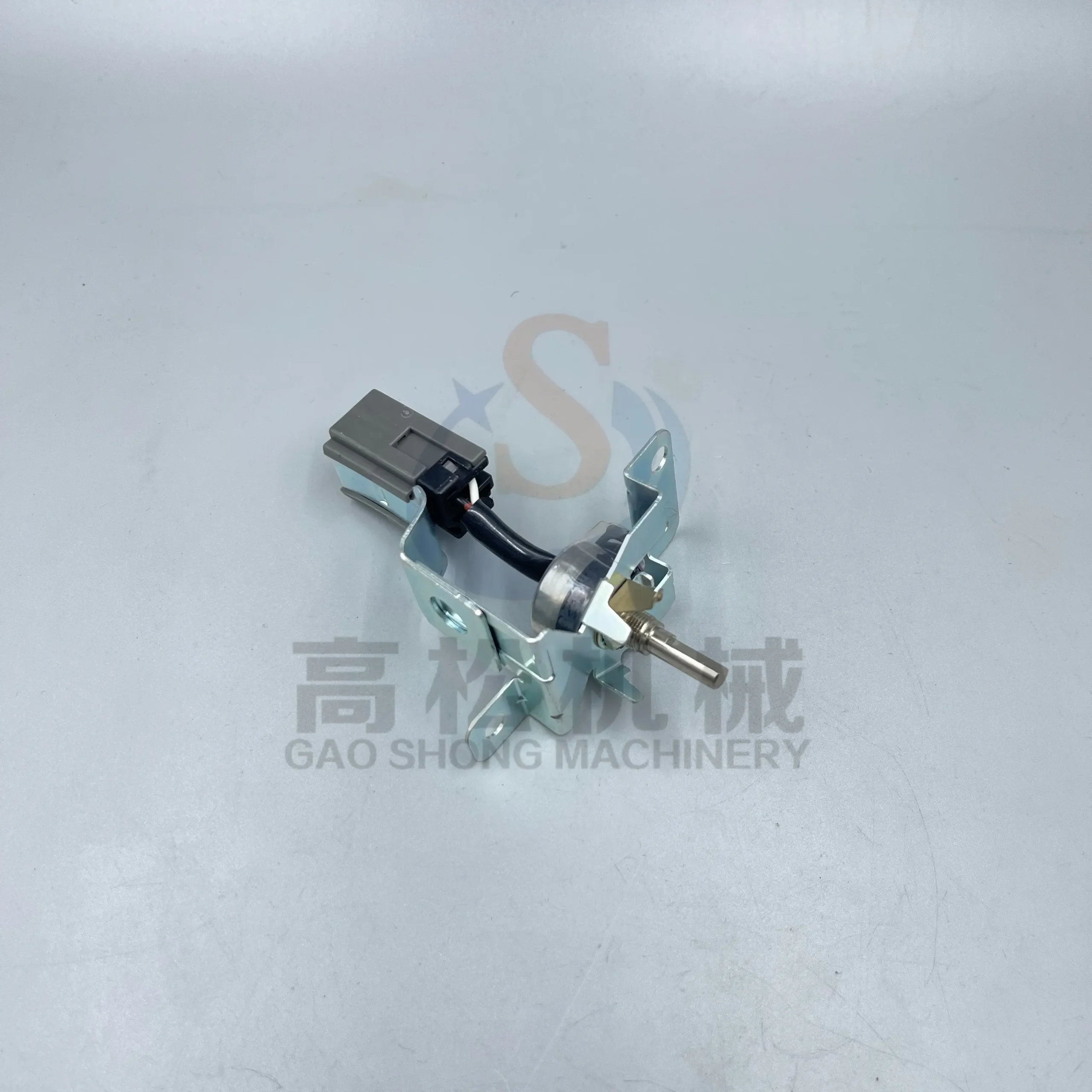 Throttle Knob 22U-06-22420
 -
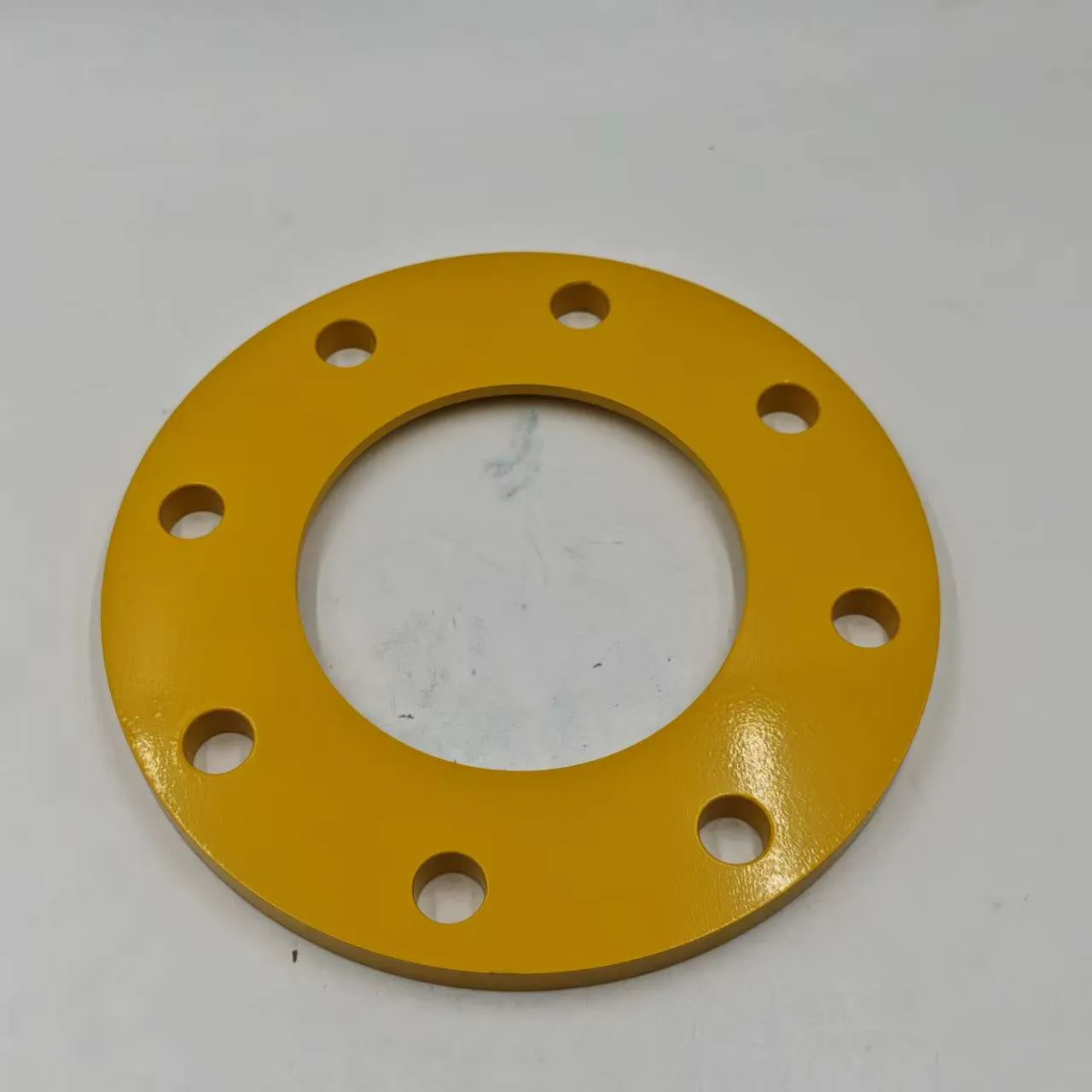 Komatsu 41E-70-15461 Plate
 -
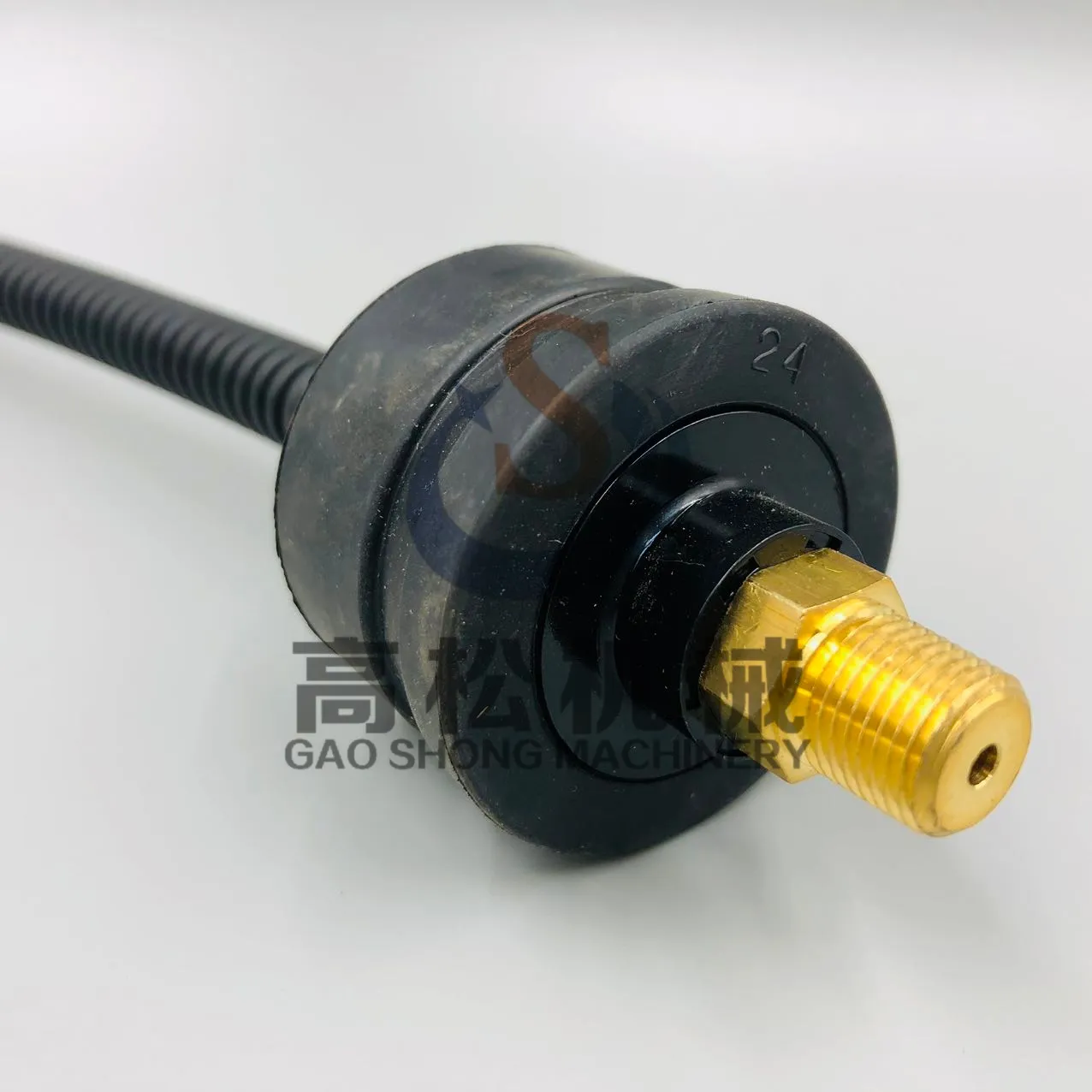 7861-93-1430Komatsu Sensor, Dust Indicator