
- Chinese
- French
- German
- Portuguese
- Spanish
- Russian
- Japanese
- Korean
- Arabic
- Irish
- Greek
- Turkish
- Italian
- Danish
- Romanian
- Indonesian
- Czech
- Afrikaans
- Swedish
- Polish
- Basque
- Catalan
- Esperanto
- Hindi
- Lao
- Albanian
- Amharic
- Armenian
- Azerbaijani
- Belarusian
- Bengali
- Bosnian
- Bulgarian
- Cebuano
- Chichewa
- Corsican
- Croatian
- Dutch
- Estonian
- Filipino
- Finnish
- Frisian
- Galician
- Georgian
- Gujarati
- Haitian
- Hausa
- Hawaiian
- Hebrew
- Hmong
- Hungarian
- Icelandic
- Igbo
- Javanese
- Kannada
- Kazakh
- Khmer
- Kurdish
- Kyrgyz
- Latin
- Latvian
- Lithuanian
- Luxembou..
- Macedonian
- Malagasy
- Malay
- Malayalam
- Maltese
- Maori
- Marathi
- Mongolian
- Burmese
- Nepali
- Norwegian
- Pashto
- Persian
- Punjabi
- Serbian
- Sesotho
- Sinhala
- Slovak
- Slovenian
- Somali
- Samoan
- Scots Gaelic
- Shona
- Sindhi
- Sundanese
- Swahili
- Tajik
- Tamil
- Telugu
- Thai
- Ukrainian
- Urdu
- Uzbek
- Vietnamese
- Welsh
- Xhosa
- Yiddish
- Yoruba
- Zulu
- Kinyarwanda
- Tatar
- Oriya
- Turkmen
- Uyghur





komatsu excavator teeth
You look at a set of Komatsu excavator teeth and think it's just hardened steel. That's the first mistake. The real story isn't in the catalog picture; it's in the dirt, the sound they make on impact, and how long they last before you're swapping them out in the rain. Everyone chases the hardness number, but if you've run machines in abrasive conditions, you know that's only half the battle. The geometry, the alloy mix Komatsu uses, and even the way the adapter wears—it all ties together. I've seen too many guys throw on cheap aftermarket teeth thinking they're saving money, only to burn through them twice as fast and risk damaging the adapter itself. That's a costly savings.
The OEM Fit and Why It's Not Just Marketing
When we talk about genuine Komatsu excavator teeth, we're not just talking about a part that fits. It's about a system engineered to fail predictably. That sounds bad, but it's not. The tooth is designed to be the sacrificial element, protecting the more expensive dipper stick and adapter. The metallurgy is tuned to absorb impact and abrasion in a specific way. I remember a job in a quarry with highly fractured granite. We ran a mix: one machine with OEM teeth, another with a reputable third-party brand. The third-party ones wore more evenly, sure, but they also transmitted more shock up the stick. After a few weeks, we started seeing hairline cracks near the adapter weld on that machine. The OEM teeth, while they looked more chipped and ugly, actually cratered and broke in a way that dissipated energy away from the vital parts. It was a clear lesson in system design.
This is where a supplier's position matters. A company like Jining Gaosong Construction Machinery Co., Ltd. operates in a unique space. They're an OEM product supplier within the Komatsu system, which means they have access to the genuine specs and production tolerances. But they're also a third-party sales channel. In practice, this often translates to having the right part, the true OEM part, when the official pipeline is clogged or non-existent in certain regions. Their role at https://www.takematsumachinery.com is essentially solving supply chain headaches. It's not about undercutting Komatsu; it's about ensuring machines don't sit idle for want of a critical wear part like a tooth.
The fit is almost deceptively simple. You slide it on, pin it, and go. But that precise fit prevents the wobble that kills an adapter. A loose tooth acts like a hammer on the adapter ears, peening them over and making future changes a nightmare with a torch and a sledge. I've spent hours beating a seized tooth off because someone used a softer, worn-aftermarket part that deformed and locked itself on. The genuine Komatsu tooth, in my experience, maintains its internal cavity shape longer, so it comes off with a few solid strikes when it's time.
Material Science in the Dirt
Hardness is measured in HB or HRC, but on the ground, we talk in hours of service. Komatsu uses proprietary alloys, often with a specific through-hardening process rather than just a hard-faced tip. The difference is in the failure mode. A hard-faced tooth can delaminate—the hard surface layer chips off, exposing soft core metal that then erodes like butter. A properly through-hardened tooth, like the ones Komatsu typically sources, will wear down, chip, and eventually break, but it does so more gradually, maintaining its digging profile longer.
There's also the matter of weld seams. Some aftermarket teeth are built up from multiple pieces welded together. That weld line is a potential failure point under extreme cyclical loading. Forged or cast as a single unit, which is the standard for OEM teeth, eliminates that internal weakness. You can't always see this until you're looking at a fractured tooth in two pieces, with the break clean along a weld line that shouldn't have been there.
We experimented once with a super-premium aftermarket tooth boasting a higher hardness rating than the Komatsu original. It did last longer in sandy clay. But in mixed material with occasional large rock, it became brittle. We had catastrophic breaks—not just wear—which posed a real safety risk from flying shards. It taught us that the OEM's balance between hardness and toughness is a result of field testing we aren't privy to. The spec sheet doesn't tell you that.
The Adapter Relationship and Hidden Costs
This is the part most cost analyses miss. A tooth doesn't work alone. It's married to the adapter. A mismatched tooth, even if it fits the pin, can ruin an adapter in short order. The contact surfaces inside the tooth's saddle must match the adapter's contours precisely. If it's off, you get point loading, which creates high-stress points that accelerate wear on the adapter nose.
I've seen adapters worn down to a nub, needing replacement long before their theoretical lifespan, all because the site manager insisted on using the cheapest available teeth to control costs. Replacing an adapter is a bigger job, often requiring welding and downtime. The cost? Multiply the price of a tooth by maybe 20. Suddenly, the savings on the wear part vanish. A reliable supplier that provides the correct system-matched part, like the OEM-sourced options from a company like Jining Gaosong, is actually protecting your bottom line on the bigger components.
The pin system is another nuance. Komatsu's self-retaining pins are elegant when they work. But if a tooth's pin holes wear oval too quickly, the pin can work loose and fall out. We lost a few teeth that way before we traced it back to a batch of aftermarket teeth with slightly oversized or inconsistently hardened pin holes. The genuine parts held their bore dimensions much more consistently over the life of the tooth.
Application-Specific Choices and Missteps
Not all Komatsu teeth are the same, even for the same model machine. There are rock teeth, trenching teeth, general purpose teeth—each with a different profile and alloy emphasis. The biggest error is using a rock tooth for everything. Yes, it's tough, but its chisel-like profile doesn't scoop material as efficiently in clay or dirt. You burn more fuel, cycle slower, and put more strain on the hydraulics. It's like using a sledgehammer to drive a finish nail.
We learned this on a pipeline job. The ground was mostly heavy clay. We had a shipment of rock teeth left over from a previous project and decided to use them. Productivity dropped noticeably. The operator complained the machine didn't bite as well. We switched back to the wider, more rounded general-duty teeth, and the production rate jumped. The rock teeth were barely worn; they were just the wrong tool for the job. It was an expensive lesson in application specificity.
This is where having a technical partner, not just a parts vendor, helps. A supplier embedded in the Komatsu ecosystem can advise on these choices. Their description—helping to solve parts supply challenges in certain countries—implies they deal with varied applications and constraints. They've likely seen what happens when the wrong tooth is used in a specific mining or construction condition and can steer you right.
The Reality of Supply and the Value of Certainty
In an ideal world, you'd always get genuine parts from your local Komatsu dealer within 24 hours. The world isn't ideal. Projects in remote areas or countries with complex import rules face real delays. Downtime is the ultimate cost. This is the niche where a third-party supplier with OEM credentials proves its worth. They provide certainty.
Knowing that the parts coming from a source like Takematsu Machinery are to OEM specification means you're not gambling. You're getting the system performance Komatsu engineered, just through a different logistical route. For a critical wear item like an excavator tooth, that's everything. It's not a generic component; it's a key part of the machine's digging performance and structural health.
In the end, choosing Komatsu excavator teeth is a technical decision disguised as a purchasing one. It's about total cost of operation, not unit price. It's about protecting your major investment—the machine itself. And sometimes, it's about finding a reliable partner who can deliver the real thing when and where you need it, keeping your iron working and out of the repair bay. That's the real value on the ground.
Related Products
Related Products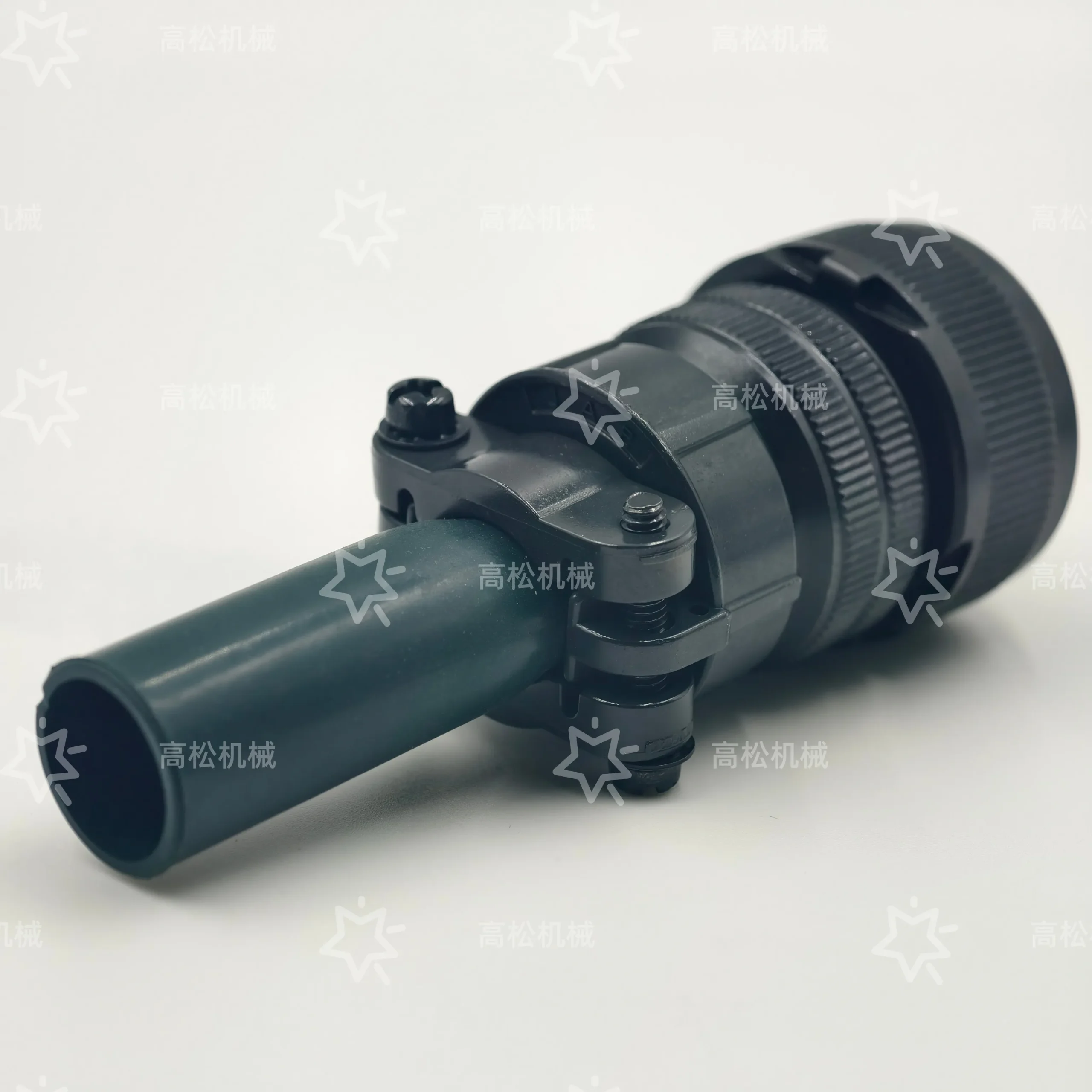
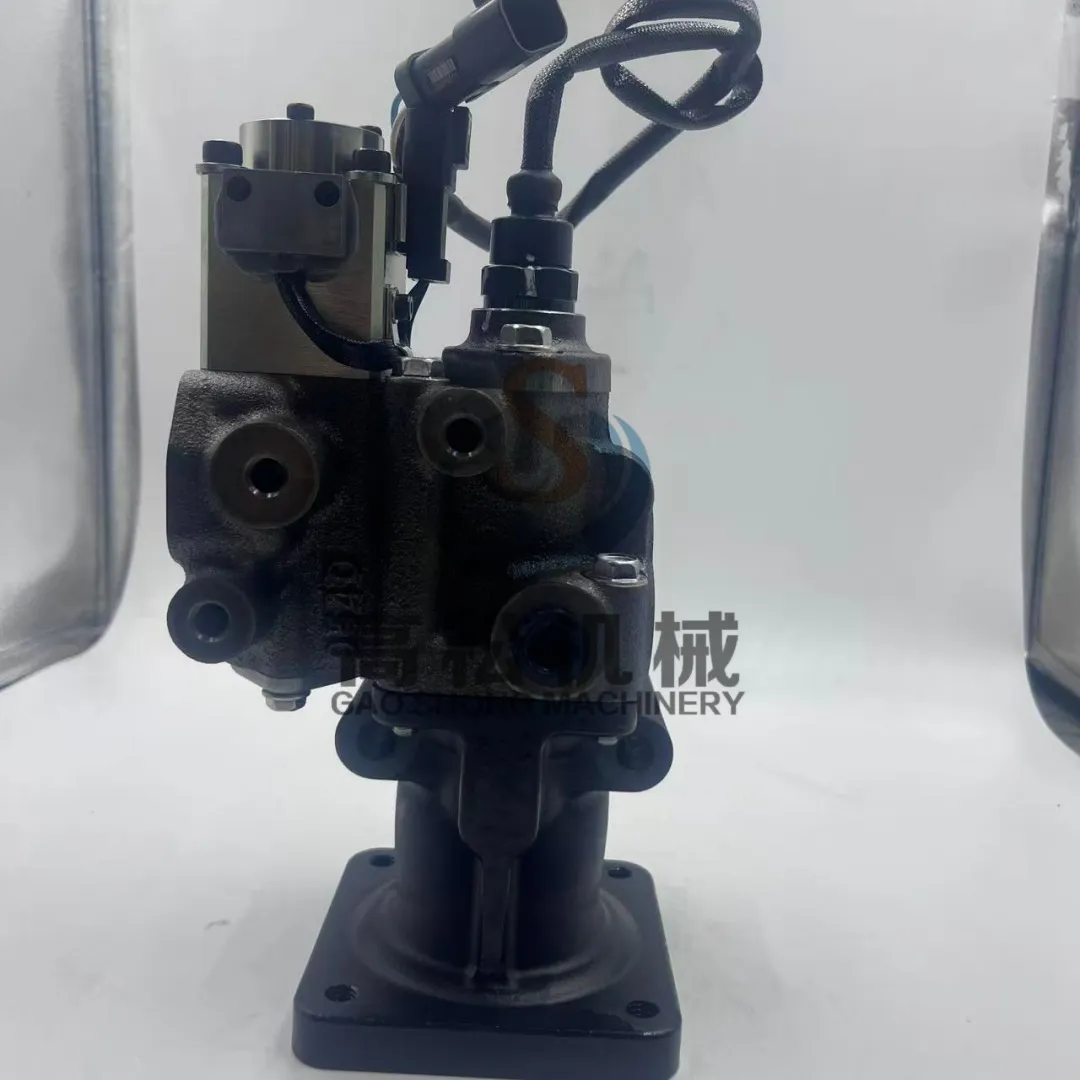
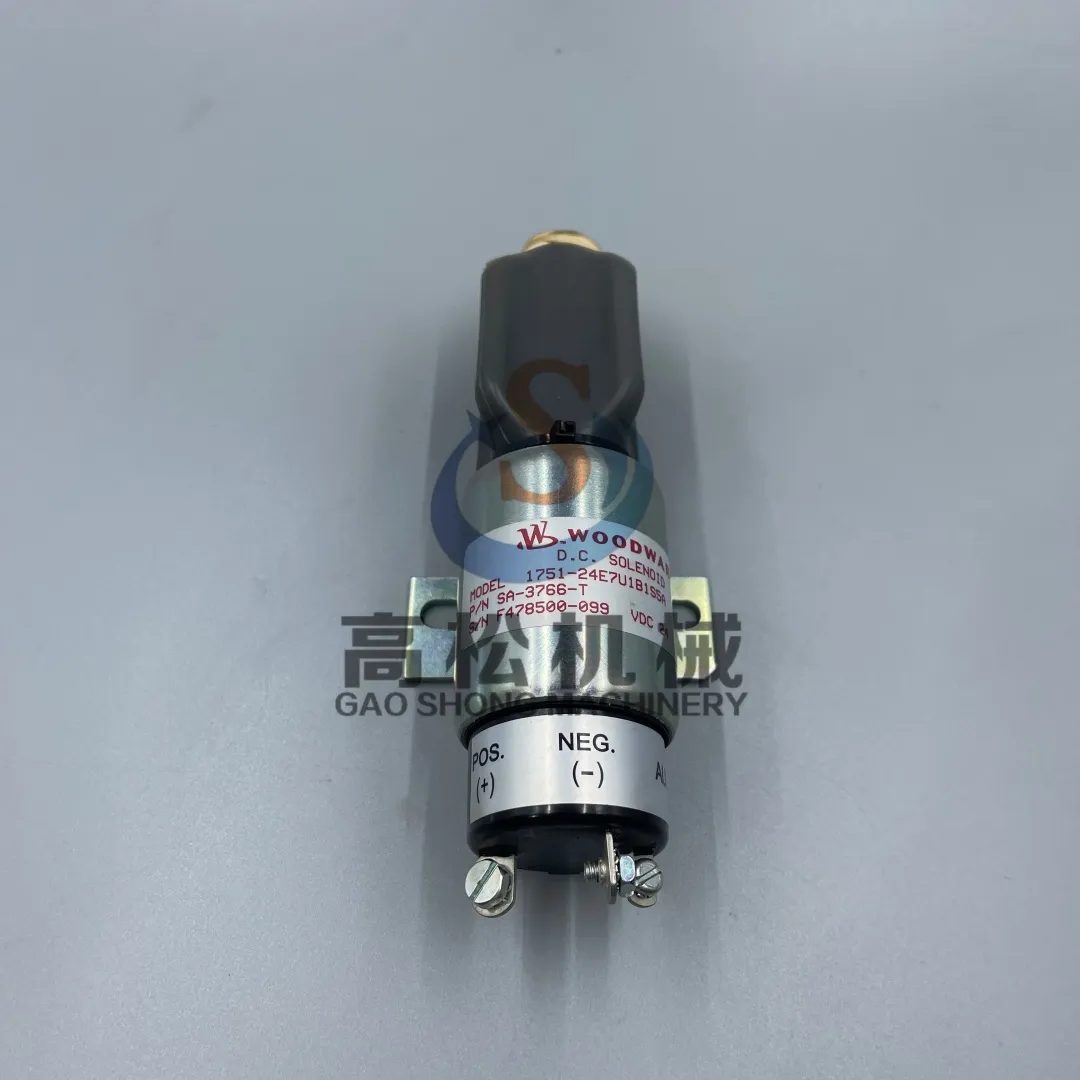
Best Selling Products
Best Selling Products-
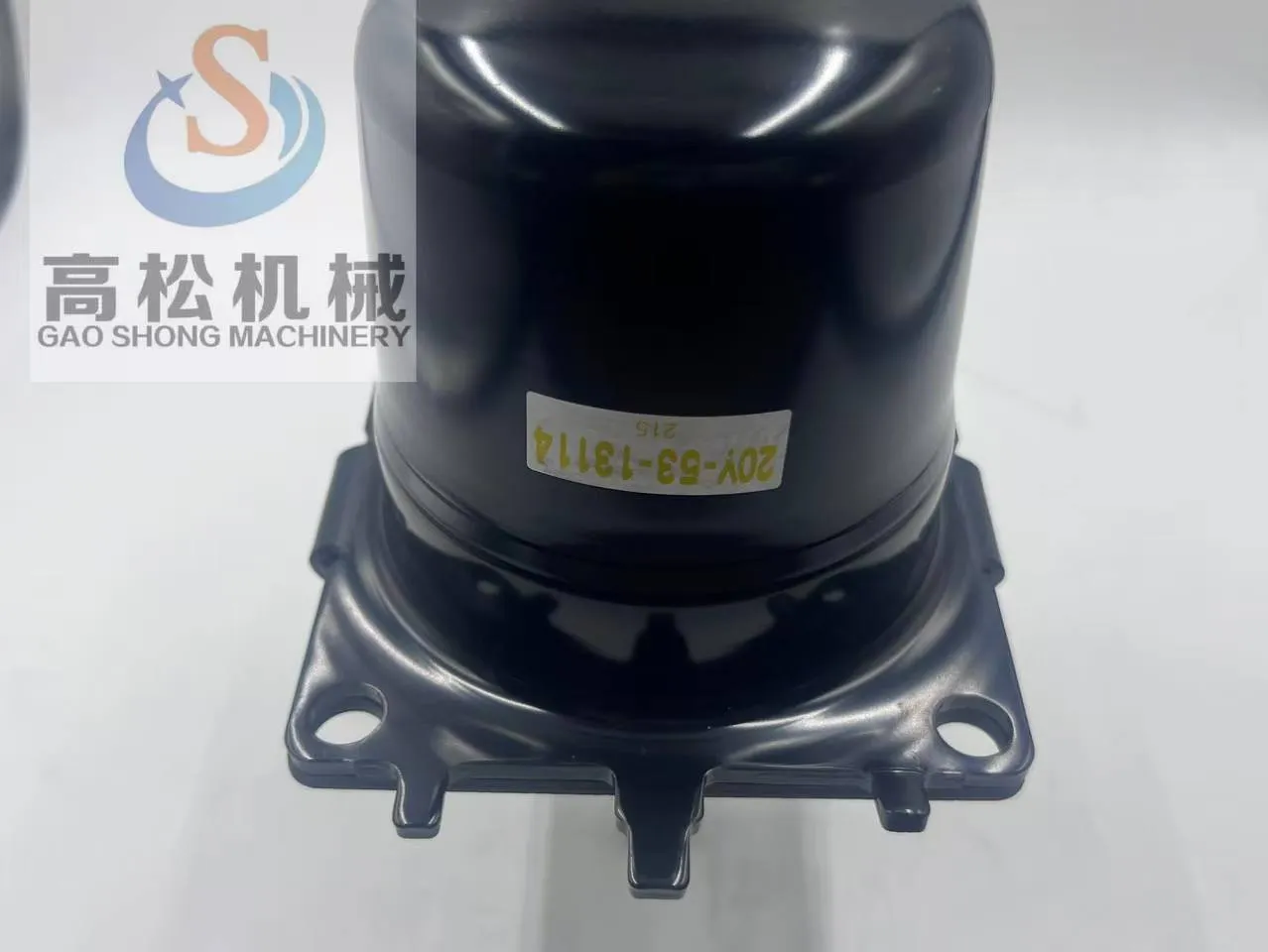 20Y-53-13114/20Y5313114 Buffer pad suitable for excavator PC200-8
 -
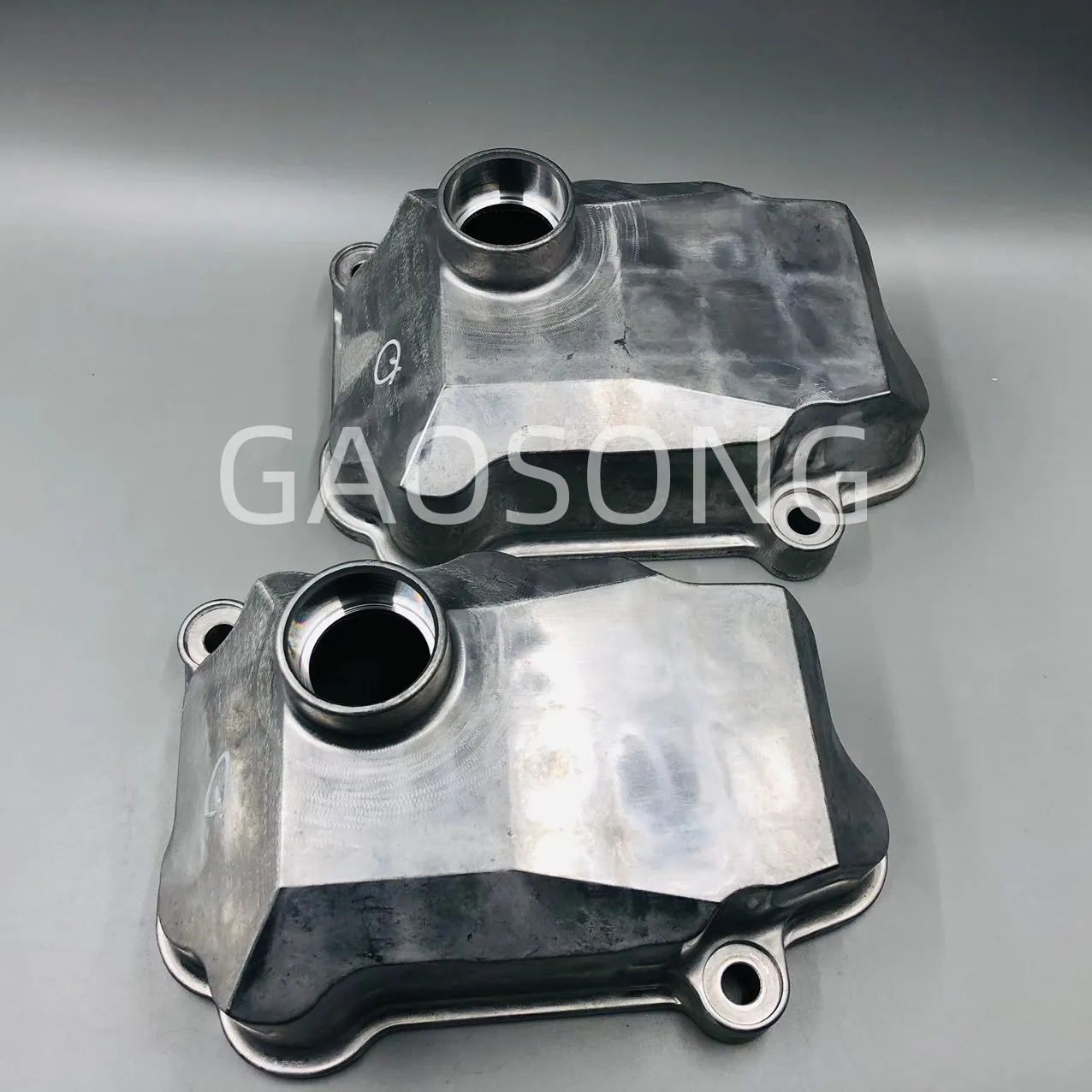 6251-11-8150 COVER, ROCKER ARM HOUSING-Komatsu Original Factory
 -
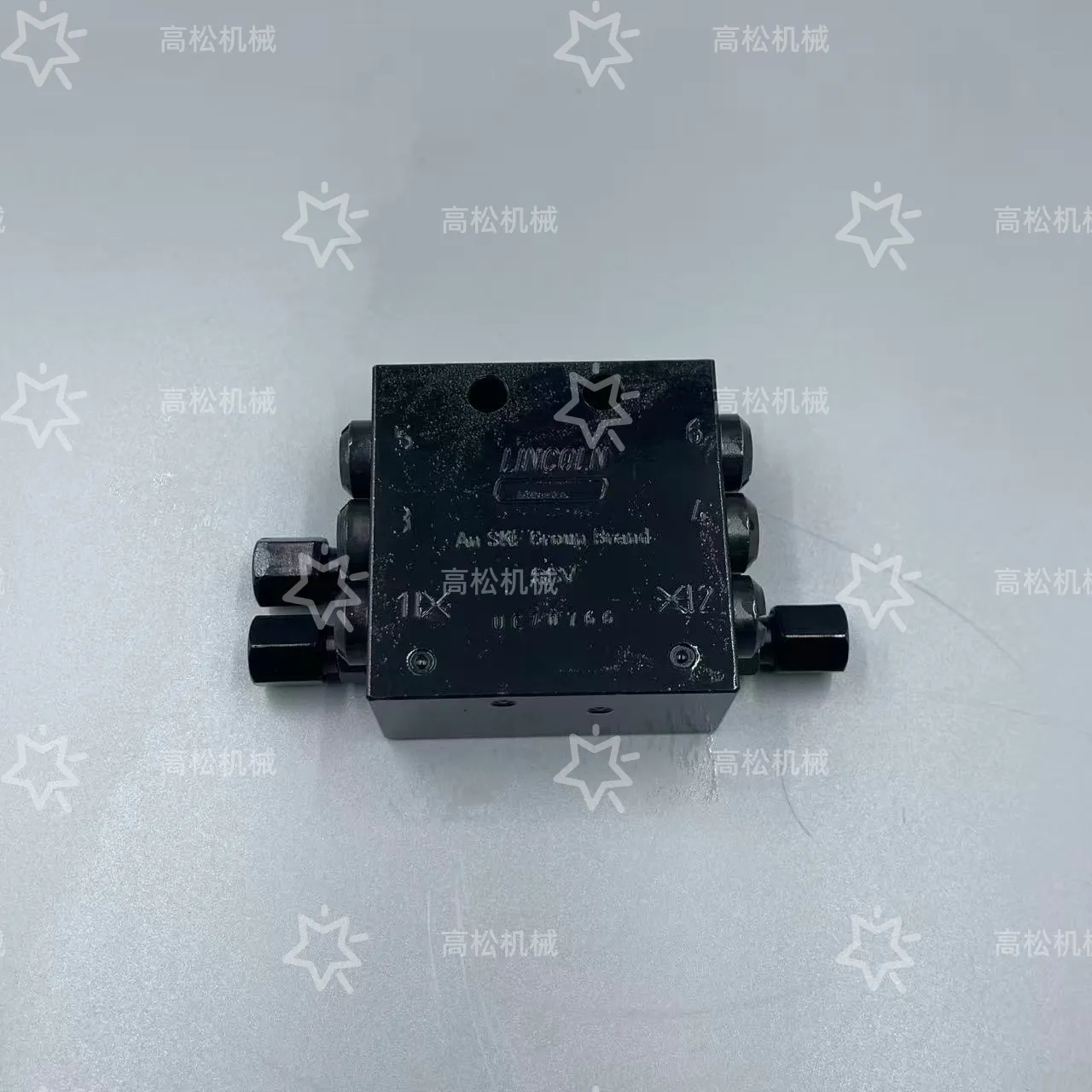 21T-68-67940 Komatsu Valve Assembly
 -
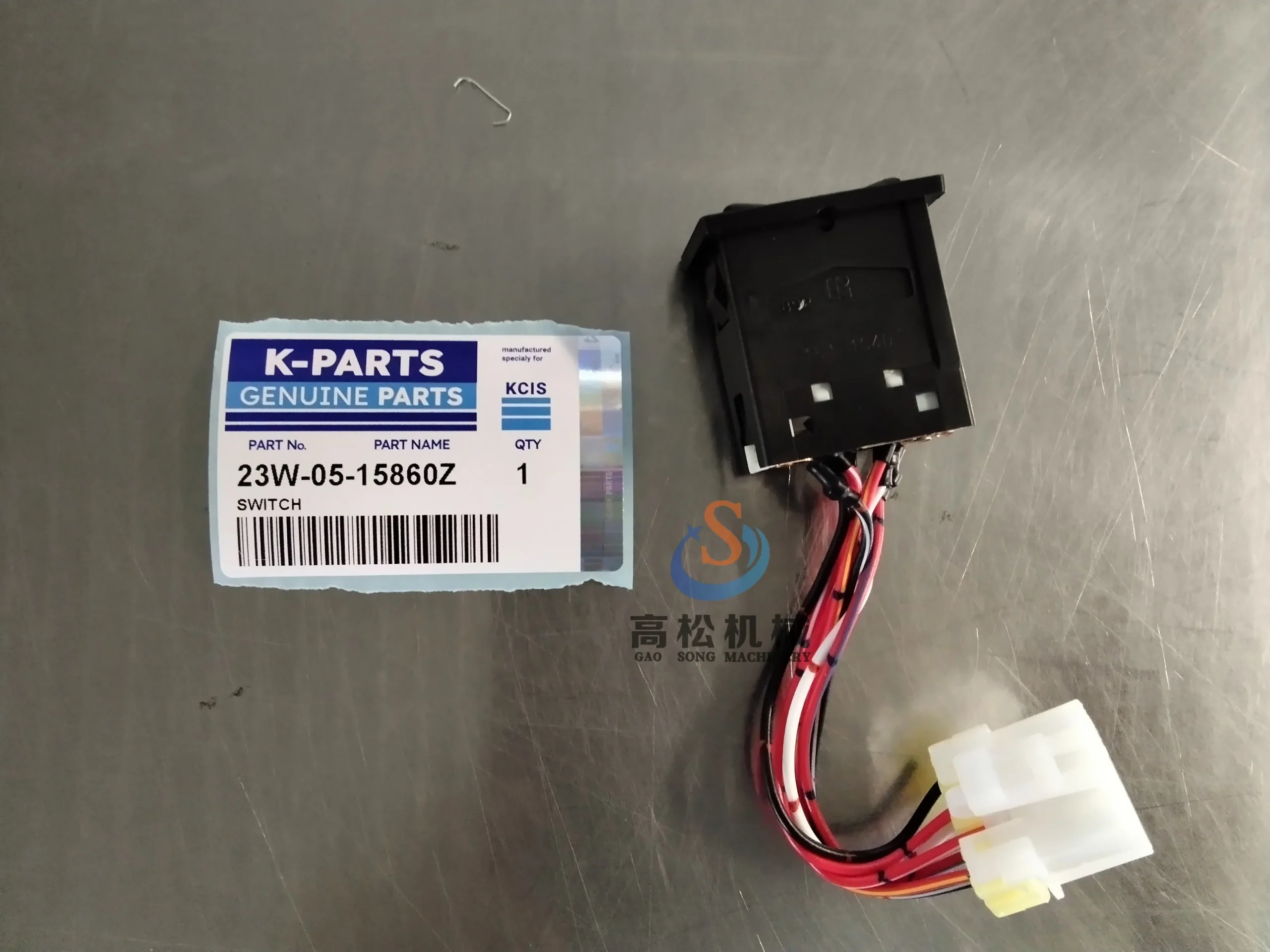 23W-05-15860 komatsu switch-HM300/HD325/HM400
 -
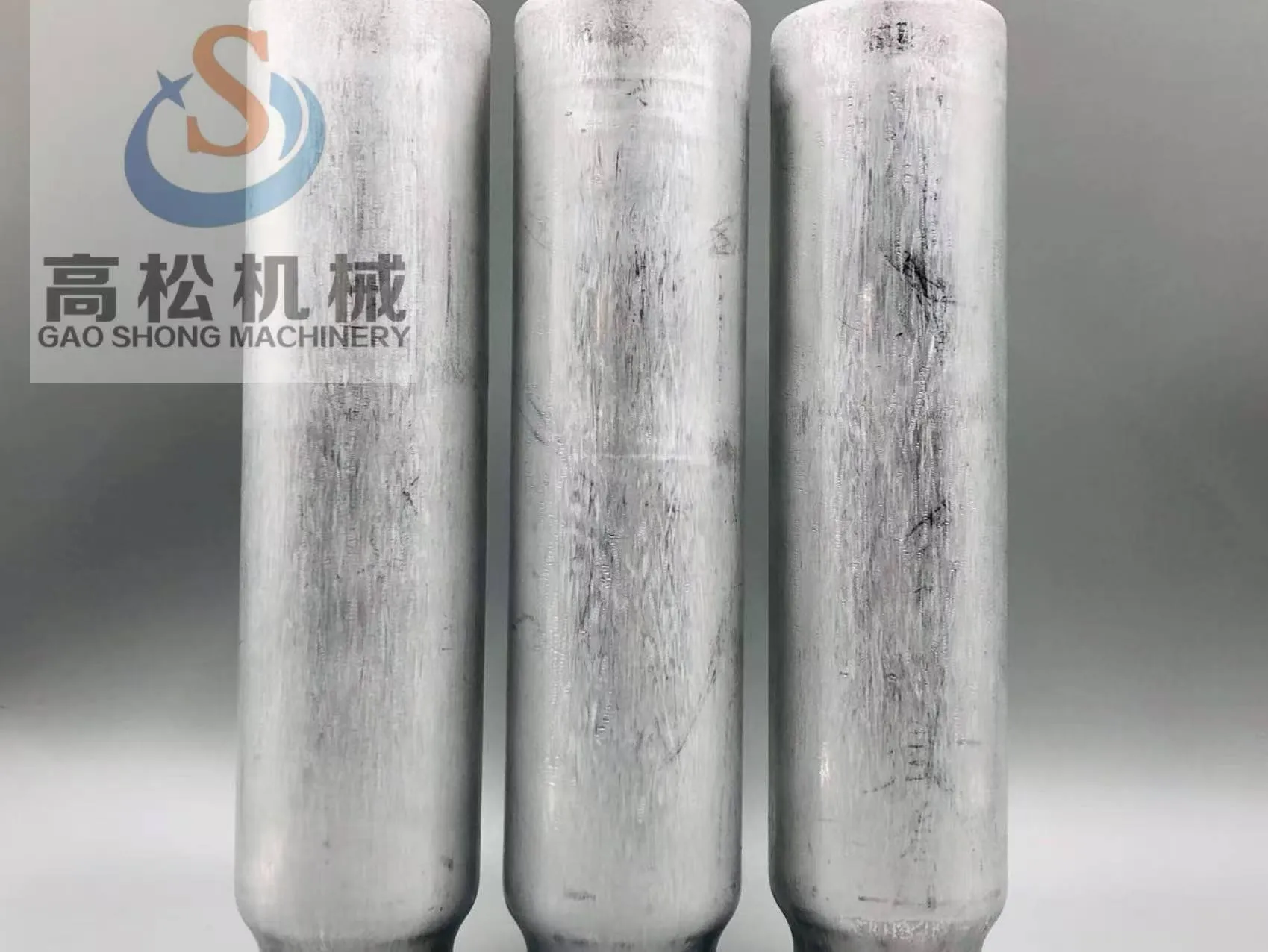 Air conditioning receiver dryer 20Y-979-3120 suitable for Komatsu
 -
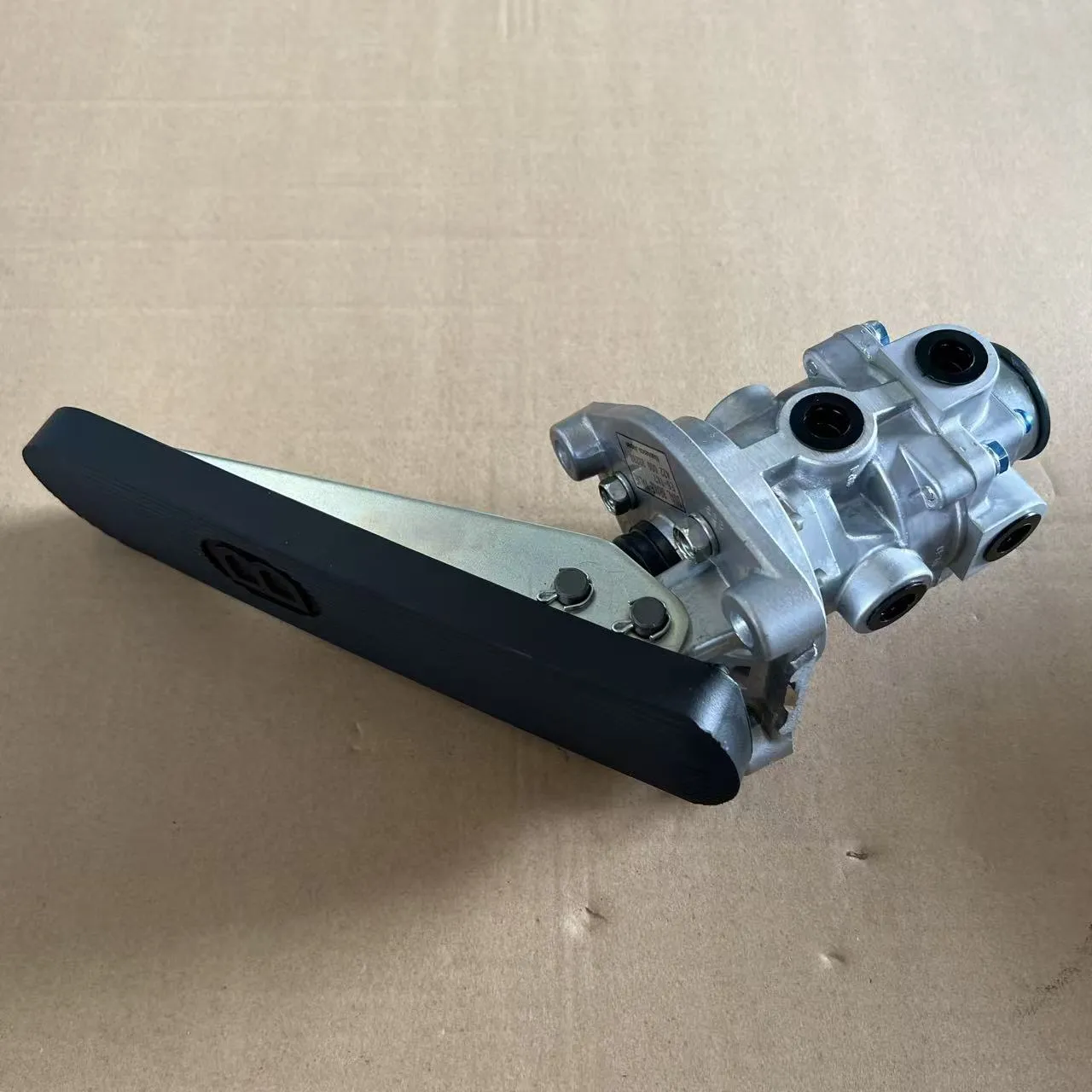 566-35-44110 Komatsu VALVE ASSEMBLY
 -
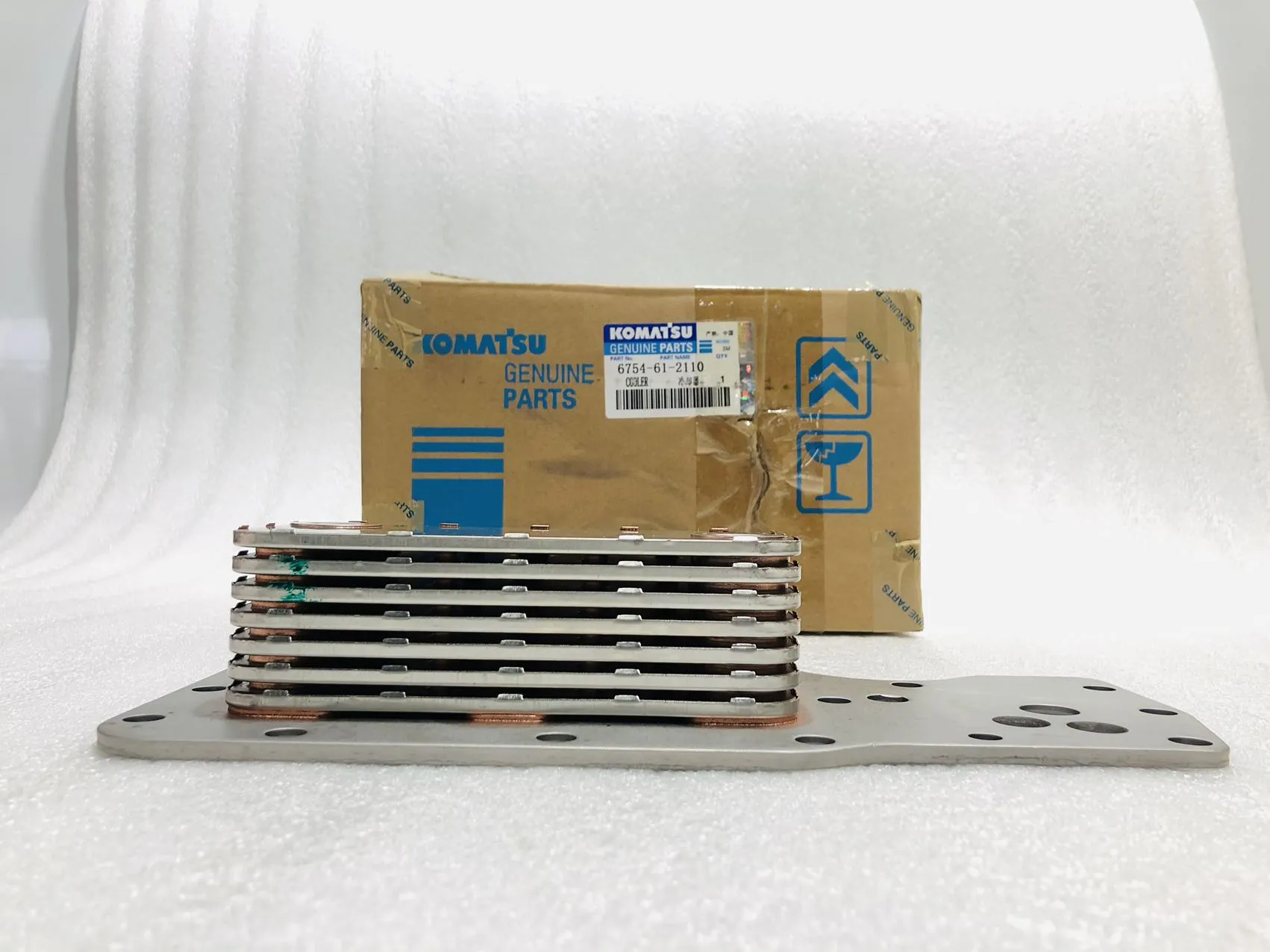 OIL COOLER 6754-61-2110 For Komatsu Engine SAA6D107E PC200-8
 -
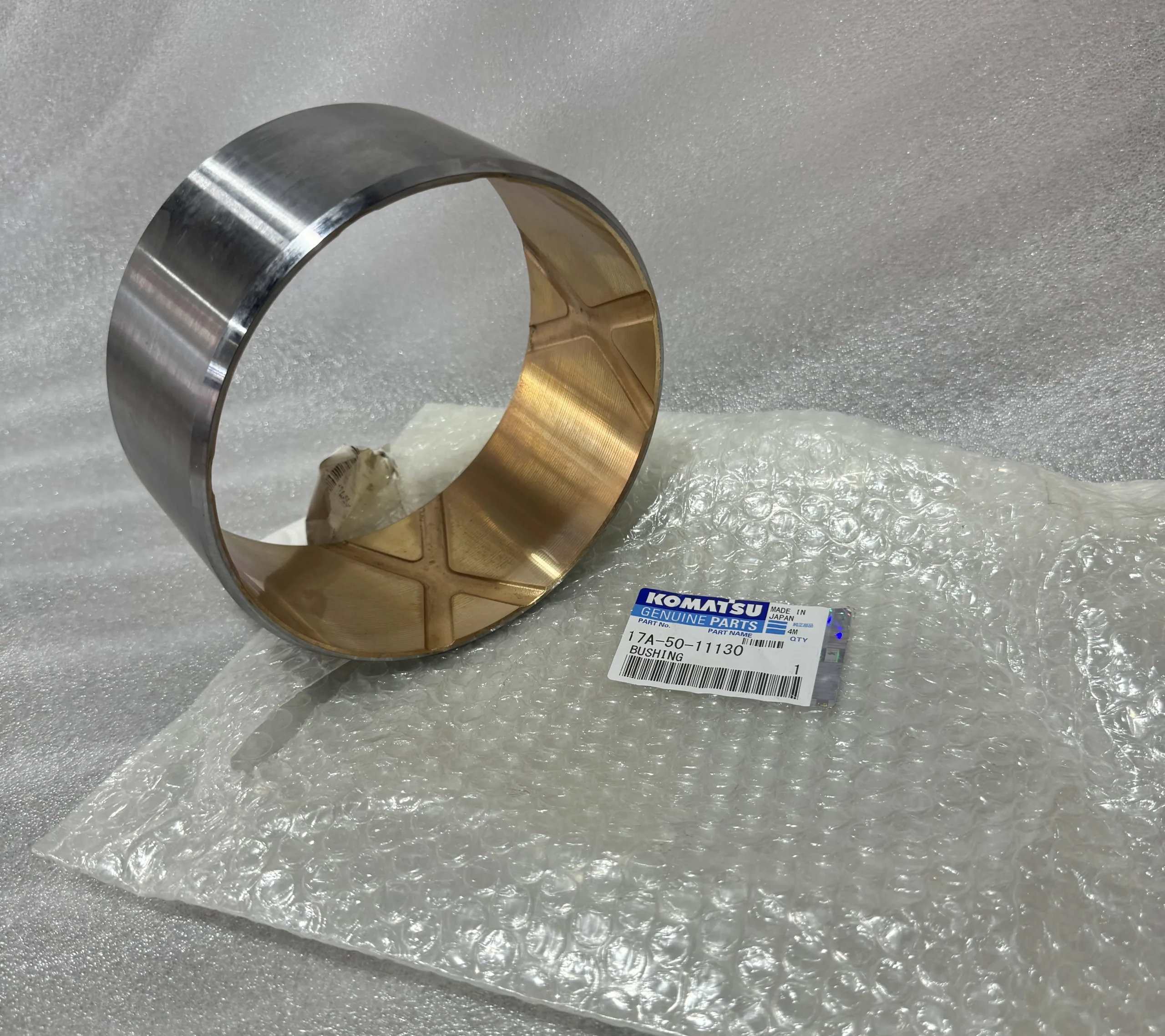 D155AX-3 Bushing 17A-50-11130
 -
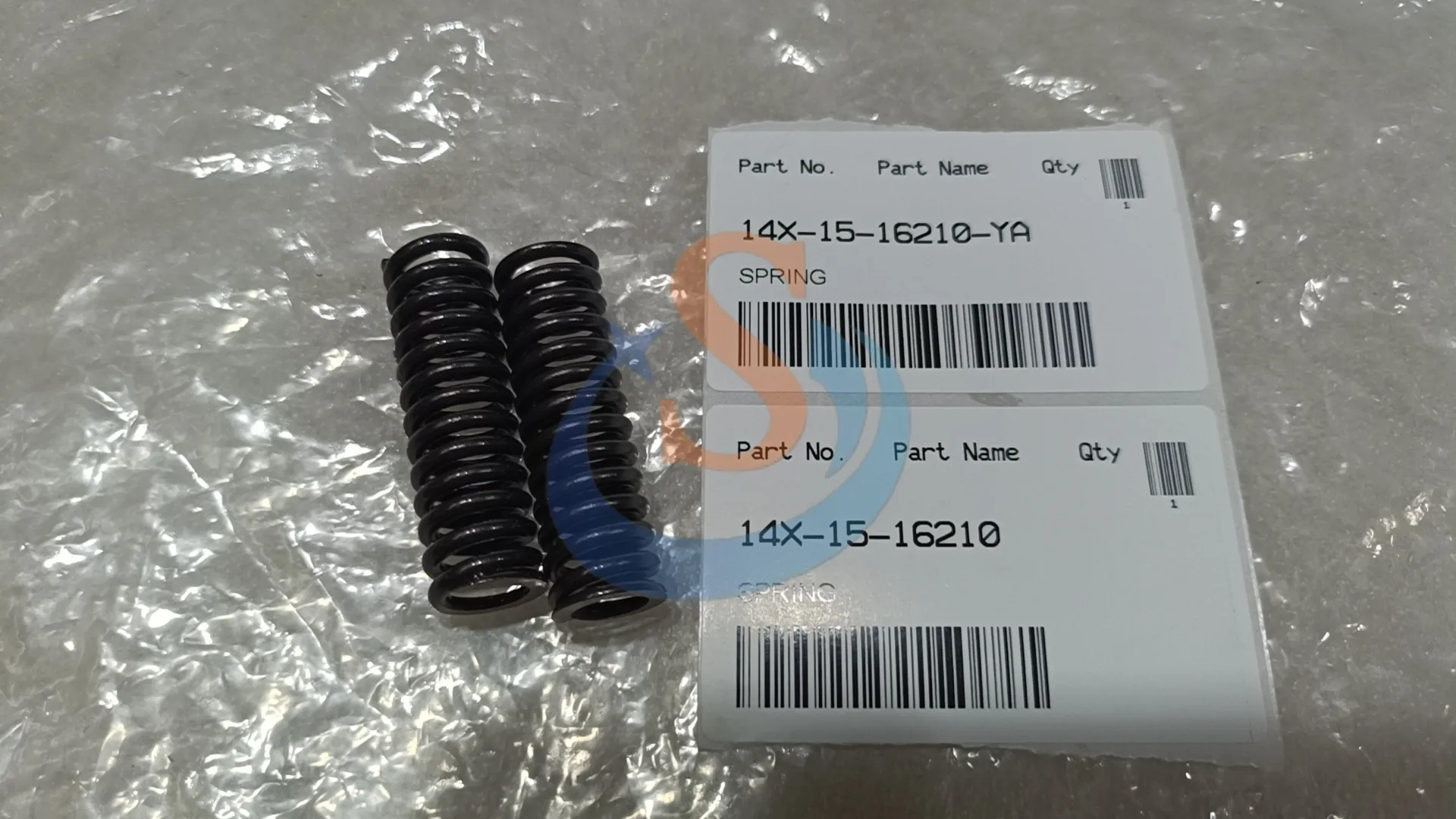 14X-15-16210 komatsu vavle WA400/WA500/WA600
 -
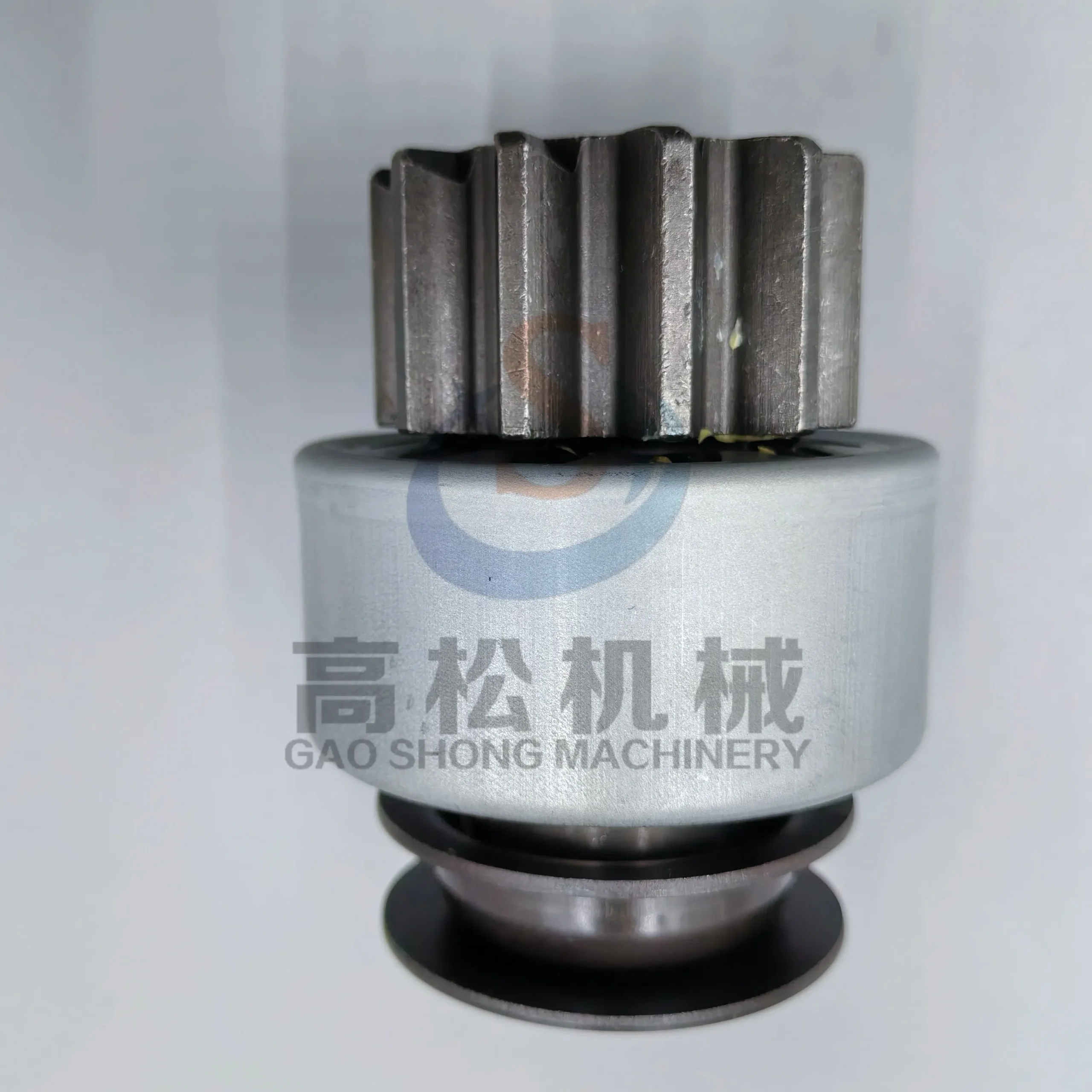 KD0-23500-1024 Komatsu Clutch Assembly
 -
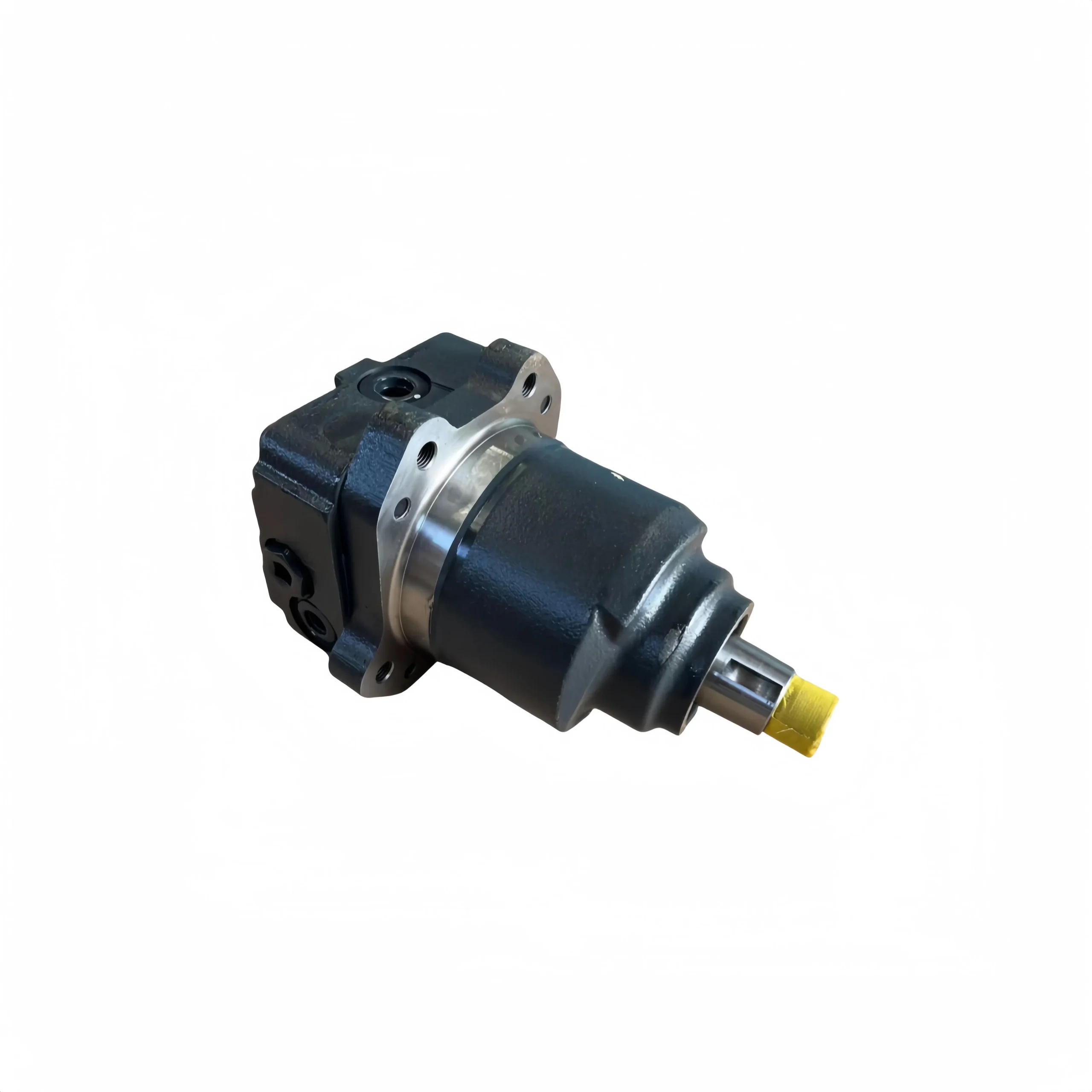 708-7W-00021 Fan Motor for Komatsu D275A-5D
 -
Komatsu PC220-8, PC350-8, PC450-8 excavator filter assemblies 20Y-62-51681 (20Y62-51681, 20Y-625168) (pilot filters
Related Search
Related Search- OEM AND ORIGINAL KOMATSU SHAFT 427-46-11312
- komatsu pc15r 8 parts
- OEM AND ORIGINAL KOMATSU LEVER ASSY 702-16-02290
- komatsu forklift engine parts
- Komatsu grader parts
- komatsu forklift parts dealer near me
- OEM AND ORIGINAL KOMATSU FILTER ASSY 209-60-79100
- komatsu engine spare parts
- Komatsu switch
- OEM AND ORIGINAL KOMATSU WIRING HARNESS 17A-06-11272