
- Chinese
- French
- German
- Portuguese
- Spanish
- Russian
- Japanese
- Korean
- Arabic
- Irish
- Greek
- Turkish
- Italian
- Danish
- Romanian
- Indonesian
- Czech
- Afrikaans
- Swedish
- Polish
- Basque
- Catalan
- Esperanto
- Hindi
- Lao
- Albanian
- Amharic
- Armenian
- Azerbaijani
- Belarusian
- Bengali
- Bosnian
- Bulgarian
- Cebuano
- Chichewa
- Corsican
- Croatian
- Dutch
- Estonian
- Filipino
- Finnish
- Frisian
- Galician
- Georgian
- Gujarati
- Haitian
- Hausa
- Hawaiian
- Hebrew
- Hmong
- Hungarian
- Icelandic
- Igbo
- Javanese
- Kannada
- Kazakh
- Khmer
- Kurdish
- Kyrgyz
- Latin
- Latvian
- Lithuanian
- Luxembou..
- Macedonian
- Malagasy
- Malay
- Malayalam
- Maltese
- Maori
- Marathi
- Mongolian
- Burmese
- Nepali
- Norwegian
- Pashto
- Persian
- Punjabi
- Serbian
- Sesotho
- Sinhala
- Slovak
- Slovenian
- Somali
- Samoan
- Scots Gaelic
- Shona
- Sindhi
- Sundanese
- Swahili
- Tajik
- Tamil
- Telugu
- Thai
- Ukrainian
- Urdu
- Uzbek
- Vietnamese
- Welsh
- Xhosa
- Yiddish
- Yoruba
- Zulu
- Kinyarwanda
- Tatar
- Oriya
- Turkmen
- Uyghur






komatsu excavator spare parts
When you hear 'Komatsu excavator spare parts', most people immediately think of the official dealer network. That's the ideal route, sure, but on the ground, especially in certain regions, it's rarely that straightforward. The gap between the official system and the machine actually needing a repair in, say, a remote mining site is where the real industry operates. I've seen too many projects stalled waiting for a single hydraulic pump or a final drive that's on backorder for months. The misconception is that there are only two options: genuine OEM or questionable counterfeits. The reality, which outfits like Jining Gaosong Construction Machinery operate in, is a more nuanced space of OEM product suppliers within the Komatsu system itself, filling a critical logistical void.
The OEM Supplier Reality vs. The Catalog Promise
Here's the thing a lot of procurement managers don't realize: not every part in a Komatsu box is made by Komatsu. The company relies on a vast network of certified manufacturers. Some of these manufacturers, under agreement, can also sell certain components outside the official channels. This is where a company like Jining Gaosong comes in. They're not some back-alley shop; they're an OEM product supplier within the system. Their website, https://www.takematsumachinery.com, positions them as a solution for parts supply challenges in certain countries. That phrase supply challenges is key—it's industry code for everything from import restrictions to simply inefficient local dealer stock.
I remember trying to source a swing bearing for a PC360-8 in West Africa. The local dealer quote was astronomical with a 16-week lead time. We found the exact same part number, from the same Japanese bearing manufacturer Komatsu uses, through a channel similar to Gaosong. It arrived in 3 weeks at 60% of the cost. The part was identical, down to the packaging. The difference was the supply path and the margin structure. It forces you to ask: what are you really paying for at the dealer? Often, it's just the certainty of the chain of custody, which is valuable, but not always critical for every component.
This isn't to say the official network is obsolete. For complex electronics, engine ECUs, or warranty-covered repairs, you go straight to the dealer. But for wear items, hydraulic cylinders, pumps, gears, and undercarriage components? The economics often demand a second look at these authorized alternative channels. The risk isn't in part quality if you're dealing with a proper system supplier; it's in the documentation and traceability, which for many operations is a manageable trade-off for uptime.
Identifying the Right Parts and the Wrong Assumptions
Let's talk about part numbers. The Komatsu system is meticulous, but it's also a trap for the unwary. You can't just take a part number from a PC200-8 and assume it fits all dash-8 models. There are sub-versions, serial number breaks, and regional specifications. A common failure point is ordering a Komatsu excavator main control valve based solely on the machine model. I've been burned by this. We ordered a valve for a PC300LC-8, but our machine was an early dash-8 with a slightly different pilot pressure port. The valve physically bolted on, but the machine operated sluggishly. The lesson was expensive: you need the exact component code, often found on the part itself, not just the machine model.
This is where a supplier's expertise shows. A good one won't just take your model number and ship a part. They'll ask for the serial number, the old part's casting marks, or photos. The team at Takematsu Machinery, from my inquiries, tends to drill down on these details. They understand that their value isn't just in having stock, but in ensuring the stock they send is the right fit. It saves everyone the nightmare of international returns.
Another assumption is that all aftermarket parts are inferior. For some components, like filters or teeth, quality aftermarket can be perfectly adequate. But for others, like swing gears or piston pumps, sticking to the OEM-spec metallurgy and tolerances is non-negotiable. The trick is knowing the difference. I generally split parts into three categories: critical drivetrain (always OEM-spec), high-wear mechanical (can use quality aftermarket or OEM-supplier), and consumables (often aftermarket). A reliable supplier should be transparent about the origin of each part in these categories.
The Logistics Hurdle and Certain Countries
The website mention of certain countries is the core of their business model. Try getting a 200kg final drive assembly through customs in some South American or African nations via standard courier. It's a bureaucratic nightmare. Specialized machinery suppliers often have established freight forwarders who handle this daily—they know which HS codes to use, how to handle certifications, and can often clear goods faster. Jining Gaosong's implied strength is navigating these opaque logistical waters. They're not just selling a part; they're selling a delivery solution to places where the official distribution is thin or slow.
I've used similar services for shipments to Indonesia. The official process required a local agent with specific licenses, adding weeks and cost. The third-party system supplier had a partner in Singapore who consolidated shipments and used a different import classification, getting the parts to site in half the time. It's these unspoken logistical workarounds that keep projects moving. The invoice might say freight, but you're really paying for institutional knowledge of trade corridors.
Of course, this carries risk. If a part arrives damaged or wrong, the return process is complex. You lose leverage. That's why building a relationship with a supplier is crucial. It's about trust and track record. You start with smaller, less critical orders—seal kits, filter sets, bucket pins—to test their reliability and communication before trusting them with a $15,000 pump assembly.
When It Goes Wrong: A Case on Cylinder Rebuilds
Not every story is a success. We once needed a rebuilt stick cylinder for an older PC400-6. A supplier promised a like-new unit with Komatsu-original seals and honed barrel. The price was right. When it arrived, the welding on the mounting lugs was clearly substandard, and the chroming on the rod felt thin. We installed it under time pressure. It lasted about 400 hours before the rod scored and started leaking. The failure cost us more in downtime than the savings on the part.
The takeaway was brutal: for complex rebuilt components, especially cylinders and hydraulic pumps, the rebuild quality is everything. It's not a commodity. After that, we became meticulous. We ask for rebuild certifications, photos of the process, and specifics on the source of sub-components. Does the supplier use OEM seal kits? Where do they source their rod and tube stock? A credible supplier, one that wants to be a long-term partner, will provide these details. They understand the liability of a field failure. This experience made me appreciate suppliers who are cautious and detailed in their descriptions, not just the cheapest.
This circles back to the value of a company that identifies as part of the Komatsu ecosystem. Their reputation is tied to the performance of the parts they sell. A fly-by-night operation doesn't care if your cylinder fails. A company like Jining Gaosong, which leverages its OEM supplier status, has more to lose. Their business depends on being a reliable alternative, not just a cheap one.
Building a Sourcing Strategy, Not Just Finding a Part
So, what's the practical approach? Don't just google Komatsu excavator spare parts when you're in a panic. Build a multi-tiered supplier list. Your Tier 1 is the official dealer for critical, warranty, and complex electronic parts. Your Tier 2 is a select group of verified OEM-system suppliers or high-quality aftermarket specialists for mechanical and wear components. A company like Jining Gaosong Construction Machinery Co., Ltd. fits into this Tier 2 for many operators. Their stated role as a third-party sales company for Komatsu aimed at solving supply challenges is exactly that Tier 2 function.
Audit them slowly. Start a dialogue. Ask specific technical questions: Can you supply the Kawasaki pump for the PC210-10, and what's the manufacturing date code on the unit? Do you have the original KPM seal kit for the PC138 cylinder rebuild? Their response time and depth of answer tell you everything. Check if they have the capability to cross-reference part numbers or need you to do all the legwork.
Ultimately, managing Komatsu excavator parts supply is about risk management and cost of downtime. The official channel minimizes risk but often at a high cost and long lead time. The unofficial gray market is cheap and fast but carries high risk. The middle ground—occupied by authorized OEM-system suppliers and knowledgeable third-party sales companies—offers a balance. It requires more diligence from the buyer, but the rewards in machine availability and cost control are substantial. It's not for every part on every machine, but knowing this layer of the supply chain exists, and how to engage with it competently, is what separates a reactive maintenance manager from a strategic one.
Related Products
Related Products

Best Selling Products
Best Selling Products-
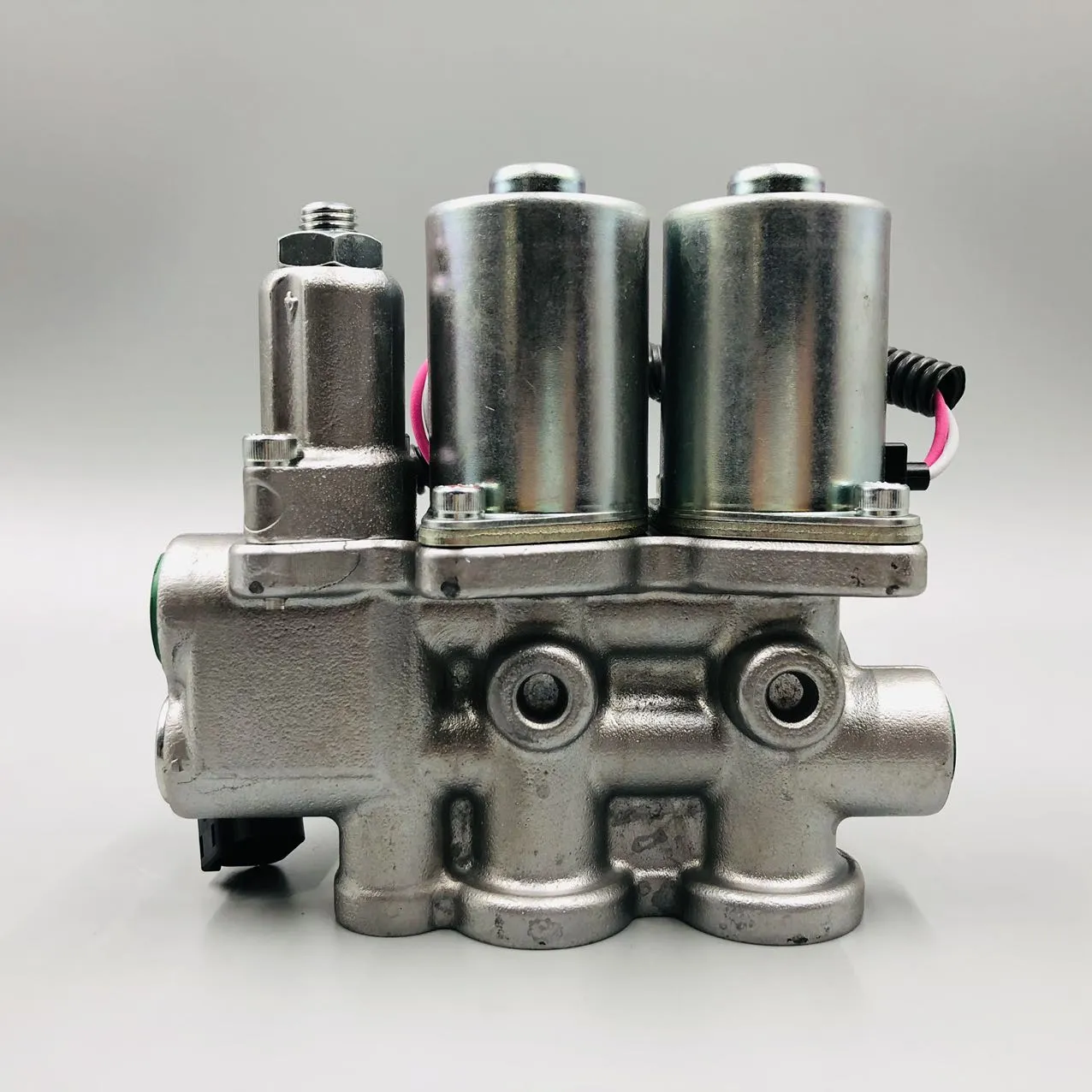 22F-60-31600Valve assembly
 -
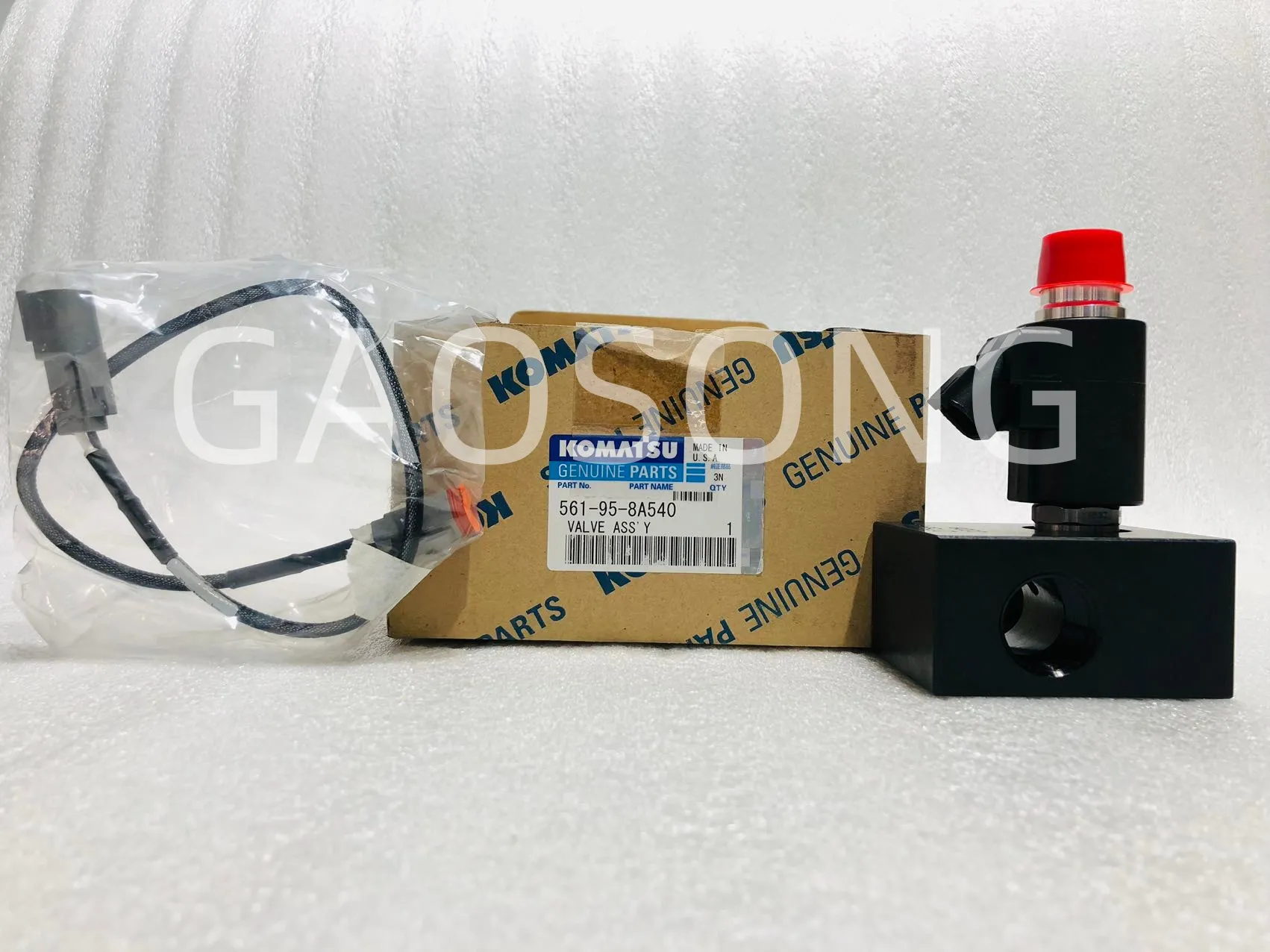 561-95-8A530 • PUMP ASSEMBLY-Komatsu Original Factory
 -
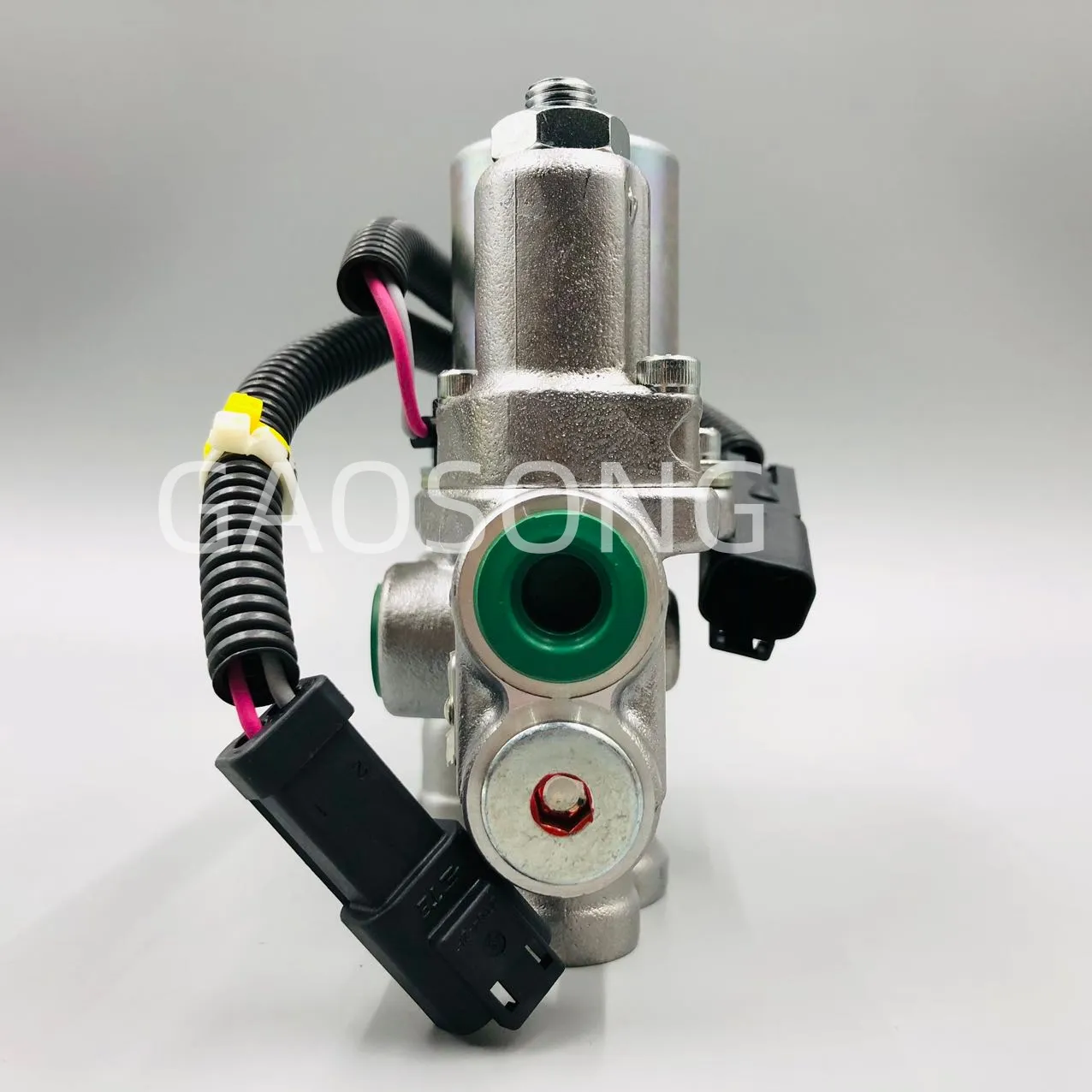 22F-60-31600 VALVE ASS’Y,(SEE FIG.Y1681-01A0).-Komatsu Original Factory
 -
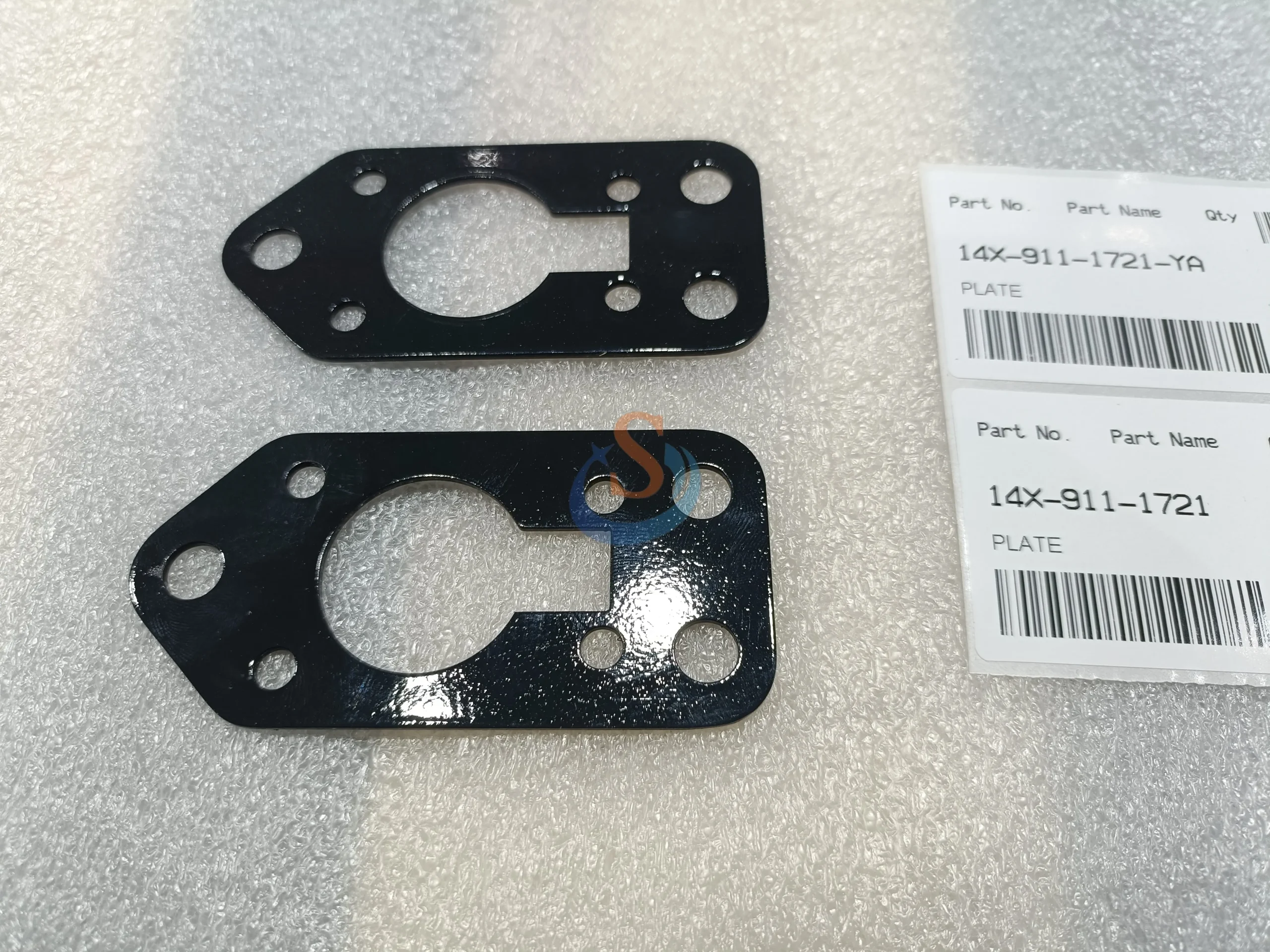 14X-911-1721,PLATE,D65E,D61PX,D155A,D375A
 -
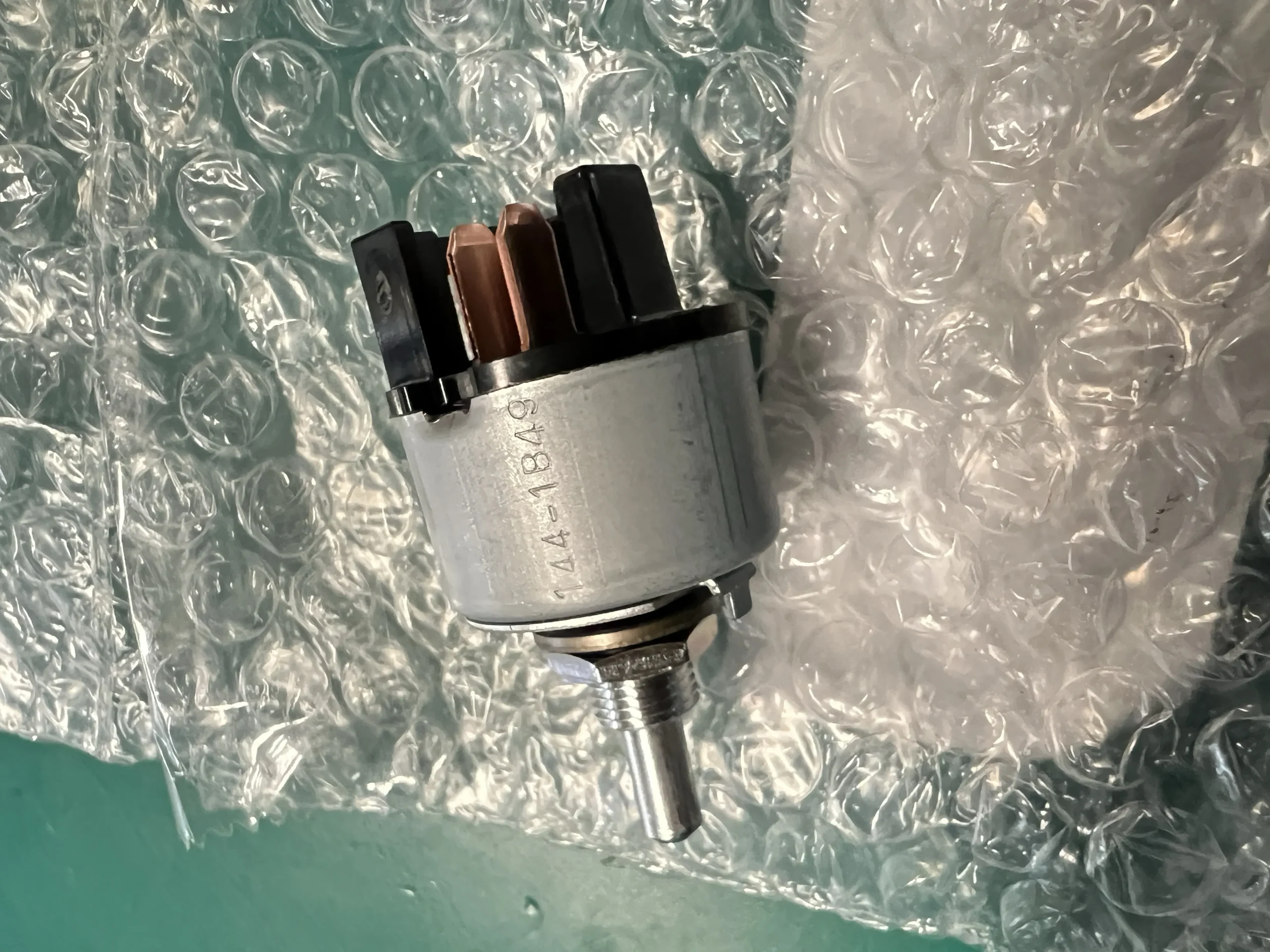 205-06-71380 Switch
 -
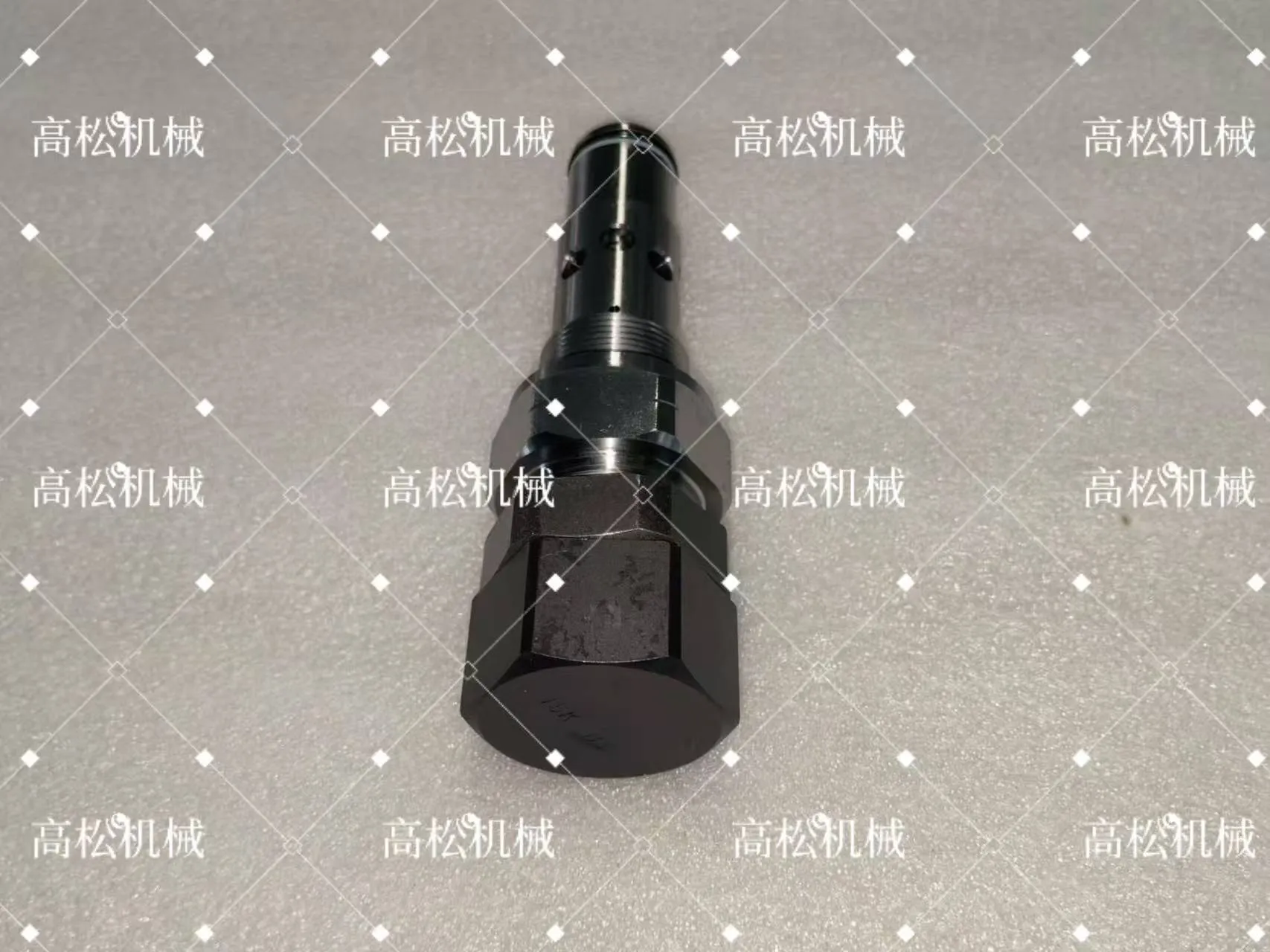 Komatsu original valve assembly, part no.702-75-01900, fits model PC750SE-7
 -
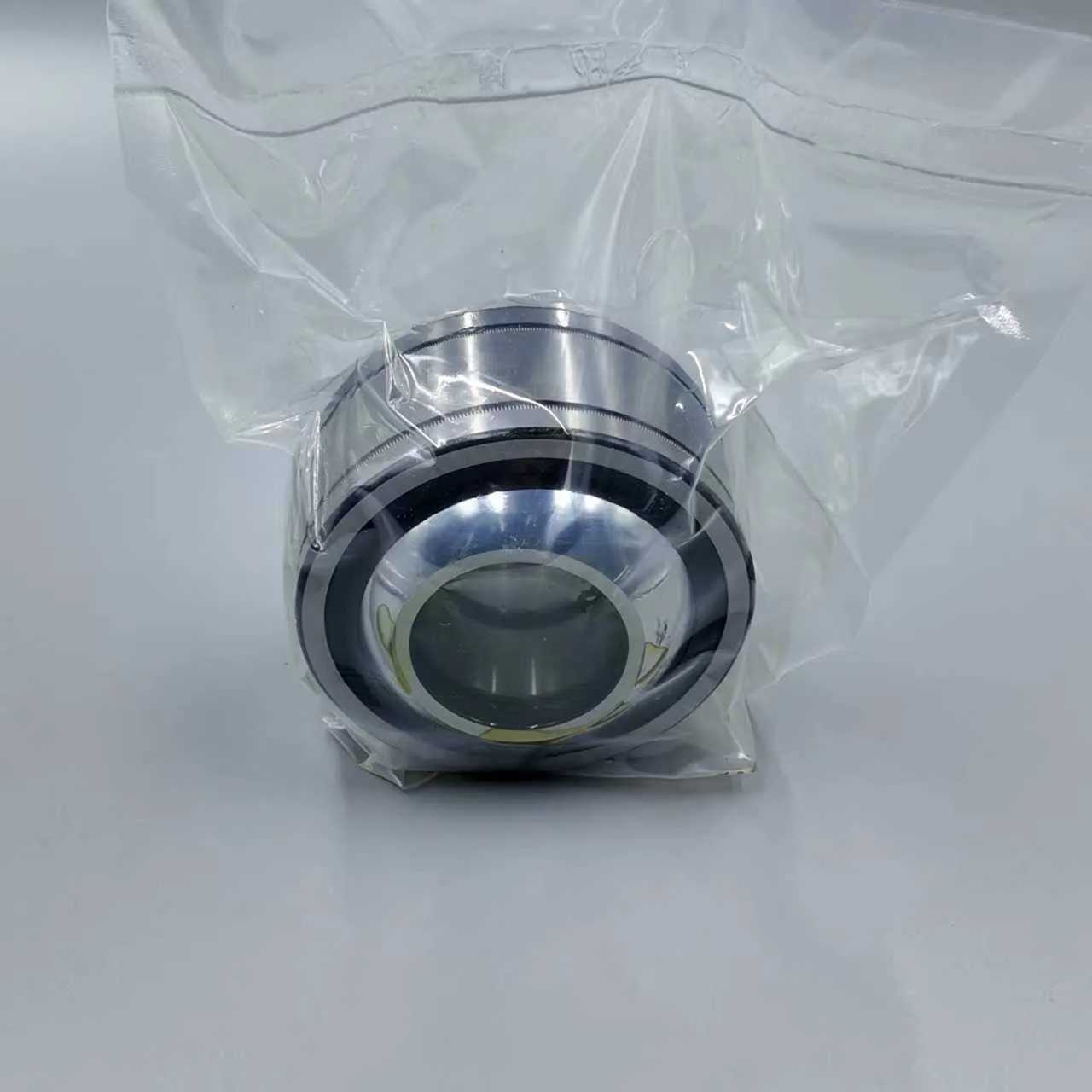 07137-04006 • BUSHING-Komatsu Original Factory
 -
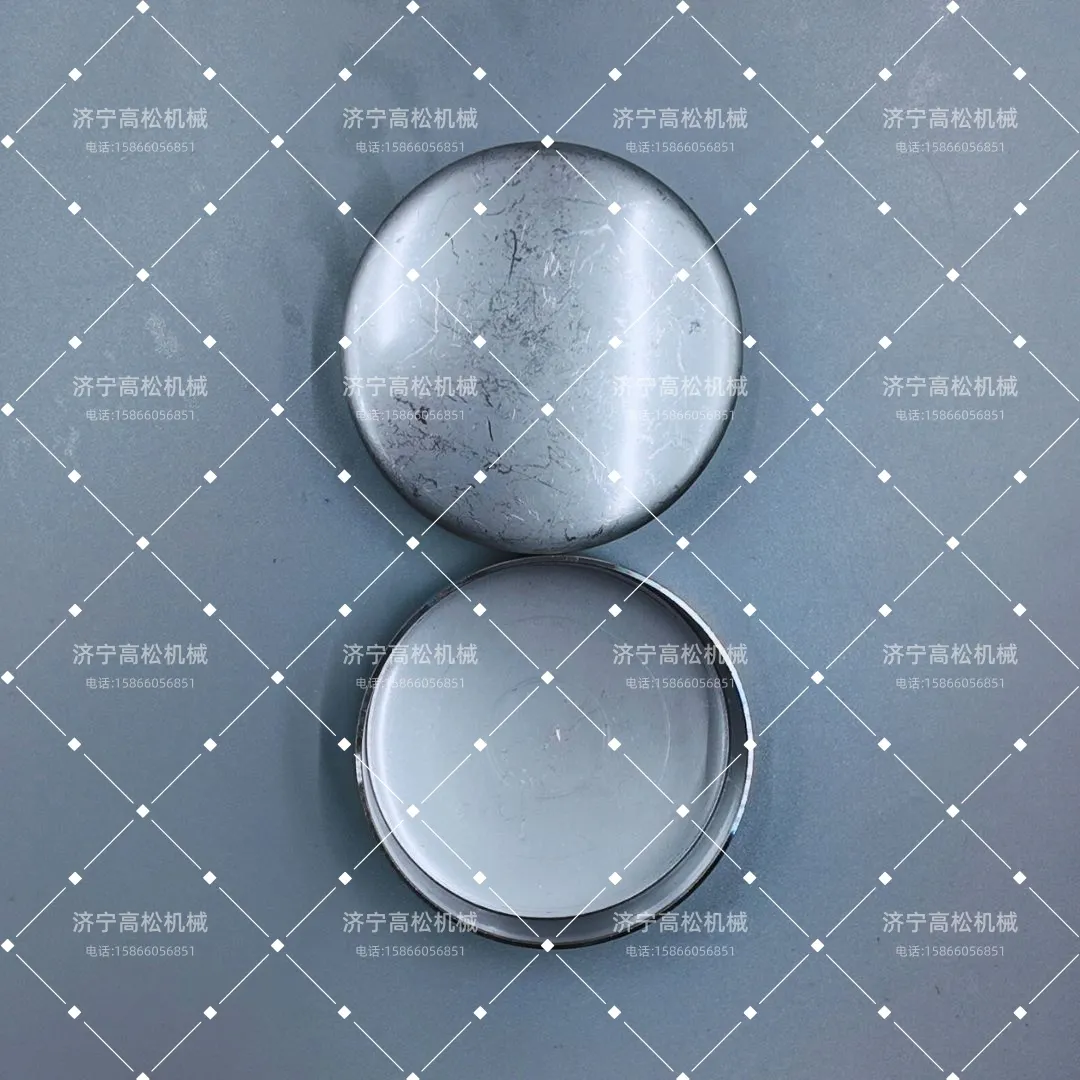 195-49-75280 Komatsu O-ring
 -
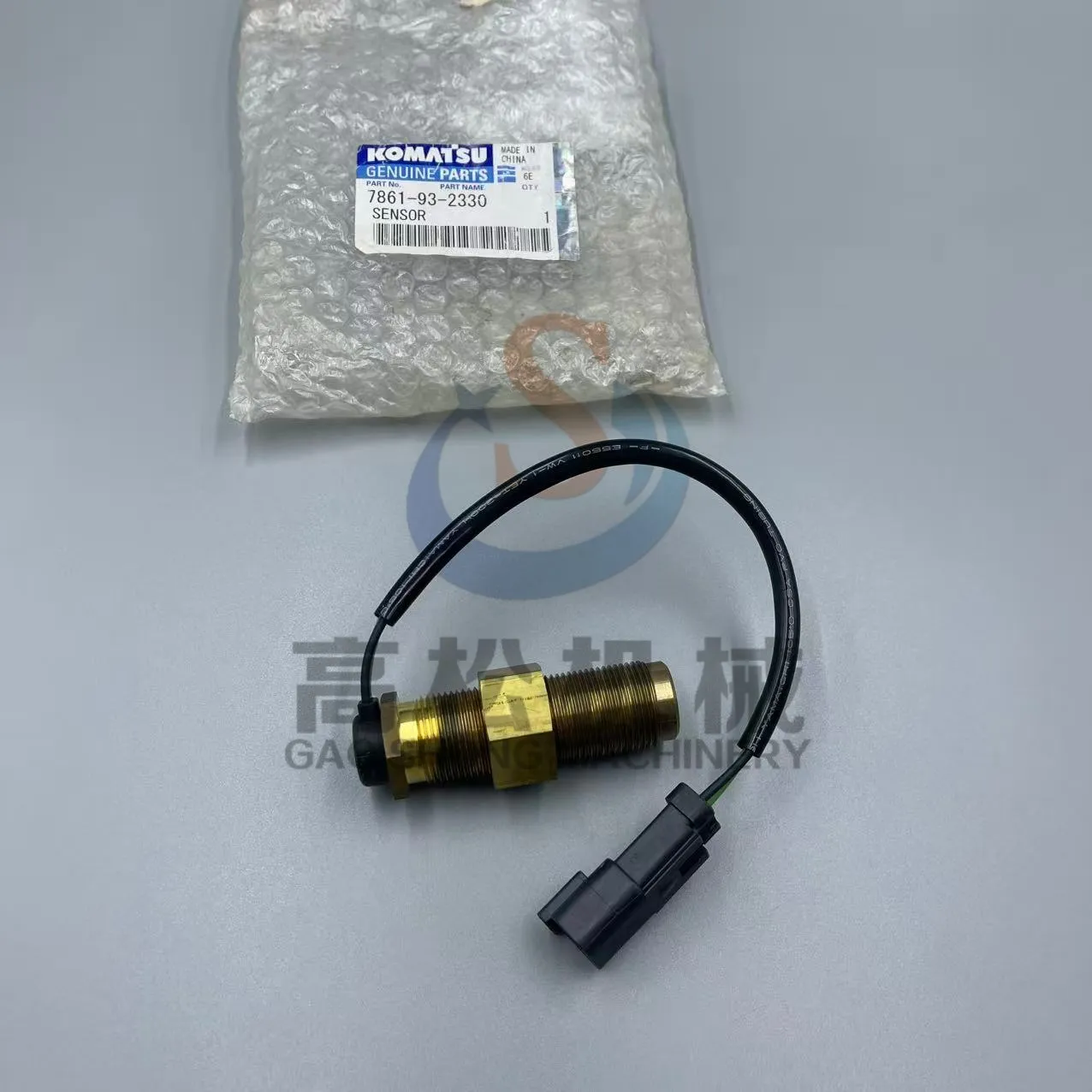 7861-93-2330 Sensor
 -
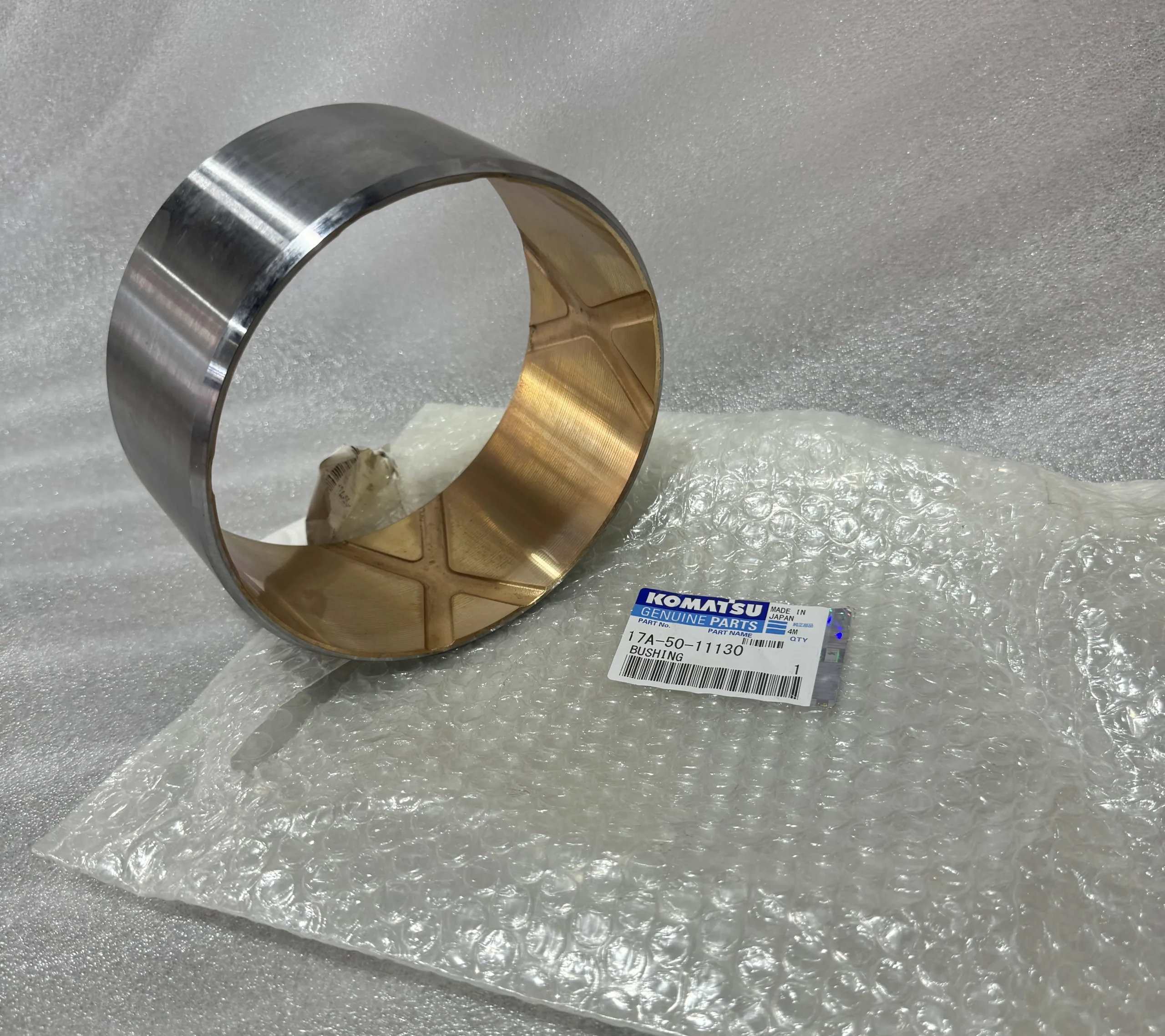 D155AX-3 Bushing 17A-50-11130
 -
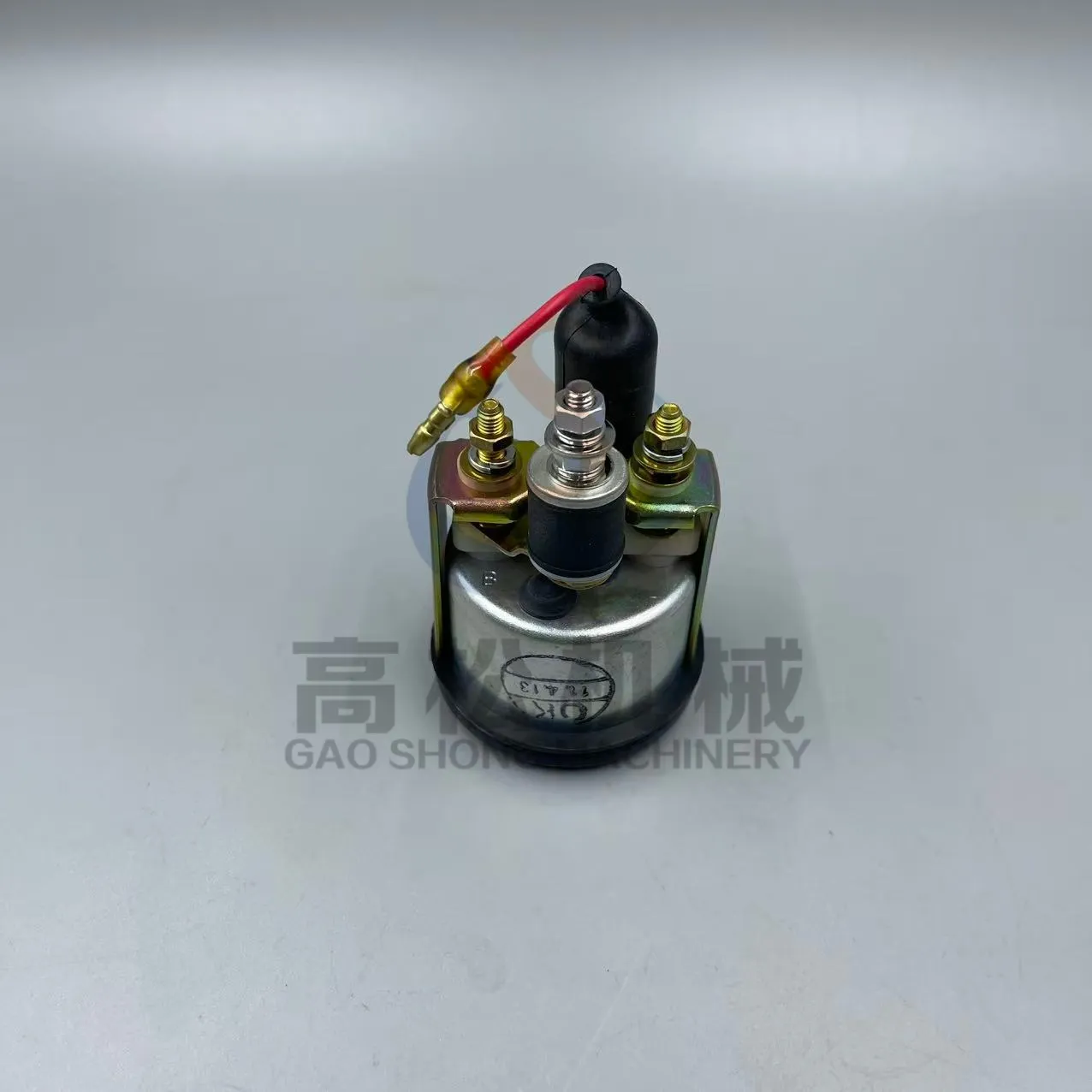 195-06-23110 – GAUGE
 -
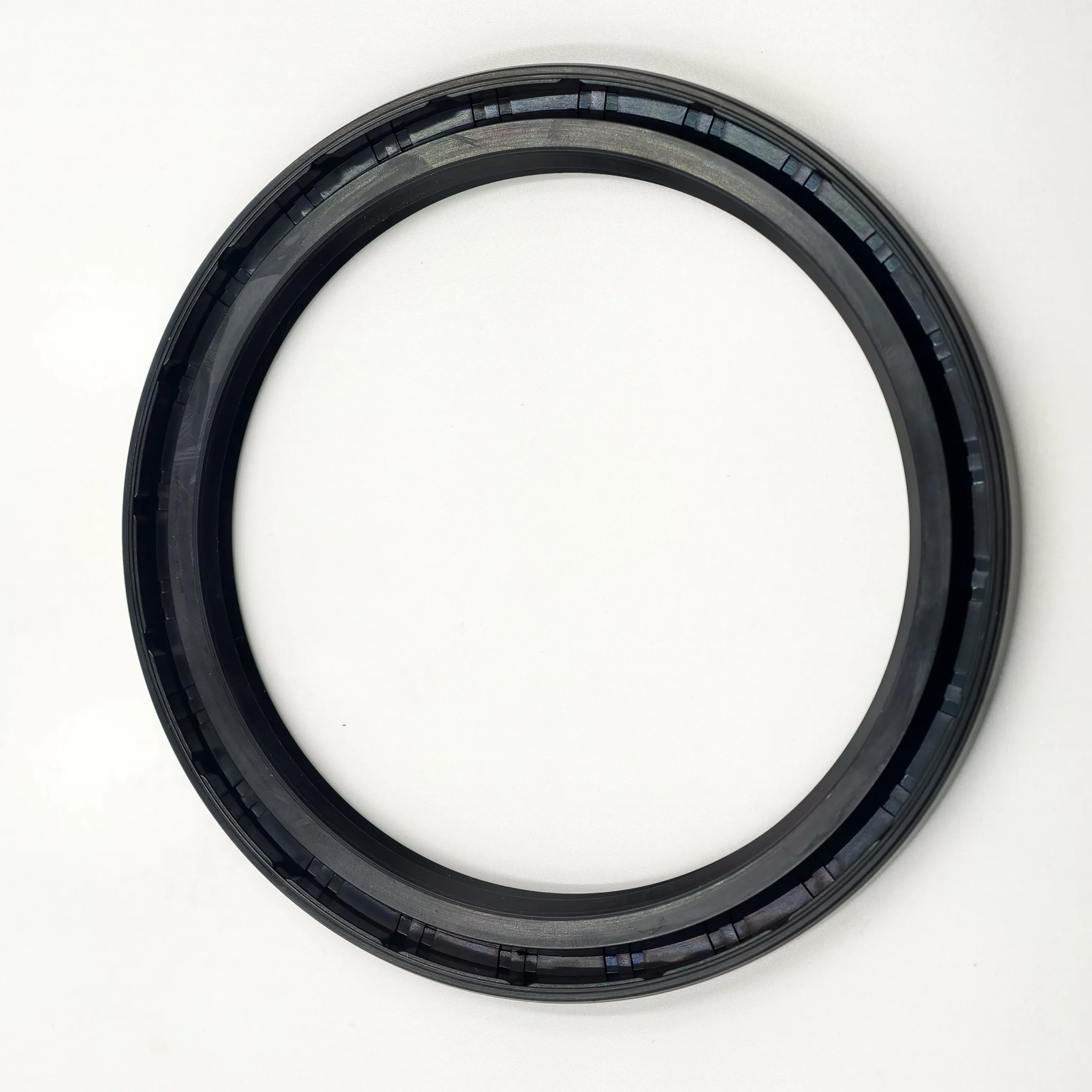 Komatsu56D-15-19810 Seal, Dust
Related Search
Related Search- Komatsu blade
- OEM AND ORIGINAL KOMATSU GEAR 195-27-31284
- OEM AND ORIGINAL KOMATSU WIRING HARNESS 427-06-22431
- Komatsu WA500 parts
- OEM AND ORIGINAL KOMATSU ROD 195-70-51152
- komatsu parts 777
- OEM AND ORIGINAL KOMATSU JOINT 17M-71-21380
- 195-15-12791
- komatsu mini excavator parts
- OEM AND ORIGINAL KOMATSU BUSHING 21T-70-31250