
- Chinese
- French
- German
- Portuguese
- Spanish
- Russian
- Japanese
- Korean
- Arabic
- Irish
- Greek
- Turkish
- Italian
- Danish
- Romanian
- Indonesian
- Czech
- Afrikaans
- Swedish
- Polish
- Basque
- Catalan
- Esperanto
- Hindi
- Lao
- Albanian
- Amharic
- Armenian
- Azerbaijani
- Belarusian
- Bengali
- Bosnian
- Bulgarian
- Cebuano
- Chichewa
- Corsican
- Croatian
- Dutch
- Estonian
- Filipino
- Finnish
- Frisian
- Galician
- Georgian
- Gujarati
- Haitian
- Hausa
- Hawaiian
- Hebrew
- Hmong
- Hungarian
- Icelandic
- Igbo
- Javanese
- Kannada
- Kazakh
- Khmer
- Kurdish
- Kyrgyz
- Latin
- Latvian
- Lithuanian
- Luxembou..
- Macedonian
- Malagasy
- Malay
- Malayalam
- Maltese
- Maori
- Marathi
- Mongolian
- Burmese
- Nepali
- Norwegian
- Pashto
- Persian
- Punjabi
- Serbian
- Sesotho
- Sinhala
- Slovak
- Slovenian
- Somali
- Samoan
- Scots Gaelic
- Shona
- Sindhi
- Sundanese
- Swahili
- Tajik
- Tamil
- Telugu
- Thai
- Ukrainian
- Urdu
- Uzbek
- Vietnamese
- Welsh
- Xhosa
- Yiddish
- Yoruba
- Zulu
- Kinyarwanda
- Tatar
- Oriya
- Turkmen
- Uyghur






komatsu excavator pc200 engine
When you hear 'Komatsu excavator PC200 engine', most folks immediately think of the SAA6D107E-1. That's correct, but it's also where the oversimplification starts. The real story isn't just the model number stamped on the block; it's about how that power unit behaves over 10,000 hours in different climates, what fails when maintenance gets sloppy, and why sourcing the right parts now is a different ball game compared to a decade ago. I've seen too many projects get hung up on assumptions about this engine, treating it as a bulletproof commodity. It's not. It's a system, and its performance hinges on a dozen details most spec sheets gloss over.
The Heart of the Matter: SAA6D107E-1 Realities
Let's talk about the SAA6D107E-1 itself. Komatsu got a lot right with this one. The 6.7-liter displacement, turbocharged and intercooled design, delivers that reliable 114 kW. But the classroom specs don't tell you about the harmonic vibrations you can start to feel around the 8,000-hour mark if the engine mounts haven't been checked and torqued properly. It's not a failure, just a characteristic. You learn to listen for it during warm-up.
Where people get tripped up is on the fuel system. This is a high-pressure common rail setup. Incredibly efficient, but intolerant. I've witnessed more than one contractor in Southeast Asia try to run it on borderline fuel with inadequate filtration. The result is always the same: injector issues and a massive bill. The Komatsu excavator PC200 engine demands clean fuel. That's not a suggestion; it's the law for that machine. The ECU is surprisingly adaptive for its generation, but it can't compensate for abrasive particulates chewing up the precision components.
Cooling is another silent operator. The system is sized well, but in high-dust environments—think demolition or desert work—the radiator core and oil cooler fins plug up faster than you'd think. Not a total overheating, just a gradual creep in operating temperature that, over months, accelerates wear on everything from the cylinder liners to the turbo bearings. A weekly blow-out with compressed air isn't just good practice; it's adding hundreds of hours to the engine's prime life.
Parts Pitfalls and the OEM+ Landscape
This leads to the biggest headache today: parts. The official Komatsu network is comprehensive, but in certain regions, supply chain delays can ground a machine for weeks. This is where the landscape has shifted. Companies that understand the Komatsu system inside-out have become critical. For instance, in our work with Jining Gaosong Construction Machinery Co., Ltd., the value isn't just in having a part. It's in having the correct part with the proper clearances and material specs that match the OEM design intent. As an entity within the Komatsu system, they bridge a gap, solving supply challenges without compromising on the engineering integrity of the PC200 engine.
I recall a situation in a remote mining operation. A PC200-8 threw a code for the fuel rail pressure sensor. The local generic supplier had a compatible part. It fit, it worked... for about 40 hours. Then the erratic pressure readings returned, causing derates. The issue wasn't the sensor's electrical plug; it was its internal calibration curve against the ECU's expected parameters. We sourced a verified unit through a channel like Gaosong's, which operates with OEM-level specifications. Problem solved. The lesson? Not all replacement parts are created equal, especially for the brain and nerves of this engine.
The temptation is always to go for the cheapest available option. With cylinder kits, gaskets, or even bolts, that's a dangerous gamble. The metallurgy and torque-to-yield specs on Komatsu fasteners, for example, are specific. Using a generic grade 8.8 bolt where a 10.9 is specified might hold initially, but under thermal cycling, it can stretch, leading to head gasket leaks on the Komatsu excavator engine. It's a slow, expensive failure.
Failures I've Seen (And Could Have Avoided)
One of the most common and costly failures stems from a simple thing: the breather hose. The crankcase breather on the SAA6D107E-1 routes back into the intake. If that hose degrades internally and starts shedding little bits of rubber, or collapses, it doesn't vent crankcase pressure properly. The first symptom is often a slight oil leak at the rear main seal. Everyone blames the seal. Replace it, and the leak comes back in 200 hours. The root cause was the blocked breather, pressurizing the crankcase. A $30 hose turns into a $2,000 seal job and downtime. You learn to check the soft parts, not just the hard metal.
Then there's the aftertreatment on later models. The Diesel Particulate Filter (DPF) system. Operators who let the machine idle excessively kill that system. The PC200 engine needs load to get hot enough for a clean, passive regeneration. I've seen DPFs forced into manual regeneration cycles constantly because the machine was used as a glorified air-conditioned office on a site. This leads to fuel dilution in the oil, which then affects lubrication across the entire engine. It's a cascade failure initiated by poor operational practice, not a design flaw.
Operational Nuances and Longevity
Cold starts. In colder climates, letting the glow plugs do their full cycle is non-negotiable. Bypassing that and cranking hard puts immense strain on the piston rings and liners before oil circulation is optimal. The dashboard wait light is there for a reason. Similarly, the 30-second idle-down before shutdown isn't a polite suggestion for the turbo. It's a life-extending necessity. Let that turbo shaft, spinning at over 100,000 RPM, slow down with some oil flow. A hot shutdown cooks the oil in the turbo bearings into carbon, and that's a guaranteed replacement down the line.
Oil analysis. It's the cheapest insurance. A regular sample doesn't just show wear metals; it shows fuel dilution, coolant ingress, and the oil's remaining additive package. We tracked a PC200 fleet and found one unit with rising silicon (dirt) but normal air filter indicators. The analysis pointed to a slightly damaged seal on the turbo intake hose, post-filter, letting in unfiltered air. Saved a turbo and potentially the entire top end. For the Komatsu PC200 engine, a $25 analysis every 250 hours is a no-brainer.
Finally, remember it's part of a machine. Engine performance is tied to the hydraulic system. A pump that's out of adjustment, running at excessive pressure, will load the engine harder, raising EGTs and stressing components. Sometimes the engine problem is actually a hydraulic problem. A good technician always checks the total machine vitals.
Closing Thought: Respect the System
So, the Komatsu excavator PC200 engine isn't just a component you swap out. It's the core of a deeply integrated system. Its reliability is legendary, but that legend was built on proper operation, meticulous maintenance, and using parts that respect the original design. In today's fragmented supply world, partnering with knowledgeable suppliers who understand the OEM blueprint—like the role Jining Gaosong Construction Machinery Co., Ltd. plays—isn't just convenient; it's strategic. It keeps these machines, and the projects they power, running on schedule. The difference between a machine that lasts 15,000 hours and one that hits 20,000+ often comes down to these nuanced, unglamorous details. That's where the real expertise lies.
Related Products
Related Products

Best Selling Products
Best Selling Products-
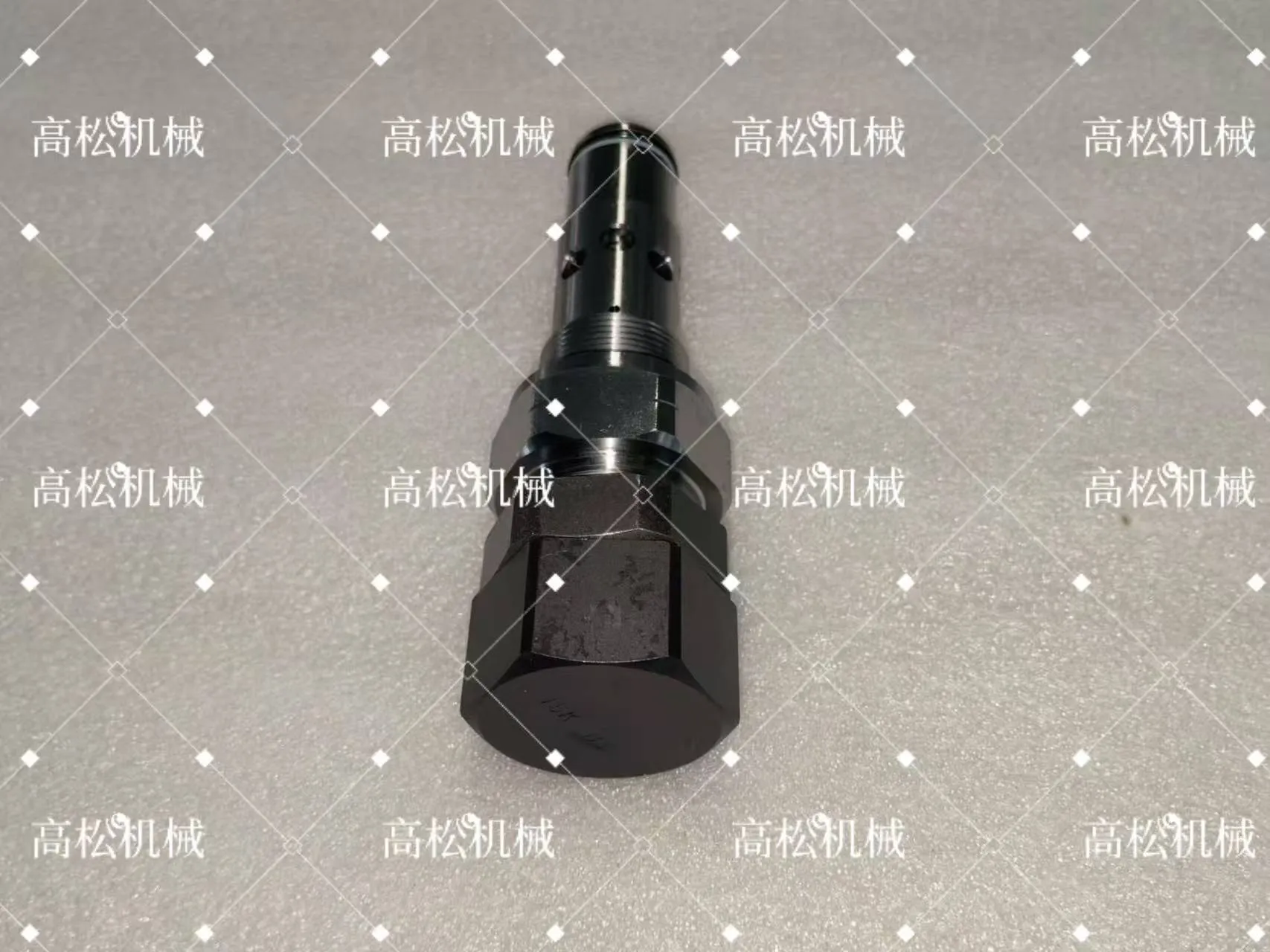 Komatsu original valve assembly, part no.702-75-01900, fits model PC750SE-7
 -
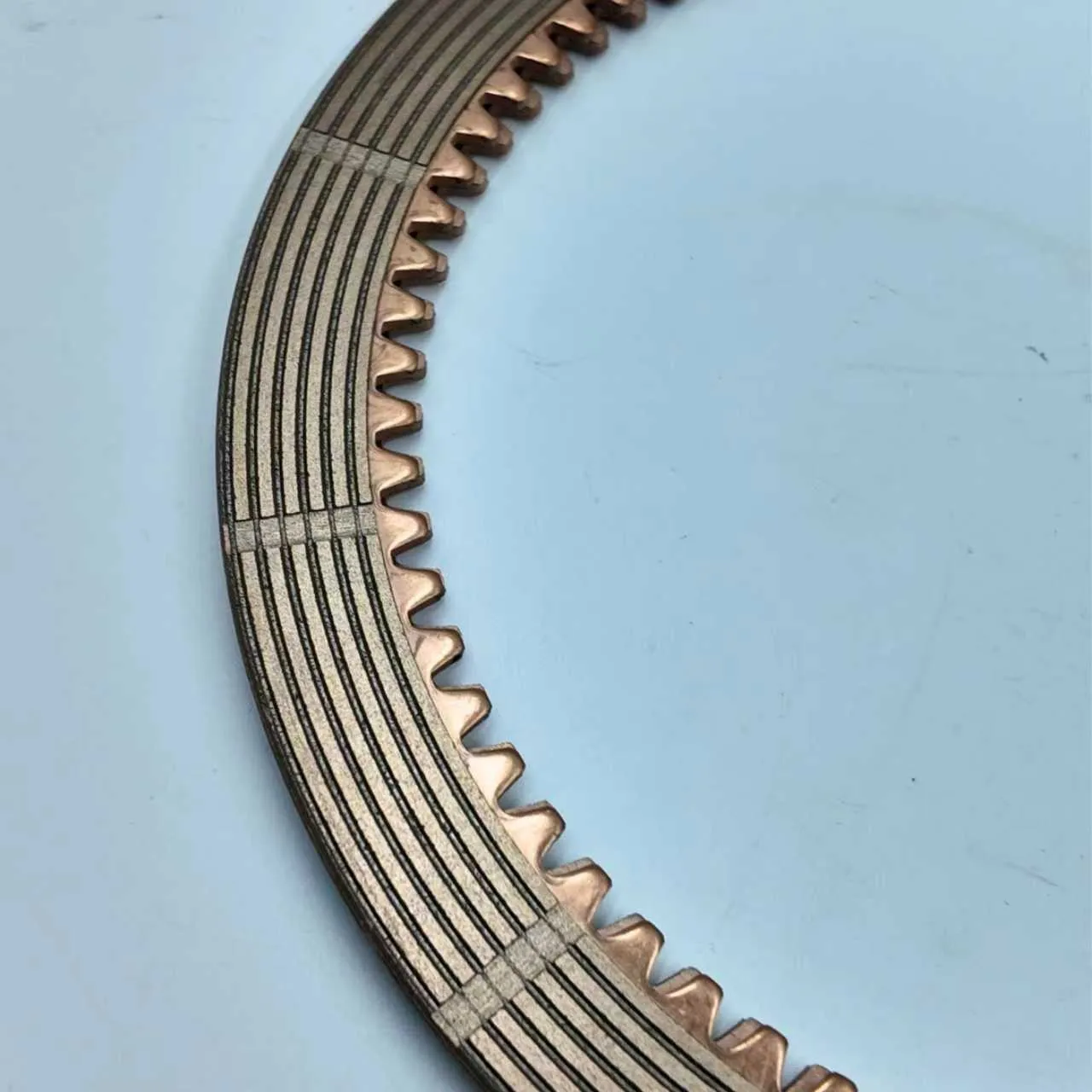 23S-15-12710 Komatsu Disc
 -
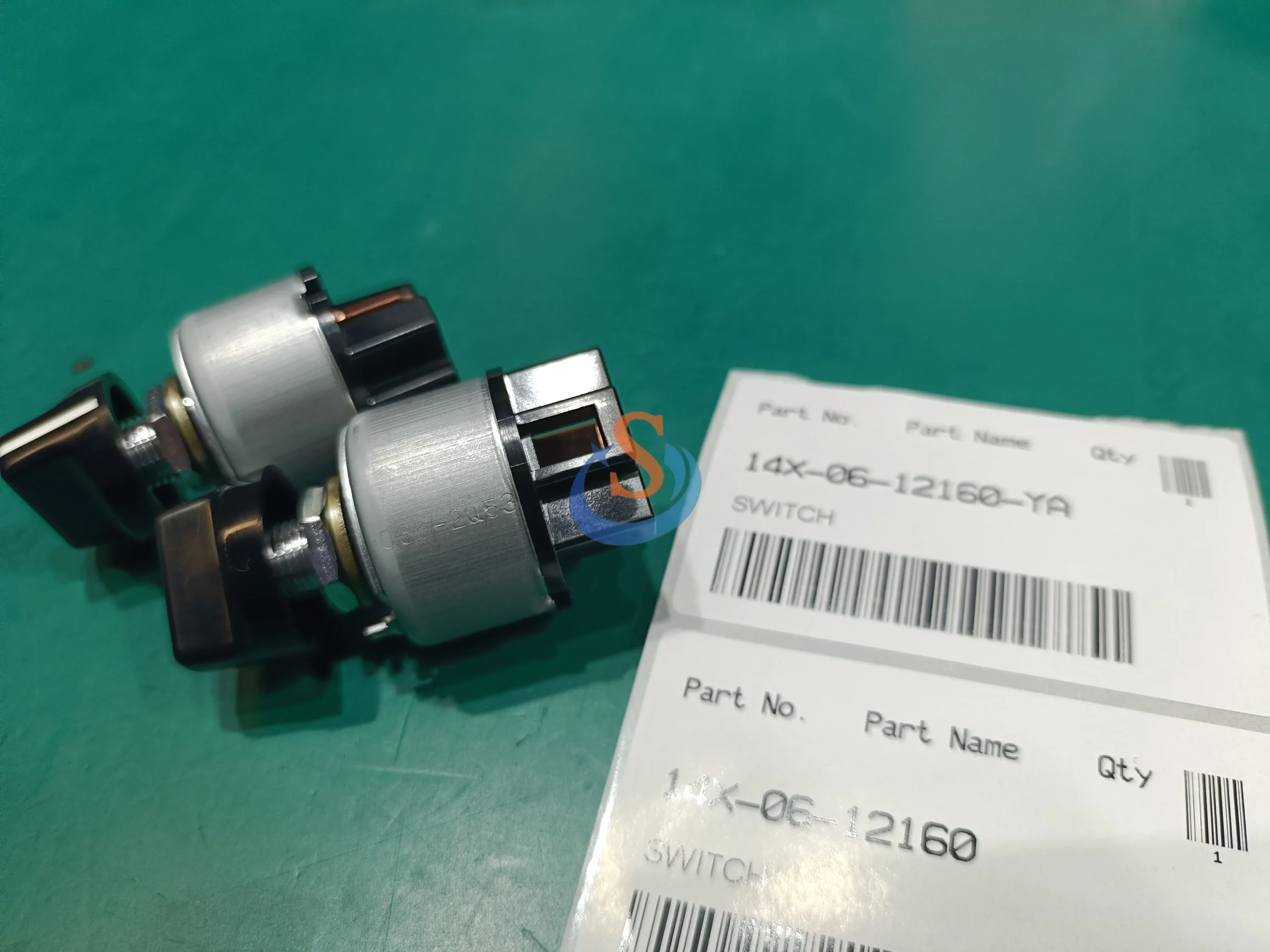 14X-06-12160 SWITCH D475A/D375A
 -
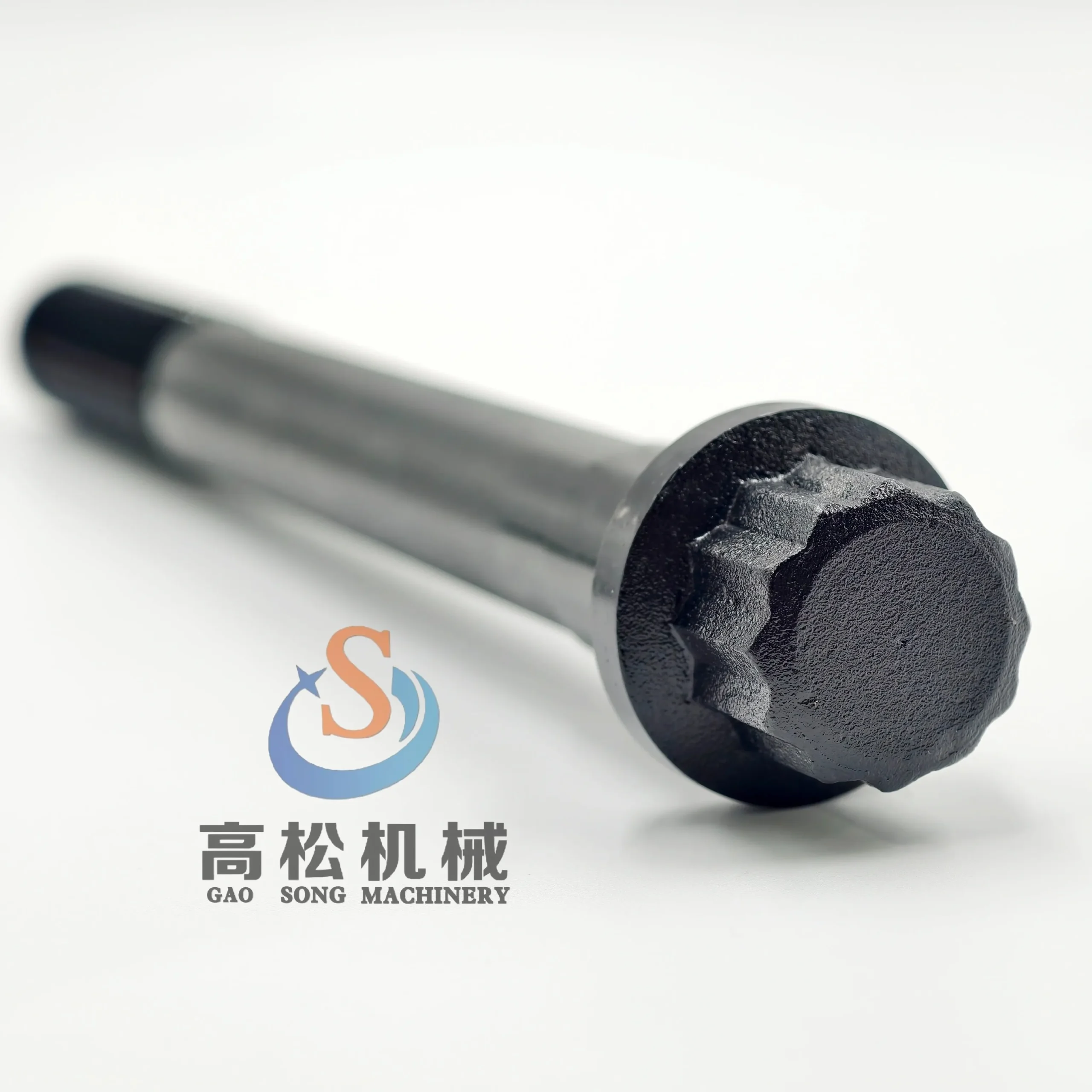 6162-15-1610 komatsu-parts BOLT,HEAD
 -
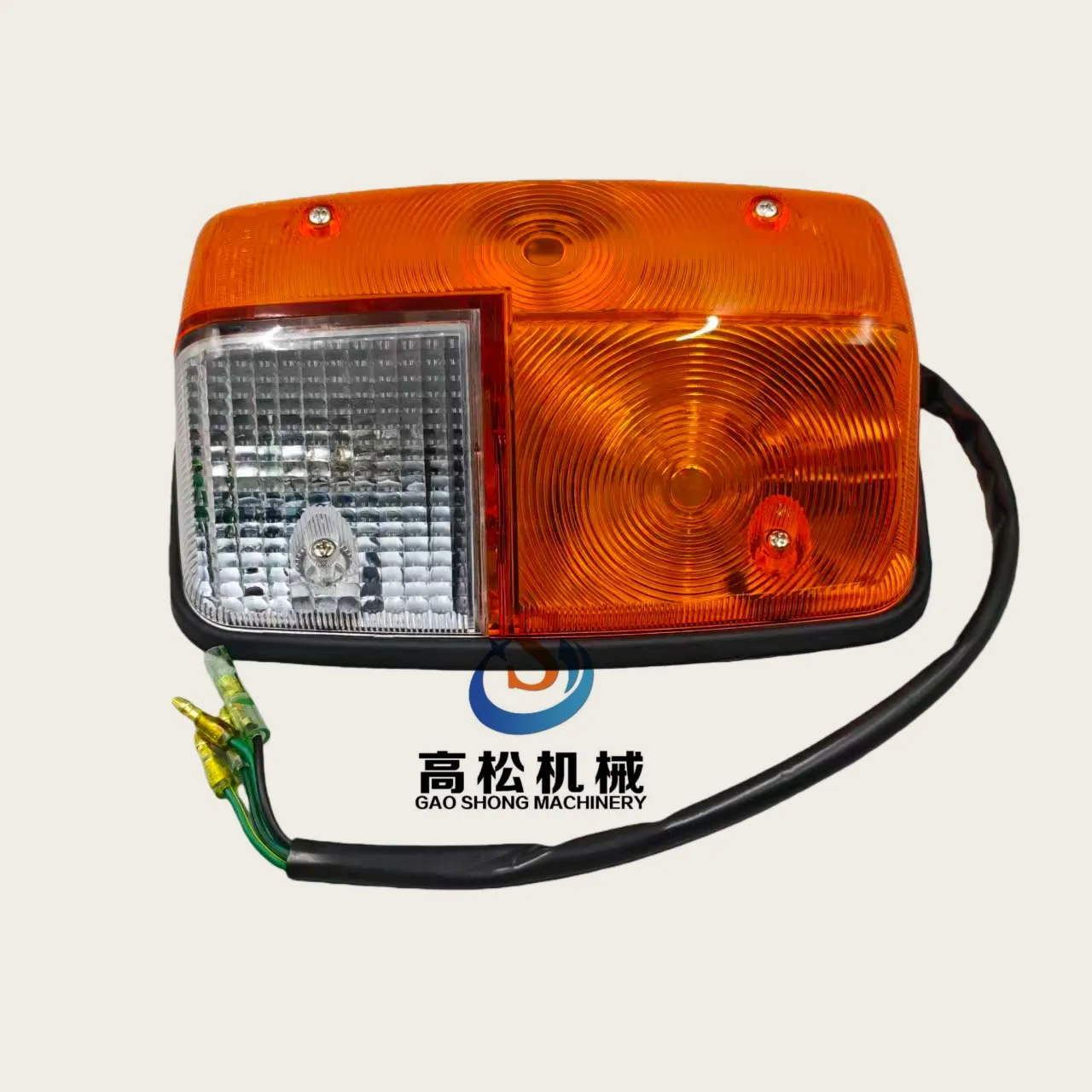 421-06-13401 Komatsu TURN SIGNAL AND PARKING
 -
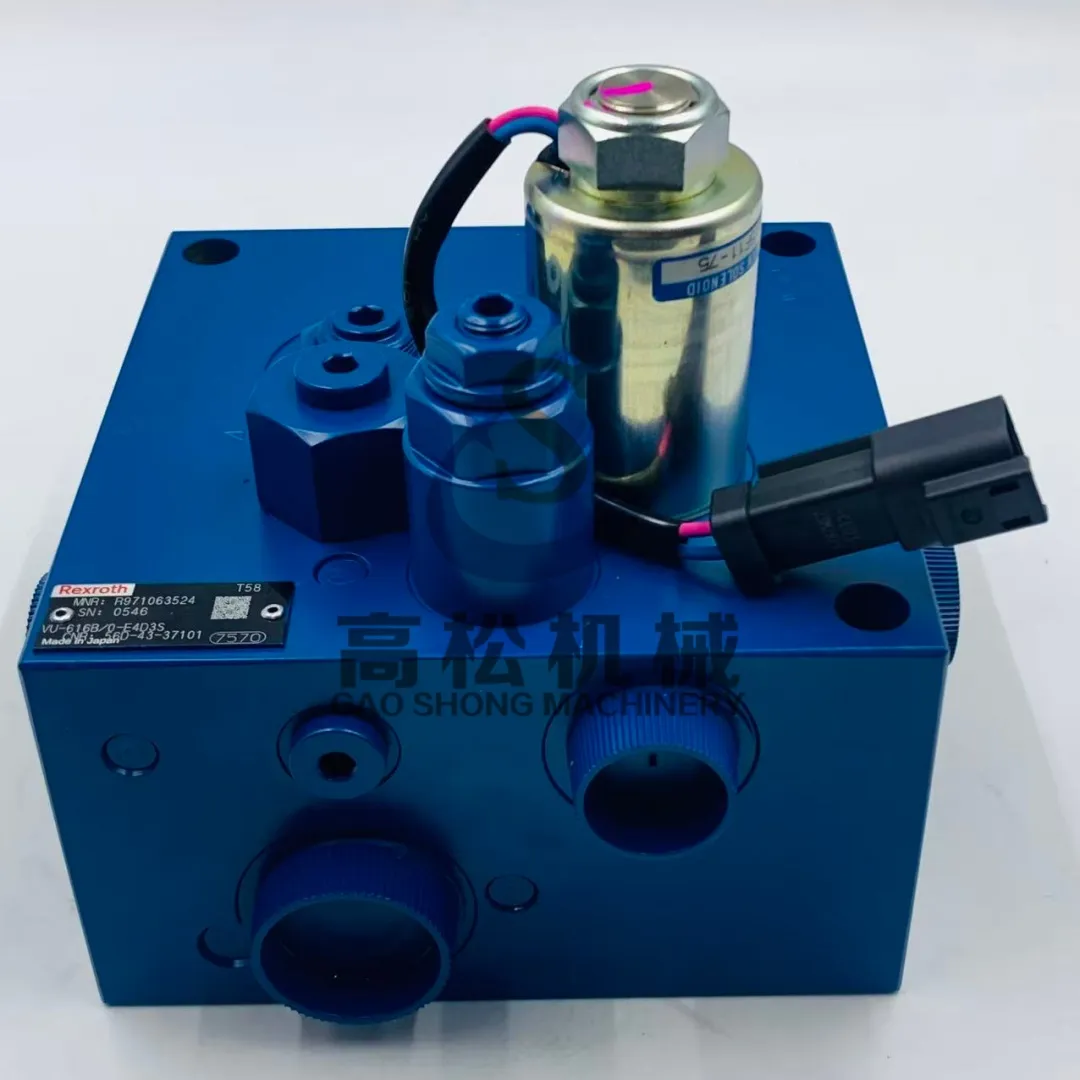 56D-43-37101 Komatsu Valve Assembly
 -
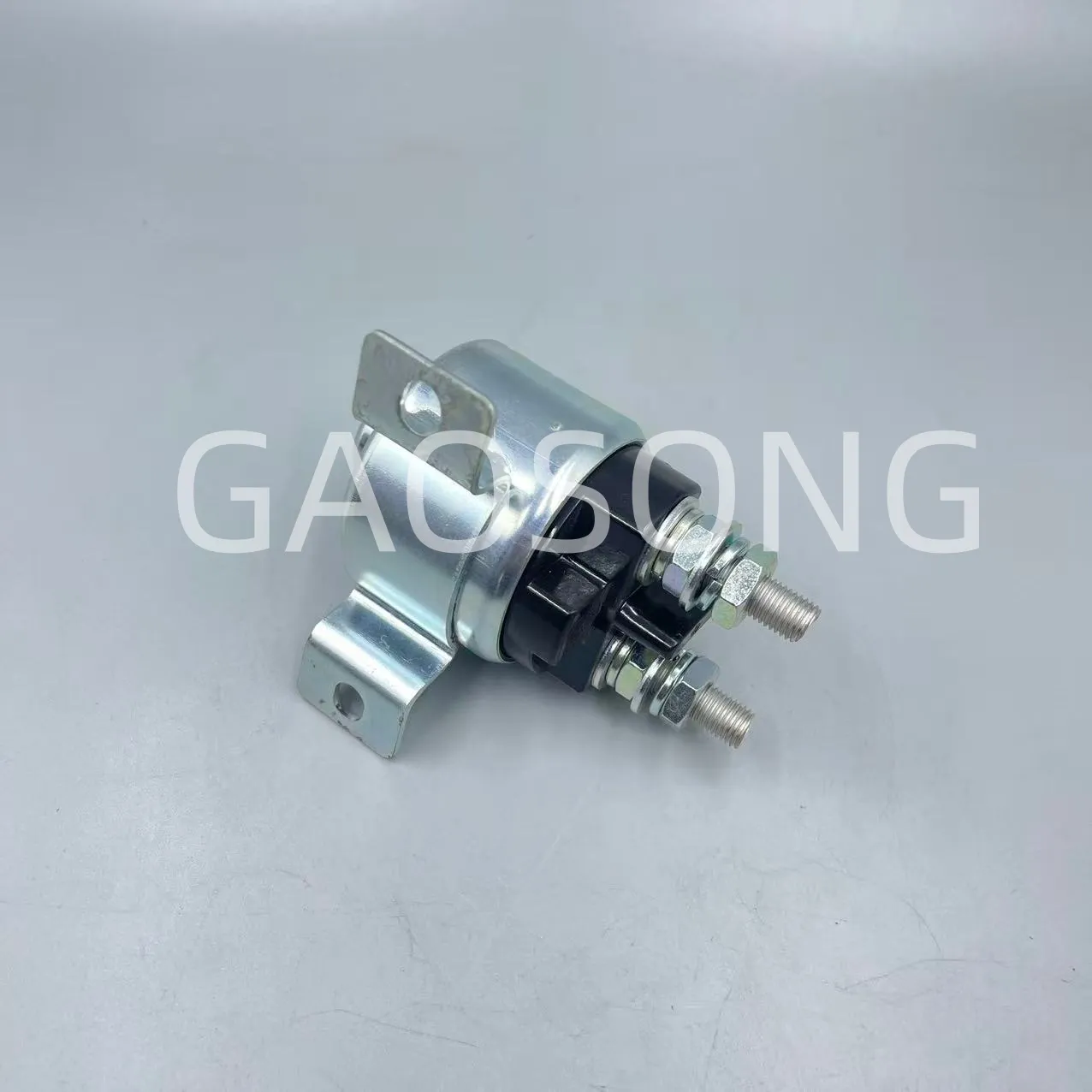 600-815-7510 SWITCH-Komatsu Original Factory
 -
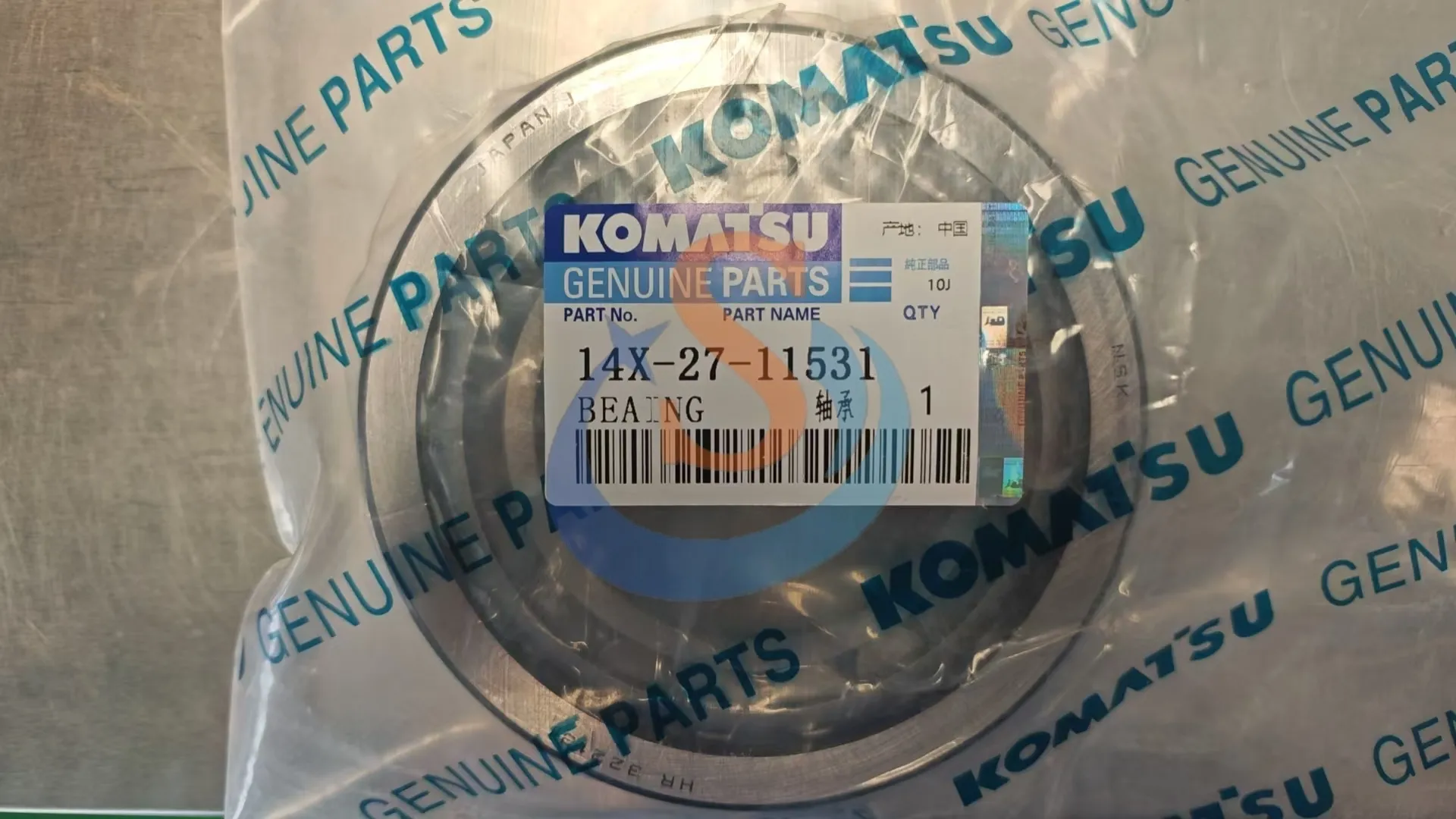 14X-27-11531,BEARING,D65P,D65EX,D65WX
 -
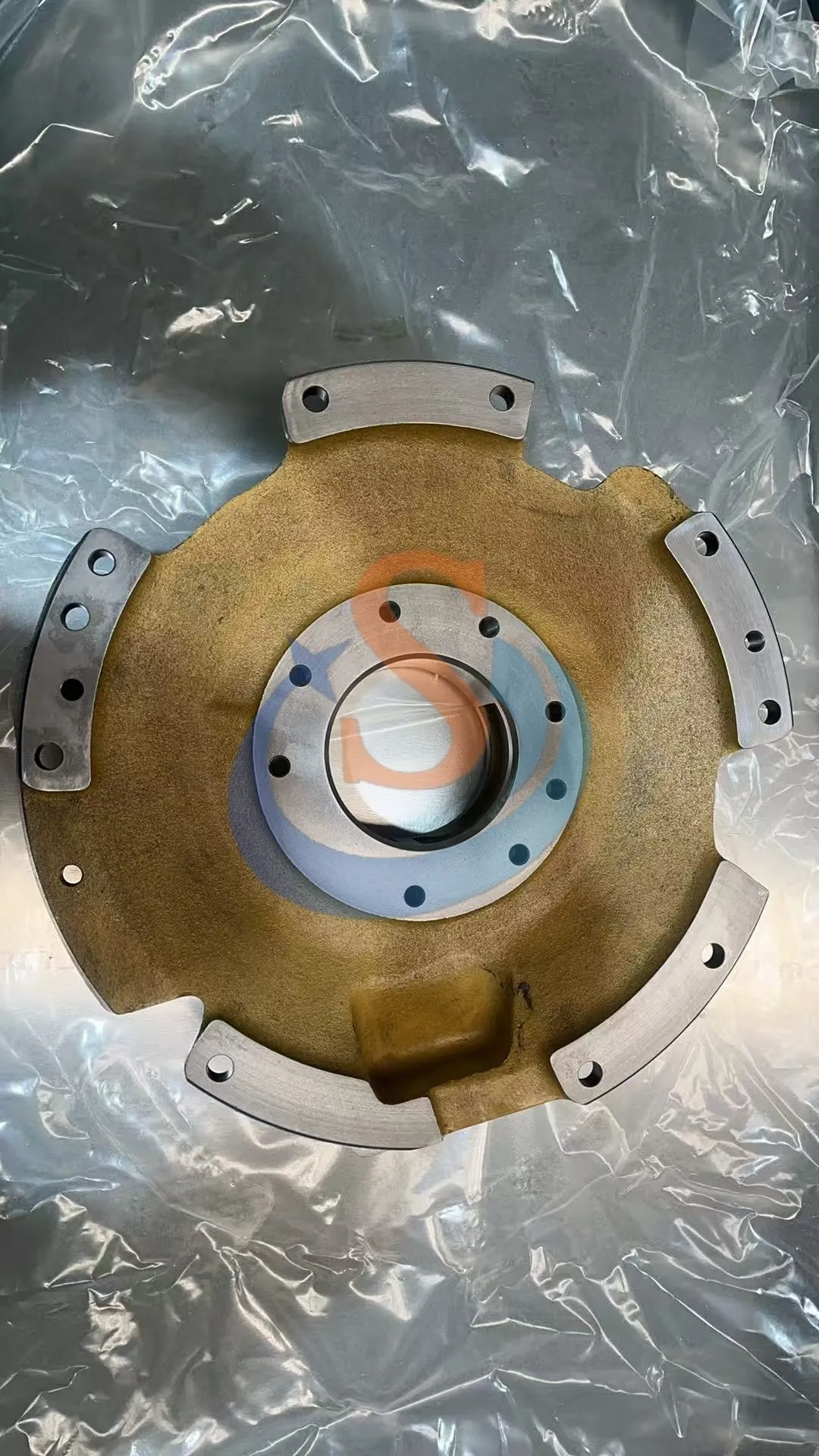 14X-13-54411 Housing D65PX/D65WX/D65EX
 -
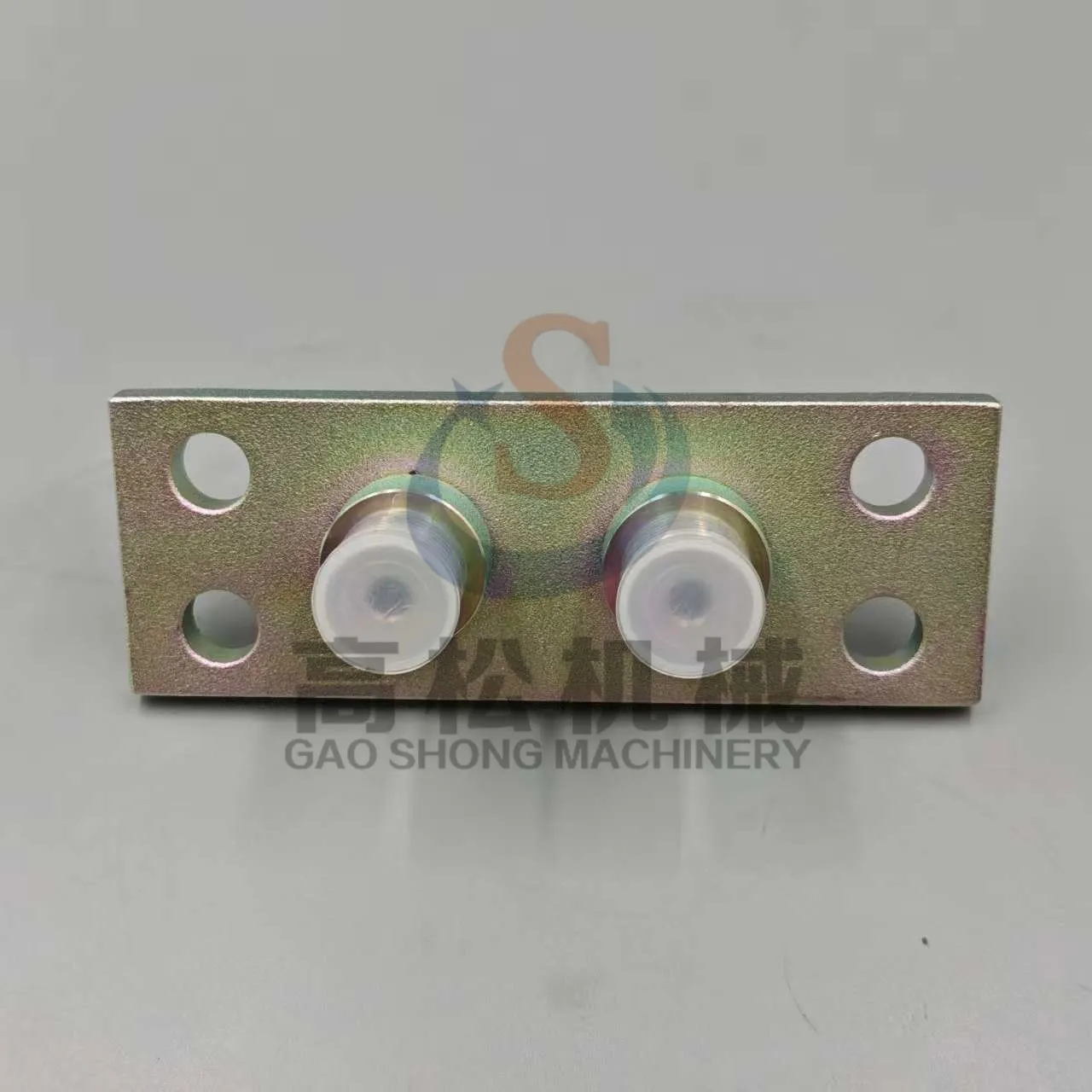 BRACKET 14Y-62-31411 – KOMATSU
 -
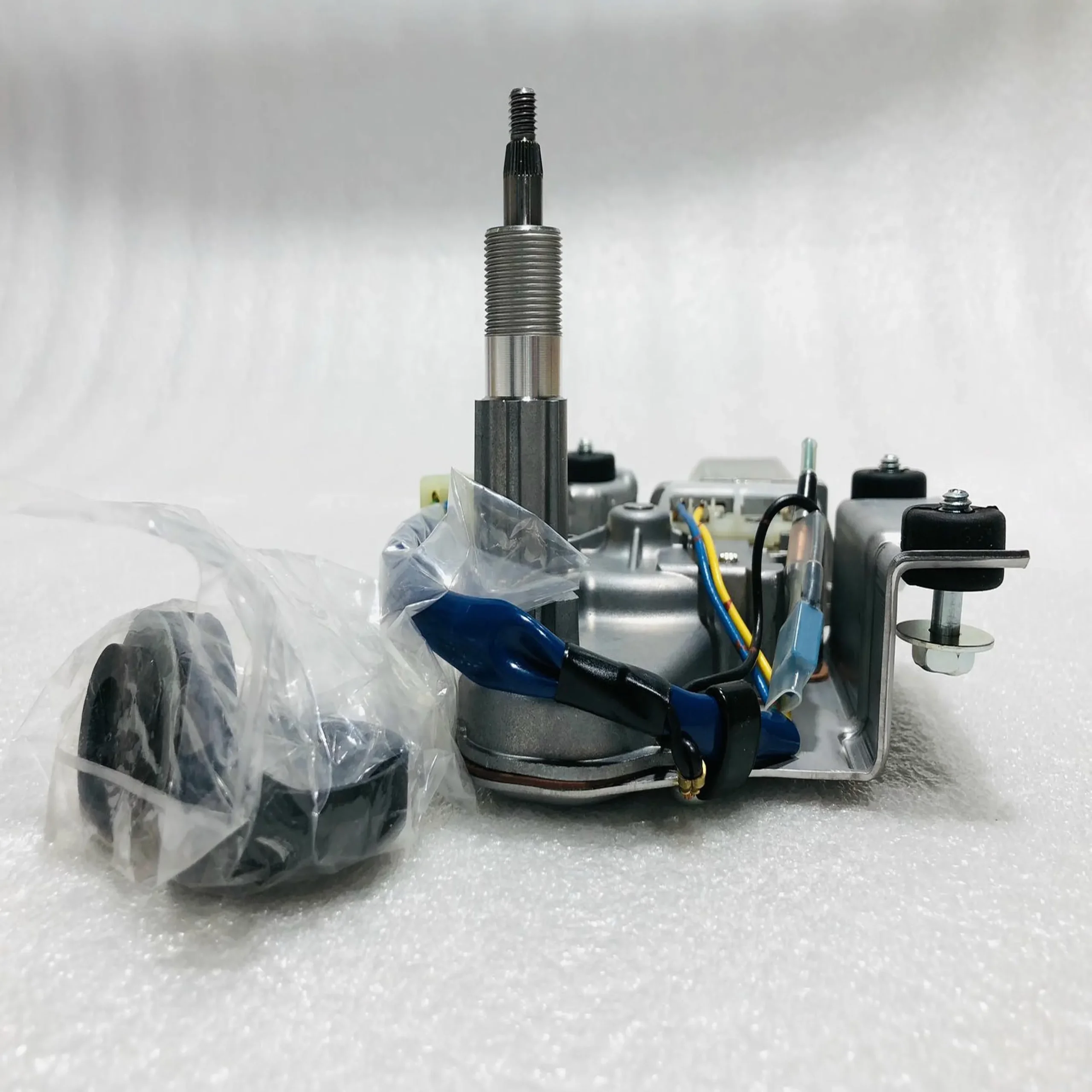 Komatsu grader GD555 wiper motor 42C-56-11391
 -
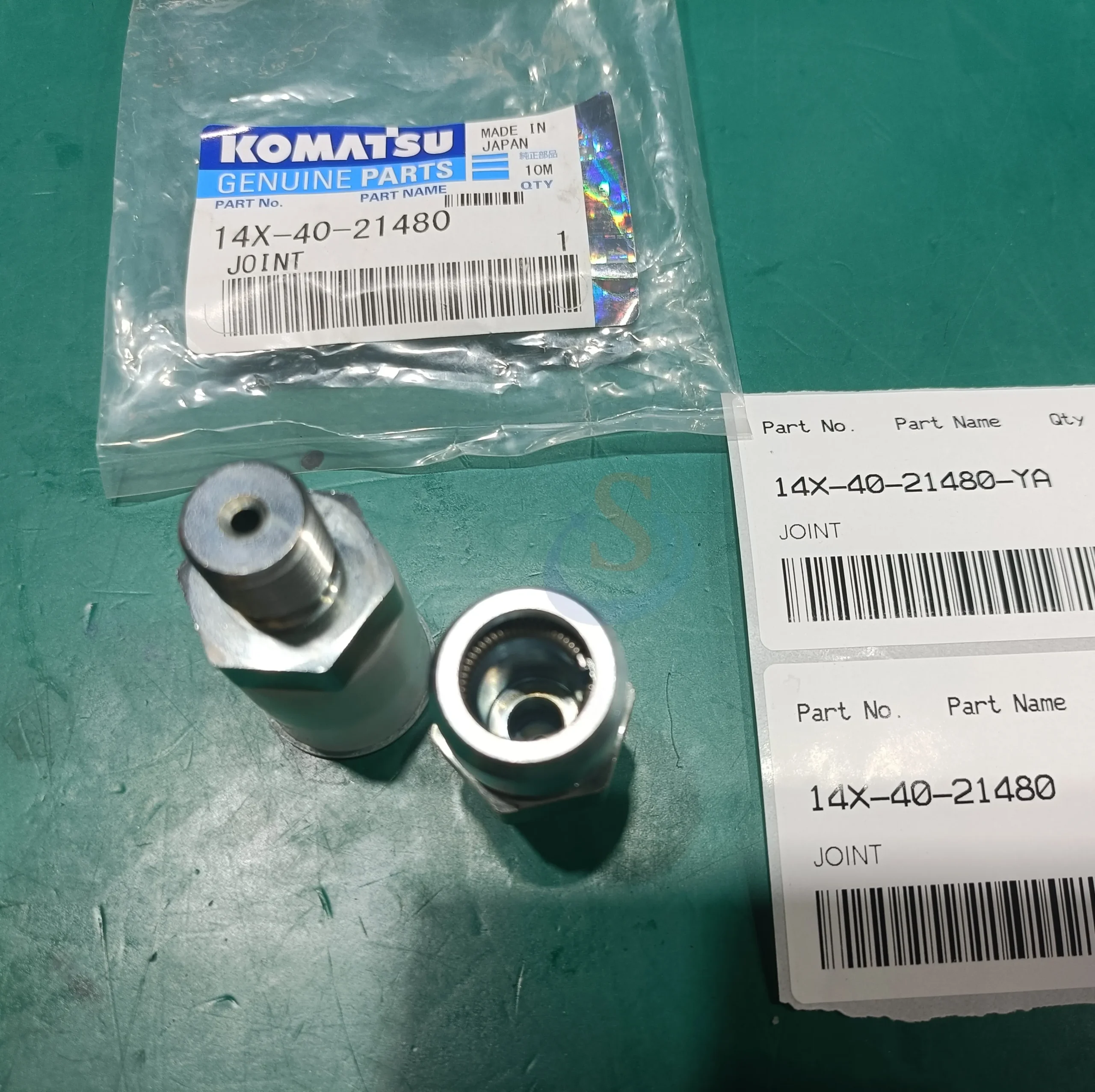 14X-40-21480,JOINT,D65P,D85E,D65E