
- Chinese
- French
- German
- Portuguese
- Spanish
- Russian
- Japanese
- Korean
- Arabic
- Irish
- Greek
- Turkish
- Italian
- Danish
- Romanian
- Indonesian
- Czech
- Afrikaans
- Swedish
- Polish
- Basque
- Catalan
- Esperanto
- Hindi
- Lao
- Albanian
- Amharic
- Armenian
- Azerbaijani
- Belarusian
- Bengali
- Bosnian
- Bulgarian
- Cebuano
- Chichewa
- Corsican
- Croatian
- Dutch
- Estonian
- Filipino
- Finnish
- Frisian
- Galician
- Georgian
- Gujarati
- Haitian
- Hausa
- Hawaiian
- Hebrew
- Hmong
- Hungarian
- Icelandic
- Igbo
- Javanese
- Kannada
- Kazakh
- Khmer
- Kurdish
- Kyrgyz
- Latin
- Latvian
- Lithuanian
- Luxembou..
- Macedonian
- Malagasy
- Malay
- Malayalam
- Maltese
- Maori
- Marathi
- Mongolian
- Burmese
- Nepali
- Norwegian
- Pashto
- Persian
- Punjabi
- Serbian
- Sesotho
- Sinhala
- Slovak
- Slovenian
- Somali
- Samoan
- Scots Gaelic
- Shona
- Sindhi
- Sundanese
- Swahili
- Tajik
- Tamil
- Telugu
- Thai
- Ukrainian
- Urdu
- Uzbek
- Vietnamese
- Welsh
- Xhosa
- Yiddish
- Yoruba
- Zulu
- Kinyarwanda
- Tatar
- Oriya
- Turkmen
- Uyghur






komatsu excavator parts near me
You search for 'komatsu excavator parts near me' and you're probably hoping for a magic bullet. A local shop with every seal, pin, and pump for your PC200 or PC300 sitting on the shelf. Let's be real—that's the first misconception. Near me often means a distributor who can get them, not a warehouse that stocks them all. The real game isn't about proximity; it's about supply chain access and knowing who's actually plugged into the Komatsu system, not just selling look-alikes.
The Local Illusion and the OEM Reality
I've chased that near me promise too many times. You drive an hour to a Komatsu specialist only to find they have three buckets on the lot and rely on the same national backorder lists as everyone else. The part number you need for that swing motor? They'll check with their supplier. That's code for a week's wait, minimum. The core issue is that genuine Komatsu parts distribution is tightly controlled. Most local dealers are great for common wear items—teeth, sprocket segments, maybe a hydraulic hose assembly. But for critical components, like a main control valve or a pump drive gear for a Dash-8 model, the trail often goes cold locally.
This is where the distinction between a general aftermarket supplier and an OEM product supplier within the Komatsu system becomes everything. The former might get you a part that fits. The latter gets you the part that works, with the correct metallurgy, tolerances, and performance specs. I learned this the hard way after a failed final drive experiment with a non-OEM ring gear. Saved 30% upfront, lost three weeks of downtime. Never again.
I stumbled upon Jining Gaosong Construction Machinery Co., Ltd. while digging for a PC360-8 hydraulic pump. Their site, https://www.takematsumachinery.com, explicitly states they are an OEM product supplier within the Komatsu system. That phrasing is specific and meaningful in this industry. It doesn't just mean they sell Komatsu parts; it suggests a different level of integration, often dealing directly with the manufacturing sources for these components. For someone searching locally and hitting walls, this kind of access is what actually solves the problem, geography be damned.
Beyond the Dealer Network: Third-Party Solutions
The official dealer network is the first port of call, but it's not always the last. In certain regions, or for older machines no longer in priority production, the supply from the primary channel can slow to a trickle. This is the parts supply challenges in certain countries that outfits like Gaosong mention. I've seen a PC400-5 down for months in Southeast Asia waiting for a track frame from the conventional pipeline. The machine wasn't obsolete on the job site, but it was in the parts catalog.
A competent third-party sales company for Komatsu that understands these gaps is invaluable. Their role isn't to undercut the dealer but to fill the voids the main pipeline can't or won't. They often handle the legacy parts—items for models that are 10, 15, even 20 years old but are still the backbone of fleets in developing markets. Their business is built on sourcing these, sometimes from original production lines that have since tooled for newer models.
Working with such a company requires a shift in mindset. You're not placing an order from a massive available inventory. You're engaging a sourcing agent with specialized conduits. The lead time question changes from Is it in stock? to Can you locate it and how fast can it move? The reliability comes from their network, not a local warehouse. For a komatsu excavator part that's elusive, this is frequently the only viable path.
The Practicalities of Sourcing Non-Local Parts
So, you find a supplier like this online. The process isn't Amazon Prime. You need the exact part number, preferably with a photo of the nameplate of your machine and the failed component. Vague descriptions like a pump for a 200 will get you nowhere. Communication is key—expect back-and-forth emails confirming specs, shipping terms (DDP vs. EXW is a big one), and lead time expectations. A good supplier will manage these expectations upfront, not after you've paid.
Logistics is the next hurdle. Air freight for a 50kg cylinder assembly is painful but sometimes necessary. Sea freight for a full undercarriage kit is economical but requires planning. A professional supplier will have experience navigating this and can often consolidate shipments. The cost-benefit analysis isn't just part price vs. local price; it's (part price + freight + import duties) vs. (local price + machine downtime cost). When the local price is unavailable, the equation simplifies.
There's also the verification step. Any legitimate supplier should be able to provide traceability for critical komatsu parts. Where was it manufactured? What's the batch number? Is it genuine Komatsu or OEM-approved? For example, a genuine Komatsu seal kit will come in specific packaging with specific markings. A professional sourcing company will provide this documentation without hesitation, because their reputation hinges on it.
Case in Point: The Elusive PC78 Pump Shaft
Let me give you a concrete example. A few years back, we had a PC78US-6 with a scored pump shaft. The local dealer's system showed it as discontinued, with no supersession. The aftermarket options were dubious castings. We expanded the search online, using every variation of the part number we could find. That's how we connected with a supplier with a profile similar to Gaosong—positioned as an integrated OEM supplier.
The process wasn't instant. They confirmed they could source it from the original Japanese component factory, but there was a 4-week production lead time because it wasn't a stocked item. They were transparent about it. We weighed 4 weeks against a potential 8-week search elsewhere or a junk-yard gamble. We went with them. The part arrived, packaged in neutral boxes but with factory paperwork matching the Komatsu spec. It fit perfectly. The machine has been running for three years since.
That experience cemented that near me is a state of supply, not a physical location. The supplier was thousands of miles away, but they were closer to the actual source of the part than any local depot. Their value was in that pipeline access and their honesty about the process. That's what you're really looking for when the standard channels fail.
Integrating Online Sources into Your Maintenance Plan
Don't wait for a breakdown to start looking. If you're running older Komatsu iron, do a preemptive audit. Identify the high-failure, hard-to-find components for your specific models—think electronic control modules for early Dash-7 machines, certain servo valves, or model-specific gearing. Then, identify two or three verified specialist suppliers online. Establish contact. Send them your list and ask for a soft quote and general availability. You're not buying yet; you're mapping your emergency supply chain.
Companies that state they help solve parts supply challenges are explicitly marketing to this pain point. Their entire operation is built on being the alternative path. When evaluating them, look for specificity in their communication. Do they ask for your machine's serial number? Do they reference Komatsu technical bulletins? This shows a deeper level of engagement than just parts lookup.
Finally, manage expectations internally. The finance guy will see a cheaper price online and want it tomorrow. The maintenance manager knows a cheap, wrong part costs double. Your role is to bridge that gap with the reality of modern parts sourcing for heavy equipment. Near me is a starting point, but your reliable solution is often a well-vetted, specialized global partner who treats OEM within the system as a operational fact, not a marketing slogan. That's how you keep your machines moving when the local shelves are empty.
Related Products
Related Products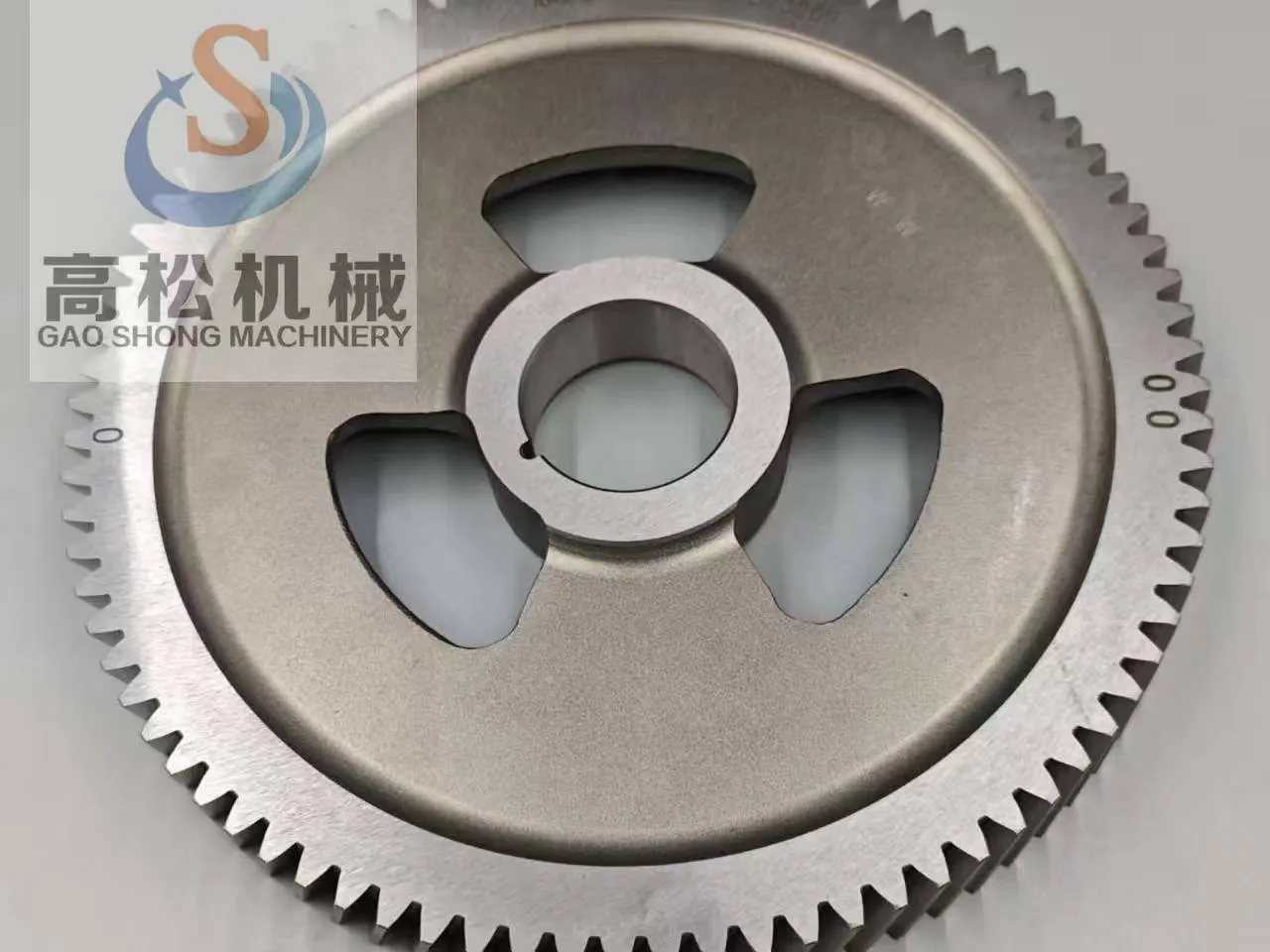
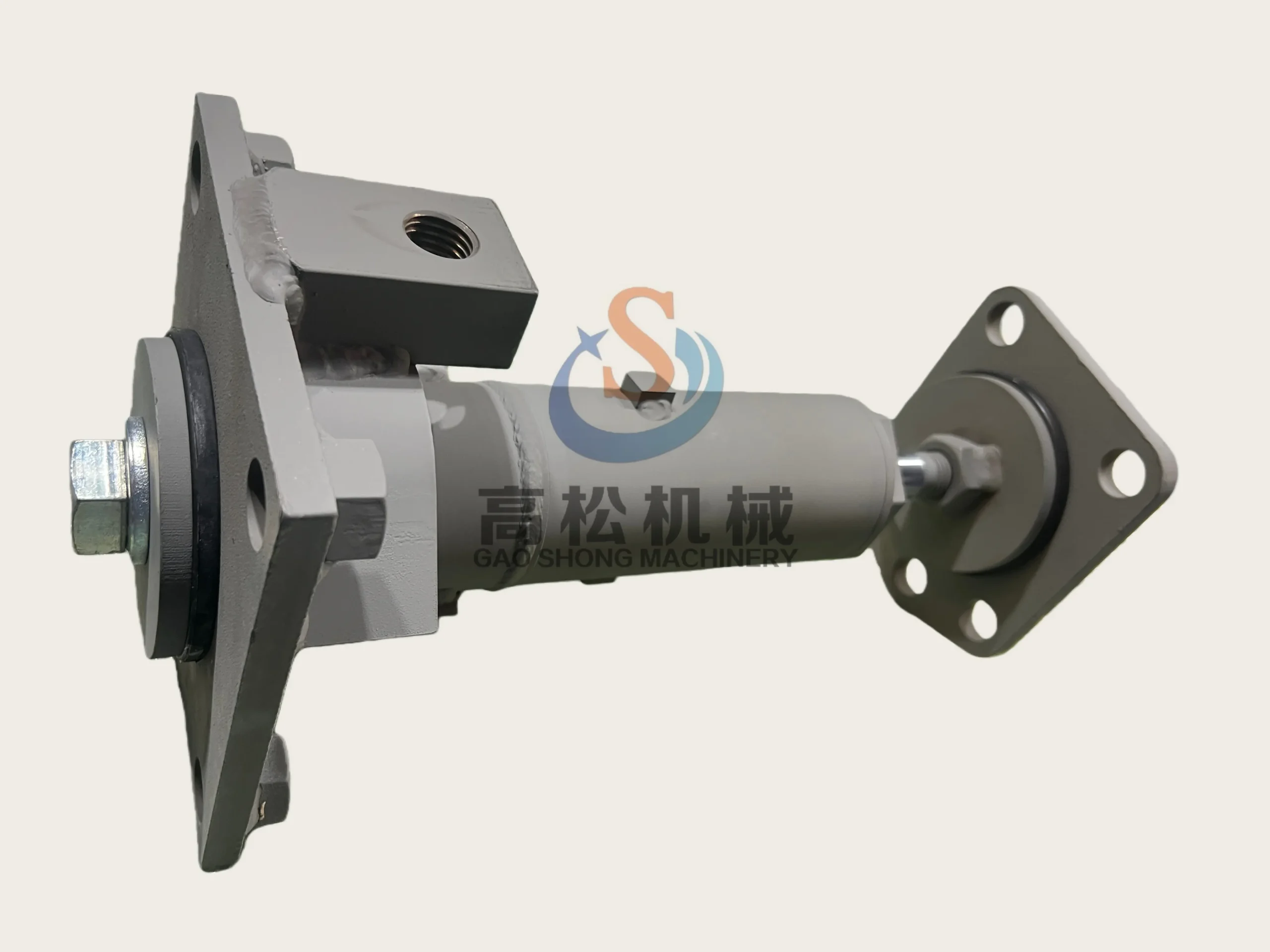
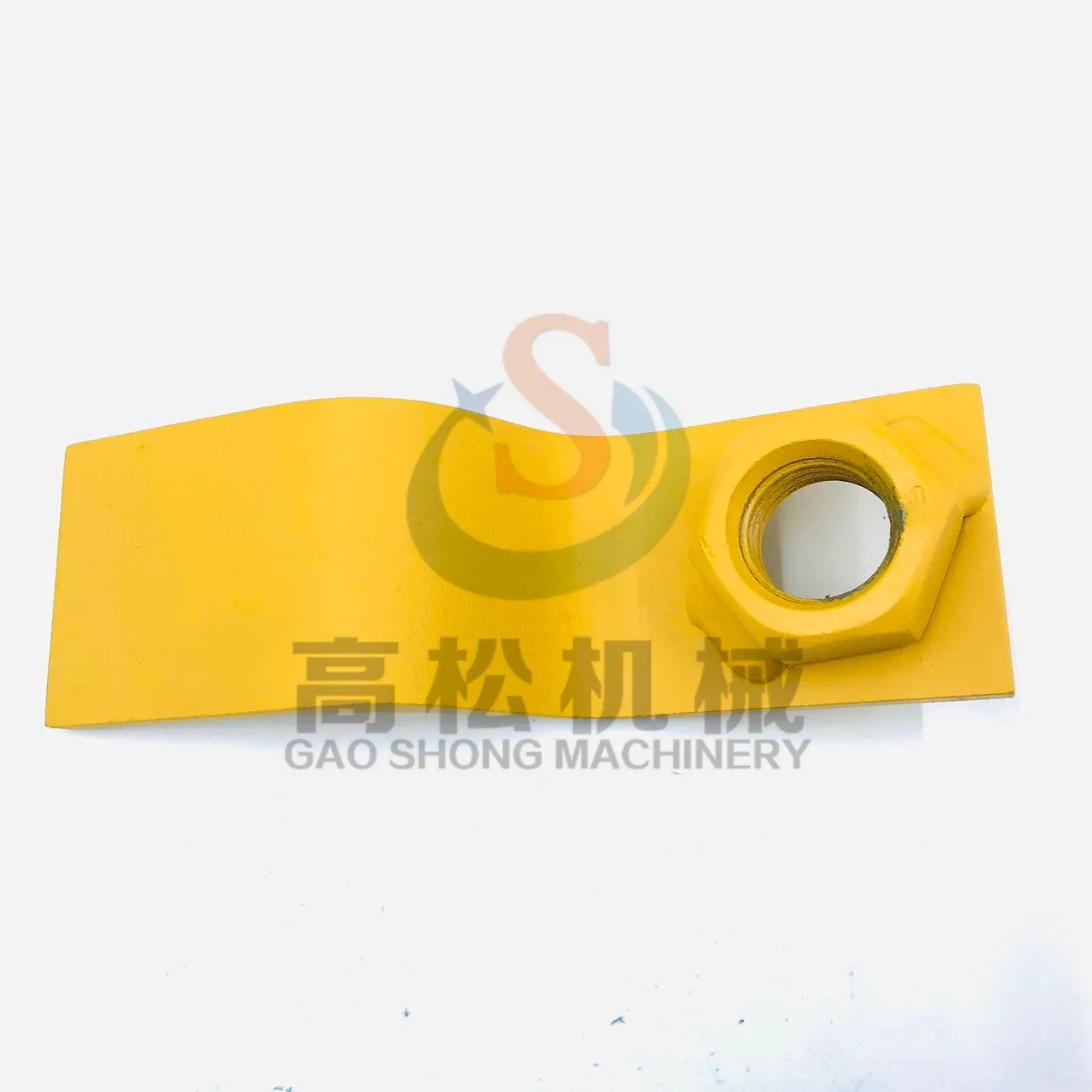
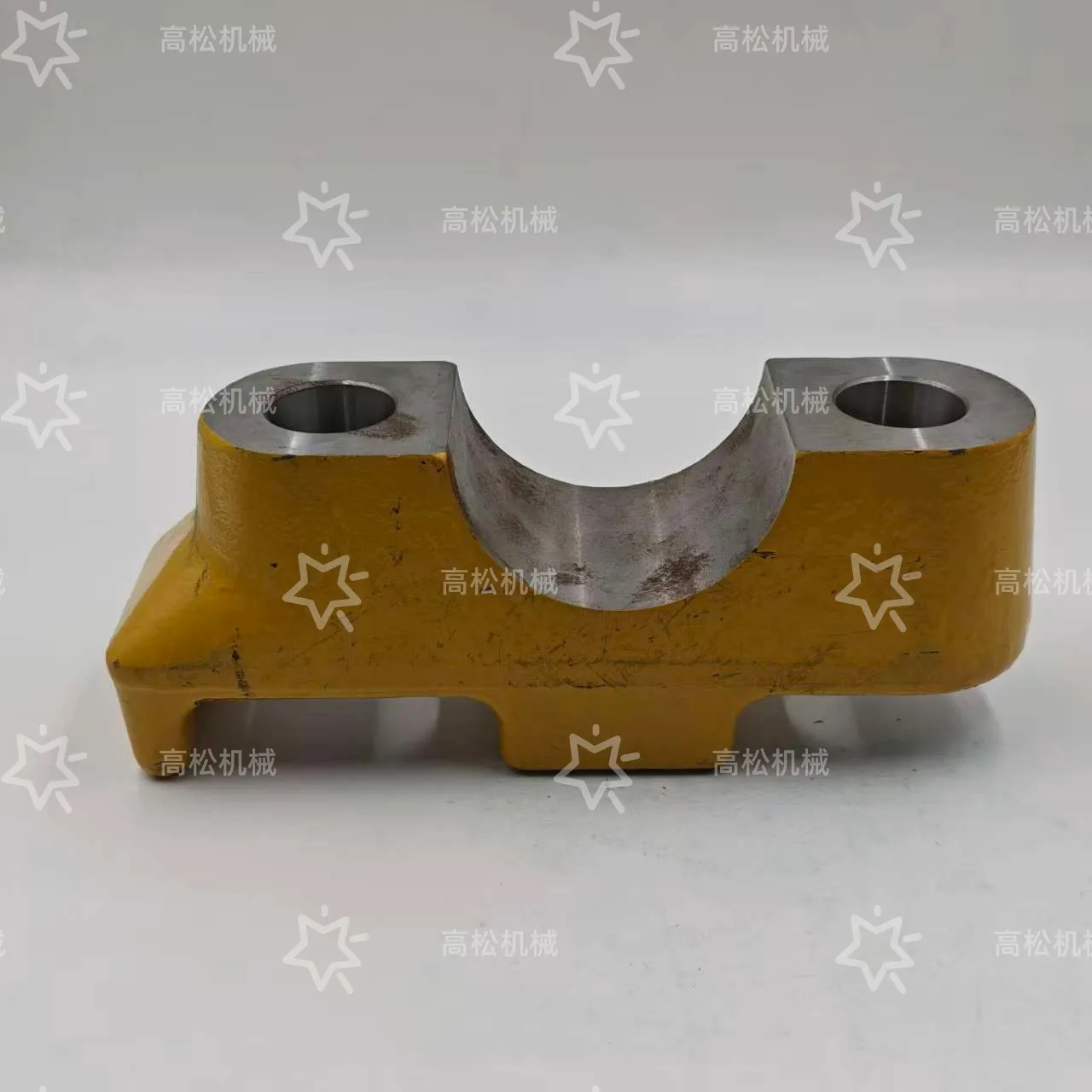
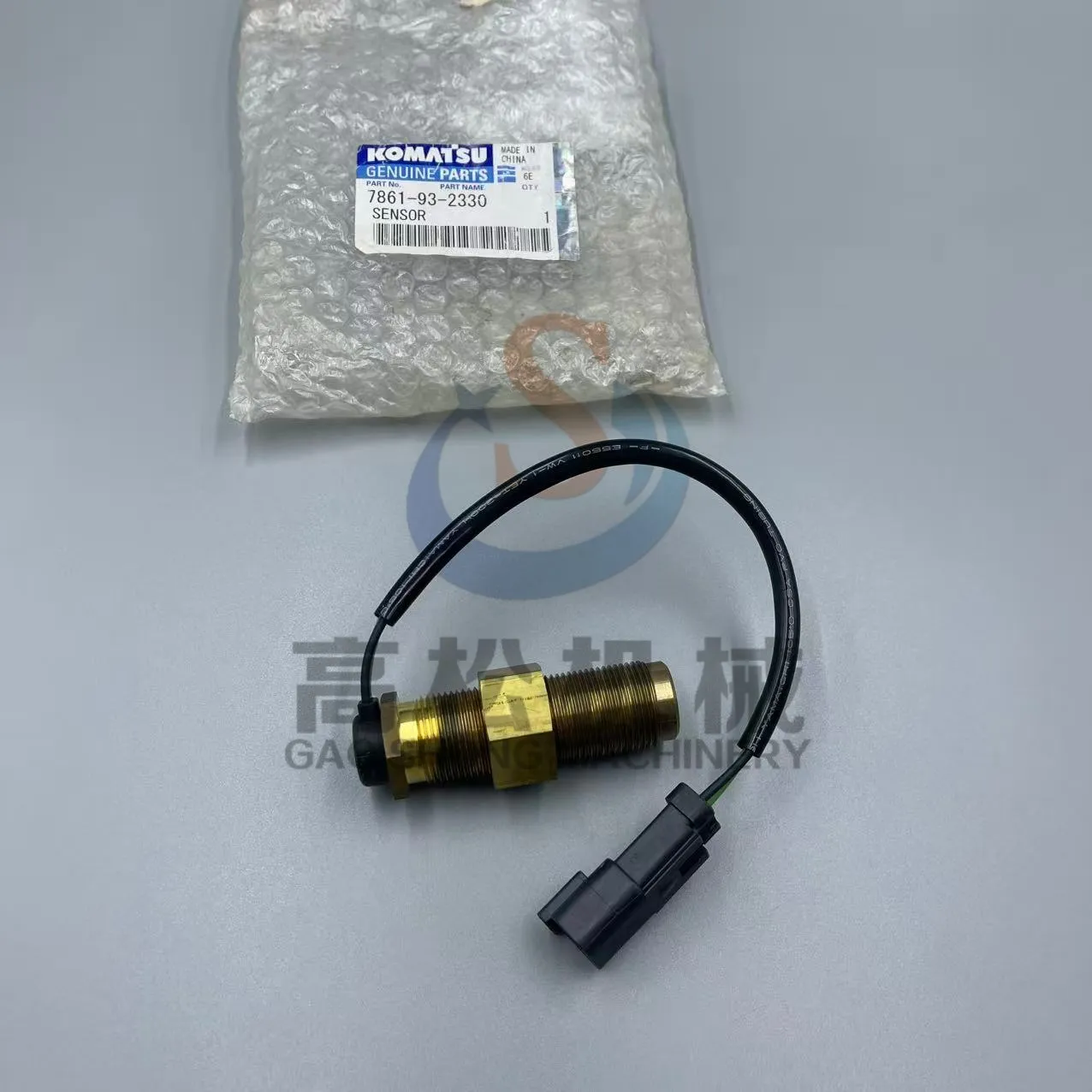

Best Selling Products
Best Selling Products-
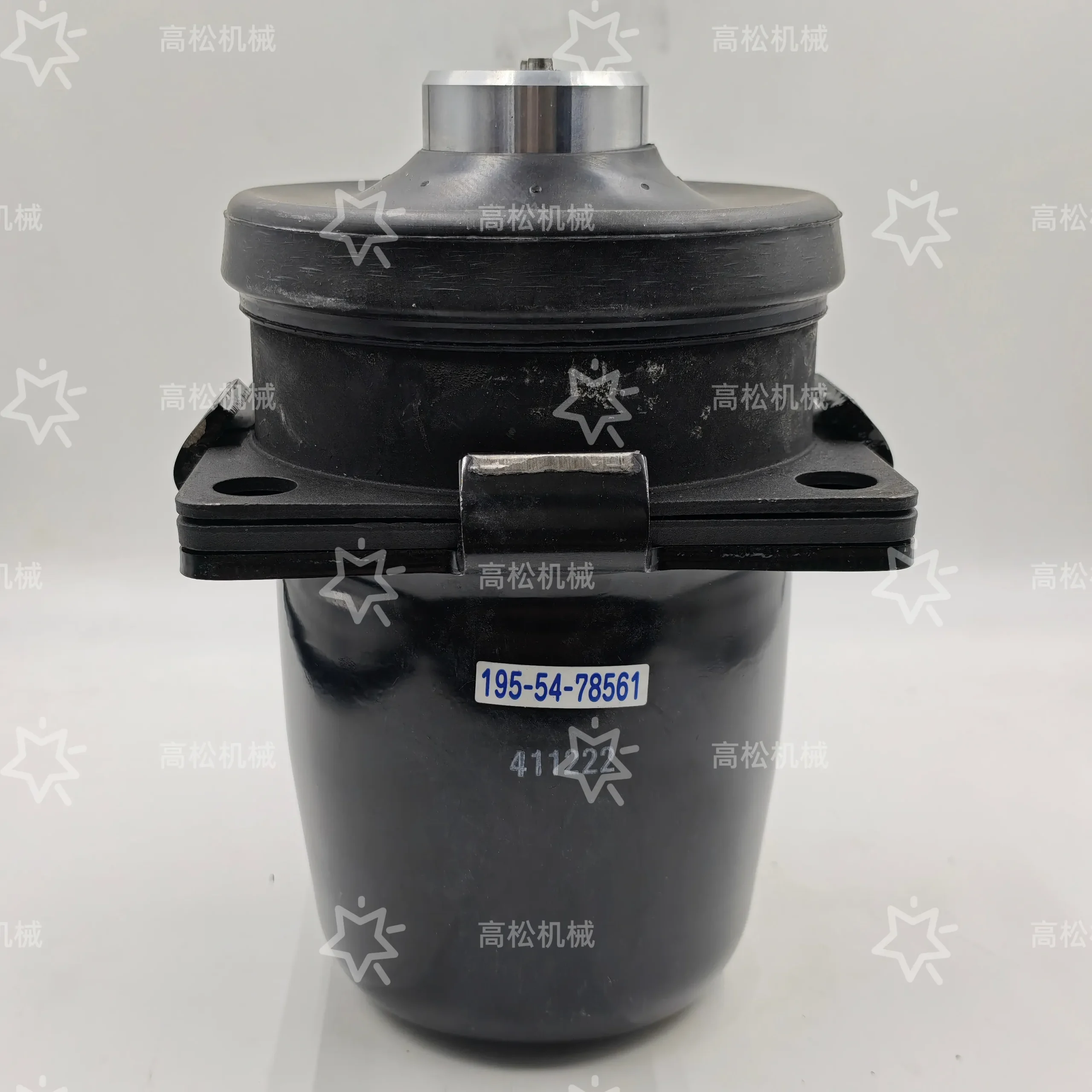 Komatsu D375 bulldozer buffer 195-54-78561
 -
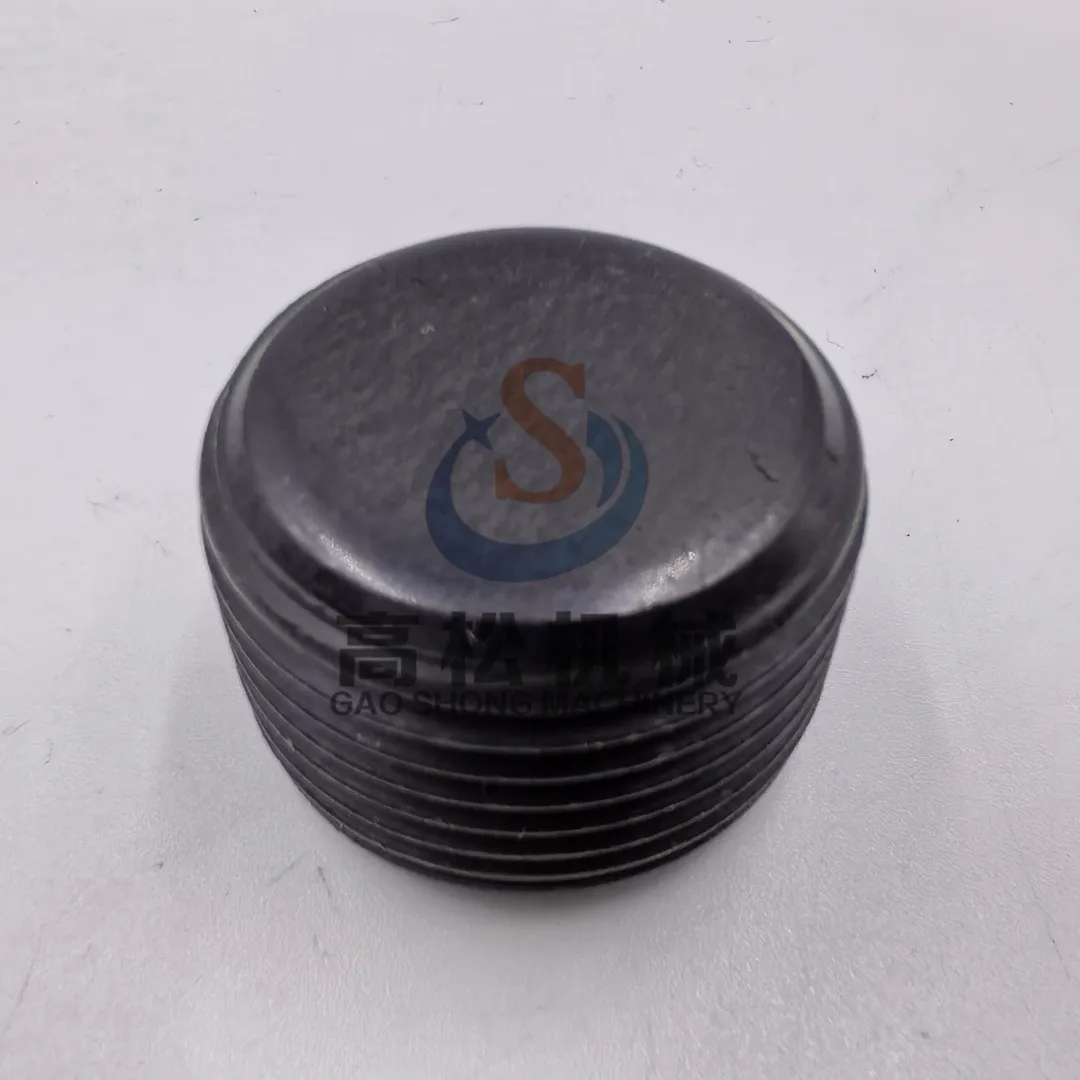 07043-00617 Komatsu Plug Komatsu originnal
 -
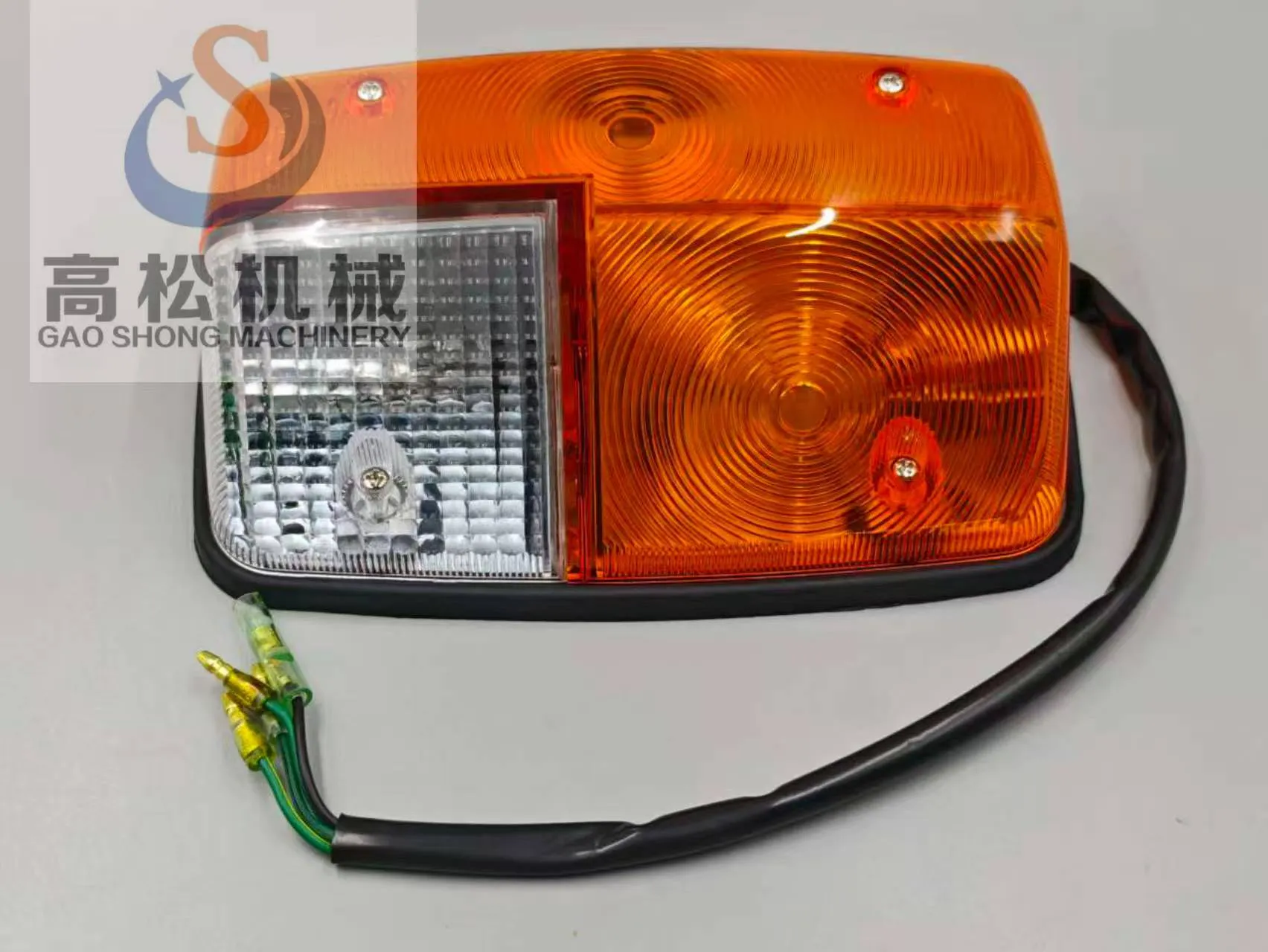
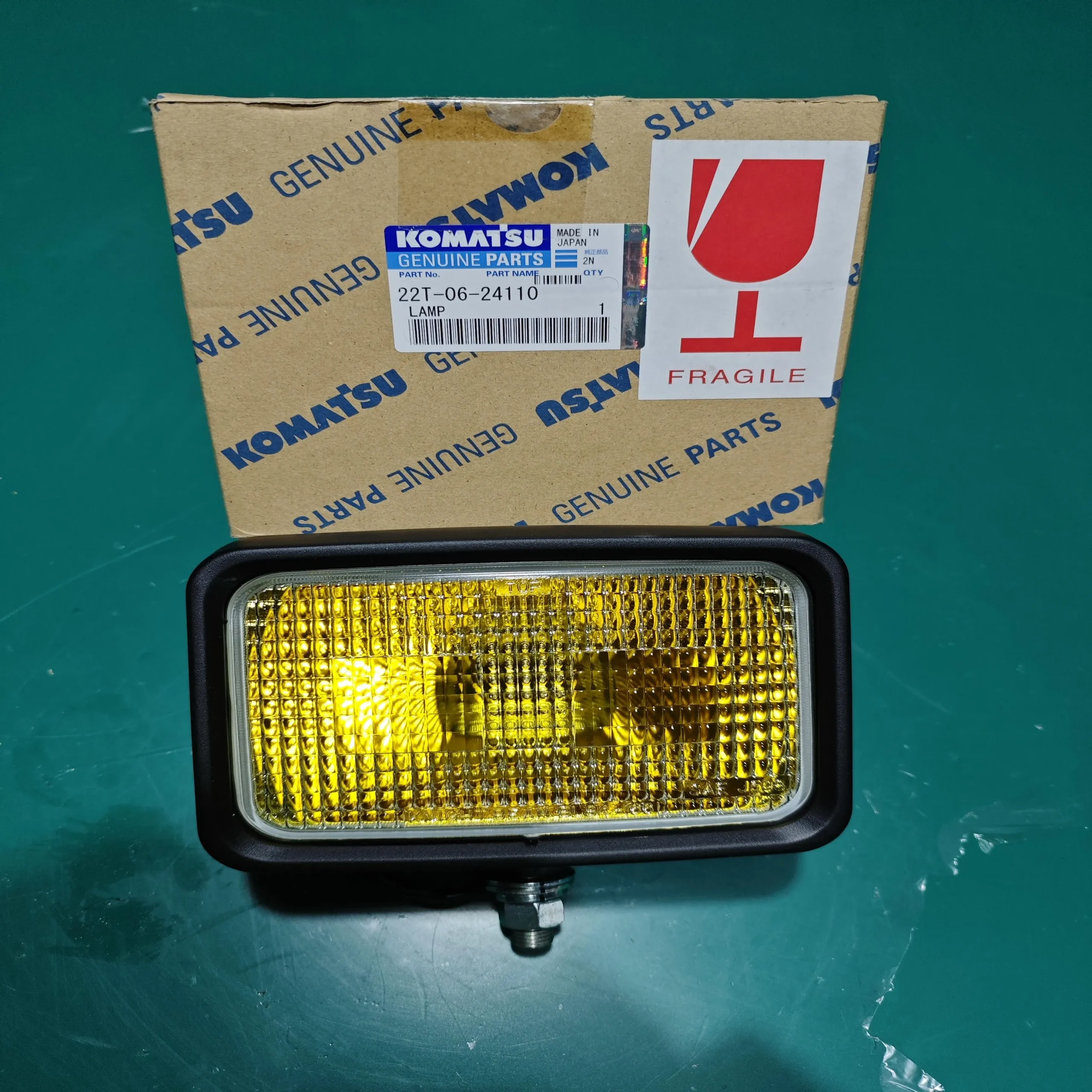 Komatsu HD465/785/HM350/WA155 22T-06-24110 Lamp
 -
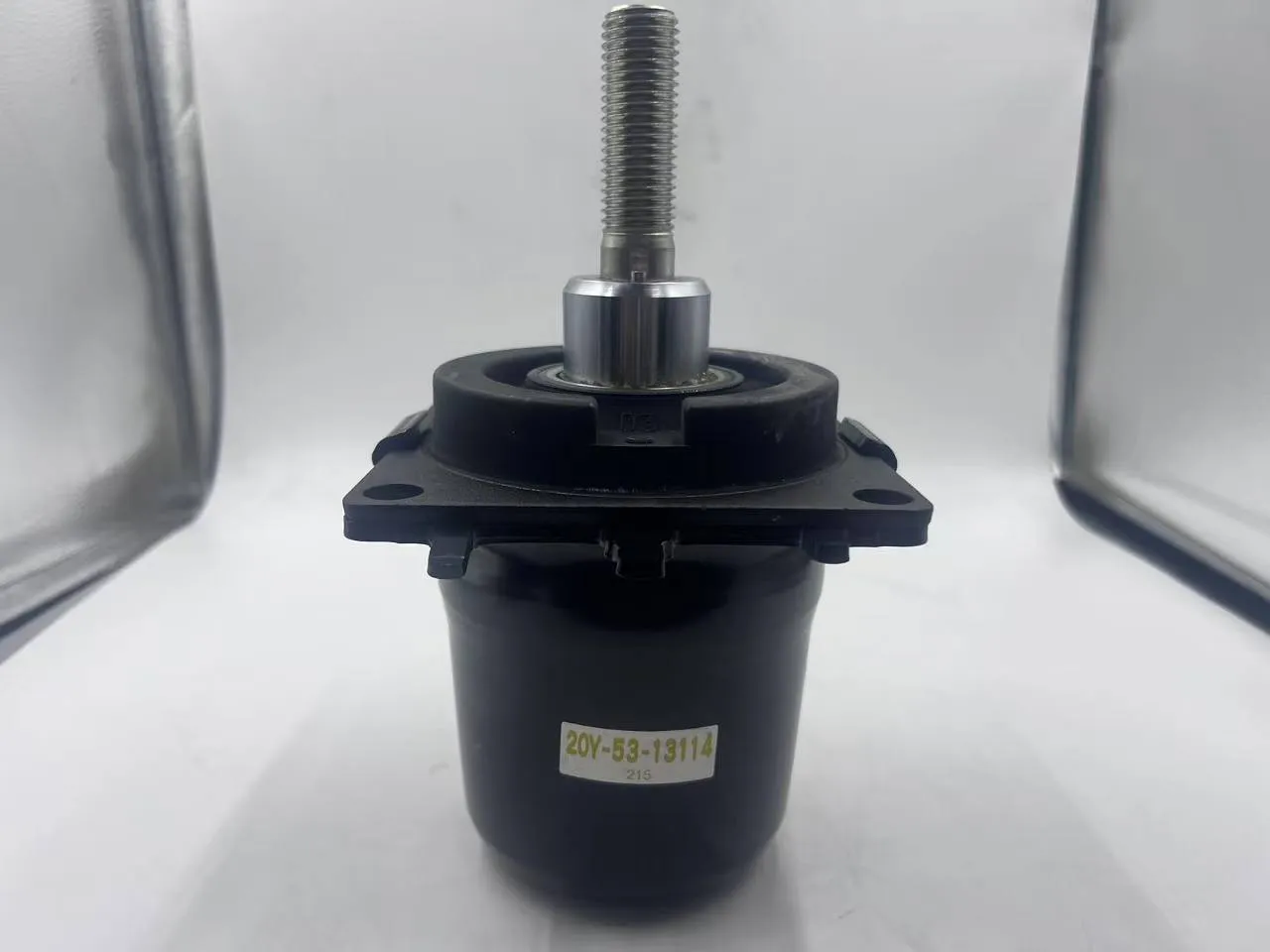 CUSHION 20Y-53-13114
 -
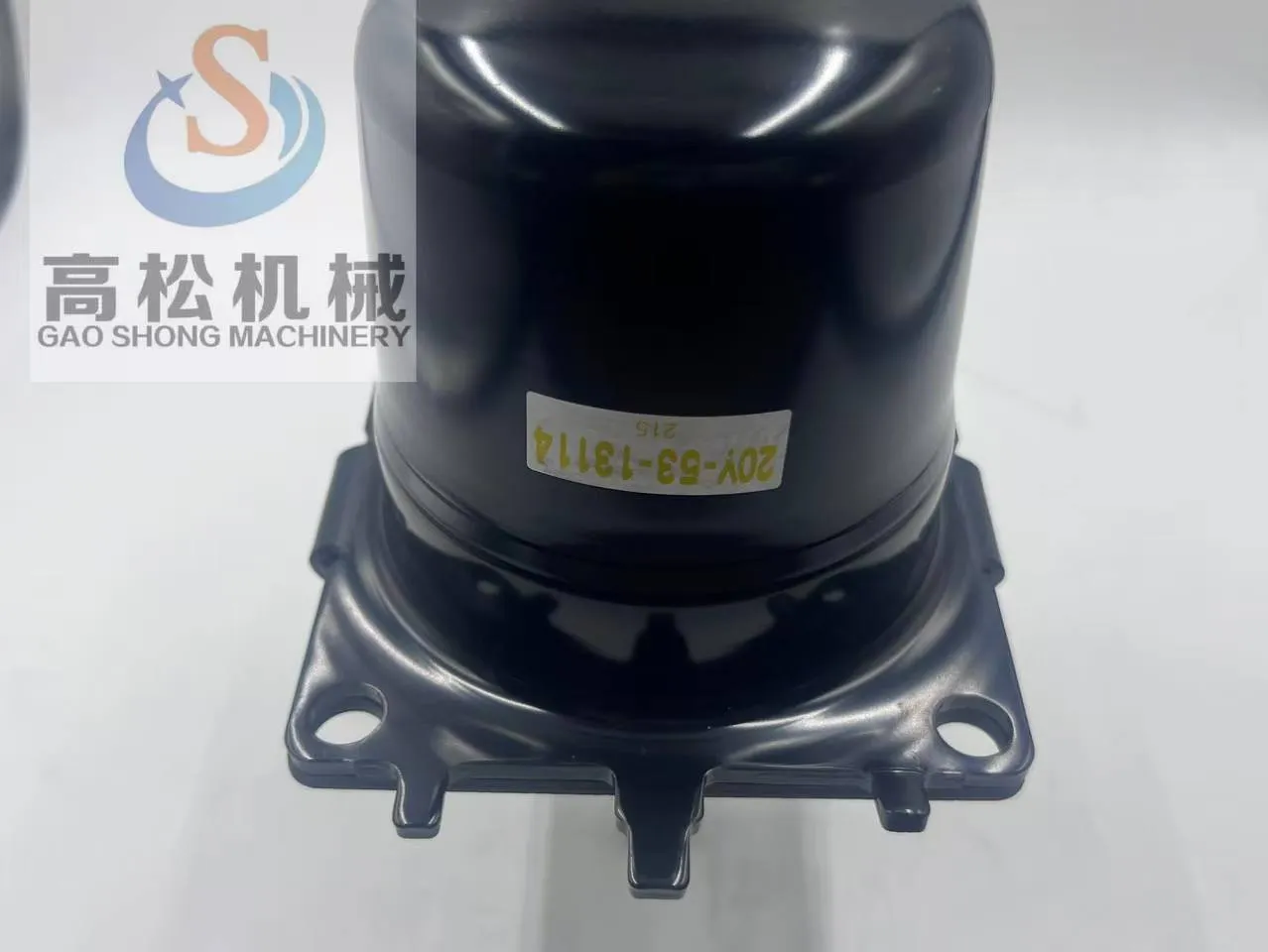 20Y-53-13114/20Y5313114 Buffer pad suitable for excavator PC200-8
 -
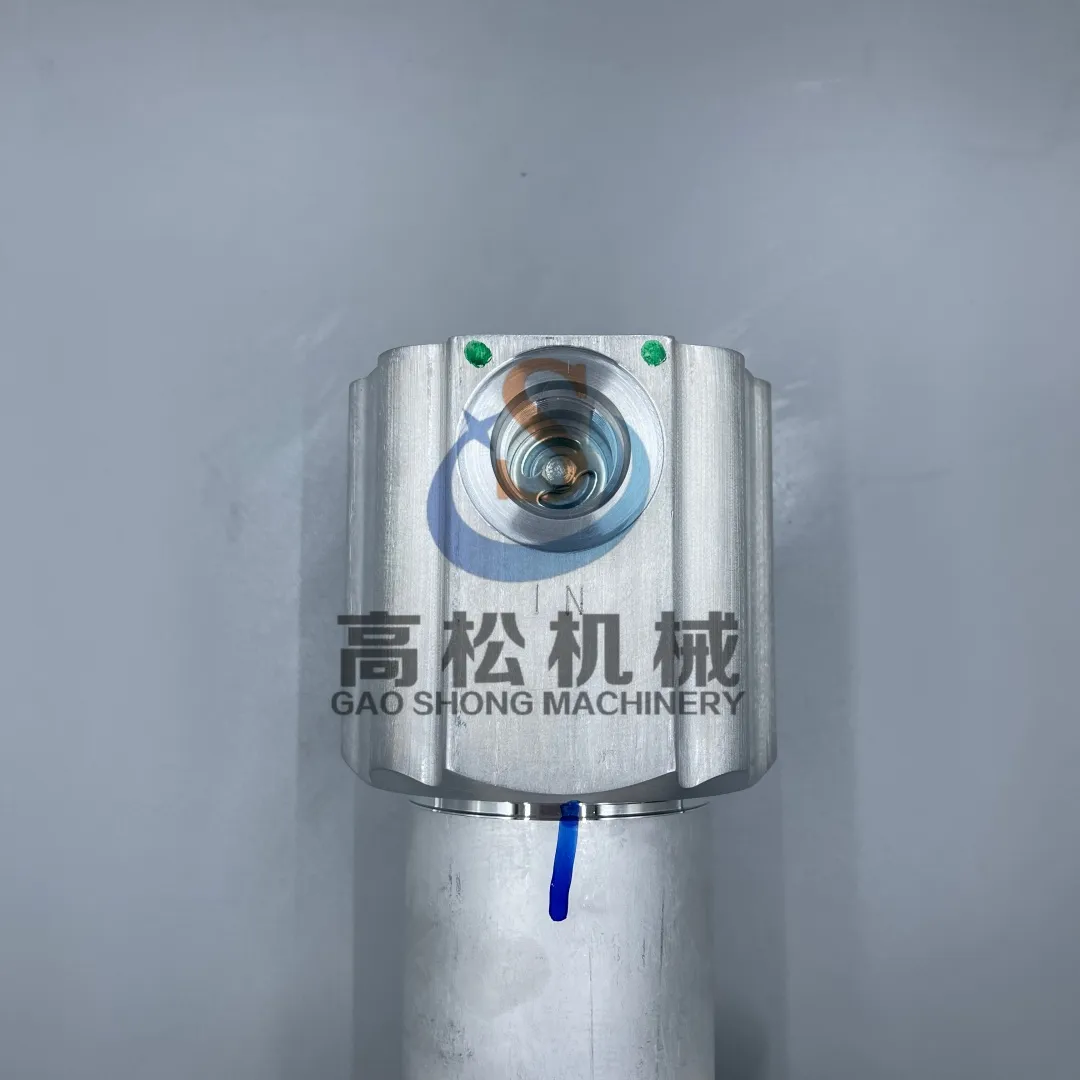 569-43-83911 Komatsu Filter Assembly
 -
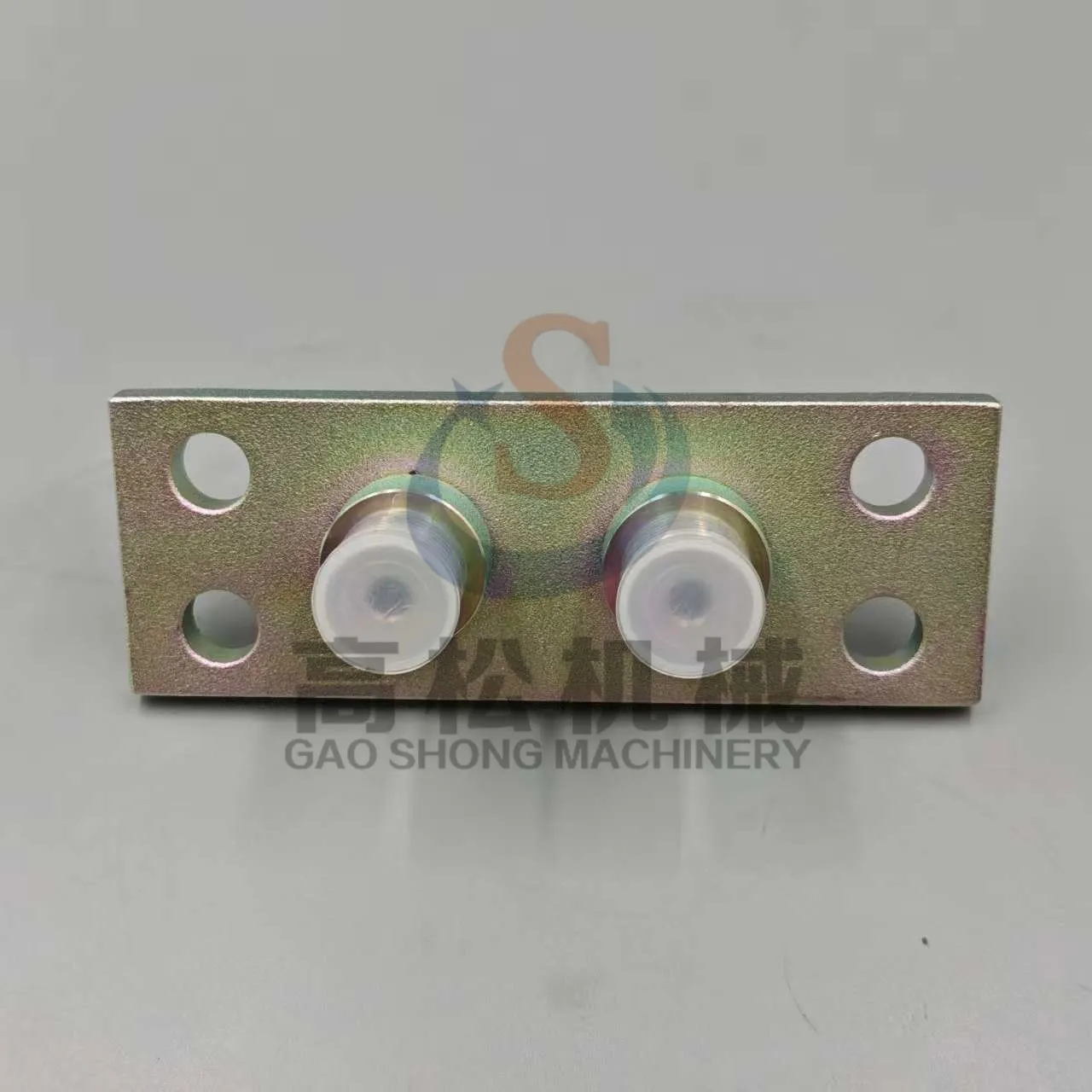 Komatsu D65EX-15 14Y-62-31411 BRACKET
 -
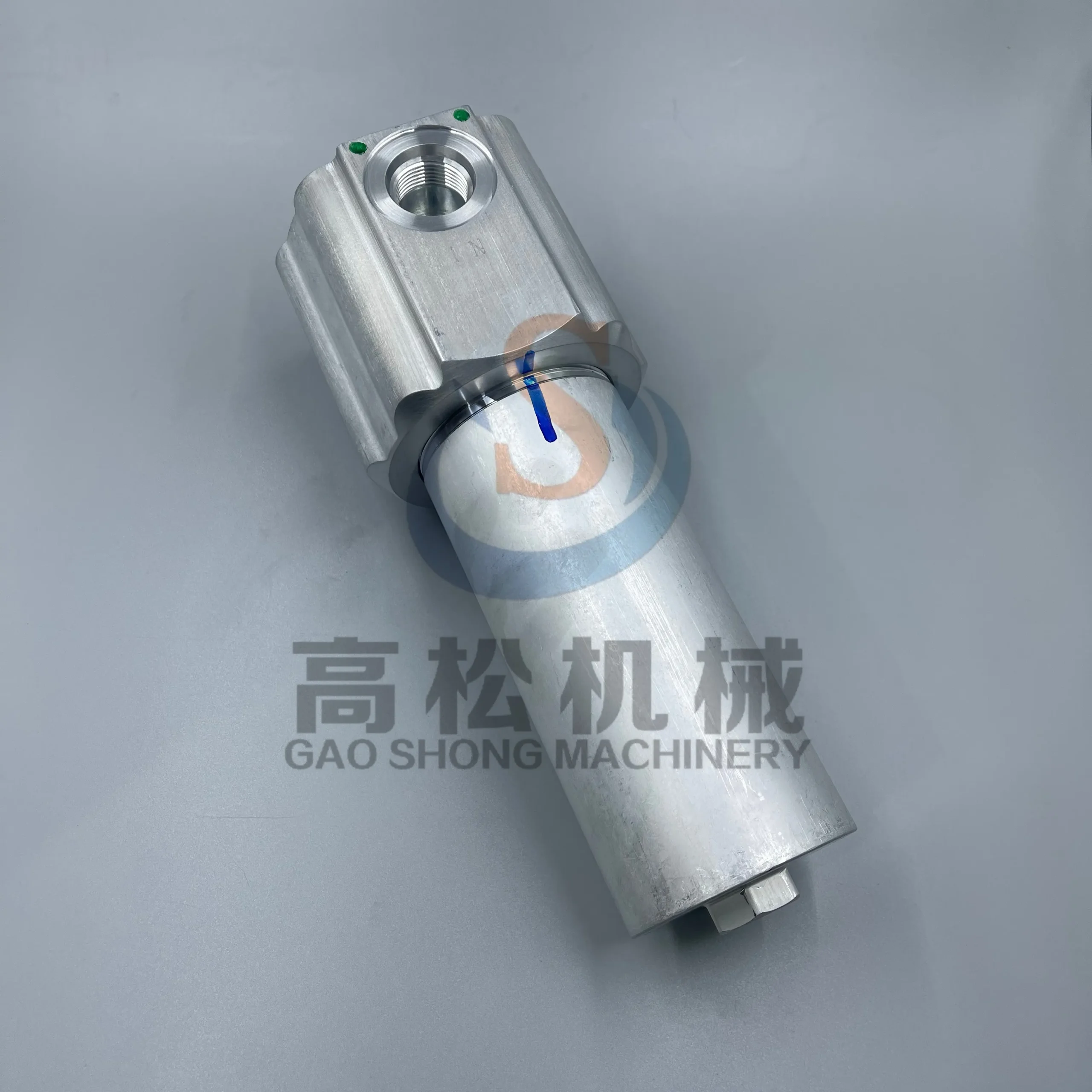 569-43-83911 Komatsu Filter Assembly
 -
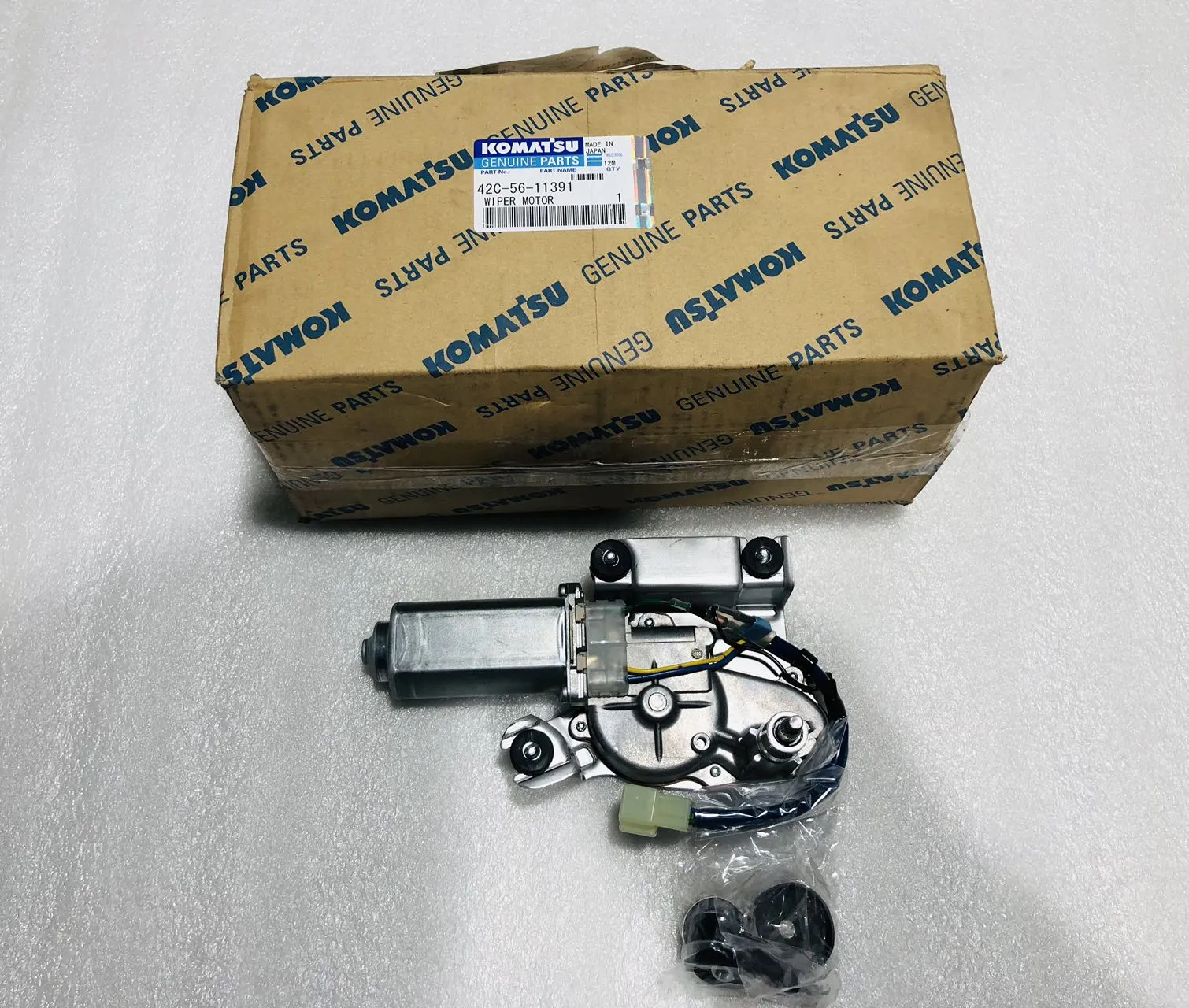 Komatsu 42C-56-11391 WIPER MOTOR
 -
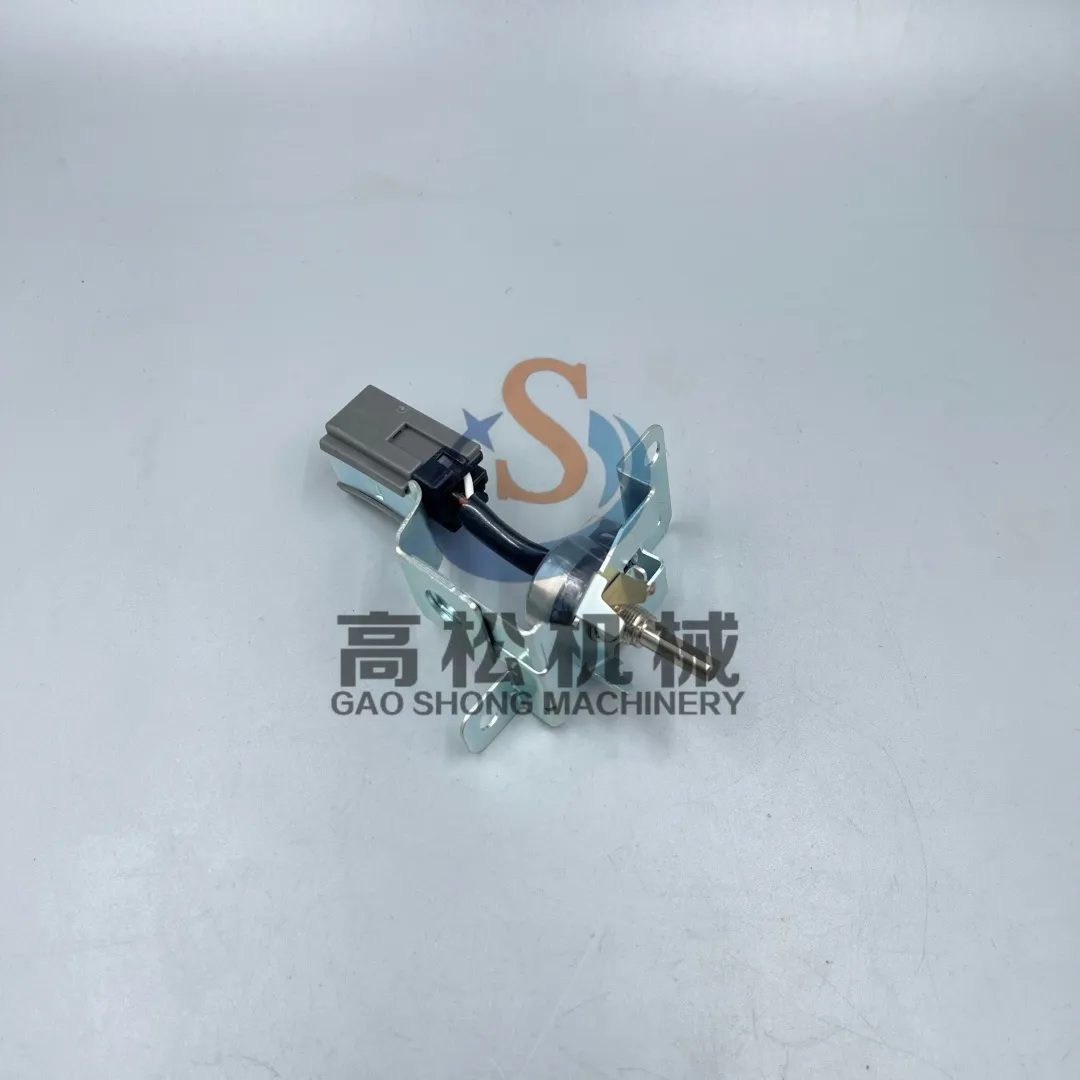 22U-06-22420 Komatsu Potentiometer Assembly
 -
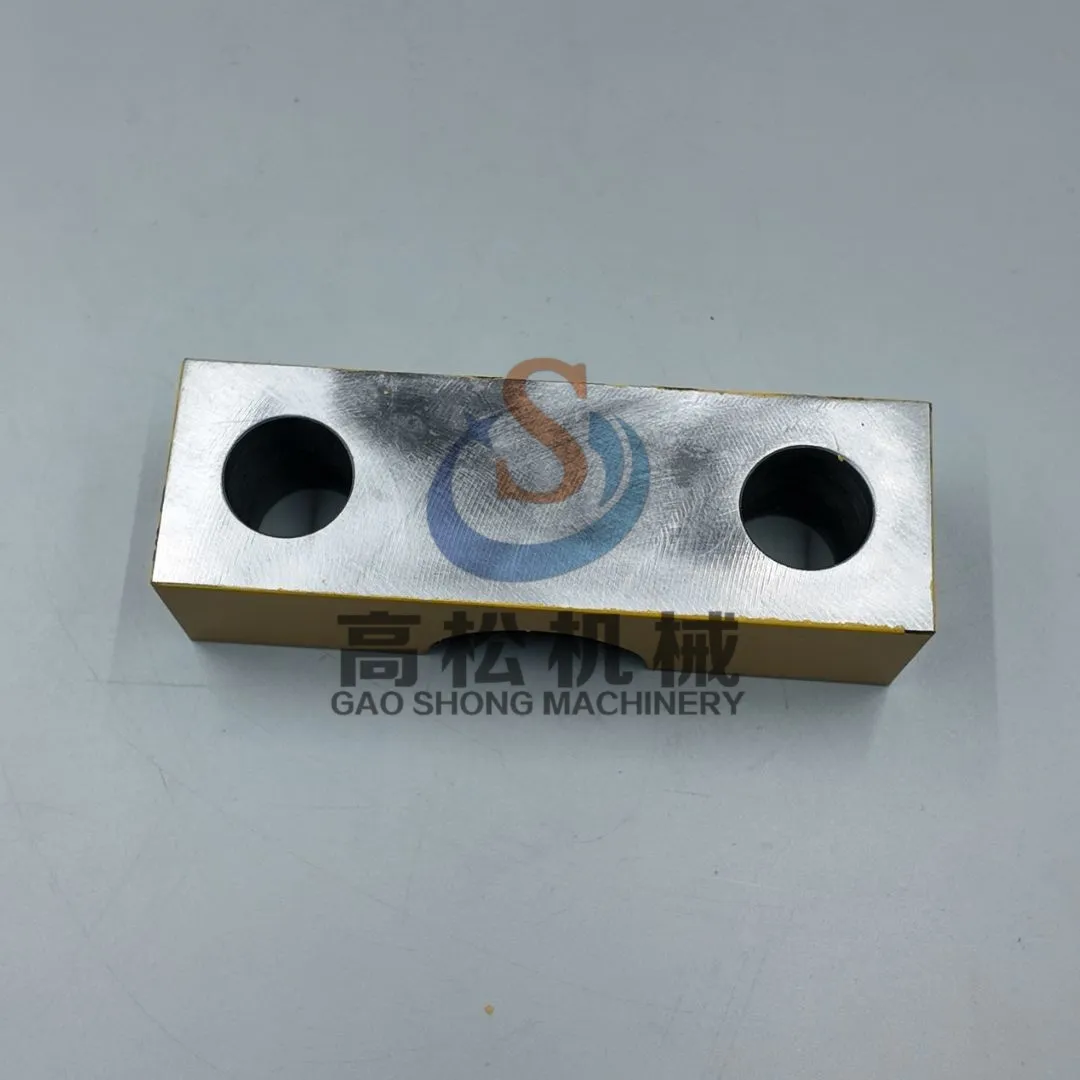 56B-50-12150 Komatsu pressure plate
 -
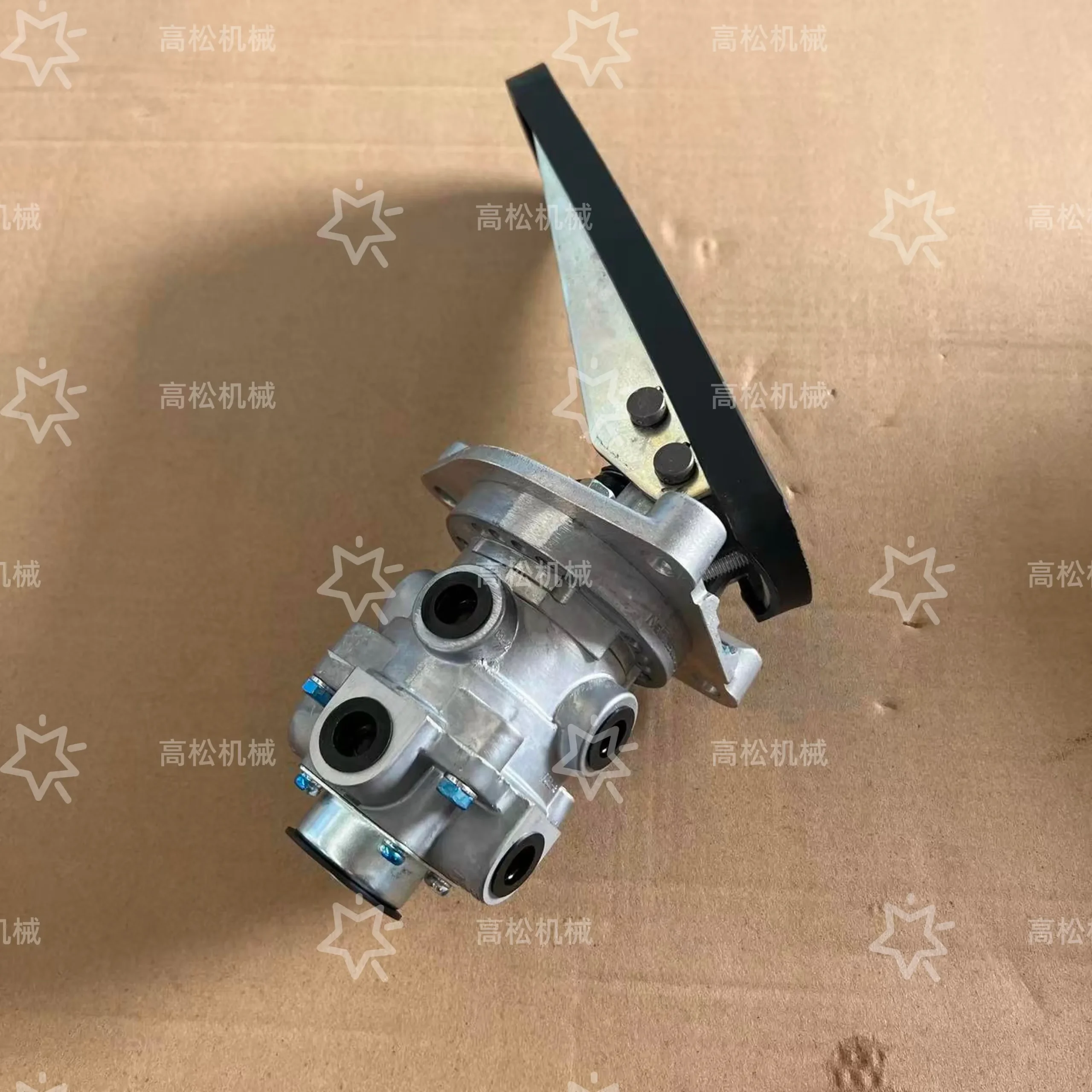
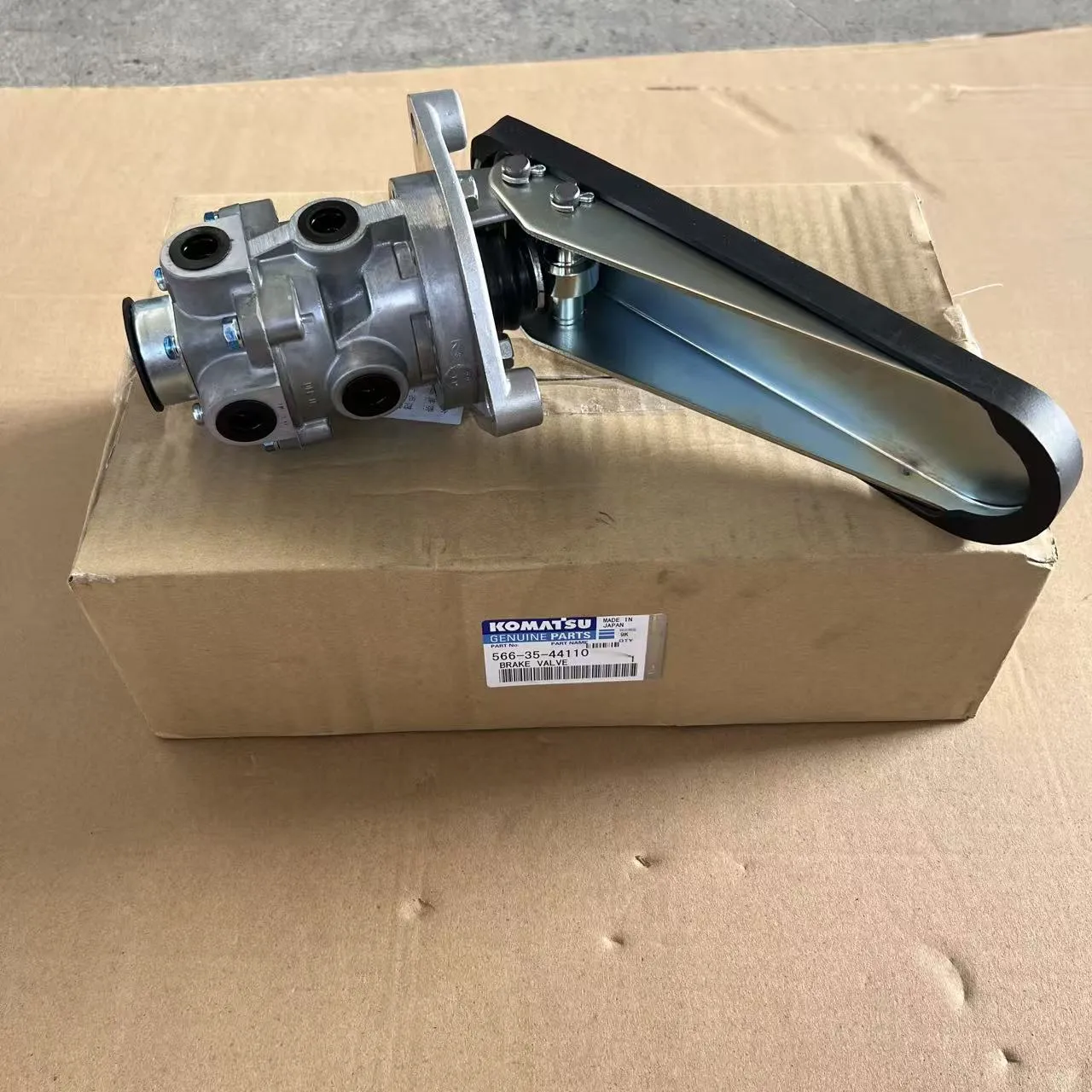 Komatsu Dump Truck Original HD785-5 Brake Valve 566-35-44110