
- Chinese
- French
- German
- Portuguese
- Spanish
- Russian
- Japanese
- Korean
- Arabic
- Irish
- Greek
- Turkish
- Italian
- Danish
- Romanian
- Indonesian
- Czech
- Afrikaans
- Swedish
- Polish
- Basque
- Catalan
- Esperanto
- Hindi
- Lao
- Albanian
- Amharic
- Armenian
- Azerbaijani
- Belarusian
- Bengali
- Bosnian
- Bulgarian
- Cebuano
- Chichewa
- Corsican
- Croatian
- Dutch
- Estonian
- Filipino
- Finnish
- Frisian
- Galician
- Georgian
- Gujarati
- Haitian
- Hausa
- Hawaiian
- Hebrew
- Hmong
- Hungarian
- Icelandic
- Igbo
- Javanese
- Kannada
- Kazakh
- Khmer
- Kurdish
- Kyrgyz
- Latin
- Latvian
- Lithuanian
- Luxembou..
- Macedonian
- Malagasy
- Malay
- Malayalam
- Maltese
- Maori
- Marathi
- Mongolian
- Burmese
- Nepali
- Norwegian
- Pashto
- Persian
- Punjabi
- Serbian
- Sesotho
- Sinhala
- Slovak
- Slovenian
- Somali
- Samoan
- Scots Gaelic
- Shona
- Sindhi
- Sundanese
- Swahili
- Tajik
- Tamil
- Telugu
- Thai
- Ukrainian
- Urdu
- Uzbek
- Vietnamese
- Welsh
- Xhosa
- Yiddish
- Yoruba
- Zulu
- Kinyarwanda
- Tatar
- Oriya
- Turkmen
- Uyghur






komatsu excavator parts manual
You know, when most folks search for a 'komatsu excavator parts manual', they're just hoping to find a free PDF download to identify a part number. That's the common starting point, but it's also where the first big misconception sits. Thinking the manual is the end of the story. In reality, especially with older models like the PC200-6 or the PC300LC-8, the manual is just the map. The real challenge is navigating the actual supply terrain it reveals.
The Manual as a Diagnostic Tool, Not Just a Catalog
I've lost count of the times a mechanic has called with just a blurry photo of a worn-out seal or a cracked bracket. The first question is always, What's the S/N? Without that, even the correct manual is a guess. The parts manual, particularly the komatsu excavator parts manual for the specific serial number range, is the first critical filter. It tells you that, for instance, the swing bearing on a PC220-7 before S/N 50000 uses a different part number than one after. Using the wrong diagram to diagnose is a fast track to ordering the wrong part, wasting a week's downtime.
This is where a lot of independent shops get tripped up. They might have a manual, but is it the right revision? Komatsu issues updates. A hydraulic pump breakdown section might be updated with new sub-component numbers after a common field failure. If you're working from an old paper manual you scanned years ago, you might be missing crucial bulletins embedded in later versions. I always cross-reference the manual's list of applicable serial numbers against the machine's actual plate. It's a five-minute step that saves a ton of headache.
And the diagrams themselves – you have to read between the lines. A good manual will have explosion views, but a great technician uses them to understand assembly order. When you see a complex assembly like the PC130-8's control valve stack, the parts manual doesn't just give you part 's; it shows the relationship between O-rings, spacers, and bolts. Ordering just the main valve body without the specific, updated seal kit shown in the same view is a classic rookie mistake. The manual hinted at it, but you needed the experience to connect the dots.
When the Official Channel Hits a Wall
This brings me to the core issue the manuals expose: availability. You've used your komatsu excavator parts manual, nailed down the exact part number for a PC360-10's final drive planet carrier. You call the local Komatsu dealer, and they say it's on backorder from Japan, 12 weeks out. The machine is down in the middle of a highway project. This is the daily reality in many regions, and it's the precise gap that companies operating as specialized third-party suppliers exist to fill.
I've worked with channels like Jining Gaosong Construction Machinery Co., Ltd. (you can find them at https://www.takematsumachinery.com) on situations like this. Their model as an OEM product supplier within the Komatsu system and a third-party sales company is built for this friction. They're not just an alternative parts source; they understand the ecosystem. When they say they help solve parts supply challenges in certain countries, it translates to having access to genuine OEM inventory pipelines that might be blocked or slow for a direct dealer in your location, or offering certified compatible alternatives when the genuine part is simply not producible anymore.
The key is verification. You can't just abandon the part number from the manual. You take that number – say, – to them. A reputable supplier will confirm its validity, check cross-references, and tell you straight if it's a part they can source as genuine OEM, or if they recommend a certified aftermarket equivalent due to known issues with the original design. This consultative step is what separates a parts seller from a solutions provider. The manual started the journey, but professional interpretation and supply chain flexibility complete it.
Case in Point: The Elusive PC78-6 Hose Assembly
Let me give you a concrete example from last year. A contractor had a PC78-6 with a blown hydraulic hose running to the stick cylinder. The local dealer was gone, no support. The manual gave a hose assembly number, but it was obsolete. No stock anywhere. The diagram, however, showed the fitting ends, length, and routing. We had to go off-script.
Using the manual's schematic, we identified the JIC fitting types and angles on each end. We measured the length from the machine (which matched the manual's rough outline). Then, we sourced a made-up hose from a local hydraulic shop that met the spec. But here's the catch the manual couldn't tell us: the original hose had a specific bend radius and protective sleeving to avoid chafing against the boom. A standard hose would fail in months. We had to add that detail based on observation. The komatsu excavator parts manual gave us the DNA of the part, but building a viable substitute required field knowledge.
In a case like this, a specialized supplier becomes invaluable. Instead of us piecing it together, a company with deep model-specific knowledge might have had a pre-made, drop-in alternative hose kit that already incorporated those design nuances. They've seen this failure before. That's the synergy: the manual provides the technical baseline, and expert suppliers provide the practical, available solution that respects that baseline.
Beyond the Book: What the Manual Doesn't Tell You
There's a wealth of information not in the parts manual. Torque specs? That's usually in the service manual. Troubleshooting codes? That's in the operator's or diagnostic manual. The parts book is purely for identification. A common frustration is getting a manual and realizing it doesn't help you figure out why a part failed, just what to call it when you replace it.
For instance, repeated failures of a pilot pressure filter housing on a PC210LC-8. The parts manual shows the housing, bolts, and seal. But it won't tell you that a clogged case drain line from the main pump can cause excessive backpressure, cracking that housing. You replace the housing (using the part from the manual), but without addressing the root cause, it'll crack again in 200 hours. The manual is silent on cause and effect.
This is where experience and broader technical resources come in. You use the parts manual to get the correct component, but you lean on service bulletins, forums, and yes, conversations with technical teams at suppliers who have seen hundreds of these machines, to diagnose the failure mode. A good supplier won't just sell you the filter housing; they might ask, Have you checked the case drain flow? That question comes from seeing the bigger picture that the parts manual deliberately does not provide.
The Digital Shift and Practical Access
Paper manuals are fading, but the digital transition isn't seamless. Komatsu's online systems like Komtrax are great for newer machines, but for a fleet with models spanning 20 years, you need a library. PDFs are the currency now. But a folder of poorly named PDFs on a desktop is a nightmare. The key is organization: by model, then by serial number range, then by system (Hydraulic, Undercarriage, Engine).
When you need a komatsu excavator parts manual for a PC400-5, you need it now. Not after searching through Komatsu stuff and old files. I advise creating a clear digital library. Sometimes, the quickest way to get the right digital manual for a critical breakdown is through specialized suppliers' resources. Some, like the mentioned Jining Gaosong, might provide or confirm the exact manual you need as part of the parts verification process, because their business relies on accurate identification. It's in their interest that you're looking at the right page.
Ultimately, the goal is to reduce machine downtime. The parts manual is the foundational document for that mission. It's not a magic book, but a tool. Its value is multiplied exponentially when combined with accurate serial number info, an understanding of supply chain realities, and access to technical partners who can bridge the gap between what the book says and what you can actually get into the machine this week. That's the real-world workflow. You start with the search for the manual, but you finish with the right part in hand, and hopefully, a bit more insight for next time.
Related Products
Related Products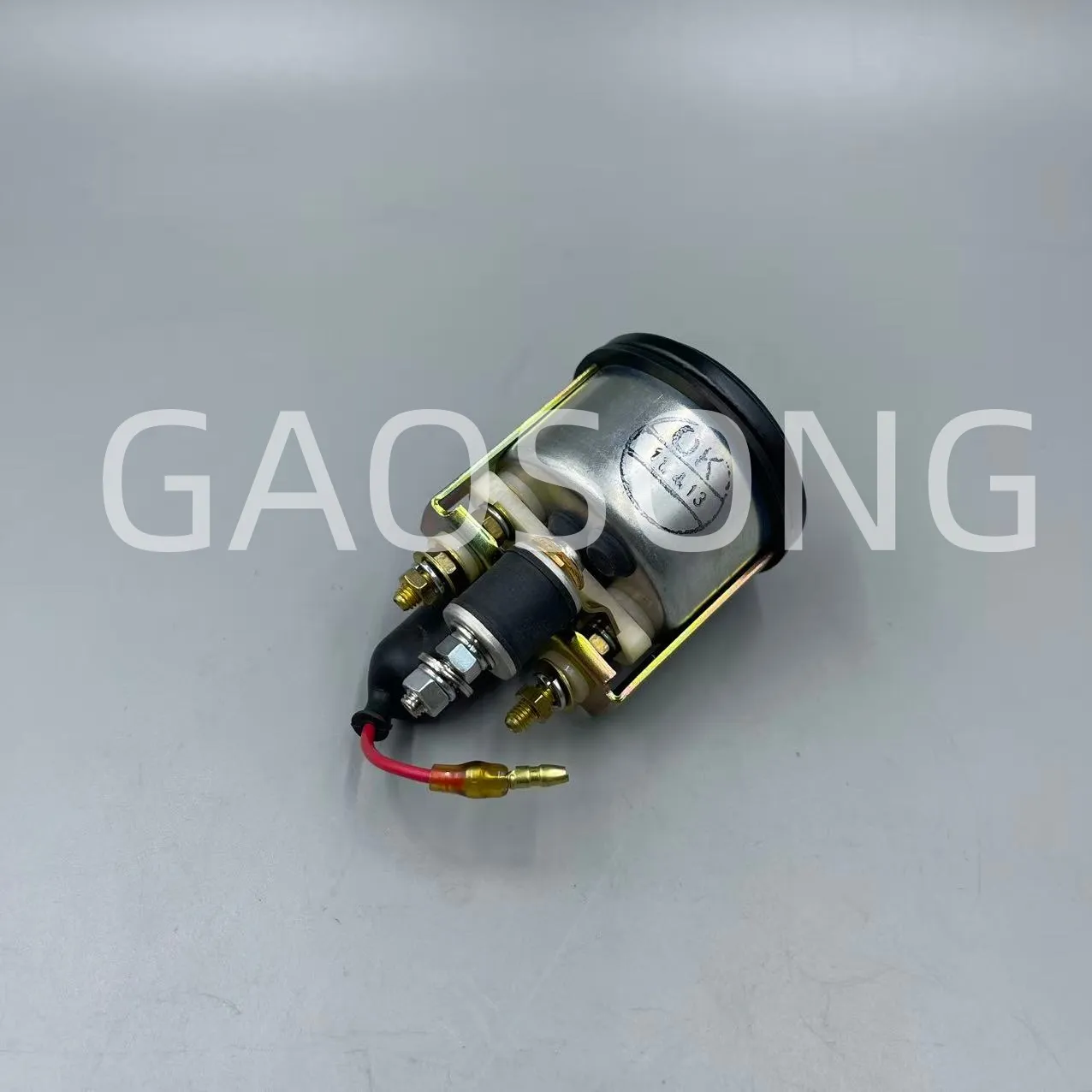
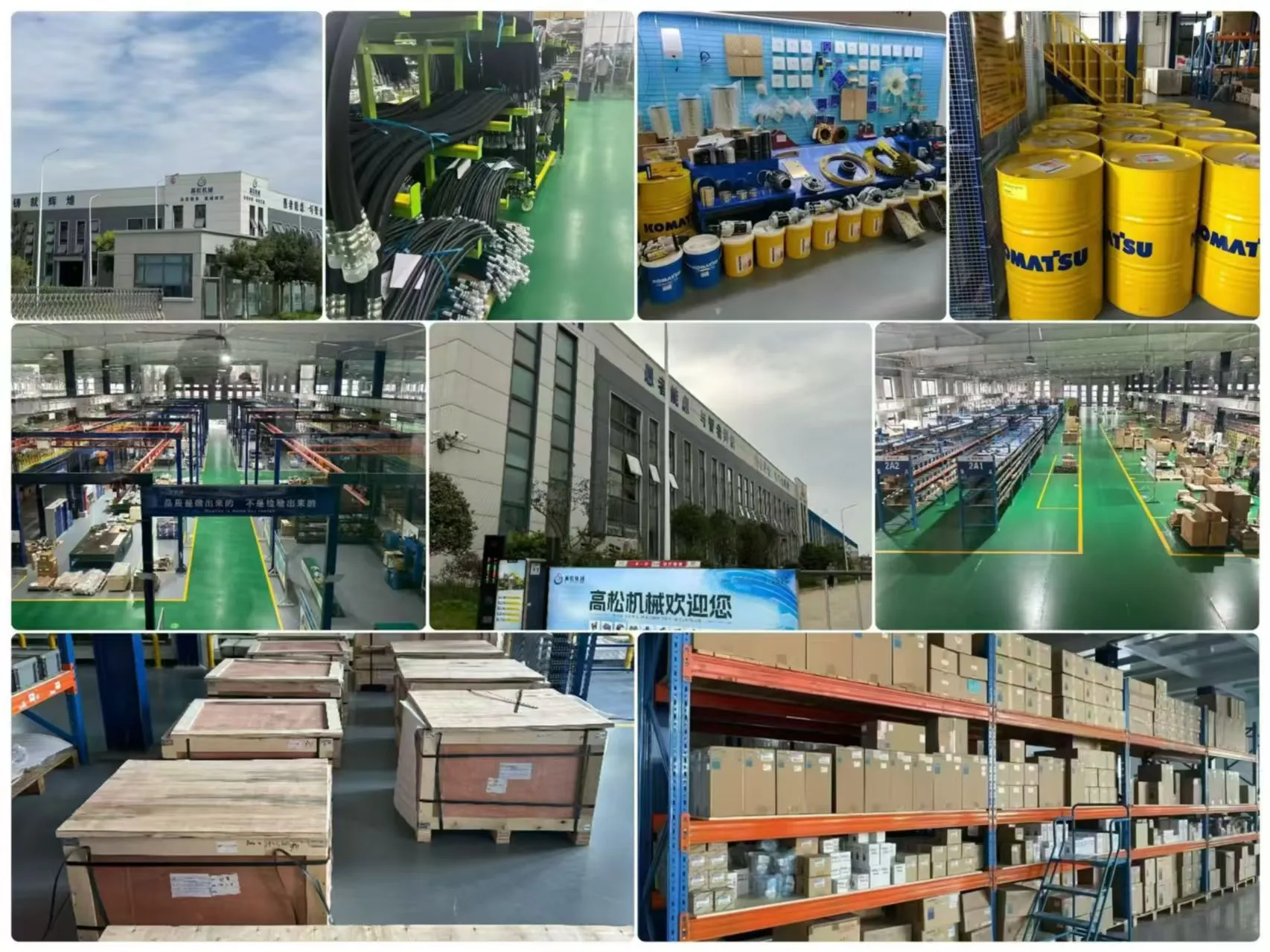
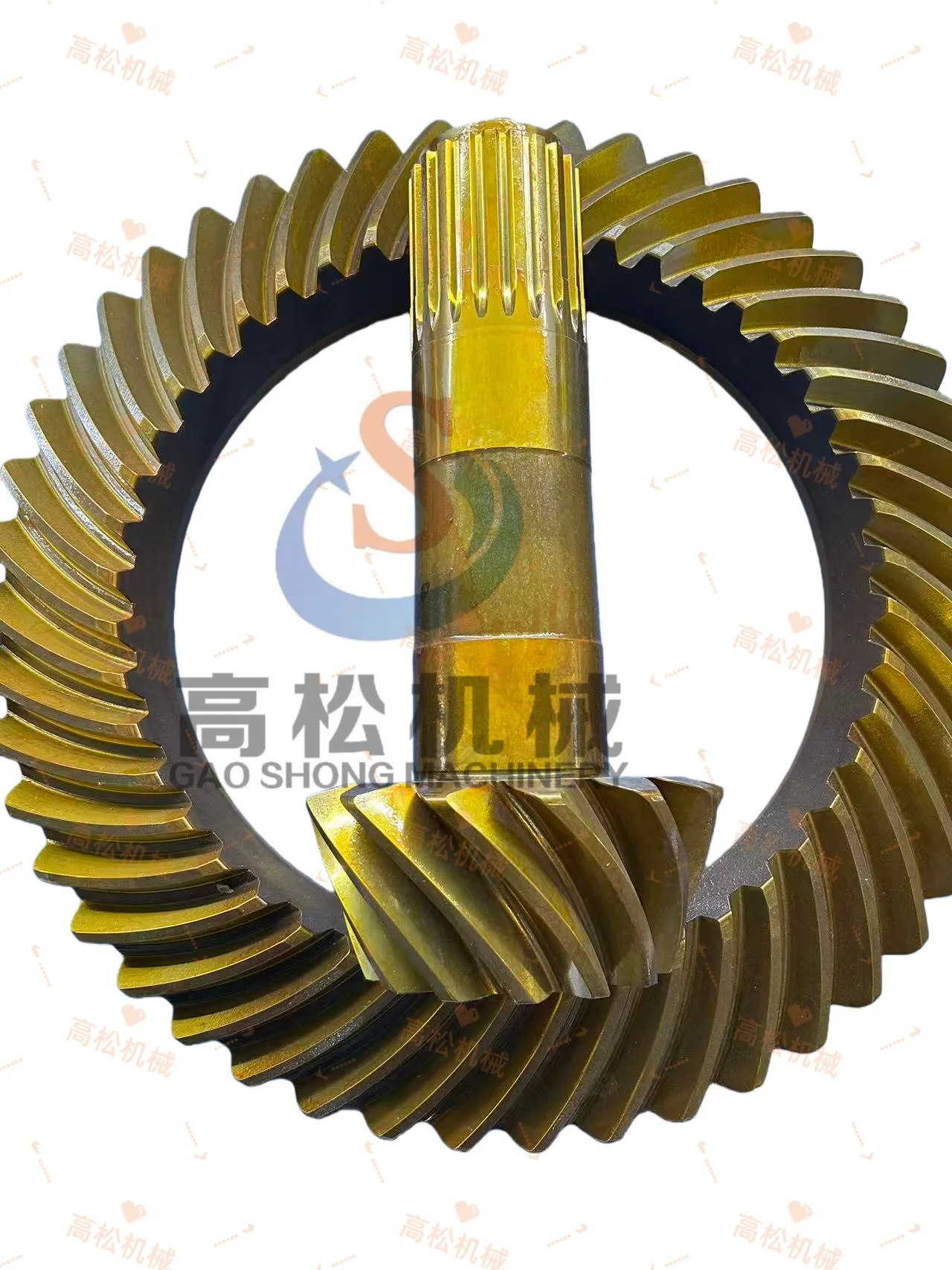

Best Selling Products
Best Selling Products-
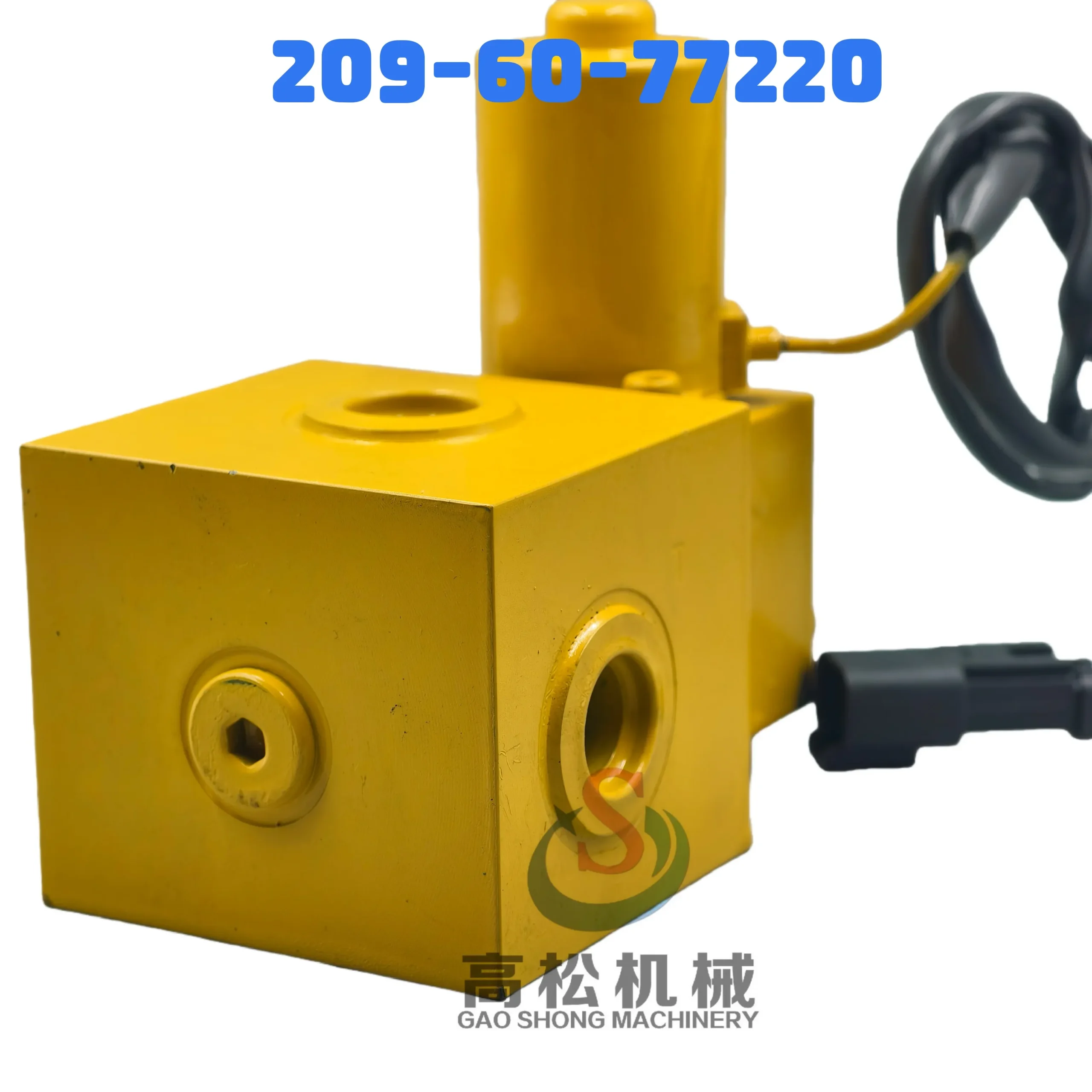 Valve 209-60-77220 for Komatsu
 -
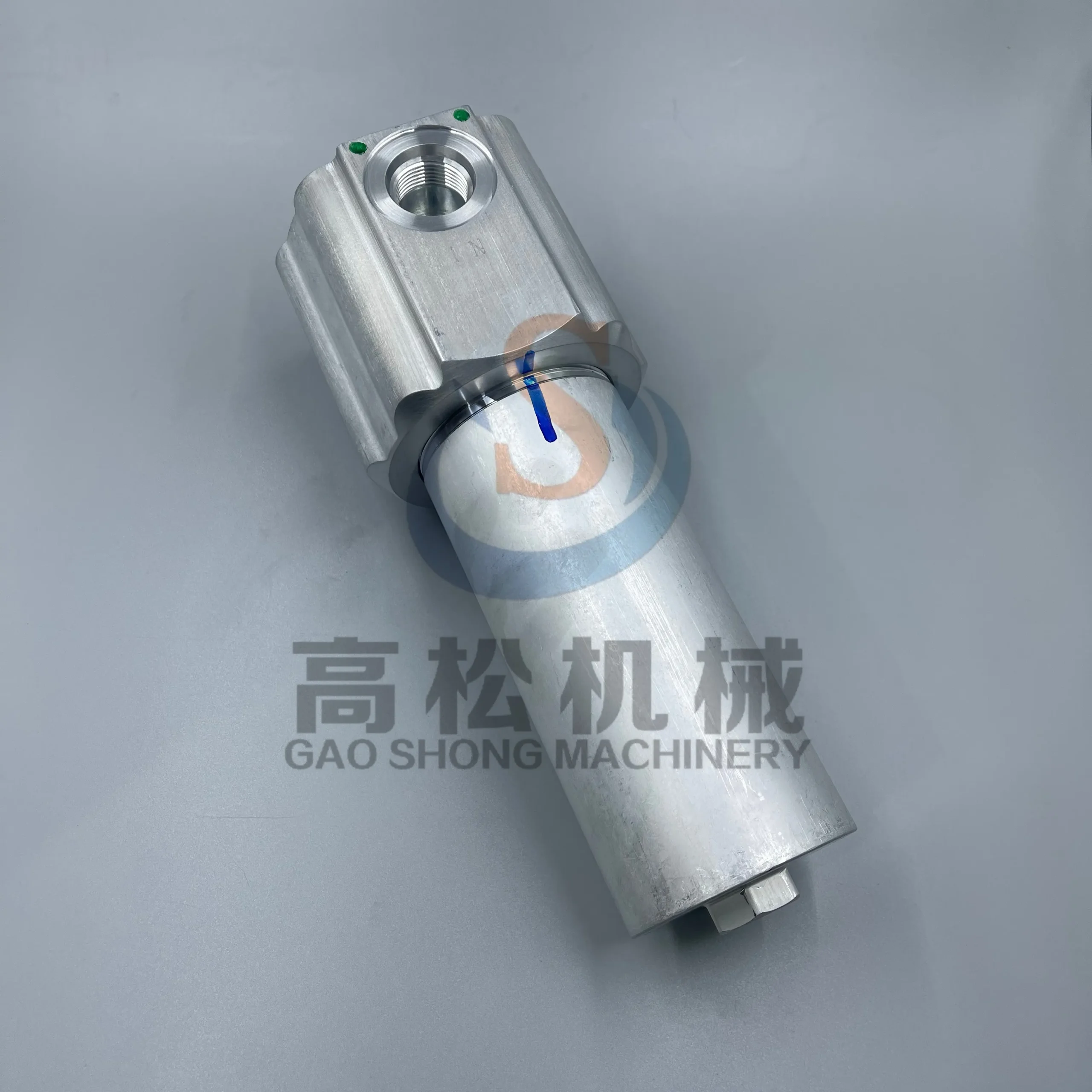 569-43-83911 Komatsu Filter Assembly
 -
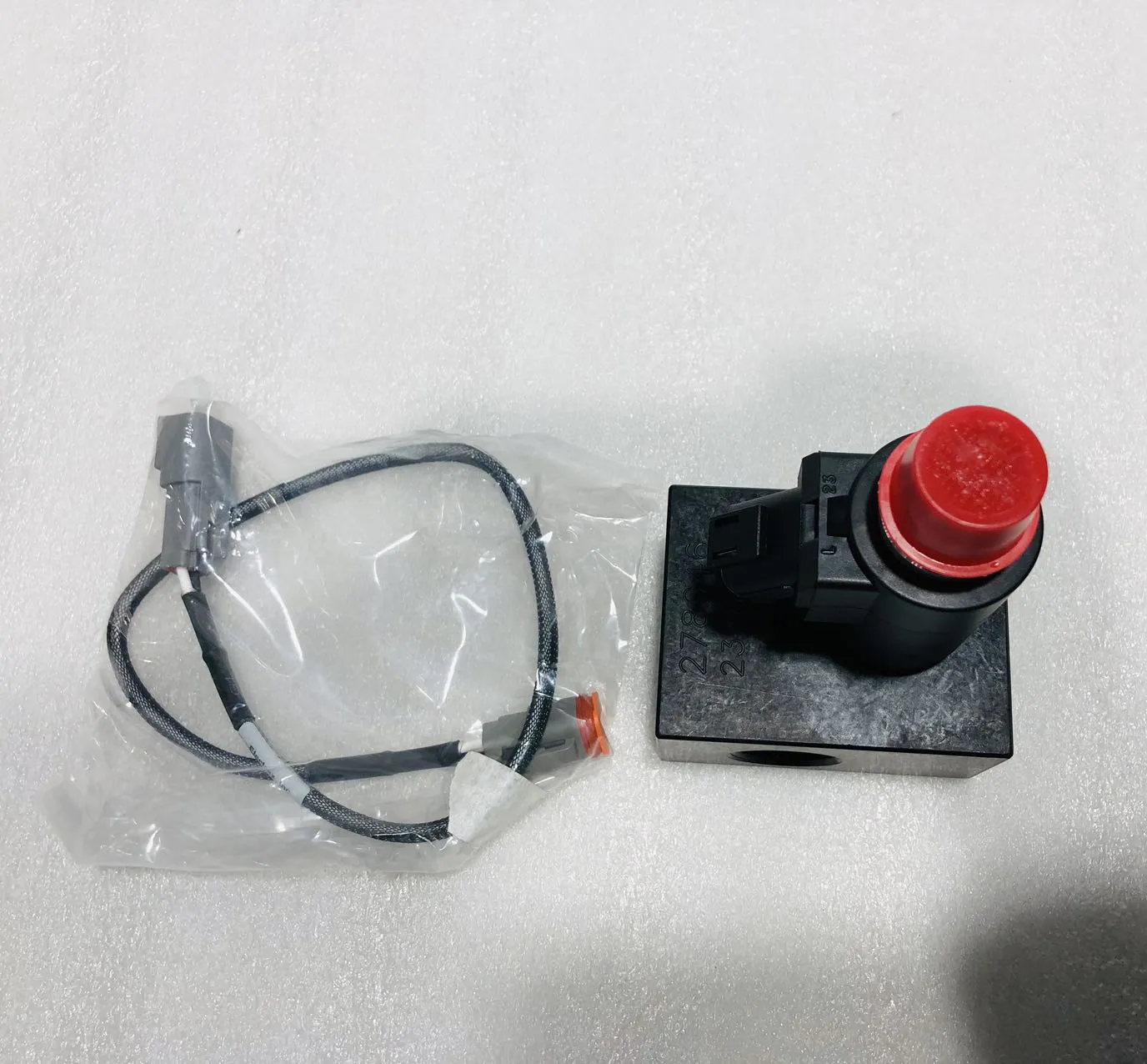 Komatsu 561-95-8A540 VALVE… — Pricing.Parts
 -
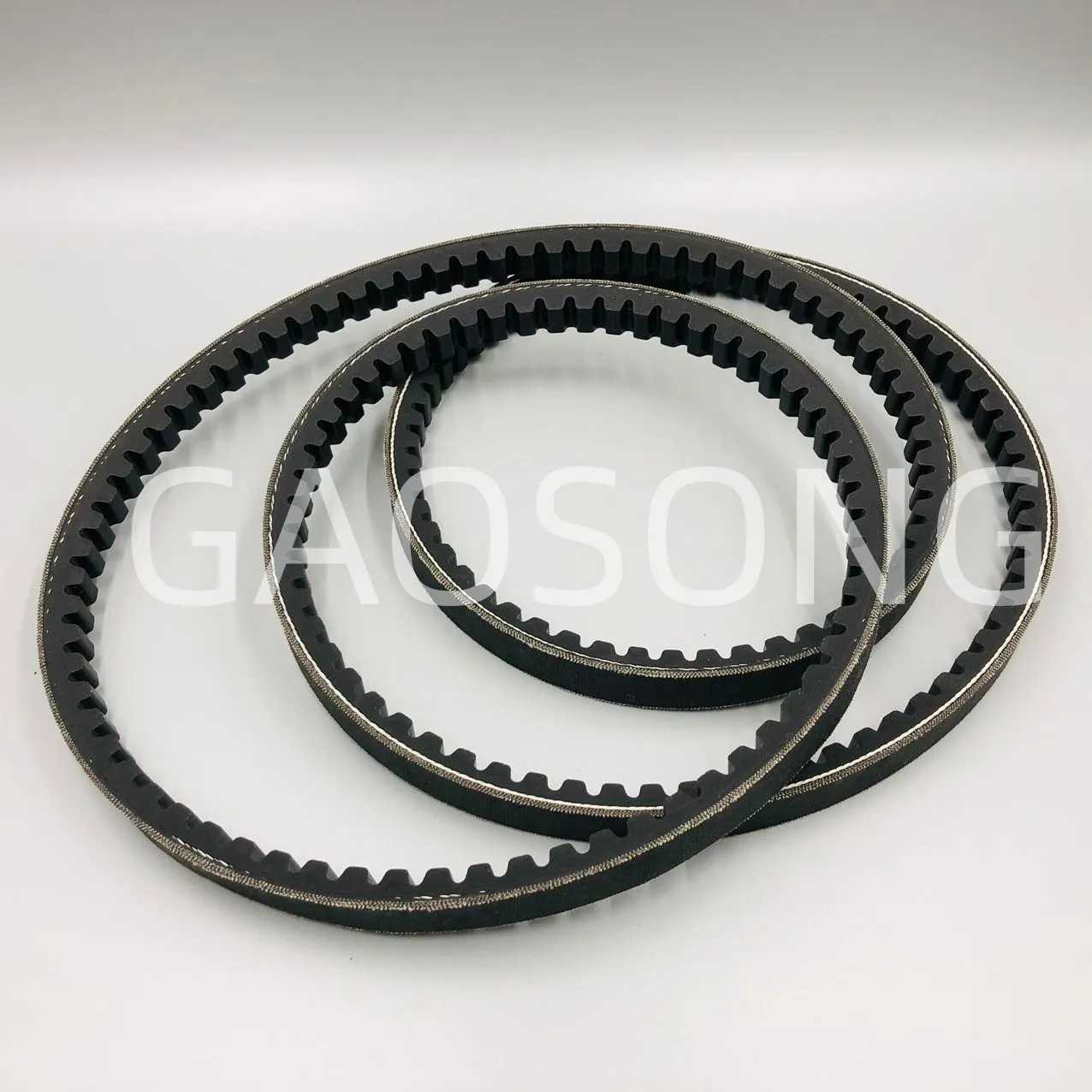 6219- 61- 3420 Komatsu factory belt
 -
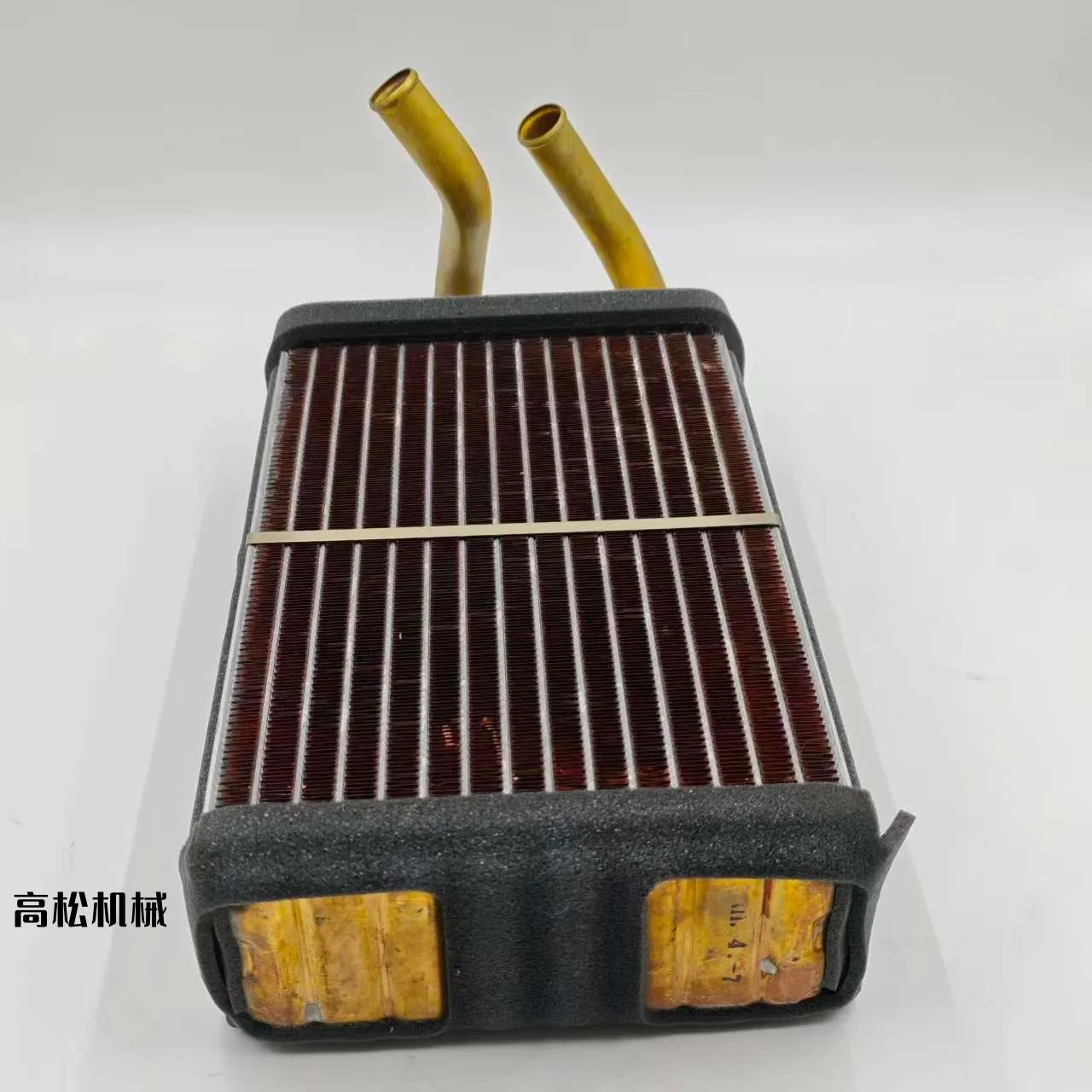 ND116410-9681 •• UNIT SUB ASS’Y-Komatsu Original Factory
 -
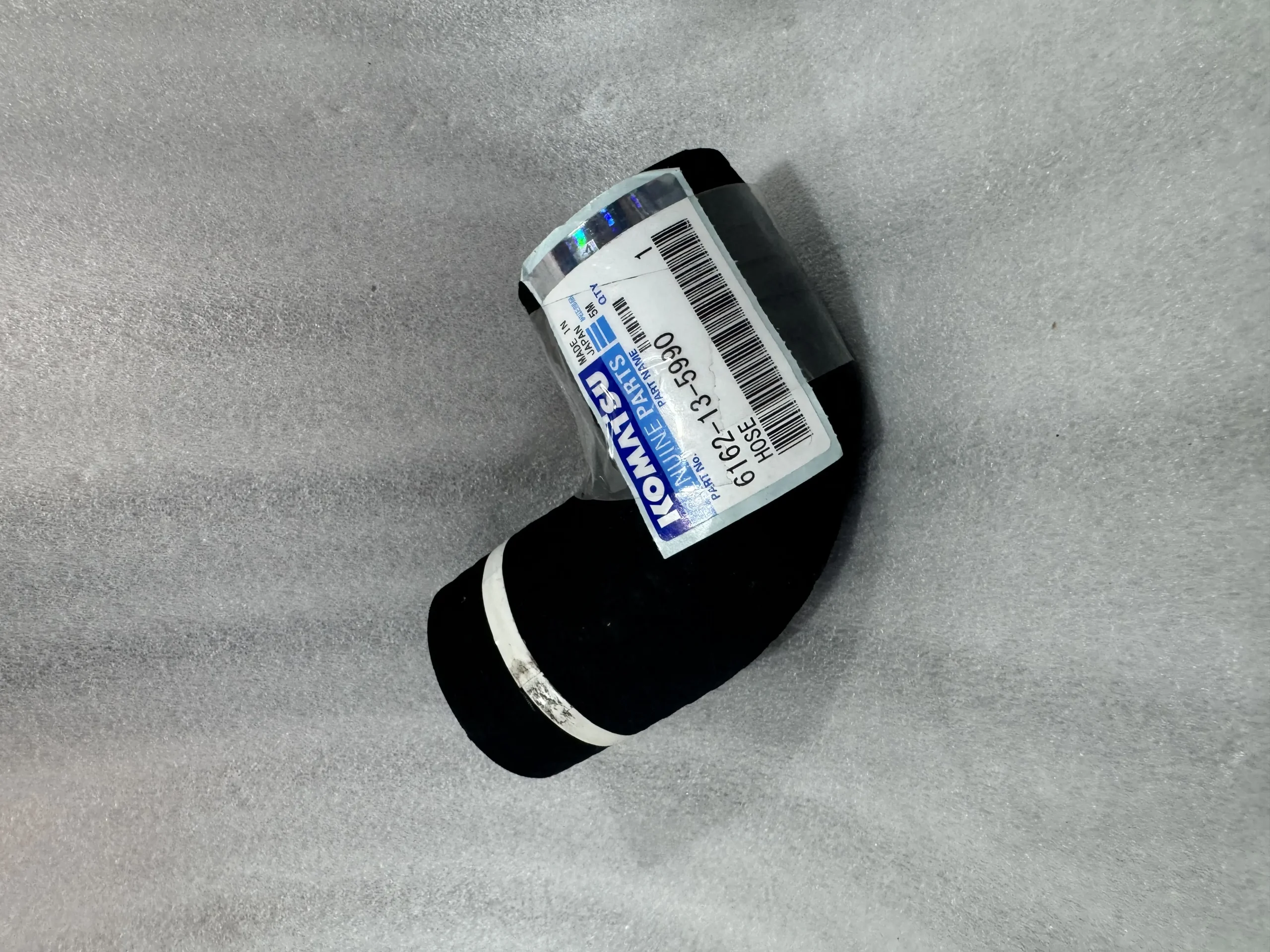 6D170-2 Hose 6162-13-5990
 -
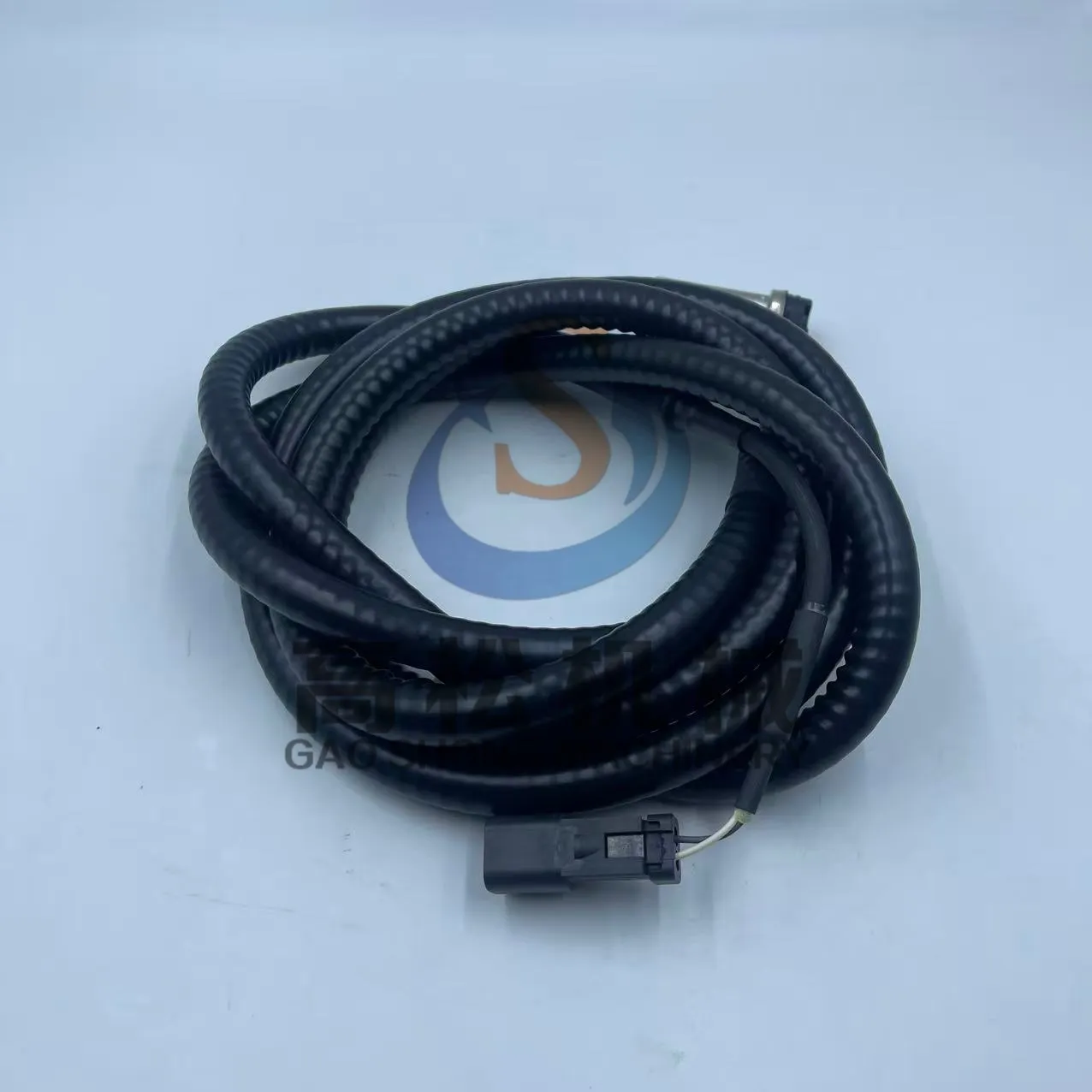 566-88-66143 – KOMATSU SENSOR
 -
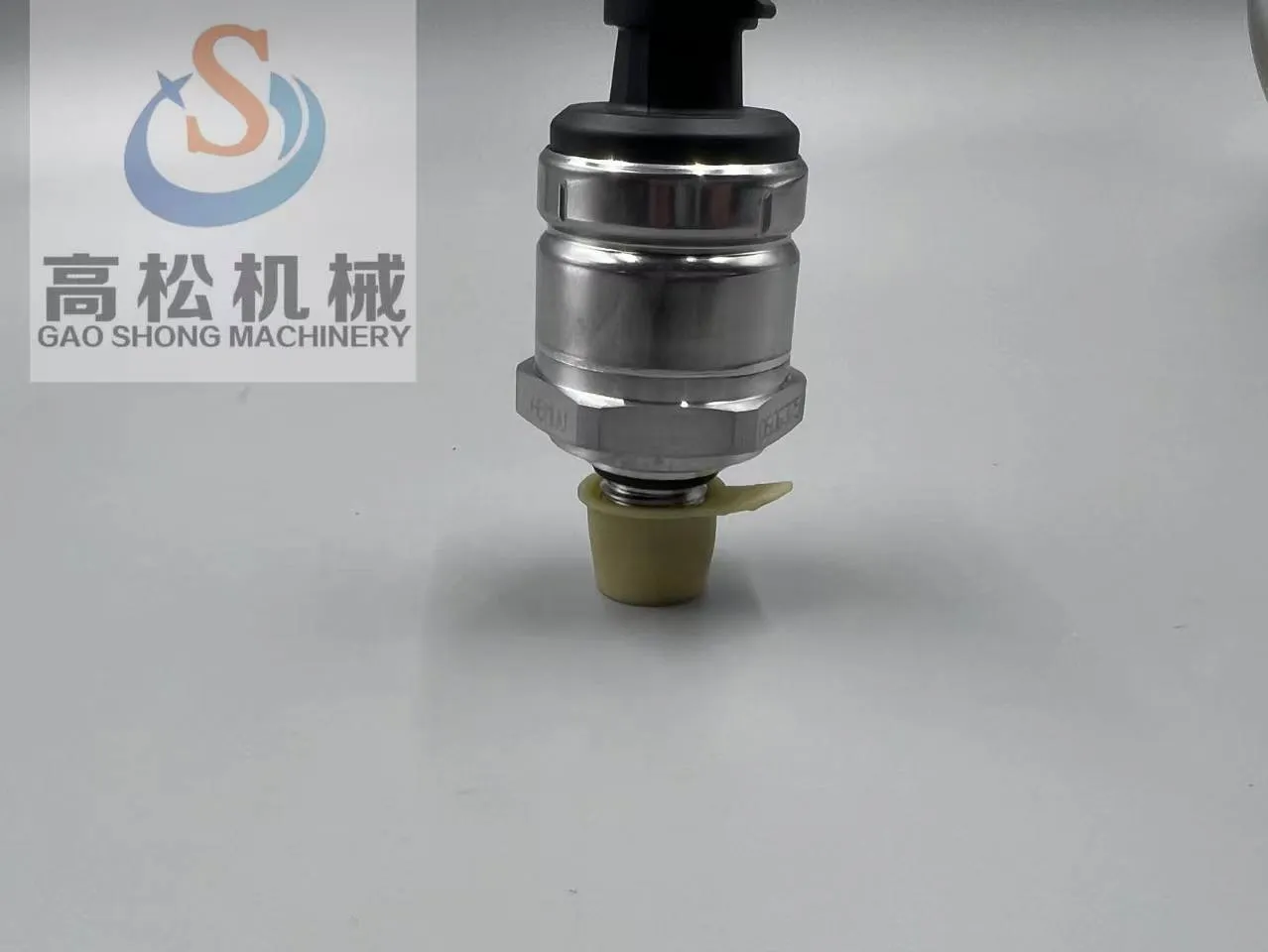 New fuel adjustment sensor sa6d170e-3 6560-51-6201 for komatsu heavy machinery spare parts
 -
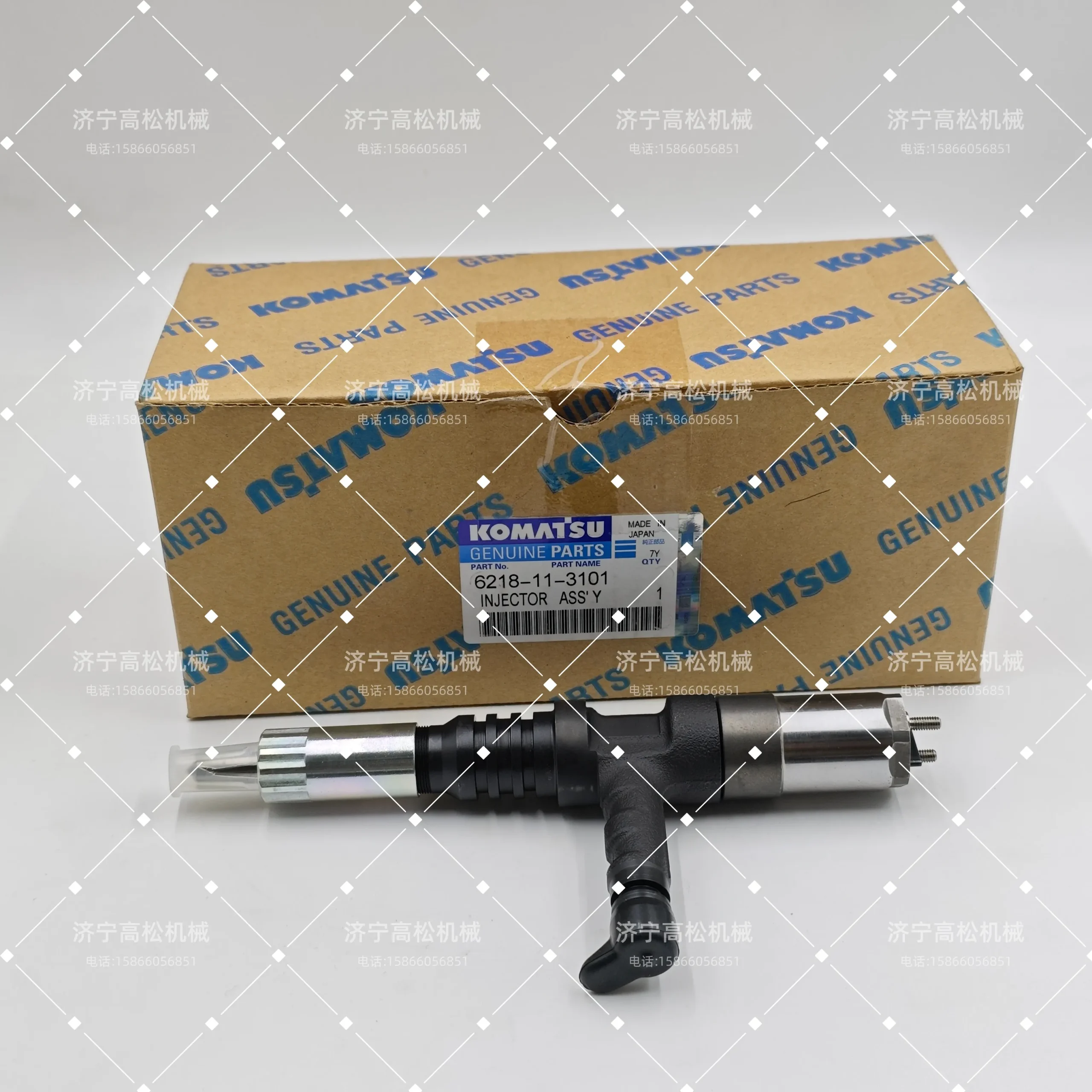 6218-11-3101 Injector Assembly
 -
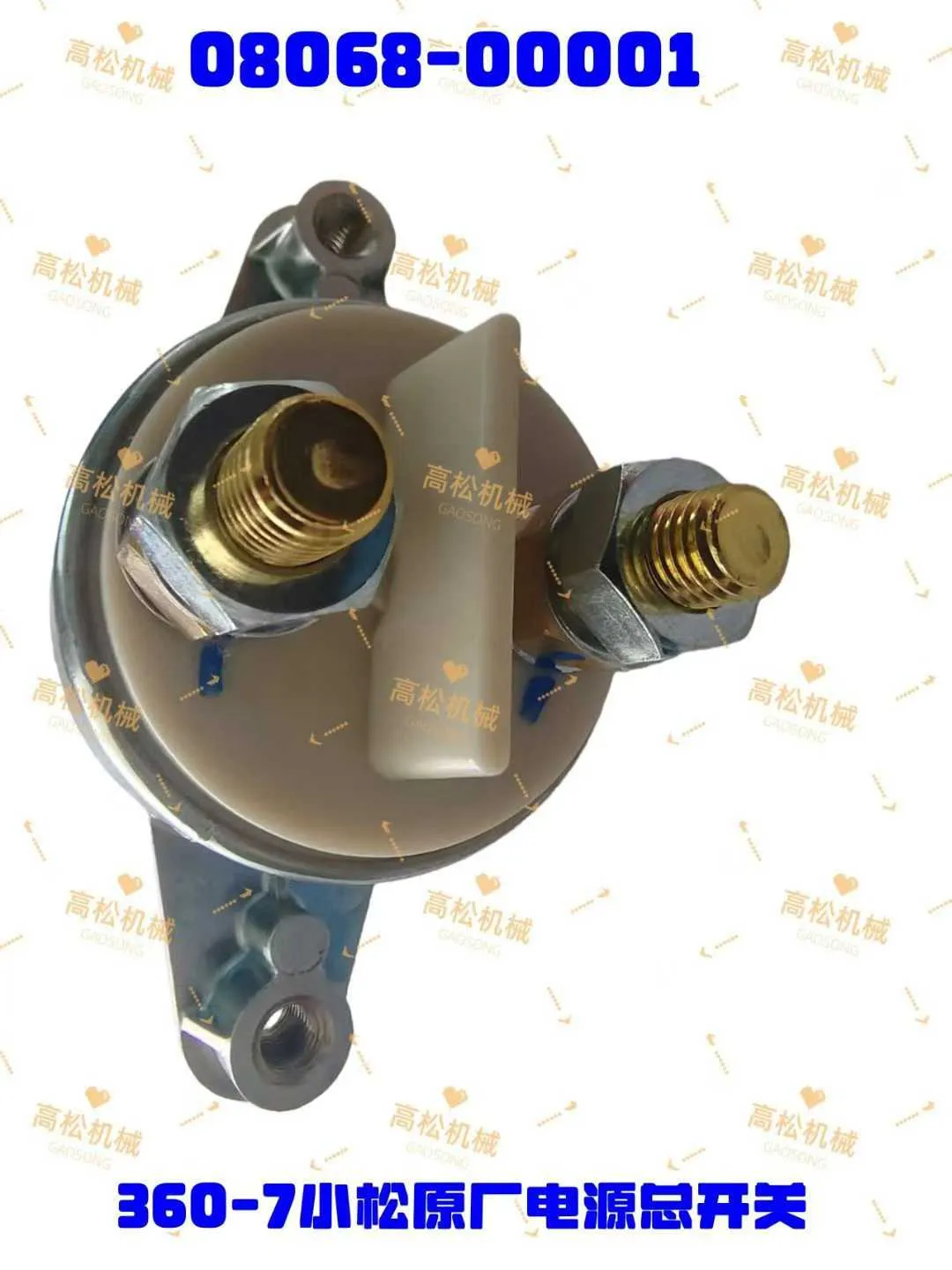 Part Number: 08068-00001 S; Applicable Model: PC360-7
 -
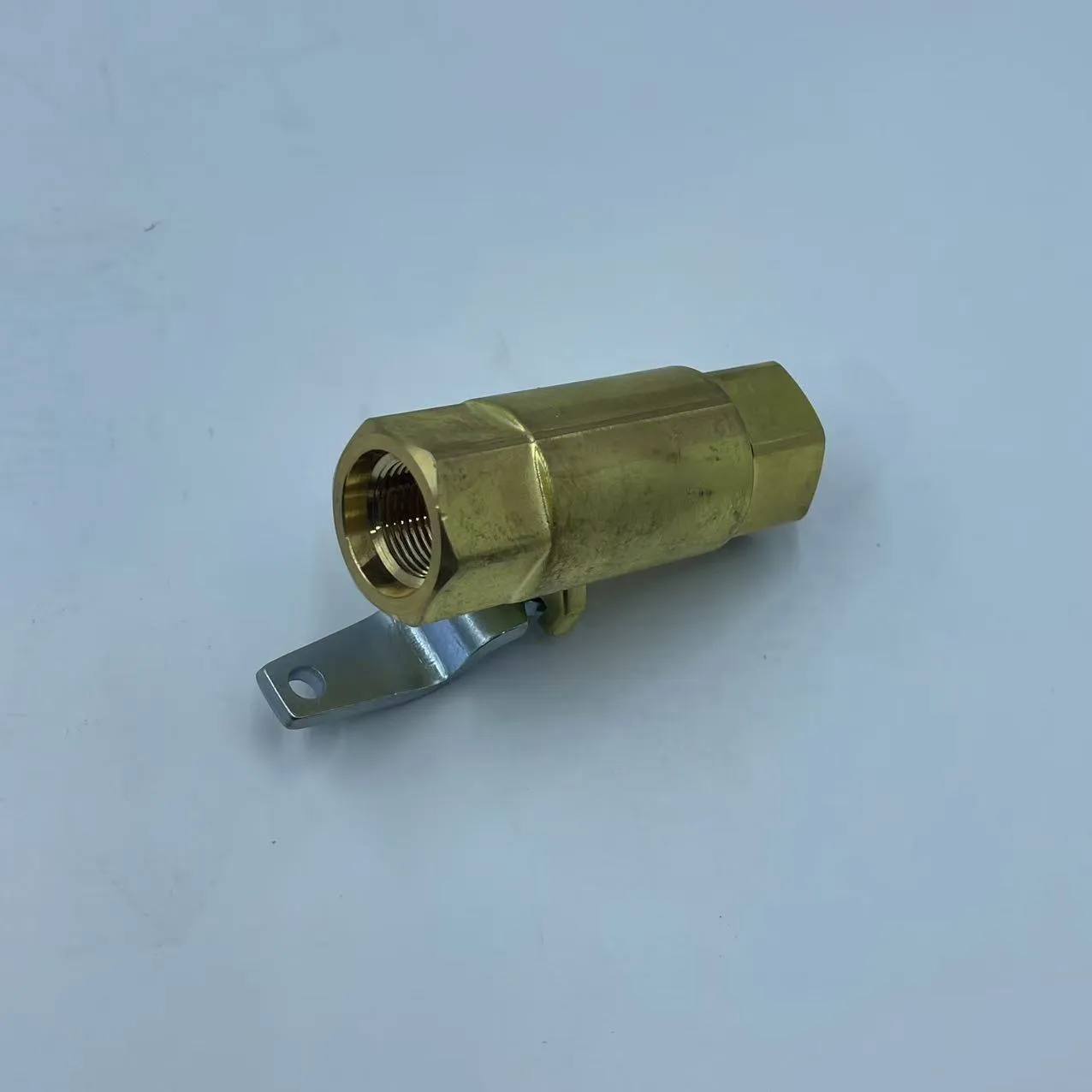 Komatsu Excavator PC200 Valve 20Y-62-15651
 -
 21N-26-33240 Komatsu Pin