
- Chinese
- French
- German
- Portuguese
- Spanish
- Russian
- Japanese
- Korean
- Arabic
- Irish
- Greek
- Turkish
- Italian
- Danish
- Romanian
- Indonesian
- Czech
- Afrikaans
- Swedish
- Polish
- Basque
- Catalan
- Esperanto
- Hindi
- Lao
- Albanian
- Amharic
- Armenian
- Azerbaijani
- Belarusian
- Bengali
- Bosnian
- Bulgarian
- Cebuano
- Chichewa
- Corsican
- Croatian
- Dutch
- Estonian
- Filipino
- Finnish
- Frisian
- Galician
- Georgian
- Gujarati
- Haitian
- Hausa
- Hawaiian
- Hebrew
- Hmong
- Hungarian
- Icelandic
- Igbo
- Javanese
- Kannada
- Kazakh
- Khmer
- Kurdish
- Kyrgyz
- Latin
- Latvian
- Lithuanian
- Luxembou..
- Macedonian
- Malagasy
- Malay
- Malayalam
- Maltese
- Maori
- Marathi
- Mongolian
- Burmese
- Nepali
- Norwegian
- Pashto
- Persian
- Punjabi
- Serbian
- Sesotho
- Sinhala
- Slovak
- Slovenian
- Somali
- Samoan
- Scots Gaelic
- Shona
- Sindhi
- Sundanese
- Swahili
- Tajik
- Tamil
- Telugu
- Thai
- Ukrainian
- Urdu
- Uzbek
- Vietnamese
- Welsh
- Xhosa
- Yiddish
- Yoruba
- Zulu
- Kinyarwanda
- Tatar
- Oriya
- Turkmen
- Uyghur






komatsu excavator parts for sale
When you type 'komatsu excavator parts for sale' into a search bar, you're not just looking for a widget. You're likely in a bind, a machine down, and the clock is ticking on a project. The immediate flood of results—from OEM portals to obscure third-party sellers—can be more paralyzing than helpful. A common trap is equating the lowest price with the best deal, or assuming all aftermarket parts are created equal. Having spent years on both the buying side for fleets and now on the supply side, I've seen that mistake cost more in downtime and collateral damage than the initial 'savings' ever justified.
The OEM Promise vs. The On-Ground Reality
Let's be clear: nothing beats a genuine Komatsu part from the factory. The fit, the performance, the warranty—it's all there. But here's the rub that every site manager knows: lead times and cost. For a PC200-8's main hydraulic pump or a final drive for a PC360, waiting 6-8 weeks for an official shipment isn't operational; it's a crisis. That's where the ecosystem of komatsu excavator parts supply gets interesting, and frankly, necessary.
This is precisely the gap companies like Jining Gaosong Construction Machinery operate in. They position themselves as an interesting hybrid: an OEM product supplier within the Komatsu system and a third-party sales company. In practice, what this often means is they have access to genuine or OEM-spec lines for core components, but they've built a parallel logistics network. Their stated goal—helping to solve parts supply challenges in certain countries—rings true from my experience. If your operation is in a region where the official distribution is thin or slow, a source like this isn't just convenient; it's critical.
I recall a project in Southeast Asia where we had a PC300-6 with a cracked swing gearcase. The local Komatsu dealer quoted a 10-week delivery. We found a supplier, similar to Gaosong, that had a compatible, high-quality casting. It wasn't in a Komatsu box, but the engineering and material certs checked out. We had it air-freighted in 7 days. The machine ran for another 12,000 hours without issue. That's the real-world value.
Deciphering Quality in the Aftermarket Space
Not all third-party parts are salvage or cheap knock-offs. The spectrum is vast. You have premium aftermarket manufacturers whose processes rival the OEMs. Then you have the rebuilds and recons, which can be a gamble if you don't know the shop's standards. And then, at the bottom, the parts that fail spectacularly. The keyword search doesn't differentiate.
When evaluating a source, I don't just look for the part number. I look for the story. A site like takematsumachinery.com needs to tell that story. Do they specify material grades? Do they mention testing protocols? For instance, a boom cylinder isn't just a tube and a rod. It's about the chrome plating thickness on that rod, the precision of the gland seal grooves. A professional supplier's listing will hint at these details, or better yet, provide them upon request.
A painful lesson learned early on was with track chains. We bought a fully compatible set of track links and bushings for an older PC220. The price was 40% below OEM. They lasted about 800 hours before the bushings wore oval and the pins started galling. The cost of replacement, plus the downtime and the undercarriage damage, was triple the initial 'saving'. Now, I always ask: are these parts made from forged alloy steel? What's the hardness rating on the bushing surface? If the seller can't answer, walk away.
The Logistics and Trust Equation
Finding the part is half the battle. Getting it to your site, through customs, with the correct paperwork, is the other half. This is where a supplier's real mettle is tested. A professional operation will have this down to a science. They'll know the HS codes, they'll have reliable forwarders, and they'll be proactive with tracking.
Jining Gaosong Construction Machinery Co., Ltd., by virtue of its model, likely deals with this complexity daily. Their value isn't just in having a komatsu excavator pump for sale; it's in knowing how to get it to a mine site in West Africa or a port project in South America without it getting stuck in a warehouse for a month. This logistical competence is an intangible but massive part of the total cost.
I've had shipments where the parts arrived, but the commercial invoice was so vague it triggered a customs inspection that took two weeks. I've also had suppliers who would DHL a small, critical sensor with a pro-forma invoice that cleared in hours. The difference was a supplier who understood the entire process of selling a part, not just listing it online.
When to Go OEM, When to Look Elsewhere
This is the daily judgment call. My rule of thumb is simple but not perfect: for critical, high-stress, or safety-related components—think main control valves, swing bearings, pilot control systems—I lean heavily towards genuine or the highest-tier OEM-approved alternatives. The risk is too high. For wear items, structural fabrications, or even certain hydraulic cylinders, a vetted third-party source can be excellent.
A case in point: we needed a cab door for a PC138. The OEM part was phenomenally expensive, as it came fully assembled with glass and seals. A third-party supplier offered the bare door shell. We transferred the hardware from the old, damaged door. Saved 65%, and the fit was perfect because it was likely from the same tooling. It's about understanding the nature of the part.
This is where a supplier's description as an OEM product supplier within the Komatsu system becomes a useful clue. It suggests they might have access to non-assembled components, surplus, or lines that meet OEM spec but aren't channeled through the official aftermarket pipeline. It's a nuanced but important distinction from a generic parts reseller.
The Future of the Parts Hunt
The landscape is shifting. Online platforms are getting better, but the noise is also increasing. The future, I think, belongs to suppliers who combine transparency with specialization. Not just a website with a thousand part numbers, but a focused expertise on a brand like Komatsu, with deep knowledge of model generations and common failure points.
A useful supplier today is one whose website or communication helps you make a better decision. Maybe they have a tech note explaining the difference between two generations of a PC210 pump, or they warn about a common misapplication. That shows they've been in the trenches. It builds the trust that makes you return when you need a komatsu excavator part urgently.
In the end, searching for 'komatsu excavator parts for sale' is the start of a filter. You filter by availability, then by price, then by quality reputation, and finally by logistical confidence. The goal is to move from a transactional parts purchase to finding a resource—a partner that understands that you're not buying a part, you're buying uptime. Companies that articulate their role in solving supply challenges, like the one mentioned, are at least starting the conversation on the right foot. The rest is proven through the first order, the packaging, the part that fits, and the machine that goes back to work without a hiccup.
Related Products
Related Products

Best Selling Products
Best Selling Products-
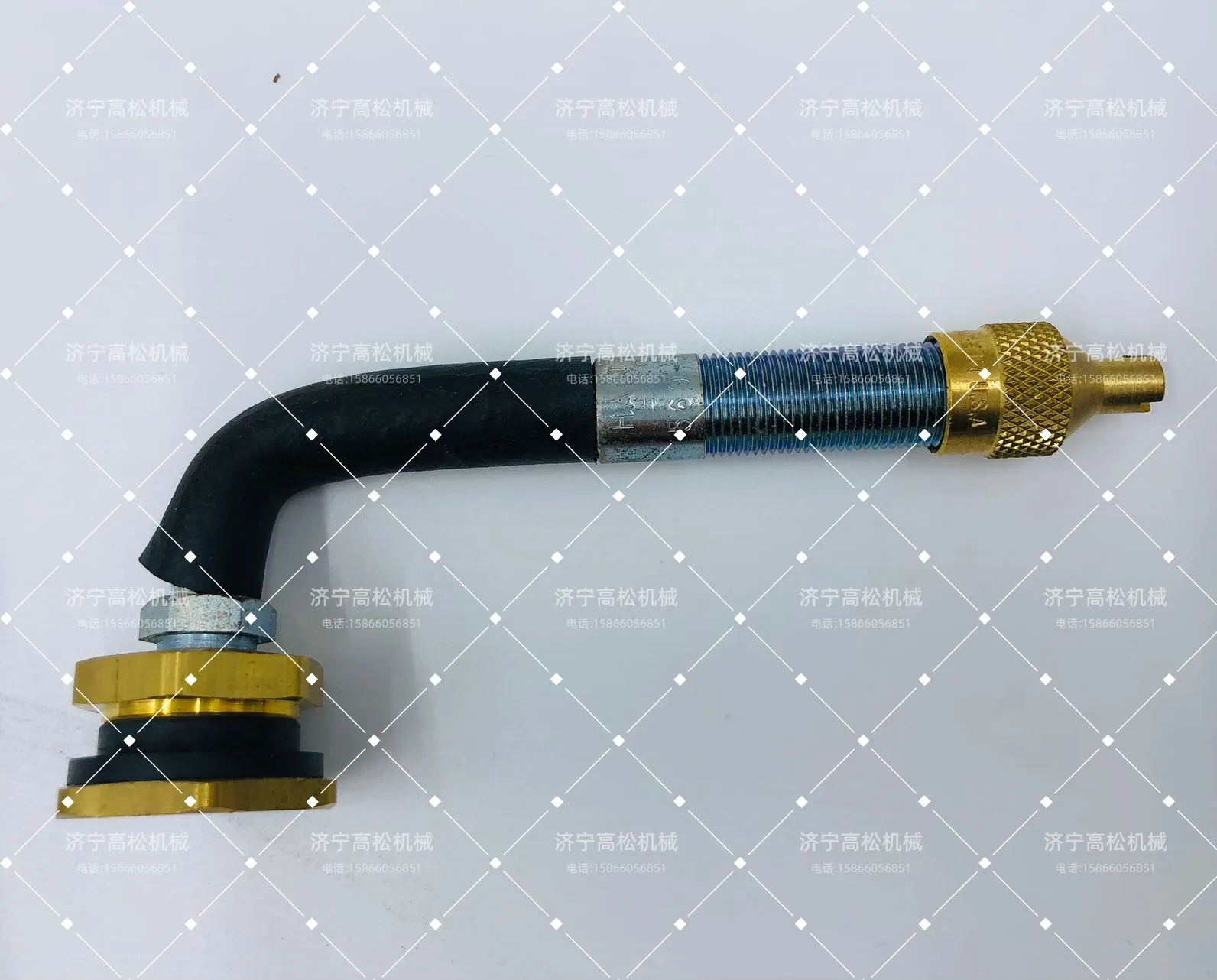 569-30-11600 Komatsu VALVE ASS’Y
 -
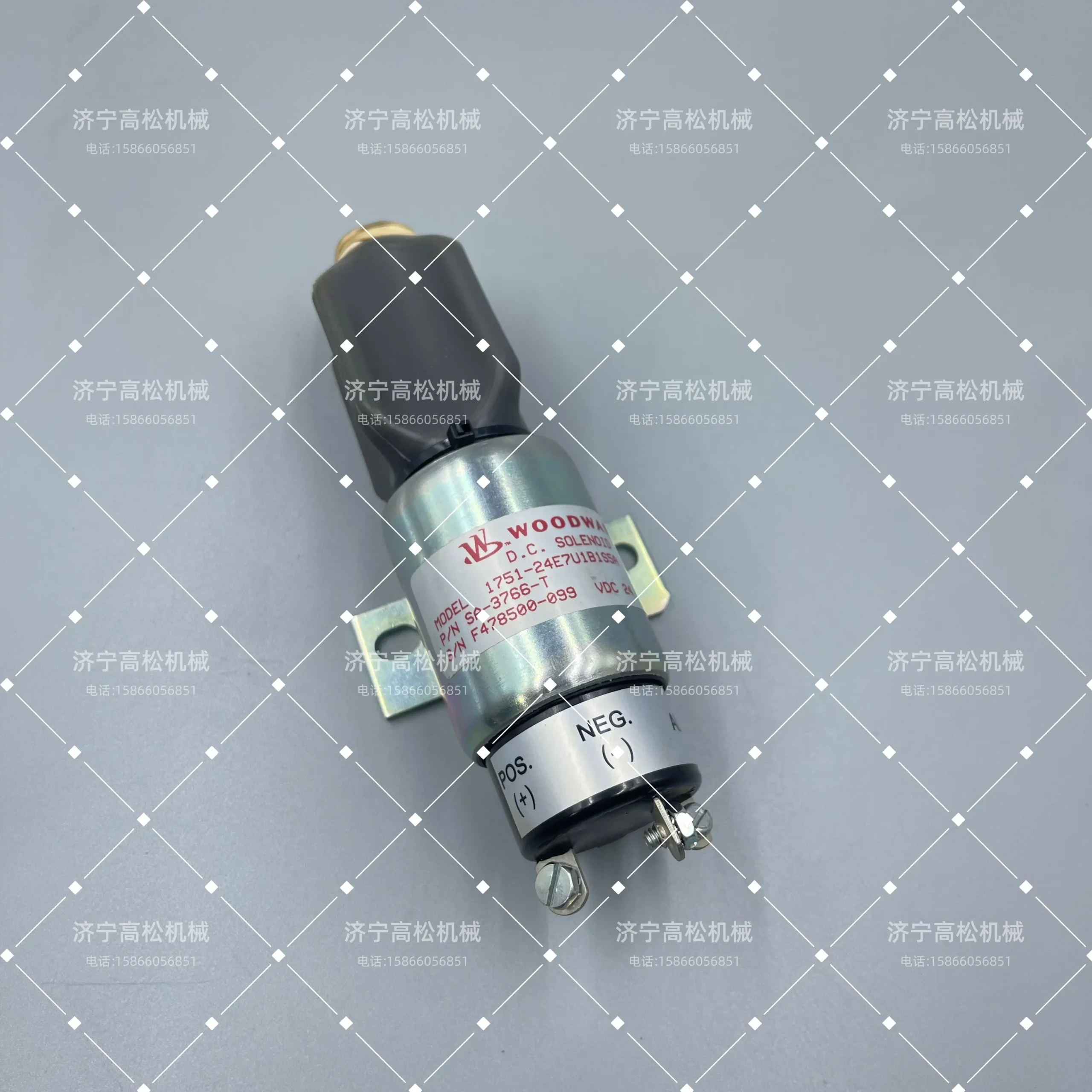 Solenoid Valve 600-815-7550 For Komatsu D41pf-6, High Quality…
 -
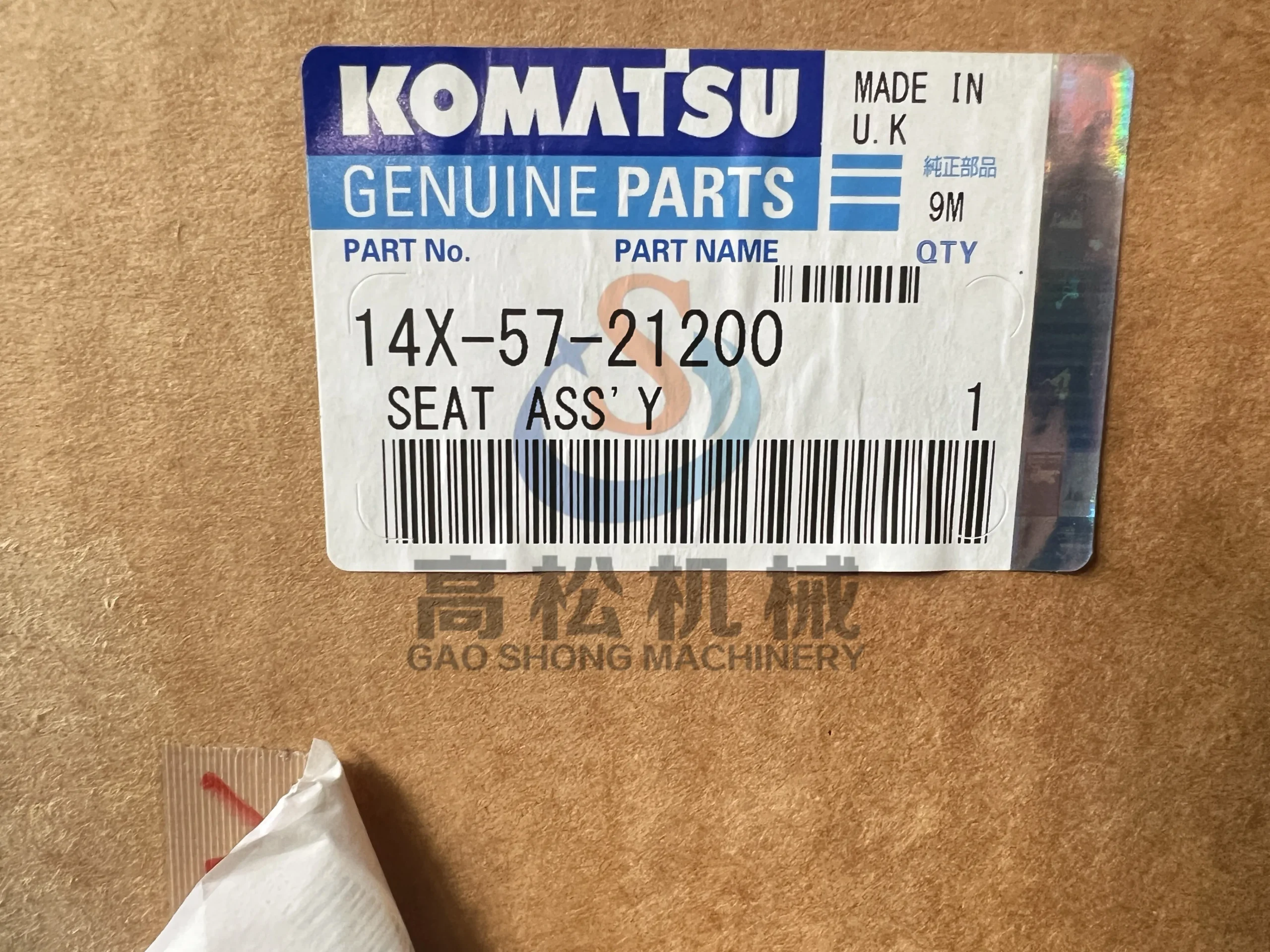 14X-57-21200 Komatsu SEAT ASS’Y,LEATHER
 -
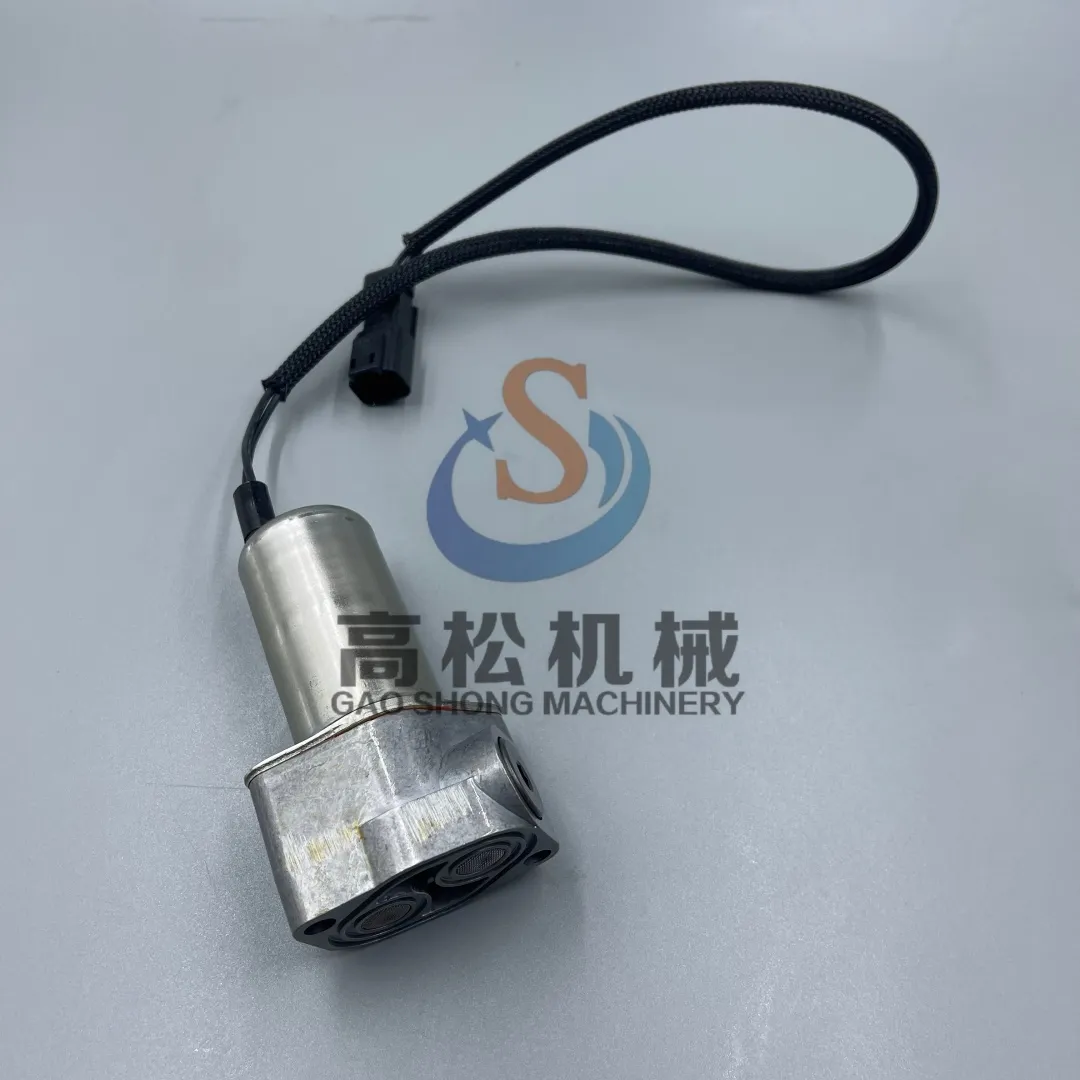 702-21-07620 Solenoid Valve for Komatsu PC450-8 PC300-8 PC350-8 7022107620
 -
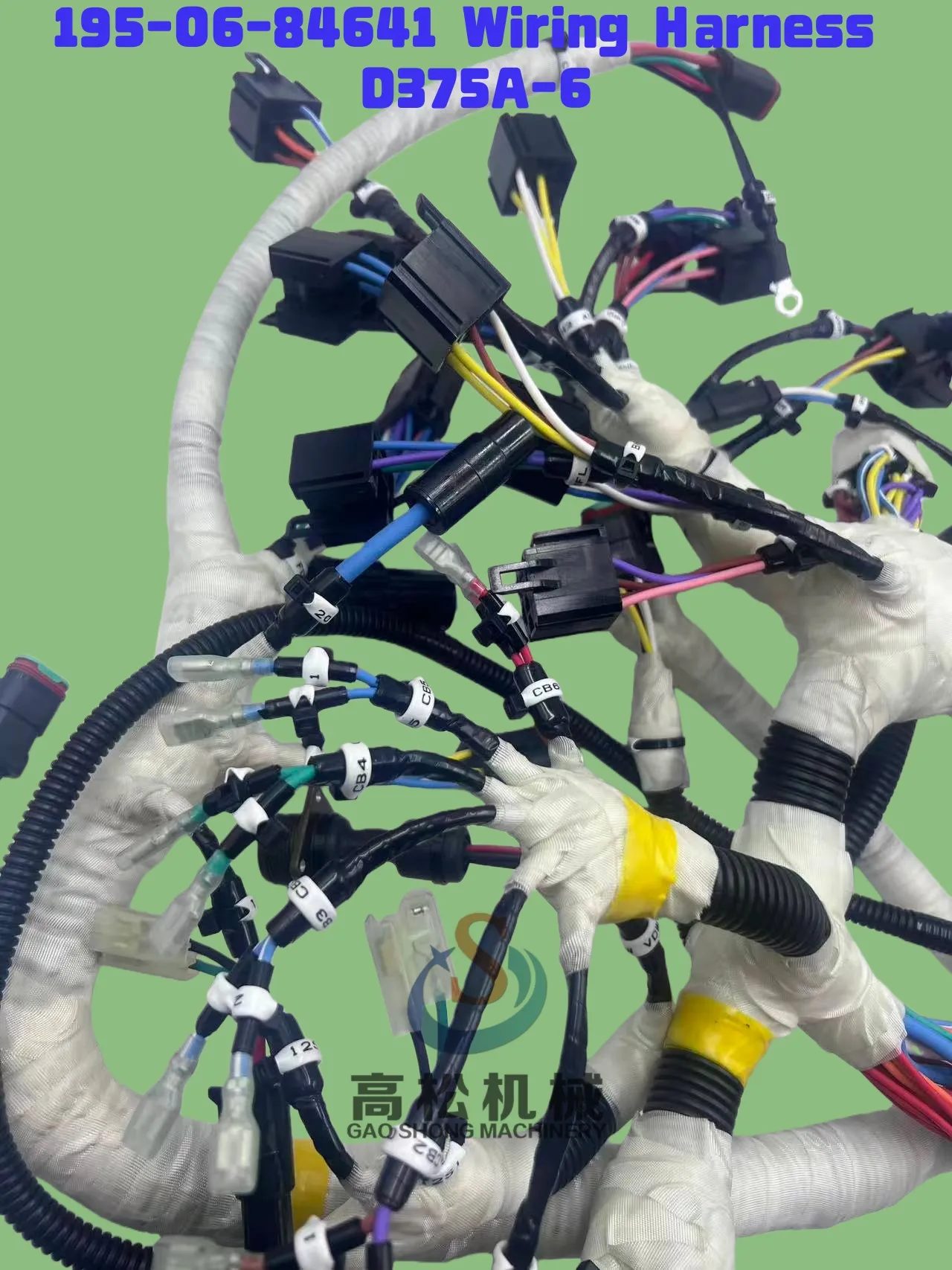 D375A-6Wiring harness 195-06-84641
 -
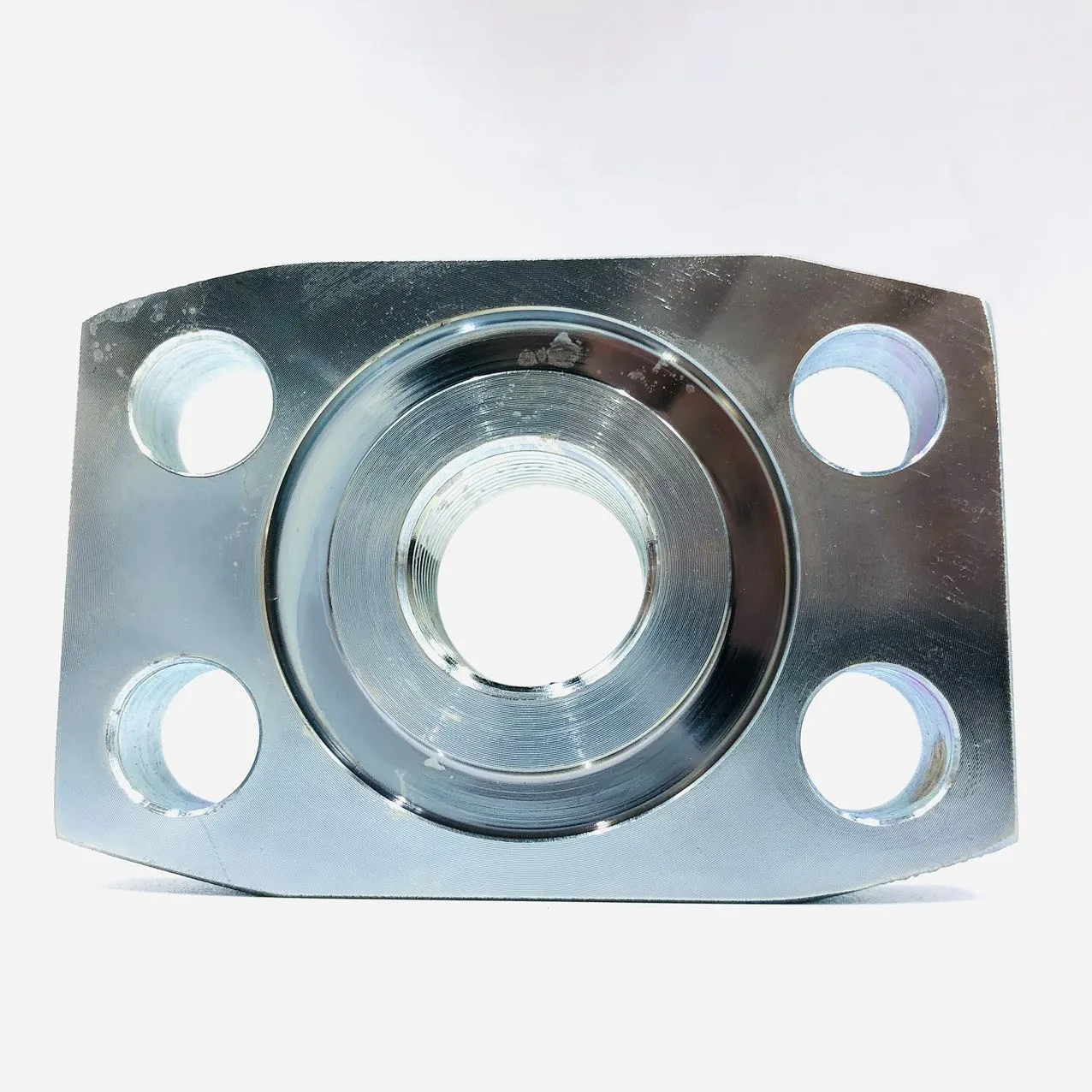 21N-38-12310 Flange (Komatsu)
 -
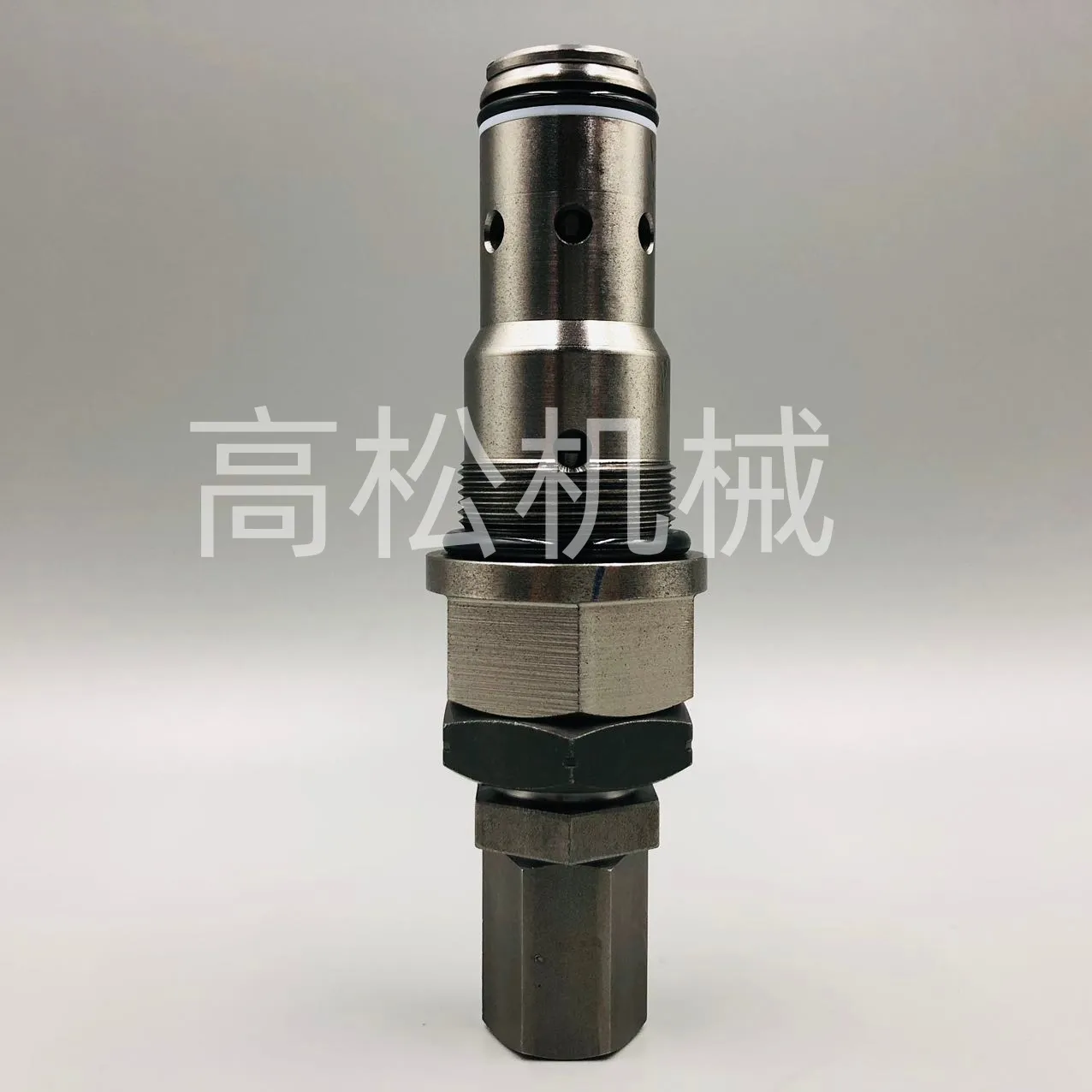 700-89-66000 Komatsu RELIEF VALVE
 -
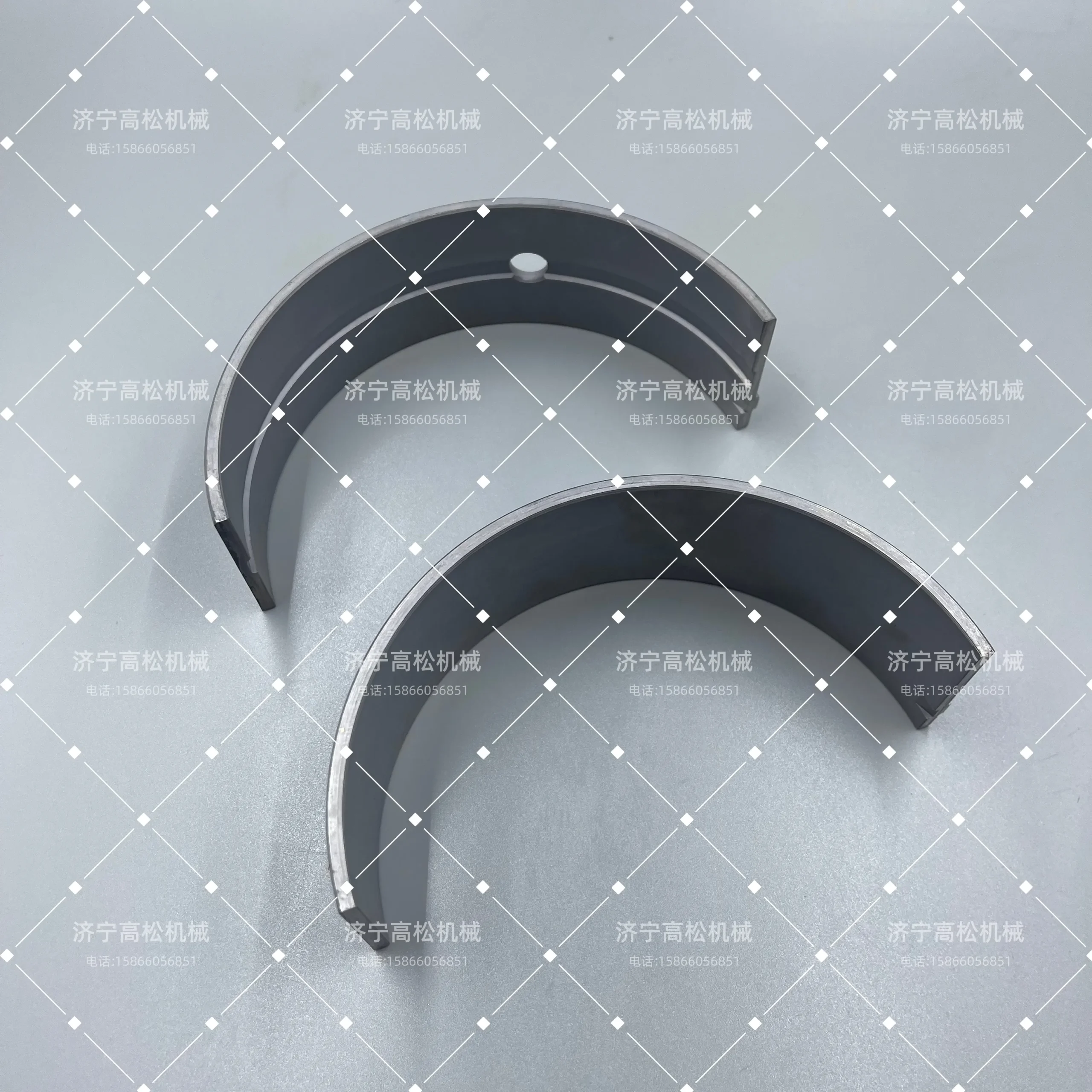 Komatsu Main Bearing STD – 6162-23-8010
 -
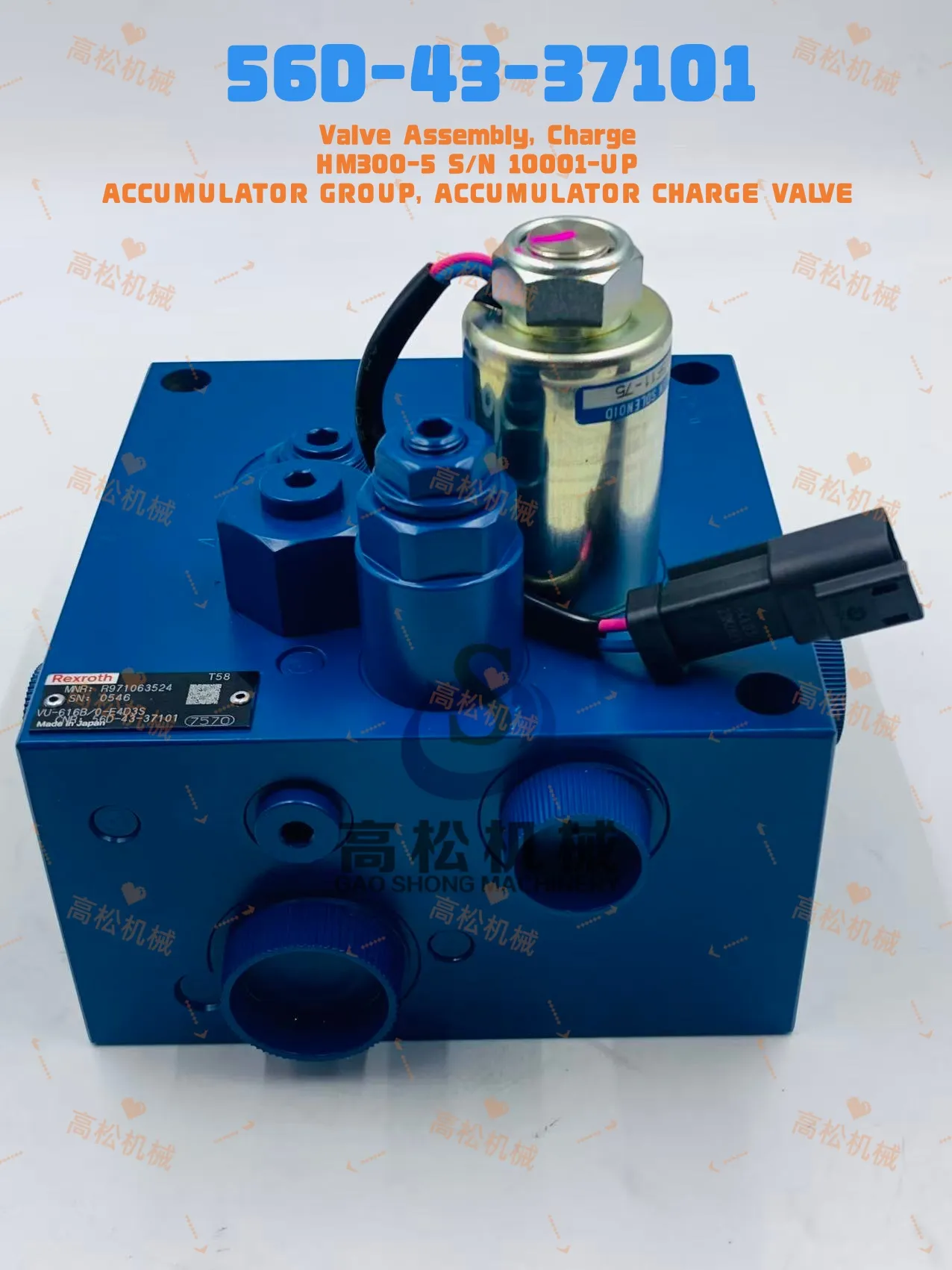 56D-43-37101 Valve Assembly, Charge HM300-5 ACCUMULATOR GROUP, ACCUMULATOR CHARGE VALVE
 -
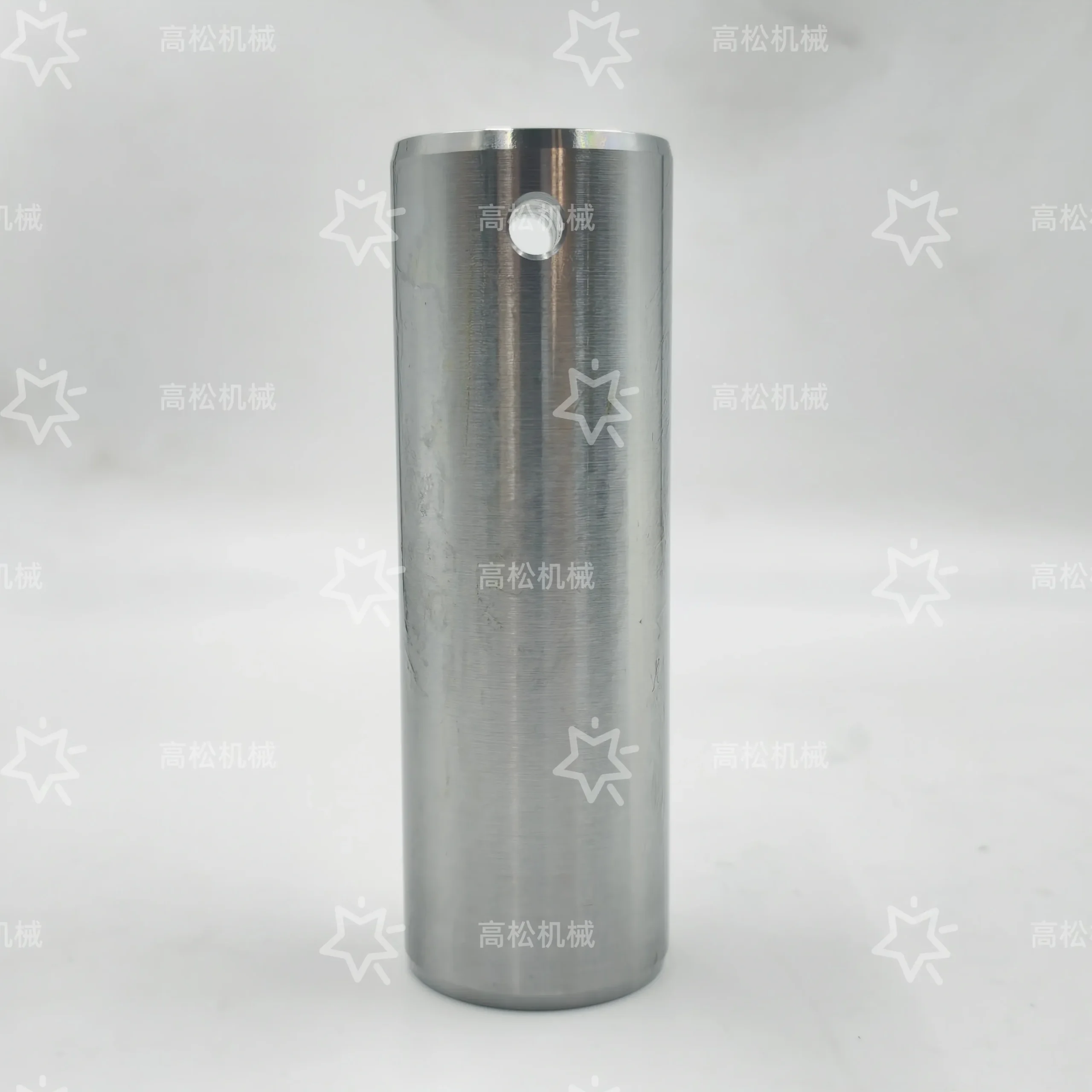 Komatsu Pin 421-22-32511 for Wheel loader WA470-6
 -
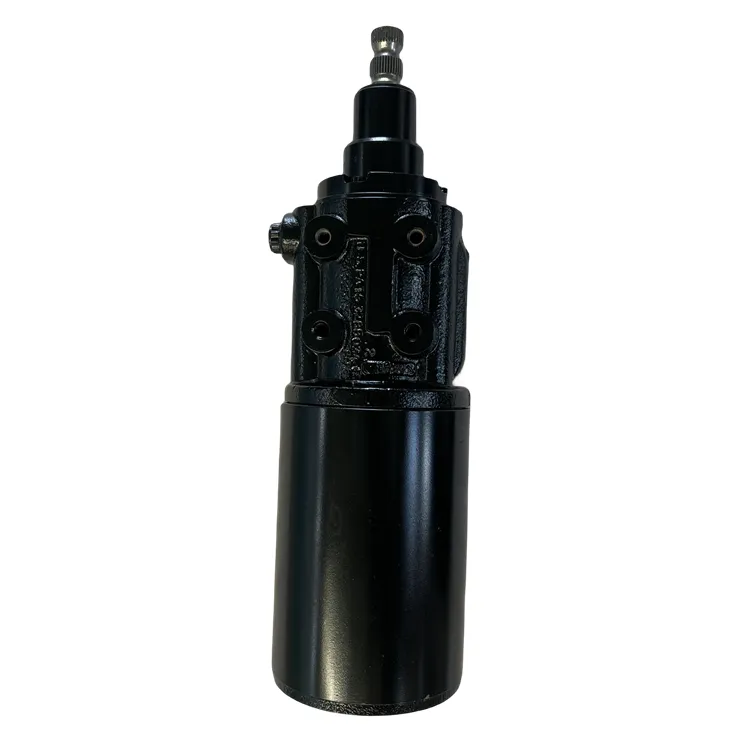 HD785-7 steering valve 561-40-83300
 -
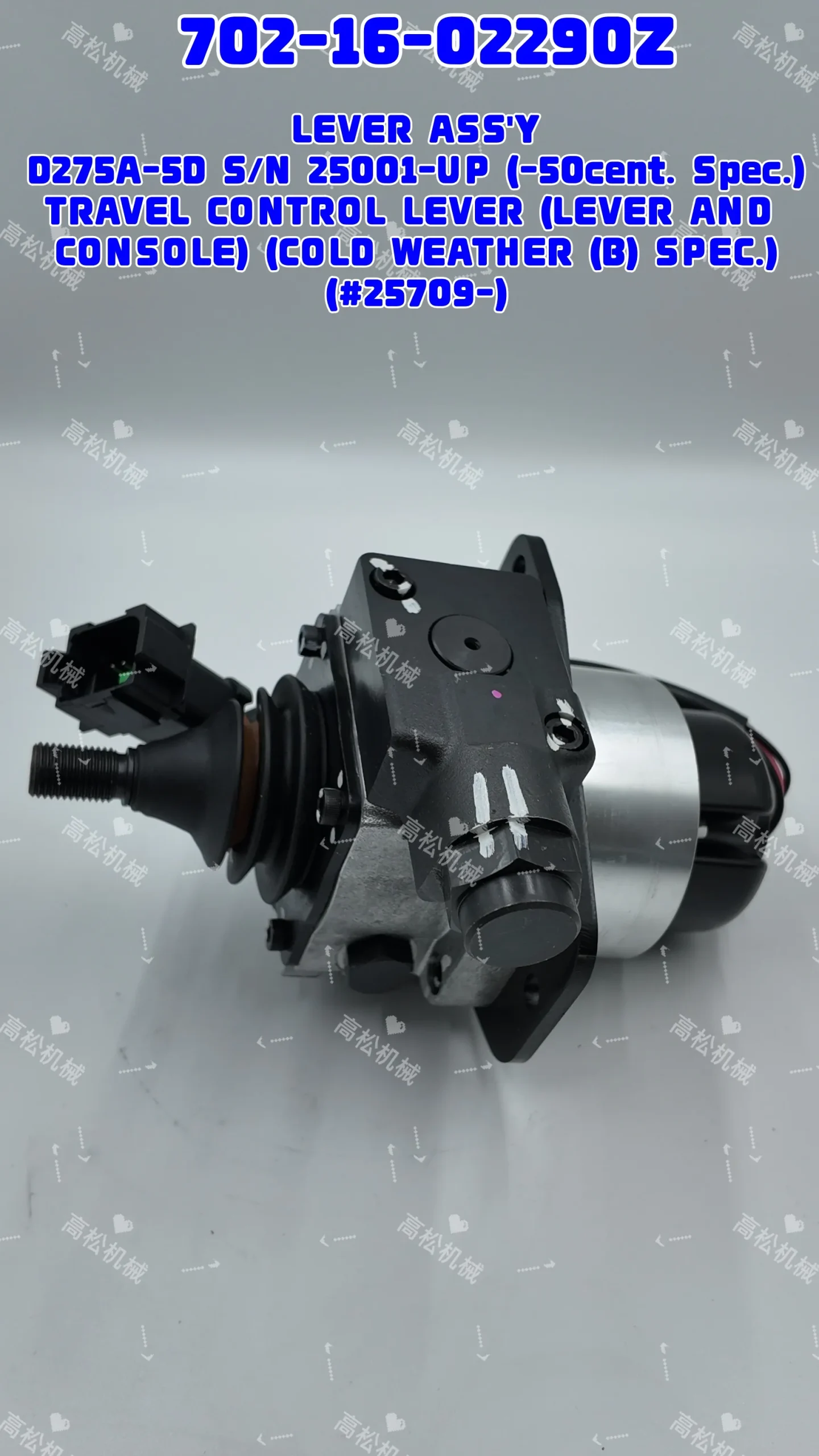 komatsu-part-702-16-02290 Lever Assembly D65WX-17 D65PX-18 D65WX-18E0 D85MS-15 D85EX-15R D155AX-6 D155AX-7 D475A-5E0 D475ASD-5E0 FLOOR FRAME, LEVE CONTROL UNIT, PCCS (PALM COMMAND CONTROL SYSTEM) LEVER ROPS CAB, PCCS (PALM COMMAND CONTROL SYSTEM) LEVER CONTROL UNIT, PCCS (PALM COMMAND CONTROL SYSTEM) LEVER