
- Chinese
- French
- German
- Portuguese
- Spanish
- Russian
- Japanese
- Korean
- Arabic
- Irish
- Greek
- Turkish
- Italian
- Danish
- Romanian
- Indonesian
- Czech
- Afrikaans
- Swedish
- Polish
- Basque
- Catalan
- Esperanto
- Hindi
- Lao
- Albanian
- Amharic
- Armenian
- Azerbaijani
- Belarusian
- Bengali
- Bosnian
- Bulgarian
- Cebuano
- Chichewa
- Corsican
- Croatian
- Dutch
- Estonian
- Filipino
- Finnish
- Frisian
- Galician
- Georgian
- Gujarati
- Haitian
- Hausa
- Hawaiian
- Hebrew
- Hmong
- Hungarian
- Icelandic
- Igbo
- Javanese
- Kannada
- Kazakh
- Khmer
- Kurdish
- Kyrgyz
- Latin
- Latvian
- Lithuanian
- Luxembou..
- Macedonian
- Malagasy
- Malay
- Malayalam
- Maltese
- Maori
- Marathi
- Mongolian
- Burmese
- Nepali
- Norwegian
- Pashto
- Persian
- Punjabi
- Serbian
- Sesotho
- Sinhala
- Slovak
- Slovenian
- Somali
- Samoan
- Scots Gaelic
- Shona
- Sindhi
- Sundanese
- Swahili
- Tajik
- Tamil
- Telugu
- Thai
- Ukrainian
- Urdu
- Uzbek
- Vietnamese
- Welsh
- Xhosa
- Yiddish
- Yoruba
- Zulu
- Kinyarwanda
- Tatar
- Oriya
- Turkmen
- Uyghur






Komatsu excavator parts
When you hear 'Komatsu excavator parts', the immediate thought is 'genuine OEM' or 'cheap aftermarket'. That binary is where most people, even some in the field, get stuck. The reality in the trenches is messier. It's about understanding the supply chain gaps that even Komatsu's official network can't always plug, especially in regions with older machine populations or complex import rules. That's where the real conversation about parts sourcing begins.
The OEM Promise and Its Practical Limits
Don't get me wrong, nothing beats a genuine Komatsu part for a critical component like a main hydraulic pump or the controller. The fit, the performance, it's engineered as a system. But here's the rub: lead times. For a PC300-8's swing motor assembly, you might be quoted 12 weeks if you're in a secondary market. The machine is down, the project is bleeding money. The 'OEM-only' purist stance crumbles fast under that pressure.
This is precisely the gap companies like Jining Gaosong Construction Machinery operate in. They position themselves as an OEM product supplier within the Komatsu system. That phrasing is key—it suggests a sanctioned quality tier, not just a random reseller. I've seen their documentation for certain undercarriage components; it often mirrors the OEM spec sheets, which builds a different level of trust compared to a purely aftermarket catalog.
The challenge is verification. When a supplier says OEM-standard, you need to dig. Is it the same foundry? The same bearing supplier? Sometimes it's yes, sometimes it's a 'meets or exceeds' scenario. For non-safety-critical parts like a cab filter or a seat cushion, the risk is low. For a final drive, you need to be absolutely sure.
Navigating the Third-Party Landscape
This is where Jining Gaosong's other role—as a third-party sales company for Komatsu—gets interesting. They aren't trying to hide it. Their stated goal is solving parts supply challenges in certain countries. I interpret this as them handling distribution for lines Komatsu's primary network finds less profitable or logistically tangled, or providing an alternative pipeline for parts that are technically discontinued but still in high demand.
I recall a project in Southeast Asia with three PC200-6s. The solenoid valves for the old 6D102 engine were virtually unobtainium through standard channels. A local contact pointed us to a third-party supplier, which upon checking, was sourcing through a channel like Gaosong's. The parts arrived in Komatsu-style packaging but with supplementary labels. They worked flawlessly for two years now. Was it genuine? Not in the strictest sense. Was it an OEM-quality solution for a legacy machine? Absolutely.
The takeaway is that a reputable third-party within the system can be more reliable than an unknown supplier claiming to have genuine parts at half price. It's about traceability and accountability.
Critical Parts vs. Consumables: A Different Strategy
You must stratify your parts strategy. For Komatsu excavator parts like cylinder rods, gear groups in the travel motor, or the swing circle, I still lean heavily on the official dealer. The cost of failure is catastrophic. The torque converter? Maybe a high-quality reman from a trusted specialist.
But for consumables and wear items—bucket teeth, sprockets, link assemblies, even hydraulic hoses—the landscape changes. Here, the aftermarket and system-approved third parties like the one mentioned on https://www.takematsumachinery.com can offer immense value without compromising uptime. Their value proposition isn't just price; it's availability. They often stock the high-wear items for models that are 15-20 years old, which the main dealer has phased out.
I learned this the hard way early on. I insisted on genuine everything for a PC130. The bill for a set of official side cutters was astronomical. A site manager showed me an alternative from a system supplier that lasted 80% as long at 40% of the cost. For an item that wears out regularly, that's just smarter business.
The Verification Ritual
Ordering from a new source, regardless of their claims, requires a ritual. First, get the part number and cross-reference it everywhere. Then, ask for material certifications—for a pin and bushing set, this is non-negotiable. Ask for clear, high-resolution photos of the actual part, not a catalog image. Look for casting marks, finish quality.
Companies that are transparent, like Jining Gaosong Construction Machinery Co., Ltd., often provide this without fuss if you're a serious buyer. Their website serves as a starting point for contact, not necessarily a full e-commerce solution, which is actually more realistic for this industry. The real conversation happens over email or phone, with spec sheets and photos flying back and forth.
If they hesitate or give you marketing fluff instead of technical data, walk away. This applies to any supplier, OEM-system or not.
Long-Term Reliability and the Data Gap
The biggest unknown with non-dealer parts is long-term reliability. A pump might work for 1000 hours, but will it reach the 8000-hour design life? We often lack the data. This is where fragmented record-keeping hurts us. I've started maintaining simple spreadsheets for alternative parts: source, price, installation date, machine hours, failure mode. Over time, this tells you which third-party channels are truly reliable.
For instance, a batch of track rollers from a certain system supplier might show premature sealing failure. That intel is gold. It tells you to maybe use them for a short-term rental fleet but not for your own long-term assets. This empirical, ground-level data is what separates a parts manager from an order clerk.
In the end, managing Komatsu excavator parts is about smart risk management. You build a layered supply chain. Your first call is the dealer. For dead-ends, you turn to your vetted shortlist of system suppliers and high-quality aftermarket specialists. The goal isn't ideological purity; it's maximizing machine availability at a sustainable total cost. It's a continuous, imperfect process of evaluation, trial, and observation. And that's what makes it a professional discipline, not just a purchasing task.
Related Products
Related Products

Best Selling Products
Best Selling Products-
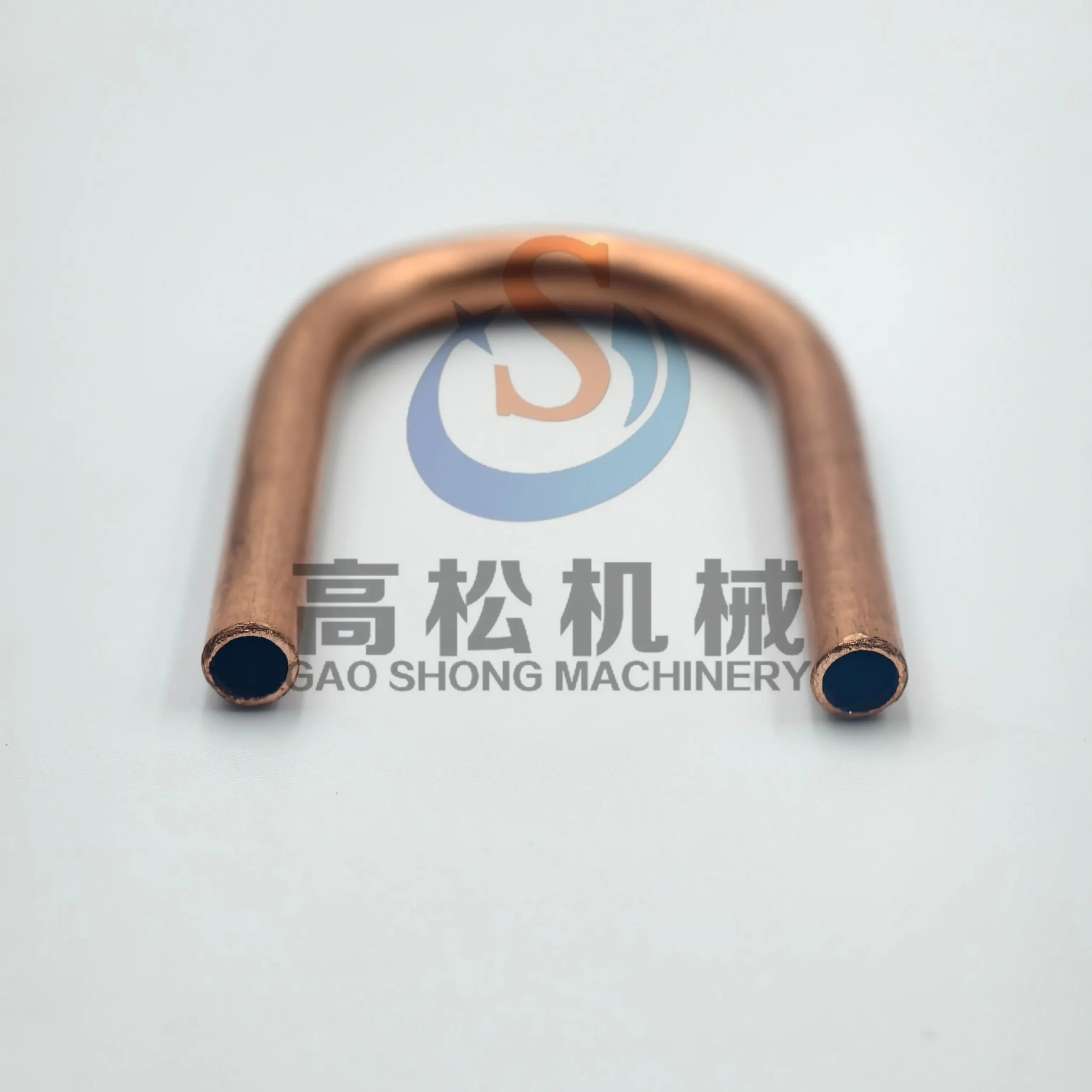 TUBE 21N-68-32360 – KOMATSU
 -
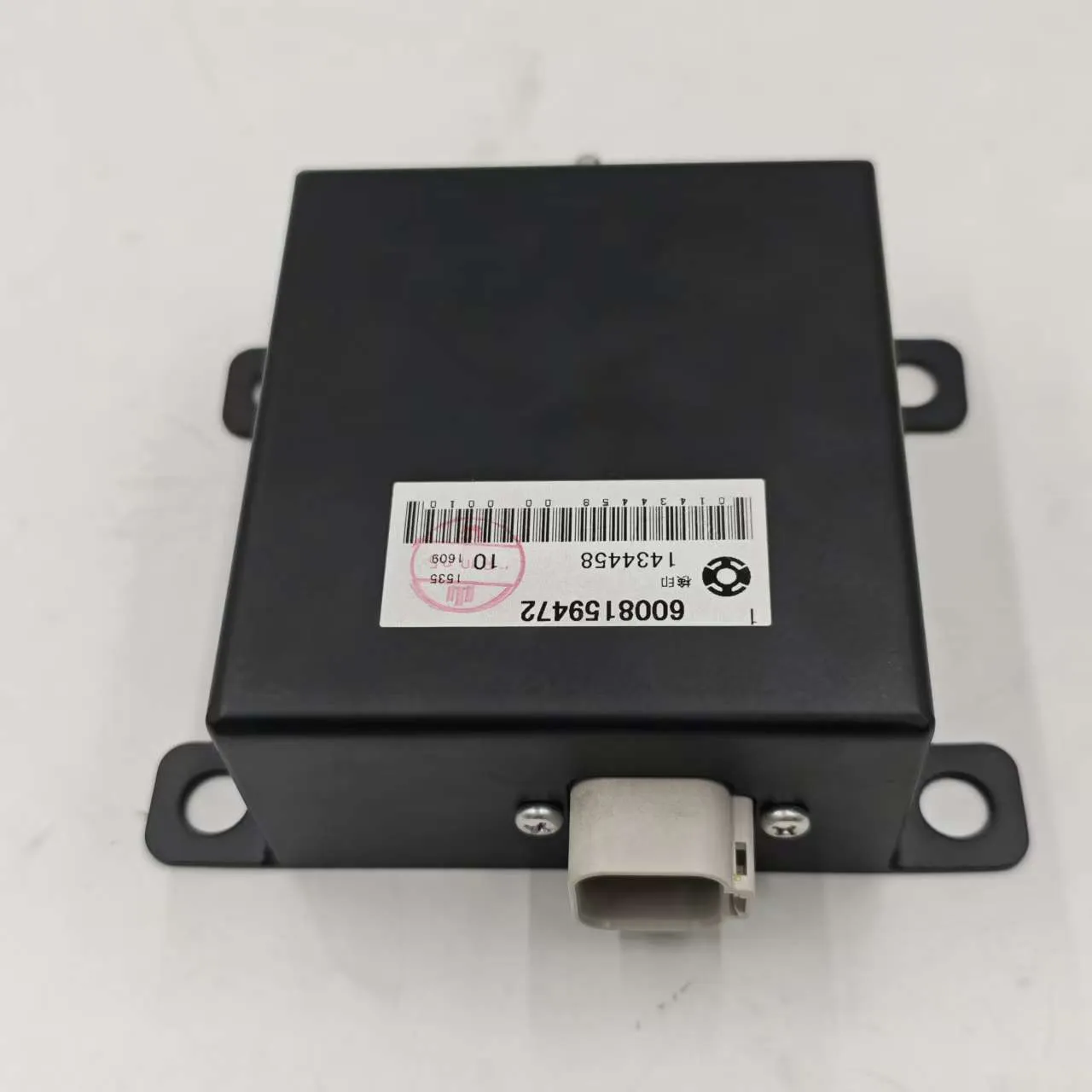 Switch 600-815-9472 HD785 Dump Truck Spare Parts
 -
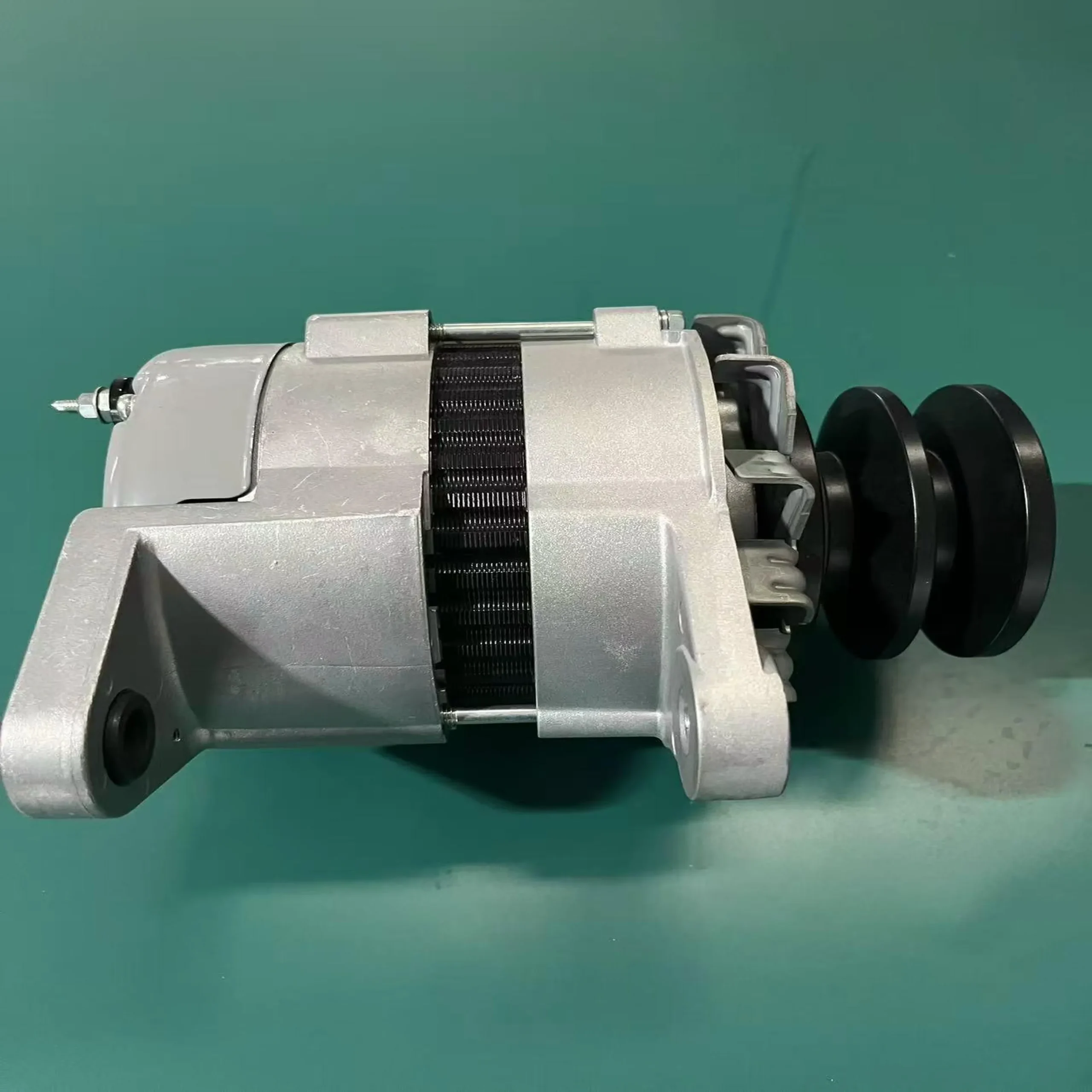 600-825-3151OEG Parts New Alternator Compatible With KOMATSU D65E Crawler & PC130 PC400 EXCAVATOR WA320 LOADER 6008253120, 6008253150, 6008253151, 6008253160, 6008253161, ANK0005, 40050015
 -
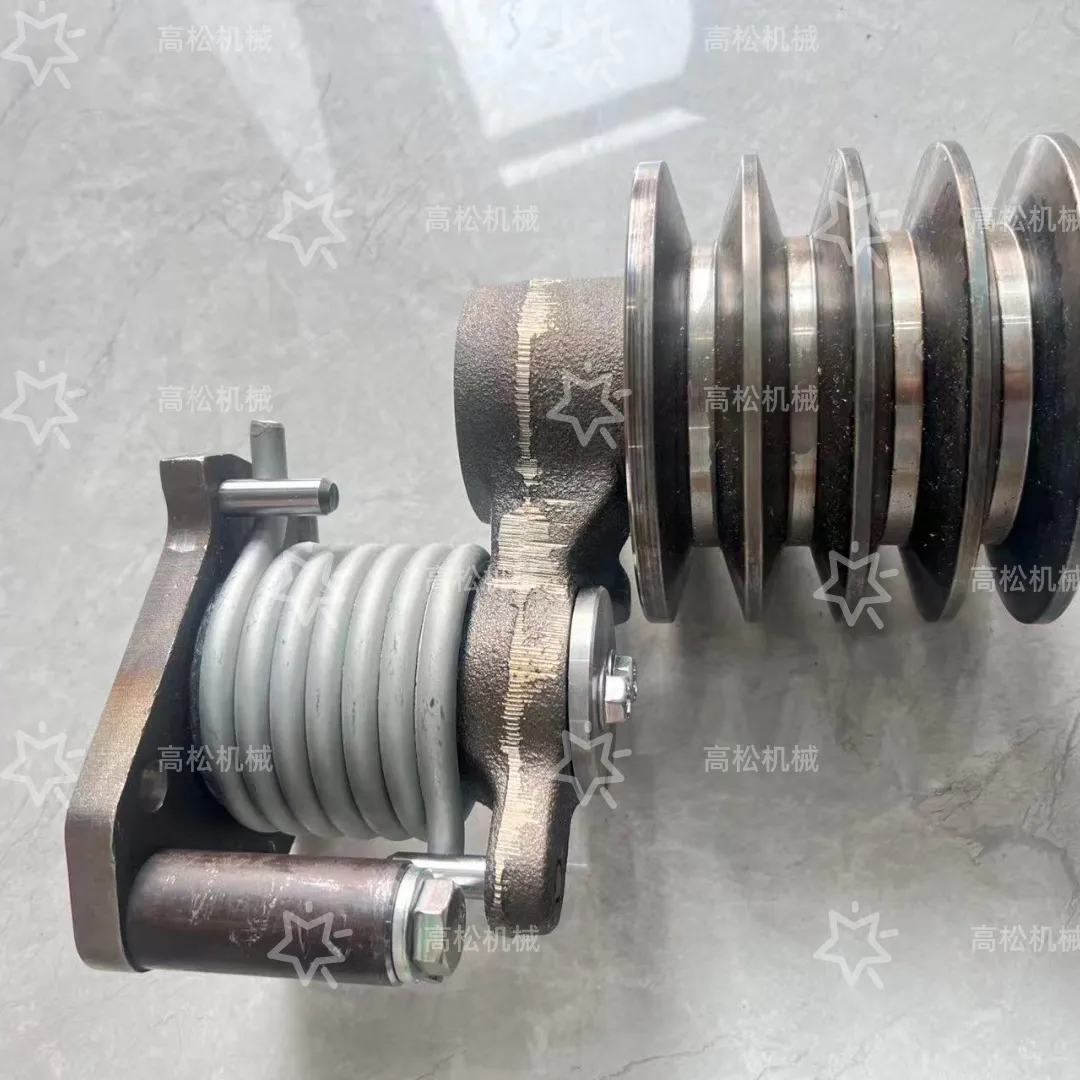 tension pulley ass’y 6240-61-4500 – komatsu
 -
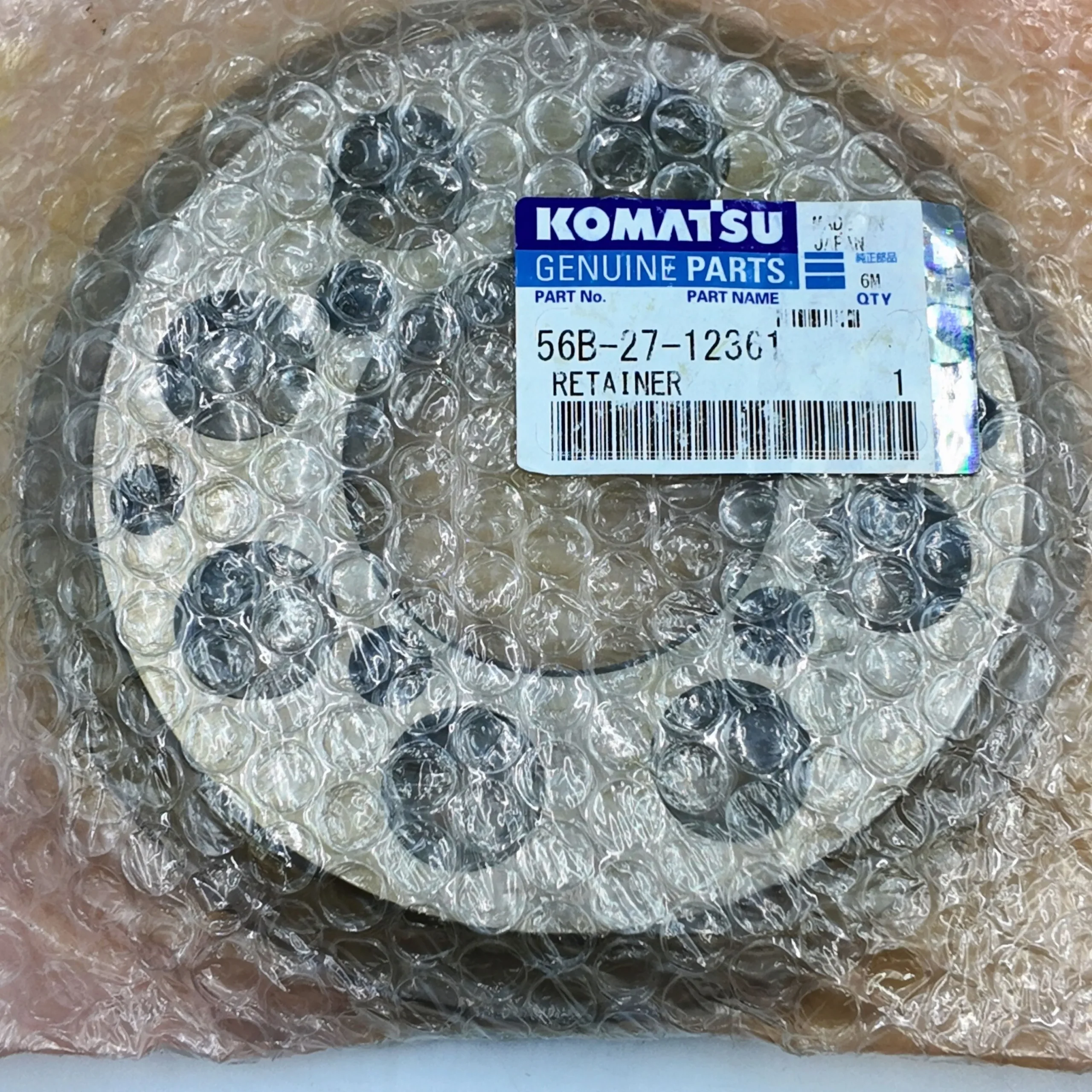 Komatsu Genuine Parts 56B-27-12361 Retainer
 -
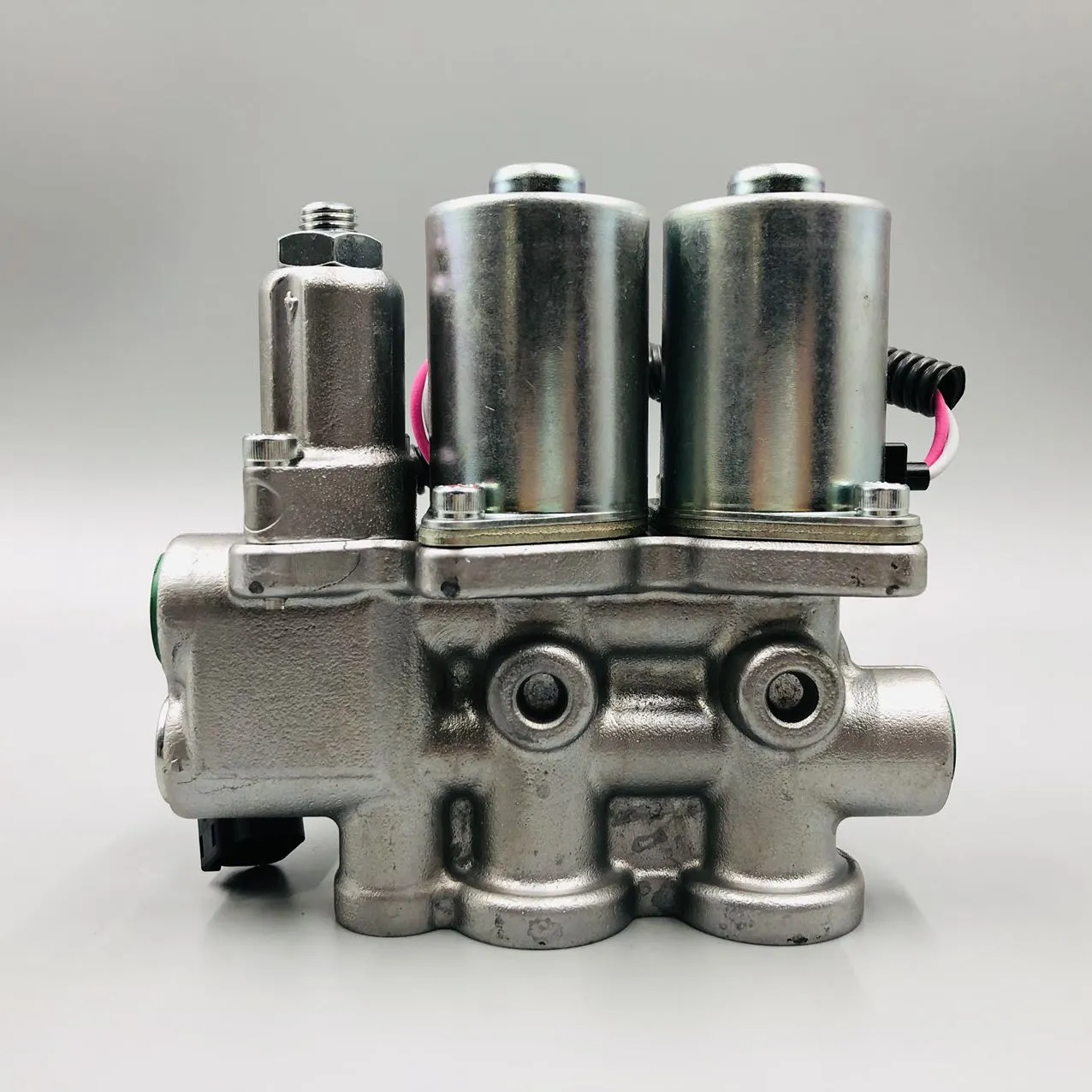 Valve Assembly22F-60-31600
 -
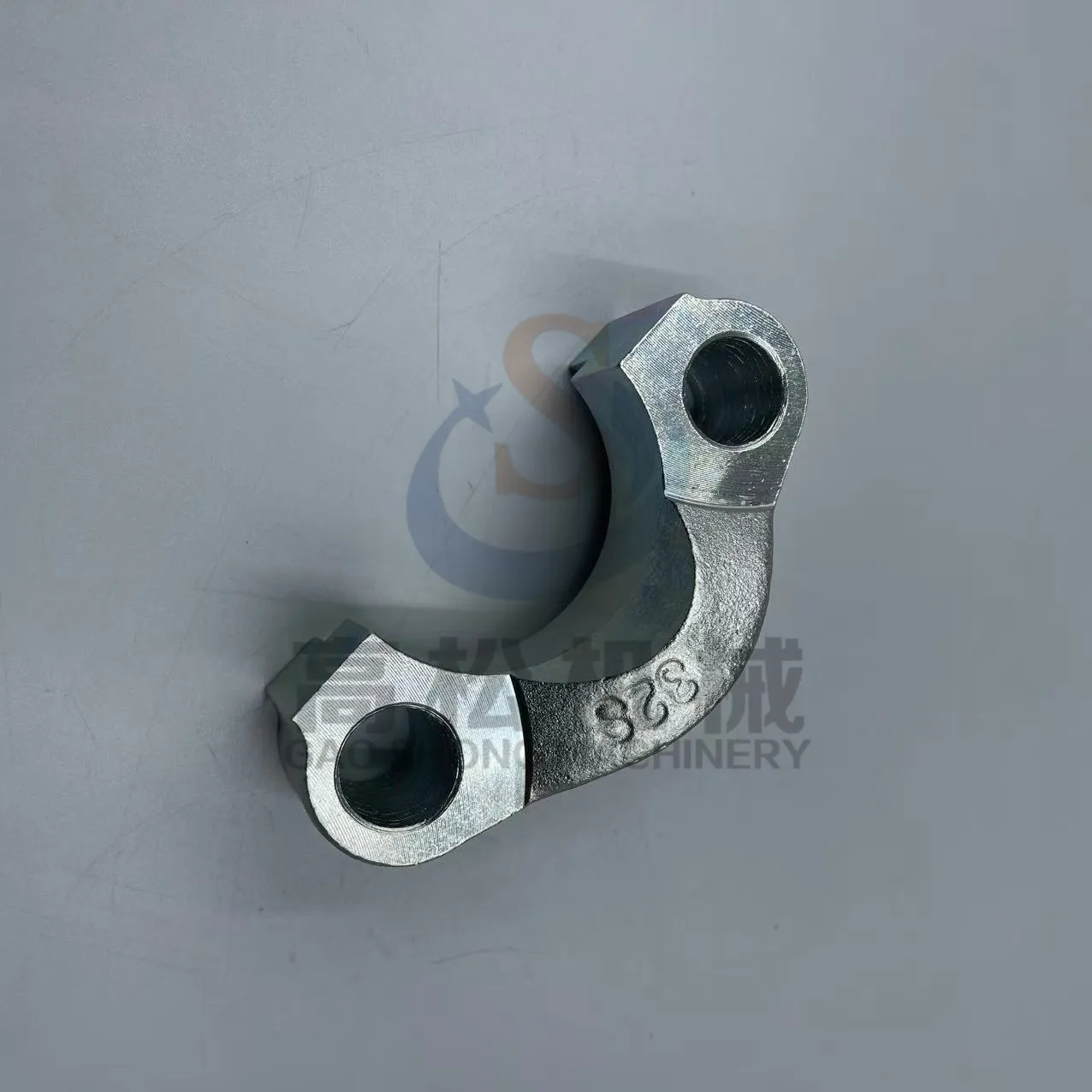 FLANGE 07371-52080 – KOMATSU
 -
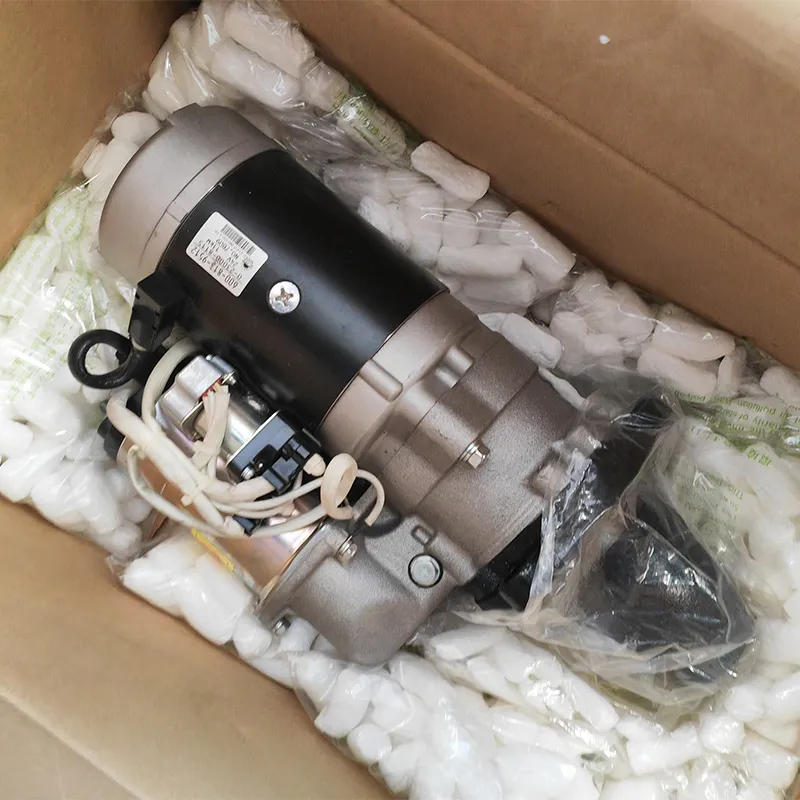 600-813-9512 Original komatsu Starter Motor for PC1250-8 D375-6 WA600-8
 -
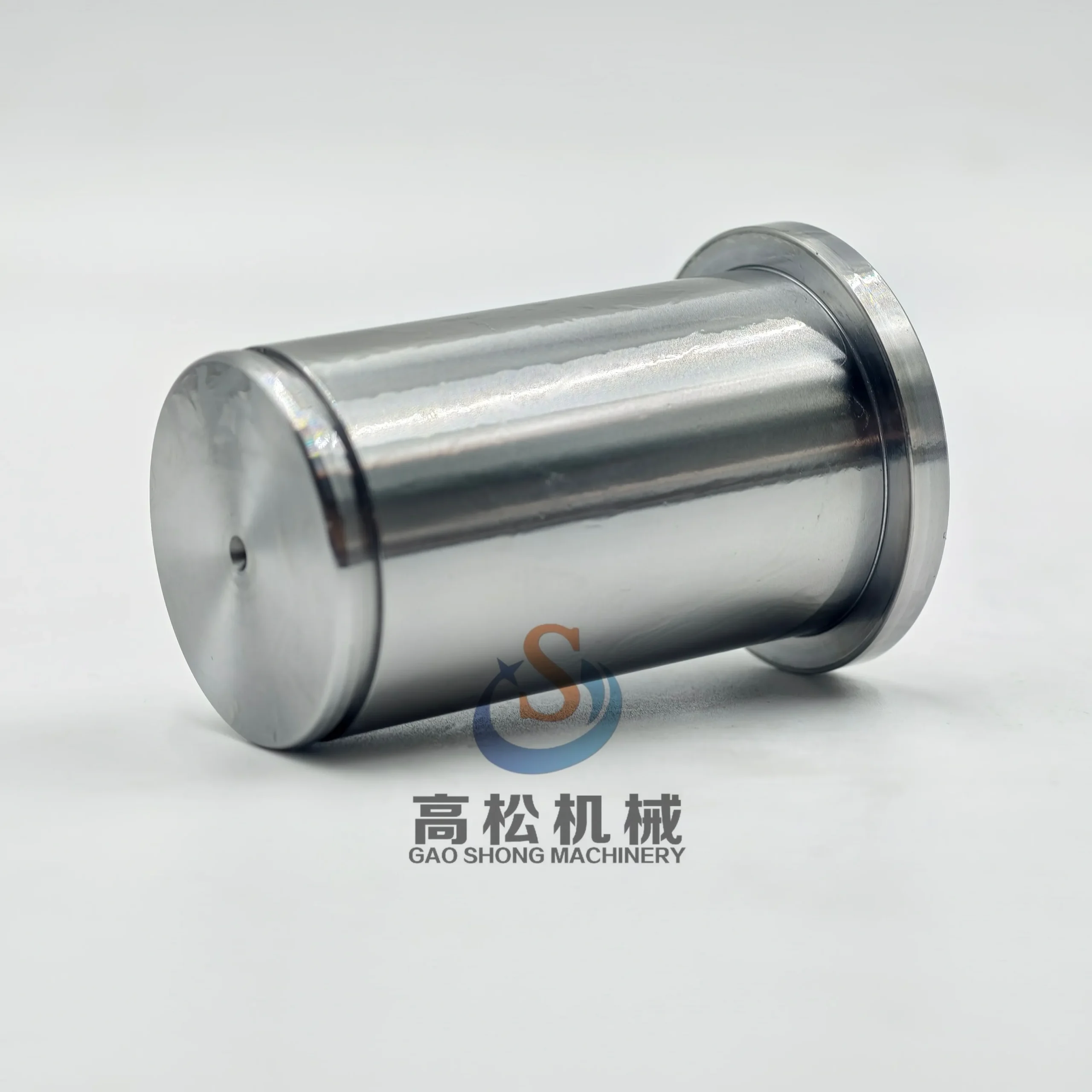 komatsu parts 21N-26-33240 Pin PC1250-11 SWING MACHINERY AND MOTOR, FRONT
 -
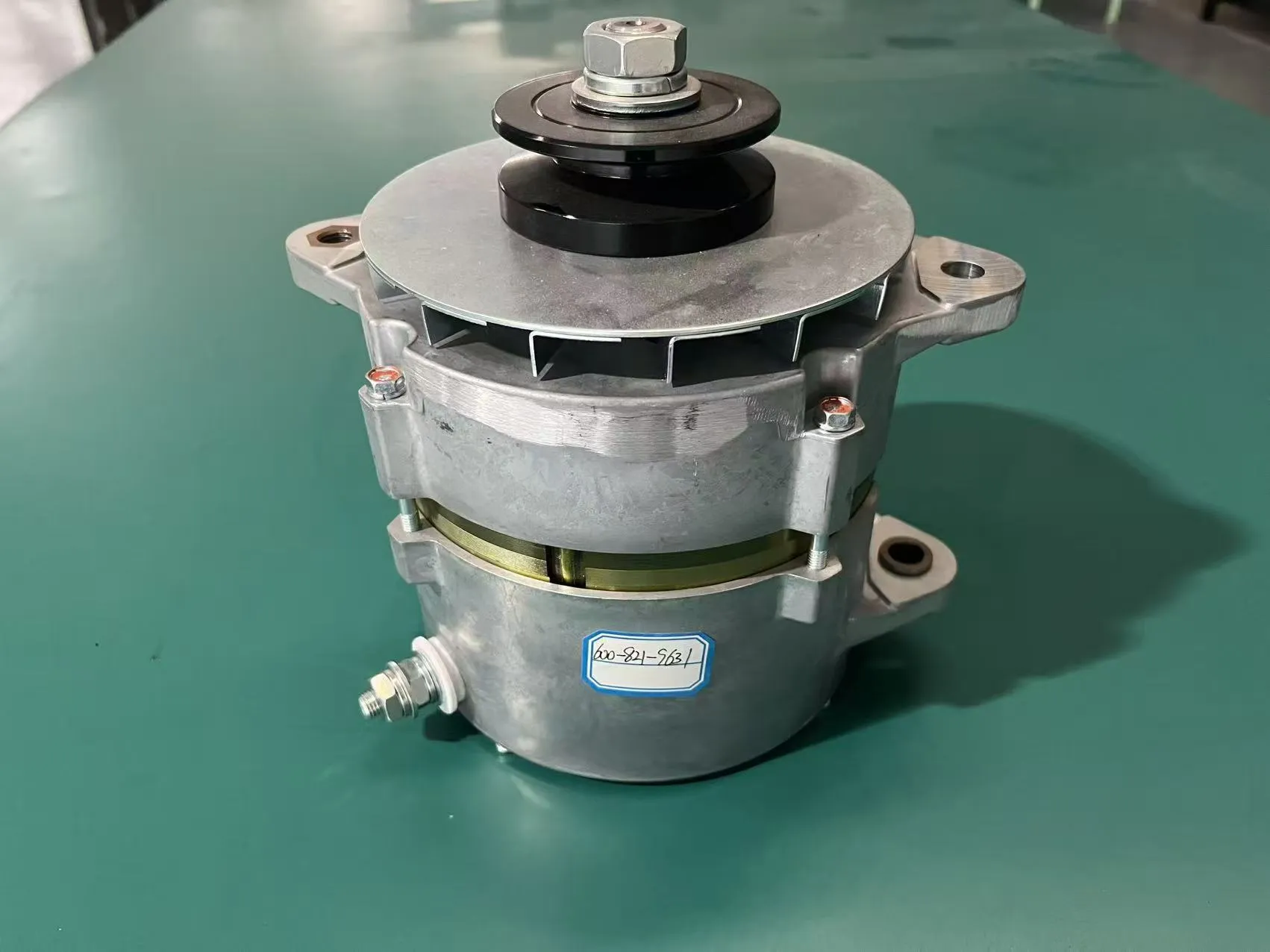 600-821-9631 Komatsu SA12V140 ALTERNATOR
 -
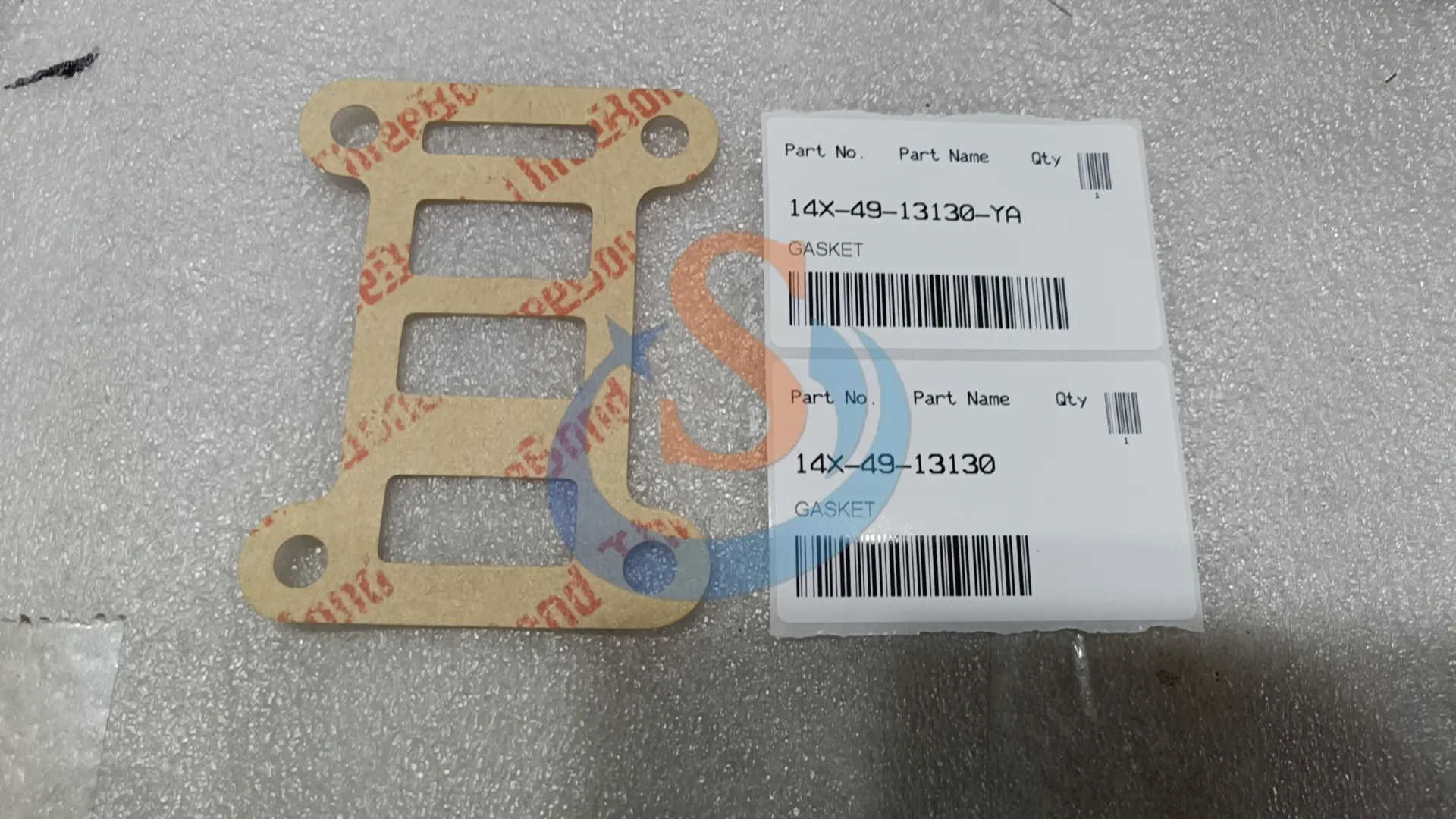 14X-49-13130,GASKET,D85ESS,D155A,D475A
 -
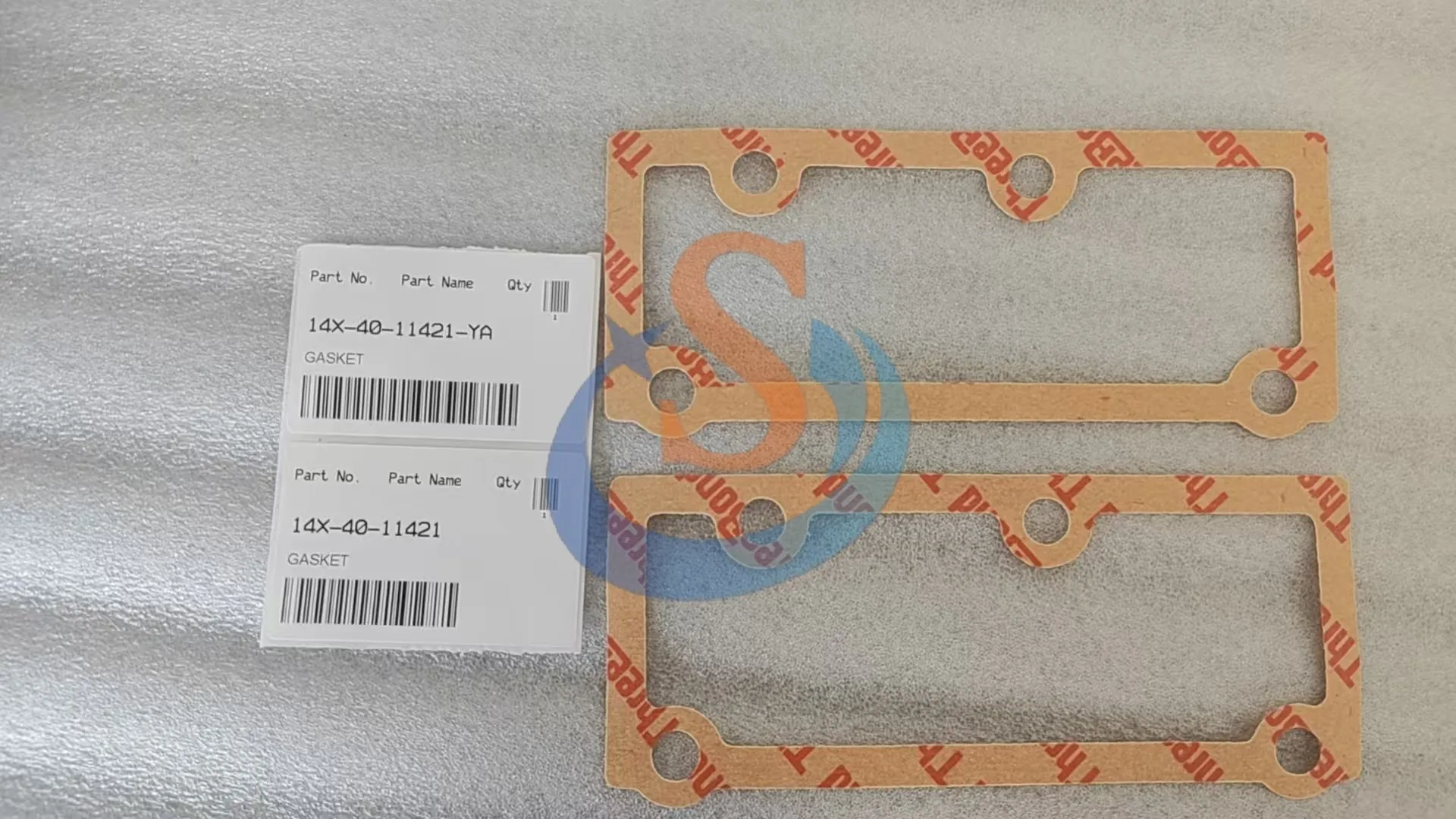 14X-40-11421,GASKET,D375A,D475A,D85ESS