
- Chinese
- French
- German
- Portuguese
- Spanish
- Russian
- Japanese
- Korean
- Arabic
- Irish
- Greek
- Turkish
- Italian
- Danish
- Romanian
- Indonesian
- Czech
- Afrikaans
- Swedish
- Polish
- Basque
- Catalan
- Esperanto
- Hindi
- Lao
- Albanian
- Amharic
- Armenian
- Azerbaijani
- Belarusian
- Bengali
- Bosnian
- Bulgarian
- Cebuano
- Chichewa
- Corsican
- Croatian
- Dutch
- Estonian
- Filipino
- Finnish
- Frisian
- Galician
- Georgian
- Gujarati
- Haitian
- Hausa
- Hawaiian
- Hebrew
- Hmong
- Hungarian
- Icelandic
- Igbo
- Javanese
- Kannada
- Kazakh
- Khmer
- Kurdish
- Kyrgyz
- Latin
- Latvian
- Lithuanian
- Luxembou..
- Macedonian
- Malagasy
- Malay
- Malayalam
- Maltese
- Maori
- Marathi
- Mongolian
- Burmese
- Nepali
- Norwegian
- Pashto
- Persian
- Punjabi
- Serbian
- Sesotho
- Sinhala
- Slovak
- Slovenian
- Somali
- Samoan
- Scots Gaelic
- Shona
- Sindhi
- Sundanese
- Swahili
- Tajik
- Tamil
- Telugu
- Thai
- Ukrainian
- Urdu
- Uzbek
- Vietnamese
- Welsh
- Xhosa
- Yiddish
- Yoruba
- Zulu
- Kinyarwanda
- Tatar
- Oriya
- Turkmen
- Uyghur






komatsu excavator hydraulic pump
When you hear 'Komatsu excavator hydraulic pump', most guys think of the genuine part, the one that comes in the blue box. That's the gold standard, sure. But in the real world, on sites from Southeast Asia to South America, the story gets more complicated. The assumption that only the factory part will do has left a lot of machines down for weeks, waiting on a shipment that might get held up in customs. The reality is, the ecosystem around these pumps involves OEM suppliers, third-party channels, and a constant battle against downtime. It's not just about the part; it's about the system that gets it to you.
The Core Challenge: Pressure, Flow, and The Aftermarket Gap
Let's talk about the pump itself. On a Komatsu PC200-8 or a 300 model, the main hydraulic pump isn't just a commodity. It's a matched component to the engine and the valve block. The common failure points? The swashplate wear, or the servo piston getting scored. I've seen pumps where the issue wasn't the pump at all, but a failing pump controller sending erratic signals, leading guys to replace a perfectly good unit. That's a $15k mistake.
This is where the aftermarket gap hits hard. A genuine Komatsu pump is a major capital outlay. For an older machine, say a Dash-7 series, it sometimes doesn't make financial sense. But the alternative used to be a crapshoot with rebuilds or questionable copies. You'd get a pump that looked right, but the internal clearances were off, leading to overheating and cavitation within 200 hours. The noise alone was a dead giveaway—a high-pitched whine under load that the original never made.
This created a niche for companies that actually understand the specs. I'm talking about firms that operate as OEM product suppliers within the Komatsu network. They aren't just resellers; they're part of the supply chain. For instance, a company like Jining Gaosong Construction Machinery Co., Ltd. fits this profile. They're positioned to help solve parts supply challenges in certain regions, which is more valuable than most realize. It's not about being cheaper; it's about being available and reliable. You can check their approach at their portal, takematsumachinery.com. Their role as a third-party sales company for Komatsu means they can often bridge that delivery gap when the official pipeline is clogged.
On-Set Failure: A Case of the Wrong Fix
I remember a job on a PC360LC-10. The machine had weak digging force and slow cycling. The local mechanic, under pressure, swapped the main hydraulic pump with a rebuilt unit from a non-specialist shop. The result? The machine moved, but the hydraulic oil temperature skyrocketed to 115°C within an hour of work. The system was fighting itself.
We had to backtrack. Turns out, the original pump was fine. The problem was a clogged suction line from the hydraulic tank and a partially failed cooler. The new pump, with its slightly different volumetric efficiency, just amplified the underlying issue. We drained the oil, found a ton of fine brass particles from a failing swing motor bearing—contamination that had been circulating. The lesson? Never assume the pump is the culprit just because performance is down. You need to check pressure at the test ports, check case drain flow, and rule out contamination first.
This is where having a technical partner who knows the machine matters. An OEM product supplier that's integrated with Komatsu systems will have the technical bulletins and flow charts. They wouldn't have just sold a pump; they'd have asked for the serial number and maybe suggested checking the case drain flow first. That knowledge saves weeks of downtime and wasted money.
The Rebuild vs. Replace Dilemma
For a core like a Komatsu pump, rebuilding is a standard practice. But not all rebuilds are equal. A proper rebuild isn't just new seals and a polish. It involves machining the housing to accept oversized bearings, replacing the rotating group as a matched set, and recalibrating the servo control. I've used rebuild kits from reputable sources that worked flawlessly for 5000+ hours. I've also seen rebuilt pumps that were just cleaned and painted.
The key is the source of the components. Some of the best rebuild shops source their rotating groups and valve plates from the same foundries that supply the OEM product suppliers. This is the grey area that works. You're not buying a Komatsu-branded part, but you are getting a component made to the original material and dimensional specs. It's a pragmatic solution for machines outside of warranty.
Companies that act as a third-party sales company for Komatsu often have access to these high-quality repair kits or exchange units. They can provide a certified exchange pump that comes with a legitimate warranty, which is a different proposition from a random shop rebuild. It fills the gap between a full-genuine purchase and a risky unknown.
Contamination: The Silent Pump Killer
No discussion on hydraulic pumps is complete without hammering on contamination. It's the number one cause of premature failure, period. A new or rebuilt Komatsu excavator hydraulic pump can be killed in less than 50 hours with dirty oil. The tolerances inside are incredibly tight; a particle as small as 5 microns can score the valve plate.
The standard advice is to change filters and oil. But on an older machine, that's not enough. You need to clean the hydraulic tank thoroughly—not just drain it, but physically wipe it out. Flushing the lines is ideal but often impractical. At a minimum, use a filter cart on the system after any major component change. I've started using offline filtration systems as a permanent install on high-hour machines. It's cheaper than a new pump.
This is another point where a good supplier adds value. They won't just sell you the pump; they'll ask about your maintenance history and probably recommend a filter and oil change kit to go with it. It's in their interest for the part to last. A company like Jining Gaosong, which operates within the Komatsu ecosystem, understands that their reputation hinges on the total success of the repair, not just moving a unit.
Looking Ahead: Availability and Pragmatism
So where does this leave us? The keyword 'komatsu excavator hydraulic pump' pulls up a world of options, from overpriced genuine parts to scary knock-offs. The smart play is in the middle. It's about finding suppliers who have the technical depth and supply chain legitimacy to offer a reliable solution, not just a part.
For fleet managers operating in regions with logistical hurdles, the value of a partner who can navigate both OEM and third-party channels is huge. It's the difference between a machine down for a month and a machine back in three days. The website takematsumachinery.com from Jining Gaosong is an example of that interface. They're not claiming to be Komatsu, but they're positioned as a problem-solver within that universe, which is exactly what many operations need.
Ultimately, dealing with these critical components forces you to be a pragmatist. You respect the engineering of the genuine Komatsu part, but you also have to navigate cost, machine age, and brutal downtime pressures. The goal is to keep the iron moving. Sometimes that means a genuine pump, sometimes a certified rebuild from a trusted source in the supply network. The trick is knowing which situation you're in, and that comes from tearing enough of them apart—and putting them back together—to understand what you're really buying.
Related Products
Related Products

Best Selling Products
Best Selling Products-
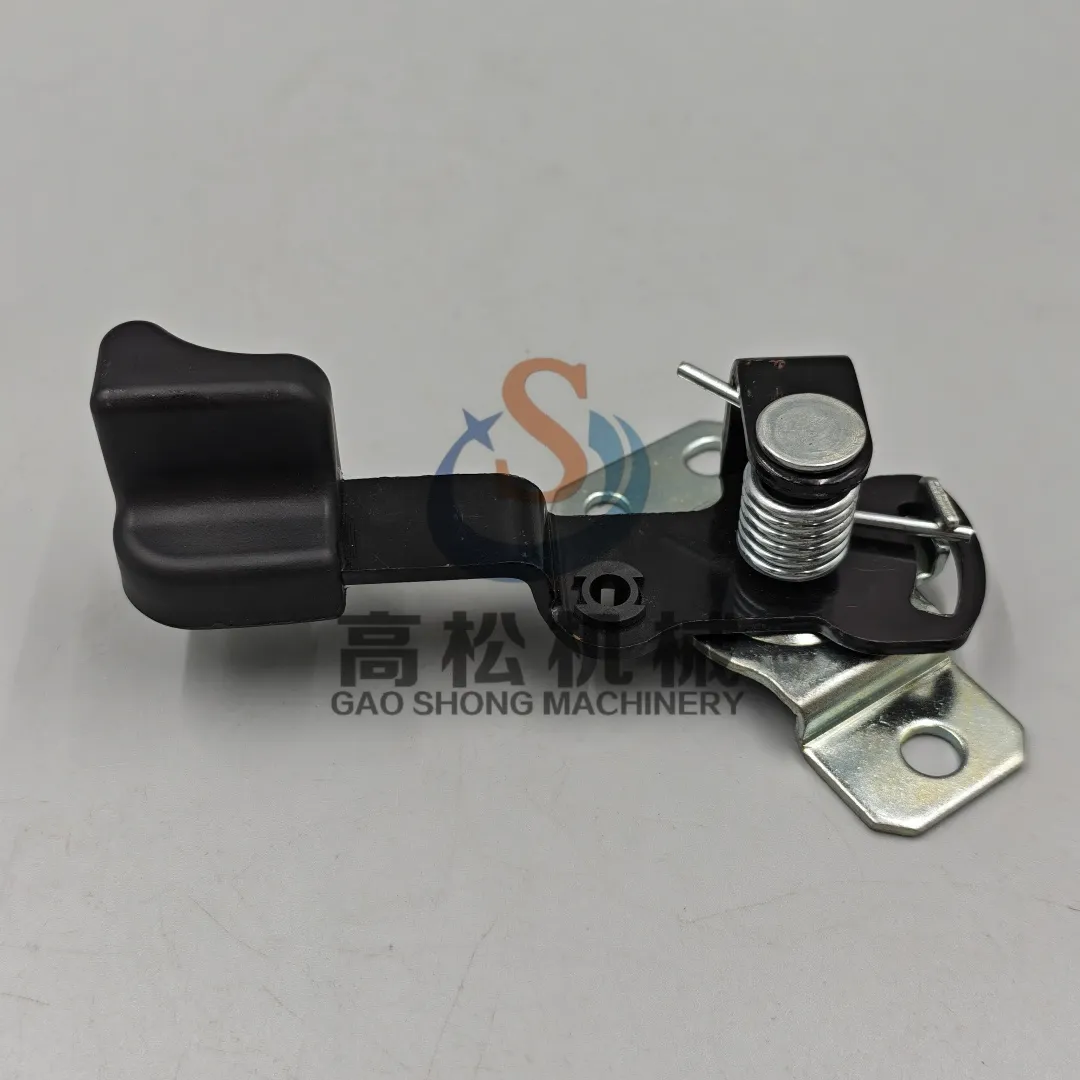 Door Lock Assembly 20Y-54-52820 Latch 20Y-53-12201 Handle Ass’s 20Y-54-52300 for Komatsu PC220-8
 -
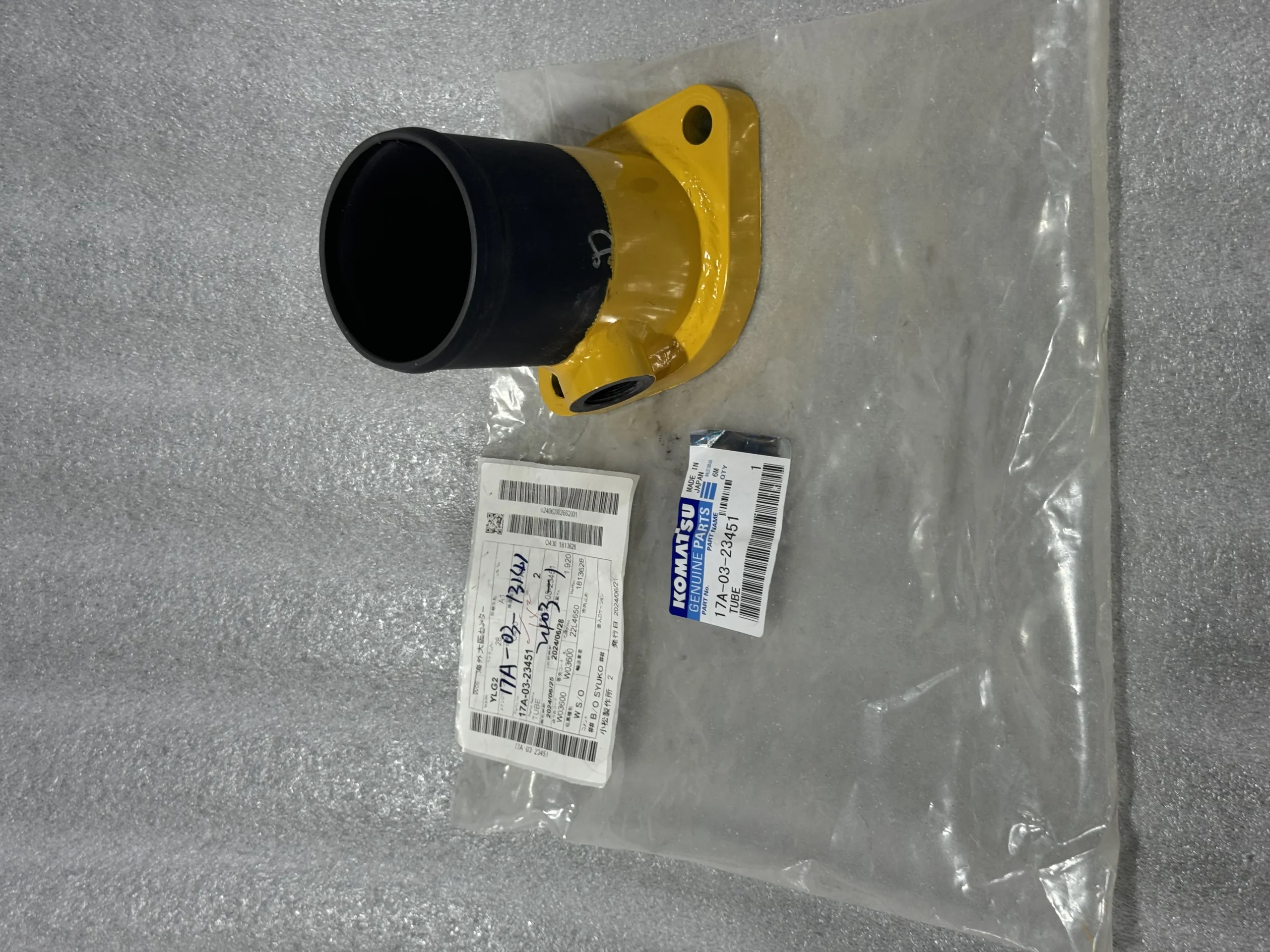 D155AX-5 Tube 17A-03-23451
 -
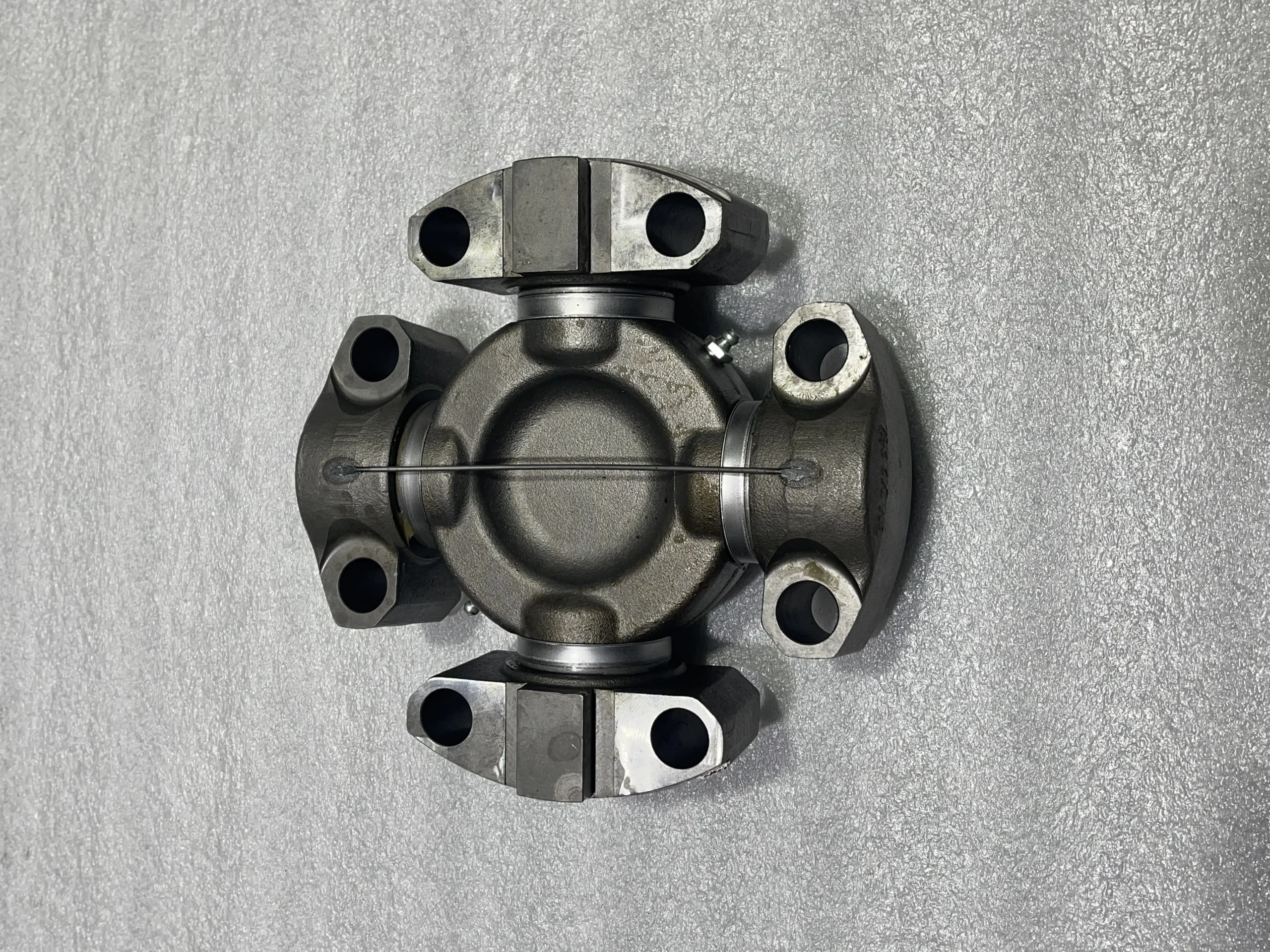 561-20-71100• SPIDER Komatsu Original Factory
 -
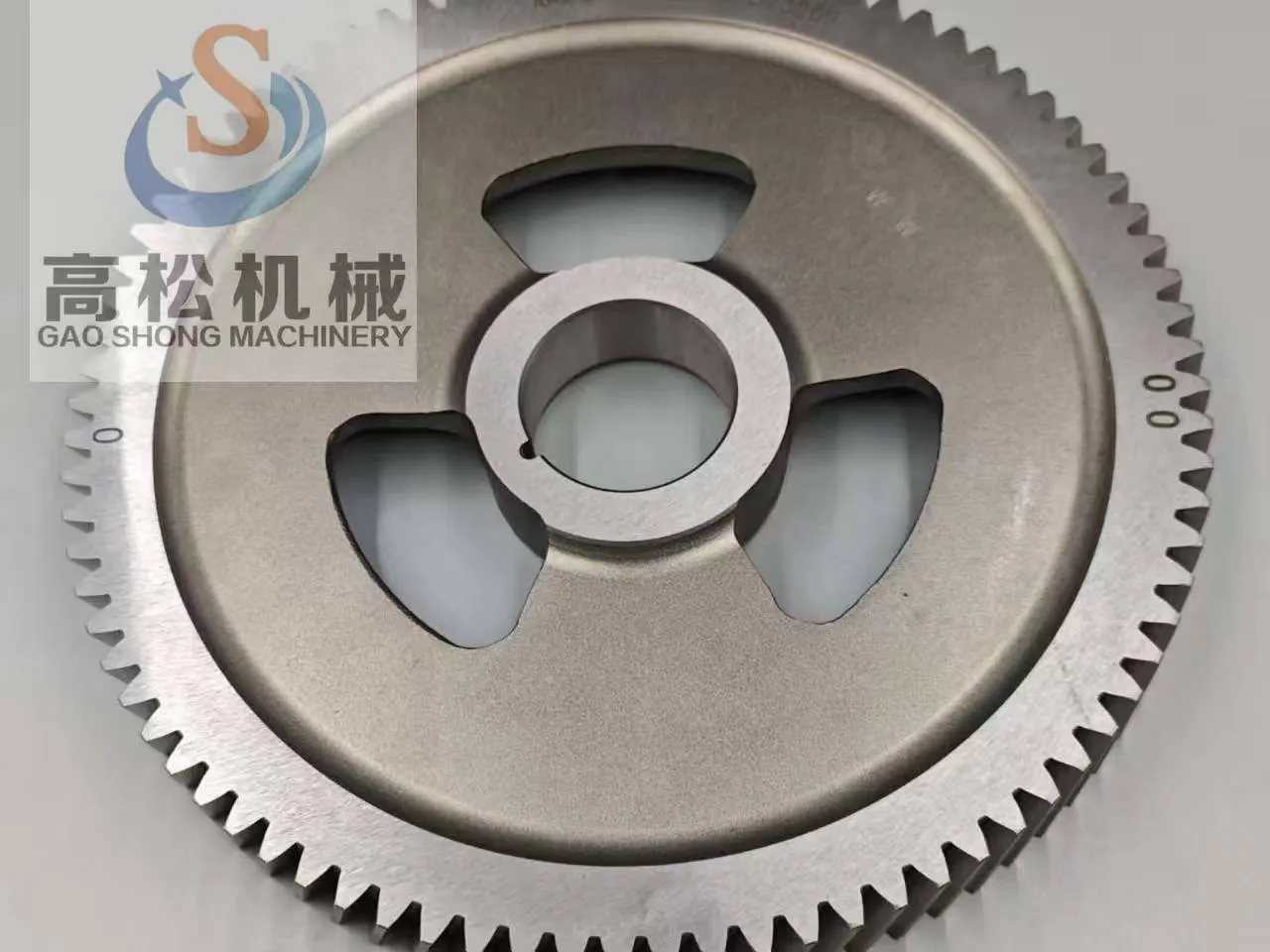 Gear 6745-41-1130 6745411130 6745-41-1131 for excavator PC300 PC350 WA430
 -
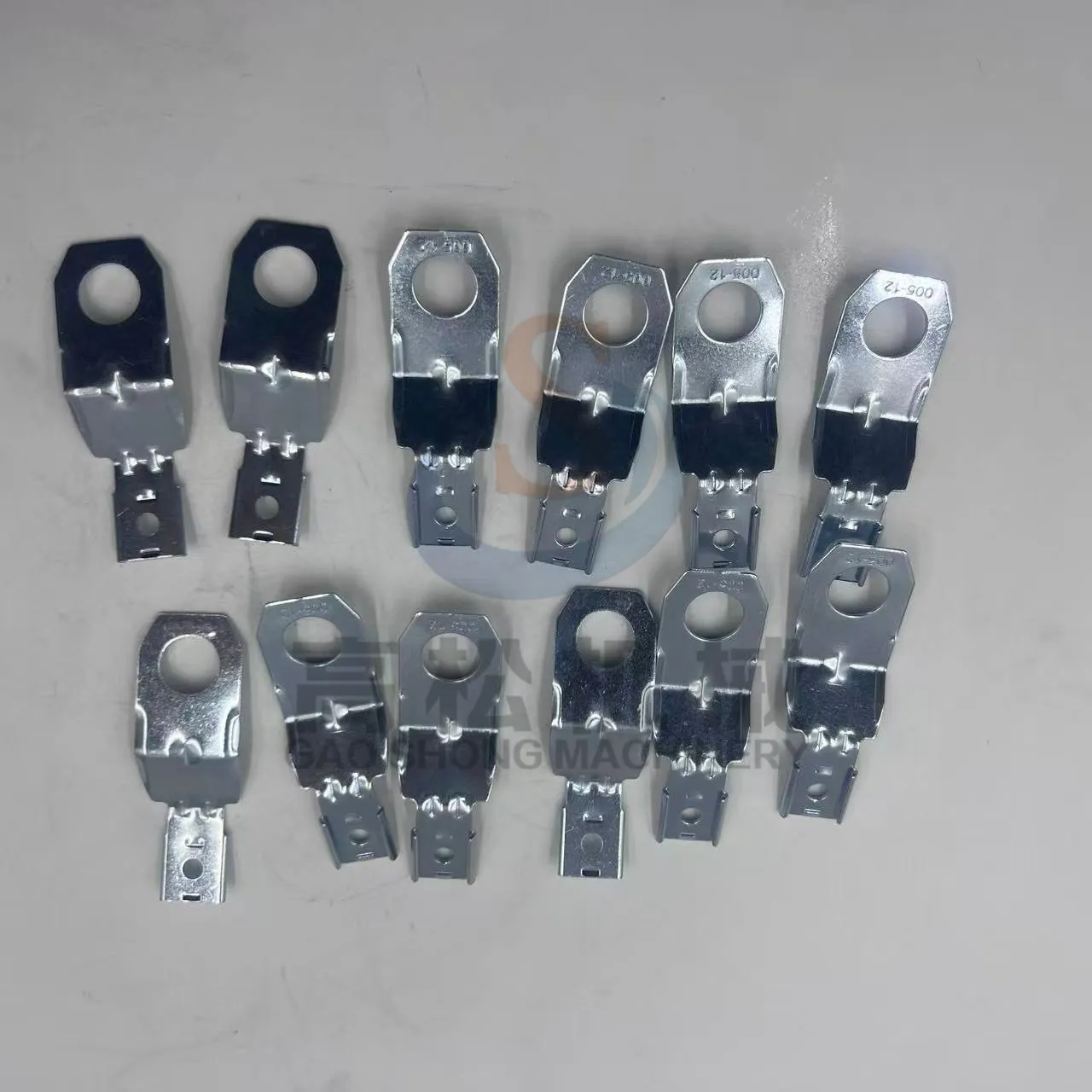 08193-21012 Clip (Komatsu)
 -
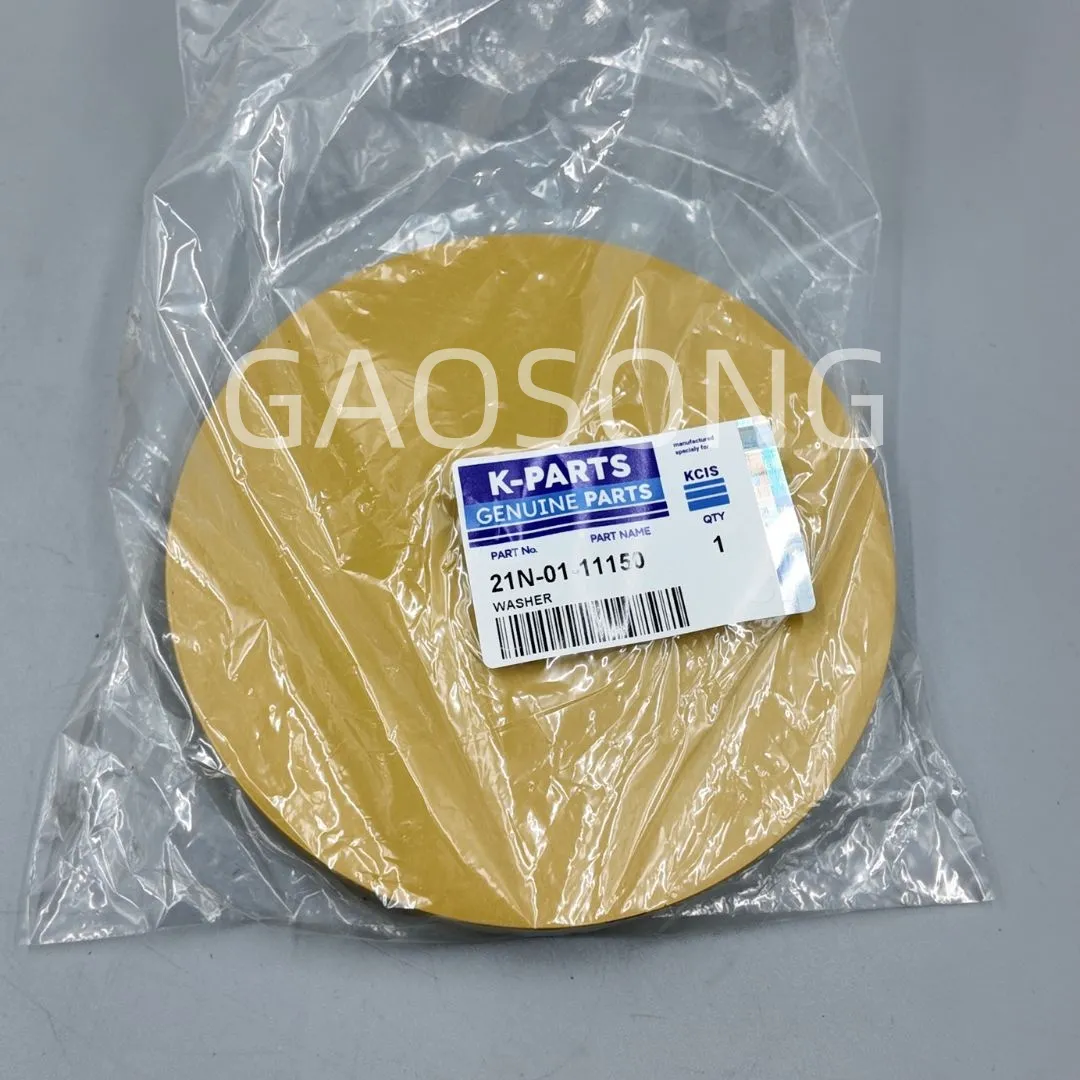 21N-01-11150 WASHER-Komatsu Original Factory
 -
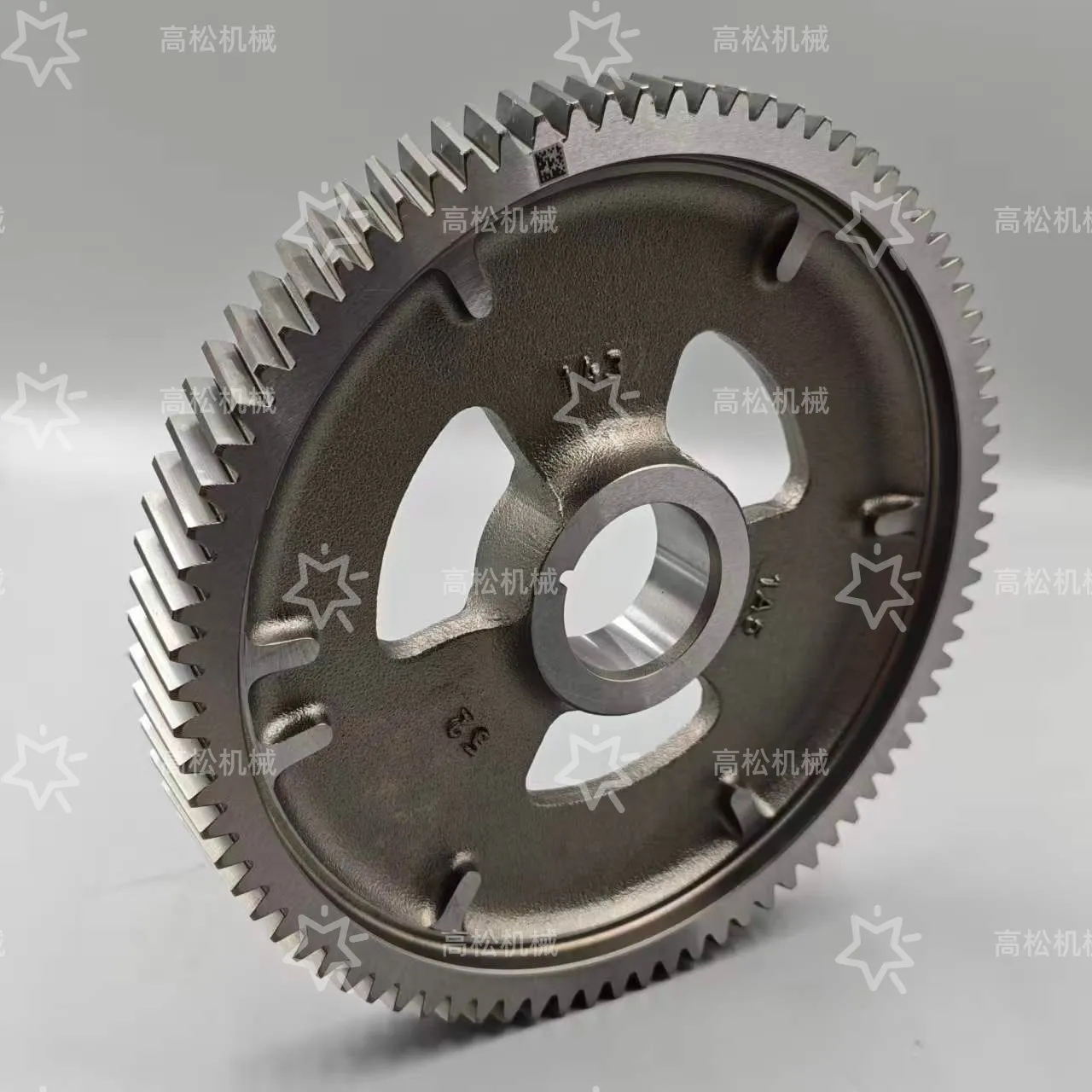 6745-41-1131 GEAR – CAMSHAFT Suitable for komatsu
 -
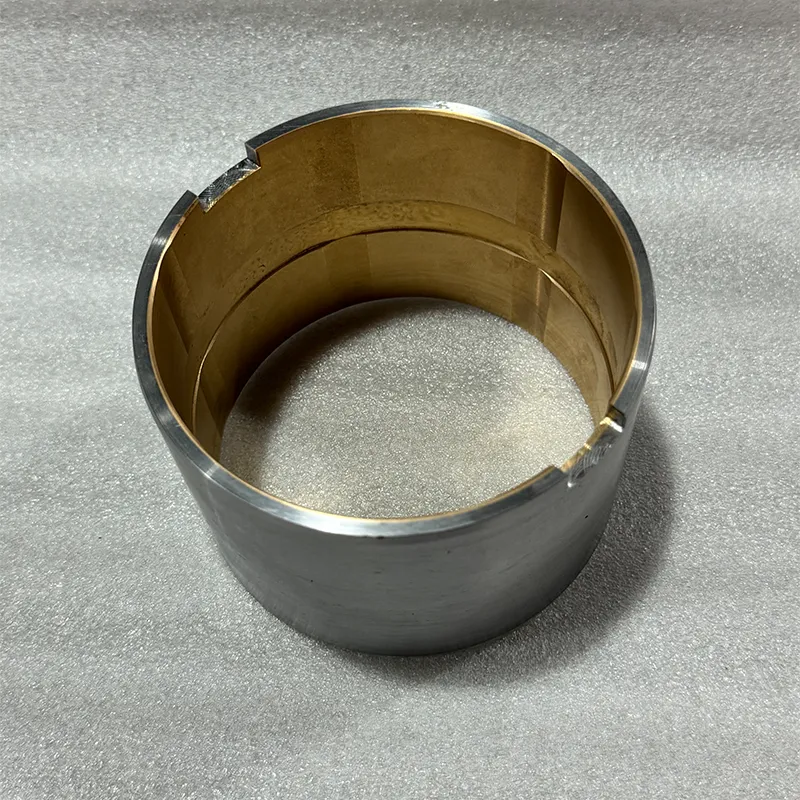 Komatsu original D375A-1 Sleeve 195-61-41160
 -
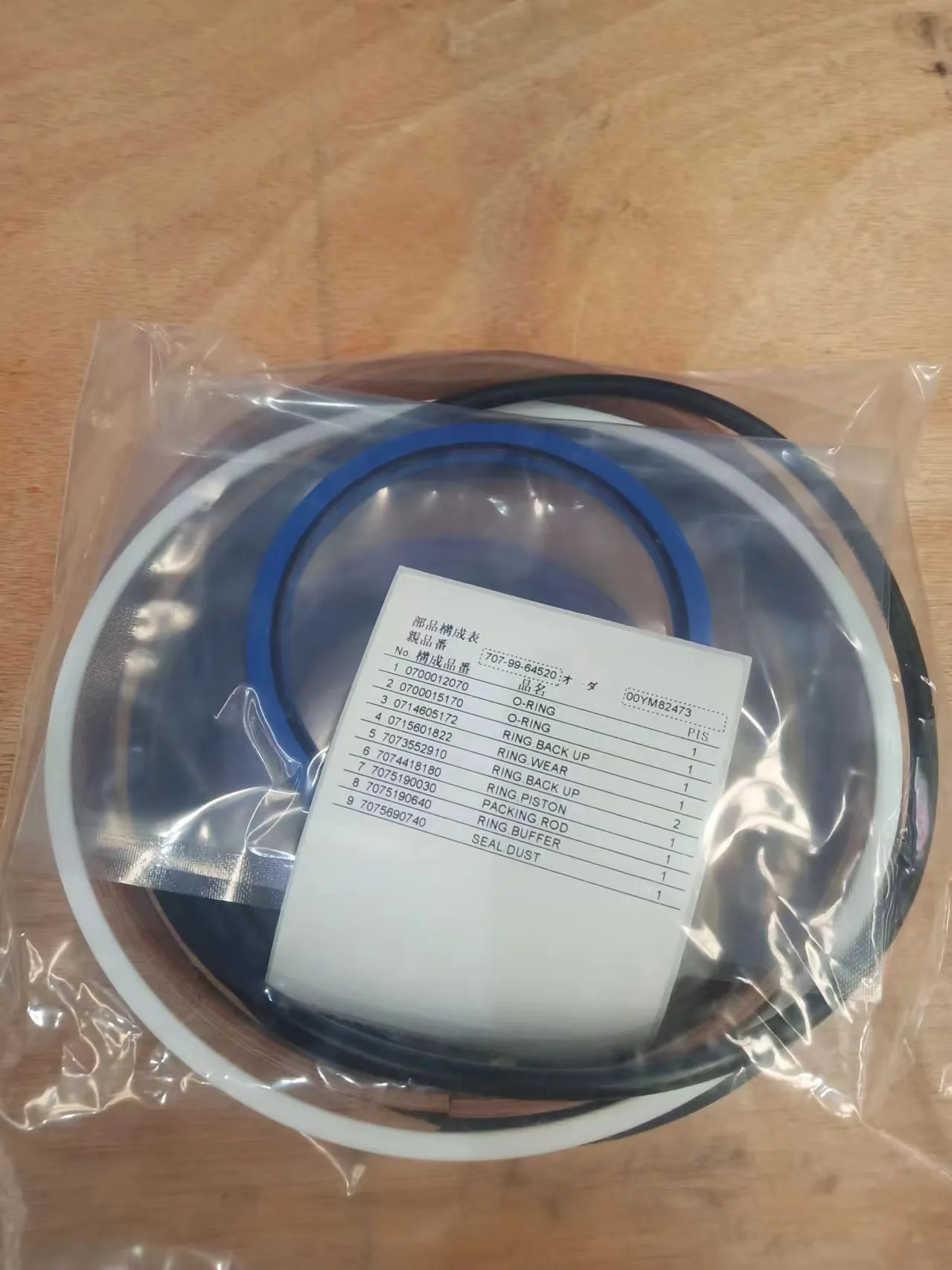 WA380-3 Repair Kit 707-99-64520
 -
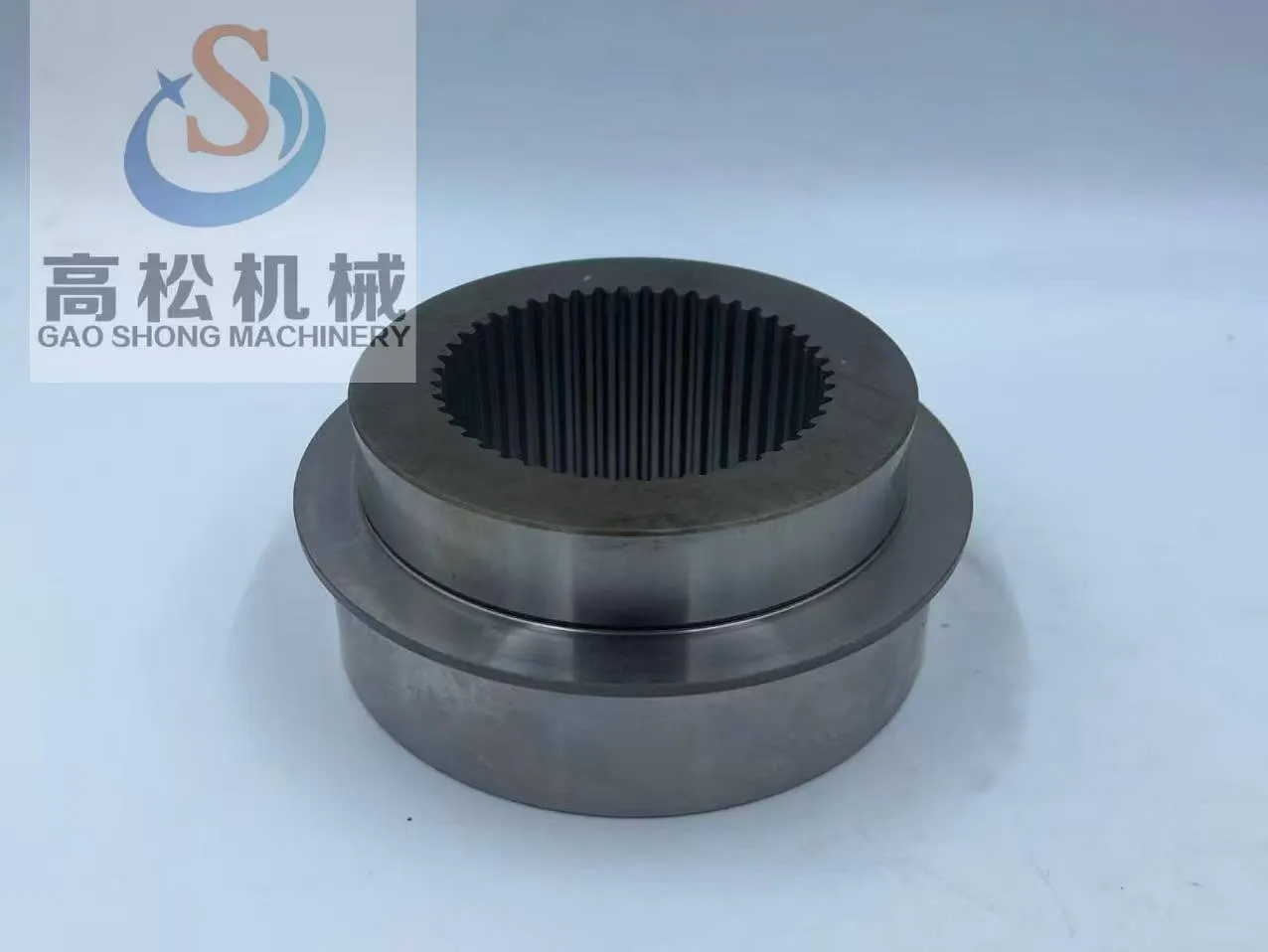 Original separator 195-15-82570 for d375a-5 domer komatsu
 -
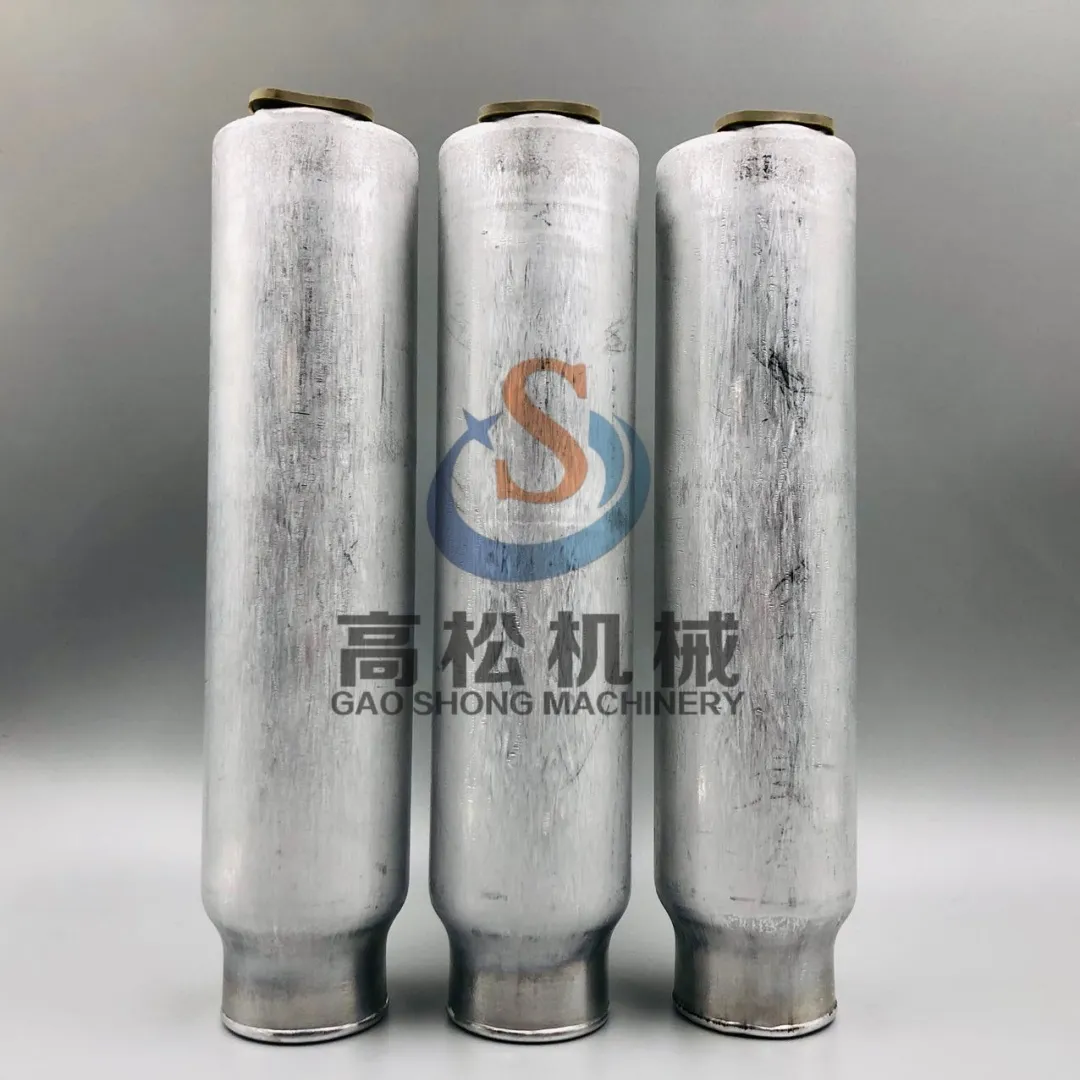 20Y-979-3120 Receiver Drier For Komatsu Equipment
 -
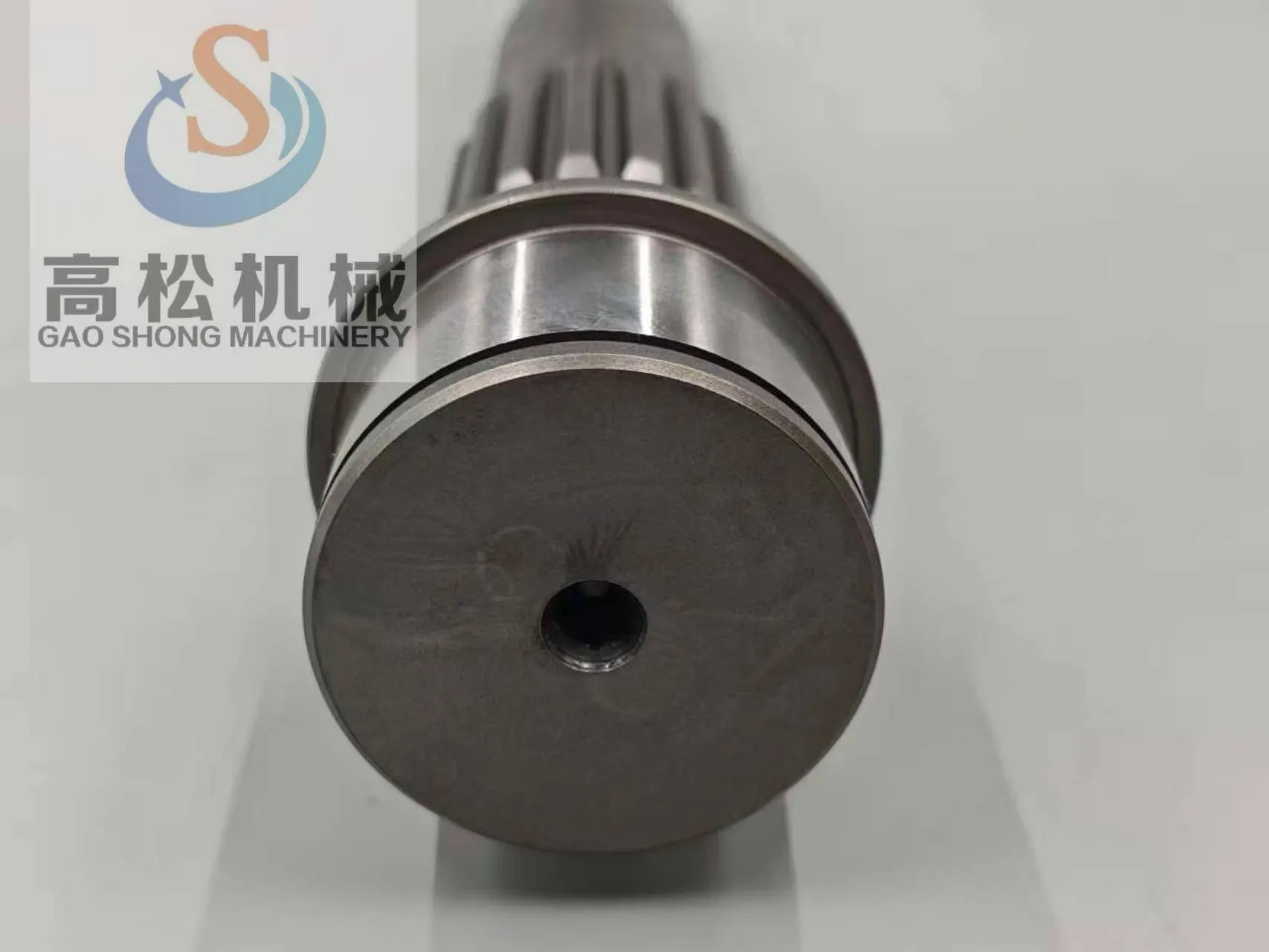 Hydraulic pump original parts 708-2g-12121 708-2g-04153 708-2g-04151 708-2g-03710 708-2g-03910 for pc300-7 excavator