
- Chinese
- French
- German
- Portuguese
- Spanish
- Russian
- Japanese
- Korean
- Arabic
- Irish
- Greek
- Turkish
- Italian
- Danish
- Romanian
- Indonesian
- Czech
- Afrikaans
- Swedish
- Polish
- Basque
- Catalan
- Esperanto
- Hindi
- Lao
- Albanian
- Amharic
- Armenian
- Azerbaijani
- Belarusian
- Bengali
- Bosnian
- Bulgarian
- Cebuano
- Chichewa
- Corsican
- Croatian
- Dutch
- Estonian
- Filipino
- Finnish
- Frisian
- Galician
- Georgian
- Gujarati
- Haitian
- Hausa
- Hawaiian
- Hebrew
- Hmong
- Hungarian
- Icelandic
- Igbo
- Javanese
- Kannada
- Kazakh
- Khmer
- Kurdish
- Kyrgyz
- Latin
- Latvian
- Lithuanian
- Luxembou..
- Macedonian
- Malagasy
- Malay
- Malayalam
- Maltese
- Maori
- Marathi
- Mongolian
- Burmese
- Nepali
- Norwegian
- Pashto
- Persian
- Punjabi
- Serbian
- Sesotho
- Sinhala
- Slovak
- Slovenian
- Somali
- Samoan
- Scots Gaelic
- Shona
- Sindhi
- Sundanese
- Swahili
- Tajik
- Tamil
- Telugu
- Thai
- Ukrainian
- Urdu
- Uzbek
- Vietnamese
- Welsh
- Xhosa
- Yiddish
- Yoruba
- Zulu
- Kinyarwanda
- Tatar
- Oriya
- Turkmen
- Uyghur






komatsu excavator engine
When most people hear 'Komatsu excavator engine', they immediately picture the SAA6D107E or the S6D, the big, reliable blocks stamped with the Komatsu logo. That's not wrong, but it's an incomplete picture that causes a lot of headaches in the field. The real story is about the ecosystem—the genuine parts, the compatible alternatives, and the supply chain gaps that operators in remote regions face daily. I've seen too many machines down for weeks waiting for a single gasket that was supposedly 'on backorder' from the central warehouse.
The Core Philosophy: Durability Over Peak Power
Komatsu's engine design has always leaned towards torque rise and long-term durability rather than chasing the highest horsepower numbers. Take the common Komatsu excavator engine SAA6D107E-1. On paper, its output might seem conservative compared to some European equivalents. But on a fuel tank, in high-altitude mining, or just grinding through a 12-hour shift, that consistency is what pays the bills. The engine management is tuned for fuel efficiency under load, not for a dyno sheet. I recall a contractor who swapped in a higher-output third-party ECU chasing performance; he gained maybe 3% power on a good day but started eating turbochargers every 1200 hours. The original Komatsu calibration, while sometimes feeling a bit lazy, protects the entire system.
This philosophy extends to the cooling and filtration systems. They are oversized for a reason. In Southeast Asian quarry operations with extreme dust, the dual-stage air filter on a PC360-8 isn't just an accessory—it's the only thing standing between the Komatsu excavator engine and a catastrophic dust ingestion event. We learned this the hard way after a client tried to save money by using cheaper, single-stage filters. The result was a scored cylinder liner at 4,000 hours, a repair bill that dwarfed years of filter savings.
It's not about the engine operating in perfect conditions; it's about it surviving the imperfect ones. The castings, the bearing clearances, the oil galley design—they all account for a degree of neglect or delayed maintenance. That’s the real engineering margin.
The Parts Paradox: Genuine, OEM, and the Supply Gap
This is where theory meets the muddy, frustrating reality. Everyone wants genuine Komatsu parts. But what happens when the regional distributor doesn't stock that specific water pump for your older PC300-6, and the lead time is 45 days? The machine isn't earning, but the bank loan payment is still due. This is the exact gap that companies operating within the Komatsu ecosystem but with more flexibility aim to fill.
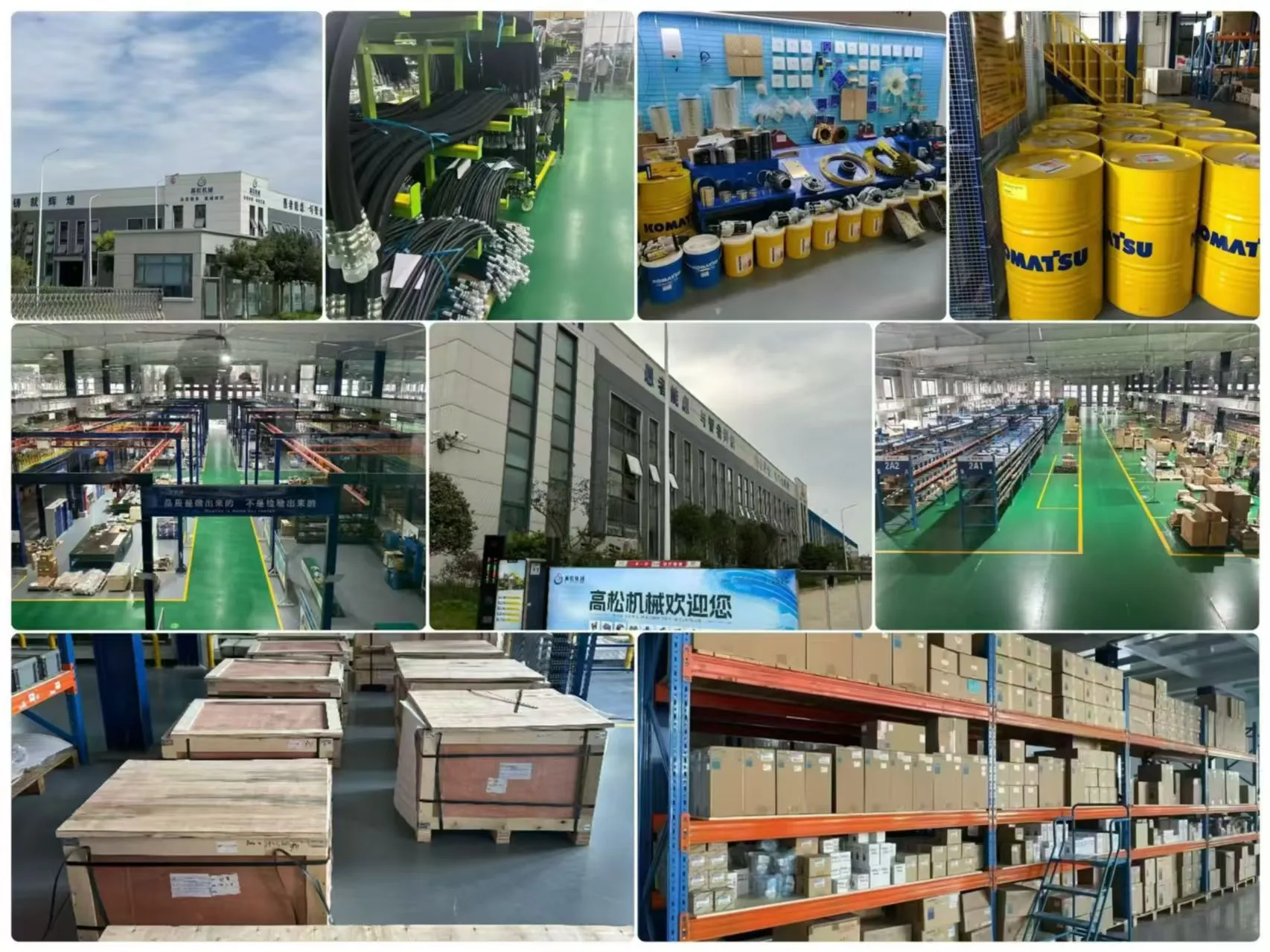
For instance, Jining Gaosong Construction Machinery Co., Ltd. positions itself interestingly. As they state, they are an OEM product supplier within the Komatsu system. In practice, this often means they produce or source components that meet the original design and material specifications, but which flow through a different supply channel. For a site manager, this can be a lifeline. I've used their channel for a set of S6D110E cylinder heads. The quality was traceable, the fit was perfect, and the critical difference was availability—they were on a shelf locally, not on a boat from Japan.
Their role as a third-party sales company for Komatsu is also crucial. They aren't replacing the primary dealer network; they're supplementing it, especially for parts supply challenges in certain countries. Think of regions with complex import duties or logistical bottlenecks. They help keep machines running with Komatsu-compliant parts when the official pipeline is clogged. It’s a pragmatic solution for a global industry.
Failure Points: What Usually Goes Wrong (And Why)
It's rarely the big cast-iron block that fails. The issues are almost always in the supporting systems. The number one killer is contaminated fuel. The high-pressure common rail systems on modern Komatsu excavator engines are incredibly intolerant of water and particulates. A failed fuel filter head O-ring, which seems trivial, can let in air and cause months of intermittent power loss and hard starting before it's finally diagnosed.
Secondly, cooling system neglect. The Komatsu coolant conditioner isn't a revenue-generating gimmick. It maintains the pH and inhibits cavitation erosion on the wet cylinder liner surfaces. Skipping its regular addition leads to pinhole leaks in liners, coolant mixing with oil, and a sure path to a major overhaul. I've torn down engines where the liner walls looked like the surface of the moon, purely from cavitation because someone was just topping up with plain water.
Third, electrical gremlins. The sensors on these engines—rack position, boost pressure, coolant temperature—are robust, but their connectors aren't. Vibration and moisture ingress cause erratic signals that the ECU can't interpret, leading to derates or limp mode. Many a major engine fault code has been solved by simply unplugging, cleaning with contact cleaner, and re-seating a connector.
The Rebuild Consideration: When Overhaul Makes Sense
With a new Komatsu excavator costing as much as a small mansion, the decision to overhaul the engine becomes a major financial calculation. It's not just about the cost of parts; it's about the quality of the work. A proper overhaul on, say, an SAA6D125E isn't a weekend project. It requires machining capability, torque plates for honing, and a meticulous cleaning process.
The critical question is: use a Komatsu genuine rebuild kit or an OEM-equivalent kit from a supplier like Takematsu Machinery? If the machine is under warranty or you plan to sell it soon, genuine is the only path. But for a fleet machine you intend to run for another 8,000 hours, a high-quality OEM kit from a trusted supplier can cut the rebuild cost by 25-30% without compromising longevity. The key is the trust in the supplier. Do they provide material certifications for their pistons? Are their cylinder liner grades correct?
I advised on a PC400-7 rebuild where we used a non-genuine kit from a reputable channel. We paired it with a genuine Komatsu turbocharger (a component I rarely risk on aftermarket). Two years and 3,500 hours later, oil consumption and blow-by are still within like-new specs. The savings funded the repair of the machine's final drive the following year.
Looking Ahead: The Tech and Training Gap
The future isn't just about the mechanical bits. The latest Komatsu excavator engines are deeply integrated with Komtrax and complex emission control systems like DOC+DPF. This creates a new kind of problem. A mechanic who was a wizard with a mechanical injection pump can be completely lost when facing a fault code for DPF differential pressure sensor plausibility.
The engine is now a network node. Diagnosing a loss of power might involve checking the after-treatment system's regeneration history via the monitor, not just cracking an injector line. This is a massive shift. Suppliers who just sell parts will become less relevant. The value is shifting towards those who can also support the diagnosis and provide the right electronic components or sensor cross-references.
Companies that understand this, the ones that are truly embedded in the Komatsu system, will need to offer more than just a physical catalog. They'll need to provide technical data, wiring diagrams, and maybe even remote diagnostic support. That's the next frontier for keeping these machines, old and new, productive in the field. The iron is tough, but the brains running it need smarter support.
Related Products
Related Products

Best Selling Products
Best Selling Products-
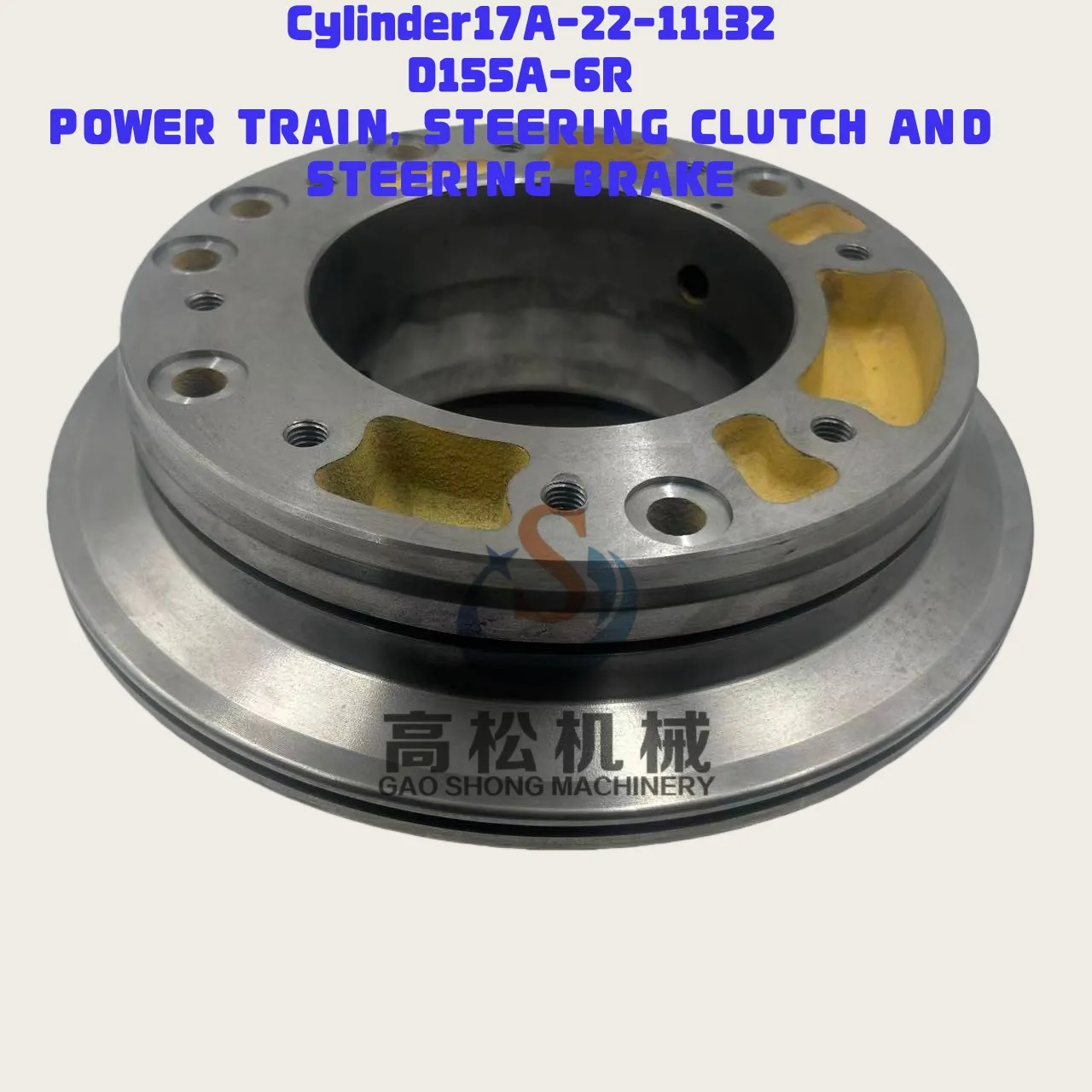 CYLINDER 17A-22-11132 D155A-6 D155A-3 D155A-5 D155A-6R STEERING CLUTCH AND BRAKE
 -
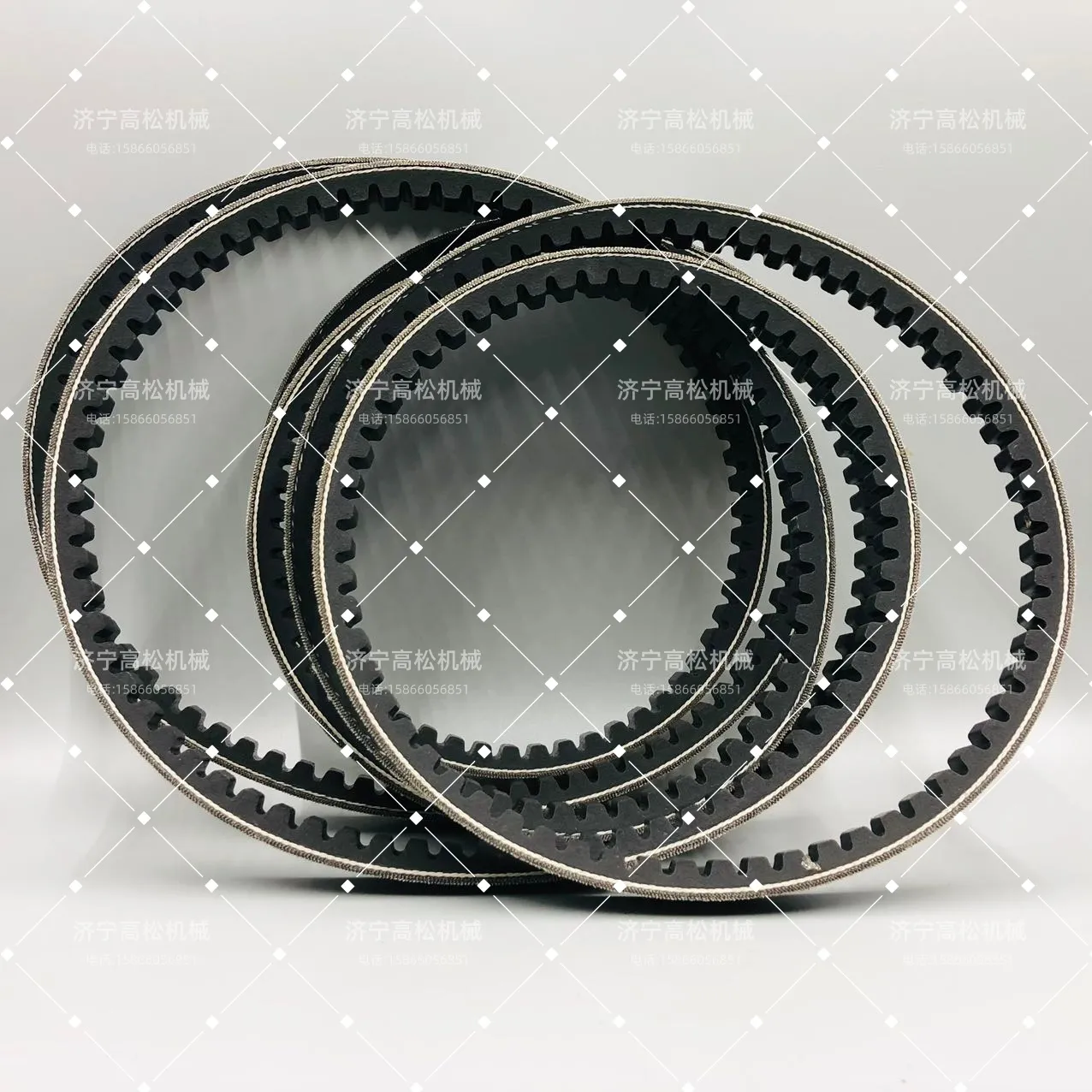 Genuine Komatsu V-Belt 6219-61-3420 for…
 -
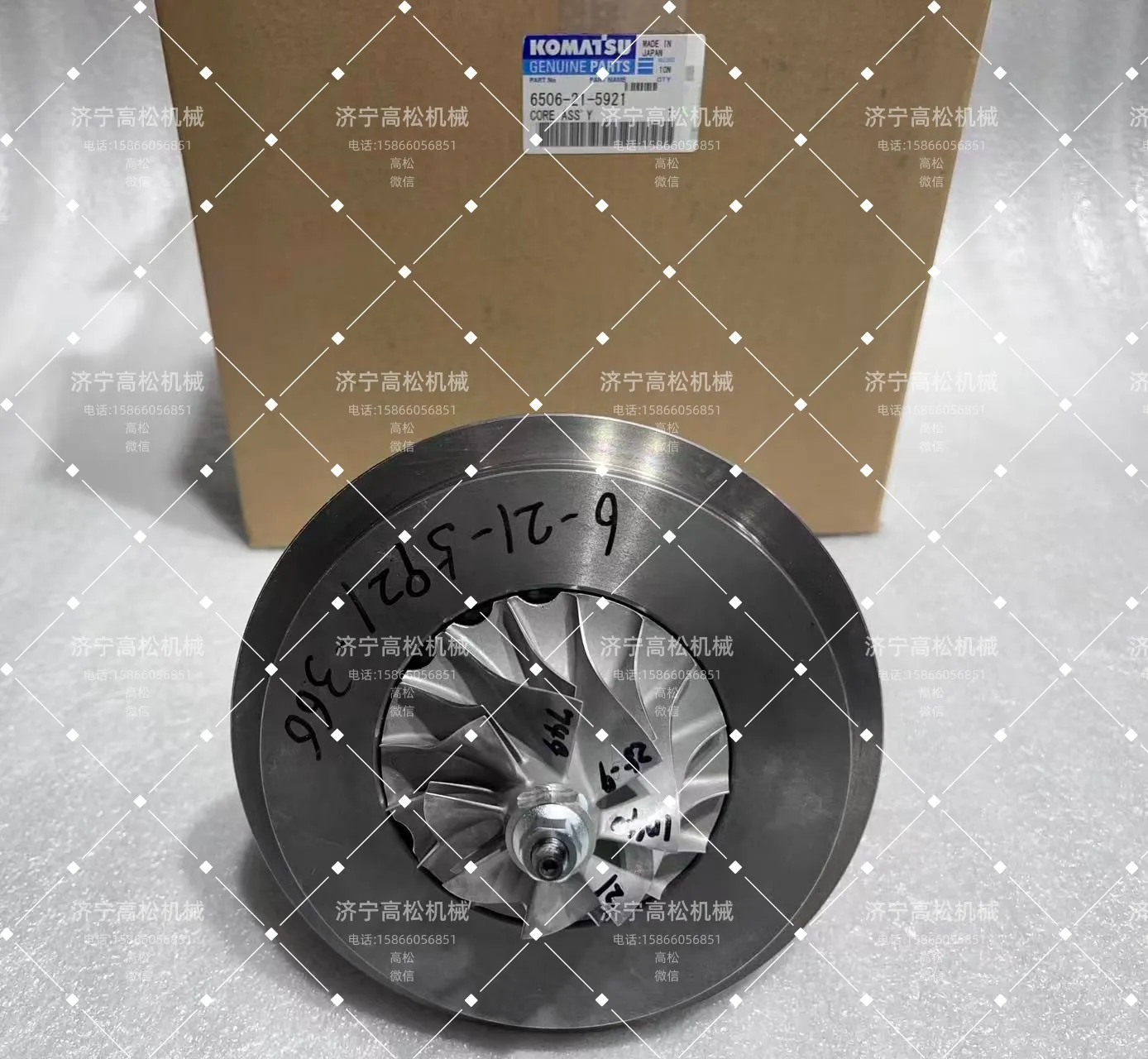 6506-21-5921 Komatsu Core Assembly
 -
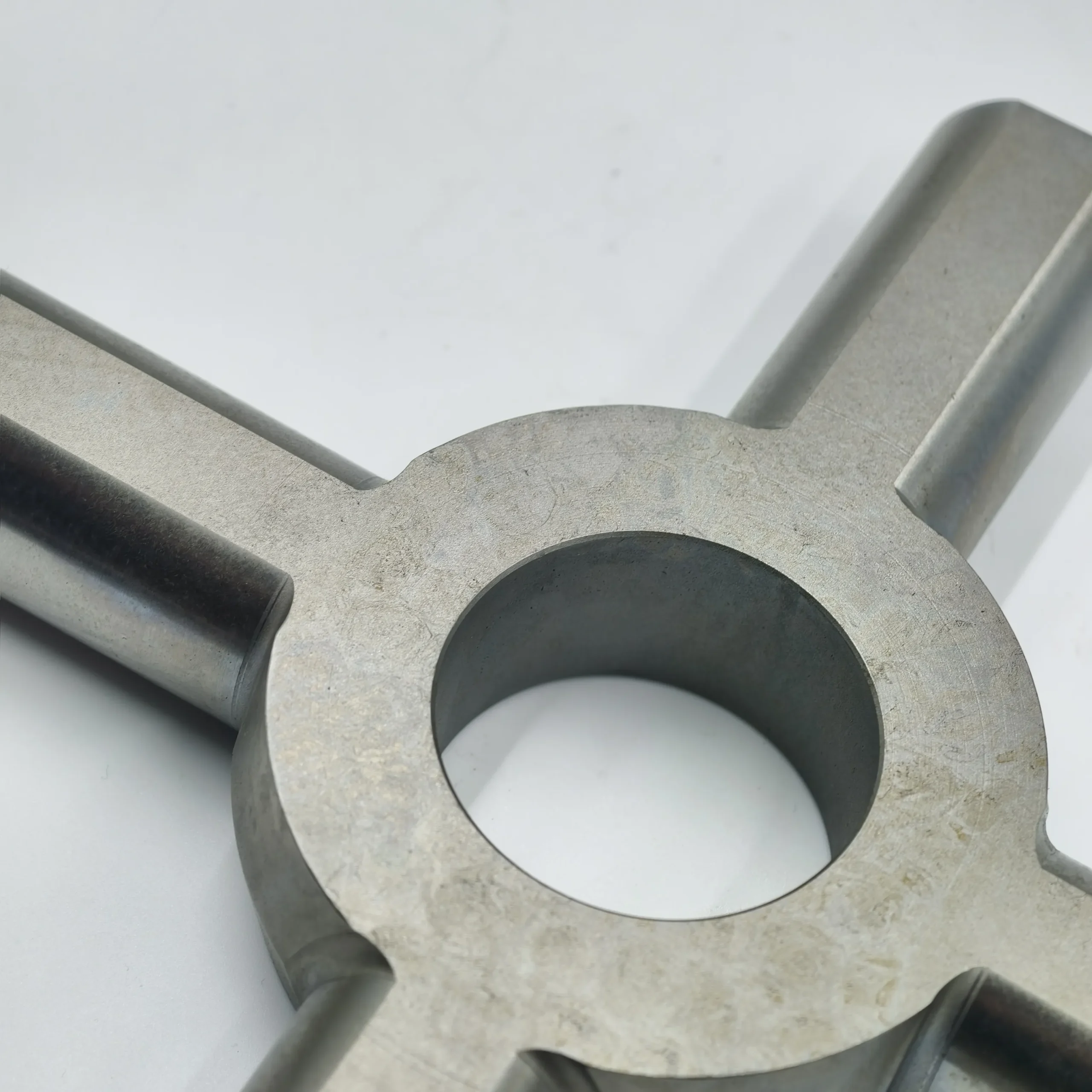 Komatsu Construction Machinery Full Series Accessories 421-22-11440 Loading Parts
 -
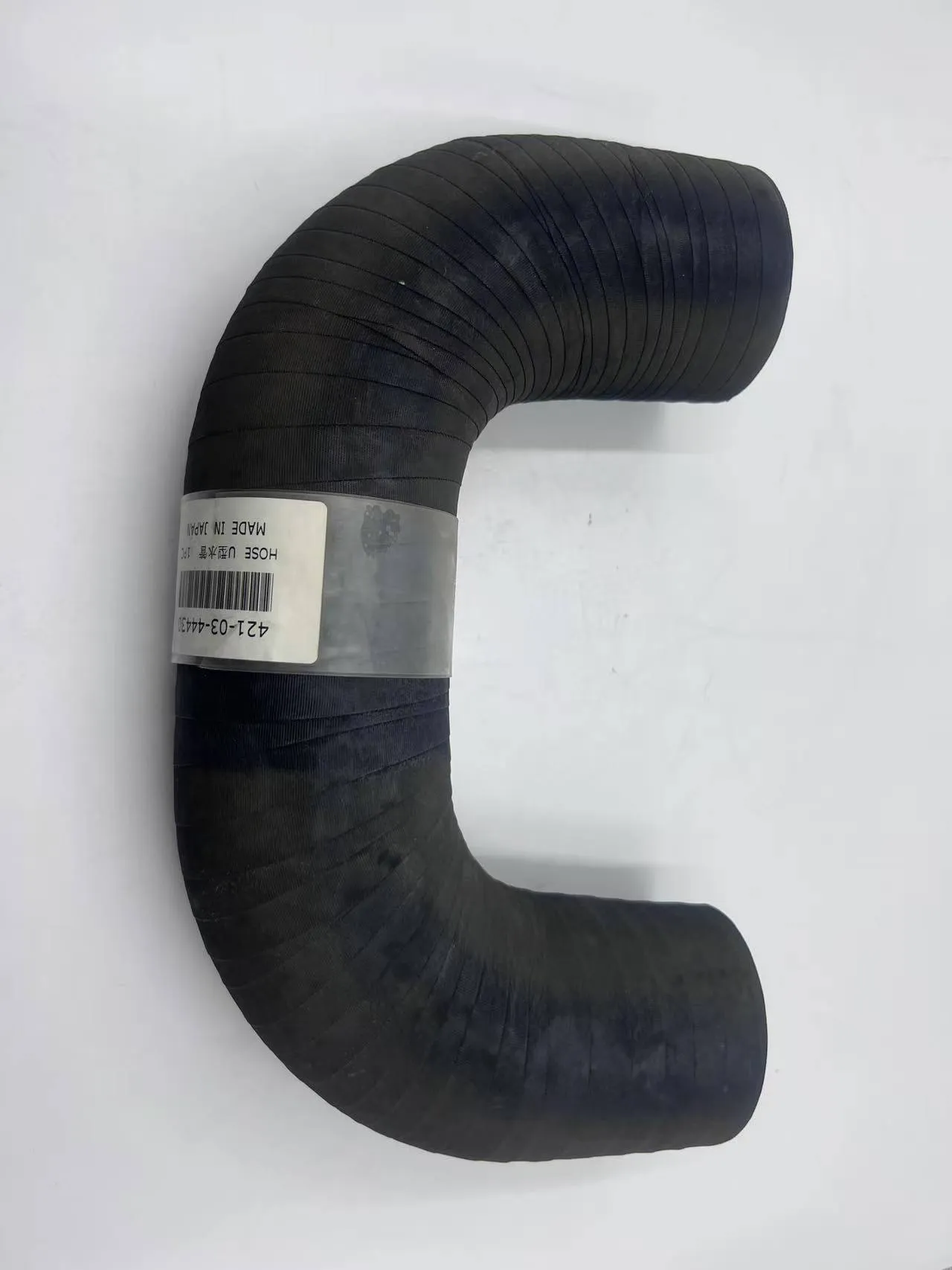 421-03-44430 • HOSE Applicable: Komatsu WA loader series
 -
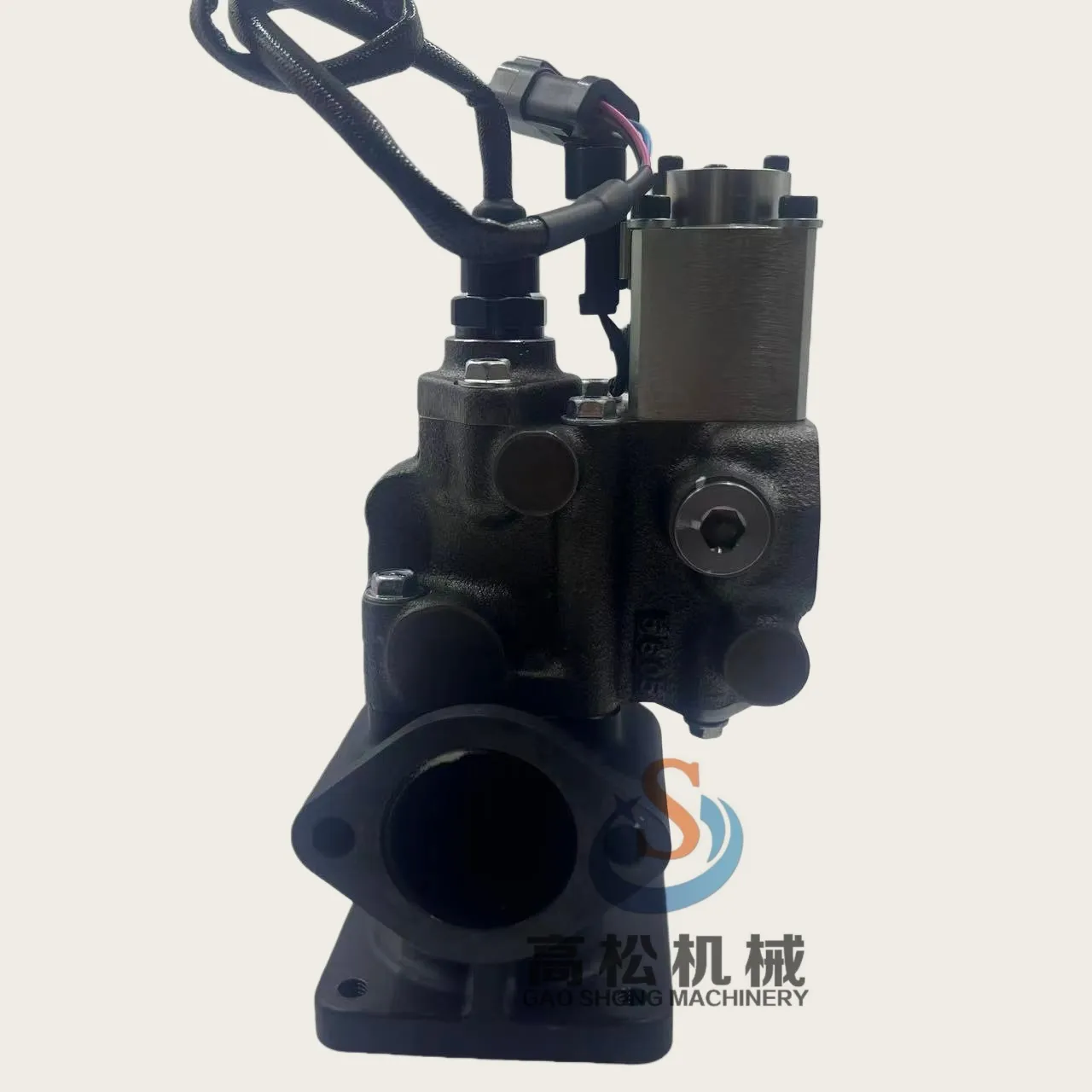 VALVE ASS’Y BYPASS 6261-41-9500 SAA6D140E-5C-01 SAA6D170E-5C EXHAUST GAS RECIRCULATION VALVE HM400-2 HM350-2 WA500-6
 -
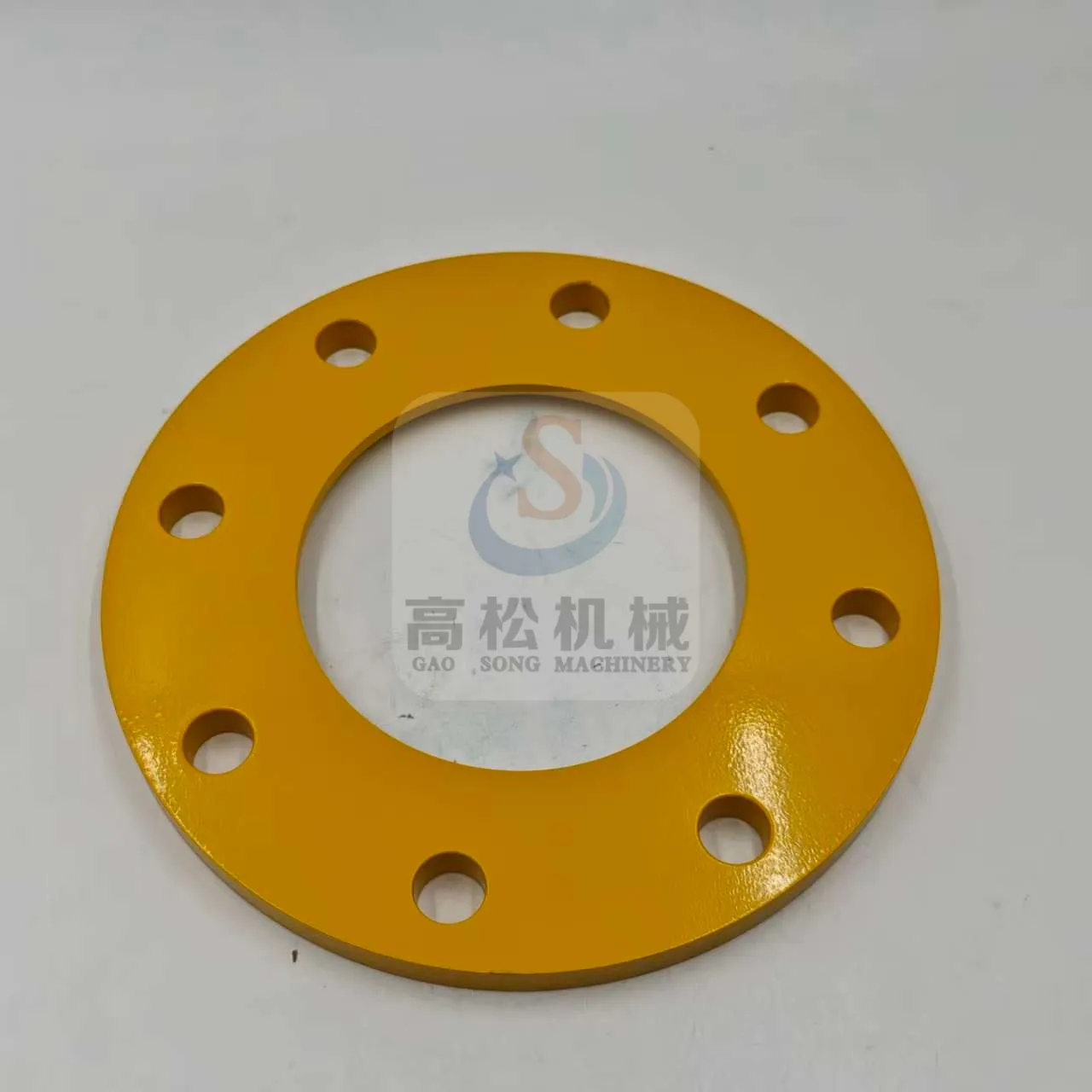 Plate 41E-70-15461 is used for Komatsu WD600-6
 -
 Komatsu 21N-25-31130 WIRE
 -
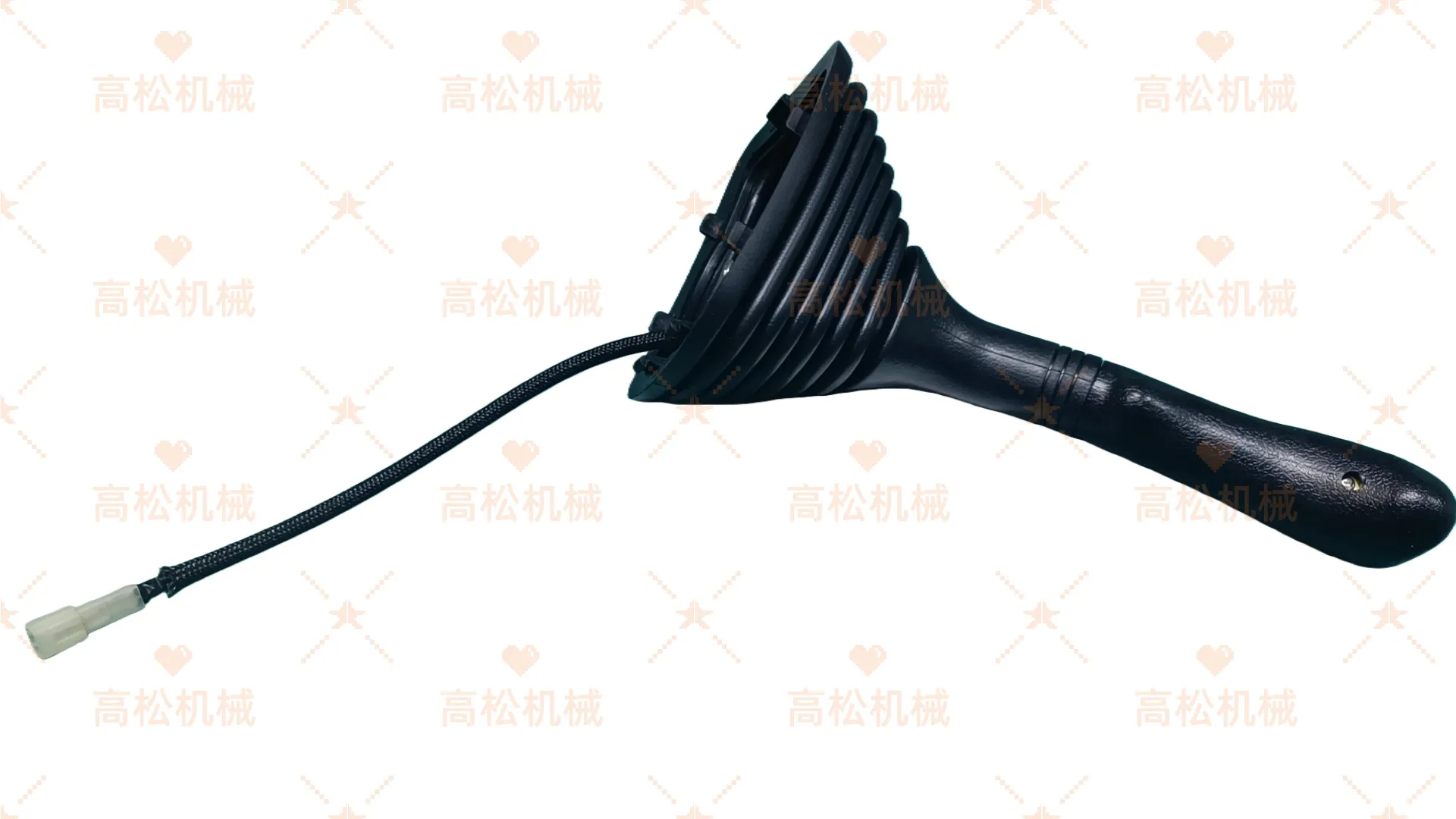 2A5-43-12861SWITCH 2A5-43-12933LEVER ASSEMBLY 2A5-53-12721Motor Assembly 2A5-54-13421 Rear View Mirror2A5-979-1113 Air conditioning component 2A8-70-13210Pin
 -
 Komatsu 711-50-41520 Impeller for WA380-3 Wheel loader
 -
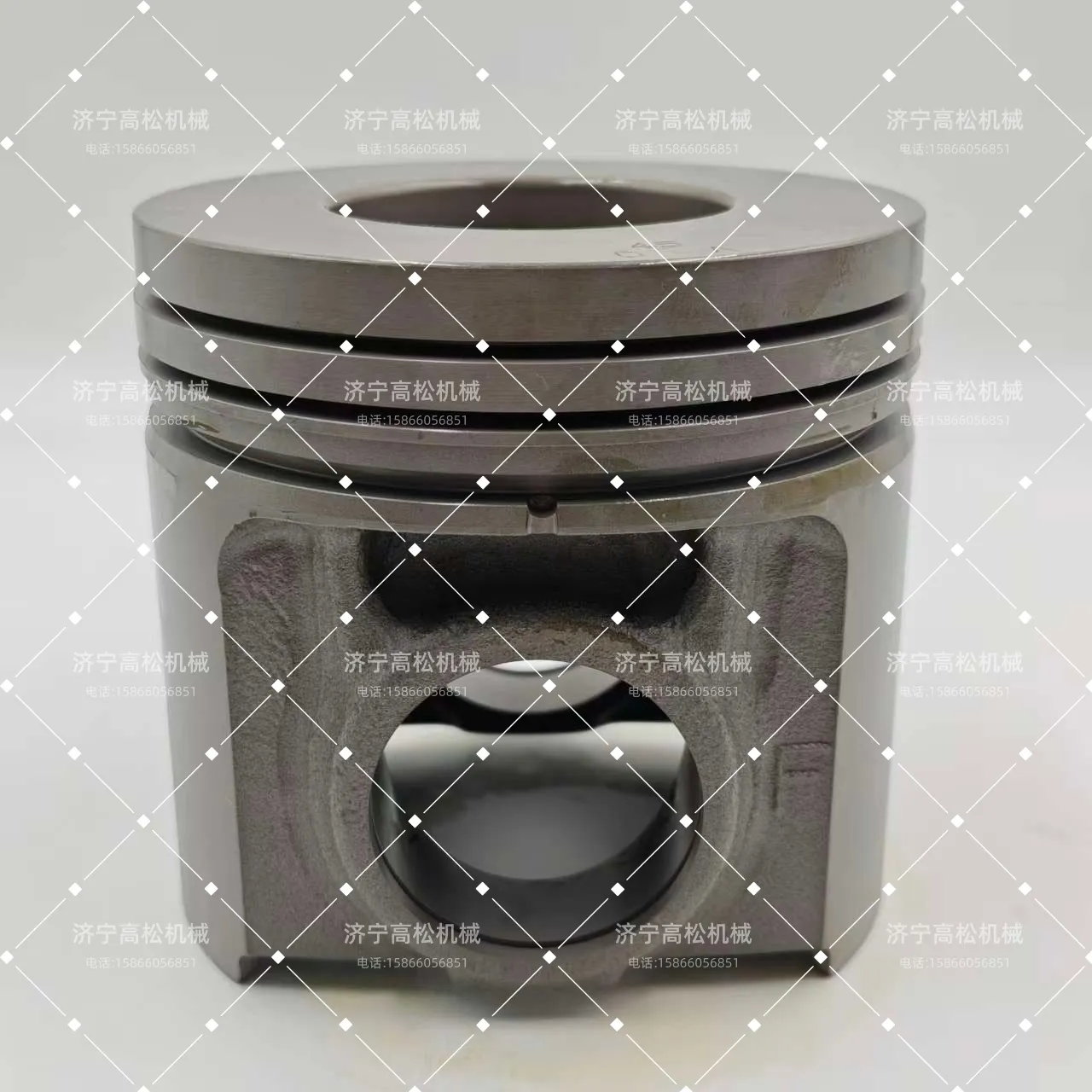 6152-32-2510 Piston for…
 -
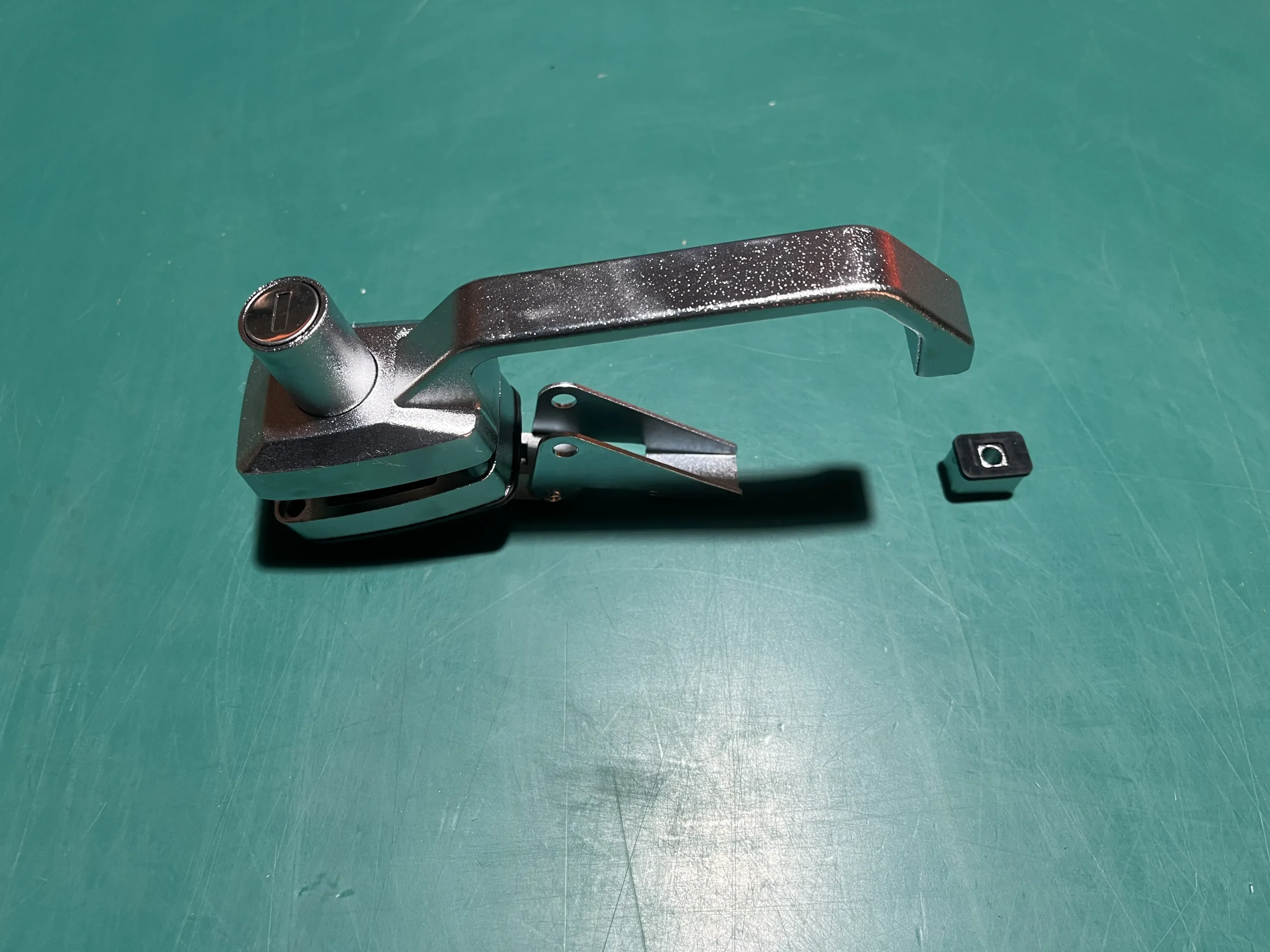 Komatsu Locks 198-Z11-3710 for Bulldozer D65EX-12