
- Chinese
- French
- German
- Portuguese
- Spanish
- Russian
- Japanese
- Korean
- Arabic
- Irish
- Greek
- Turkish
- Italian
- Danish
- Romanian
- Indonesian
- Czech
- Afrikaans
- Swedish
- Polish
- Basque
- Catalan
- Esperanto
- Hindi
- Lao
- Albanian
- Amharic
- Armenian
- Azerbaijani
- Belarusian
- Bengali
- Bosnian
- Bulgarian
- Cebuano
- Chichewa
- Corsican
- Croatian
- Dutch
- Estonian
- Filipino
- Finnish
- Frisian
- Galician
- Georgian
- Gujarati
- Haitian
- Hausa
- Hawaiian
- Hebrew
- Hmong
- Hungarian
- Icelandic
- Igbo
- Javanese
- Kannada
- Kazakh
- Khmer
- Kurdish
- Kyrgyz
- Latin
- Latvian
- Lithuanian
- Luxembou..
- Macedonian
- Malagasy
- Malay
- Malayalam
- Maltese
- Maori
- Marathi
- Mongolian
- Burmese
- Nepali
- Norwegian
- Pashto
- Persian
- Punjabi
- Serbian
- Sesotho
- Sinhala
- Slovak
- Slovenian
- Somali
- Samoan
- Scots Gaelic
- Shona
- Sindhi
- Sundanese
- Swahili
- Tajik
- Tamil
- Telugu
- Thai
- Ukrainian
- Urdu
- Uzbek
- Vietnamese
- Welsh
- Xhosa
- Yiddish
- Yoruba
- Zulu
- Kinyarwanda
- Tatar
- Oriya
- Turkmen
- Uyghur






komatsu excavator bucket teeth
When you hear 'Komatsu excavator bucket teeth', most guys think it's just about hardness or the alloy grade. That's the first mistake. The real story isn't in the catalog specs; it's in how they fail in different ground conditions, how the locking system wears, and frankly, how many aftermarket options get the geometry subtly wrong, killing your breakout force. I've seen too many sites just buy the hardest tooth they can find, then wonder why the adapter nose gives out first. It's a system, not just a wear part.
The OEM Fit and Why It's Not Just About Price
Working with Komatsu machines for years, you develop a feel for genuine parts. The contour of a true Komatsu tooth matches the bucket's curvature perfectly – it's not just a bolt-on. That seamless fit matters for load distribution. I recall a job in a rocky quarry where we tried a set of compatible teeth from a local supplier. They claimed identical hardness. Within two weeks, we had excessive play, not because the teeth were worn, but because the mating surface on the tooth base wasn't machined to the same tolerance. It hammered the adapter to pieces. The downtime cost eclipsed the savings ten times over.
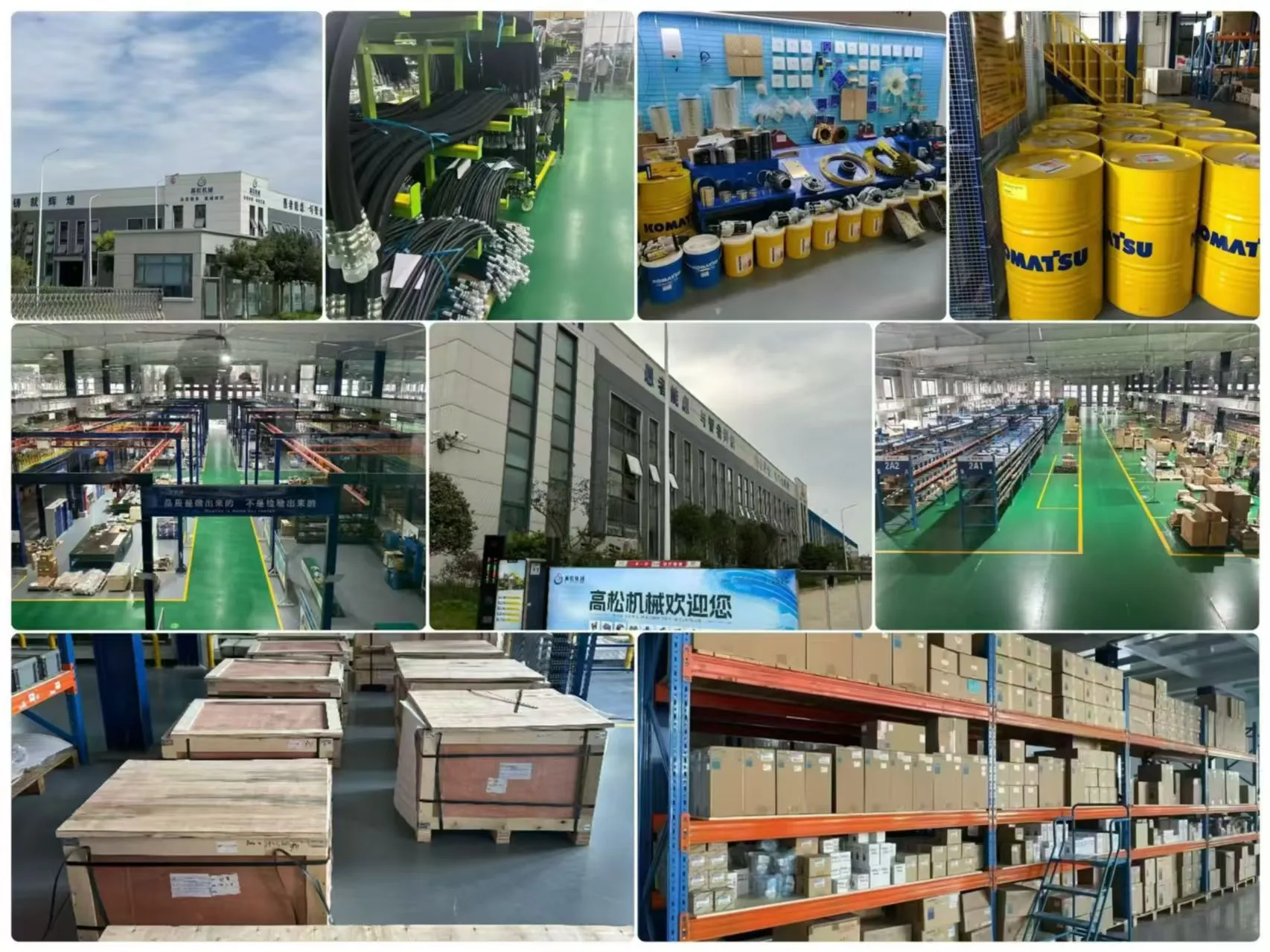
This is where a supplier with real OEM credentials changes the game. I've been sourcing through Jining Gaosong Construction Machinery Co., Ltd. for a while now. Their position as an OEM product supplier within the Komatsu system means the teeth I get from their portal, https://www.takematsumachinery.com, have that exact geometry. It's not just a stamp; you can see and feel the difference in the cast. They understand the system because they're part of it.
The common pitfall is treating teeth as a commodity. You can't. The metallurgy for a tooth meant for abrasive sand is different from one for fractured rock. Komatsu's grading system isn't arbitrary. A supplier just slapping a Komatsu-compatible label on a generic tooth misses this entirely. Gaosong's role, as they put it, is helping to solve parts supply challenges, and that starts with providing the correct OEM-spec part for the application, not just a part.
Field Observations: Failure Modes and Material Memory
Let's talk about how they actually wear. A good Komatsu tooth doesn't just get shorter; it maintains its point for a surprisingly long time before deforming. The failure I look for is a deep groove worn on the top surface, right behind the tip. That's from drag abrasion. If that groove appears asymmetrically, your digging technique or bucket alignment is off. I've used this as a diagnostic tool for operator coaching.
Another thing most datasheets ignore is material memory under impact. Cheap teeth can seem hard, but under repeated shock loading in frost-thaw ground, they become brittle. They don't bend; they snap. A proper Komatsu tooth has a toughness that allows it to absorb and deflect energy. It might develop a slight curl at the tip rather than shearing off. That's a controlled failure that gives you time to plan a change-out, not a catastrophic failure that leaves you digging out a broken stump from the adapter.
We learned this the hard way on a pipeline project. Frost in the morning, soft clay by afternoon. We had a mix of teeth on different machines. The aftermarket ones started snapping clean. The OEM-spec ones from our reliable channel curled. We were swapping the broken ones constantly, while the curled ones lasted another 30-40 hours. That's operational intelligence you only get from seeing it happen side-by-side.
The Adapter Relationship and Locking Mechanism Woes
No discussion on Komatsu excavator bucket teeth is complete without stressing the adapter. They're a married pair. A worn adapter will destroy a new tooth in days. The locking mechanism is the weak link everyone ignores until a tooth flies off. The spring-and-pin system seems simple, but the bore alignment and the spring's fatigue resistance are critical.
I've had third-party pins that were a micron too thin, or springs that lost tension after a few thermal cycles. The result is a loose tooth syndrome—constant rattling and accelerated wear. When you're getting parts from a specialist like Gaosong, who operates as a third-party sales company for Komatsu, they get this interdependence. They're not just selling you a tooth; they're ensuring the entire wear assembly is considered. Their website often has the kits—tooth, pin, spring, sometimes even the side cutter—which tells me they're thinking about the whole picture.
A pro tip: always grease the pin and the inside of the tooth bore before installation. It sounds basic, but it prevents galvanic corrosion welding the pin in place. I've spent too many hours with a sledgehammer and torch because someone skipped this step. A supplier that includes a small grease packet with the teeth? That's a supplier that's been on the job site.
Application-Specific Choices: It's Not One-Size-Fits-All
Komatsu has different tooth profiles for a reason. The long, sharp spade nose for trenching in clay is terrible for loading shot rock in a quarry—it'll bend. The heavy-duty rock tooth is overkill and inefficient for topsoil stripping. I see this mismatch constantly.
Your material dictates the choice. For highly abrasive, sandy soils, you want a tooth with more wear material on the sides, maybe even a winged design. For ripping out cemented gravel, you need impact resistance over everything. This is where having a technical partner, not just a parts vendor, matters. You need to be able to describe your ground conditions and get a recommendation that goes beyond this is our best seller.
This granularity is what separates a parts catalog from a solutions provider. When a company's core mission is to solve parts supply challenges, it implies a level of consultation. It's not just about having the part in stock; it's about having the right part in stock for the specific challenge in, say, a remote mining operation in Mongolia or a wet forestry job in Canada. That's the niche they seem to fill.
Cost of Ownership vs. Purchase Price
This is the final, and most important, judgment. The cheapest tooth is almost always the most expensive. You have to calculate cost per cubic meter moved, not cost per tooth. Factor in the machine downtime for changes, the risk of adapter damage, and the fuel inefficiency of digging with a blunt or ill-fitting tool.
Using genuine or true OEM-spec teeth from a certified source extends the life of the entire front-end. The bucket edge lasts longer, the cylinders see less strain from inefficient digging, and your cycle times remain consistent. When I evaluate a supplier, I'm looking for that total cost reduction. Can they provide consistent quality that leads to predictable wear patterns? Can I schedule changes during regular maintenance instead of emergency stops?
In the end, Komatsu excavator bucket teeth are a precision wear component. They're the interface between your massive, expensive machine and the ground. Treating them as a generic consumable is a fast track to higher costs and headaches. It's about finding a supply chain partner that understands the engineering, the application, and the real-world economics of the dig. That's what makes the difference between just running equipment and running it profitably.
Related Products
Related Products

Best Selling Products
Best Selling Products-
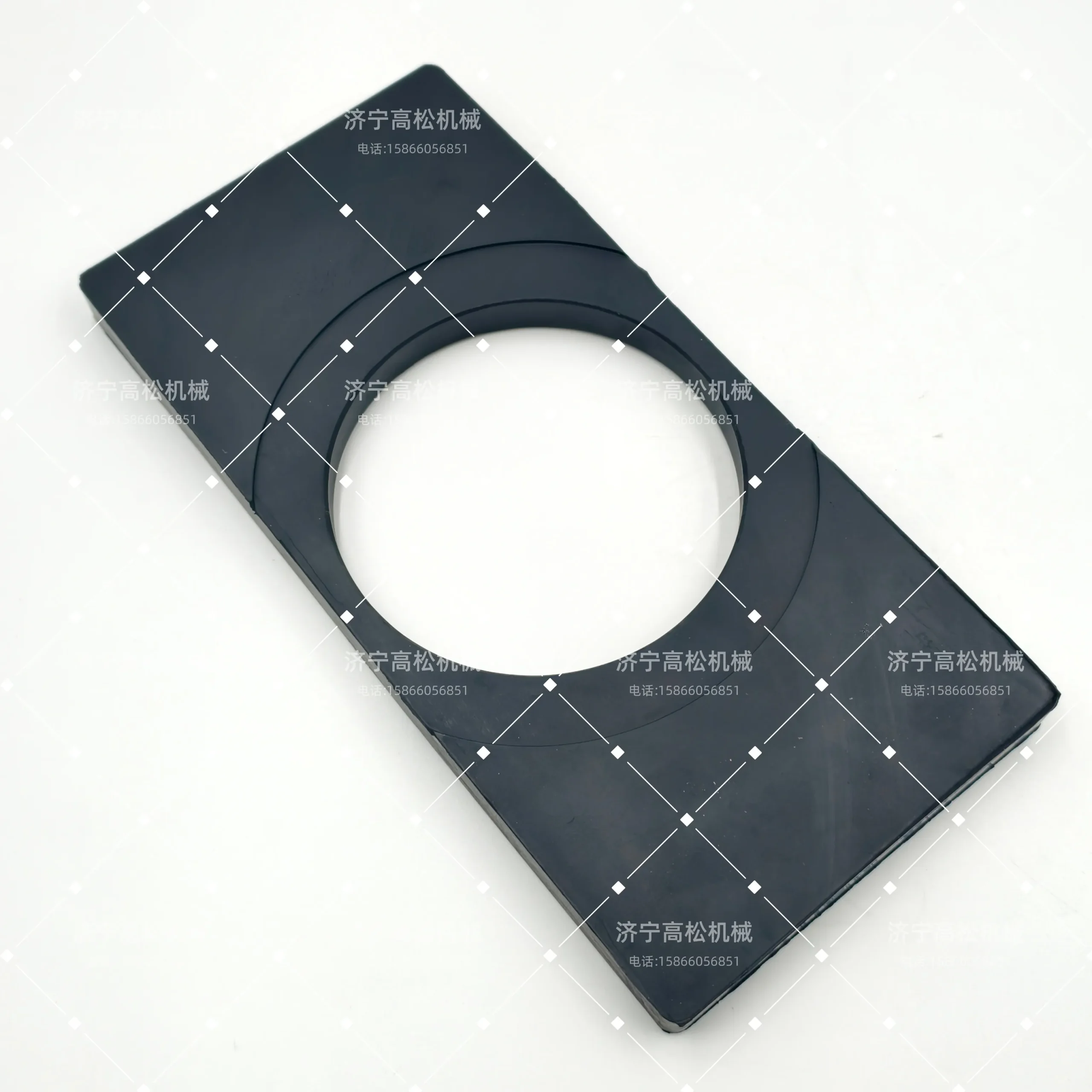 561-03-81550 High Quality Parts For Komatsu Hd465/hd785, High…
 -
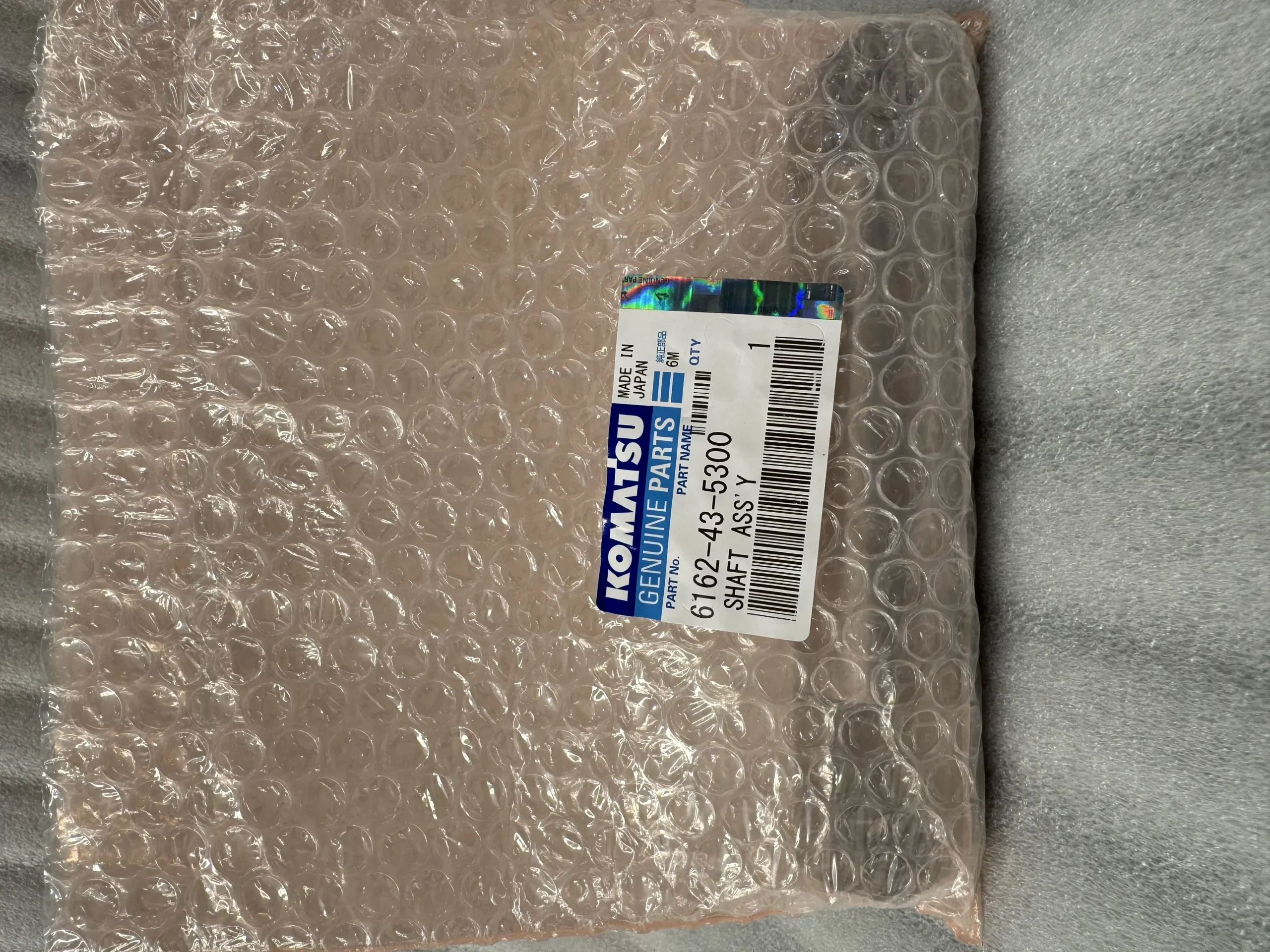 6D170-2 rocker arm shaft 6162-43-5300
 -
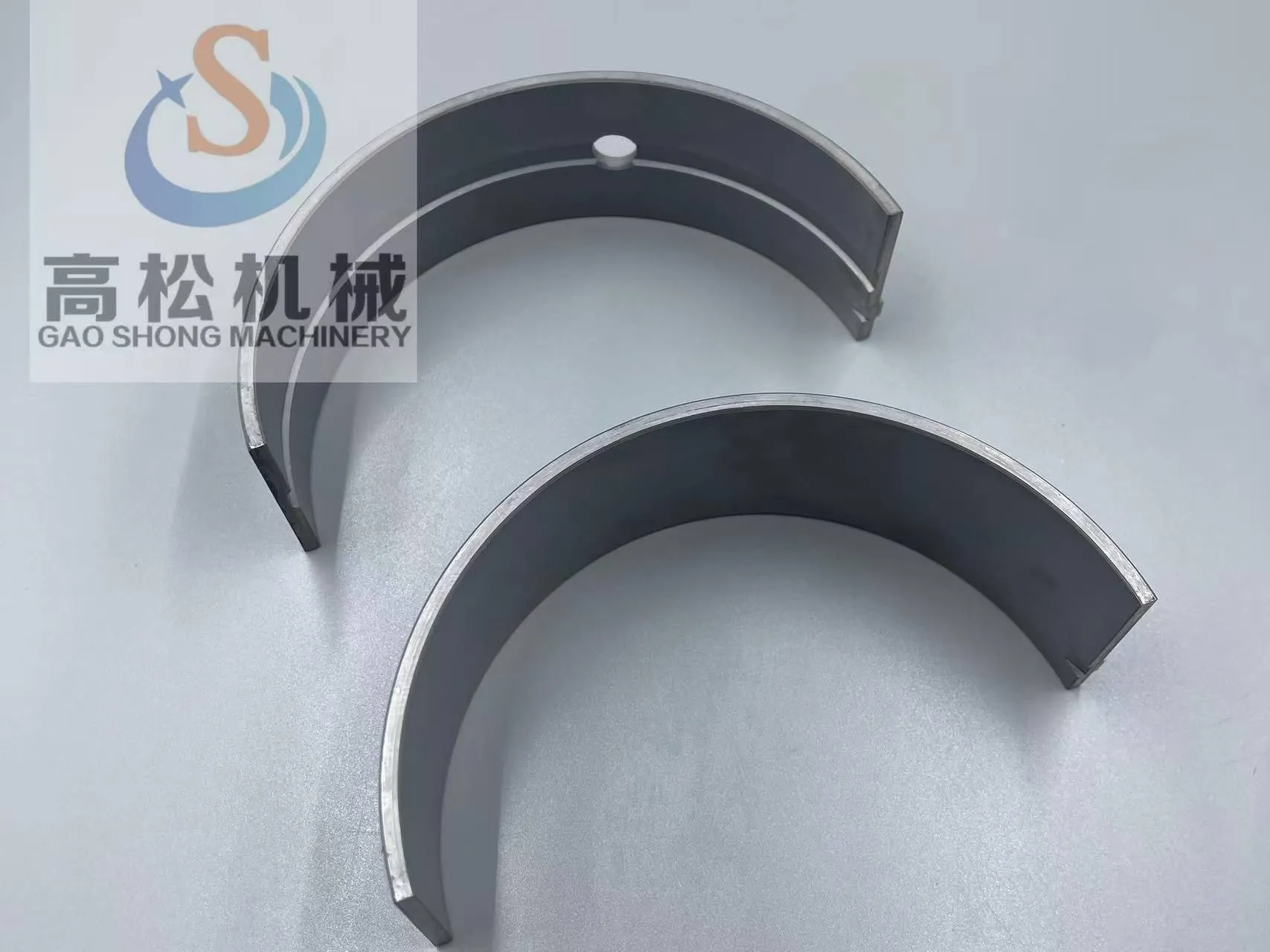 Main bearing of mechanical engine 6162-23-8010, applicable to S6d170 wheel loader, WA600 type Buildozer D375 engine
 -
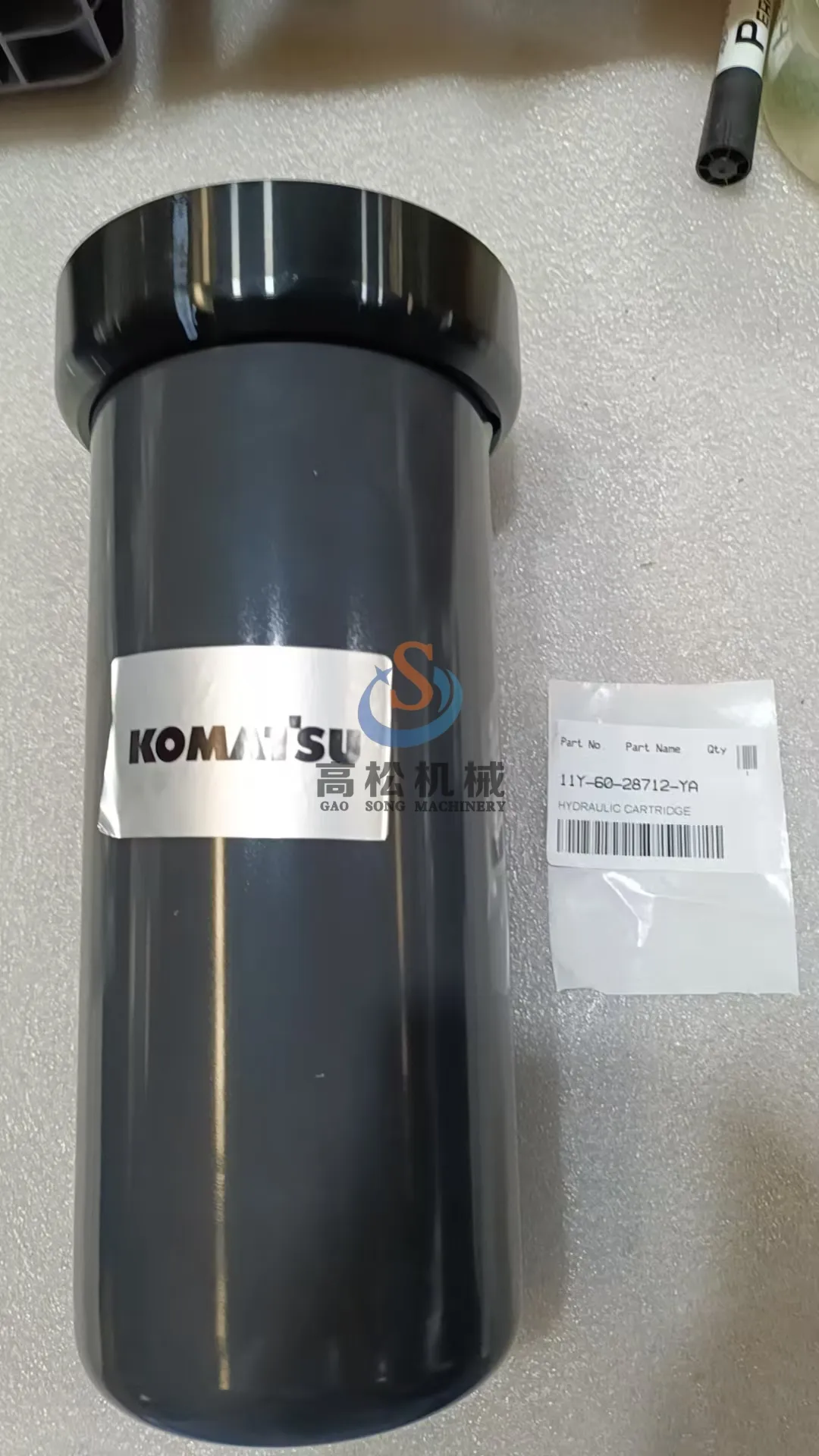 11Y-60-28712 komatsu CARTRIDGE-D37/D61
 -
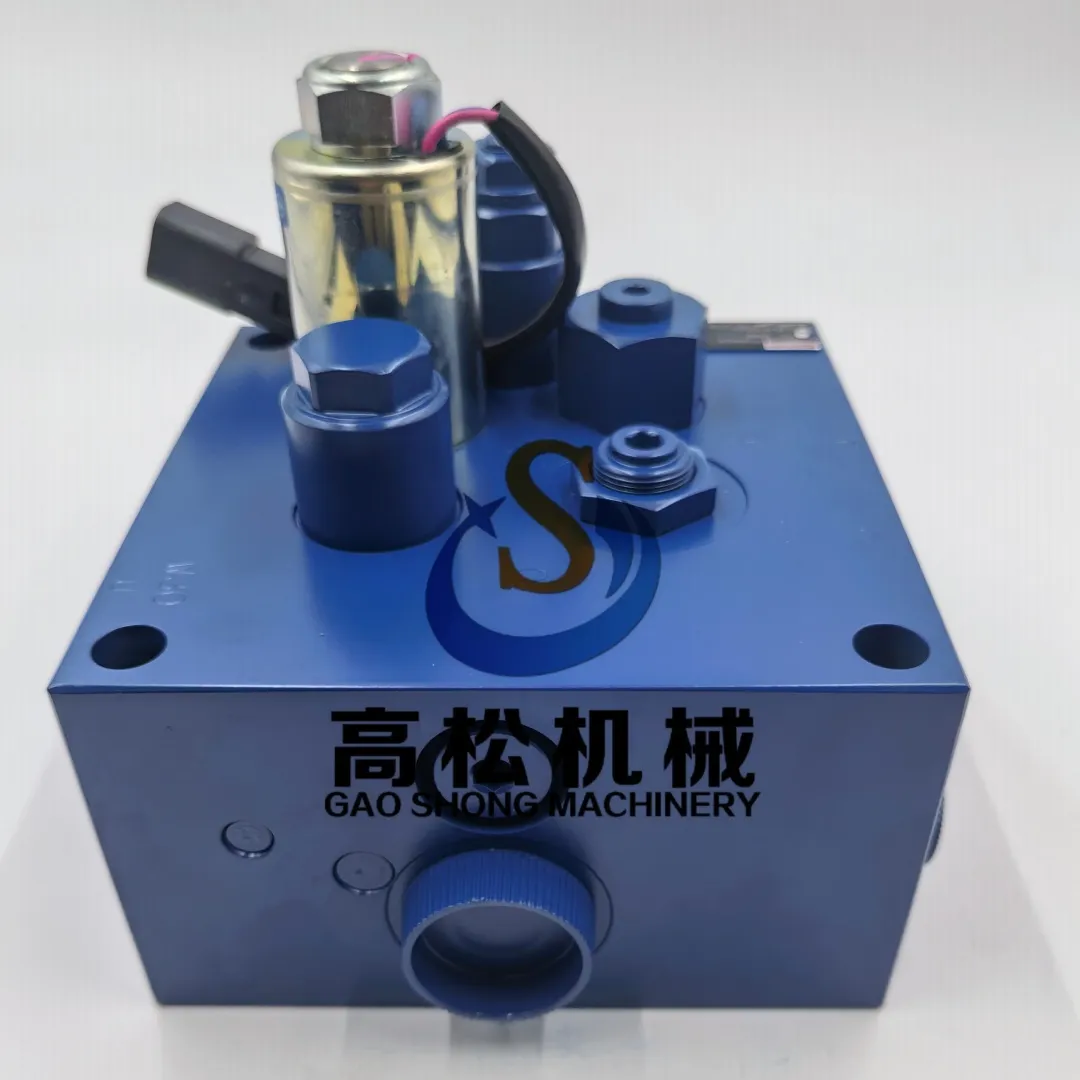 56D-43-37101Z56D-43-37101 Valve Assembly
 -
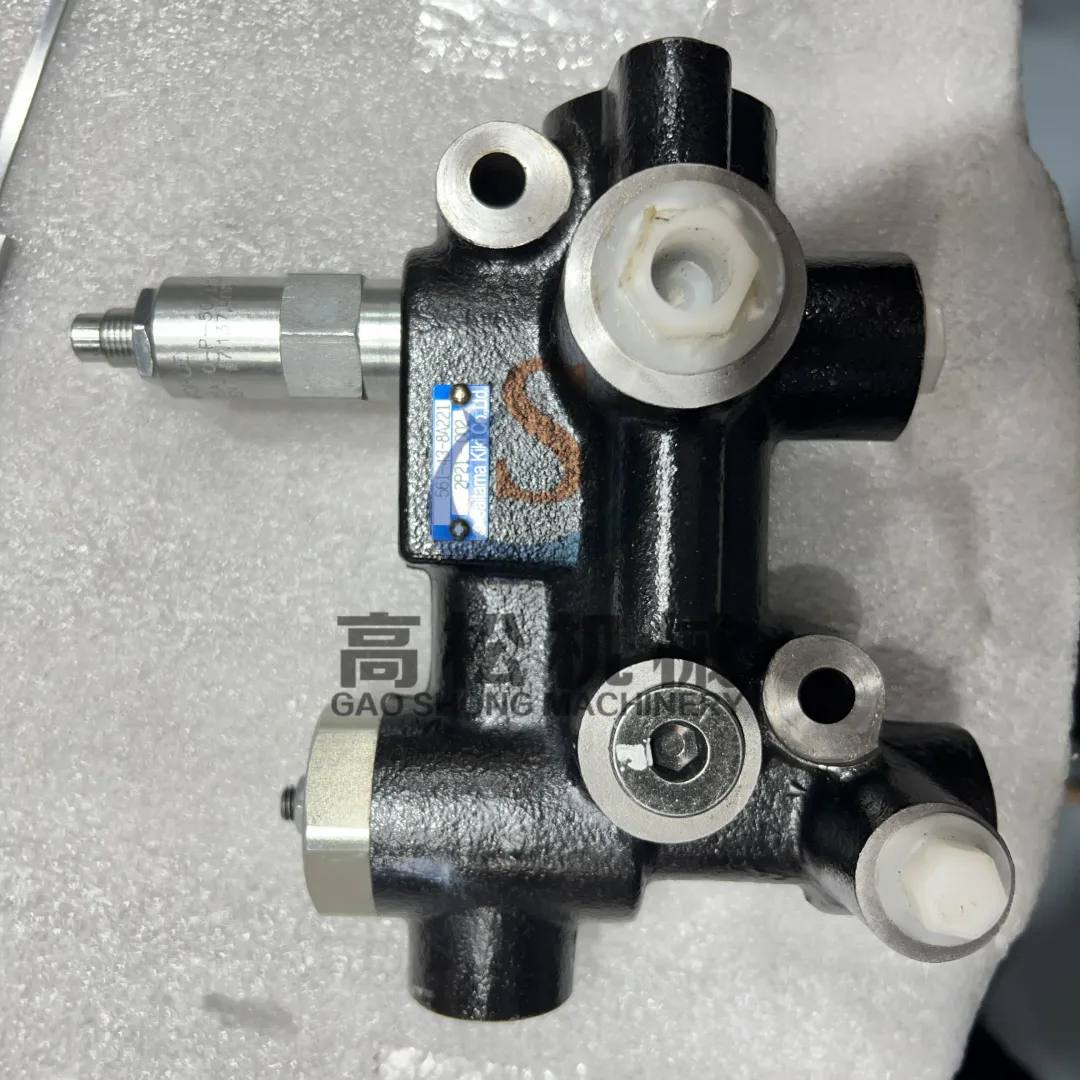 561-43-8A221 Komatsu Valve Assembly, Accumulator Charge
 -
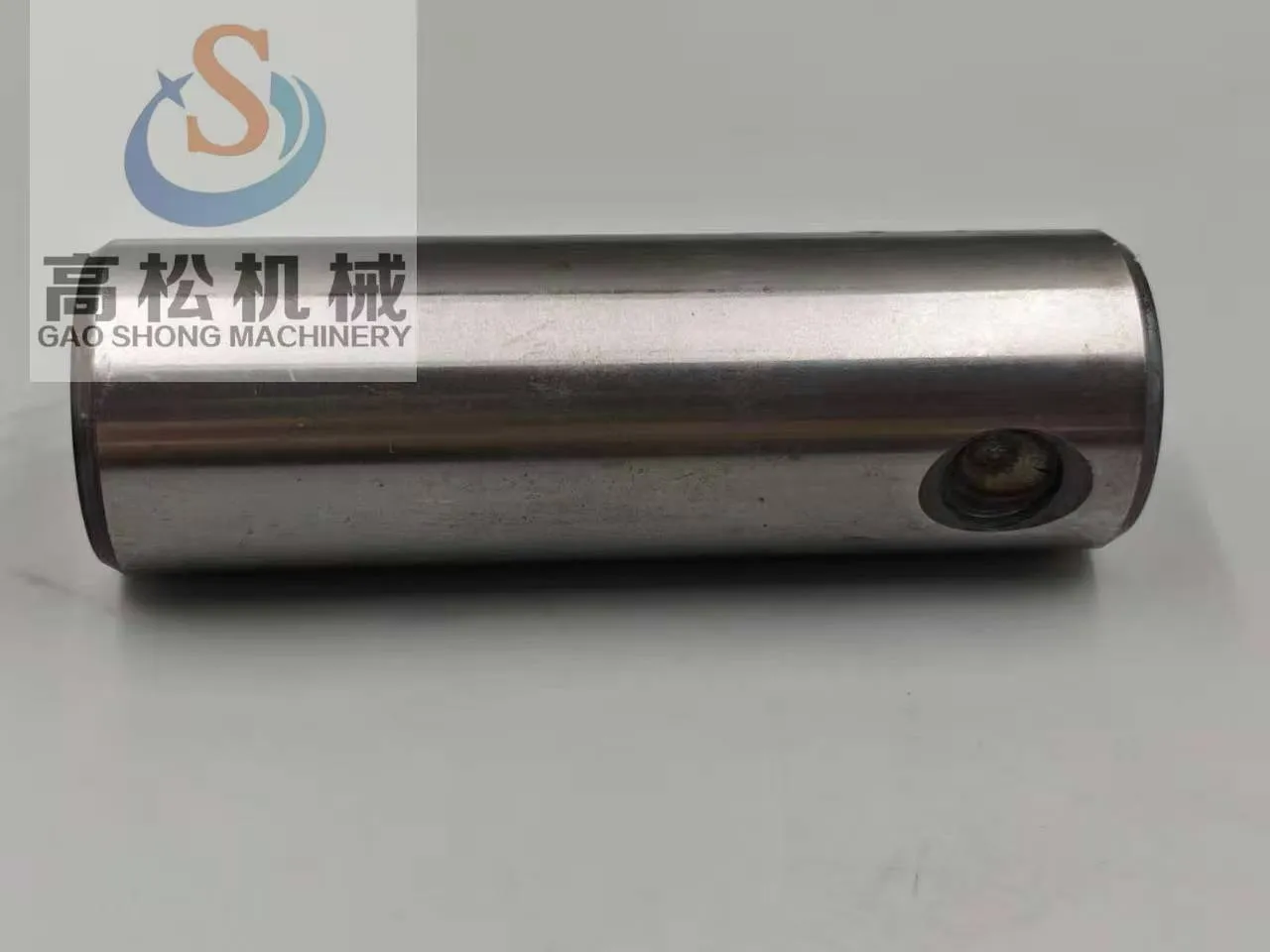 Supply excavator accessories PC1250-11 pin 21N-26-33240
 -
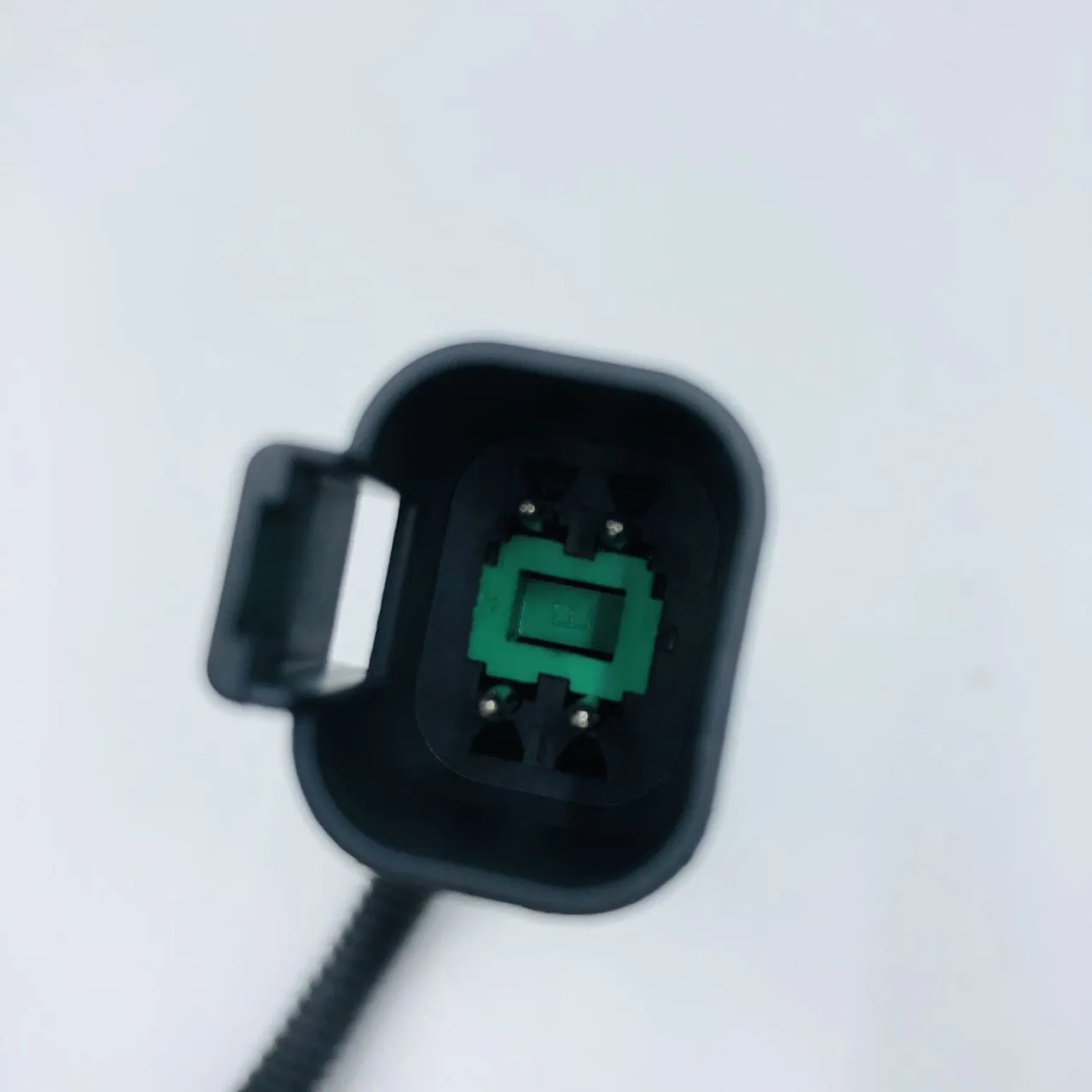 7861-93-5410-SENSOR-Komatsu Original Factory
 -
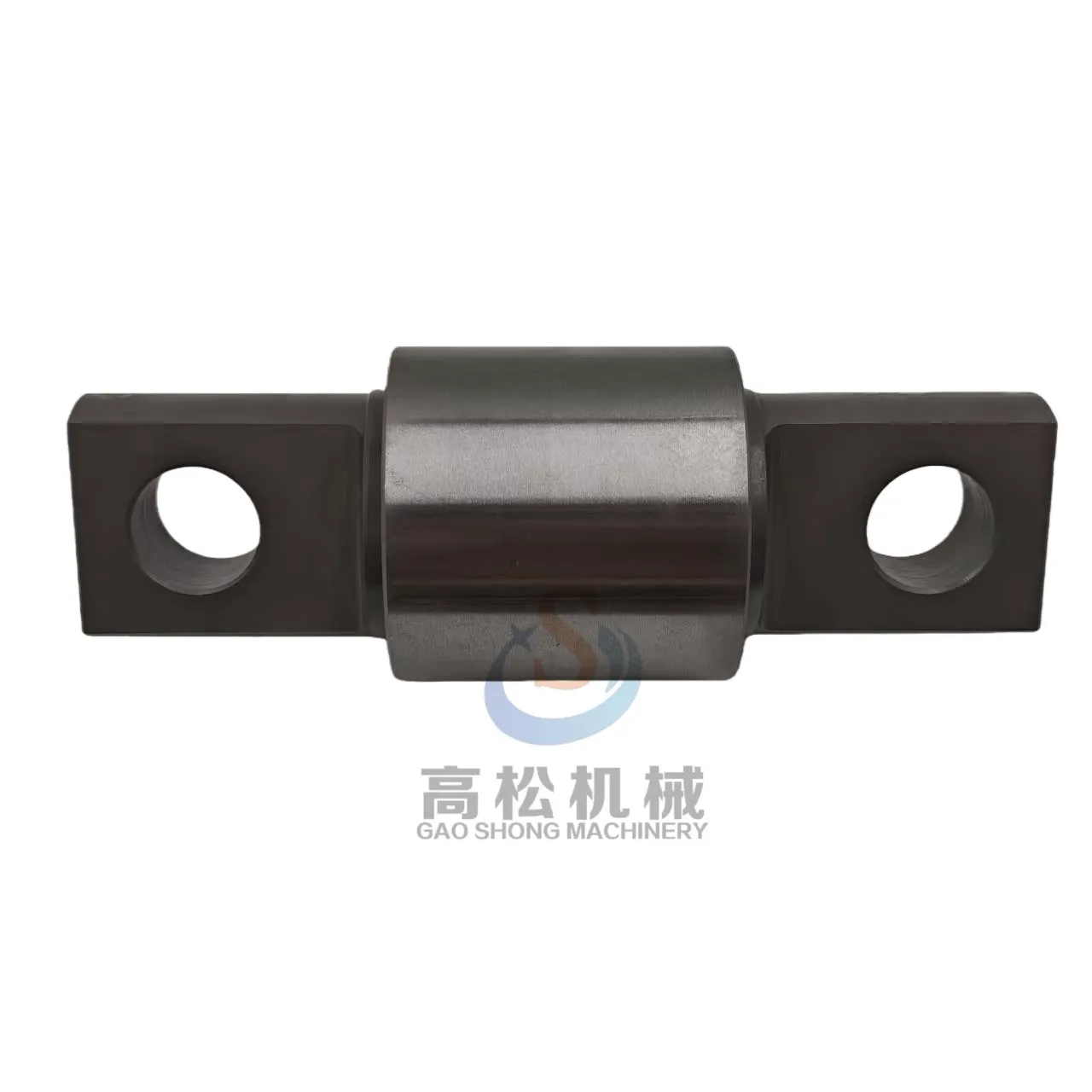 56B-16-11211 CUSHION HM350-2 HM350-2R HM400-3R HM400-2 HM400-1 FRONT DIFFERENTIAL MOUNTING
 -
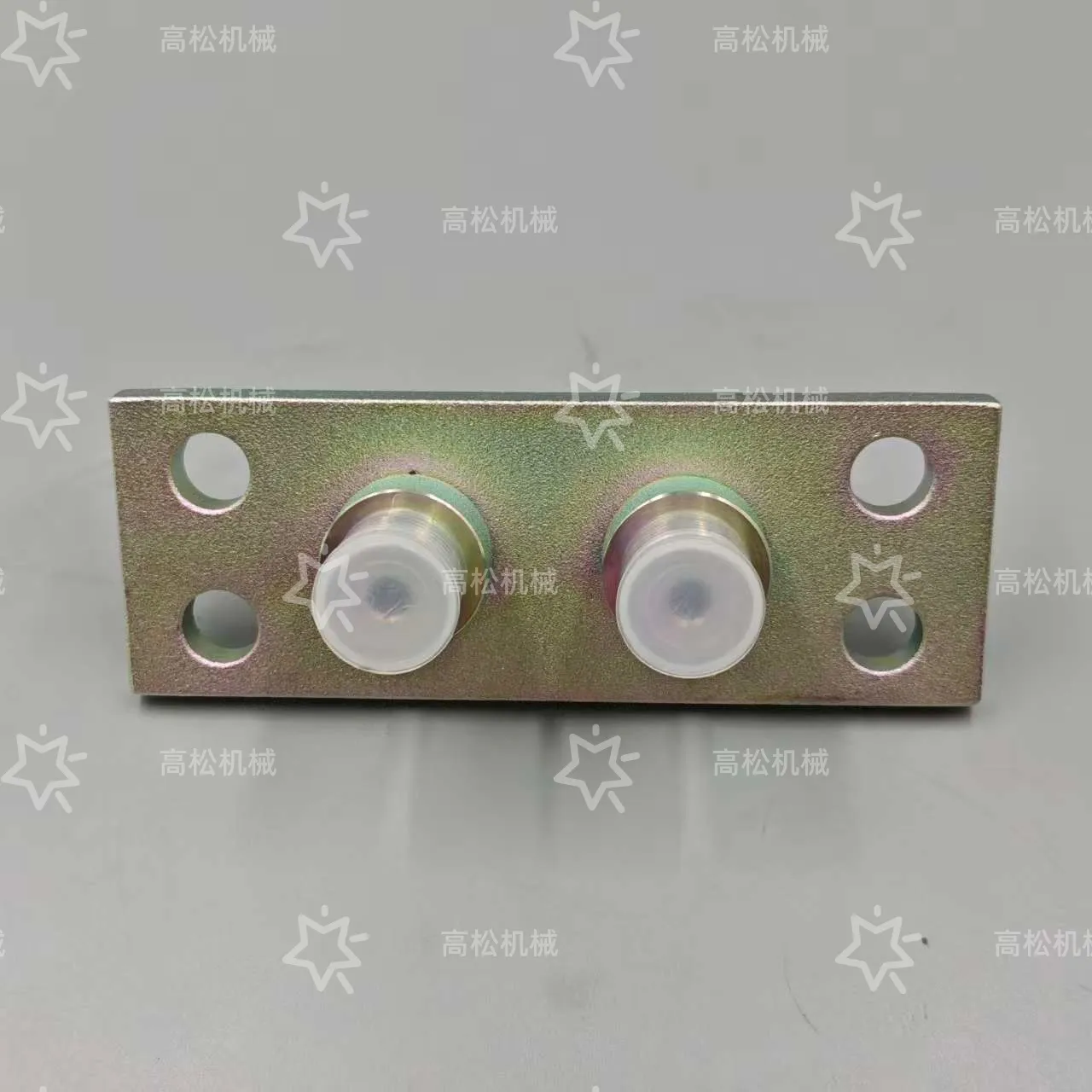 14Y-62-31411 BRACKET made to fit KOMATSU
 -
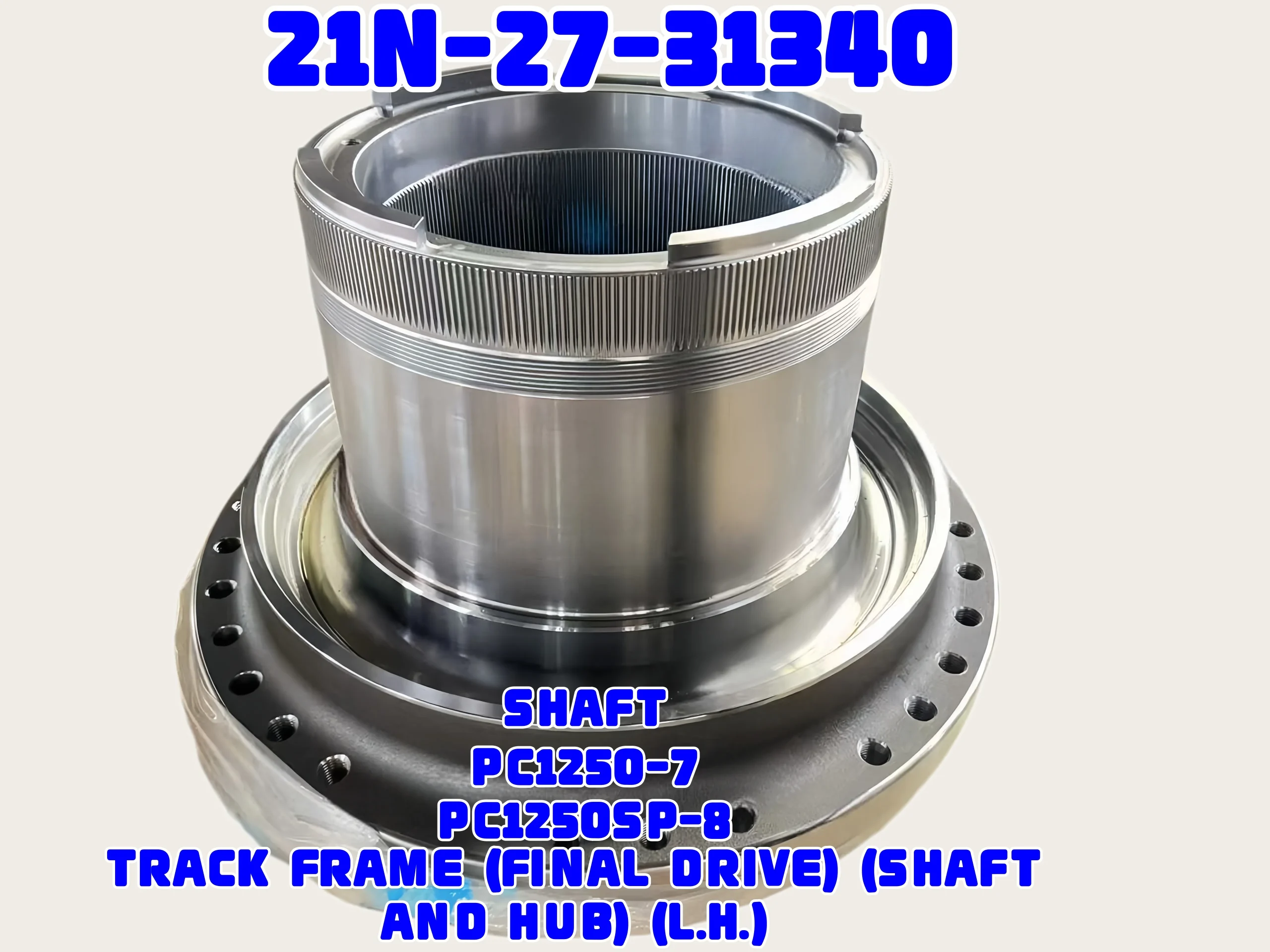 komatsu-part-21N-27-31340 SHAFT PC1250-7 PC1250LC-8 PC1250-8R PC1250-11 TRACK FRAME, FINAL DRIVE L.H. TRACK FRAME, FINAL DRIVE R.H. FINAL DRIVE ASSEMBLY, SHAFT AND HUB, L.H., R.H.
 -
 Komatsu 6151-61-3201 CASE ASS’Y, FAN DRIVE… — Pricing.Parts