
- Chinese
- French
- German
- Portuguese
- Spanish
- Russian
- Japanese
- Korean
- Arabic
- Irish
- Greek
- Turkish
- Italian
- Danish
- Romanian
- Indonesian
- Czech
- Afrikaans
- Swedish
- Polish
- Basque
- Catalan
- Esperanto
- Hindi
- Lao
- Albanian
- Amharic
- Armenian
- Azerbaijani
- Belarusian
- Bengali
- Bosnian
- Bulgarian
- Cebuano
- Chichewa
- Corsican
- Croatian
- Dutch
- Estonian
- Filipino
- Finnish
- Frisian
- Galician
- Georgian
- Gujarati
- Haitian
- Hausa
- Hawaiian
- Hebrew
- Hmong
- Hungarian
- Icelandic
- Igbo
- Javanese
- Kannada
- Kazakh
- Khmer
- Kurdish
- Kyrgyz
- Latin
- Latvian
- Lithuanian
- Luxembou..
- Macedonian
- Malagasy
- Malay
- Malayalam
- Maltese
- Maori
- Marathi
- Mongolian
- Burmese
- Nepali
- Norwegian
- Pashto
- Persian
- Punjabi
- Serbian
- Sesotho
- Sinhala
- Slovak
- Slovenian
- Somali
- Samoan
- Scots Gaelic
- Shona
- Sindhi
- Sundanese
- Swahili
- Tajik
- Tamil
- Telugu
- Thai
- Ukrainian
- Urdu
- Uzbek
- Vietnamese
- Welsh
- Xhosa
- Yiddish
- Yoruba
- Zulu
- Kinyarwanda
- Tatar
- Oriya
- Turkmen
- Uyghur






komatsu equipment parts
When you hear 'Komatsu equipment parts', the immediate thought for most is the genuine, yellow-boxed item from the OEM. That's the ideal. But on the ground, especially in markets outside Japan or North America, the picture gets fragmented. There's a common misconception that if it's not directly from Komatsu, it's automatically inferior or risky. That's not entirely accurate, and this binary thinking is where a lot of operations lose time and money. The reality is a spectrum: pure OEM, OEM-authorized suppliers, and then the vast world of aftermarket. The trick isn't just finding a part; it's understanding which tier of that spectrum your specific situation demands, balancing downtime cost against machine warranty and long-term wear. I've seen too many projects stall waiting for a 'genuine' seal kit when a certified alternative was sitting in a local warehouse.
The OEM Ecosystem and Its Gaps
Komatsu's system is tight, designed for traceability and performance assurance. If you're running a new-gen PC210-11 or a large mining haul truck like the 930E, sticking with genuine parts for critical assemblies—hydraulic pumps, engine ECMs, final drive gears—is non-negotiable. The engineering tolerances are too fine. But here's the catch: the official distribution network isn't omnipresent. For a mine in West Africa or a construction firm in Southeast Asia, getting that specific genuine Komatsu equipment parts can mean a 6-week lead time. That's 6 weeks of a $2 million asset sitting idle.
This is where the role of companies operating within Komatsu's own framework but addressing these logistical gaps becomes critical. I'm talking about entities like Jining Gaosong Construction Machinery Co., Ltd.. Their setup is interesting; they describe themselves as an OEM product supplier within the Komatsu system and a third-party sales company. In practice, this often means they have access to genuine or OEM-spec lines for certain components and can navigate the supply challenges in regions Komatsu's primary channels find complex. It's a hybrid model. You can check their portal at https://www.takematsumachinery.com to see their scope. They aren't just a parts website; they're positioned as a solution for supply challenges in certain countries, which is a very real pain point.
I recall a situation with a D65 dozer in a remote area. The track tension cylinder was shot. The local Komatsu dealer quoted a 2-month wait. The site manager was desperate. We sourced a cylinder from a supplier with this OEM-affiliated claim. It wasn't in a Komatsu box, but the casting marks and port alignments were identical. We took a risk, installed it. That was three years ago; it's still running. It forced me to dig deeper into what OEM product supplier within the Komatsu system actually entails—often it's about manufacturing to original prints but for a different supply chain path.
The Third-Party Reality: Risk and Reward
Venturing into the pure third-party or aftermarket space for Komatsu equipment parts is where experience really pays. It's not all bad, far from it. For non-wear-critical items—brackets, guards, standard hydraulic hoses, seat cushions, even some pins and bushings—the quality from top-tier aftermarket manufacturers can be on par, at 40-60% of the cost. The savings on a fleet-wide pin and bushing replacement are substantial.
But the failure modes are instructive. We once tried aftermarket solenoid valves for a PC300's control bank. They looked perfect, same dimensions, same connector. They failed within 80 hours. The issue wasn't the metal; it was the spring tension inside and the grade of the epoxy sealing the coil. It was a subtle, costly lesson. Now, our rule is electrical and precision hydraulic components are almost always genuine. Undercarriage parts? It's a mix. Some aftermarket track links and rollers for older models like the D155 are incredibly durable, but you must know the foundry source.
This is the judgement process. You develop a mental list: Genuine for electronics, engine internals, and main hydraulics. Premium aftermarket for wear items like bucket teeth, cutting edges, and some filtration. And that middle-ground, the OEM-authorized or system suppliers, for mechanical components like gears, shafts, and cylinders when the genuine supply line is blocked. A company like the mentioned Jining Gaosong fits into that last category for many buyers. They help solve parts supply challenges, not by being the cheapest, but by being a reliable alternate route for OEM-level components.
Identifying True Compatibility
Part numbers are the bible, but they're not infallible. Komatsu might supersede a part number, but a functionally compatible part from an earlier model might work, if you understand the modification history. I spend a lot of time on parts cross-reference guides and, more importantly, on the phone with technical reps who have seen the machines in the field. The description on a database like CYLINDER, TILT is useless without knowing the serial number break.
Practical tip: Always request the physical dimension sheet and material spec from your supplier, even when ordering genuine. Compare the flange thickness, the bolt hole pattern, the rod diameter. I've received OEM-spec parts where the hardness rating of a gear was two points below what was needed, leading to premature spalling. The supplier made it right, but the downtime was on us. This due diligence is what separates parts changers from mechanics.
For common models, say the Komatsu WA320 wheel loader, there's a thriving aftermarket. But for a newer hybrid excavator, you're locked into the OEM channel. The complexity of the machine dictates the flexibility of your parts sourcing strategy.
Logistics and Total Cost of Ownership
The cheapest part is the one that gets your machine running fastest. This seems obvious, but procurement often forgets it. Air freighting a $500 seal kit for a $300/hour machine makes economic sense if it saves a week. Building relationships with suppliers who understand this calculus is key. They should be able to offer multiple shipping options and have transparent inventory.
This is where specialized third-party sales companies add value. Their entire business model, like helping to solve parts supply challenges in certain countries, is built on this logistics expertise. They aren't just a warehouse; they are a routing and clearance solution. I've worked with similar outfits where their real skill was navigating customs in difficult regions to get a pallet of critical Komatsu equipment parts through in days, not weeks.
Total cost includes installation labor and future wear. An inferior filter might save $20 but cause $2000 in pump damage. A non-genuine but high-quality cylinder seal kit might save 50% and last 90% as long—that can be a smart trade-off on an older machine nearing retirement. The decision matrix is never static.
The Human Factor and Building Trust
Ultimately, this business runs on trust and reputation. You find a supplier who gives you a straight story: This is genuine, This is OEM-quality from a partnered factory, or This is a good aftermarket alternative for your application. Over time, you learn who to believe. The website https://www.takematsumachinery.com presents Jining Gaosong as one such player within the Komatsu orbit. Their claim of being an OEM product supplier within the system suggests a formal relationship, which is a step above a pure independent aftermarket company.
The test is always in the crisis. When you have a broken final drive on a Saturday, who answers the phone? Who can get you the correct part number and a real shipping ETA? Those are the partners you stick with, whether they fall into the pure OEM, hybrid, or premium aftermarket category. The label matters less than the consistent outcome.
So, when navigating Komatsu equipment parts, dismiss the dogma. Assess the component's criticality, your machine's age and value, the local support infrastructure, and the total downtime cost. Then choose your source accordingly, whether it's the main dealer, an OEM-system supplier like Jining Gaosong Construction Machinery, or a trusted aftermarket specialist. The right answer changes with the job site and the machine serial number. That's the real-world of keeping iron moving.
Related Products
Related Products
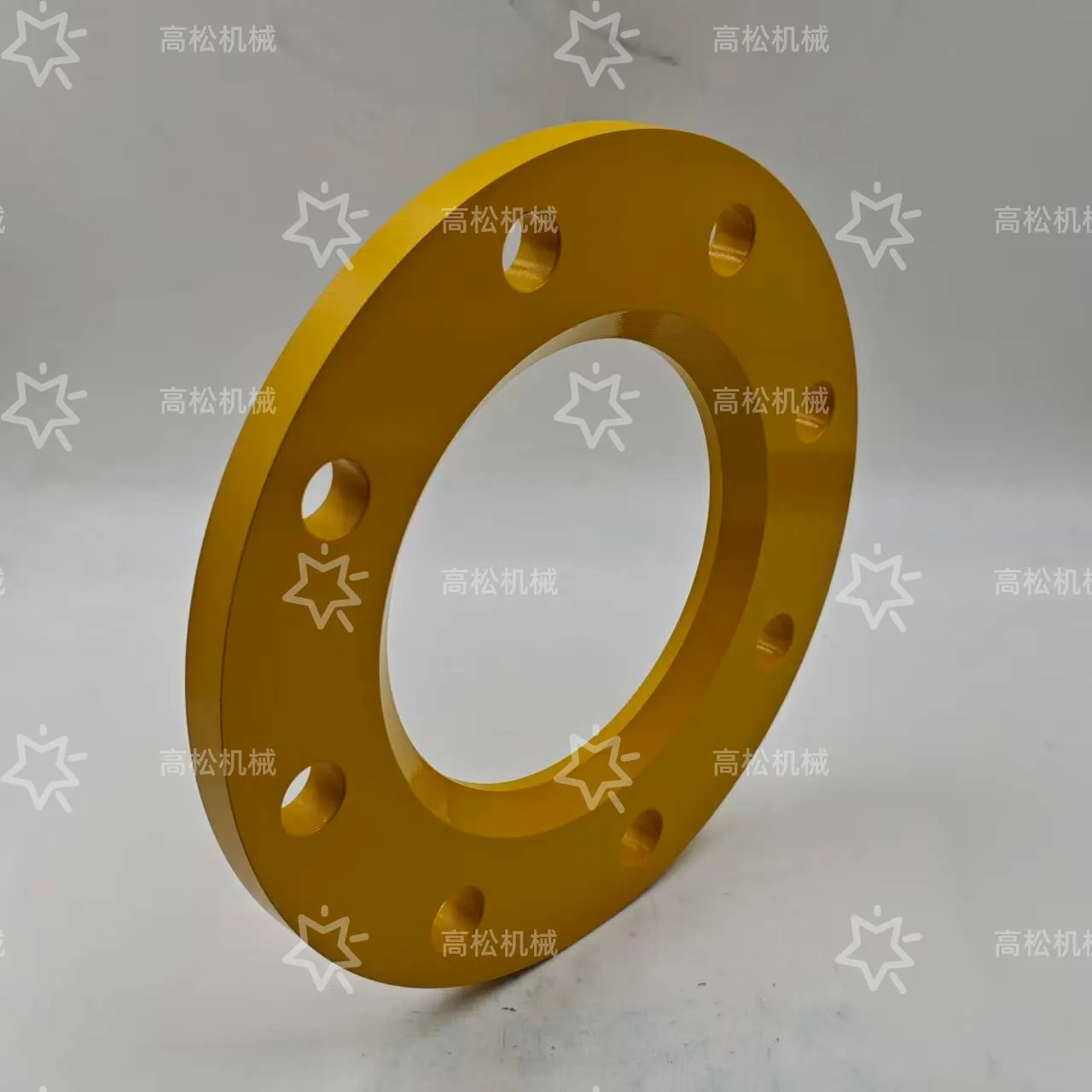
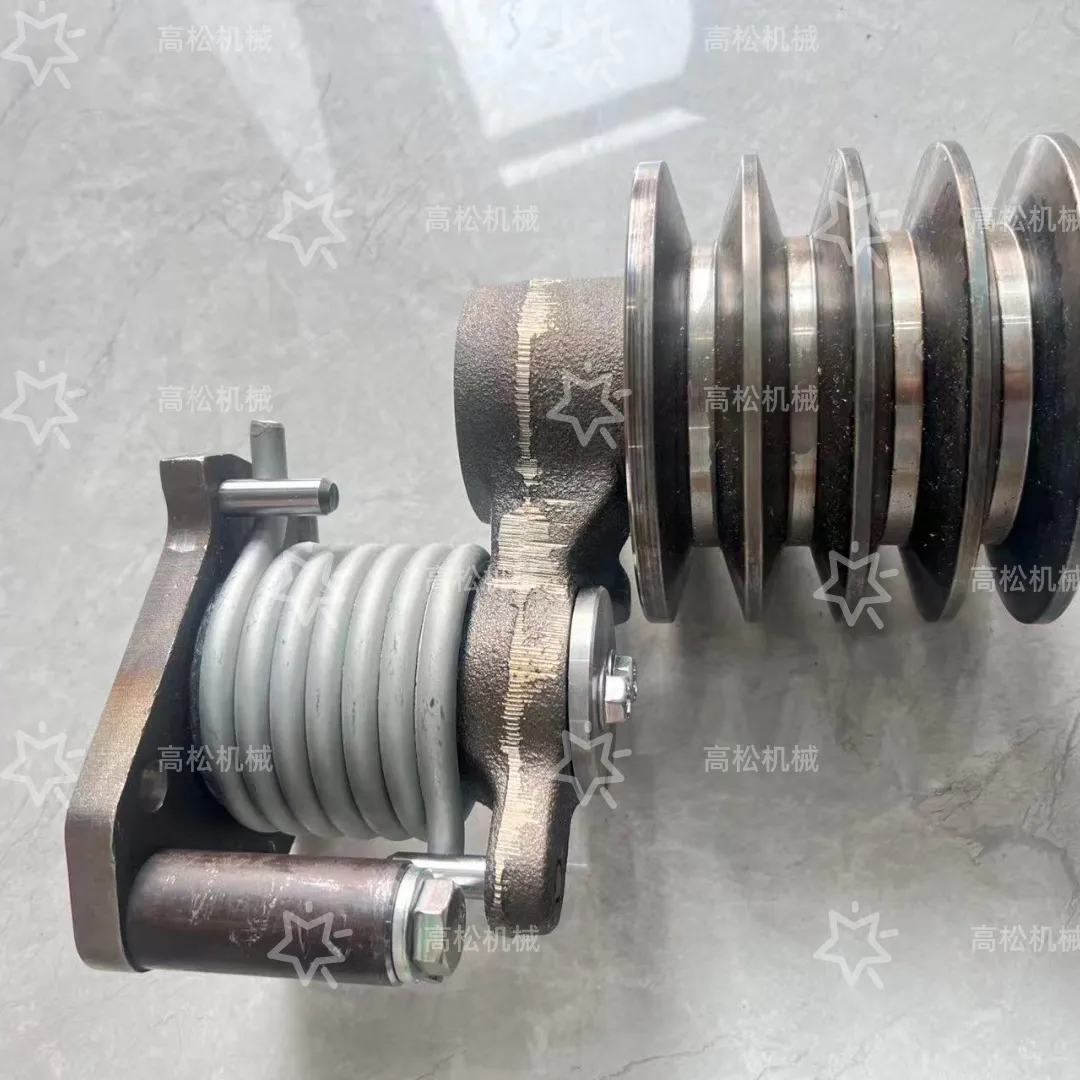
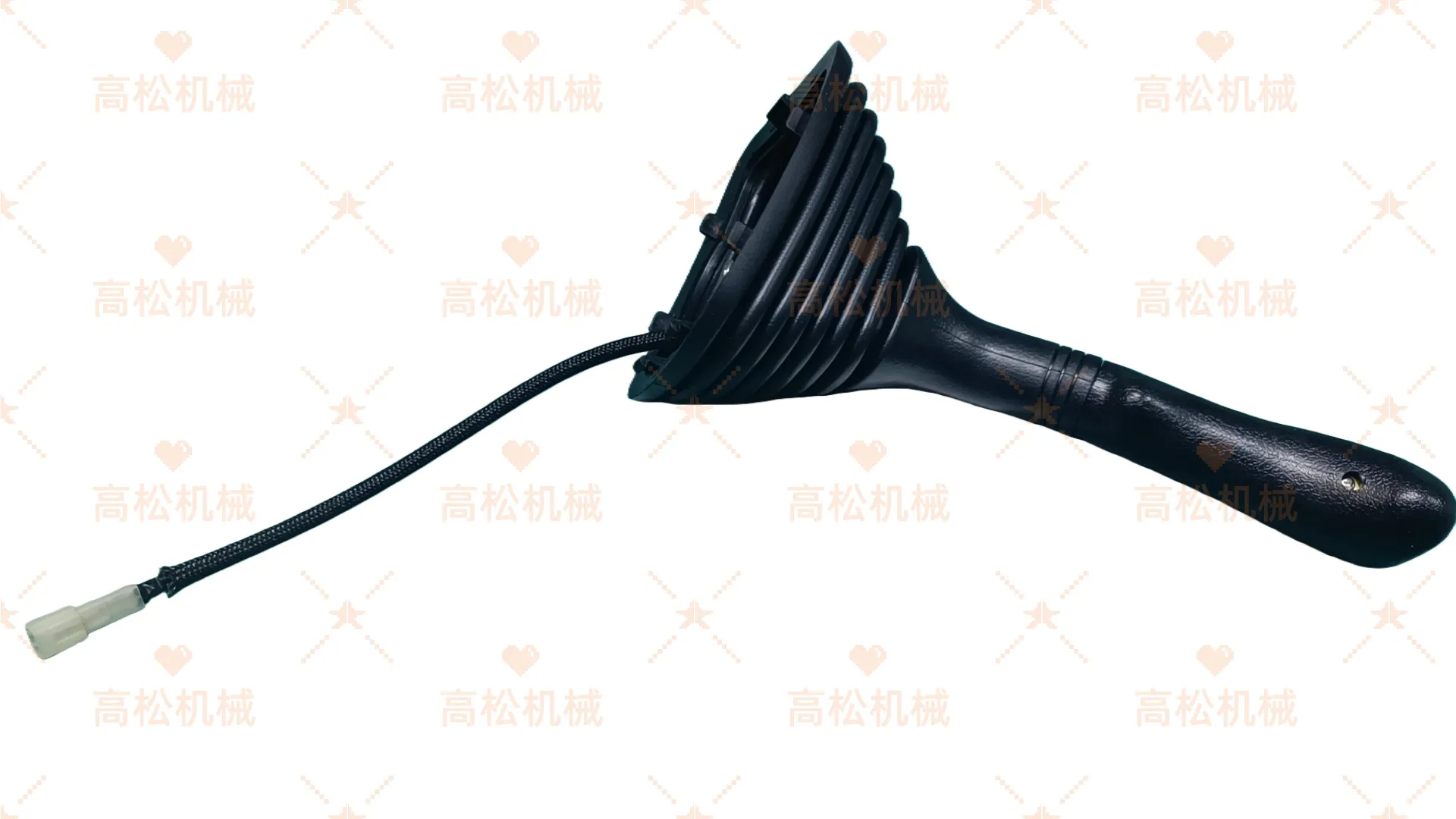
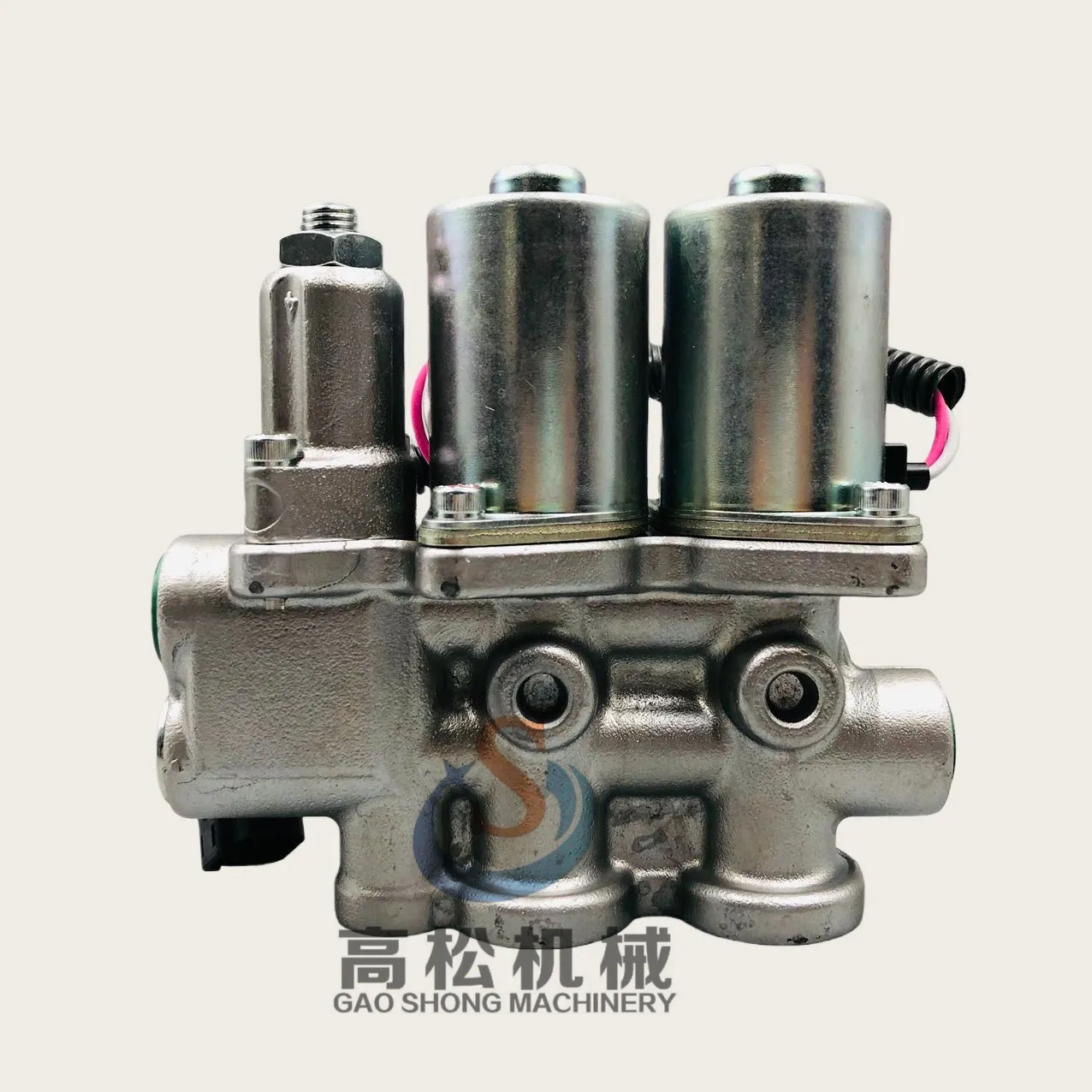

Best Selling Products
Best Selling Products-
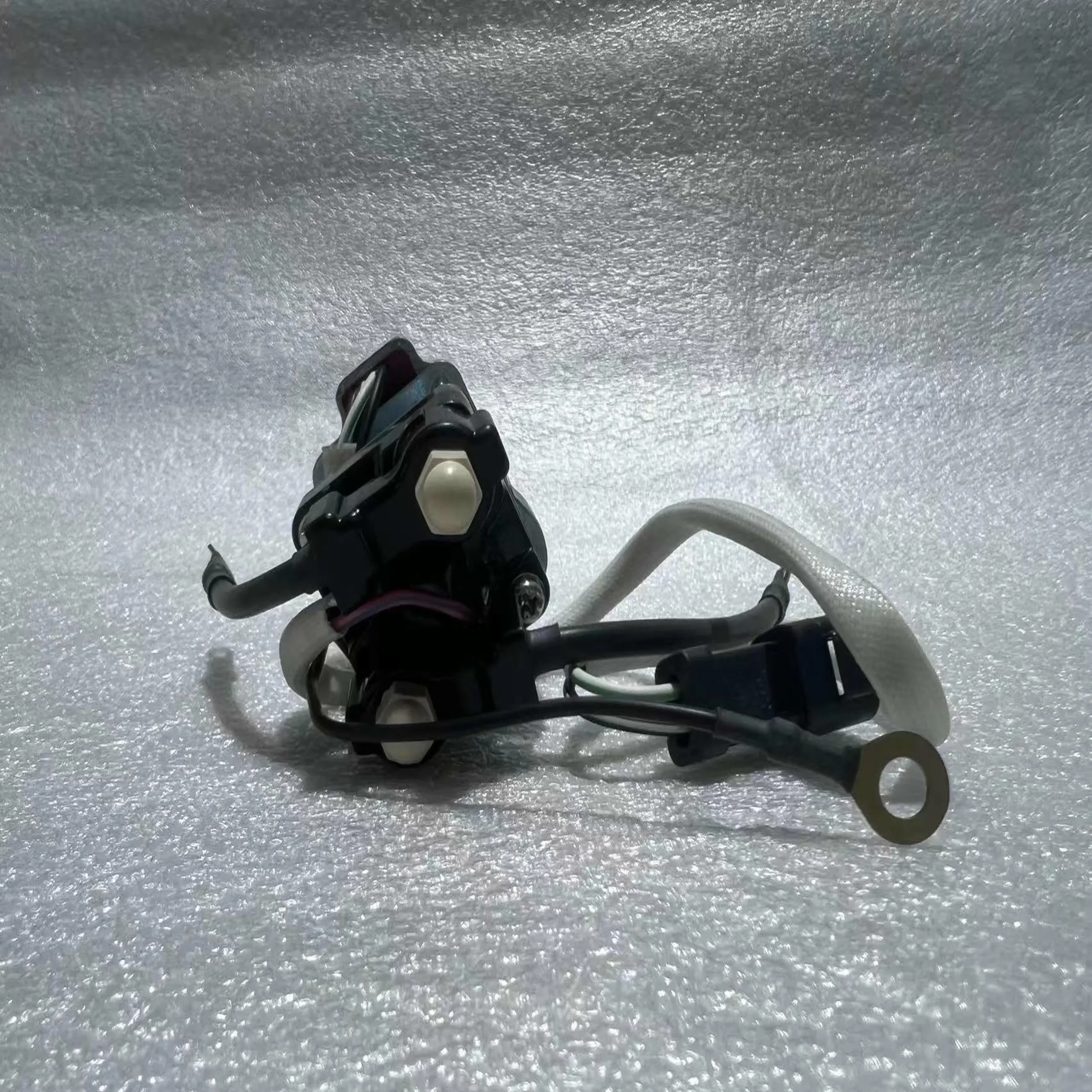 SWITCH ASSEMBLY KD0-25000-8332 – KOMATSUD61EX, D61PX, HM300, HM350, HM400, PC300, PC300HD, PC300LL, PC350LL, PC360, PC400, PC450, PC490, S6D125E, SA6D114E, SA6D125E, SA6D140E, SAA12V140E, SAA6D114E, SAA6D125E, SAA6D140E
 -
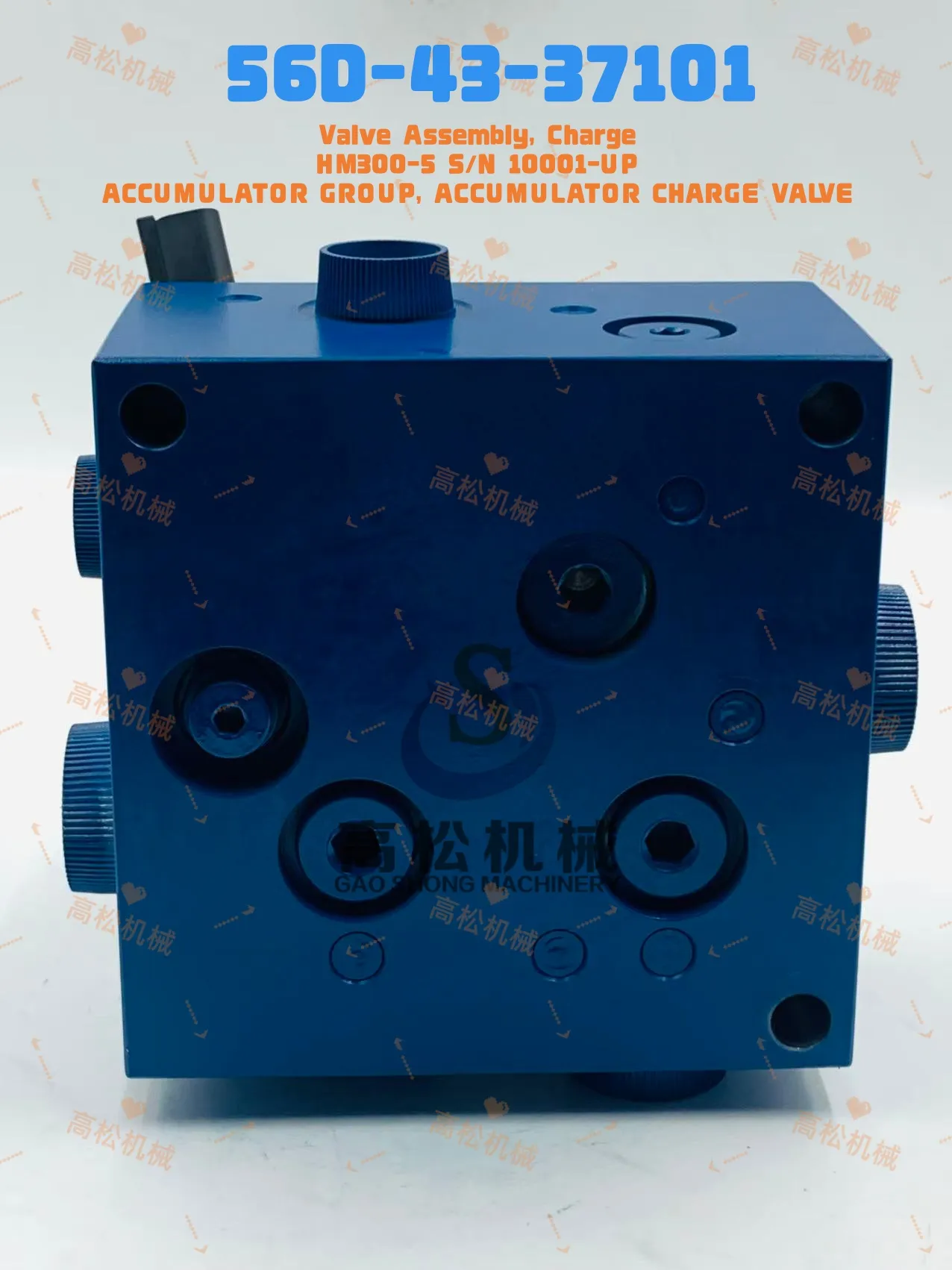 56D-43-37101 Valve Assembly, Charge for HM300 Komatsu Dump Truck Parts High Quality
 -
 Original New PC400-7 Excavator Parts – Control Valve 708-2H-03411
 -
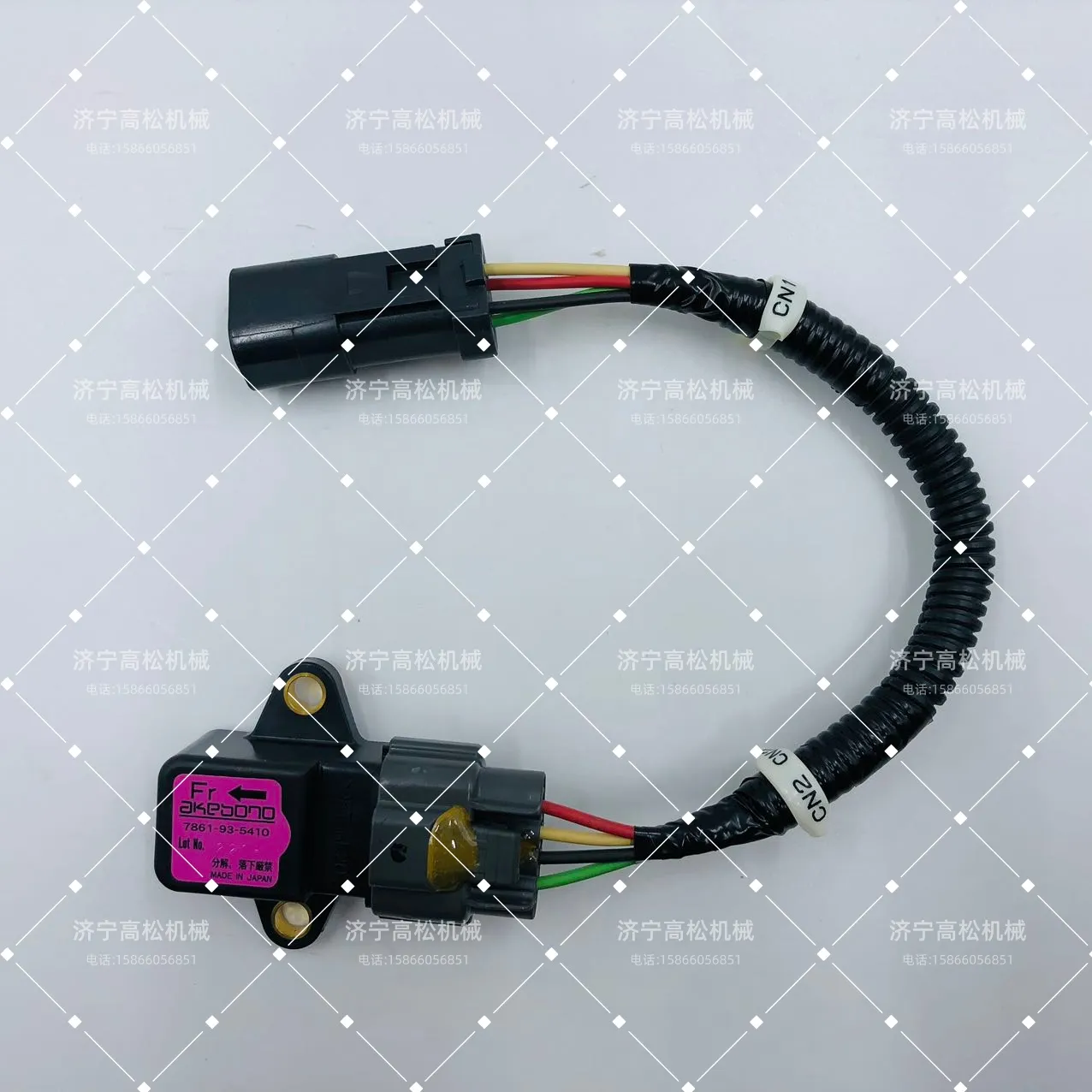 7861-93-5410 Komatsu Sensor, Acceleration
 -
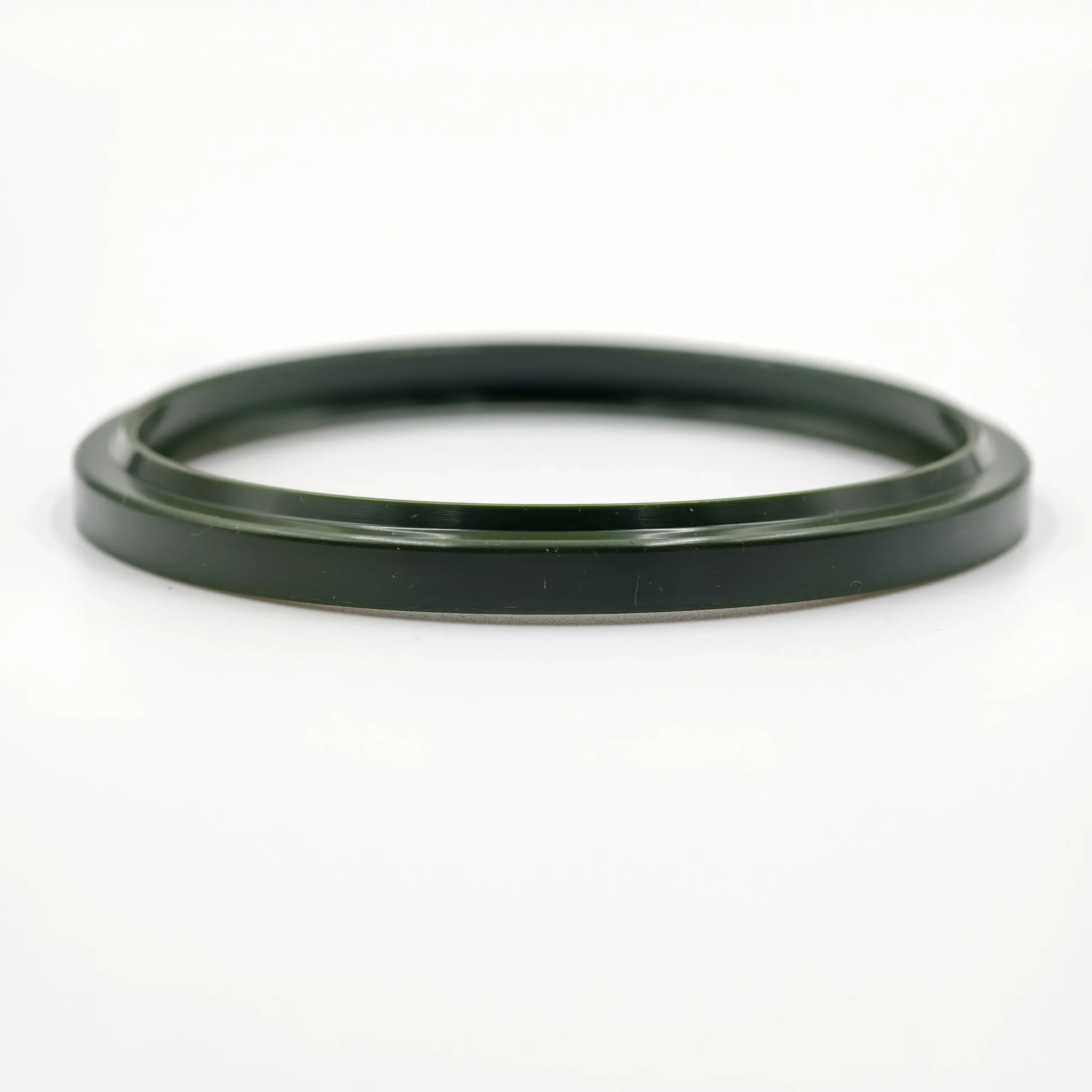 235-44-19120 Yoke (Komatsu)
 -
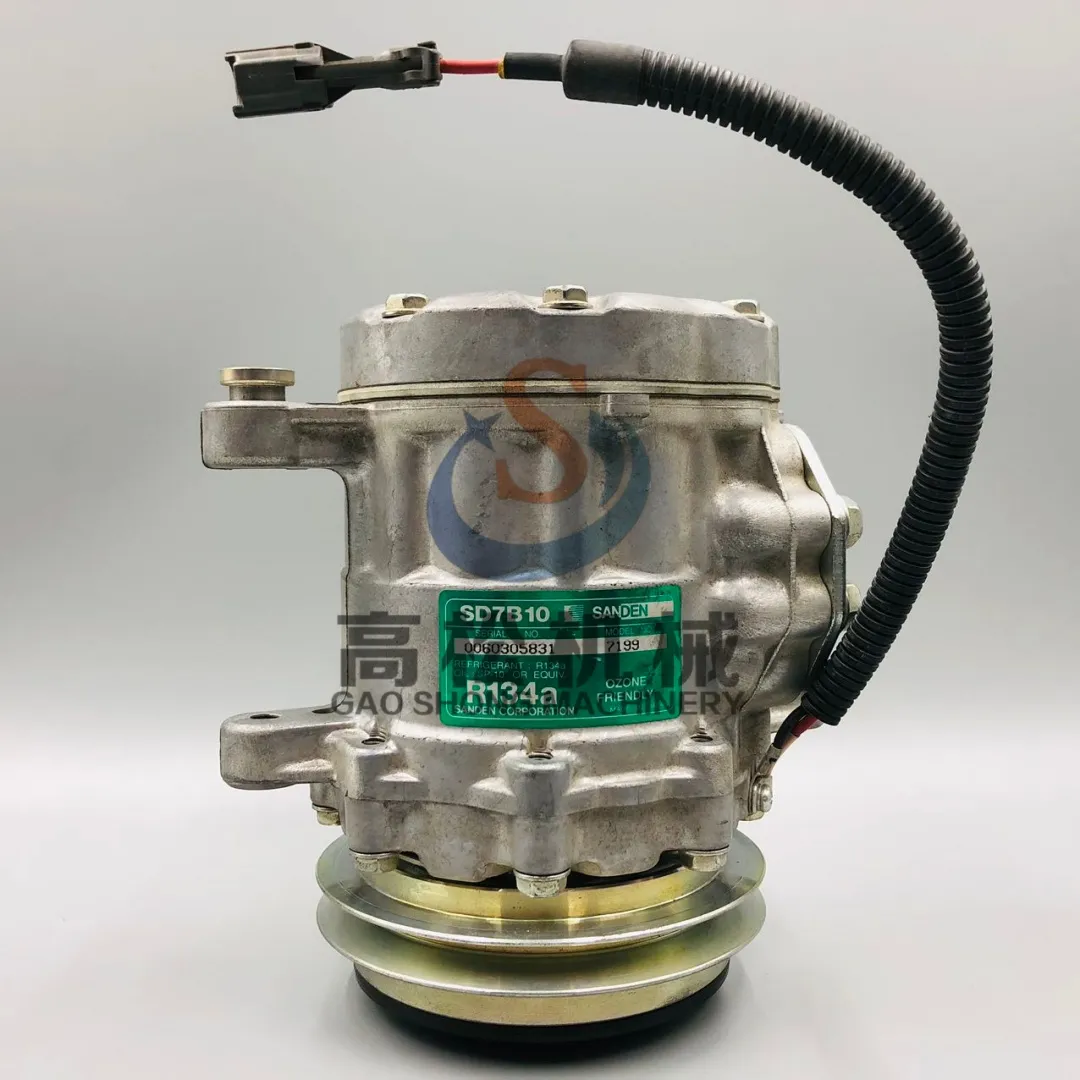 Disong 22L-979-2200 AIR CONDITIONER COMPRESSOR 22L-979-2200 for Excavator PC56-7
 -
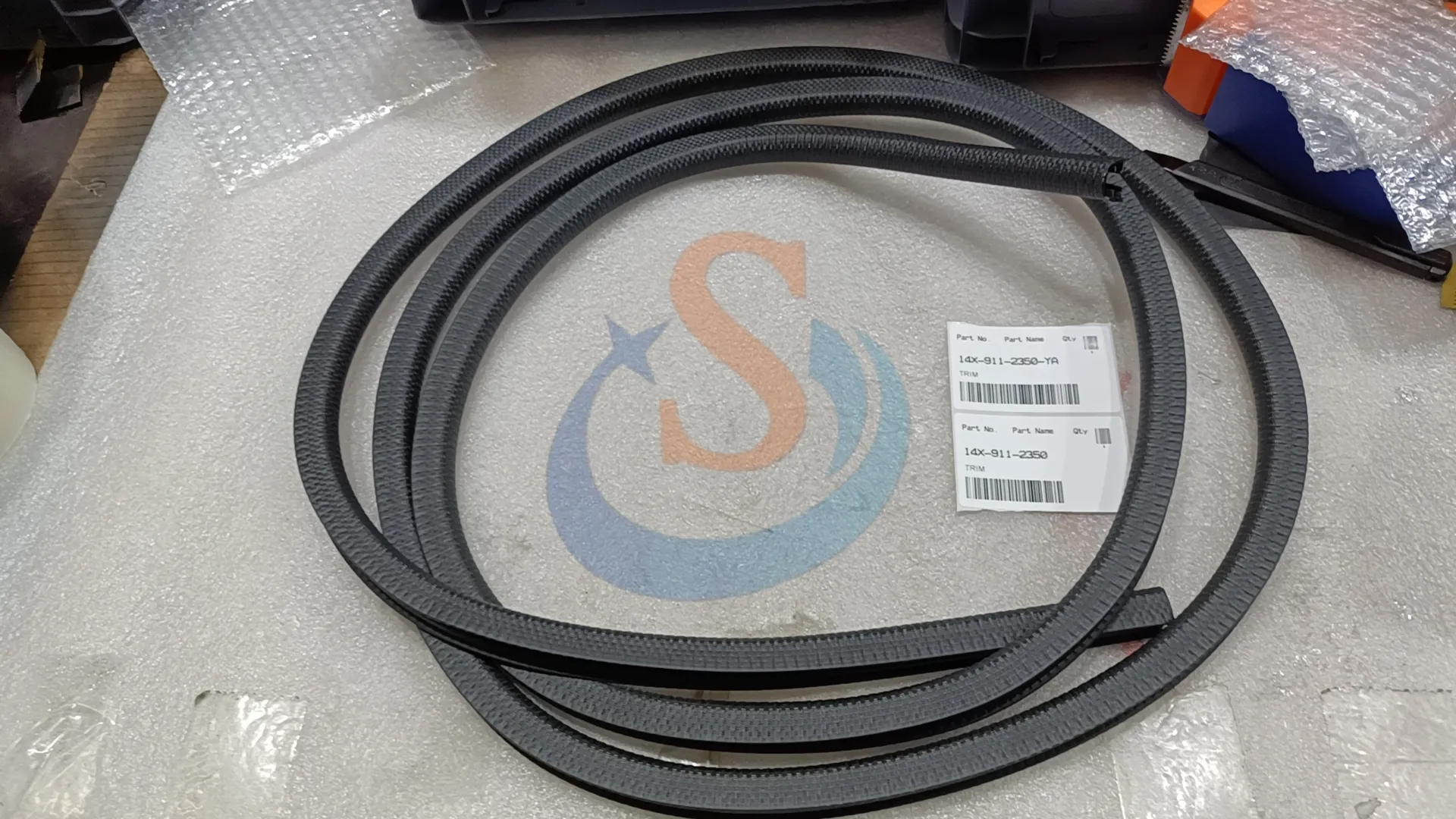 14X-911-2350,TRIM,D68ESS,D65PX,D155A,D375A
 -
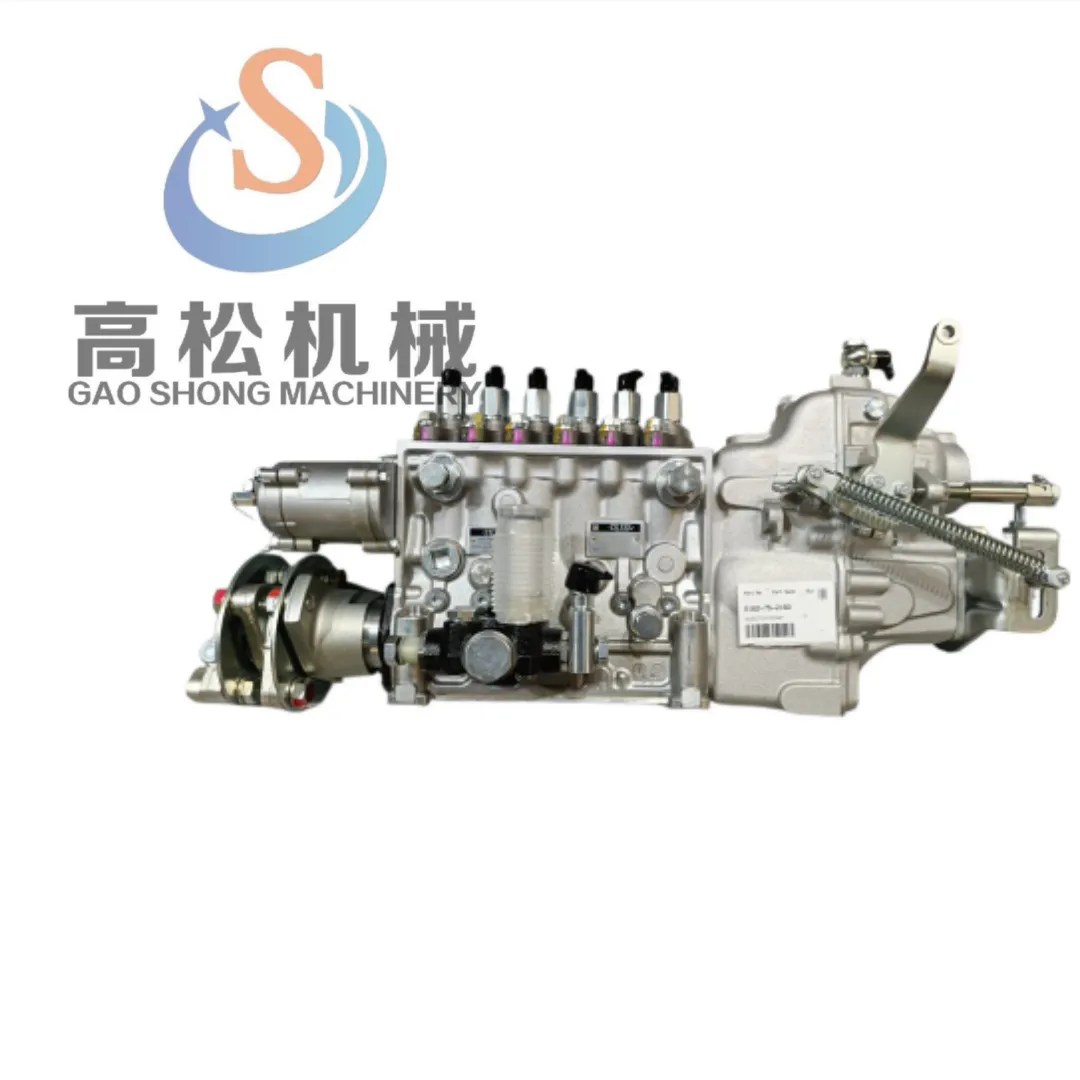 Engine Fuel Injection Pump 6162-75-2160 for SA6D170E
 -
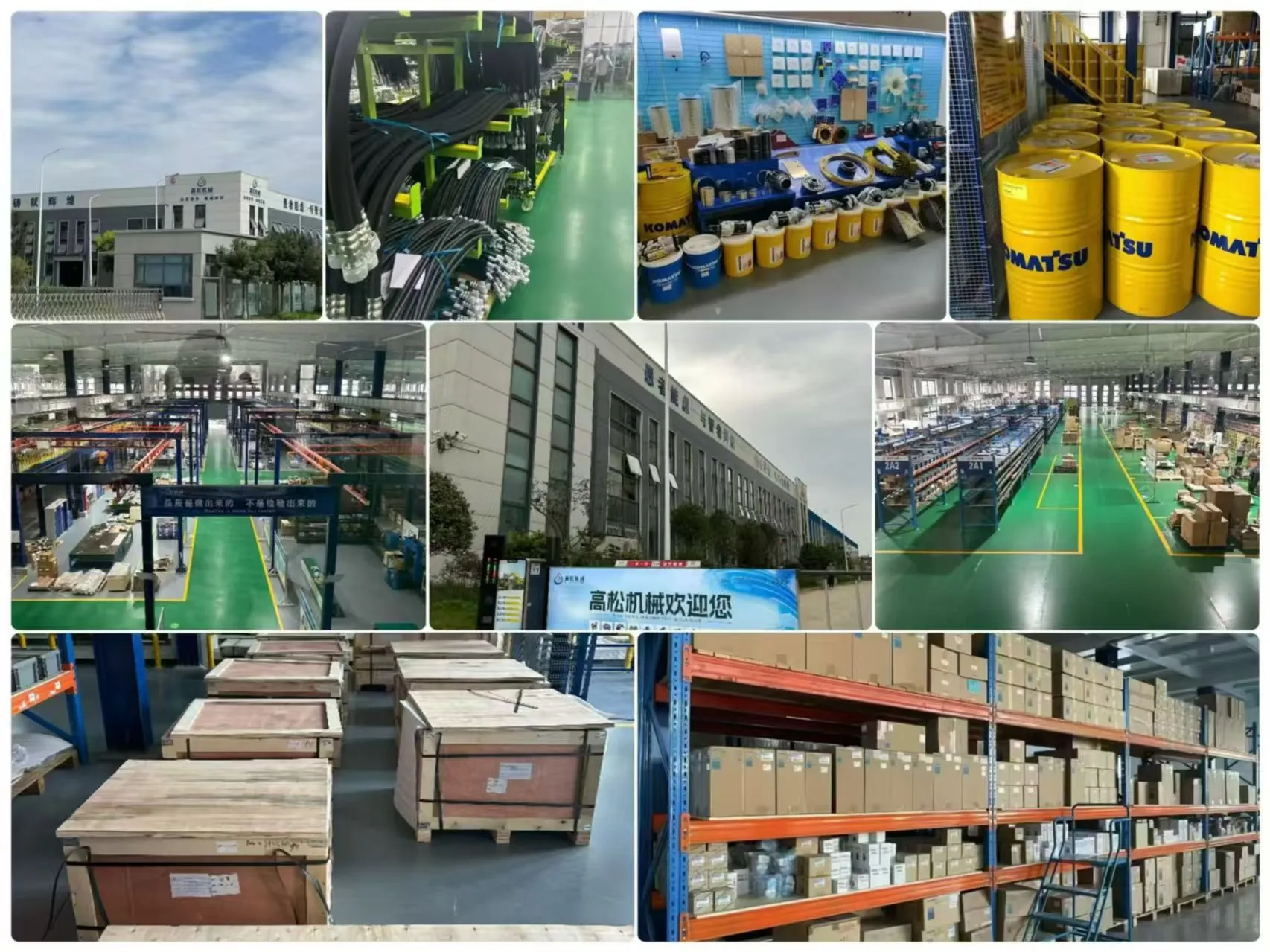 CORE ASSEMBLY 6506-21-5921, myKomatsu
 -
 HD785-7 center exhaust manifold 6215-11-5172
 -
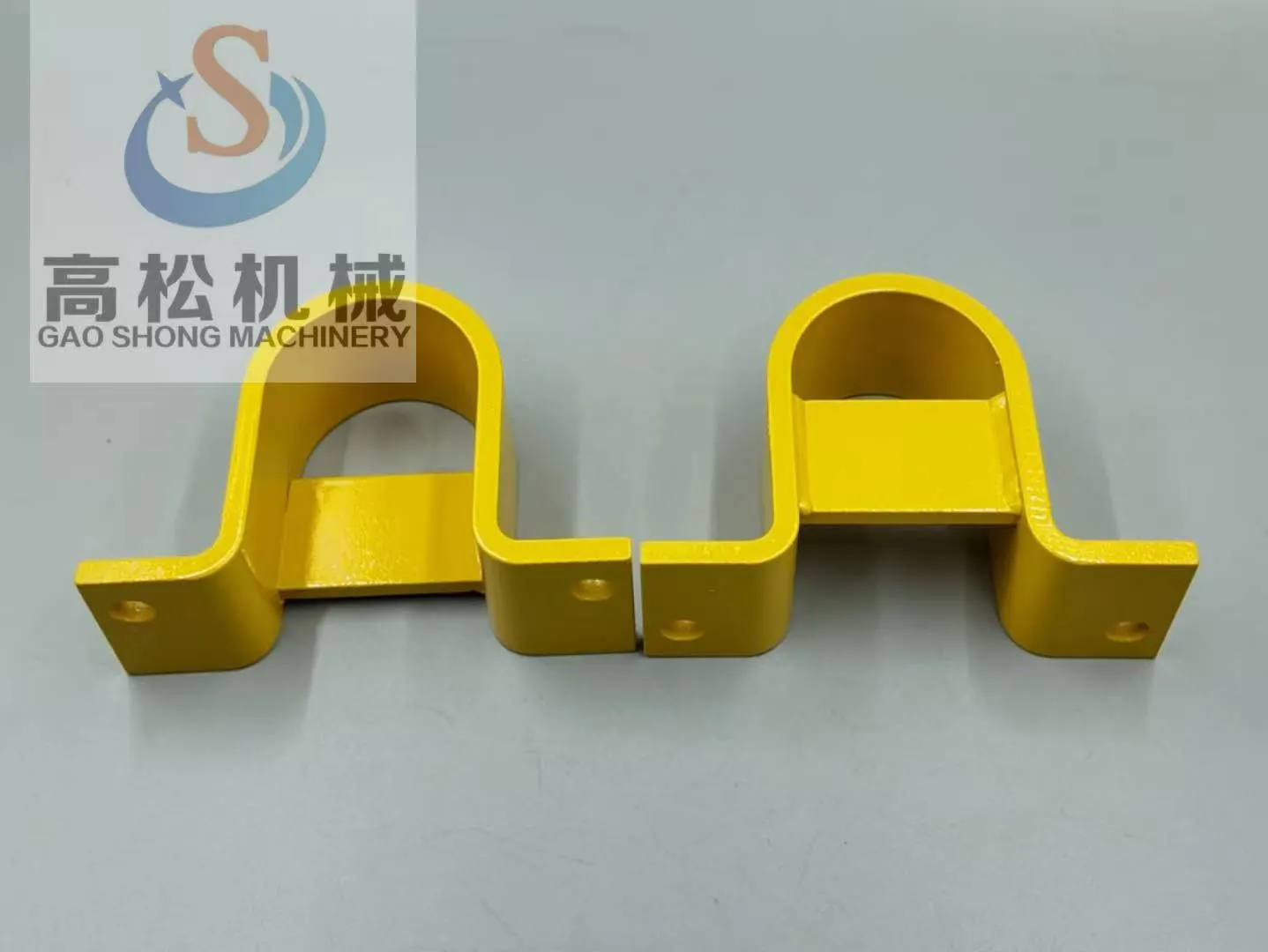 425-04-21430 Compatible models: WA500 Komatsu cover. Large inventory, current spot pricing advantages.
 -
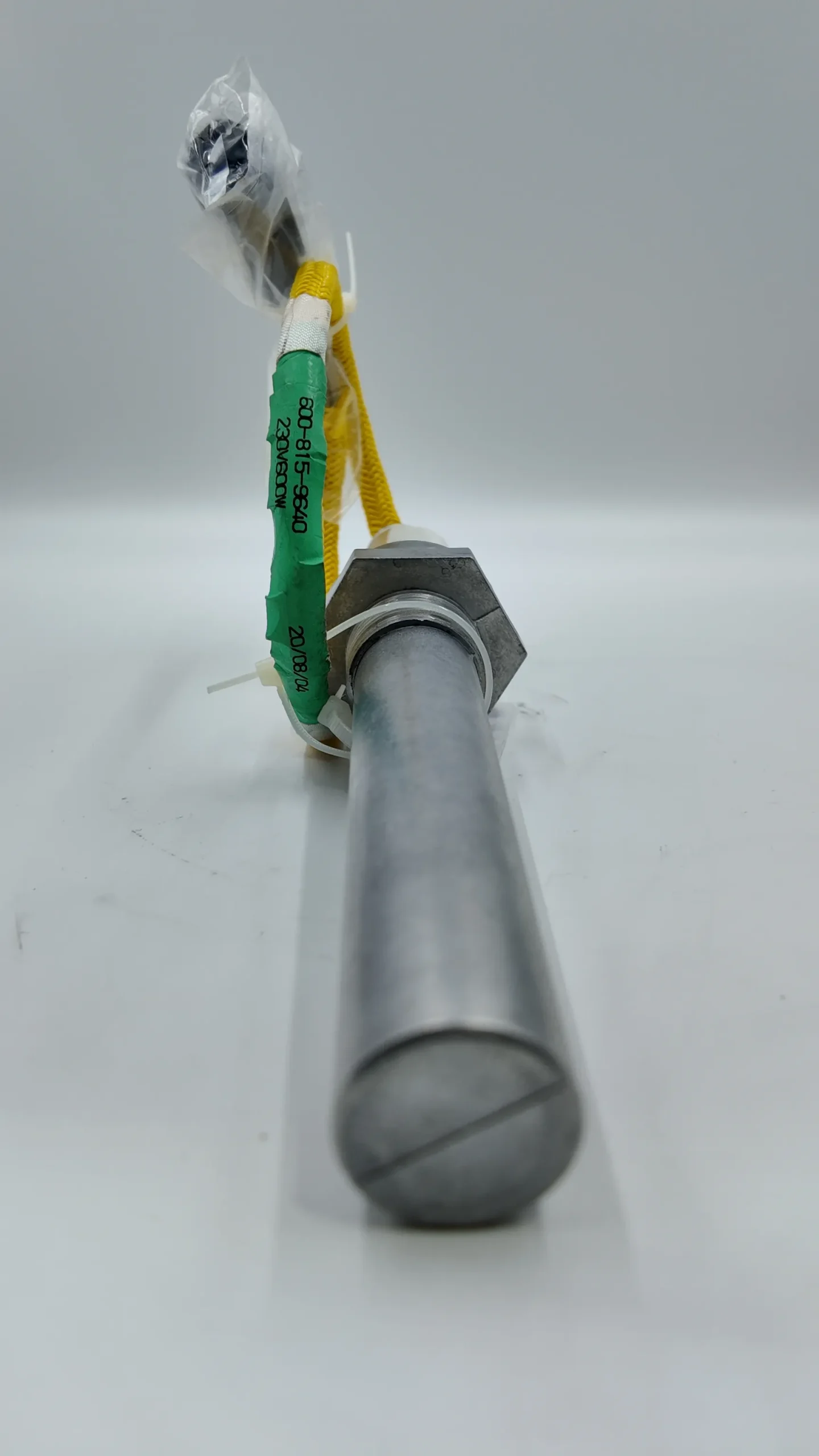 600-815-9640 HEATER-Komatsu Original Factory