
- Chinese
- French
- German
- Portuguese
- Spanish
- Russian
- Japanese
- Korean
- Arabic
- Irish
- Greek
- Turkish
- Italian
- Danish
- Romanian
- Indonesian
- Czech
- Afrikaans
- Swedish
- Polish
- Basque
- Catalan
- Esperanto
- Hindi
- Lao
- Albanian
- Amharic
- Armenian
- Azerbaijani
- Belarusian
- Bengali
- Bosnian
- Bulgarian
- Cebuano
- Chichewa
- Corsican
- Croatian
- Dutch
- Estonian
- Filipino
- Finnish
- Frisian
- Galician
- Georgian
- Gujarati
- Haitian
- Hausa
- Hawaiian
- Hebrew
- Hmong
- Hungarian
- Icelandic
- Igbo
- Javanese
- Kannada
- Kazakh
- Khmer
- Kurdish
- Kyrgyz
- Latin
- Latvian
- Lithuanian
- Luxembou..
- Macedonian
- Malagasy
- Malay
- Malayalam
- Maltese
- Maori
- Marathi
- Mongolian
- Burmese
- Nepali
- Norwegian
- Pashto
- Persian
- Punjabi
- Serbian
- Sesotho
- Sinhala
- Slovak
- Slovenian
- Somali
- Samoan
- Scots Gaelic
- Shona
- Sindhi
- Sundanese
- Swahili
- Tajik
- Tamil
- Telugu
- Thai
- Ukrainian
- Urdu
- Uzbek
- Vietnamese
- Welsh
- Xhosa
- Yiddish
- Yoruba
- Zulu
- Kinyarwanda
- Tatar
- Oriya
- Turkmen
- Uyghur






Komatsu engine valve
When you hear 'Komatsu engine valve', most guys immediately think of a catalog number, a price, and maybe a vague idea of it being a 'wear part'. That's the first mistake. It's not just a piece of metal you swap out. The real story is in the metallurgy, the seat angle, the margin, and how it interacts with the entire combustion cycle in a specific engine series, like the S6D or the SAA6D. I've seen too many mechanics treat them as commodities, leading to repeat failures that had nothing to do with the valve's 'quality' and everything to do with its context.
The OEM Spec Illusion and the Aftermarket Reality
Everyone chases the OEM stamp. But here's the thing: being within the Komatsu system as an OEM supplier, like Jining Gaosong Construction Machinery is, means you're building to a precise print. The tolerance on the stem diameter for a Komatsu engine valve isn't a suggestion; it's a rule for a reason. The valve guide clearance in a high-hour SAA6D140 engine is critical. Too tight, and you risk galling when the machine works in extreme heat; too loose, and you burn oil and destroy the seat.
But the aftermarket often misses this. They see the dimensions, but not the process. The hardening depth on the stem tip, the specific alloy blend for exhaust versus intake—these aren't always copied correctly. I recall a batch from a non-OEM source that looked perfect but wore out the rocker arms prematurely because the surface hardness was off by just a few points. The failure manifested elsewhere, but the root cause was the valve.
This is where a company that operates both as an OEM supplier and a third-party sales channel has a unique angle. They see the official standard and also the real-world failure modes in markets where genuine parts are logistically tough. Their role in solving parts supply challenges means they often have to diagnose why a pattern of valve failures is happening in a specific region—is it fuel quality? Incorrect lash adjustment? Or a bad batch of substitutes?
Failure Analysis: It's Rarely Just the Valve
You pull a cracked Komatsu engine valve from a PC300. The easy conclusion: faulty valve. Stop. The valve is almost always the victim. A classic misdiagnosis. The crack usually starts at the fillet between the head and stem. That's a fatigue point. Why is it fatiguing? Look at the seat runout. If the seat in the head isn't true, or if it was cut with the wrong angle, every closure is a tiny hammer blow. After a few million cycles, it gives up.
I learned this the hard way early on. We replaced a set of valves on a Komatsu excavator, only to have the same exhaust valve crack again in 500 hours. We were furious, blamed the parts. Turned out, the cylinder head had a slight warp from an earlier overheating event we'd missed. The new valve was dancing on a bad seat. The fix wasn't a better valve; it was a proper head rebuild. The part is only as good as the system it lives in.
This is a practical insight that shapes how a serious supplier thinks. It's not about moving boxes. When Jining Gaosong deals with supply challenges, they're not just shipping a replacement; they're often providing the technical context to prevent the next failure. Are you checking the guide wear before installing the new valve? That question saves a customer a comeback.
The Intake vs. Exhaust Dynamic
Treating intake and exhaust valves the same is another pitfall. In a Komatsu diesel, the exhaust valve is in a special kind of hell. It deals with brutal temperatures and corrosive combustion byproducts. The material is different—often a silicon-chromium steel with higher nickel content for the exhaust. The intake, meanwhile, deals more with abrasive dust if the air filtration is failing.
I've seen engines where only the exhaust valves were pitted and burnt. The mechanic ordered a full set. Waste of money. You need to diagnose the attack vector. Pitting on the exhaust face? Likely a sign of excessive valve seat recession, maybe from aggressive fuel additives or just ultra-high sulfur fuel common in some emerging markets. That changes the recommendation entirely.
This specificity matters for inventory too. A supplier focused on Komatsu systems knows you need more exhaust valves for certain models in certain applications. Their stock isn't random; it's based on failure rate data. They might even advise a customer in a mining operation to keep more exhaust valves on hand than intakes, based on the duty cycle.
Reaming, Lapping, and the 'Good Enough' Trap
The installation process is where most good valves go to die. The manual says to ream the guide to a specific size for the new valve. How many shops actually measure the new valve's stem and select the reamer accordingly? Not many. They use a 'standard' reamer. If the valve stem is at the top of its tolerance and the reamed guide is at the bottom, your clearance is too tight from the start.
Then there's lapping. Old-school mechanics love a perfect, matte grey lap pattern. But on many modern Komatsu engines, the valves are coated or treated, and the seats are machined. The manufacturer often specifies no lapping. Lapping can remove the protective surface layer. I've voided warranties doing it the 'right' old way. Now, it's clean, inspect, and install if the seat contact is correct. If it's not, the head needs machining, not lapping.
A supplier aware of these procedures adds value beyond the transaction. Their documentation or quick-reference guides might highlight these 'gotchas'. It builds trust. You start to see them as a technical resource, not just a vendor.
Supply Chain Pragmatism and the Third-Party Role
Here's the real-world mess. A fleet manager in a country with import restrictions has three Komatsu dozers down, all with valve train issues. Genuine parts are 8 weeks out. What do you do? You can't just sit. This is the gap a company like Takematsu Machinery fills. As a third-party sales company within the Komatsu ecosystem, they can navigate that. They might have OEM-spec stock in a regional warehouse, or they can source a batch that meets the spec from their OEM production line, bypassing the official bottleneck.
But 'meeting the spec' is key. It's not about selling a cheaper alternative. It's about providing a technically correct part to keep operations running. This requires deep knowledge of interchangeability, engineering changes, and sometimes, local approvals. It's a logistical and technical puzzle.
I've worked with channels like this. The good ones ask for the engine serial number, not just the model. They might say, For that S/N range, you need the updated valve with the different keeper groove, the old one is obsolete. That's the difference. They are solving a supply challenge by applying technical knowledge to logistics, not by dumping generic parts into the market.
So when you think about a Komatsu engine valve, think system, think context, think process. The part itself is just the starting point. The value is in knowing why it failed, how it fits, and how to get the right one into the machine against all odds. That's where the real work is done.
Related Products
Related Products

Best Selling Products
Best Selling Products-
 D375A-5 SPACER 195-15-82570 for komatsu Sealed-type Open-type Shielded Hybrid-ceramic
 -
 2A8-70-13570 Excavator Arm Bucket Link Cover for PC500-10
 -
 Buzzer198-06-56570
 -
 14X-911-3111,WIPER MOTOR ASS’Y,D155A,D275A,D375A
 -
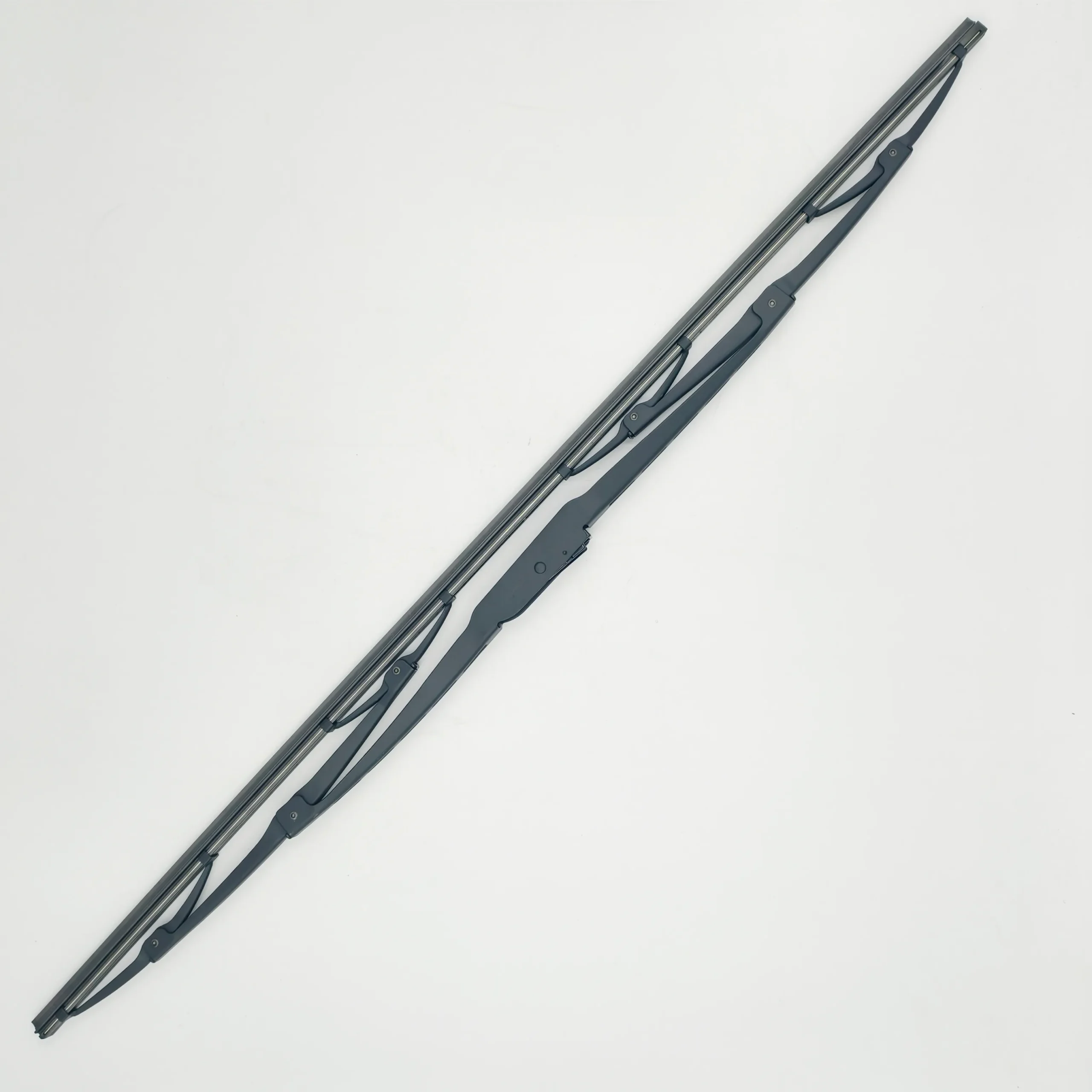 56B-54-13240 BLADE, WIPER
 -
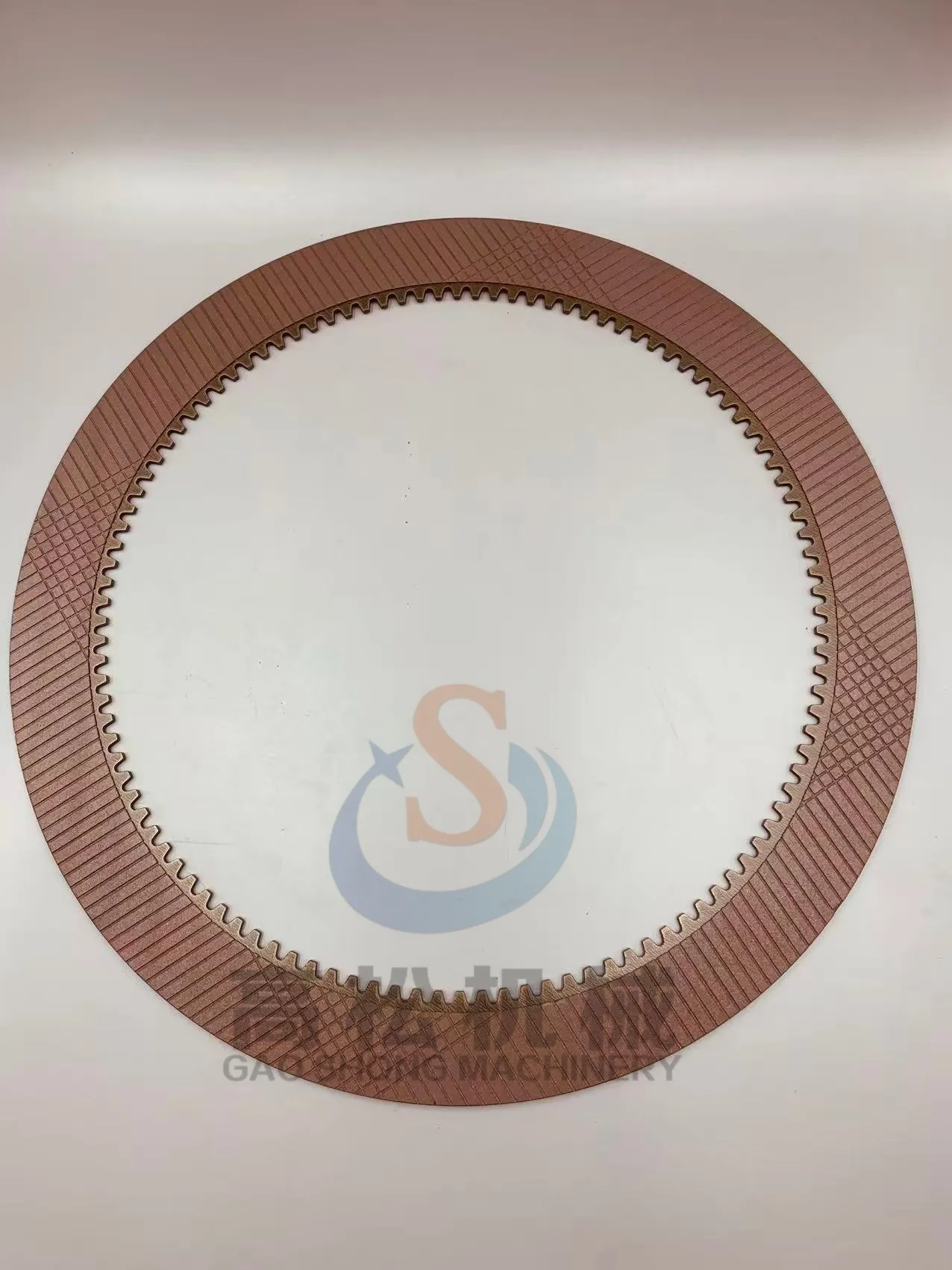 KOMATSU 195-22-13441 FRICTION DISCS
 -
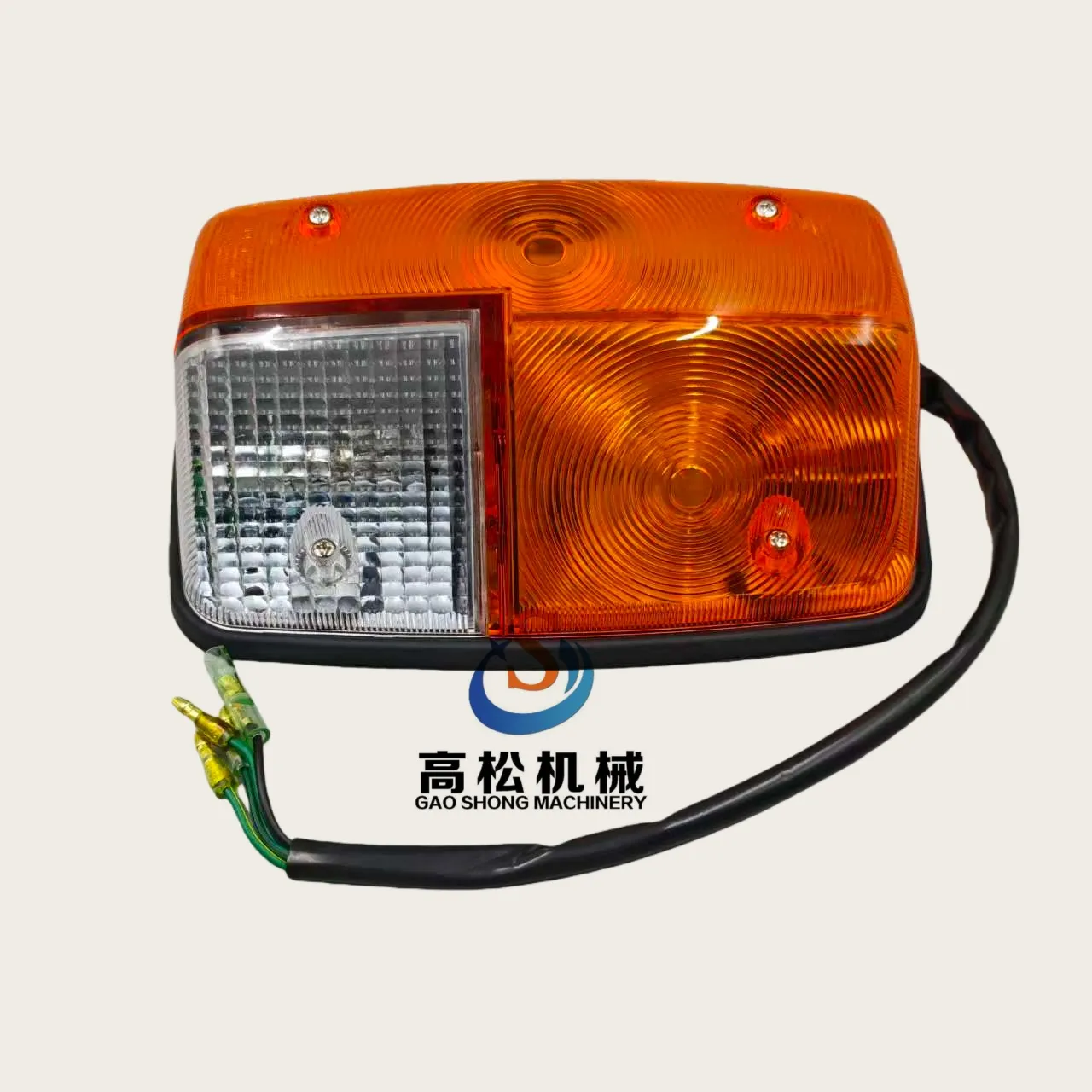 komatsu-part-421-06-13401 LAMP ASS’Y,R.H. HD255-5 HD255-5EO GS360-2 GD305A-1 GD355A-1 GD405A-2 GC380F-1 GD605A-5 HD325-6W HD605-5 HD605-7 HD465-7 HD465-5 HD785-3 HD985-5 WA100-1 WA120-1 WA150-1 WA100SS-1 WA350-1 WA420-1 WA600-1 WA470-1 WA450-1 WA500-1LC 330M LAMP AND FUSE ELECTRICAL SYSTEM (FRONT LAMP)
 -
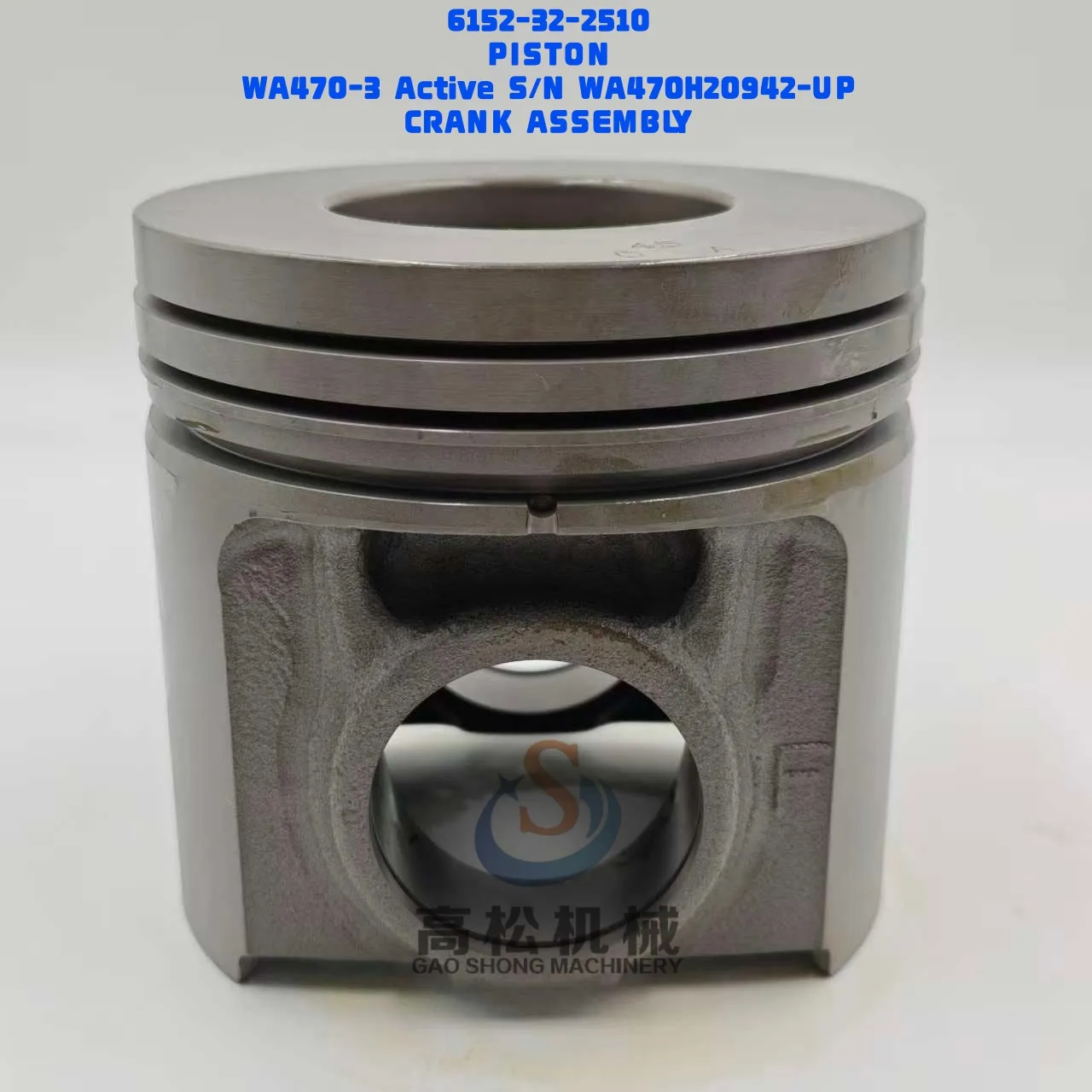 6152-32-2510 PISTON KOMATSU parts D87E, D87P, DCA, EGS360,380, PC400, PW400MH, S6D125E, SA6D125E, SAA6D125E, WA450, WA470, WA480
 -
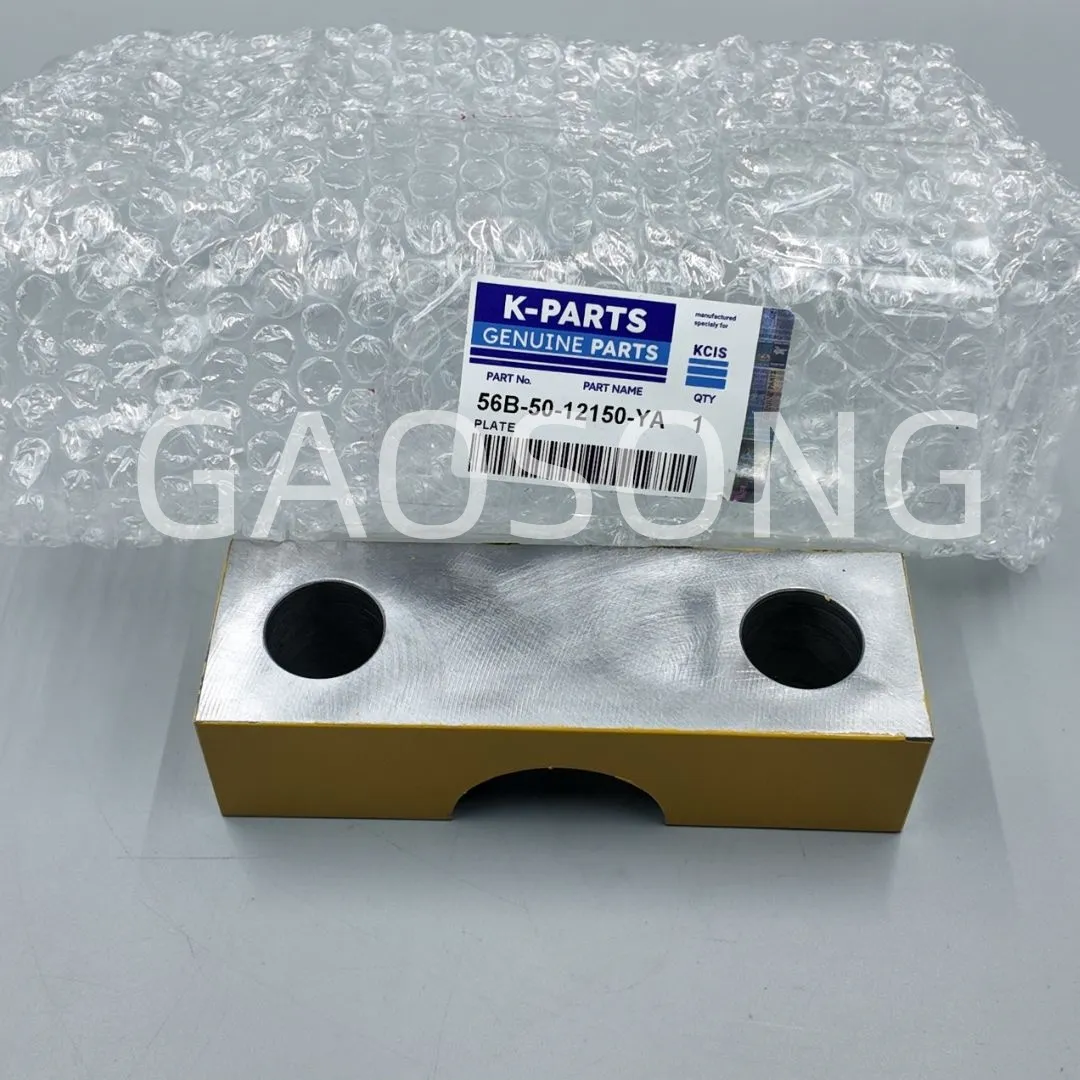 56B-50-12150 PLATE-Komatsu Original Factory
 -
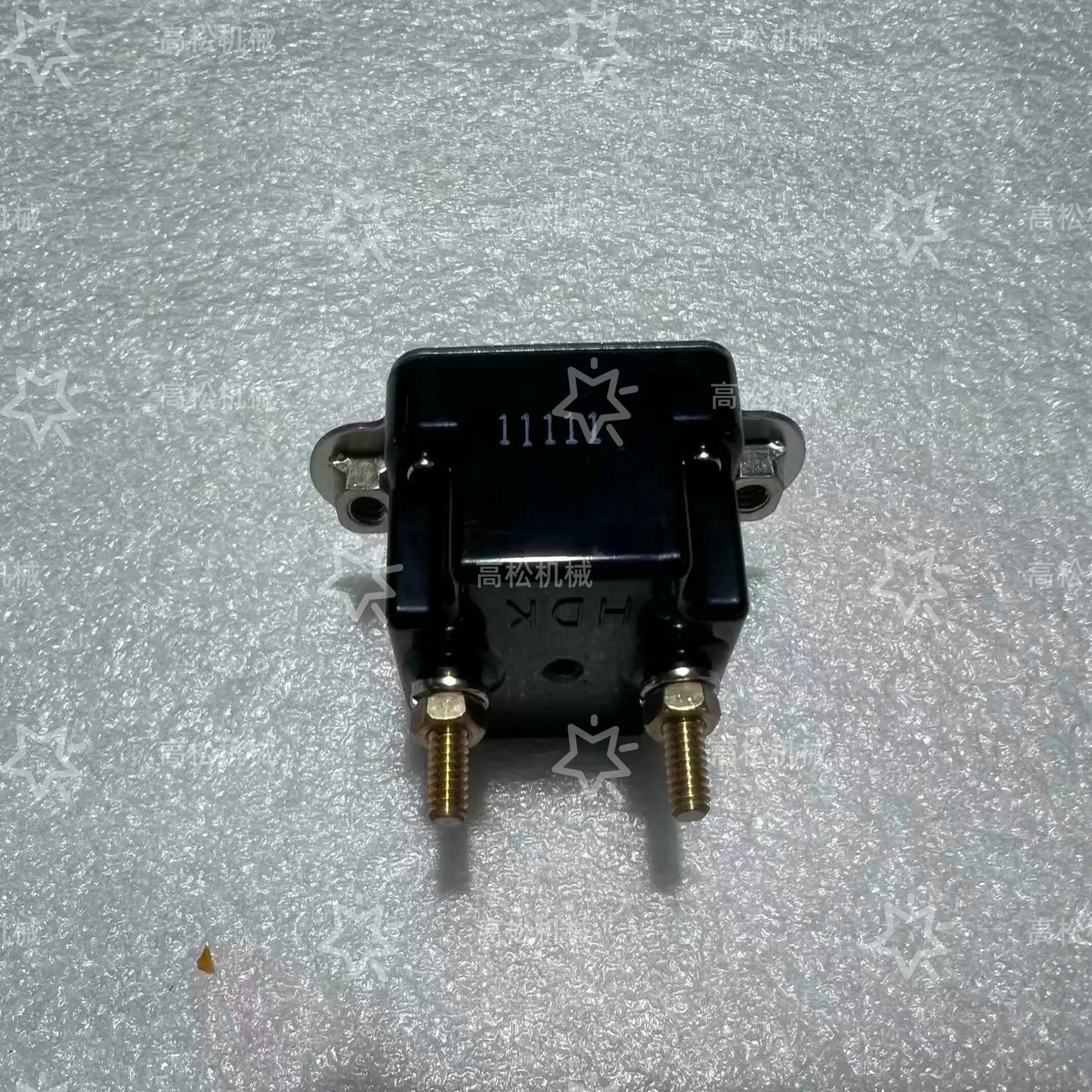 421-06-11440 BREAKER fits KOMATSU
 -
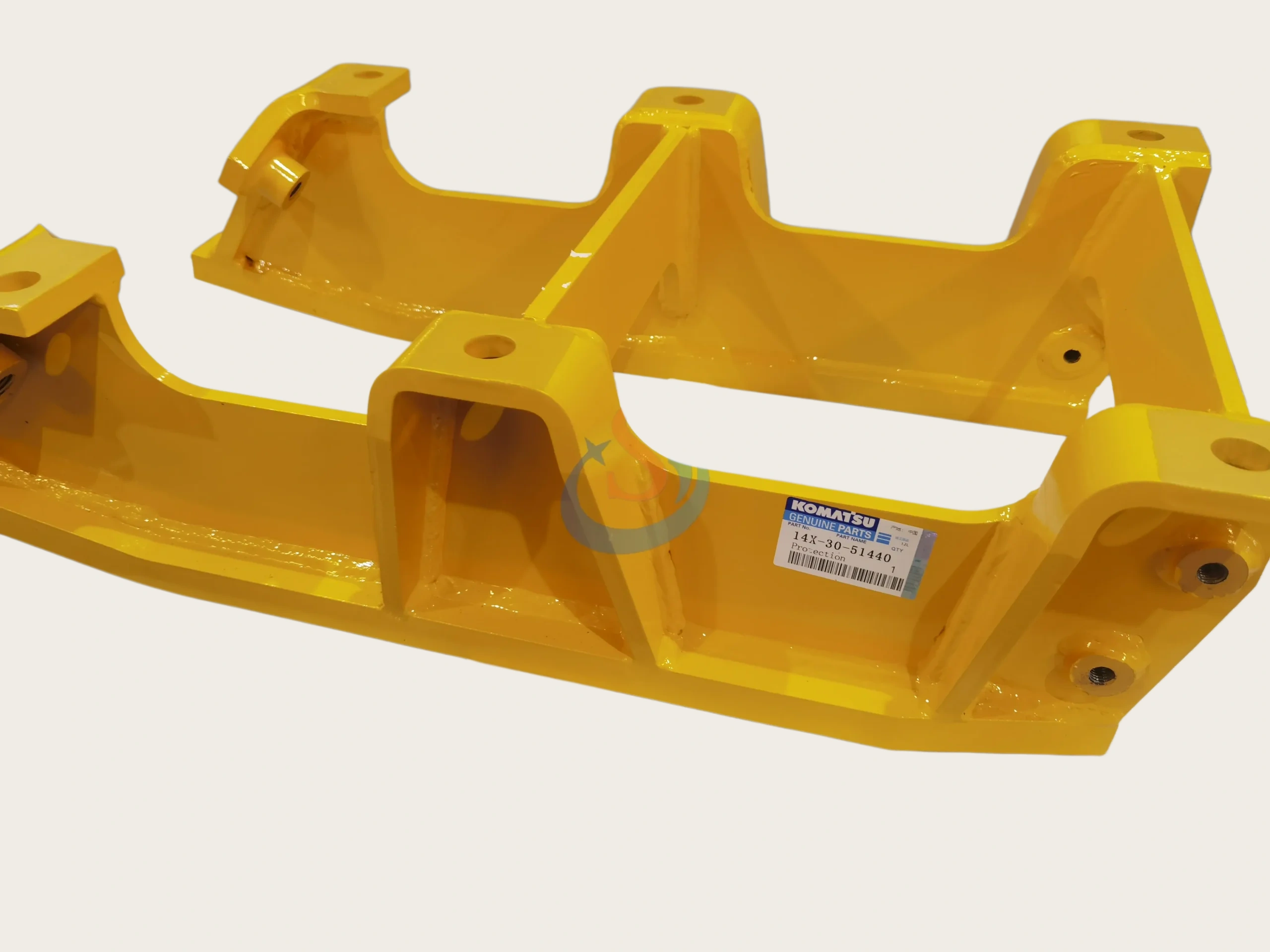 komatsu-part-14X-30-51440 Guard D65PX-16 D65PX-17 D65WX-18 D65EX-18E0 TRACK FRAME TRACK FRAME, (WITH POWER ANGLE POWER TILT DOZER, INSIDE FRAME)
 -
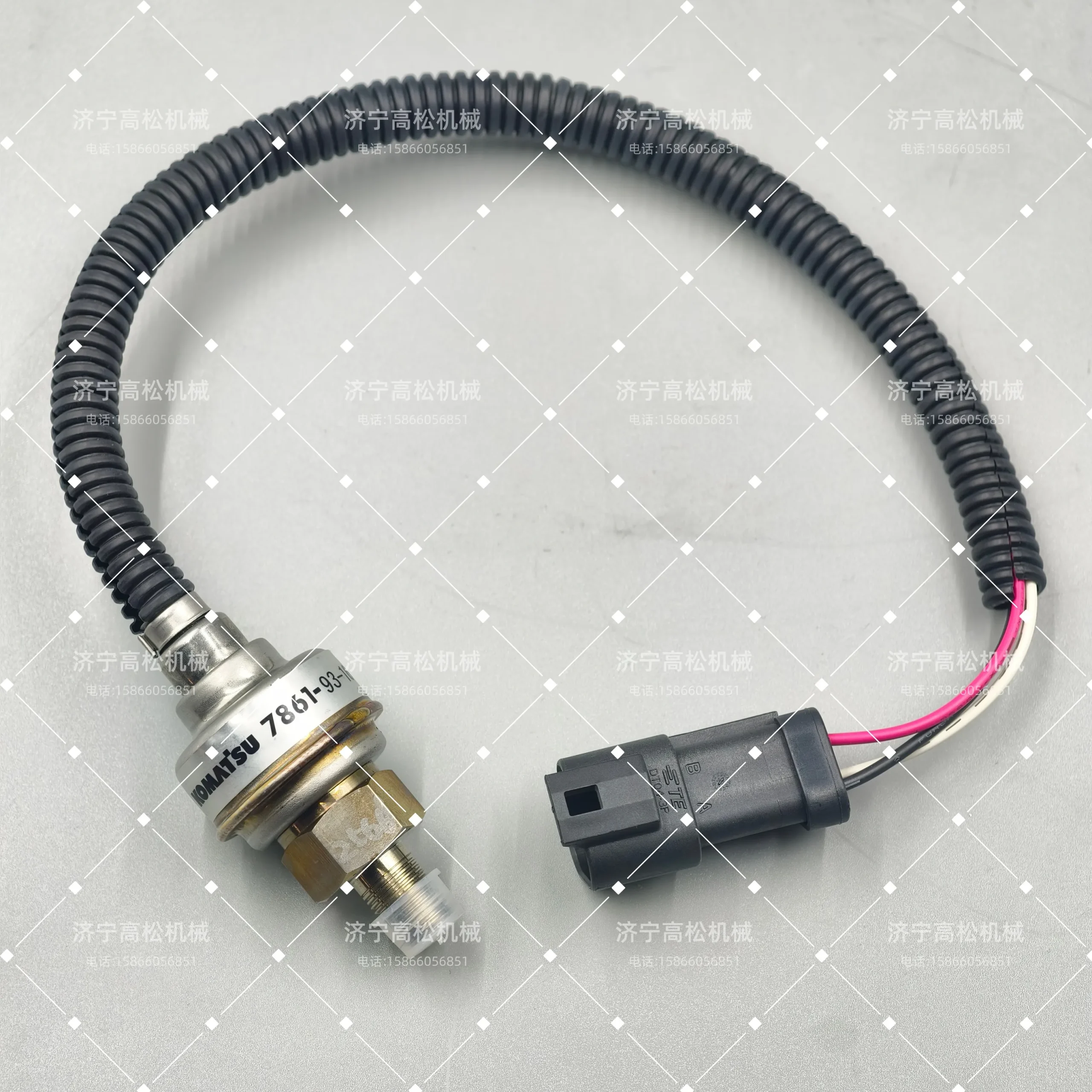 Construction Machinery Parts 7861-93-1670 for Komatsu Excavator…