
- Chinese
- French
- German
- Portuguese
- Spanish
- Russian
- Japanese
- Korean
- Arabic
- Irish
- Greek
- Turkish
- Italian
- Danish
- Romanian
- Indonesian
- Czech
- Afrikaans
- Swedish
- Polish
- Basque
- Catalan
- Esperanto
- Hindi
- Lao
- Albanian
- Amharic
- Armenian
- Azerbaijani
- Belarusian
- Bengali
- Bosnian
- Bulgarian
- Cebuano
- Chichewa
- Corsican
- Croatian
- Dutch
- Estonian
- Filipino
- Finnish
- Frisian
- Galician
- Georgian
- Gujarati
- Haitian
- Hausa
- Hawaiian
- Hebrew
- Hmong
- Hungarian
- Icelandic
- Igbo
- Javanese
- Kannada
- Kazakh
- Khmer
- Kurdish
- Kyrgyz
- Latin
- Latvian
- Lithuanian
- Luxembou..
- Macedonian
- Malagasy
- Malay
- Malayalam
- Maltese
- Maori
- Marathi
- Mongolian
- Burmese
- Nepali
- Norwegian
- Pashto
- Persian
- Punjabi
- Serbian
- Sesotho
- Sinhala
- Slovak
- Slovenian
- Somali
- Samoan
- Scots Gaelic
- Shona
- Sindhi
- Sundanese
- Swahili
- Tajik
- Tamil
- Telugu
- Thai
- Ukrainian
- Urdu
- Uzbek
- Vietnamese
- Welsh
- Xhosa
- Yiddish
- Yoruba
- Zulu
- Kinyarwanda
- Tatar
- Oriya
- Turkmen
- Uyghur






komatsu engine spare parts
When you hear 'Komatsu engine spare parts', the immediate thought for many is just grabbing a part number from the manual and ordering it. That's the textbook ideal, but the reality on the ground, especially in markets outside Japan or North America, is a different beast. There's a common misconception that all parts flowing through the system are identical, or that aftermarket is always a direct, cheap swap. Having been in the trenches of parts supply for heavy machinery, I've seen that distinction blur, and the real challenge isn't just availability—it's about traceability, application nuance, and sometimes, managing expectations when the official pipeline has a kink.
The OEM Promise vs. On-Ground Logistics
Working with an entity like Jining Gaosong, which operates as an OEM product supplier within the Komatsu system, gives you a front-row seat to this dichotomy. Their role is fascinating; they are part of the authorized chain, yet they also function as a third-party sales company for Komatsu. This dual identity isn't a conflict but a pragmatic solution. The official Komatsu parts distribution is incredibly robust, but it's not infallible everywhere. In certain regions, geopolitical issues, customs delays, or simply the economics of stocking low-volume items for a specific model like an SAA6D140E-3 engine can create massive bottlenecks.
That's where their stated mission of helping to solve parts supply challenges in certain countries comes alive. It's not about circumventing the system but supplementing it. For instance, we had a project in Southeast Asia where two excavators, both Komatsu PC300-8 models, were down. The official dealer's lead time for a common fuel injection pump component was 12 weeks due to regional warehouse reshuffling. Through a channel like Takematsu Machinery, we sourced genuine OEM parts from a different regional inventory that matched the exact engineering revision. The catch? The paperwork and provenance had to be meticulously checked. It was the same Komatsu-branded part in the Komatsu bag, but its journey to the jobsite was different.
The lesson here is that 'genuine' isn't just about the physical item. It's about the entire chain of custody. When you're buying through a third-party sales company that is also an OEM supplier, you're paying for their expertise in navigating that global labyrinth of Komatsu warehouses and certified inventories. You're not just buying a piston ring; you're buying their access and their assurance that this specific ring for the S6D125 engine hasn't been sitting in a humid, uncertified warehouse for three years.
The Pitfalls of the Direct Match Assumption
Another area where experience trumps the catalog is the assumption of direct interchangeability. Take turbochargers for the Komatsu 6D150 series. The part number might supersede to a newer revision. A supplier might have the old number in stock. The lazy route is to say yes, it fits, and ship it. But the revised part often has a different oil feed line fitting or a slightly modified compressor wheel geometry for better altitude performance. Installing the old revision might get the engine running, but you risk oil starvation or suboptimal performance.
I learned this the hard way on a mining site. We needed a water pump for a D155AX dozer. The aftermarket part looked identical, bolted on perfectly. But the impeller was cast from a different grade of metal. It lasted about 400 hours before cavitation erosion caused it to fail, overheating the engine. The downtime cost dwarfed the savings. After that, our protocol changed. Now, when sourcing even genuine parts through alternative channels, we cross-reference not just part numbers but engineering change notices (ECNs). A reliable supplier understands this. Their value isn't in having a cheap price on a website; it's in having the technical depth to flag these nuances before the part ships.
This is where the profile of a company like Jining Gaosong becomes relevant. As an integrated player, they are more likely to have access to those technical bulletins and ECN histories. Their business depends on solving the problem correctly, not just moving a box. When you're dealing with Komatsu engine spare parts, the engine serial number and the exact application (is it in a generator set or a haul truck?) are as critical as the part number itself. A good supplier will ask for all three.
Beyond the Engine Block: Sensors and Electronics
The conversation about engine parts has shifted dramatically in the last decade. It's no longer just about pistons, liners, and bearings. The modern Komatsu engine is a network of sensors and controllers. Sourcing a genuine crankshaft position sensor or a common rail pressure valve is a whole different ball game compared to mechanical components.
These electronic parts are often the most supply-constrained. They are high-value, low-volume, and sometimes source-locked. The aftermarket for them is a minefield of non-compliant clones that might communicate on the CAN bus but send slightly off-spec signals, causing intermittent faults that are a nightmare to diagnose. I've seen genuine packaged sensors from unofficial sources that were, in fact, used pulls cleaned up and re-boxed. They fail within days.
For these components, the supplier's sourcing integrity is paramount. You need a partner who can demonstrate a direct line back to Komatsu or its authorized electronic component distributors. The website takematsumachinery.com positions them in this space. Their role as an OEM supplier within the system theoretically gives them a legitimate path to these sensitive components, which is a huge advantage over a pure third-party trader. It means they can potentially help you with the ECU flash files or parameter settings for a replacement controller, which is often the real hurdle.
The Economics of Failure: A Costly Lesson
Let's talk money. The biggest cost isn't the part; it's the machine downtime. A $5,000 cylinder head is cheap if it gets a $250,000 excavator back to work in two days. It's catastrophic if it fails again in a month because it was a flawed casting from an uncertified foundry. I recall a situation where a fleet manager, pressured by budget, sourced a full gasket kit for a fleet of Komatsu wheel loaders from a non-authorized vendor. The kits were a fraction of the cost. They looked perfect.
Six months later, multiple engines started developing oil leaks and compression issues. The failure point? The head gaskets. They weren't layered steel (MLS) as specified, but a cheaper composite material that couldn't handle the thermal cycling. The cost of redoing the repairs on several machines, including new genuine gaskets and labor, was over ten times the initial savings. This is the brutal calculus of spare parts. The initial purchase price is almost irrelevant. The total cost of ownership, which includes reliability and longevity, is everything.
This is why the model of a company that is both an OEM supplier and a third-party solver makes sense in this calculus. They aren't usually the cheapest. But they are often the most cost-effective for critical path items. They sell reliability and reduced risk. For non-critical, wear items like certain filters or hoses, a quality aftermarket might be fine. But for core engine components—the ones that cause catastrophic failure—the provenance is king.
Looking Ahead: The Evolving Parts Landscape
Where is this all heading? The trend is towards more control, not less. Komatsu, like all OEMs, is pushing telematics and parts forecasting through platforms like Komtrax. The ideal world for them is a perfectly predictable, direct-to-dealer parts flow. But the world isn't ideal. Machines have long lives, often beyond their primary market. Regional disparities in regulation and demand will always exist.
This creates a persistent niche for agile, knowledgeable intermediaries. Their future isn't in undercutting the OEM on price for common items. It's in providing specialized logistical solutions for stranded assets, for older models (like the venerable 6D95 series engines still running strong in remote places), and for markets where the official presence is thin. Their value-add is information and access.
So, when you're next searching for a Komatsu engine part, look beyond the catalog listing. Ask about the part's origin story. Ask about ECNs. Ask for the component's certification. The right supplier, one embedded in the system like an OEM product supplier yet operating with third-party flexibility, won't hesitate to provide that. They'll understand that you're not just buying a piece of metal; you're buying the confidence to get a multi-million dollar asset back to work, and keep it there. That's the real business of Komatsu engine spare parts.
Related Products
Related Products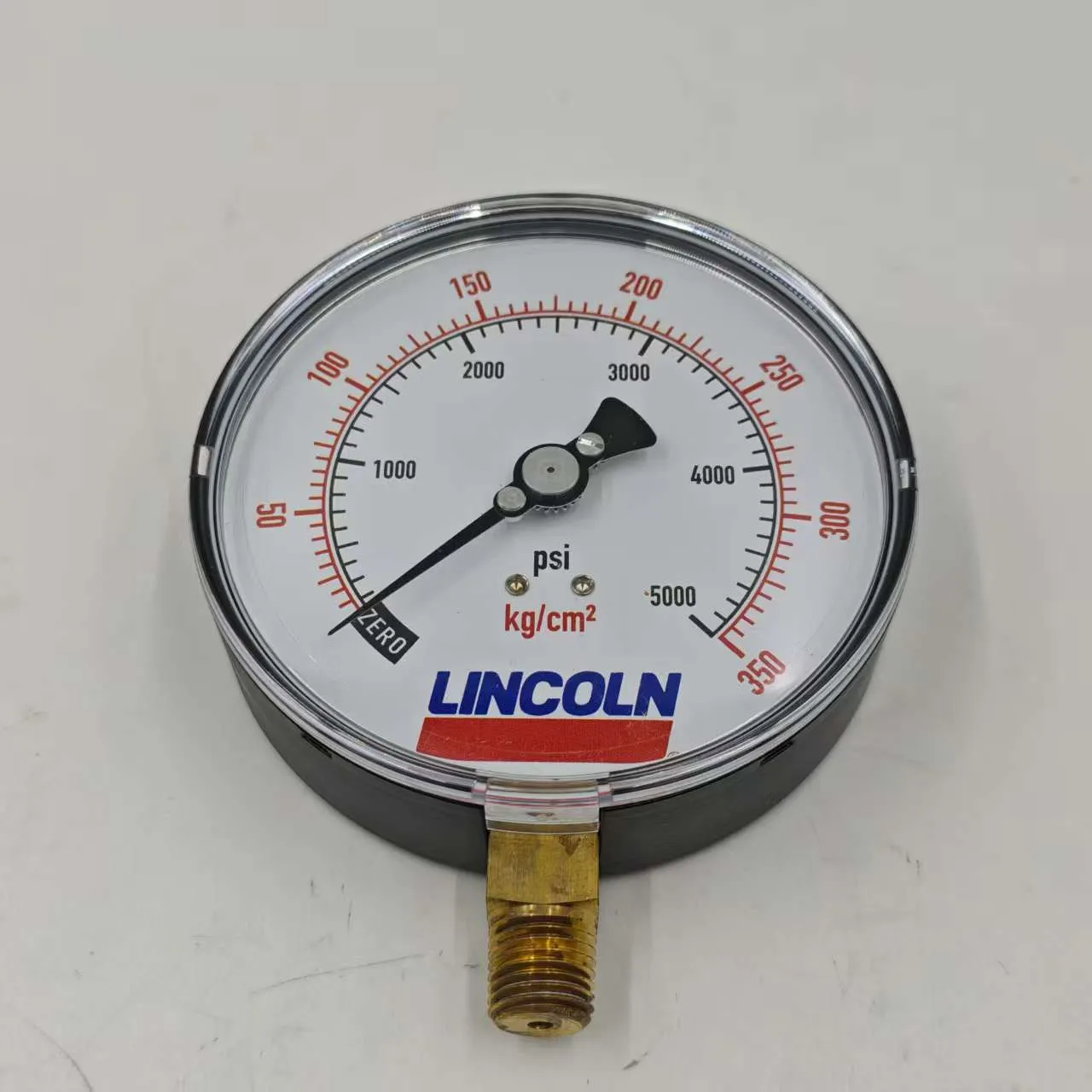
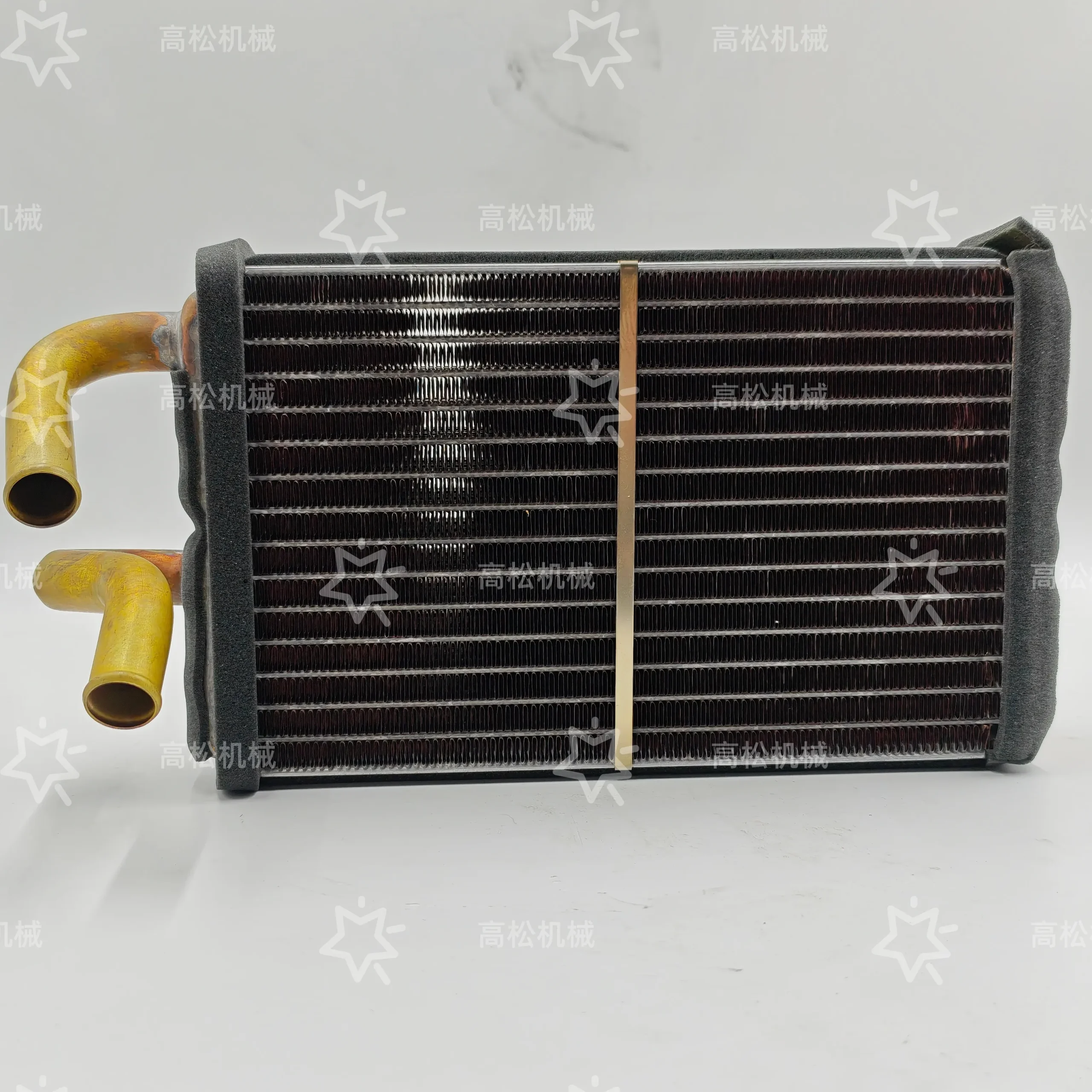
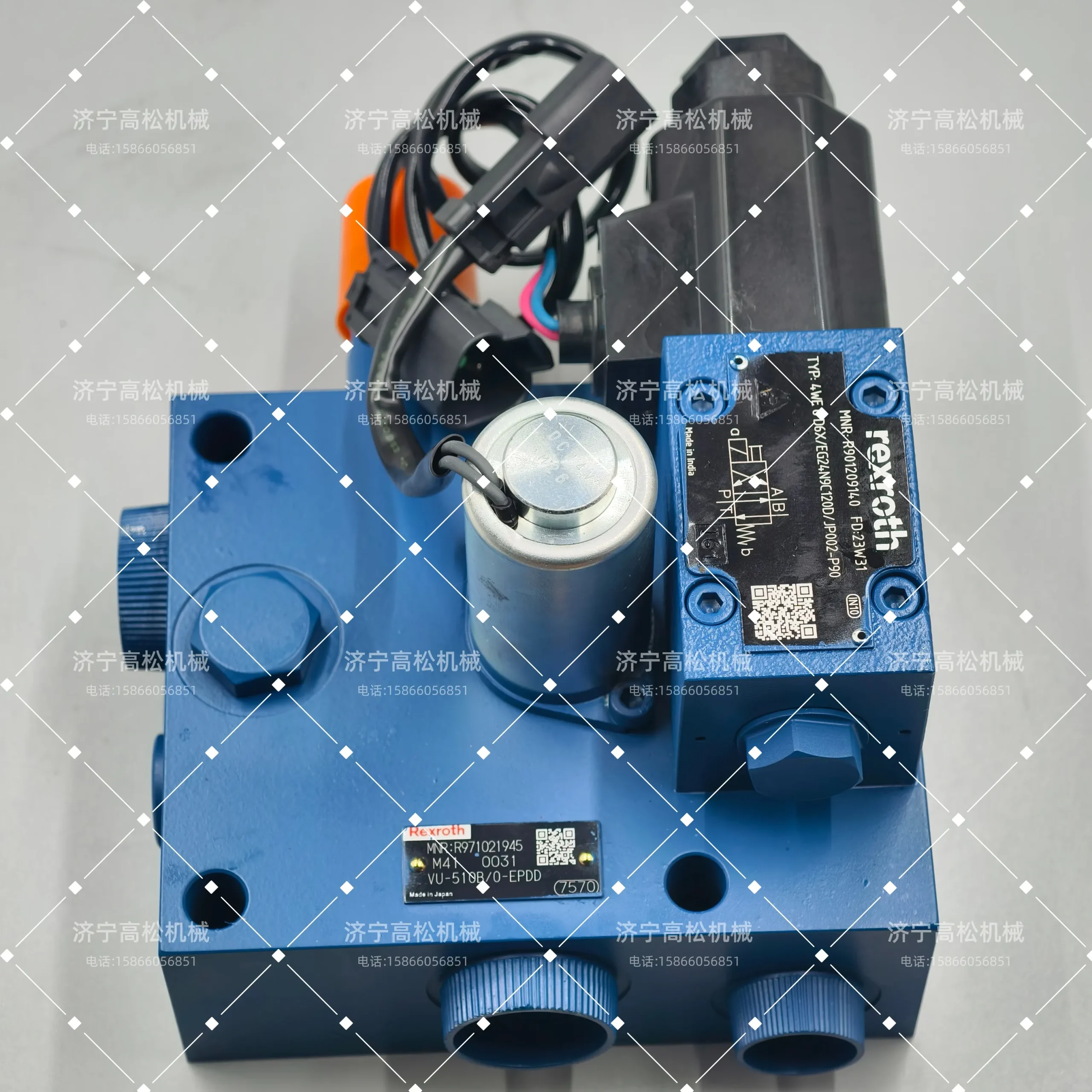
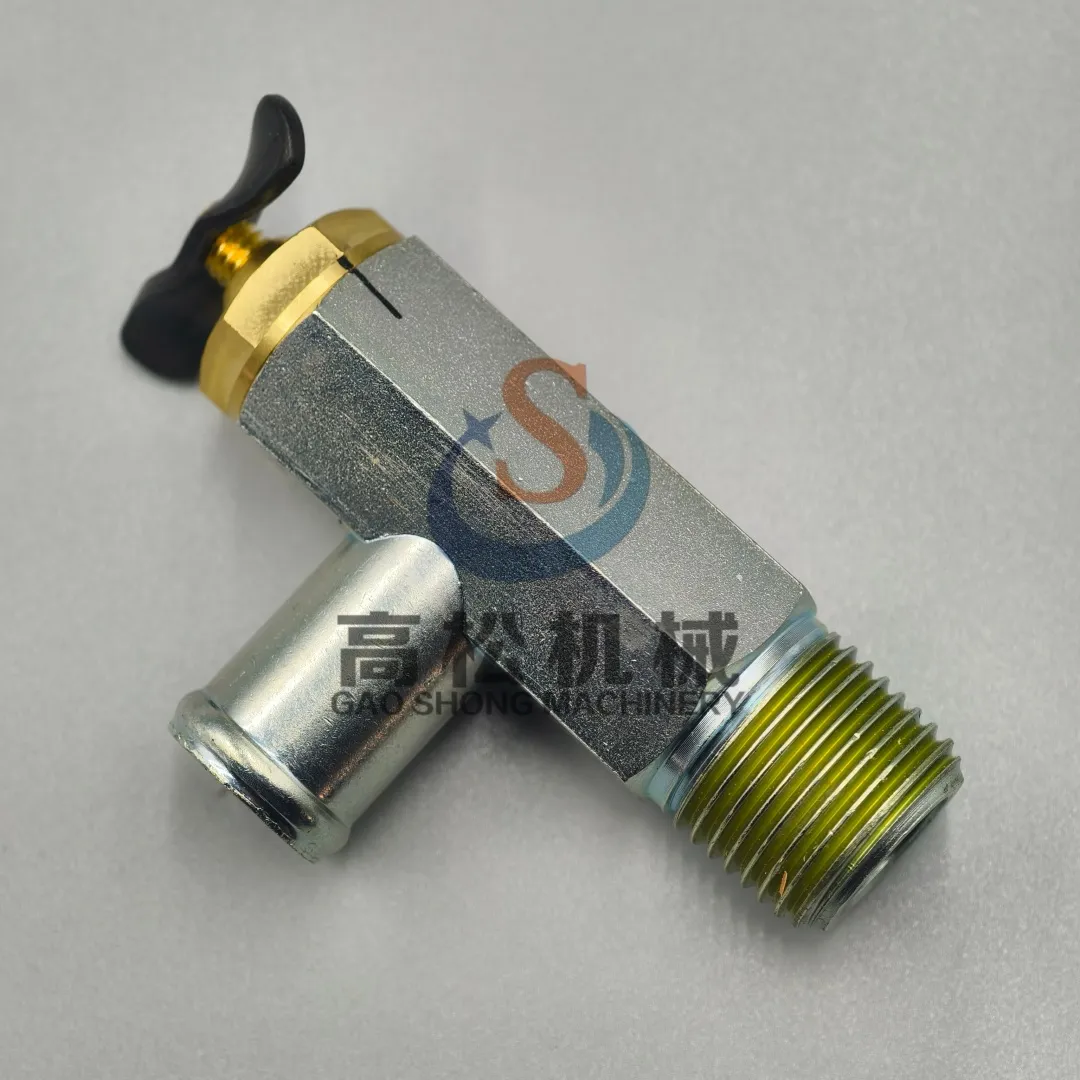

Best Selling Products
Best Selling Products-
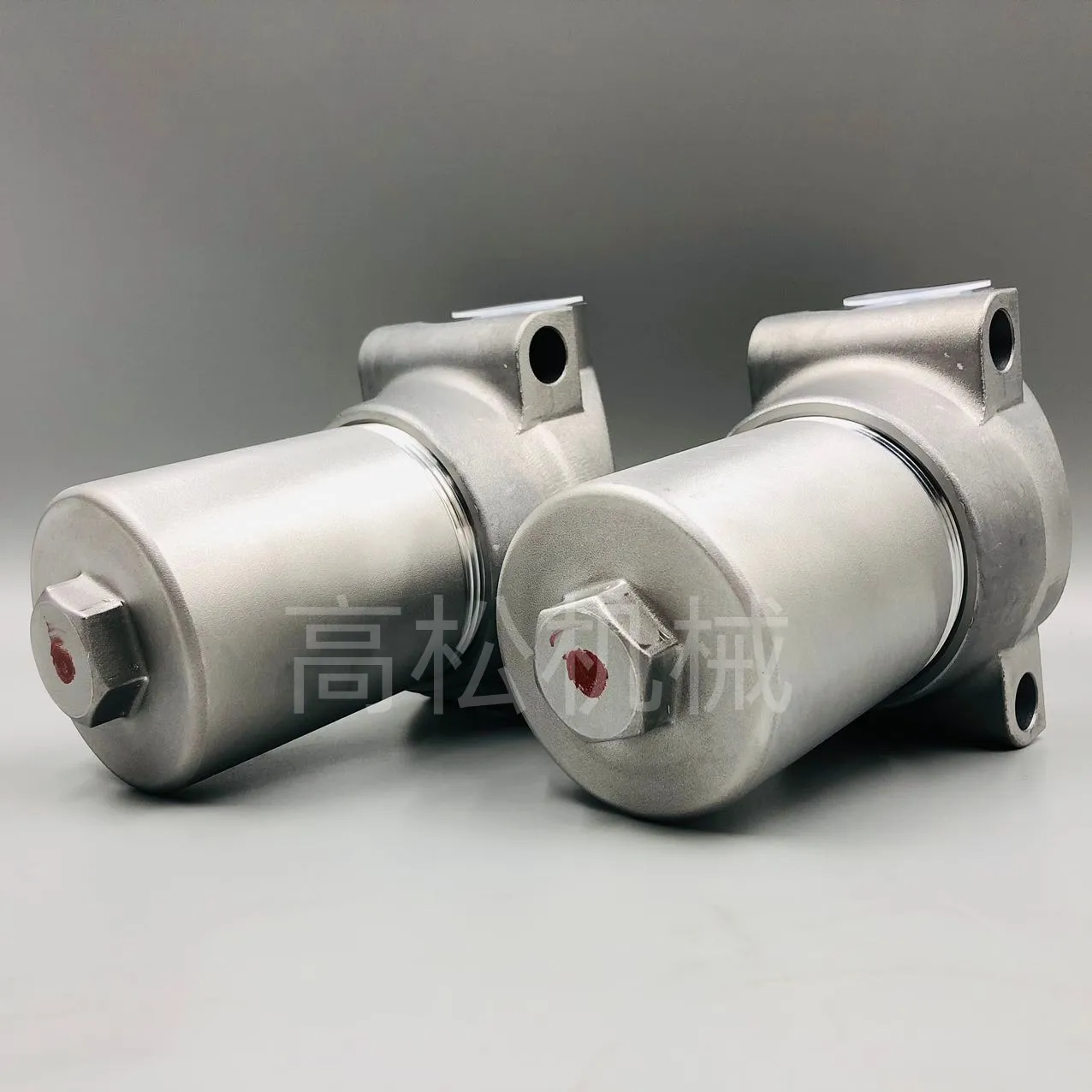 20Y-62-51681 FILTER ASS’Y-Komatsu Original Factory
 -
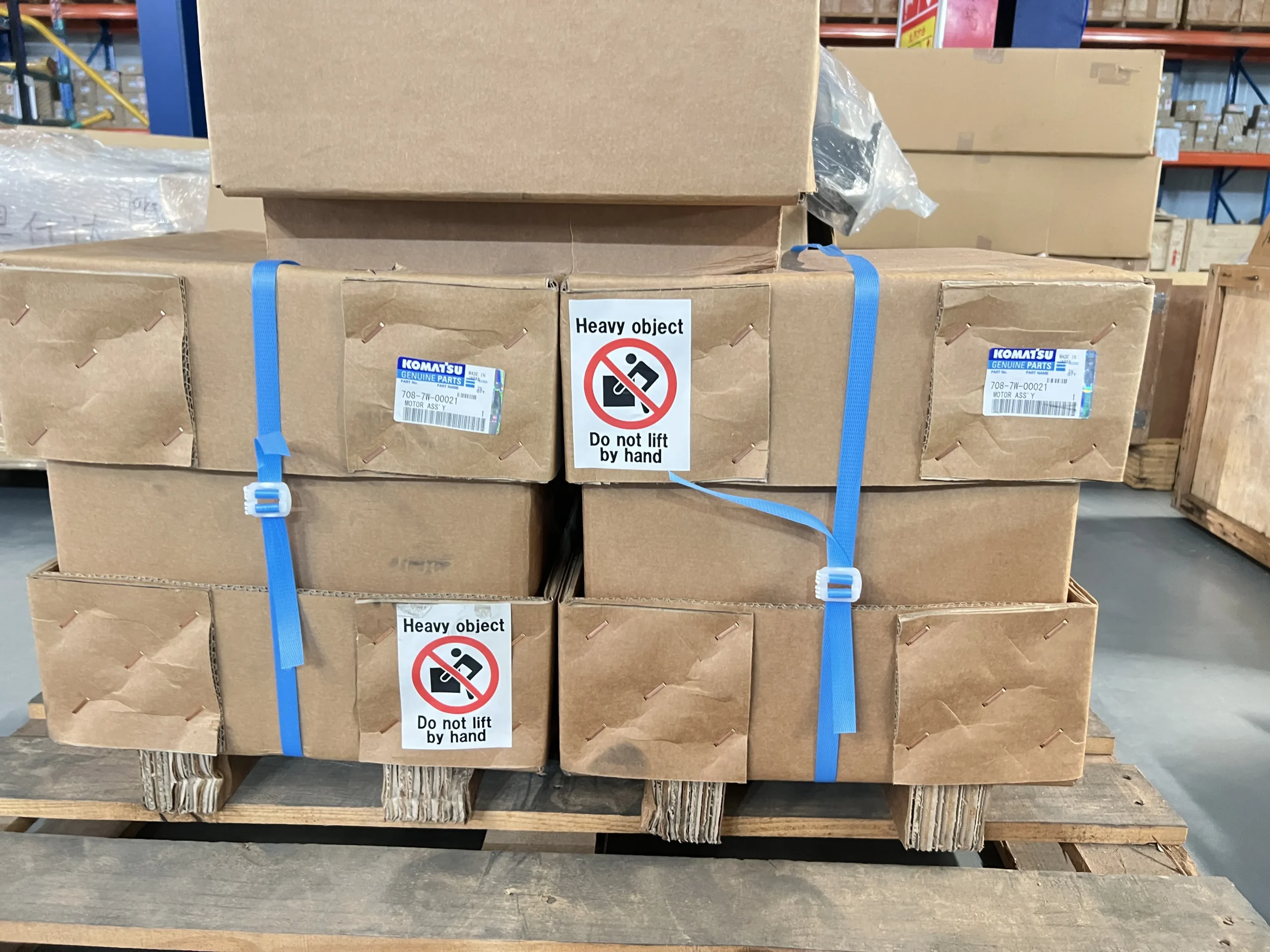 New Hydraulic Fan Motor 708-7W-00021
 -
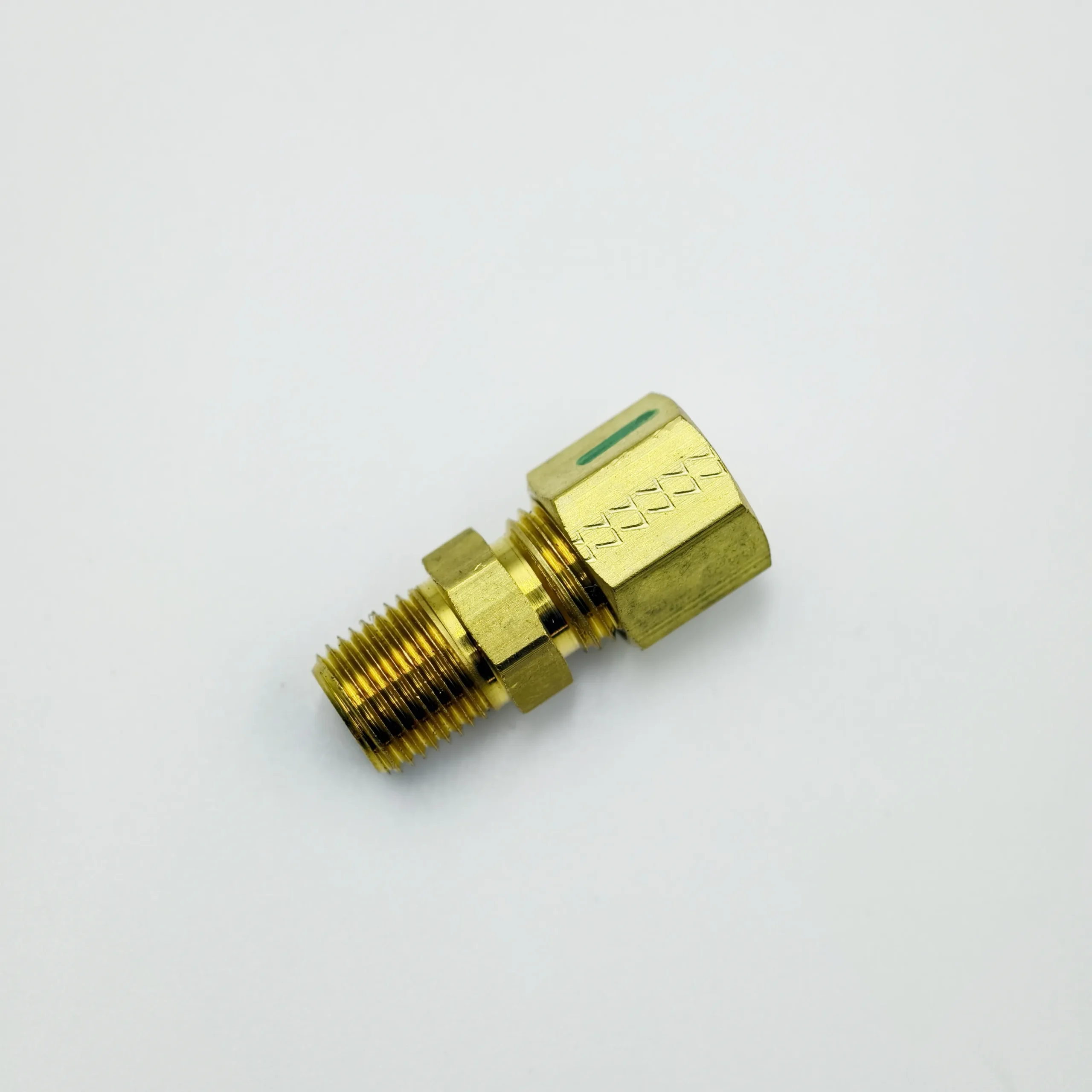 21N-68-32320 Komatsu Connector
 -
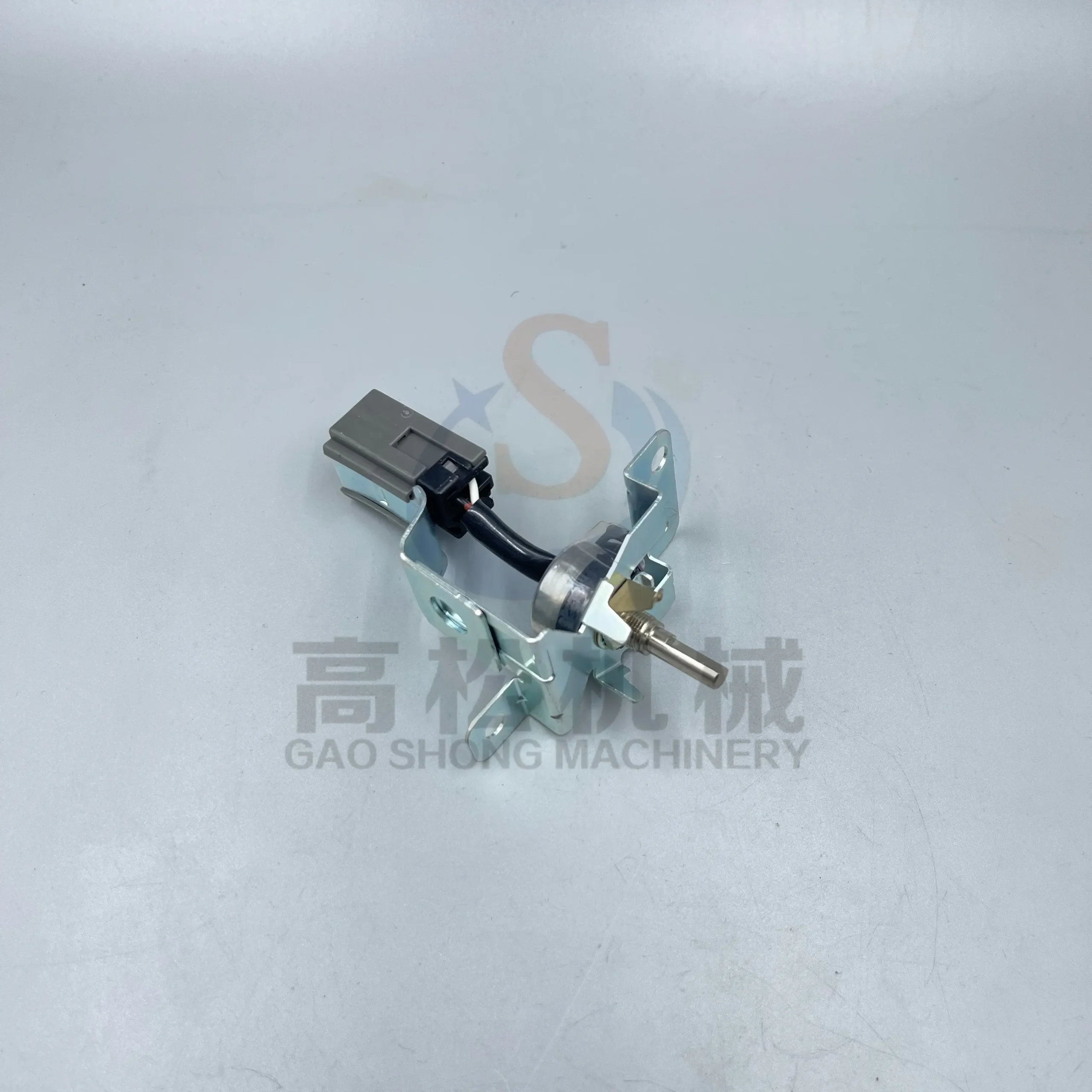 Throttle Knob 22U-06-22420
 -
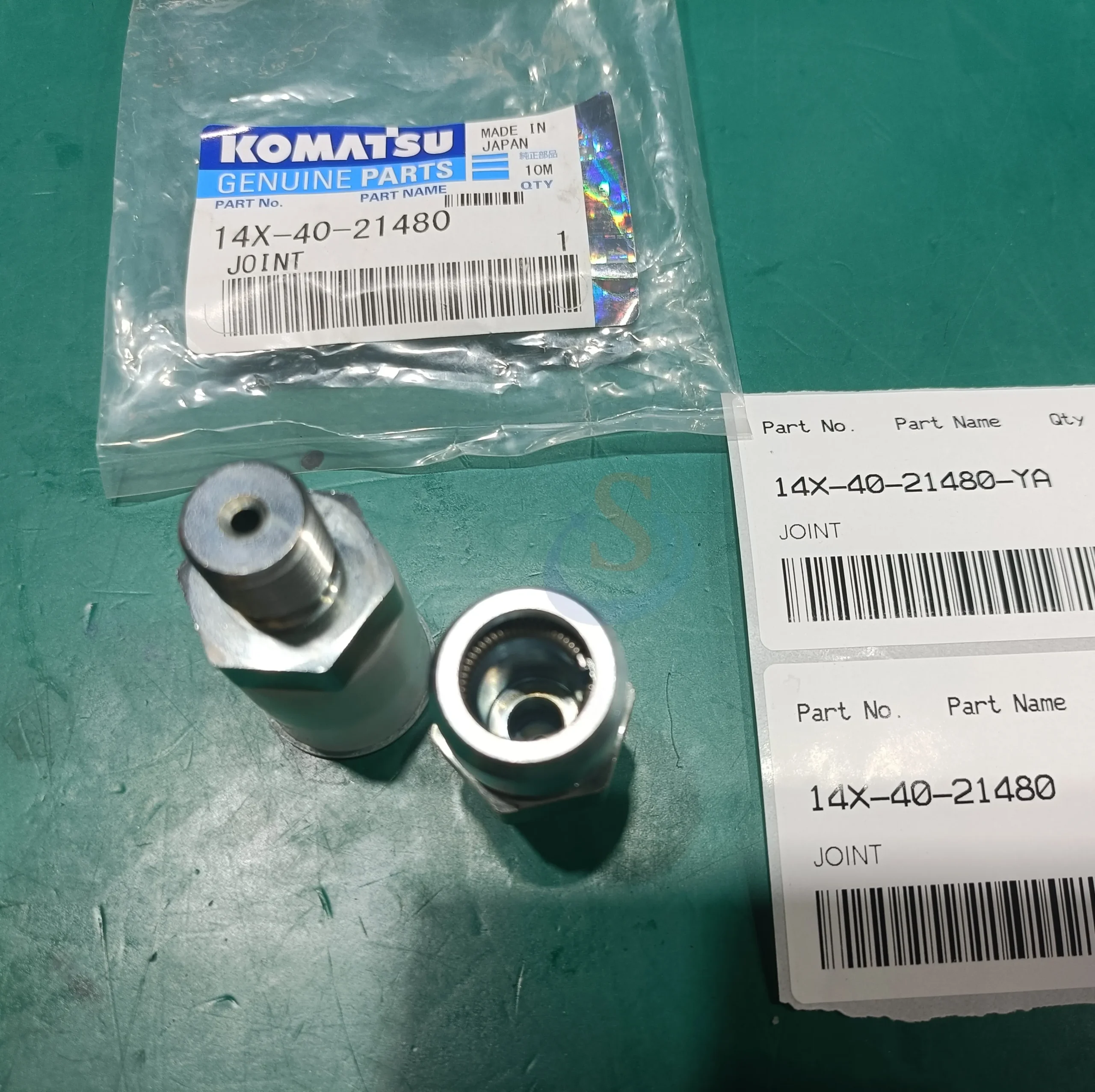 14X-40-21480,JOINT,D65P,D85E,D65E
 -
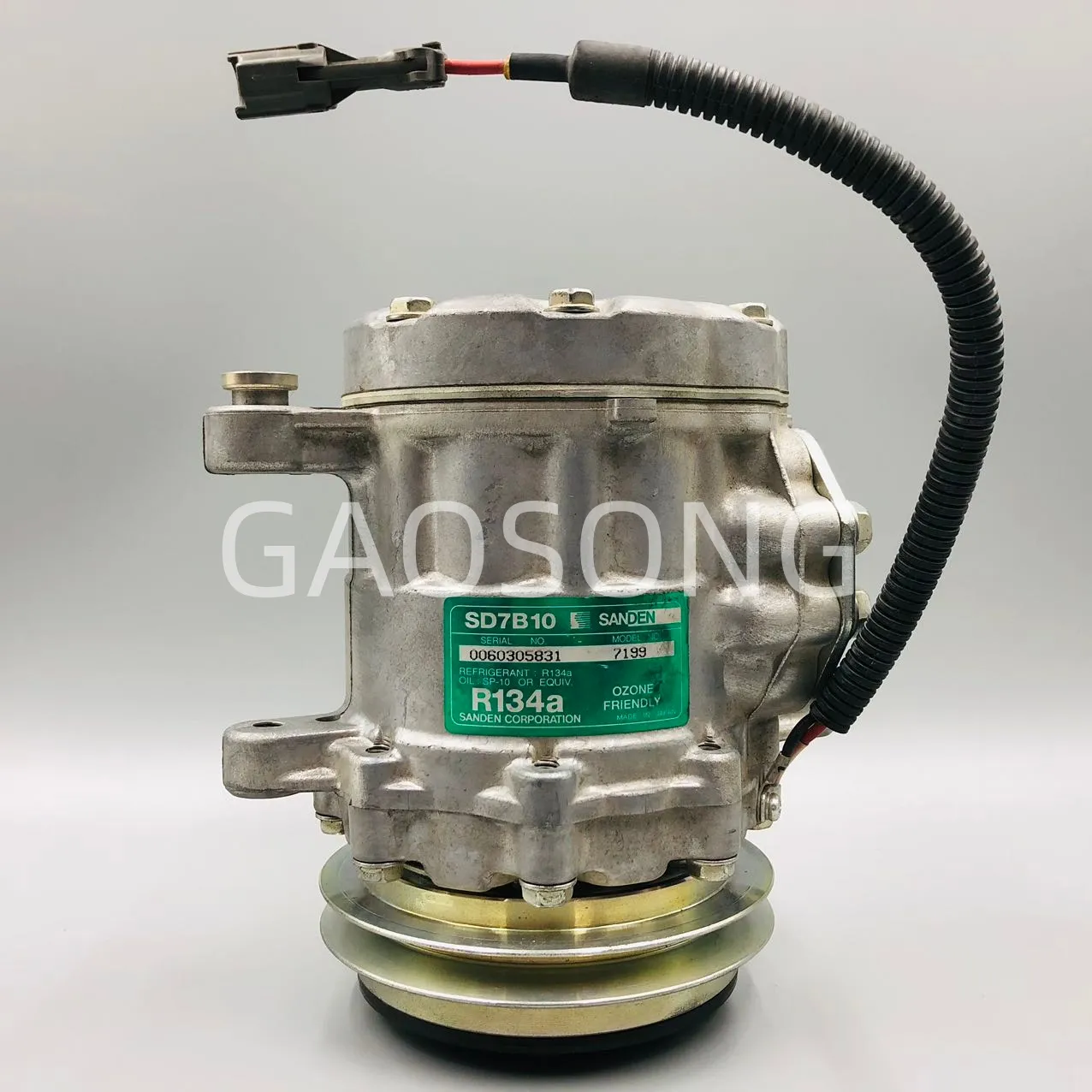 12V PC56-7 Excavator Air Conditioning Accessories 22L-979-2200
 -
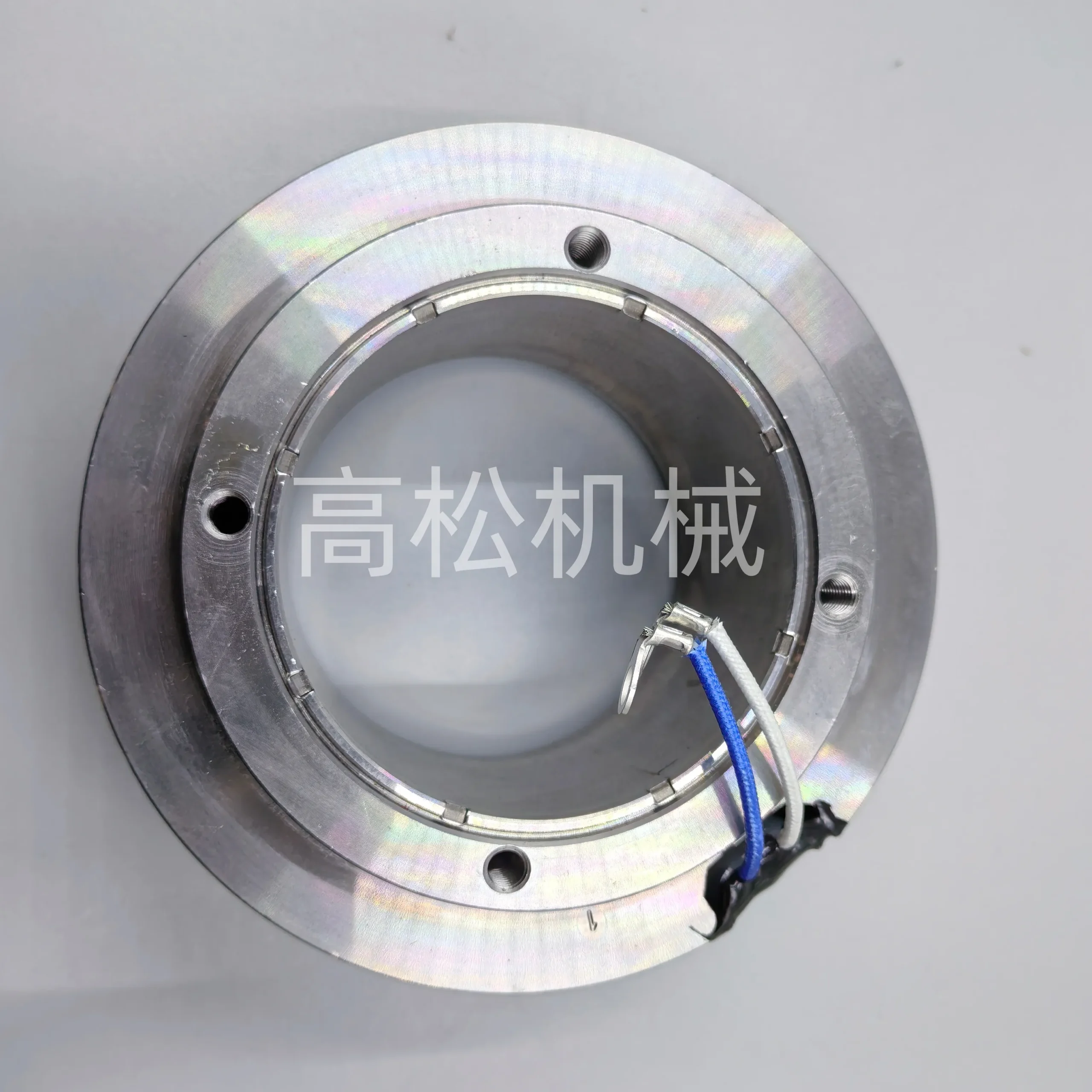 KD0-35120-0250 • FIELD COIL ASS’Y-Komatsu Original Factory
 -
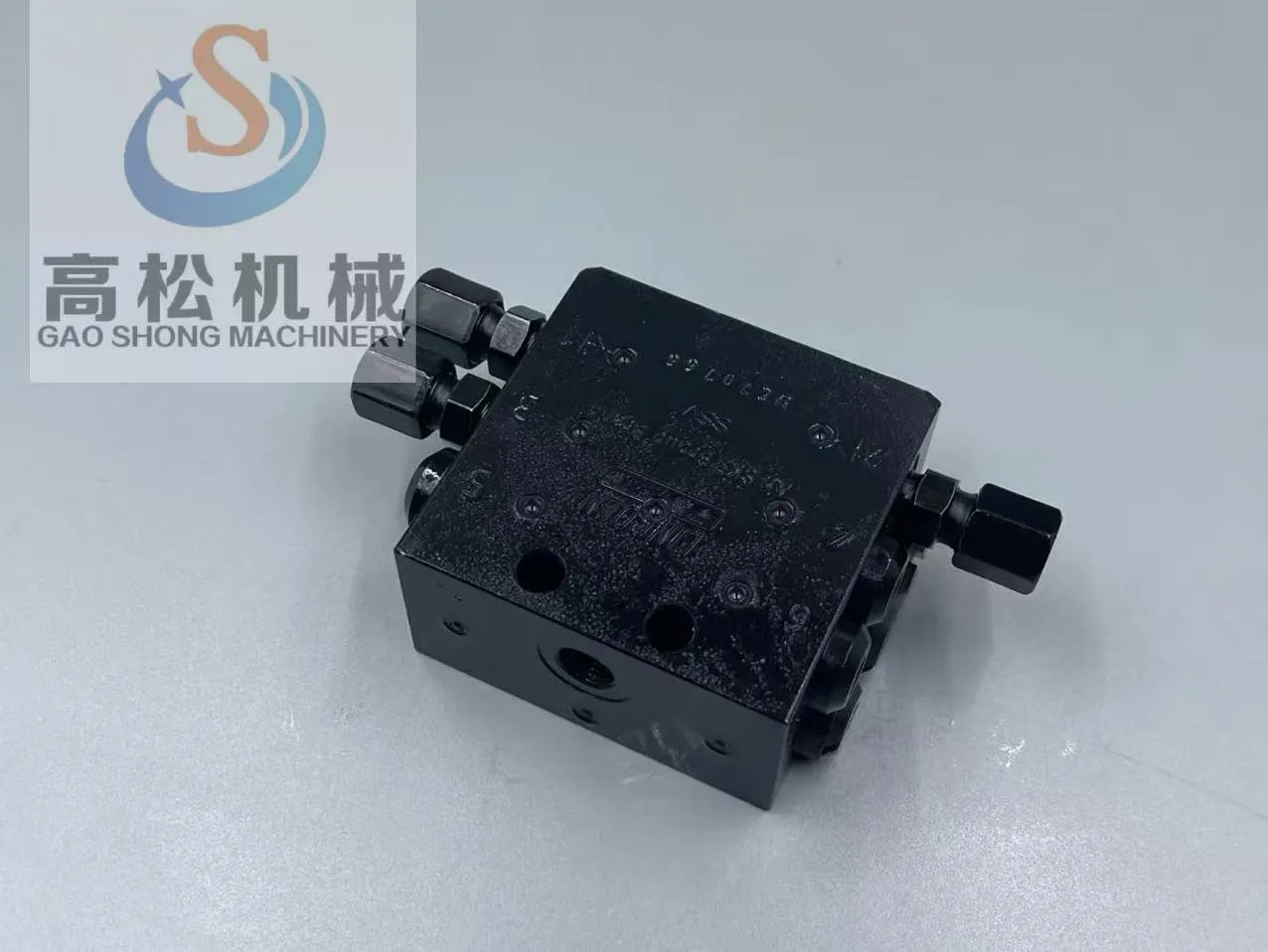 Valve Assembly 21T-68-67940 for Komatsu PC2000-8 Excavator
 -
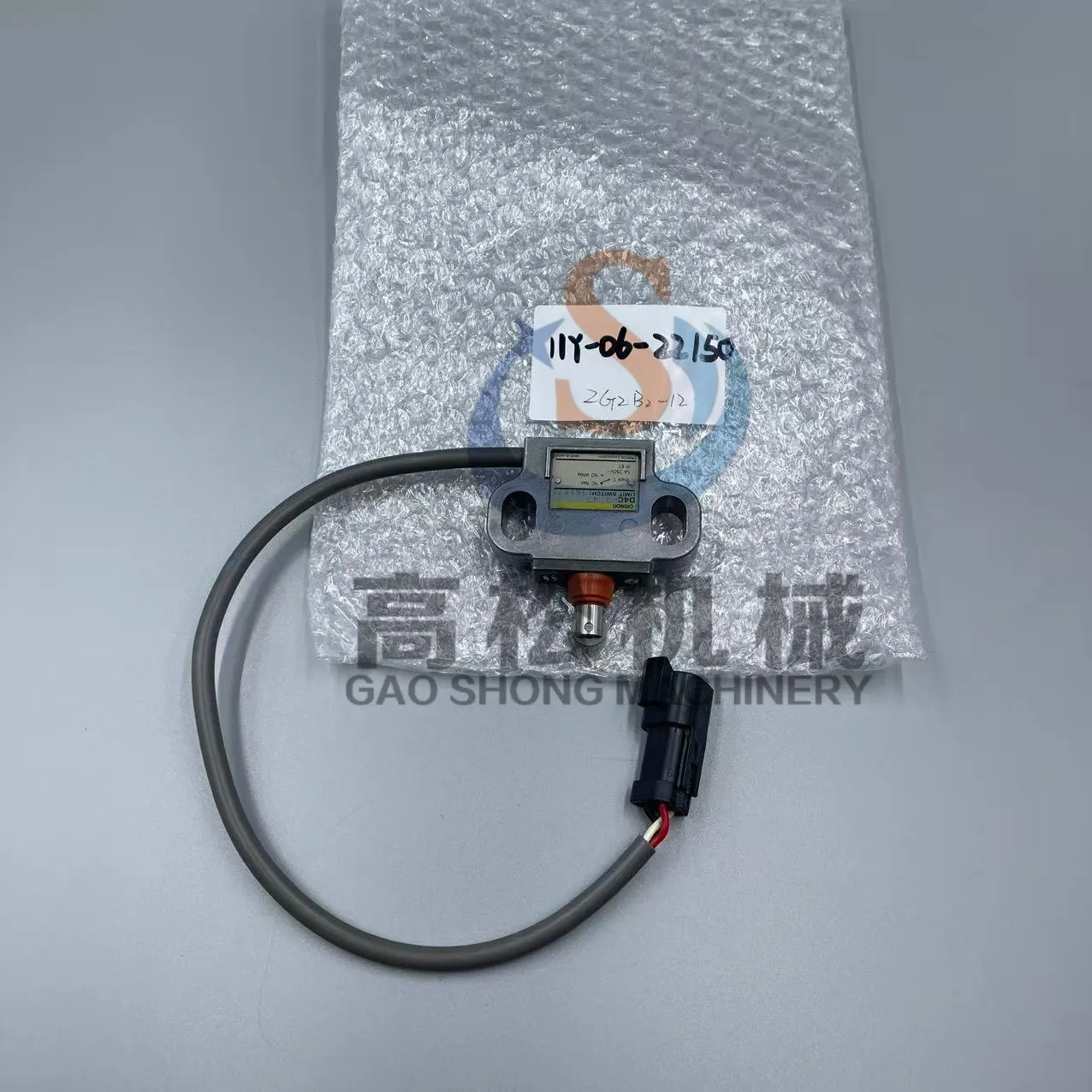 SWITCH 11Y-06-22150 – KOMATSU
 -
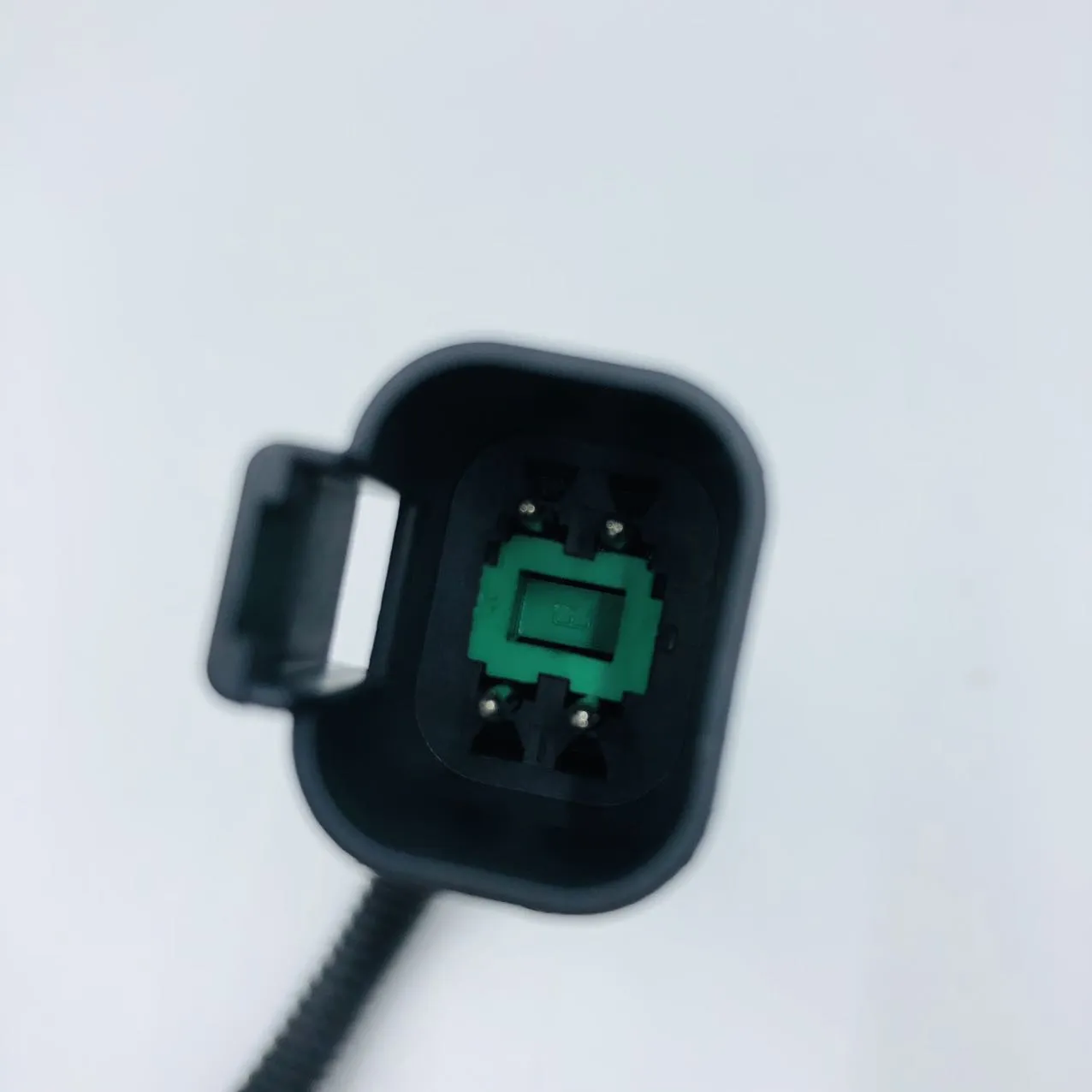 7861-93-5410Komatsu Acceleration Sensor, 7861-93-5410
 -
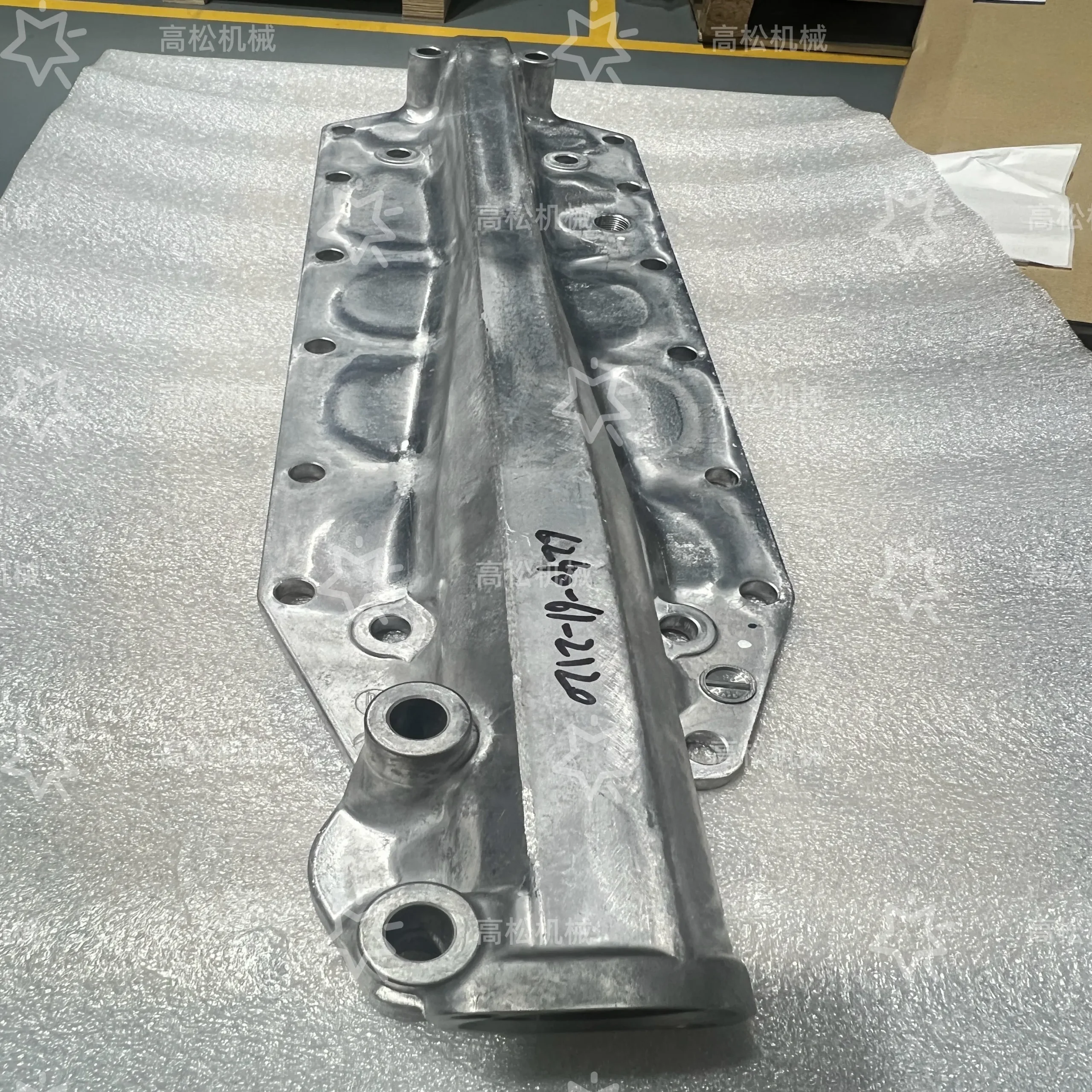 COVER 6240-61-2120 – KOMATSU Part catalog
 -
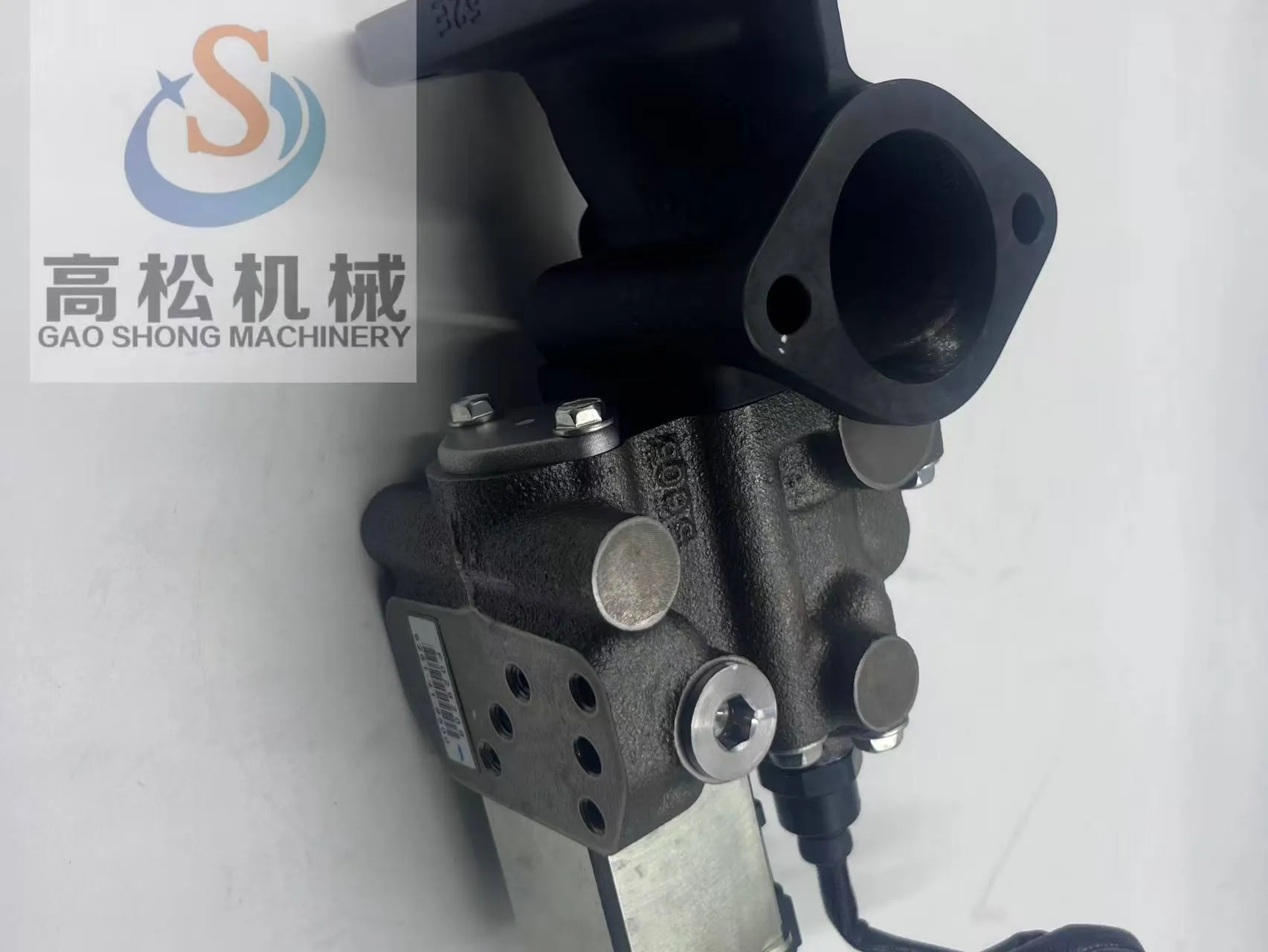 Dump truck HD465-7 valve assembly 6261-41-9500 6261419500